 BokenJapan
Japan / Gunma / Takasaki / See
Sights in Takasaki, Gunma
Takasaki · Gunma · 49 places
See
Hodota Burial Mounds and Kamitsuke no Sato Museum
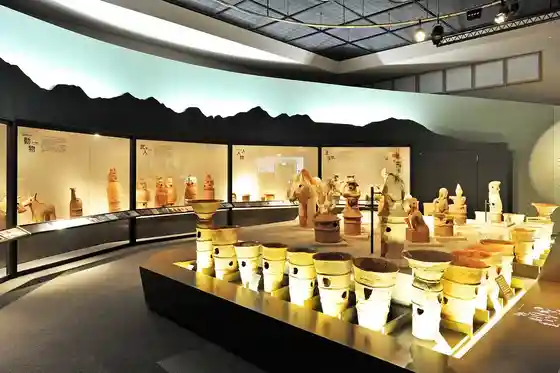
Three 100-meter keyhole tombs where chieftains were buried about 1,500 years ago, plus a haniwa museum.
Cave Kannon, Santoku Memorial Museum and Tokumei Garden
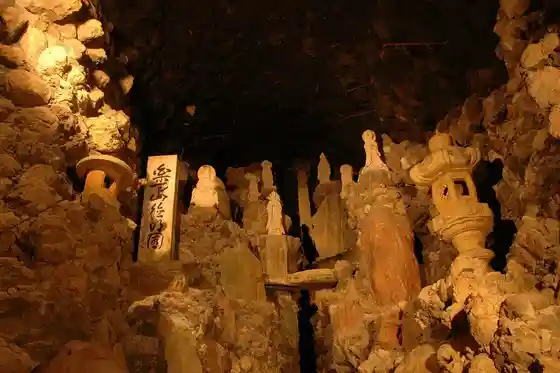
A cave over 400 meters long, built over 50 years, housing 39 granite Kannon statues.
Yakimanju Paradise

This Takasaki sweet tops grilled manju with seasonal local fruit and silk gelato.
Fruit Picking (Takasaki City)
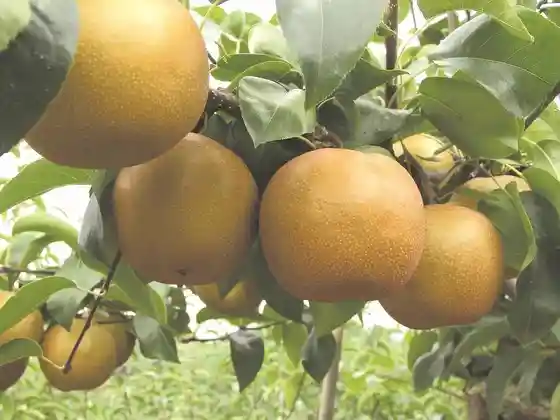
Takasaki's Haruna area, a leading northern Kanto fruit region, offers pear and blueberry picking.
Byakue Daikannon
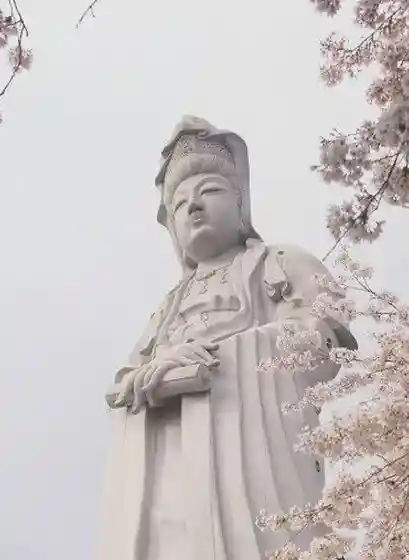
This 41.8-meter, 6,000-ton Kannon, built in 1936, was once called the Orient's largest.
Misato Shibazakura Park
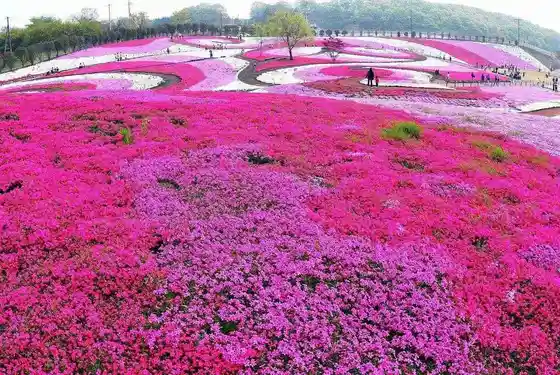
Some 260,000 moss phlox bloom across 2.9 hectares in red, white, and pink patterns.
Otsuka Pharmaceutical Takasaki Factory

It bottles Pocari Sweat, its Ion Water, and Amino-Value drinks.
Daimonya, Hometown of Daruma
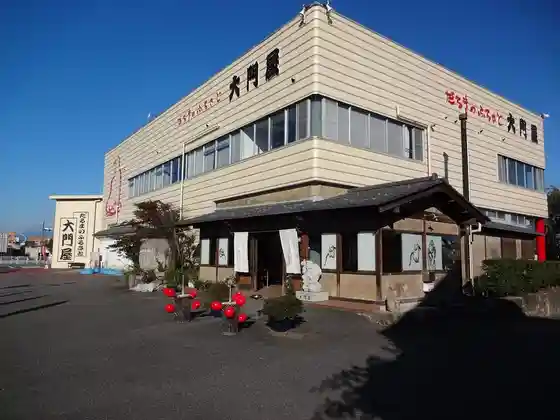
Makes and sells Takasaki daruma; visitors paint the eyebrows and mustache.
Gateau Festa Harada

Manufactures Goute de Roi gateau rusks and offers production-process tours.
Takasaki Denkikan
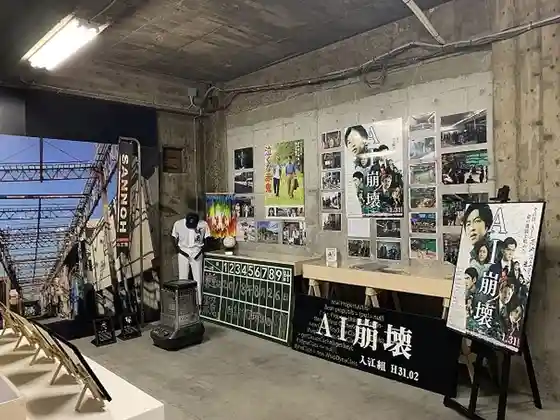
A cinema over 50 years old offers irregular special screenings upstairs and exhibition space downstairs.
Kannonzakura (Okamura & Co.)

Founded in early Showa, this crisp sake uses Yatsugatake spring water and is sold from Takasaki.
Mitsutera Park
A 10.8-hectare park with 800 tall trees, about 13,000 shrubs, and a 2.2-kilometer walk.
Hanakura Rose Garden

This private garden stays open year-round and holds over 2,000 roses of about 300 varieties.
Sunflower Field near Haniwa Village Park (Sunflower Maze)
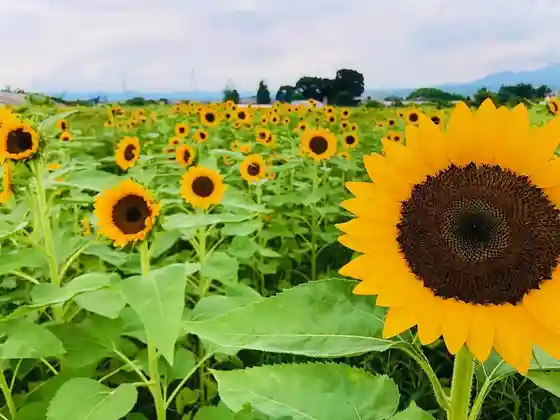
Best viewing is typically from early to mid-August.
Misato Plum Grove
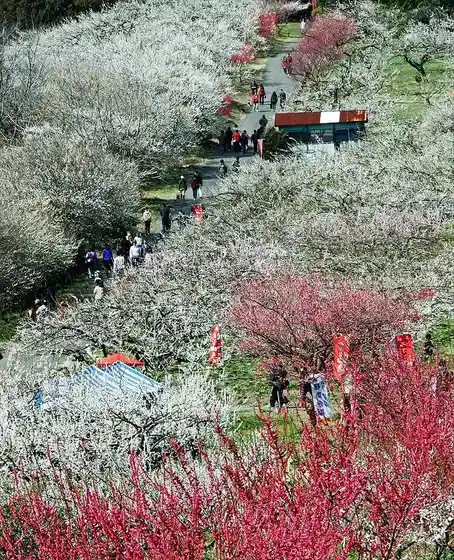
About 100,000 plum trees cover 300 hectares here, with views over the Kanto Plain.
Haniwa Village Cosmos
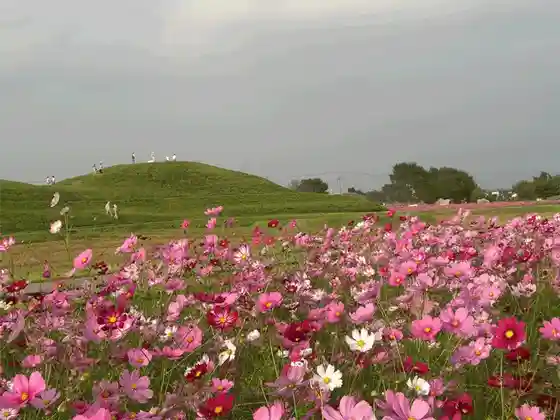
About 300,000 cosmos bloom around Futagoyama burial mound in mid-October.
Hanadaka Viewpoint Flower Hill
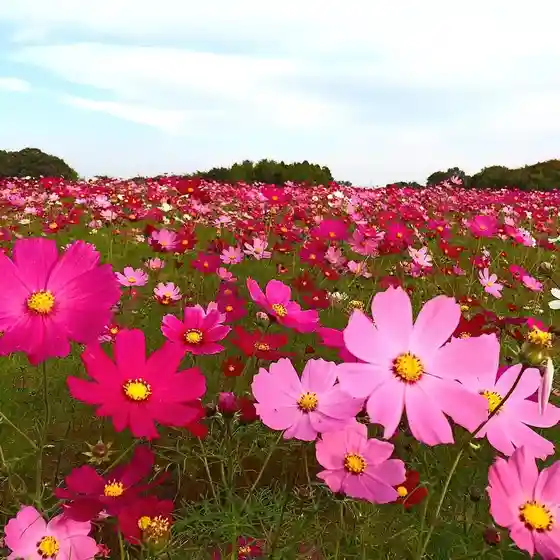
Colorful flowers bloom year-round on Hanadaka hill overlooking Takasaki and the Three Jomo Mountains.
Ogushi Dogtooth Violet Village
Fifty thousand dogtooth violets bloom beside a national road in Ogushi from late March, with a wooden path.
Hamakawa Sports Park (O Nuno Rogaike)
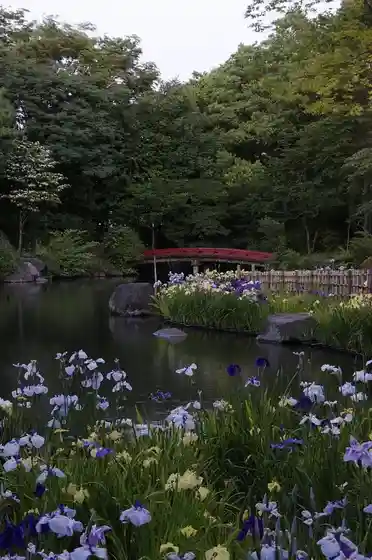
Mount Ushibuse Hydrangea Path
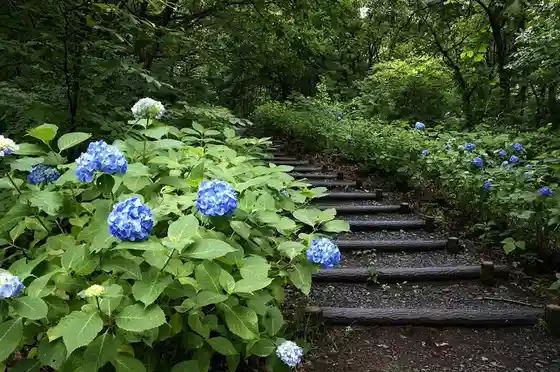
From mid-June to early July, about 1,400 pale-purple flowers line the two-kilometer path to the summit.
Kiyomizu Temple (Hydrangeas)
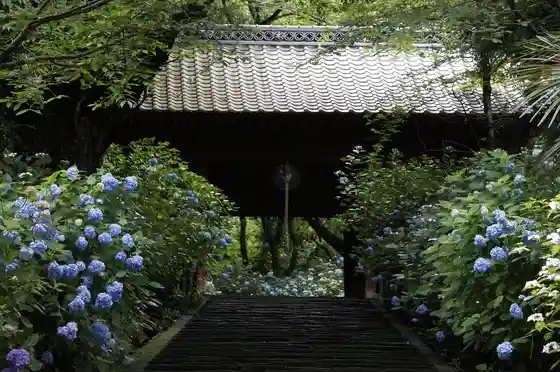
Said to have been founded in 808 by Sakanoue no Tamuramaro, with hydrangeas beside the steps.
Lake Haruna Tote Carriage
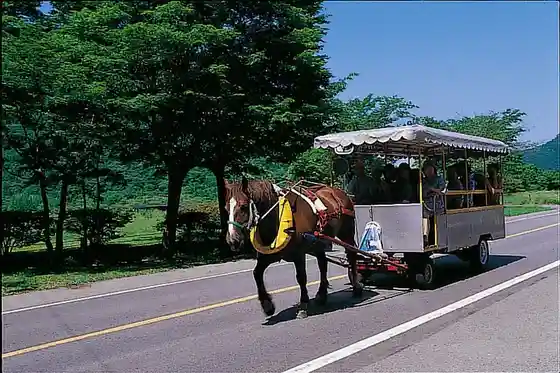
This lakeside carriage, once heralded by a brass trumpet, takes about 20 minutes round trip from Haruna Fuji.
Kamitsuke no Sato Museum
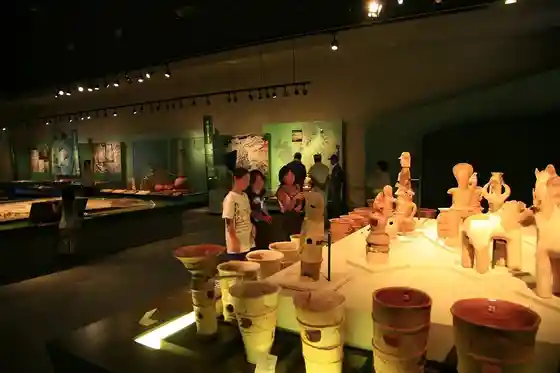
Archaeological museum showing late fifth-century human and animal haniwa and reconstructed models from Mount Haruna's foothills.
Gunma Prefectural Japan Silk Village
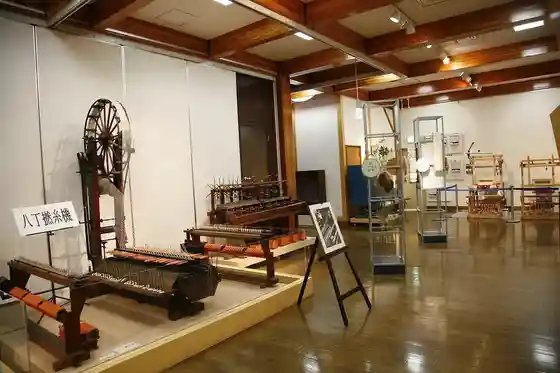
Displays materials on cocoons and raw silk plus Gunma silk products, with workshops about sericulture and silk.
The Museum of Modern Art, Gunma
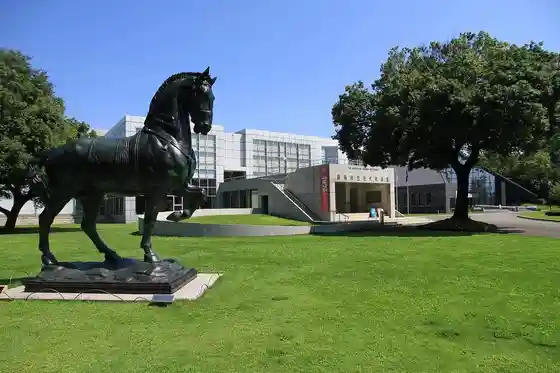
Located in Gunma Forest, it has collected and exhibited Japanese and foreign modern art since opening in 1974.
Gunma Forest Park
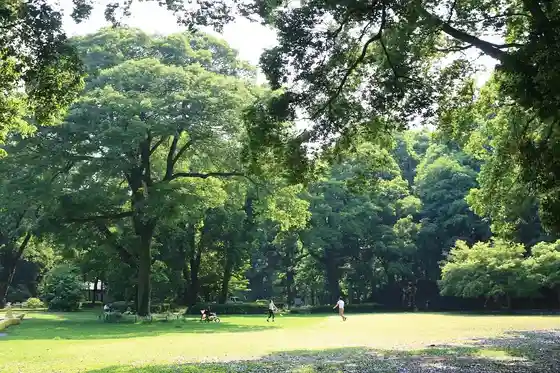
A forest park with large lawns and play areas where visitors can relax surrounded by deep greenery.
Nagano Weir Irrigation Canal
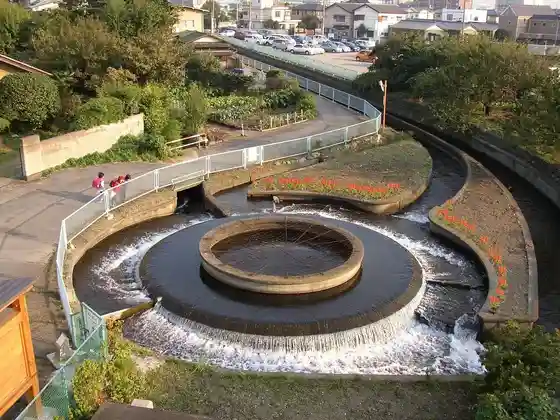
Gunma's second ICID World Heritage Irrigation Structure, registered after Ogawa Weir in Kanra.
Minowa Castle Ruins
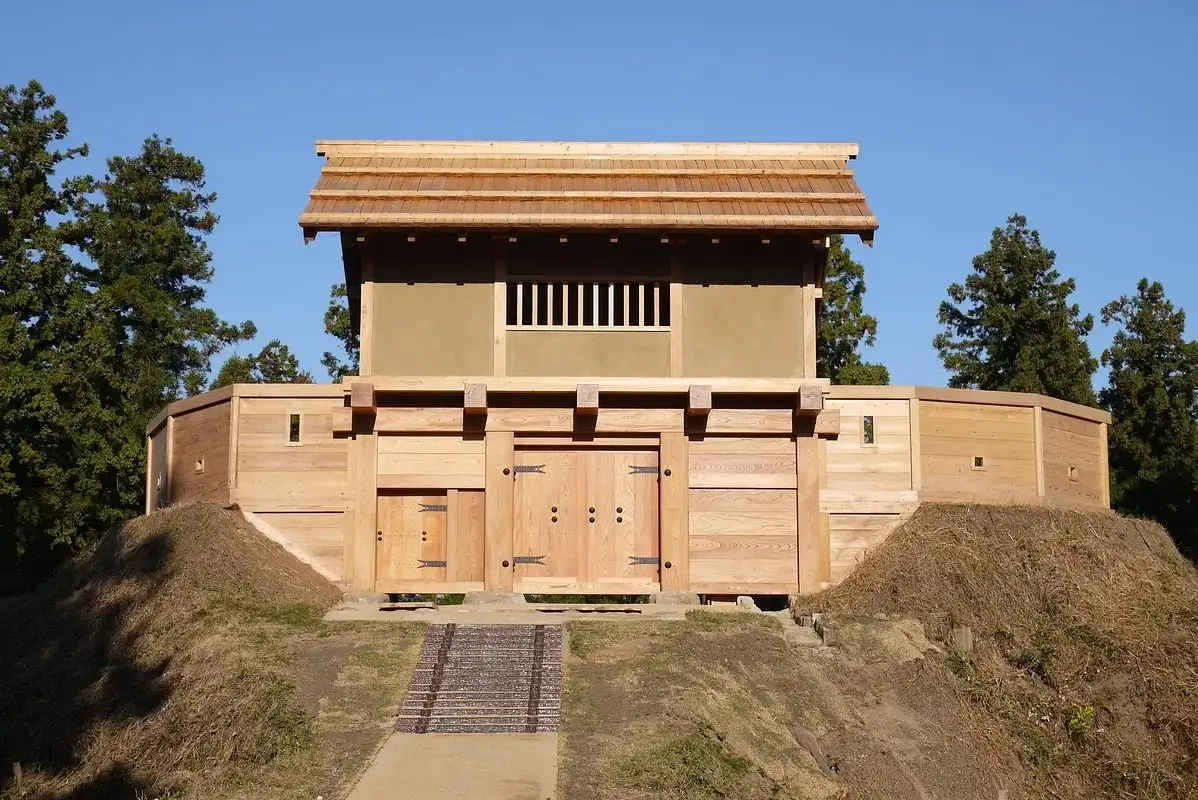
A national historic site and one of Japan's 100 Famous Castles, noted for its moats and entrances.
Lake Haruna
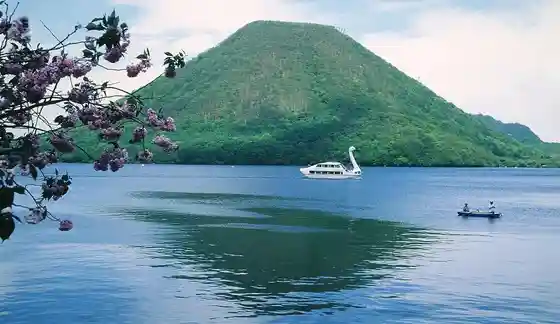
A caldera lake formed by Mount Haruna's eruption, colored by seasonal flowers and autumn foliage.
Haruna Shrine
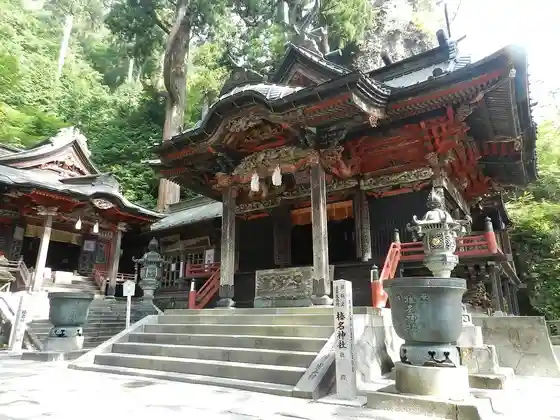
Said to have been founded about 1,400 years ago among strange rocks and old cedars.
Mount Haruna
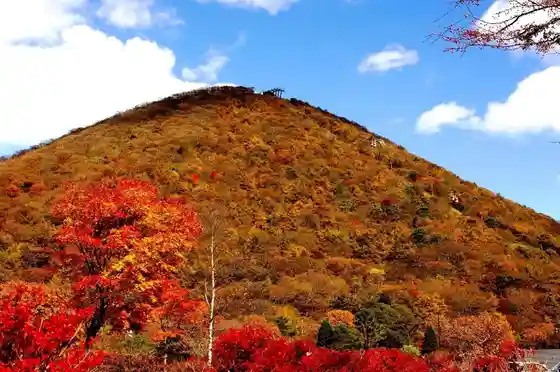
A compound volcano of the Jomo Three Mountains, with conical Haruna Fuji and Lake Haruna.
Sanuki Udon Menichi
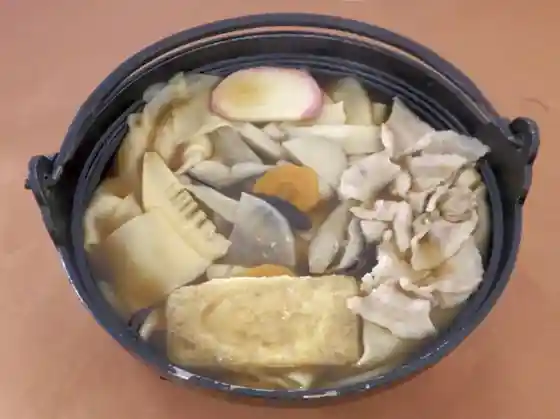
This noodle specialist serves slippery wide okkirikomi and popular himokawa udon.
Kappo Sawa

This calm Japanese restaurant is about five minutes from Takasaki Station's west exit.
Donguri Food Workshop
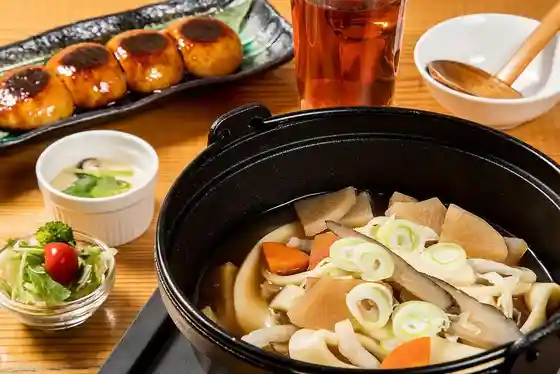
About ten minutes on foot from Takasaki-Tonyamachi Station, with private rooms, lunch, and banquets.
Mount Haruna Ropeway
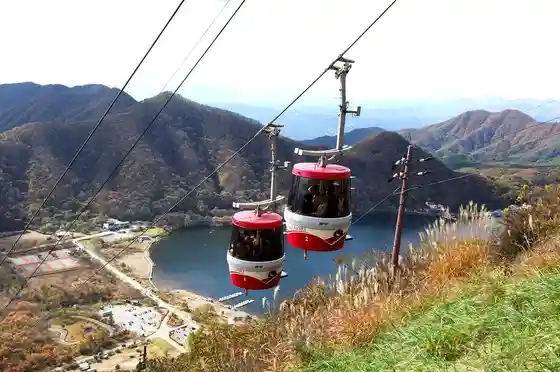
Japan's first fifteen-person twin gondola rises from Lake Haruna to Haruna Fuji in about three minutes.
Takasaki Jiman

A Takasaki OPA corner sells strictly selected local vegetables, fruit, sweets, and processed foods.
Gunma Prefectural Tsuchiya Bunmei Memorial Museum of Literature
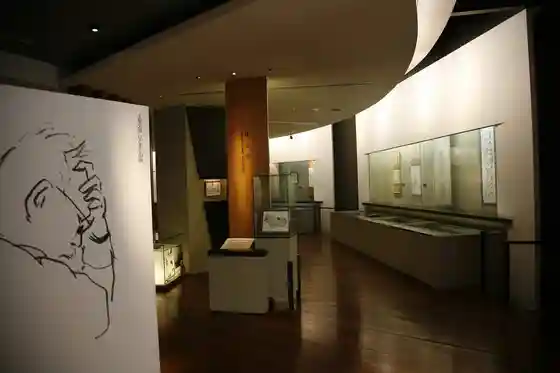
It honors local tanka poet Tsuchiya Bunmei and collects literary materials connected with Gunma.
Takasaki White-Robed Great Kannon
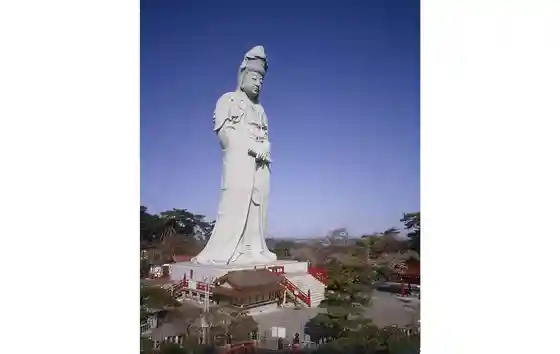
Built in 1936, this white-robed Kannon stands about 41.8 meters tall, overlooks Takasaki, and can be climbed.
Gunma Prefectural Museum of History
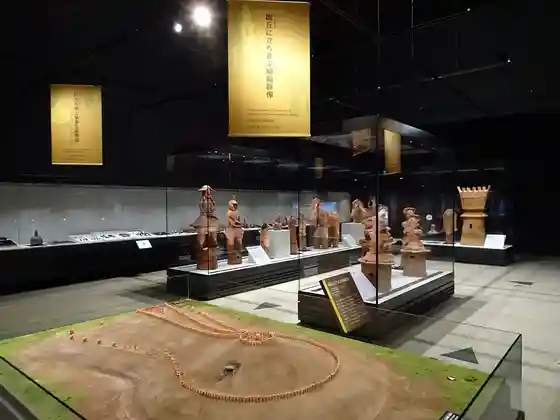
History museum rich in Gunma materials, including National Treasure Watanuki Kannonyama finds, films, and models.
Kannonyama Tumulus Historic Site
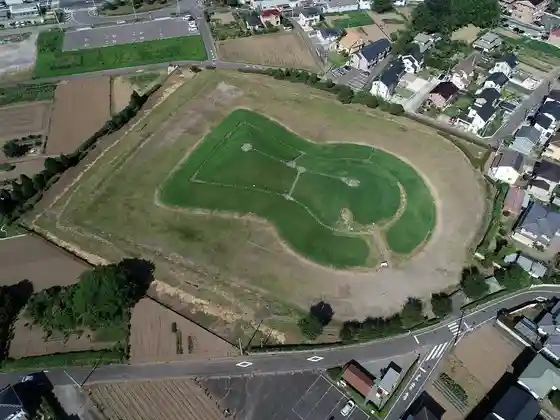
Large 97-meter keyhole tomb over 1,400 years old; grave goods and haniwa were designated National Treasures in 2020.
Yoshii Central Park
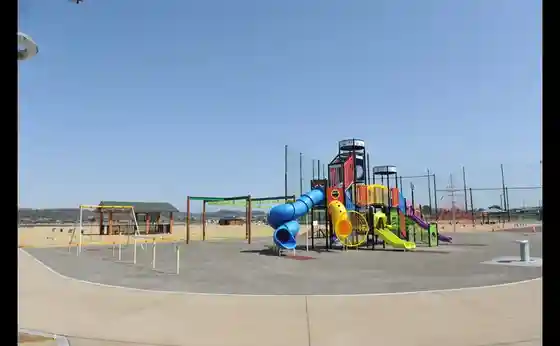
Opened in 2021 with lawn sports space, split playgrounds, and disaster-use stove benches.
Gunma Prefectural Kannonzan Family Park
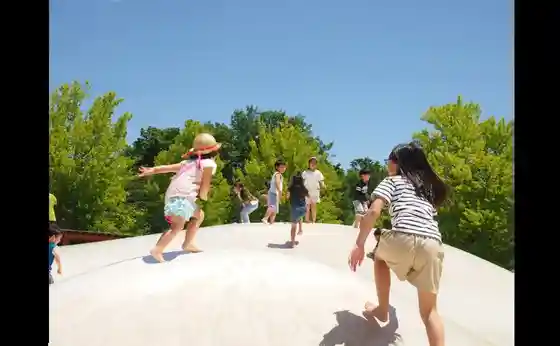
A family park on Kannonzan hills with large lawns, water play, and a 62-meter slide.
Gunma Prefectural Park IDEA Gunma Forest
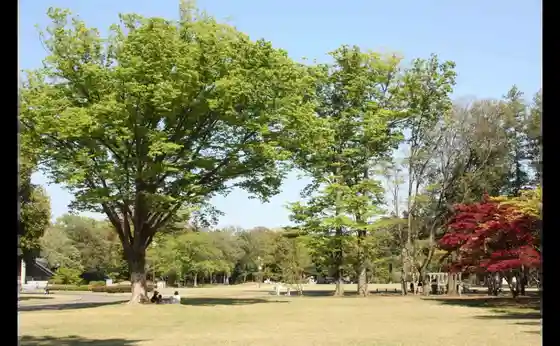
A quiet forest park with lawns, playgrounds, walking paths, and a course for walking dogs.
Kannonzan Park
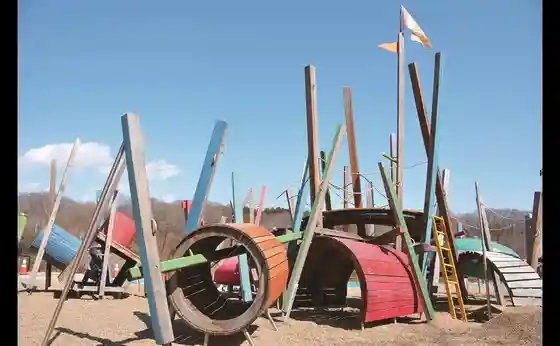
An experiential park on Kannonzan hills with creative playgrounds, picnic lawns, and summer pools.
Hamakawa Sports Park
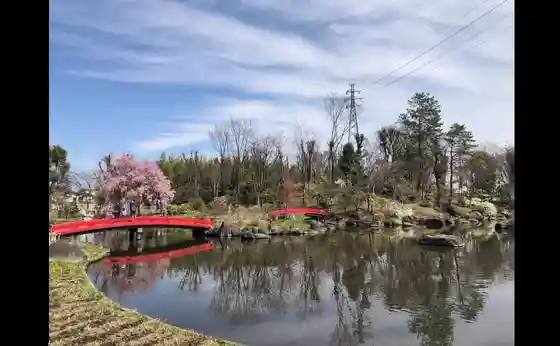
A 19.2-hectare riverside sports park with an athletic field, gym, pool, and playgrounds.
Haruna Prefectural Park
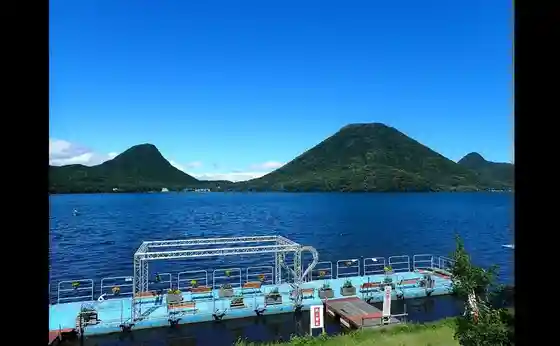
A park of about 395 hectares including Lake Haruna, known for daylily colonies and boating.
Kurabuchi Seseragi Park
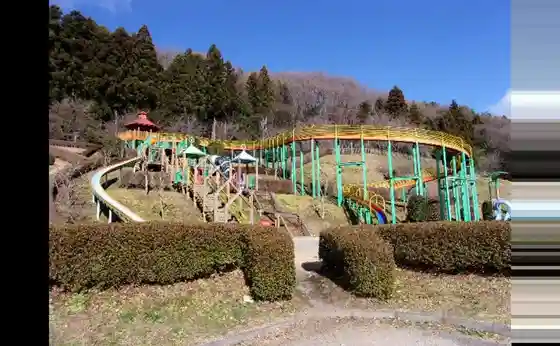
A hillside park by the Aimagawa with a loop roller slide about 94 meters long.
Private Sauna Zero

Private rooms let you enjoy an unhurried sauna and add steam at your own timing.
Hasuya Kannonyama
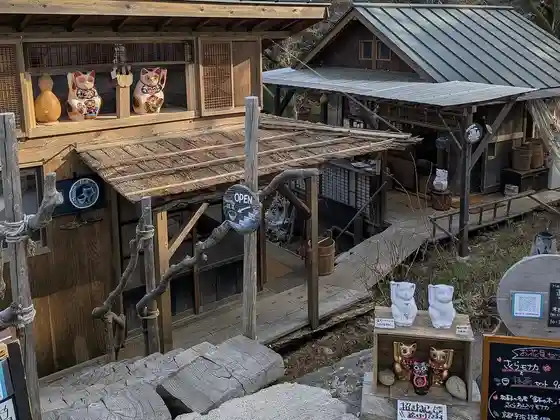
A matcha cafe below Takasaki Byakue Kannon offering seasonal dishes and beckoning-cat painting.