 BokenJapan
Japan / Iwate / Hiraizumi / See
Sights in Hiraizumi, Iwate
Hiraizumi · Iwate · 22 places
See
Daimonji Campsite
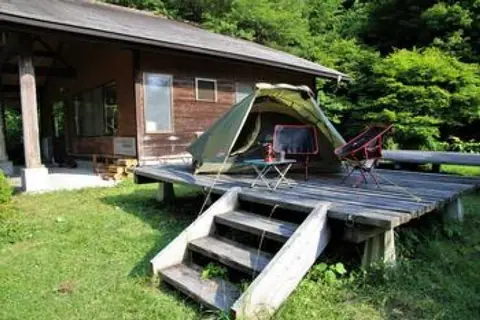
A quiet campground surrounded by nature. Weather permitting, you can view the stars in the sky at night.
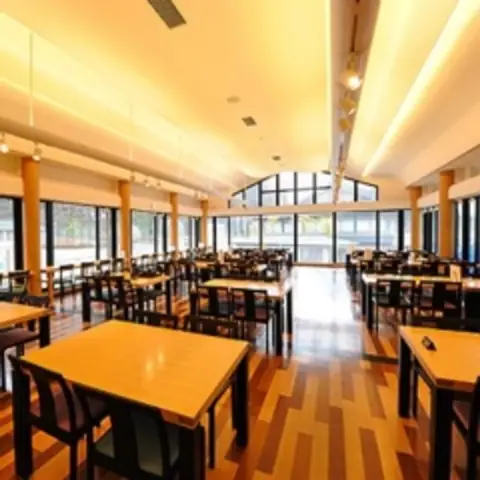
Restaurant Gen
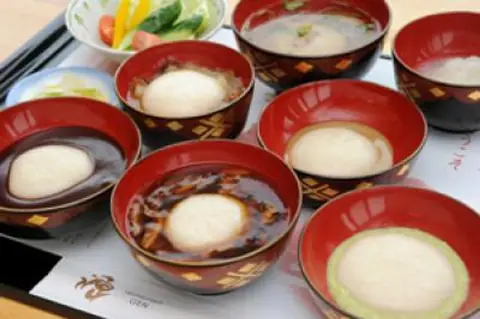
Restaurant Gen is located in front of Chusonji Temple and Tsukimizaka.
Hiraizumi Rest House
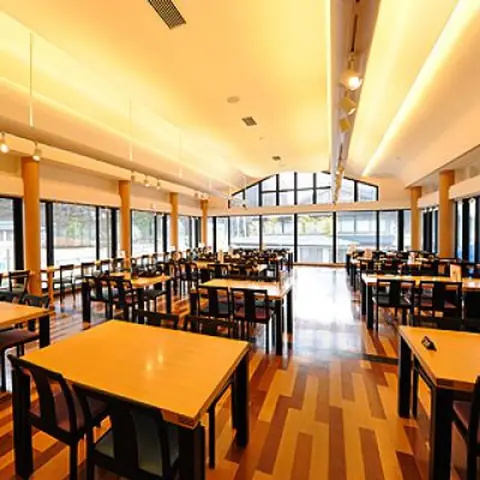
A resting place in front of the gate of Chusonji Temple in Hiraizumi.
Lala Iwate Hiraizumi Shop
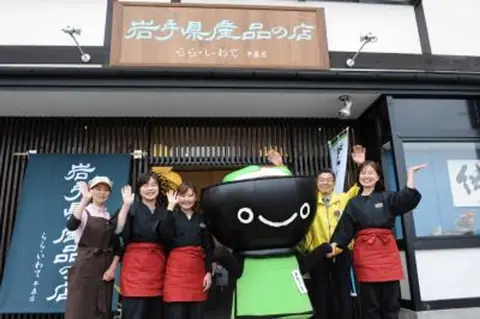
Located in front of Tsukimizaka, this is a shop selling local products that you can easily stop by.
Benkei Chikaramochi (Local Sweet)
This is the signature sweet from Yoshinoya, a long-established confectionery shop in Hiraizumi town that has been in business since 1919.
Iwate Prefectural Hiraizumi World Heritage Guidance Center
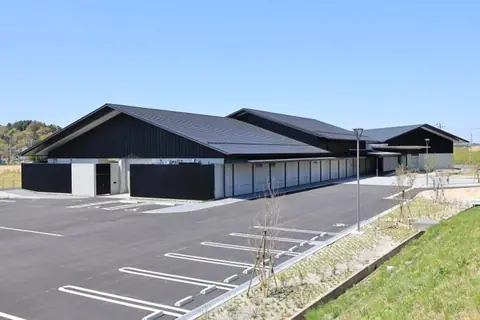
Iwate Prefectural Hiraizumi World Heritage Guidance Center
Hiraizumi Dagashi (Old-Style Sweets)
These are old-fashioned handmade sweets made using local bean flour from Hiraizumi.
Hiraizumi [World Heritage Site]
![Hiraizumi [World Heritage Site]](/media/hiraizumi-s60641.webp)
, are the first cultural heritage sites in Tohoku to be registered as World Heritage sites.
Motsuji Pure Land Garden [World Heritage Site]
![Motsuji Pure Land Garden [World Heritage Site]](/media/hiraizumi-s5412.webp)
Motsuji Pure Land Garden [World Heritage Site]
Hiraizumi Cultural History Museum
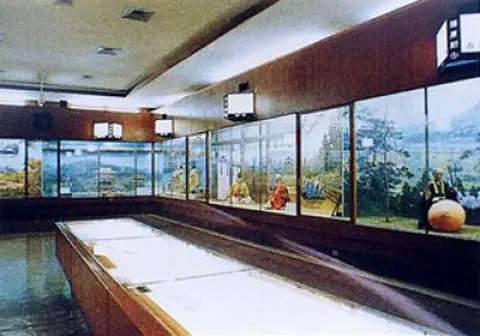
This is a museum located at the main entrance of Chusonji Temple that introduces the glory of Hiraizumi, the golden Buddhist capital, and Hiraizumi during the Date period.
Yanagi no Gosho ruins
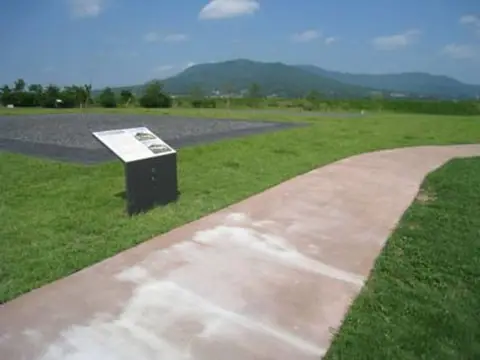
The Yanaginogosho ruins, which are said to have been built by the first generation Kiyohira and redeveloped by the third generation Hidehira, are highly likely to correspond to Heisenkan (government office).
Chusonji Temple [World Heritage Site]
![Chusonji Temple [World Heritage Site]](/media/hiraizumi-s4911.webp)
This is the main temple of the Tendai sect of Buddhism in the Tohoku region.
Hakusan Shrine
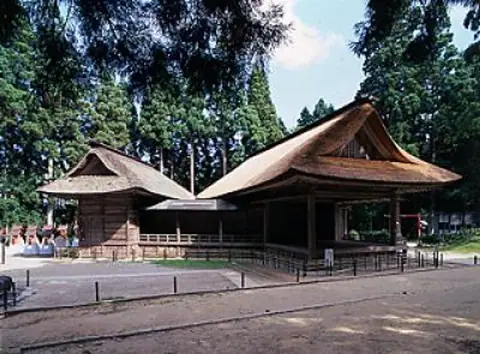
There is an outdoor Noh stage that is designated as a nationally designated important cultural property.
Takkoku no Iwaya Bishamon-do Hall
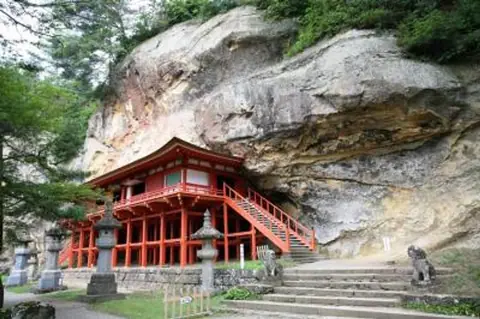
Even before Kiyohira settled in Hiraizumi, several temples had already been built in and around Hiraizumi.
Kanjizaio-in Temple Ruins [World Heritage Site]
![Kanjizaio-in Temple Ruins [World Heritage Site]](/media/hiraizumi-s5030.webp)
Kanjizaio-in Temple Ruins [World Heritage Site]
Takadate Gikeido
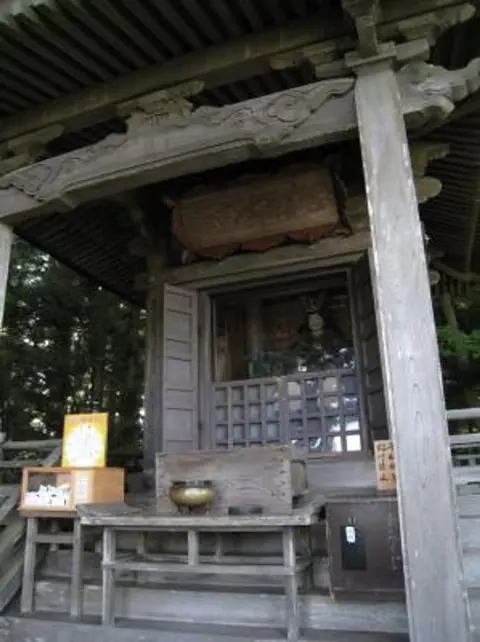
Takadachi is a hill located to the east of Chuson-ji Temple, and is also called Hangandate.
Motsuji Temple [World Heritage Site]
![Motsuji Temple [World Heritage Site]](/media/hiraizumi-s5368.webp)
Motsu-ji Temple, a separate head temple of the Tendai sect, is called Iiozan (Mt.
Muryokoin Ruins [World Heritage Site]
![Muryokoin Ruins [World Heritage Site]](/media/hiraizumi-s4660.webp)
Muryoko-in Temple, built by the third generation Hidehira, is modeled after the Phoenix Hall at Uji Byodo-in Temple.
Jogyodo Hall
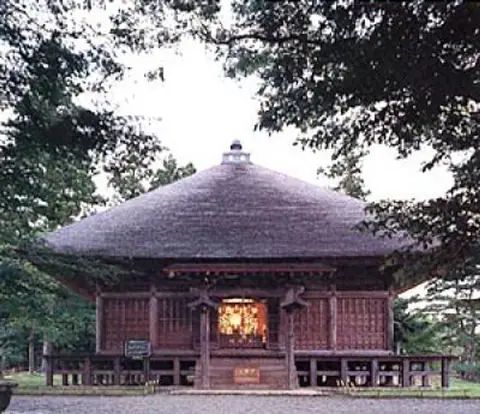
This hall was rebuilt in 1732 by Date Yoshimura, the feudal lord of Sendai.
Basho Haiku Monument
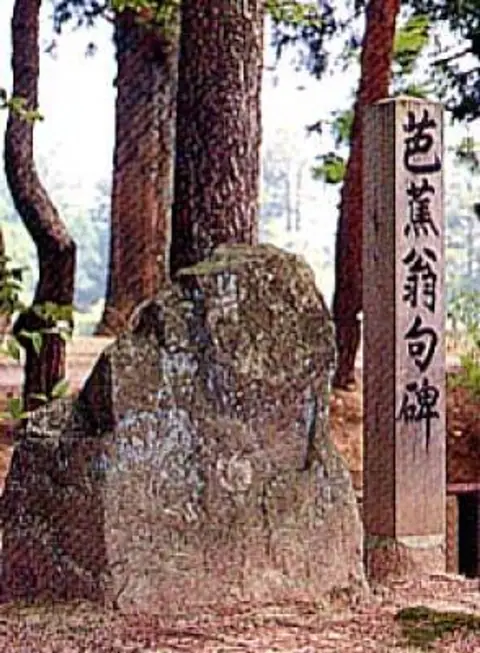
Basho, who visited this place in May of the second year of Genroku (1689), composed the following poem in memory of the unfortunate Lord and Servant Yoshitsune.
Saigyo Sakura Forest
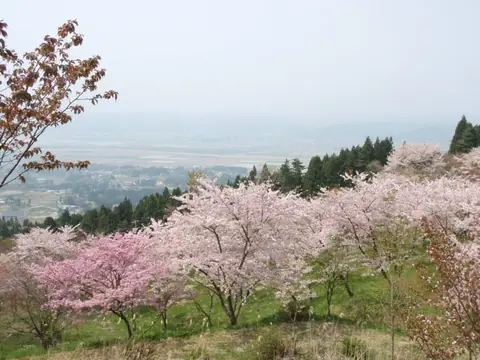
This is a famous spot for cherry blossoms that was once written about in a poem by Saigyo, saying, "The cherry blossoms of Mt.
Kinkeisan [World Heritage Site]
![Kinkeisan [World Heritage Site]](/media/hiraizumi-s4045.webp)
Mount Kinkeisan is an elegant cone-shaped mountain. According to legend, Hidehira built the mountain in a single night by having laborers carry stones as far as the Kitakami River, and buried a pair of golden chickens.