 BokenJapan
Japan / Iwate / Iwate Town / See
Sights in Iwate Town, Iwate
Iwate Town · Iwate · 18 places
See
Machi no Eki Yoriju
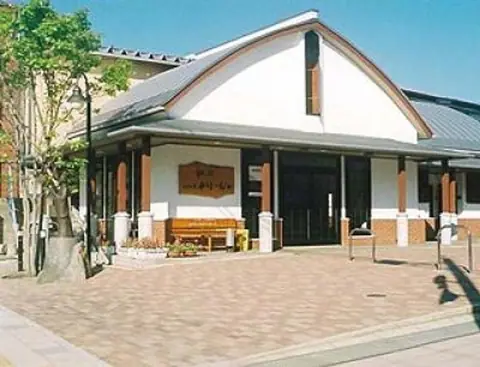
The town station "Yoriju" is one of the four stations in Iwate Town that work together to revitalize the town.
Iwate-machi Yaki Udon

Is it possible to provide children with delicious food that will remain in their hearts using fresh and delicious vegetables and meat that Iwate Town is proud of?
Nishida Shokudo
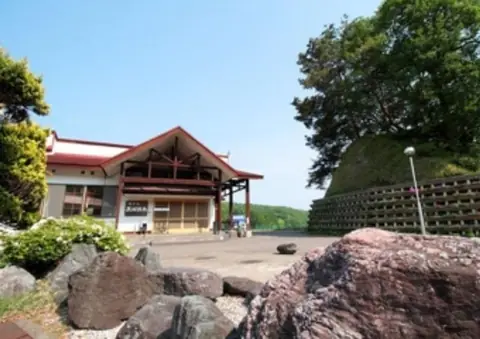
Nishida Shokudo, famous for its handmade soba noodles, is less than a minute's walk from the Numamiyachi Elementary School bus stop.
Spur Wine

This wine is made from blueberries nurtured by the nature of Iwate.
Numakunai Koma Dance
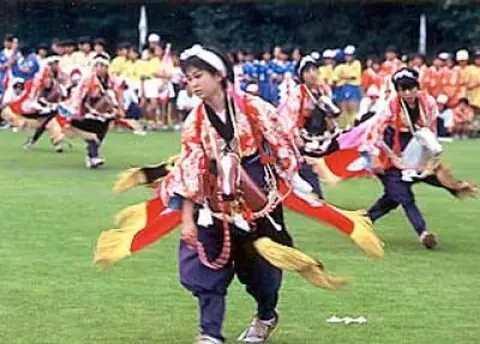
The Koma-dori in Numamiya was completed in around 1935 by Mr.
Tando River Gorge
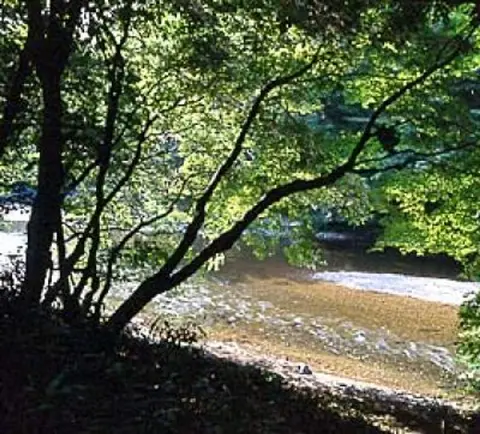
Surrounded by dense forest, there are 8km of walking trails.
Oku no Arashiyama
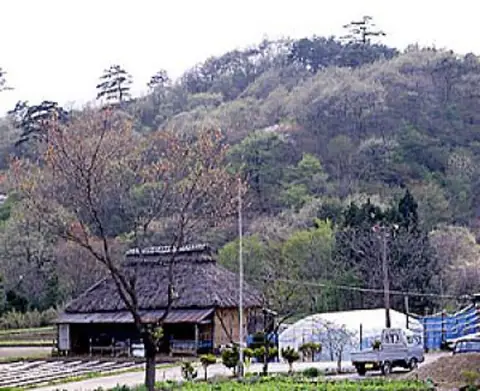
This course is a nature trail with a total length of 8.9 km from Kawahara Shinden in Iwate Town to Numamiyachi Inari Shrine.
Akiura Daimyo Procession
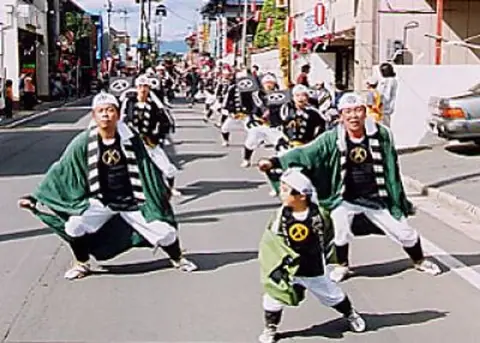
It is said that when the lord of Kawaguchi Castle himself participated in the Inari Shrine festival, it was a formal procession of 400 koku, and now it has become a tourist attraction and is popularly known as "Dokkoi" at the Kawaguchi Toyojo Inari Shrine…
Ukishima Burial Mounds
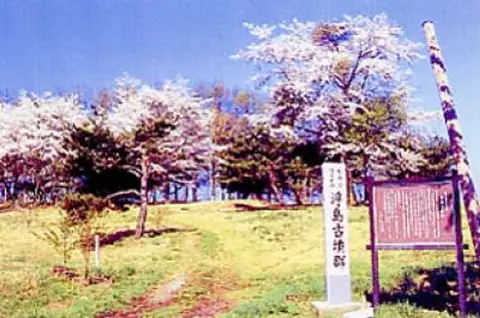
A small round mounded tomb in the style of a clay bun built from the late Nara period to the early Heian period.
Kawaguchi Fox Dance
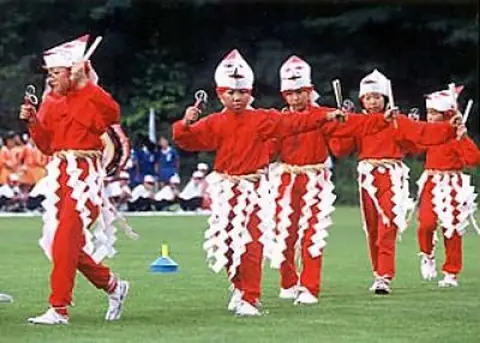
The Kawaguchi Fox Dance is also called Inari Kagura, and the fox symbolizes the use of Inari Daimyojin.
Tendai sect Kitakamiyama Shintsuhoji Shogaku-in (Mido Kannon-do)
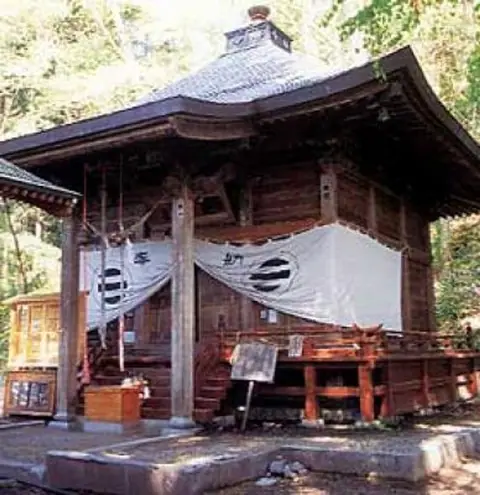
Tendai sect Kitakamiyama Shintsuhoji Shogaku-in (Mido Kannon-do)
Iwate Town Sculpture Park
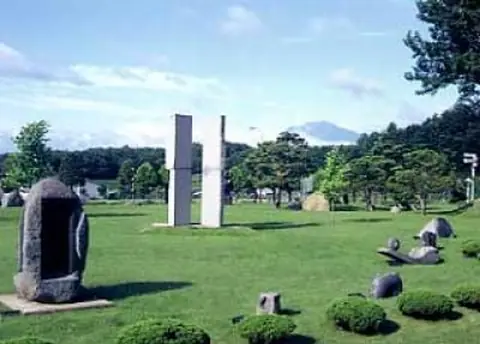
The Iwate Town International Stone Sculpture Symposium, which began in 1971, has been enriched with each successive event, and the works produced there are placed mainly in the Iwate Town Sculpture Park, bringing joy to the hearts of visitors.
Ishigami no Oka Art Museum
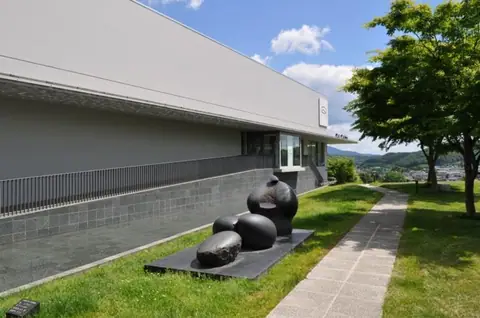
Opened in 1993 as the first outdoor sculpture museum in Iwate Prefecture.
Itsukaichi Shishi Odori
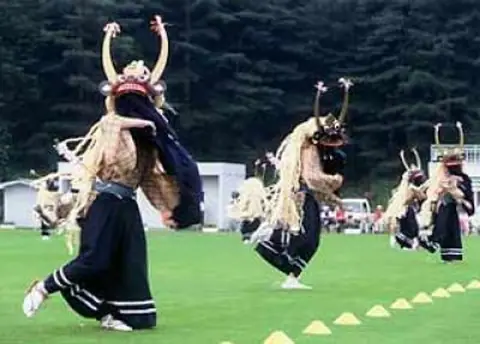
Itsukaichi's Shishi Odori is a curtain-style dance (the curtain is shaken from the inside), and is performed on festival days at Inari Shrine.The dance begins within the grounds of the shrine, and then goes around the town as part of the festival procession.
Imamatsu Pit-Dwelling Ruins
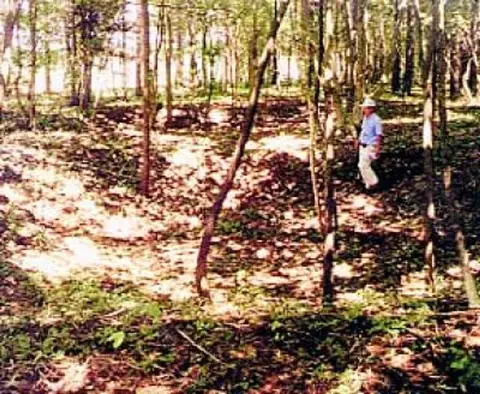
Remains of a residence from the late Nara period. It was found that they already ate rice as their staple food and used iron tools, and many grave goods were unearthed from the ruins of their dwellings.
Numakunai Seven Dances
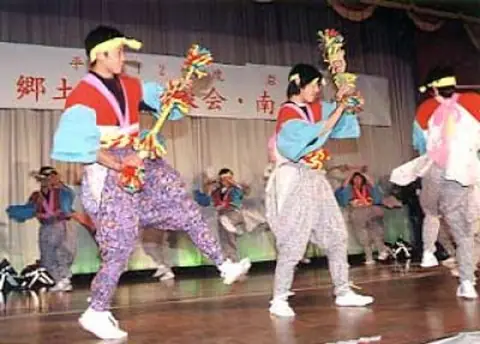
It was originally handed down in the Shinmachi district of Numamiya, but it is said that when Inari Shrine was moved from the former Midomura Kawabaraki area to its current location, the area of tradition was moved from the Shinmachi district to the…
Kitakami River Source / Iwatemachi River Station
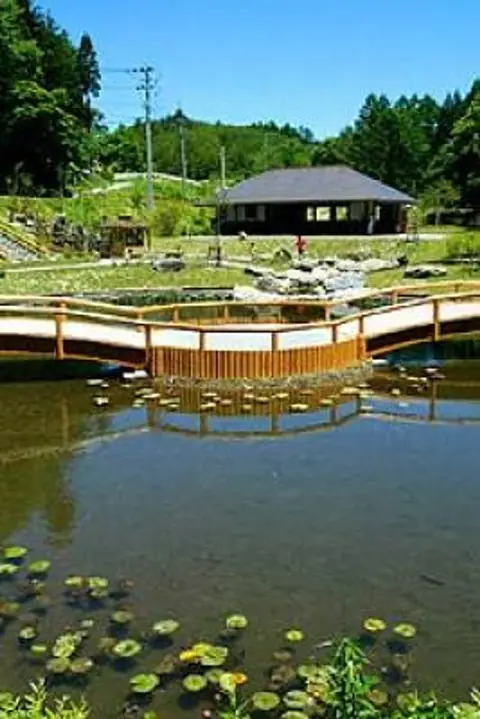
Kitakami River Source/Iwatemachi River Station
Iwate Regional Exchange Center Plaza Ai

Iwate Regional Exchange Center “Plaza Ai”