 BokenJapan
Japan / Kanagawa / Odawara / See
Sights in Odawara, Kanagawa
Odawara · Kanagawa · 52 places
See
Odawara Castle Ruins Park
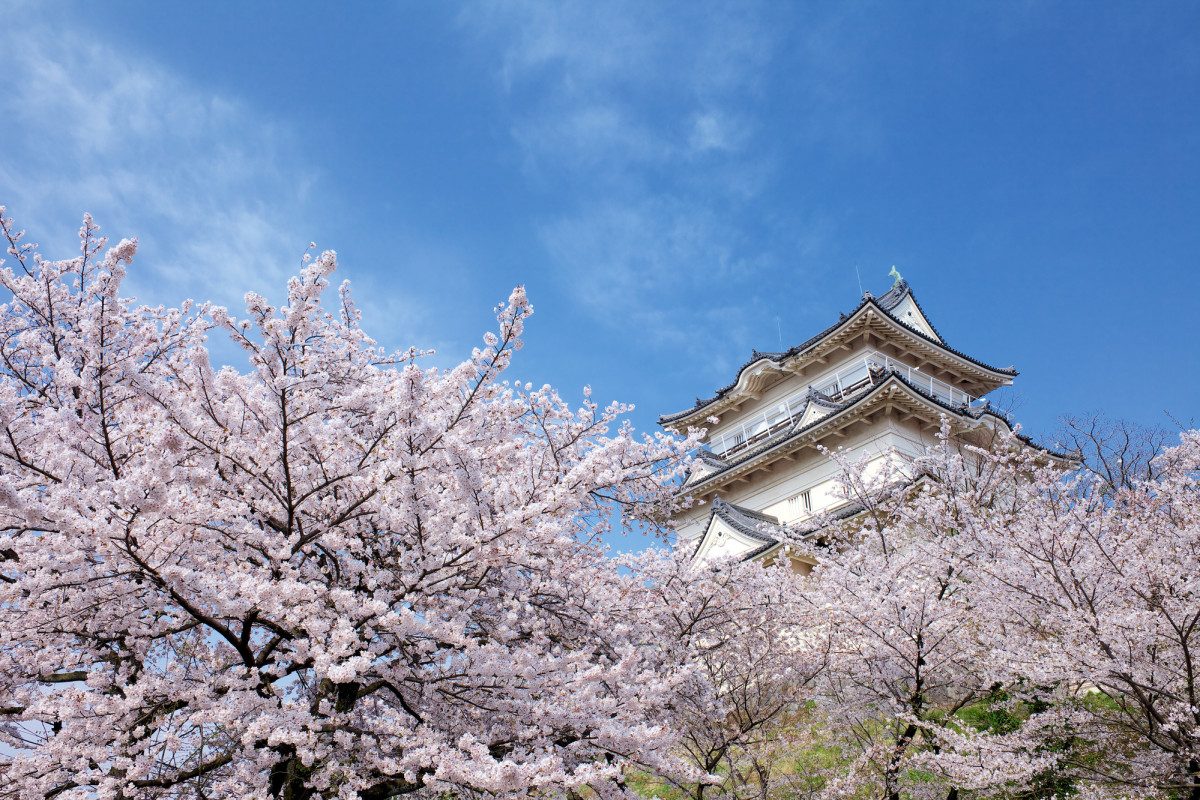
Castle ruins park with keep exhibits, observation deck, samurai and ninja halls, seasonal flowers, and an amusement park.
Hotoku Ninomiya Shrine
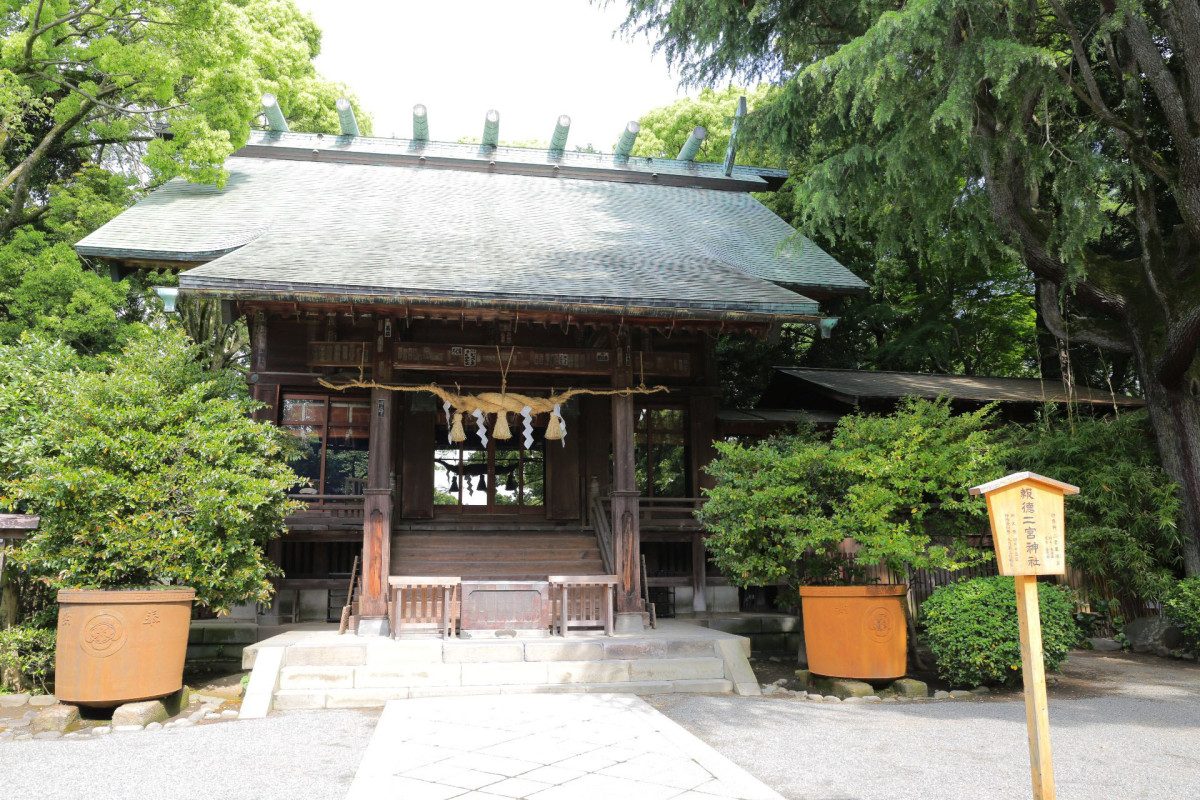
Shrine enshrining Ninomiya Sontoku, born in Odawara, who worked to revive farming villages in many regions.
Ishigakiyama Castle
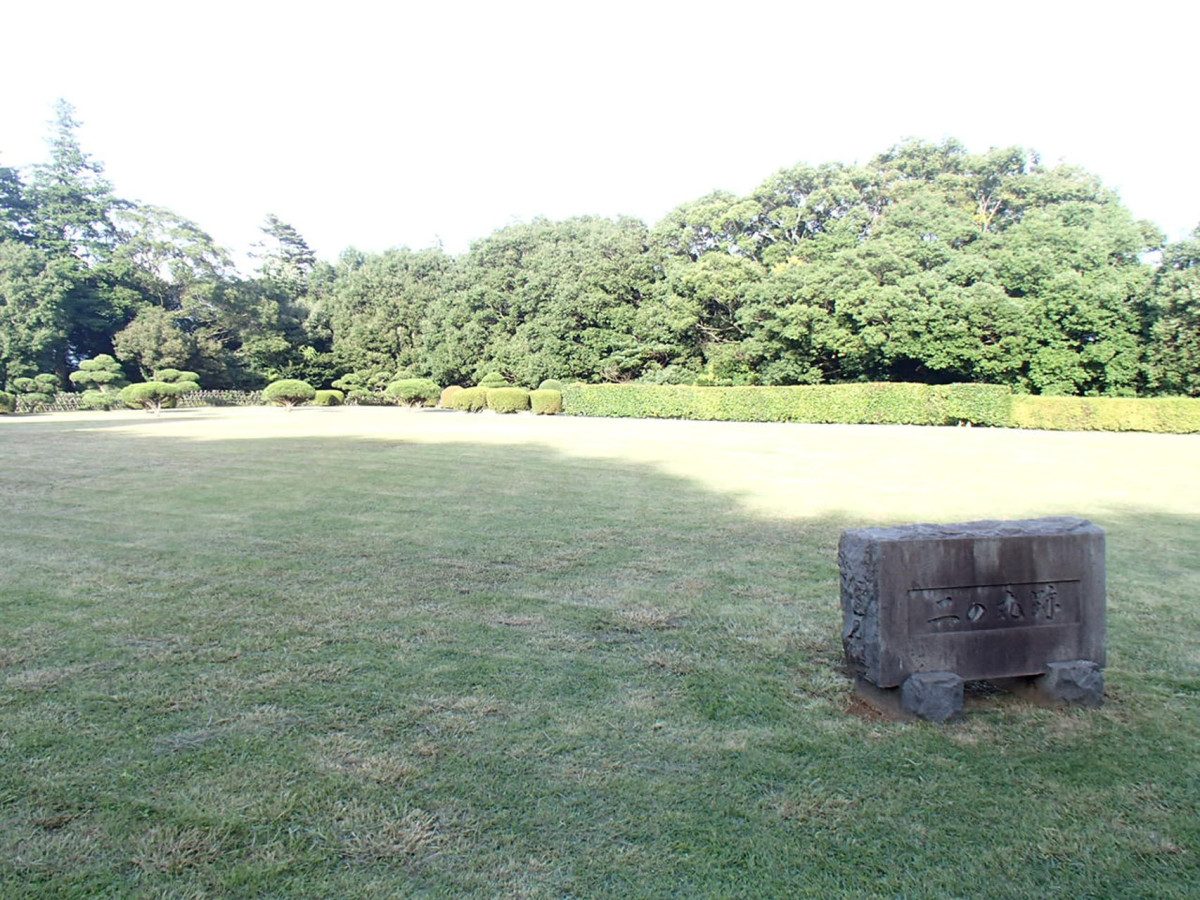
Hideyoshi built a fully stone-walled castle in 1590 as his Odawara siege headquarters. National park area and national historic site.
Odawara Castle
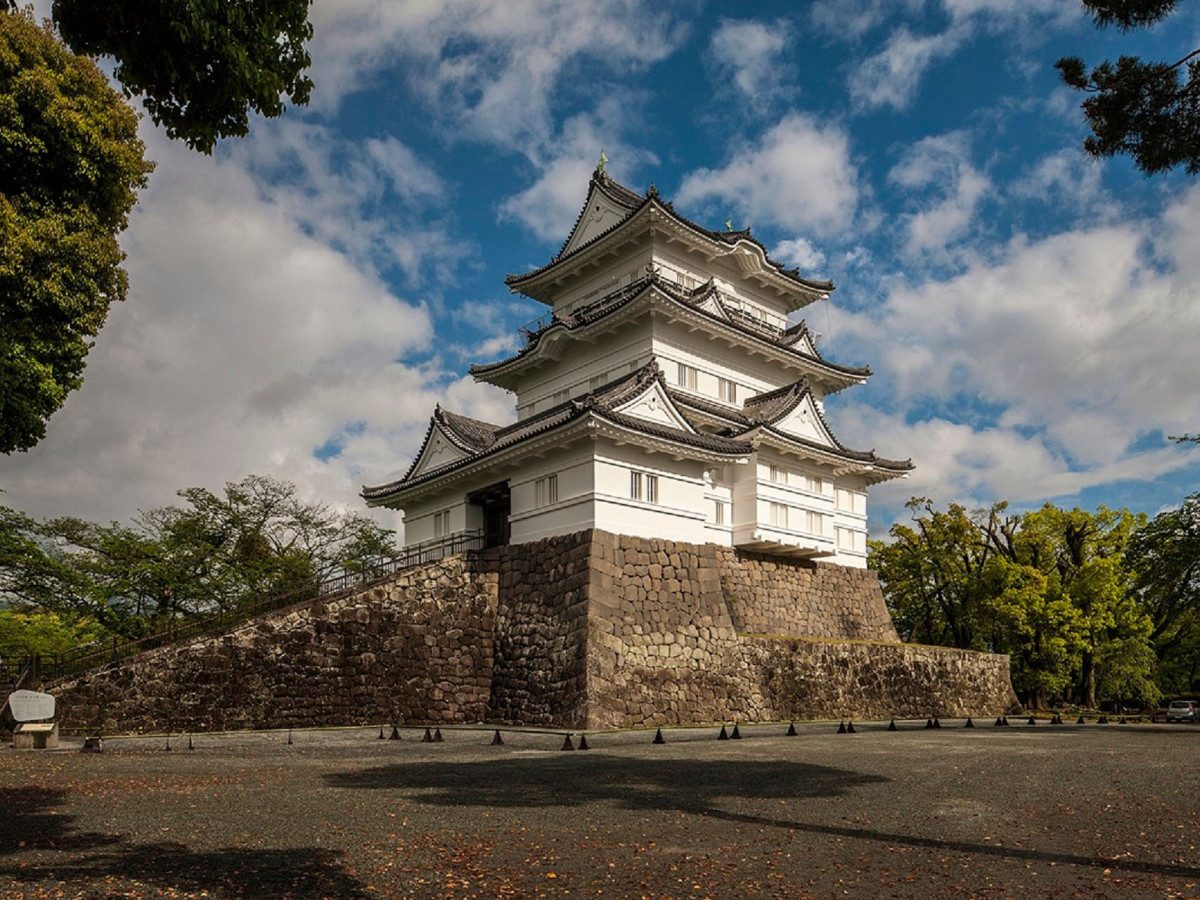
National historic site; keep presents castle history and top deck overlooks Sagami Bay.
Soga Shrine
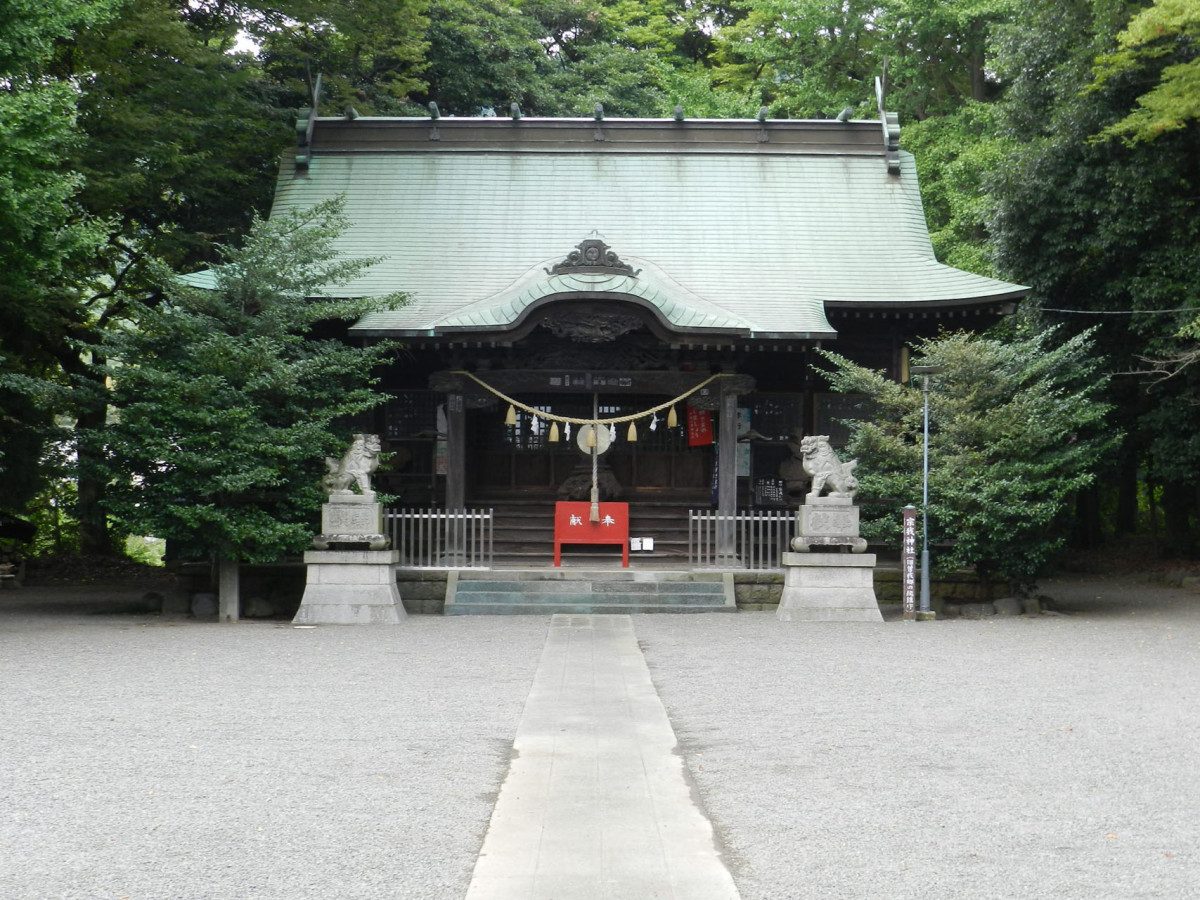
Said to be founded in 1028 by Soga Harima no Kami Yasuyoshi, enshrining Soga ancestors; Soga's main shrine since Meiji.
Chokozan Shotai-ji
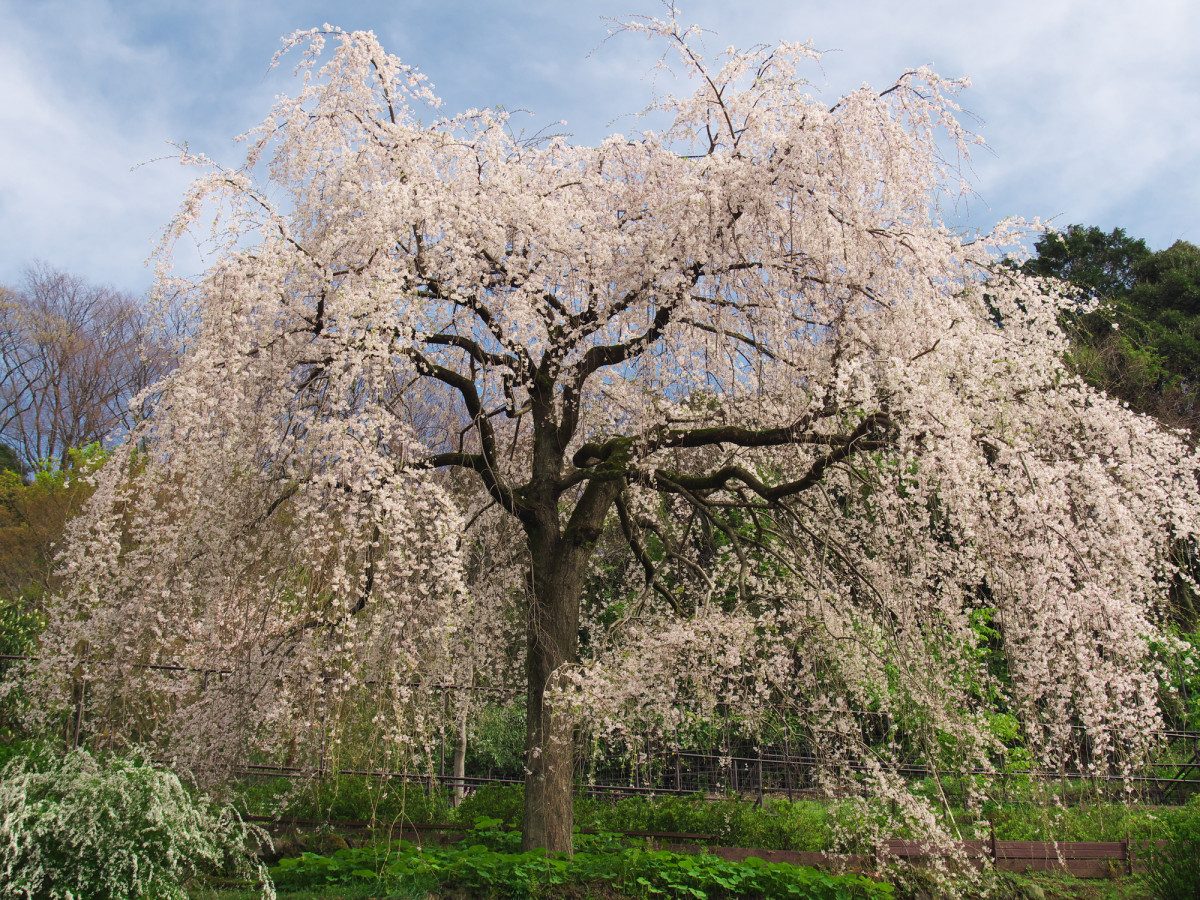
About 360-year-old weeping cherry reportedly planted by Inaba Masanori, an Odawara City natural monument.
Suzuhiro Kamaboko Museum
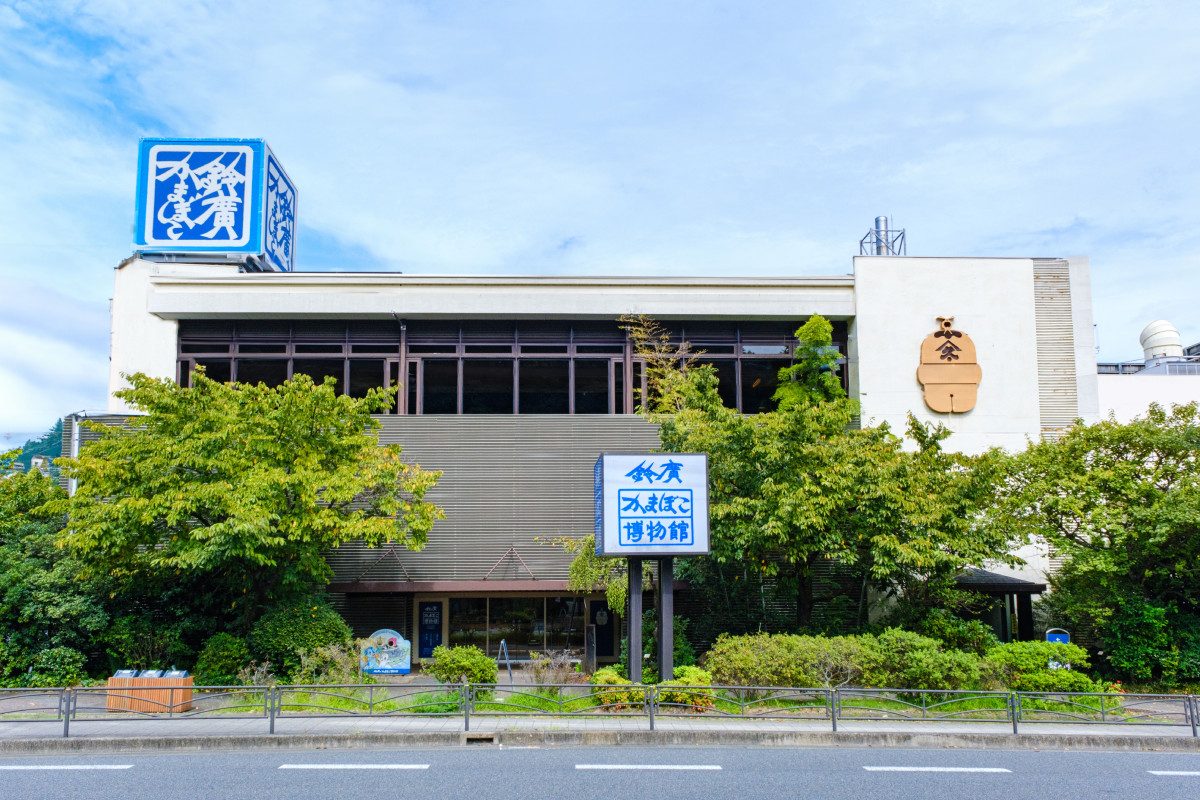
Hands-on exhibits on fish cake history and nutrition, craftsman viewing, and making classes.
Kanagawa Prefectural Museum of Natural History
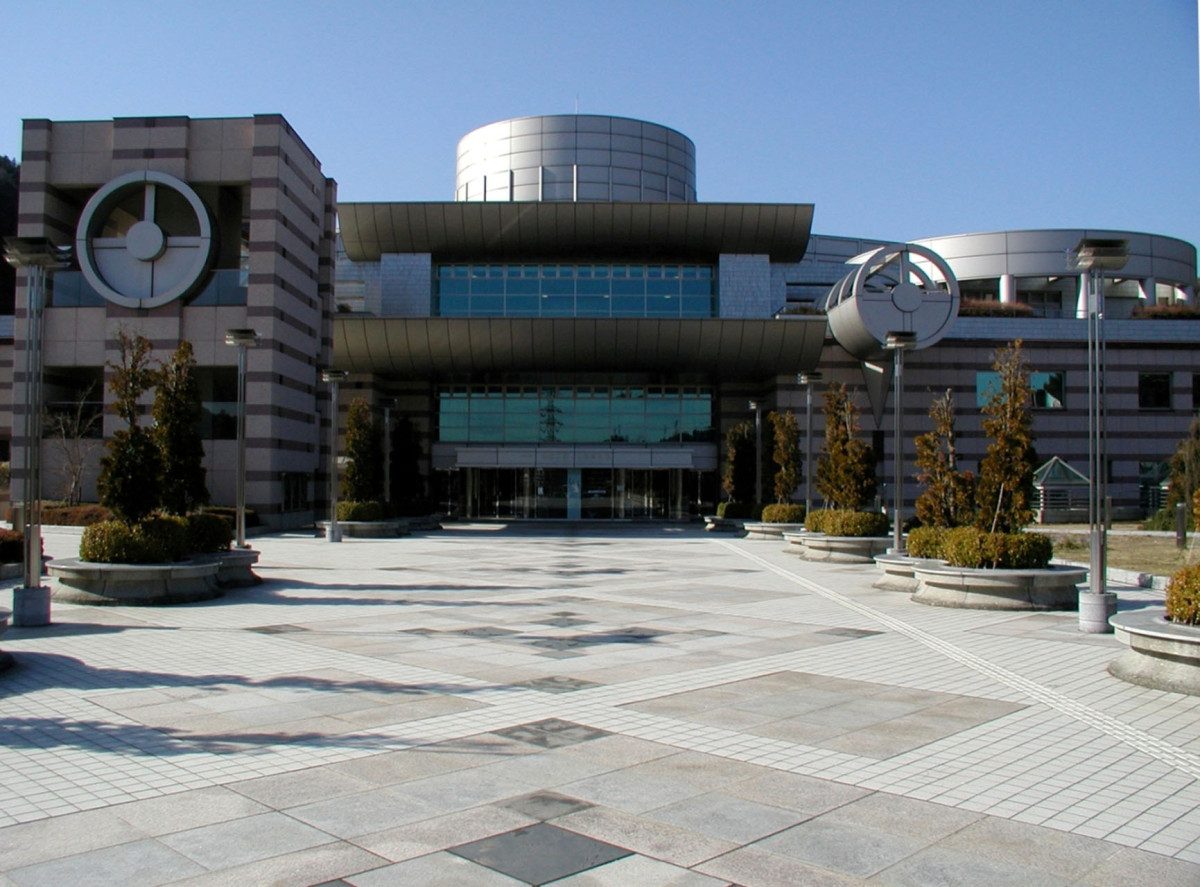
Museum of 4.6 billion years of natural science, with dinosaurs, a 2.5-ton meteorite, ammonites, and butterfly specimens.
Odawara Literature Museum
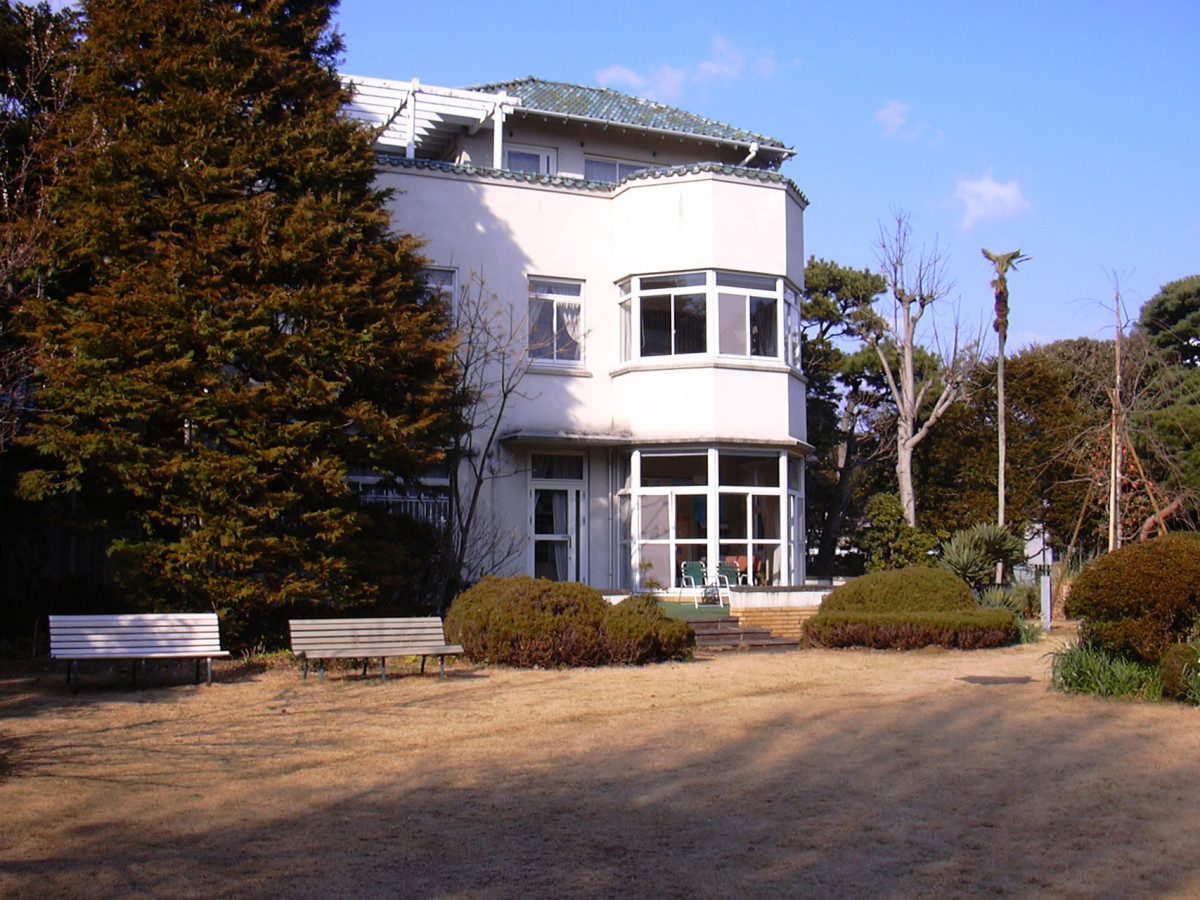
Exhibits materials on Odawara-born and associated writers in Tanaka Mitsuaki's Spanish-style villa.
Former Matsumoto Gokichi Villa and Uko-tei Teahouse
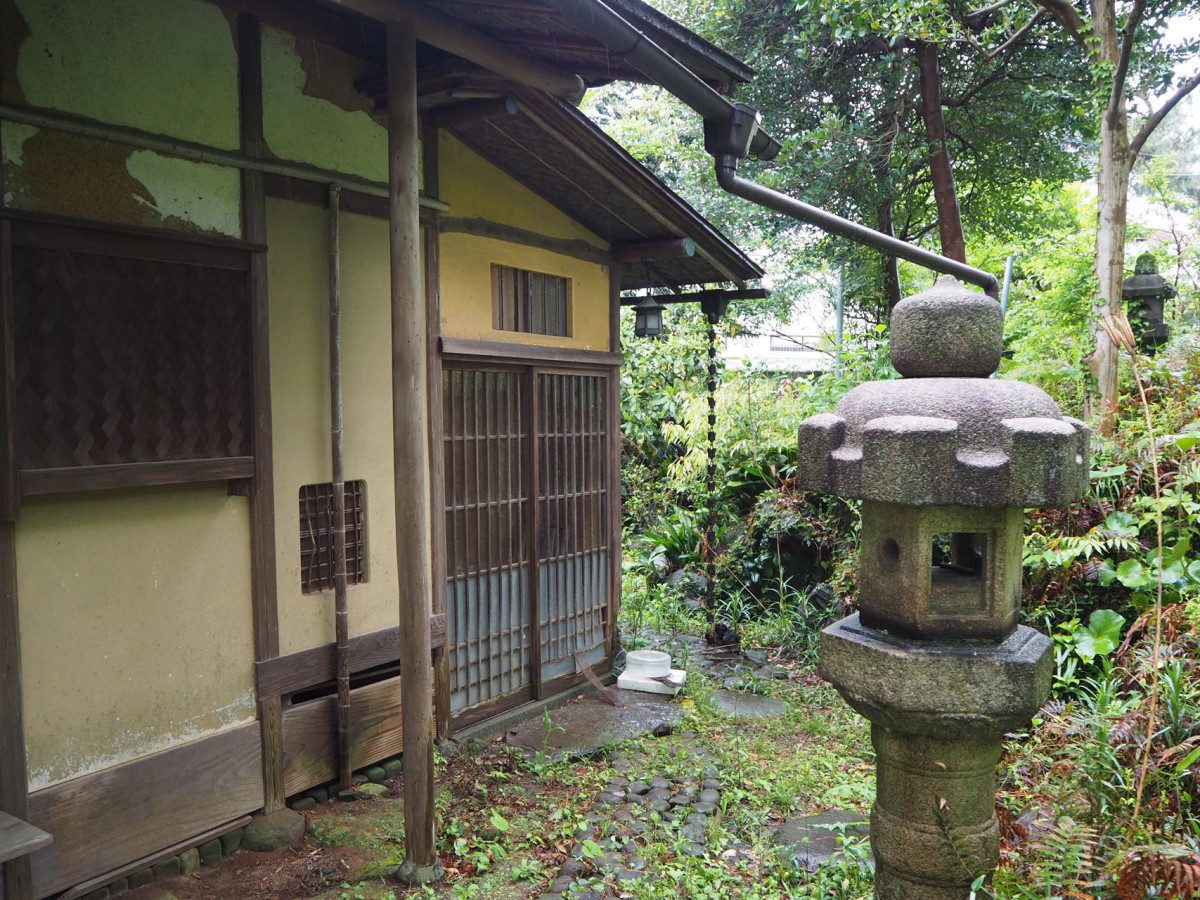
Politician Matsumoto Gokichi's villa, built around 1923: sukiya house, Uko-tei teahouse, garden with hill and water.
Matsunaga Memorial Hall
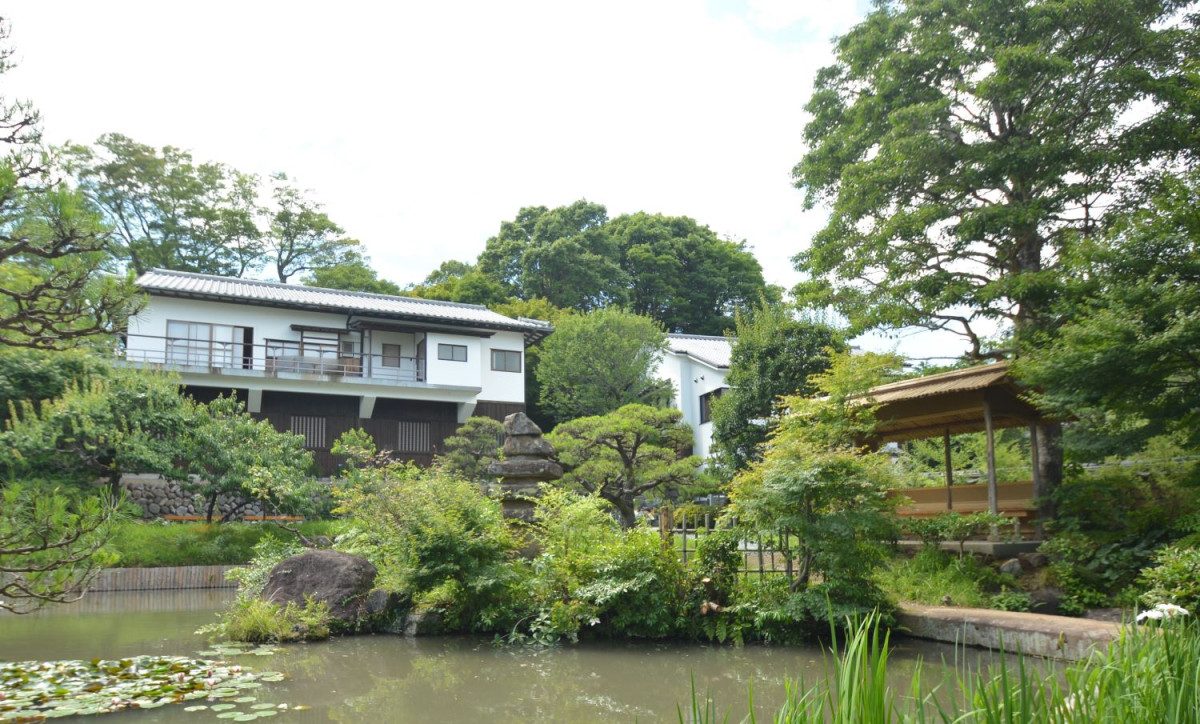
Founded in 1959 by Matsunaga Yasuzaemon, with historic buildings and a garden chosen among 100 historic parks.
Soga Plum Grove
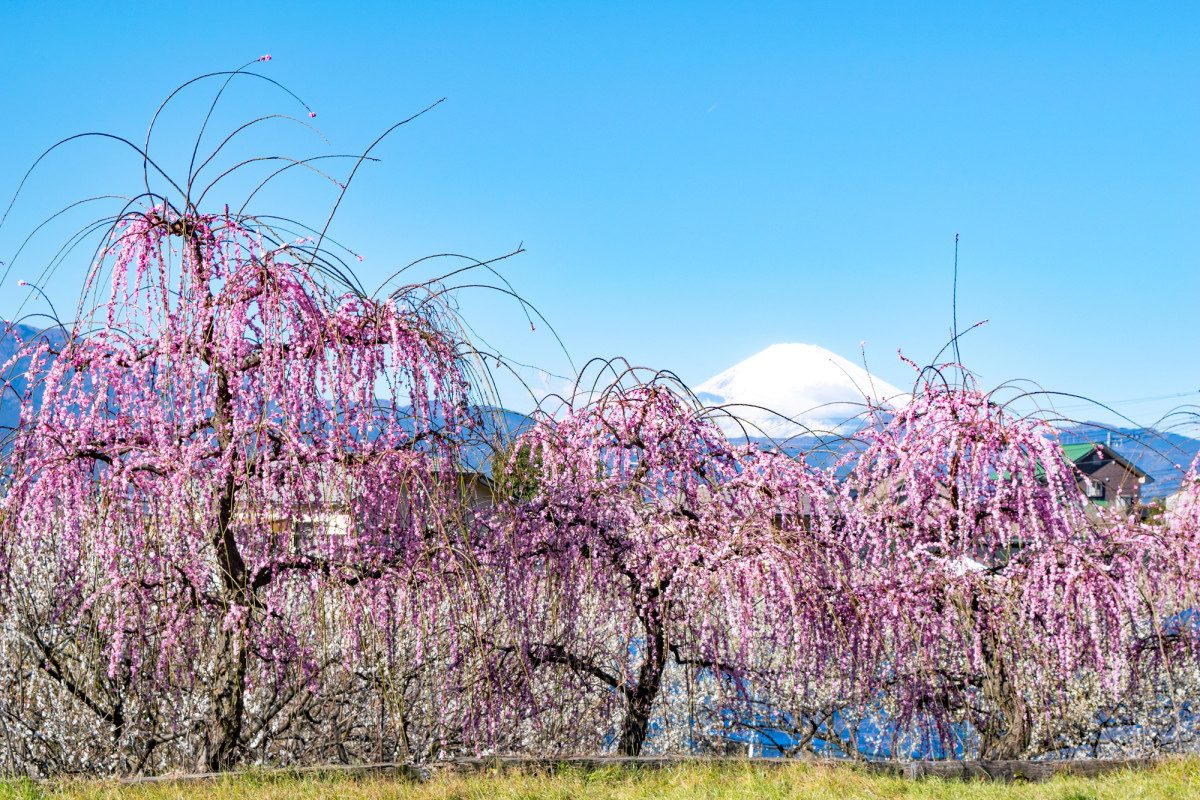
Plum grove in Odawara with about 35,000 trees, the Odawara Plum Festival, and views of Mount Fuji.
Odawara Blueway Bridge
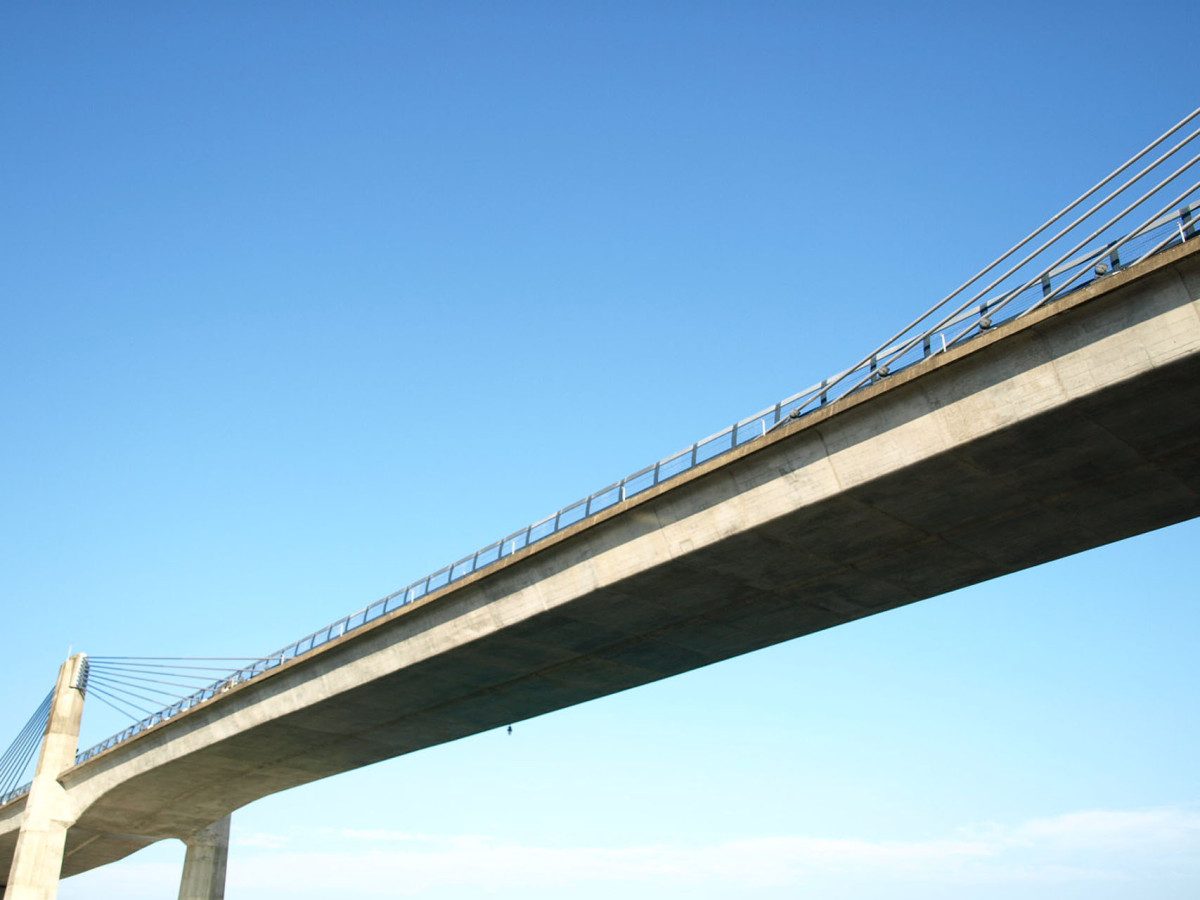
Bridge directly above Odawara Port, built using extradosed technology to secure the shipping lane below.
Koki-an
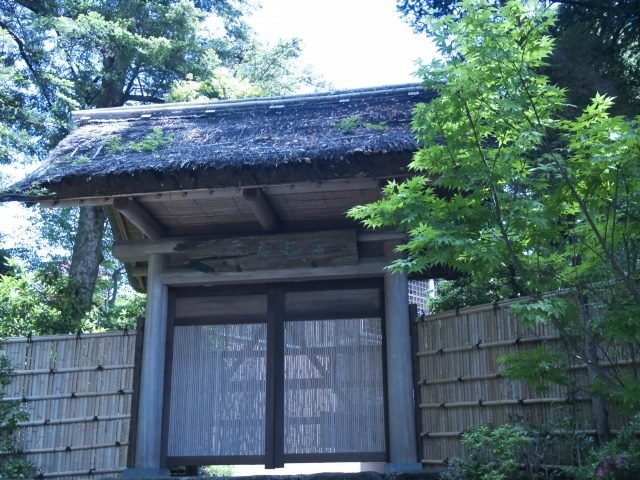
Yamagata Aritomo's Meiji villa, built at age 70, a masterpiece modern Japanese garden with Sagami Bay and Hakone borrowed scenery.
Hojo Ujimasa and Ujiteru Graves
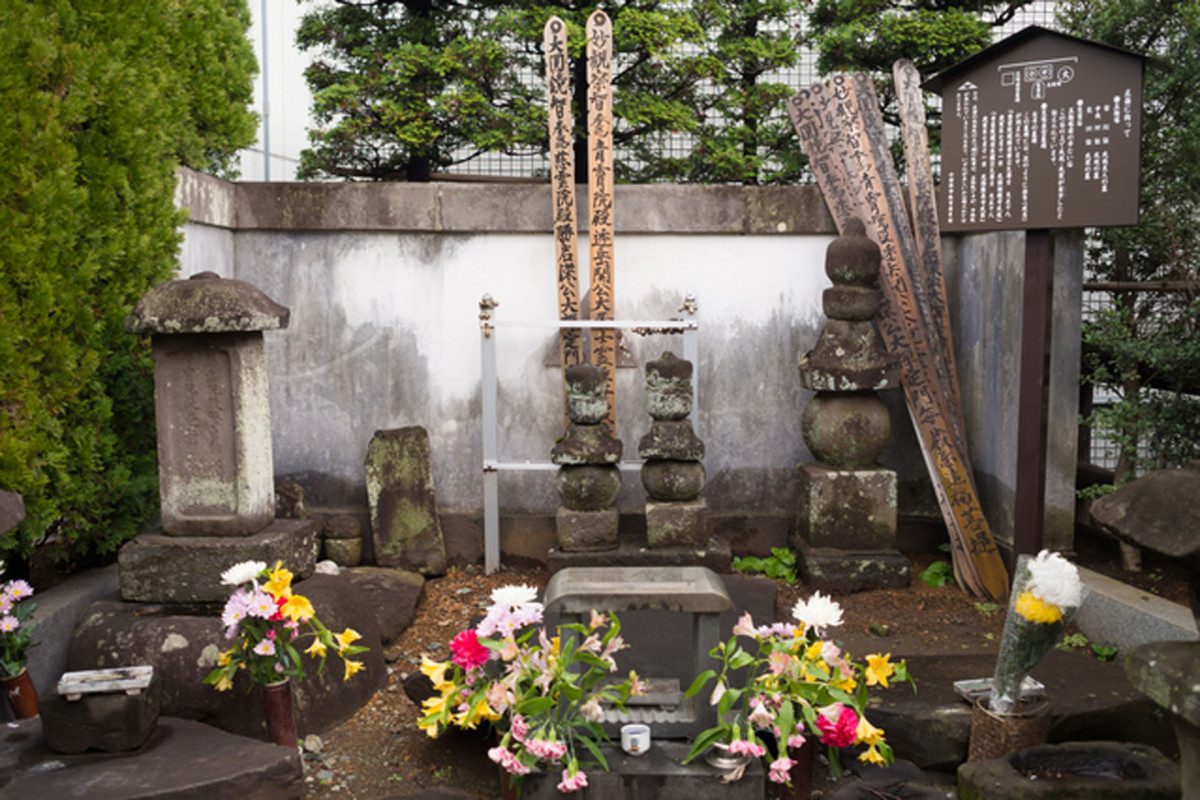
Graves of fourth-generation Hojo Ujimasa and younger brother Ujiteru, where people wish with a happiness bell.
Hojo Inari Shrine and Kawazuishi
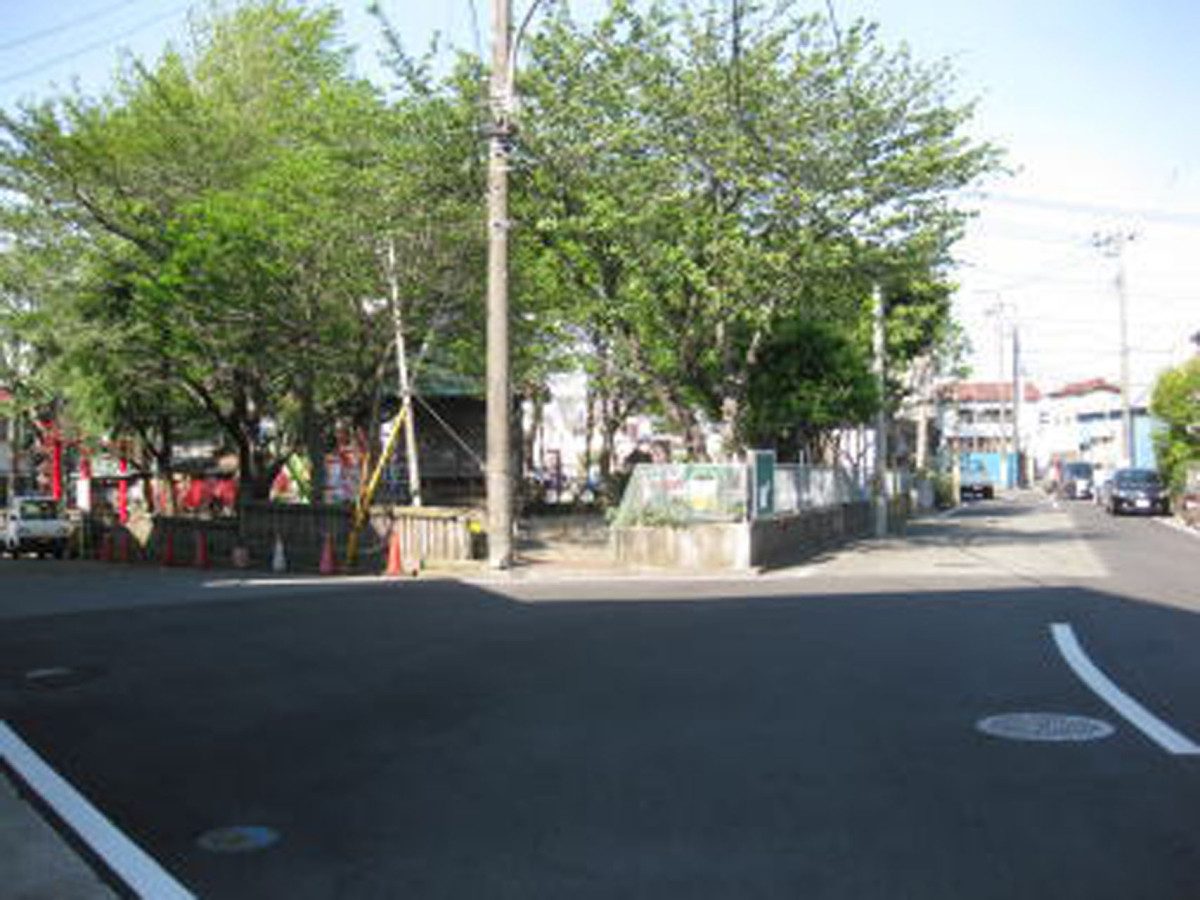
Said to have been built by the Hojo clan. Kawazuishi is a natural stone said to cry during Odawara crises.
Sakawa River Open Levee
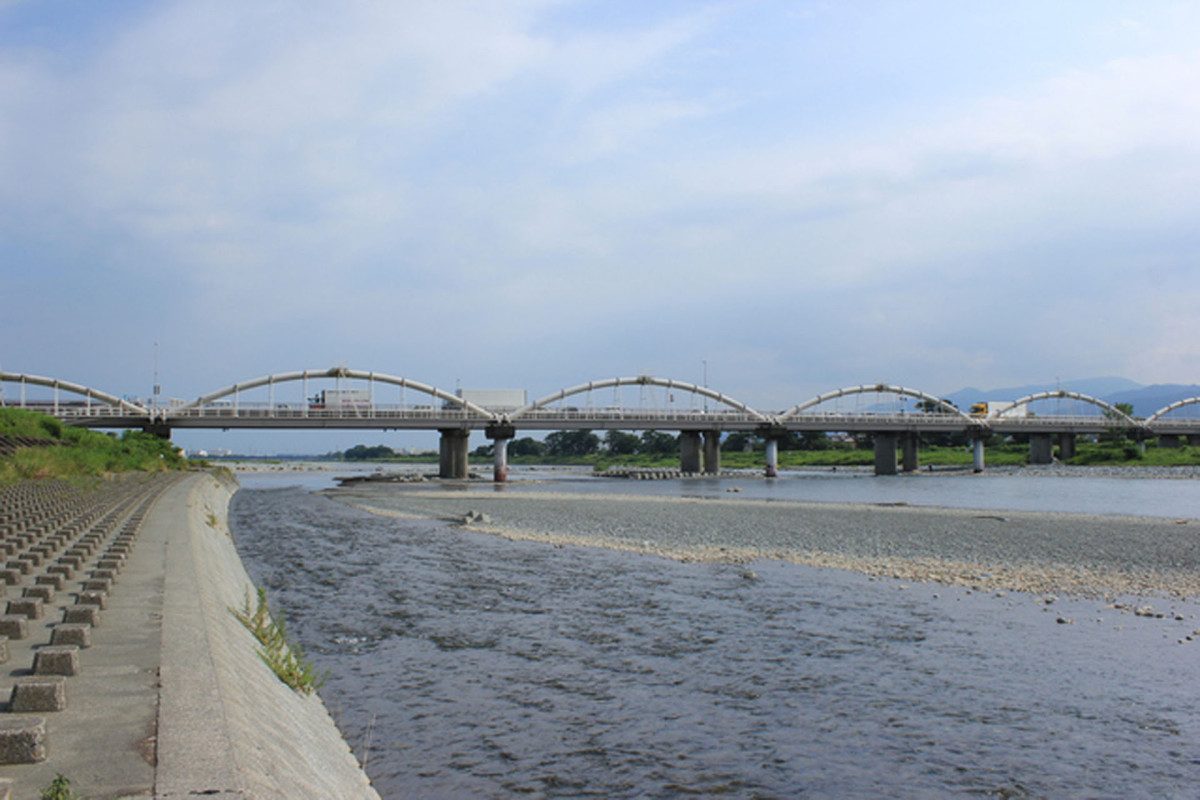
Double levee letting water flow outside, unlike modern high levees. Also called Shingen Levee, reportedly devised by Takeda Shingen.
Pine Avenue Associated with Ninomiya Sontoku
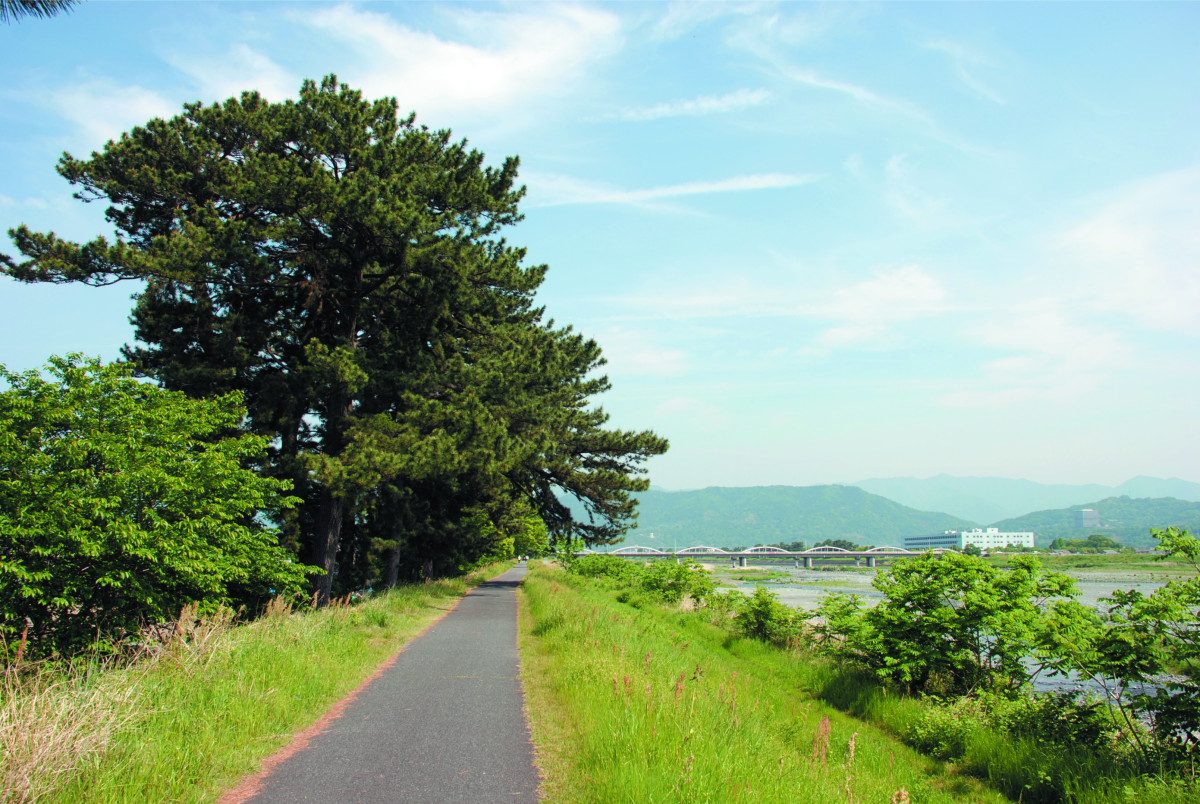
About 400 black pines line the embankment to the river mouth, said planted by Ninomiya Sontoku.
Kuno Kofun Group
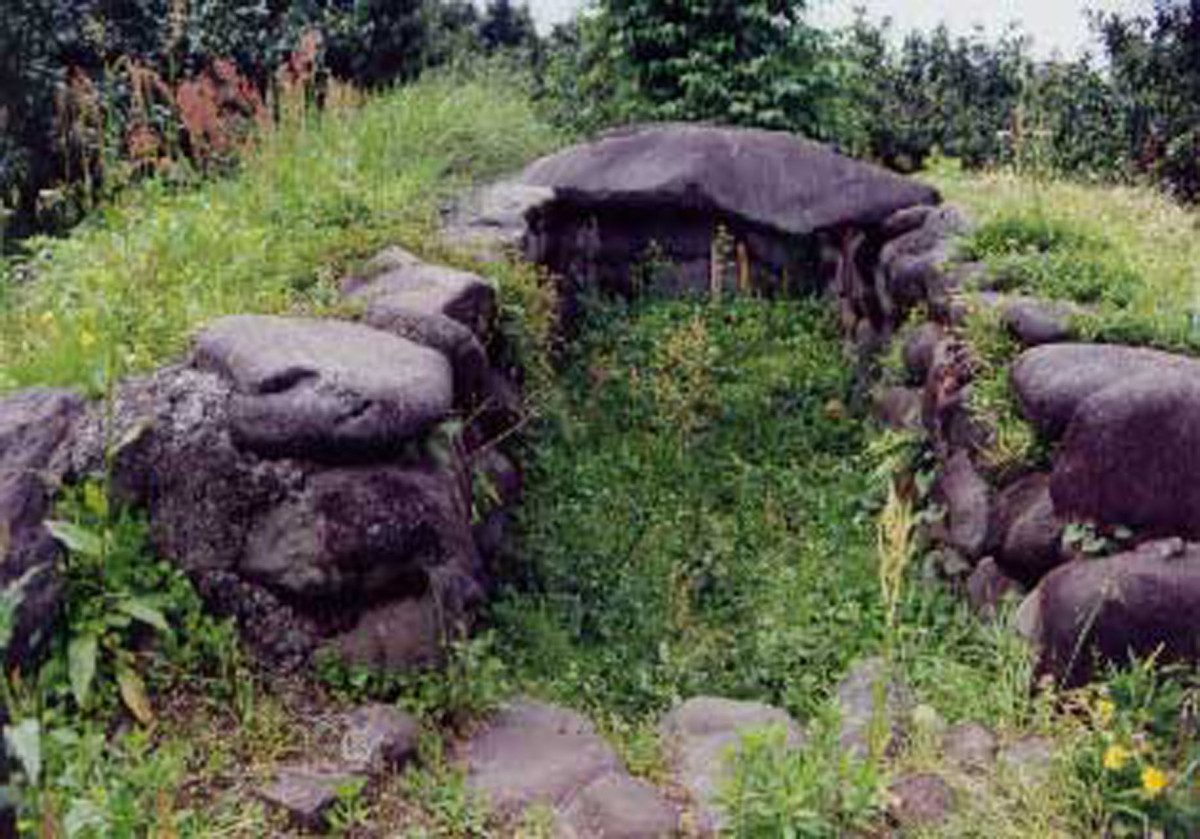
Leading late Kofun round tombs, about 120. Tombs 1, 2, 4, 15 remain; 4 and 15 chambers restored for visits.
Odawara Flower Garden
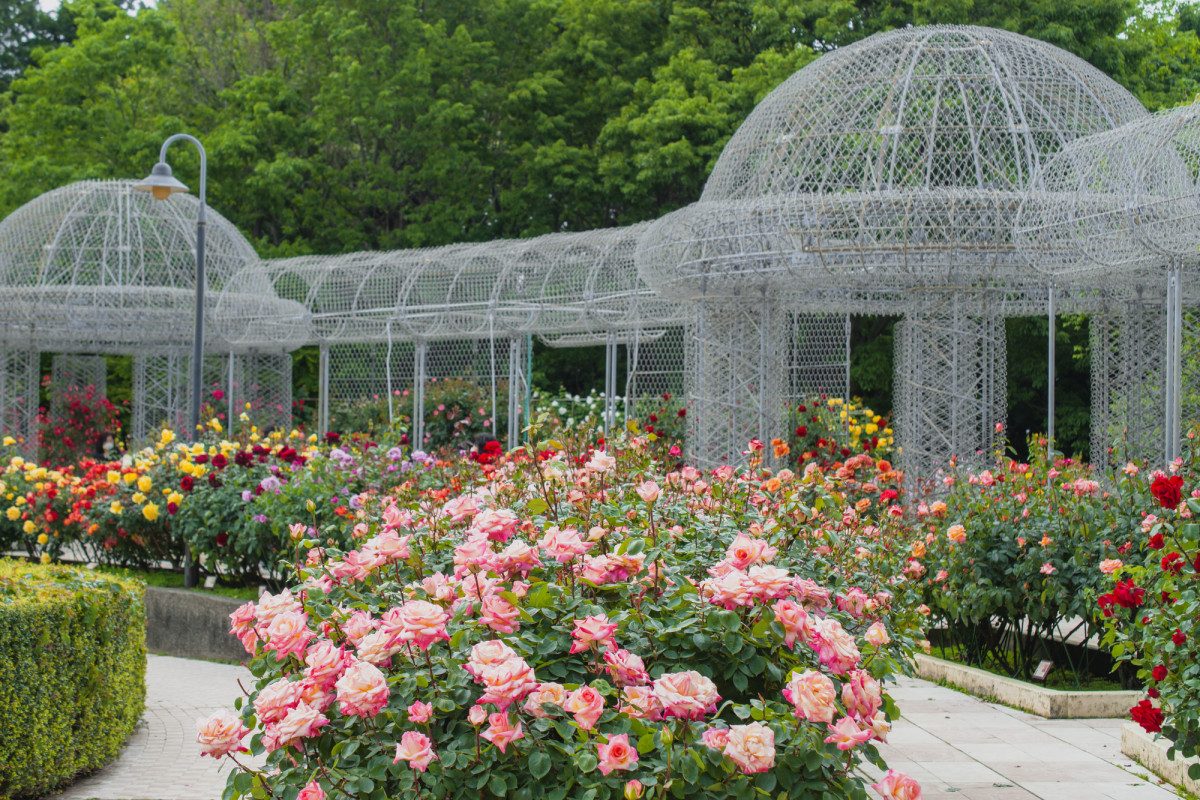
Botanical park with seasonal flowers, a tropical dome greenhouse, plum garden, rose garden, and iris pond.
Anest Iwata Turnpike Hakone
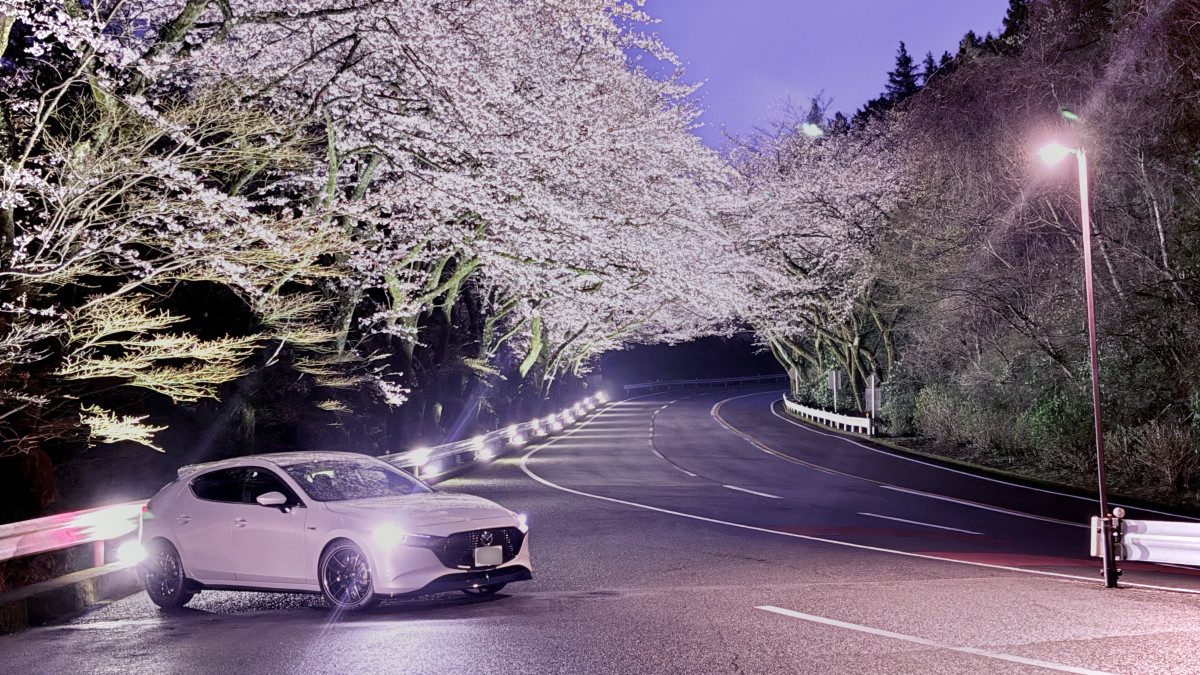
Scenic 9 m-wide ridge road: Hakone-Odawara 13.8 km and Hakone-Izu 1.7 km, open 5:30-22:30.
Hoso-in Temple (Odawara Eight Lucky Gods / Jurojin)
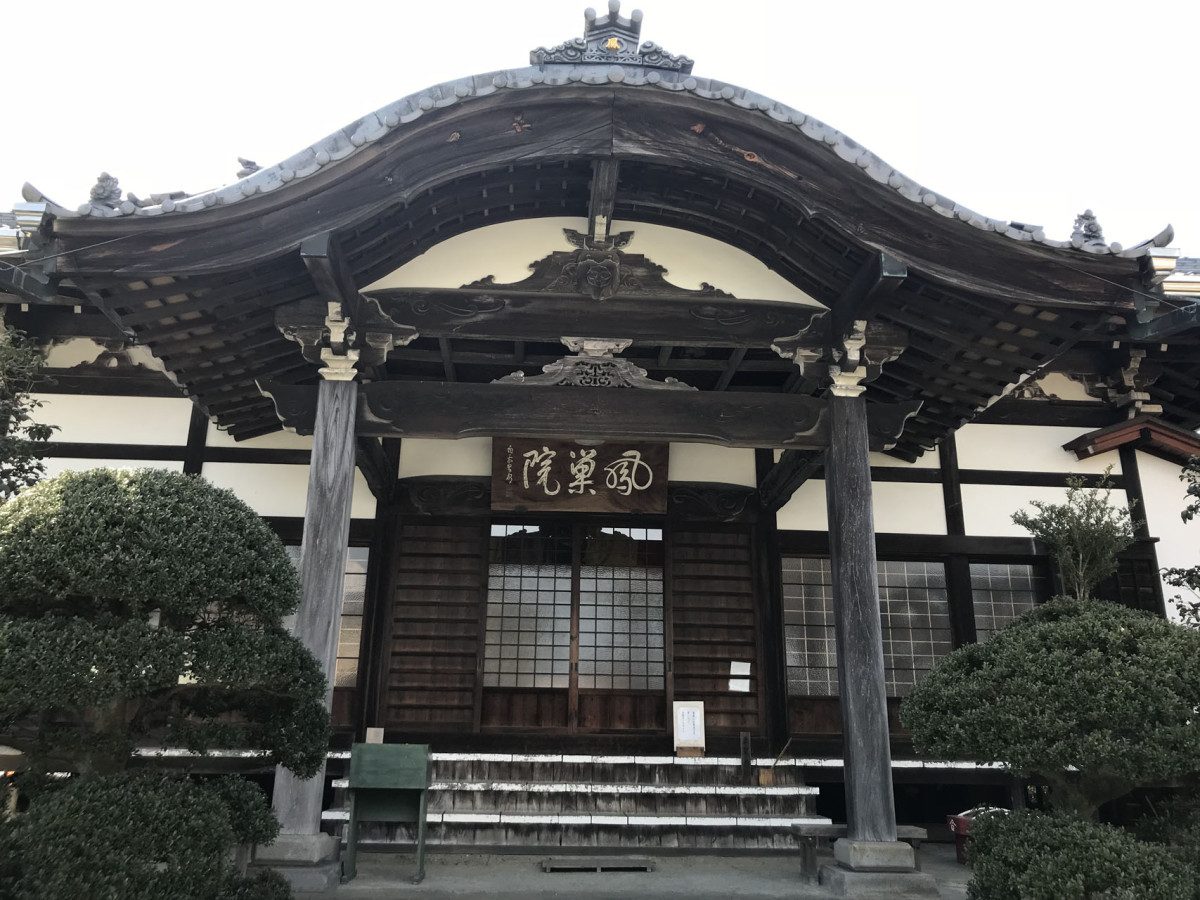
A temple enshrining Jurojin, one of the Odawara Eight Lucky Gods.
Joei-ji
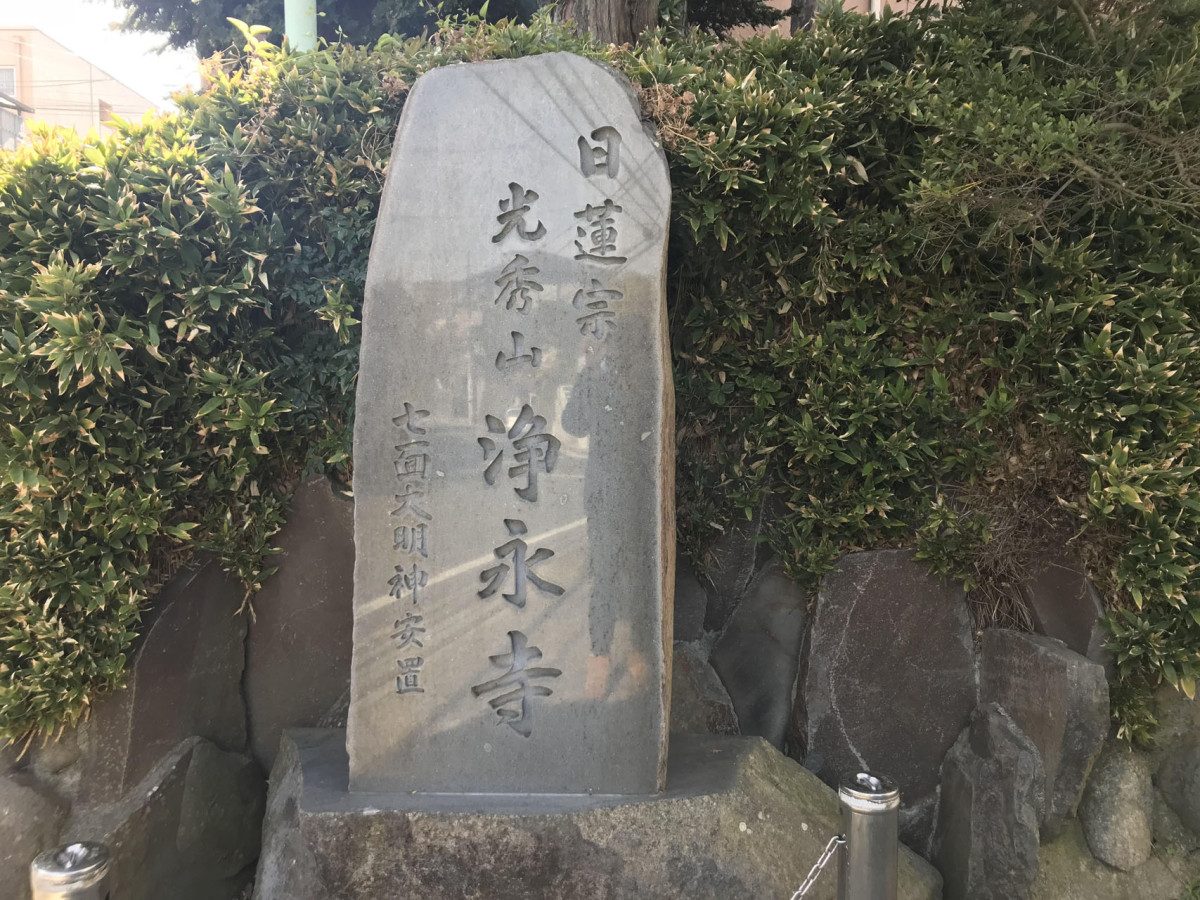
A Nichiren sect temple in Shiroyama, Odawara City, Kanagawa Prefecture.
Okubo Shrine
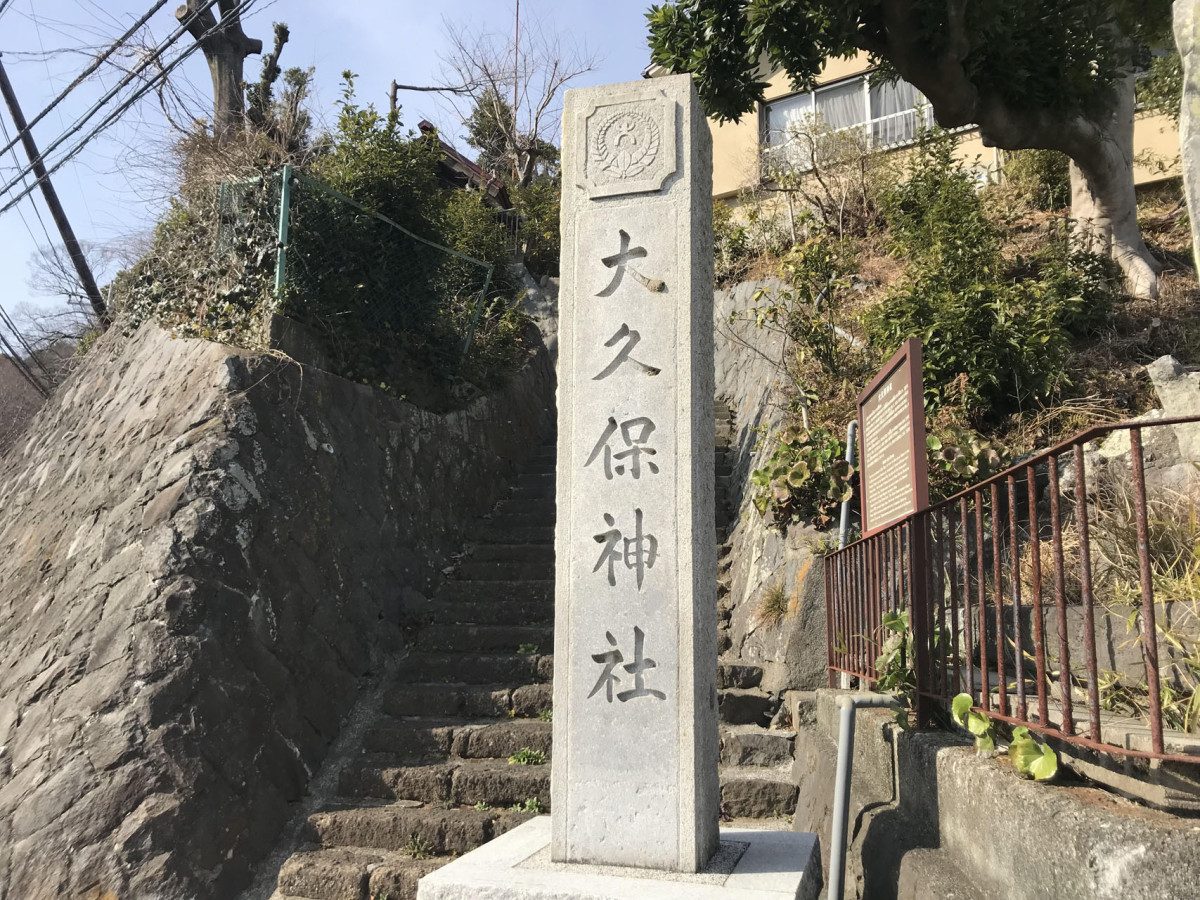
Enshrines Okubo Tadayo, who became Odawara Castle's first lord, and 11th-generation Tadamasa.
Makino Shinichi Literary Monument
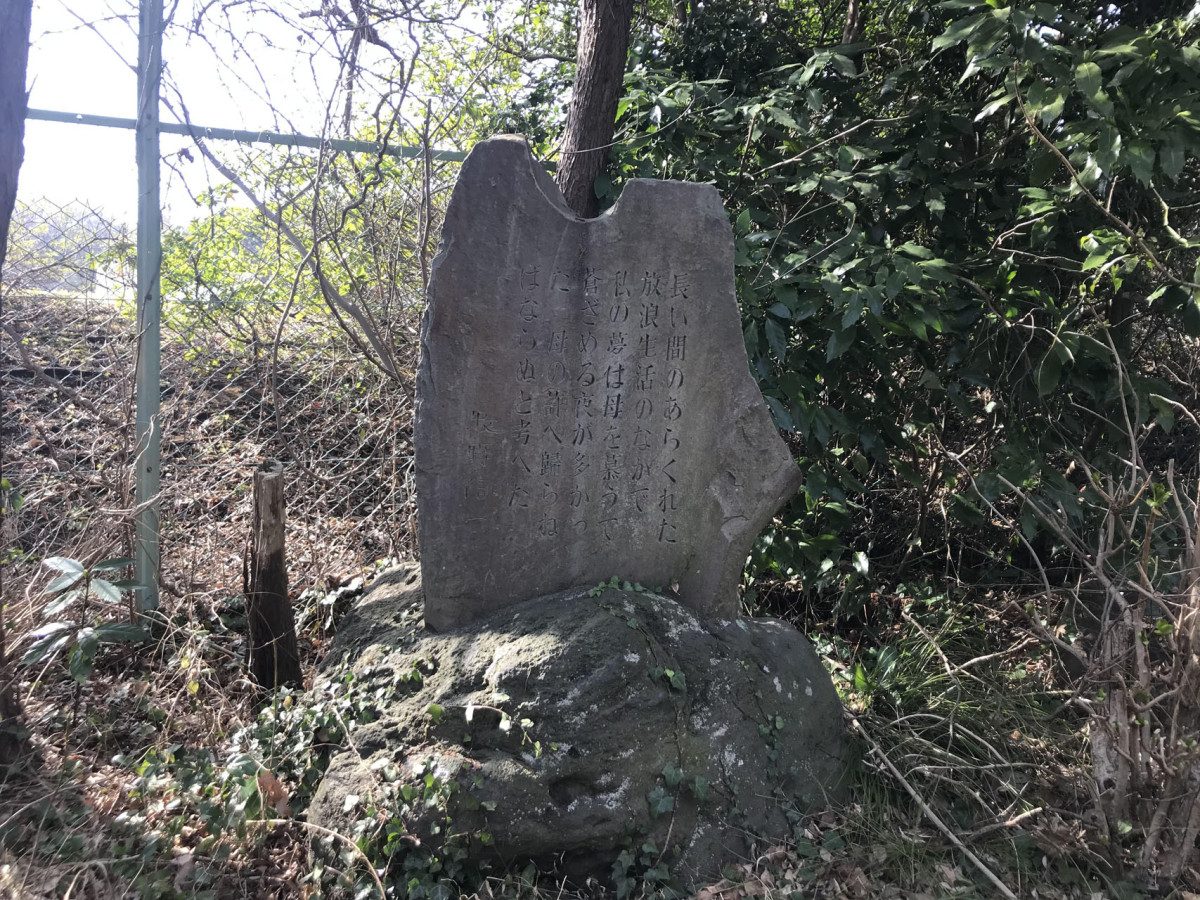
Stone monument inscribed with a passage from a work by Odawara-born writer Makino Shinichi.
Inoue Yasubumi Literary Monument
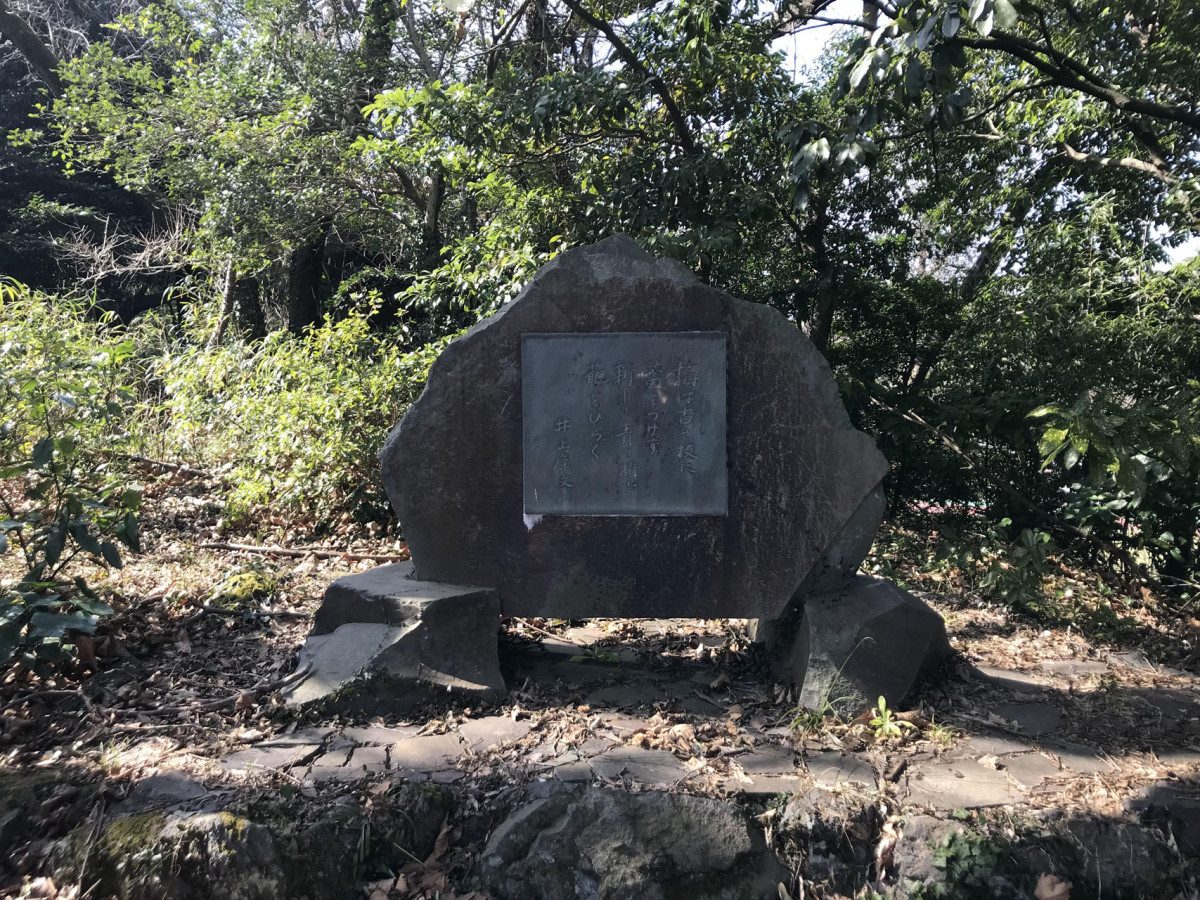
Stone monument inscribed with a passage from Plum by Meiji-era Odawara poet Inoue Yasubumi.
Komine Okane-no-dai Great Moat Cut
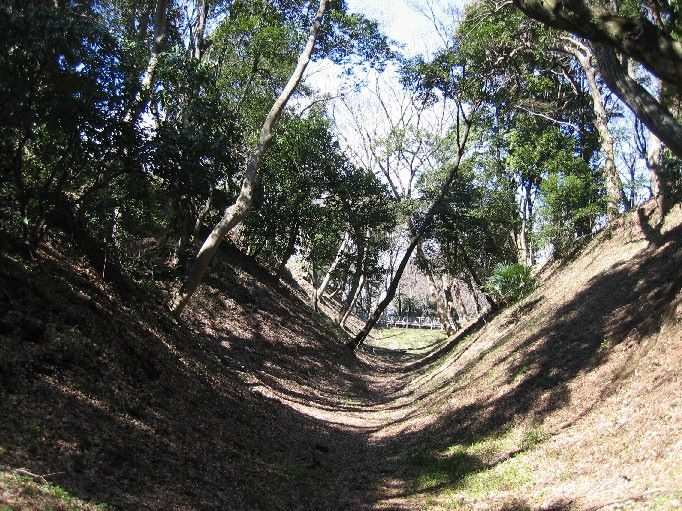
Hojo dry moat severing the Hachimanyama ridge to the main keep, built against Hideyoshi.
Densho-ji Temple
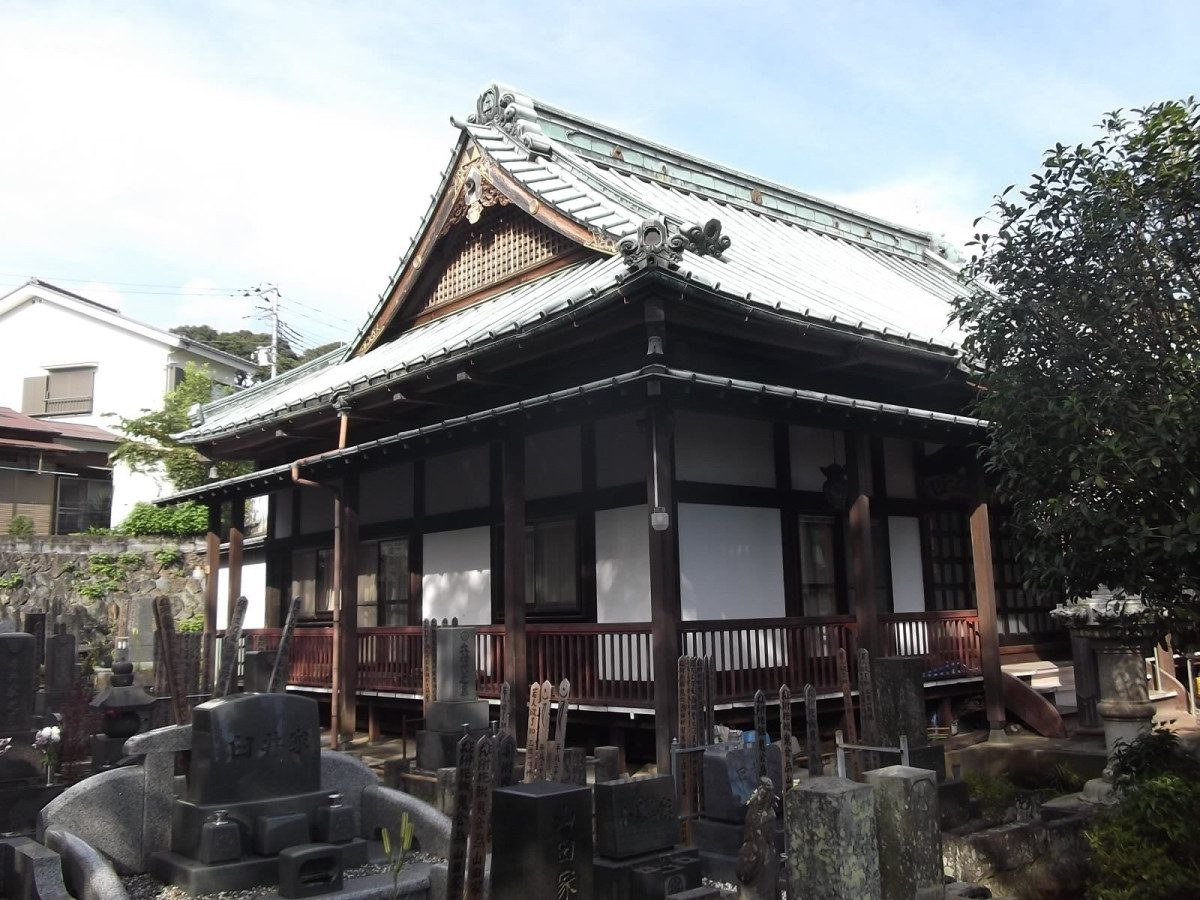
Late Kamakura temple patronized by the Odawara Hojo, called Owl Temple for Kitahara Hakushu's writing house.
Igami Shrine
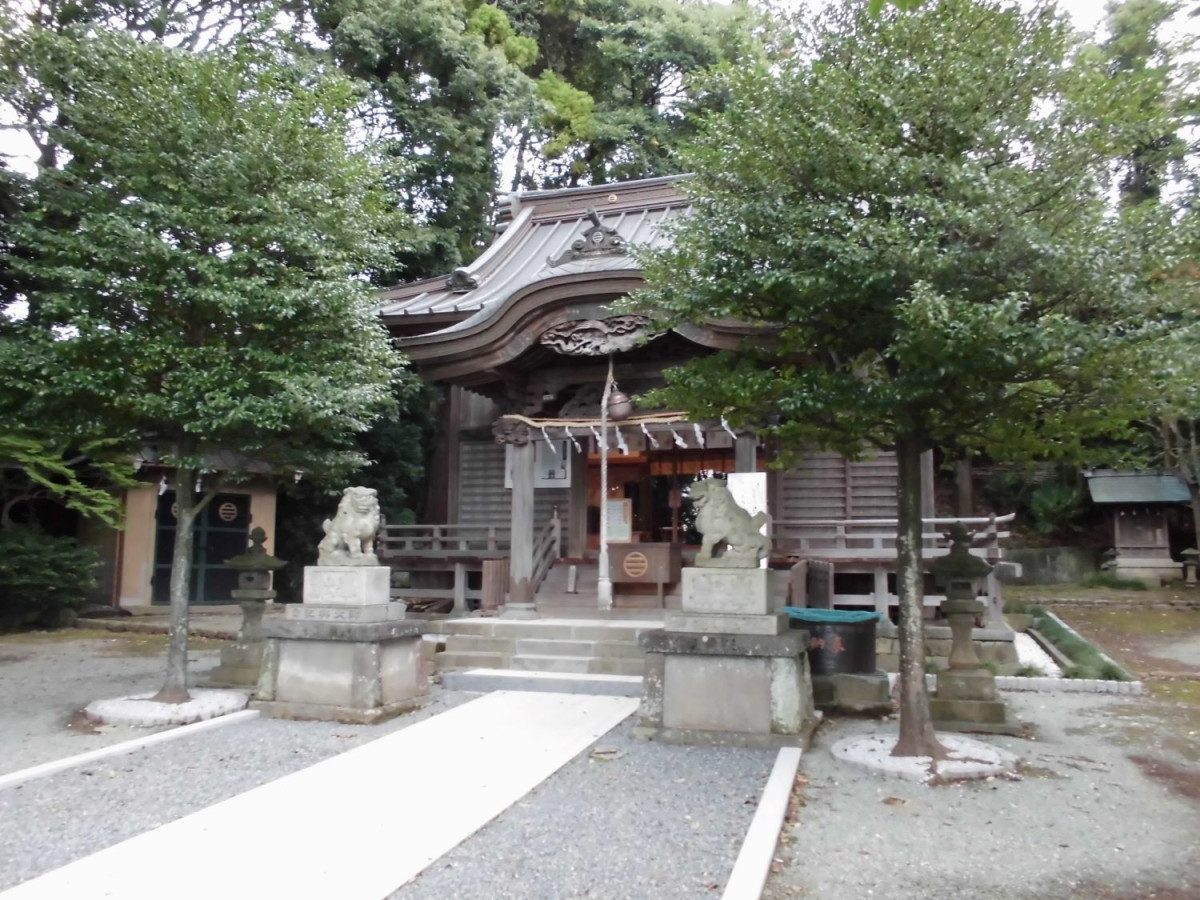
Founded in 1520 to enshrine Miura Yoshioki, last Miura warlord of Sagami, at Hojo Ujitsuna's wish.
Daikyu-ji
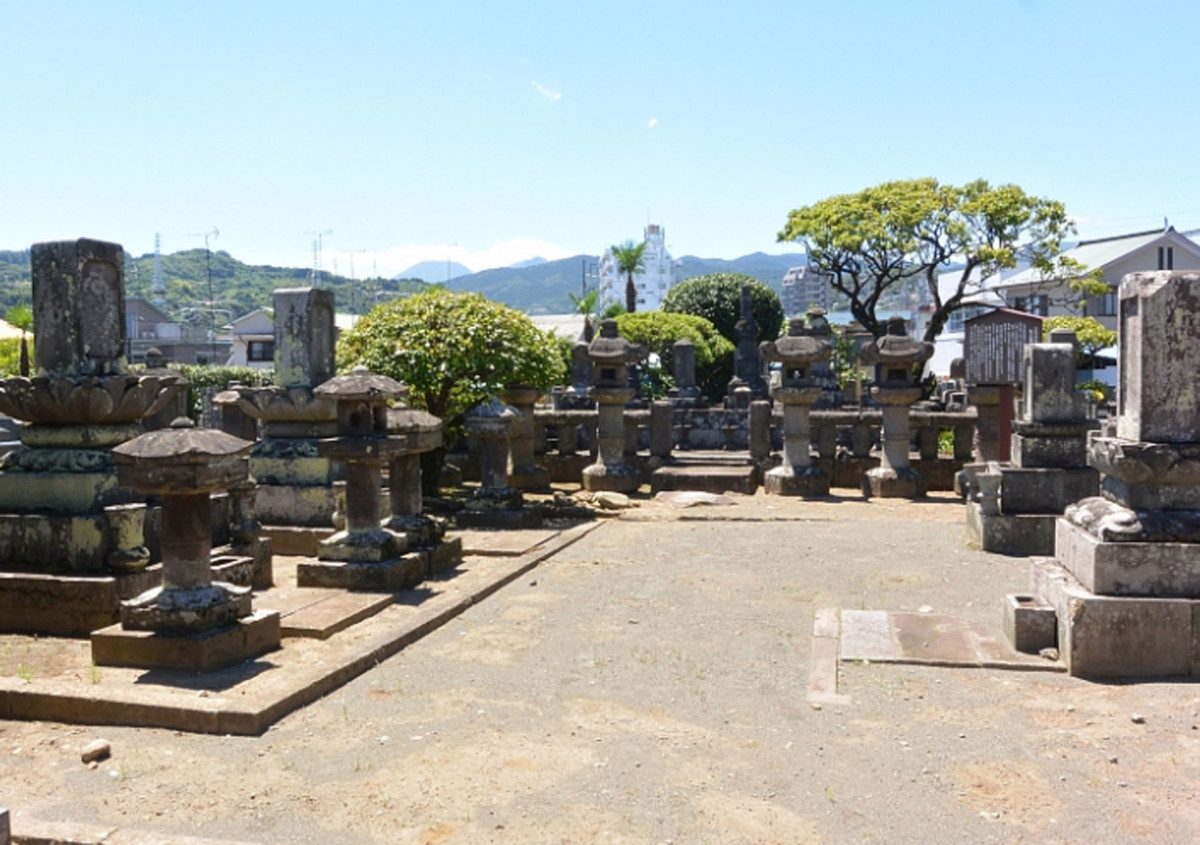
Temple built by Okubo Tadachika, Odawara castle lord and loyal retainer of Tokugawa Ieyasu.
Hayakawaguchi Remains
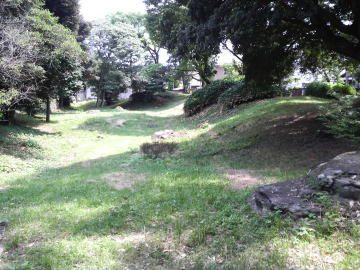
Part of Hojo defenses for the Odawara battle, facing Toyotomi headquarters, with double earthworks and moats.
Hakushu Children's Song Museum
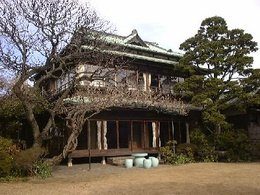
Annex of Odawara Literature Museum in Tanaka Mitsuaki's nationally registered villa, showing Hakushu children's songs.
Tokujo-in
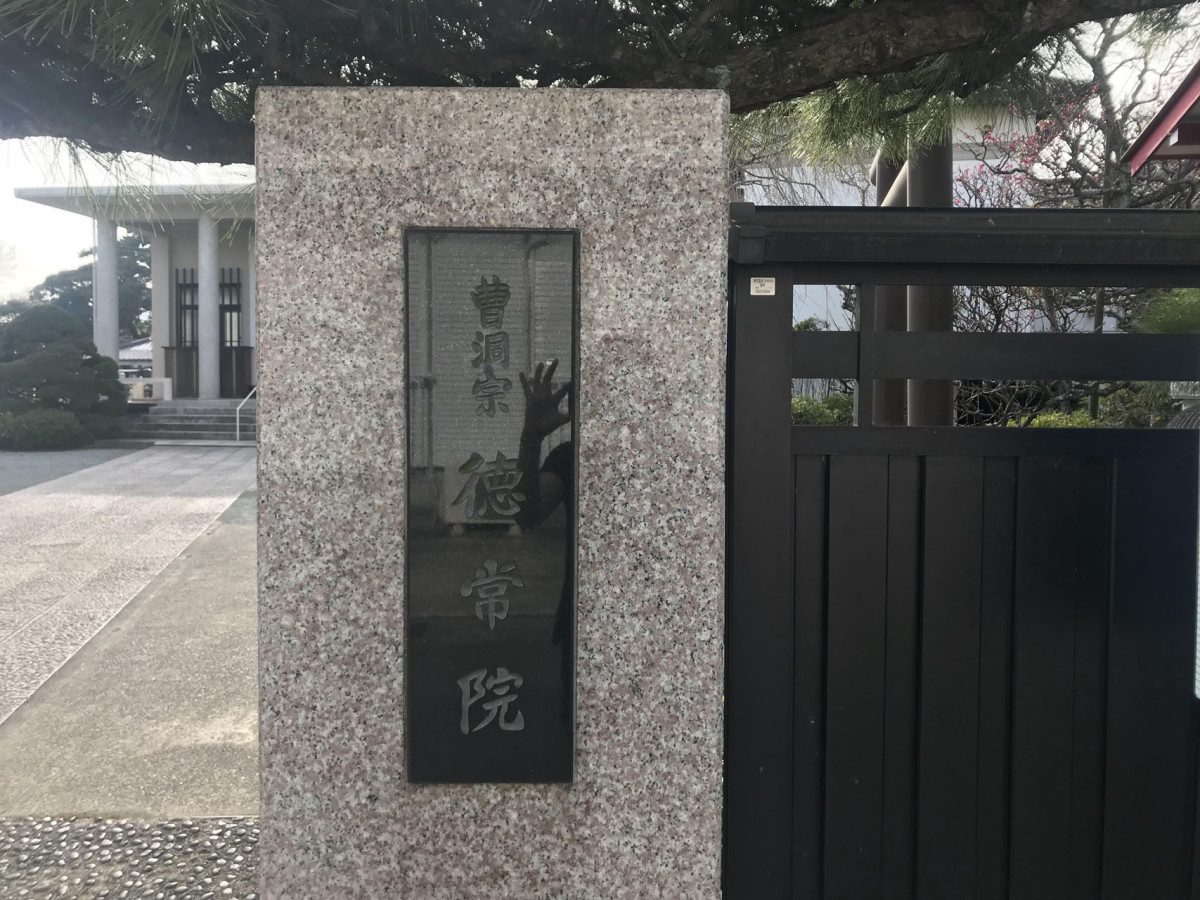
Temple with a deep history alongside castle-town Odawara, enshrining famous Great Buddha Enmei Jizo.
Matsubara Shrine
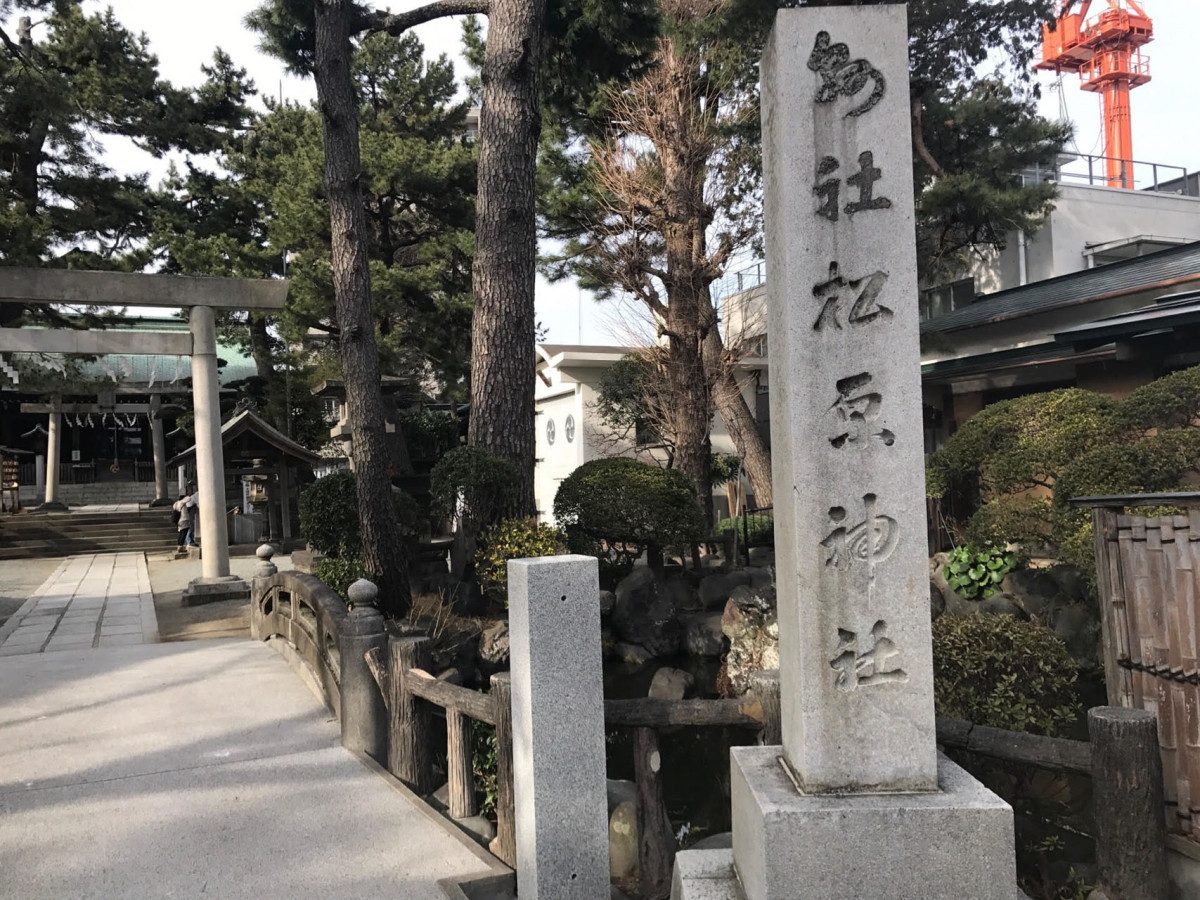
Odawara's chief guardian shrine, revered by successive castle lords since the Sengoku-period Odawara Hojo.
Otemon Ruins
Odawara Castle's main-gate ruins, relocated facing Edo in the Inaba period; bell rings at 6 a.m. and 6 p.m.
Choon-ji (Odawara Eight Lucky Gods / Bishamonten)
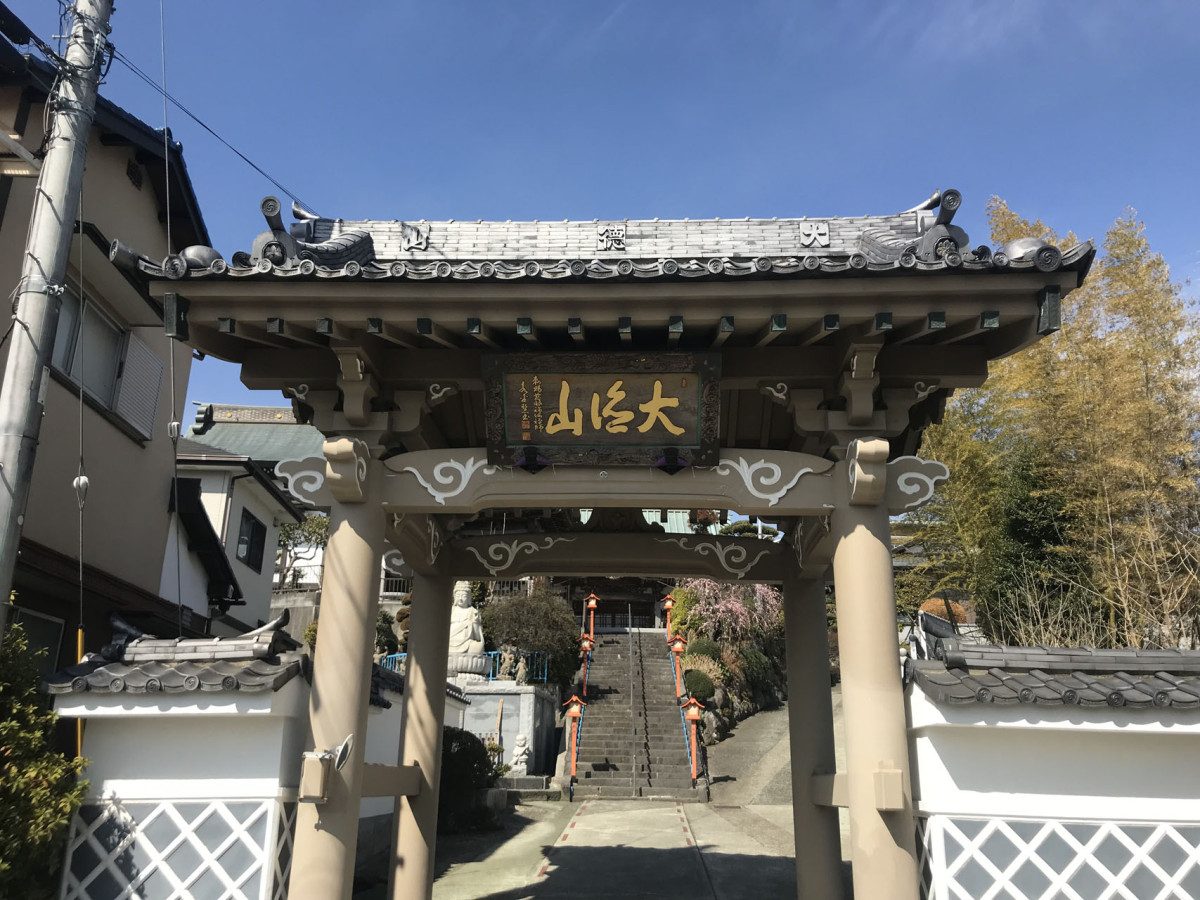
A Soto Zen temple in Odawara City, Kanagawa Prefecture, one of the Odawara Eight Lucky Gods.
Odawara Castle Outer Fortifications
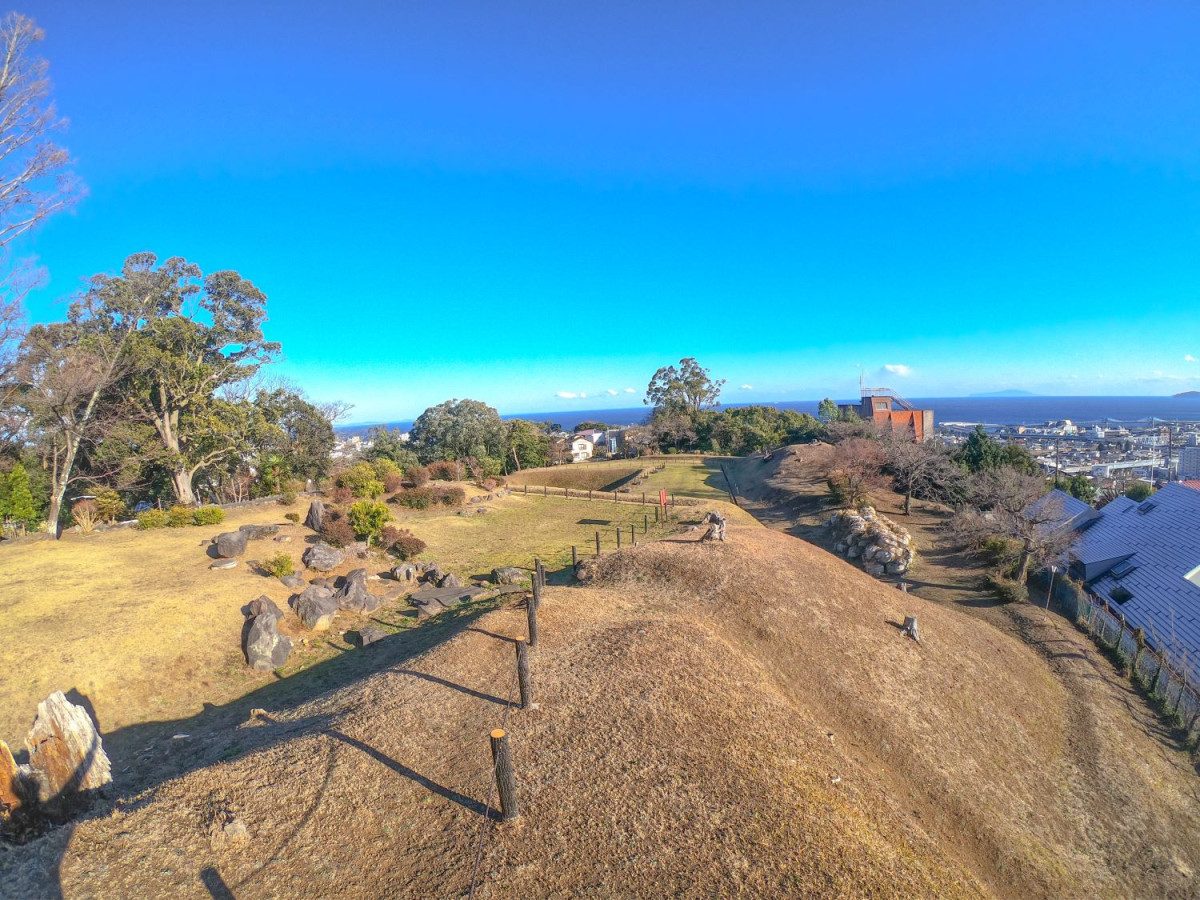
Hojo defenses built for the Odawara campaign against Toyotomi Hideyoshi. Parts of the 9 km moats and earthworks remain.
Renjo-in Earthwork
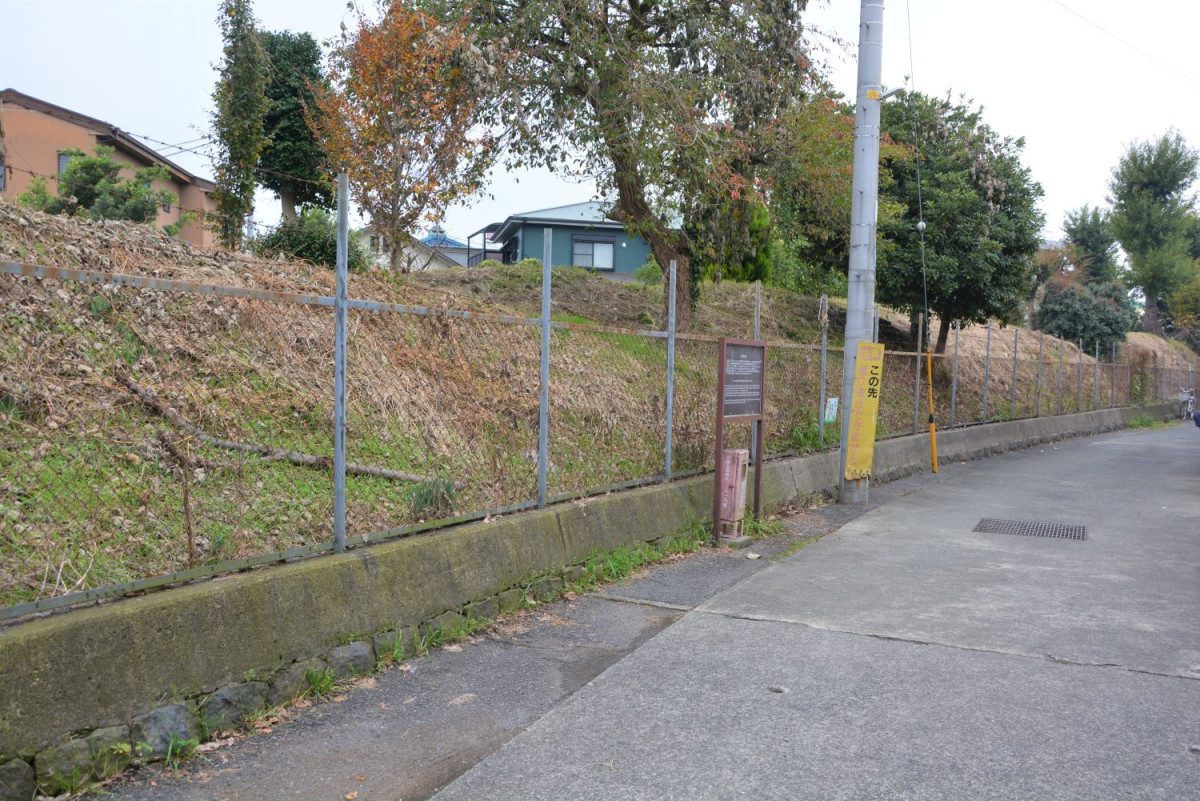
Part of the Hojo outer defenses against Hideyoshi, valuable as a lowland site with Shibutori River as a moat.
Sontoku Memorial Hall
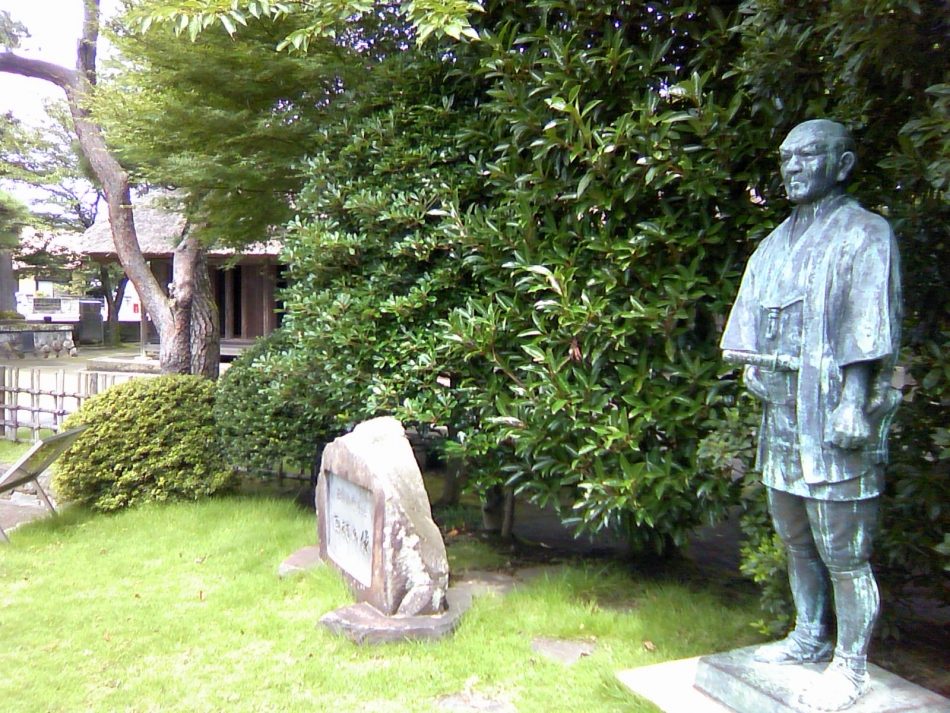
Memorial beside Ninomiya Sontoku's birthplace, exhibiting his life and teachings, with meeting and lodging rooms.
Enpuku-ji (Odawara Eight Lucky Gods / Mizukake Hotei)
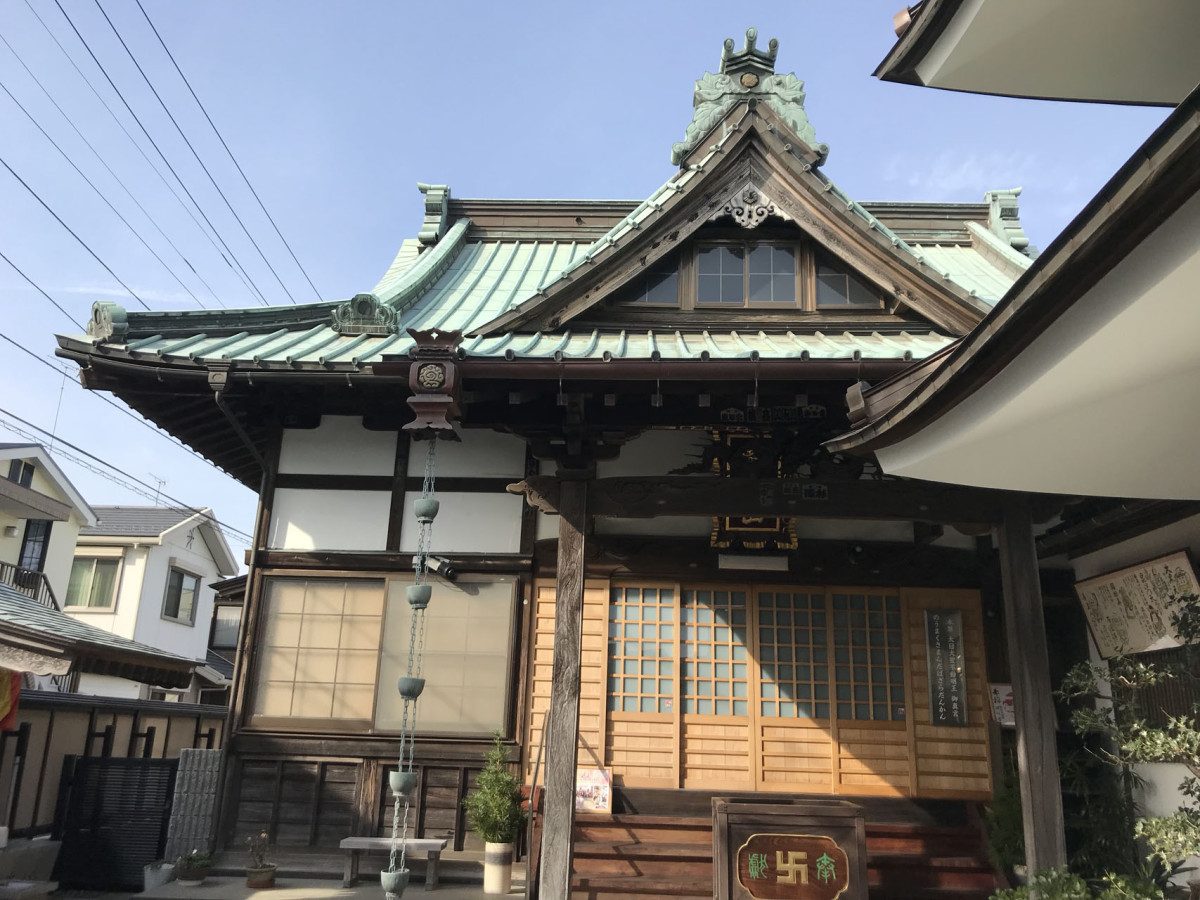
To-ji Shingon esoteric temple in Odawara, one of the Eight Lucky Gods, reputedly founded over 400 years ago.
Dairen-ji (Odawara Seven Lucky Gods / Fukurokuju)
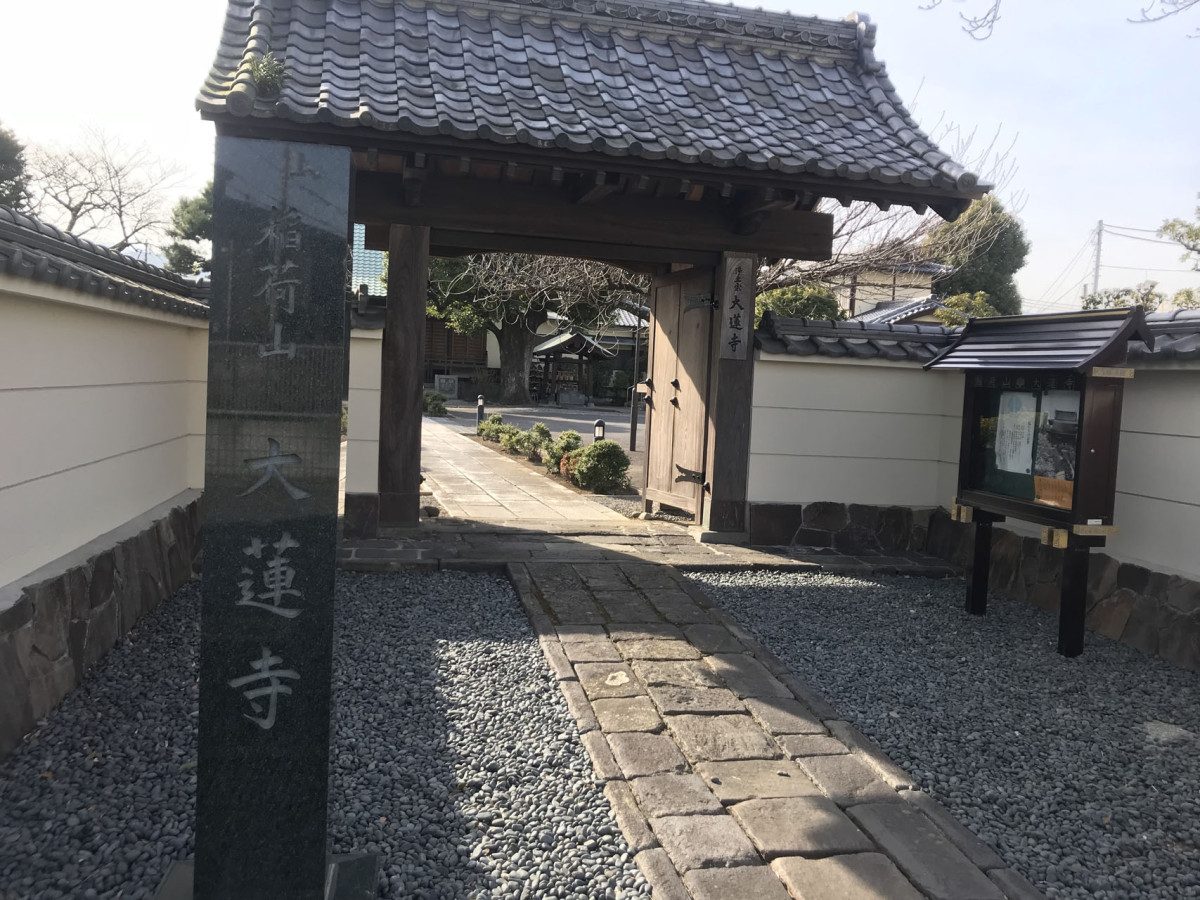
One of the Seven Lucky Gods centered on Odawara Castle; nearby temples allow a historic Odawara stroll.
Rensen-ji (Odawara Eight Lucky Gods / Daikokuten)
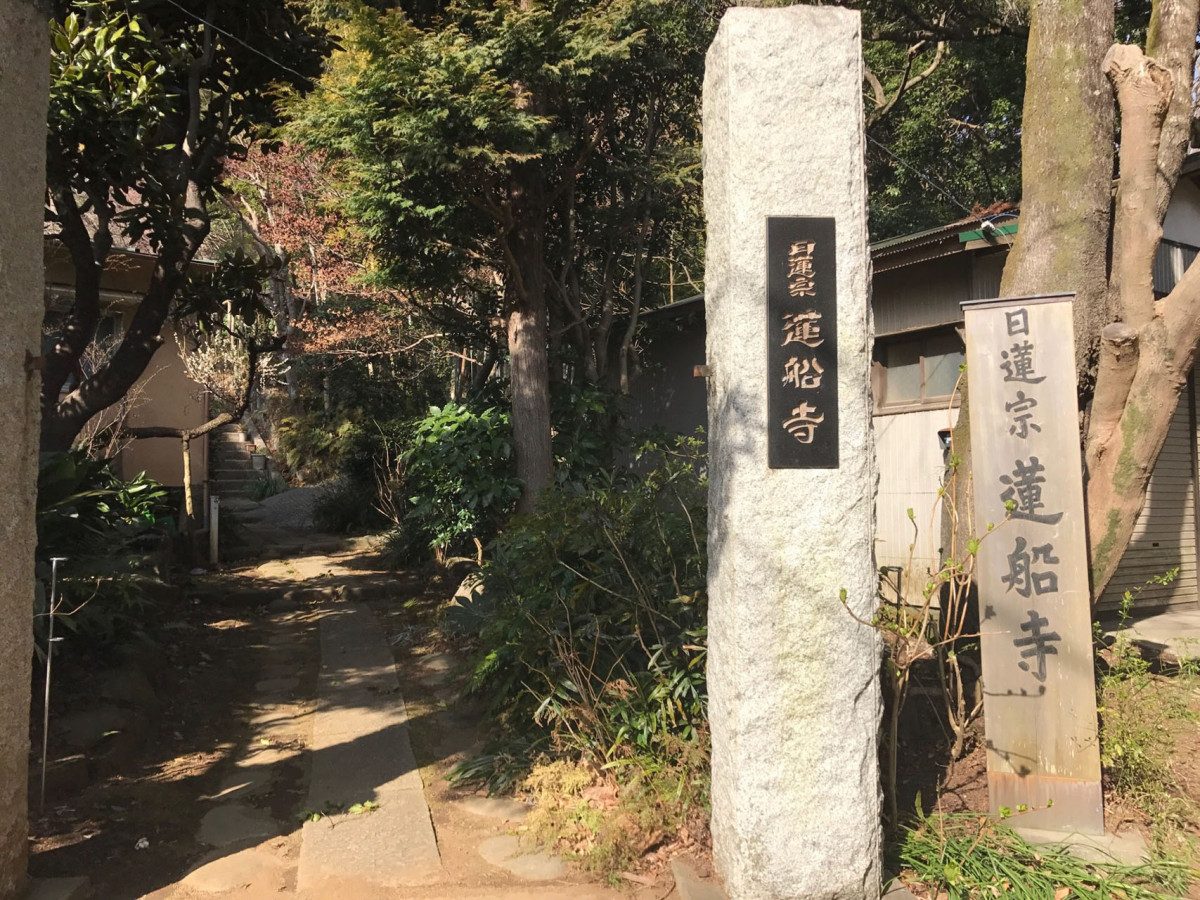
Nichiren temple in Odawara, one of the Eight Lucky Gods, founded by the Ide clan over 400 years ago.
Odawara-juku Nariwai Exchange Hall
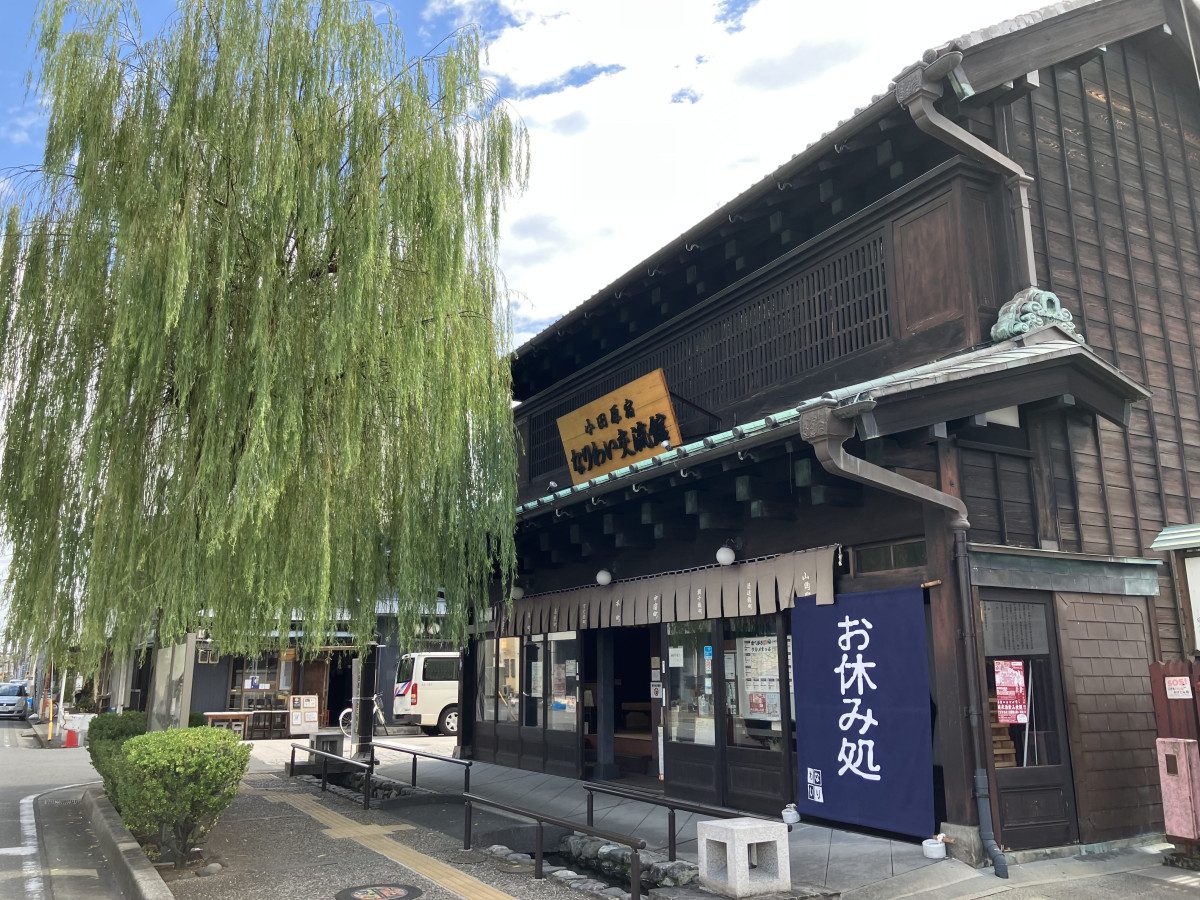
Restored former net-wholesaler cultural hub, a 2022 national registered tangible cultural property, offering daily 30-minute town walks.
Tokiwagi Gate Samurai Museum
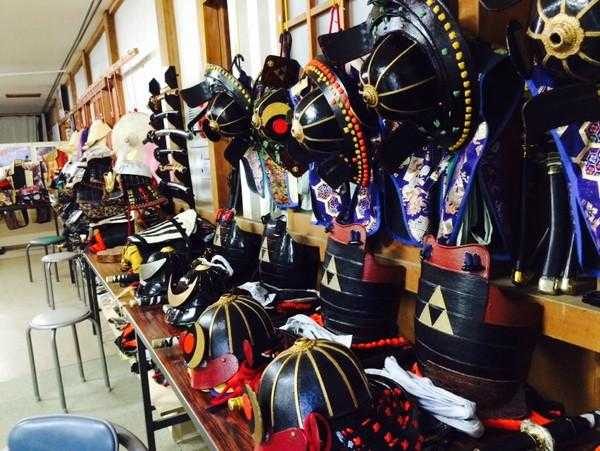
Displays swords and armor, and offers dressing experiences as a samurai, princess, or ninja.
Tsujimura Botanical Park
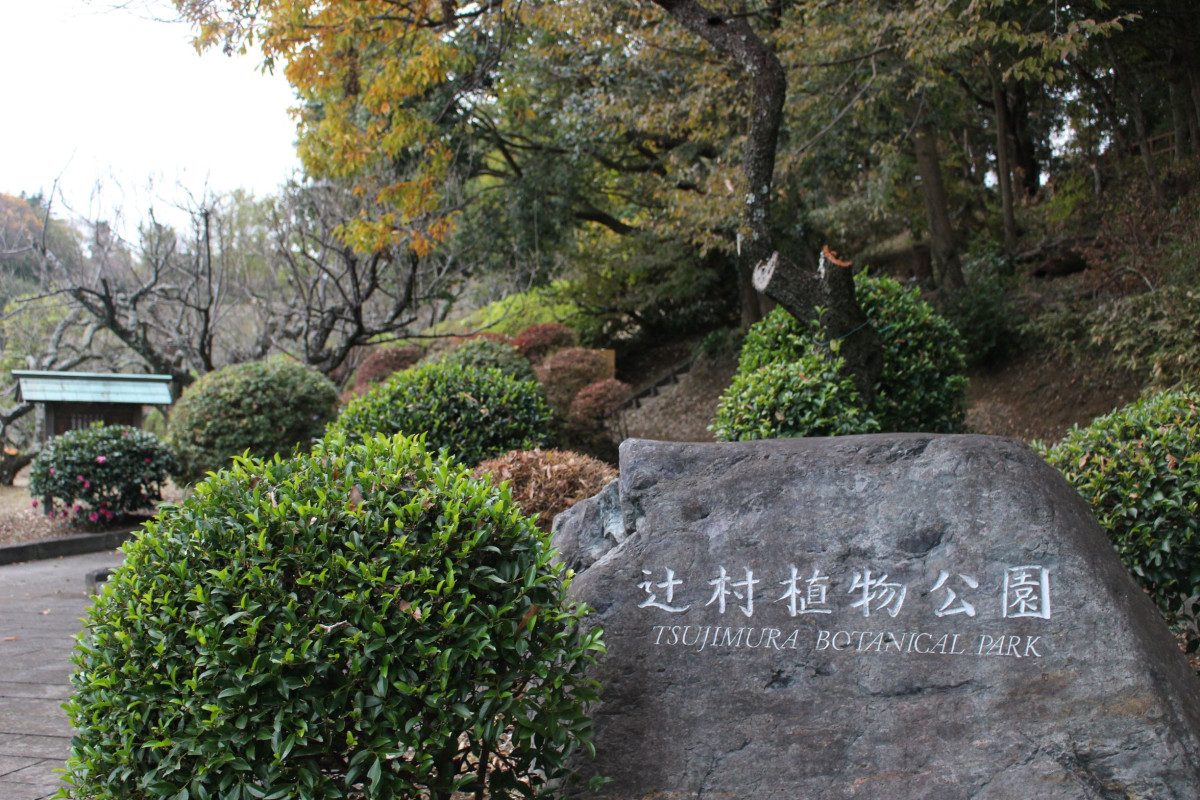
4.7 ha botanical park with foreign trees, about 350 plum trees, a picnic hill, and Sagami Bay views.
Street Corner Museum (Odawara Station Umeboshi Museum)
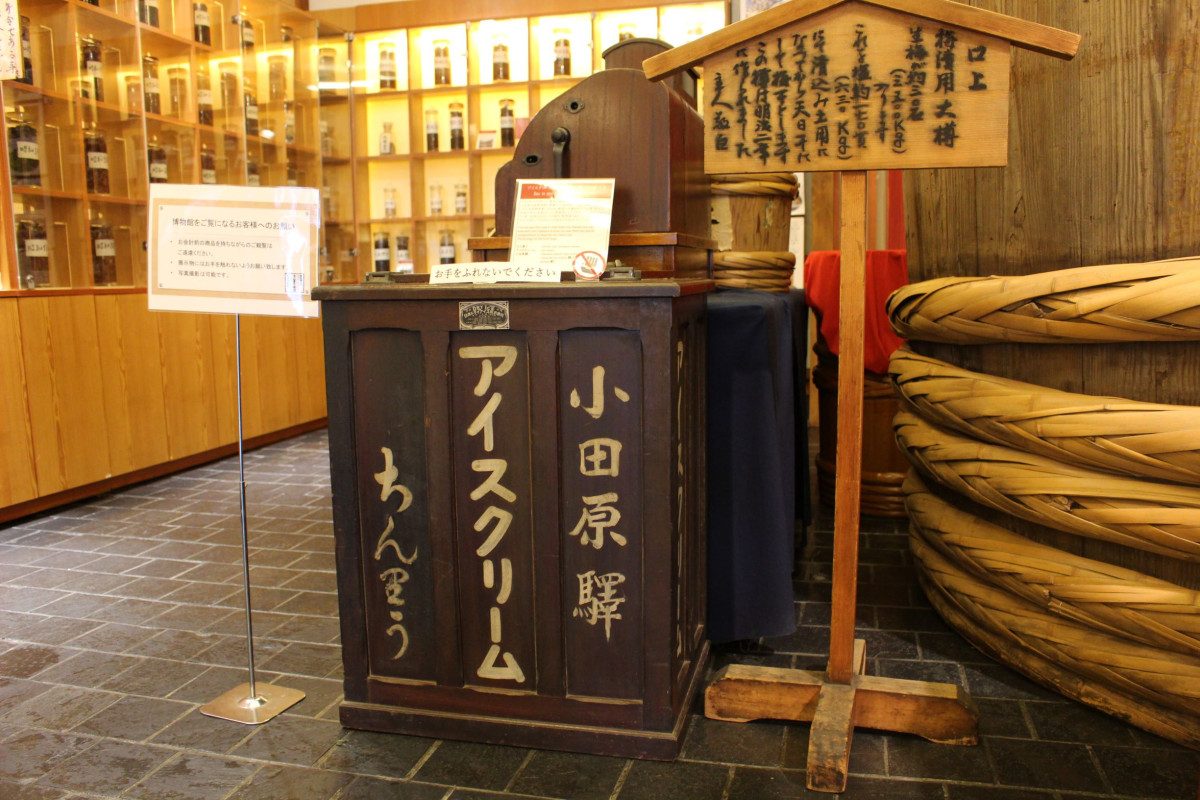
Station umeboshi museum and other Odawara storefronts offer industry talks and making experiences.
Hot Springs Research Institute
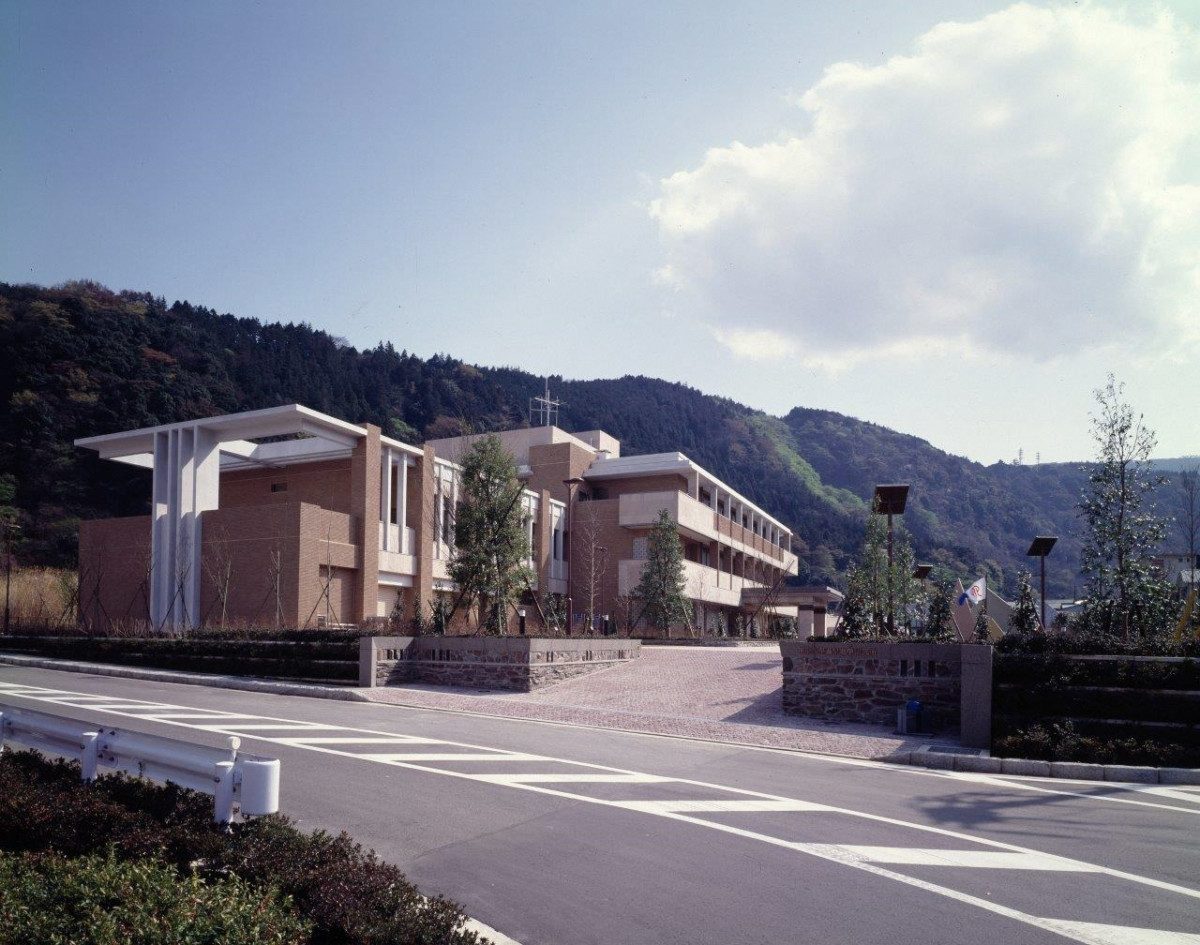
Unique institute researching geology, hot springs, groundwater, earthquakes and volcanoes in a globally rare plate collision zone, with first-floor exhibits.
Odawara Art Foundation Enoura Observatory
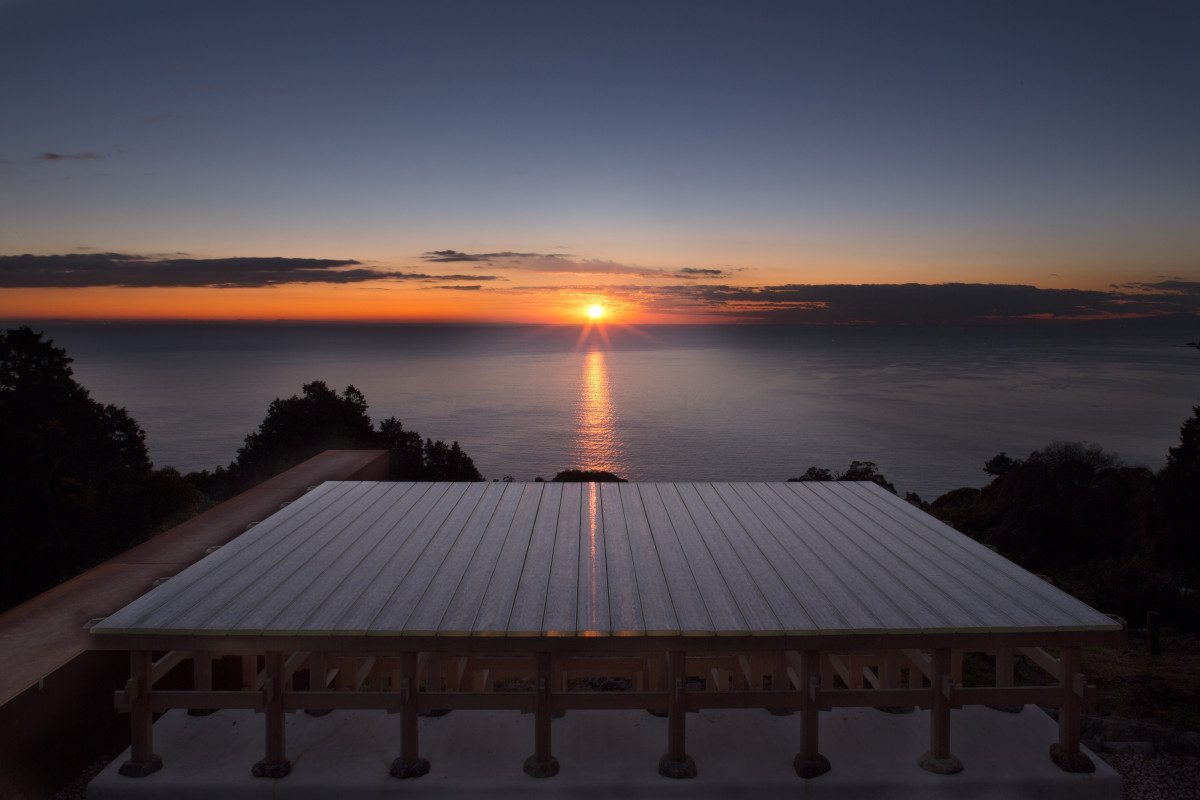
Grand landscape in Enoura, Odawara, designed by Hiroshi Sugimoto, with gallery, outdoor stage, and tea room. Visits require reservation.
Kokufutsuzan Hokongo-ji
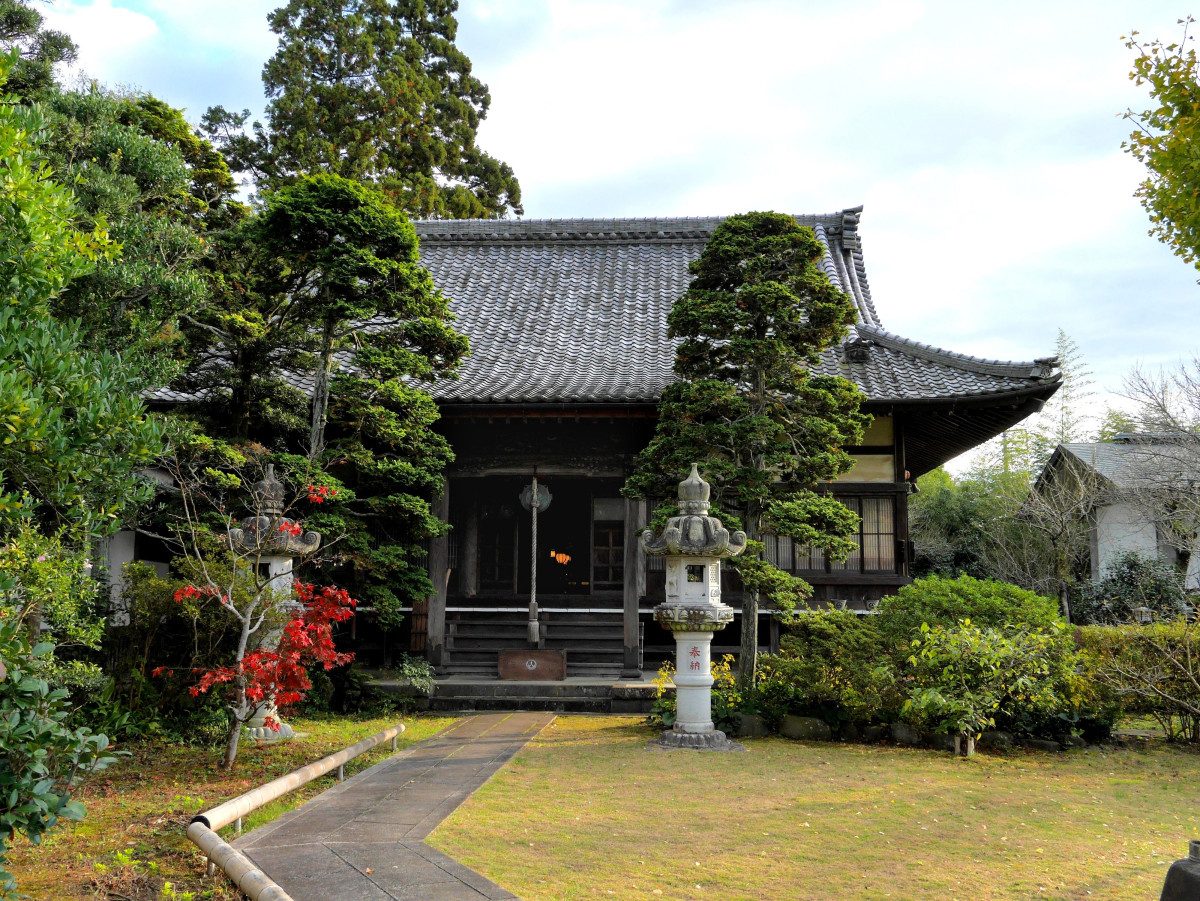
Historic temple founded in 829 with many cultural properties. Its registered quarters can host meetings and receptions; outdoor events possible.
Kaishunso
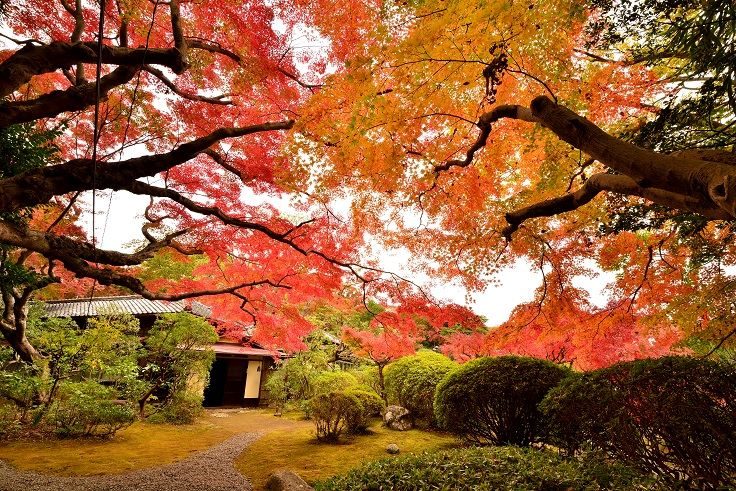
1914 annex to former prime minister Yamagata Aritomo's Odawara villa Kokian; sole original-site building.
Daijo-in
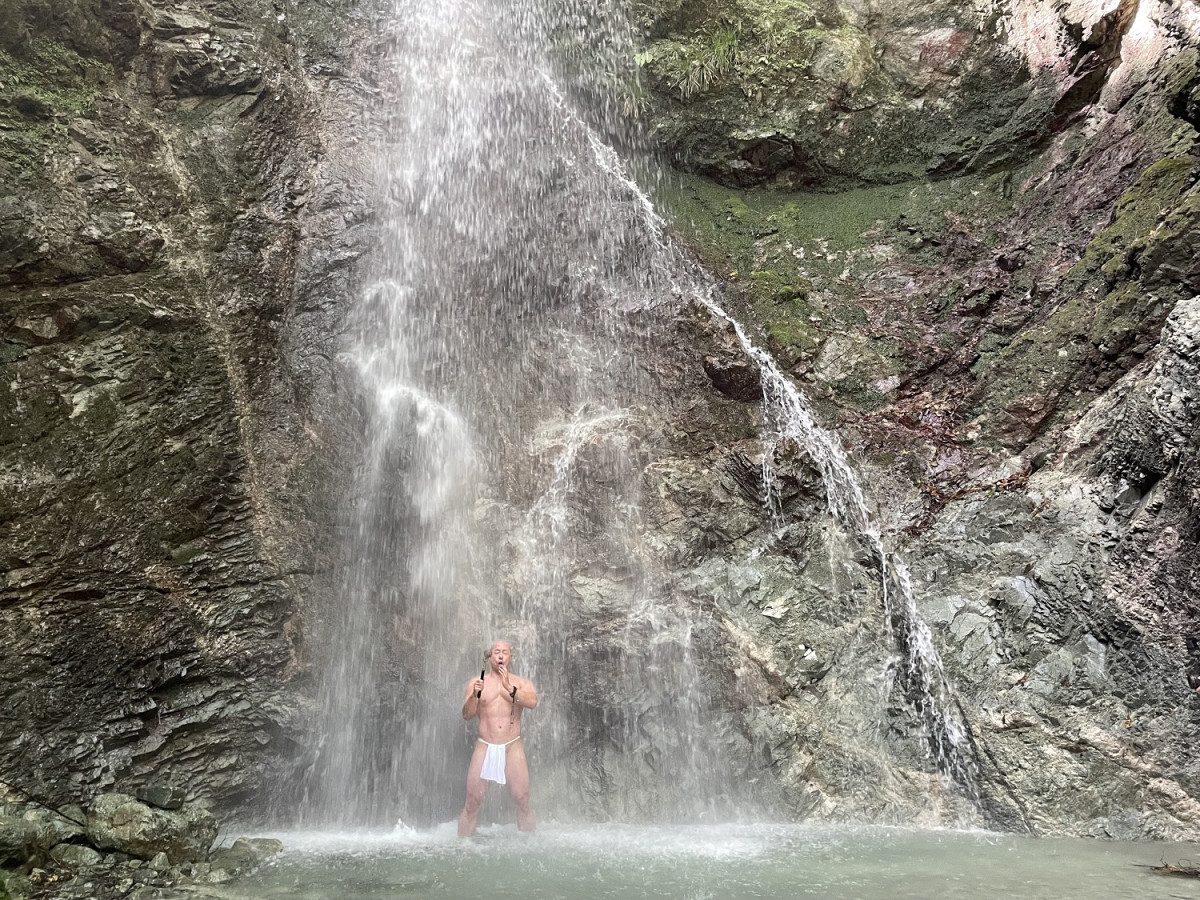
Temple built in the late 700s where monks guide waterfall ascetic practice.
Odawara Castle Ruins Park
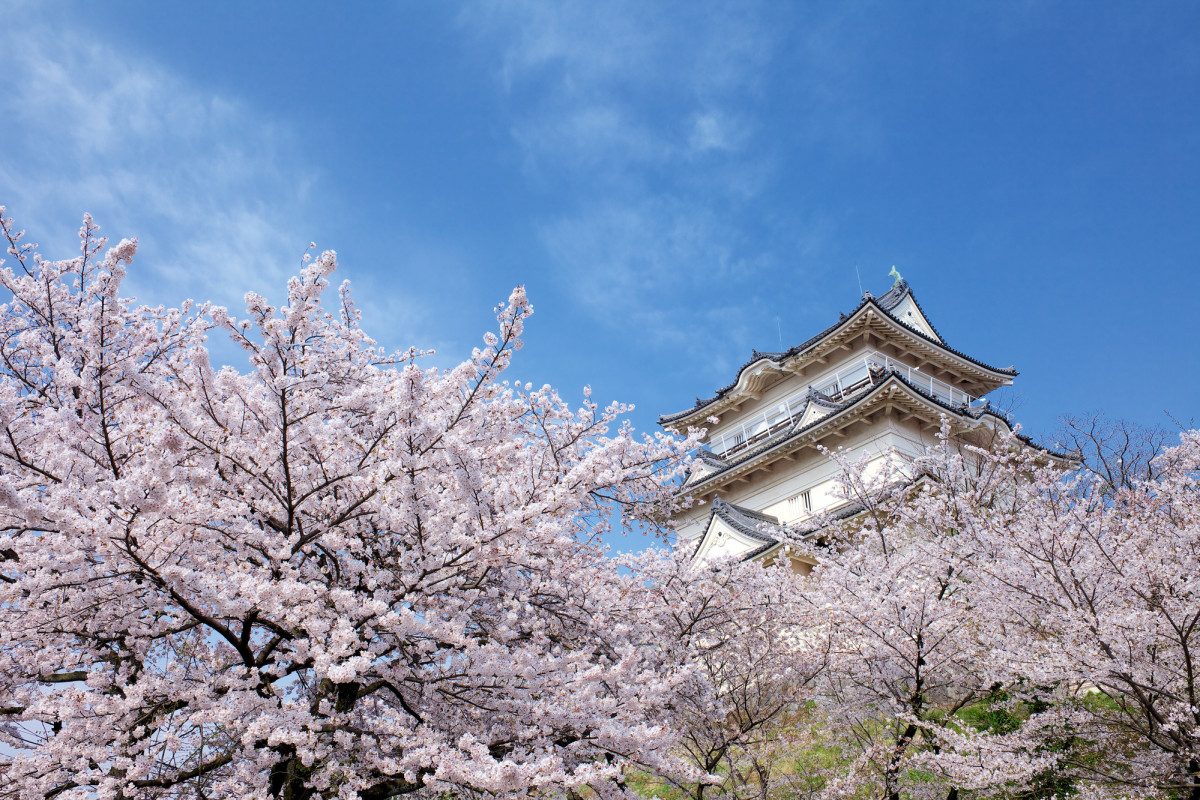
Castle ruins park with a keep, observation deck, samurai and ninja halls, and seasonal flowers.