 BokenJapan
Japan / Kanagawa / Sagamihara / See
Sights in Sagamihara, Kanagawa
Sagamihara · Kanagawa · 48 places
See
Shiroyama Dam
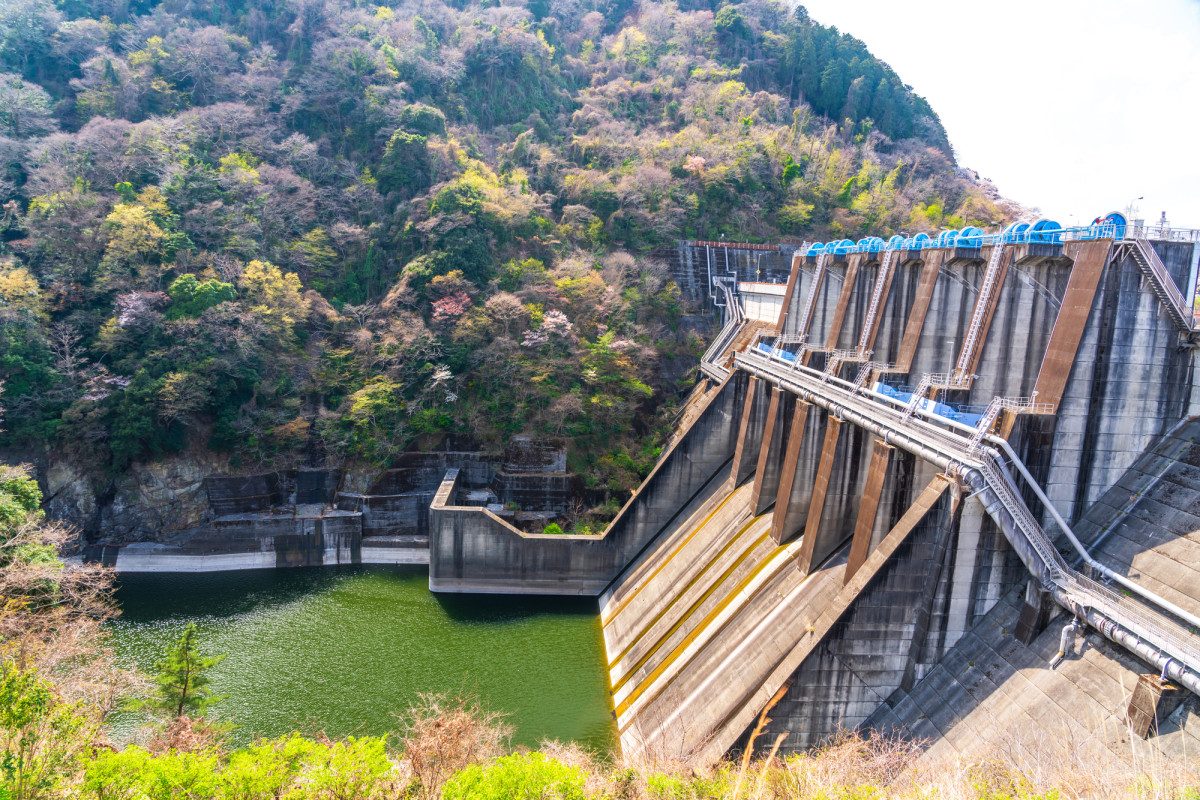
Dam in Sagamihara completed in 1965 for drinking and industrial water, power generation, and flood control.
Sagami Dam
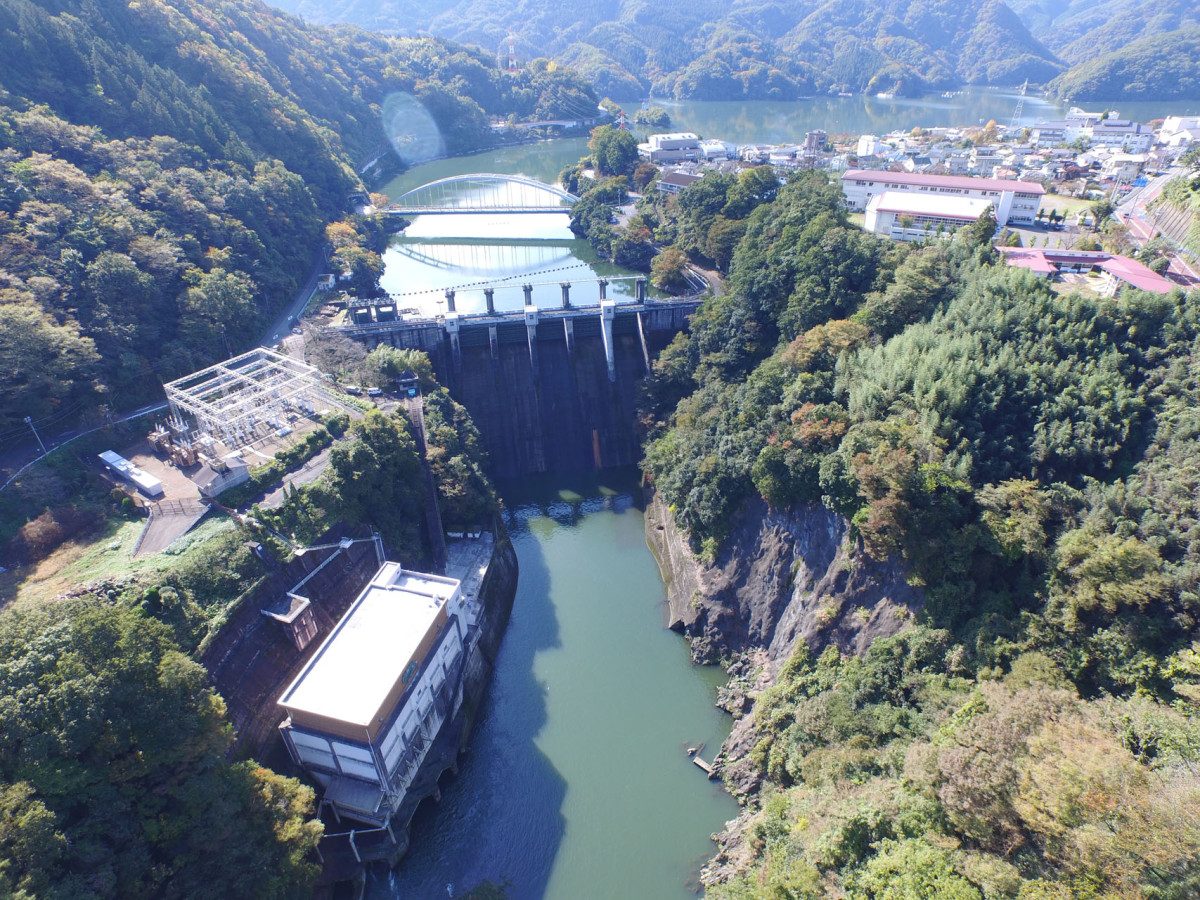
Dam in Sagamihara City, completed in 1947 to secure water for supply, power generation, and irrigation.
Kanagawa Prefectural Sagamihara Park
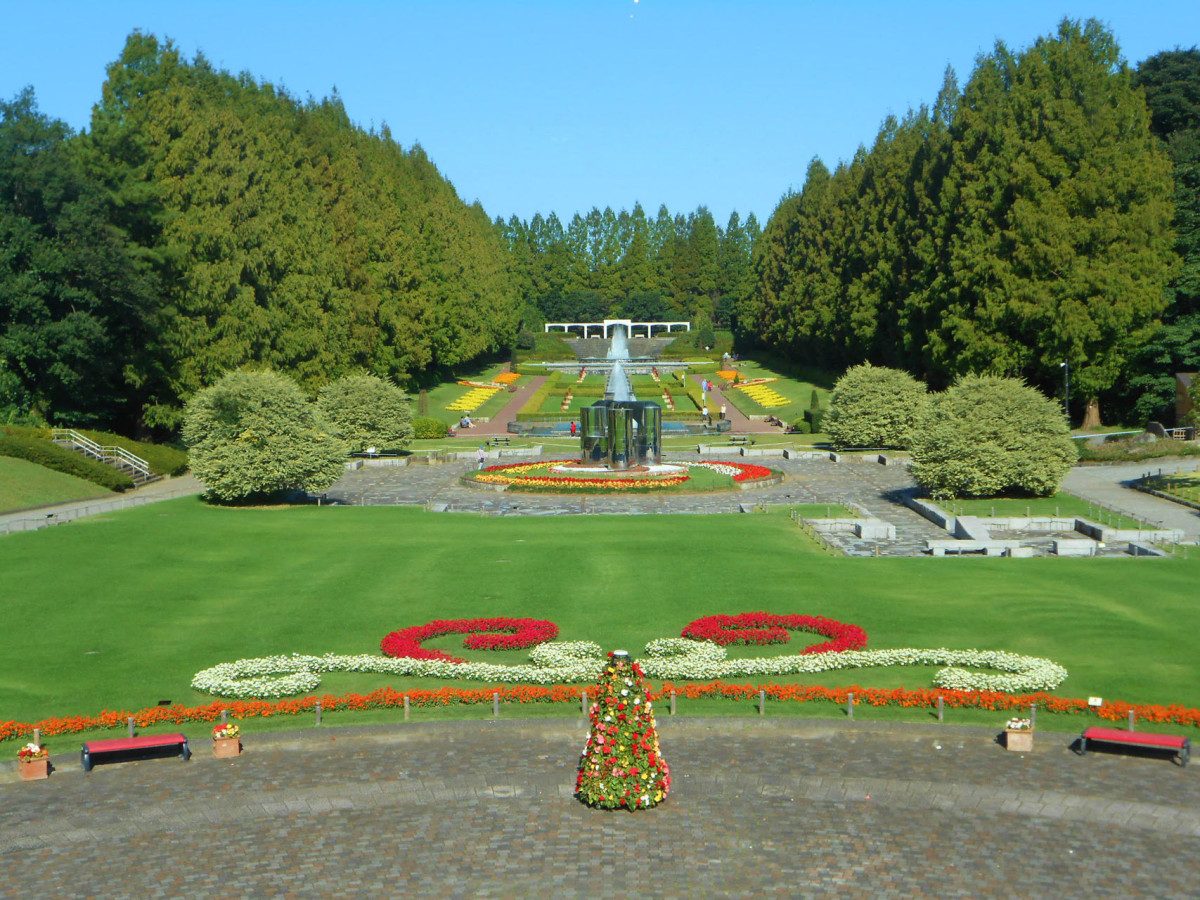
Large lawn park beside Asamizo Park, with an iris garden, French-style formal garden, and tropical greenhouse.
Miyagase Dam
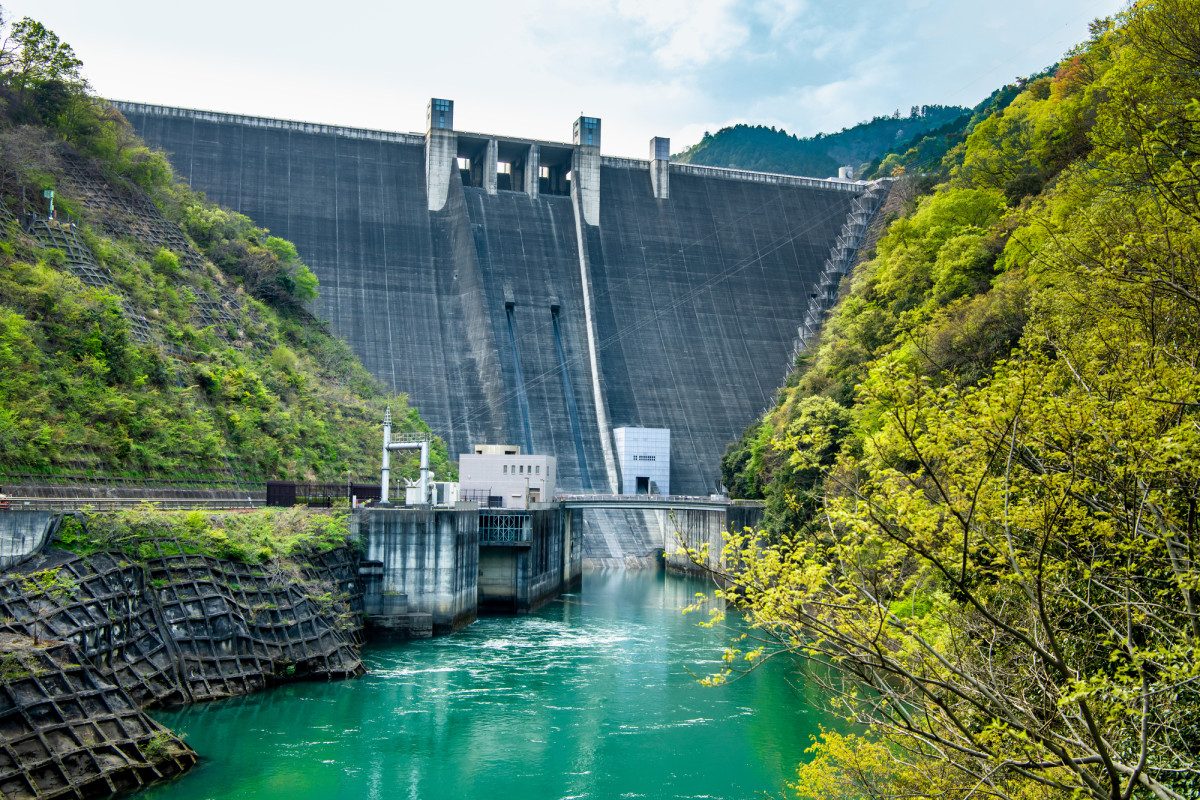
One of the capital region's largest concrete gravity dams, in eastern Tanzawa, northwestern Kanagawa, with six-minute tourist releases.
Taimasan Park
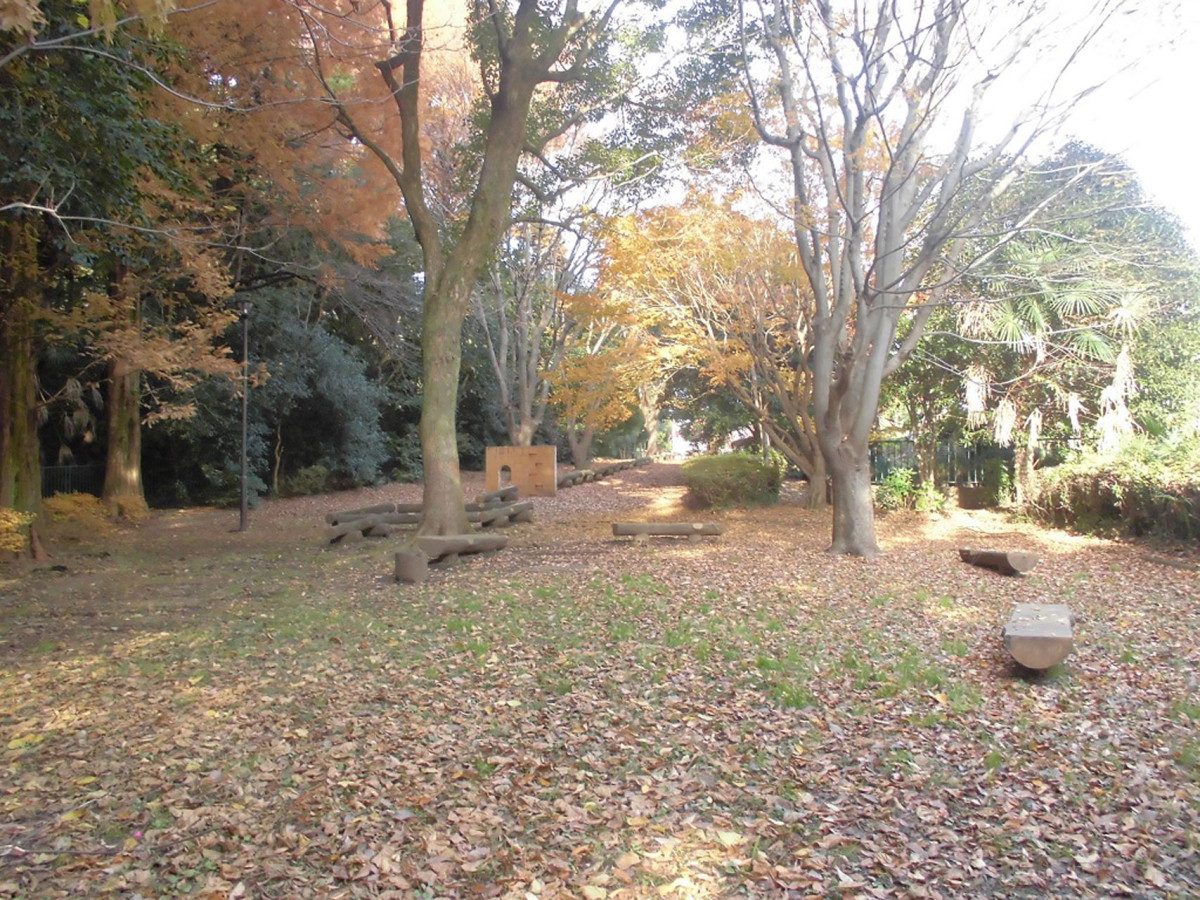
About 1,000 hydrangeas planted, a noted spot for Sagamihara City's flower. Best viewing in late June.
Hirugatake Summit
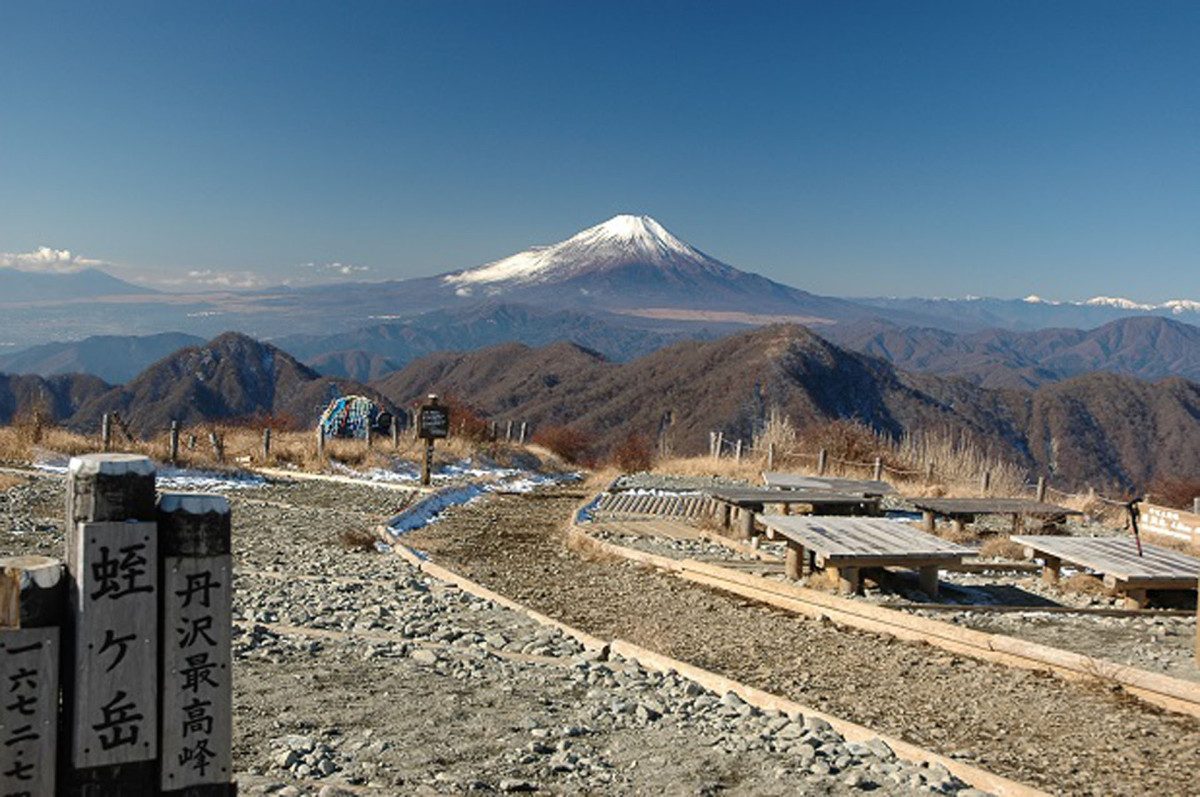
Kanagawa's highest peak: spring azaleas, golden larch foliage, summer constellations, and a 360-degree winter night panorama.
Ogura Bridge and Sagami River Stream Walk
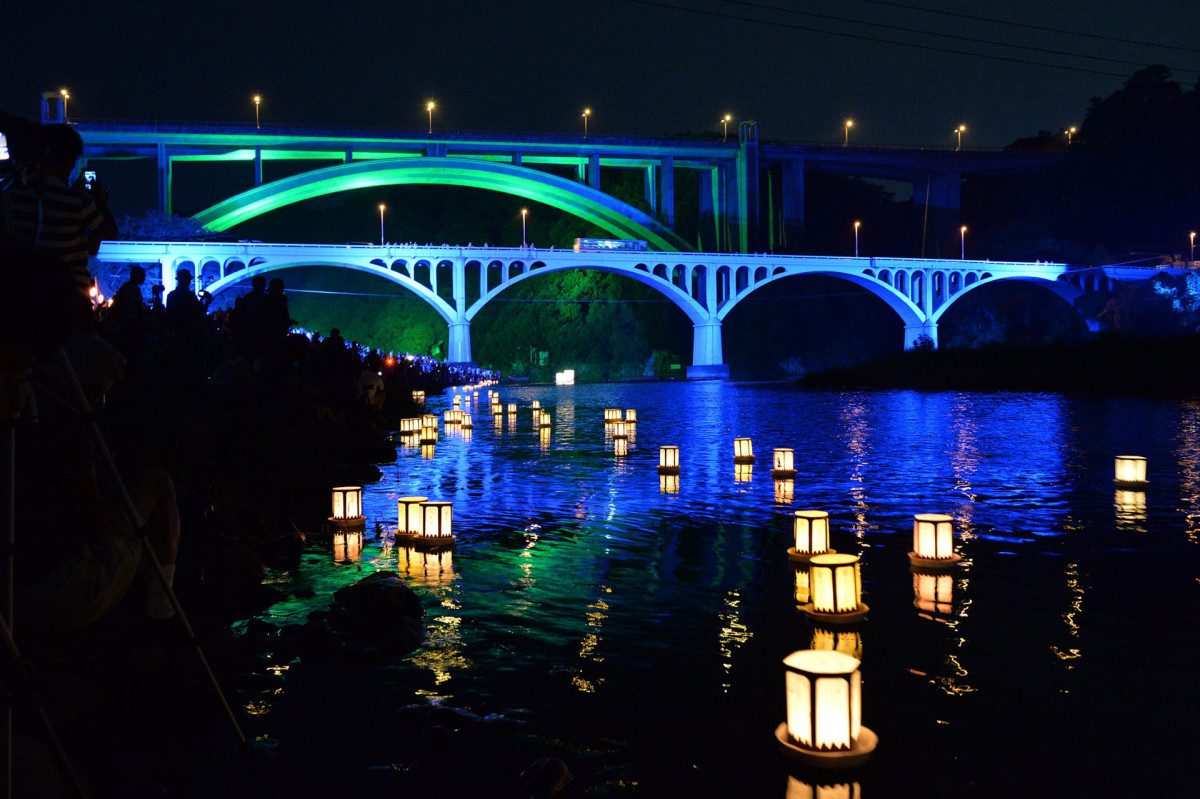
Arched road bridge over the Sagami River, Shiroyama's symbol and civil engineering heritage, with summer lantern floating and illumination.
Sagami Giant Kite Center (Renge no Sato Araiso)
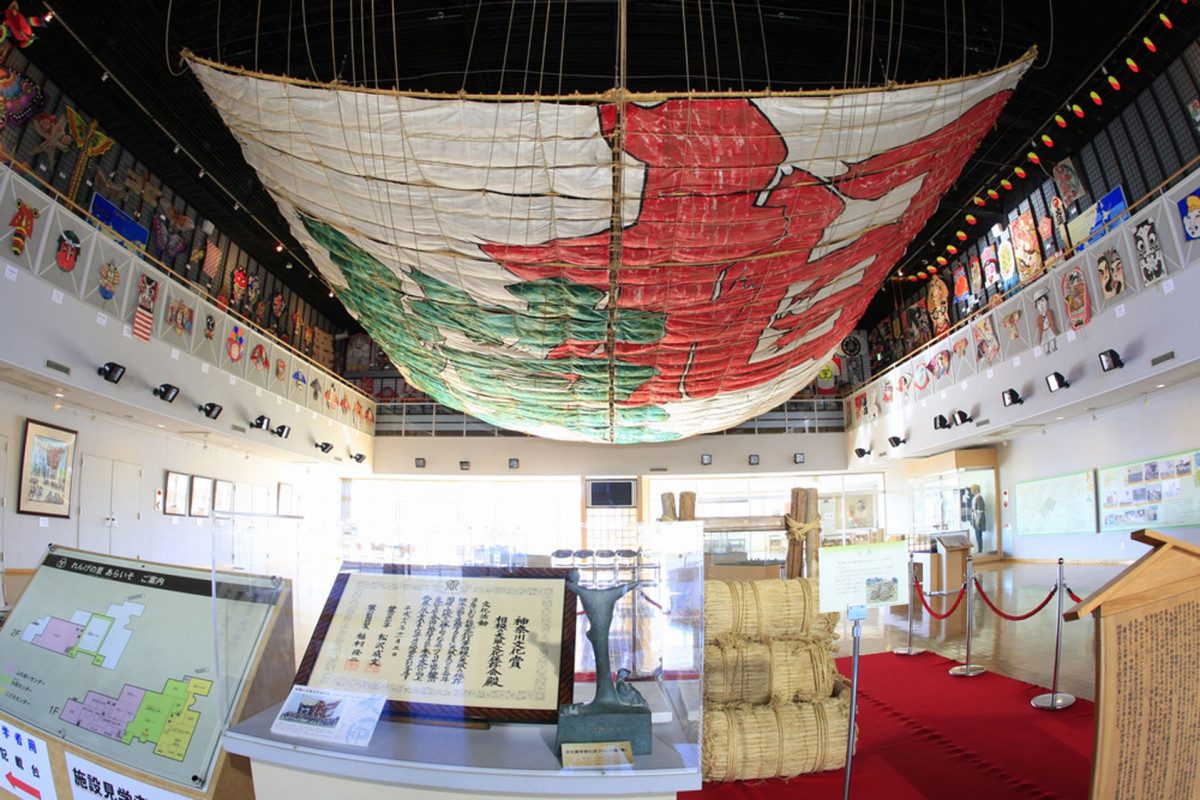
Japan's largest handmade kite, about 14.5 meters square and 950 kg, from a Sagamihara tradition since around 1830.
Sagami River Fureai Science Museum Aquarium Sagamihara
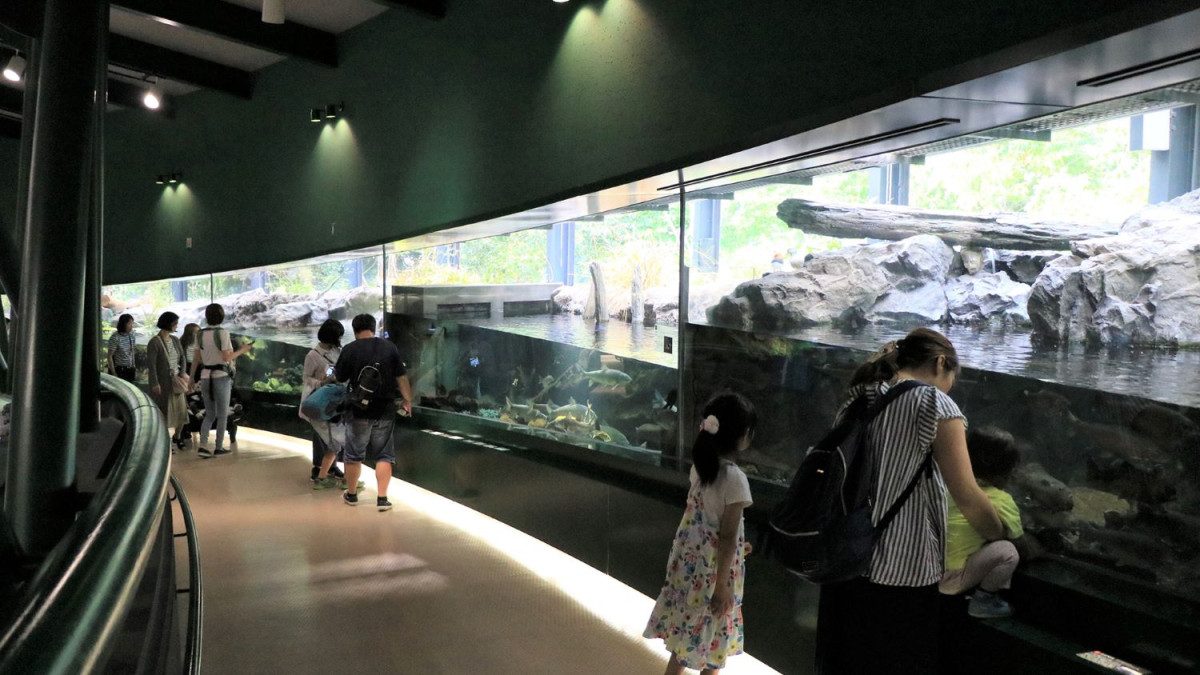
Aquarium displaying Sagami River creatures from upstream to the mouth, with feeding, keeper guides, and craft workshops.
Ozaki Gakudo Memorial Hall
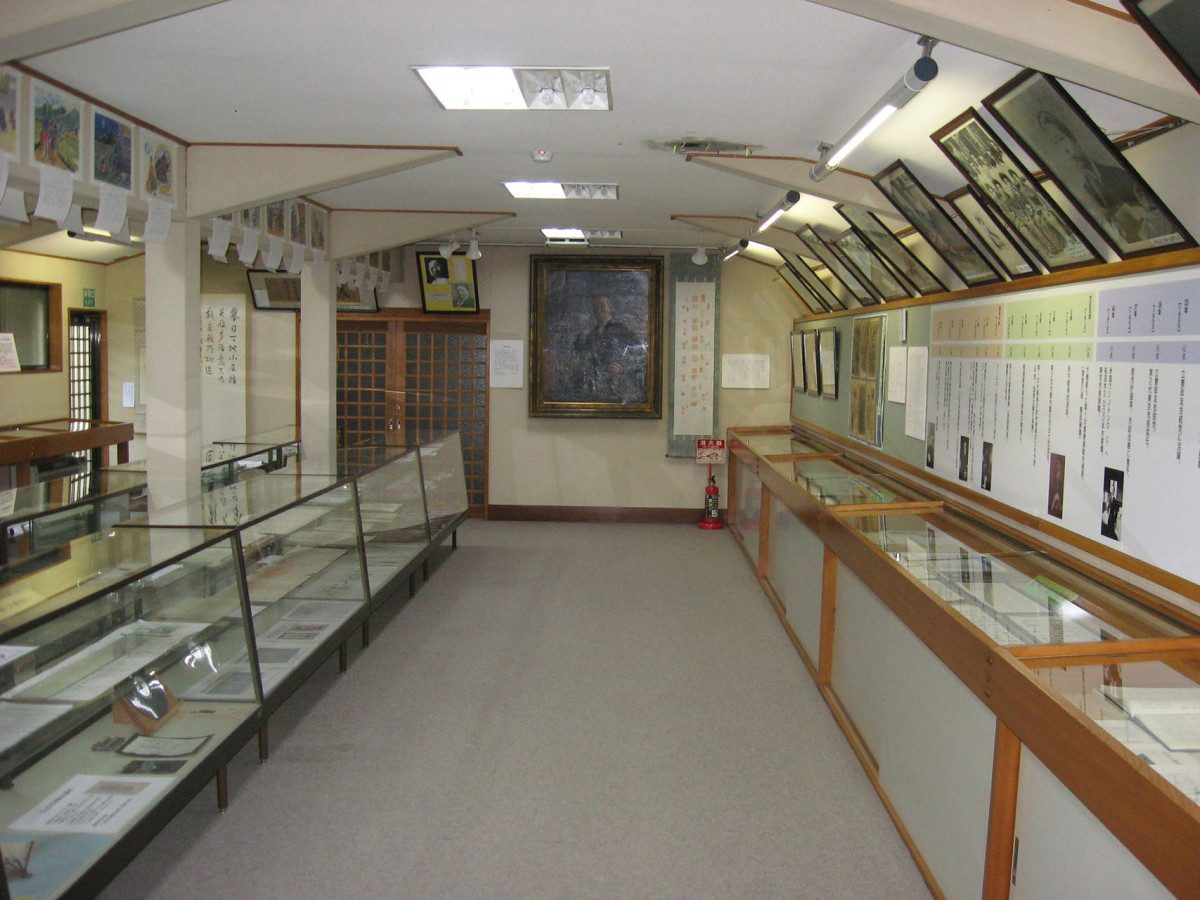
Built in 1957 at Yukio Ozaki's birthplace, with photos, portraits, relics, and a Gakudo cherry tree.
JAXA Sagamihara Campus (Space Science Exploration Exchange Building)
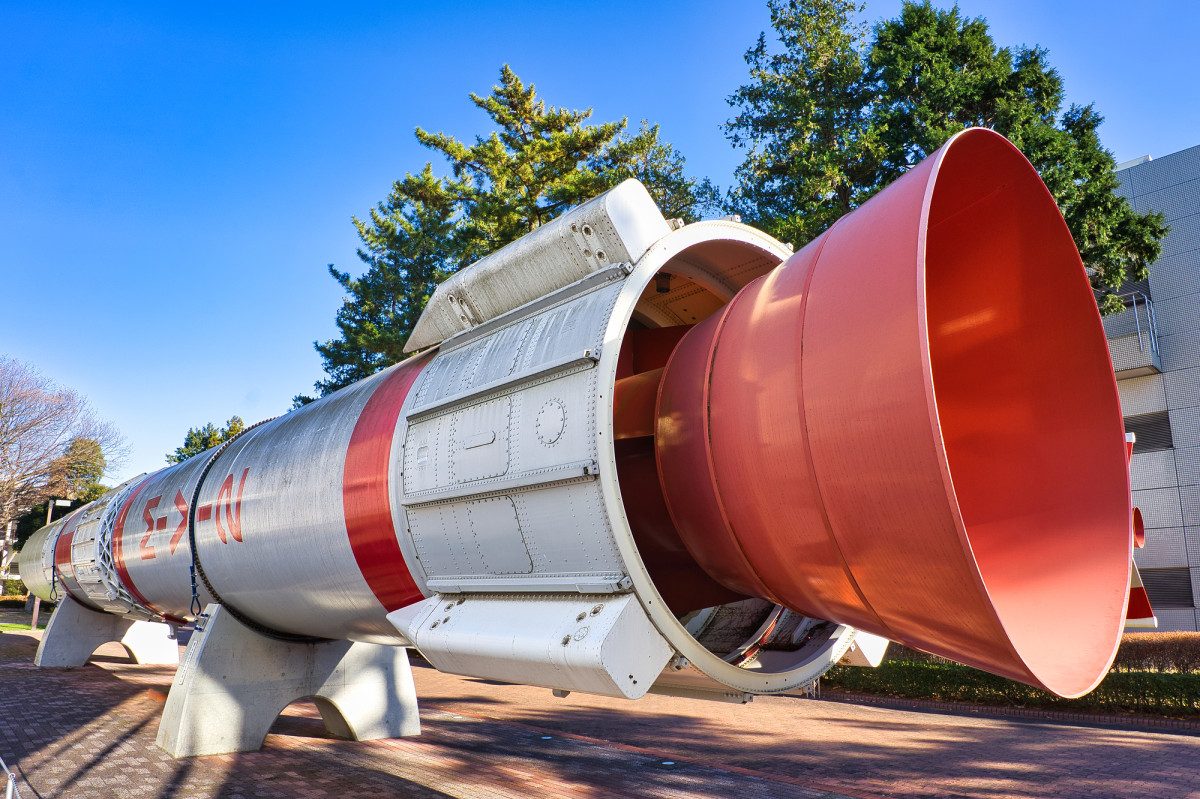
JAXA space science visitor facility with an M-V rocket, satellite test models, Hayabusa2 exhibits, and guided tours.
Obara-juku Honjin
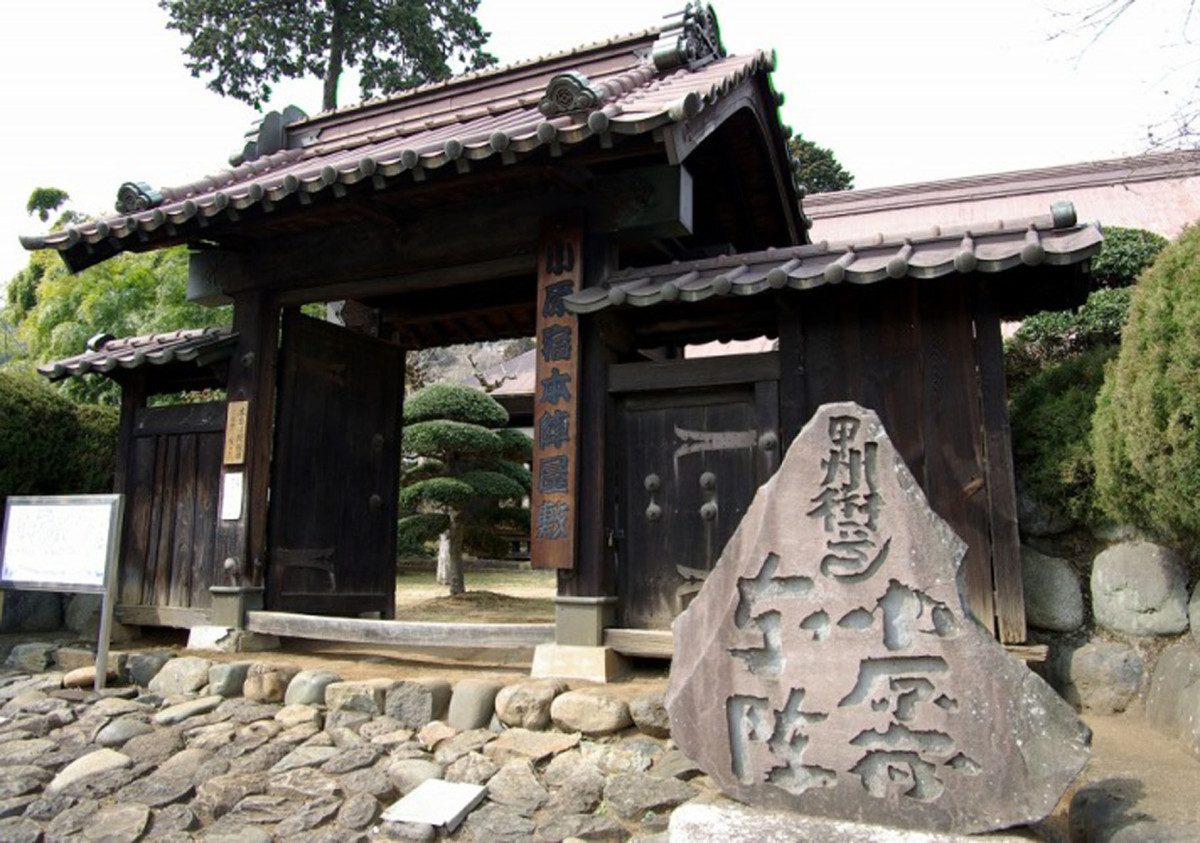
Only surviving official inn of Kanagawa's former 26, a grand pure-Japanese building designated a prefectural important cultural property.
Komorebi Forest
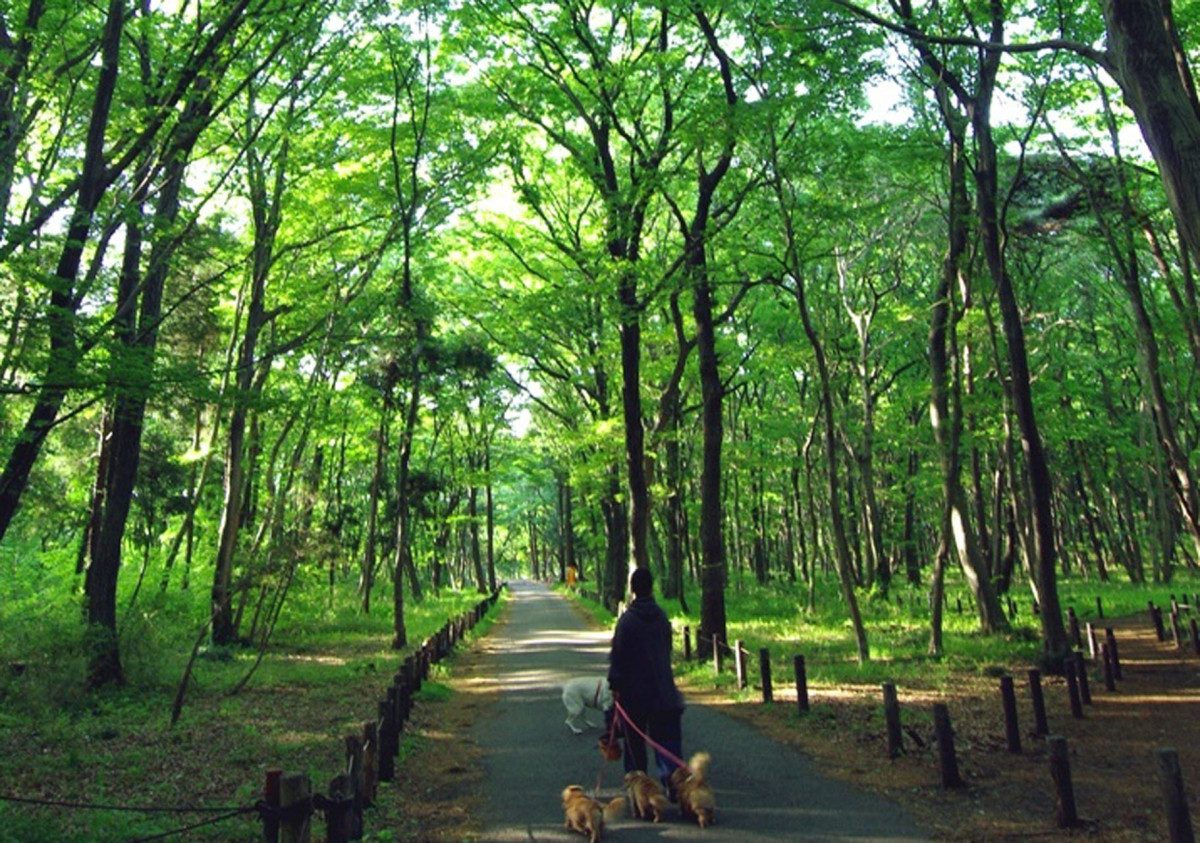
Enjoy seasonal nature on maintained paths and lawns; selected among Kanagawa's 50 beautiful forests.
Kanuma Park
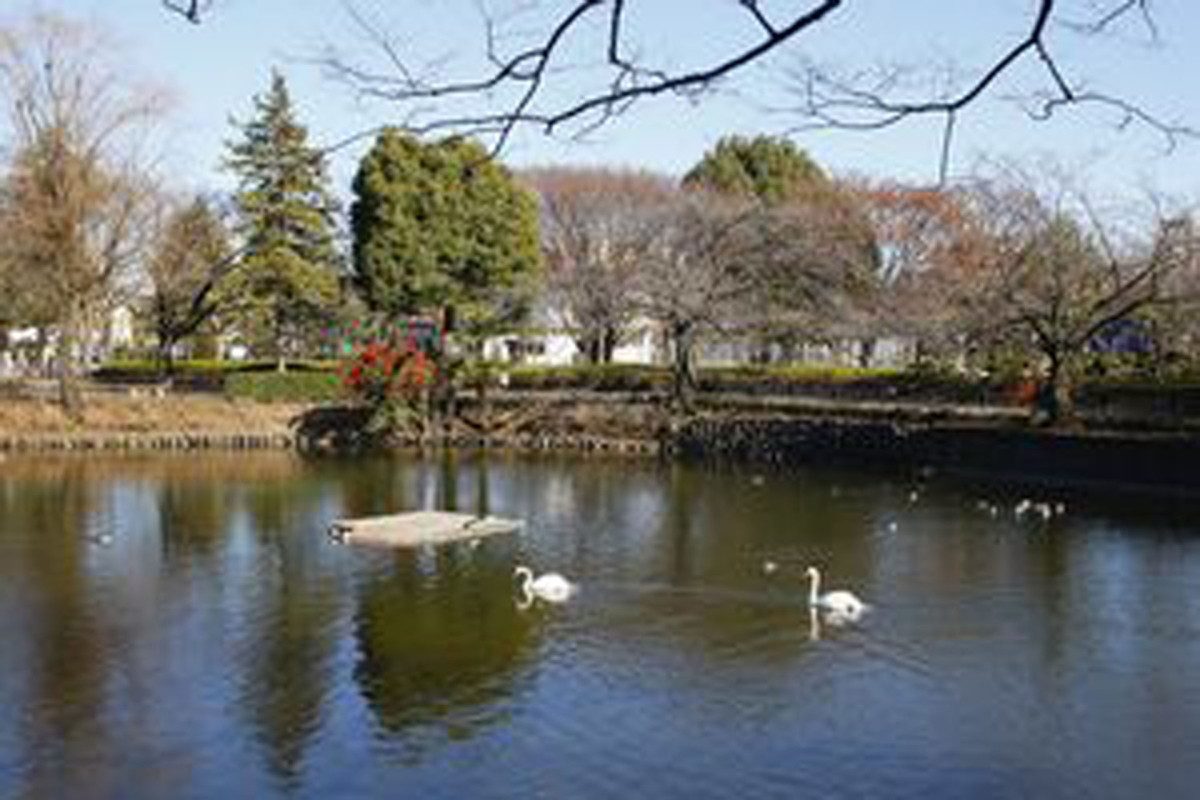
A former reed marsh called Kanuma. Legend: giant Deirabotchi's footprint became the marsh. Carp, ducks, local rest spot.
Seiryu no Sato
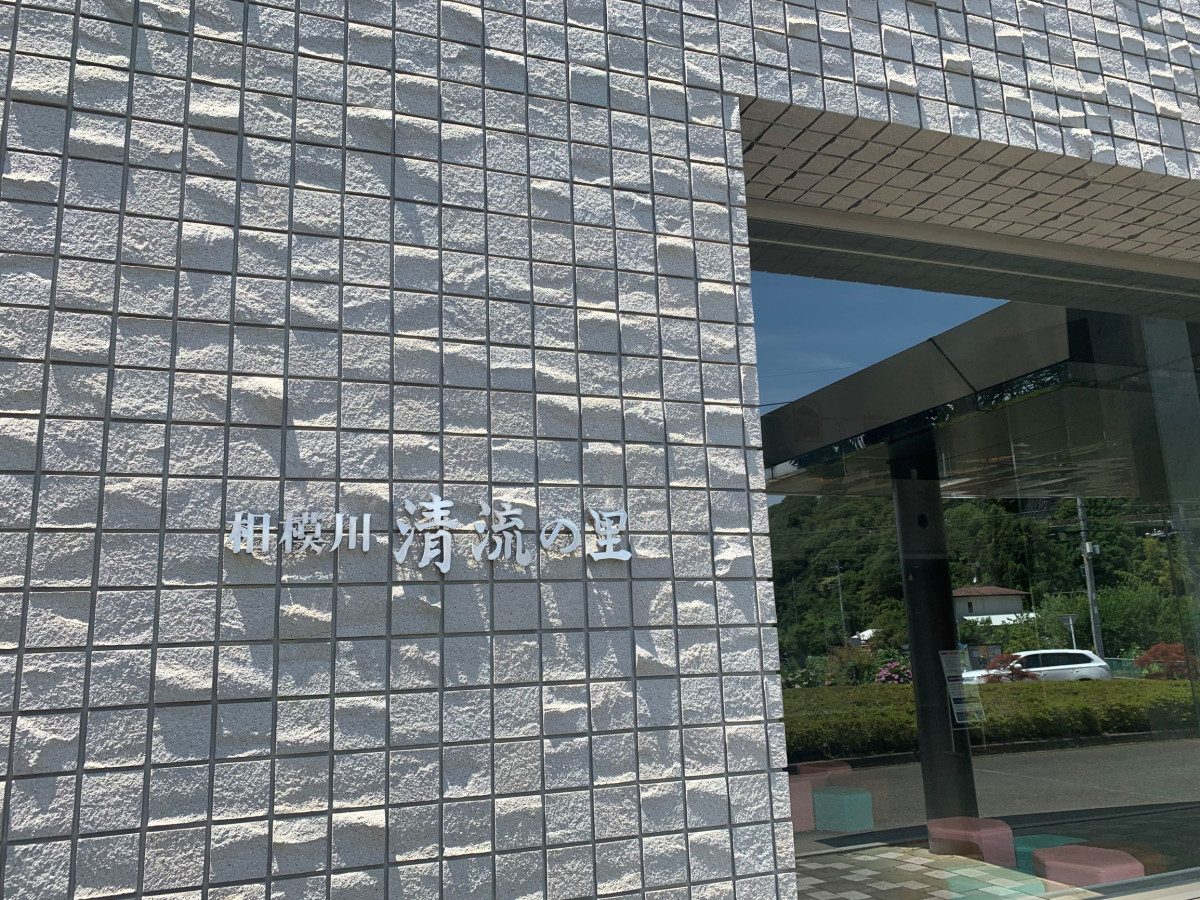
Enjoy the Sagami River's rich nature and seasonal changes.
Sagamihara City Old Folk House Garden
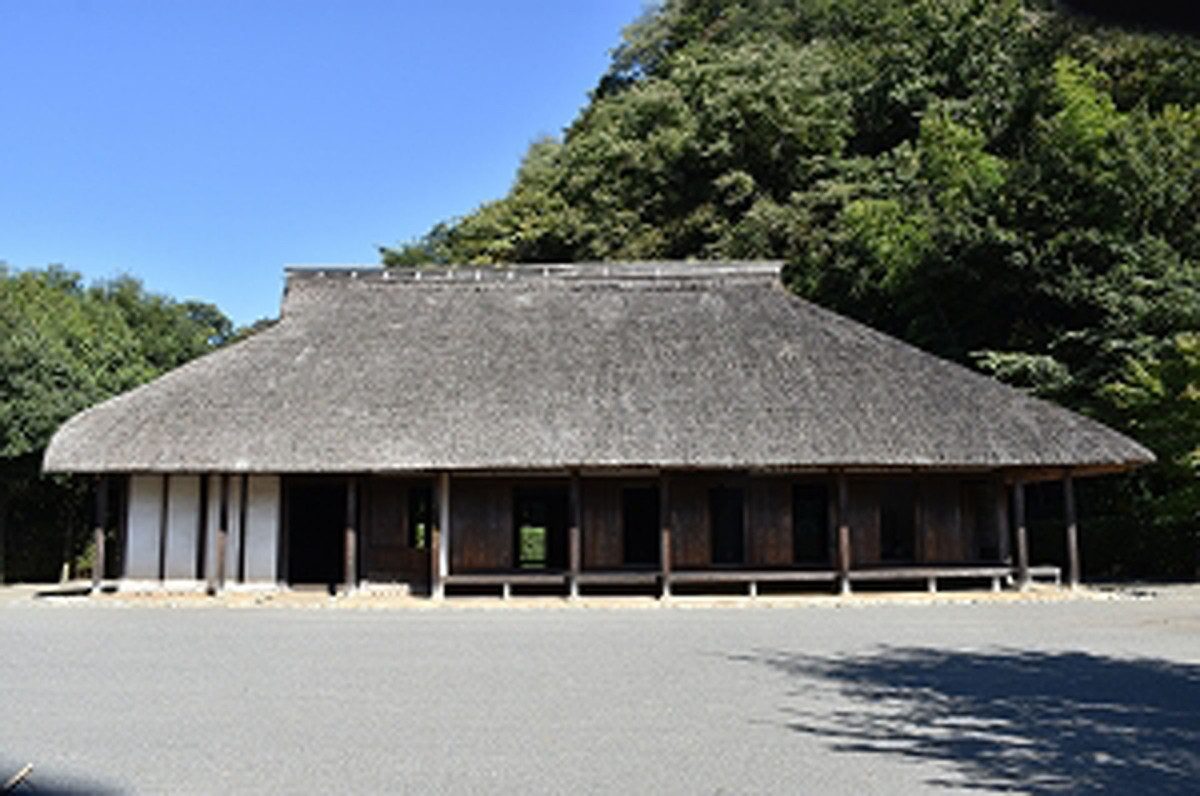
Estimated mid-Edo Former Aoyagi-ji quarters, relocated and restored here, is a Kanagawa Prefecture Important Cultural Property.
Joshibi Art Museum (Joshibi University of Art and Design)
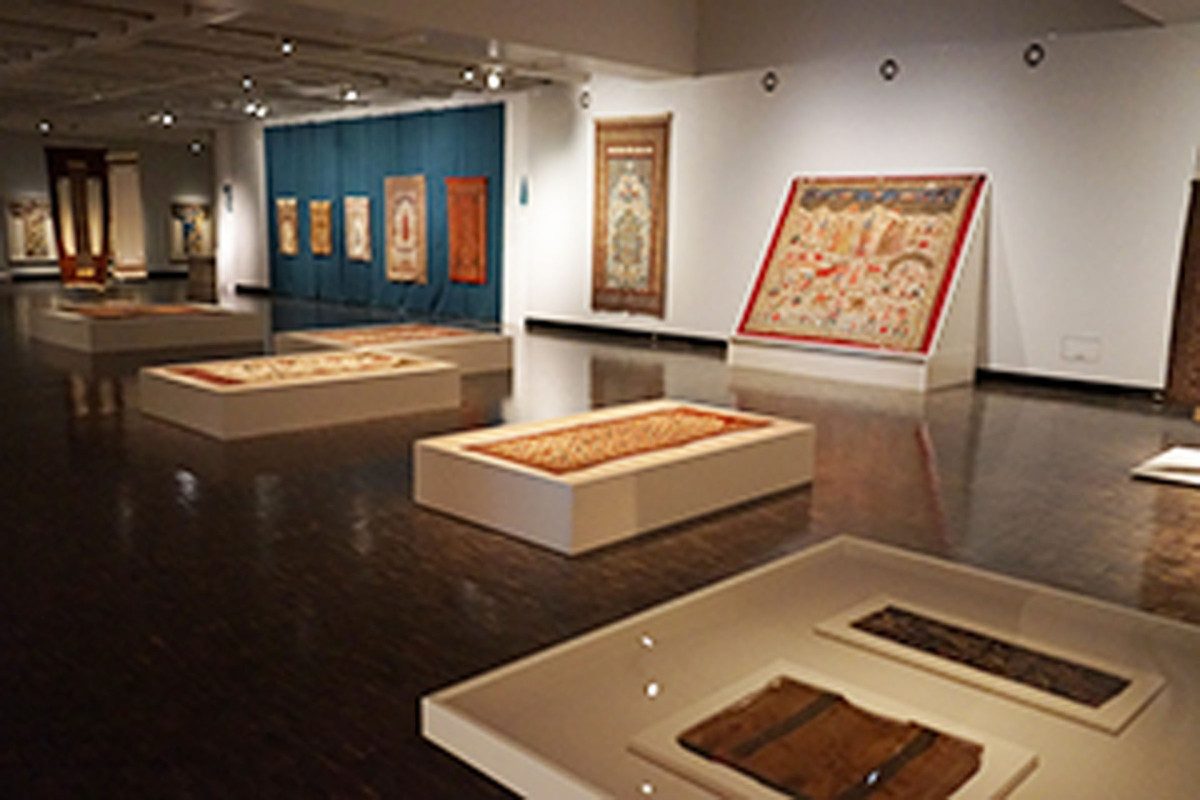
Joshibi University Sagamihara campus museum with about six exhibitions, lectures, gallery talks, and workshops yearly.
Kawajiri Stone Age Site
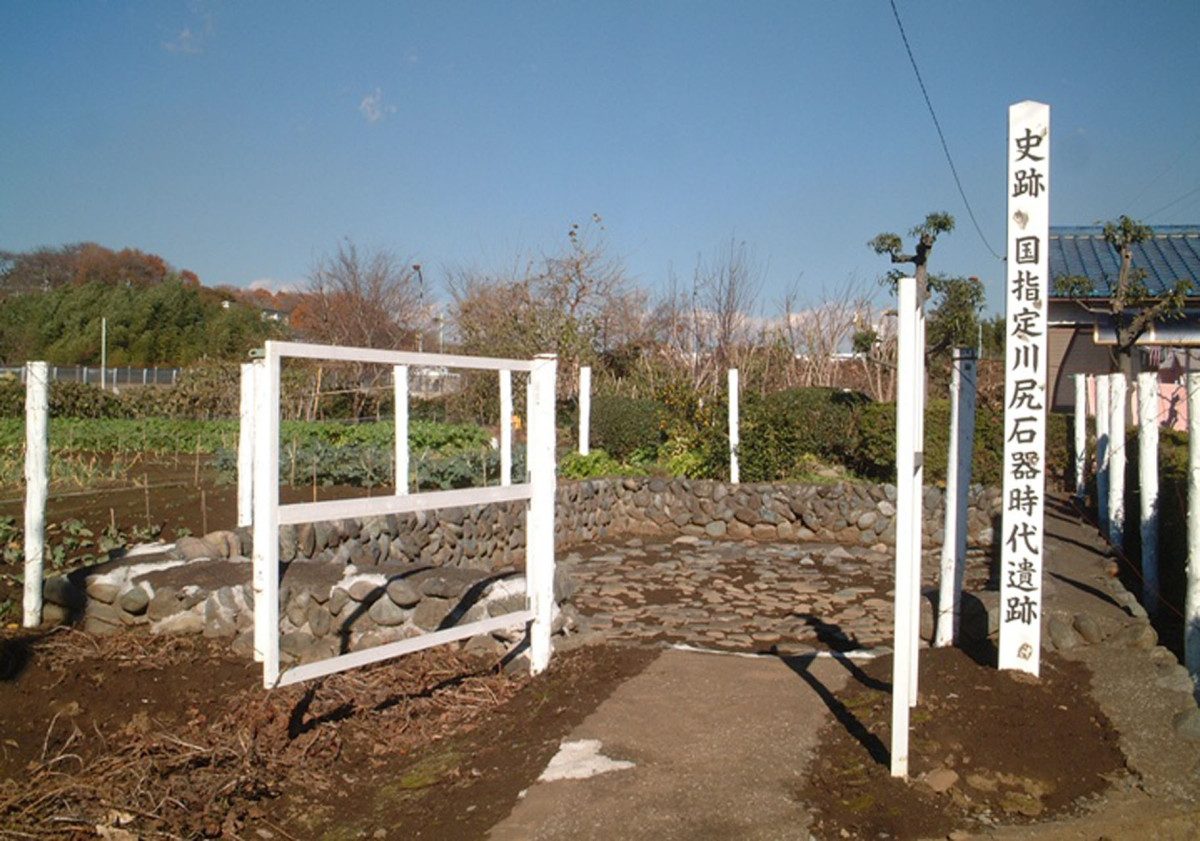
Middle to late Jomon settlement site with varied artifacts and pebble-built remains, including stone-paved dwellings.
Tsukui Castle Ruins
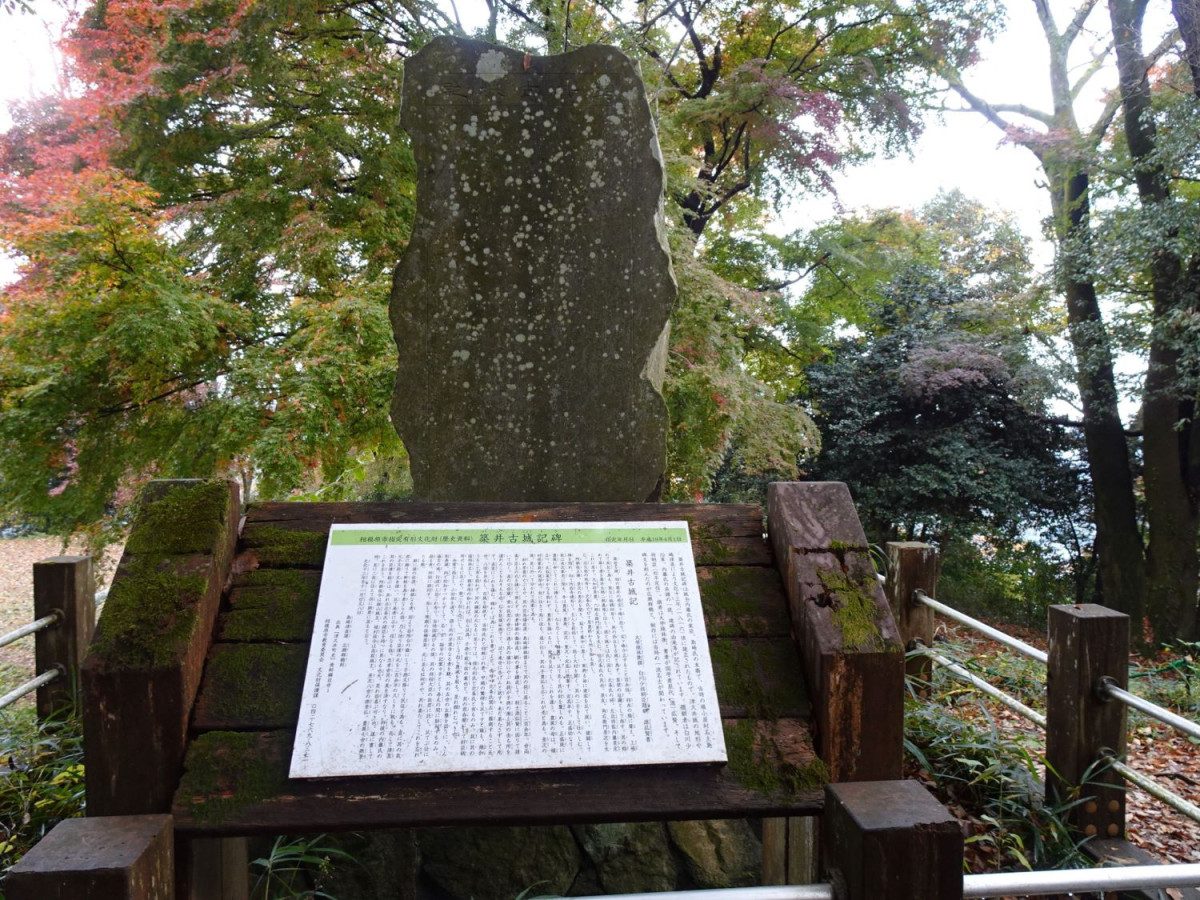
Mountain castle built by reshaping Shiroyama, a major Sengoku-era Odawara Hojo border castle, now a prefectural park with trails.
Katsusaka Ruins
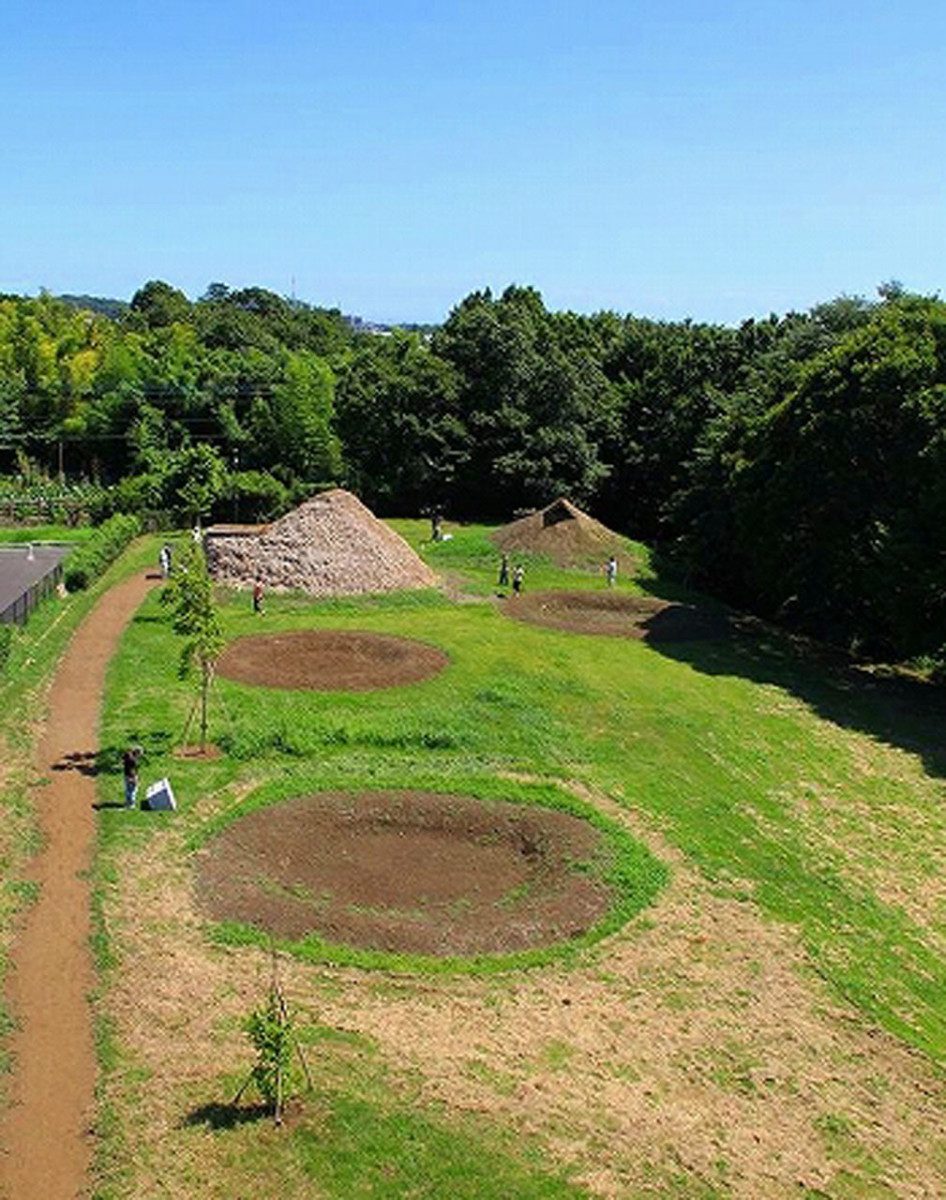
Restored Jomon pit dwellings, post-abandonment hollows, a stone-paved house replica, and on-site artifact displays.
Tana Mukaihara Paleolithic Learning Center
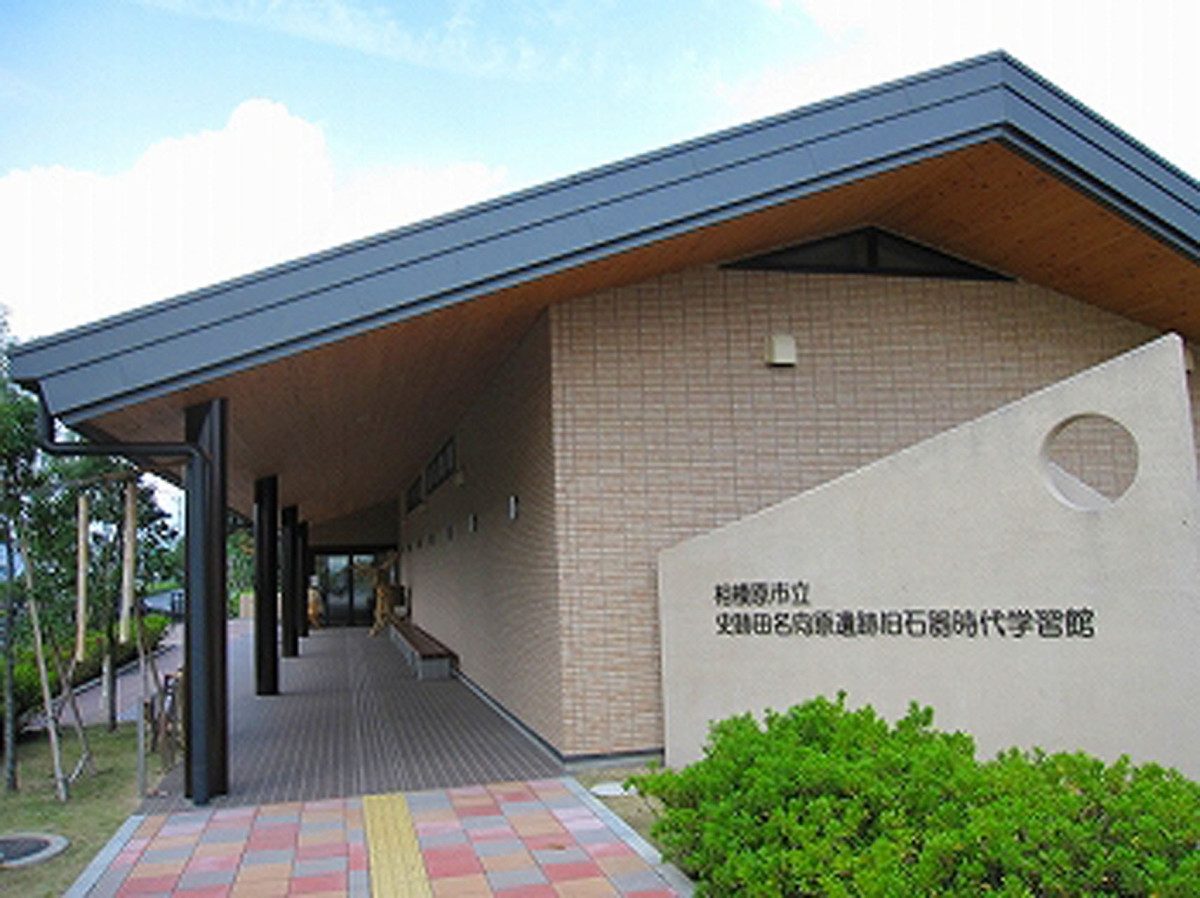
Rare Paleolithic learning center; the national historic site has Japan's only traces of a building from about 20,000 years ago.
Lake Tsukui Shiroyama Park
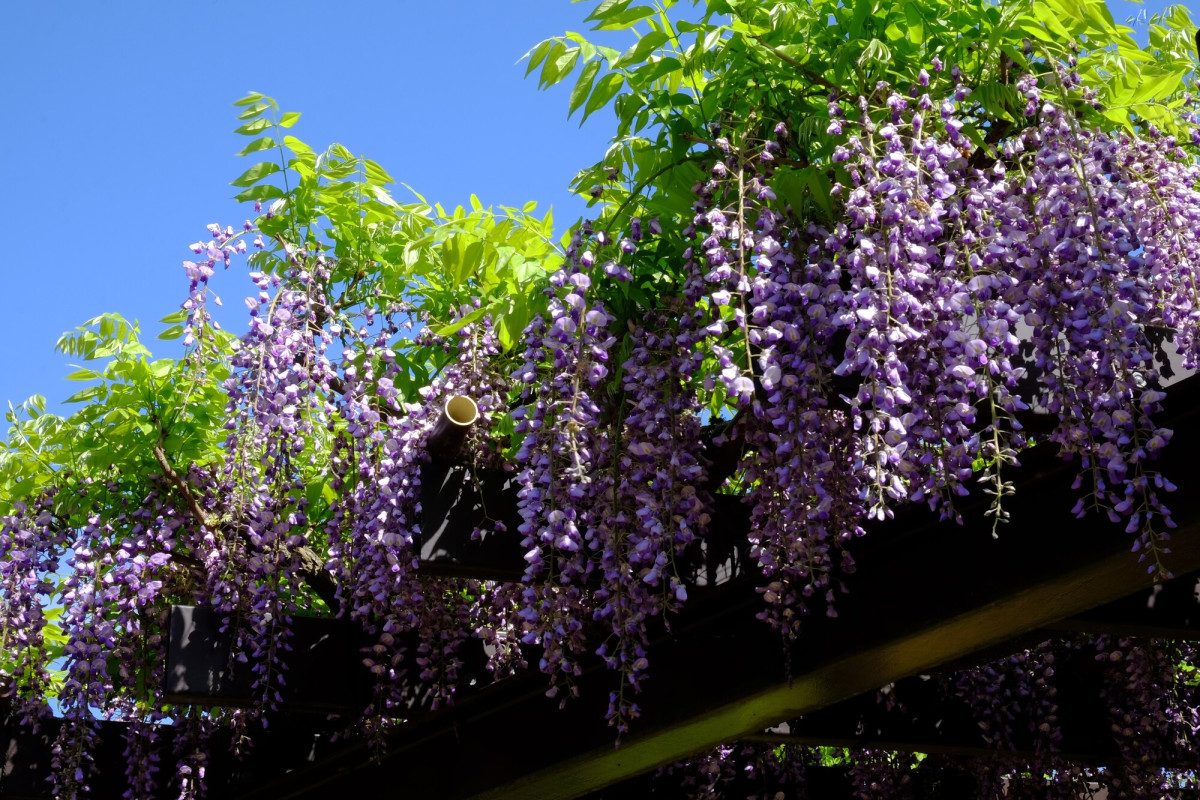
Vast 95-hectare park by Shiroyama Dam with flower gardens, cherry blossoms, seasonal blooms, and Tsukui Castle ruins.
Sandan Falls Observation Plaza
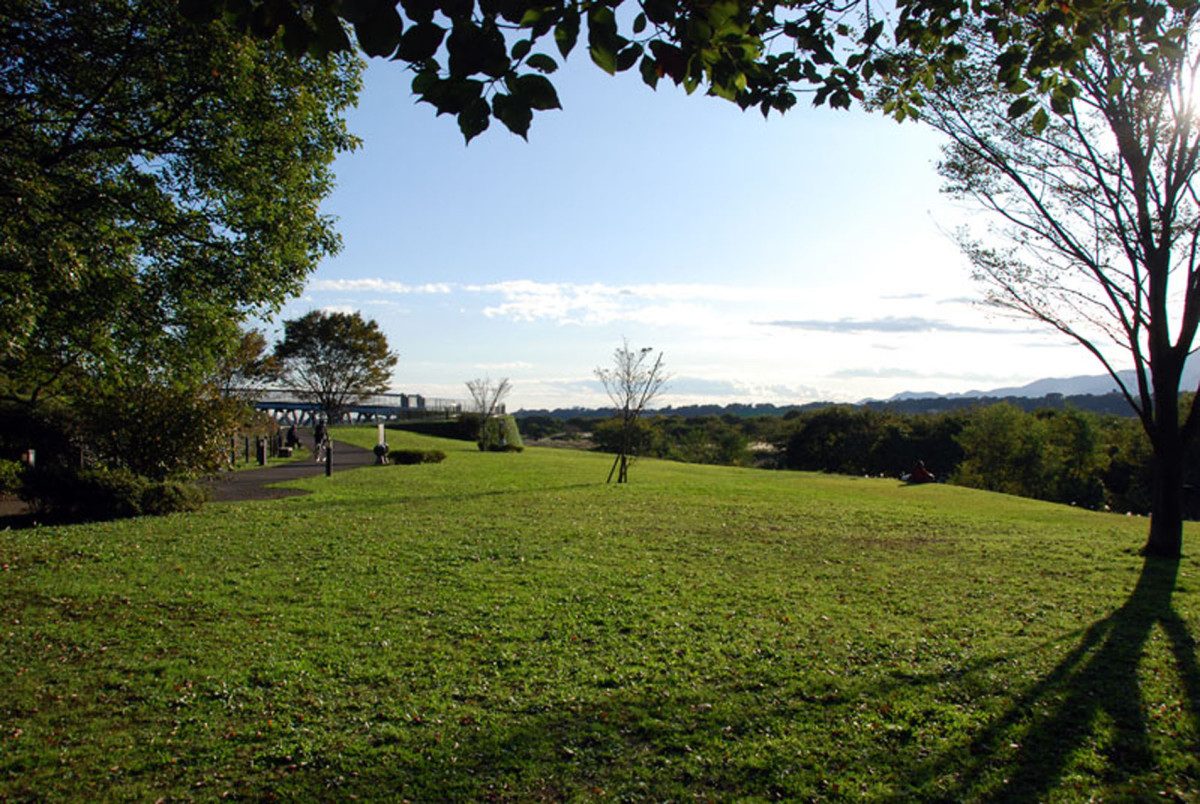
Observatory overlooks the Sagami River; a downstream riverbed plaza hosts sports and events.
Sagamihara City Hall Sakura Street
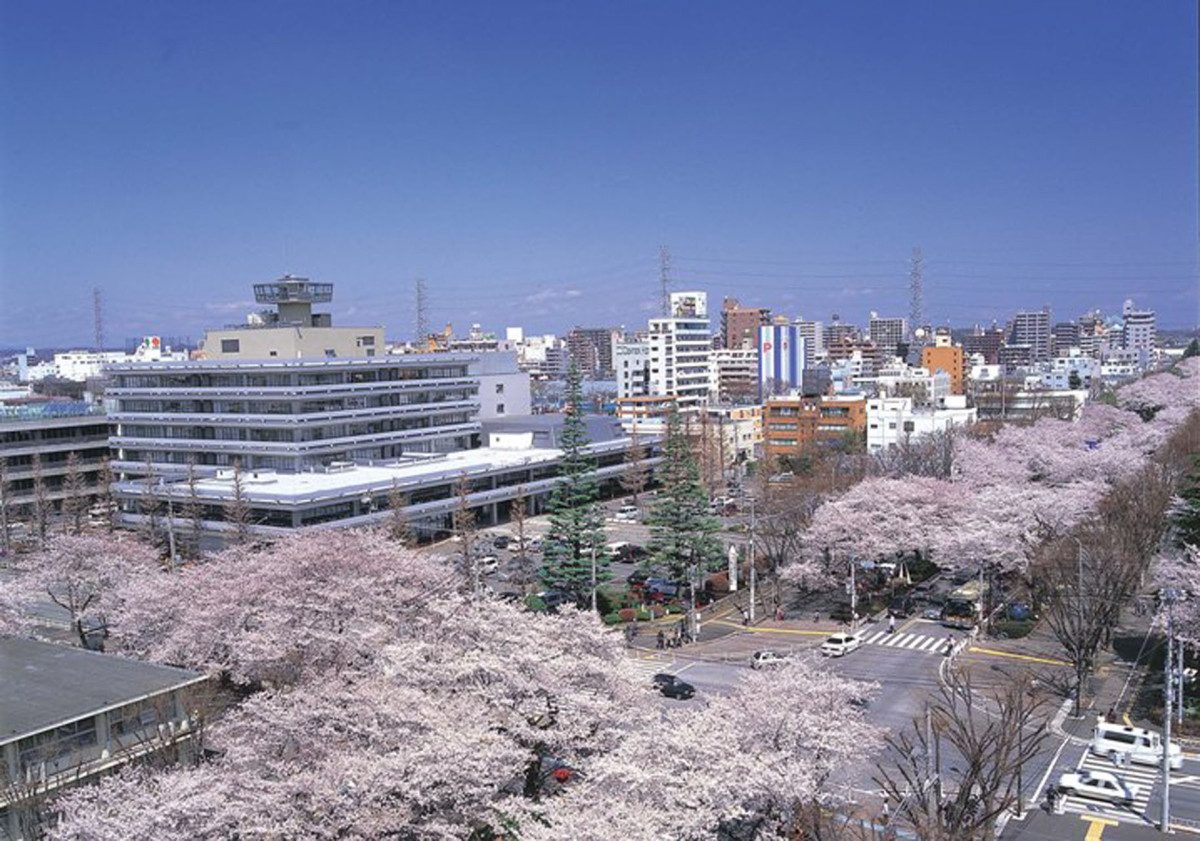
About 300 Someiyoshino cherries line 1.6 km, blooming from late March to early April, with night illumination.
Shiroyama Katakuri Village
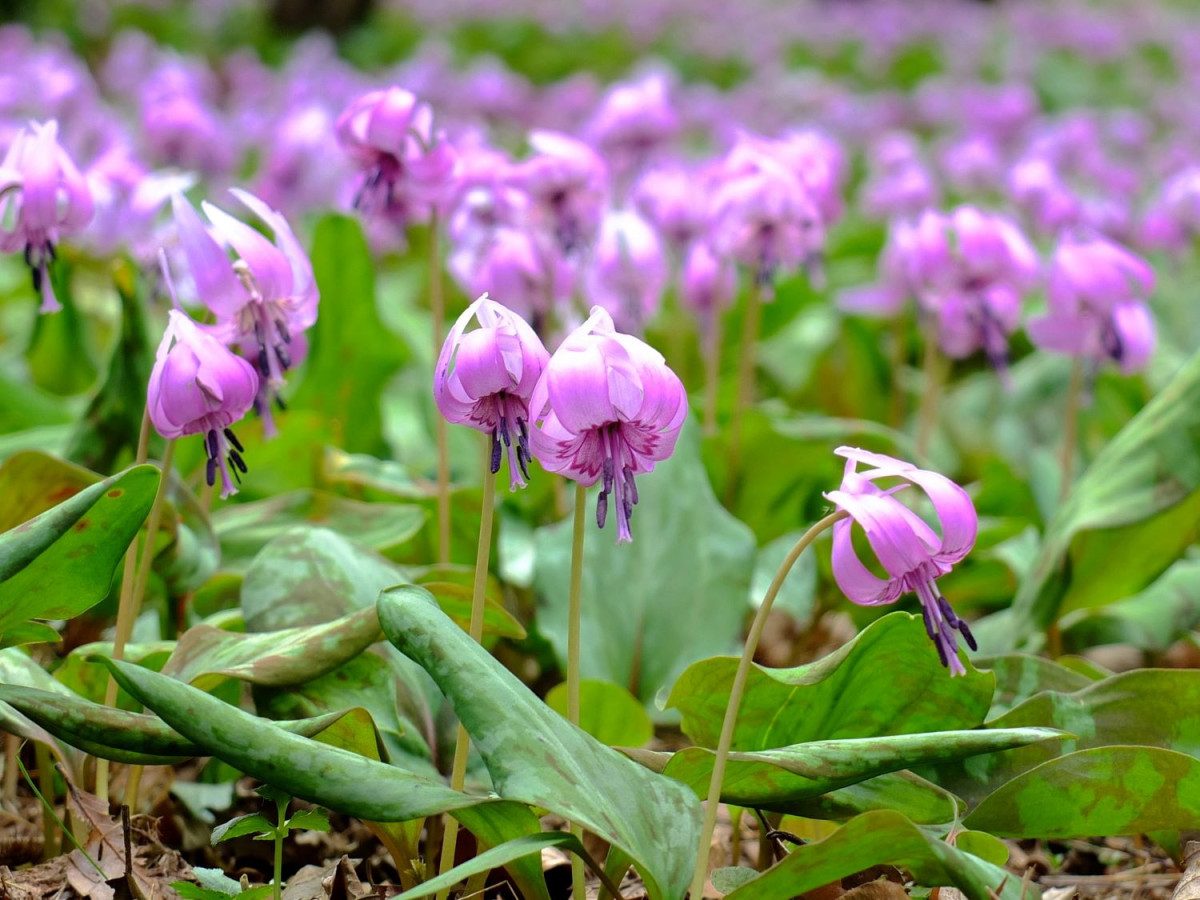
Private woodland open to the public only March-April, with about 300,000 purple katakuri and a short hike.
Sagamihara City Museum
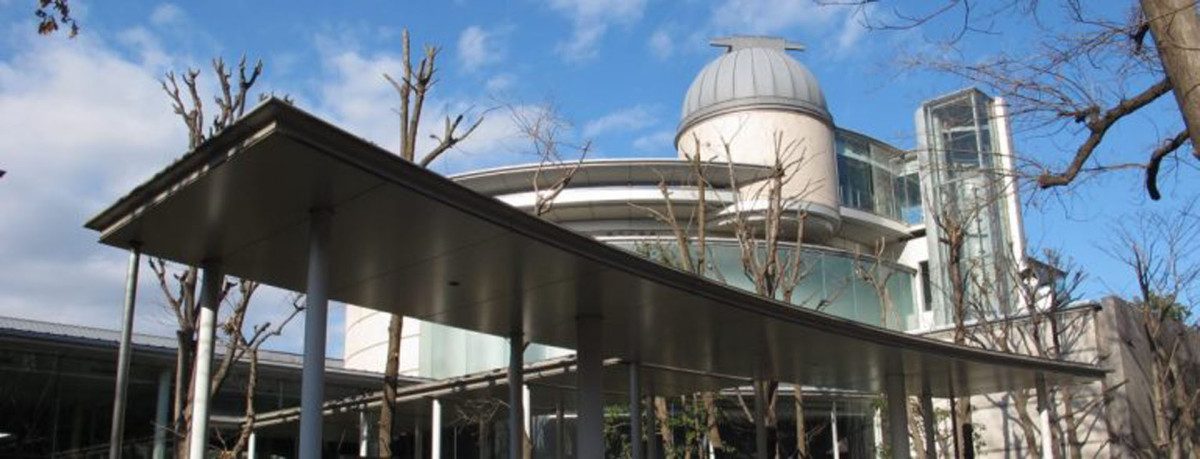
Museum of Sagamihara history and nature since 1995, with Hayabusa capsule exhibits and a planetarium.
Hakkei no Tana and River Terraces
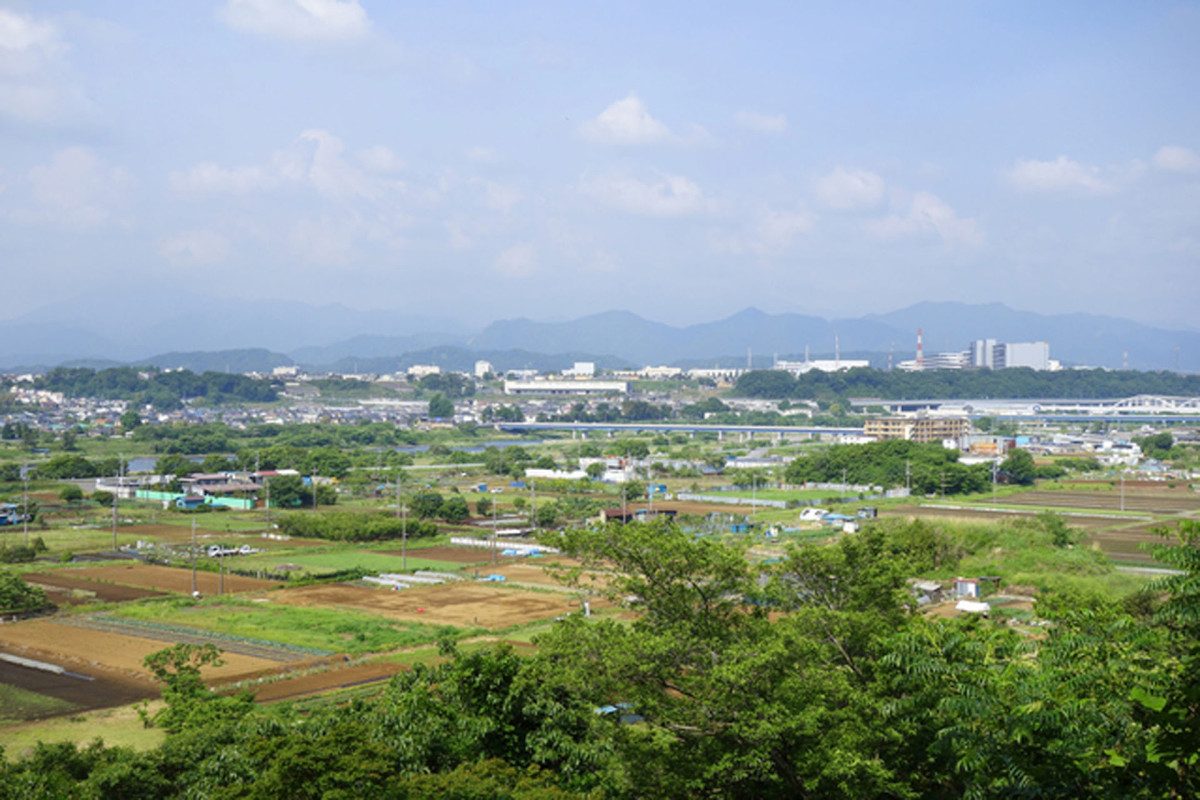
Selected as a Sagami River Eight View, with a panorama of the river and Tanzawa mountains.
Mount Sekiro
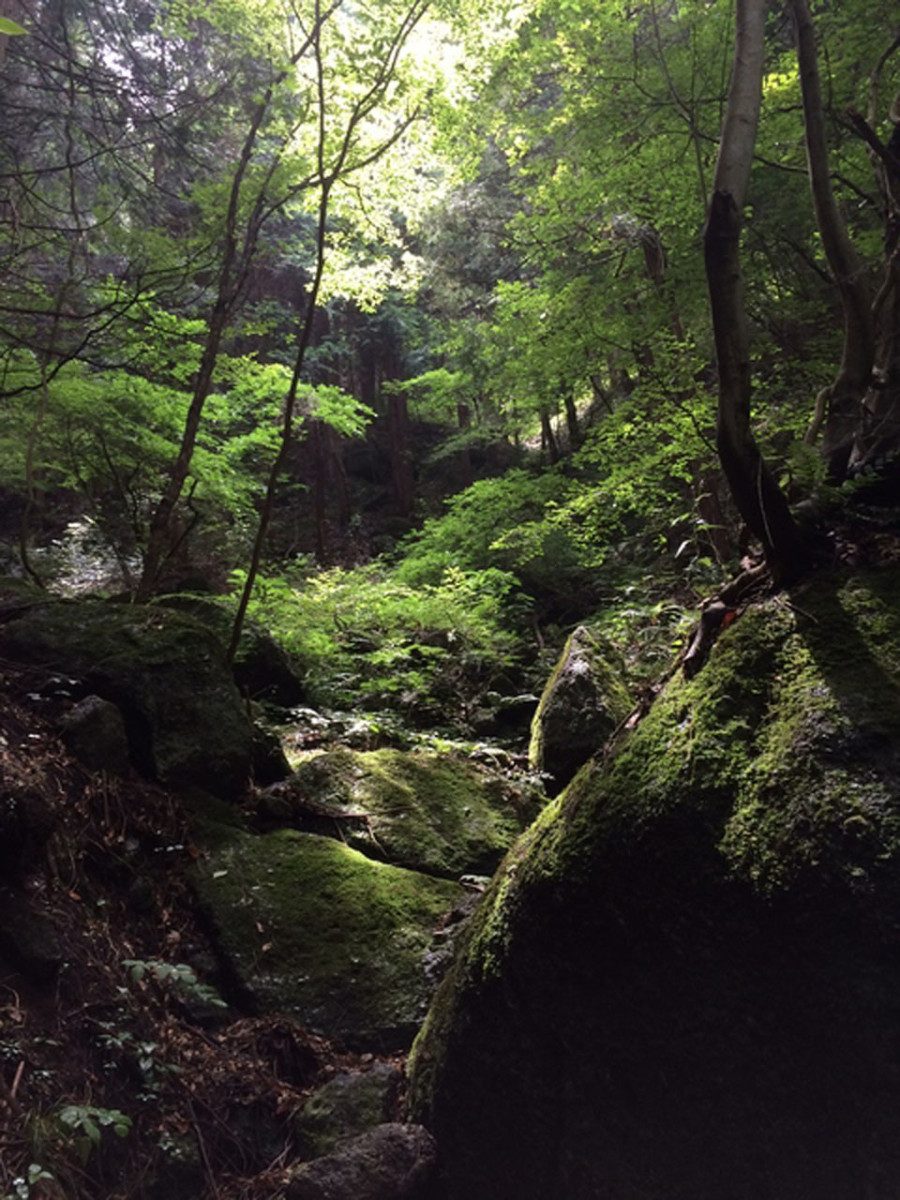
Collective name for mountains southeast of Lake Sagami, rich in huge strange rocks of Tertiary conglomerate.
Inukoeji
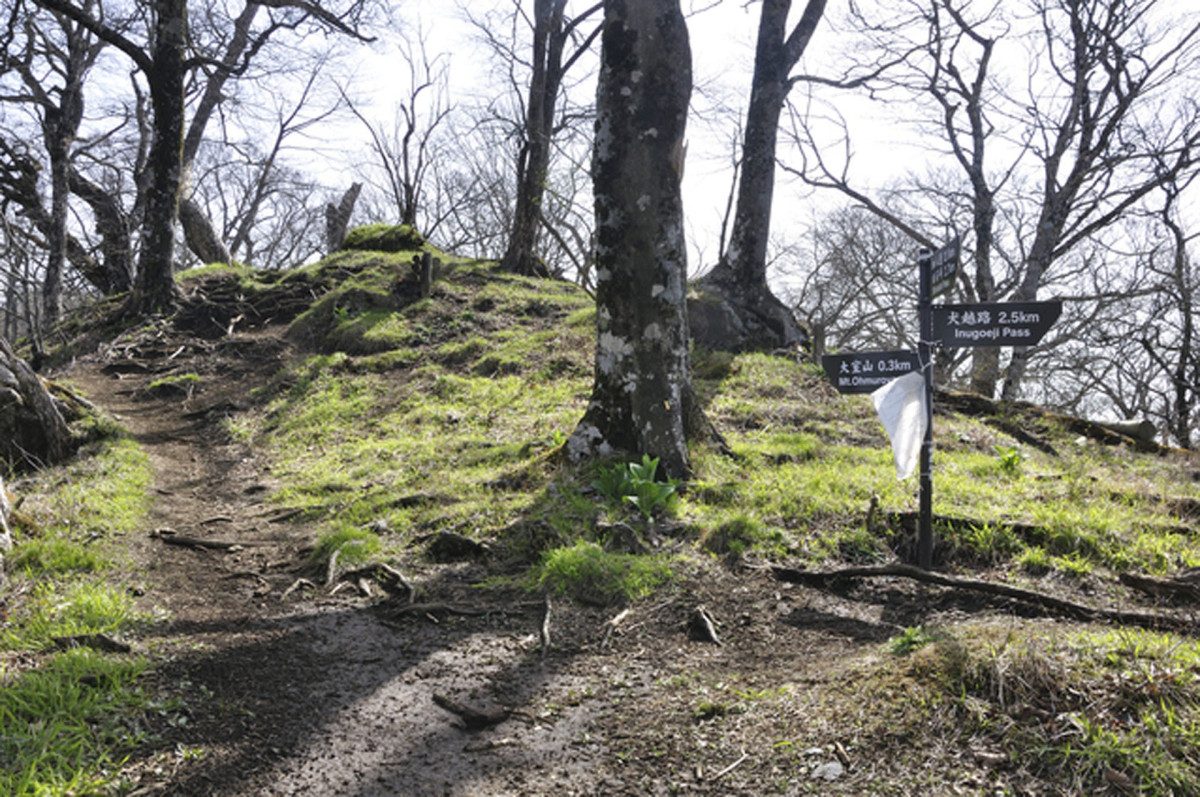
Selected among Kanagawa's 50 scenic spots, named for a legend of Takeda Shingen leading dogs over a pass.
Hinokiboramaru
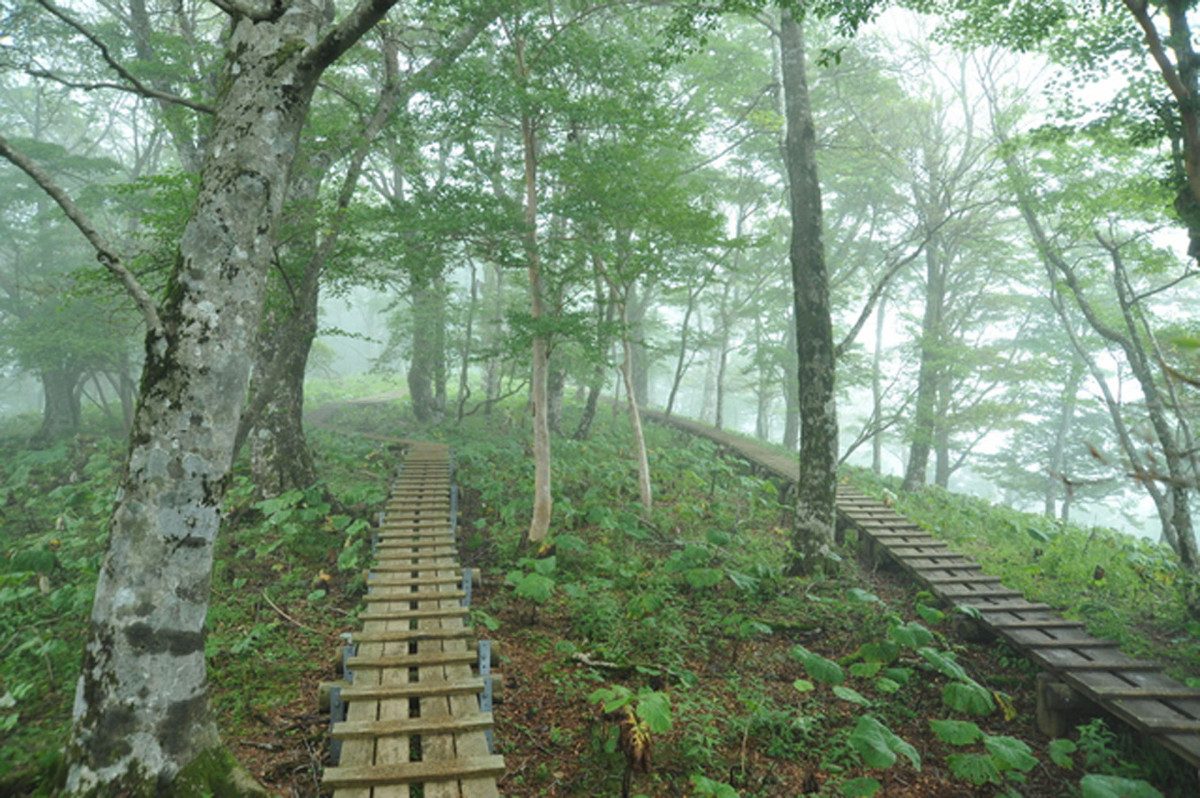
A mountain famous for beautiful azaleas, in season from late May to early June.
Niji no Ohashi Bridge
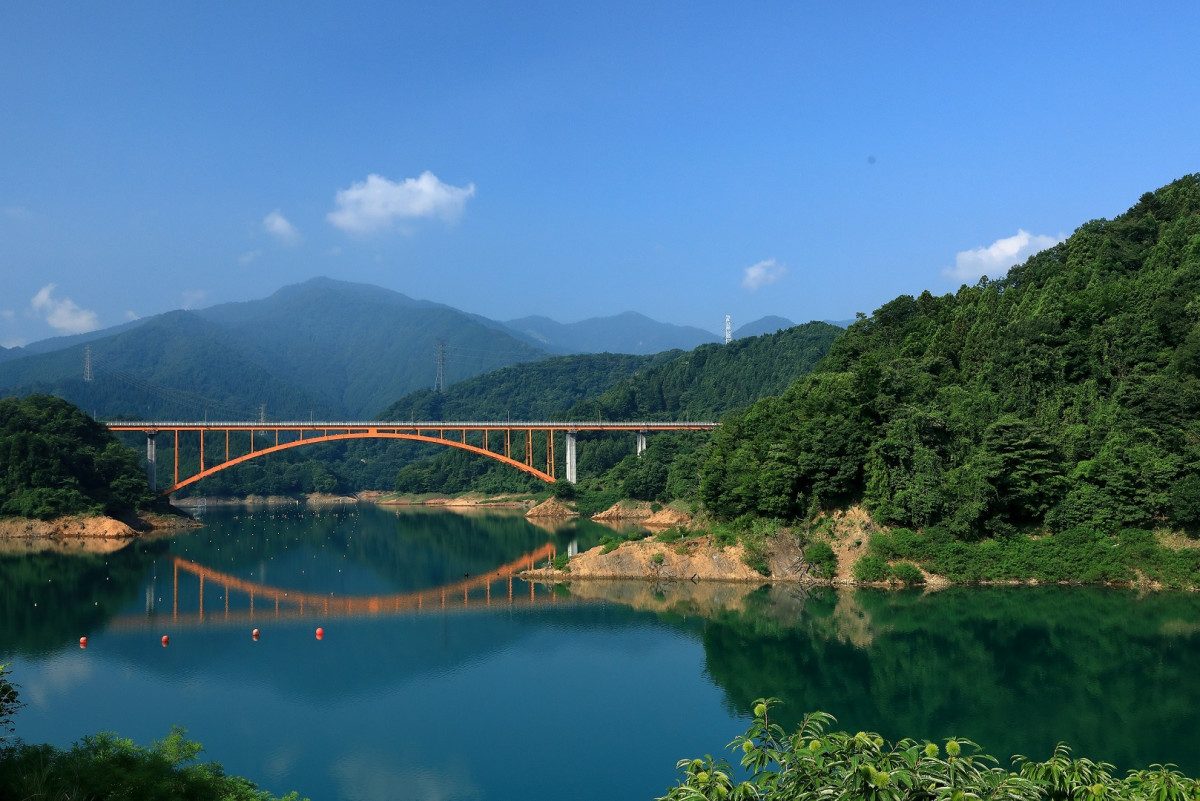
330 m reverse Lohse bridge linking Toriihara and lakeside areas at Miyagase Dam; a Kanagawa 100 Bridges selection.
Fujino Art Village Gallery
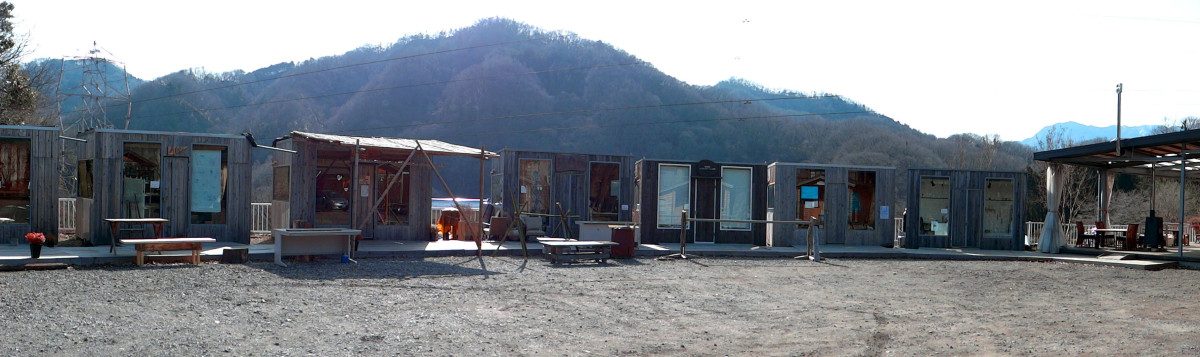
Nature-rich forest-and-lake countryside with nine galleries of local artists for viewing, interaction, making, and demonstrations.
Sagamihara North Park
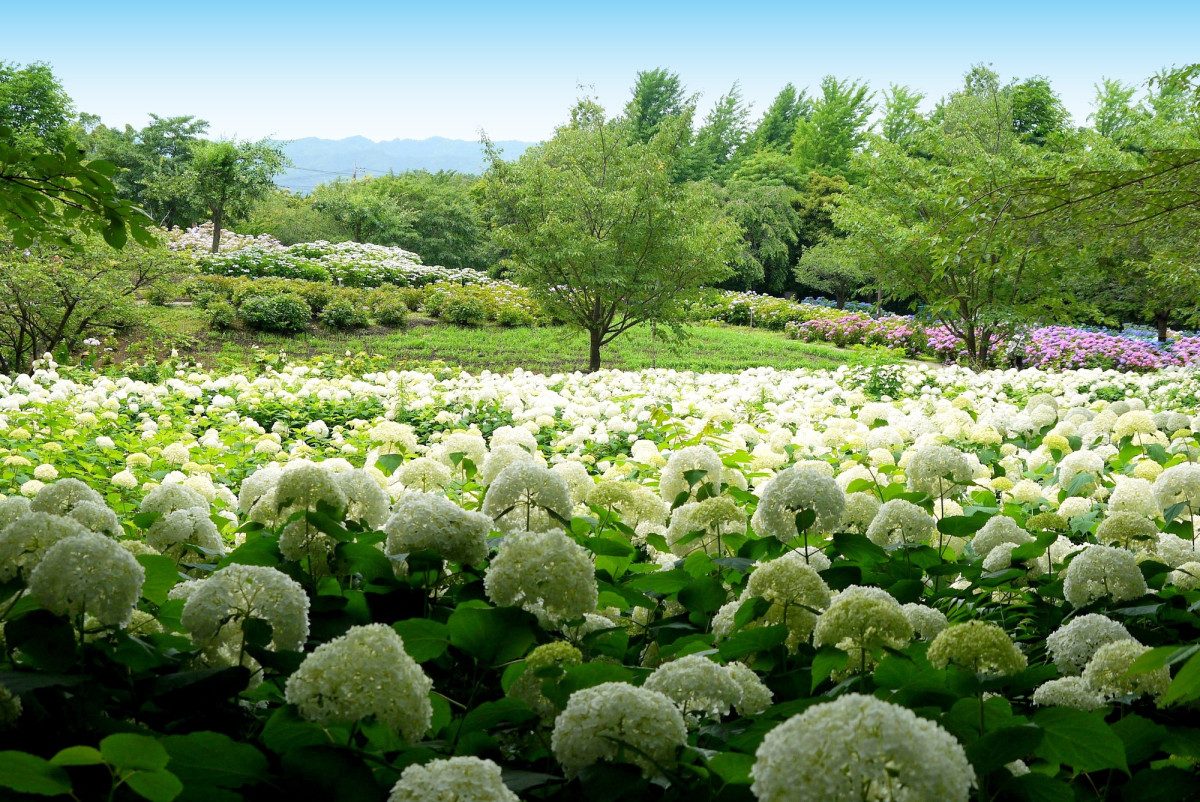
Park using on-site woodland, designed to feel like a botanical garden, famous for hydrangeas and autumn ginkgo.
Green Tower Sagamihara
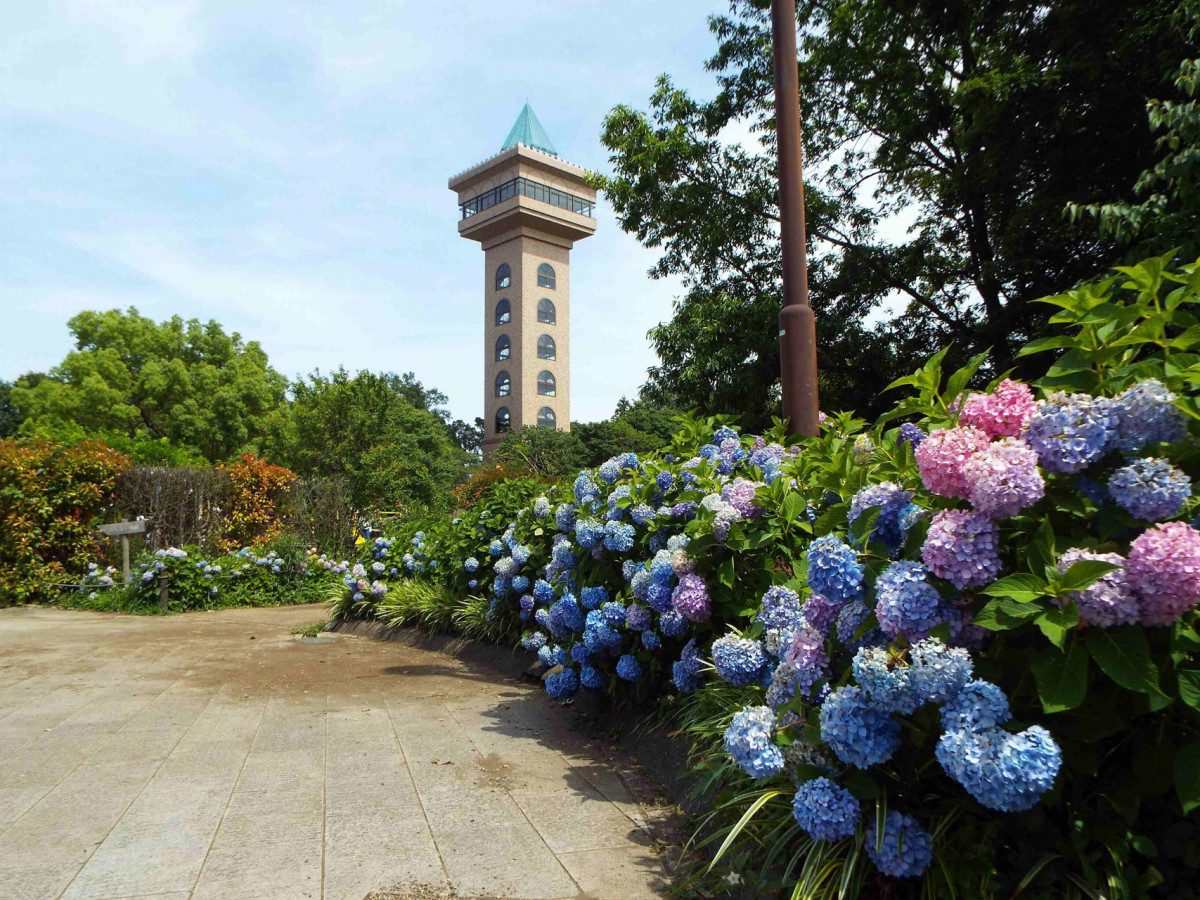
55-meter observation tower in Sagamihara Asamizo Park overlooking Tanzawa, Tama Hills, and Yokohama.
Yoshino-juku Fujiya
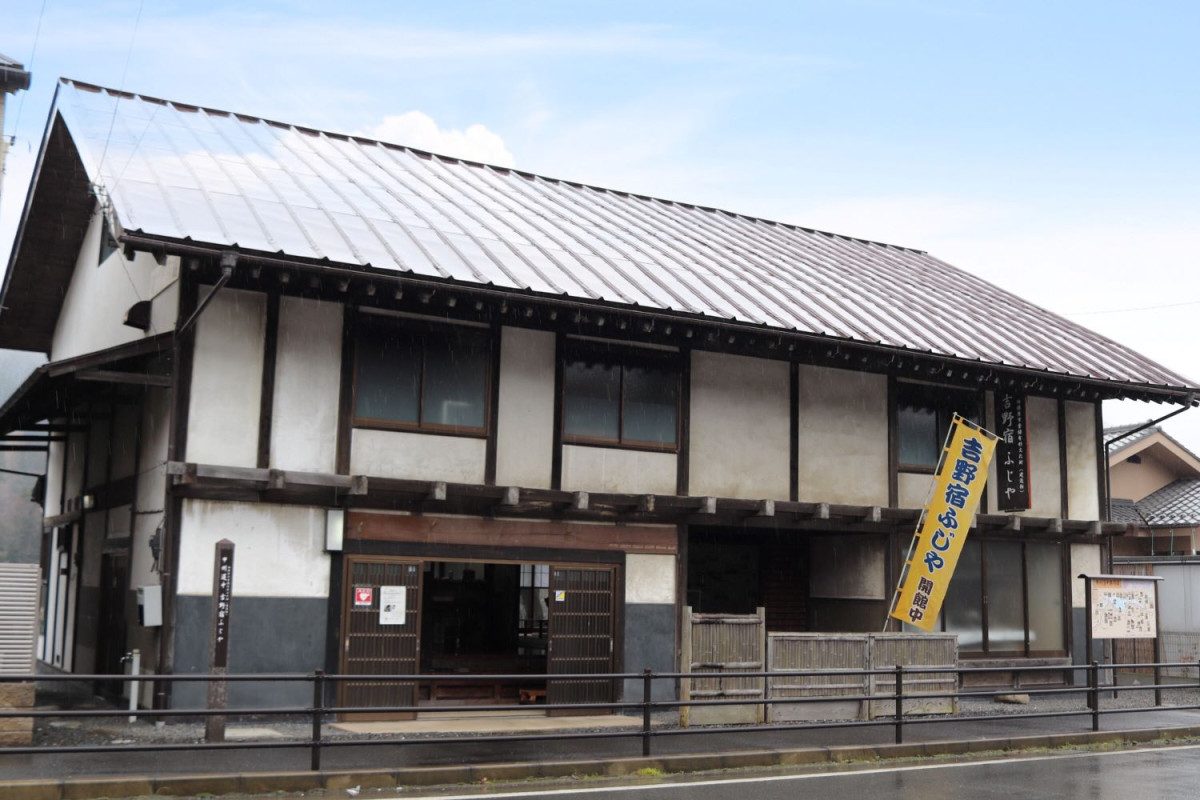
Former Koshu Kaido post-town inn rebuilt around 1897; city cultural property with sericulture and charcoal displays.
Taima Ferry Site
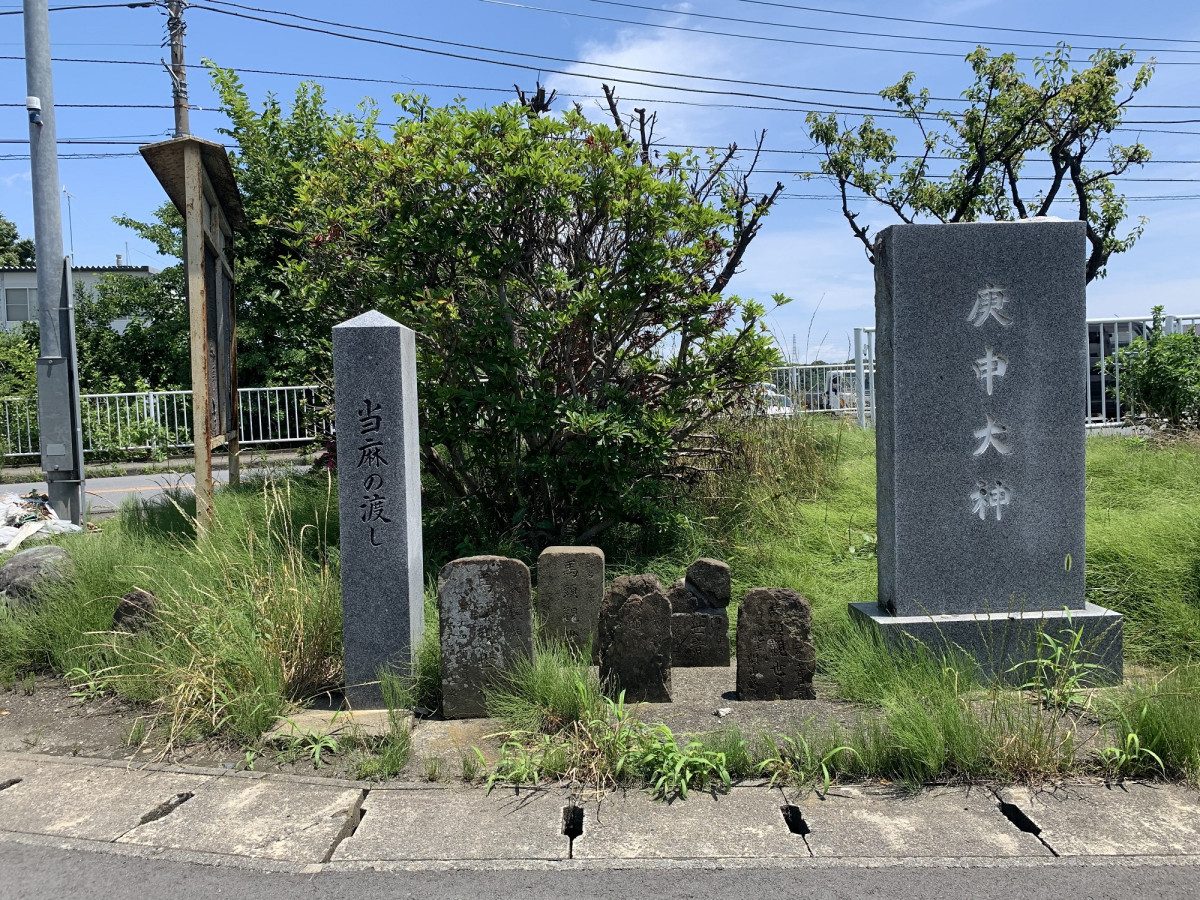
Old hub with ferry at Showa Bridge to Echi. Oyama pilgrimages increased use, and Taima thrived as a post town.
Muryoko-ji
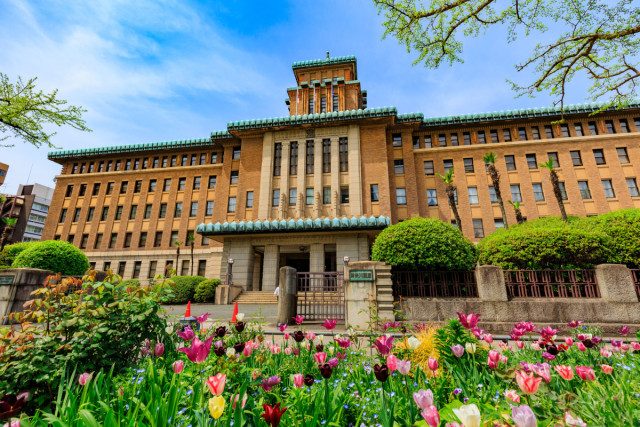
Ji-sect temple of founder Ippen. Scenic grounds chosen in Kanagawa's 50; a pond said to reflect him carving his statue.
Showa Bridge
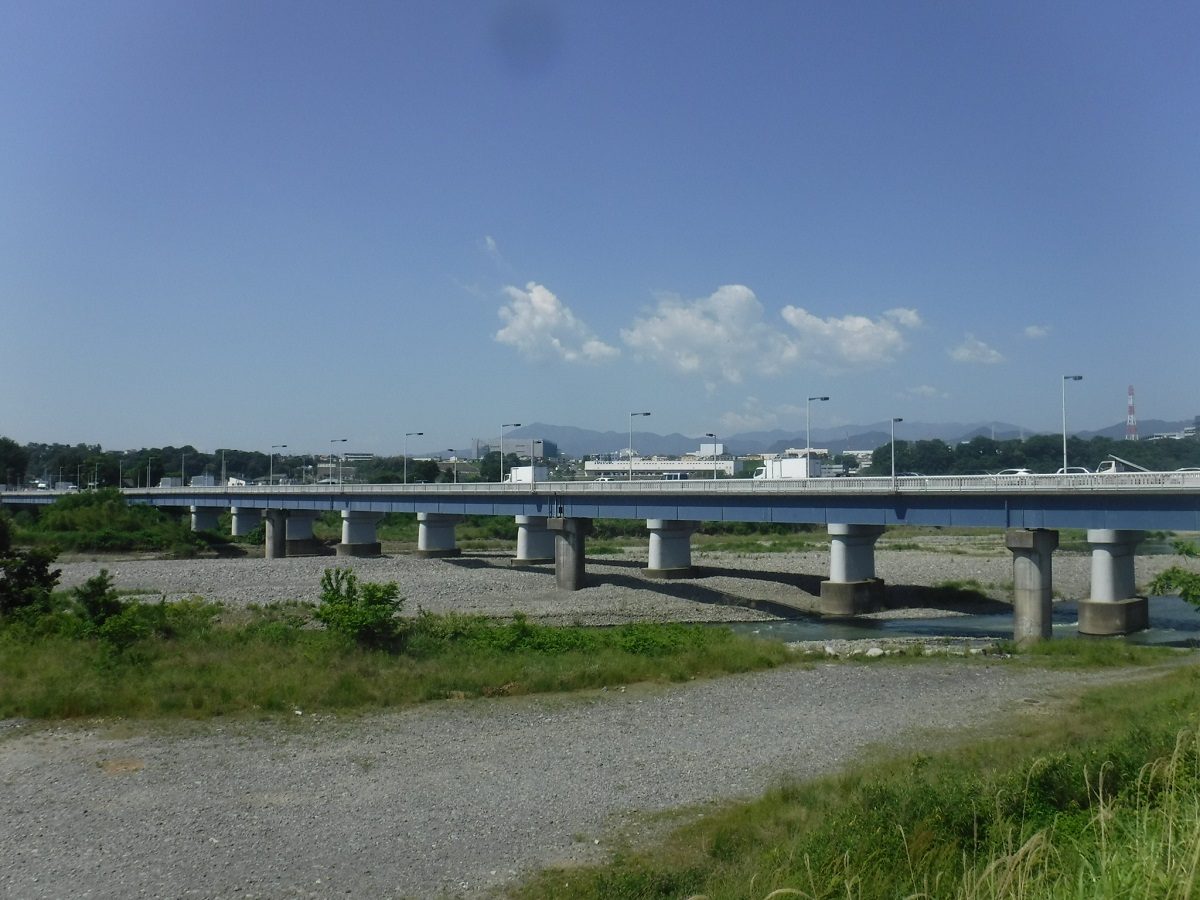
Sagami River bridge built in 1931 after the nearby Taima ferry was damaged by floods.
Takada Bridge
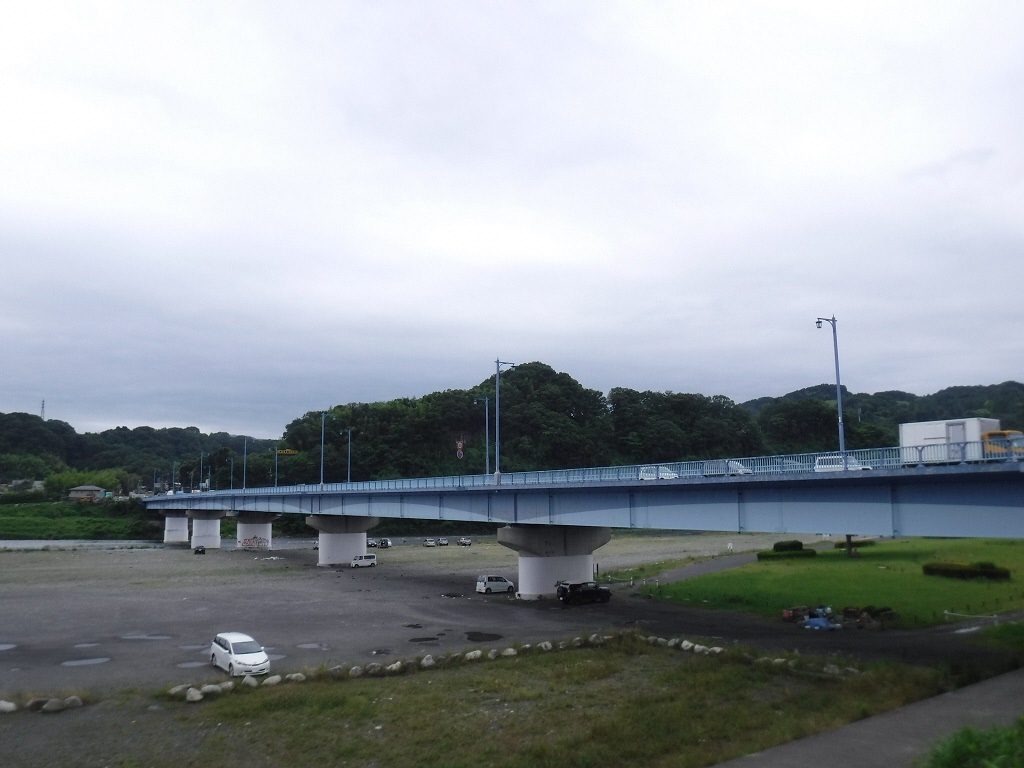
Sagami River bridge built in 1924, said to take its name from Takamine and Tana villages; a Kanagawa 100 Bridge.
Mitsui Bridge
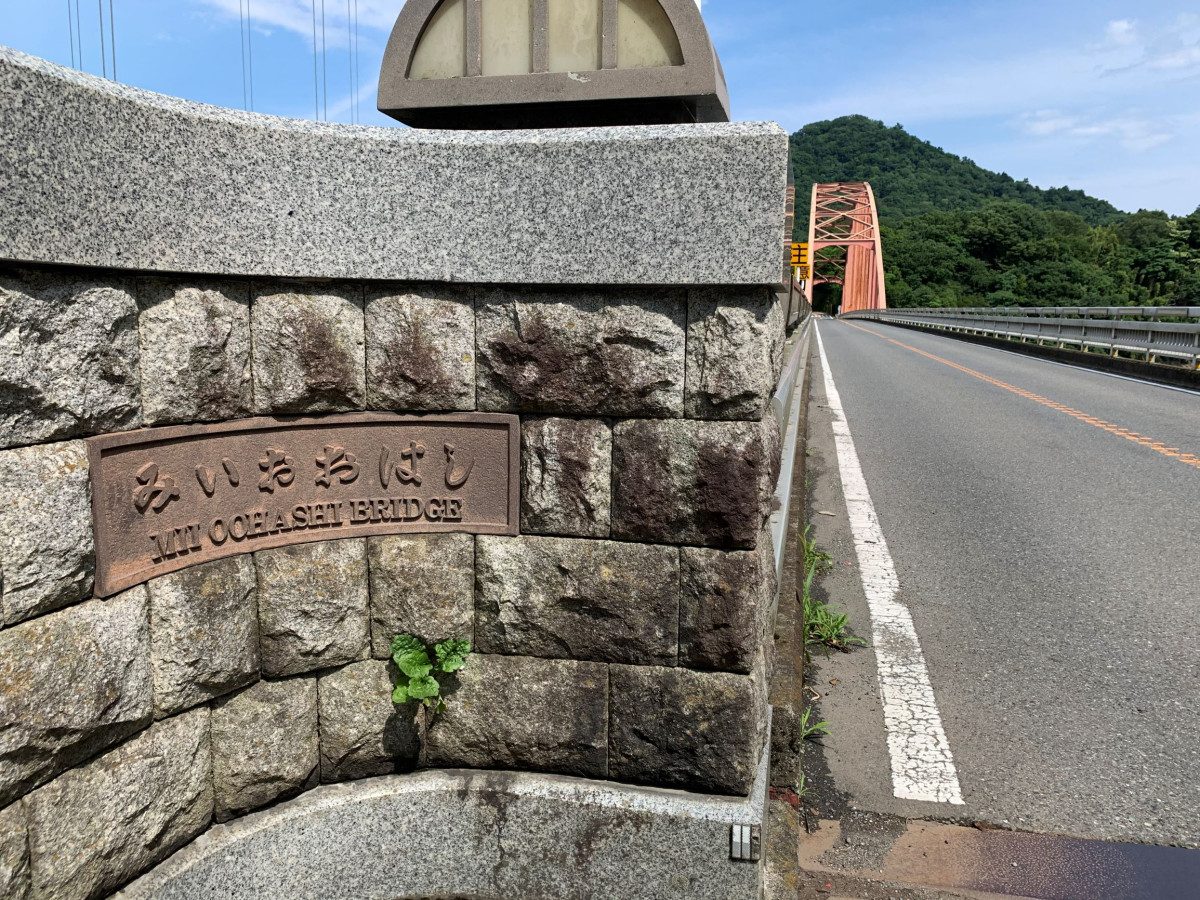
A 212-meter bridge near the center of Lake Tsukui, a vermilion symbol of the lake, in Kanagawa's 100 Bridges.
Ogino Bread
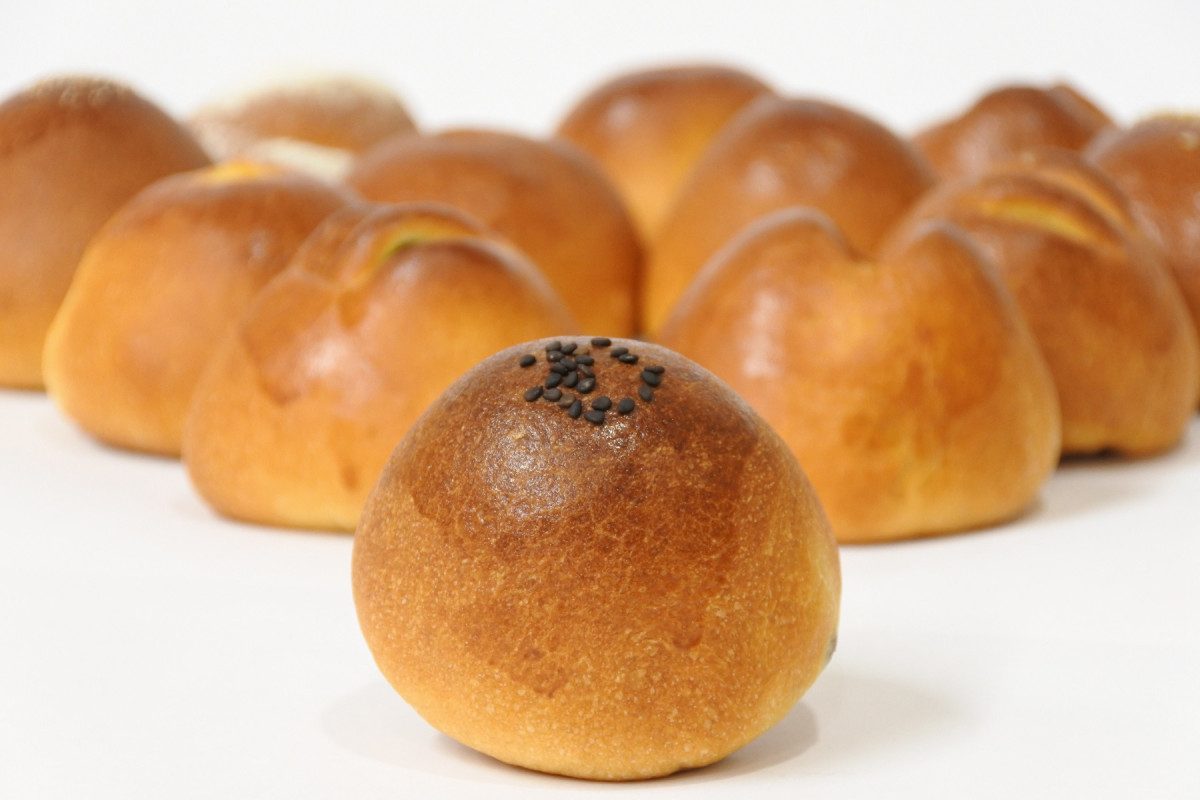
Makes nostalgic fried bread and mild Tanzawa bean-paste buns. Fresh bread and factory tours are available at the main factory.
Lake Tsukui
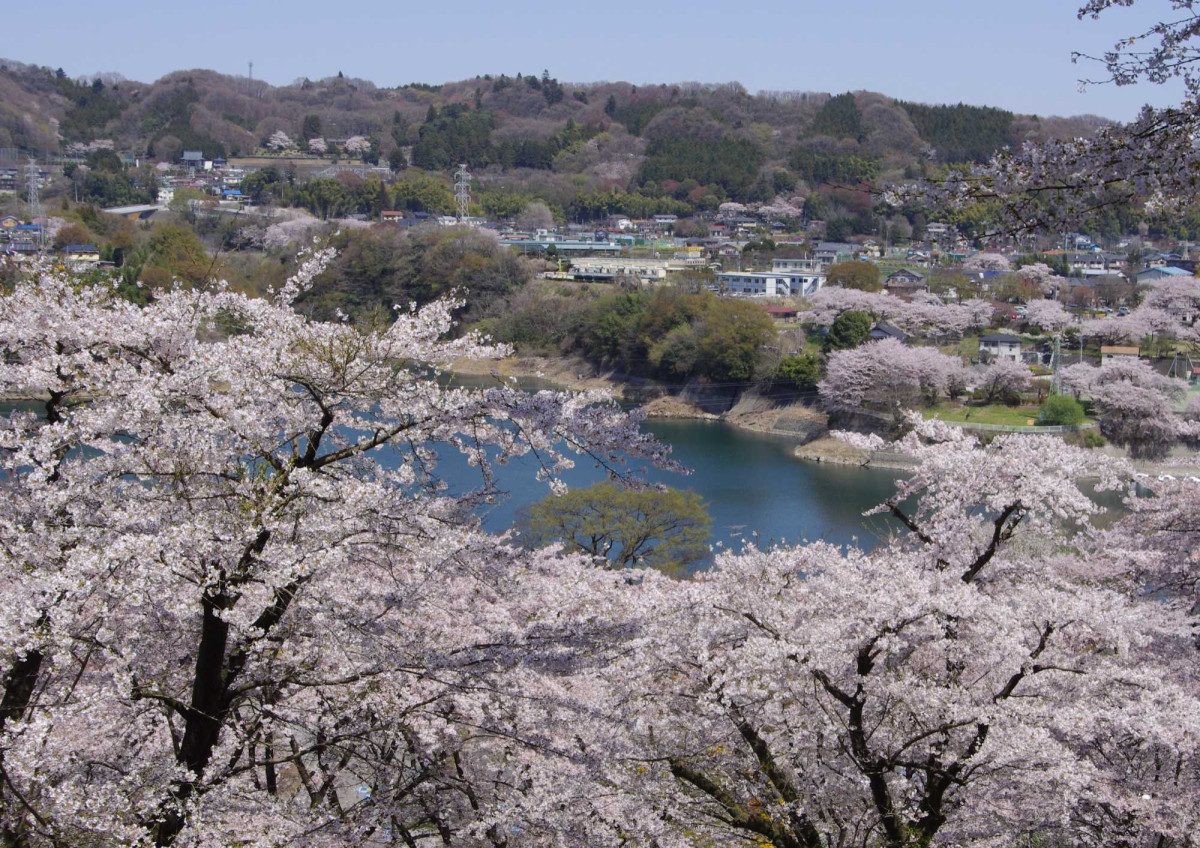
Artificial lake created in 1965 by damming the Sagami River; cherry blossoms, foliage, hiking, and historic sites.
Lake Miyagase
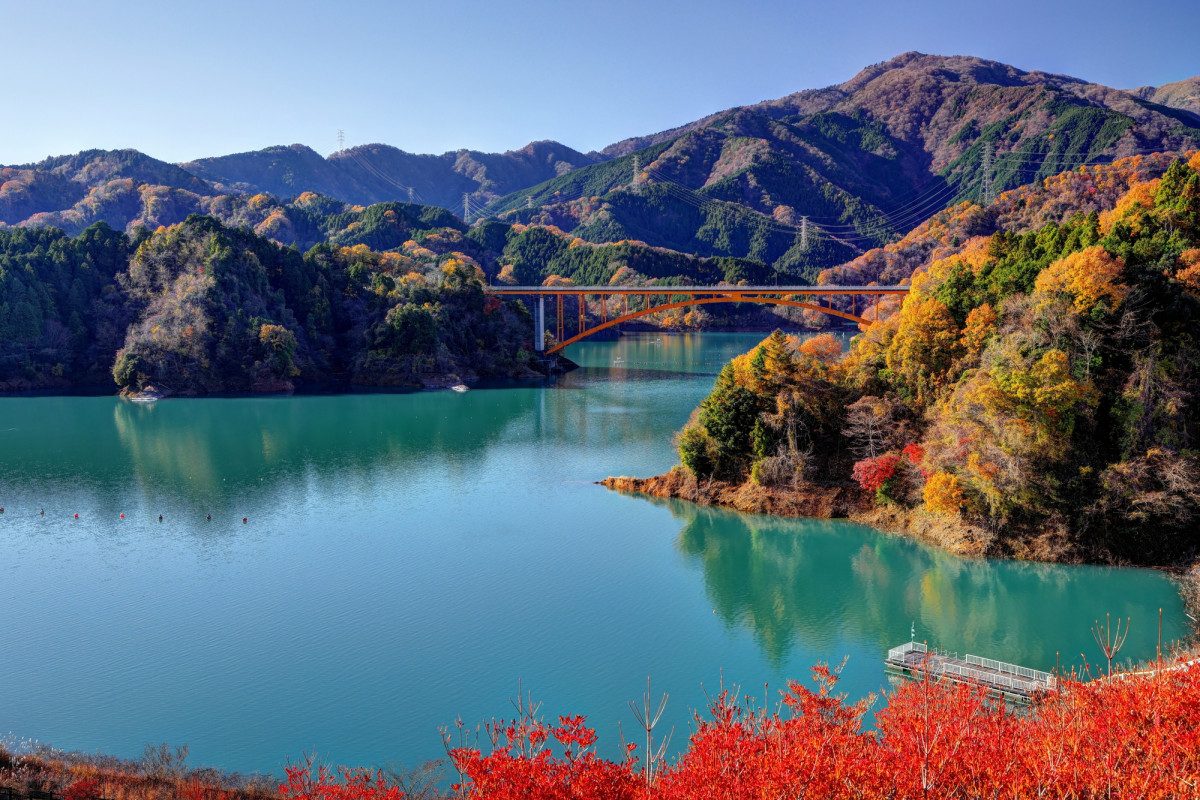
Large dam lake created in 2000, with seasonal scenery, leisure facilities, and restaurants.
Toriihara Garden
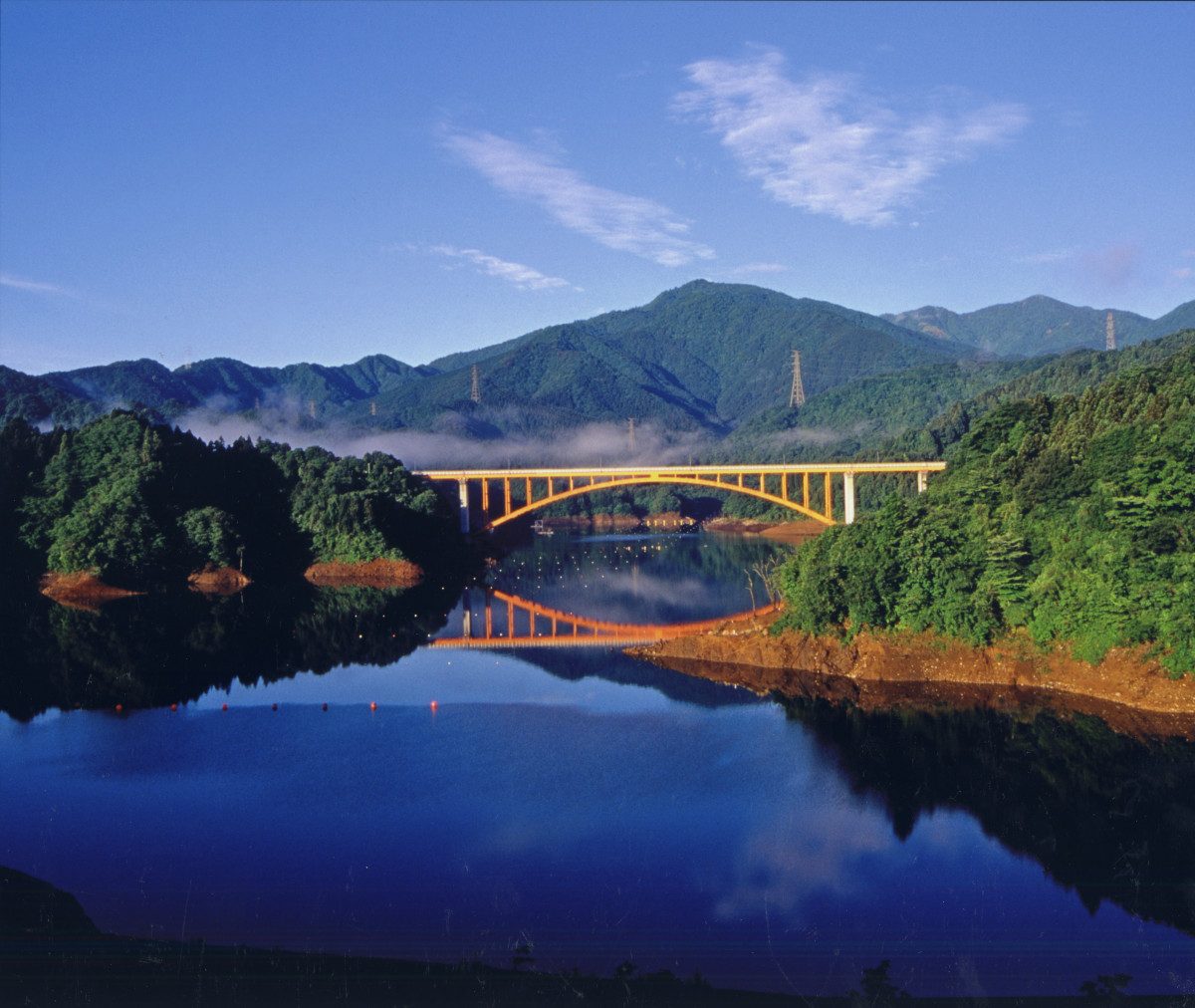
Lakeside scenic spot in a prefectural park with seasonal views and autumn foliage.
Hyogippara
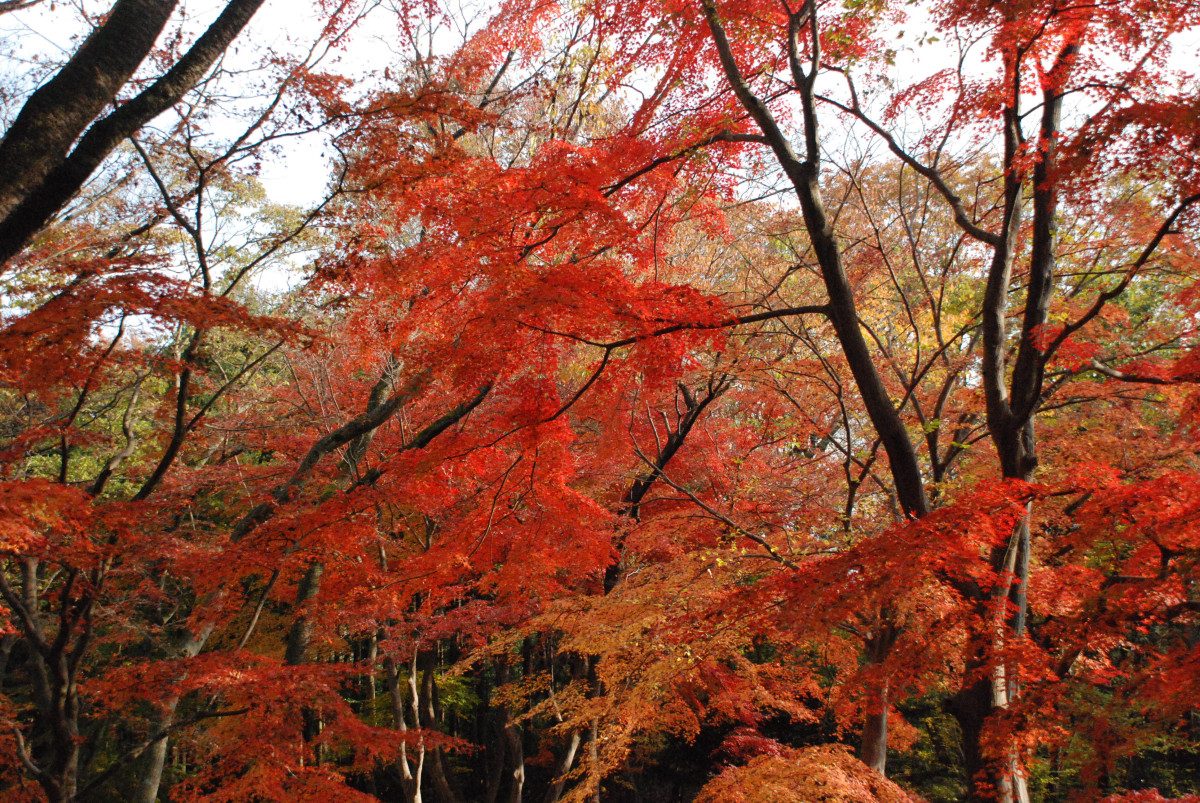
Maple forest on a hiking course around Shiroyama Lake, popular with hikers for late-November red and yellow leaves.
Kotohira Shrine
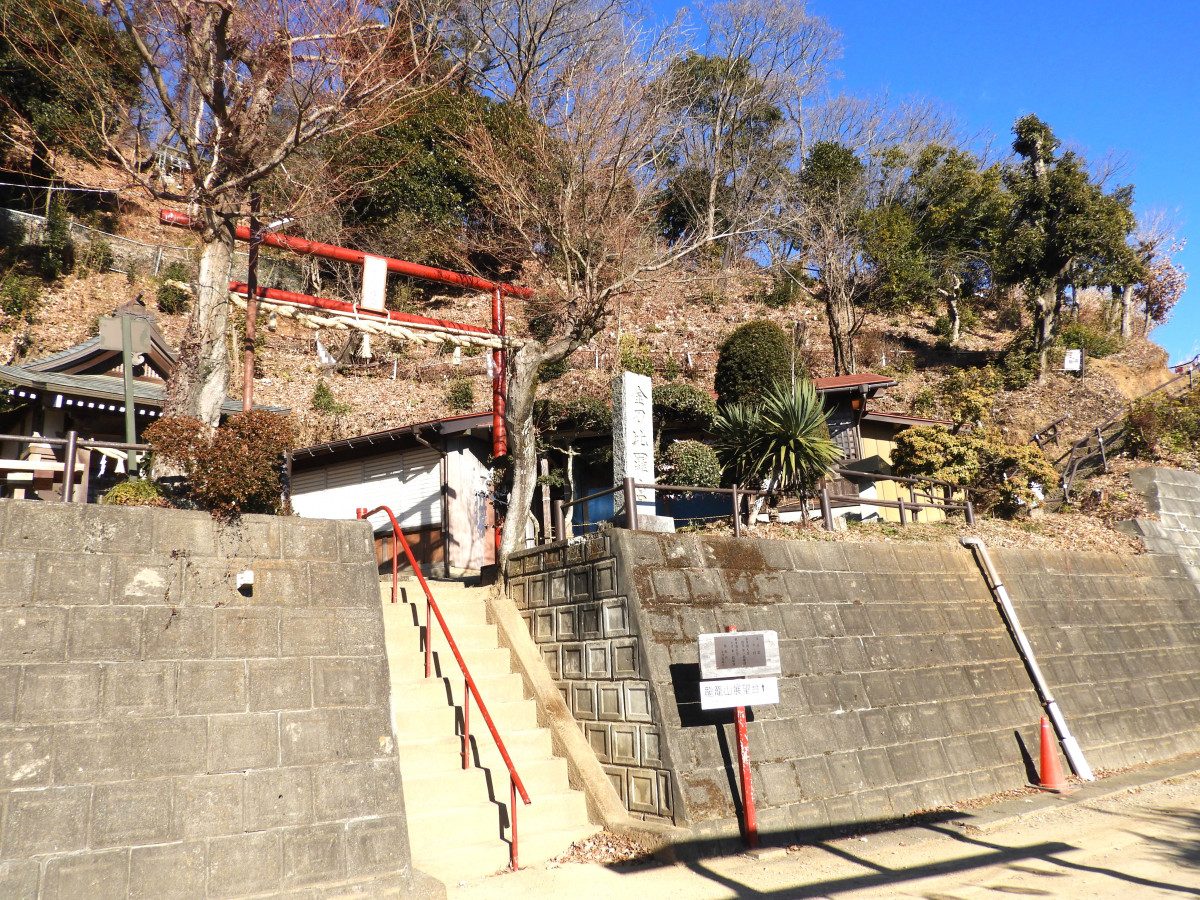
Founded in 1804 by locals enshrining Shikoku Kotohira's spirit; long worshipped for warding off evil and good fortune.
Ryukagoyama Observatory
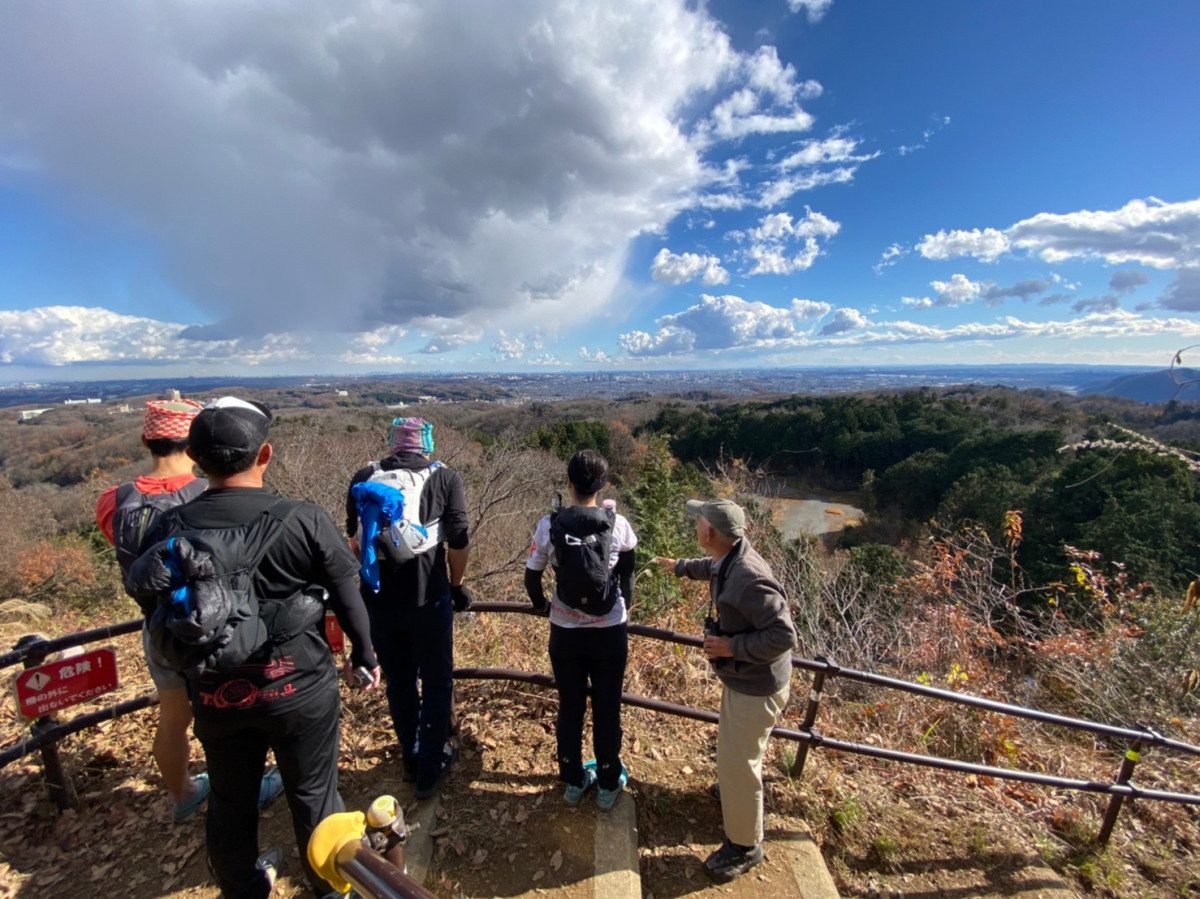
Hidden panorama east of Shiroyama Lake; clear days show Landmark Tower, Tokyo Tower, and Skytree.
Kanagawa Prefectural Sagamihara Park
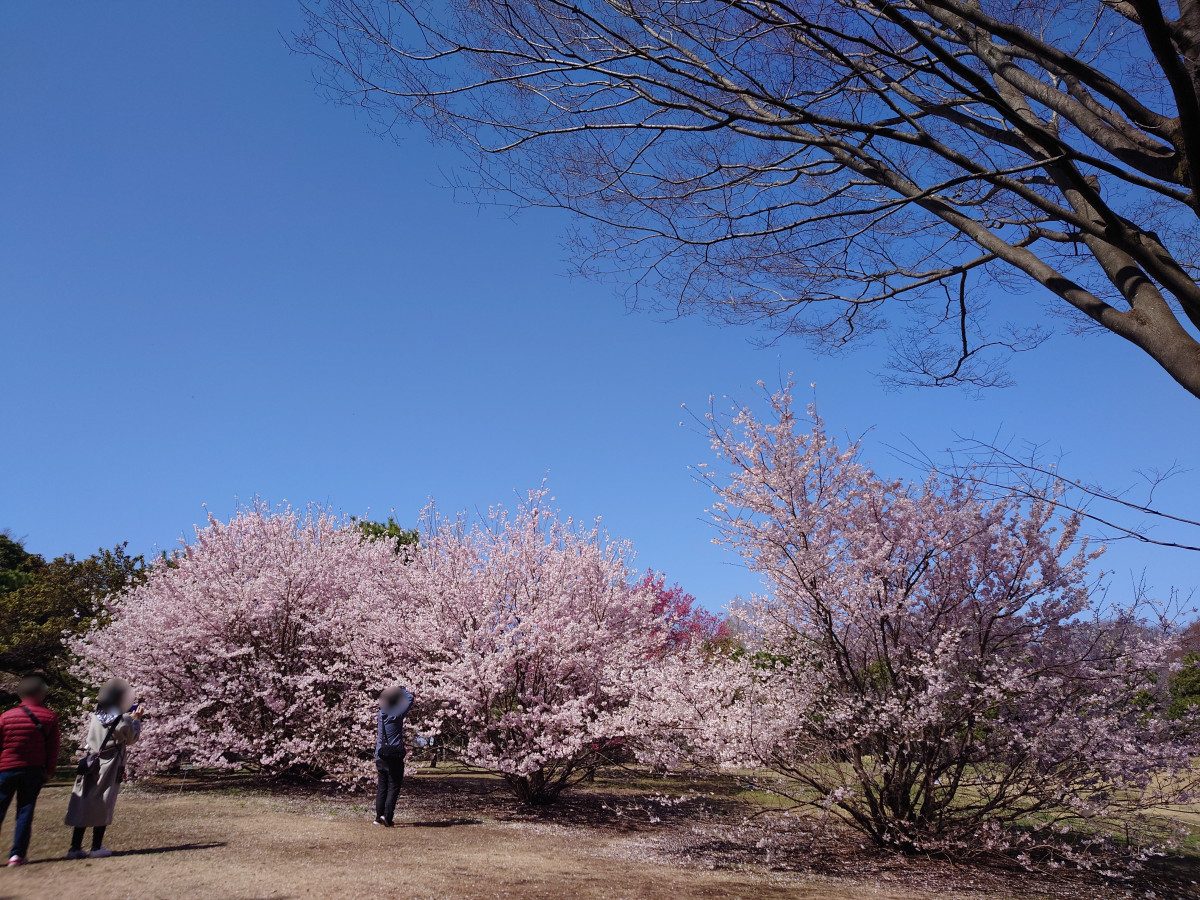
Park with early-blooming Harumeki cherries, a vast lawn, iris garden, formal garden, and greenhouse.