 BokenJapan
Japan / Kanagawa / Yokohama / See
Sights in Yokohama, Kanagawa
Yokohama · Kanagawa · 129 places
See
Ehrismann Residence
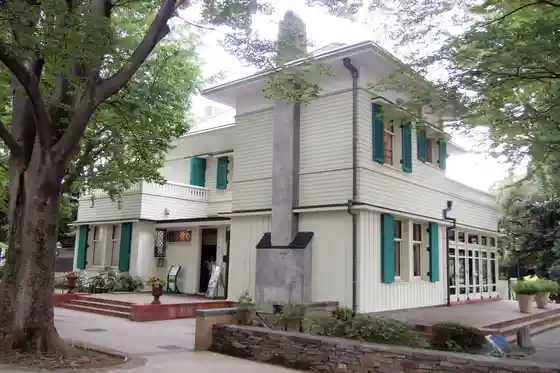
Silk trader Ehrismann's 1926 home by A. Raymond, relocated to Motomachi Park in 1990.
Osanbashi Yokohama International Passenger Terminal
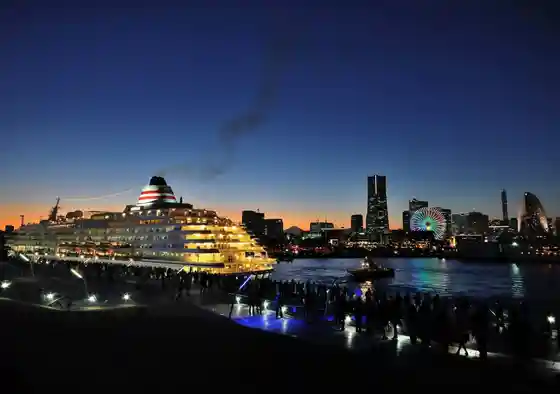
One of Japan's largest passenger terminals, with a lawn rooftop and views across Yokohama Port.
Grand Mall Park
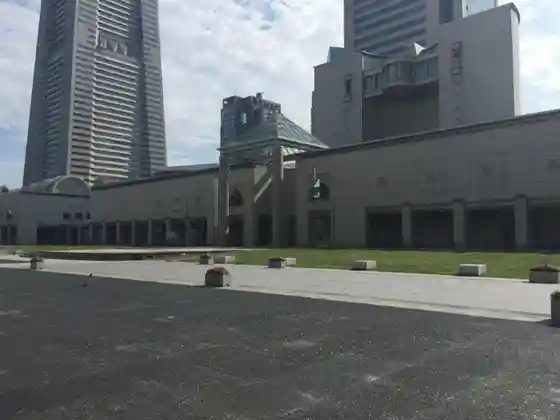
Vast sea-themed open space in Minato Mirai 21 with zelkova trees, sea-motif benches, a lawn plaza and night views.
Nihon-odori
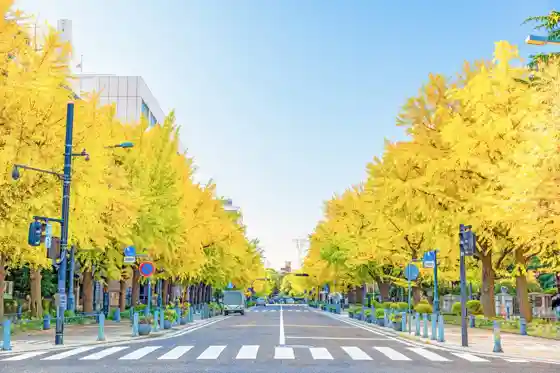
Japan's first Western-style street, designed by R.H. Brunton and completed around 1870, lined with historic buildings.
Nippon Maru Memorial Park (Sailing Ship Nippon Maru and Yokohama Port Museum)
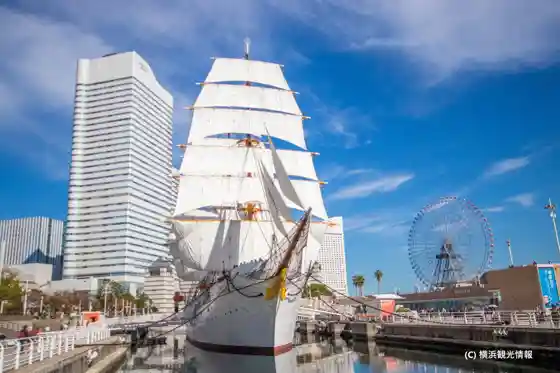
Waterfront park with sailing ship Nippon Maru, a national Important Cultural Property called the Swan of the Pacific.
Bluff No. 18
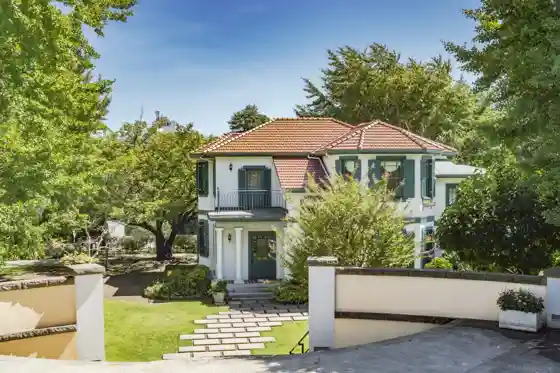
Foreign residence built after the 1923 earthquake, later a church rectory, restored and opened in Yamate in 1993.
Harbor View Park
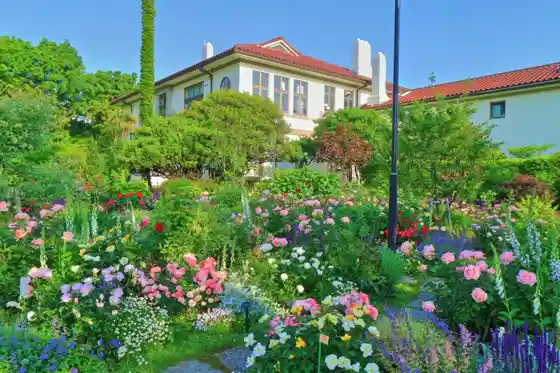
Overlooks Yokohama Bay Bridge; three rose gardens bloom in May and from mid-October to mid-November.
Yokohama Minato Mirai 21
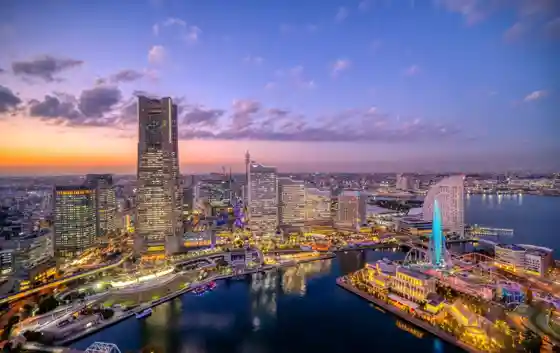
Port-facing area of modern towers, malls, and hotels, with Landmark Tower, Red Brick Warehouse, and an aerial ropeway.
Yokohama Landmark Tower
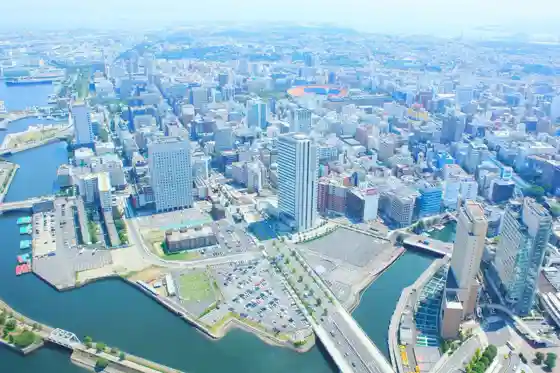
Offices, hotel, and mall around the tower, plus a hall and Dockyard Garden; Sky Garden closed December 31, 2025.
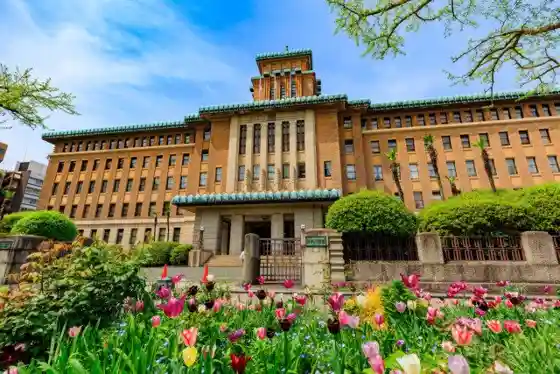
Kanagawa Prefectural Government Main Building
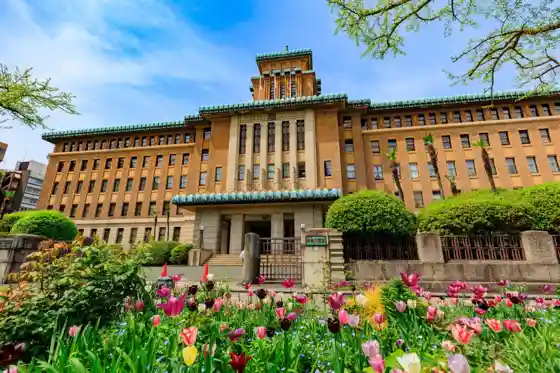
Completed in 1928 and nicknamed King's Tower, this national Important Cultural Property is a representative modern building of Yokohama.
Kishamichi Promenade
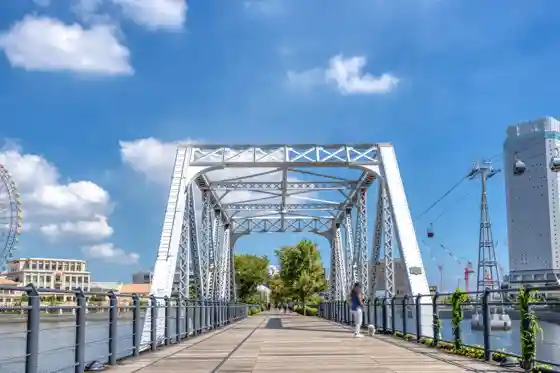
Promenade from Sakuragicho across the sea on a former 1911 port railway into Minato Mirai.
Gumyo-ji Kannon
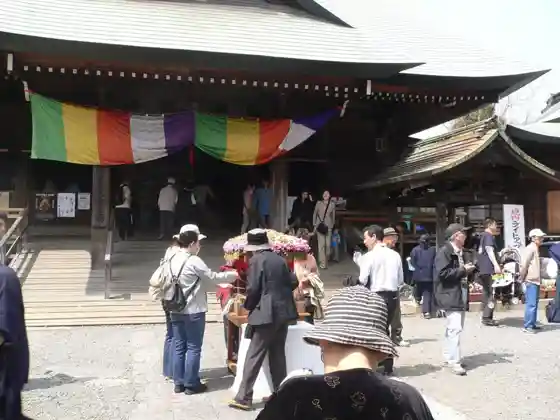
Yokohama's oldest temple, founded in 1044. Main hall rebuilt in 1766. Eleven-faced Kannon is a National Important Cultural Property.
Sankeien Garden
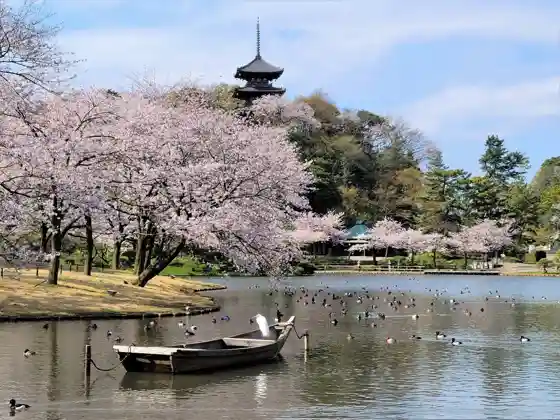
Vast Japanese garden with relocated historic buildings and seasonal scenery, created by silk merchant Hara Sankei.
Bashamichi
Street in Yokohama named for foreign residents riding carriages; gas lamps and red-brick sidewalks remain.
Biwajima Benzaiten
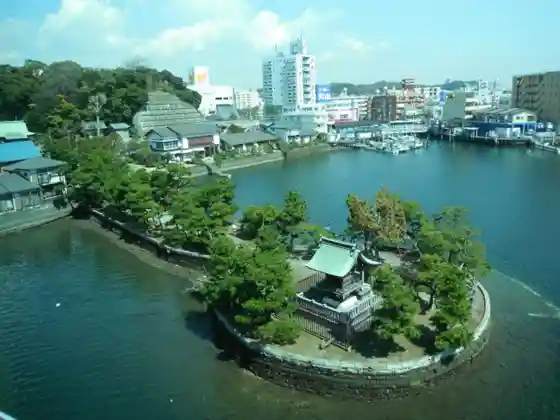
Reportedly founded by Yoritomo's wife Hojo Masako, who built a sea island at Seto Shrine. Enshrines Benzaiten; Seaside Line view.
Berrick Hall
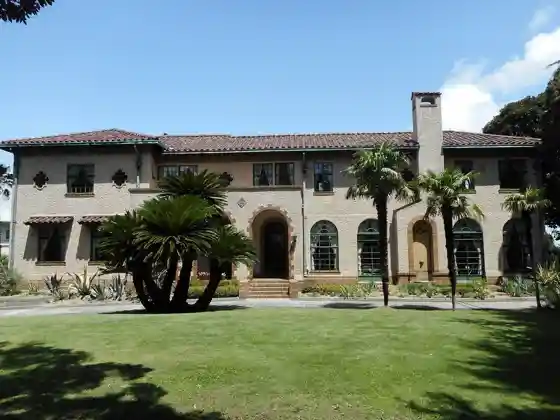
Built in 1930 as British trader B.R. Berrick's residence, the largest surviving prewar Yamate foreign house.
Myoko-ji
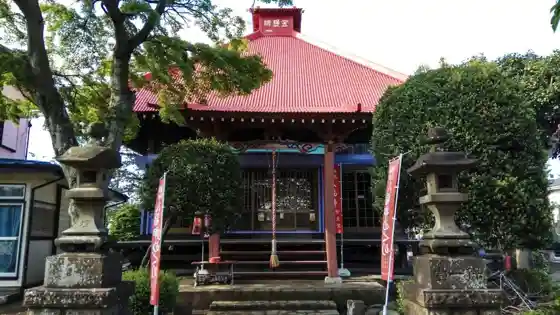
Said to have been founded in 652; its Kamakura-period bell is a prefectural Important Cultural Property.
Yamate House No. 111
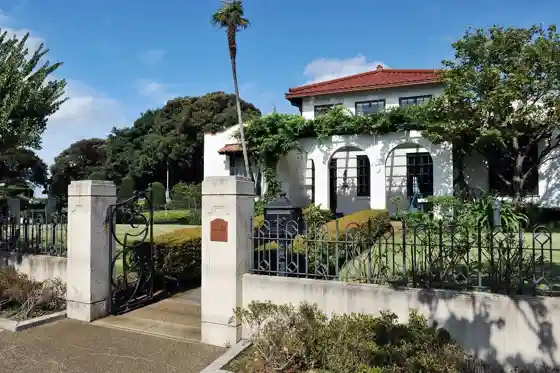
Built in 1926 for American Mr. Raffin, designed by J.H. Morgan, and open to the public since 1999.
Yamate 234 Building
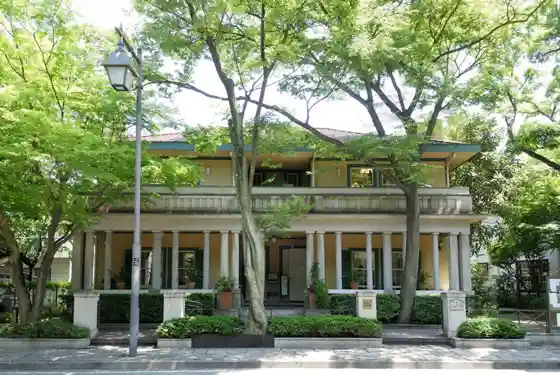
Built around 1927 as apartments for foreigners, designed by Kichizo Asaka. Second floor now used for galleries and meetings.
Yamate Italian Hill Garden
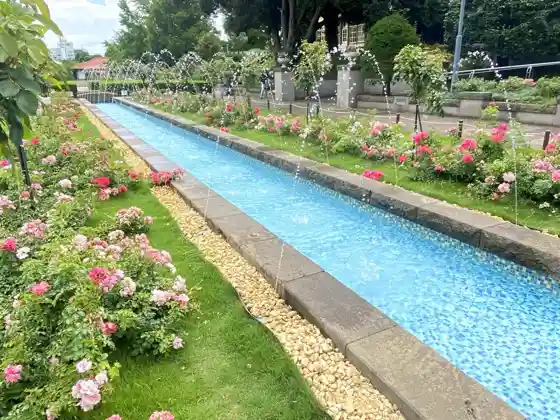
Once home to the Italian consulate, hence Italian Hill. Geometric Italian flower beds, free Western houses, and hill views.
Yokohama Red Brick Warehouse
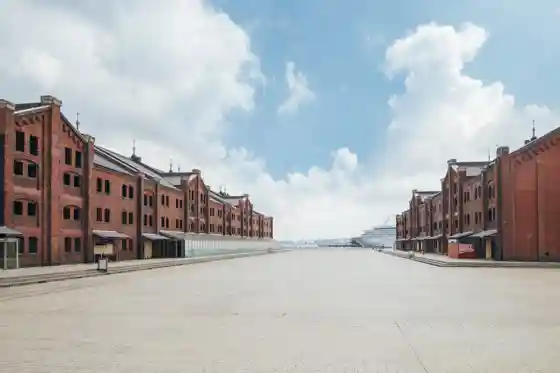
Red-brick warehouses built from late Meiji to early Taisho, with cafes, shops, and harbor views.
Yokohama Archives of History
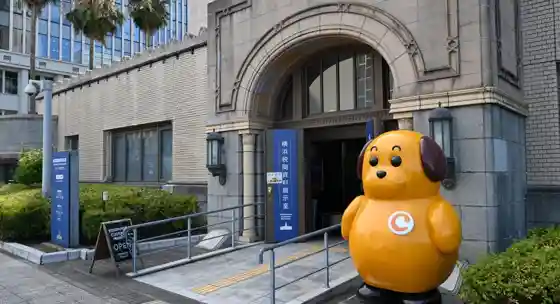
Holds about 270,000 Yokohama materials from Edo to early Showa; old building is the 1931 former British Consulate.
Yokohama British House
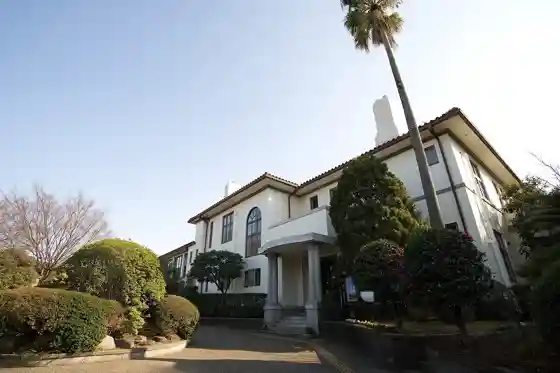
1937 British consul-general residence with King George VI's arms. British-owned until 1969. Some interiors remain British-style.
Yokohama Three Towers
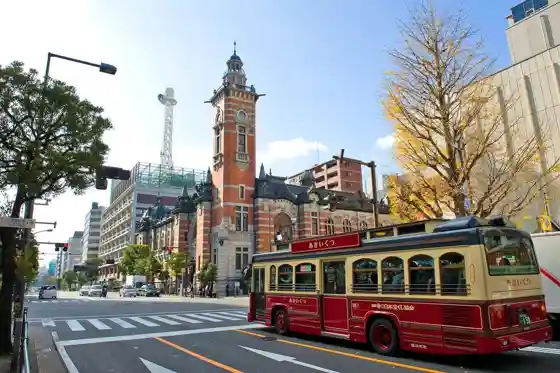
Prefectural Office (King), Yokohama Customs (Queen), Port Opening Memorial Hall (Jack), likened to playing cards by foreign sailors.
Yokohama Customs
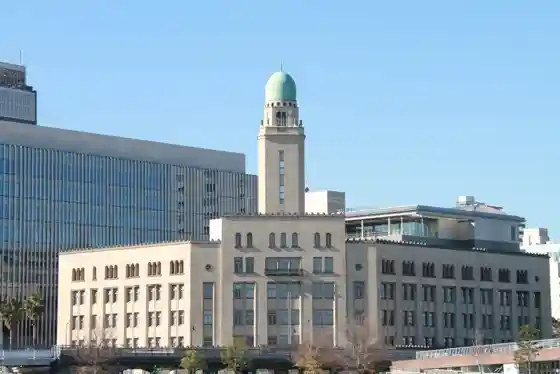
Islamic-style dome marks the 51-meter Queen tower, tallest of Yokohama's three, completed in 1934.
Gas Lamp Monument
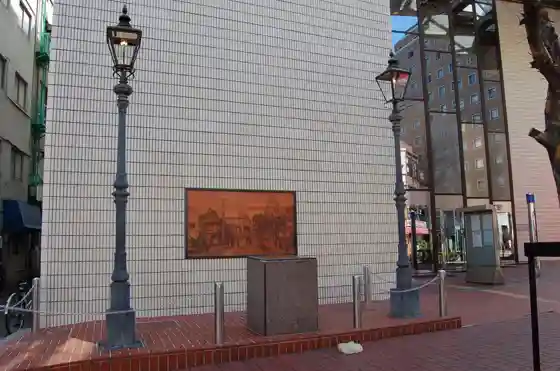
Japan's first gas lamps were installed in 1872; a replica was restored in 1986.
Equine Museum of Japan
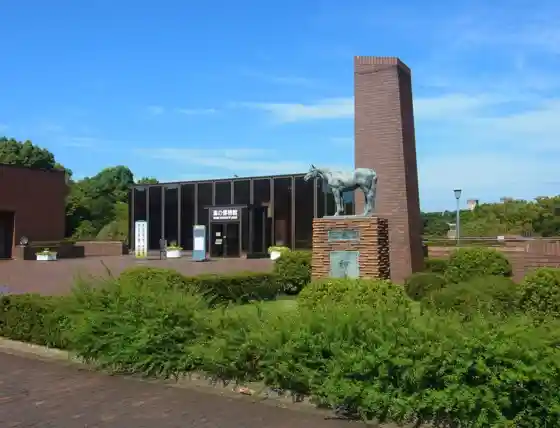
Closed for renovation, reopening around 2029. Negishi, Japan's first full-scale racecourse site, has horse materials and a pony center.
The Diplomat's House
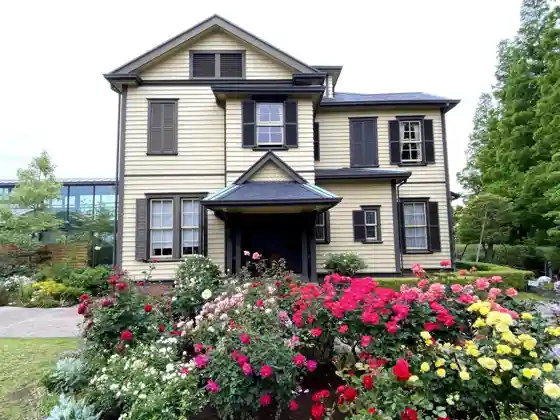
1910 home of diplomat Uchida Sadatsuchi, designed by J.M. Gardiner, moved here in 1997; a national Important Cultural Property.
Former Ito Hirobumi Kanazawa Villa
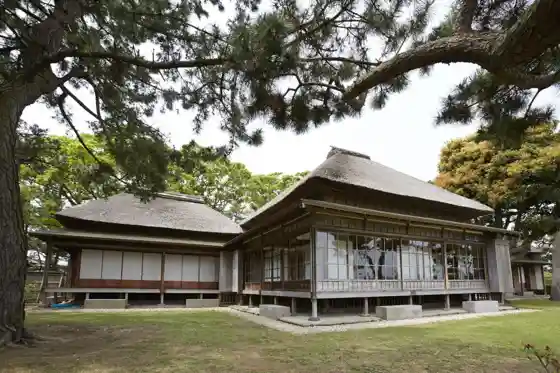
Thatched-roof building built in 1898 by first Prime Minister Ito Hirobumi in Nojima Park, overlooking Hakkeijima and the sea.
Suzaki Shrine
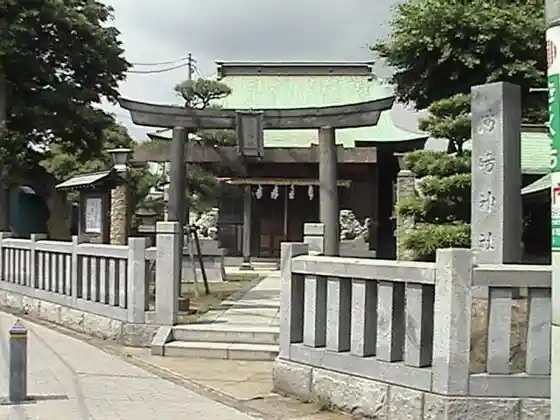
Historic shrine said to have been founded in 1191 by Minamoto no Yoritomo.
Seto Shrine
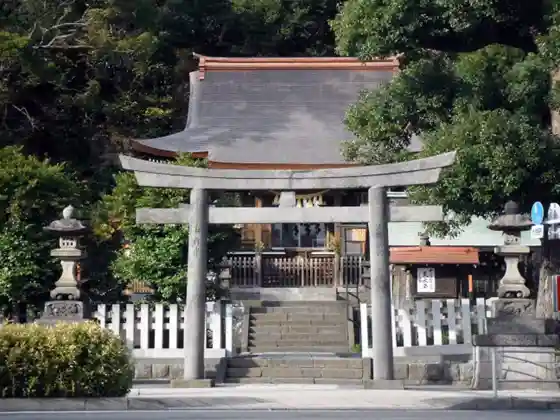
Sea deity since the 5th-6th centuries; Yoritomo invited the Izu Mishima deity, grateful for aid against the Taira.
Soji-ji Temple
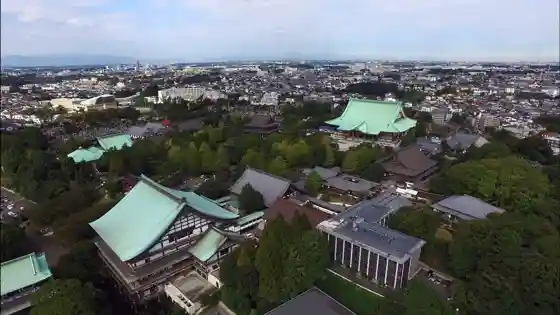
One of two Soto Zen head temples; moved to Yokohama after a Meiji fire. Open grounds, zazen, and sutra copying.
Namamugi Incident Monument and Site
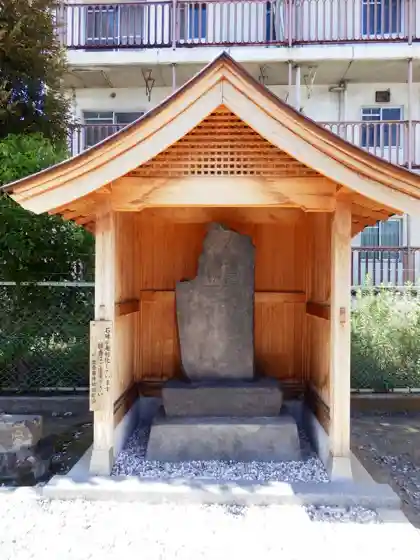
1862 site where British merchants entering Shimazu Hisamitsu's procession were slashed, prompting the Anglo-Satsuma War.
Silk Museum
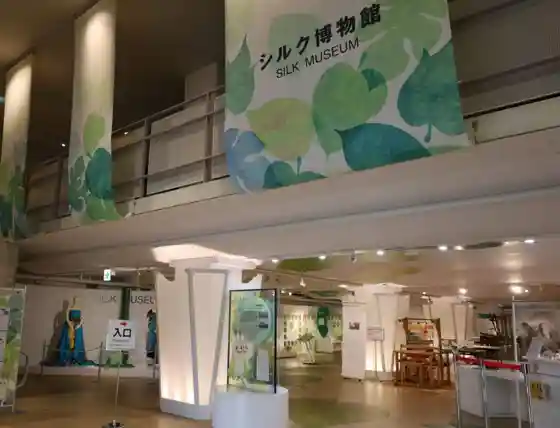
Museum introducing the silkworm-to-silk process, silk history, and kimono textile crafts, with live silkworms and workshops.
Kamonyama Park
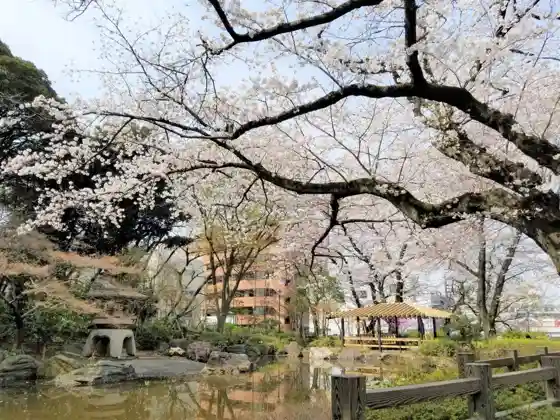
Hilltop park in Nishi Ward overlooking Minato Mirai 21, with Ii Naosuke's statue and 200 cherry trees.
Shin-Yokohama Ramen Museum
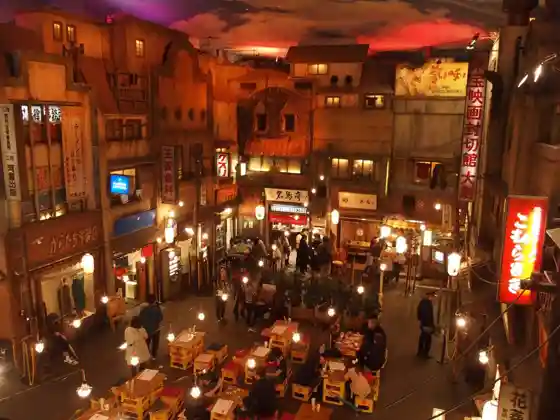
Recreates 1958 retro streets with select ramen shops. Learn ramen history, make custom cup ramen or noodles, and shop.
Cup Noodles Museum Yokohama
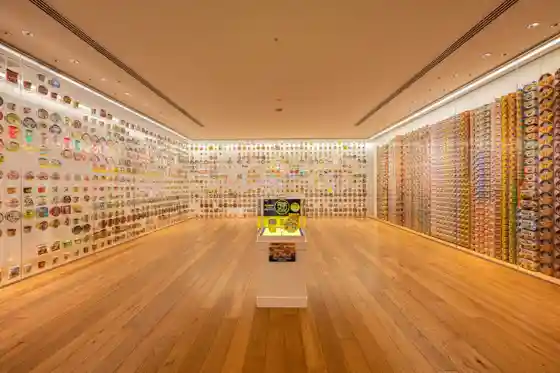
Hands-on food education on instant ramen, invention, and venture spirit, with workshops making Chicken Ramen and original Cup Noodles.
Mitsubishi Minatomirai Industrial Museum
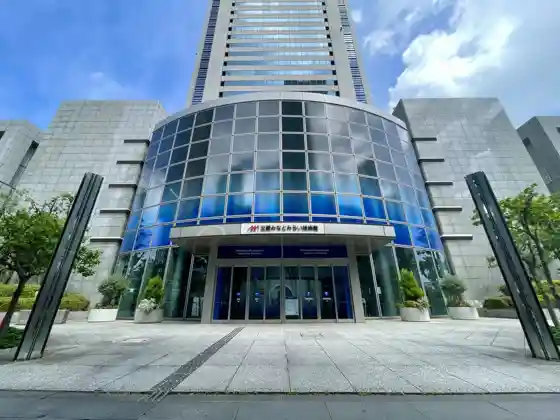
Hands-on technology museum with real rocket engines and a full-scale Shinkai 6500 model, covering deep sea to space.
Hara Model Railway Museum
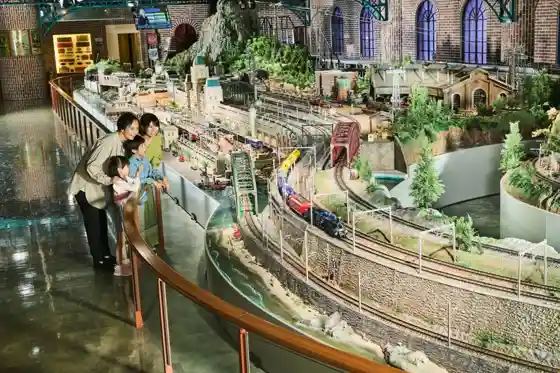
Museum showing Hara Shintaro's railway models, first tickets, and antique toys, highlighted by a huge diorama.
Segami Citizens' Forest and Daimaru Plaza
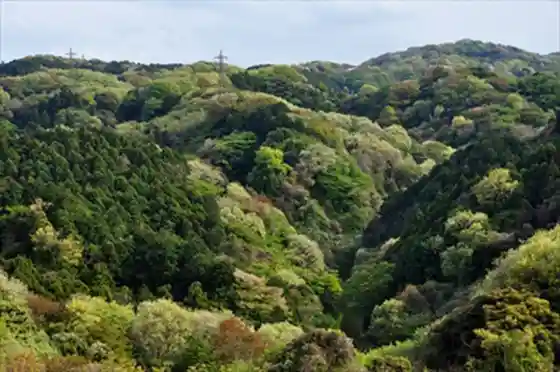
Forest in southern Yokohama; Daimaru Plaza is a rest spot for walks.
Taya Caves (Josen-ji)
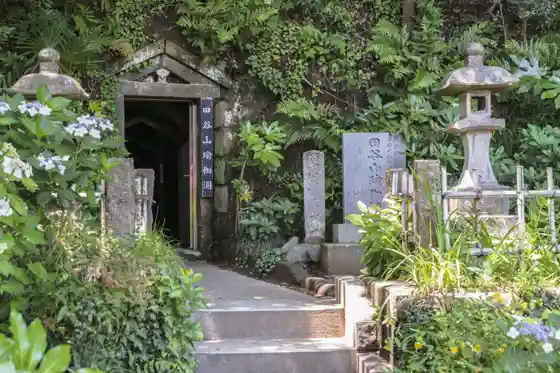
Huge man-made cave at Josen-ji, said to date from the Kamakura period, about 570 meters long.
Yokohama Park
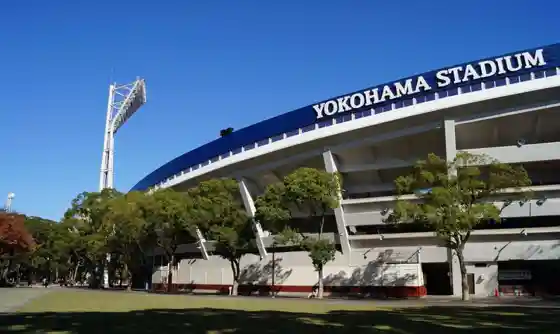
Yokohama's second oldest park after Yamate Park, famous for Yokohama Stadium and spring tulips.
Kanagawa Prefectural Sakaigawa Retarding Basin Park
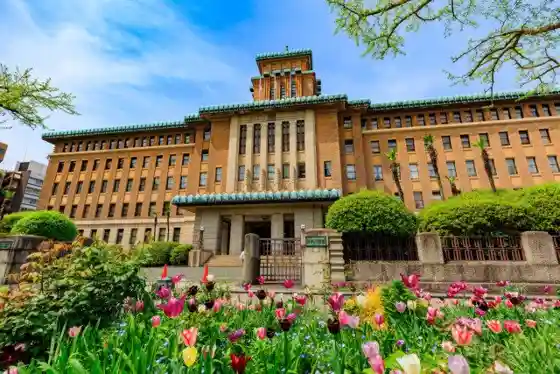
First prefectural urban park coordinated with river works, using a lower Sakaigawa flood basin in normal times.
Kanagawa Prefectural Kanazawa-Bunko Museum
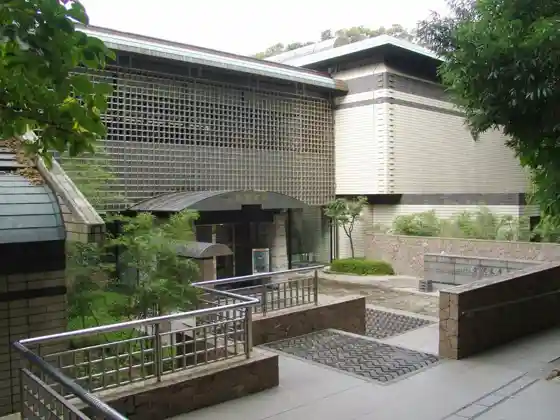
Warrior library founded by Hojo Sanetoki; a prefectural history museum since 1990.
Ice Cream Origin Monument
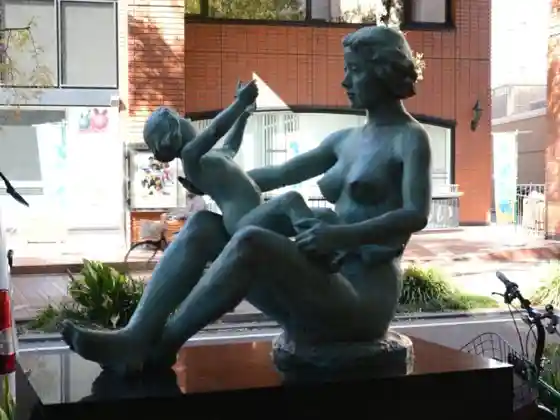
Japan's ice cream is said to have started on Bashamichi in 1869; statue installed in 1976.
NYK Hikawa Maru
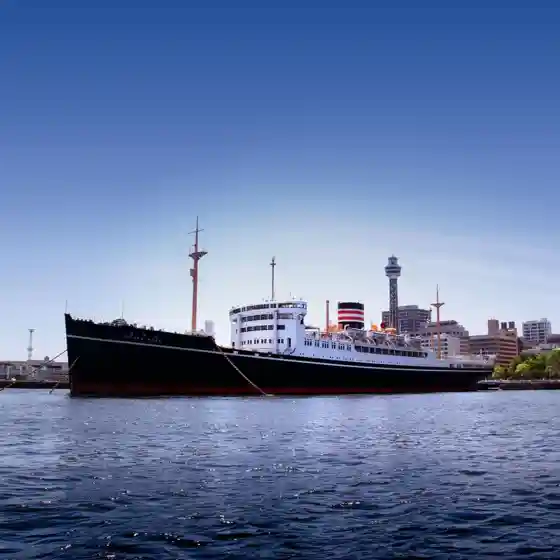
A 1930 Seattle-route cargo-passenger ship moored by Yamashita Park, Japan's only surviving prewar example and a 2016 Important Cultural Property.
Iseyama Kotaijingu Shrine
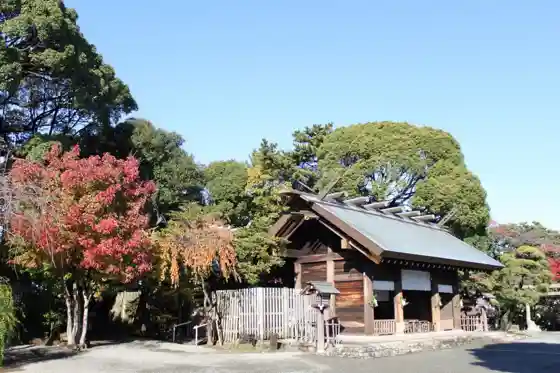
Yokohama's chief guardian shrine, enshrining Amaterasu and known as the Ise of the Kanto region.
Machiya Shrine
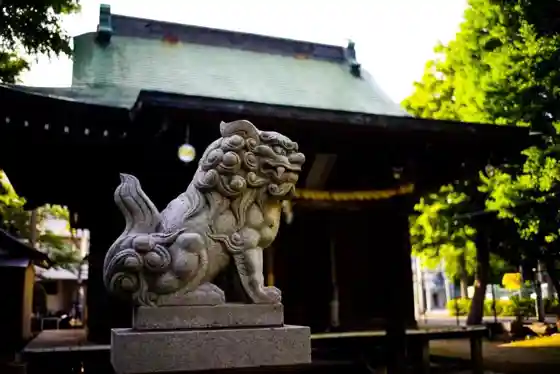
Oral tradition says Toyotomi retainers enshrined Gozu Tenno here after Osaka Castle fell and began the summer Gion festival.
Monument to the Origin of Telephone Exchange
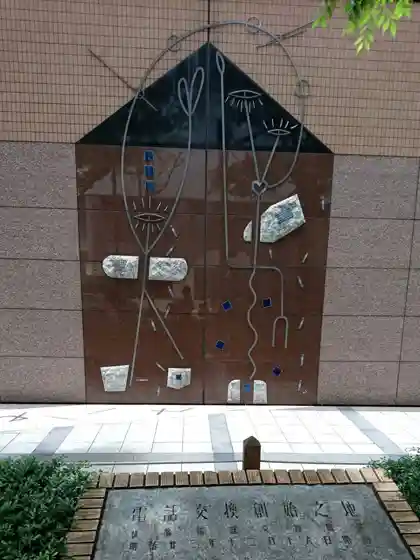
Monument marking Japan's first telephone exchange, begun here in 1890 between Yokohama and Tokyo and within Yokohama.
Miyagawa Kozan Makuzu Museum
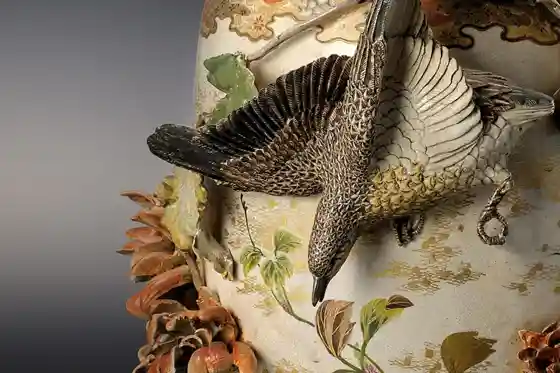
Compact housing for foreigners built around 1927, now open with Yamate 234 panels and gallery rental space.
Ryuge-ji
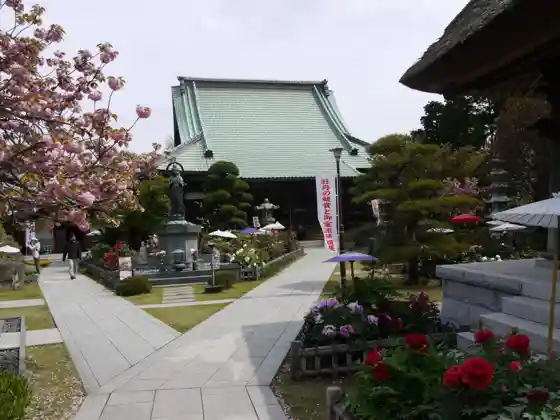
Ancient temple by Yoritomo and Mongaku in Kamakura's outer port, famed for senility-preventing Kannon, Muromachi Jizo, Daikoku, and peonies.
Shomyo-ji
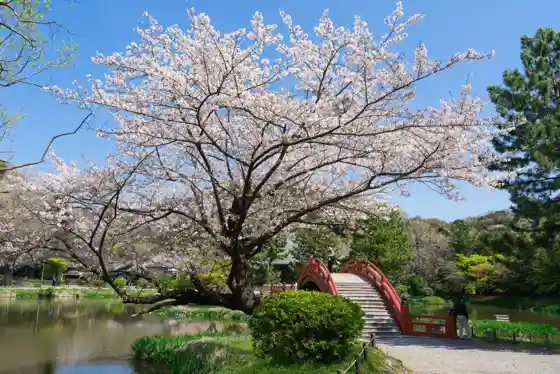
Family temple of the Kanazawa Hojo, built in the Kamakura period, with a beautiful Jodo-style garden.
Okurayama Memorial Hall
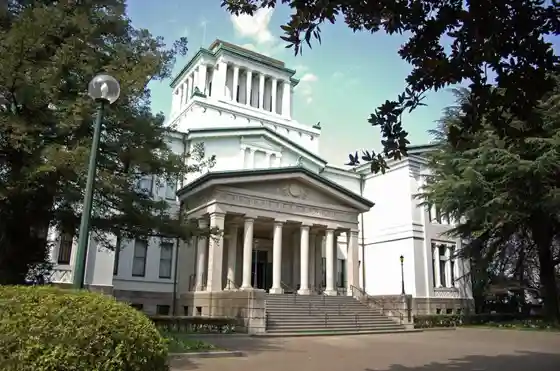
Built in 1932 by Kunihiko Okura; a Yokohama City tangible cultural property and popular film location.
Yamate Catholic Church
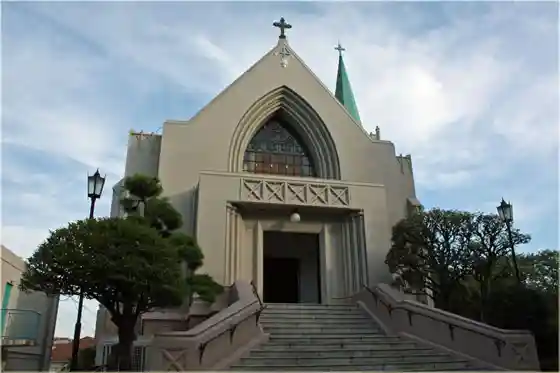
A Christian Catholic church in Yokohama City, Kanagawa Prefecture.
Yokohama Christ Church
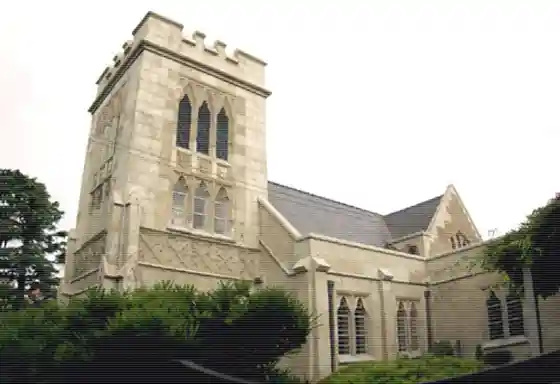
Anglican church founded in 1947, begun as the British church of the foreign settlement.
Tsurumi Shrine
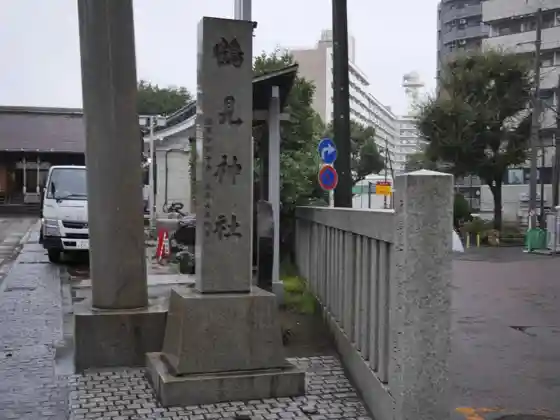
Said to date from Emperor Suiko's reign, renamed in 1920, and called the oldest shrine between Kawasaki and Yokohama.
Odori Park
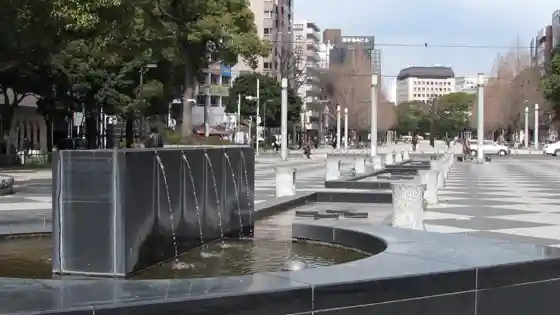
Over 1km park from JR Kannai south exit to subway Bandobashi, built on a filled canal in eight sections.
Yokohama Rural Life Museum Misono Park Yokomizo Residence
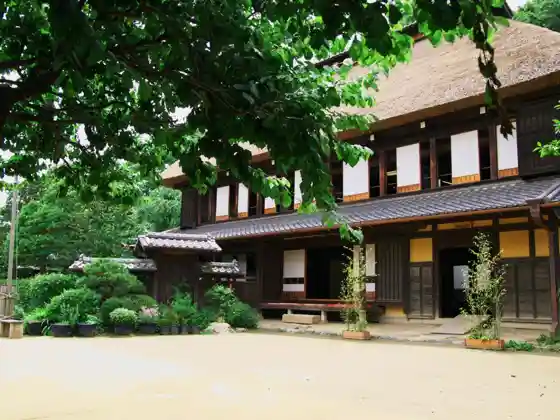
Front gate, main house and storehouses preserve the original scenery of Edo-period rural life, a precious cultural heritage.
Yokohama Naritasan
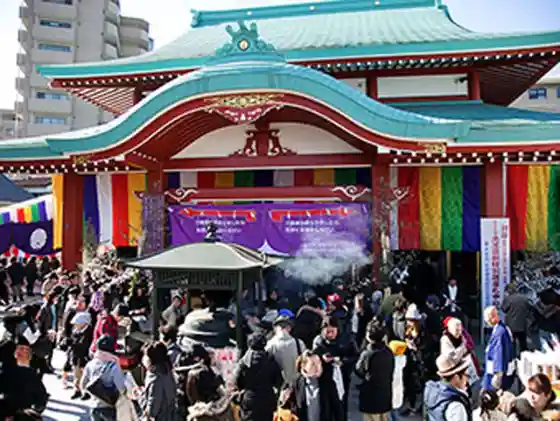
Branch of Chiba's Naritasan Shinshoji drawing many worshippers; goma rites pray for wishes before Fudo Myoo.
Yokohama Street Art
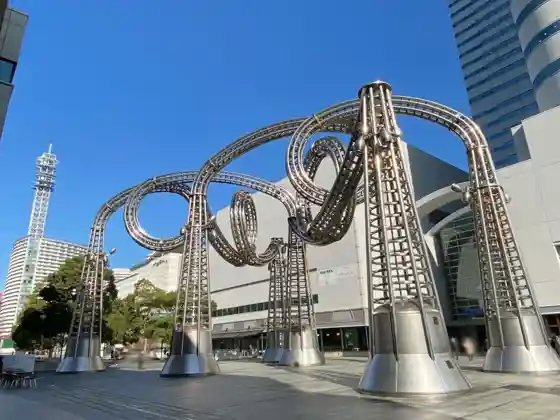
Artworks around Yokohama enjoyed with strolling and shopping, including Fruit Tree in Rinko Park and Grand Mall Park pieces.
Minato Mirai Bridge
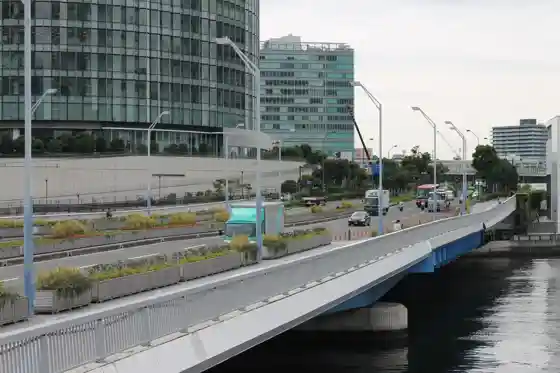
Bridge linking the Portside and Minato Mirai districts, overlooking Bay Quarter, Sogo Yokohama, and the Katabira River Canal.
Izumi River
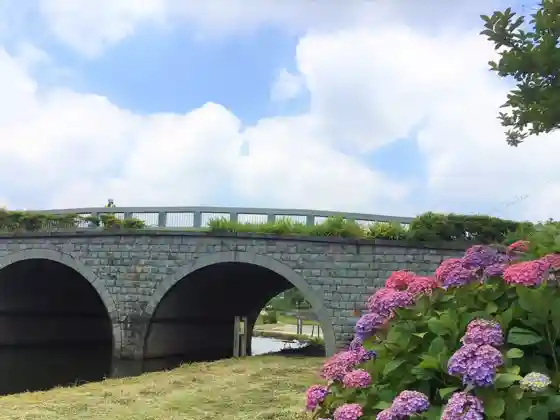
Waterside developed by Yokohama City for plum, cherry, hydrangea, autumn leaves, and birdwatching.
Red Brick Park
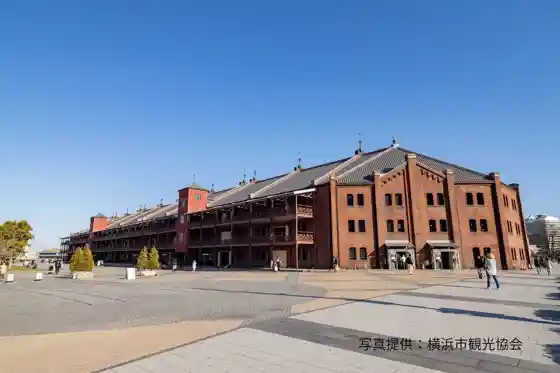
Historic green space centered on the Red Brick Warehouse, preserving customs ruins and a former station platform.
France Bridge
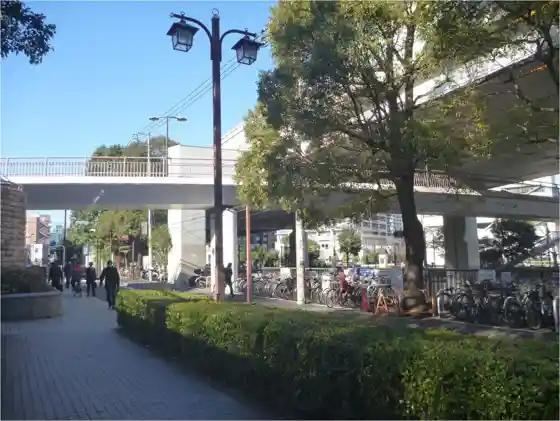
Named for French troops stationed from late Edo to early Meiji. 140m bridge linking Yamashita-cho with Motomachi and Yamate.
Tsurumi Bridge Checkpoint Historic Site
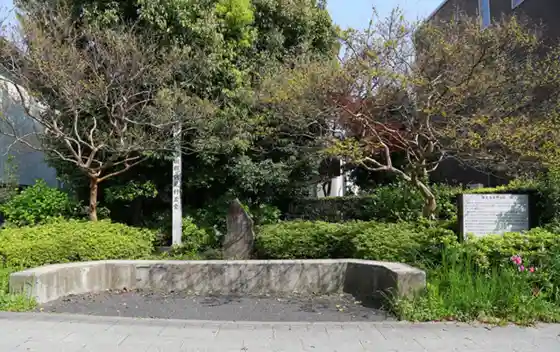
Historic checkpoint set up to control suspicious ronin after repeated attacks on foreigners following Yokohama's port opening.
Yokohama Marine Tower
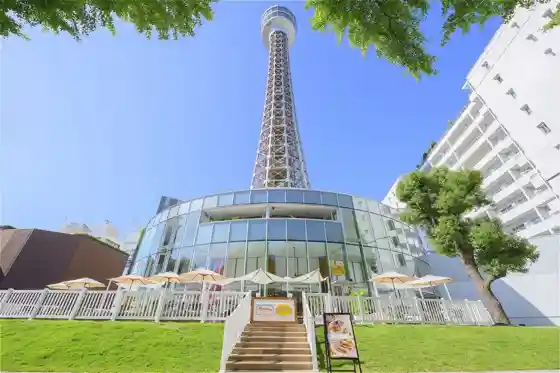
Yokohama symbol built for the port-opening centenary. Reopened September 1, 2022, with nighttime light and image media art.
Tennomori Izumikan (Former Shimizu Silk Mill Main Building)
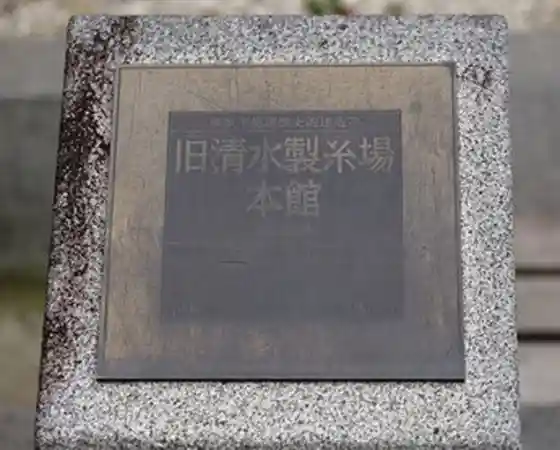
Main building of the Meiji-founded Shimizu Silk Mill, a Yokohama City designated historic building.
Magokoro Farm
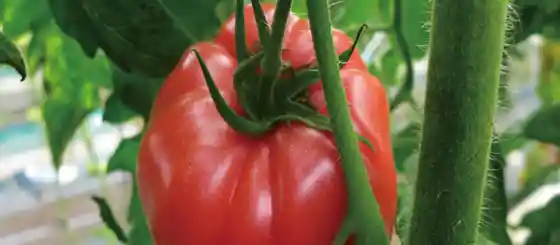
Seasonal vegetables centered on tomatoes and long green onions have rich flavor and lasting freshness.
Yokohama Doll Museum
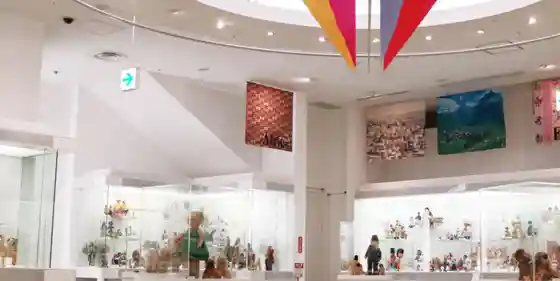
A doll museum with over 10,000 pieces from 140-plus countries, including Living National Treasure works, plus hands-on events.
JOINUS Forest Sculpture Park
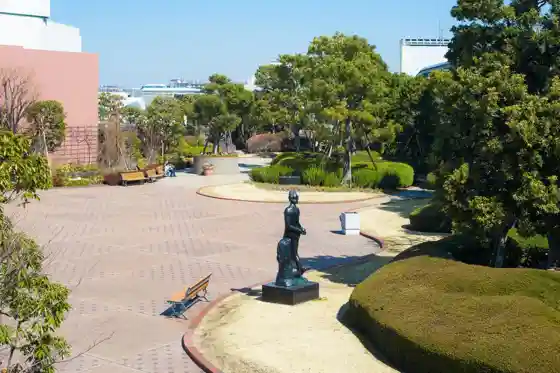
Rooftop garden near Yokohama Station's west exit at JOINUS Yokohama, with about 20,000 trees, an artificial waterfall, and paths.
Tokuzen-ji
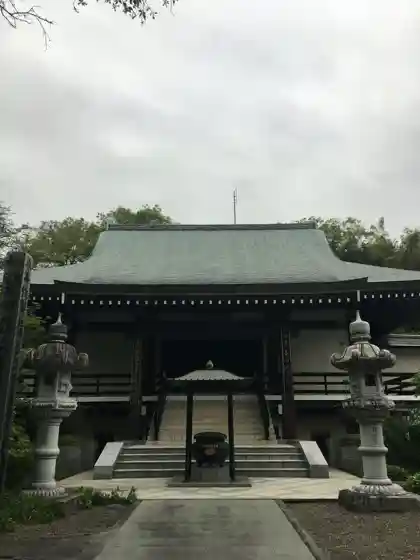
Notable for a fine wooden temple gate, with seasonal plants to view in the grounds.
Hozo-ji
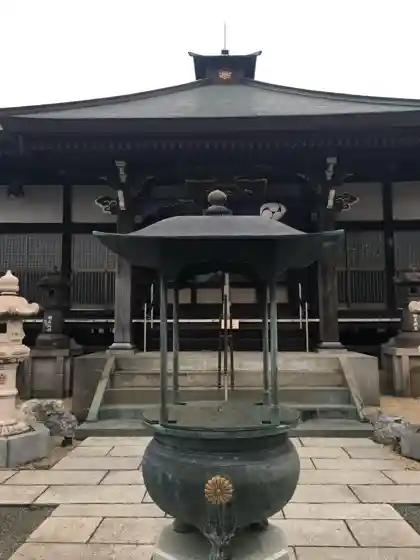
A Shingon temple a 10-minute walk from Ayase Station.
Zentsu-in Seishi-do
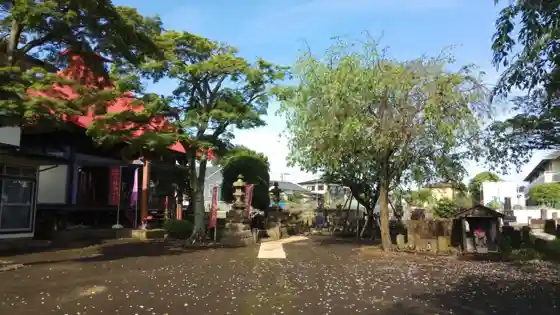
Soto Zen temple. Seishi Bodhisattva was excavated after a dream. Main hall built in 1624-43 enshrines Jurojin.
Yokohama Kanteibyo
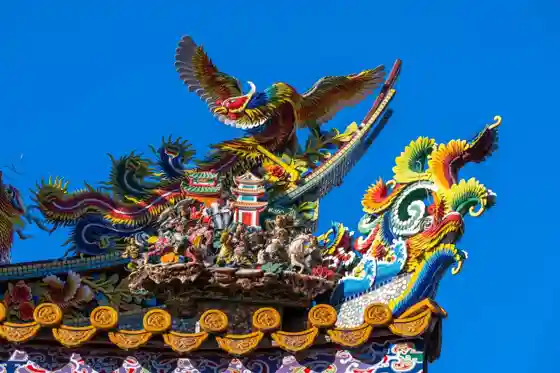
Yokohama Chinatown building enshrining Guan Yu, with a colorful dragon-motif tower gate.
Hasseiden
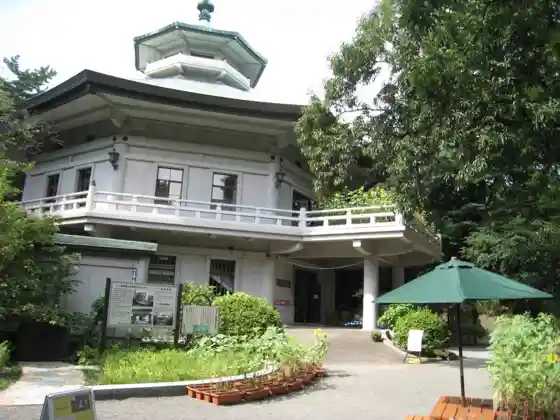
Built in 1933 by Home Minister Adachi Kenzo for spiritual cultivation; now a local history museum.
Omaruyama (Kanazawa Citizens' Forest)
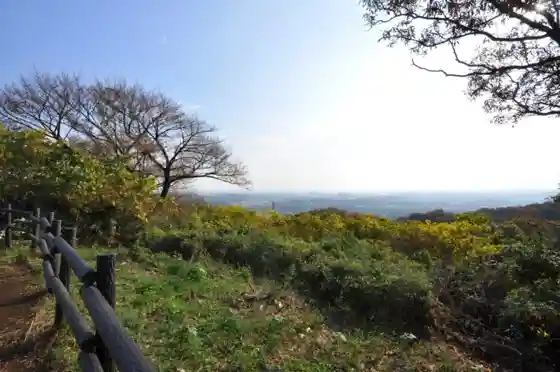
From Yokohama's highest peak at 156.8 meters, views of Kanazawa Hakkei and Tokyo Bay.
Yokohama Yamate Tennis Birthplace Memorial Hall
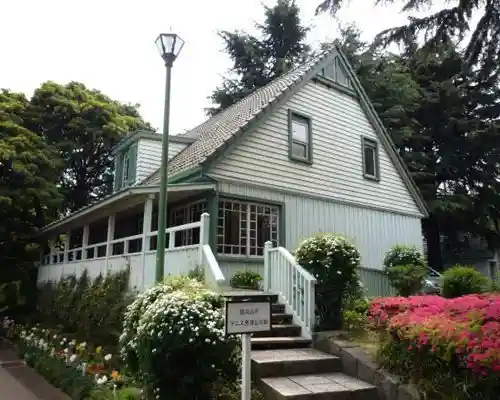
Lawn tennis reached Yokohama in 1876 and was first played in Yamate Park. The 1998 hall displays tennis history.
Former Yamate No. 68
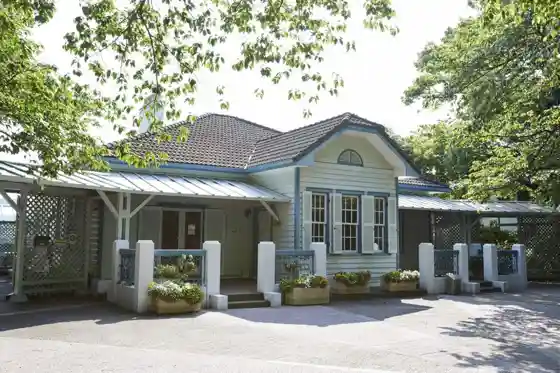
Built in 1934 as rental housing for foreigners at Yamate 68, later relocated and now the Yamate Park management office.
Fujizuka Ruins (East of Yokone Inari)
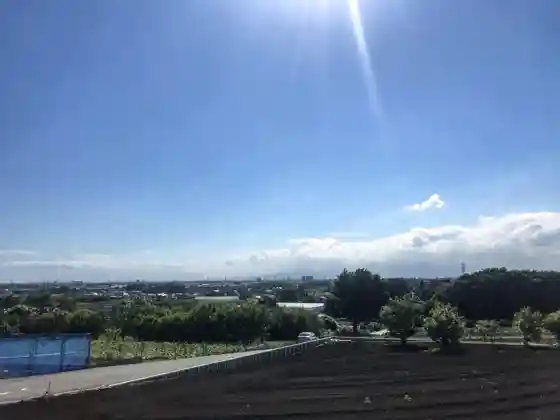
High ground with views of Mount Fuji, Oyama, the Tanzawa mountains, and the Hakone range.
Yamate Museum
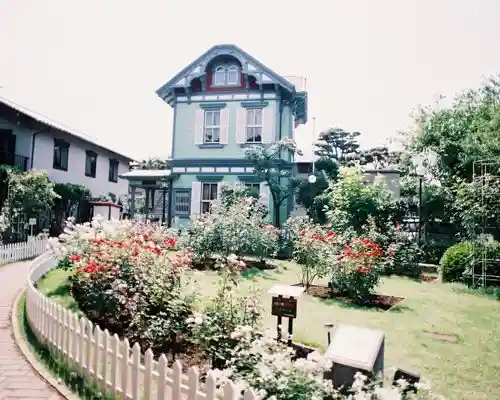
Built in Meiji 42, Yokohama's only Japanese-Western wooden Western-style house, with exhibits on culture and customs since the port opening.
Yatozaka Slope
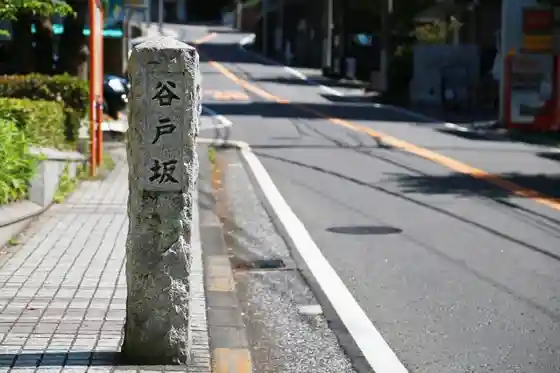
A slope along Harbor View Park cutting through valley-like terrain, linking Yamashitacho and Motomachi with hilltop Yamatecho.
Nokendo Ruins
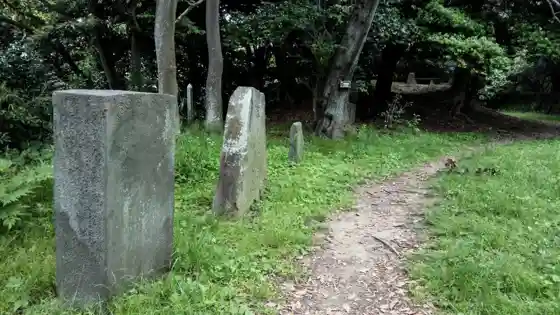
Sekihitsuzan Jizoin rebuilt by lord Kuze Hiroyuki in 1661-73; poems here began the Kanazawa Eight Views.
Fudo Pond
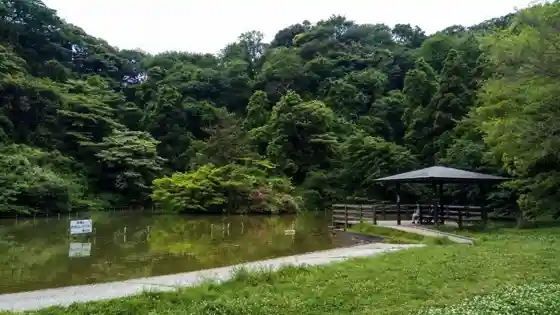
Quiet small pond in Nokendo Green Space, said to be visited by kingfishers and other birds.
Yatsu Sekigaya Fudoson
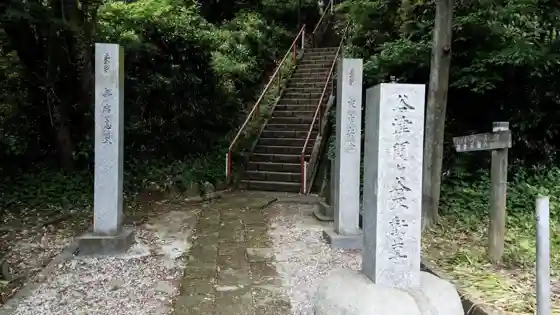
Fudo long revered by villagers; the precinct waterfall is the source of the Yatsu River.
Kamariya Citizens' Forest
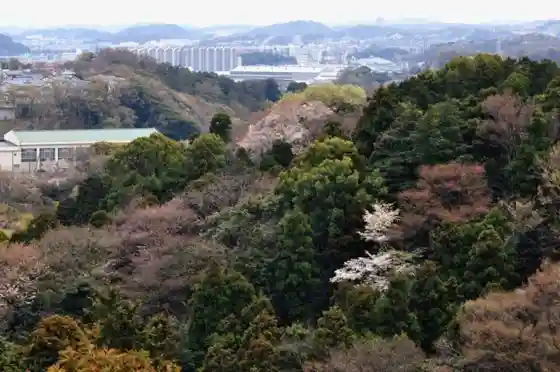
Simple natural mixed woodland where large trees still remain.
Nissan Global Headquarters Gallery
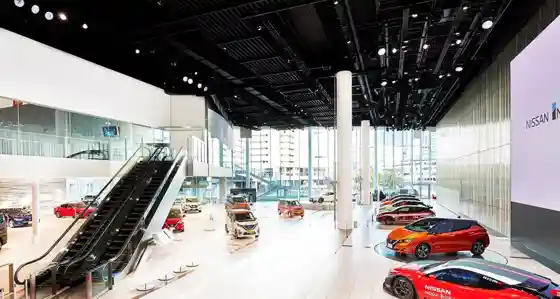
Gallery of Nissan, founded in Yokohama in 1933, with latest cars and heritage displays.
Osaragi Jiro Memorial Museum
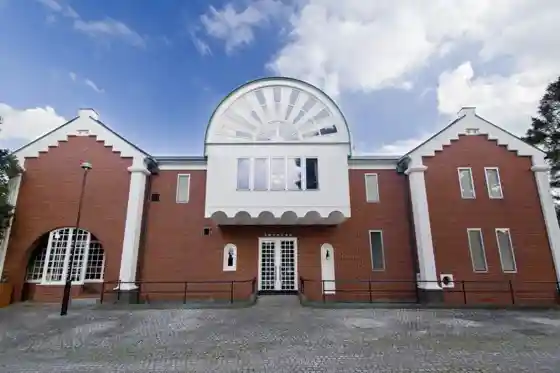
Introduces Yokohama writer Osaragi Jiro, south of Harbor View Park's observatory.
Kanagawa Prefectural Museum of Modern Literature
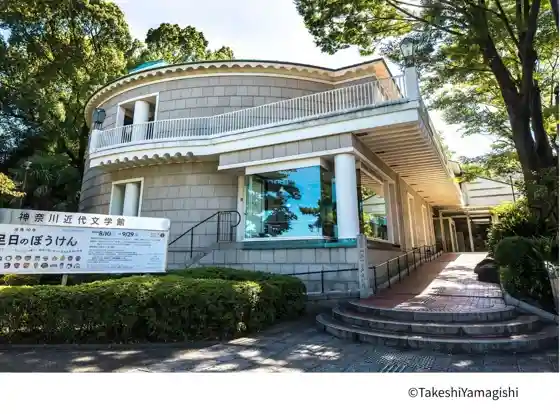
Museum, library, and lecture hall for Kanagawa-linked writers including Natsume Soseki and Akutagawa Ryunosuke.
Nissan Engine Museum
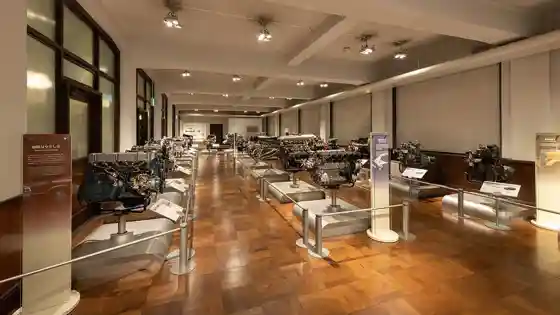
Displays 28 of about 200 Nissan engines in a 1934 building later designated modern industrial heritage.
Yokohama Local Meteorological Observatory
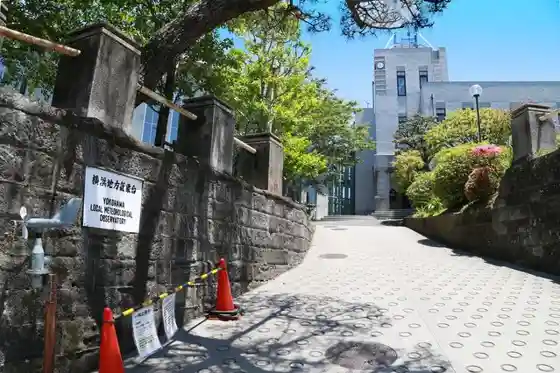
1927 office renovated in 2007 to a Tadao Ando design, with seismic reinforcement and a new second building.
Yokohama City Tram Museum
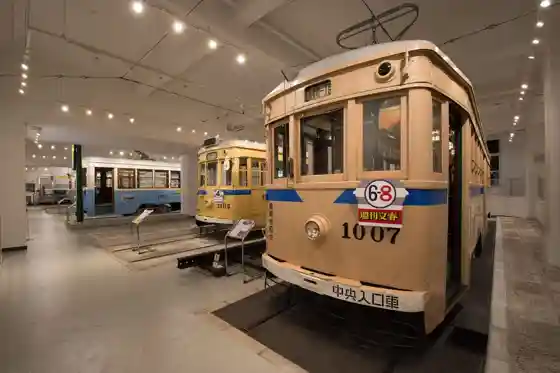
Preserves seven tram cars, stop signs, and paving stones; opened in 1973 and rebuilt in 1983.
Dockyard Garden
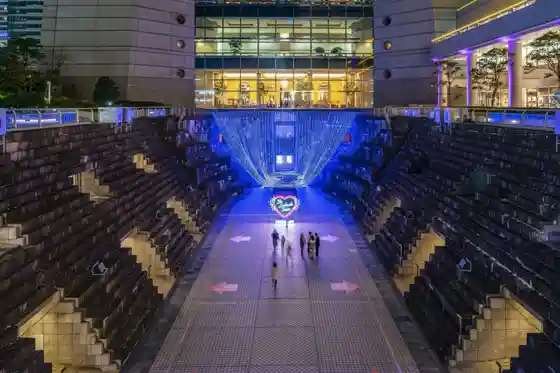
Japan's oldest existing stone dock for merchant ships, restored beside Landmark Tower for concerts and promotions.
Hokubu Daini Water Reclamation Center
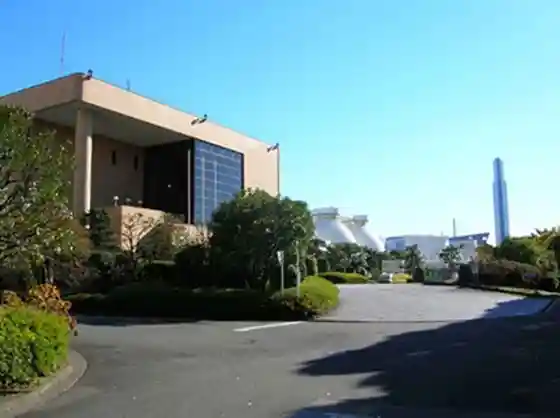
East of the Tsurumi River estuary, treating Tsurumi Ward's Tokyo Bay side nonstop since 1984.
Tsurumi River Embankment
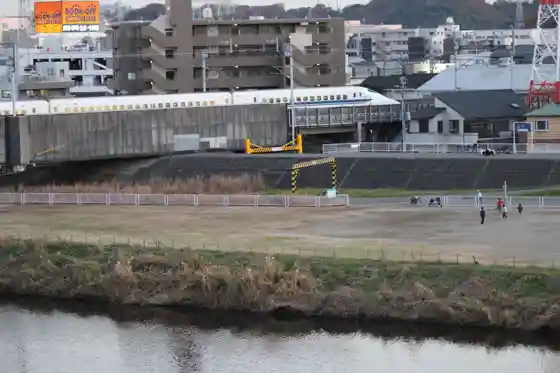
From the riverside path and embankment, watch waterbirds, photograph trains and the Shinkansen, and see Mount Fuji on clear days.
Zounohana Park Yamashita Rinko Line Promenade Viaduct
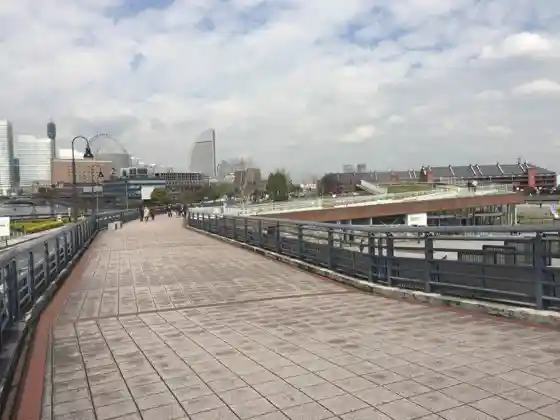
About 500-meter promenade linking near Yokohama Customs, via Osanbashi entrance, to Yamashita Park's west end, built reusing the old line.
Yokohama English Garden
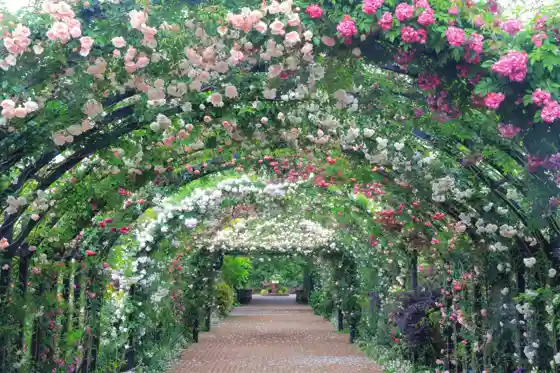
English garden centered on about 2,200 rose varieties, with a rose tunnel, six areas, a cafe, and a shop.
Sandendai Ruins and Archaeology Museum
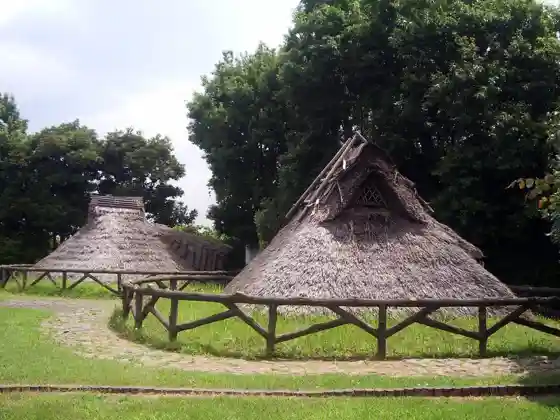
Jomon, Yayoi and Kofun village ruins on a 55-meter hill in Okamura, Yokohama, designated a national historic site in 1966.
Yamate Park
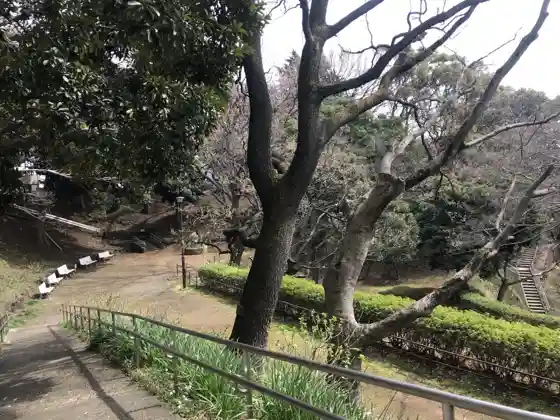
Japan's first Western-style park, created for foreign residents and famous as where tennis was first played in Yokohama.
Augusta Milk Farm
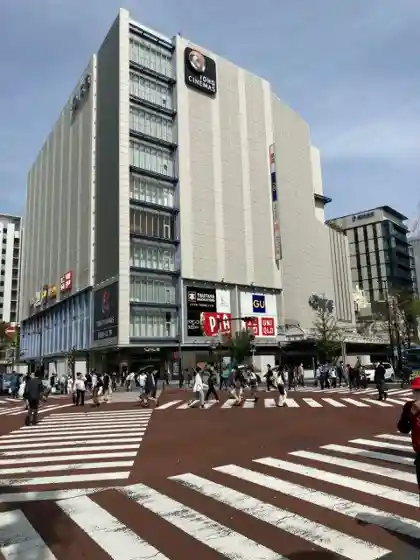
Yokohama farm offering cow milk, rich soft-serve, over 50 gelato flavors, and cow contact.
Yamashitacho Park
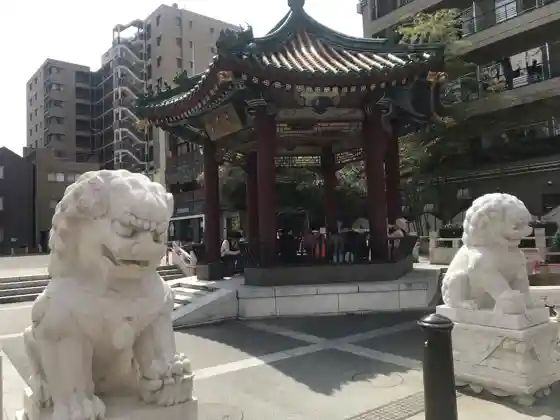
Park in Yokohama Chinatown with Chinese-style arbor Kaihotei and lion monuments in an exotic setting.
Tokozen-ji
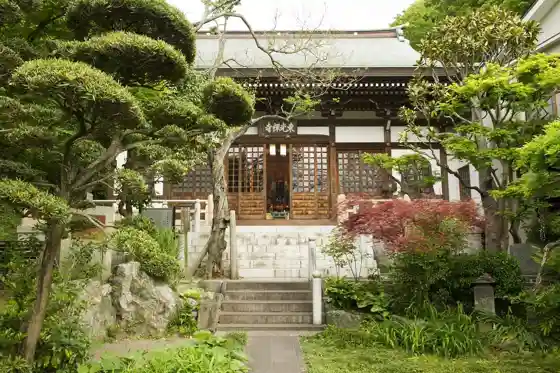
Temple over 800 years old. Zazen and sutra copying by reservation; beginners guided; English zazen explanations available.
Kanagawa Prefectural Museum of Cultural History
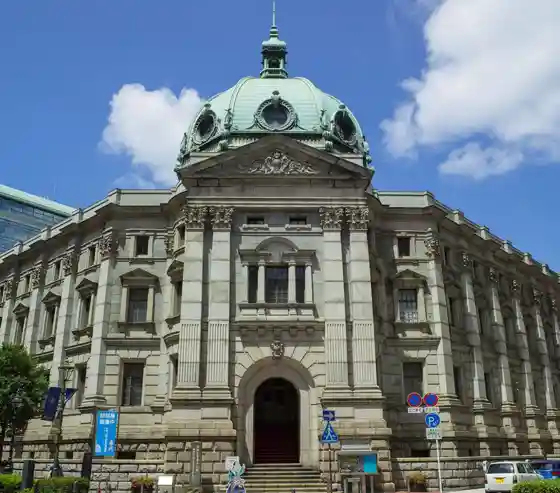
Museum of Kanagawa culture and history one minute from Bashamichi Station; its neo-baroque wing is a national Important Cultural Property.
Ooka River Promenade
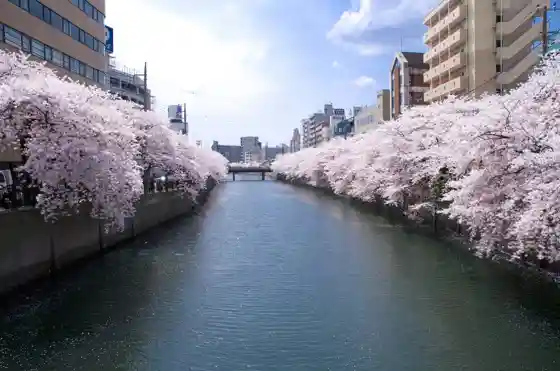
3.5 km Ooka River promenade with about 350 cherry trees, a leading Yokohama blossom spot, lantern-lit in bloom season.
Yokohama Mazu Temple
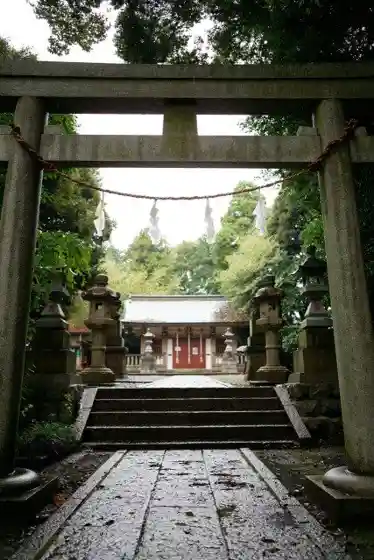
Enshrines Mazu, goddess of safe voyages, health and peace, and matchmaking god Gekka Rojin, in Chinese-style decor.
Rinko Park
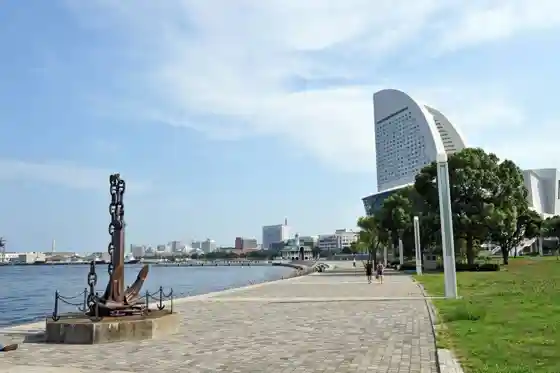
Minatomirai's largest green space, with lawn plaza, south plaza, and tidal pond, overlooking Yokohama Port.
Nojima Park Observatory
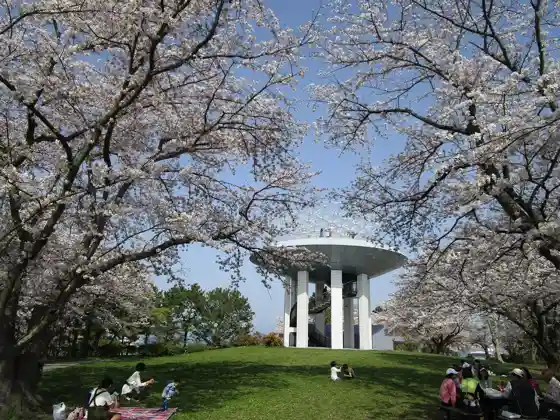
Observatory atop Nojima Mountain with 360-degree views of Yokohama's sea, the Boso Peninsula, and Mt. Fuji.
Negishi Natsukashi Park Former Yanagishita Residence
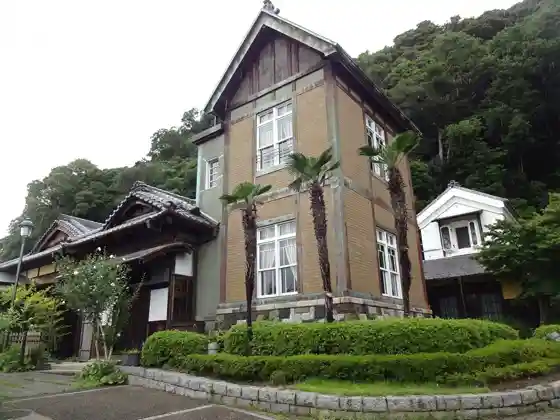
Restored modern Japanese-Western house open to the public; Yokohama City tangible cultural property since 2002.
Yokohama Foreign General Cemetery
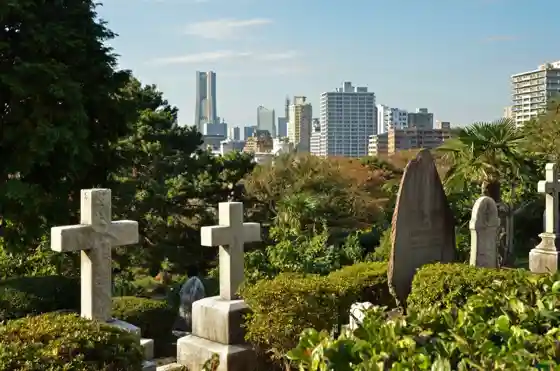
Began by burying Perry fleet sailors; now over 5,000 foreigners from about 40 countries, including noted figures in Japan's Westernization.
Shirahata Migawari Jizo
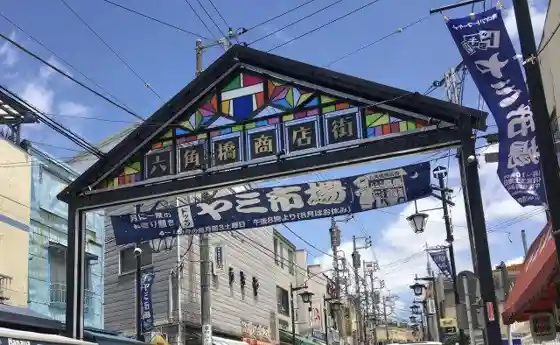
Jizo called Migawari after robbers beheaded it by mistake while young brothers hid behind it; locally revered.
Honmoku Shrine
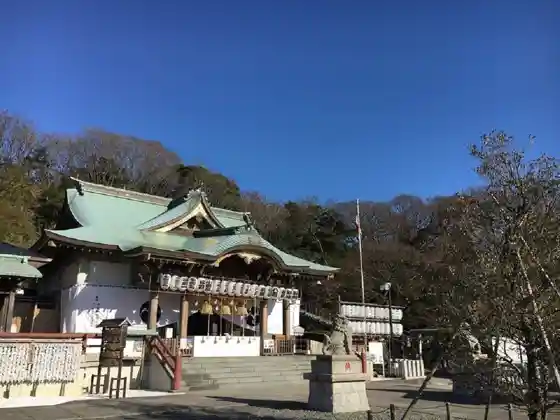
Shrine known for matchmaking and evil-warding prayers; exhibition hall for prefecture-designated O-uma-nagashi ritual.
Sogo Museum of Art
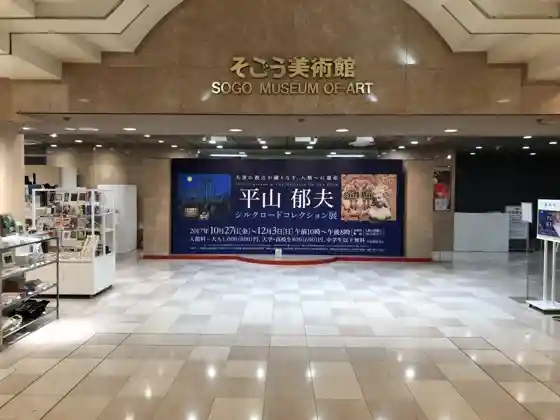
Unprecedented full-scale museum in a department store holding Shintaro Suzuki oils, with domestic and overseas painting and sculpture exhibitions.
Motomachi Hyakudan Park
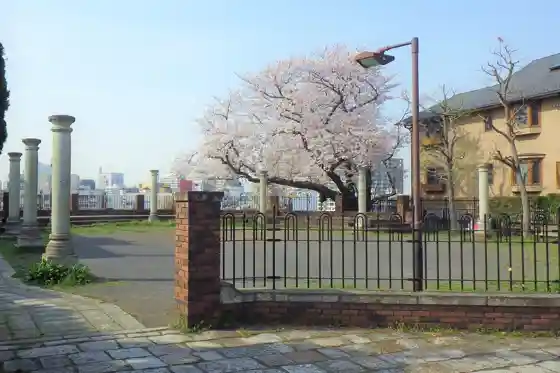
Park symbolized by a giant cherry tree; named for the 101-step Hyakudan stairs destroyed in the Great Kanto Earthquake.
Yokohama Municipal Children's Botanical Garden
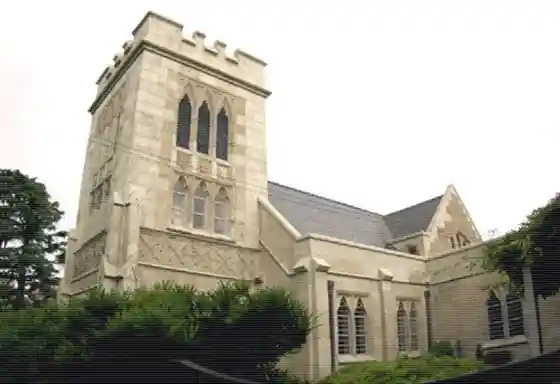
About 3.0 ha park opened in 1979 for the International Year of the Child, with many gardens and rare varieties.
Kodozan Honbutsuden
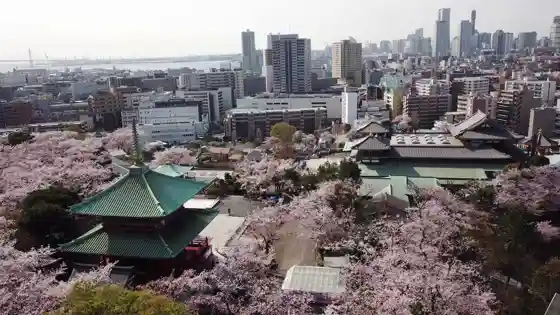
Buddhist temple atop Mount Kodo overlooking Yokohama and Minato Mirai, with 250 spring cherry trees and a two-story reliquary pagoda.
Keikyu Museum
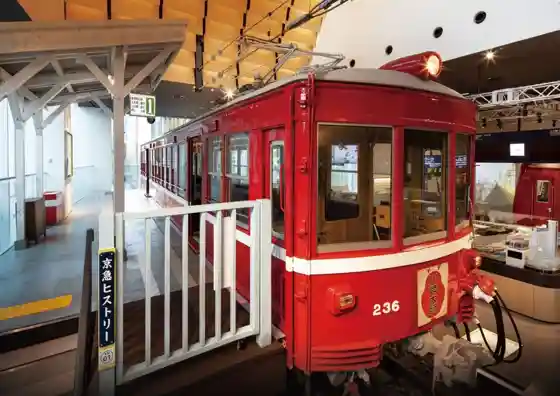
Opened in 2020 at Keikyu Group headquarters, showing Deha 230, a line diorama, driving simulation, and crafts.
BankART Station
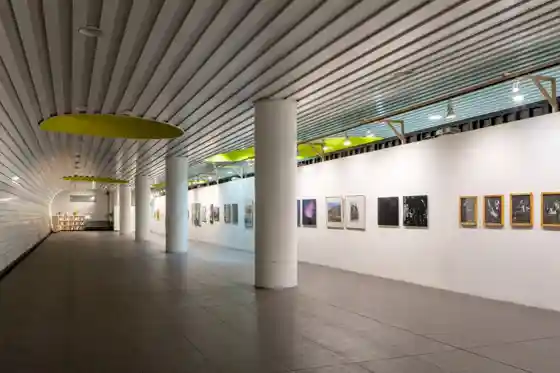
Core BankART1929 space under Shin-Takashima Station for exhibitions, a shop, cafe, pub, and school.
Kanagawa Prefectural Archives
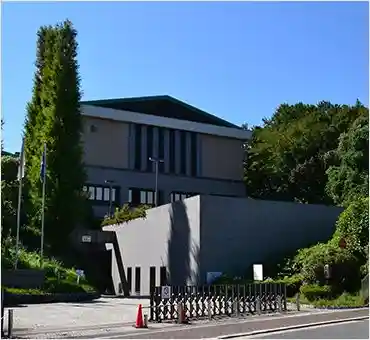
Collects and preserves prefectural public records and old documents, and holds exhibitions and lectures.
Kanagawa Prefectural Plaza for Global Citizenship
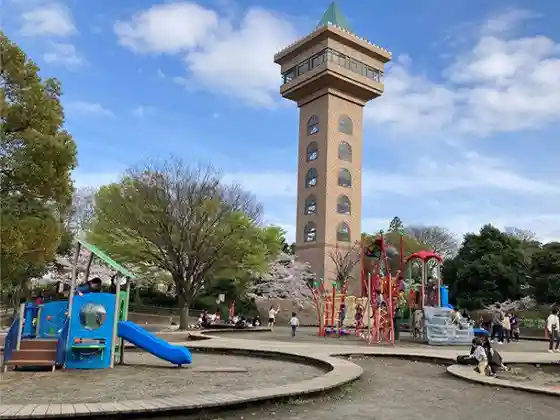
Facility for children's sensibility, global citizenship, and international activities, with exhibition rooms, a library, and events.
Kanagawa Prefectural Music Hall
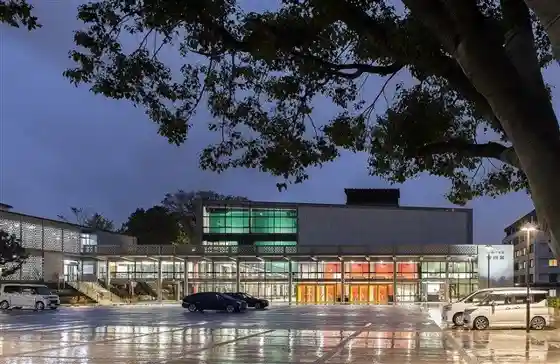
Modernist hall by Kunio Maekawa, opened in 1954, with all-wood walls and acclaimed acoustics.
Yokohama Marine Tower
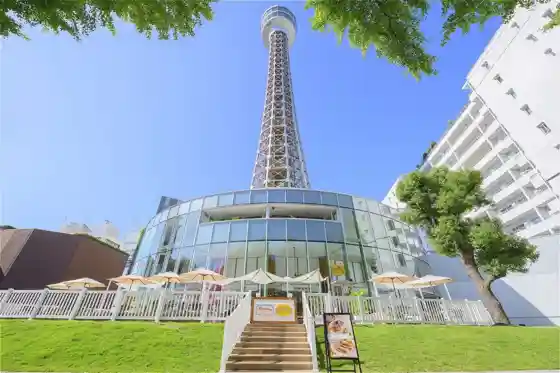
Yokohama symbol built in 1961 as a port centennial project, once Japan's tallest lighthouse, with about 90-meter observation floors.
Okurayama Park
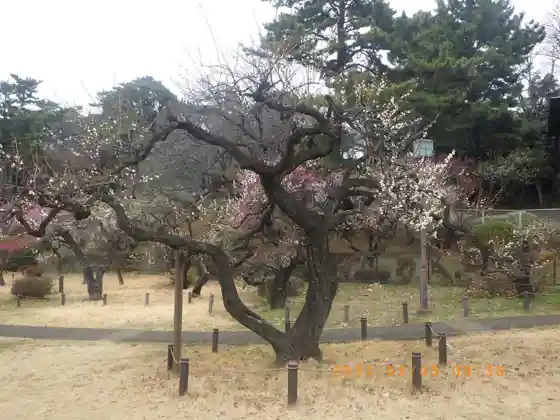
Plum grove of 46 varieties and Okurayama Memorial Hall, a designated tangible cultural property.
Kanagawa Prefectural War Dead Memorial Hall
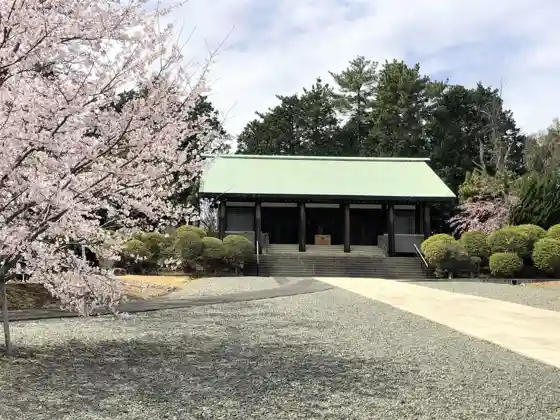
1953 hall mourning war dead since the Meiji era, with views, cherry blossoms, and azaleas.
Yokohama Museum of Art
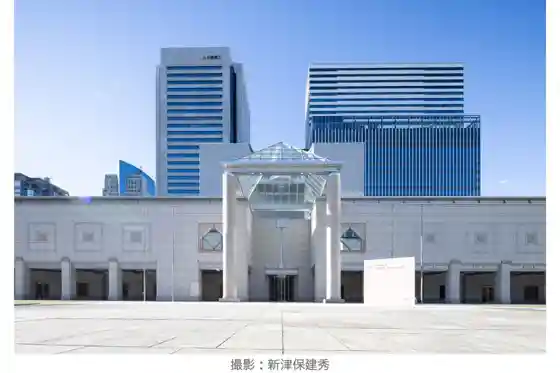
Large art museum with symmetrical exterior, open Grand Gallery, nine rooms, atelier, and library of about 240,000 books.
Tulips at Yokohama Park
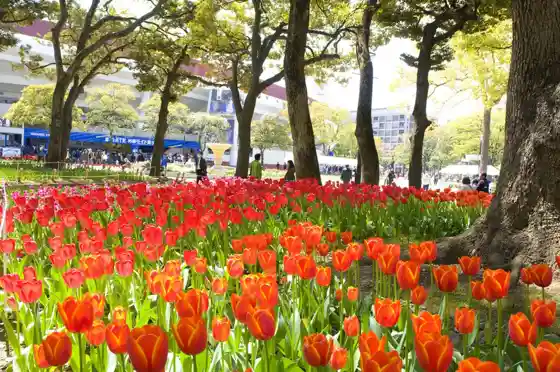
Yokohama's second-oldest park after Yamate Park, famous for Yokohama Stadium and colorful spring tulips.
Mystery of Tutankhamen: Immersive Ancient Egypt Exhibition
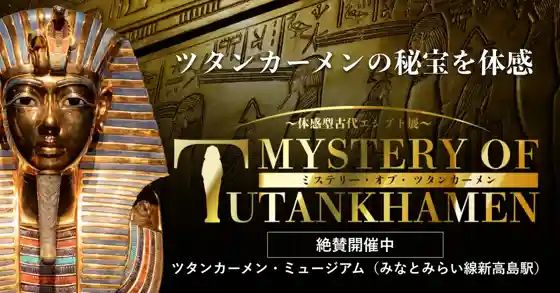
Permanent immersive Tutankhamen exhibition at Yokohama Minato Mirai's Tutankhamen Museum (PLOT48).
Minato Mirai Sakura Street Cherry Blossoms
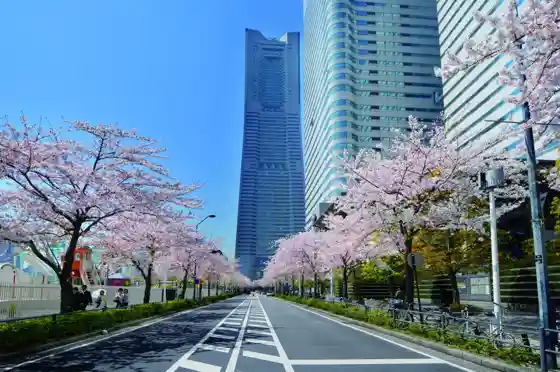
Roughly 100 Someiyoshino cherries line 500 meters from Sakuragicho Station to Landmark Tower and Pacifico Yokohama, a popular blossom spot.
Roses of the Yamate Italian Hill Garden
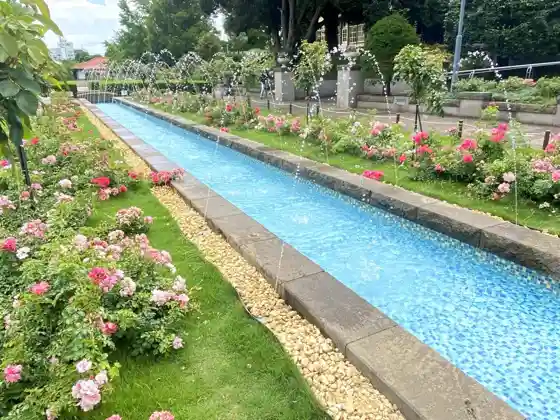
Park called Italian Hill for its former Italian consulate, with a geometric Italian garden and seasonal flowers.
Hamagin Children's Space Science Museum
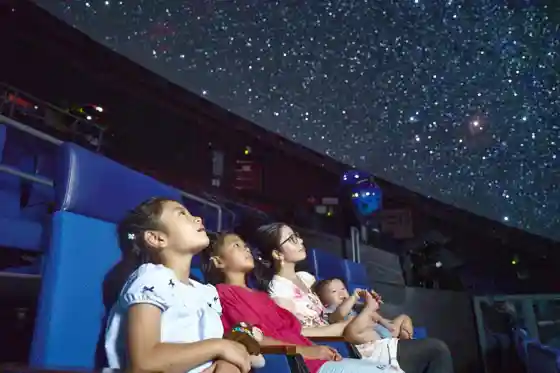
Hands-on science museum featuring the world's best starry sky, designed as a giant spaceship with five themed exhibition rooms.
CRAFT. BankPark YOKOHAMA
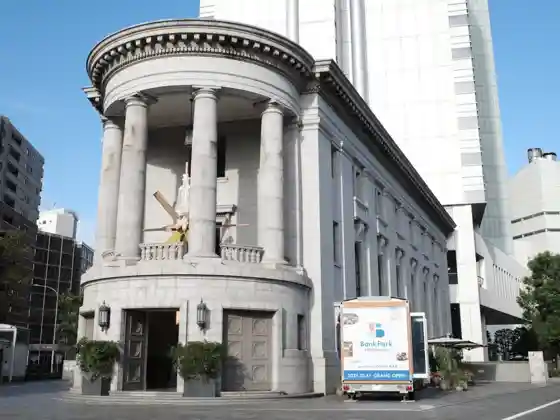
City-designated historic former Dai-ichi Bank Yokohama Branch, built in 1929, used for exhibitions, launches, and filming.