 BokenJapan
Japan / Kumamoto / Amakusa / See
Sights in Amakusa, Kumamoto
Amakusa · Kumamoto · 36 places
See
Ushibuka Kaisaikan
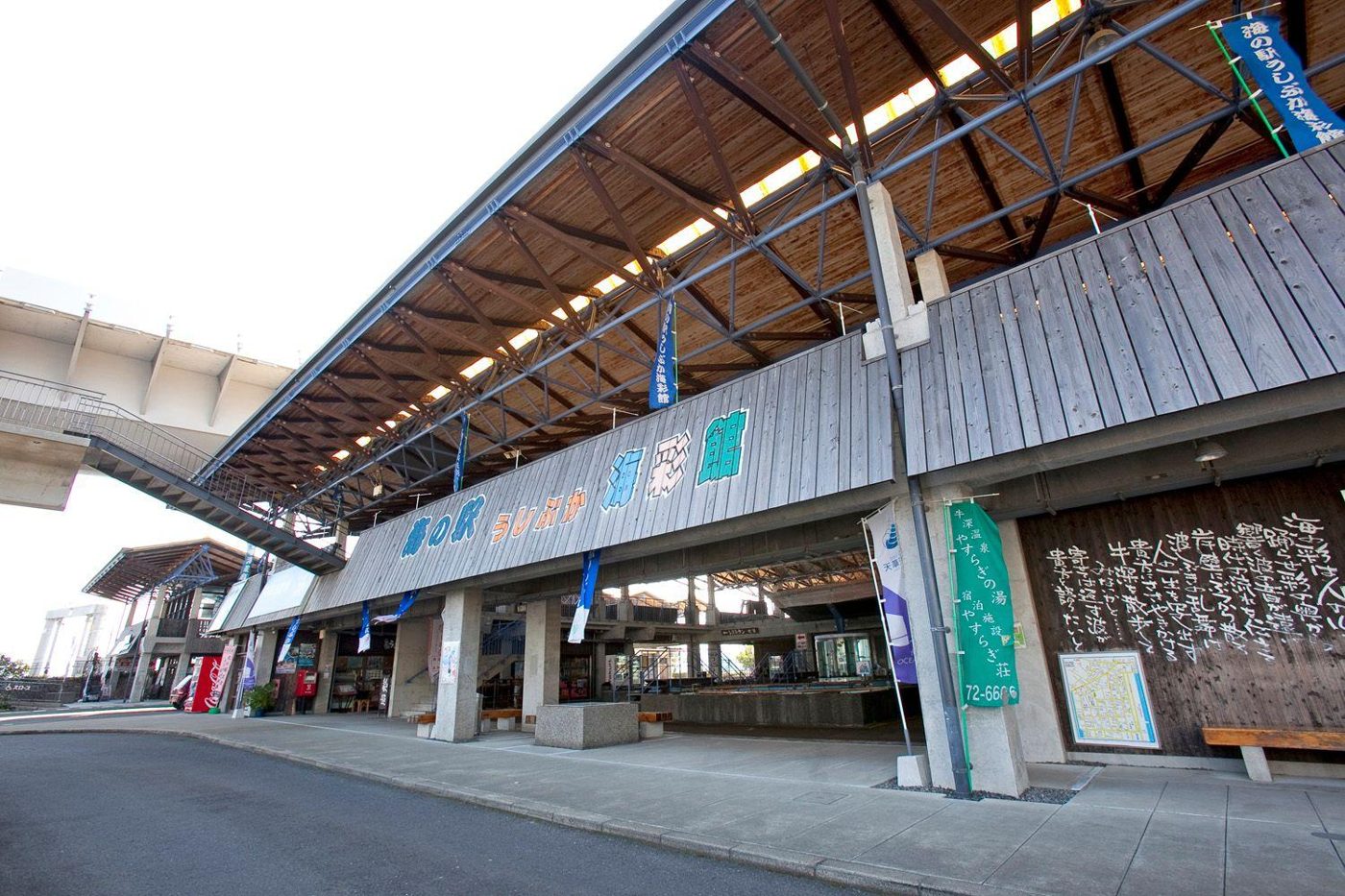
Sea-culture complex under Ushibuka Haiya Bridge by the ferry terminal, with shops, exhibits, a 1,000-fish tank, and a restaurant.
Catholic Sakitsu Church
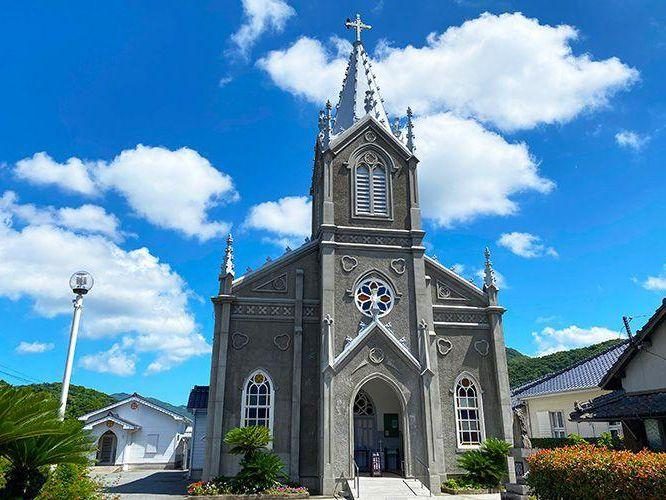
Symbol of Sakitsu village, a 2018 World Heritage Hidden Christian site; Gothic church rebuilt in 1934 with rare tatami floors.
Catholic Oe Church
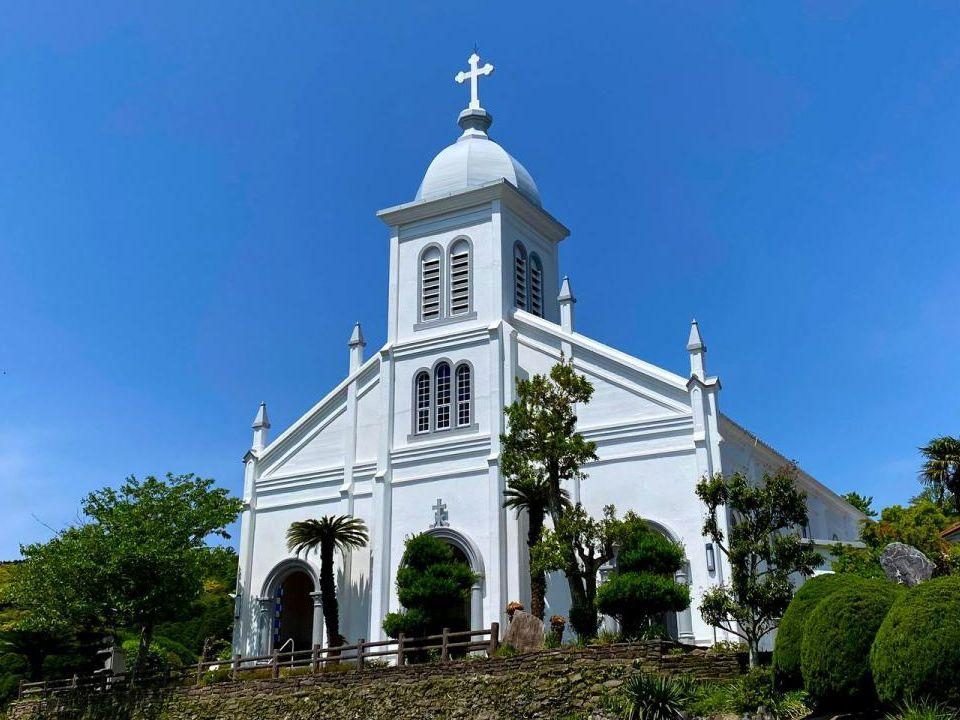
Earliest Amakusa church after Christianity's ban ended; 1933 building by Father Garnier and local believers.
Ebisu Statue Park
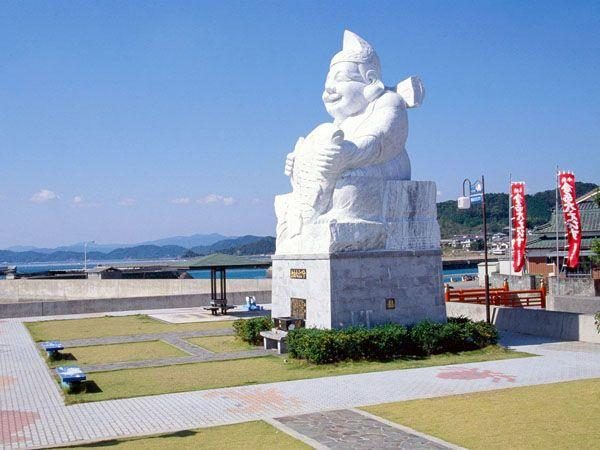
Park with Japan's largest marble Kuratake Great Ebisu statue, weighing 320 tons.
Thirteen Buddhas Park
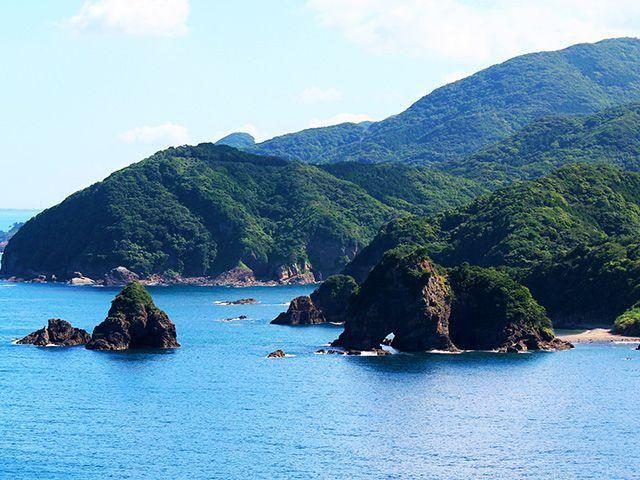
Park famed for sunset views from Myokenura to Shiratsuruhama Beach, with Yosano poetry monuments.
Myokenura (Elephant Rock)
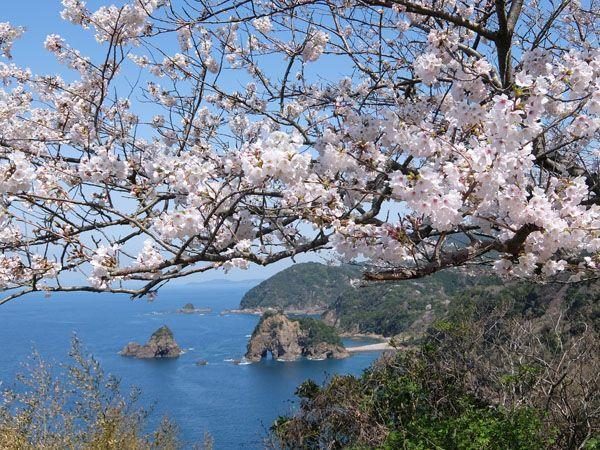
Nationally designated scenic natural monument reef on Amakusa's west coast, linked by sea caves.
Tsuten Park Ai yori Aoku Monument
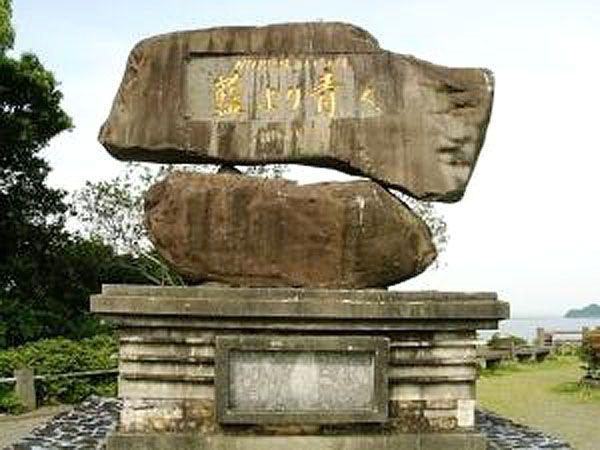
Park just past Tsuten Bridge, with a monument to the 1972 NHK drama set in Ushibuka.
Tomiyama Narcissus Park
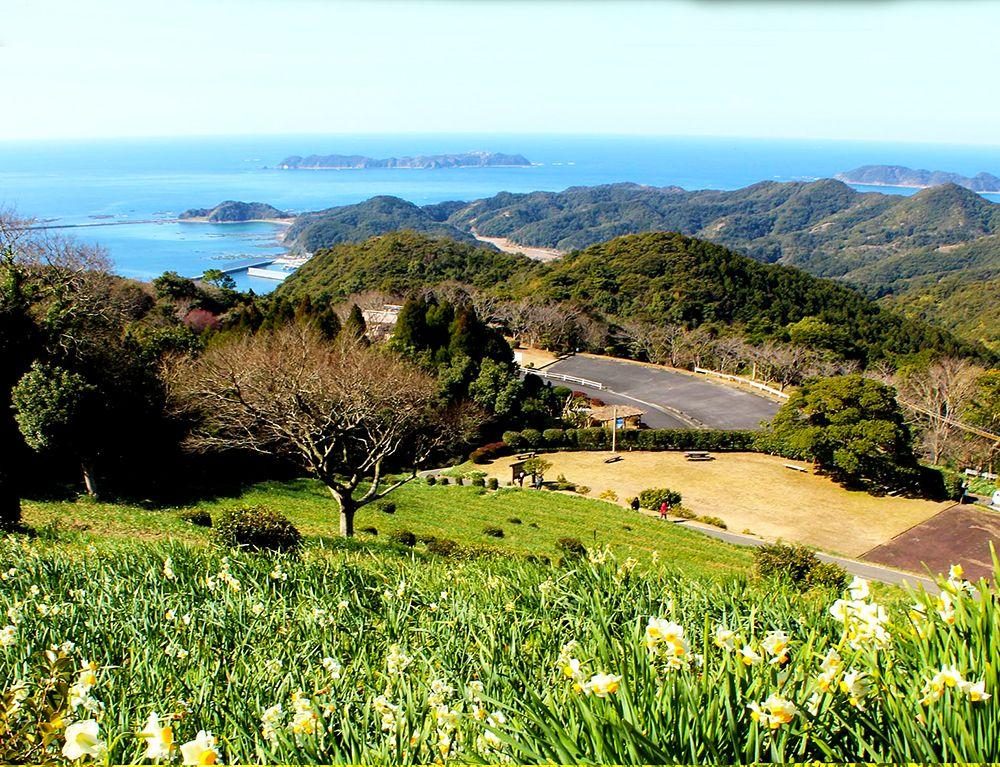
Summit park over Ushibuka Port with about 450,000 narcissus, one of Amakusa's eight sunset views.
Tsuruhayama Park
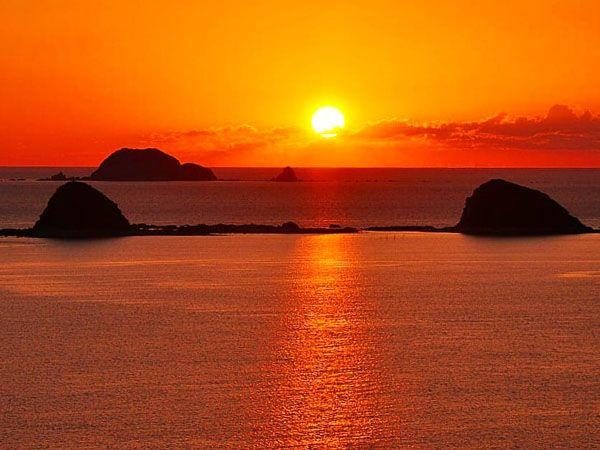
Park on Amakusa's southernmost cape, overlooking Nagashima in Kagoshima, with about 1,000 cherries.
Gion Bridge
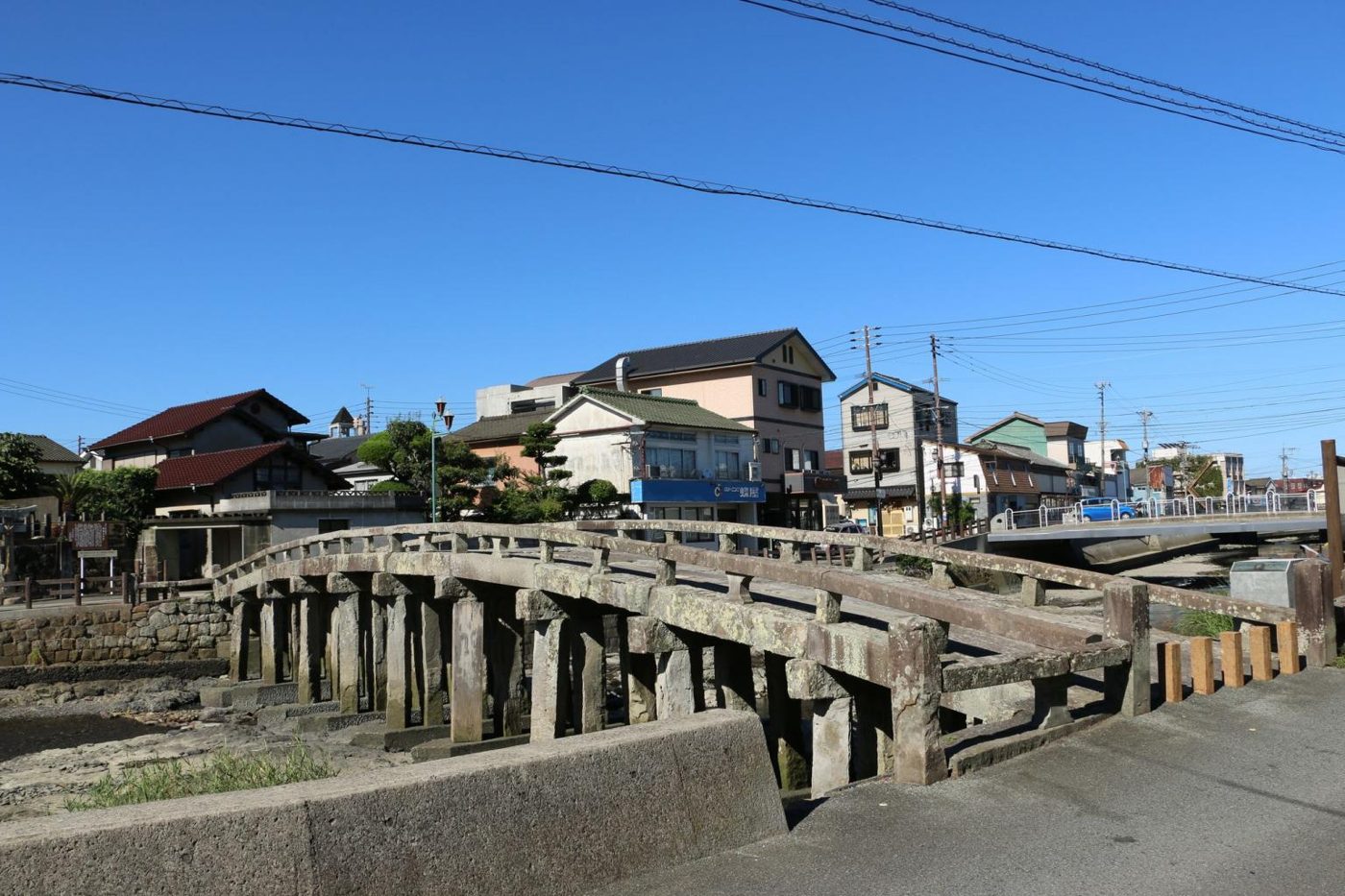
One of Japan's largest stone girder bridges, a national Important Cultural Property built in 1832.
Ushibuka Haiya Bridge
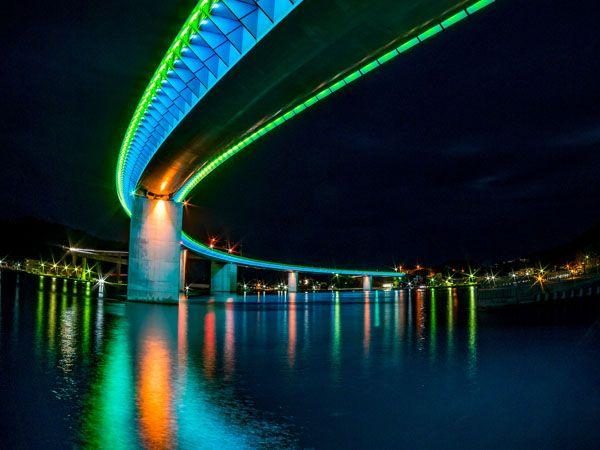
883-meter bridge over Ushibuka fishing port, designed by Renzo Piano and lit at night.
Ushibuka Park
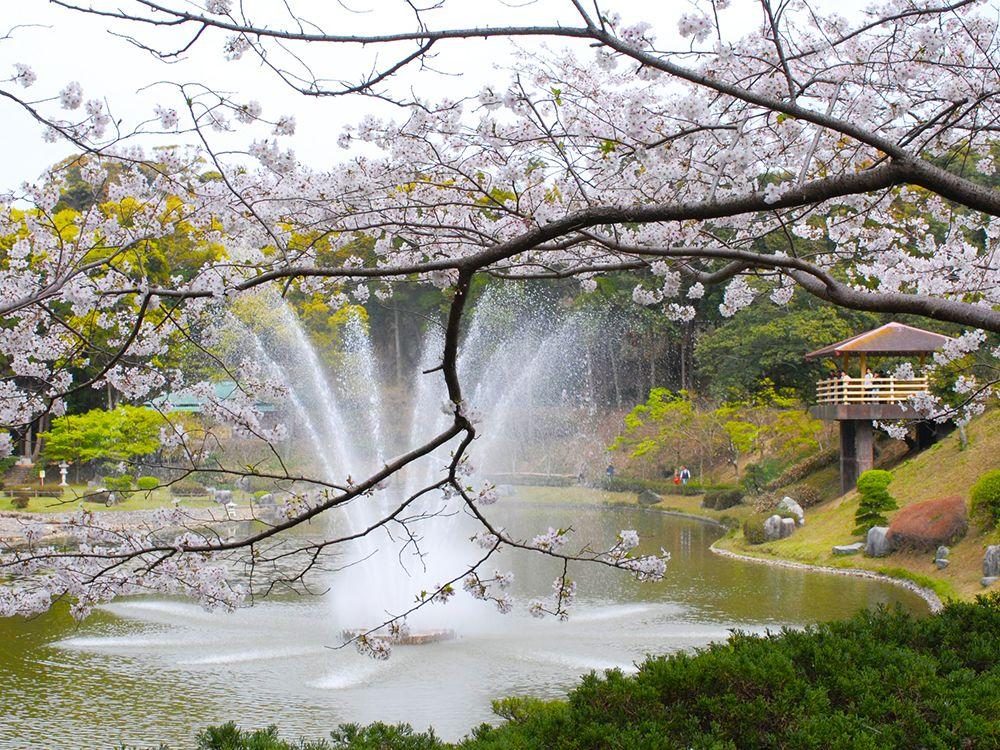
Circuit-style Japanese garden around a former reservoir, also one of Japan's 100 urban parks.
Martyrdom Park
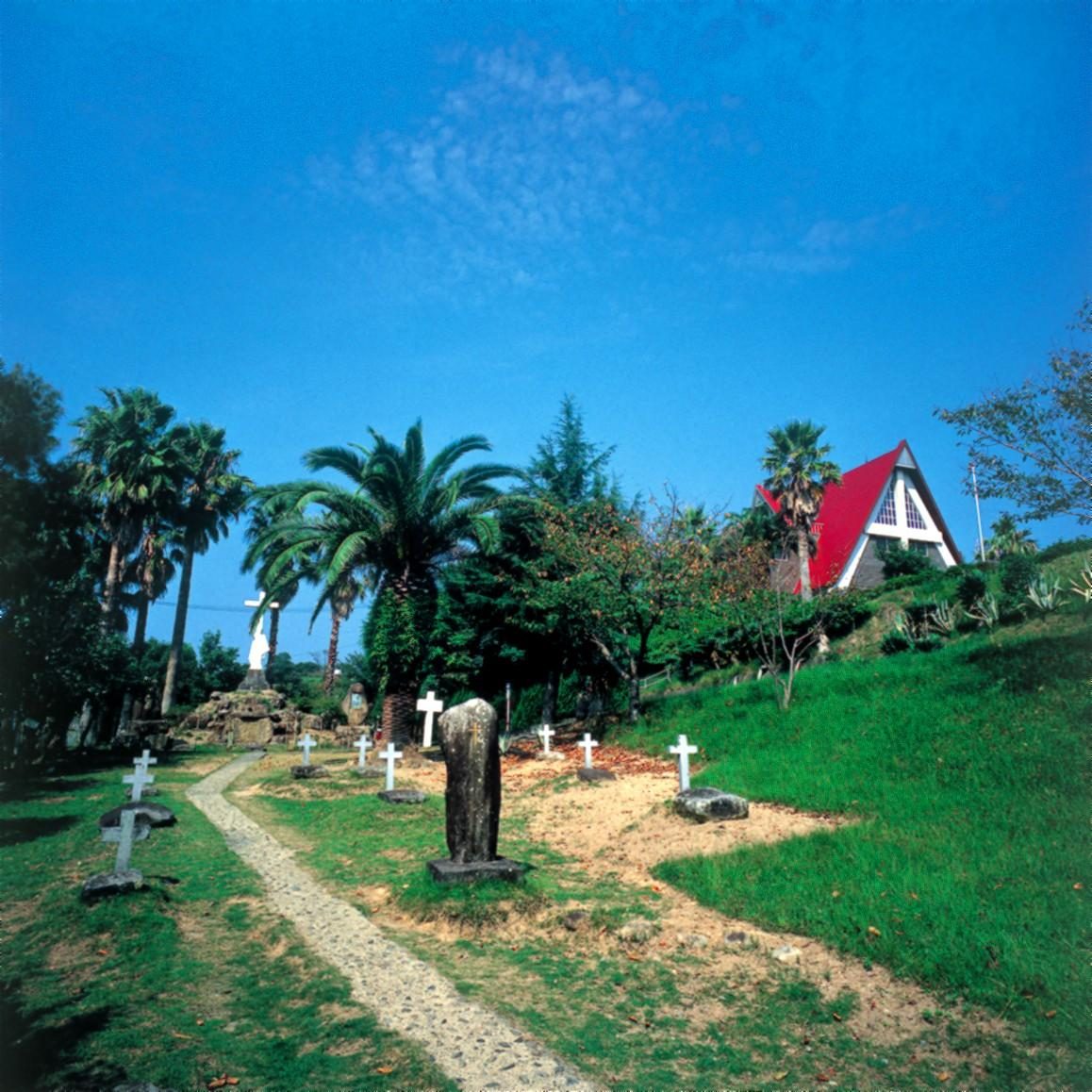
Park on former Hondo Castle site overlooking Hondo, with a memorial mound and spring cherry blossoms.
Meitoku-ji
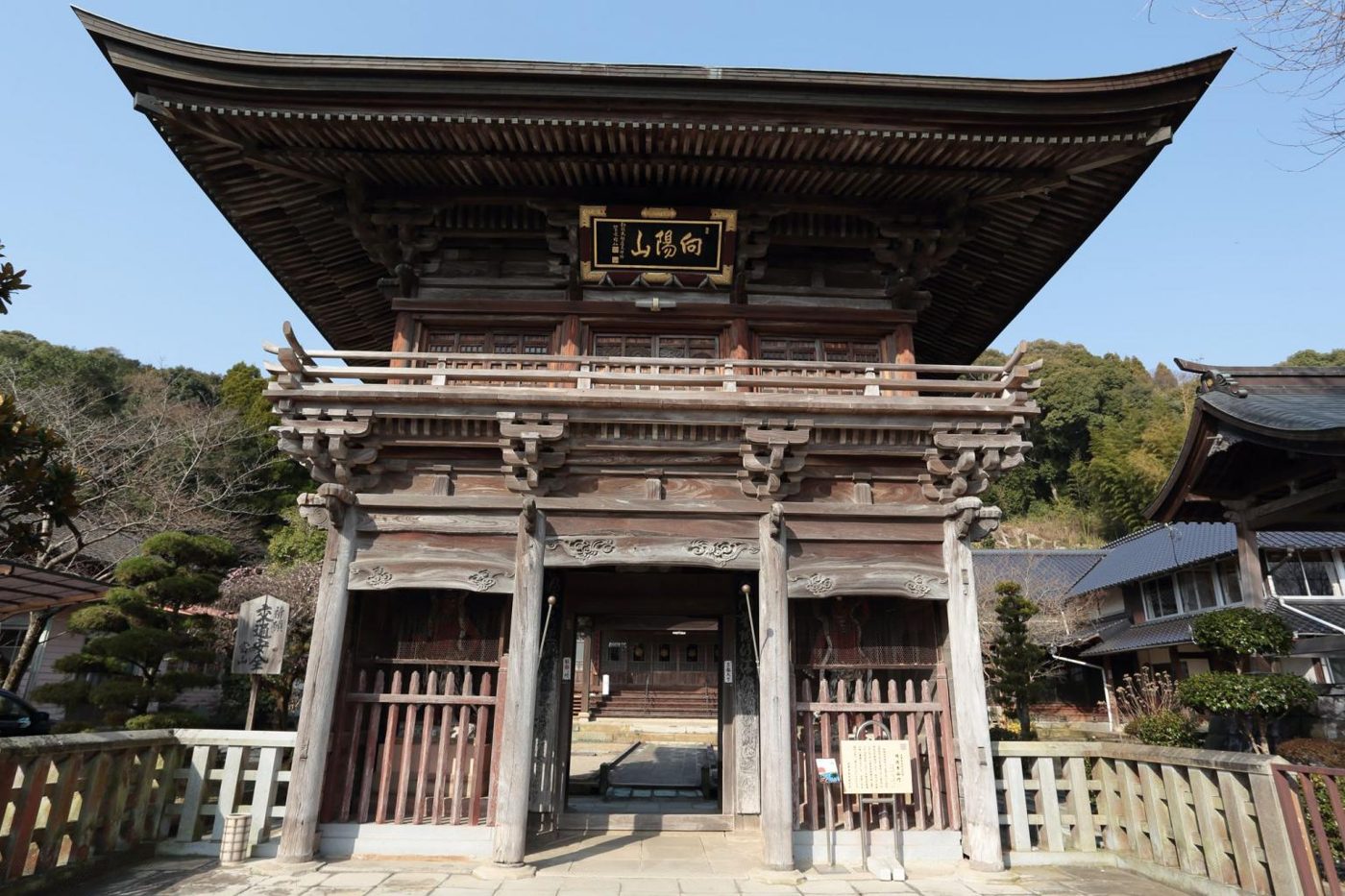
Amakusa's first Zen temple, built after the rebellion by magistrate Suzuki Shigenari to spread Buddhism.
Amakusa Collegio Museum
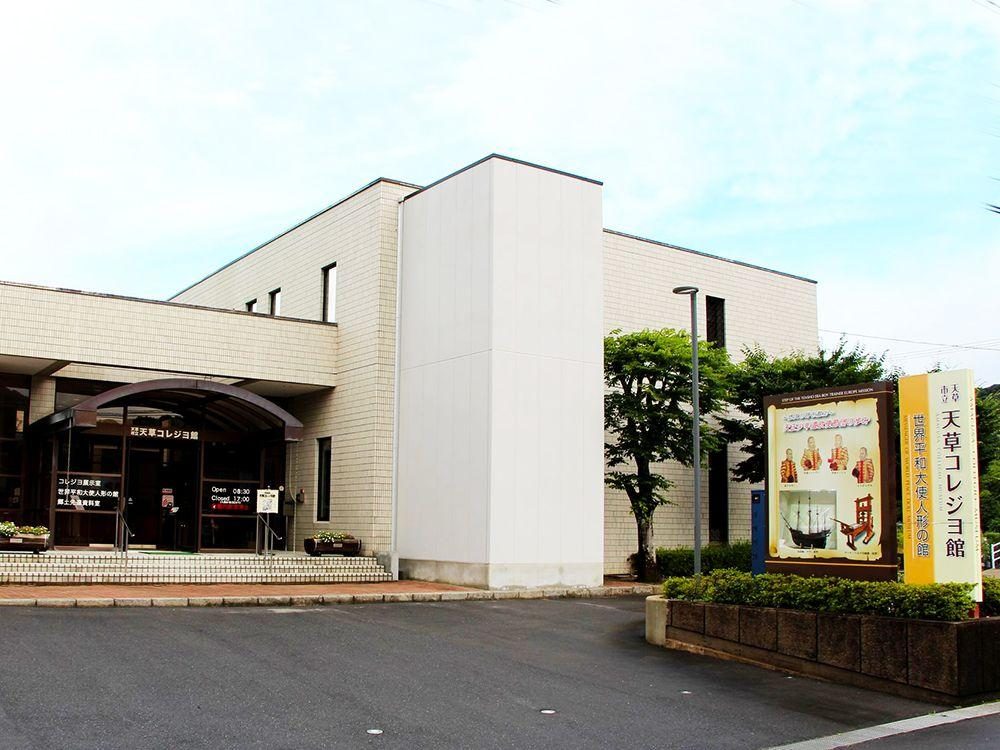
Museum showing Nanban materials, including a restored Gutenberg press from the Tensho embassy.
Amakusa Kirishitan Museum
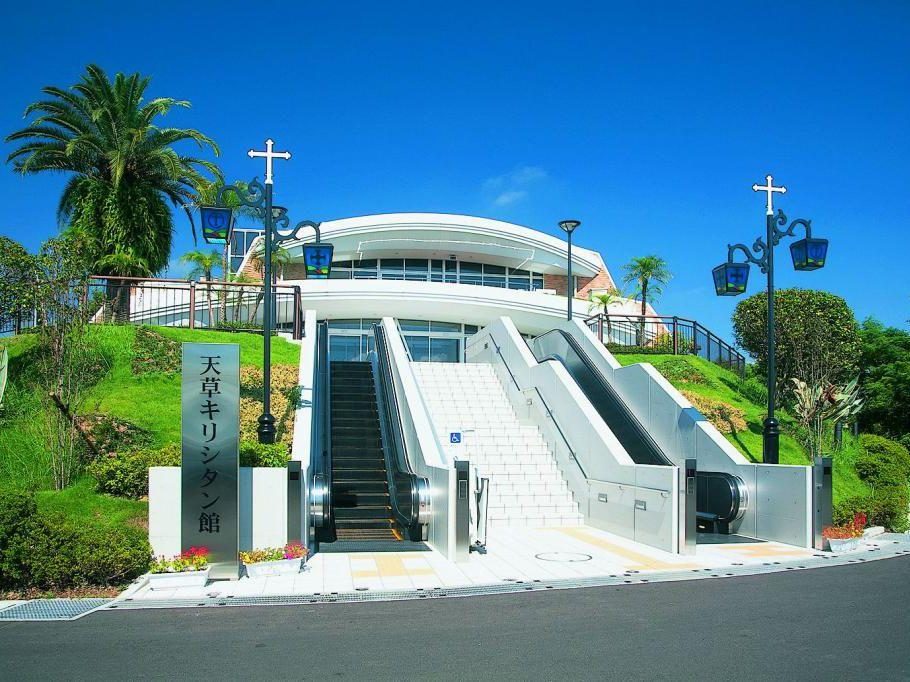
Museum of Amakusa Christian history in four zones, showing about 200 items including Shiro's battle flag.
Itsuwa History and Folklore Museum
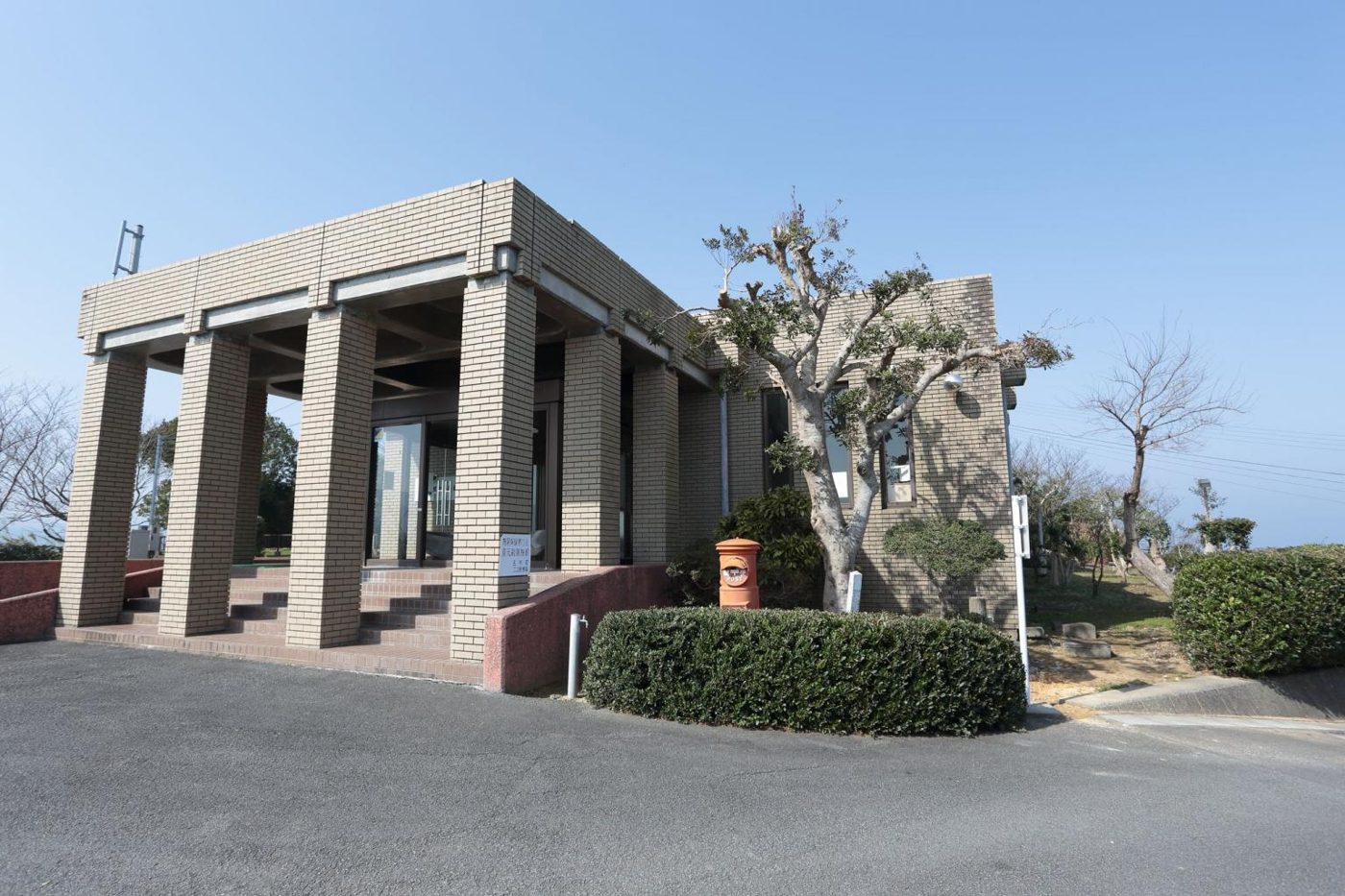
Displays stone tools and pottery from Okinohara Shell Mound, plus Edo fishing gear and Jomon salt-making tools.
Ogase and Kogase
Dozens of wave-carved reefs about 1 km off Shimoshima. Ogase holds tropical sea life; Kogase draws shore anglers.
Oidake Observatory
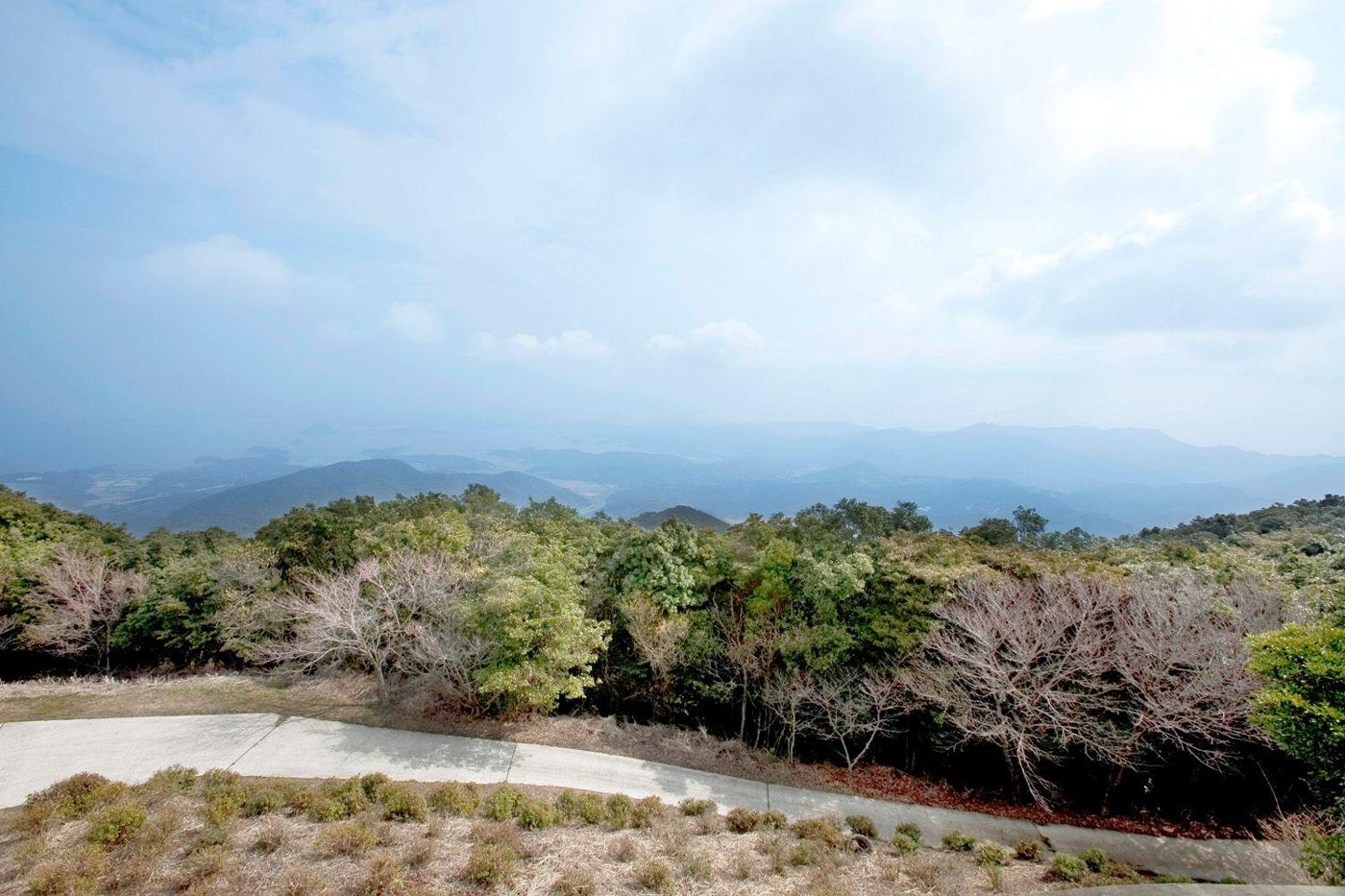
Observatory on Oidake, Amakusa's second-highest peak at 582 meters. Views of islands, Aso, and Fugendake. Drive-up access.
Tsujishima Wind Power Plant
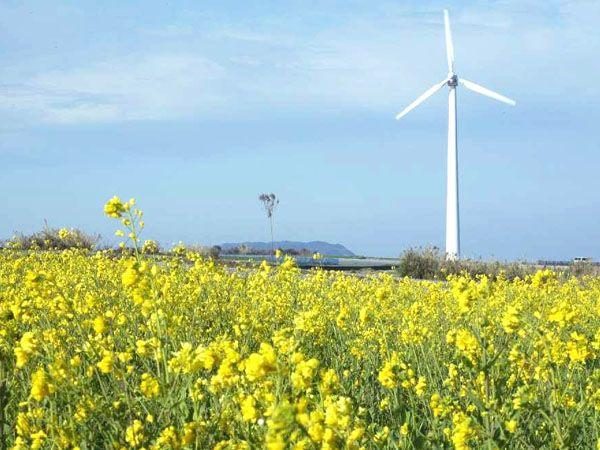
Clean-power wind turbines on Tsujishima symbolize Itsuwa Town. Traditional seawater salt-making continues, and dolphins visit.
Nigaki Fossil Park
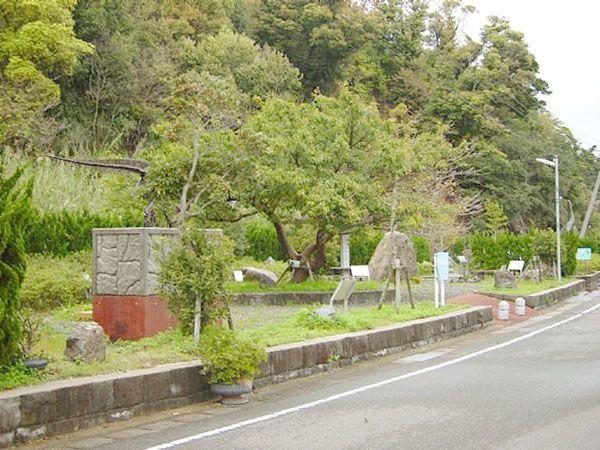
About 20 touchable shell fossils from 100-million-year-old Goshoura strata. Iron dinosaur sculpture; nearby ammonite layer.
Amakusa Rosary Museum
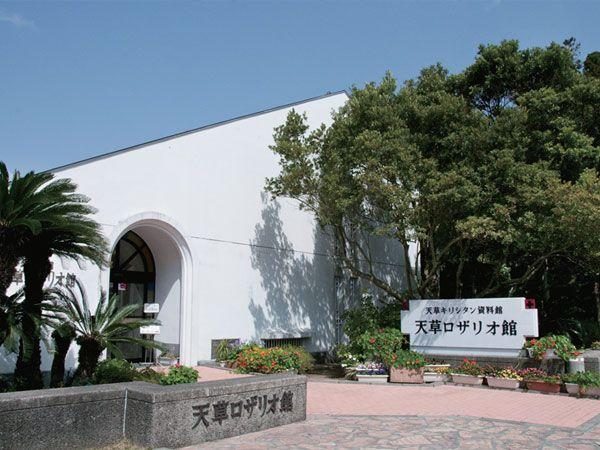
Museum of Amakusa hidden Christians' life and faith, with Maria Kannon, relics, a recreated hidden room, and films.
Ueda Family Residence and Ueda Museum
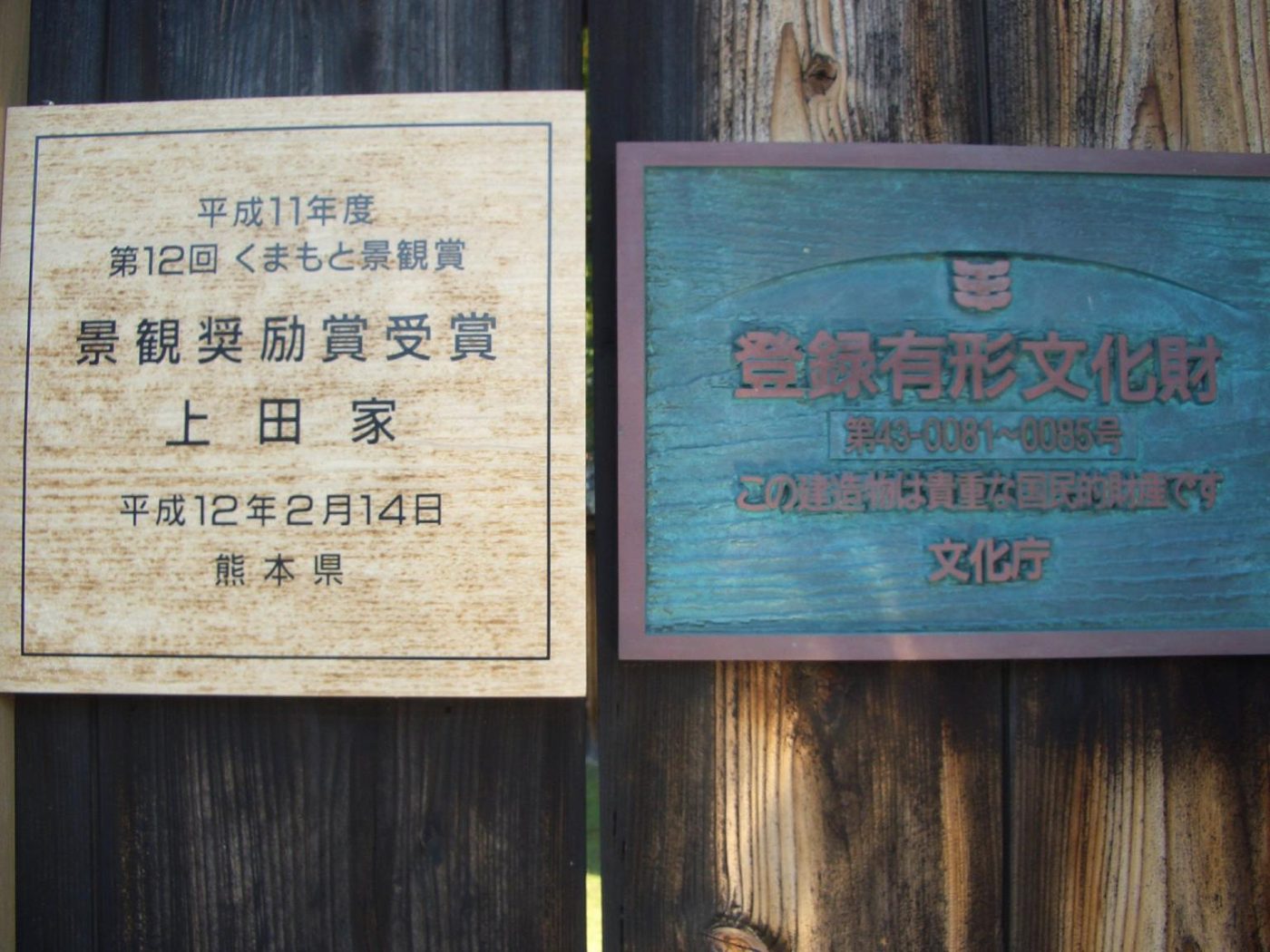
Historic Ueda headman-house museum of Amakusa documents and old Takahama ware; interior closed.
Seaside Maria Statue
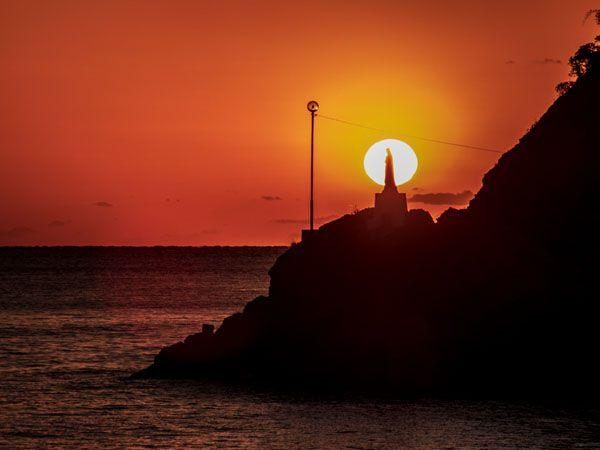
Maria statue near Sakitsu where fishermen pray; its sunset is one of Amakusa's Eight Sunset Views.
Sakitsu Village
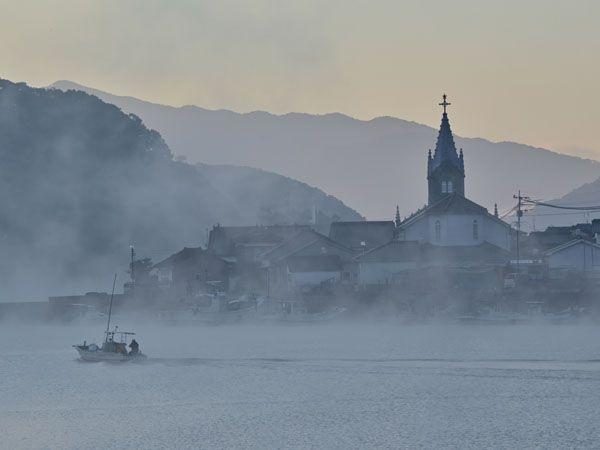
Hidden Christian heritage fishing village where Buddhism, Shinto and Christianity coexisted, with a Gothic church.
Nishinokubo Park
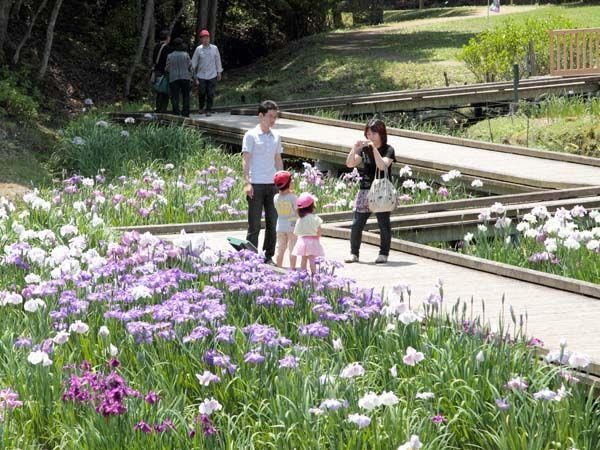
Rare iris garden on terraced fields, with 250,000 irises and 6,000 hydrangeas in June, plus about 480 cherry trees.
Kuratake Shrine
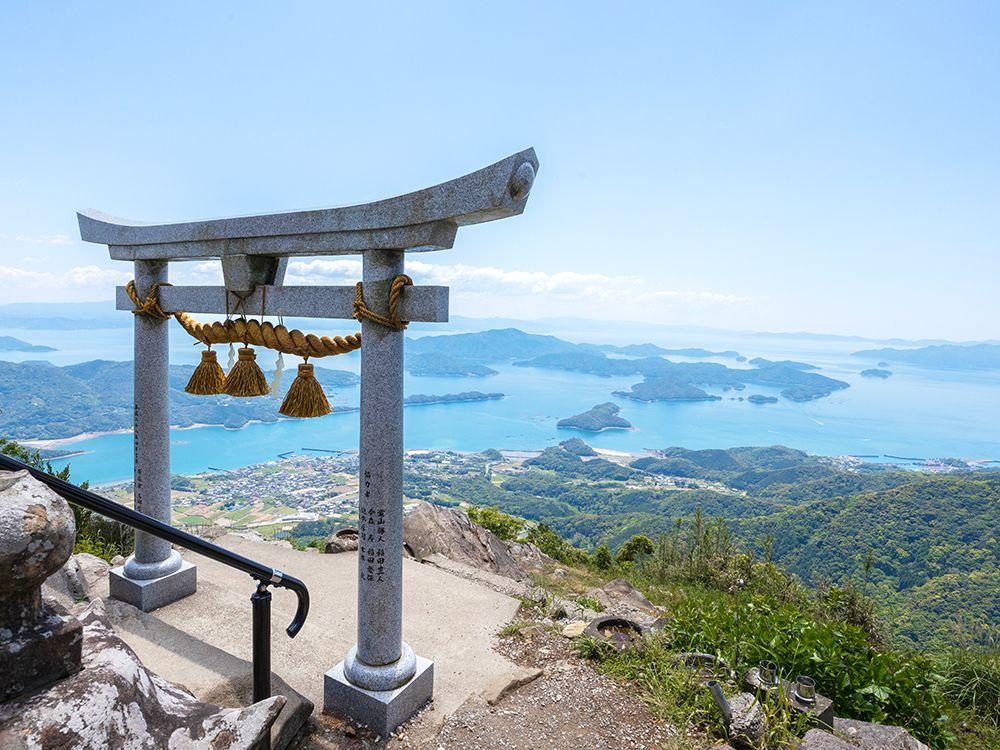
Shrine atop 682-meter Mt. Kuratake, Amakusa's highest peak, built to pray for safe fishing.
Nishihira Camellia Park (Laputa Tree)
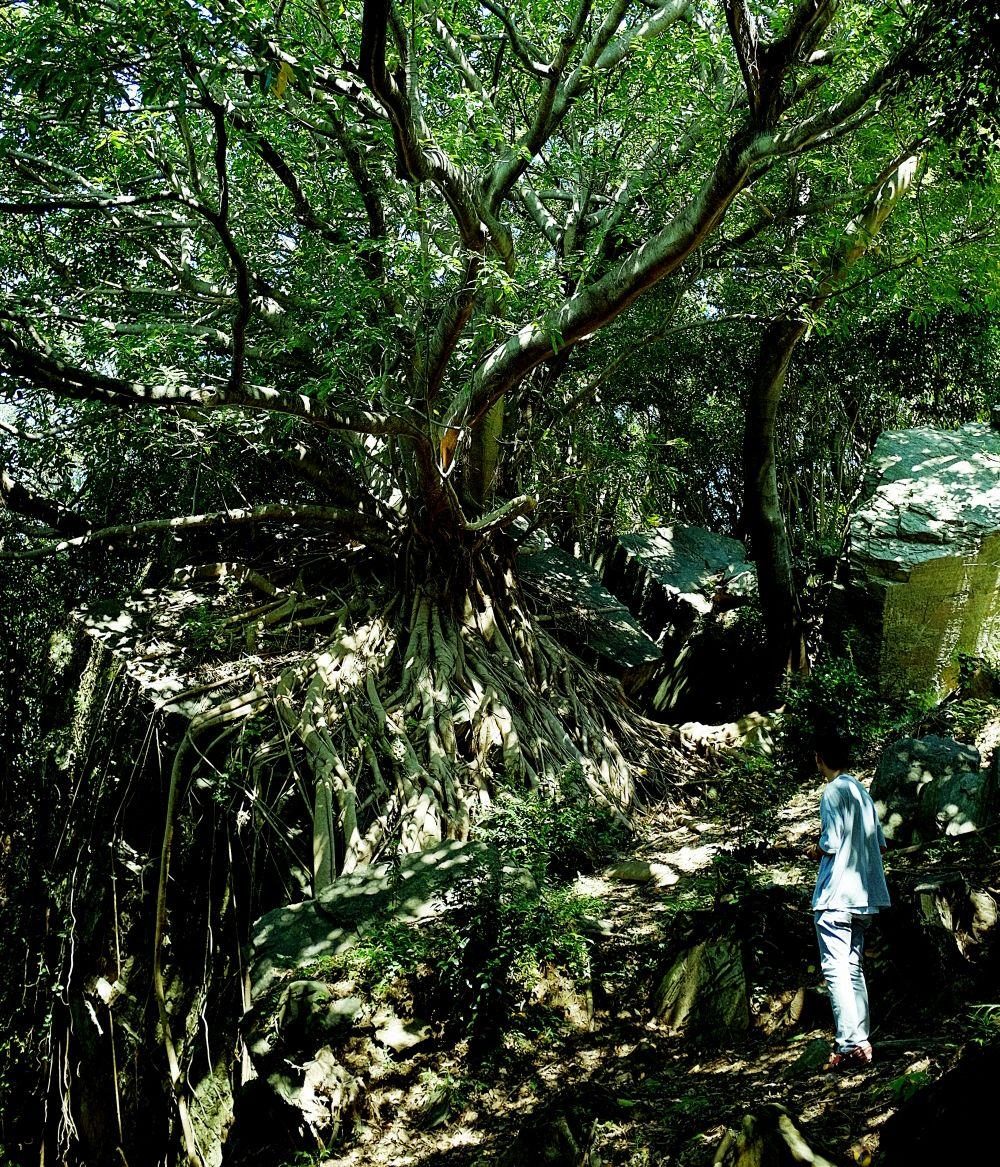
About 20,000 wild camellias and a 20-meter tree rooted on a giant rock, called Amakusa's Laputa.
Tsukinoshima
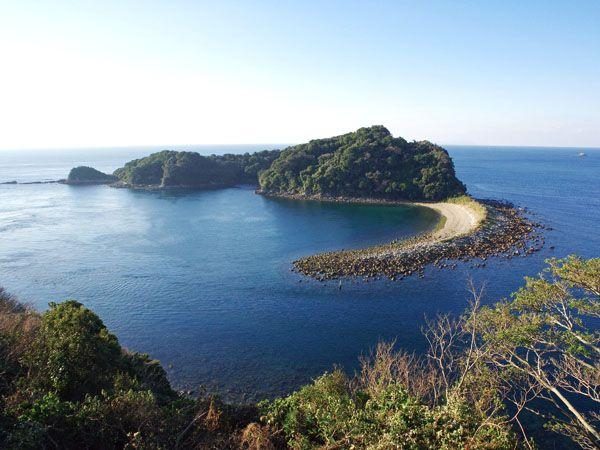
Uninhabited island with a crescent white beach, popular for diving in Ushibuka Marine Park.
Kuroishi Coast
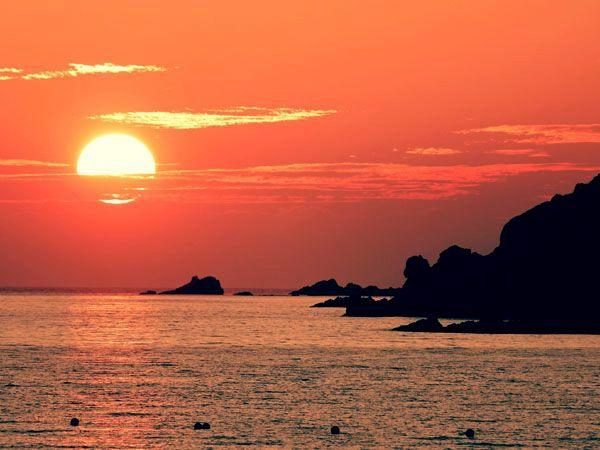
Coast where orange sunsets sink into the sea, selected for Japan's Top 100 Sunsets.
Makishima Island
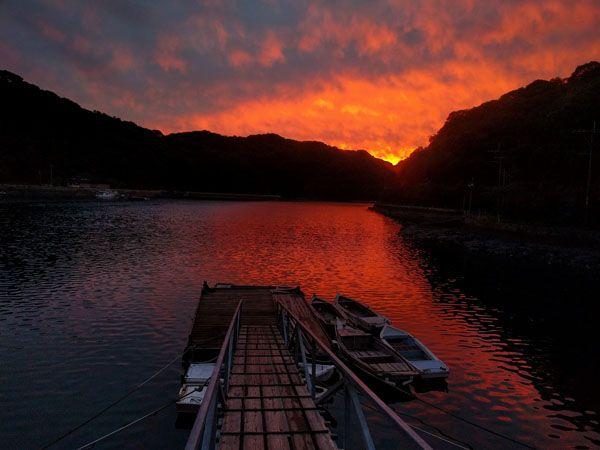
One of three uninhabited islands in Goshomachi, Amakusa, with Genpei legends of Heike fugitives and Yoshitsune hiding a boat.
Kamikake Falls
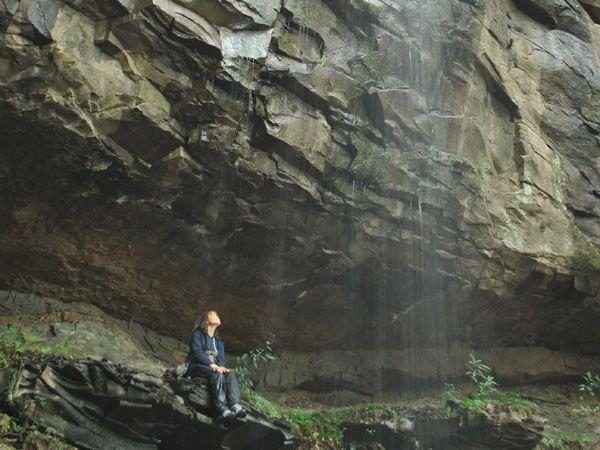
Among Amakusa's largest falls, 15m wide and high after a 700m uphill walk, with Fudo Myoo and access behind.
Helmet Plum of Enkei-ji
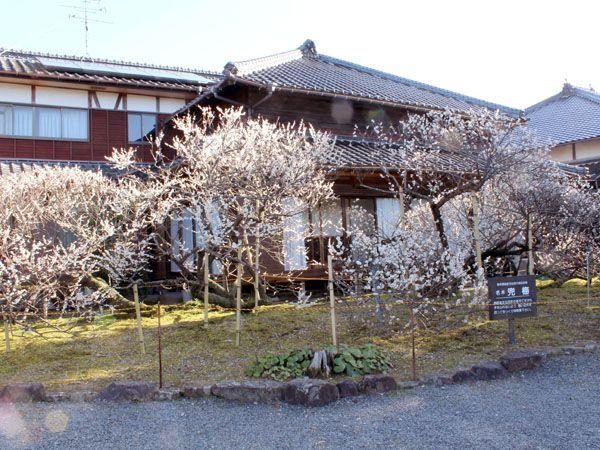
Plum tree over 500 years old, linked to a late-1500s battle legend and said still to bear no fruit.
Sakitsu Suwa Shrine
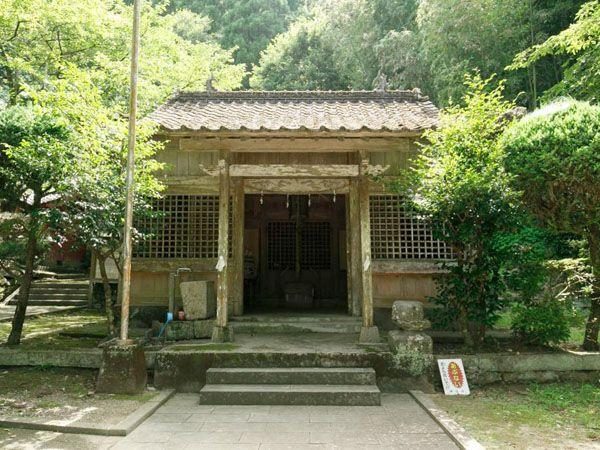
A shrine traditionally founded in 1647 for bountiful catches and maritime safety, where hidden Christians secretly prayed.
Amakusa City Sakitsu Museum Minatoya
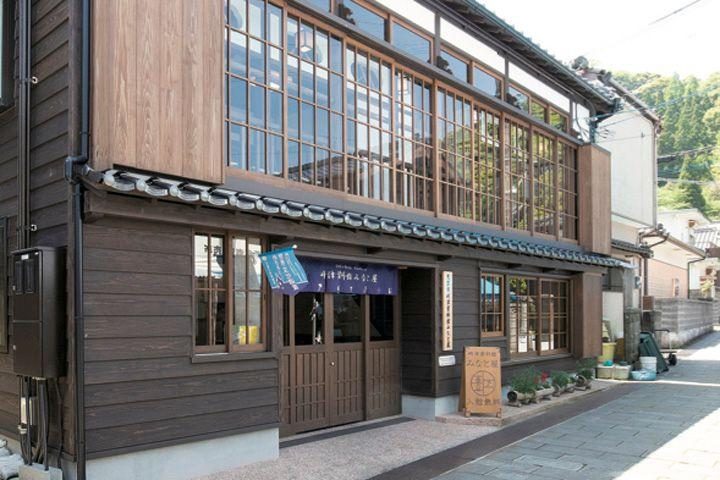
A museum introducing Sakitsu village, a component of the Nagasaki and Amakusa Hidden Christian heritage.
Amakusa Municipal Goshoura Dinosaur Island Museum
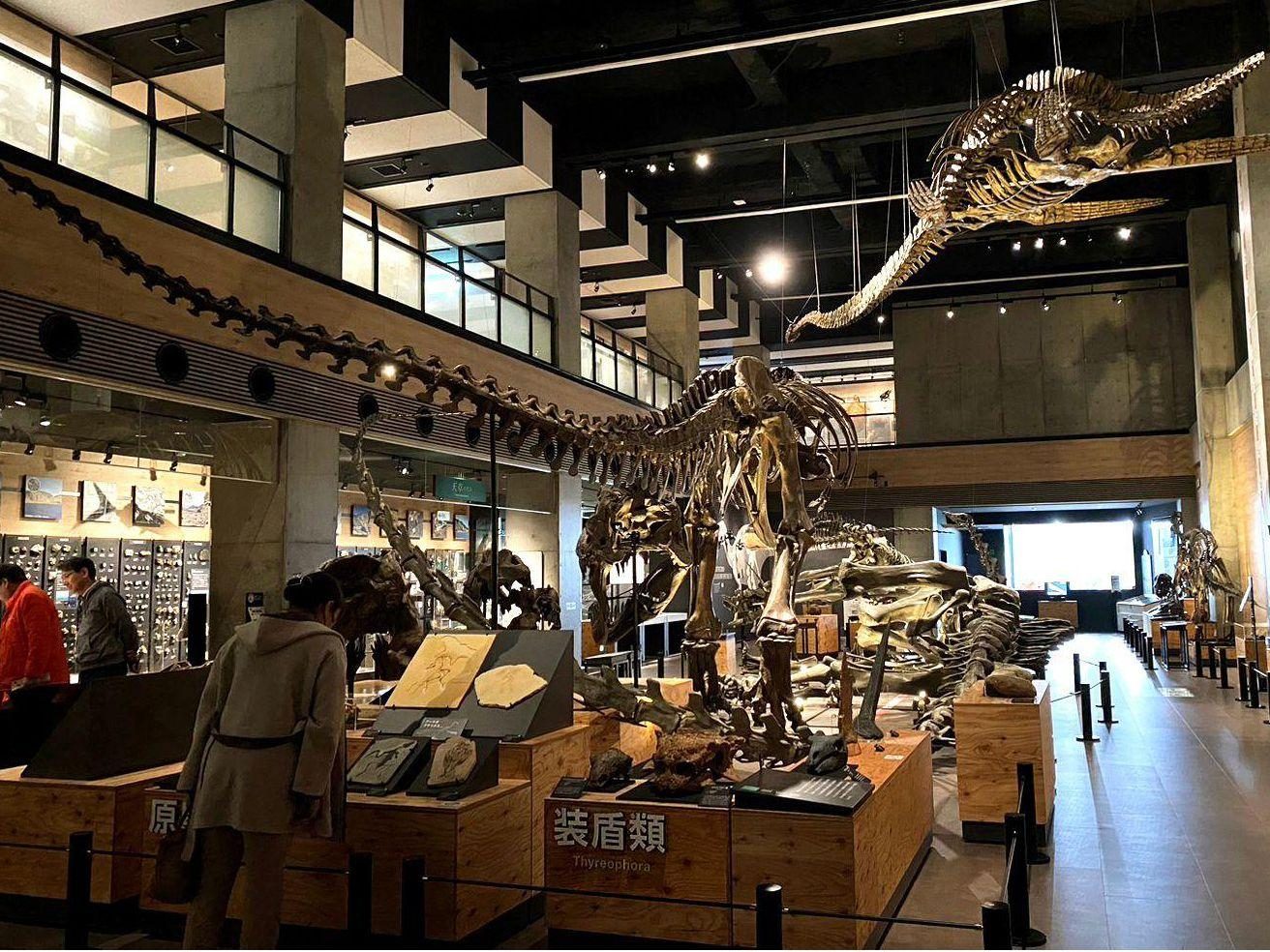
Museum on Goshoura Island with about 2,000 fossils from 100-million-year-old strata and life-size dinosaur skeletons.