 BokenJapan
Japan / Kumamoto / Yatsushiro / See
Sights in Yatsushiro, Kumamoto
Yatsushiro · Kumamoto · 27 places
See
Yatsushiro Shrine (Myoken-gu)
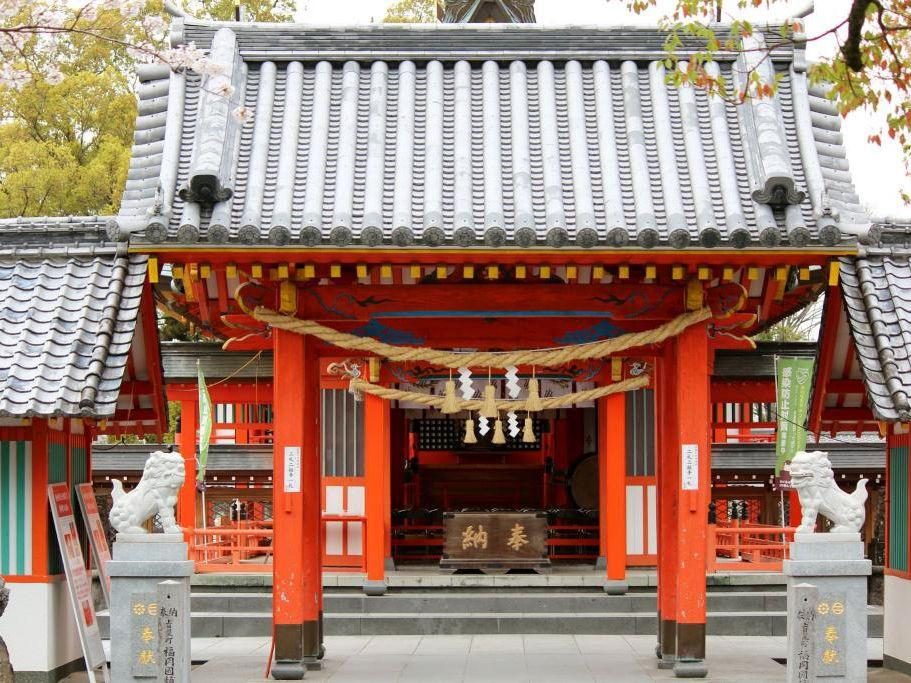
Founded in 1186. UNESCO-listed November Myoken Festival draws over 100,000; a prefectural cultural property.
Yatsushiro Castle Ruins
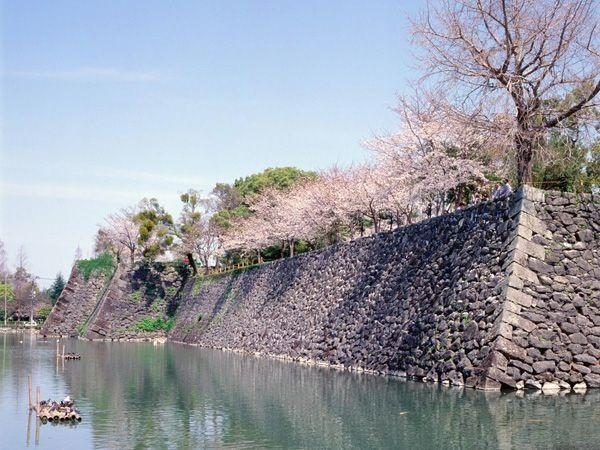
Built in 1619 by Kato Masakata. Stone walls and moat remain; a national historic site and cherry-blossom spot.
Matsui Shrine
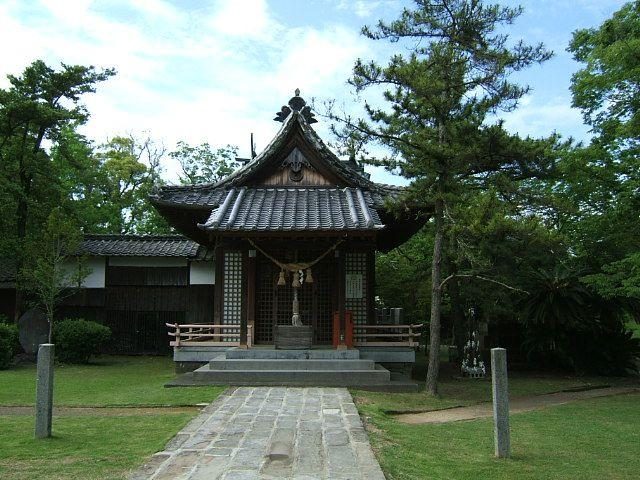
Enshrines Matsui Yasuyuki and Okinaga in the castle's north bailey. Noted for 400-year-old Garyubai plum.
Site of Miyazaki Hachiro's Death
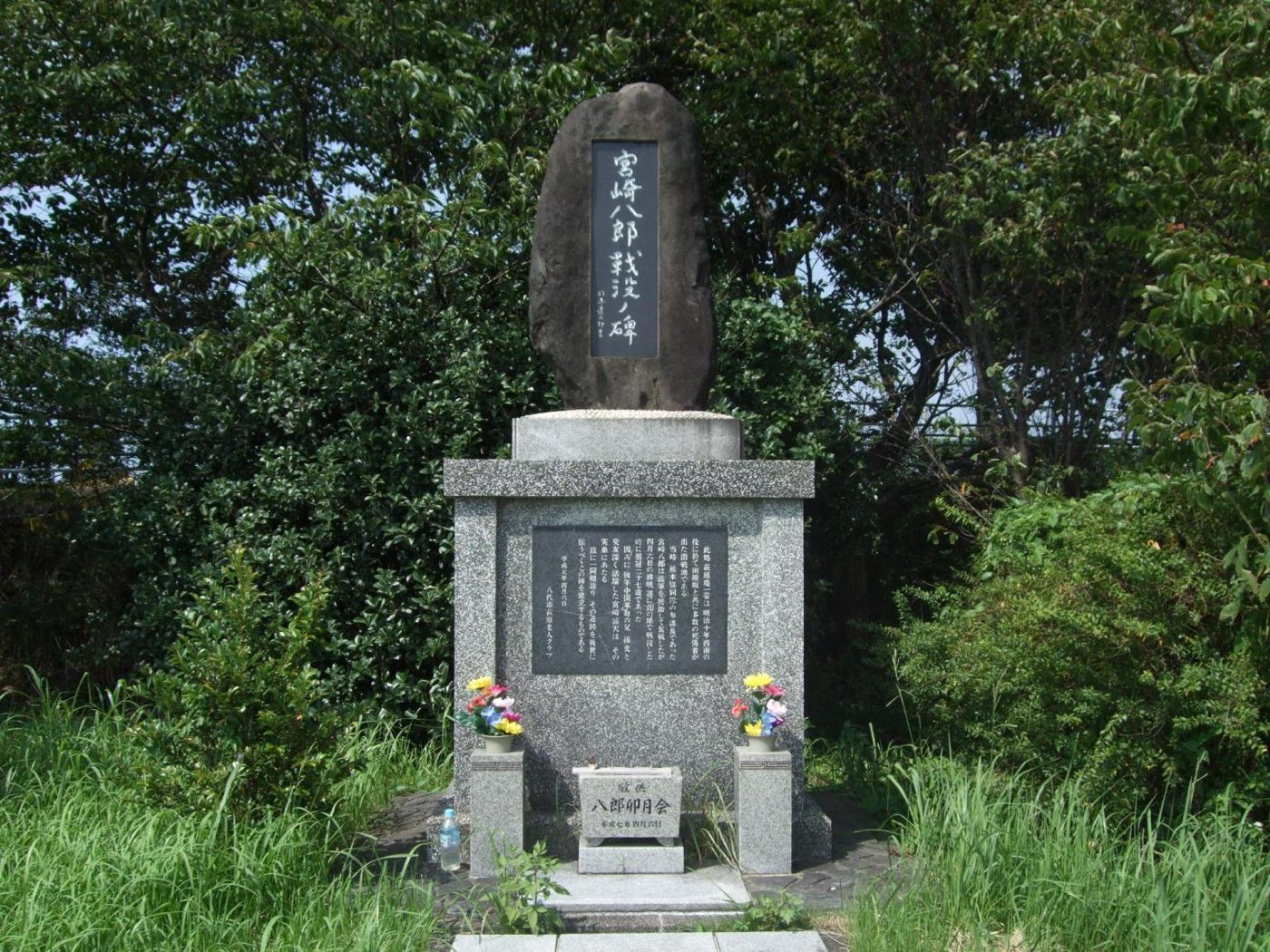
Miyazaki Hachiro, 27, died here on April 6, 1877, aiding Saigo's army in the Satsuma Rebellion.
Thirteen-story Stone Pagoda
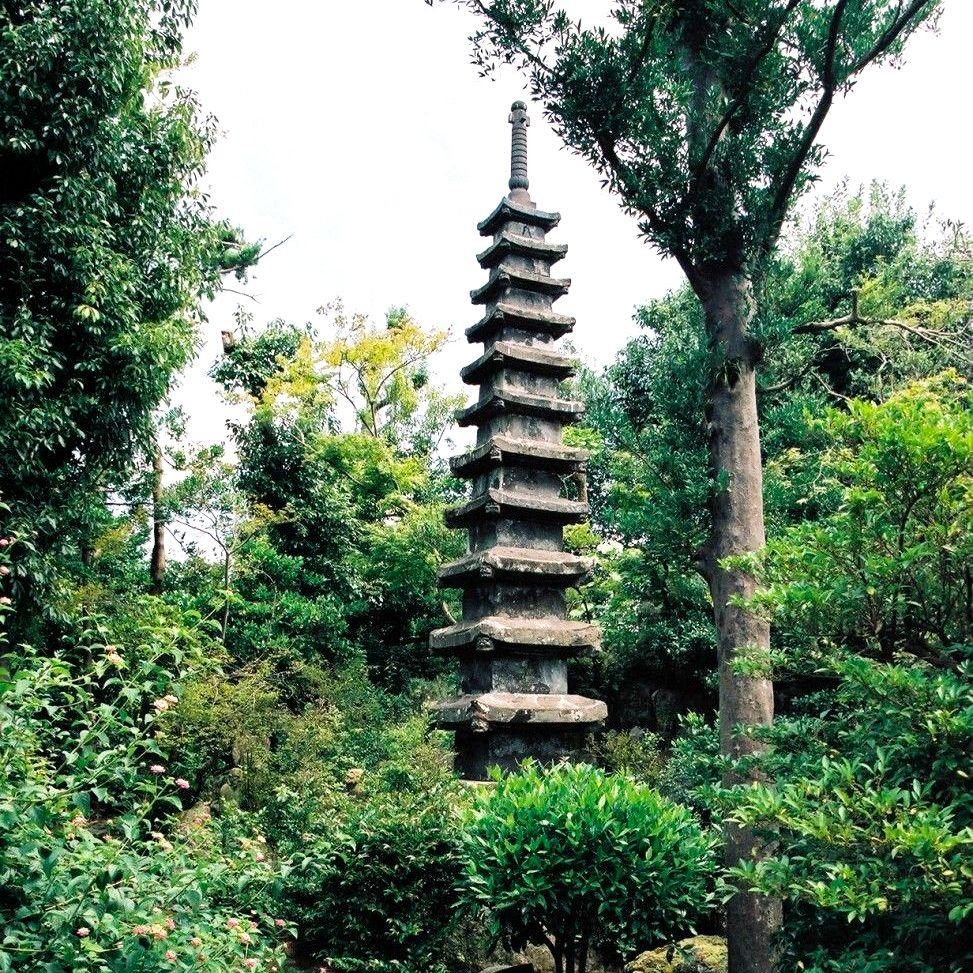
National Important Cultural Property built in 1230, now eleven tiers, 6.6 meters, with Buddha and demon carvings.
Yatsushiro Municipal Museum Mirai no Mori Museum
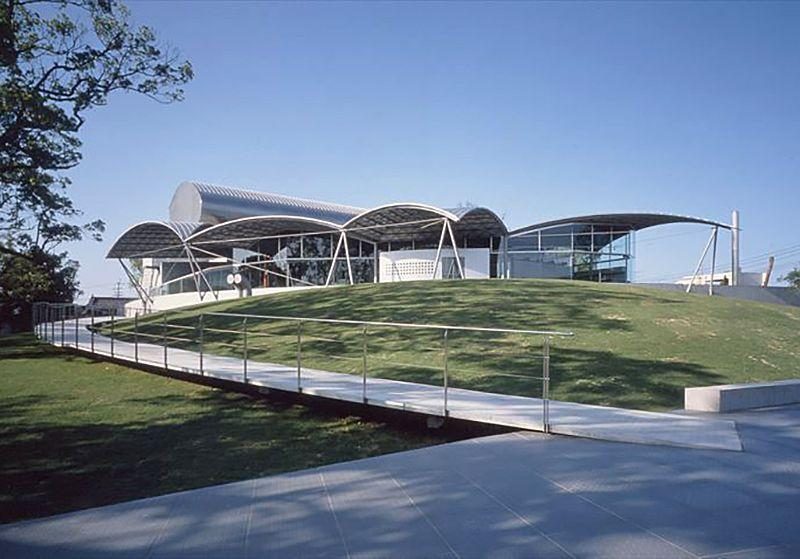
Designed by Toyo Ito. Exhibits Yatsushiro history, Matsui heirlooms, Yatsushiro ware and festival materials. Currently closed.
Former Gunchiku Shinden Sluice Gate A
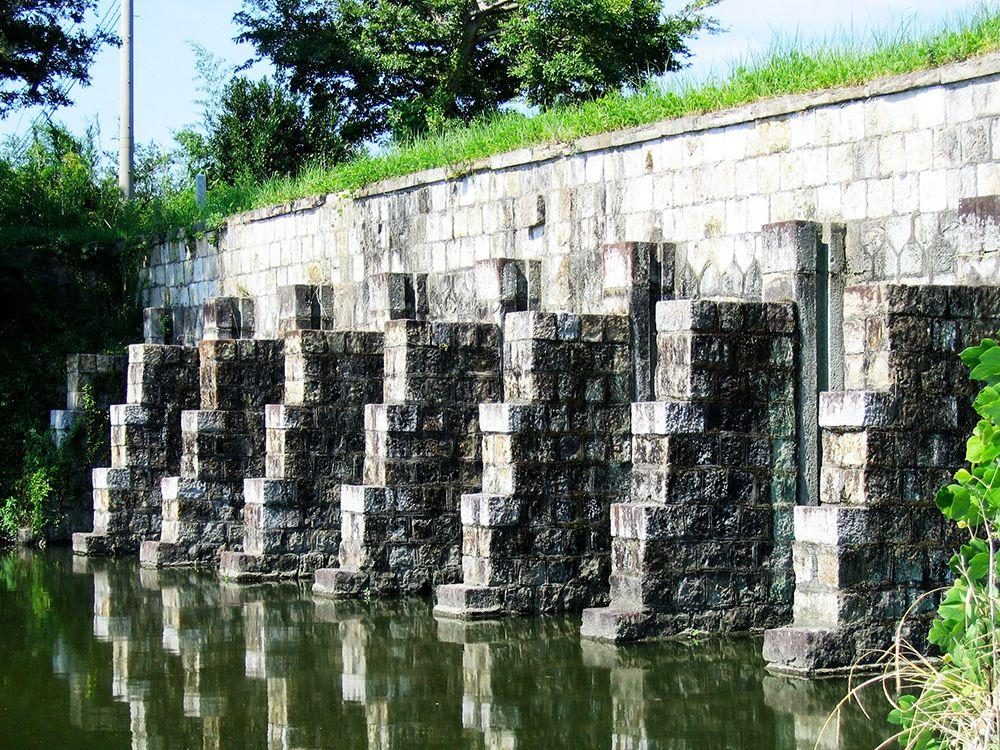
Sole surviving original Meiji sluice of the Gunchiku reclamation, among Japan's largest. National Important Cultural Property.
Shohinken
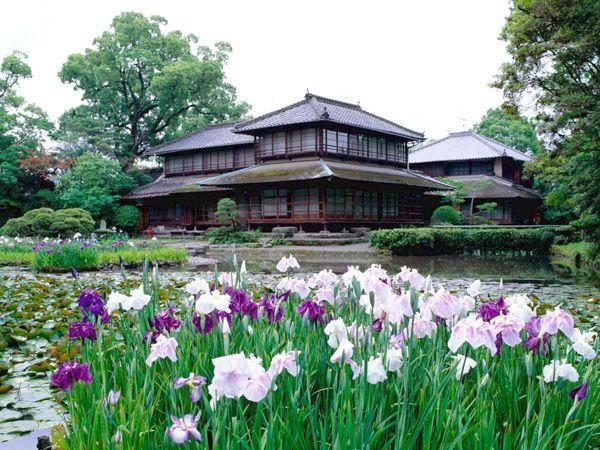
Tea garden built in 1688 by Matsui Naoyuki for his mother. About 9,000 square meters; a national scenic site.
Sakamoto Hachiryu Observatory
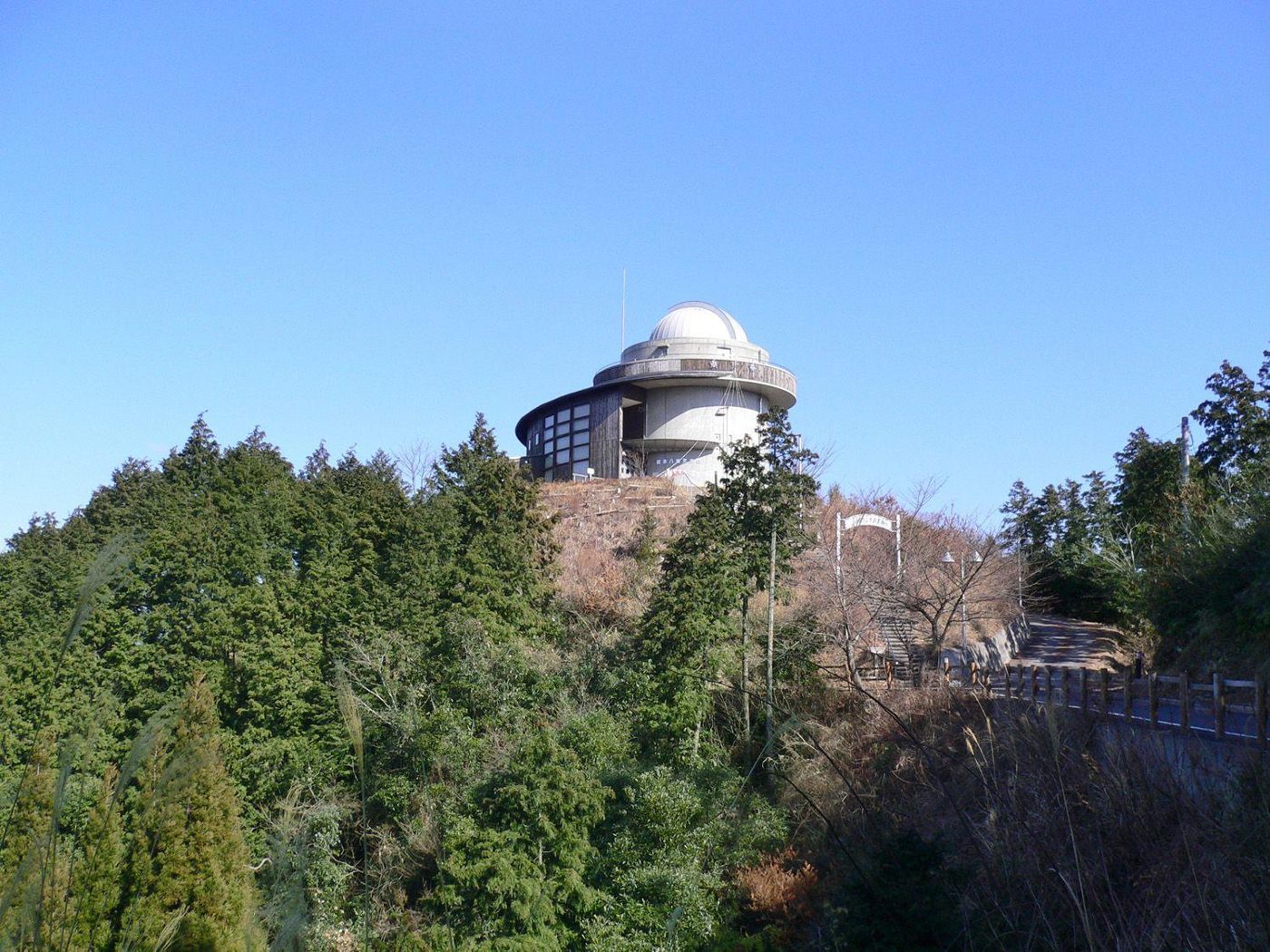
At about 500 meters elevation, with views of Yatsushiro, Amakusa, Uto Peninsula and Unzen, plus telescopes and a planetarium.
Hikawa Dam
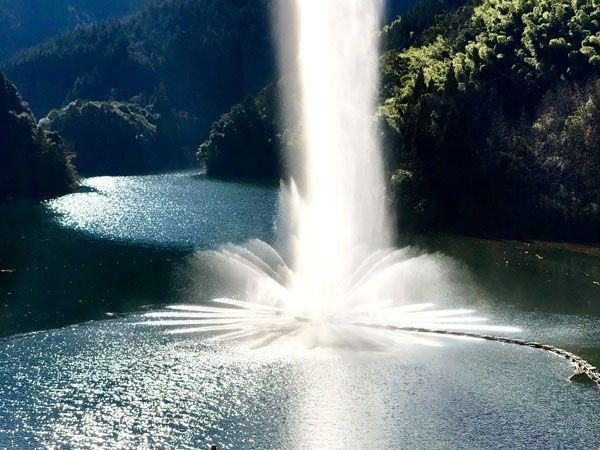
About 200 Someiyoshino and 100 mountain cherries bloom by the lake. Bait and lure fishing are possible.
Hinagu Onsen Shrine
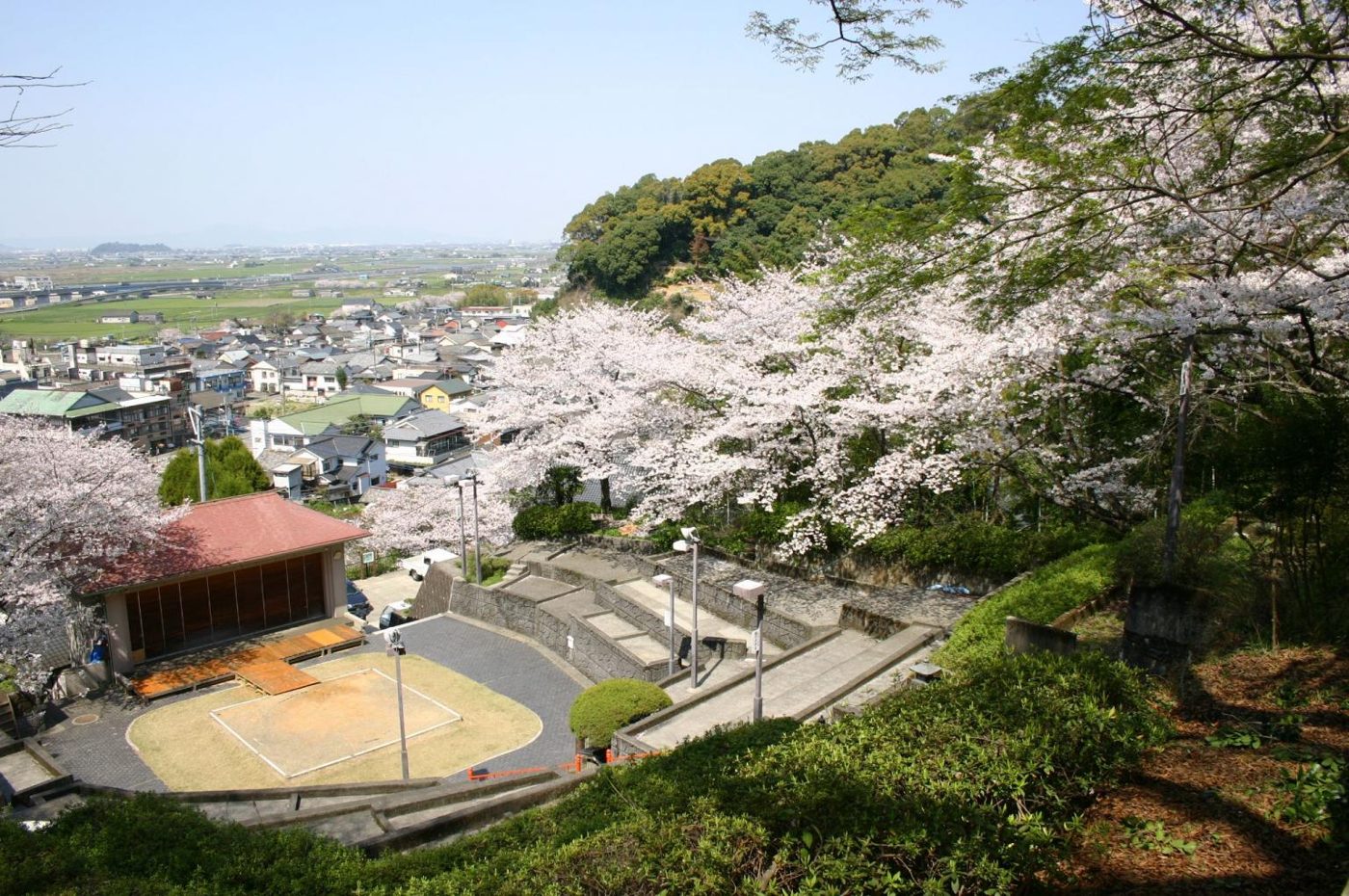
Built in 1420 for hot-spring deity Ichikishima-hime, with fine carvings. Spring cherry spot and summer shiranui viewpoint.
Gokanosho Heike Village
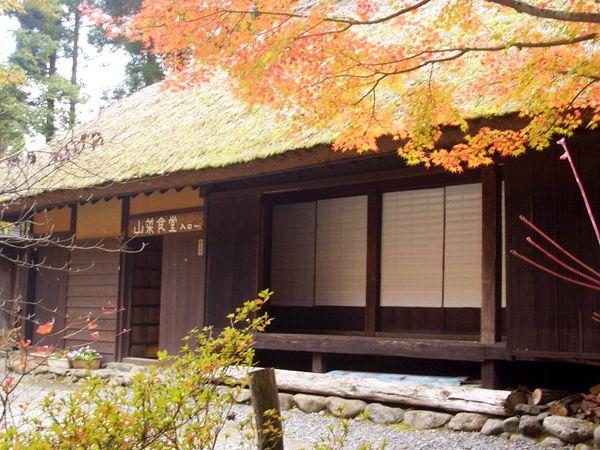
Theme facility on the Heike refugee legend, with a museum, Noh stage and thatched restaurant.
Saza House
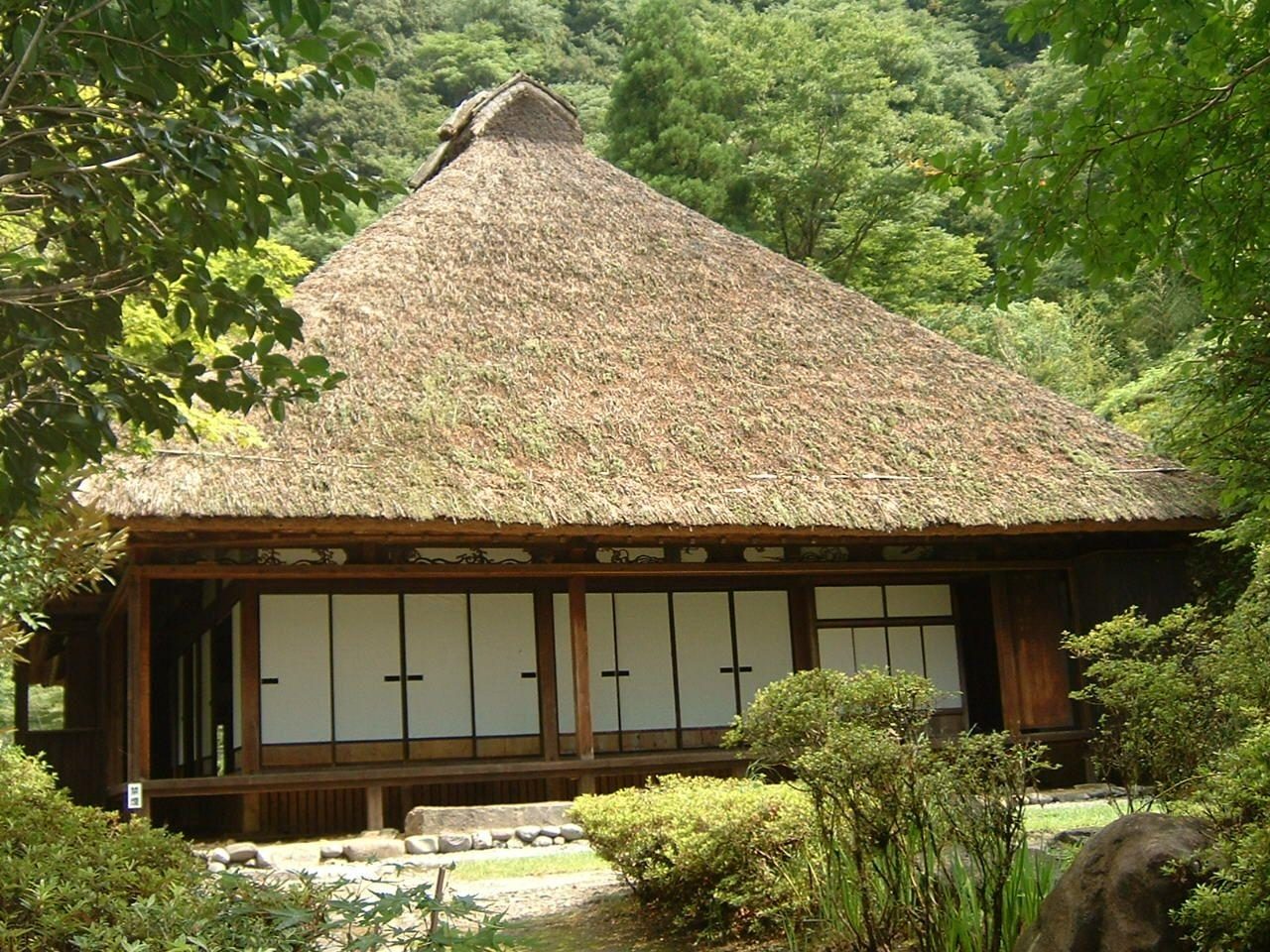
Said to be Sugawara no Michizane's eldest son's hideaway, renamed Saza Taro, with plum-crest openwork.
Sekishokan
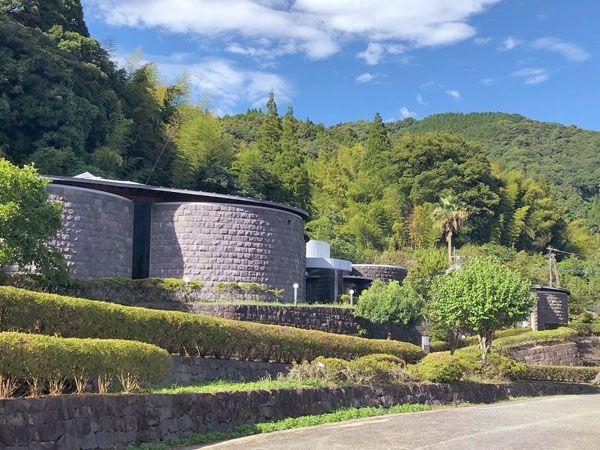
Displays Taneyama stonemason and stone-bridge materials in Toyo, their birthplace. The round tuff building is Artpolis-recognized.
Momigi Suspension Bridges
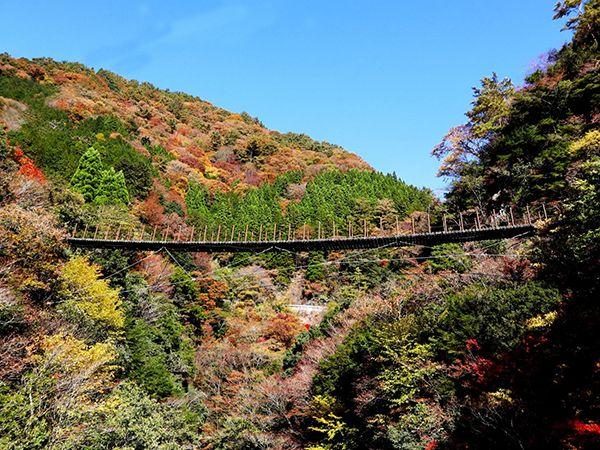
Two suspension bridges in Gokanosho, Ayatori and Shakunage, once local paths, with a nearby viewpoint.
Sendan Todoro Falls
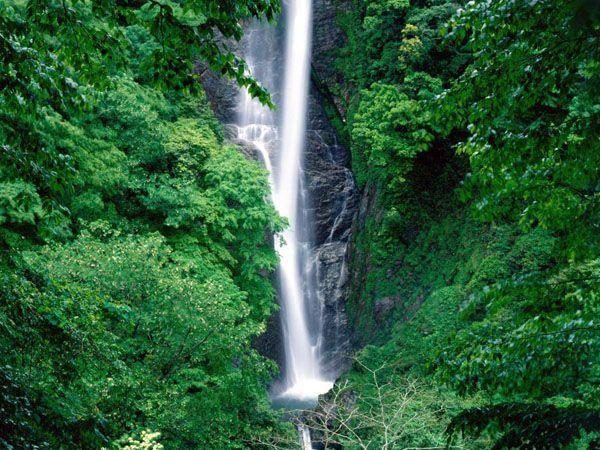
One of Japan's 100 waterfalls, falling 70 meters; a suspension bridge reaches its 8-meter basin.
Umenoki Todoro Falls
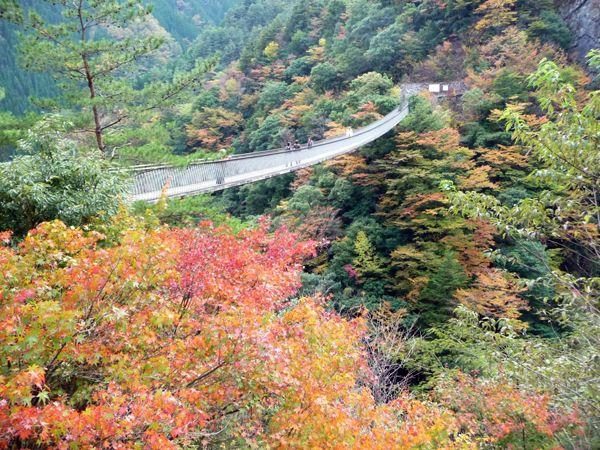
A 38-meter waterfall named for a plum tree dropped while being carried; a bridge reaches the basin.
Kasamatsu Bridge Park
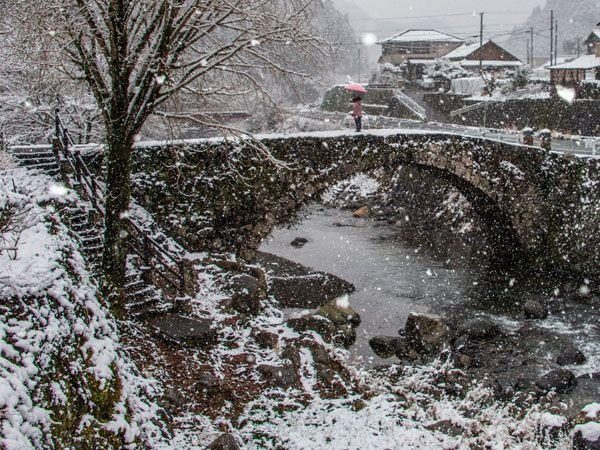
Toyo's largest stone bridge, 22.75 meters long, said to have been built by Hashimoto Kangoro.
Shakain Temple
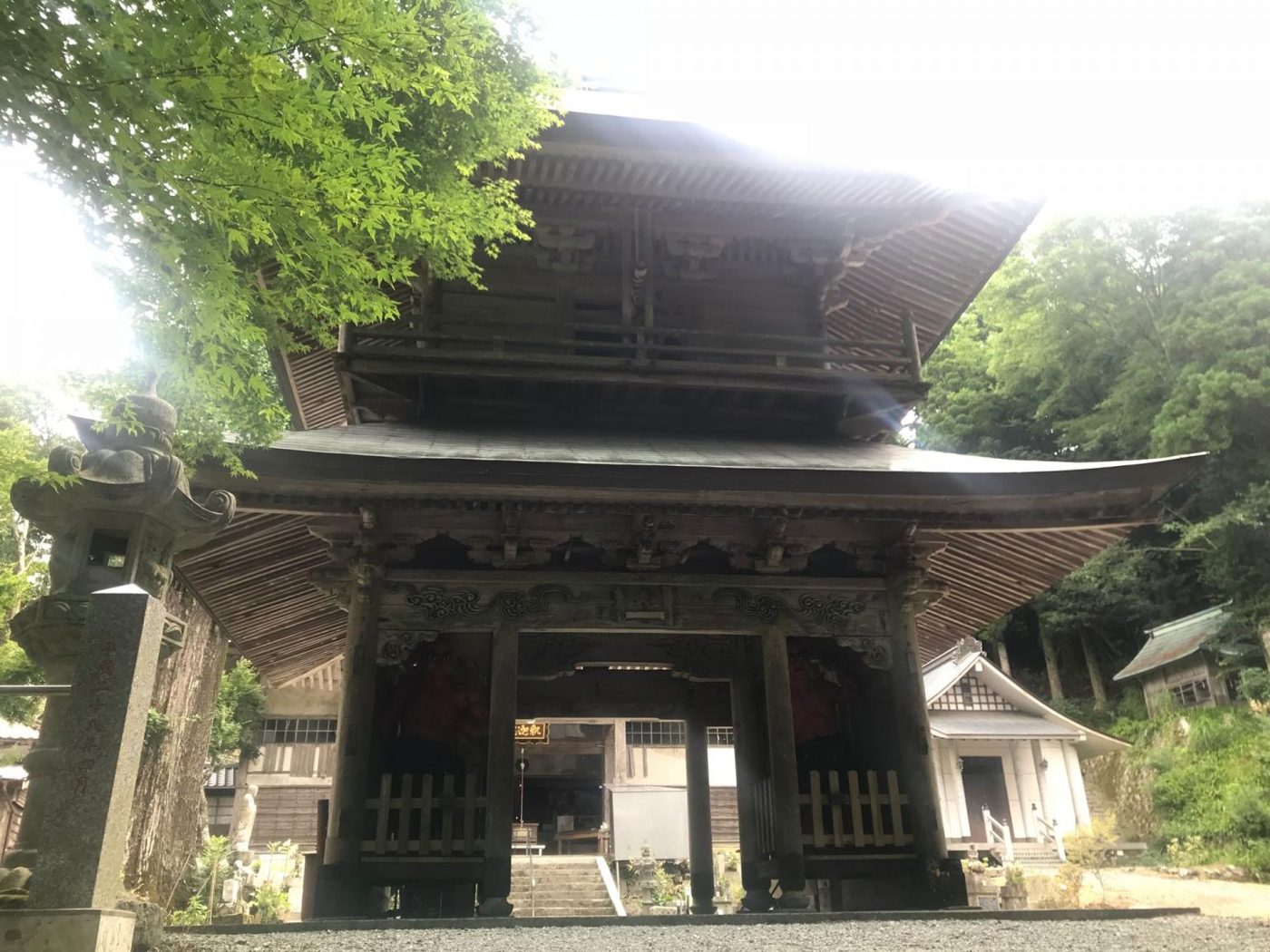
A Tendai temple famous for Japan's longest stone stairway of 3,333 steps, founded in 799.
Ogata House
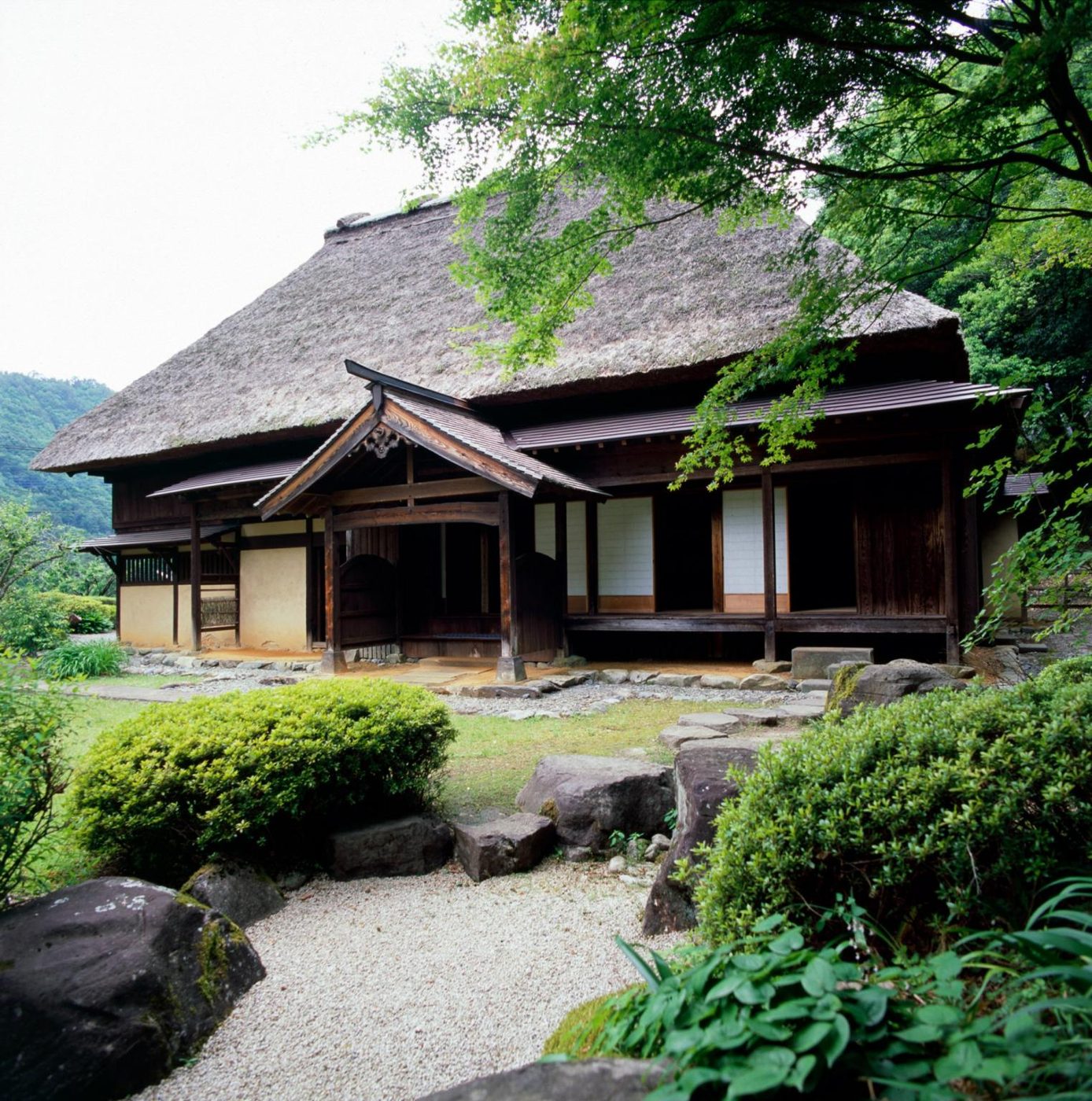
Restored home of a Heike descendant from about 300 years ago, with a hearth room and hidden room.
Mizushima
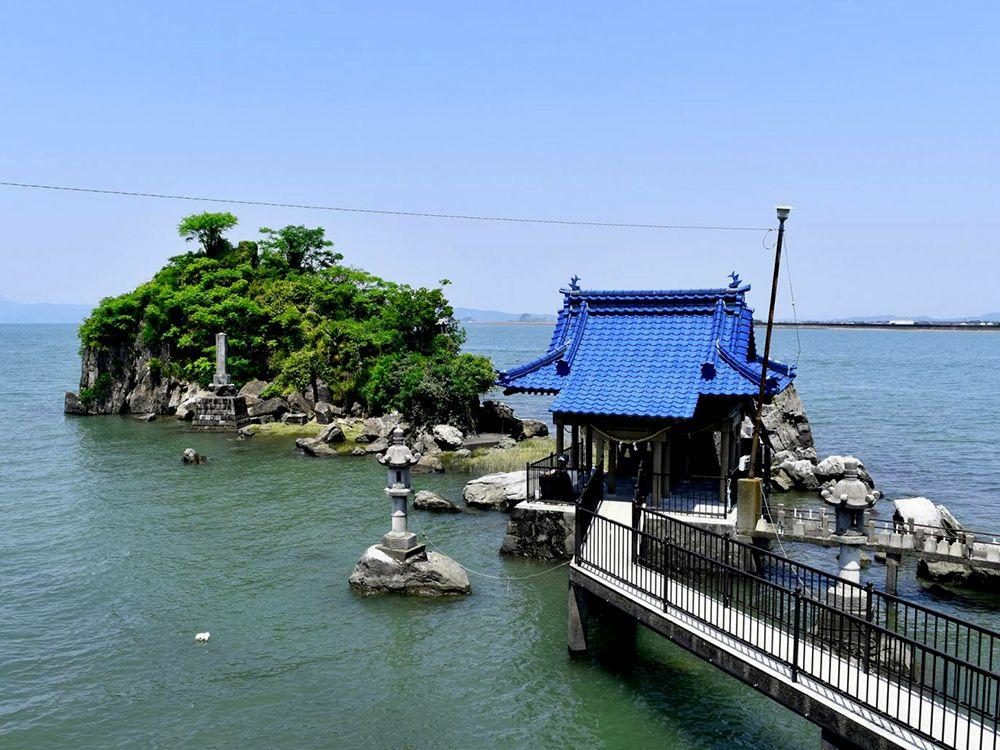
A small bridged island near the Kuma River mouth, designated a national scenic site in 2009.
Hashirimizu Falls
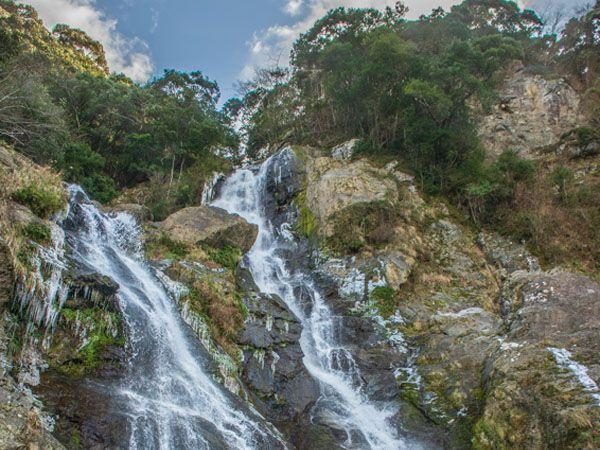
A roughly 100-meter waterfall on the Hashirimizu River in Sakamoto, Yatsushiro, also called Shirataki, long known as a scenic spot.
Gokanosho
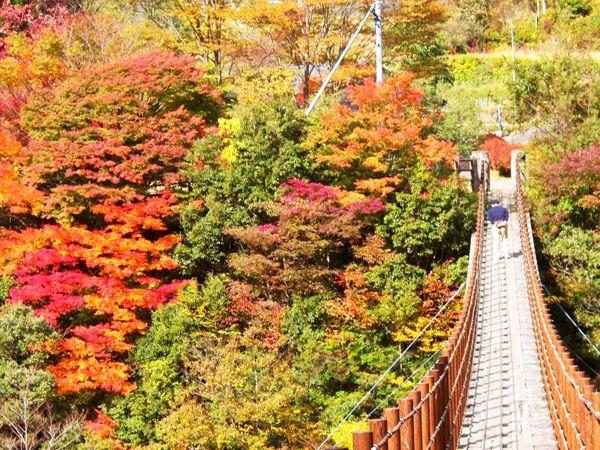
Secluded Yatsushiro area ringed by 1,300-1,700 meter mountains, with a Heike warrior legend and vivid autumn foliage.
Omatsuri Dendenkan
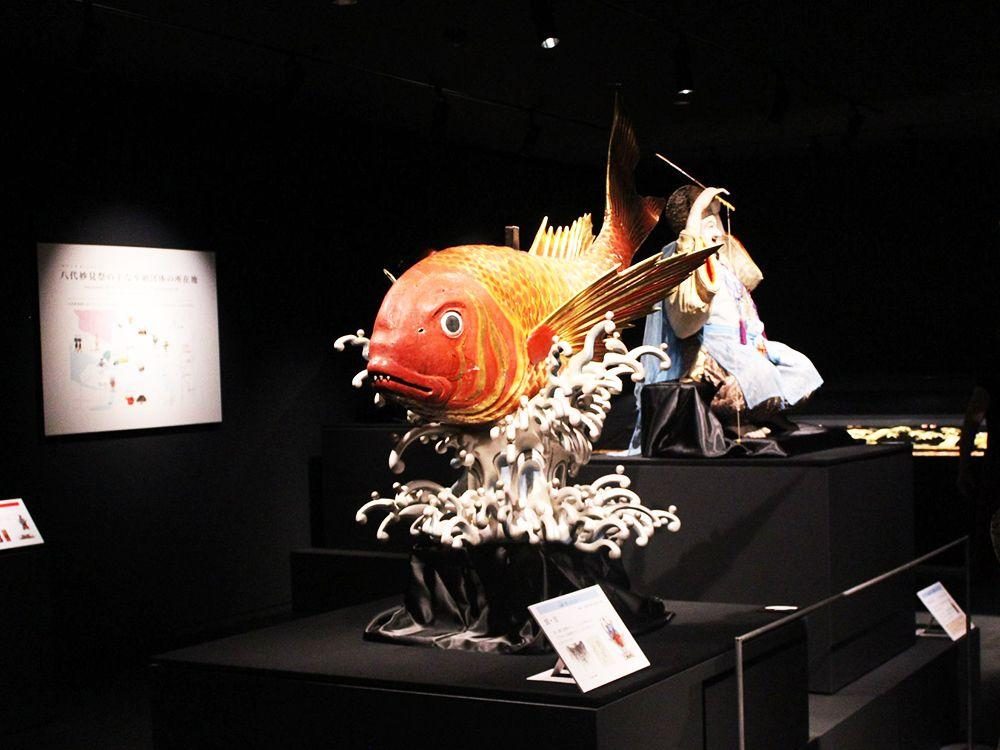
Yatsushiro center presenting local folk performing arts, with a three-screen Myoken Festival theater.
Kumamon Port Yatsushiro
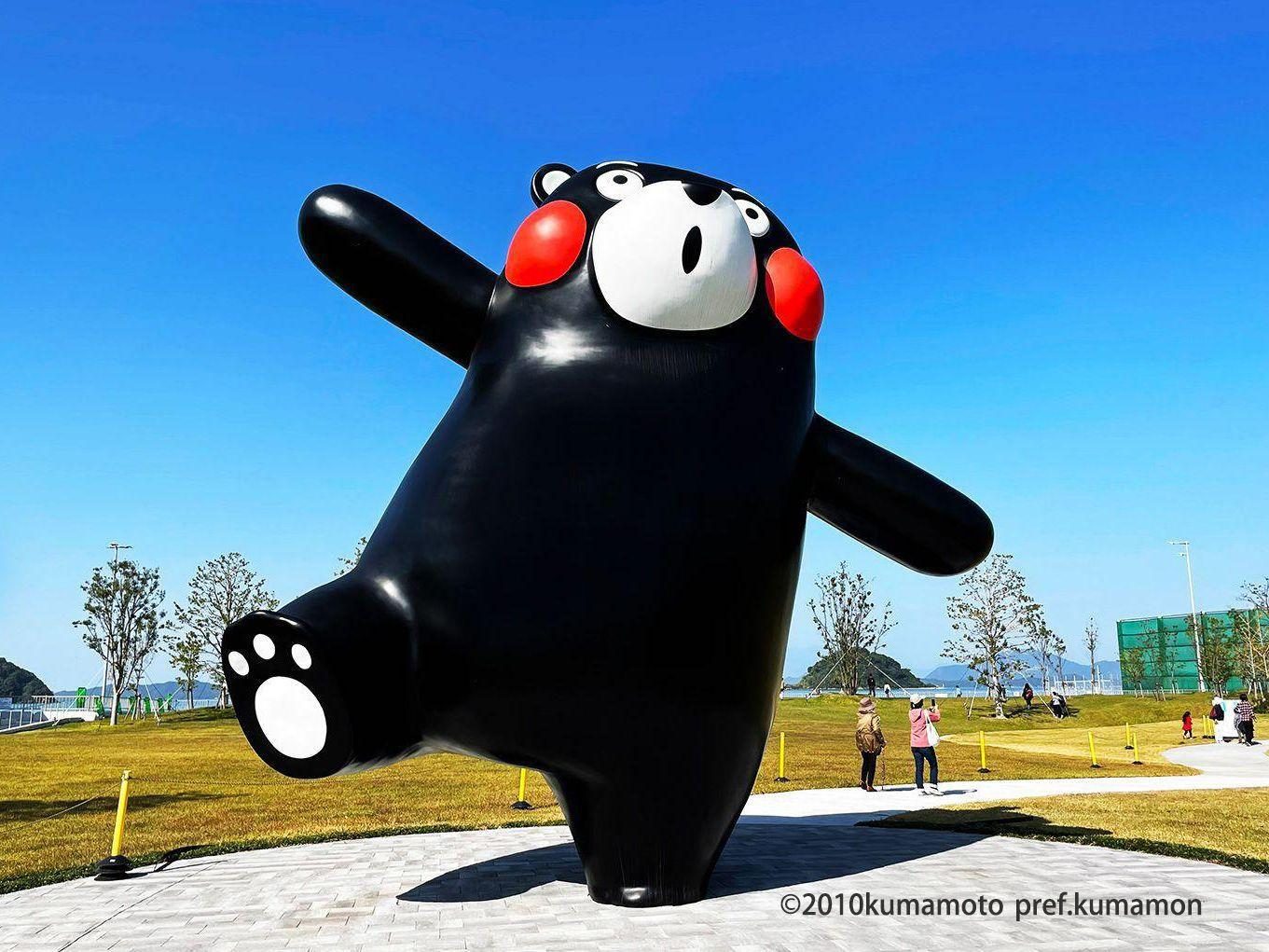
International cruise gateway with about 2.7 hectares of Kumamon park, a 6-meter statue, and 54 chorus statues.
Catholic Yatsushiro Church
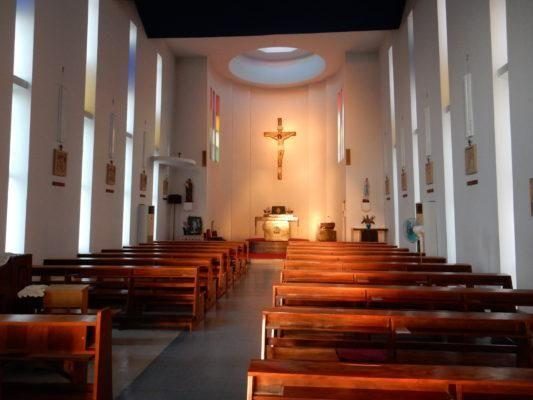
Reportedly 6,000 Christians in 1588. First Edo-period martyr came from Yatsushiro in 1603. Founded in 1890.
Yatsushiro Convent of the Sisters of St. Paul of Chartres
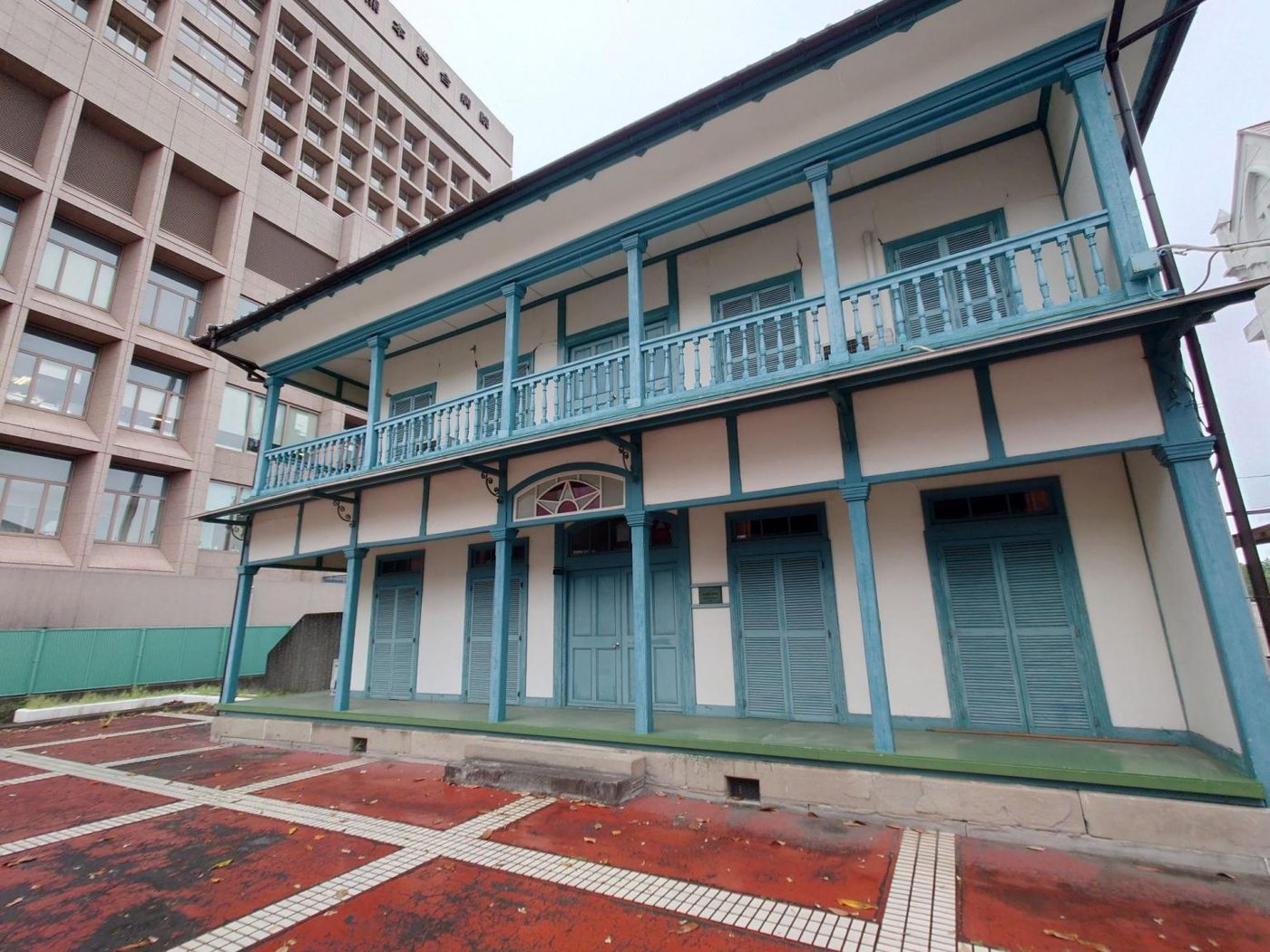
White and blue building constructed in 1900. Surviving original structure was designated a National Registered Tangible Cultural Property in 2000.