 BokenJapan
Japan / Nagasaki / Sasebo / See
Sights in Sasebo, Nagasaki
Sasebo · Nagasaki · 78 places
See
Kozakihana Park
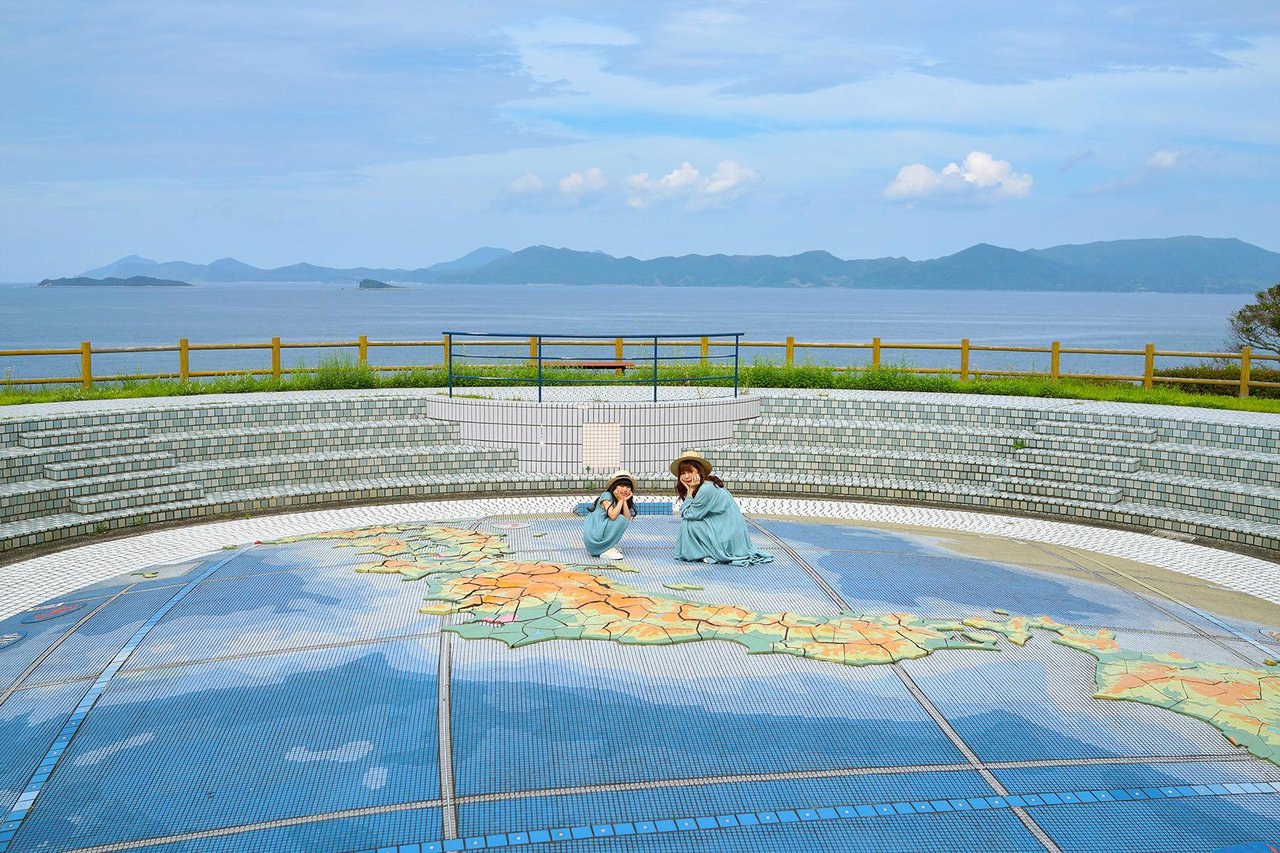
Mainland Japan's westernmost point, with a monument, lawn, blue sea, and tide pools.
Kujukushima
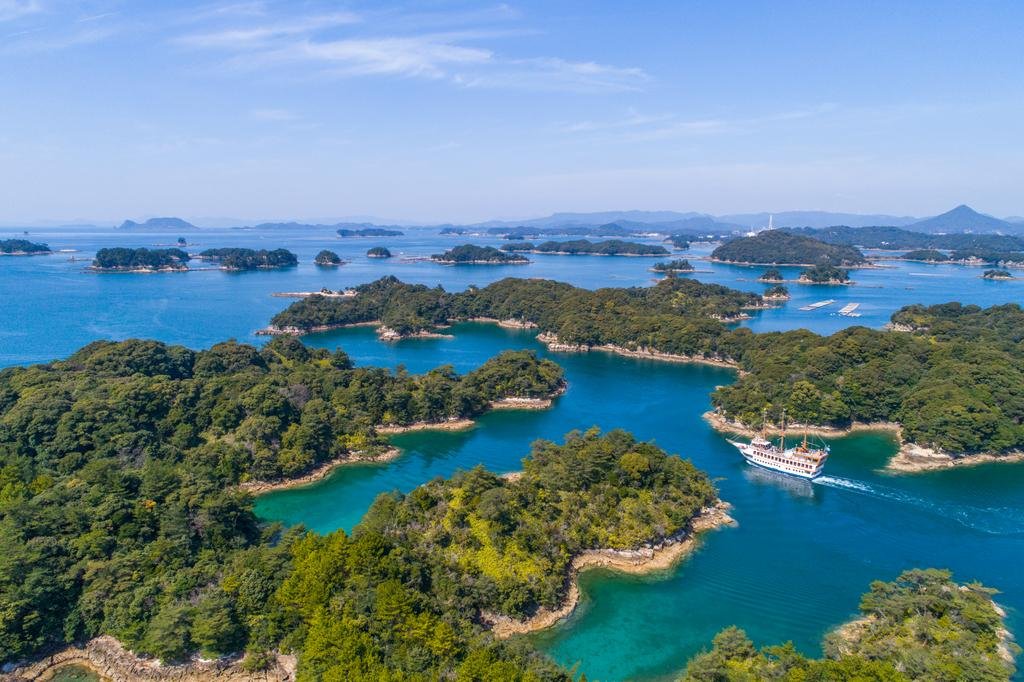
208 islands stretching 25 km north from Sasebo Port to Hirado Strait, called Japan's densest.
Hario Radio Towers
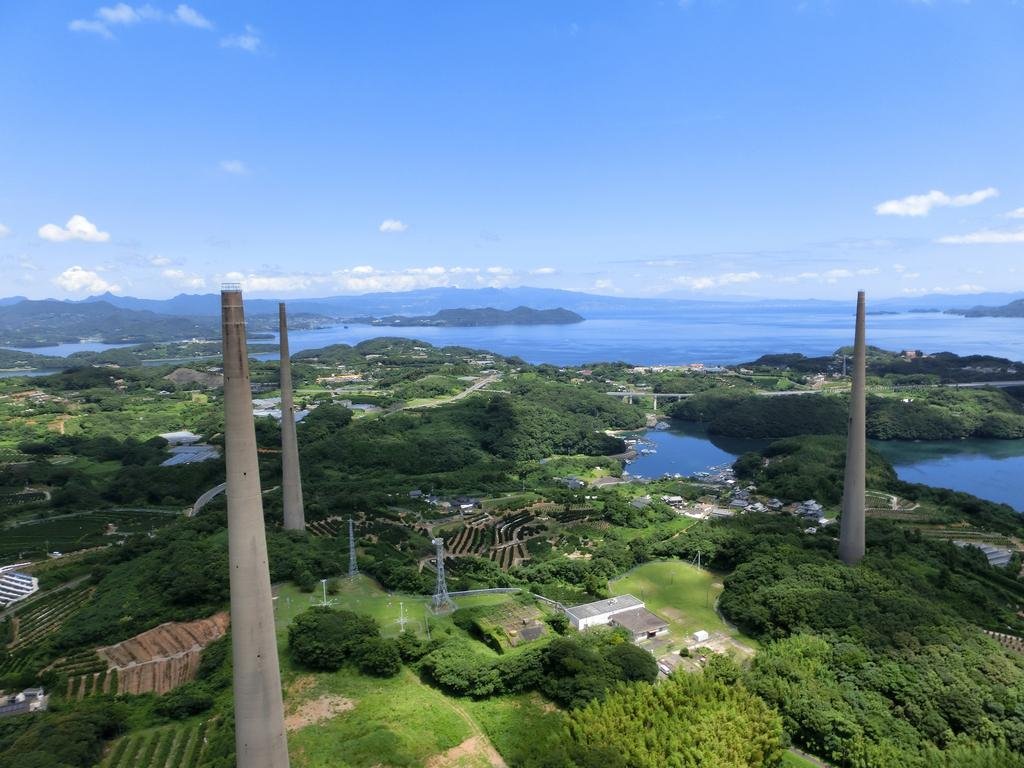
Three concrete radio towers about 136 meters tall, completed by the Imperial Navy in 1922.
Tenkaiho Observatory
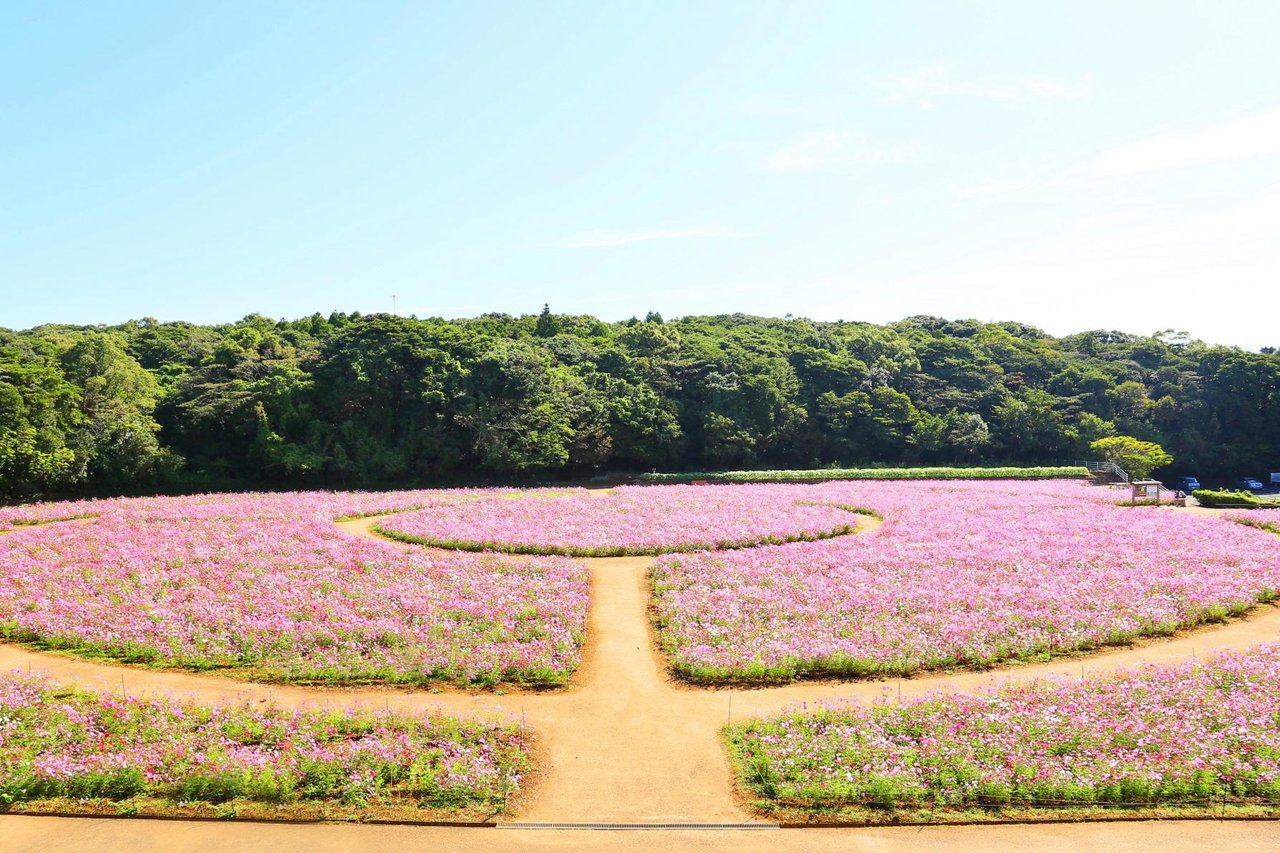
Observatory at 165 meters offering a 180-degree panorama of Kujukushima and Sasebo Port.
Saikai Bridge and New Saikai Bridge
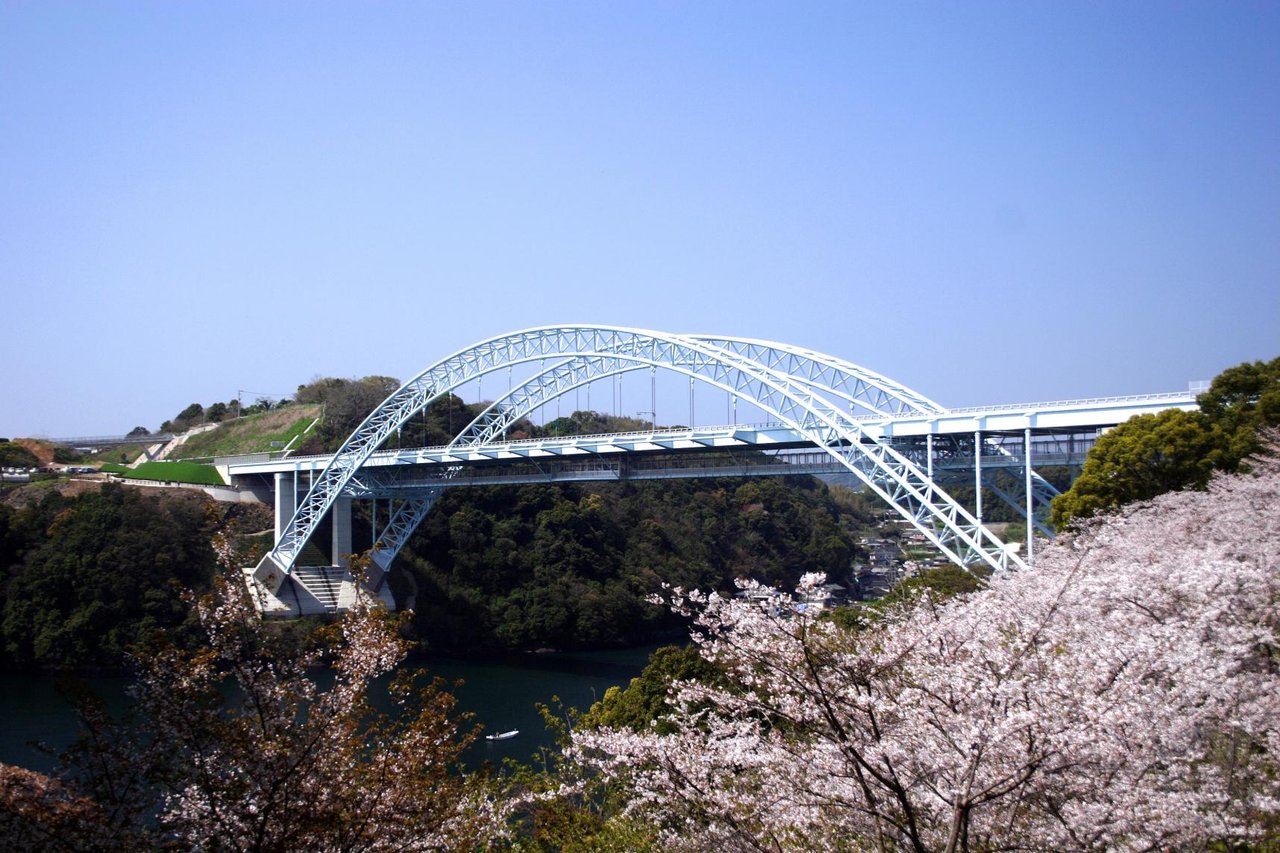
1955 arch bridge spanning 316m, 43m above Hario Seto rapids, beside a glass-windowed new bridge.
JMSDF Sasebo Historical Museum (Sail Tower)
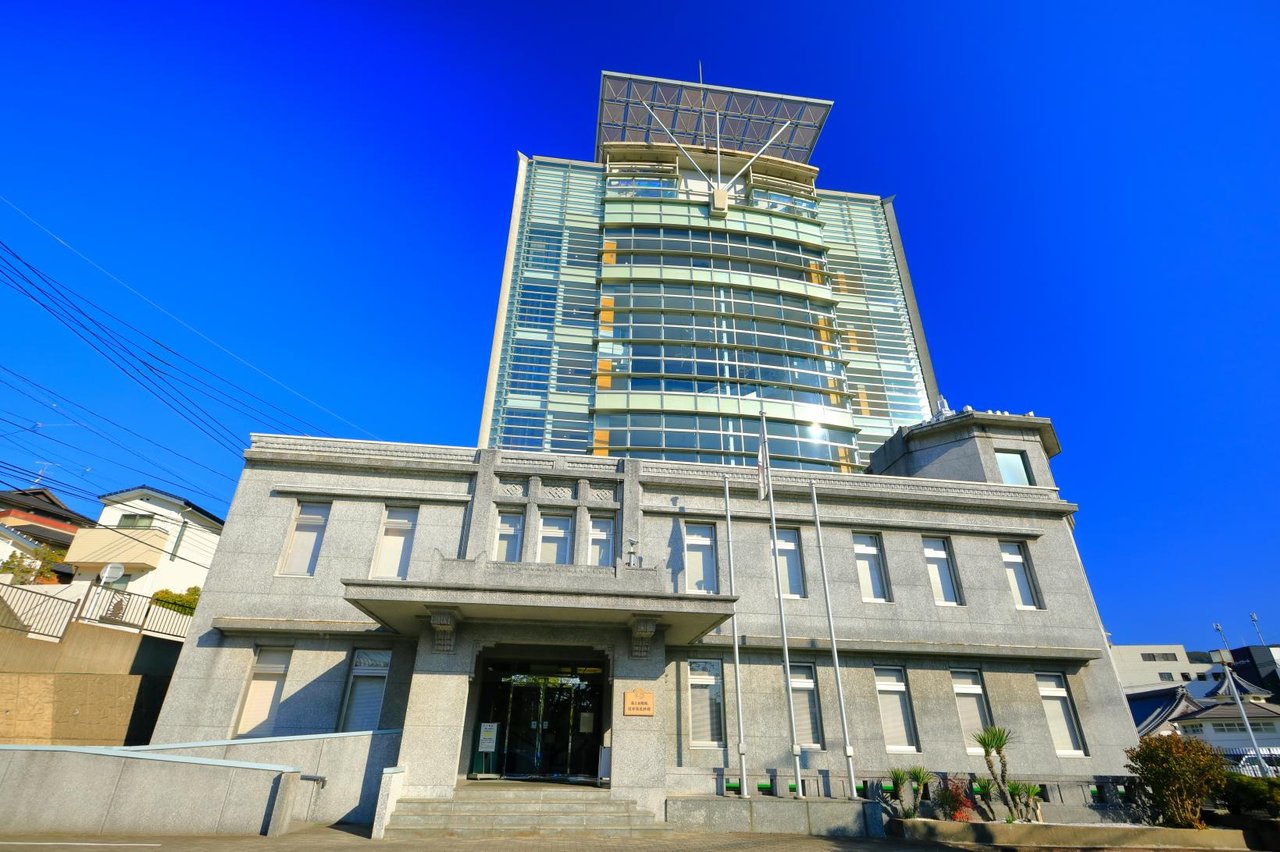
Museum explaining Imperial Navy and Maritime Self-Defense Force history, with models and an observation lobby.
Jufuku-ji
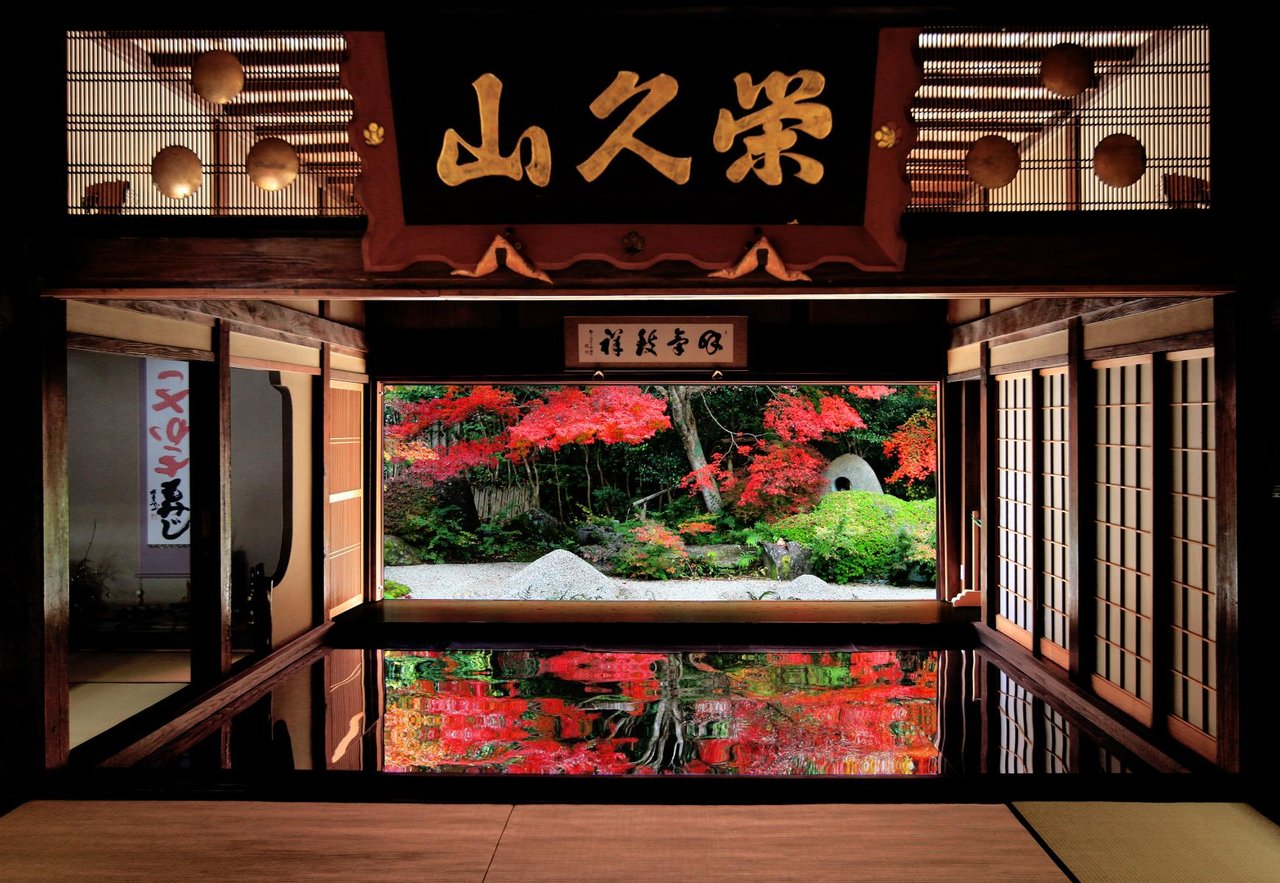
Offers limited inverted autumn-maple and early-summer greenery views reflected in the hall.
Ishidake Observatory
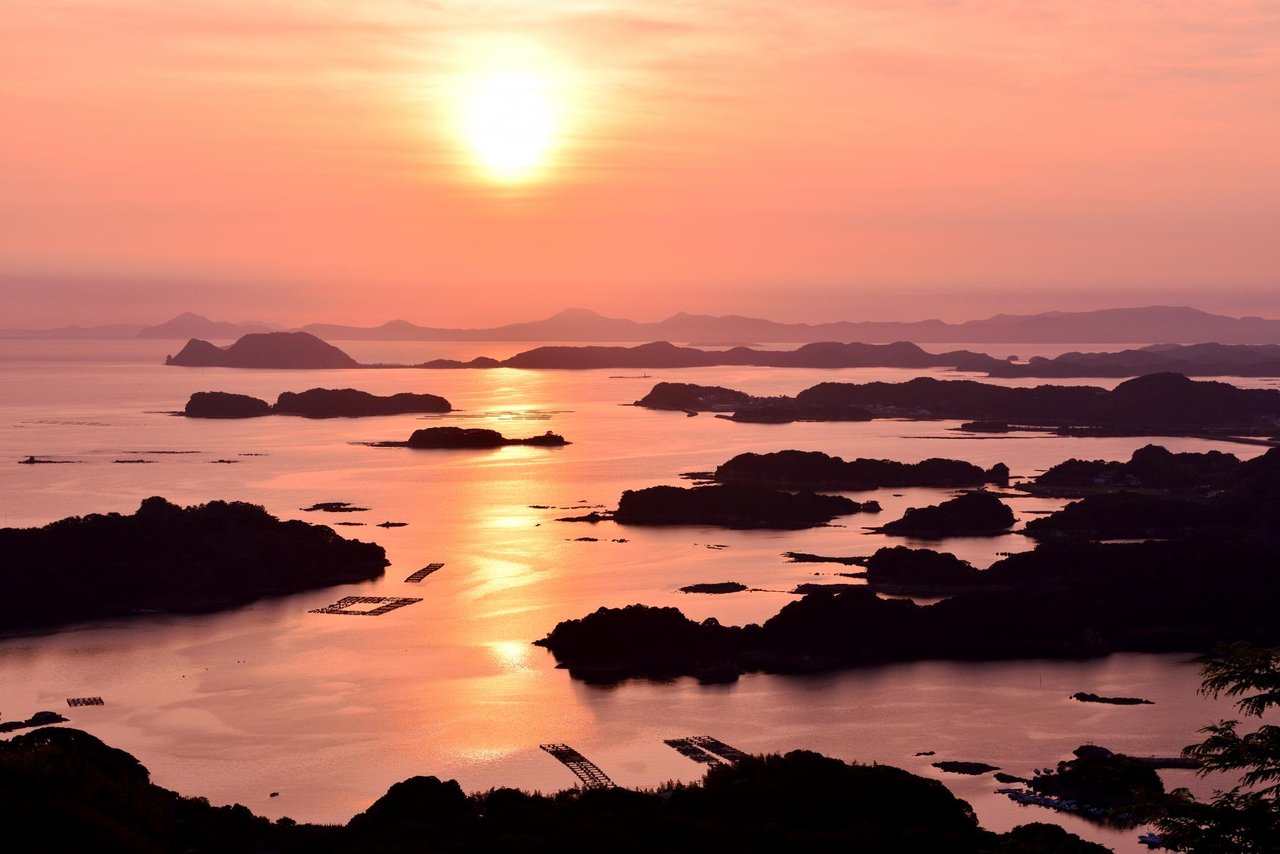
Observatory on 191-meter Ishidake, about 15 minutes from Kujukushima Zoo, with 360-degree views.
Mukyudo Cave
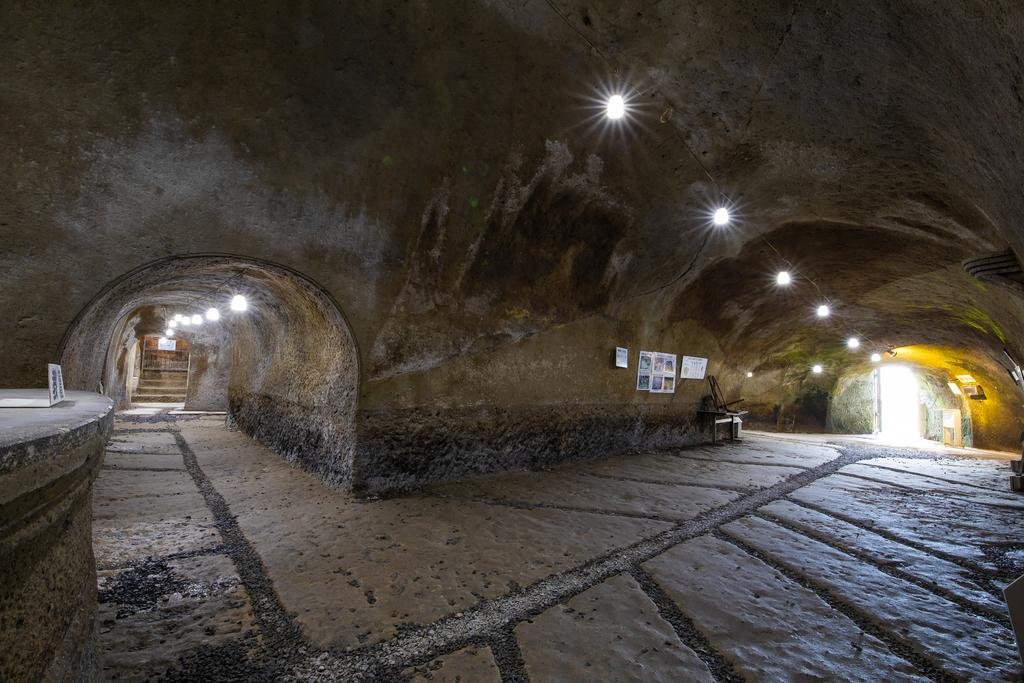
Huge air-raid shelter dug in 1943 by school teachers and pupils for 500 children.
Yumihari-dake Observatory
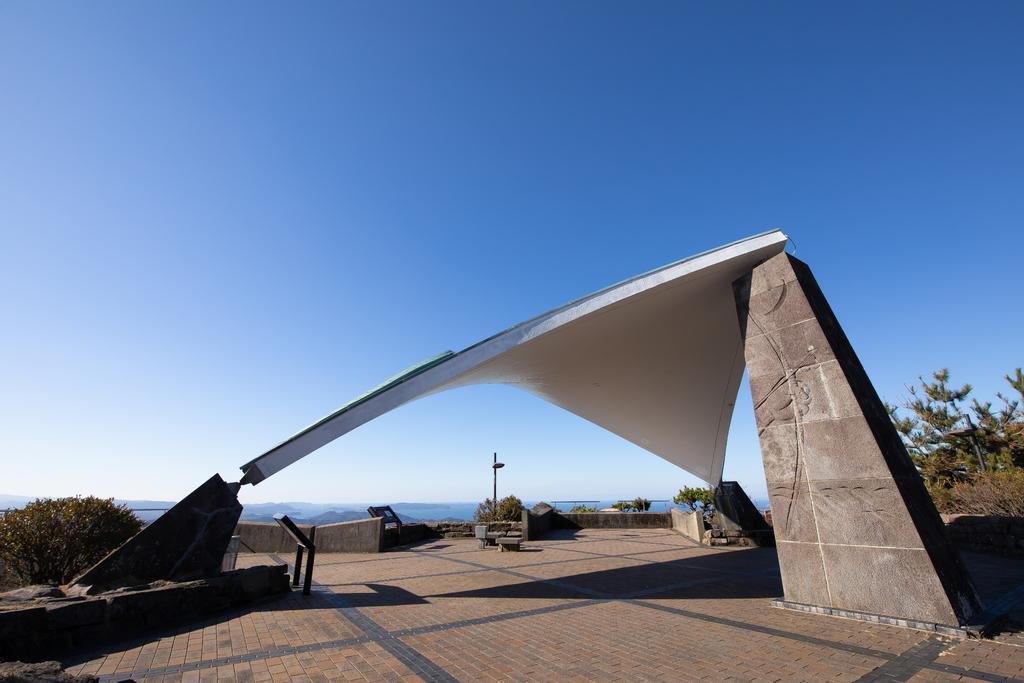
Panoramic observatory of Sasebo, Kujukushima and Goto-nada, listed in Japan's 100 night views.
Ohashi Kannon Stone Bridge
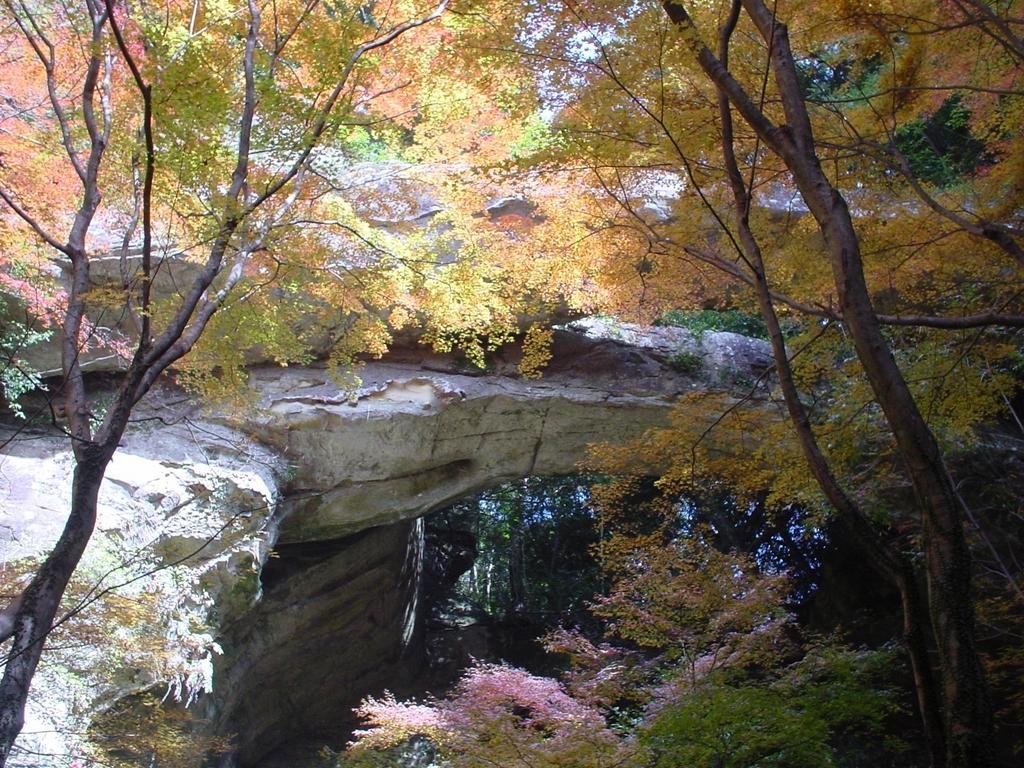
One of Hirado's eight views: a natural stone bridge like a floating bridge beyond an elegant garden.
Former Sasebo Naval District Air Defense Command Post Ruins
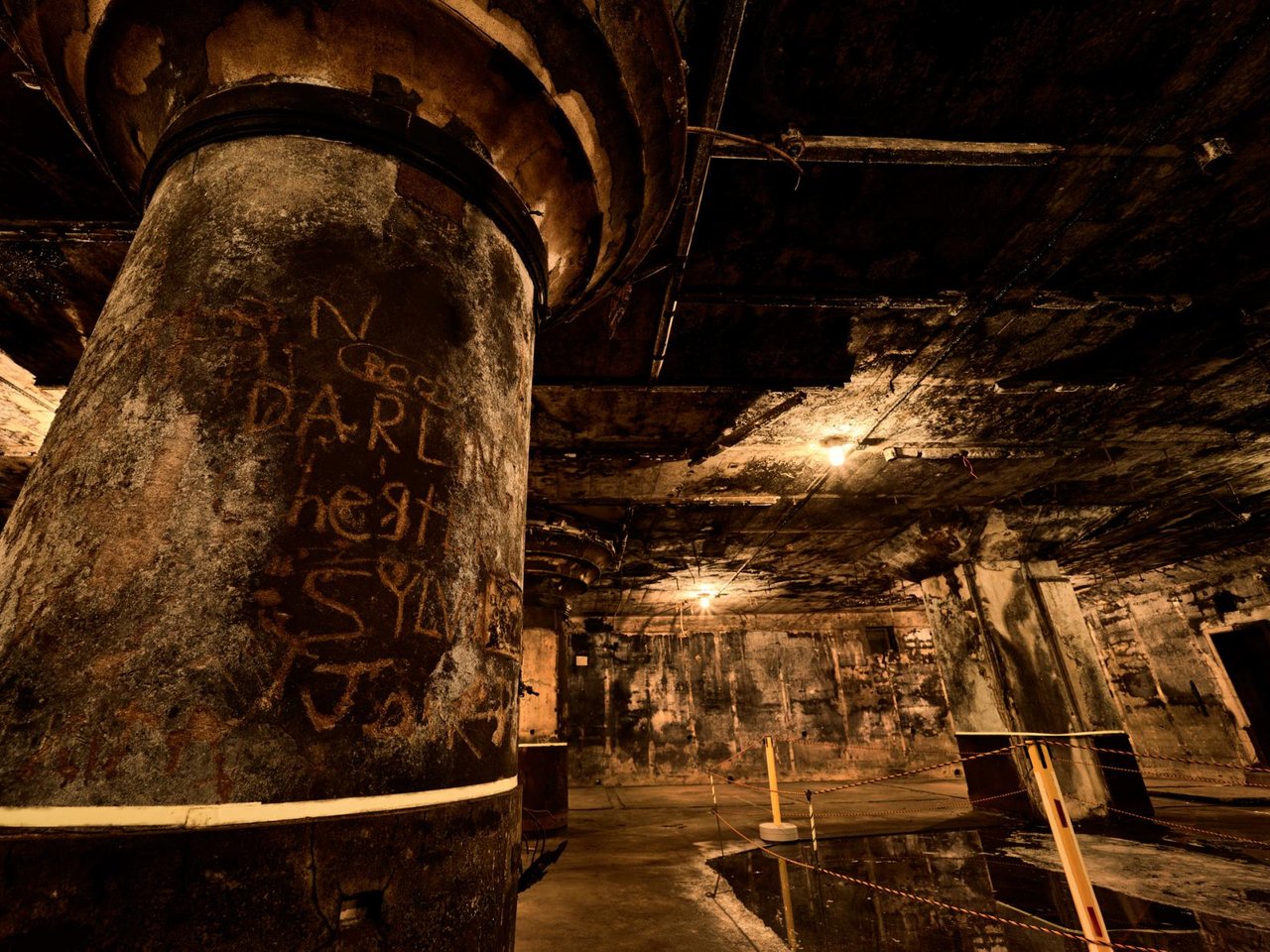
Two-level underground air-defense command post of 1,900 square meters, completed in 1942 under the naval district office.
Former Sasebo Naval District Triumphal Memorial Hall (Sasebo Civic Cultural Hall)
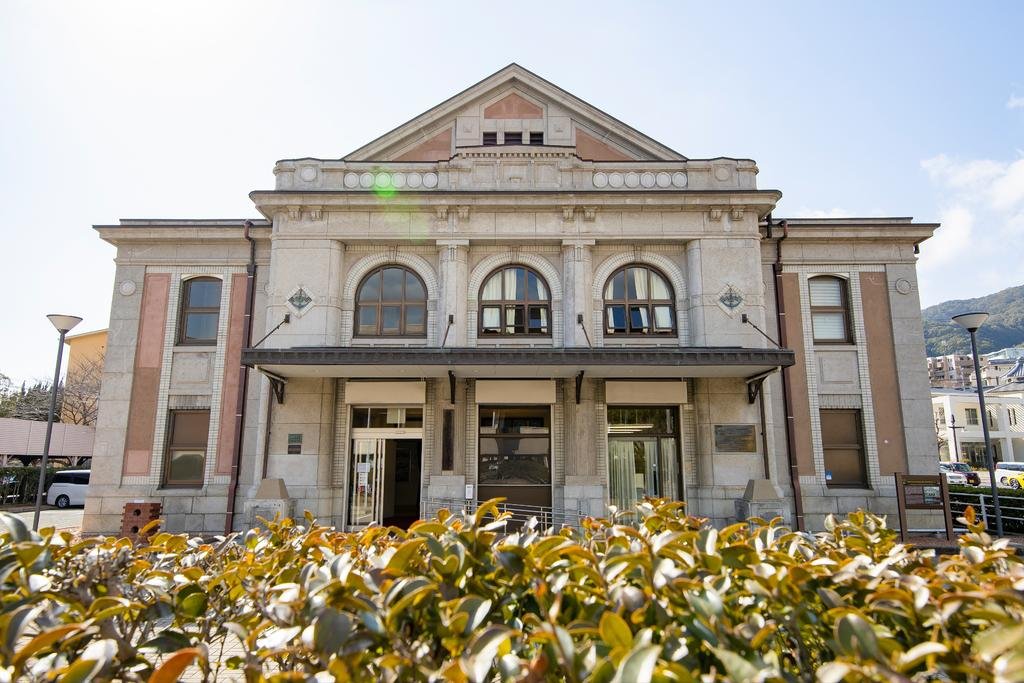
Donated and built in 1923; returned from US use in 1977 and a civic cultural hall since 1982.
Awashima Shrine
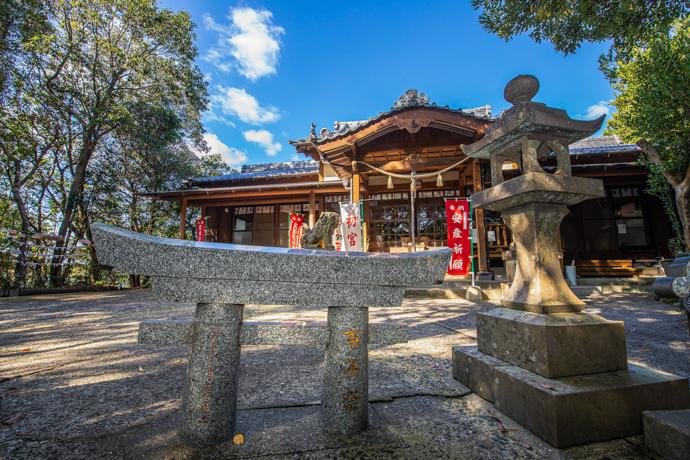
Shrine on a Kujukushima island enshrining three deities who protect women, fertility, and women's illnesses.
Sasebo Port
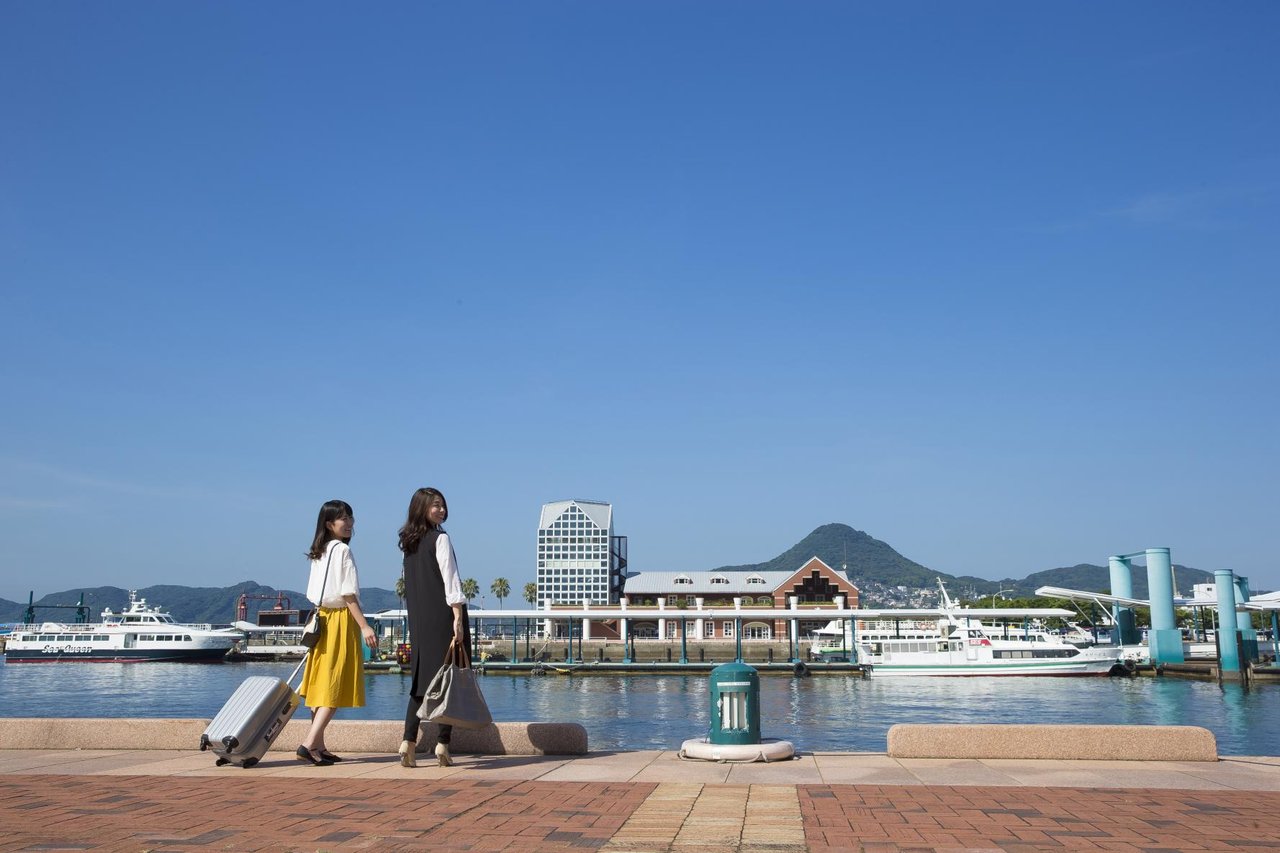
Long a naval and commercial port, now partly used by the US Navy and Maritime Self-Defense Force.
Mikawachi Sarayama
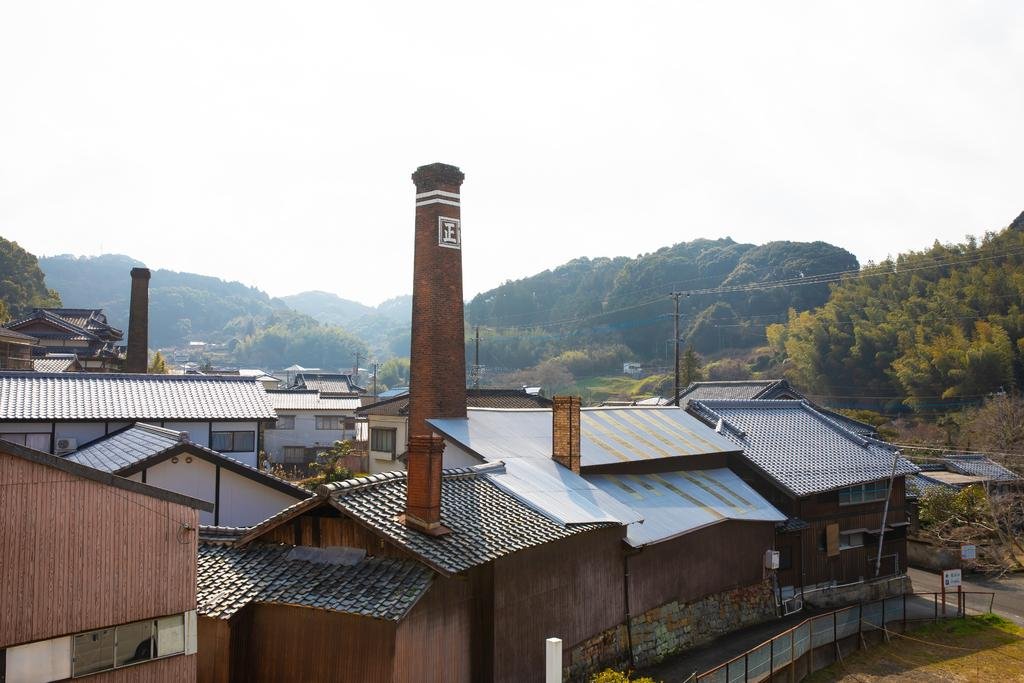
Pottery district started with kilns in Mikawachi, Eie, and Kihara, where many kilns keep the tradition.
Fukui Cave
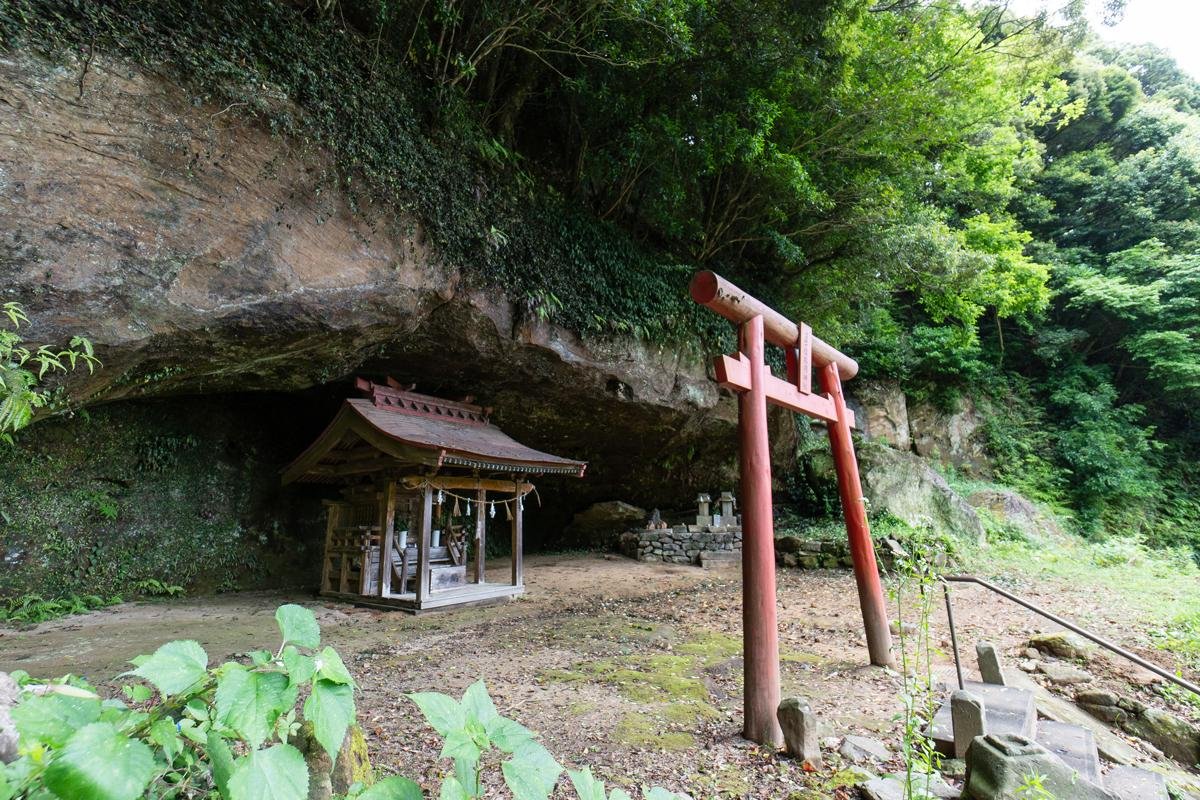
Site with cultural layers of the Paleolithic-to-Jomon transition and tools over 30,000 years old.
Senryugataki Falls Park
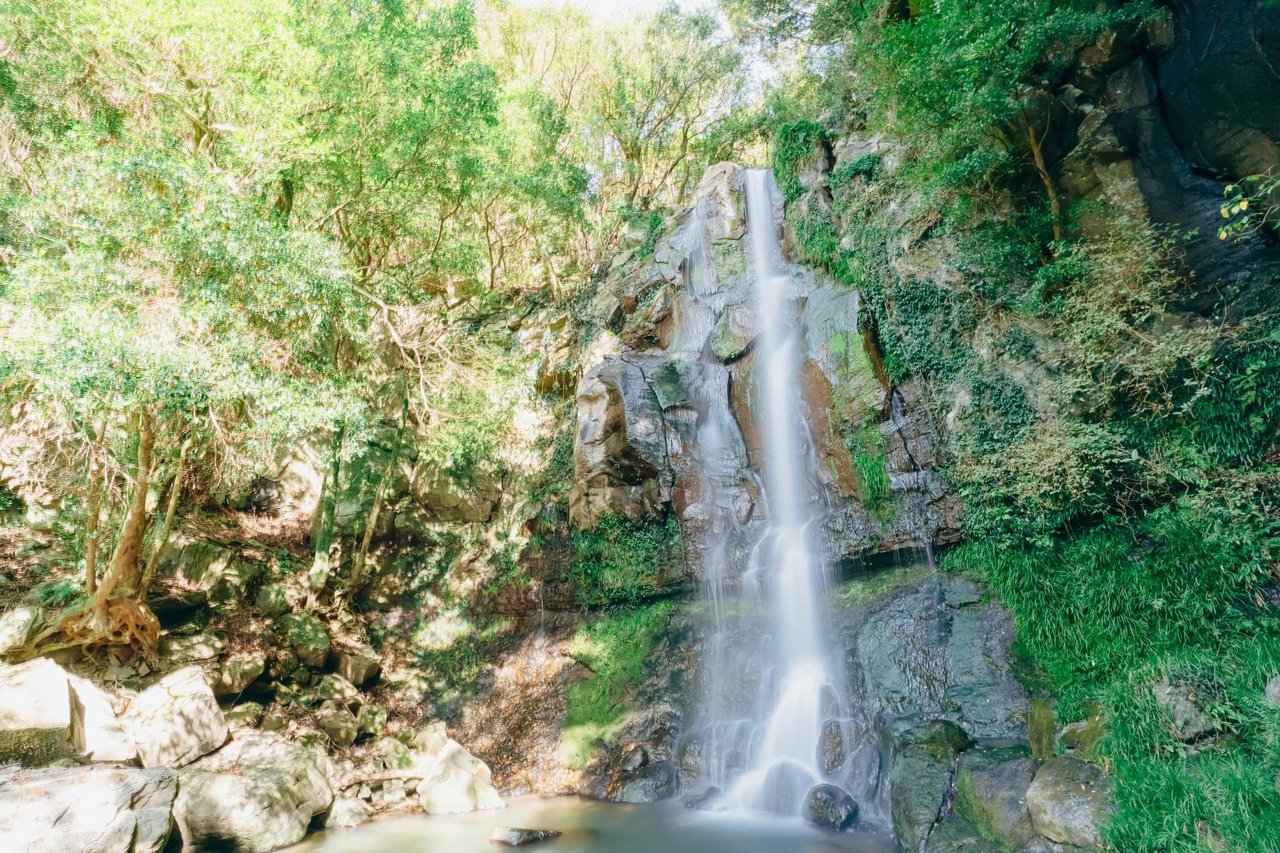
Seventh of Hirado's eight views: about 20-meter men's and women's falls.
Megane-iwa
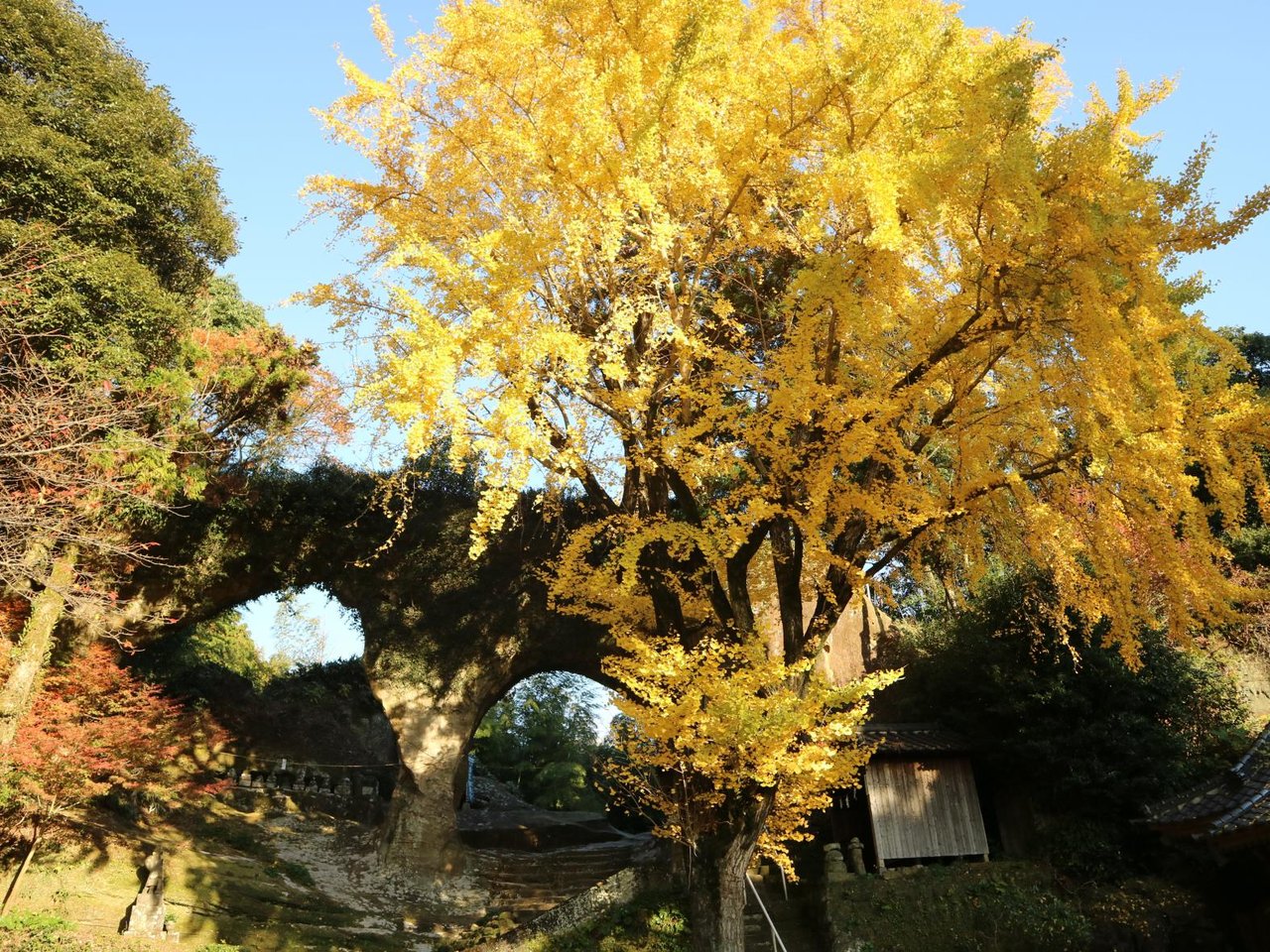
Rock 10 meters high and 20 wide, naturally pierced like spectacles, one of Hirado's eight views.
Fujiyama Shrine
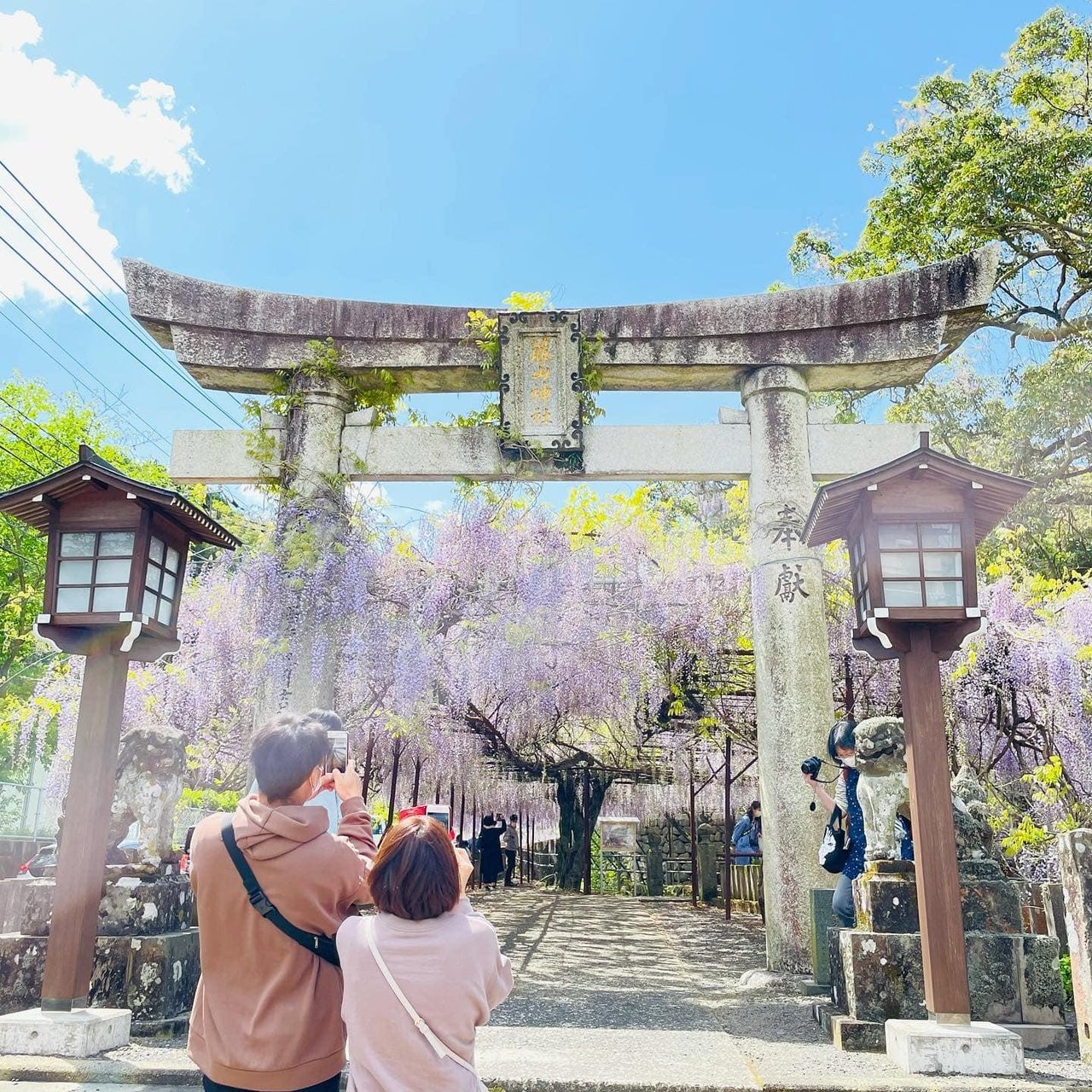
Kyushu's leading wisteria site, with prefectural natural monuments and an 800-year-old sacred tree.
Funakoshi Observatory
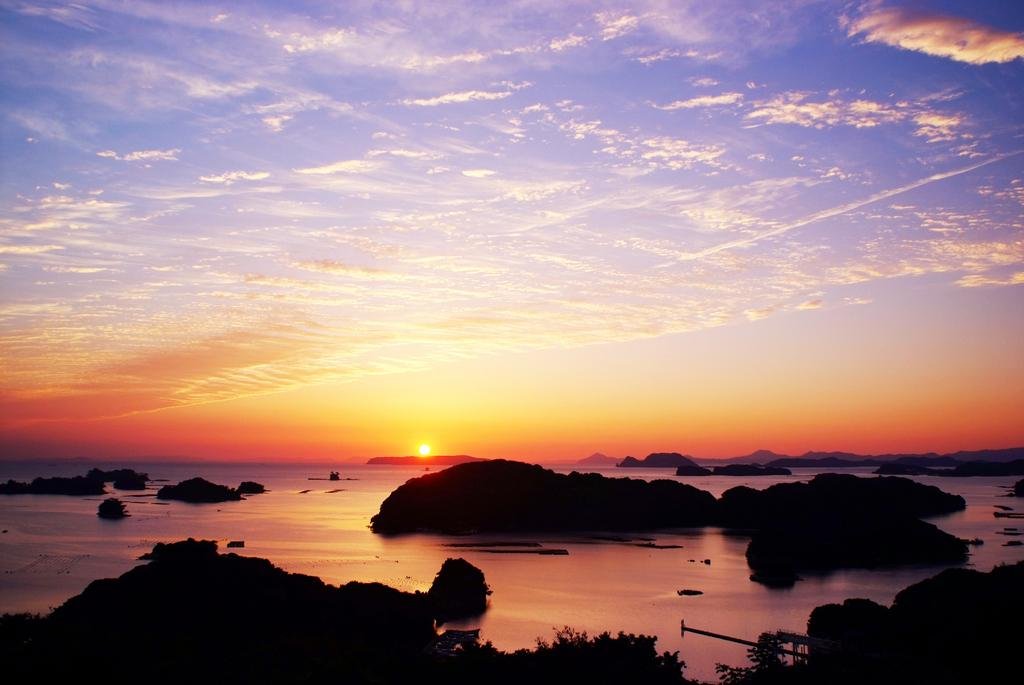
Lowest Kujukushima Eight Views lookout, so islands feel close. Ink-painting beauty in rain. Step-free for wheelchairs.
Utsuwa History Museum
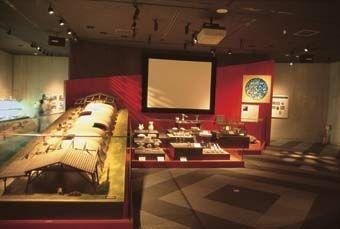
Museum of Sasebo pottery from Jomon to Mikawachi ware, with a world-oldest-class bean-pattern replica.
Sasebo Flower Garden
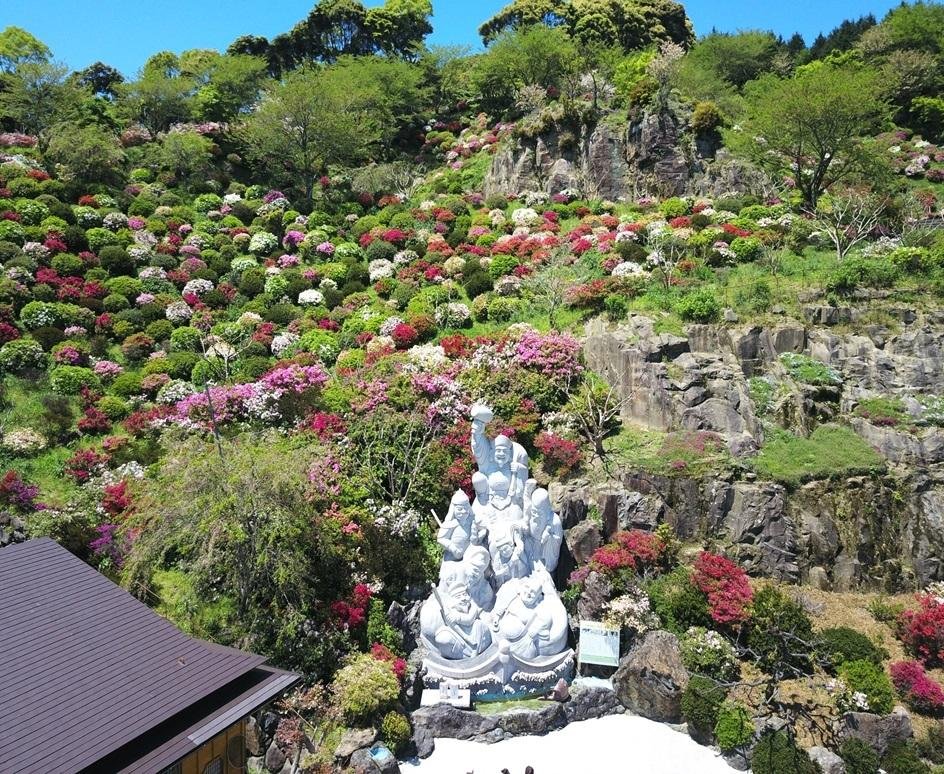
Year-round flower garden of about 12,000 tsubo with peonies, koi, and mandarin ducks.
Haiki Shrine
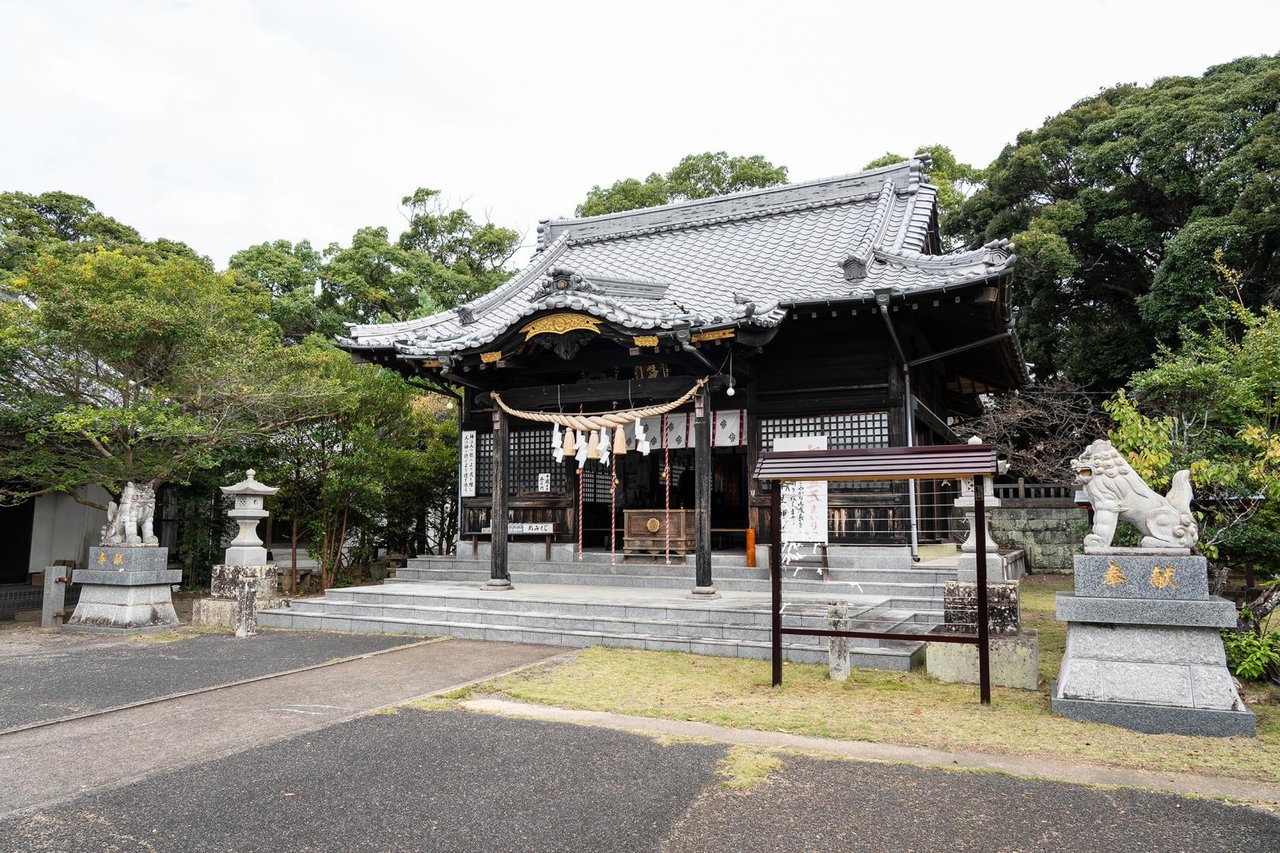
Shrine reached by over 100 steps, overlooking Haiki town and sunsets, and popular for first sunrise.
Senpuku-ji Cave
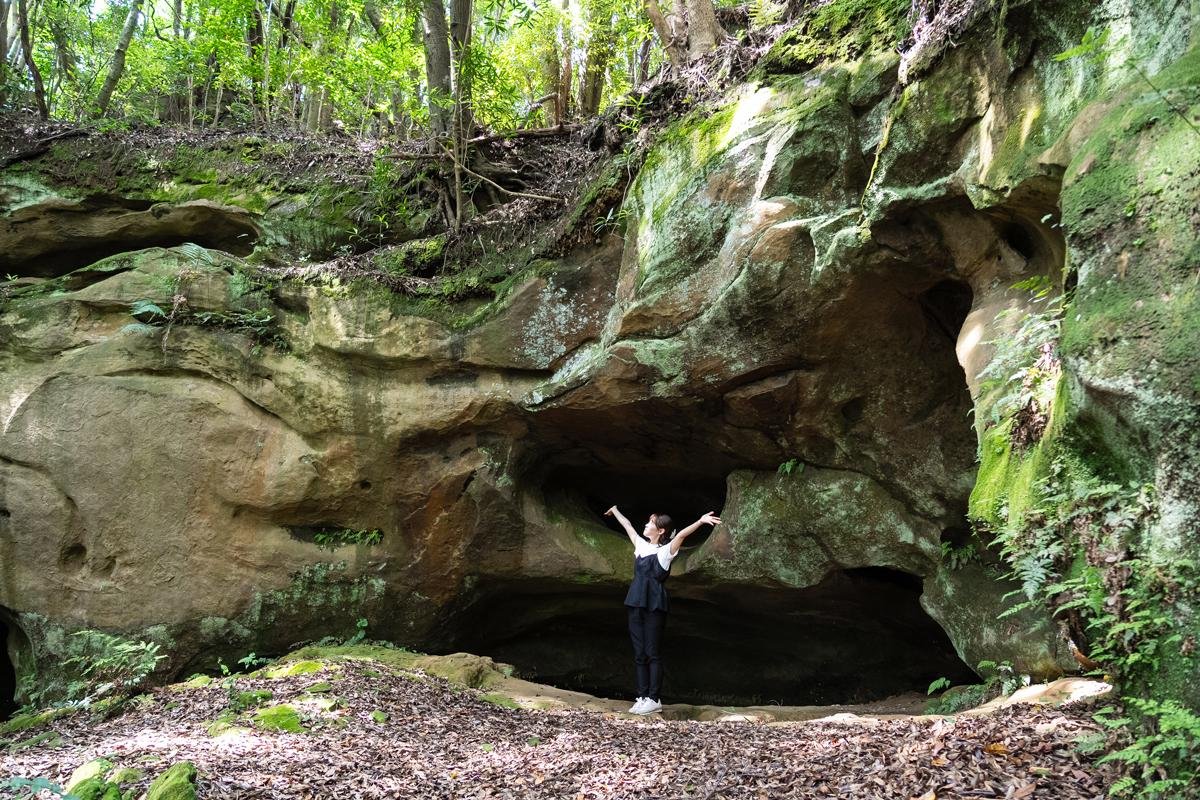
Cave discovered by local junior-high students, source of pottery about 16,000 years old.
Mikawachi Ware Traditional Industry Hall (Mikawachi Ware Museum)
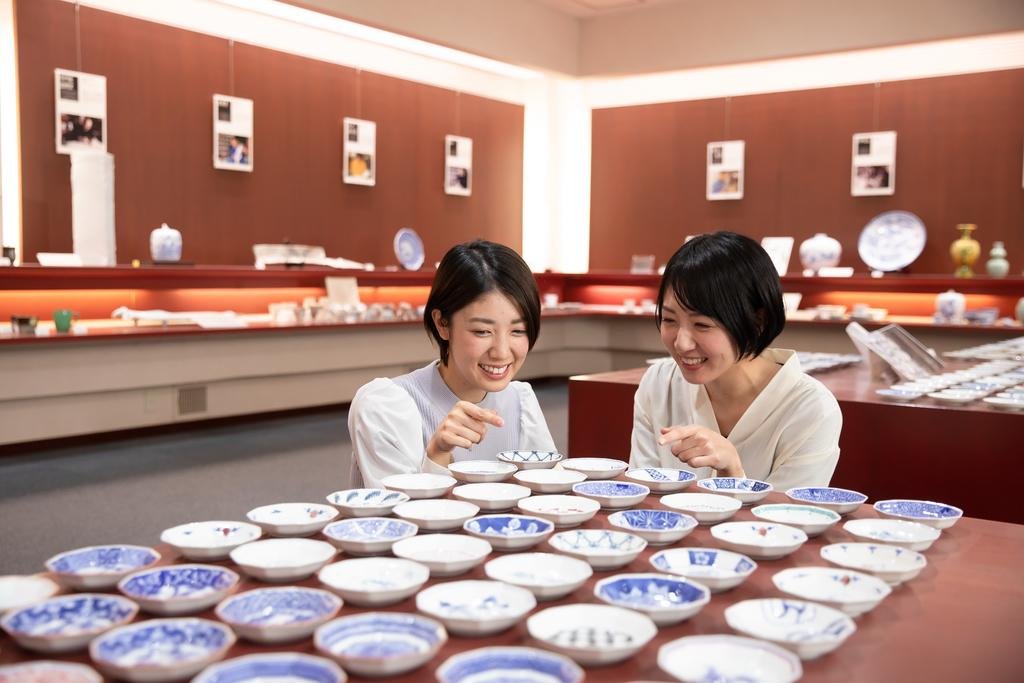
Closed for major repairs from March 31, 2026 until planned autumn 2028; shows Edo-Meiji white porcelain.
Fukui Cave Museum
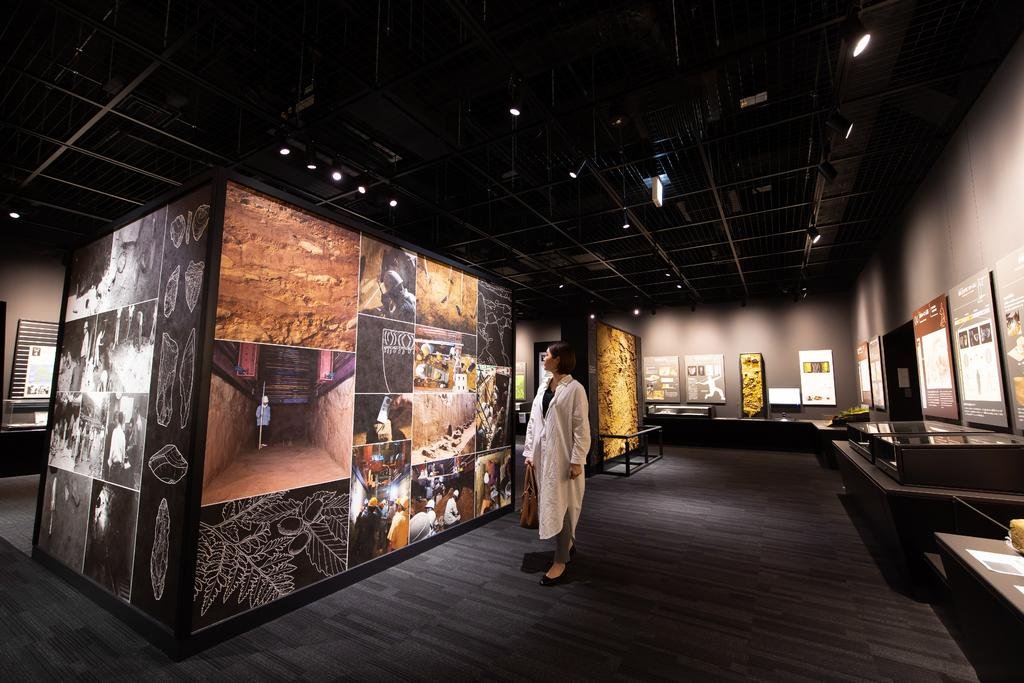
Museum of Fukui Cave, a Paleolithic-to-Jomon site, displaying Important Cultural Property finds and a life-size diorama.
Hana no Mori Park
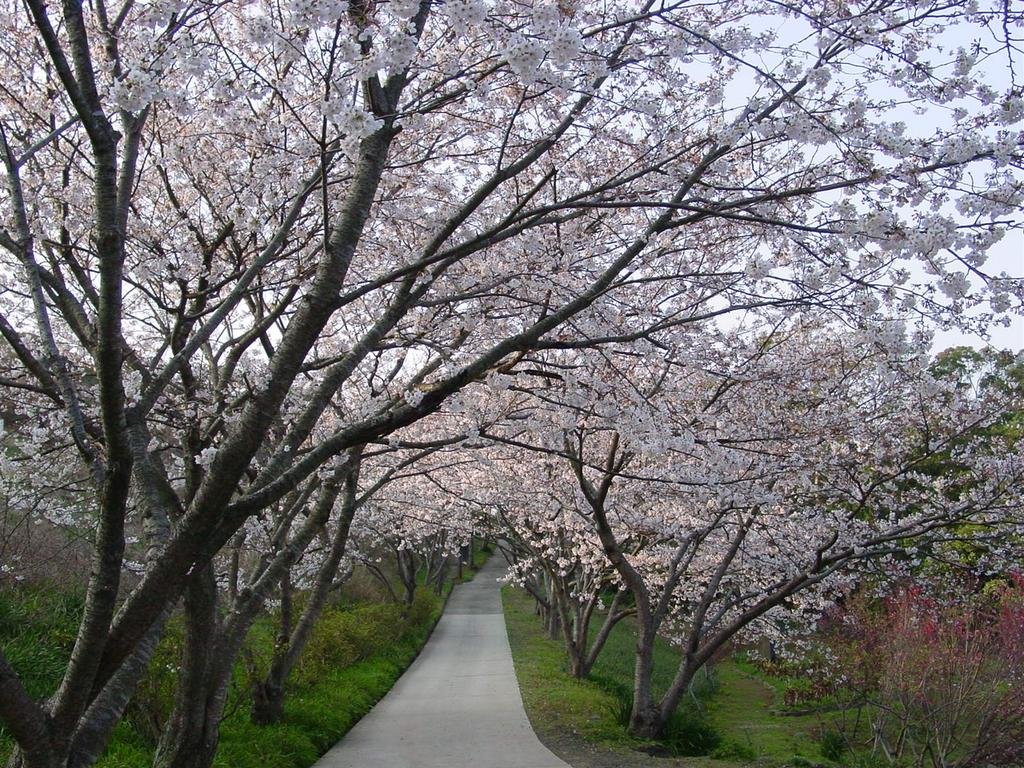
Vast park with about 40,000 seasonal flowers and trees, and a hidden cherry blossom site.
Nogata Coast (Tsushimase Lighthouse)
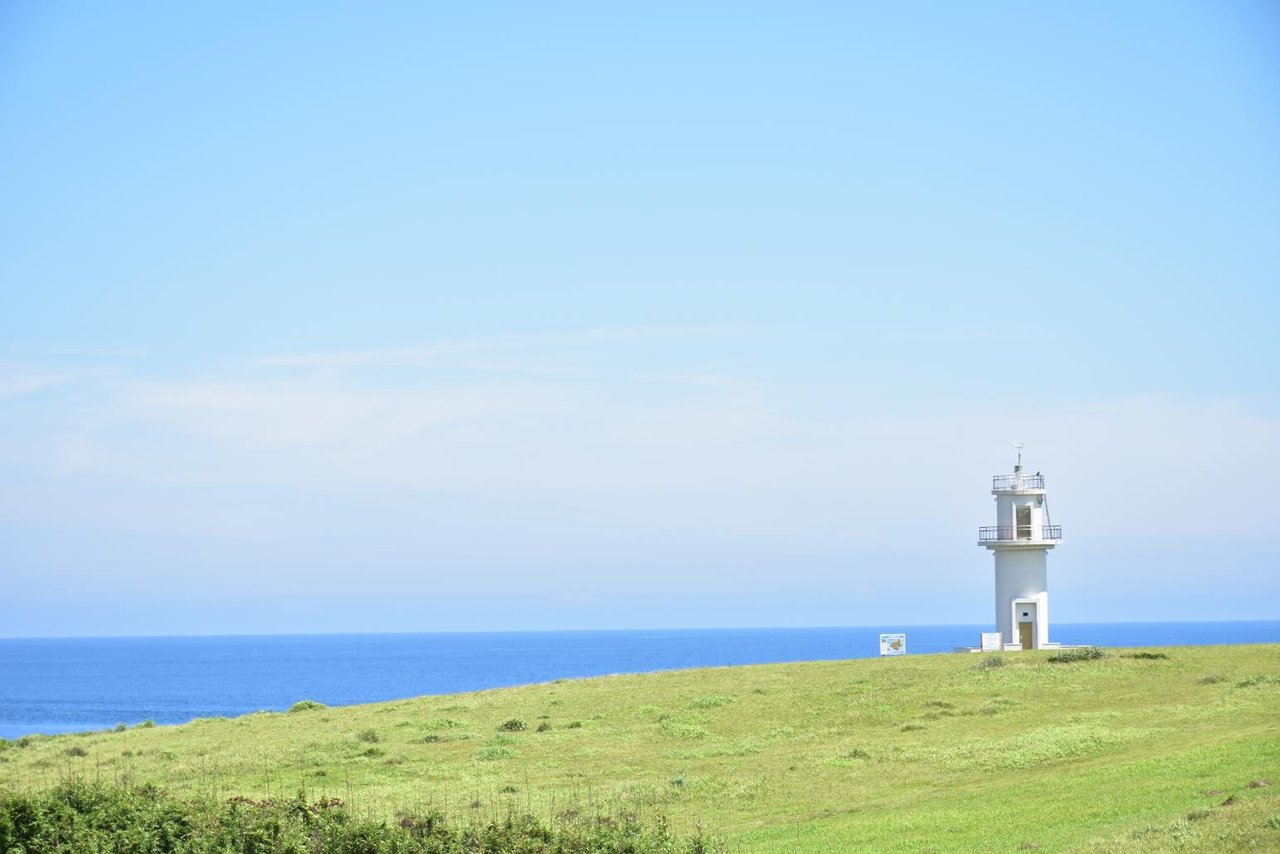
Cliff-lined rias coast with grasslands on northern Uku and symbolic Tsushimase Lighthouse.
Sasebo Heavy Industries (SSK)
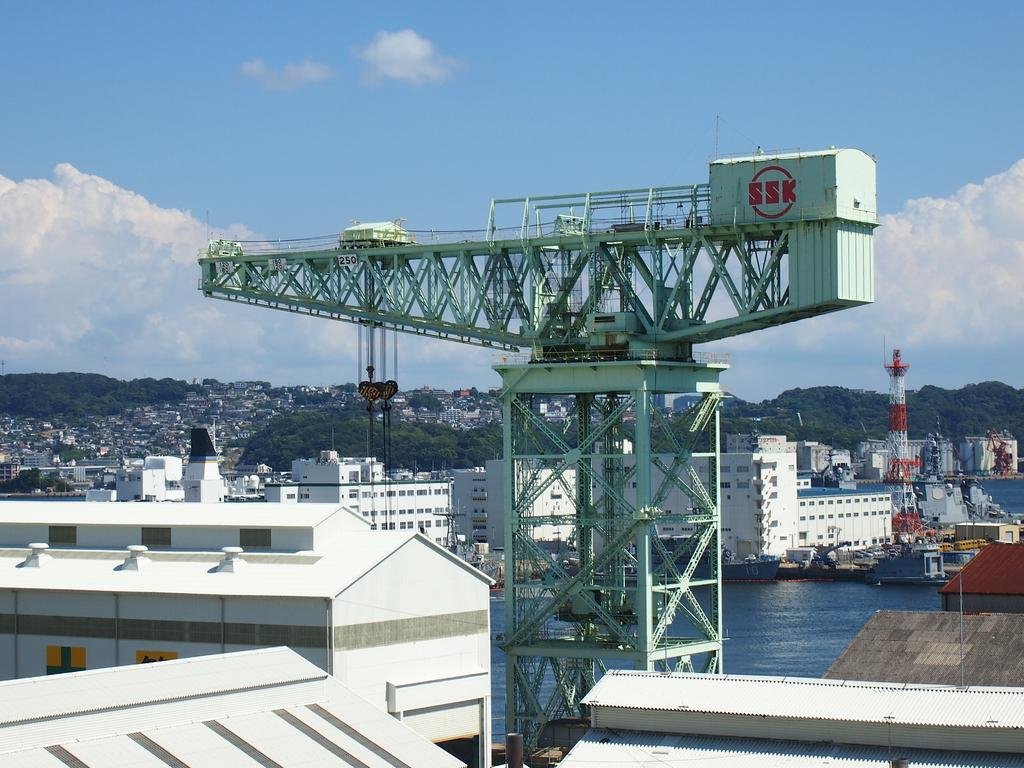
Historic shipyard, locally called SSK, that built the 1962 tanker Nissho Maru; 1913 crane still works.
Sasebo Higashiyama Naval Cemetery (Higashi Park)
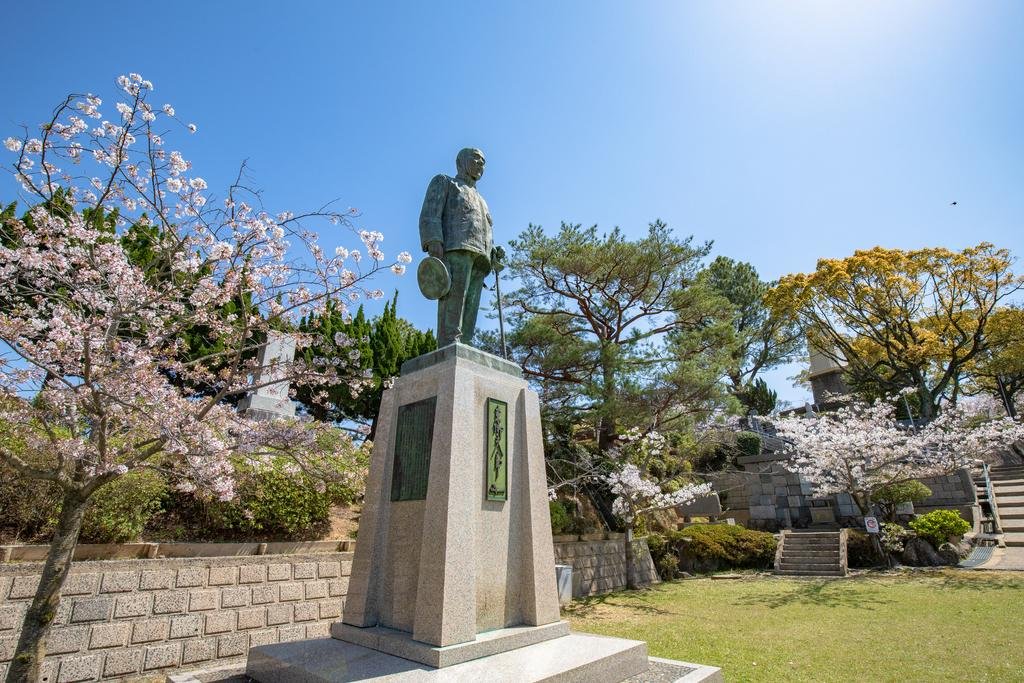
Cemetery for over 170,000 navy dead, with 62 joint and 437 individual monuments.
Red Buckwheat Village
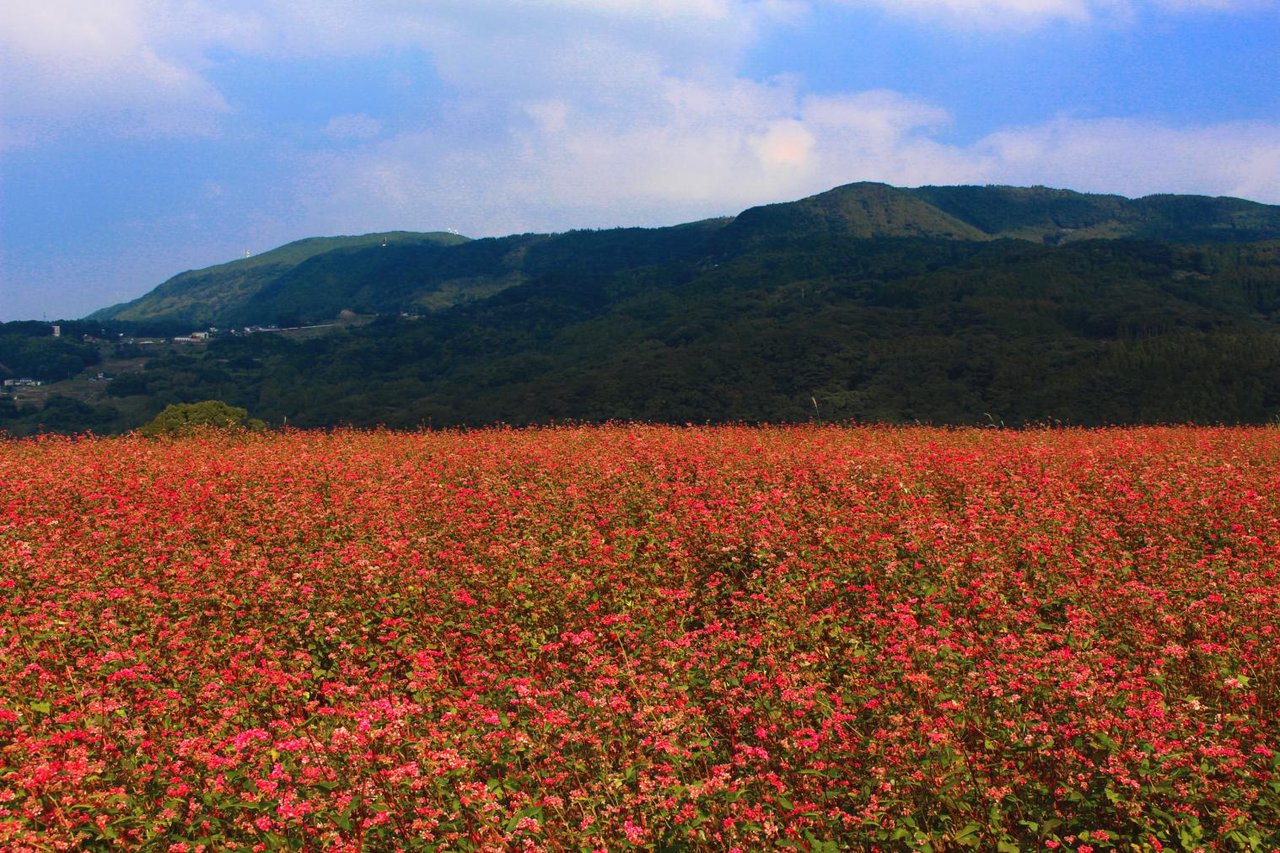
Local farmers grow red-flowering Takane Ruby buckwheat; flower viewing is usually late October to early November.
Dainen-ji Bell Tower Gate
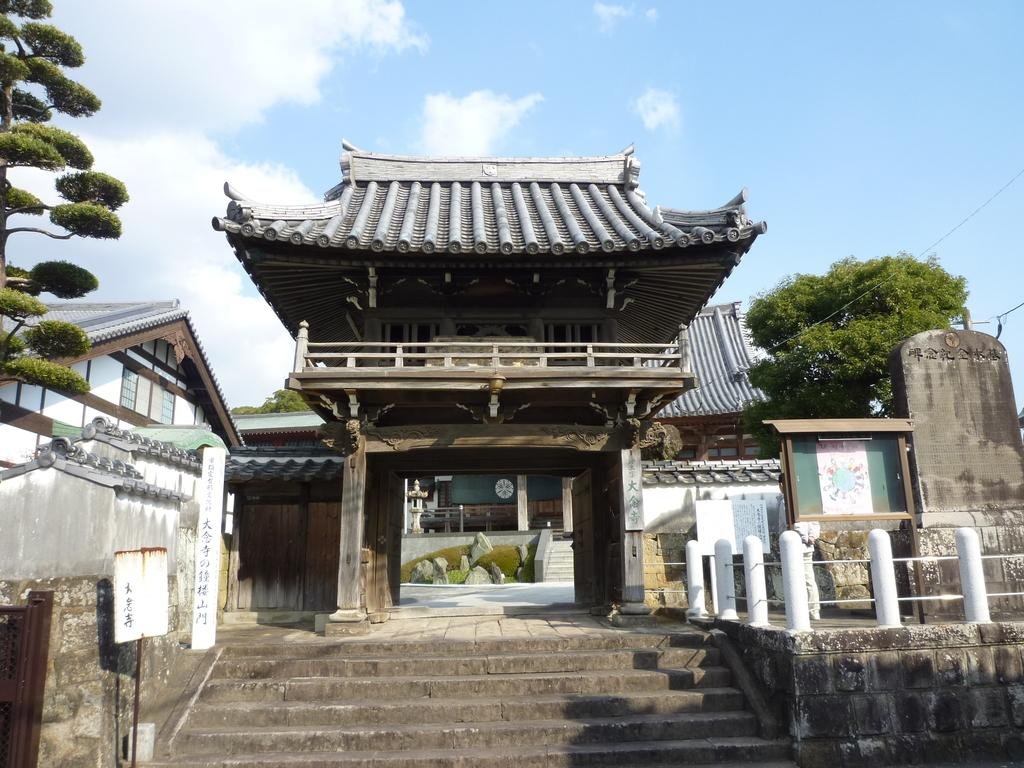
City-designated Jodo temple founded in 1541; its Edo bell-tower gate survived a 1991 fire.
Uragashira Repatriation Memorial Peace Park and Museum
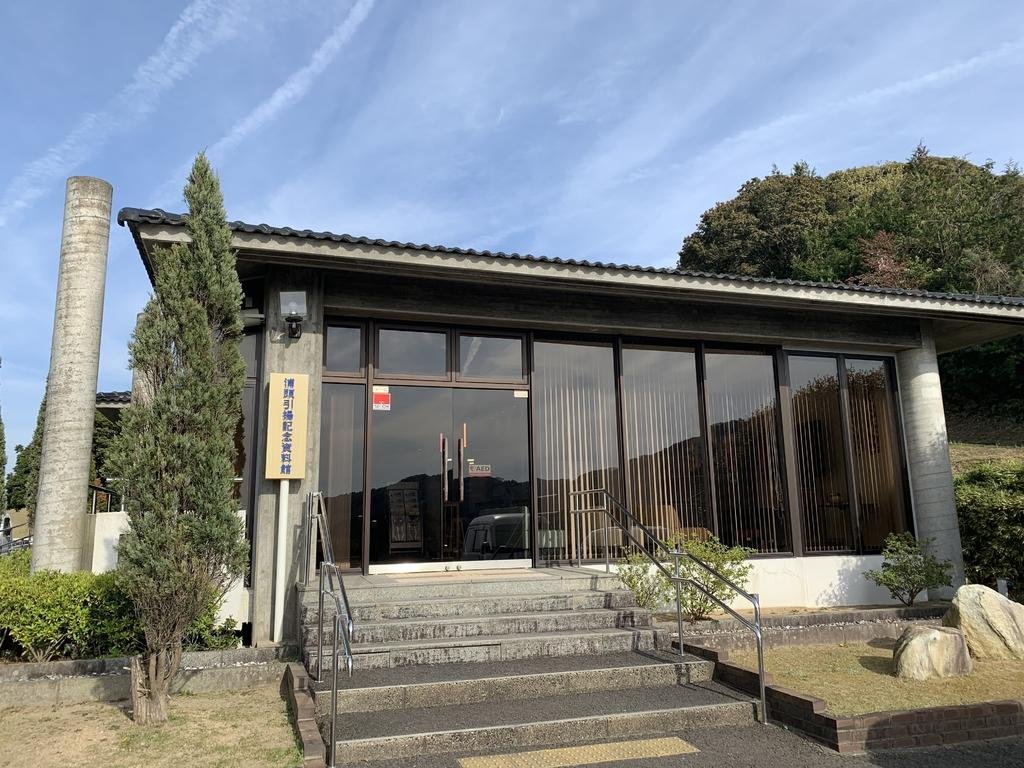
Peace park and museum where about 1.4 million repatriates landed between 1945 and 1950.
Fukuseki Kannon Seigan-ji
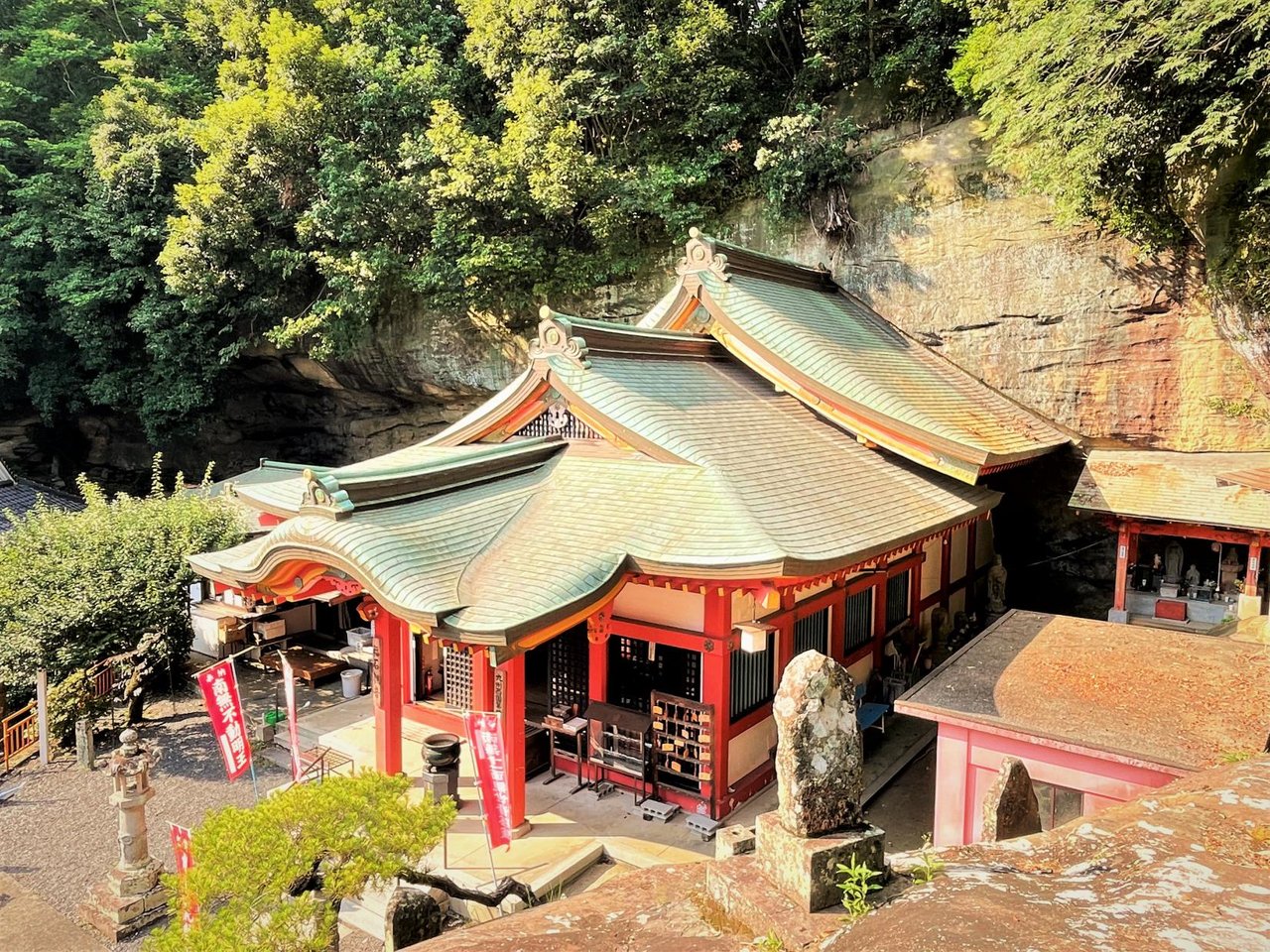
Temple enshrining an Eleven-faced Kannon said to be carved by Gyoki in 710, one of seven in Kyushu.
Udokoshi Observatory
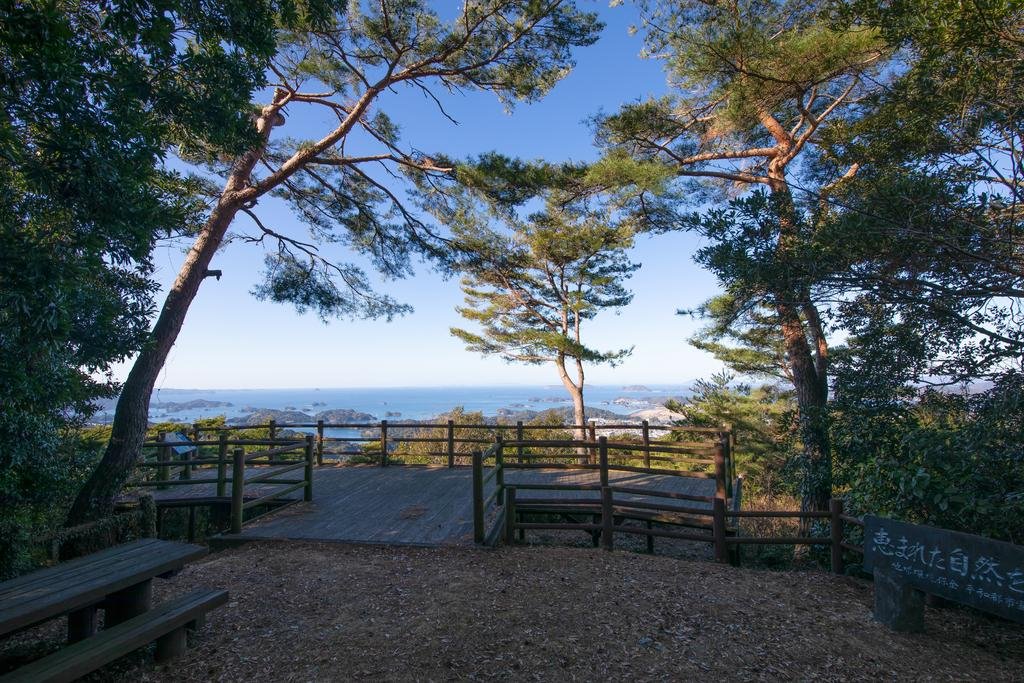
Historic Yumiharidake lookout known since the Taisho era. Views Kujukushima and Pearl Sea Resort. Spring azaleas.
Uku Island Jogatake Observatory
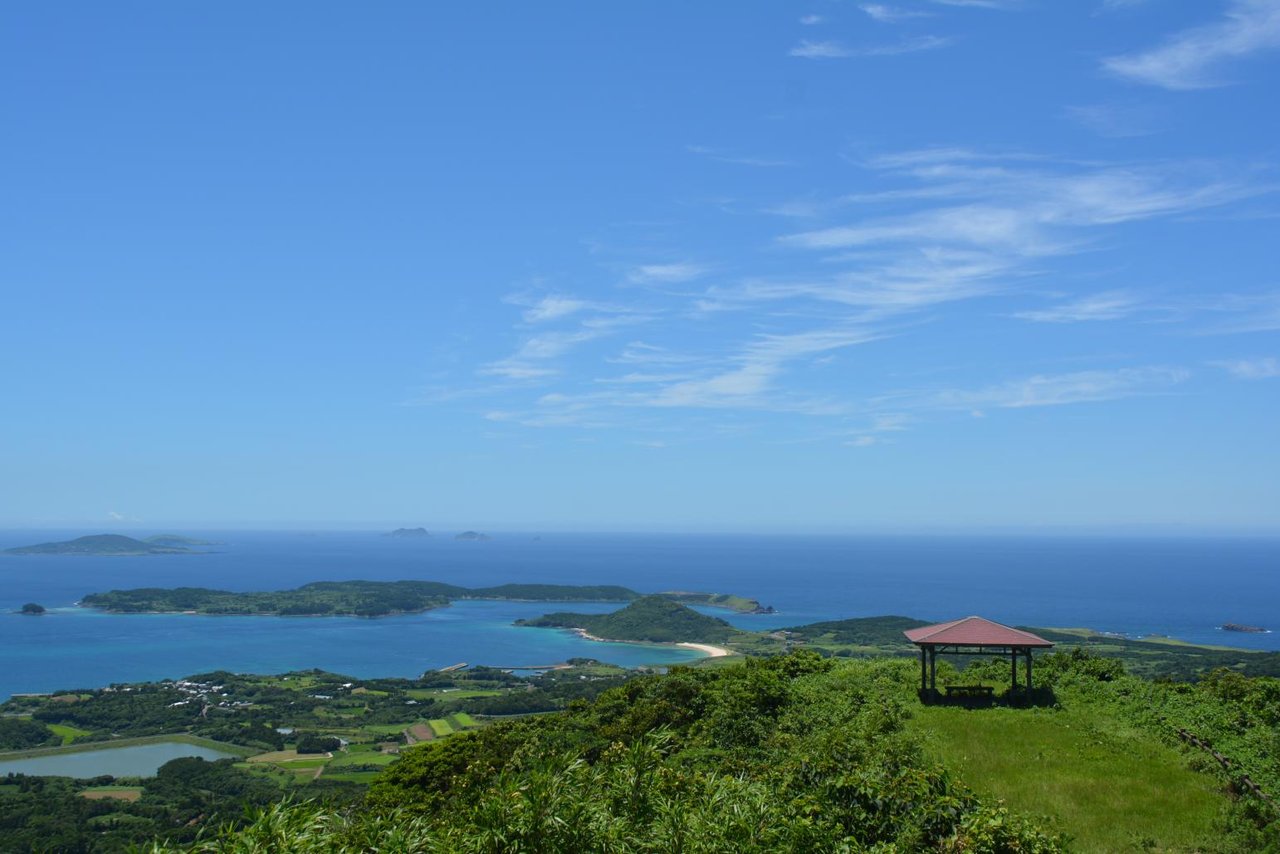
Summit about 259 m overlooks the Goto Islands. Wartime radar remains were designated Japan Heritage in 2017.
Iwashita Cave
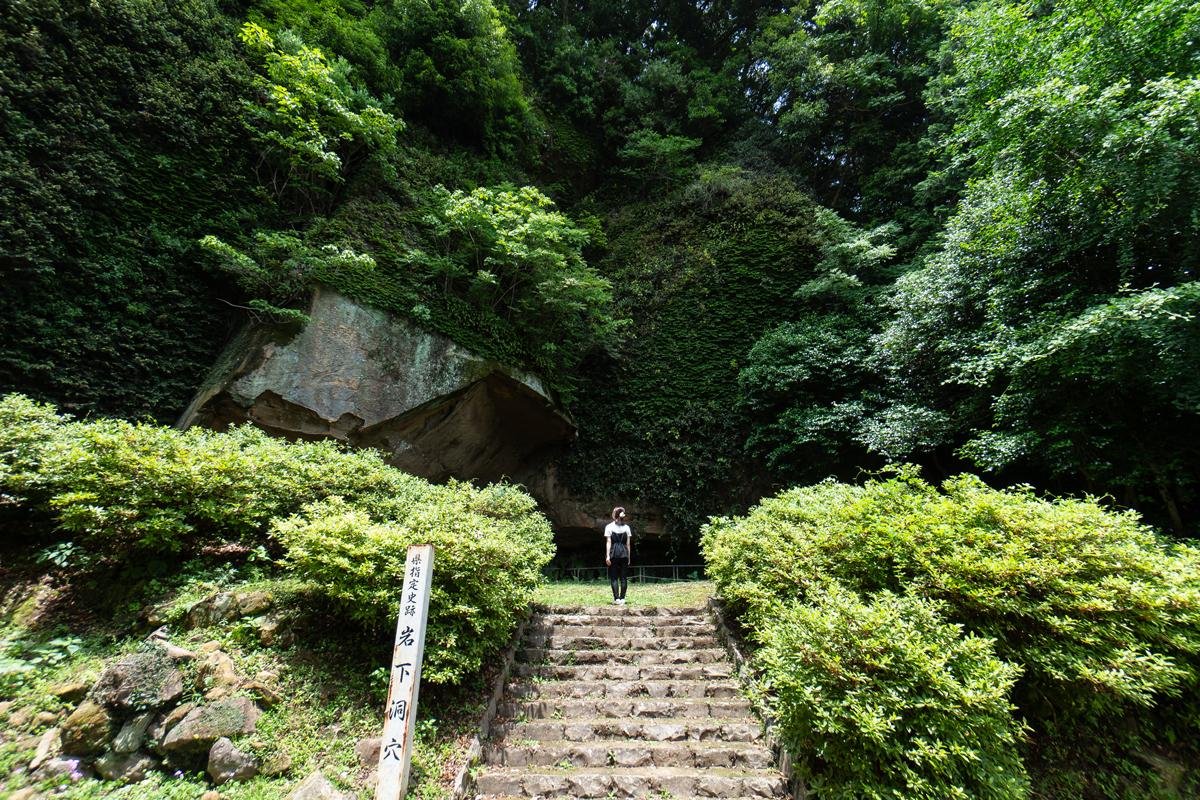
Cave at 200 m on Mount Ishimori where over 20 Jomon burials were excavated.
Pothole Park
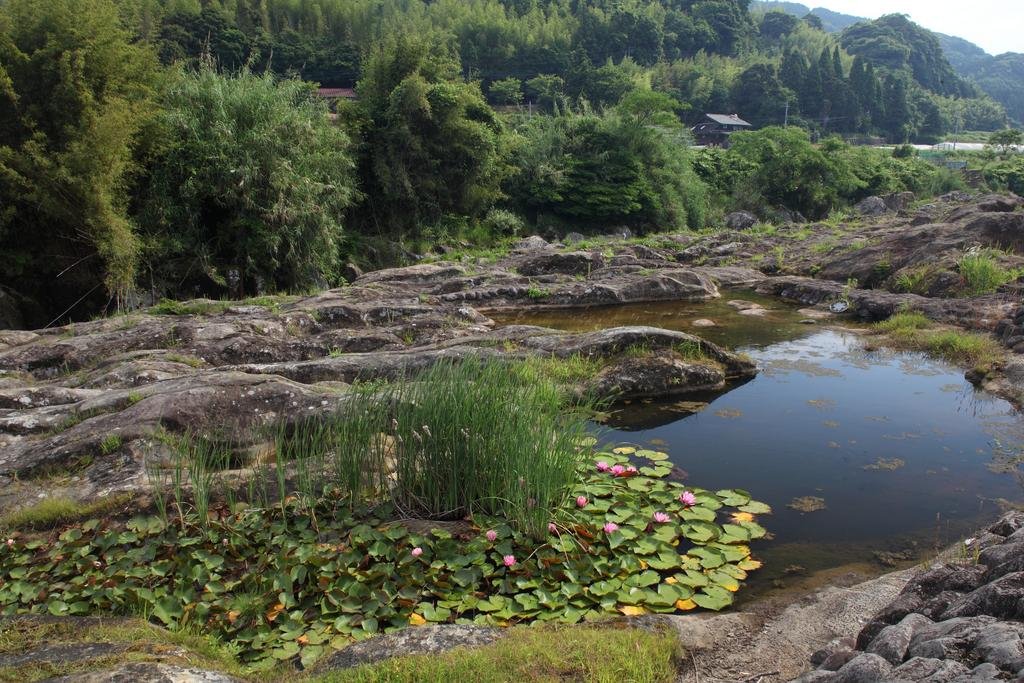
500-meter riverside park opened in 1991 along the Saza River, named for its countless potholes.
Uku Island Yaku Shrine
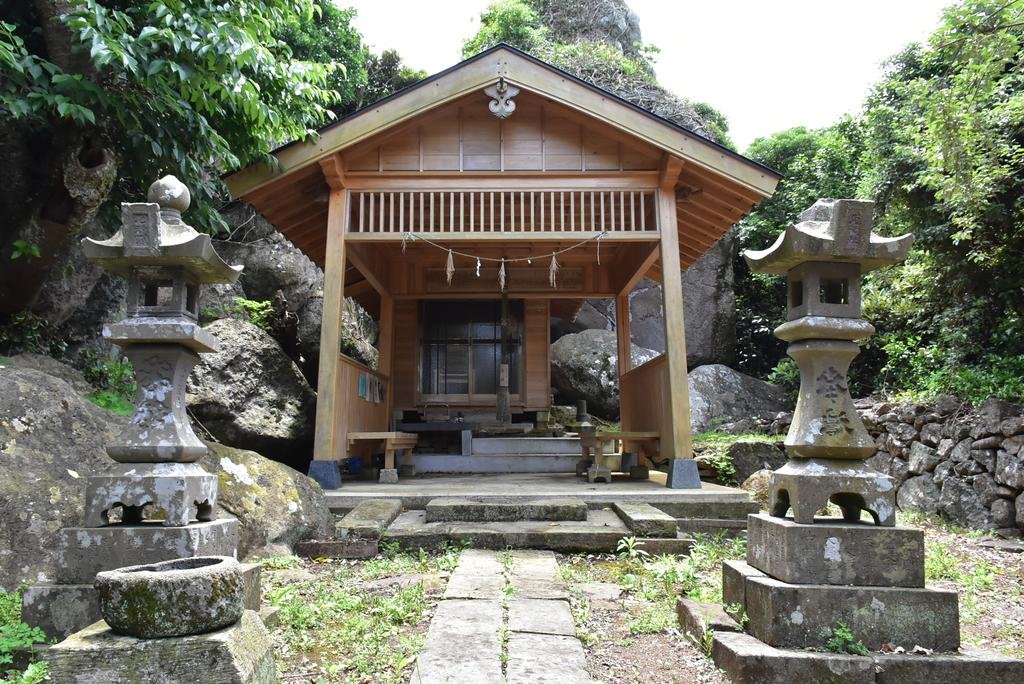
Relocated in the Kamakura period with a spirit from Otokoyama Hachimangu to quell an epidemic.
Former Sasebo Naval Barracks Ruins
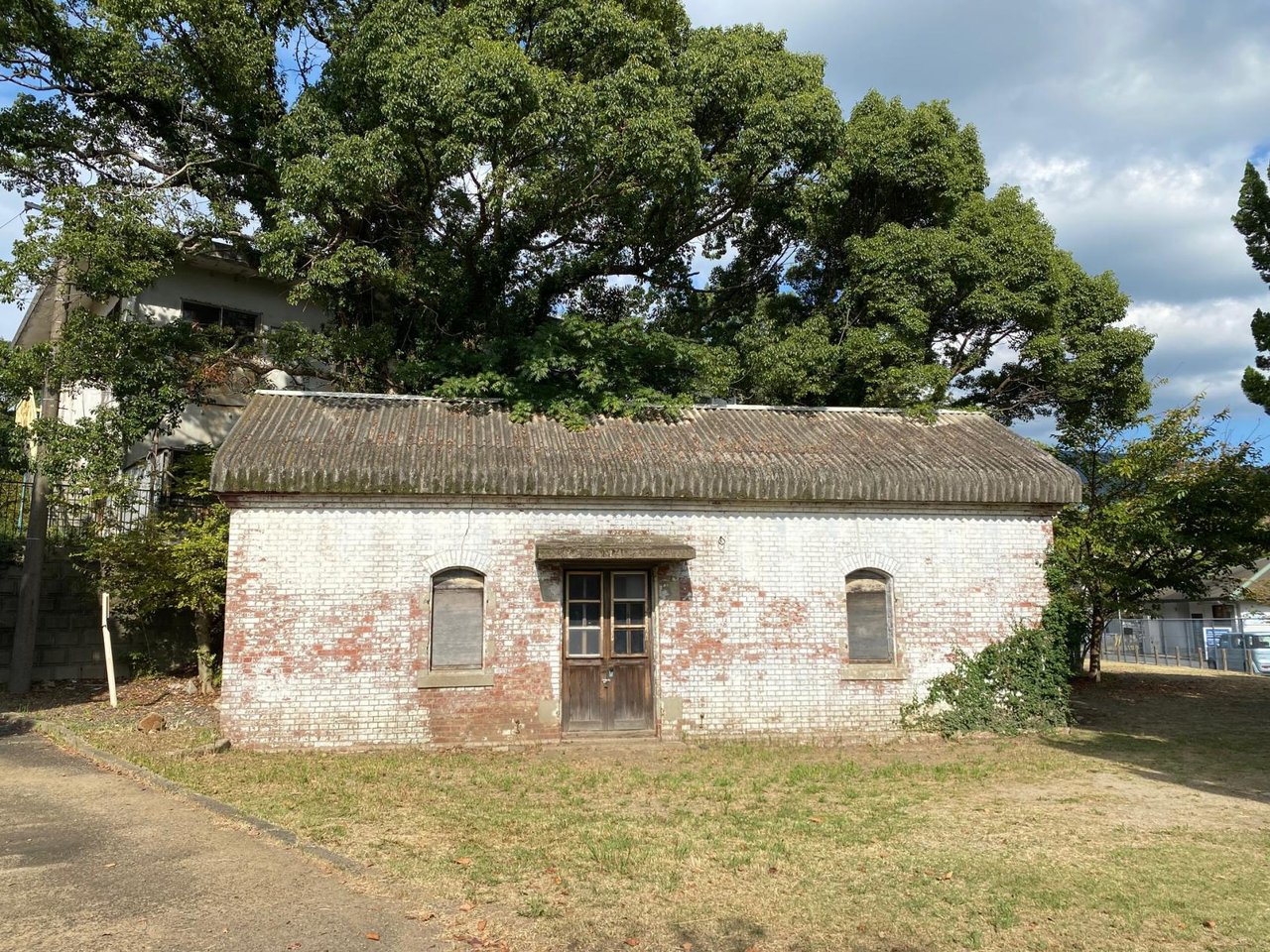
Facilities in Sasebo Park of a corps that trained over a million youths for 56 years until the war's end.
Mount Atago
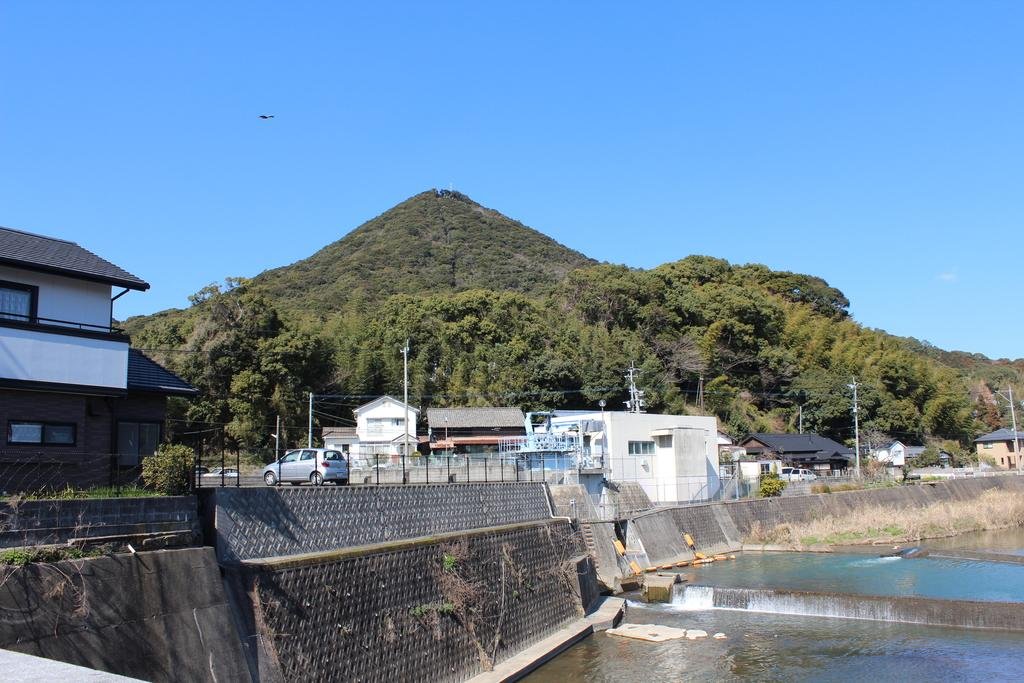
Fuji-shaped 259-meter mountain in northern Sasebo, called Ainoura Fuji, with a February festival and wish stone.
Iimori Shrine
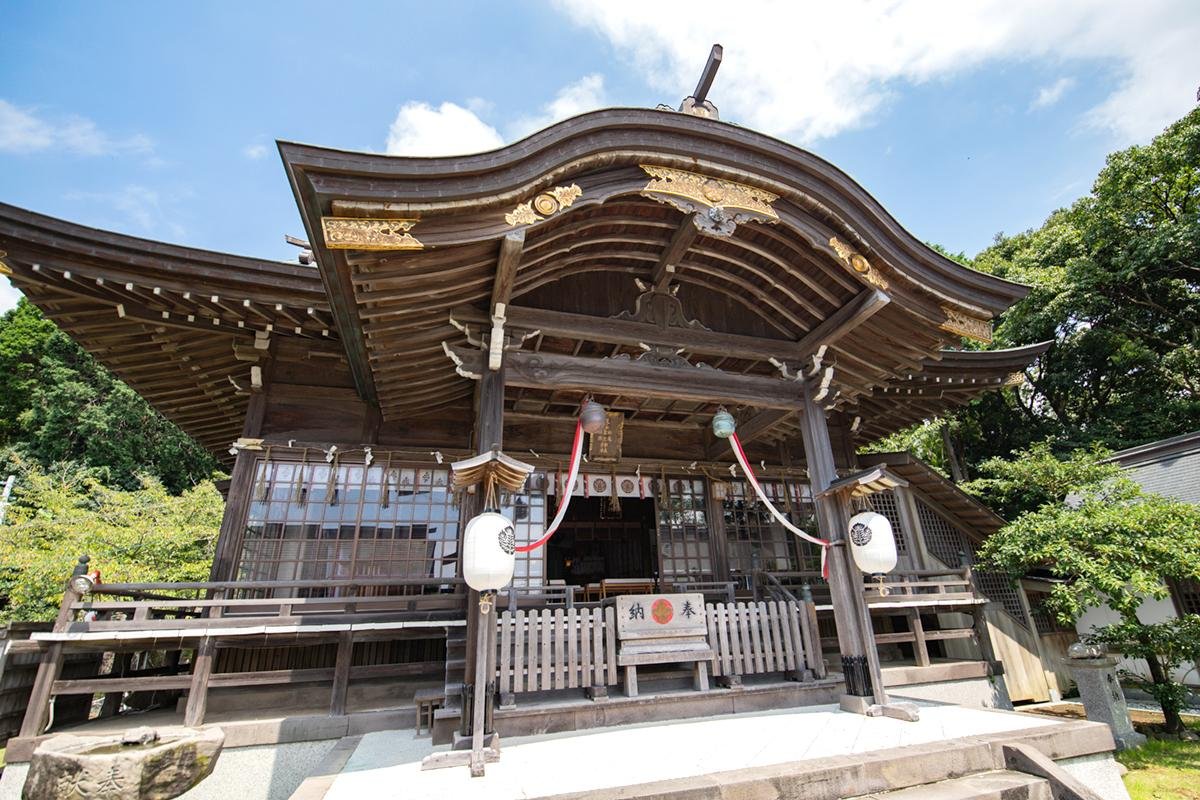
Ainoura local shrine with a large catfish statue, a healing legend, and white catfish fortunes.
Miyajidake Shrine
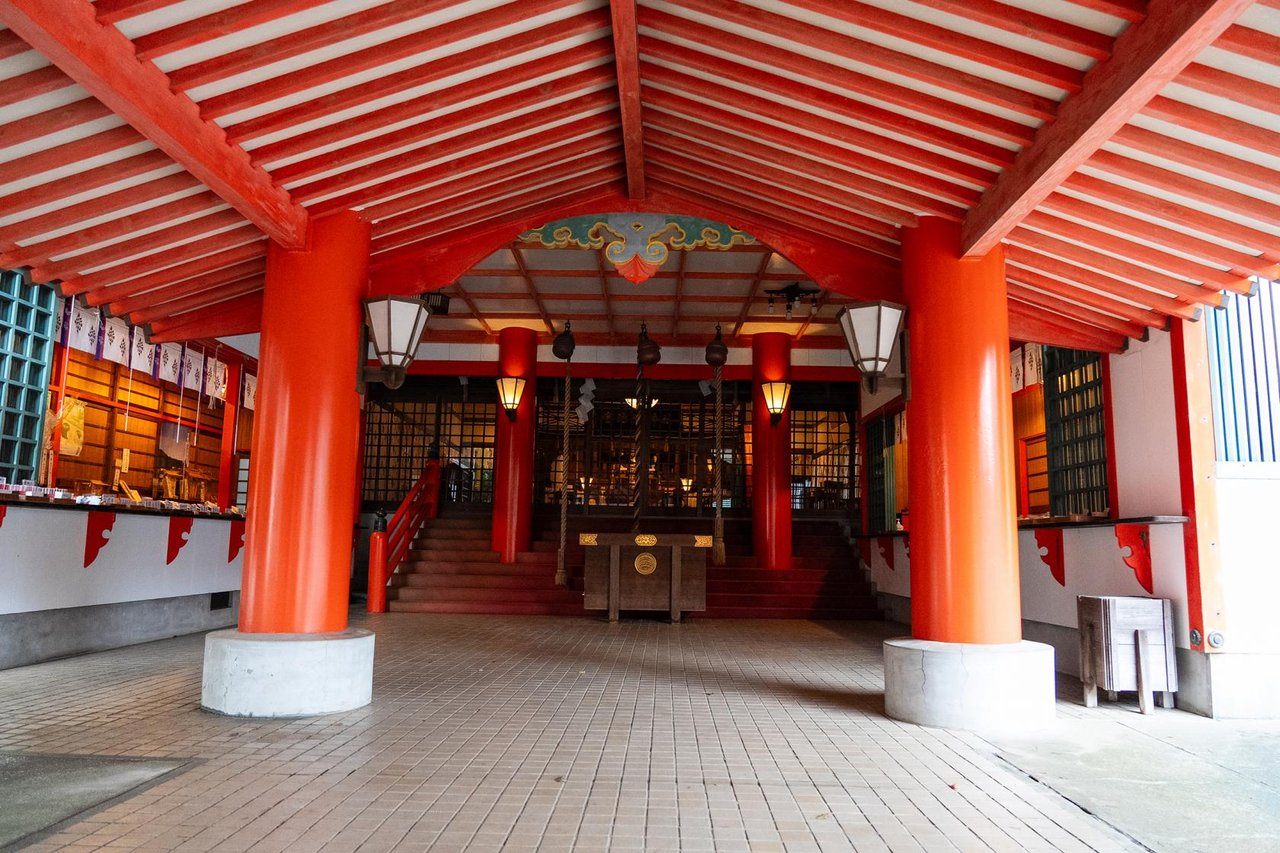
Shrine famous for warding off misfortune, with a covered approach and vermilion halls reachable by car.
Kuroshima Village
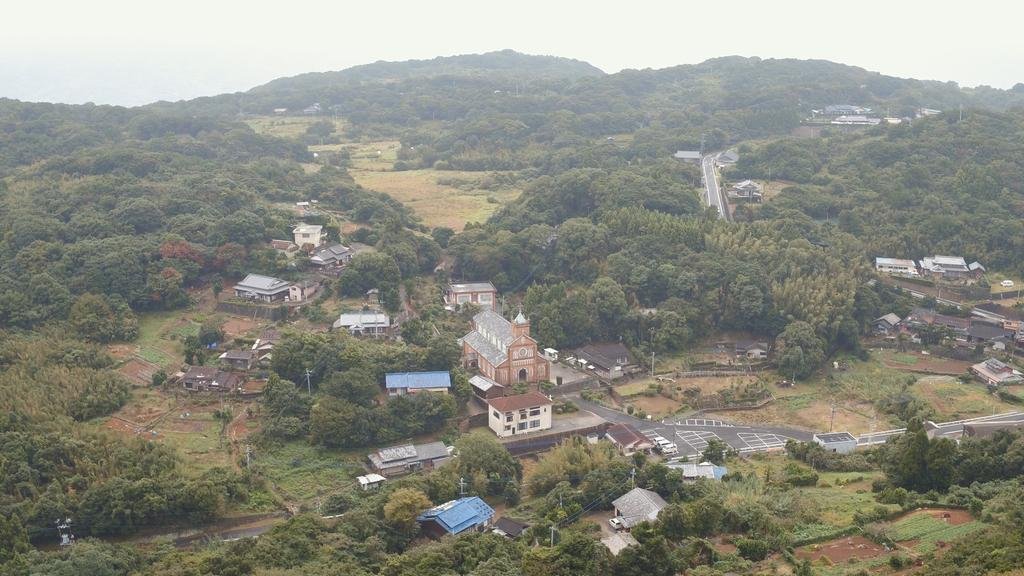
Migrant Hidden Christians continued organized faith tacitly tolerated by Buddhist temples, then built a central church.
Former Residence of Kusumoto Tanzan
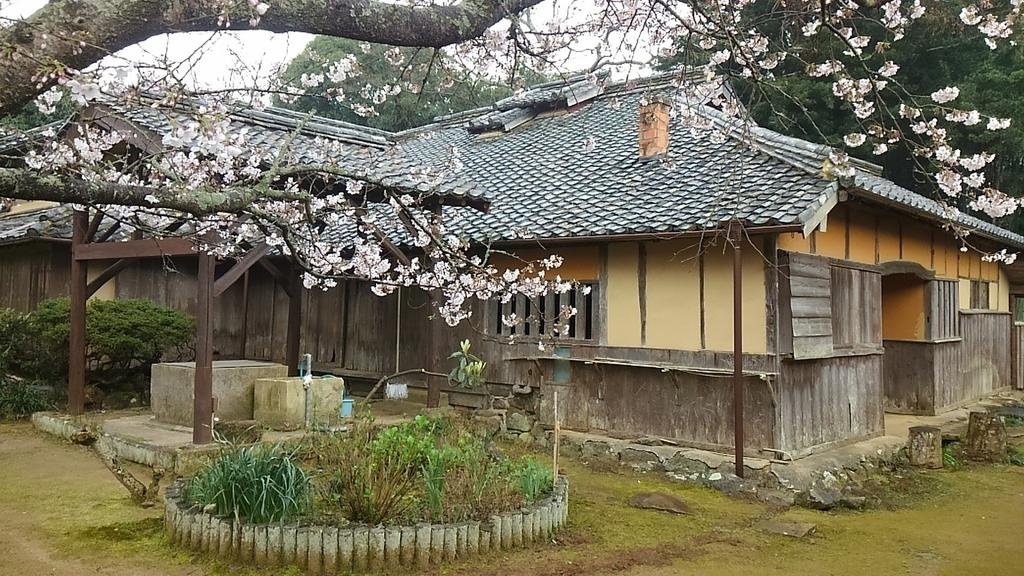
House built in 1832 by the father of Confucian scholar Kusumoto Tanzan, with a Confucian shrine.
Marudeyama Observation Post Ruins
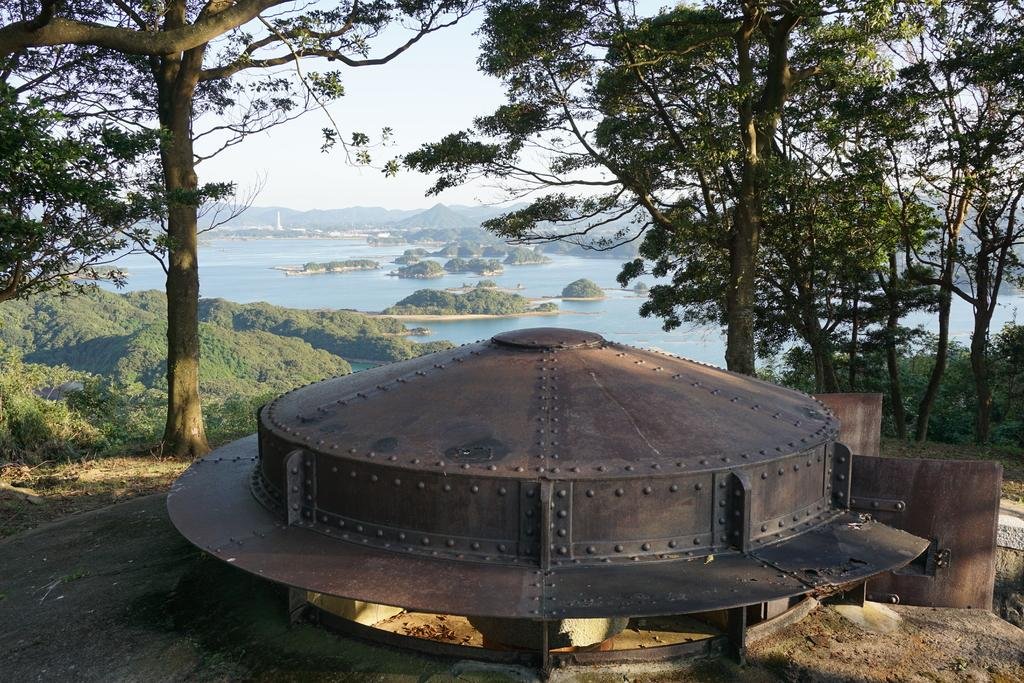
Sasebo Fortress observation post built from 1897 to protect the naval port. No shots fired in the Russo-Japanese War.
Uku Island Koshima Shrine
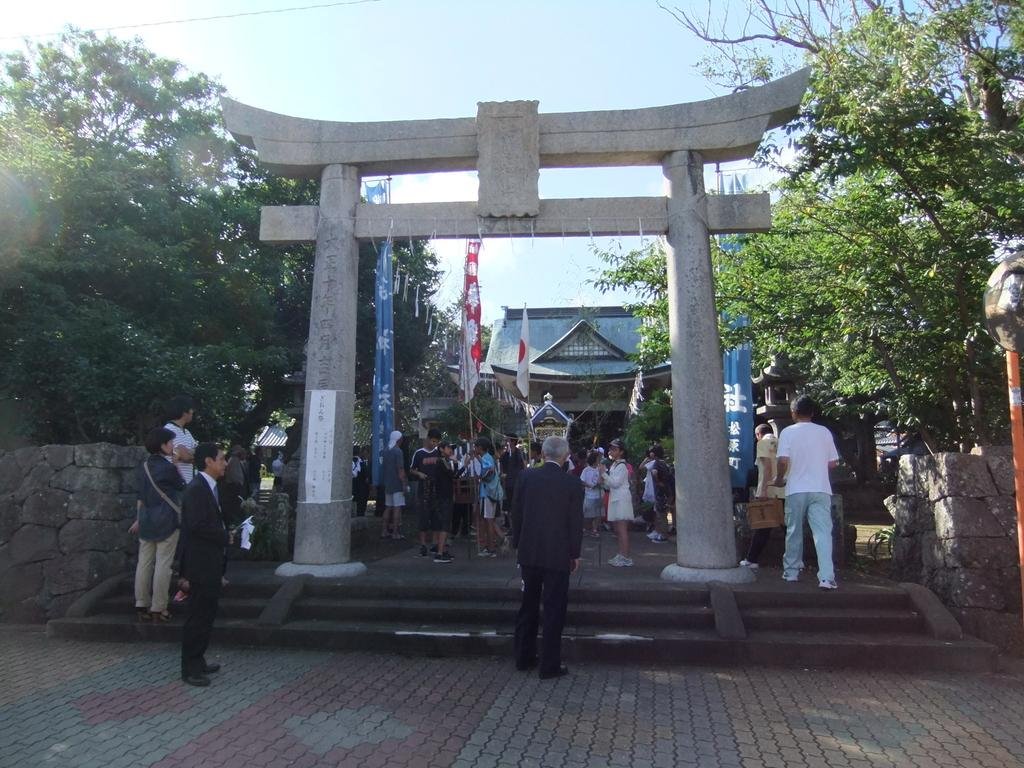
Taira district tutelary shrine built by Taira no Iemori; festivals carry a roughly 400 kg portable shrine.
Kameyama Hachimangu
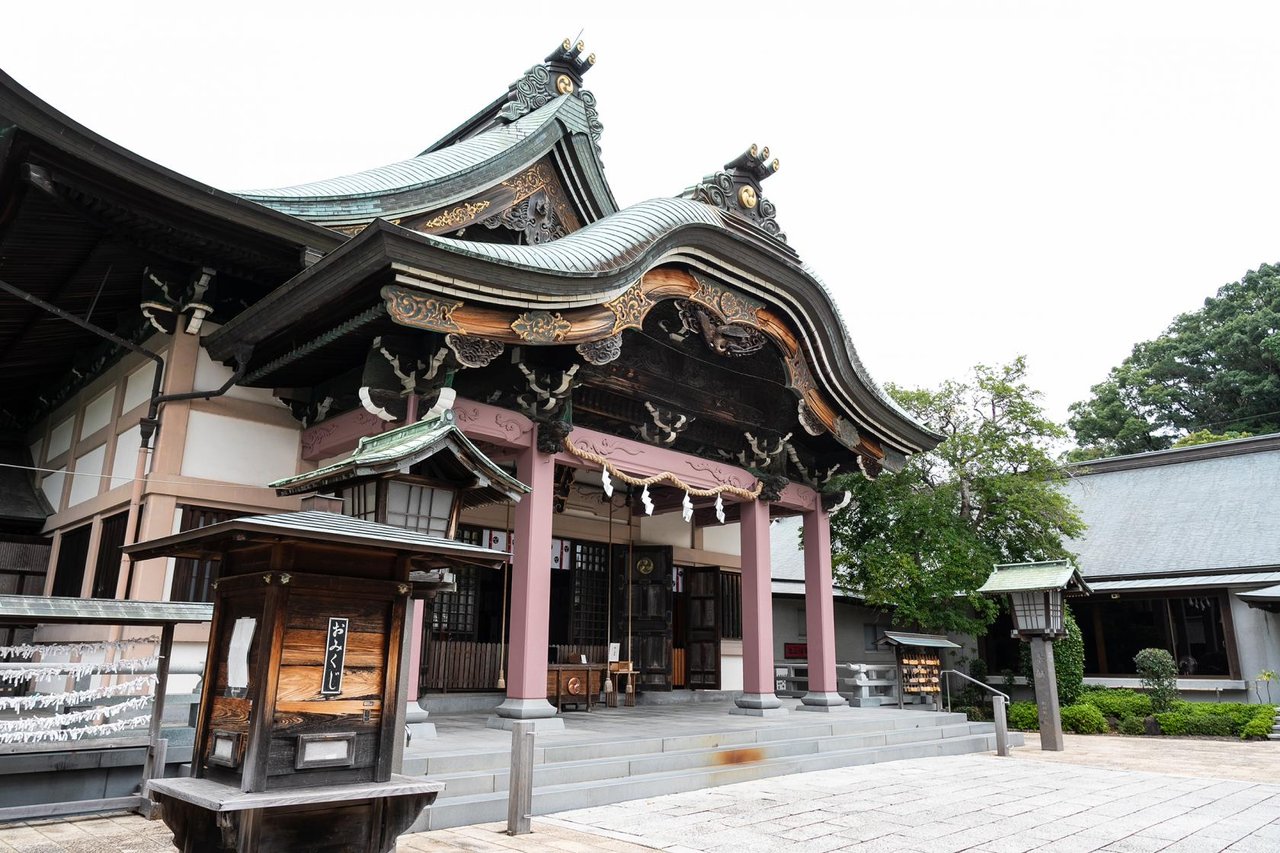
Sasebo's representative shrine, one of the Nagasaki Three Shrines, and naval-port guardian since the Meiji era.
Sasebo City Museum Shimase Art Center
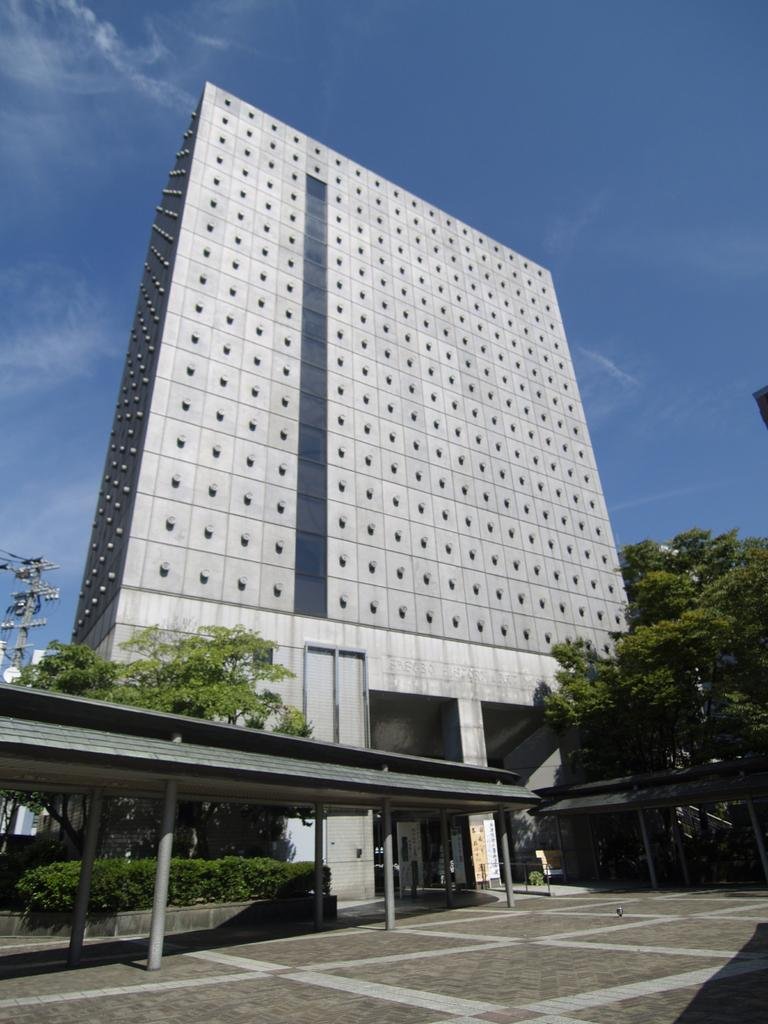
Beside Shimase Park, it shows 12,000-year-old pottery, a cave model, and art and citizen exhibitions.
Uku Island Hamakata Fureai Hall
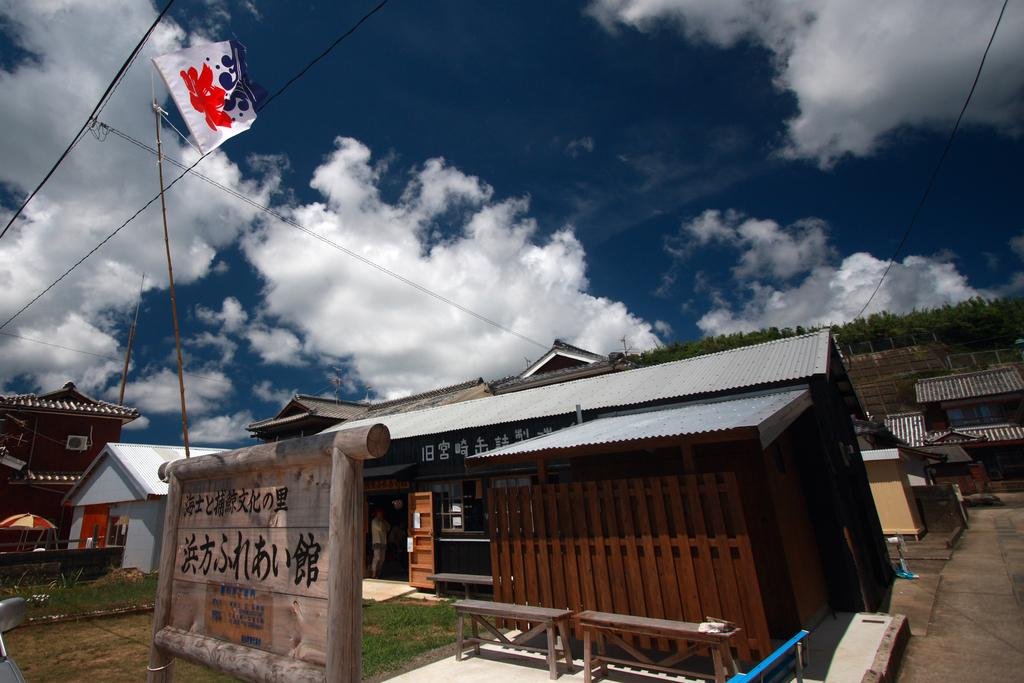
The island's only hands-on facility on ama diver history, whaling culture, and the old Miyazaki Cannery.
Sechibaru Coal Mine Museum (Former Matsuura Coal Mine Office)
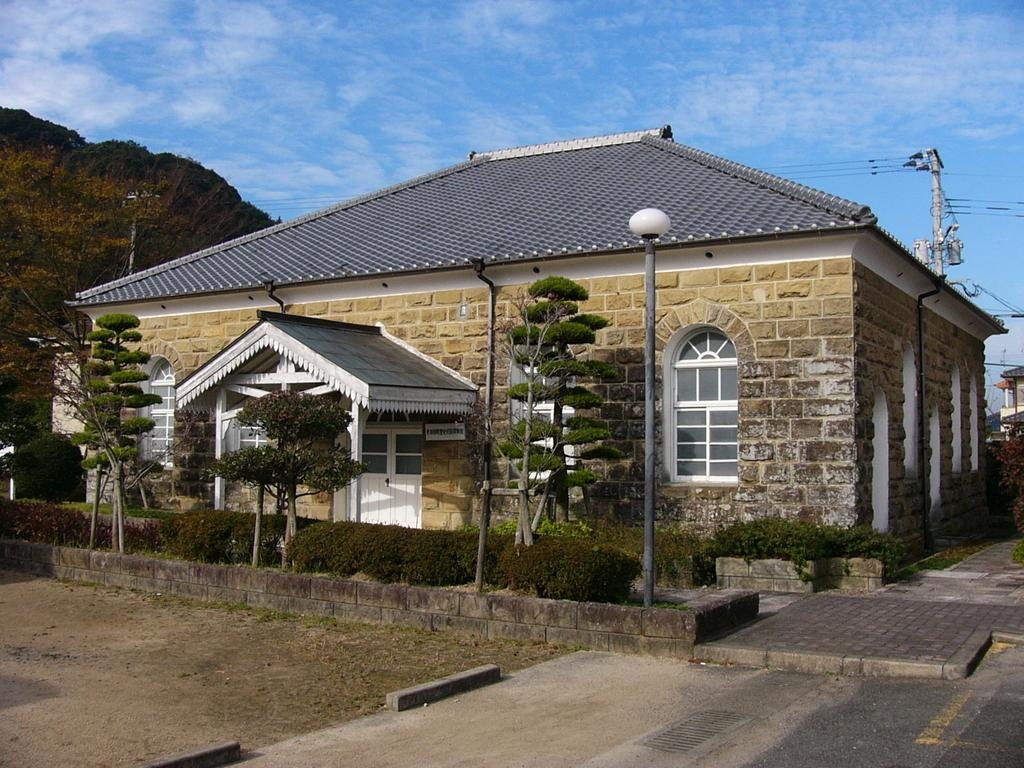
Opened in 1975 in the former Matsuura Coal Mine Office; Western-style stone exterior is a prefectural tangible cultural property.
Toko-ji (Uku Island)
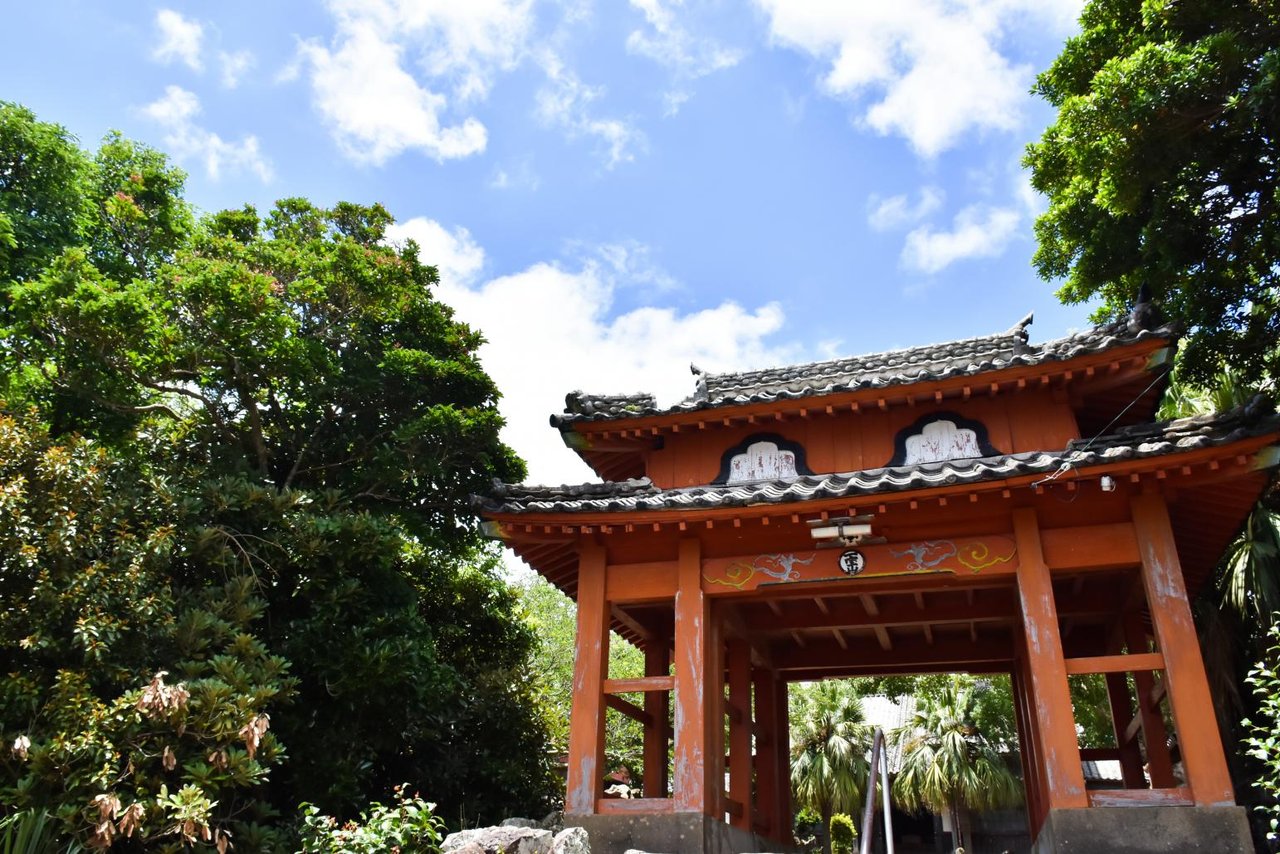
Holds mausoleums of seven Goto domain founder generations, beginning with Uku Iemori.
Fuzan Shrine
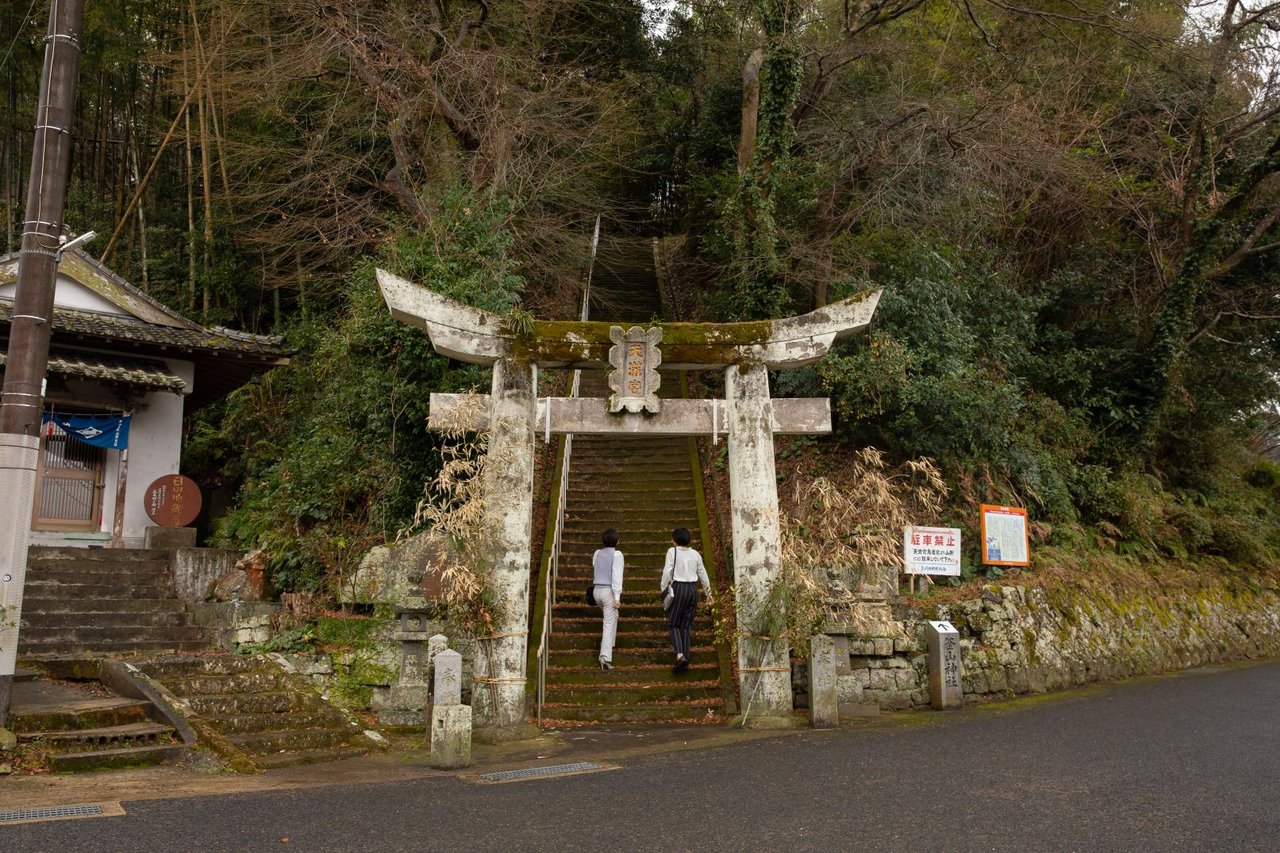
Tenmangu subsidiary shrine to Korai Baba, a Mikawachi teacher buried here after dying at 100 in 1670.
Giant Cycad of Miura Shrine (Uku Island)
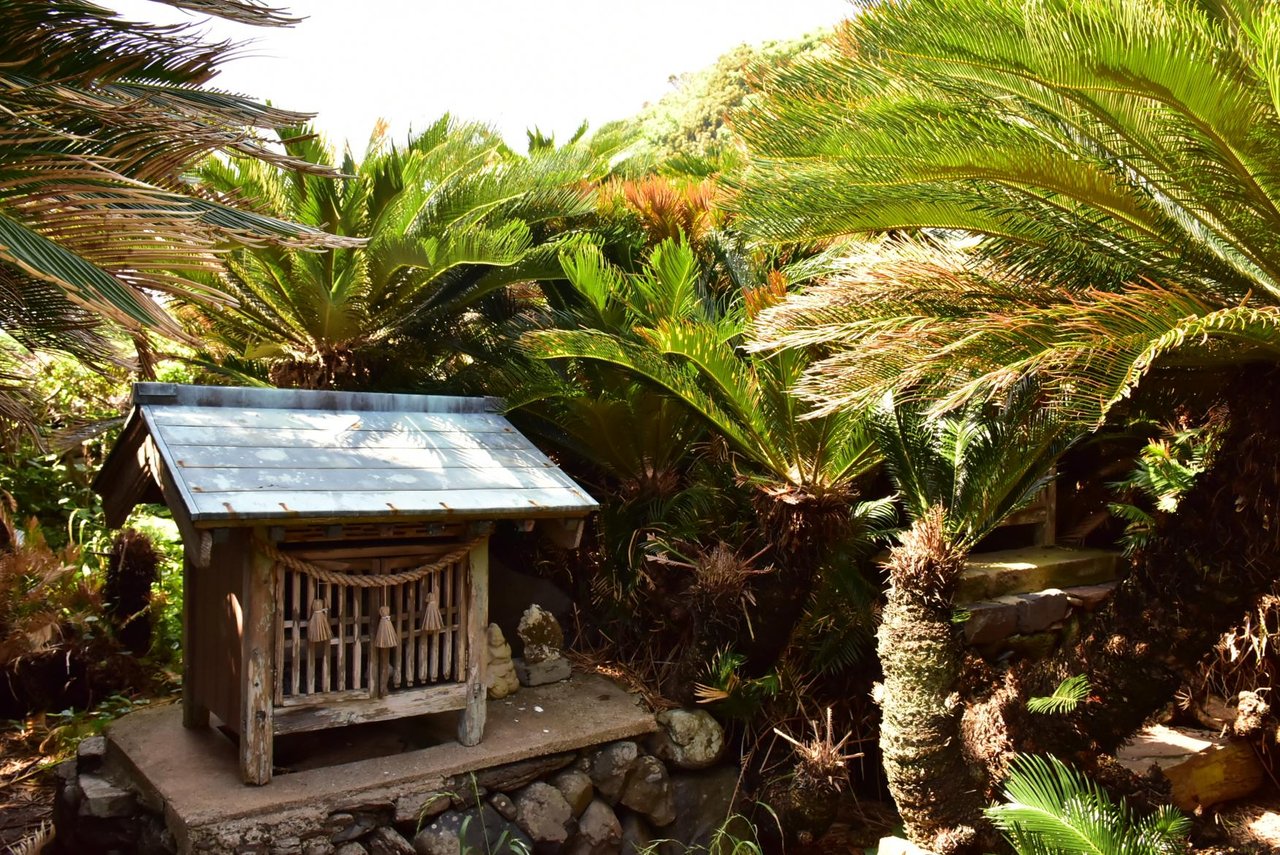
Prefectural natural-monument cycad at Miura Shrine, raised as a girl's incarnation.
Former Sasebo Fortress Kokubi Battery Ruins
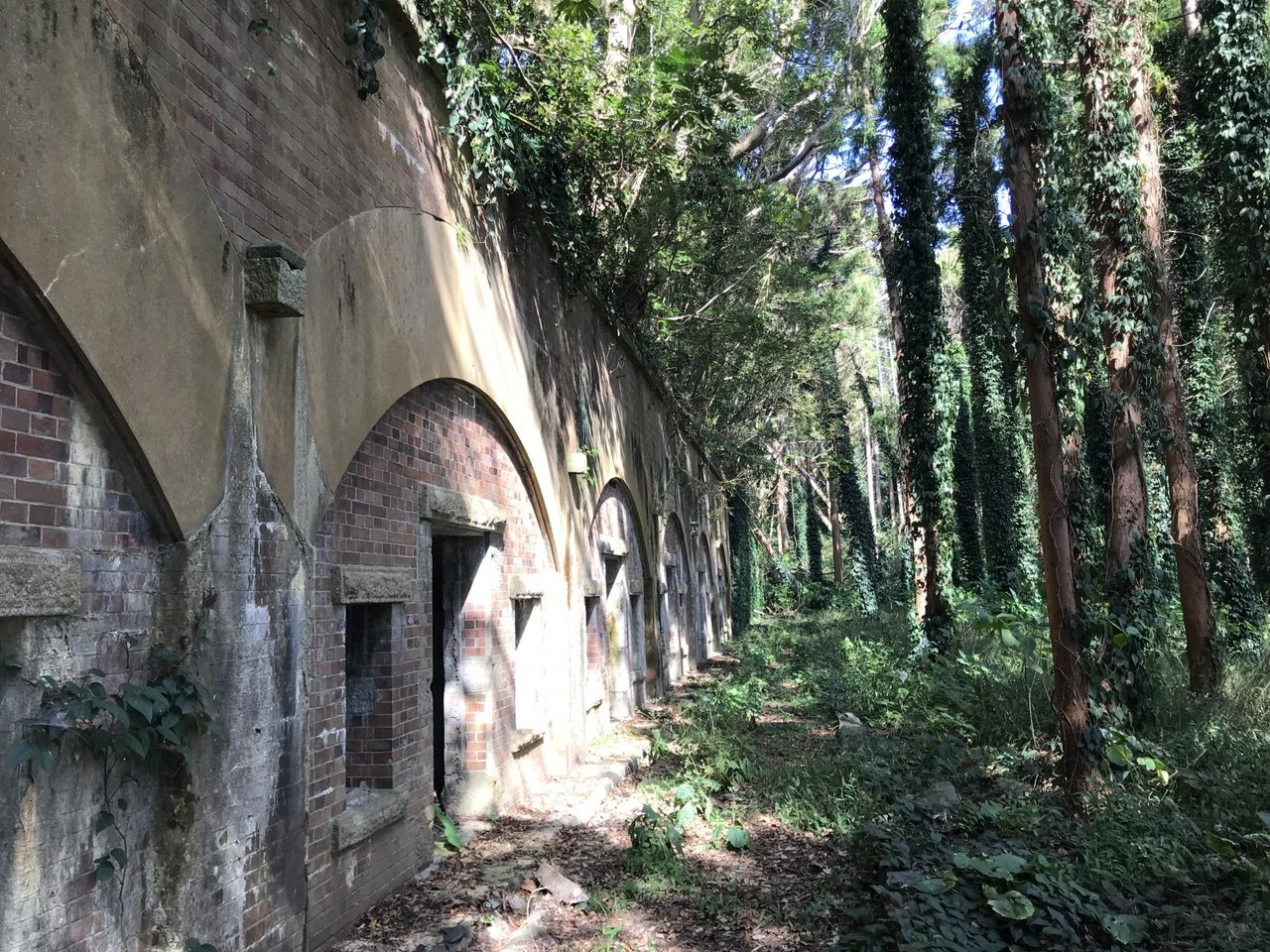
Sasebo Fortress battery built in 1900; it never saw combat, and its guns were removed by 1942.
Emukae Honjin and Yamashita Family Motogura
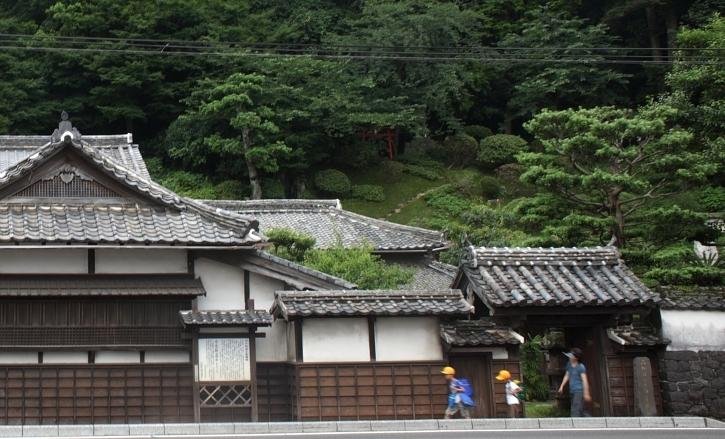
Prefectural historic site where Hirado lords stayed, with a water-harp cave and nail-free storehouse.
Hoshitsukushi Park
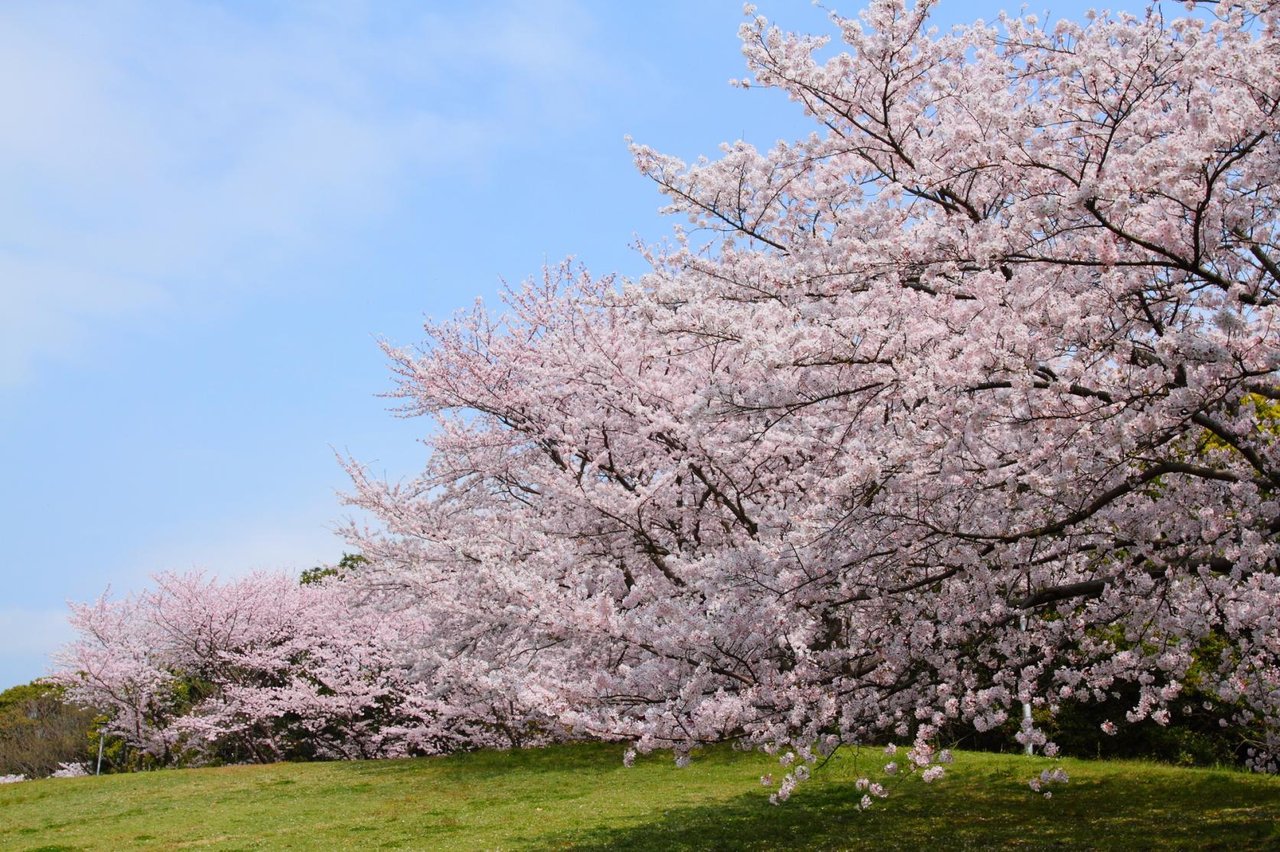
Park about five minutes by car from Sasebo Station, overlooking the port and famous for cherry blossoms.
Shiradake Shrine
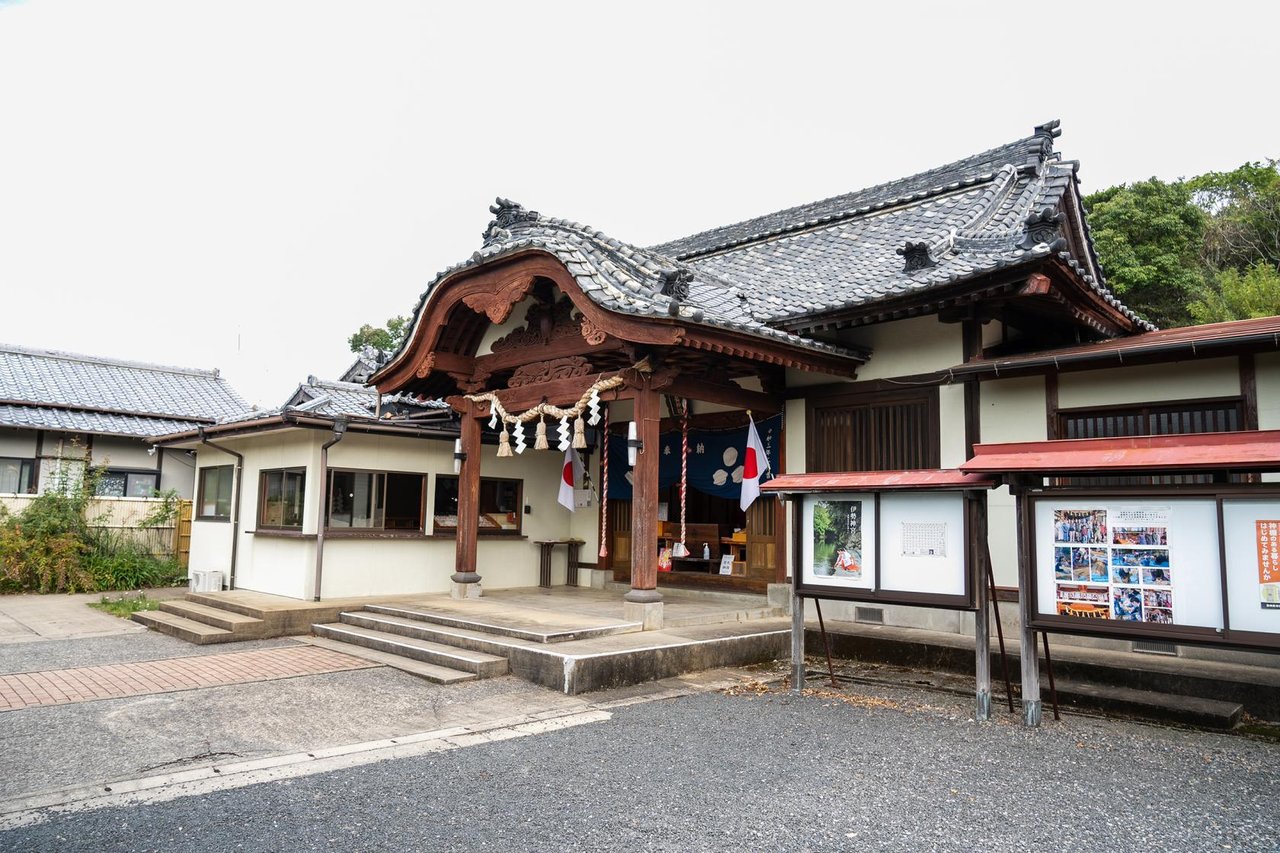
Founded circa 1578 by Goto Koreaki. September festival offers Hirado Kagura, a national intangible folk property.
Uku Island Taira no Iemori Landing Site (Funagakushi)
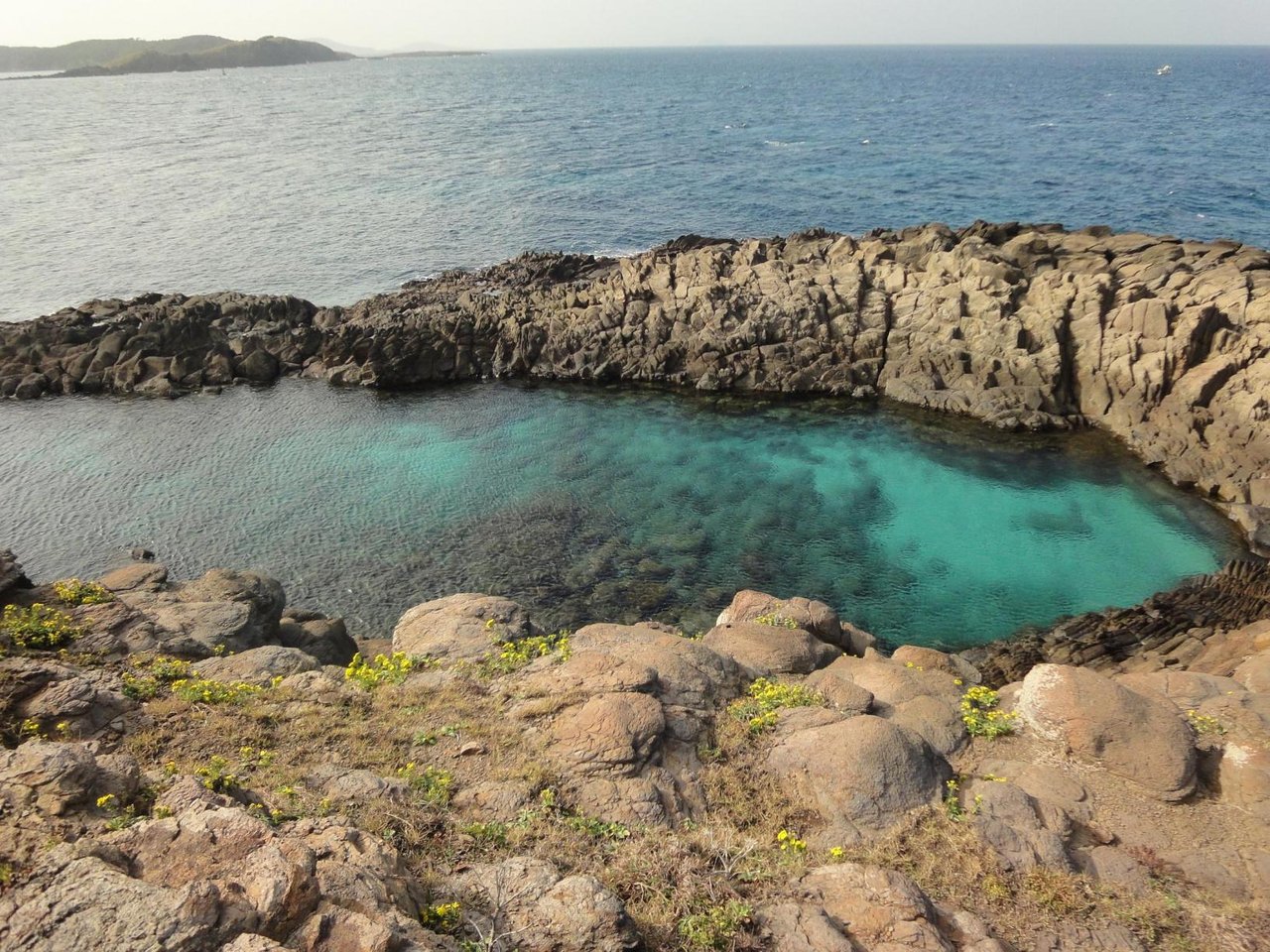
Inlet where storm-stranded Taira no Iemori hid his boat; Hitakizaki cape is a sunset spot.
Takashima Bandake Observatory
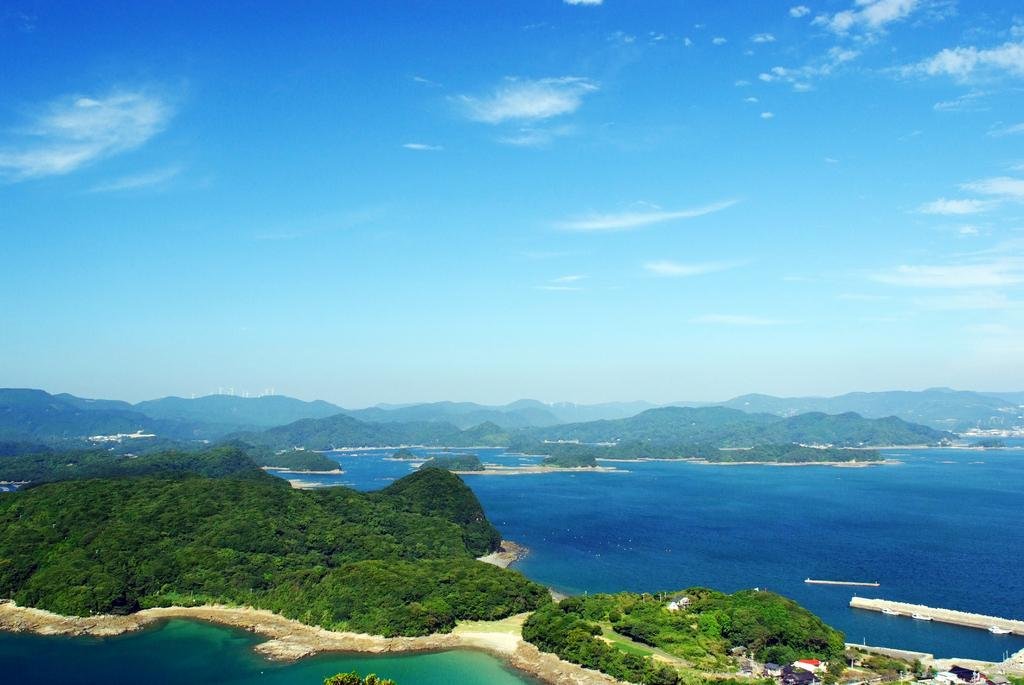
A Kujukushima Eight Views lookout toward Hirado and the Goto Islands, the only one for sunrise.
Tenjin Park
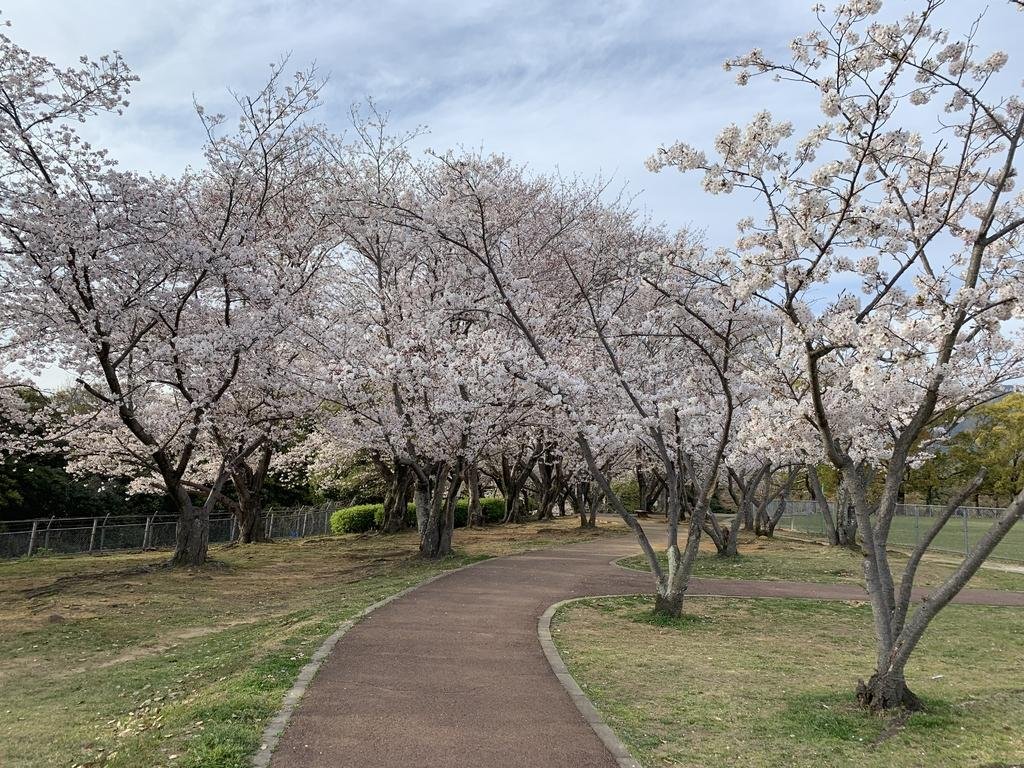
Park overlooking Sasebo Port with cherries, azaleas, and irises; closed for road work until March 2030.
Saiko-ji
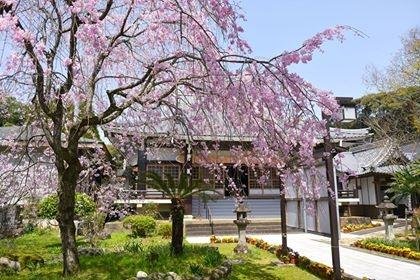
Temple with a rare 260-year-old double-blooming Omurazakura, a prefectural natural monument.
Uku Island Historical Museum
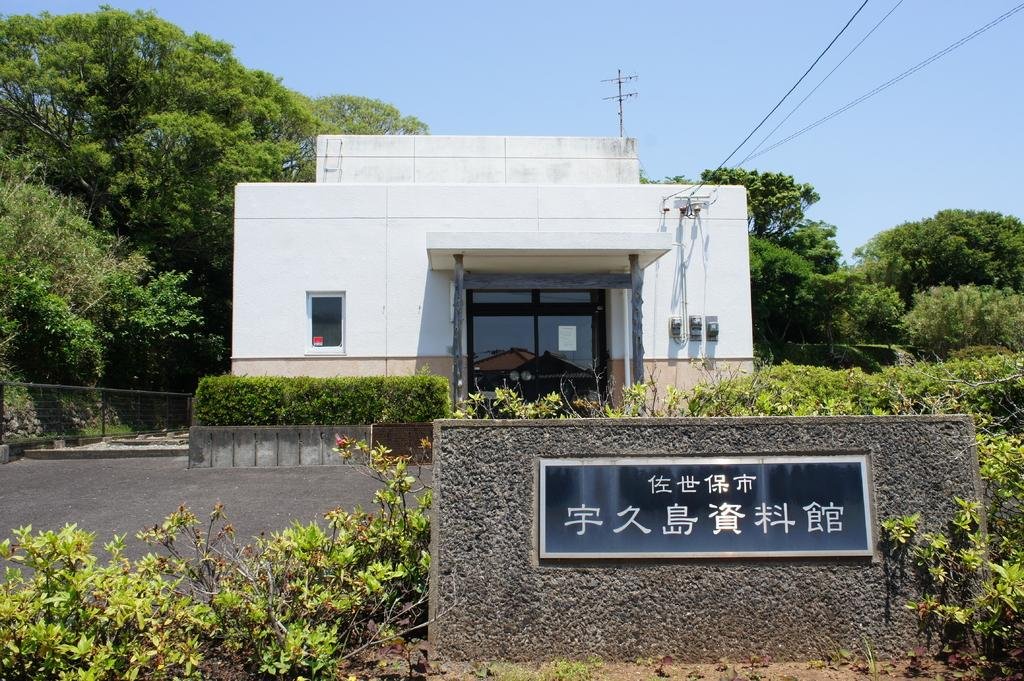
Displays excavated artifacts and folk cultural properties, including Paleolithic microblades and Yayoi coffins.
Sechibaru-Yoshii Stone Bridge Group
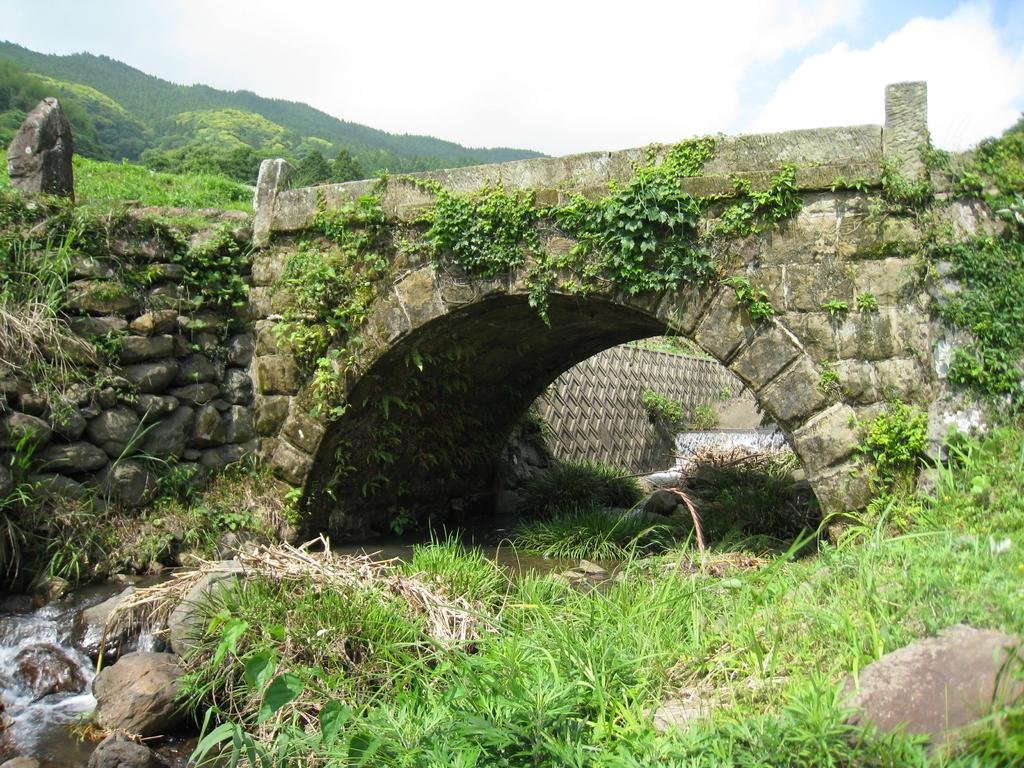
Seventeen stone bridges built mainly from late Meiji through early Showa by Hirado stonemasons for coal transport.
Toso Shrine
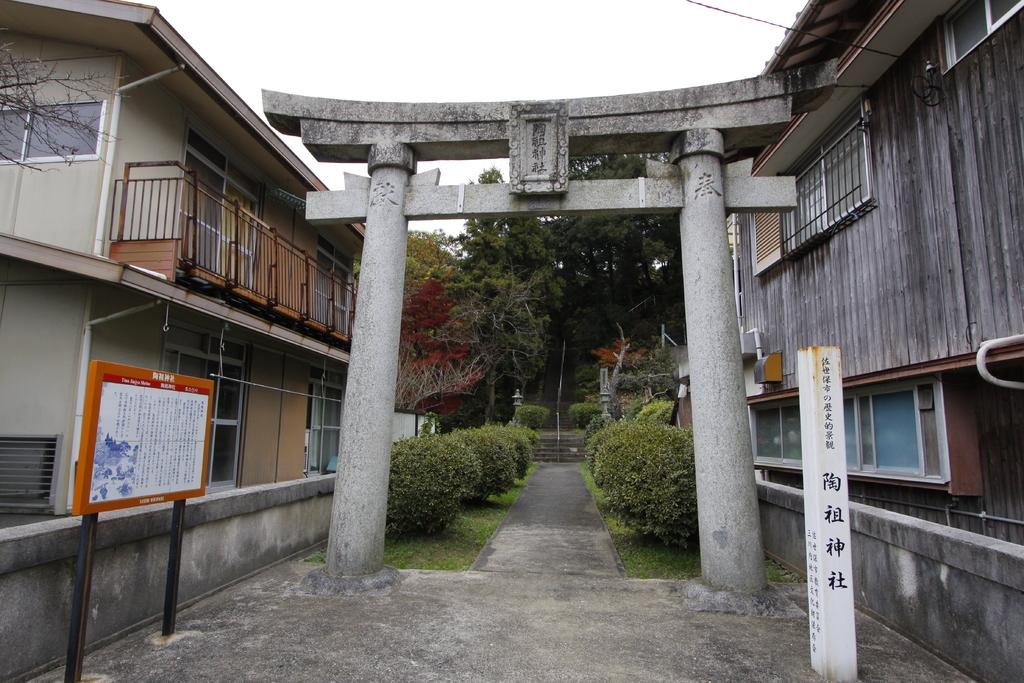
Enshrines Nyoen, who perfected Mikawachi white porcelain and founded the domain workshop at age 34.
Nishikyushu Warehouse Maehata No. 1 and Hizukushi Warehouse Group
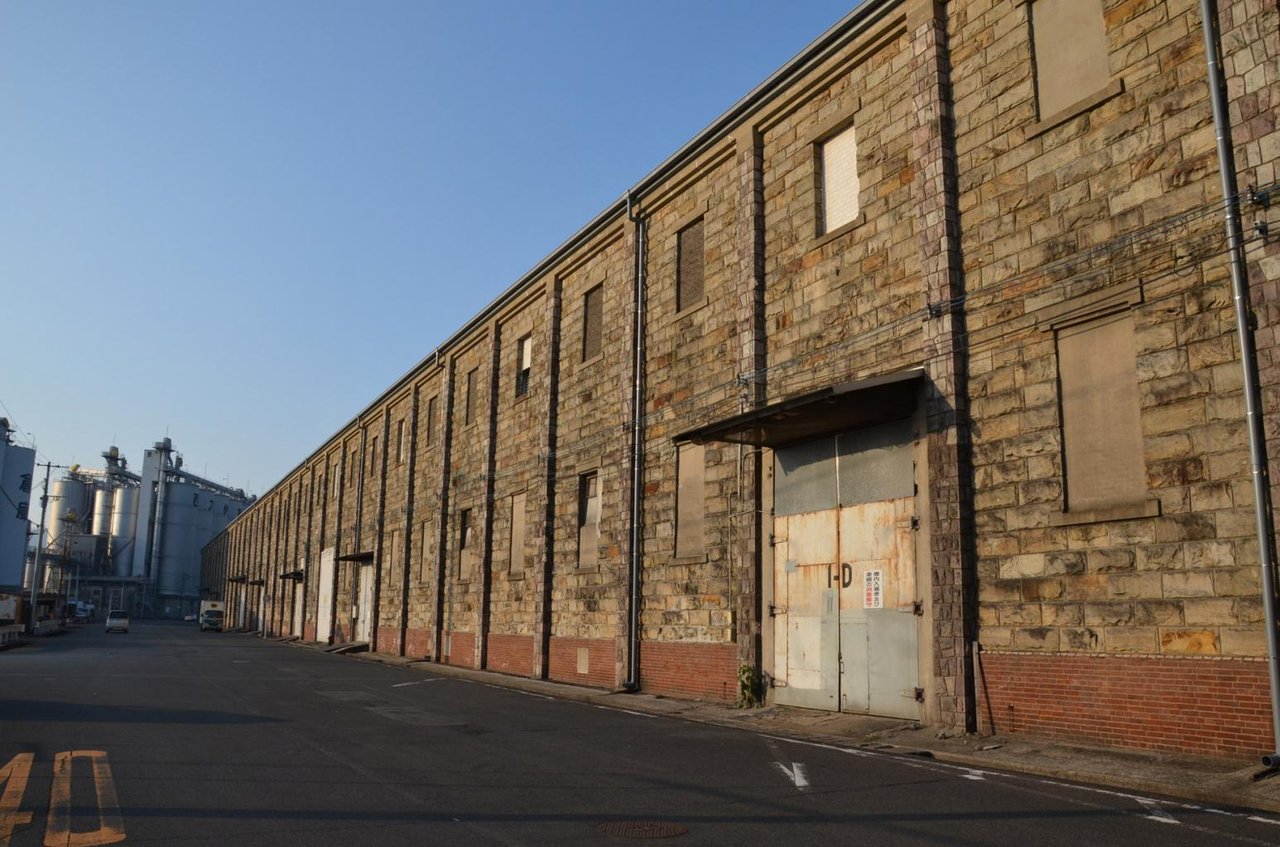
Nine former naval supply warehouses built from the Taisho era into the early 1940s remain in Hizukushi.
Takagozaki Ship Guardhouse Ruins
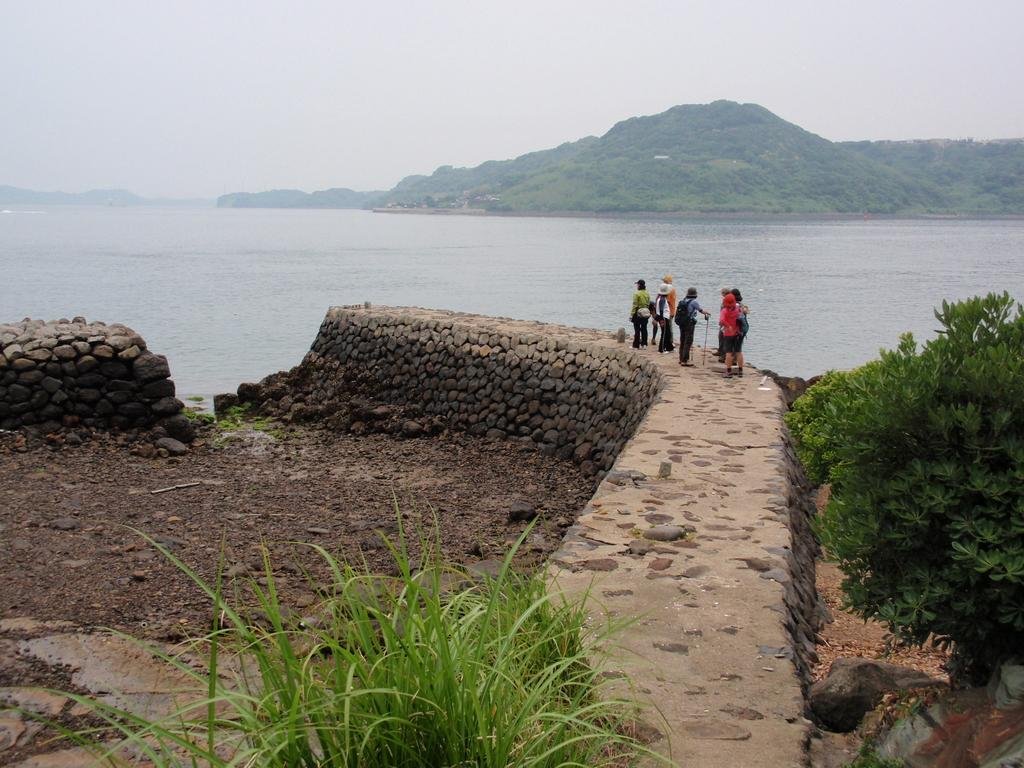
Remains of a Hirado Domain ship guardhouse that policed foreign ships under the Nagasaki Magistrate. Old stone jetty remains.
Kuroshima Kushinohama Dike
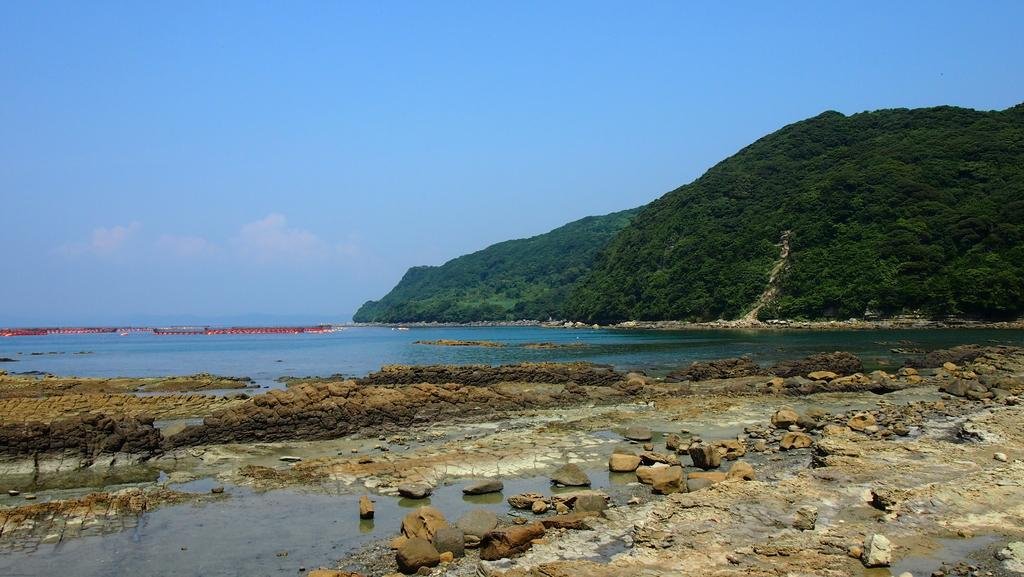
Nagasaki Prefecture's largest dike, over 300 m, formed about 8 million years ago and visible at low tide.
Mikawachi Ware
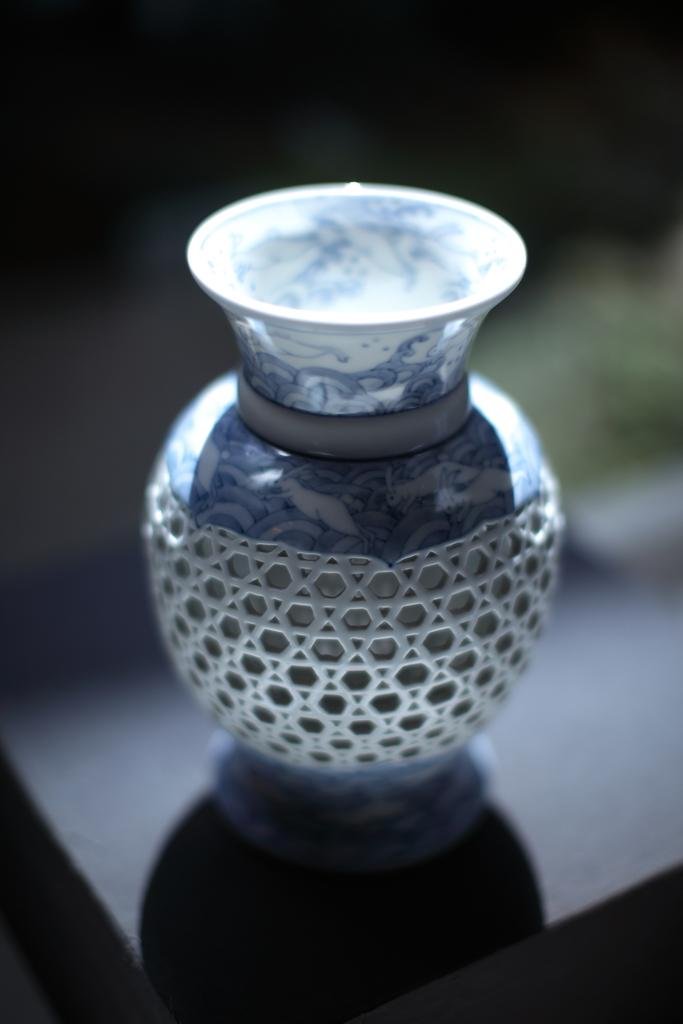
White porcelain with delicate blue gosu painting, including karako designs and openwork taking half a year.
Kuroshima Site of Faith Revival, Deguchi House
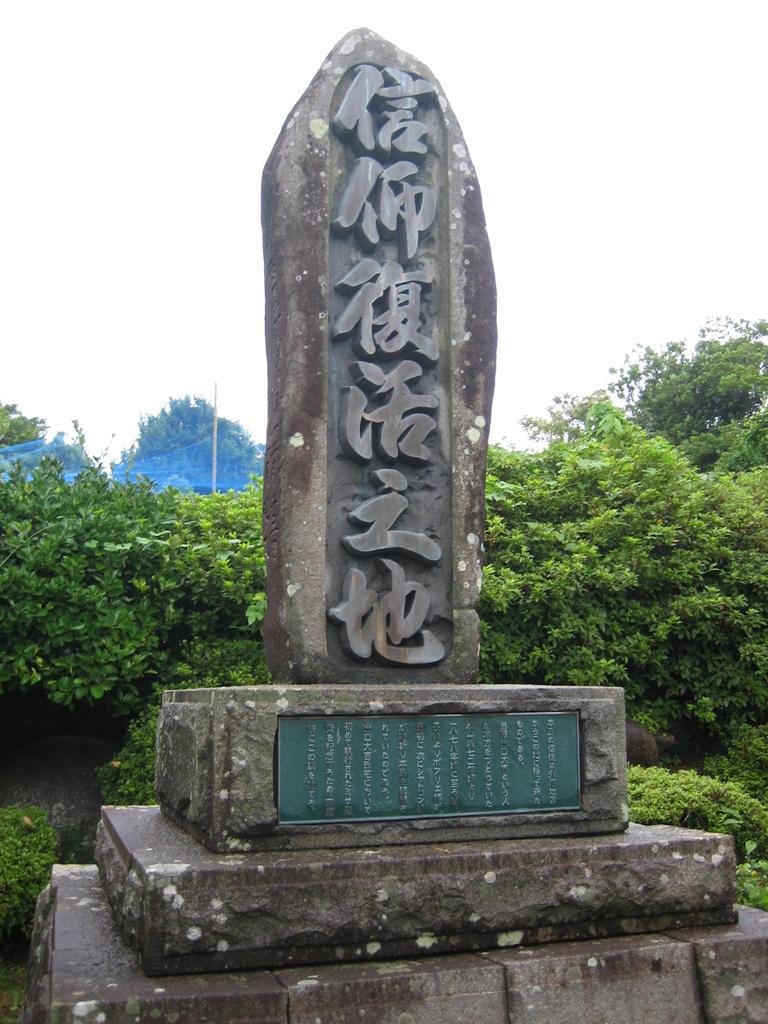
The island's first Mass was held here in 1872 after hidden Christians returned to Catholicism.
Naotani Castle Ruins
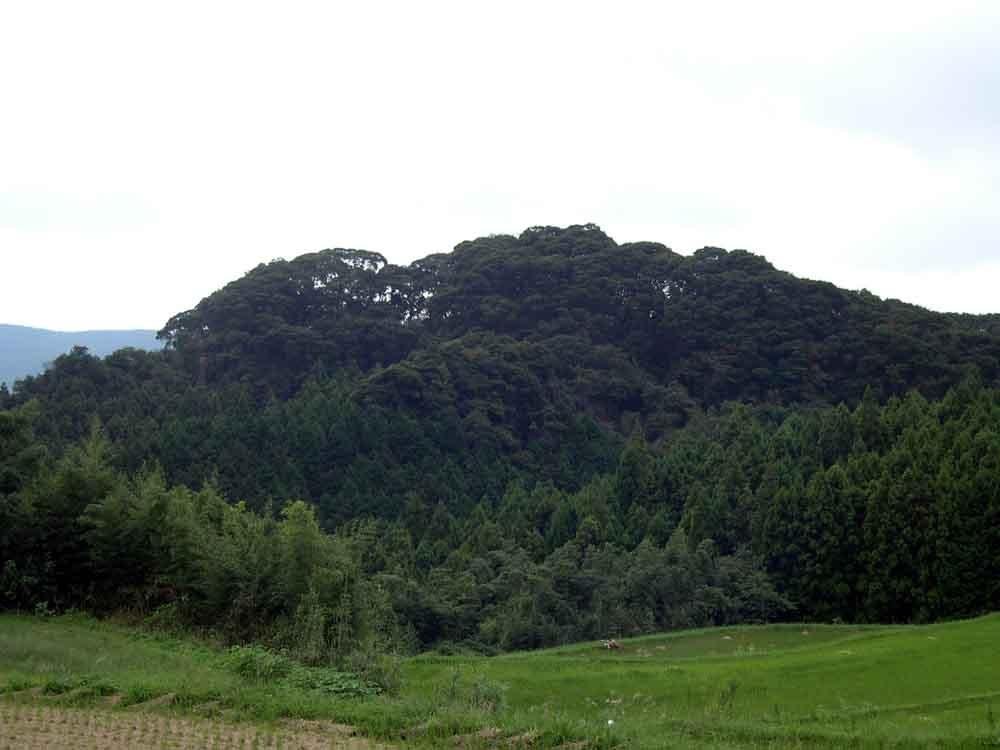
Mountain castle likely built by the Shisa clan in the mid-13th century, on a 50-meter cliff by the Fukui River.
Tonbai Walls and Carriage Road
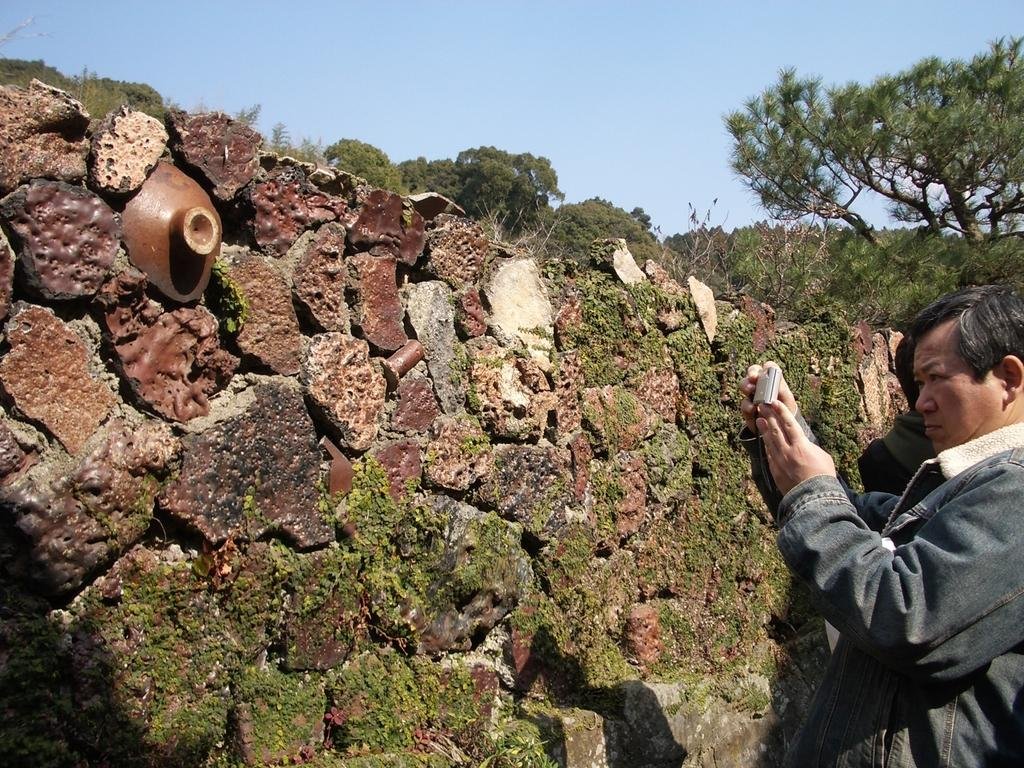
Kiln-brick walls colored by ash, beside a carriage road ridged so horses do not slip uphill.
Kuroshima Neya Giant Sasanqua
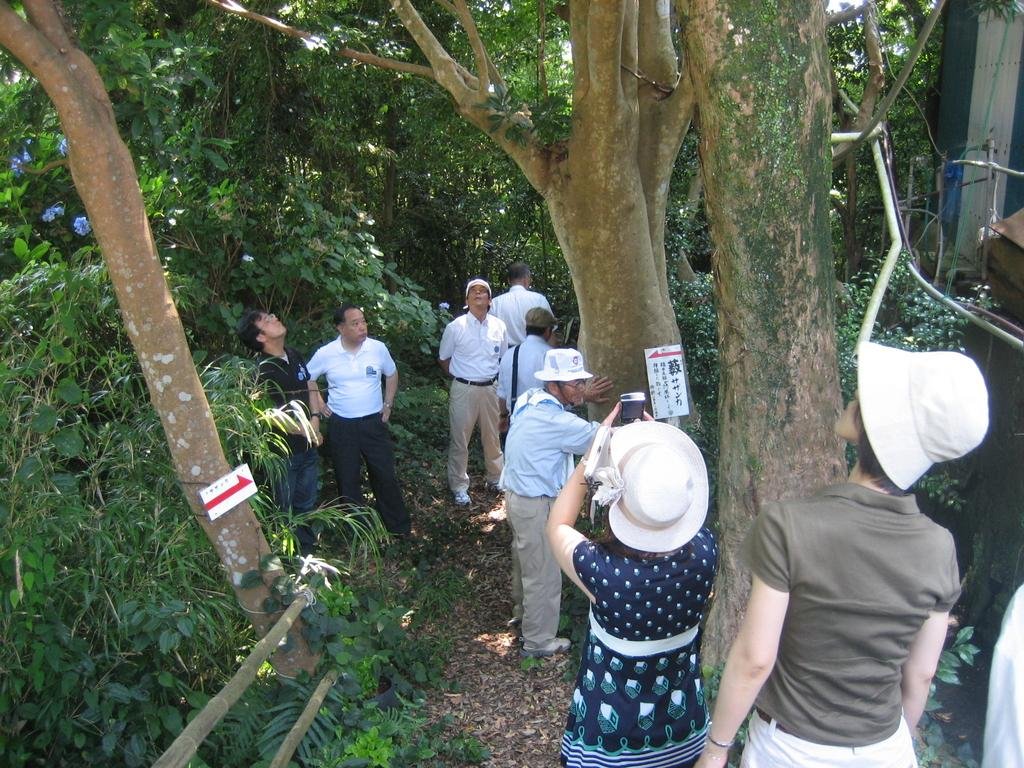
One of northern Nagasaki's largest sasanquas, about 250 years old; a Sasebo City natural monument.
Mikawachi East and West Kiln Sites
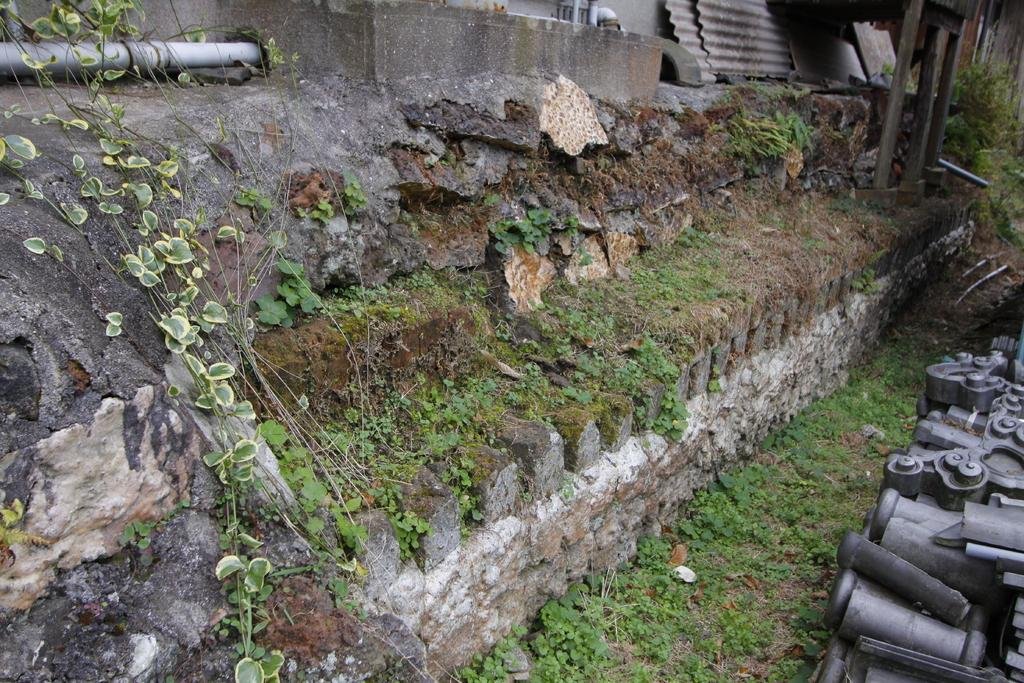
East kiln 120 meters, used until 1937; west kiln 100 meters, used until 1941; both were domain kilns.
Koyasu Kannon Great Camphor
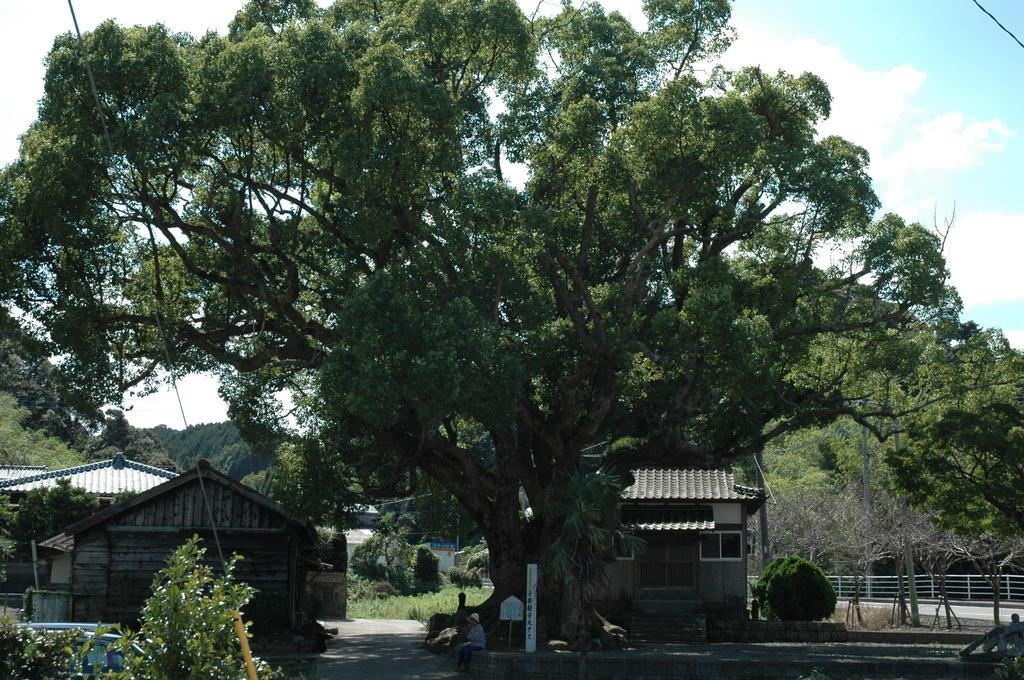
Camphor 23 m tall and about 500 years old, a prefectural natural monument since 1970.
Kuroshima Warabe Observatory
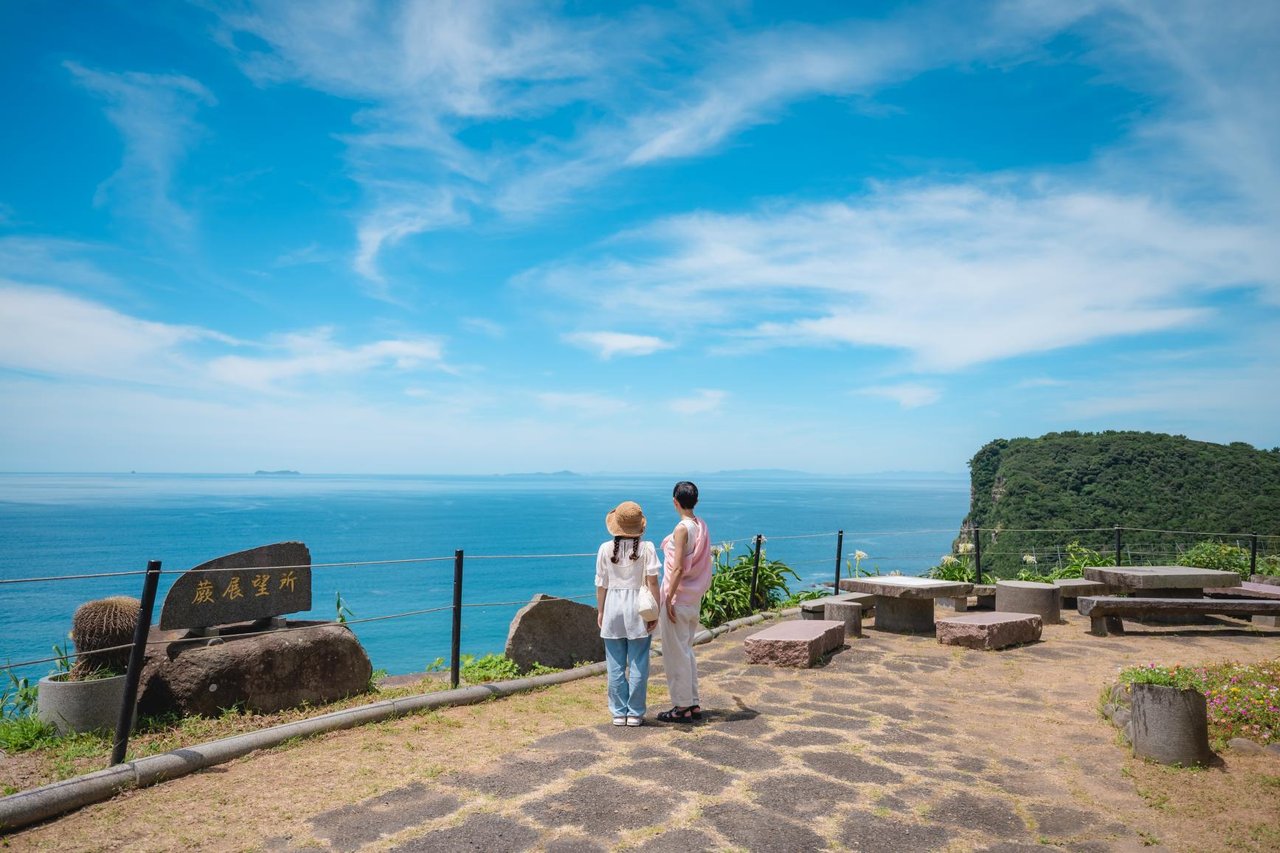
Observatory overlooking the Nagasakibana and Kakisebana cliffs, with Sakito and Kamigoto visible on clear days.
Uku Island Horikawa Ebisu Shrine (Whale Ebisu)
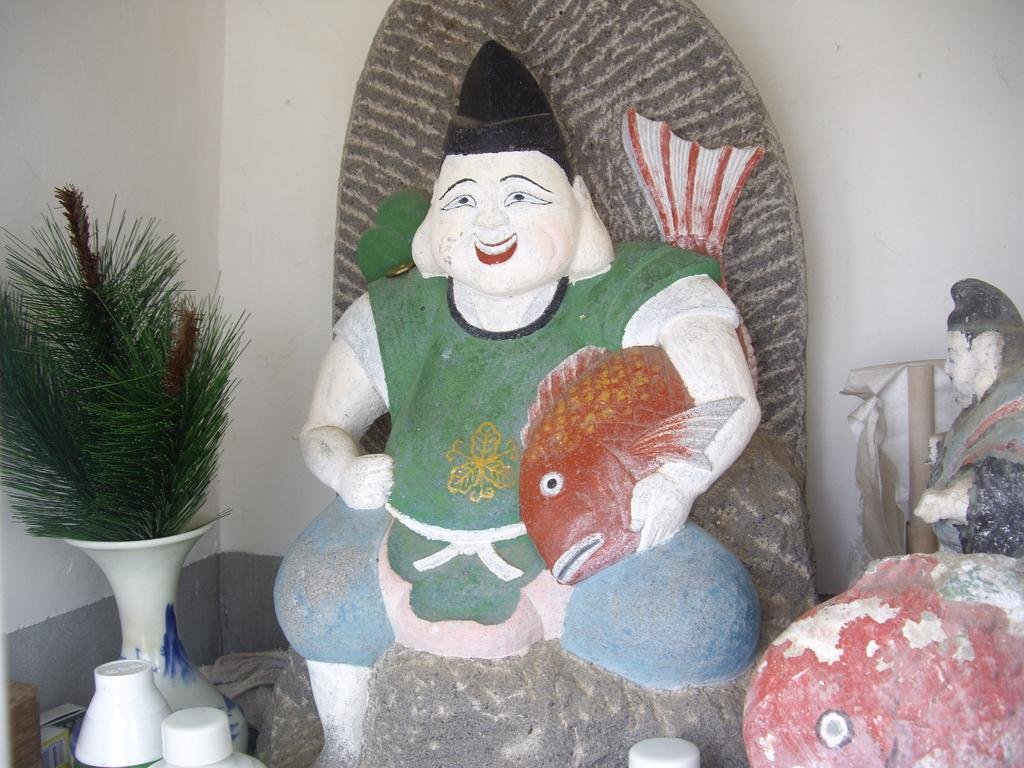
Edo-period worship hall of Koshiki Shrine, praying for large whaling catches and safe voyages.