 BokenJapan
Japan / Nagasaki / Shimabara / See
Sights in Shimabara, Nagasaki
Shimabara · Nagasaki · 46 places
See
Hara Castle Ruins
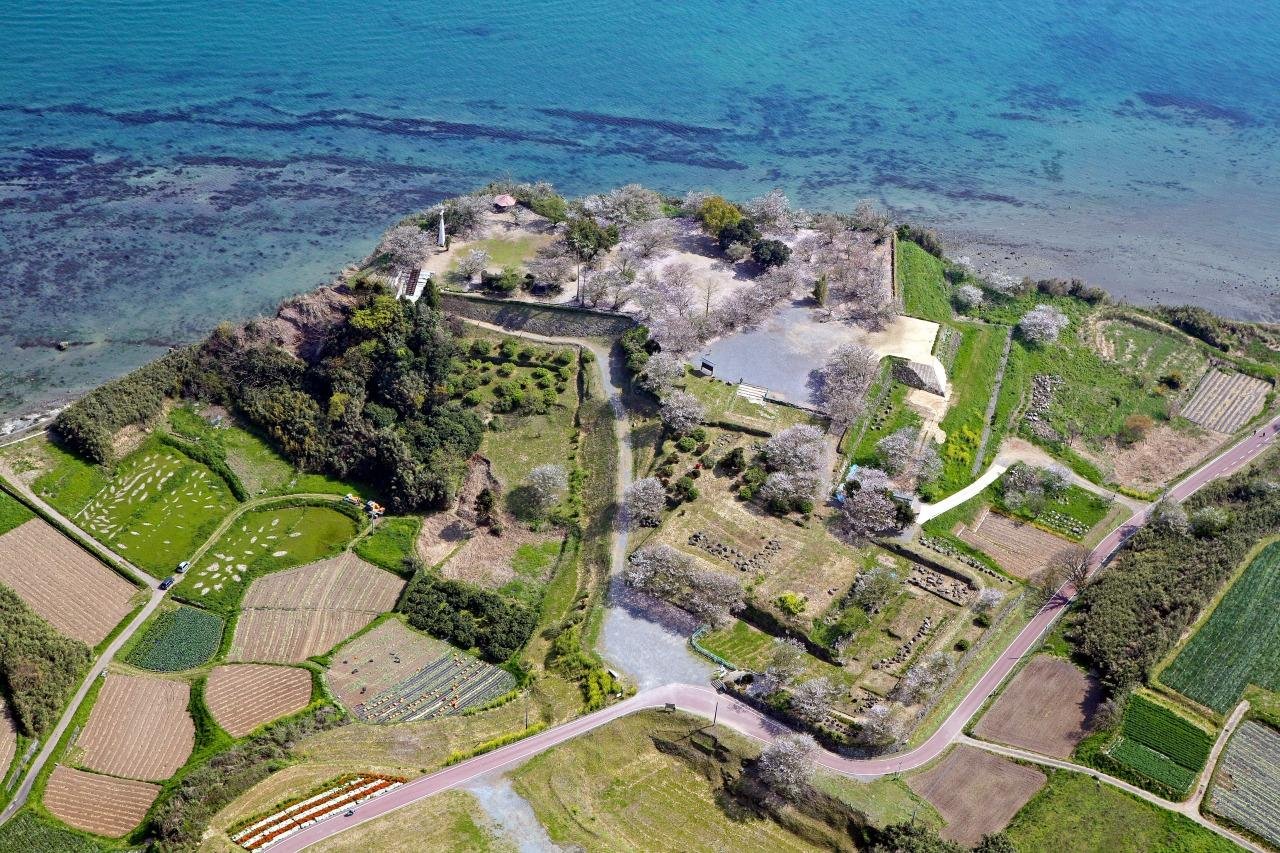
1496 castle ruins, a natural fortress surrounded on three sides by the Ariake Sea.
Town Where Carp Swim
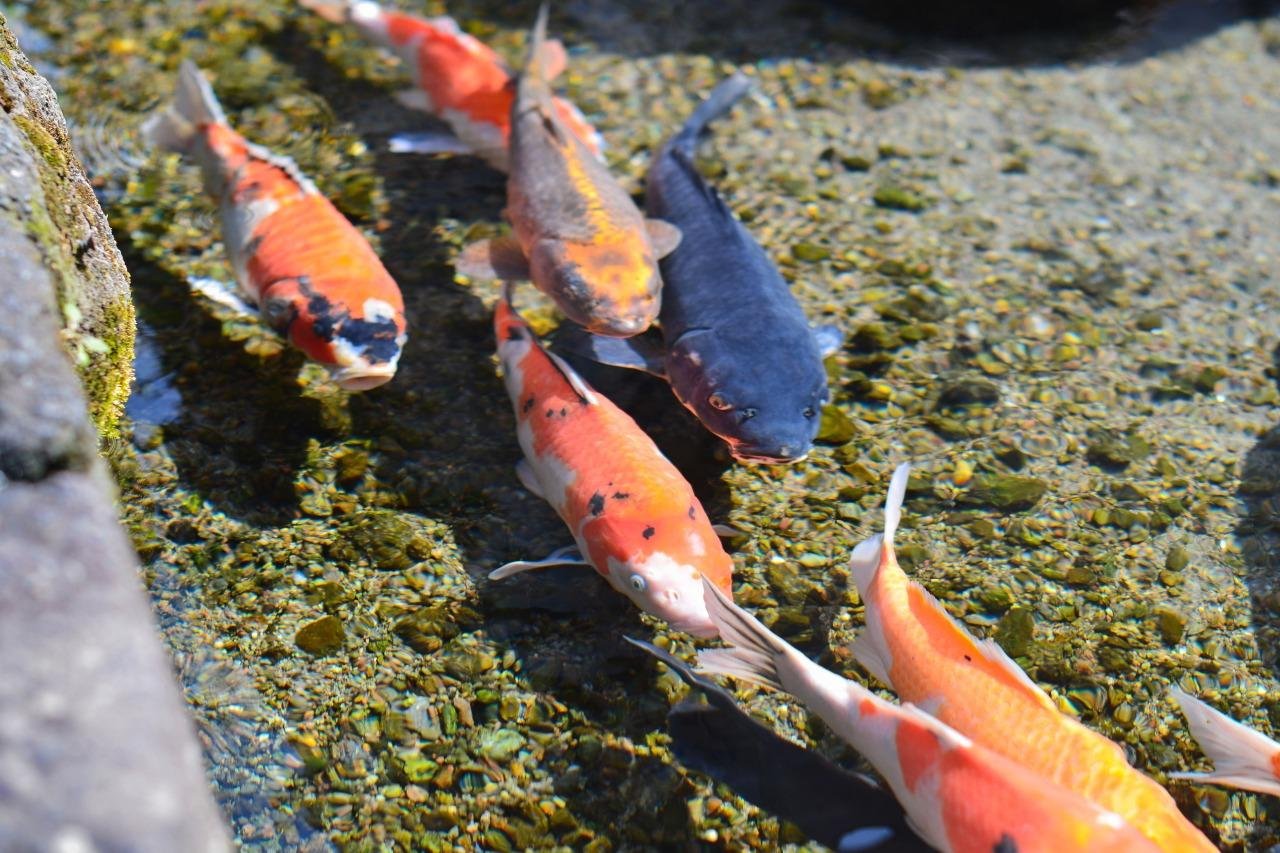
Shinmachi streams where residents released colored carp into abundant spring water, a highlight of watery Shimabara.
Debris Flow Damaged House Preservation Park
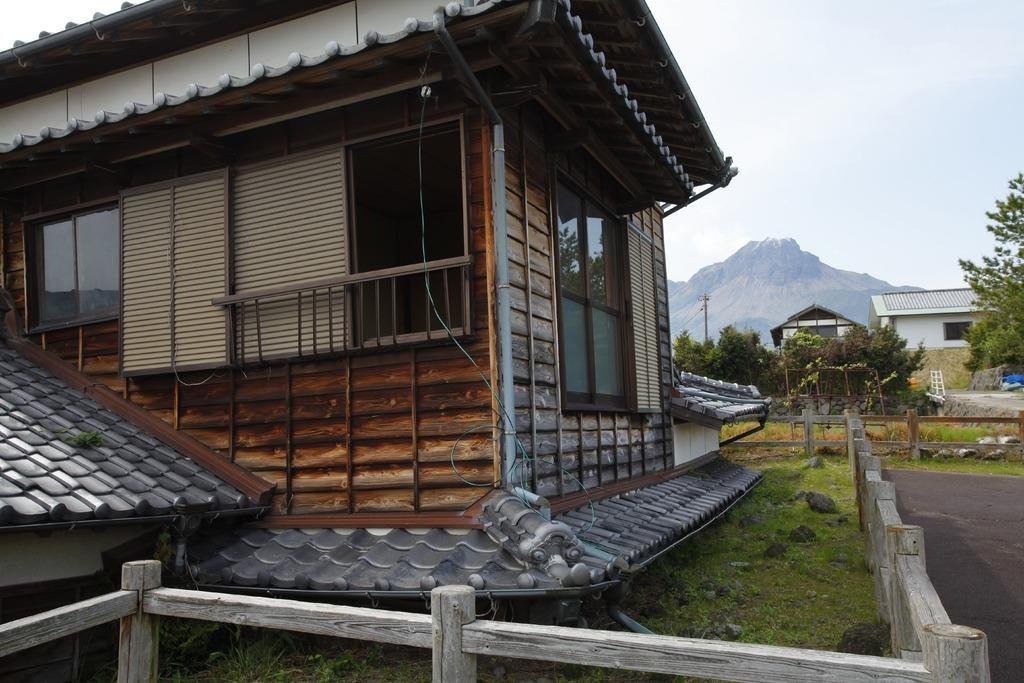
Park preserving nine houses damaged by the August 1992 debris flow to show disaster-prevention importance.
Shimeiso Spring Garden
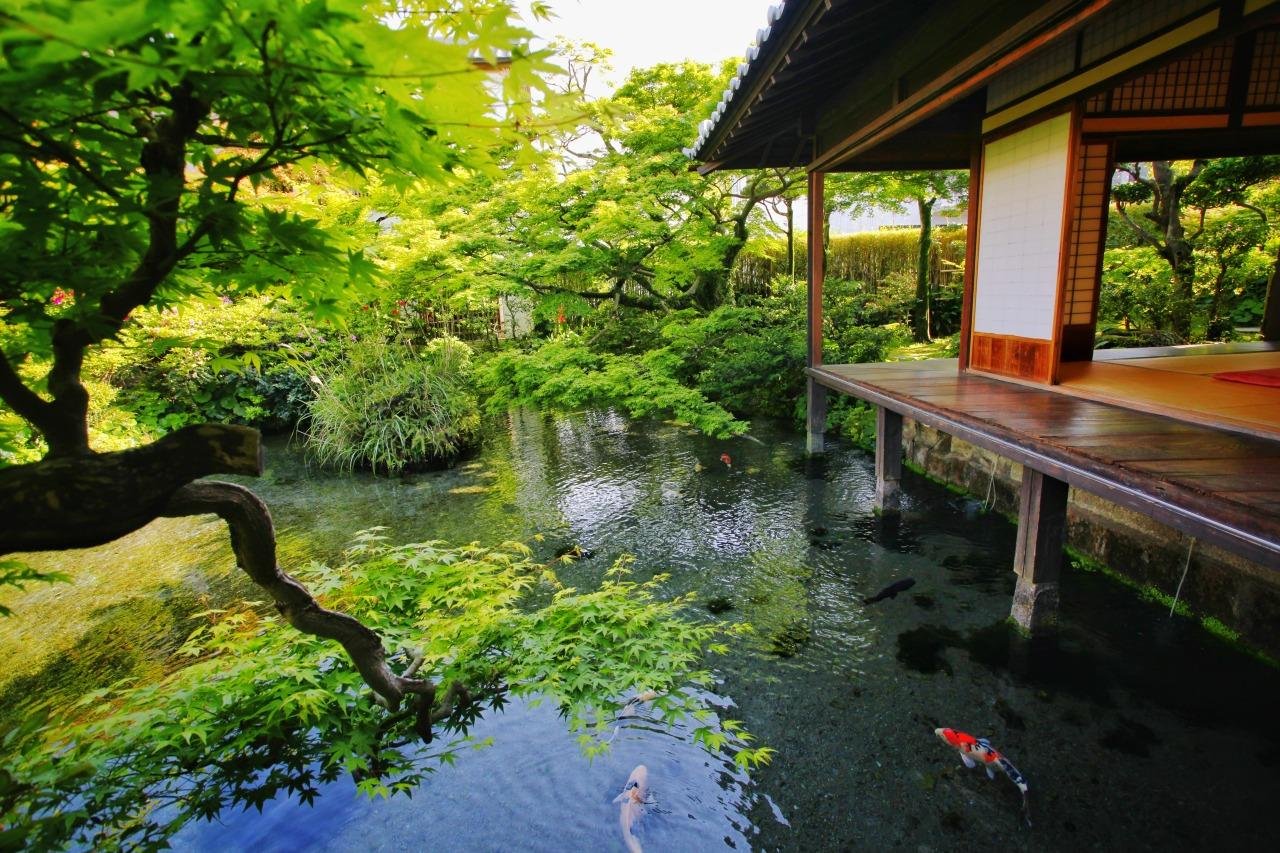
Late Meiji villa garden with four-direction views, a spring-fed carp pond, pines, and maples.
Shimabara Castle
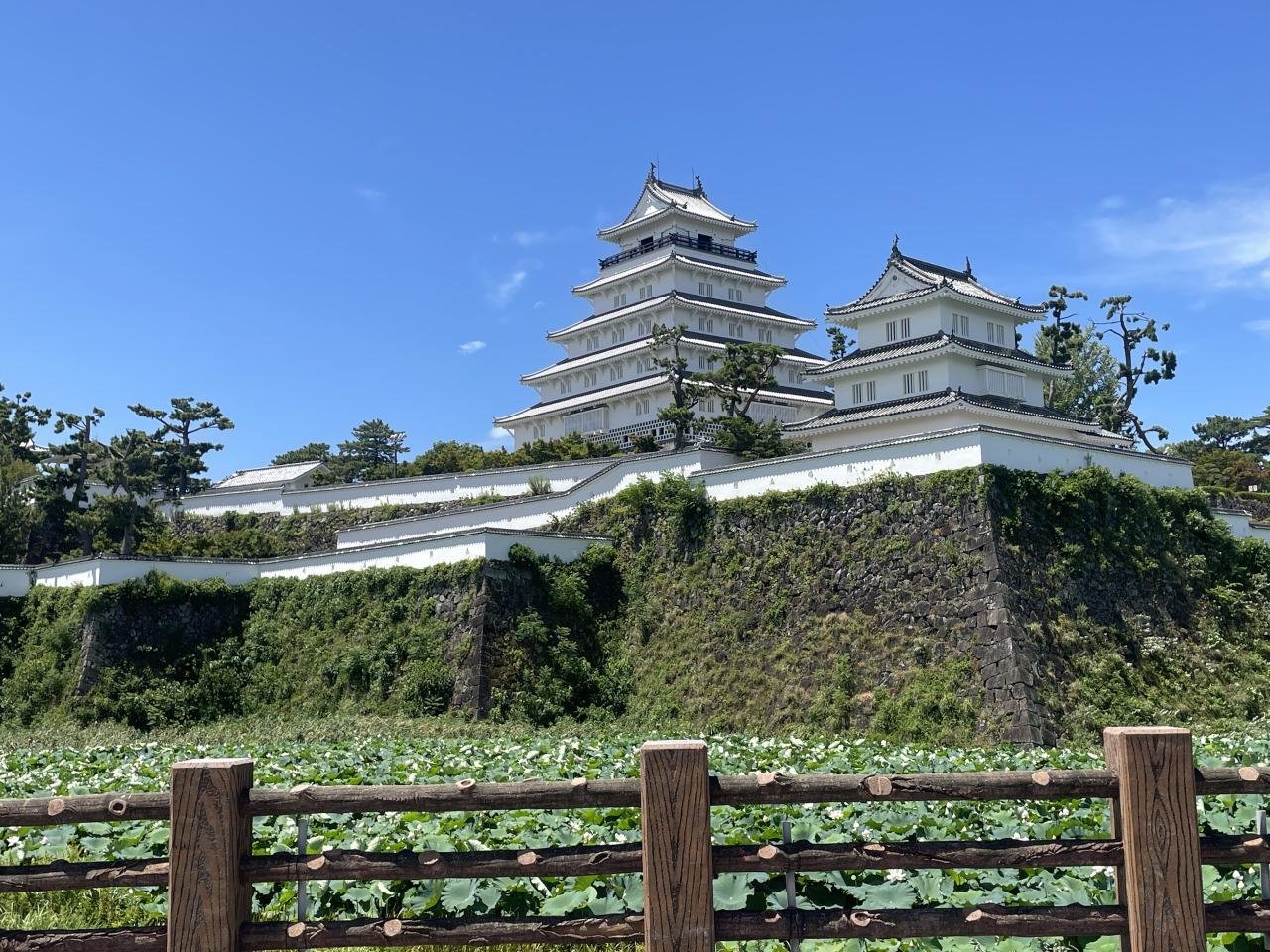
Built from 1618 over seven years by Matsukura Shigemasa; also called Moritake Castle.
Heisei Shinzan
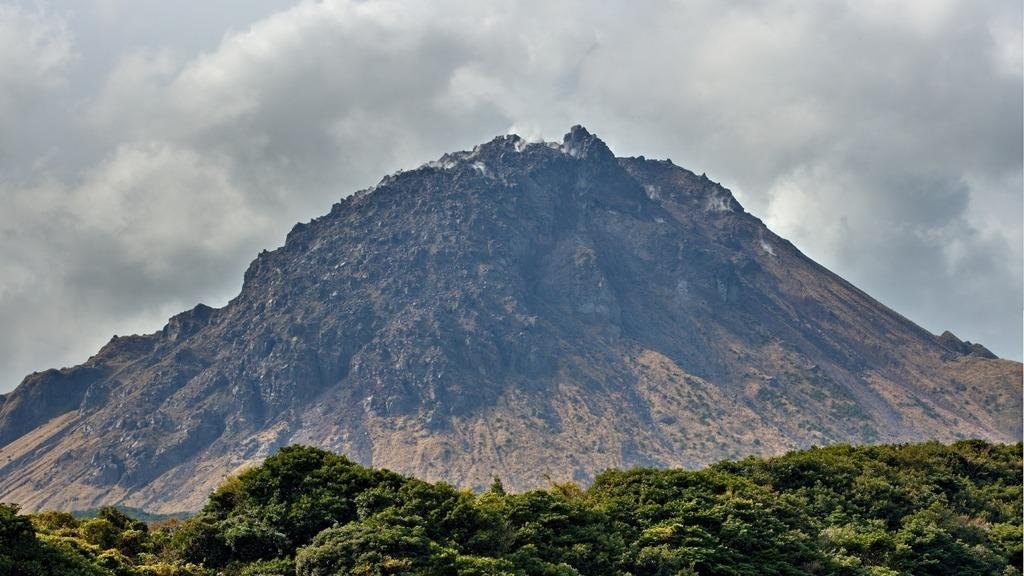
Unzen lava dome named in 1996 to commemorate the long disaster and new recovery.
Ayugaeri Falls
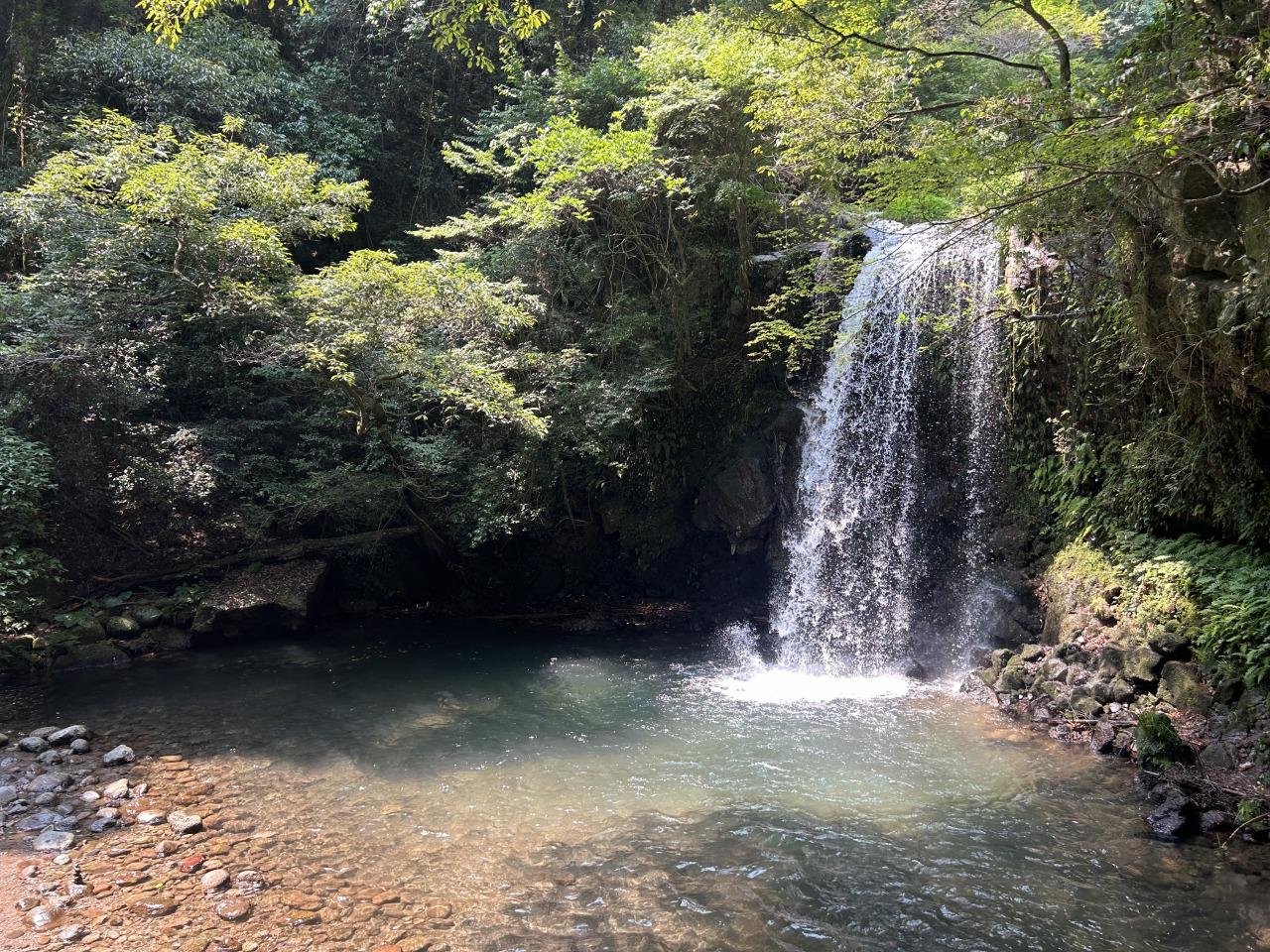
Waterfall about 14 meters high where sweetfish once returned, with rock play and flowing somen.
Ariake Forest Flower Park
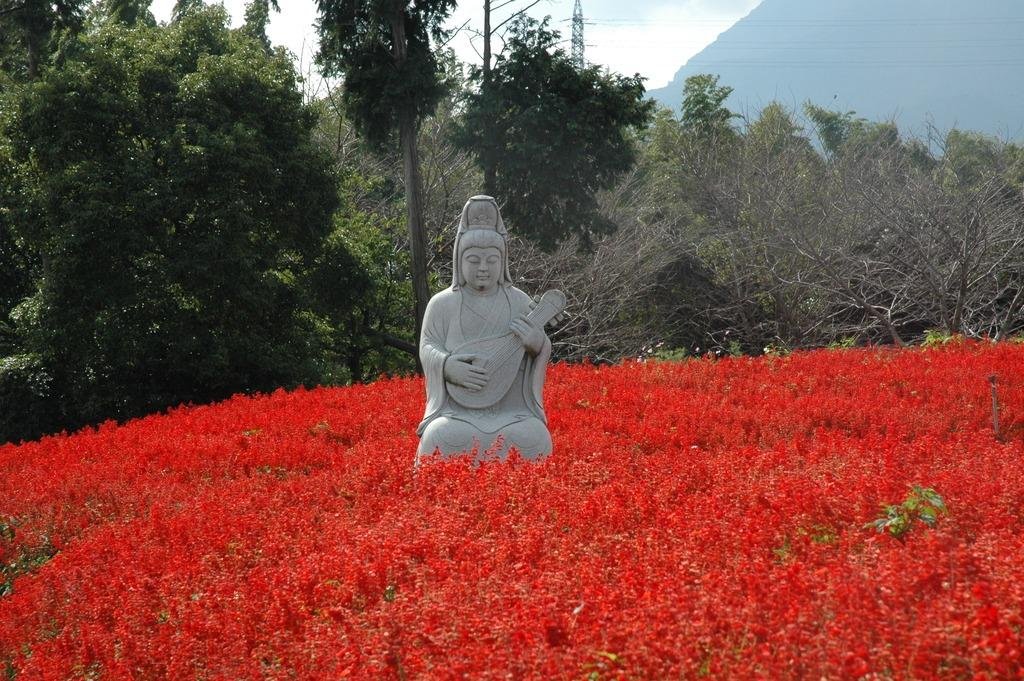
35,000-square-meter flower park at Mount Mai's foot, with seasonal blooms and views of Ariake Sea, Aso, and Unzen.
Former Onokoba Elementary School Damaged Building and Sabo Future Hall
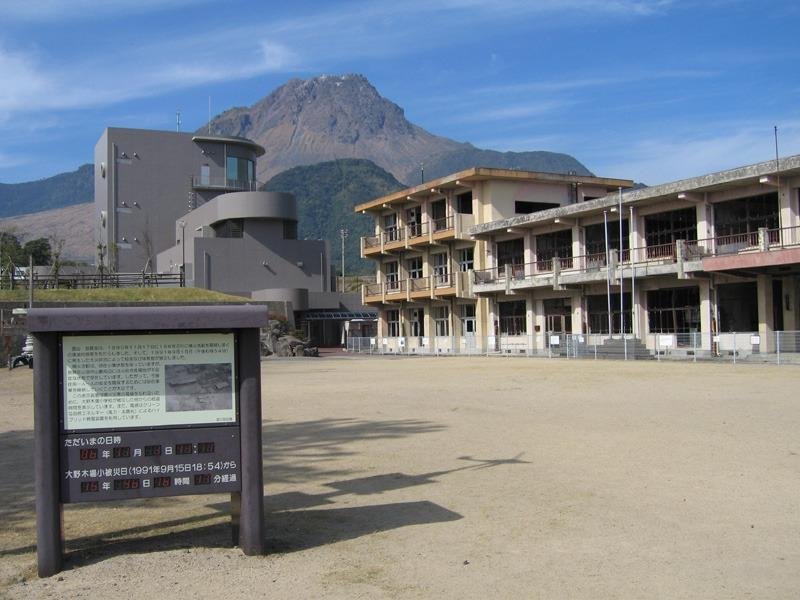
School burned by the September 1991 pyroclastic flow, preserved beside a hall of disaster exhibits.
Mount Unzen Disaster Memorial Hall Gamadasu Dome
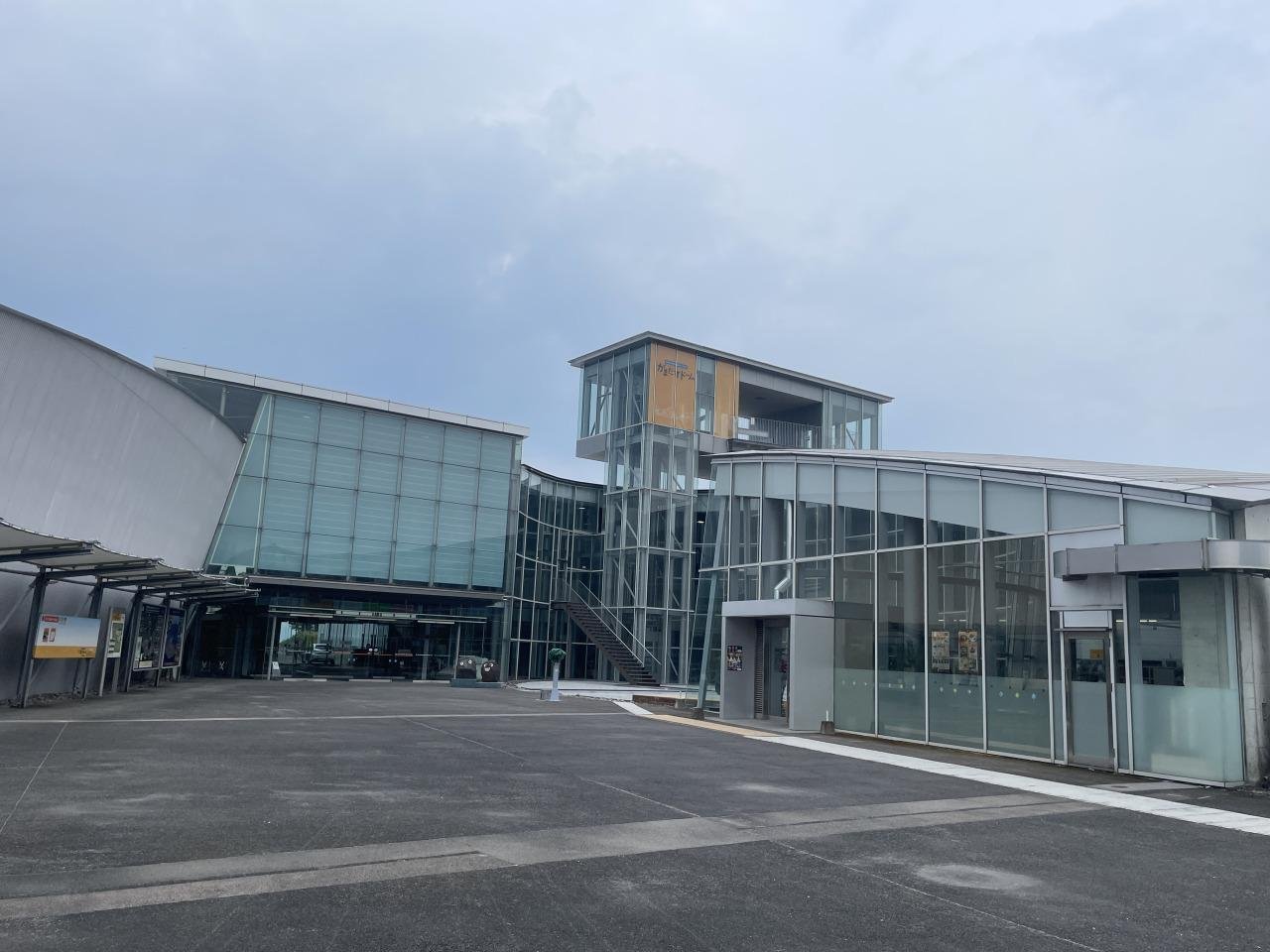
Museum of the Unzen eruption from November 1990 for about five years; renewed March 1, 2025.
Shimabara Hibariyama Flower Park
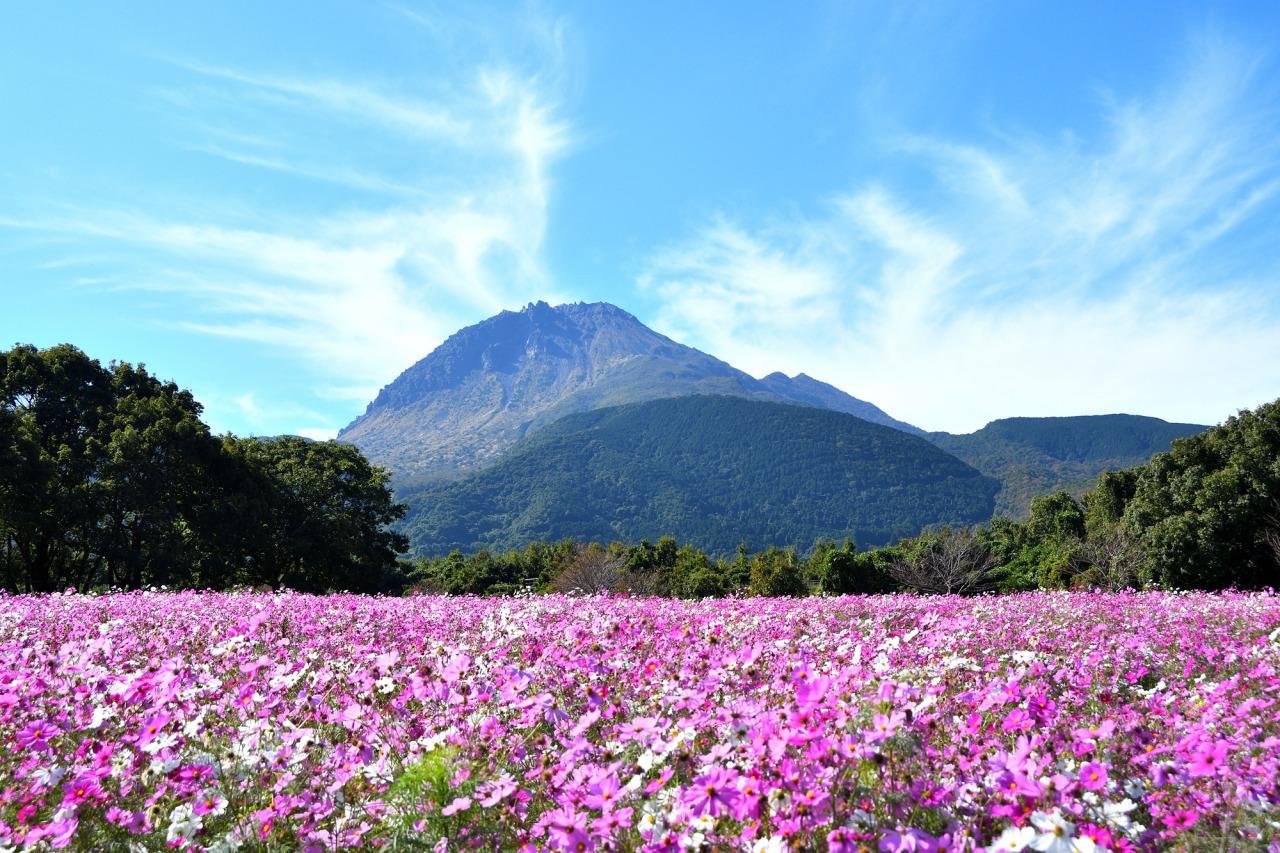
Flower park overlooking Heisei Shinzan, with spring flowers, 10 million cosmos, and 60,000 sunflowers.
Omisaki Station
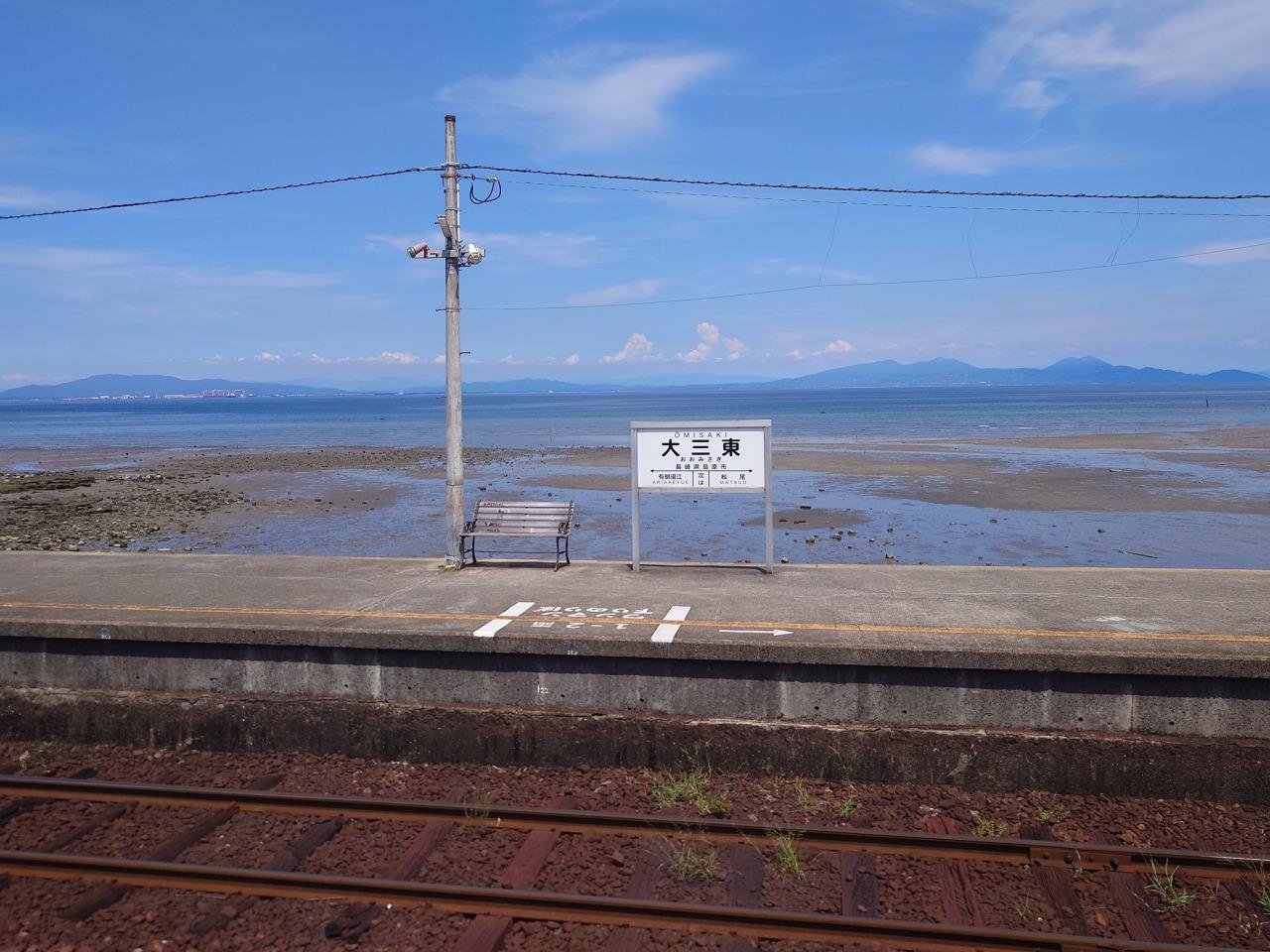
Japan's closest station to the sea, an unmanned Shimabara Railway stop with the Ariake Sea directly behind it.
Samurai Residences
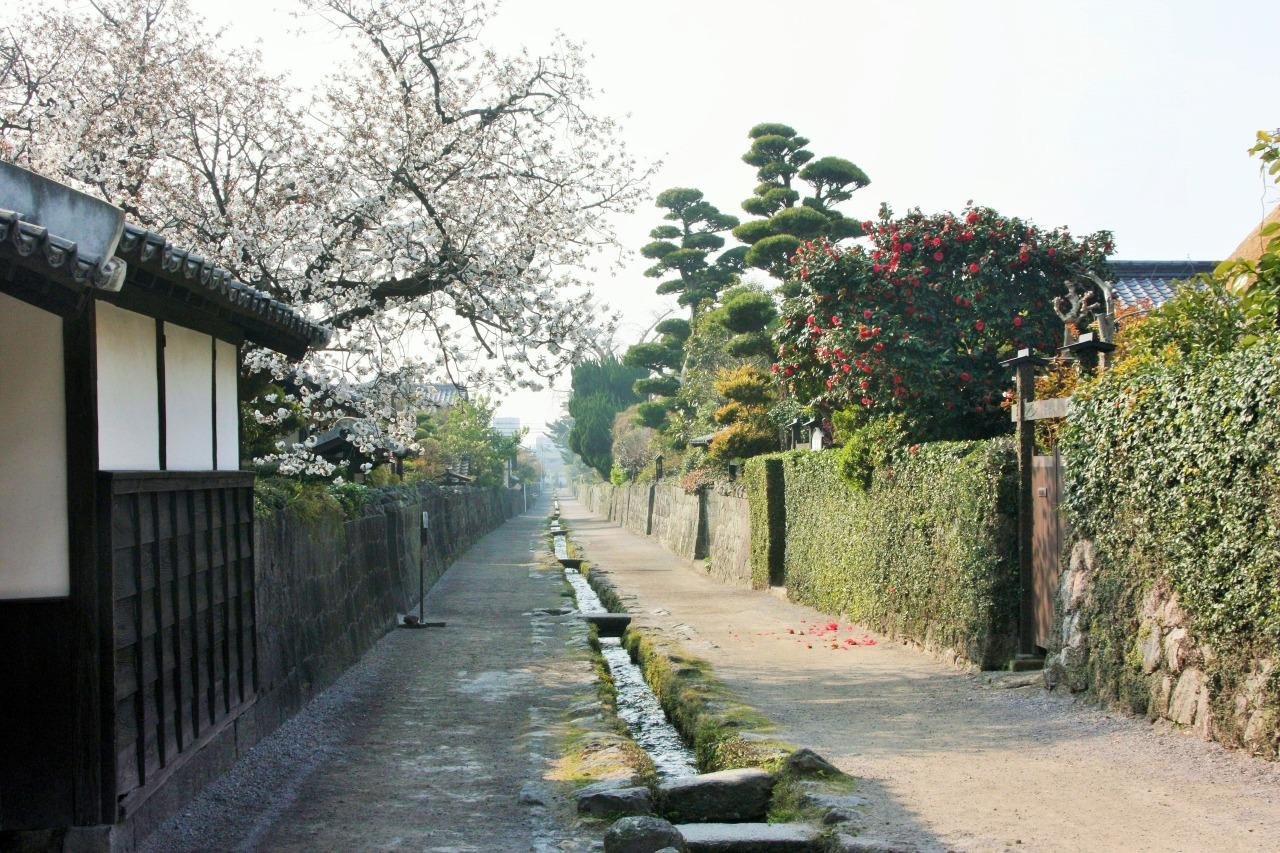
Preserved Shimo-no-cho samurai street, 406.8 meters long and 5.6 meters wide, west of Shimabara Castle.
Sezumezaki Lighthouse
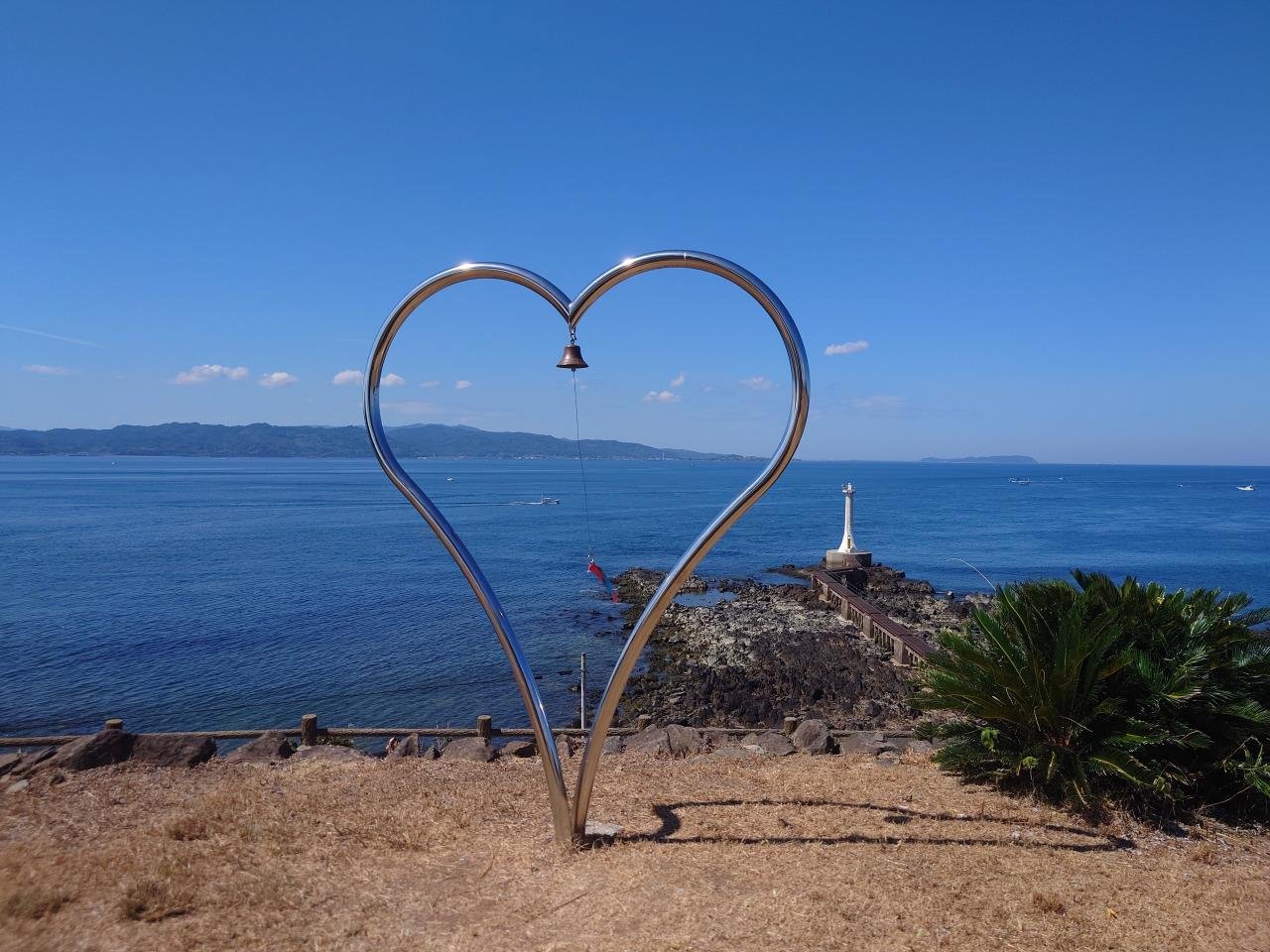
Southern-tip lighthouse on Shimabara Peninsula; Hayasaki Seto whirlpools reach 20 m across at March-June spring tides.
Hara Castle Holy Maria Kannon Hall
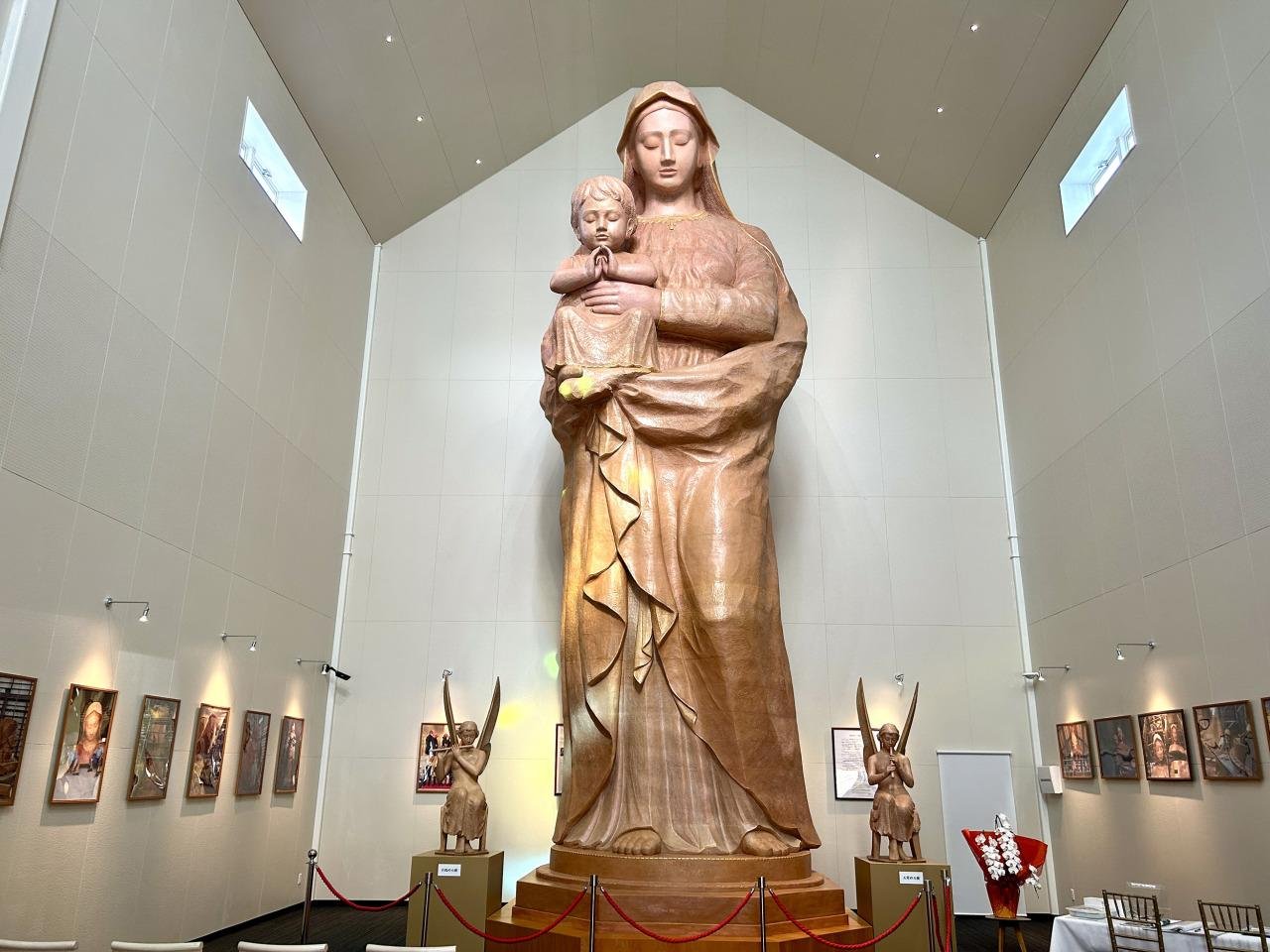
Ten-meter wooden statue, the world's largest Maria image, carved over 40 years to mourn Shimabara-Amakusa Rebellion victims.
Shimabara Mayuyama Road
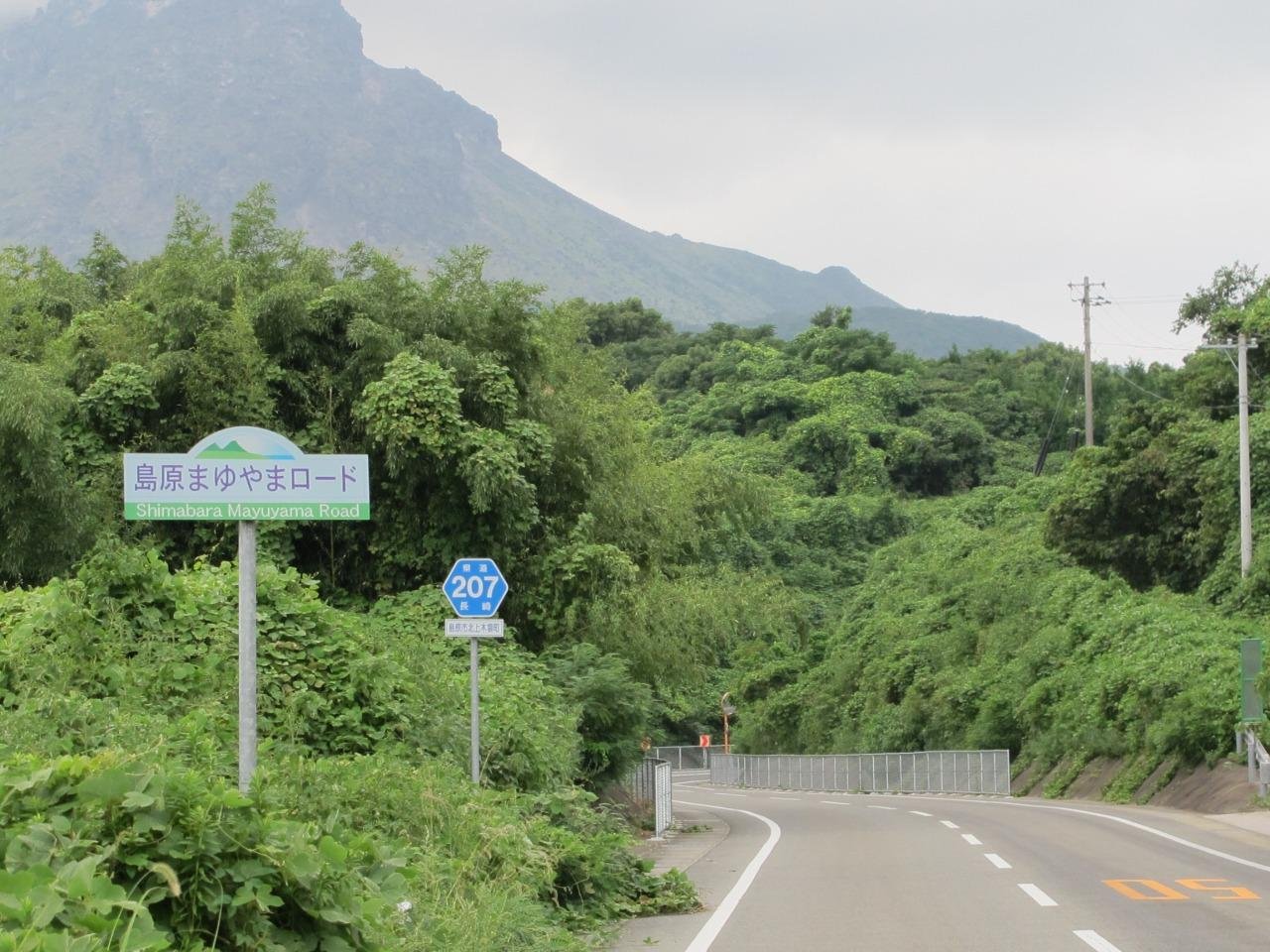
Eight-kilometer road around Mayuyama near Heisei Shinzan, Japan's newest mountain, for volcanic sightseeing.
Arima Christian Heritage Museum
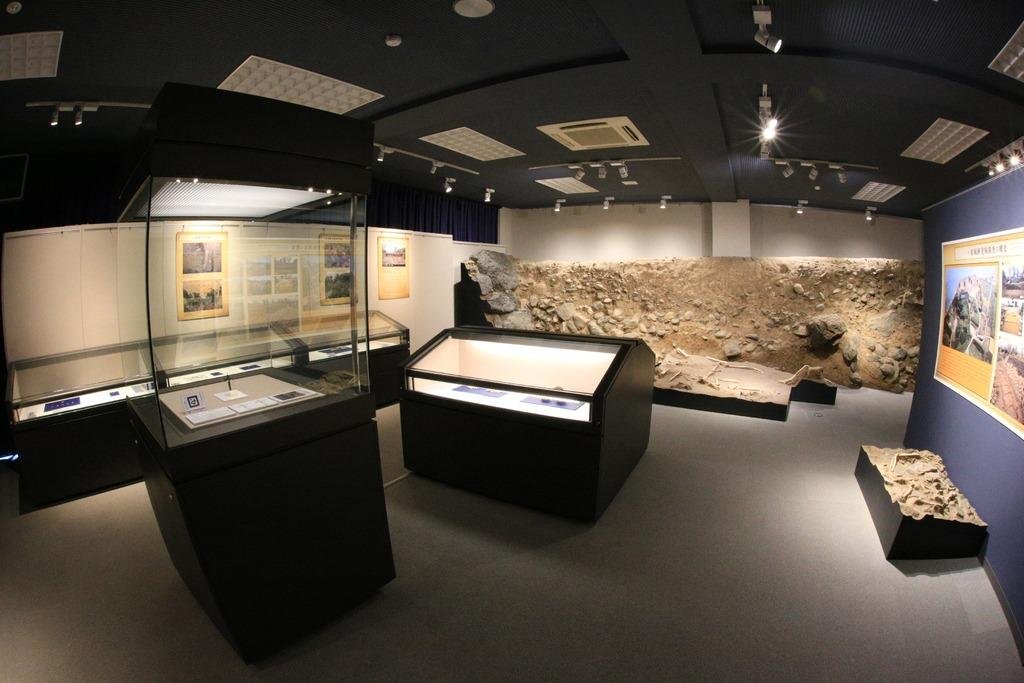
Introduces Hara Castle Ruins, Hinoe Castle Ruins, and Arima Seminary in Nagasaki Christian history.
Minamishimabara Sunflower Fields
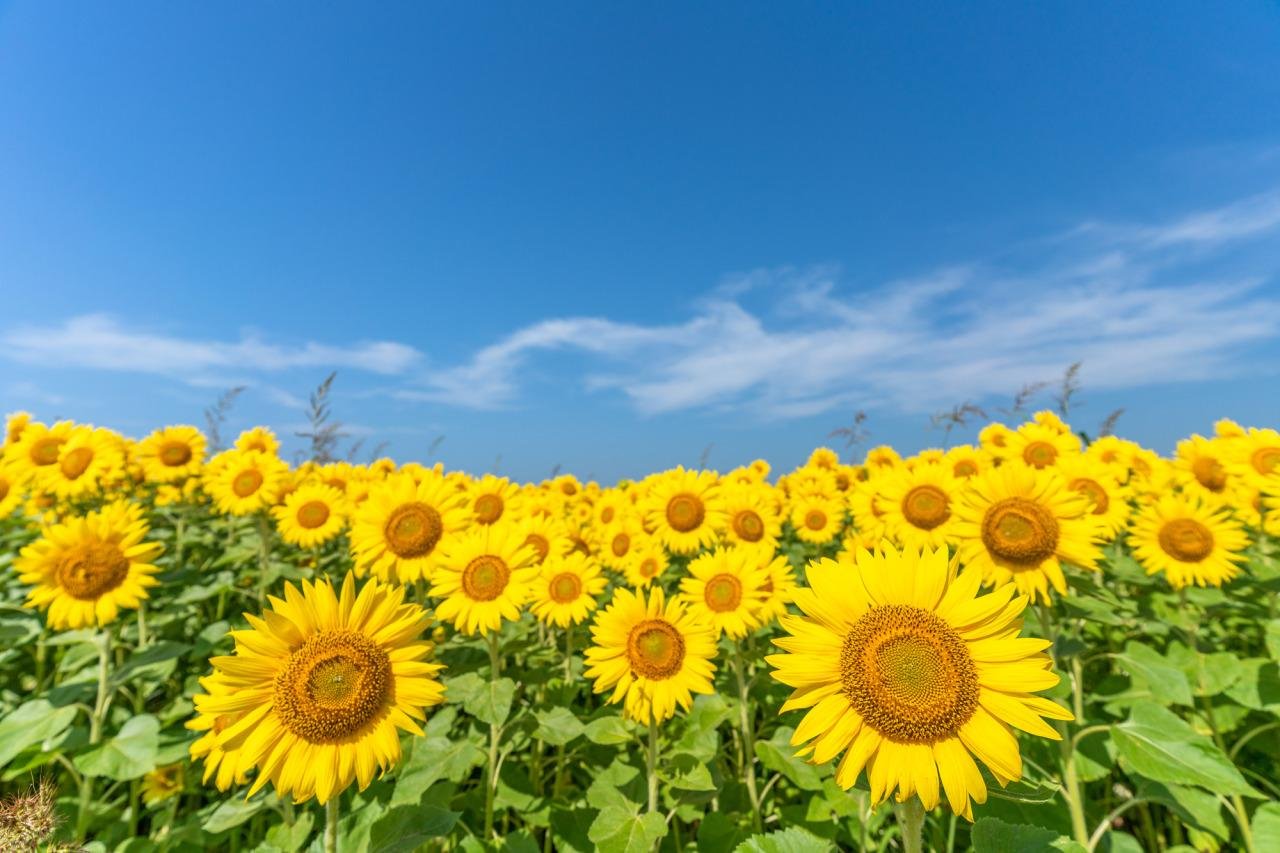
Sunflower fields in Minamishimabara, planted by locals after harvest, not run as a tourist farm.
Futagoiwa Rock
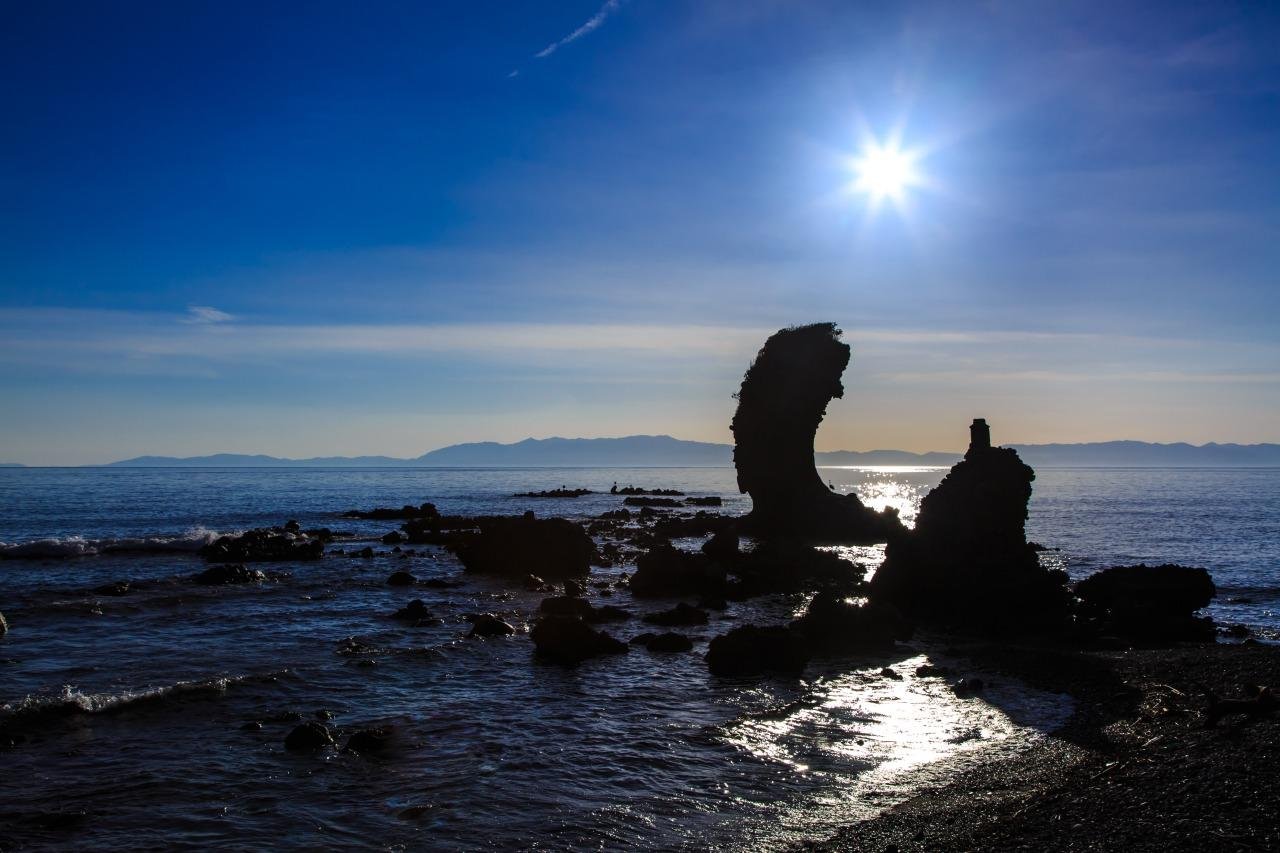
Head-shaped rock carved by waves from ancient volcanic debris-flow deposits; one of two remains.
Harayama Dolmen Group
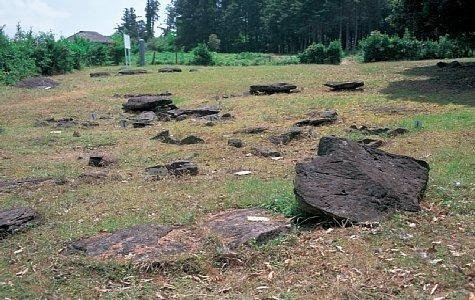
Japan's oldest and largest dolmen group, from about the 4th century BC, with over 100 tombs.
Hinoe Castle Ruins
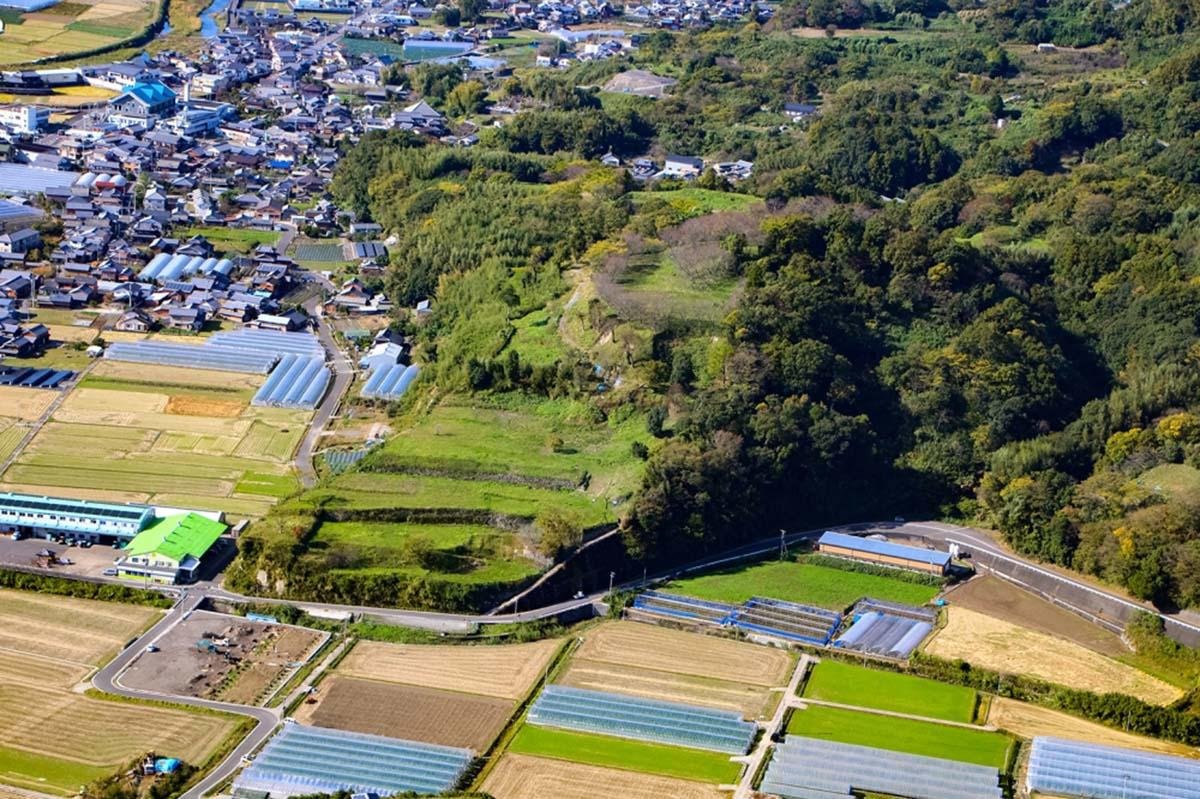
Castle ruins of Christian lord Arima Harunobu, who founded Japan's first European secondary school.
Kuchinotsu History and Folklore Museum
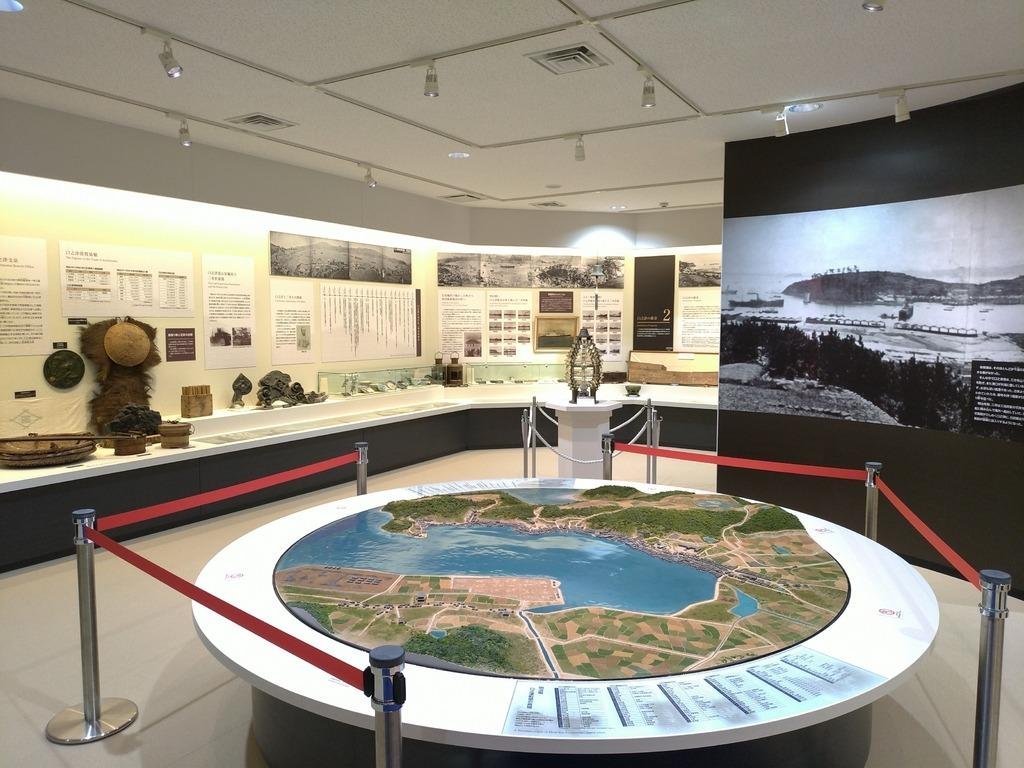
Museum richly displaying materials on Kuchinotsu's past and present as a historic natural harbor.
Nanban Ship Arrival Site
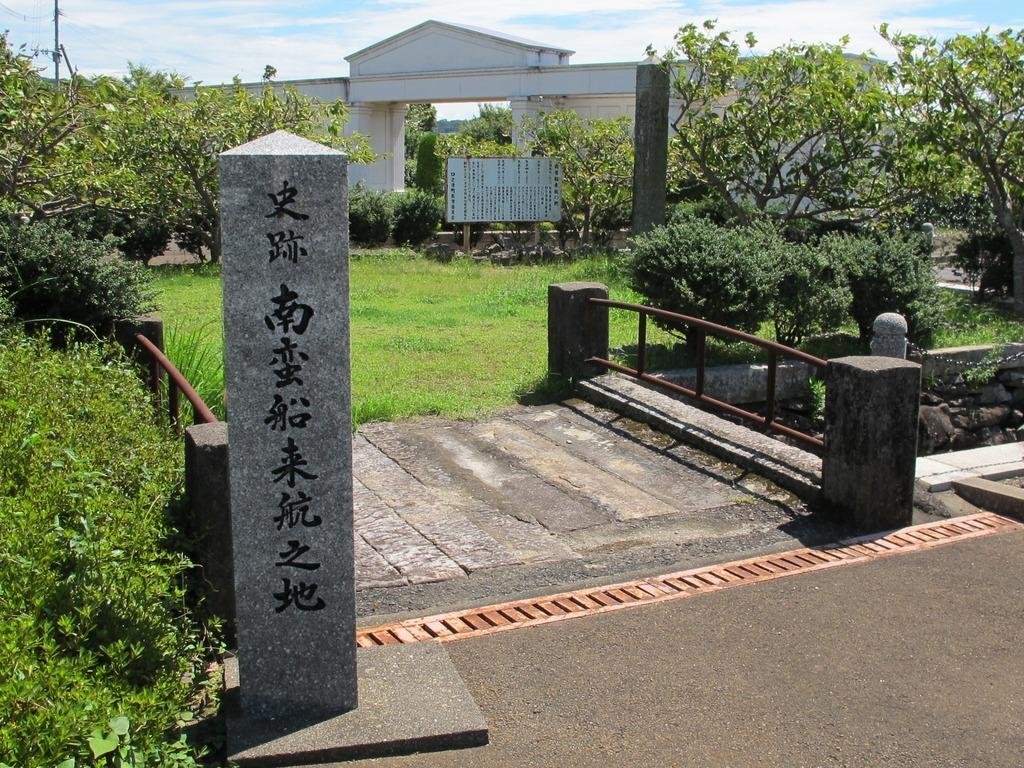
Nagasaki-designated historic site of 1567 Portuguese ship arrivals and a 1579 Christian mission base.
Tatsuishi Coast
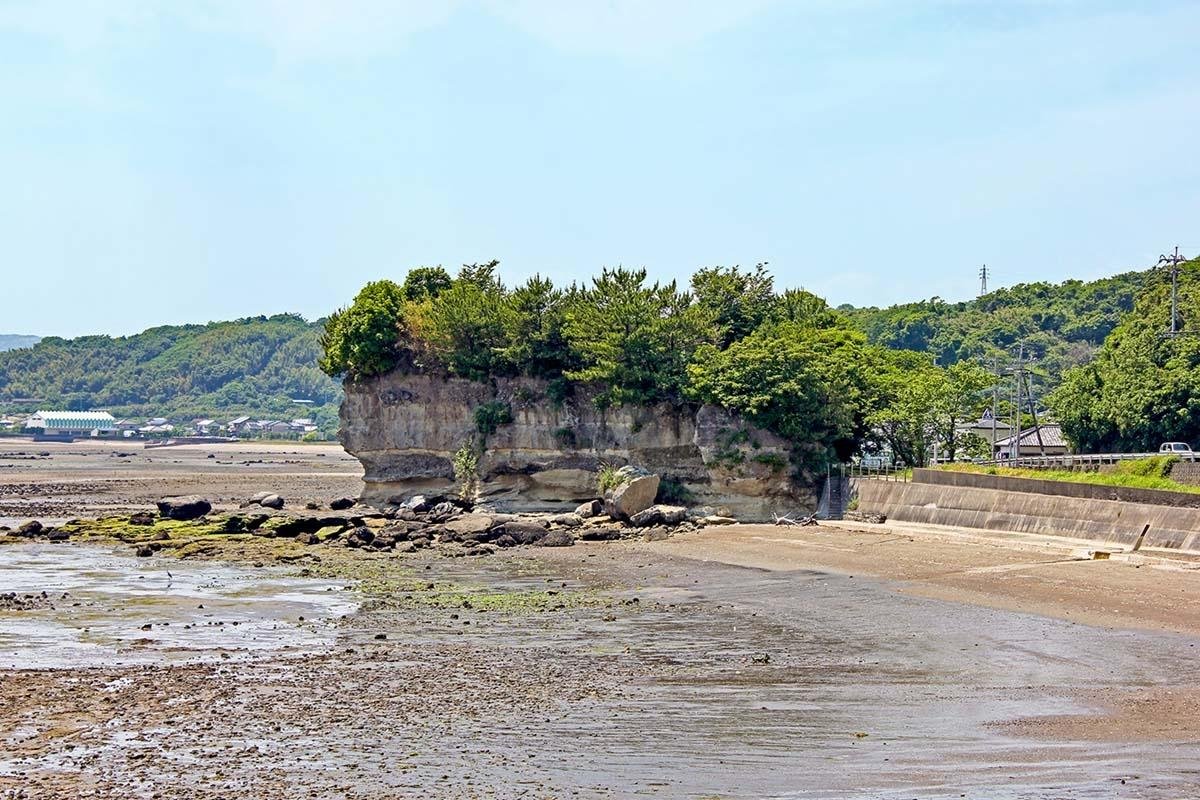
Coast showing Unzen's earliest layers from 500,000 years ago, above former seafloor deposits and debris-flow layers.
Fukae Suwa Shrine Grove
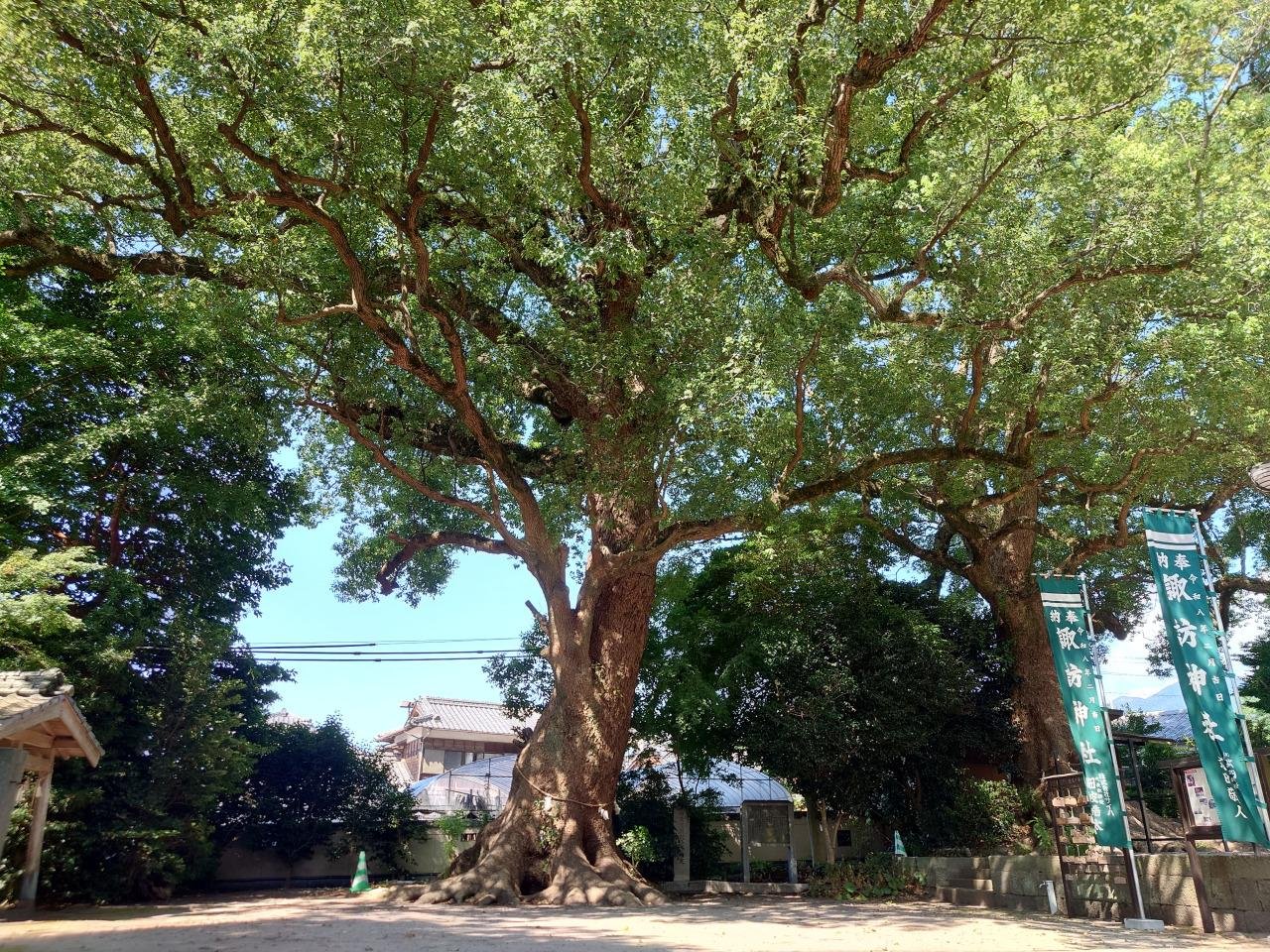
Grove of Suwa Shrine enshrined in 1428, with seven large camphor trees, the largest 6.6 meters around.
Shimabara City Ariake General Cultural Hall (Green Wave)
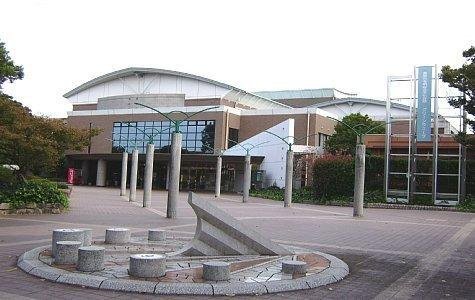
Complex with a 700-seat hall and galleries; its museum shows Jomon remains, and the library holds over 70,000 books.
Hamanokawa Spring
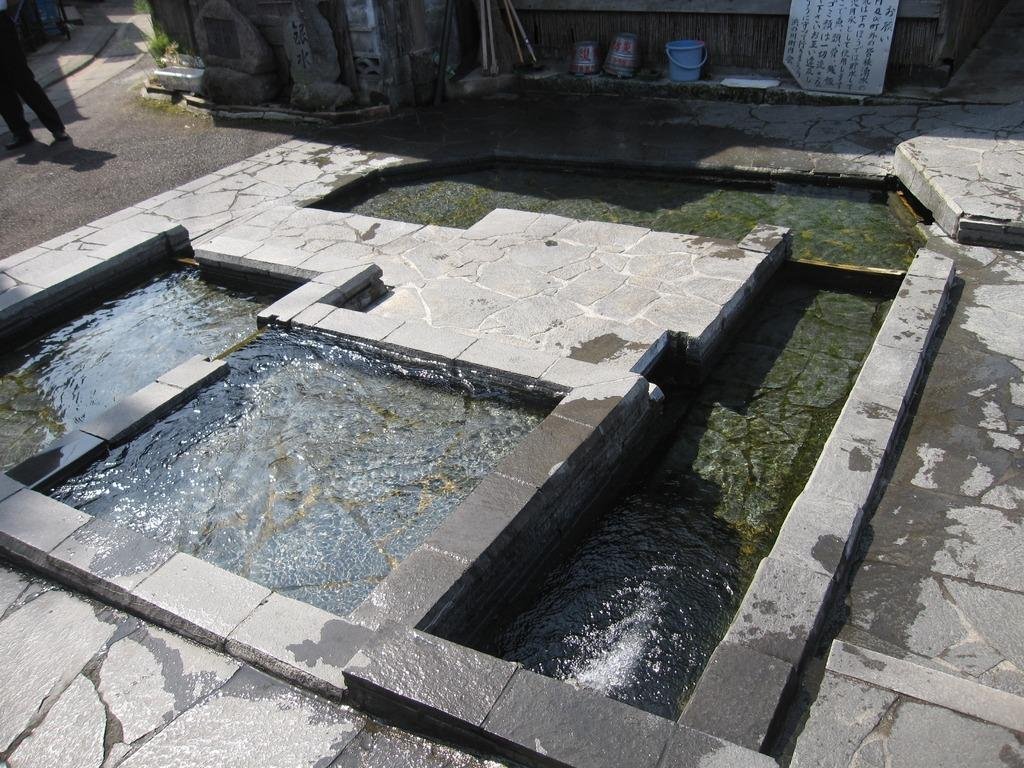
Spring with four washing sections used in order by purpose; the traditional custom is still kept.
Blue Barbershop
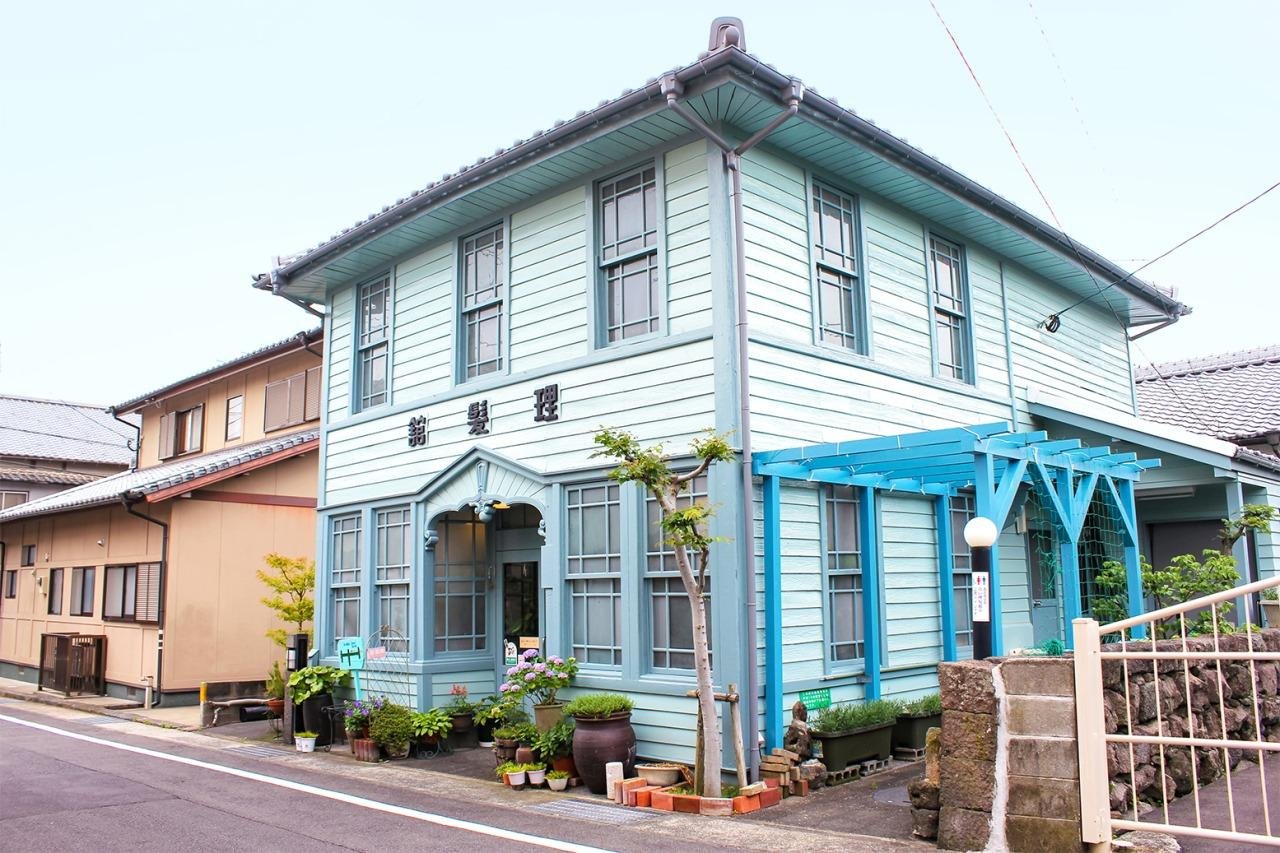
Blue wooden barbershop built in 1923, Western in front and Japanese in back, now a rest spot.
Seibo Park (Seibo Memorial Hall)
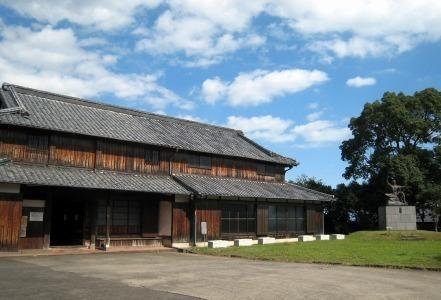
Park honoring Peace Statue sculptor Kitamura Seibo, with about 60 works and views of Hara Castle Ruins.
Arie Tawaraishi Observatory
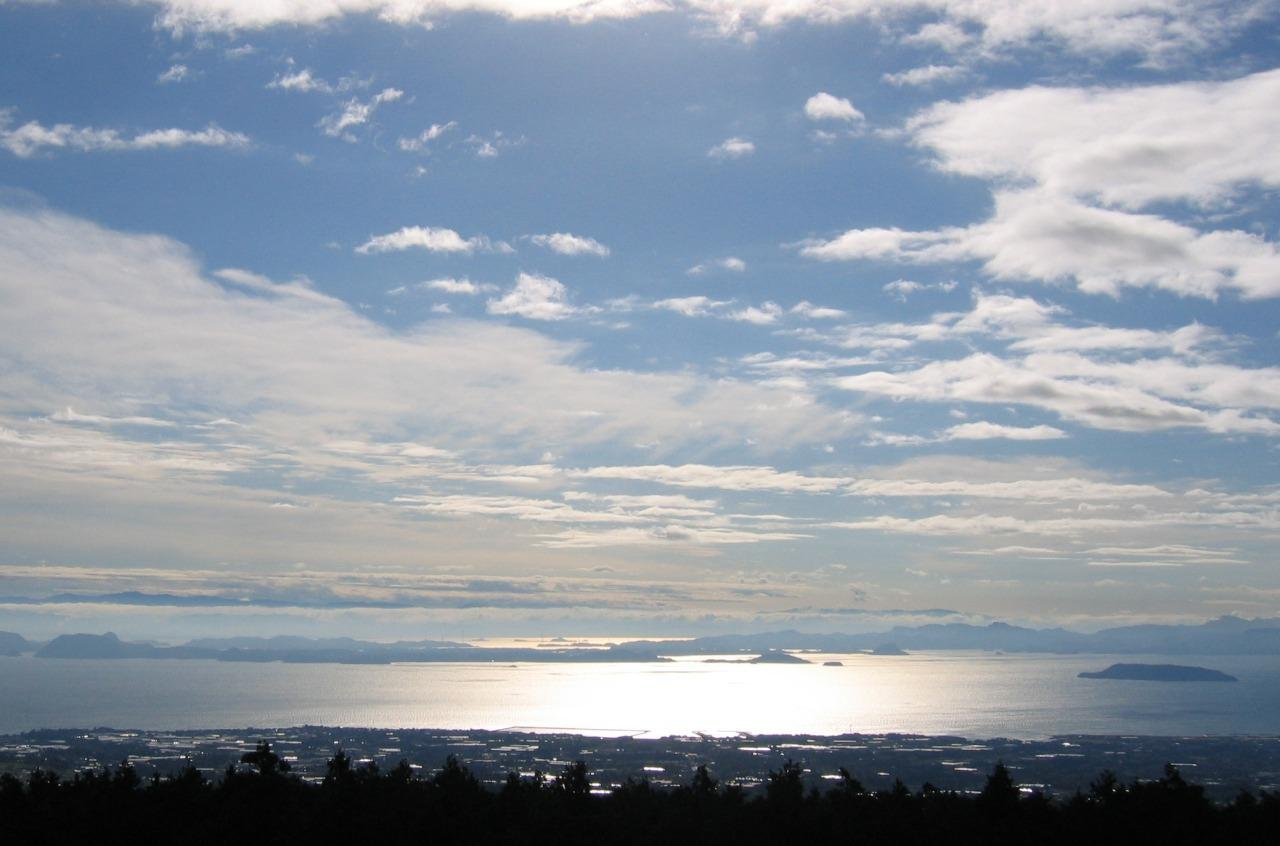
Overlooks Arie from Route 57 between Unzen and Shimabara, with Shiranui Sea, Ariake Sea, and clear-day Mt. Aso views.
Reikyu Park
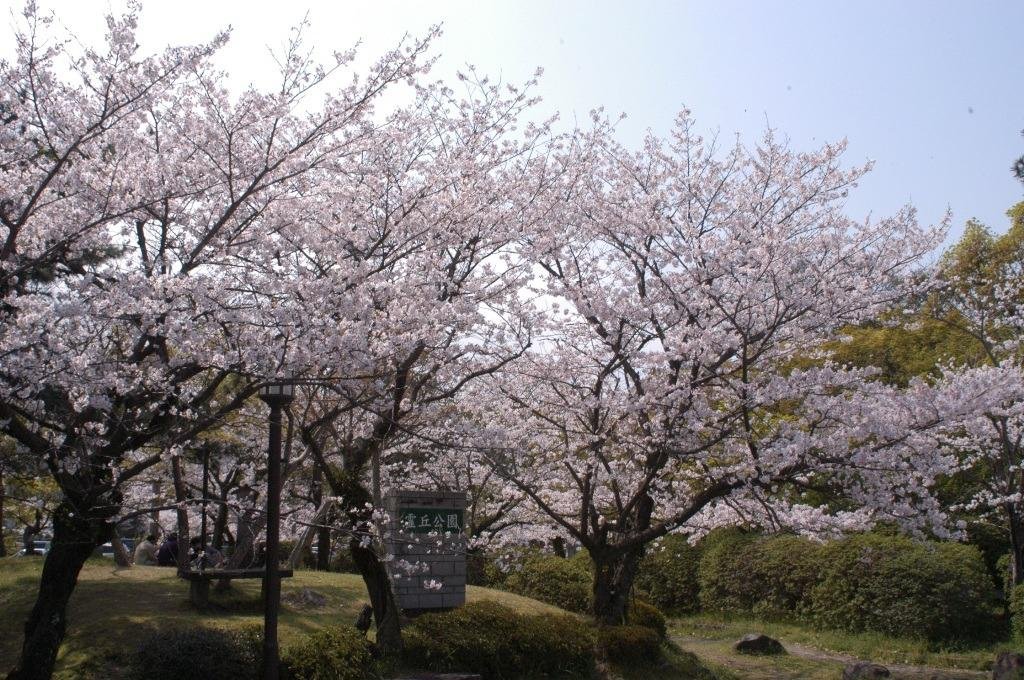
City-center park with about 250 Somei-Yoshino cherries and about 3,000 Hirado azaleas.
Hayauo River and Inohara Hardware Store
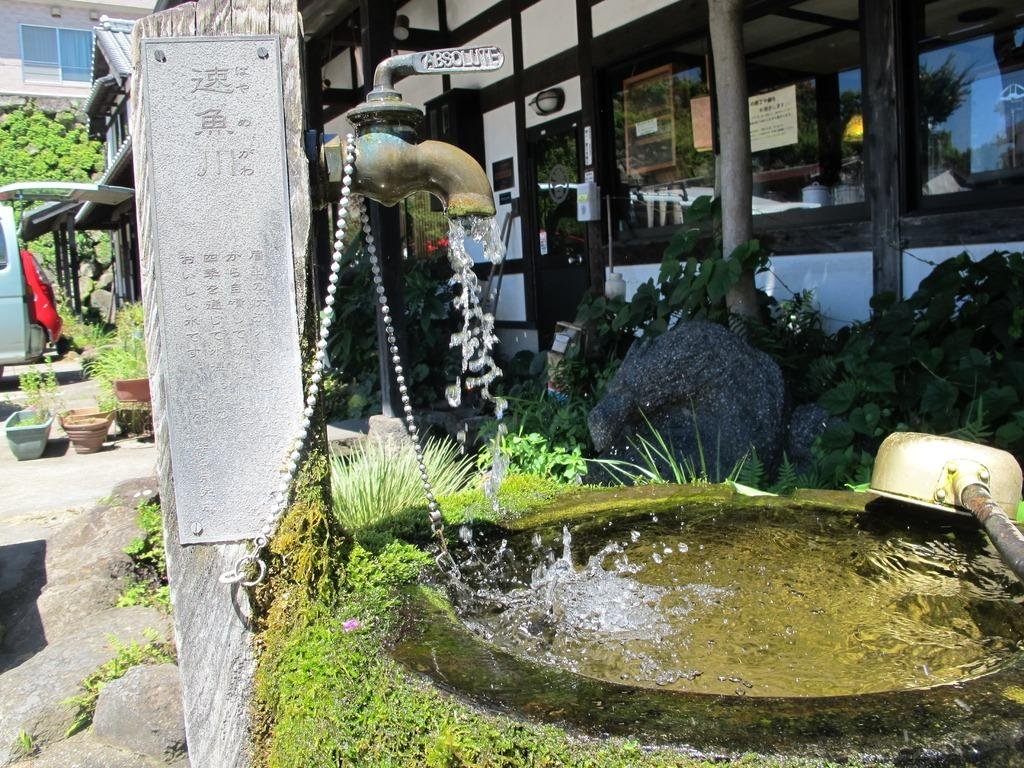
Heisei-era stream from Tsuki well spring water, with fish and wasabi. Bacteria-free, 15 degrees, 150 liters per minute.
Tonosumi Falls
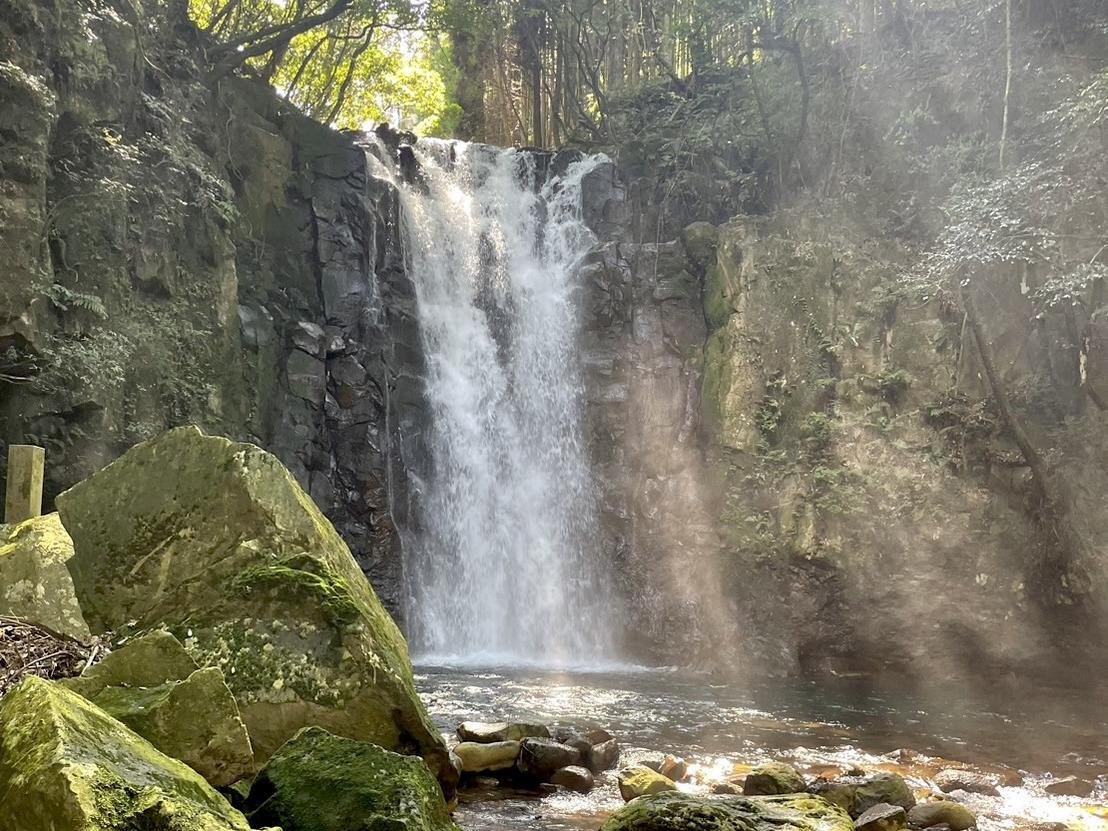
Falls in upper Shimizu River's Tonosumi Gorge, loved for summer coolness and autumn foliage.
Hakariishi Spring Water Spot
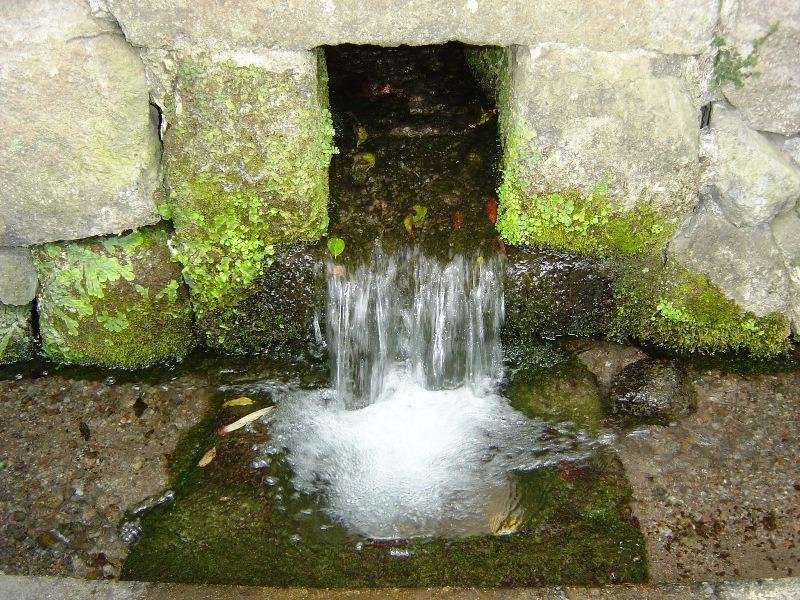
A concave channel-bed stone splits spring water north and south. Shimabara City tangible folk cultural property.
Hanabusa Observatory
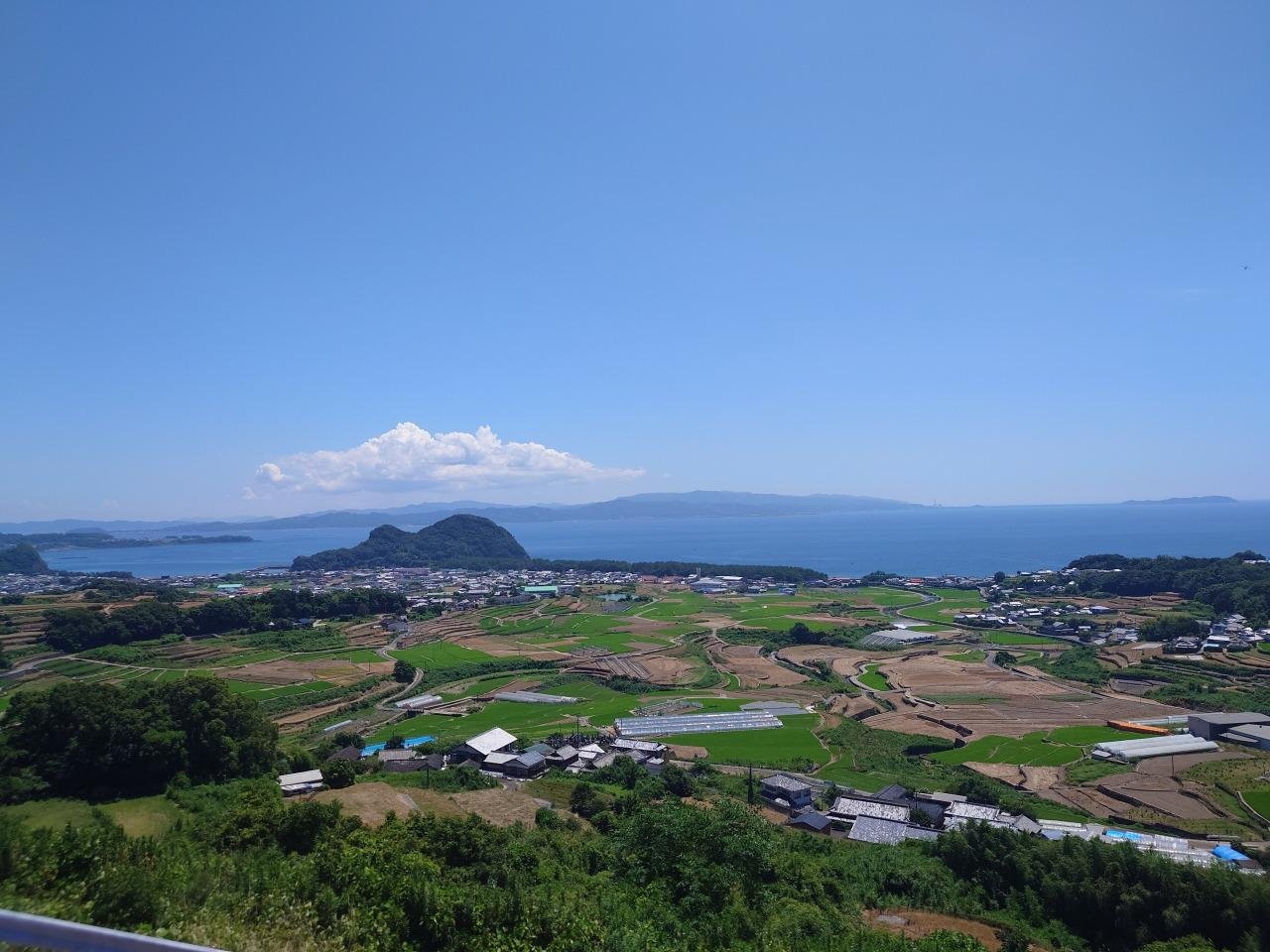
Panoramic viewpoint over islands, mountains, and Hayasaki Peninsula, with visible ancient volcanic strata.
Shimabara Castle Moat Cherry Blossoms
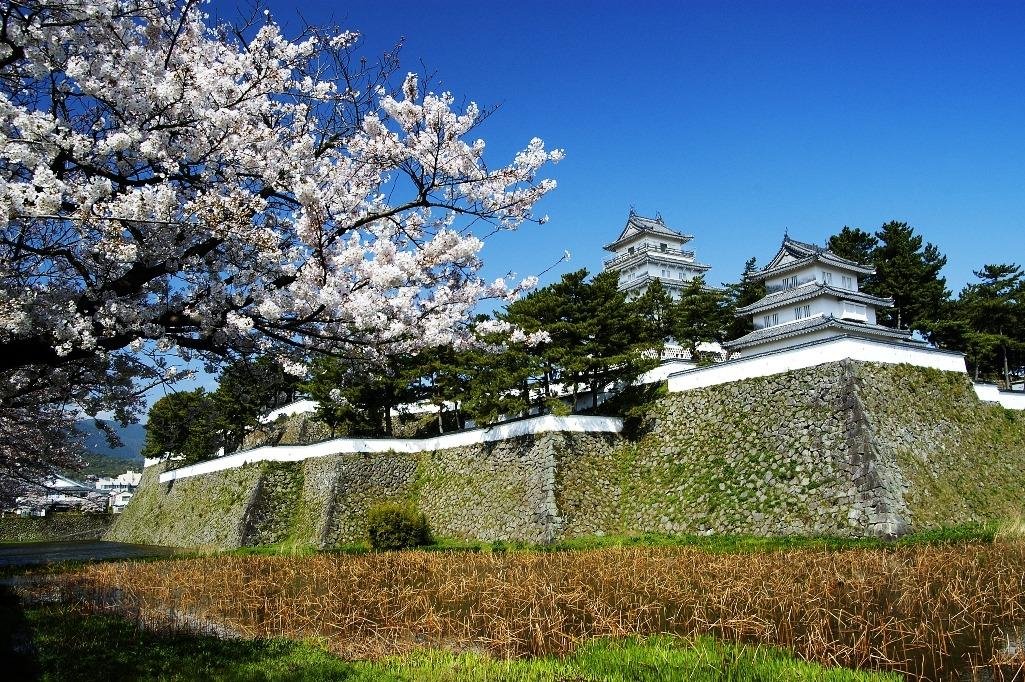
250 Somei-Yoshino cherries bloom along 1.3 kilometers of the castle moat, with red night lanterns.
Sunset Hill
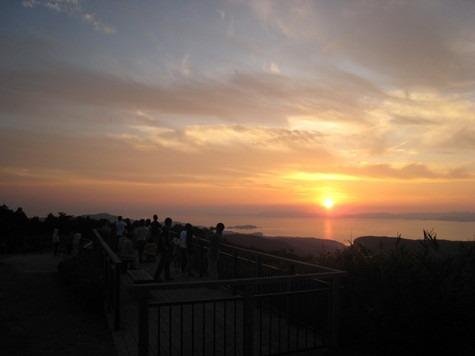
Scenic spot in Eco Park Ronshobaru, Kita-Arima, with fine views of sunsets over Tachibana Bay.
Mayuyama Erosion Control Memorial Park
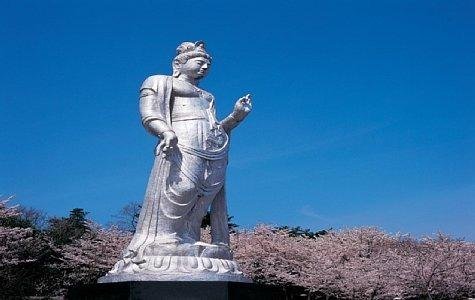
Memorial park at Mayuyama's foot with Seibo Kitamura's Kanzeon statue, cherry trees, and sports fields.
Fukae Buried Cultural Properties and Eruption Disaster Museum
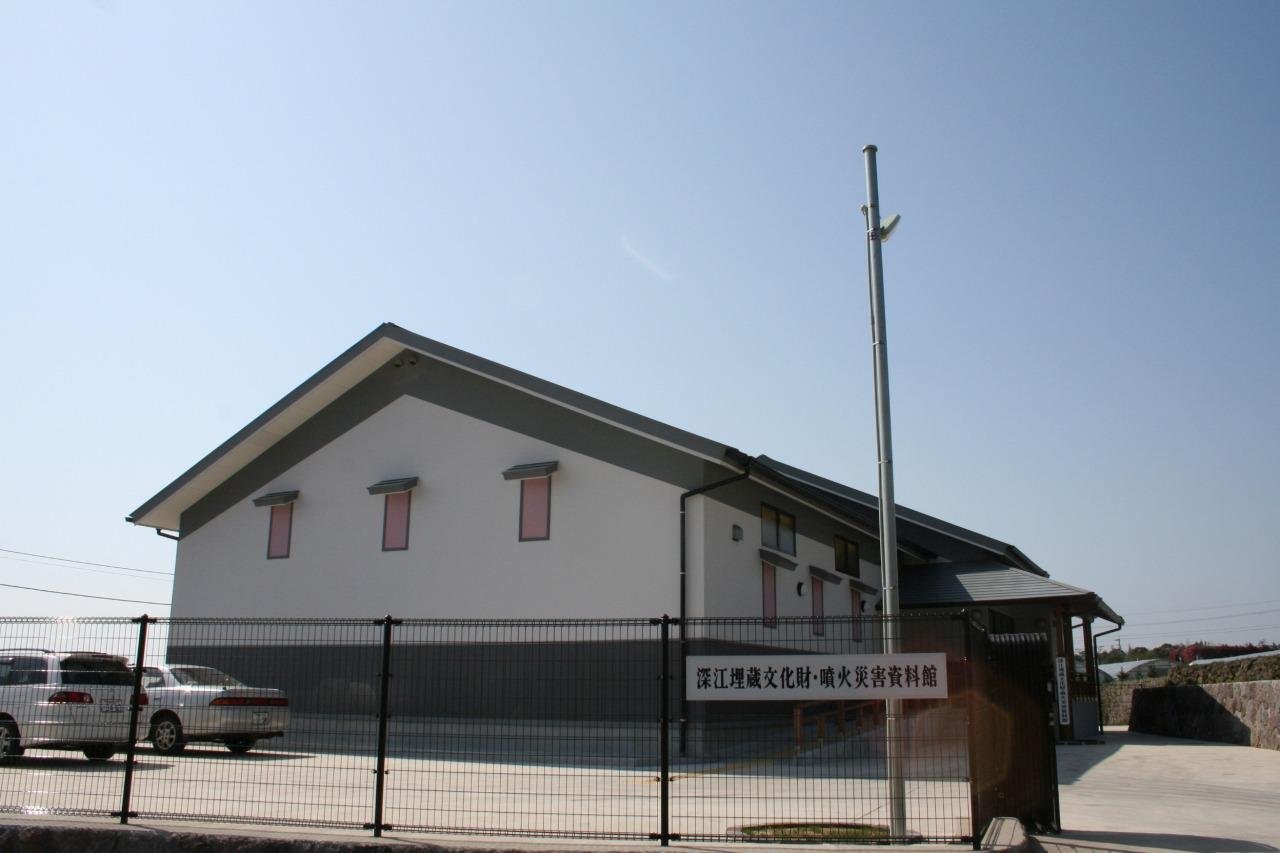
Displays excavated pottery and other artifacts, plus photos of the Unzen Fugendake eruption disaster.
Iwatoyama Grove
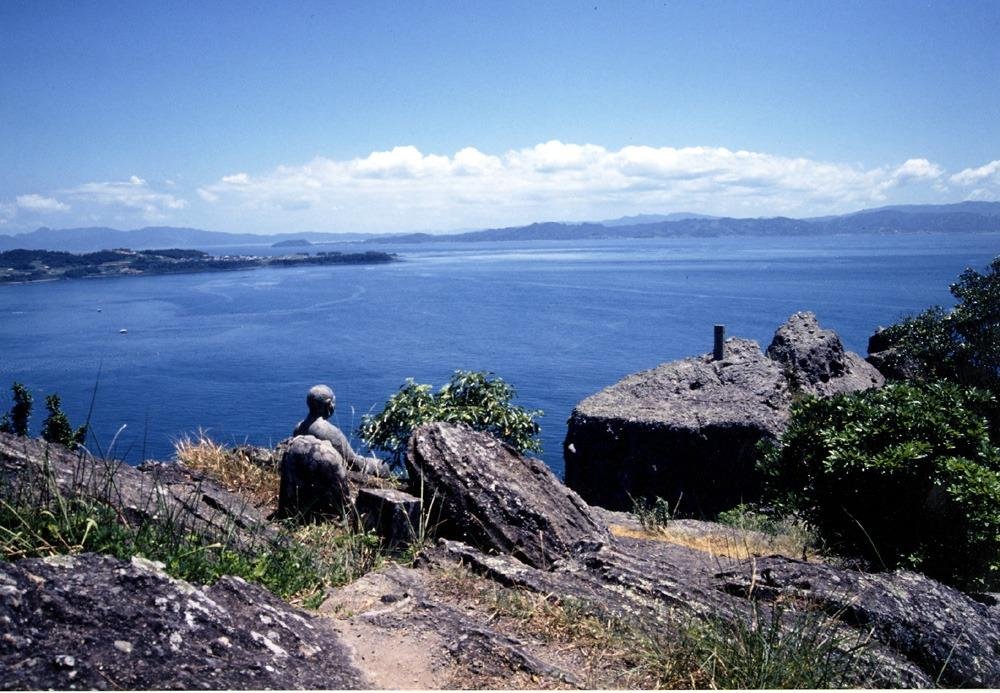
97-meter mountain; rare plants designated a national natural monument in 1928. Also a Kannon faith site.
Senbongi Observatory
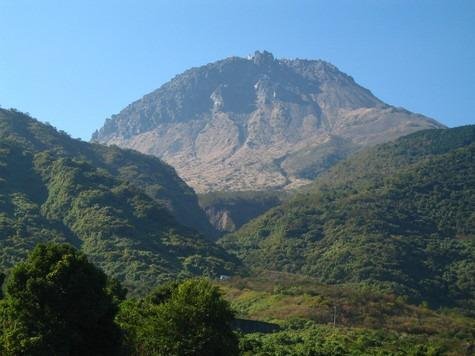
Overlook where pyroclastic flows and heat blasts devastated the district on June 23-24, 1993.
Gonda Park
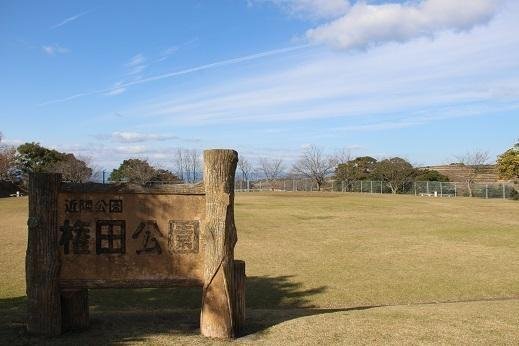
Hilltop park at 100-140m with views, spring cherries and azaleas, autumn cosmos, and sunsets.
Spectacles Bridge (Minamishimabara City)
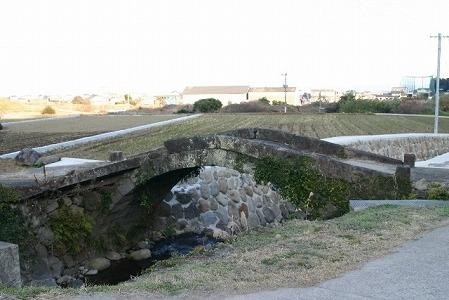
Stone arch bridge built in 1853, called the oldest public stone bridge on the Shimabara Peninsula.
Amagase Kofun
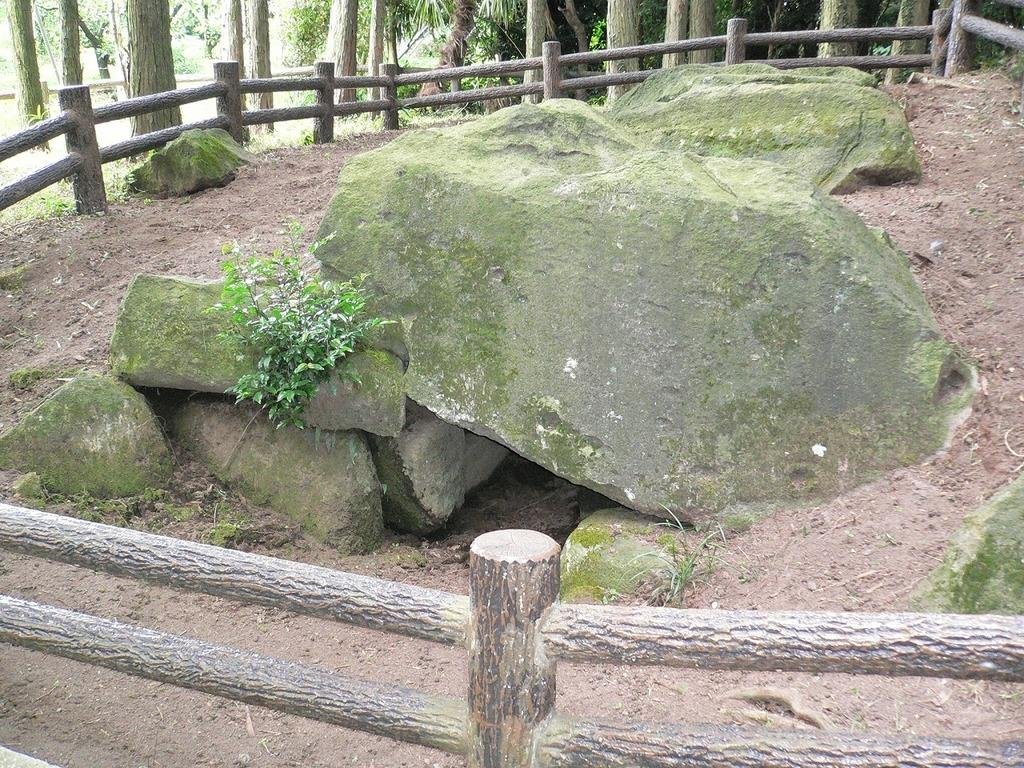
Late Kofun-period corridor-style stone chamber tomb with front and rear rooms, stones now exposed.
Shinwa Spring
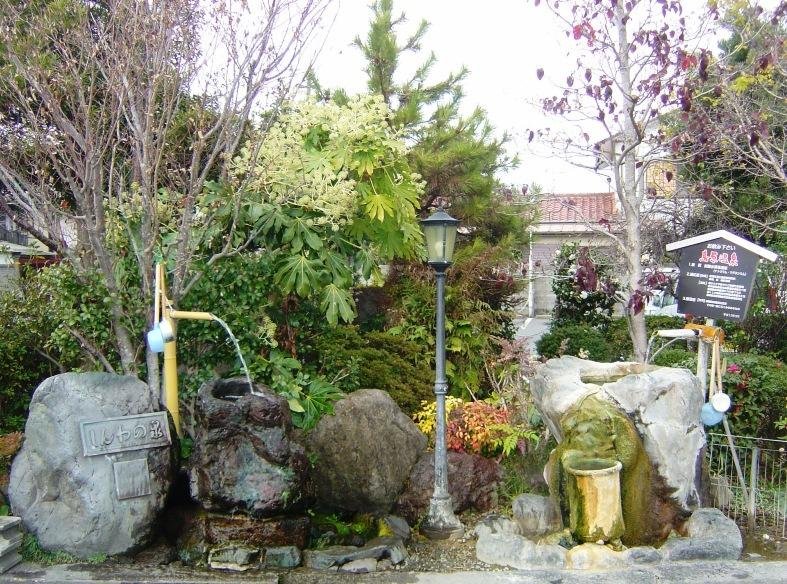
City-center spring across from Yutorogi footbath; people drink the water or take it home.
Hayasaki Basalt
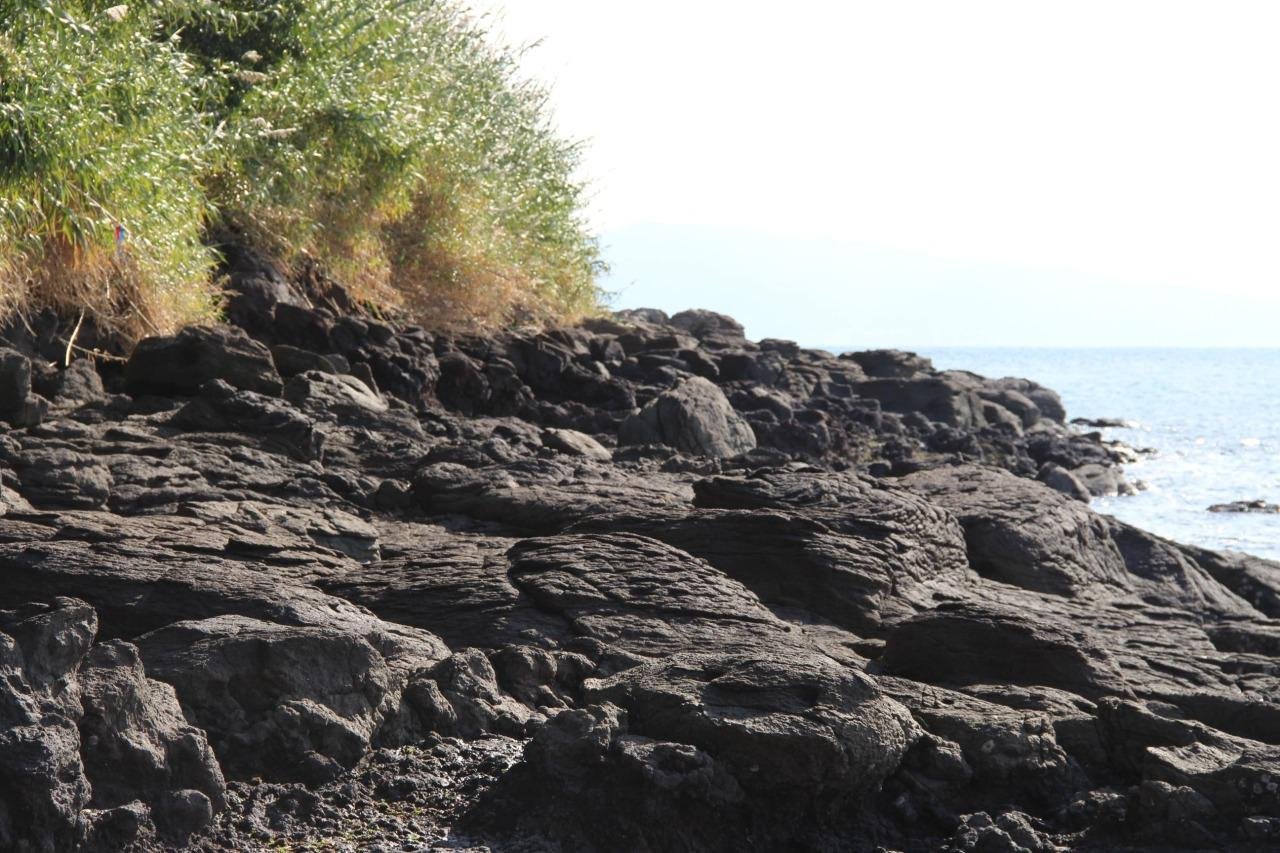
One of Shimabara Peninsula's oldest rocks, erupted about 4.3 million years ago, with Hawaii-like black lava.