 BokenJapan
Japan / Nagasaki / Tsushimashi / See
Sights in Tsushimashi, Nagasaki
Tsushimashi · Nagasaki · 63 places
See
Bansho-in Temple
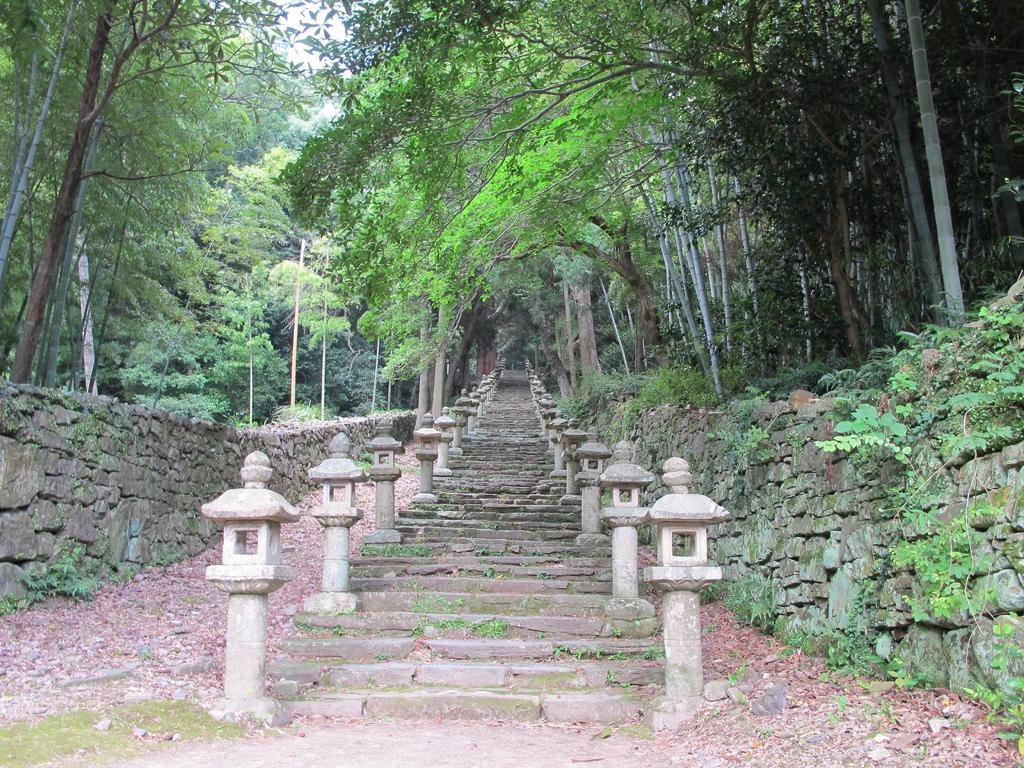
Founded in 1615 as the So family temple. Main hall rebuilt 1879; Tsushima's oldest gate and 132 steps remain.
Kaneda Castle
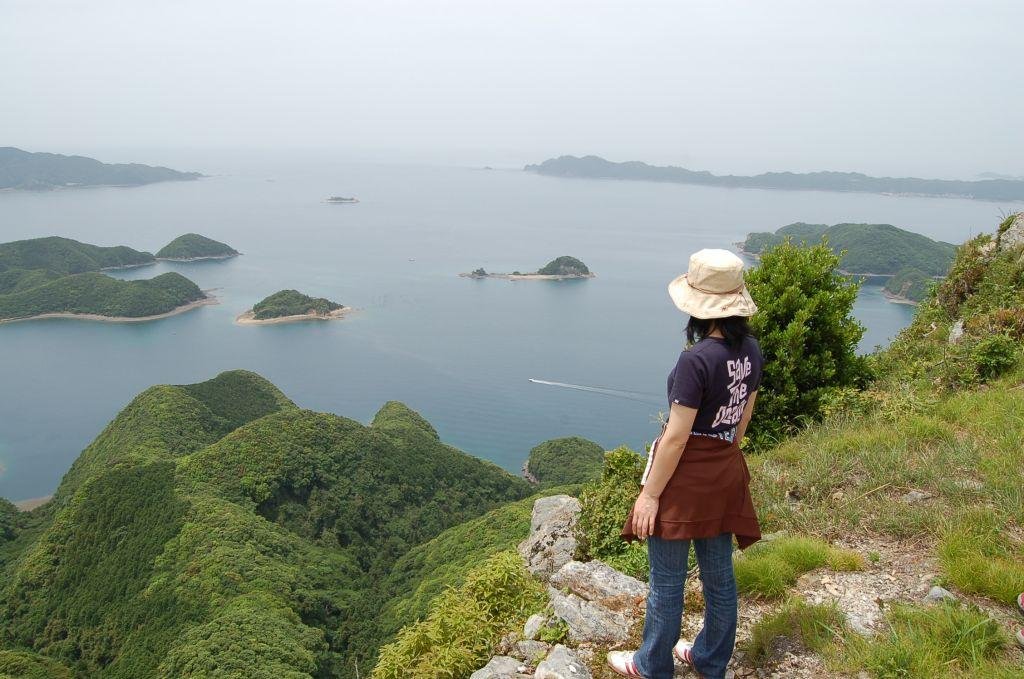
Ancient mountain castle built in 667 on Tsushima to prepare for Tang and Silla invasion.
Tsushima Museum
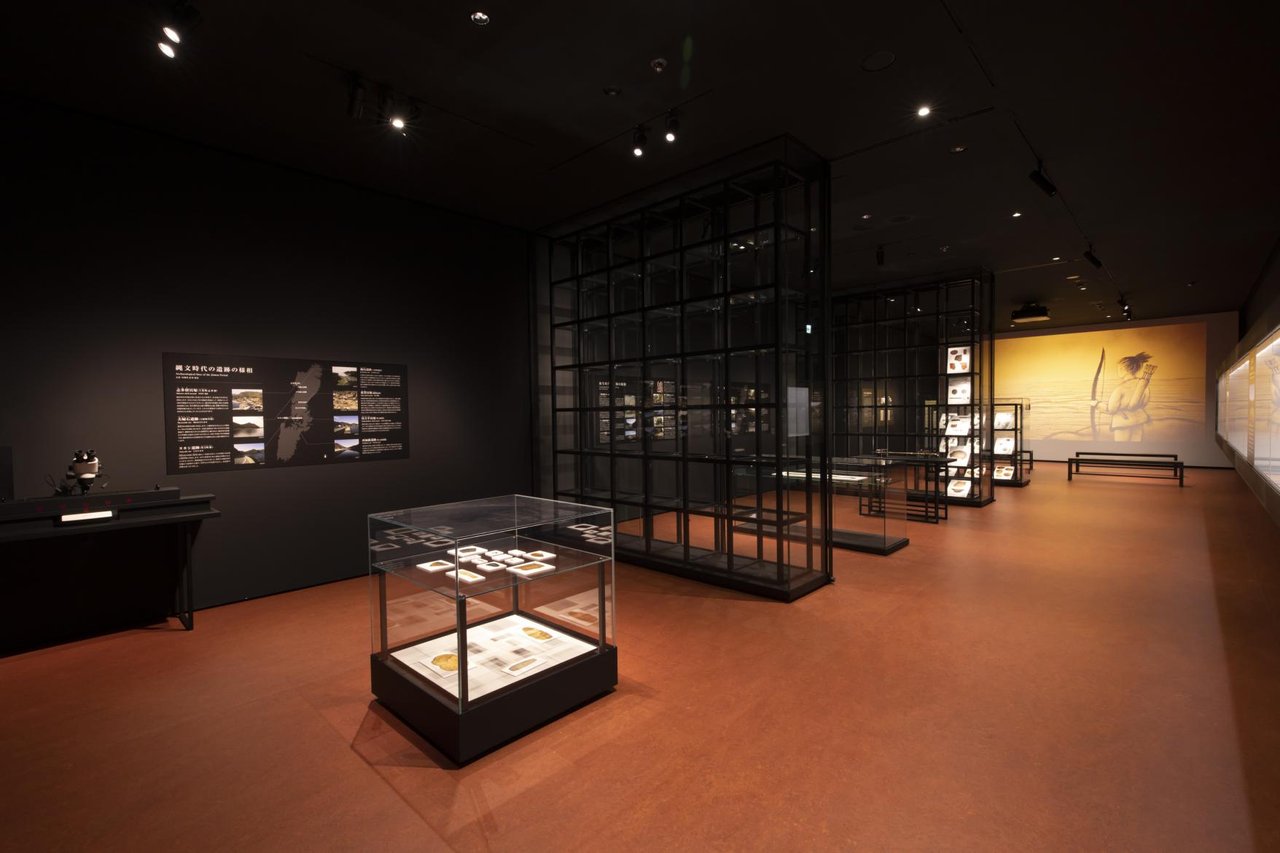
Museum opened April 30, 2022, presenting Tsushima history, art, folklore, nature, and So family documents.
Himekamiyama Battery Ruins
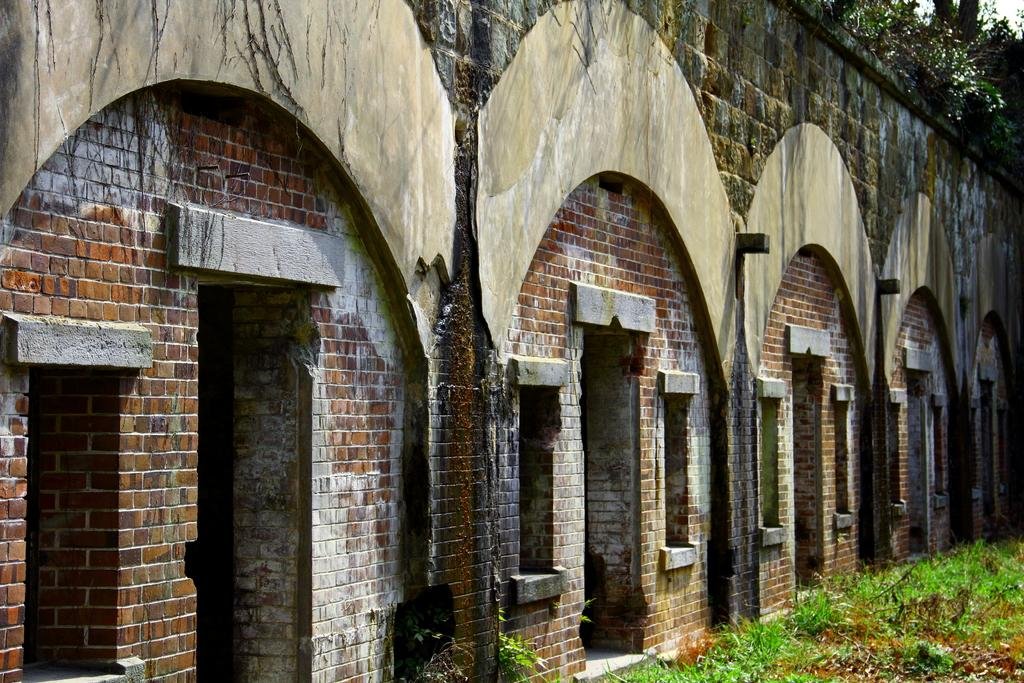
Meiji battery of red brick and sandstone, finished in 1901 and later fitted with six 28cm howitzers.
Ayumodoshi Nature Park
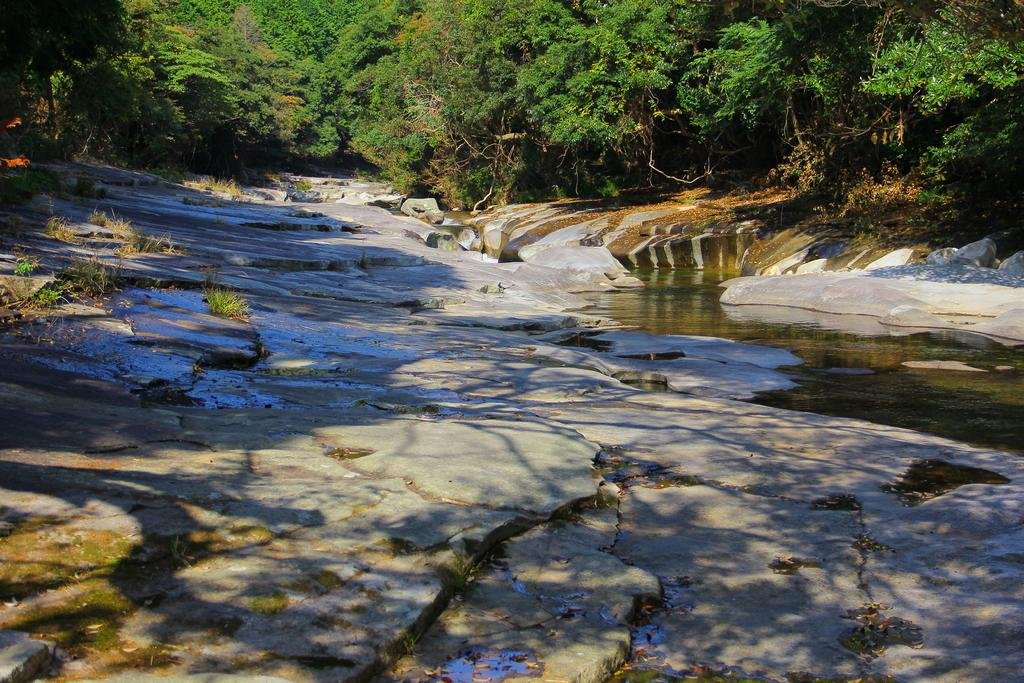
Special protection area where granite-covered Segawa River forms a rare landscape, busy in summer.
Tsushima Wildlife Conservation Center
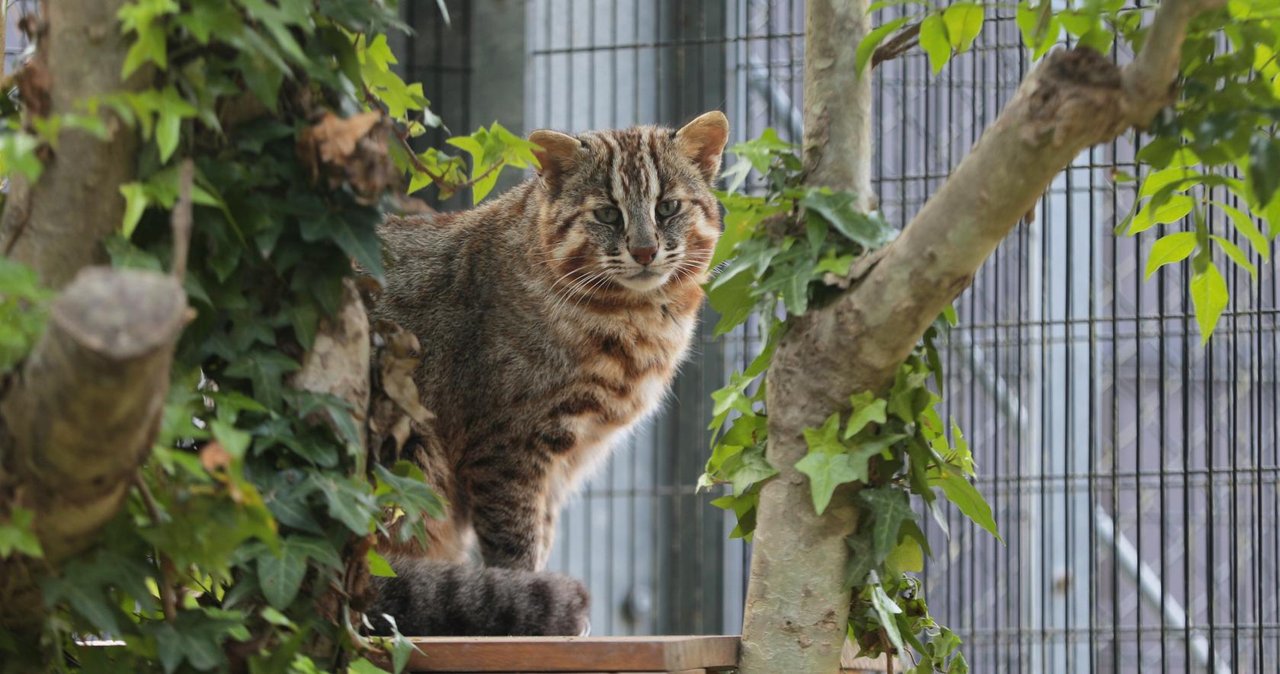
Base protecting Tsushima's rare wildlife, explaining the leopard cat, viewable through a one-way mirror.
Kaneishi Castle Ruins
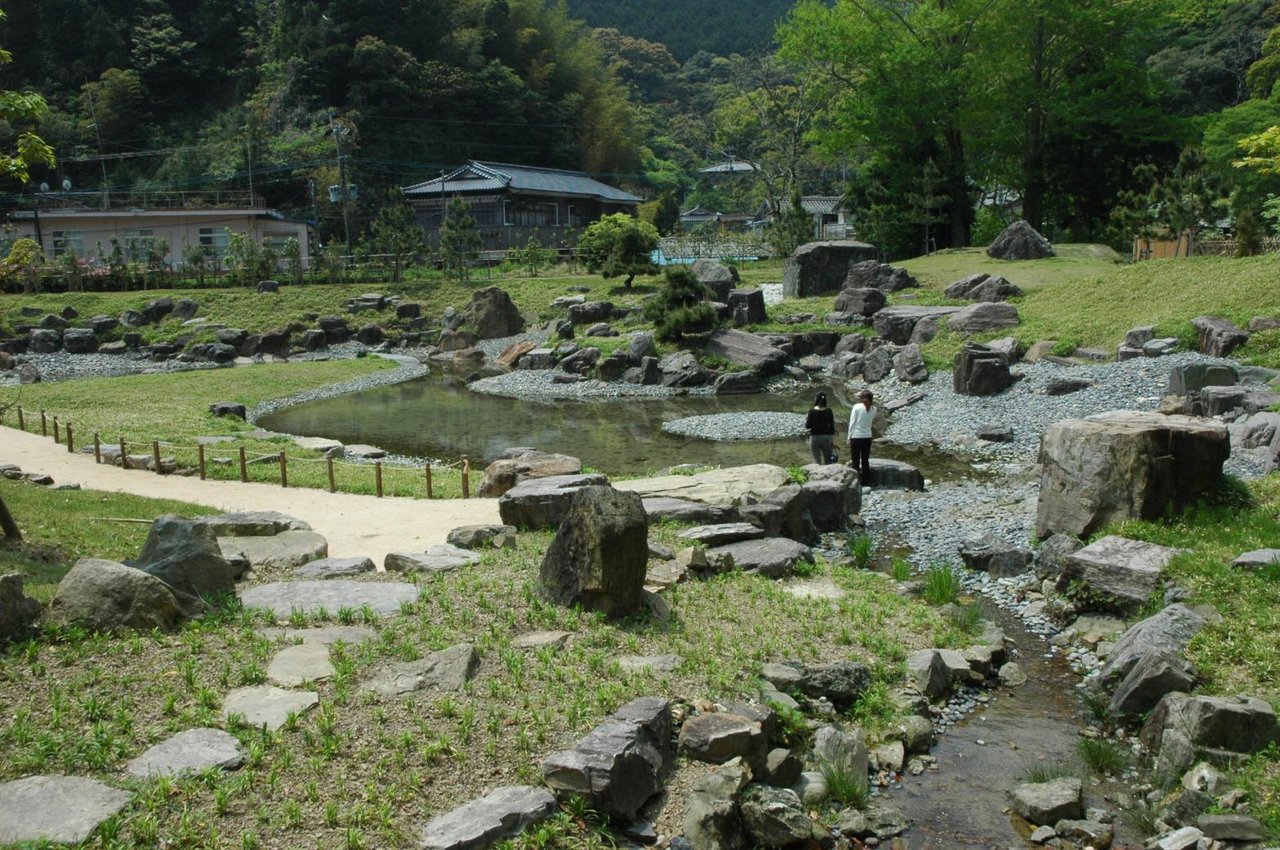
Ruins expanded in 1665 with no castle keep; walls, a gate site, and a garden pond remain.
Hatchokaku
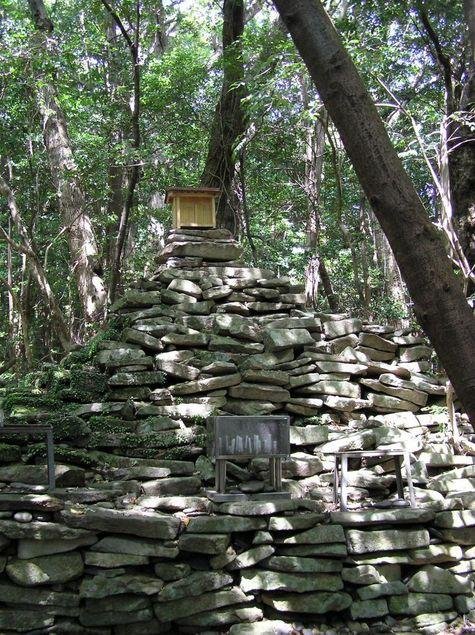
Mossy stone tower in ancient forest, a once-forbidden Tendo ritual site now planted with cherry and azalea.
Tsushima Domain Ofunae Ruins
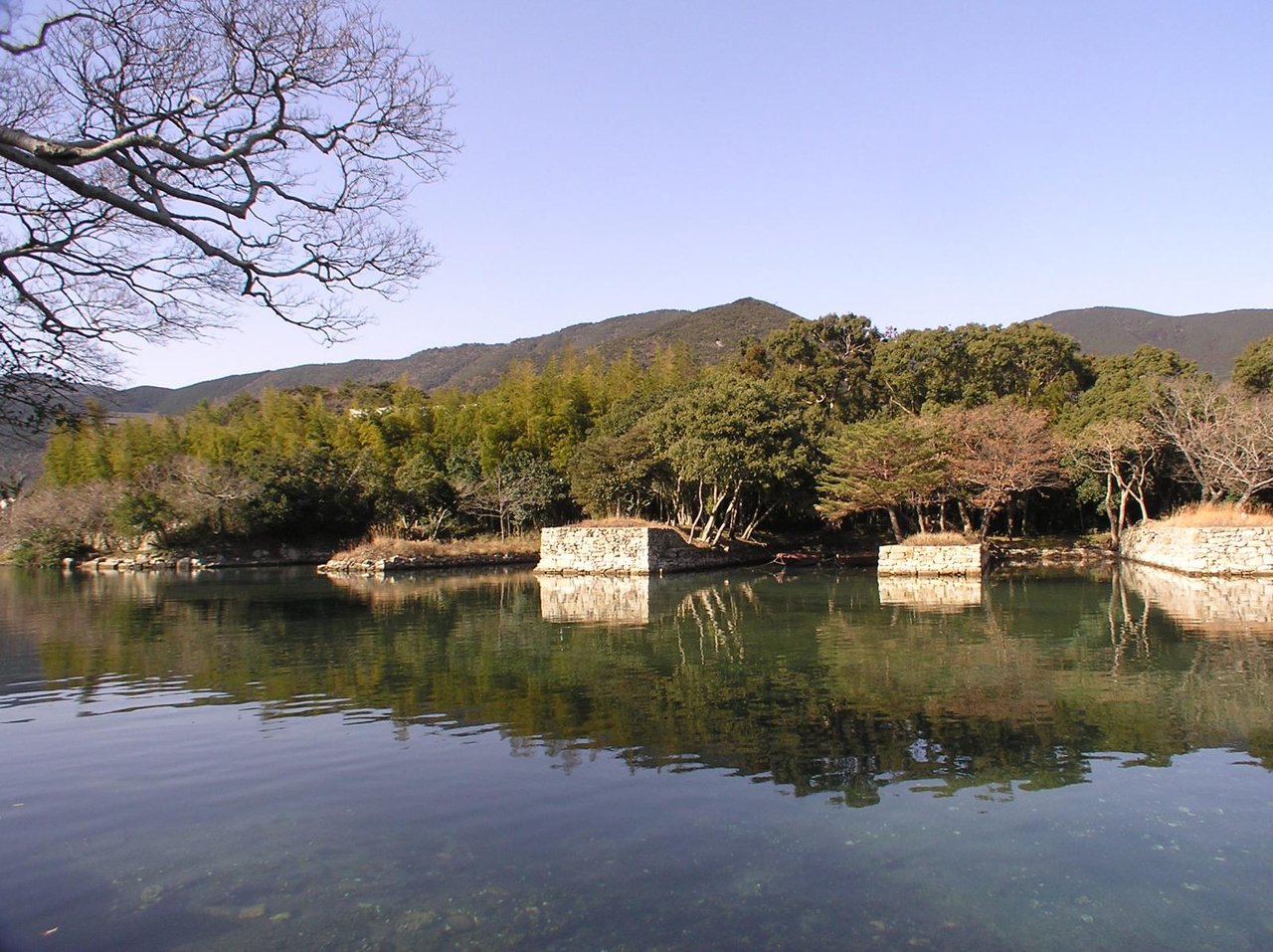
Inlet built in 1663 at the Kuta River mouth, with four jetties and five docks; original stone embankments remain.
Shushi Maple Avenue
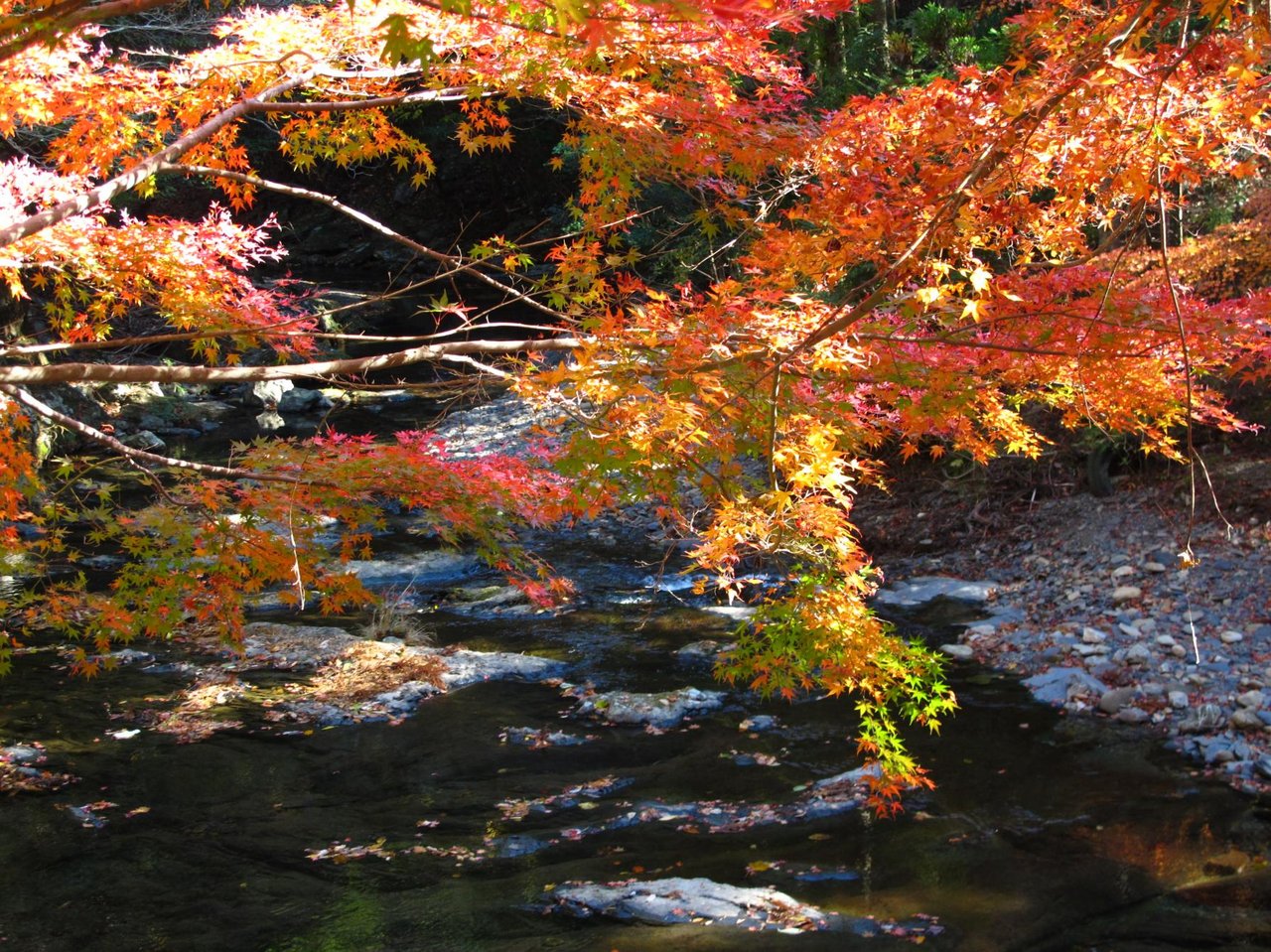
Maples line about 7 km along the Shushi River, a walking course known for Tsushima's finest autumn colors.
Shimizuyama Castle Ruins
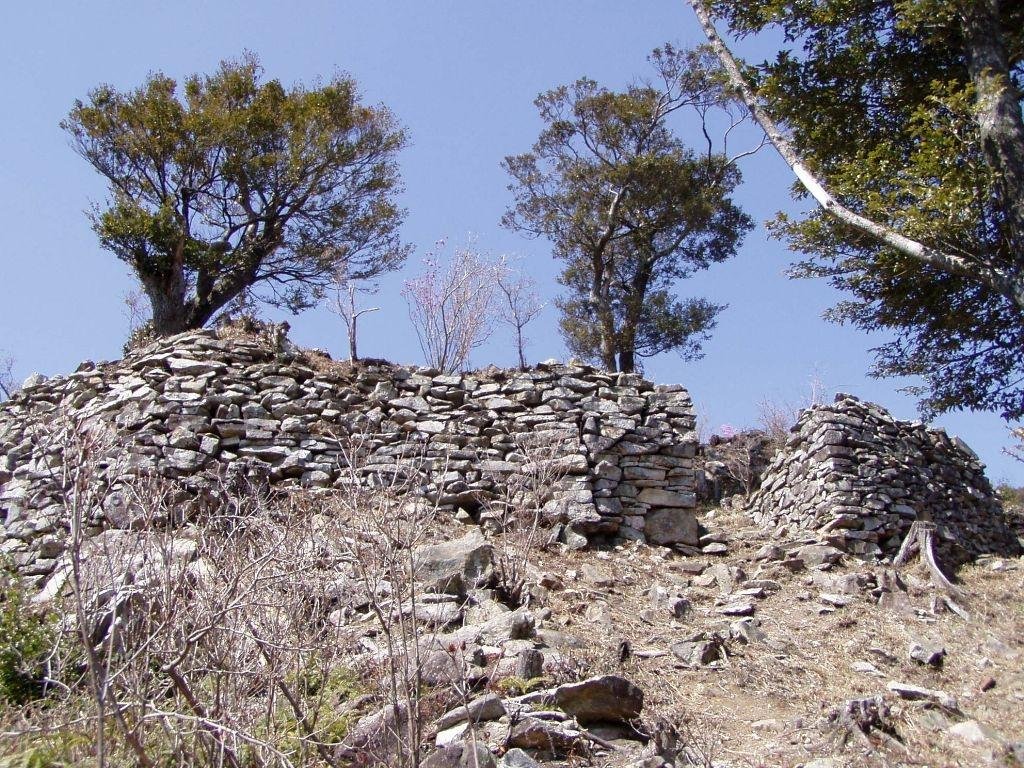
Built in 1591 for Hideyoshi's Korea campaign, with three baileys and well-preserved gate courts. Nationally designated monument.
Amatsukami Takuzutama Shrine
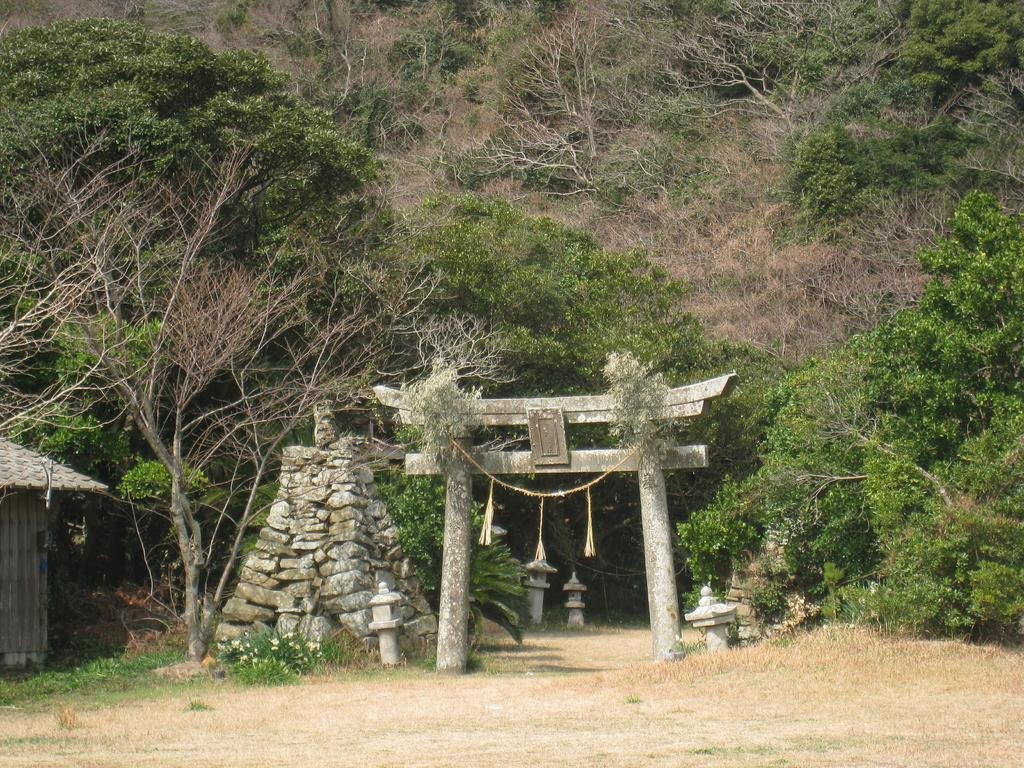
Shrine famous for a sacred-rock altar without a building, listed in 870 at Tendo Mountain's foot.
Former Nisshinkan Gate (with Stone Wall)
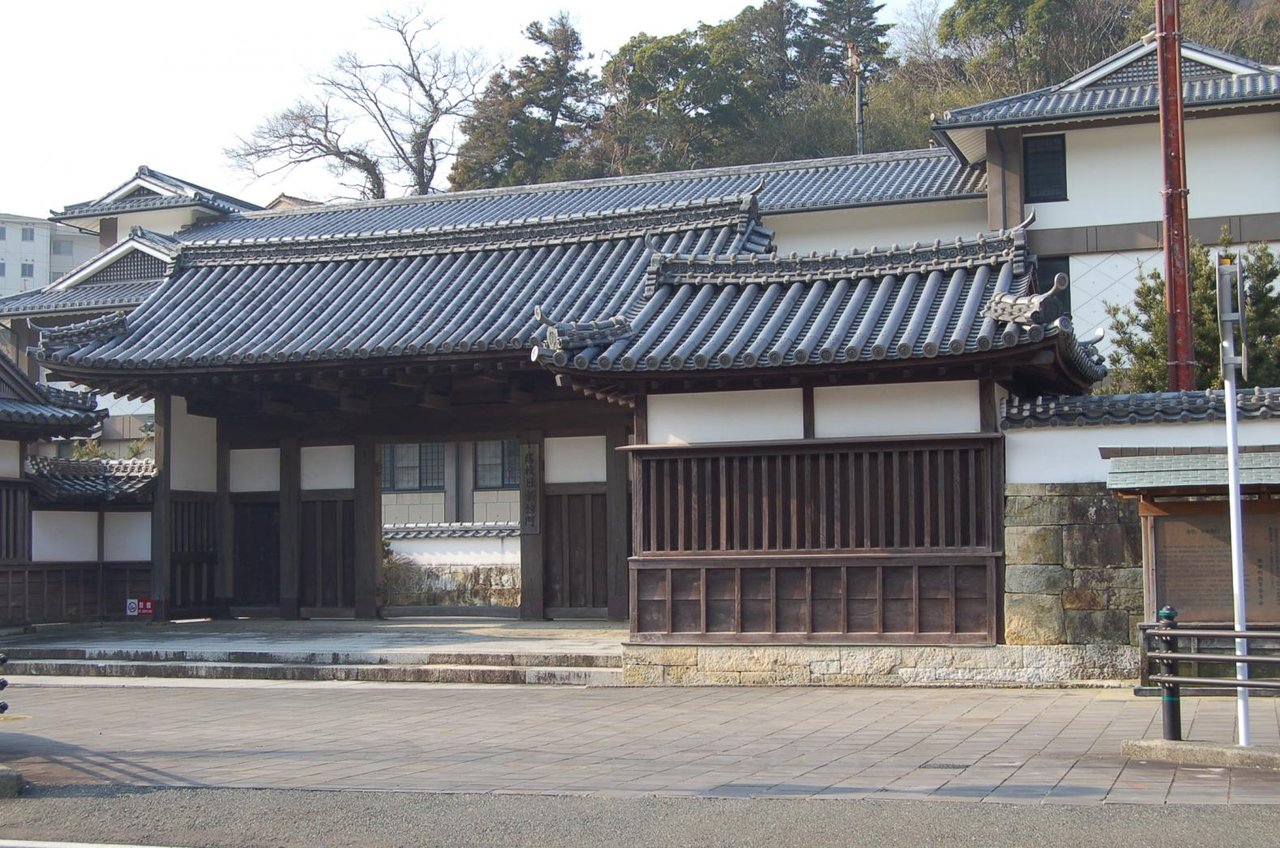
Prefectural cultural property; So clan gate of late-Edo rank, later used by Nisshinkan domain school.
Entsu-ji Temple
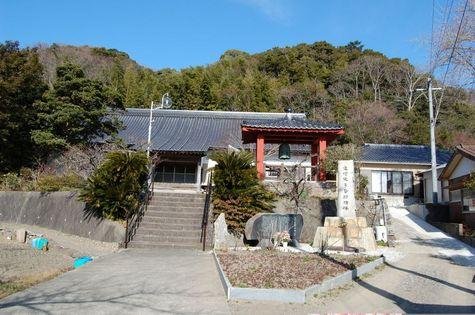
Temple behind which So family graves stand, with a 13th-century bronze Yakushi and early Joseon bell.
Yutaka Battery Ruins
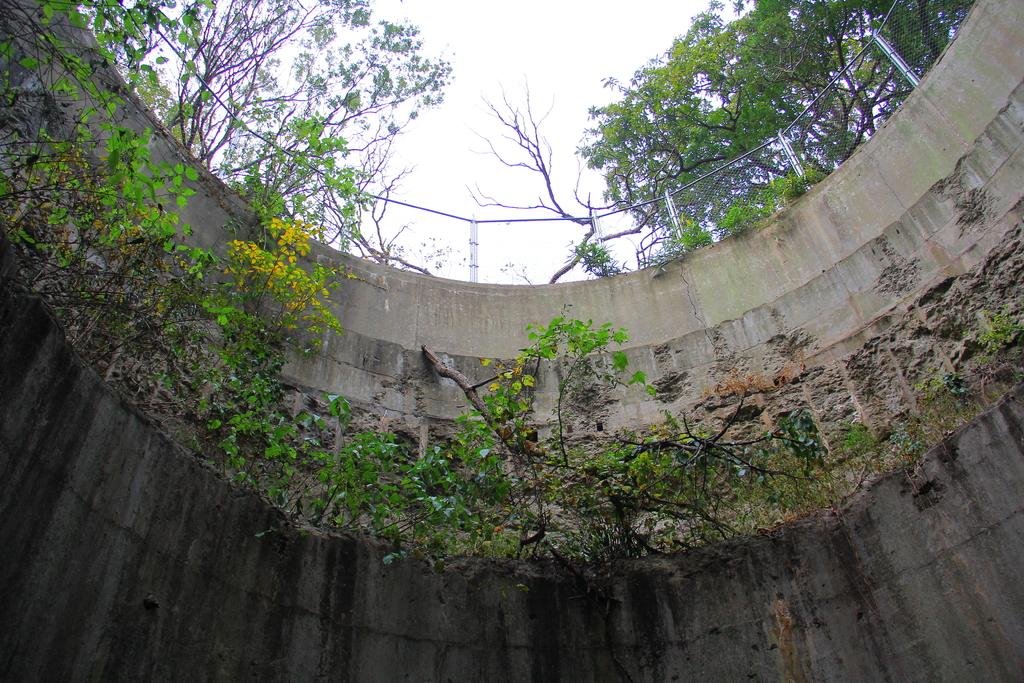
Mounted Akagi's scrapped main gun, then the world's largest, never fired; access is fully closed for now.
Ikoku no Mieru Oka Observatory
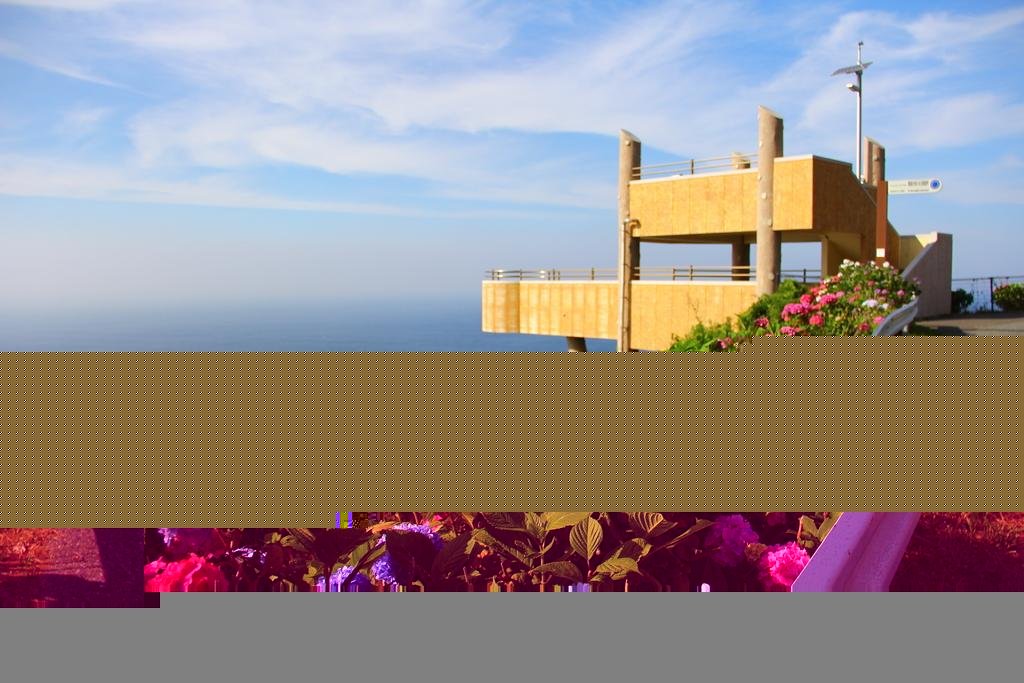
Observation tower about 50 km from Busan, viewing fishing lights and the Busan cityscape.
Manzeki Observatory
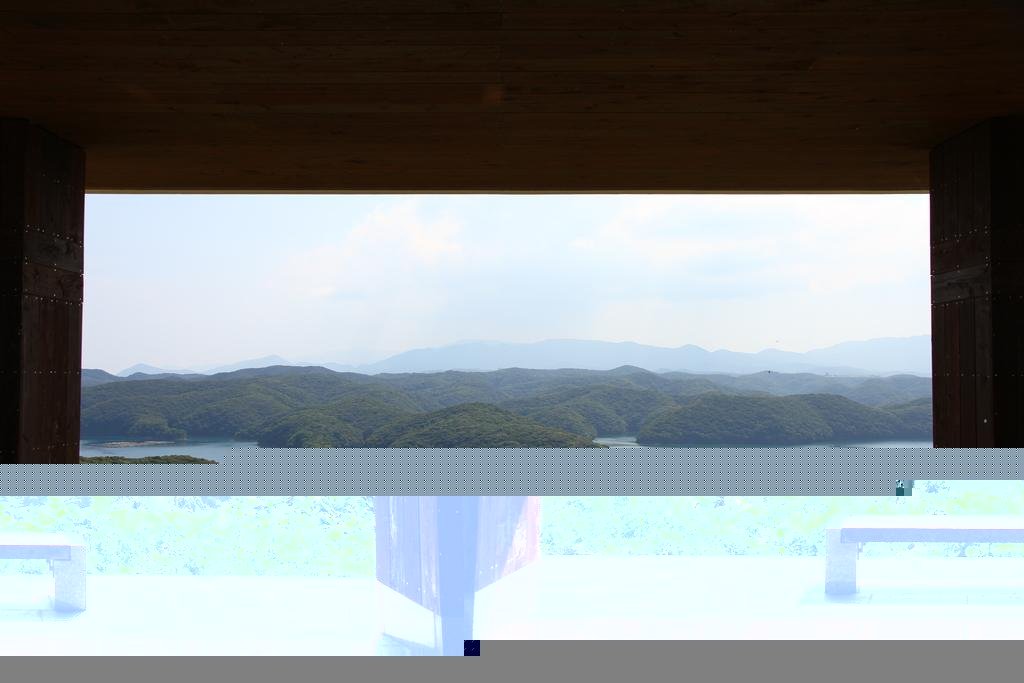
Overlooks the army-dug Manzeki channel, Manzeki Bridge, and whirlpools between Aso and Miura bays.
Great Ginkgo of Kin
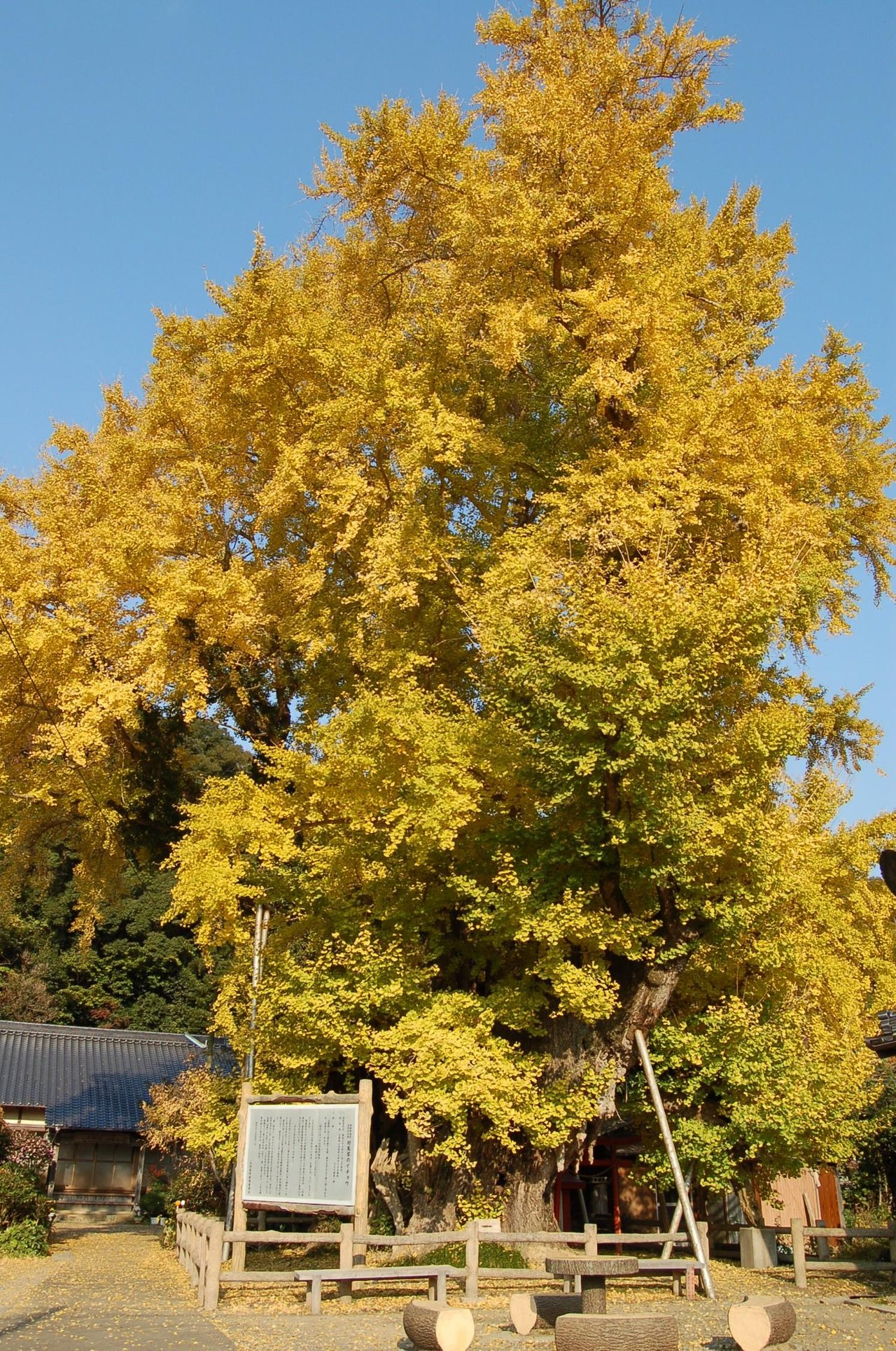
Said to be a 1,500-year-old ginkgo at Chosho-ji, Japan's oldest, 12.5 m around and 40 m tall.
Stone-Roofed Warehouses
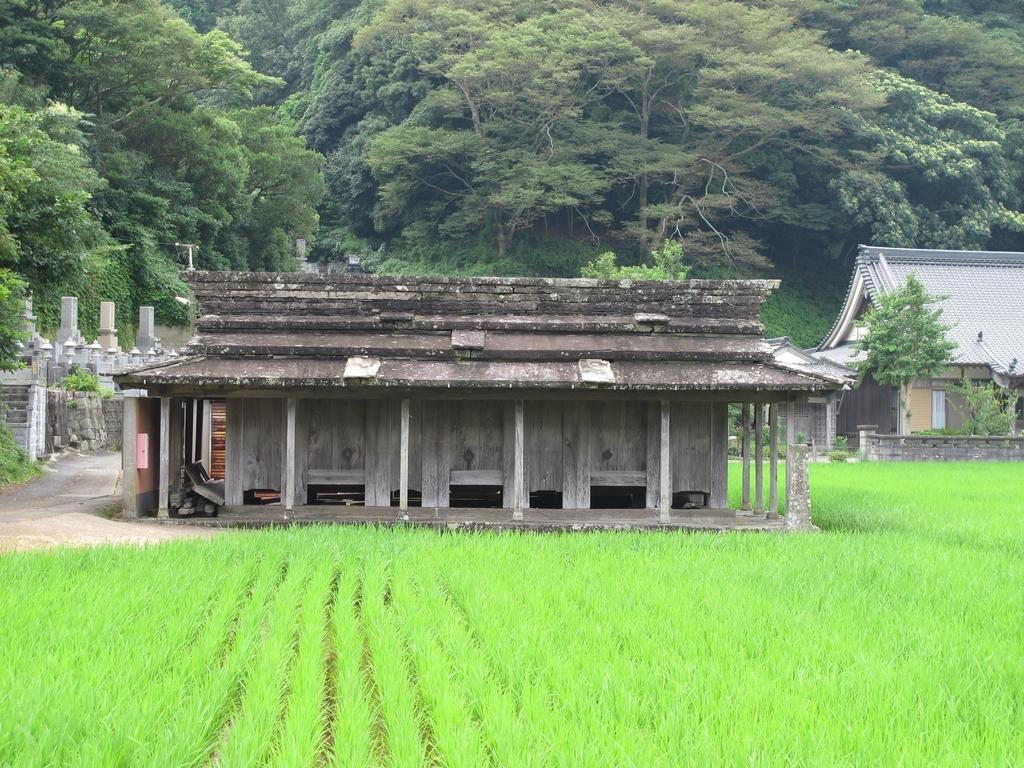
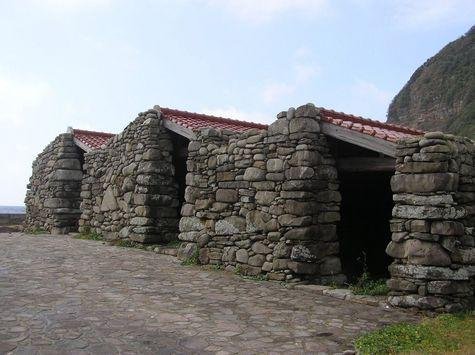
Shiine storehouses roofed with thick sandstone slabs, set apart from houses to survive fires.
Monument to the Shipwrecked Joseon Interpreters
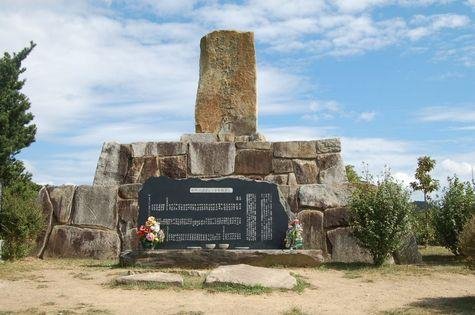
In 1703, 108 Joseon interpreters died in a shipwreck near Wanoura; the 1991 monument base uses 112 spirit stones.
Kizaka Gozenhama Park
Coastal site where the Yakuma festival stacks stones to pray for boys' growth and harvests.
Saozaki Park
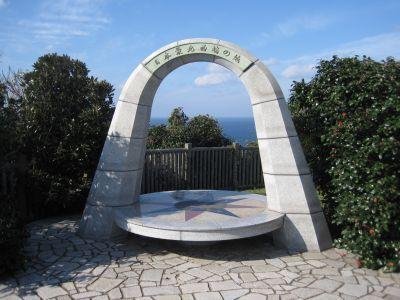
49.5 km from Busan, offering mountain and night views, wartime batteries, gardens, and Japan's northwest tip monument.
Japan Sea Naval Battle Monument (Tonozaki Park)
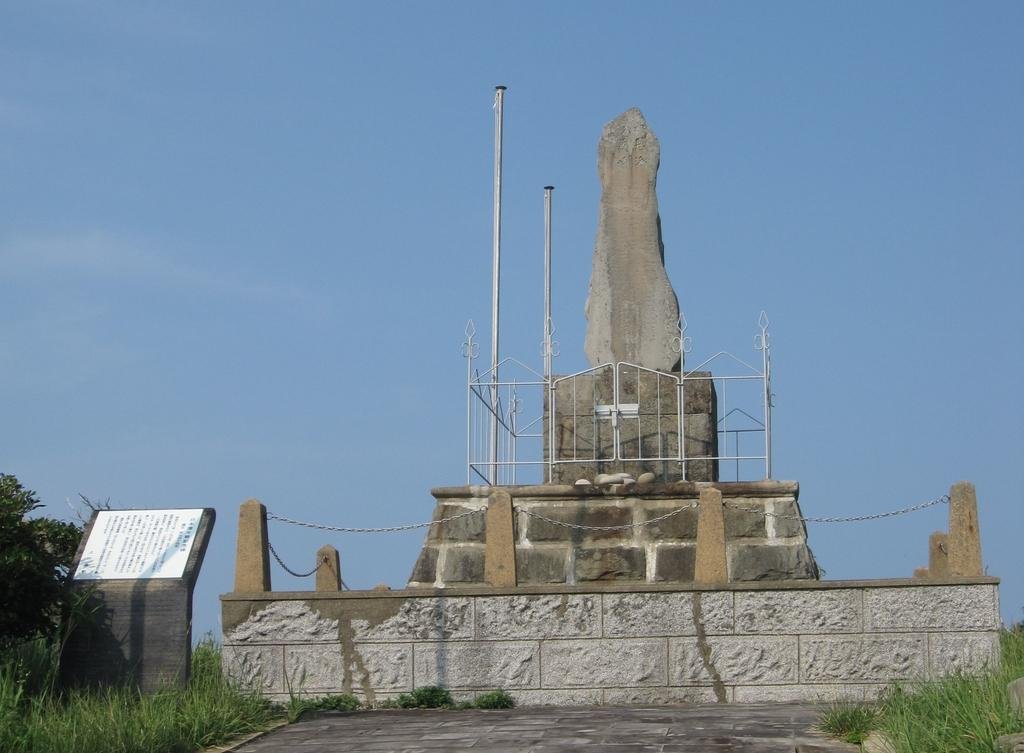
1905 monument to the Japan Sea naval battle; local people aided 143 Russian sailors who landed here.
Toyotama Wild Boar Wall
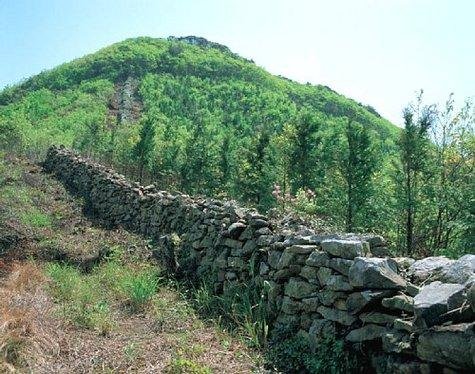
Well-preserved stone walls near Shirako Beach, long called boar walls from Genroku-Hoei hunts, though that is doubted.
Tatsurayama Primeval Forest
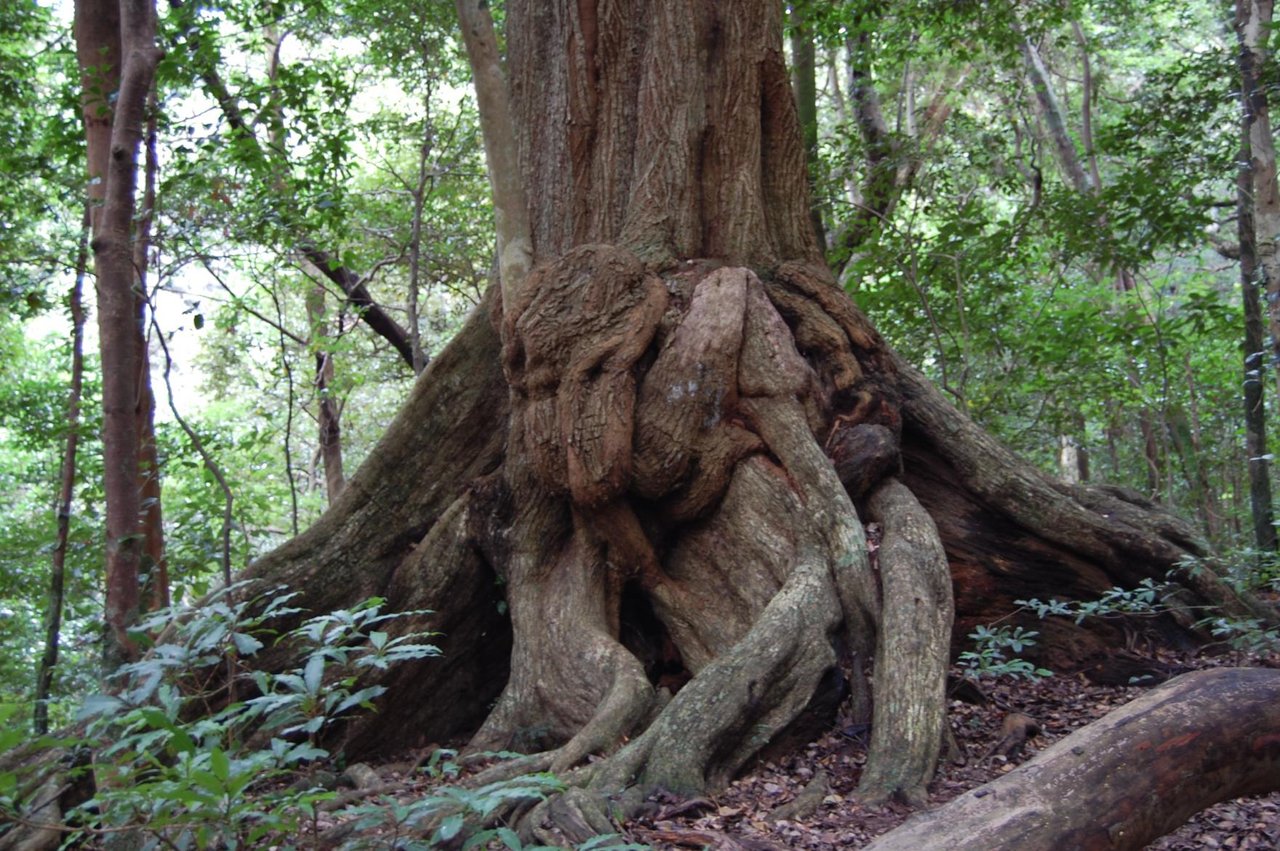
National natural monument: unlogged laurel forest below 559-meter Tatsurayama, trees averaging 200 years.
Waniura Park
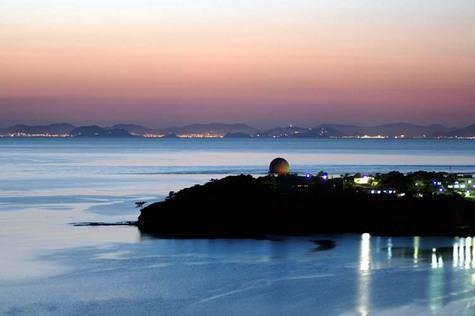
Largest wild grove of Chinese fringe trees in Japan, a national natural monument also called Umiterashi.
Seizan-ji Temple
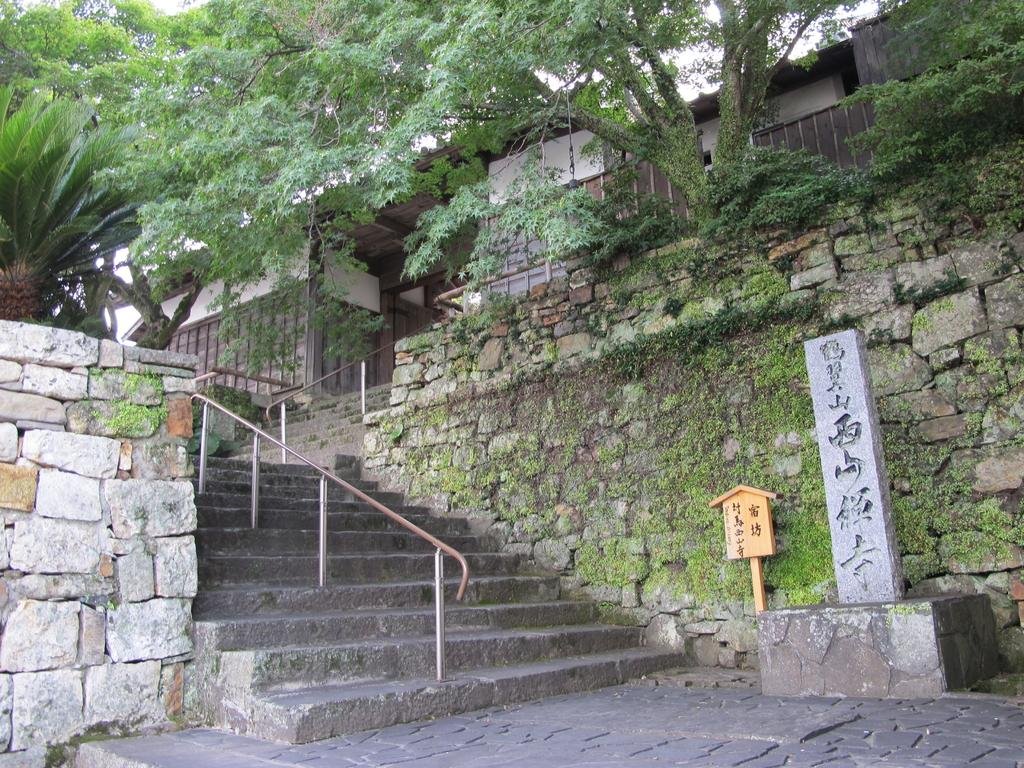
Founded in 858 after a temple fire; renamed in 1511, changed from Shingon to Rinzai, and offers lodging.
Aoumi Village
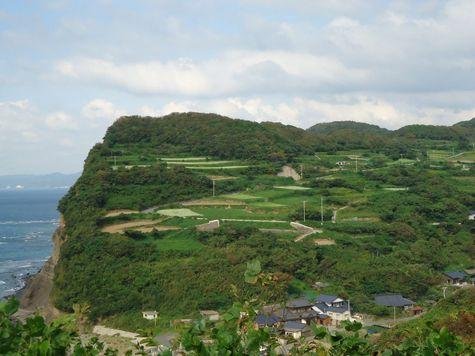
Valley village of cliffs over 30 meters and terraced fields, keeping a dual-grave custom until modern times.
Ajiro Ripple Marks and Laundry Rock
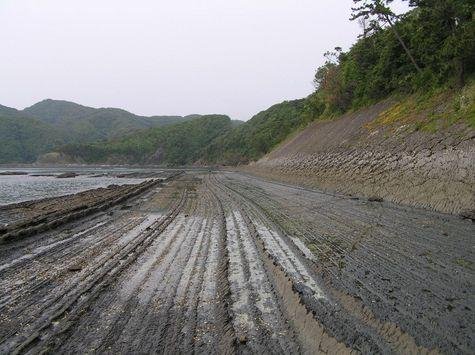
Among Japan's largest tongue-shaped ripple marks, formed by currents on Taishu Group sandstone.
Mutsugozen Shrine Great Ginkgo
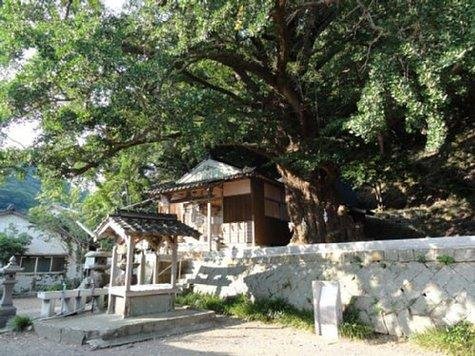
A vigorous Tsushima ginkgo about 21 meters tall, with a trunk over 6 meters, second to Koto's great tree.
Asahiyama Kofun
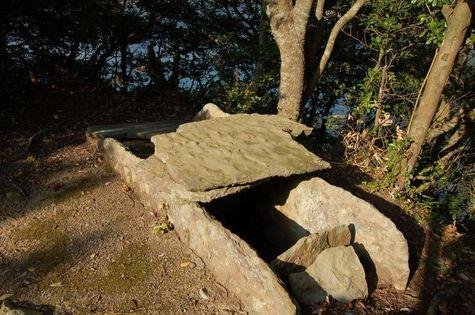
Stone-chamber tombs behind Hekireki Shrine yielded a Han-style mirror, magatama, iron weapons, and Sue ware in 1948.
Sweet Potato Elder Harada Saburoemon Monument
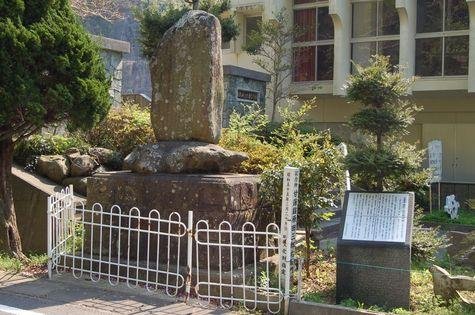
Honors Harada Saburoemon, said to have brought banned seed potatoes from Satsuma and spread them across Tsushima.
Joseon Tongsinsa Monument
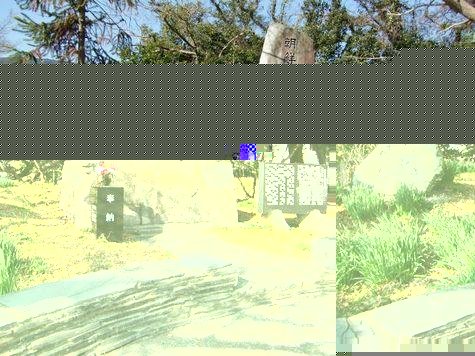
Twelve Joseon missions visited Japan from 1607 to 1811, parties of about 500 bringing learning and arts.
Narutaki Falls
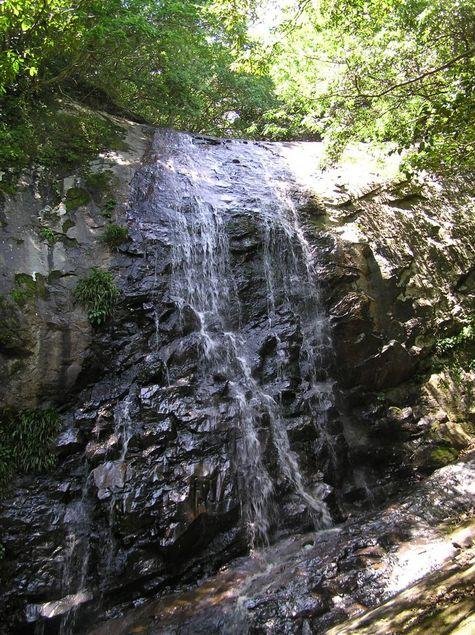
Tsushima's tallest falls, 15 meters, named for echoing through the mountains, a dragon-god site.
Tonokubi Site
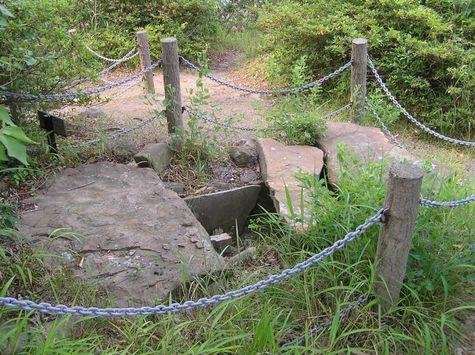
National historic site: five late-Yayoi stone coffins with bronze spears, a TLV mirror, beads, and Korean pottery.
Fishing Fires
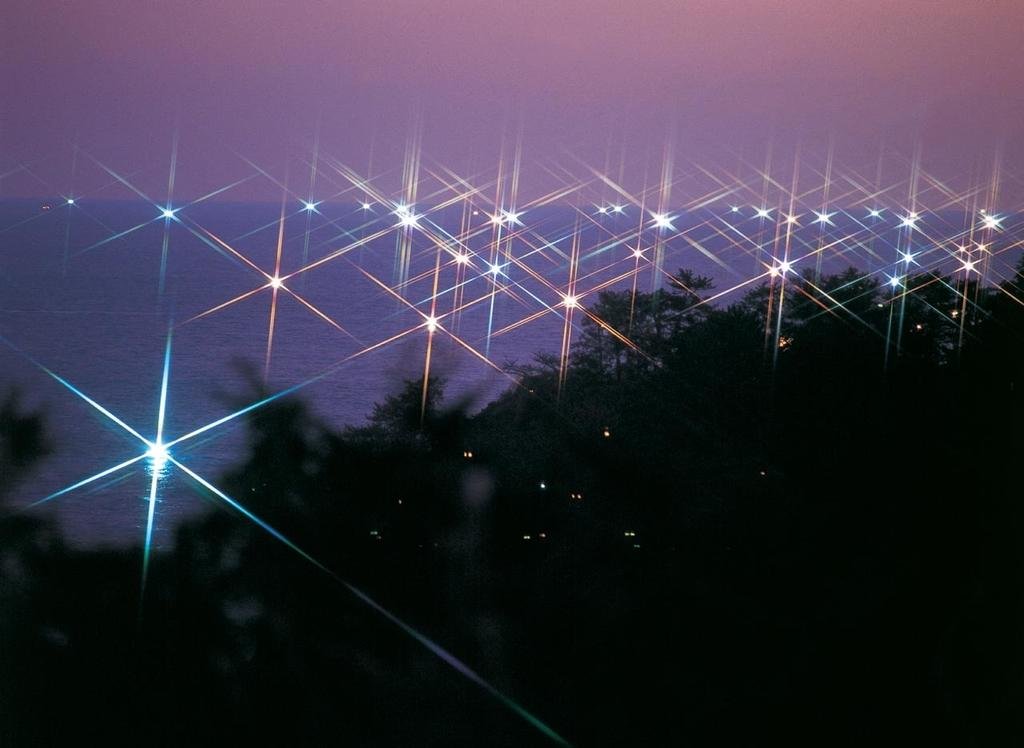
A Tsushima seasonal scene: many fishing-boat lights color the night sea like a city on the water.
Bunka no Sato Local Museum
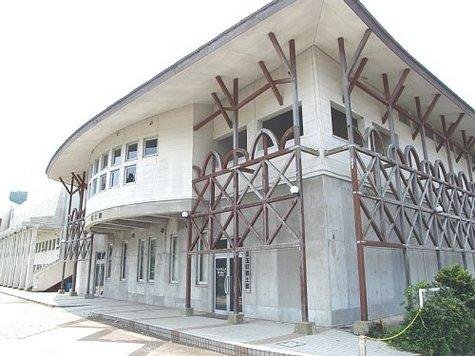
Hilltop local museum in Nii displaying Jomon and Yayoi finds plus modern farm and fishing tools.
Shimo Shiratake Primeval Forest
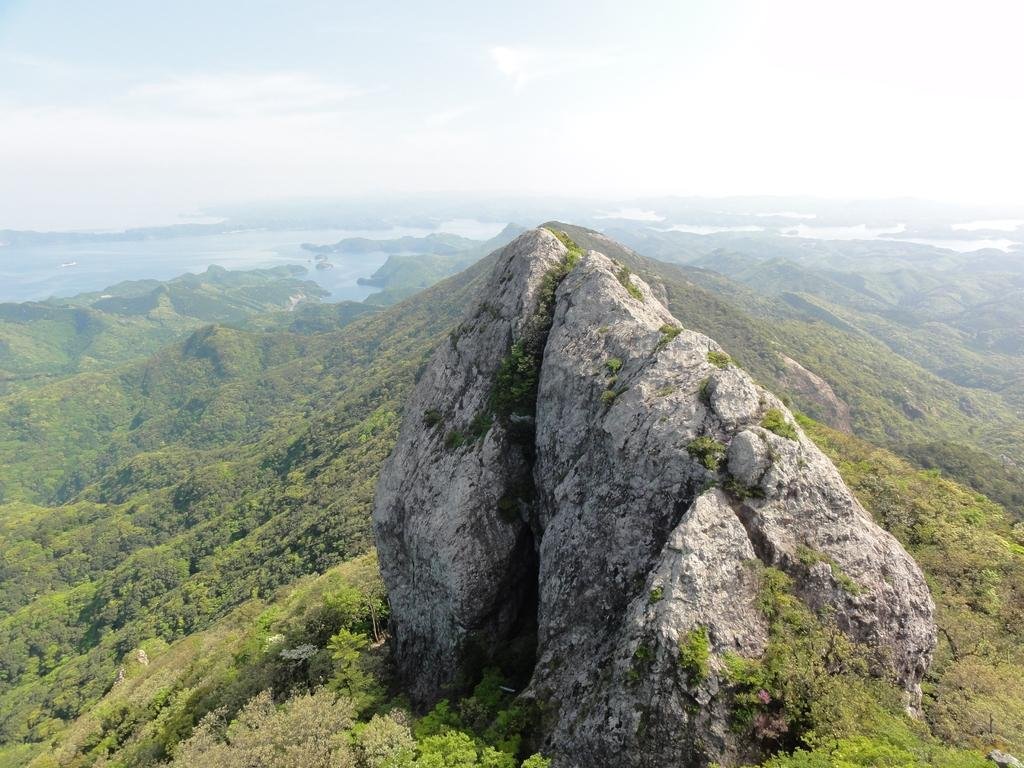
Japan's foremost site where Japanese and Korean plants coexist, on 519-meter Shiratake.
Tsunashima
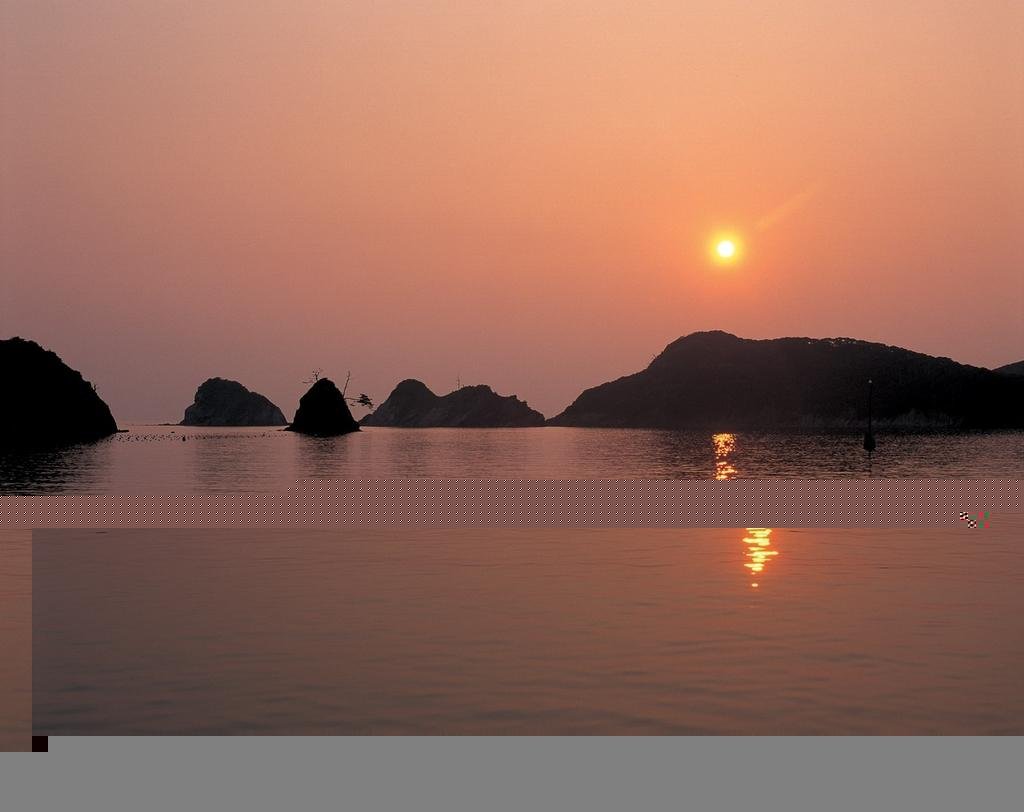
Three Kotsunaura islands famed for sunsets and designated in Nagasaki's New 100 selections.
Sajihara-kan Koraimon (Former Sajihara Castle Gate)
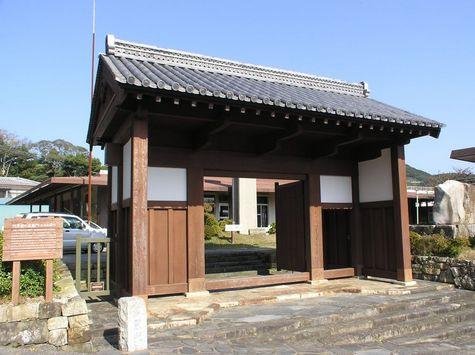
Third gate of the 1678 lord's residence, toppled by a 1987 typhoon and restored in 1989.
Chiromo Ripple Marks
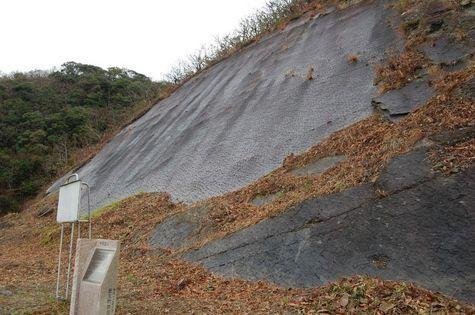
Ripple marks in Taishu Group sandstone, exposed by a cliff collapse during a 1952 typhoon.
Imayashiki Fire Walls
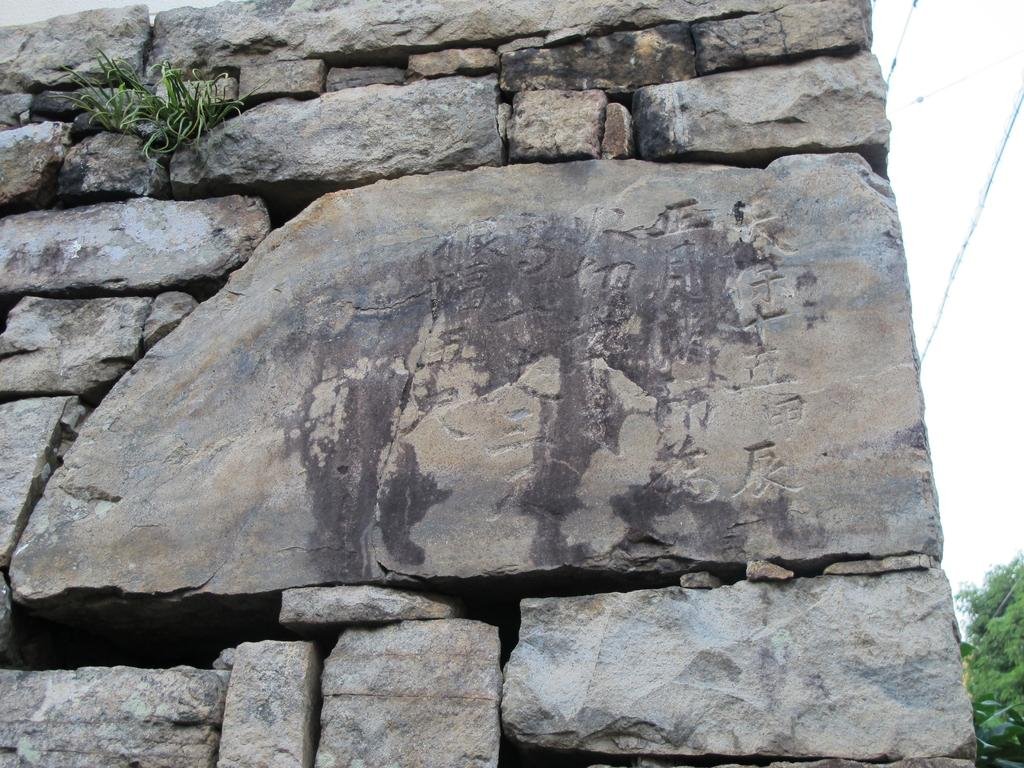
Fire walls built after 1841 in Fuchu to prevent fire spread; a rare prefectural cultural property.
Mt. Mitake
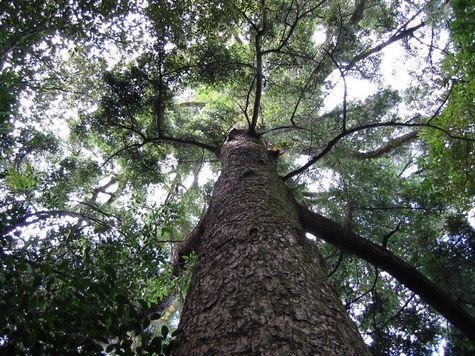
479-meter Shugendo mountain in northern Tsushima, once thought the highest, and home to the Tsushima leopard cat.
Karasu Giant Sago Palm
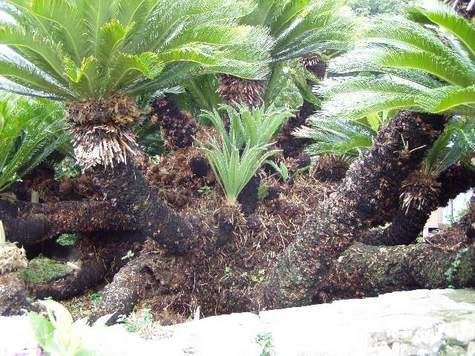
Tsushima's finest sago palm, about 4 meters tall and 9 meters across, designated a prefectural natural monument in 1978.
Neso Kofun Group
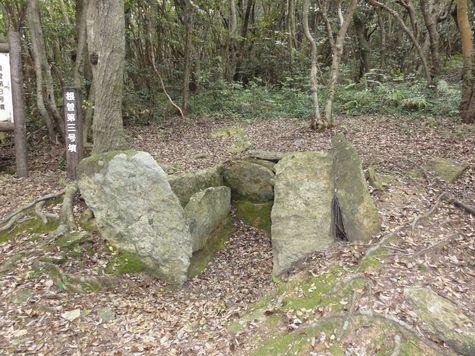
Fifth- to sixth-century mound group on a Kechiura peninsula, including three keyhole tombs.
Idezuka Kofun (Tsurunoyama Kofun)
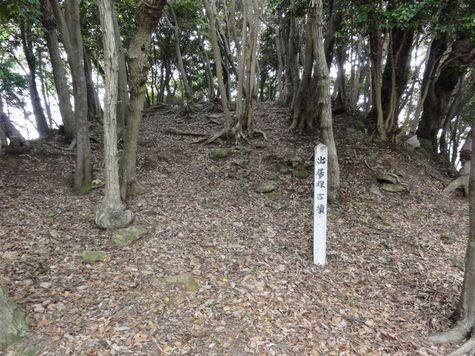
Nagasaki's only front-square rear-square tomb, about 40 meters long and Tsushima's oldest.
Dejogu-yama Burial Mound
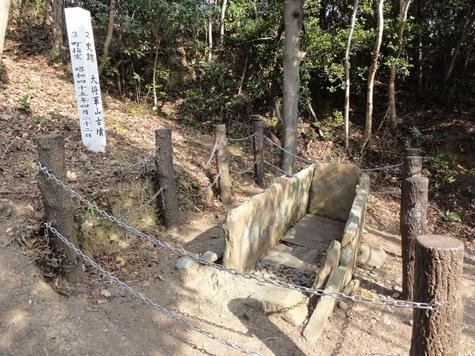
Unlooted stone-slab coffin on Dejogu Mountain, excavated in 1950, yielding a mirror, pottery, and beads.
Matsumura Yasugoro and Yoshino Kazunosuke Monument
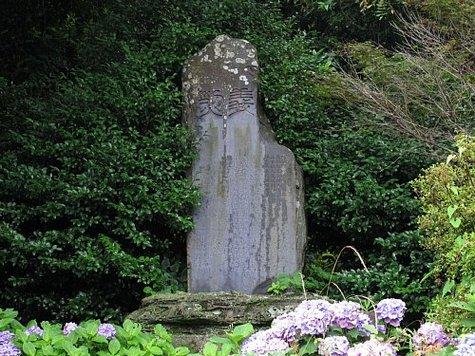
1861 Ofunakoshi monument to Matsumura, shot dead, and Yoshino, who died after capture.
Takuzudama Shrine
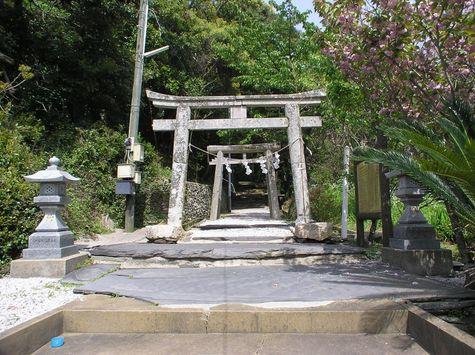
Historic center of Tendo faith, restored as a shrine under Meiji policy and still using the former Kannon hall.
Kizaka Observatory
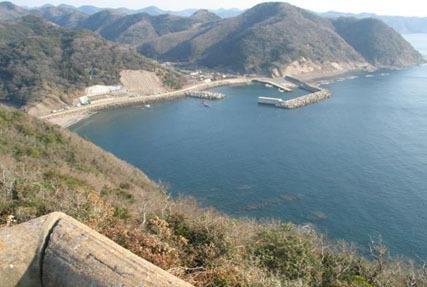
Observatory at a trail's end, with a 180-degree east-coast view and Korean islands on clear days.
Tazuruhara Park (Tsushima Strait Victims Memorial)
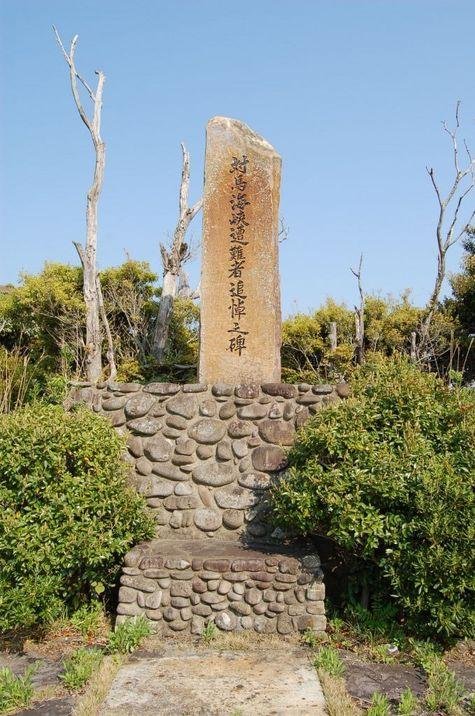
Park with a 1992 monument consoling shipwreck victims whose remains drifted ashore on Tsushima.
Yatateyama Burial Mounds
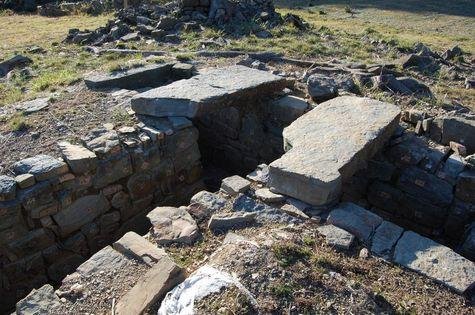
Two stepped tombs on the Sasu River right bank, with corridor chambers, gilt-bronze swords, and Sue pottery.
Nokowaki Rock
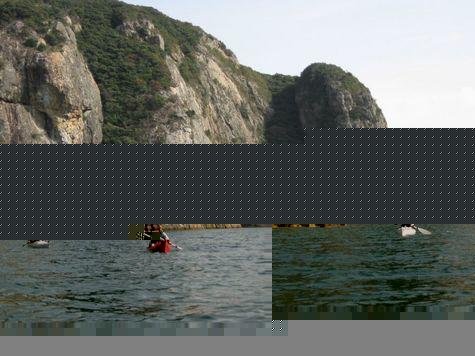
Collapse-formed quartz-porphyry rock rising over 40 meters, best viewed from the sea.
Amenomori Hoshu Memorial Monument
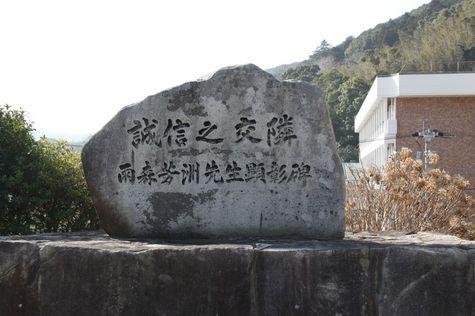
Monument to Confucian Amenomori Hoshu, who served Tsushima from 1689 and advanced Chinese and Korean language study.
Tomb of Haji no Uneme
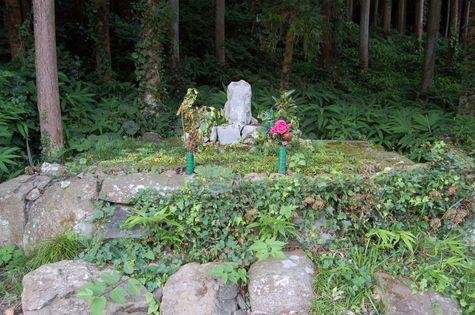
Grave of Haji no Uneme, honored in 768 for remaining faithful after widowhood and mourning her father.
Kofunosae Site
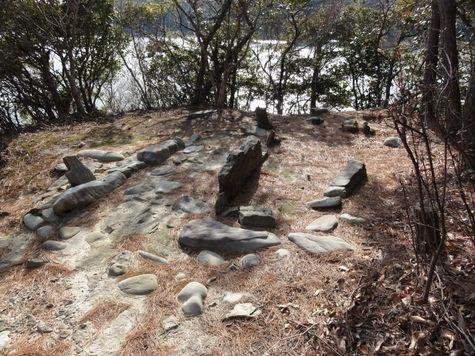
Kofun-period cemetery yielding Japanese and Korean pottery that shows exchange; finds shown at Kamitsushima center.
Taterayama Foothills Nature Park Center
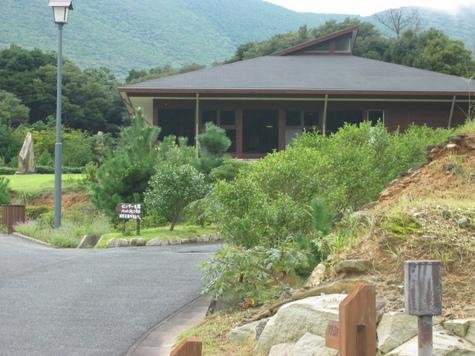
Nature park office with plant and animal models, panels, and materials on Tsushima specialties and culture.
Hokyoin-to and Gorinto Cluster
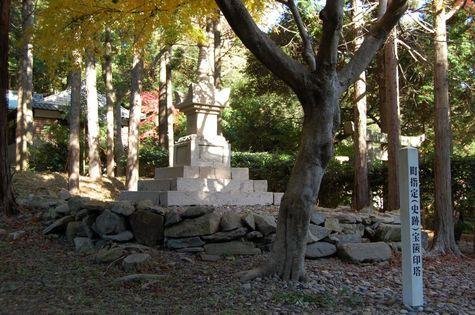
A 2.5 m granite pagoda unmatched in the prefecture, near five-ring pagodas one dated 1374. City tangible cultural property.
Hosei-ji Temple (Odozuka)
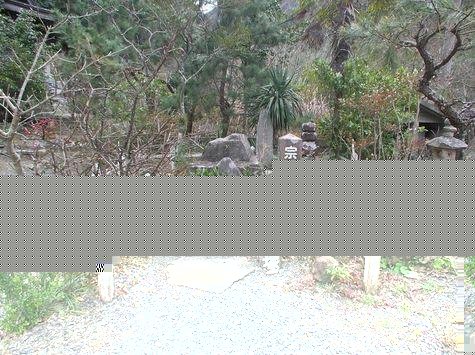
Holds Tsushima's only Thousand-armed Kannon, about 170 cm, late Heian cypress, plus 14 Heian wooden Buddhas.
Bijozuka
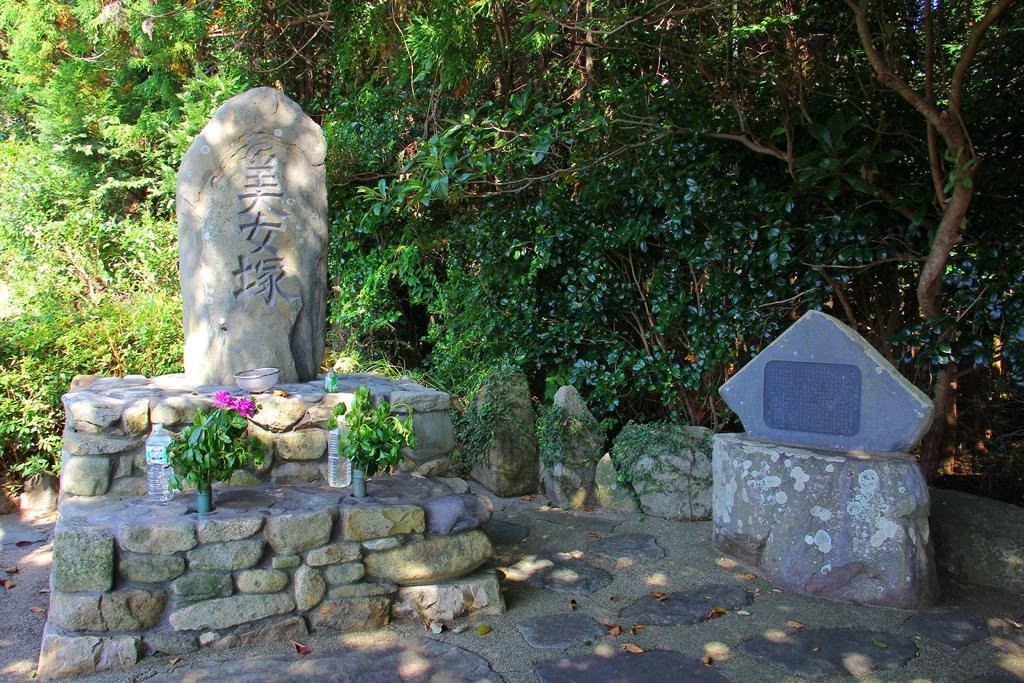
Stone monument in Tsutsu telling of Tsuruo, who took her life rather than leave her mother for the capital.
Ikazuchinomikoto Shrine
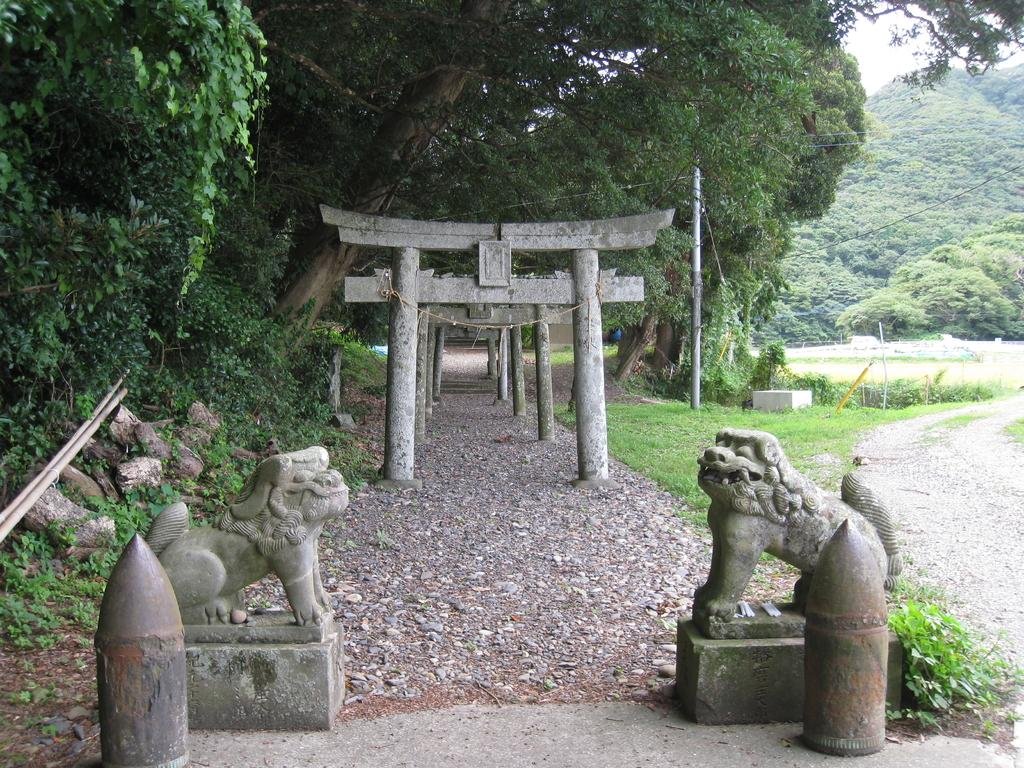
Shrine to water god Ikazuchinomikoto, where divine-marriage rituals are still solemnly performed.
Ikeda Beach (Ikeda Embankment)
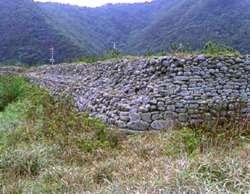
Stone embankment at Ikeda Beach, built under mason Masuda Sadashichi to reclaim a former pond as rice fields.
Okubizuka
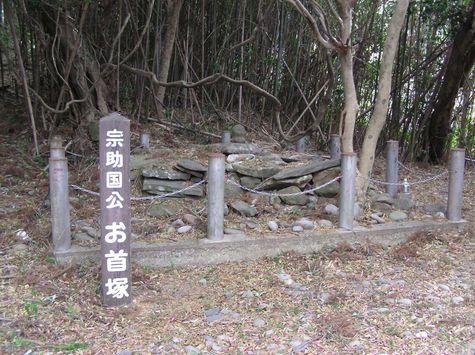
Mound said to hold the head of So Sukekuni, killed fighting Mongols in 1274. City-designated historic site.