 BokenJapan
Sights in Naha, Okinawa
Naha · Okinawa · 50 places
See
Honno Park
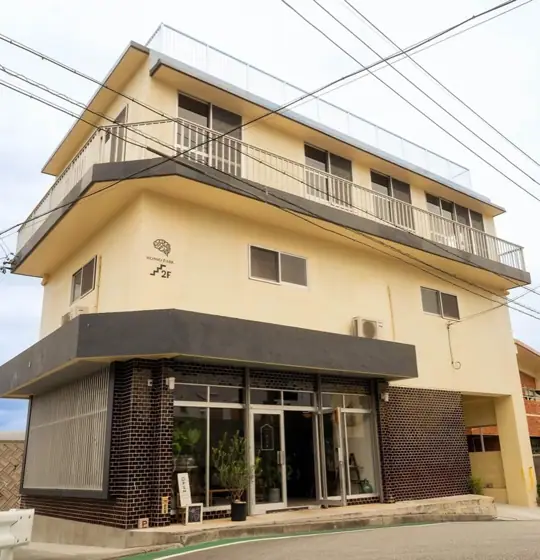
Art gallery and shop in Oroku, Naha, linking art and lifestyle makers through exhibitions and sales.
peepaholic art gallery
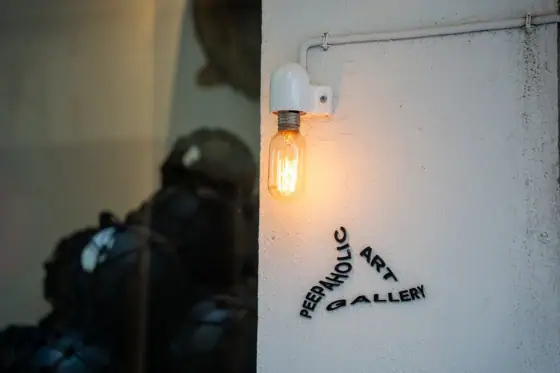
Unmanned one-tsubo gallery in a Naha shopping street, open 24 hours, with new works about every two months.
Dainichizan Seiko-ji
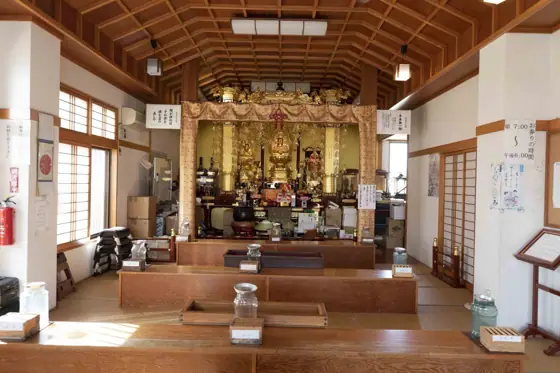
Shuri zodiac pilgrimage temple enshrining Buddhas of the Monkey and Sheep years.
Panashiia
Hijigawa Bridge and Approach Road
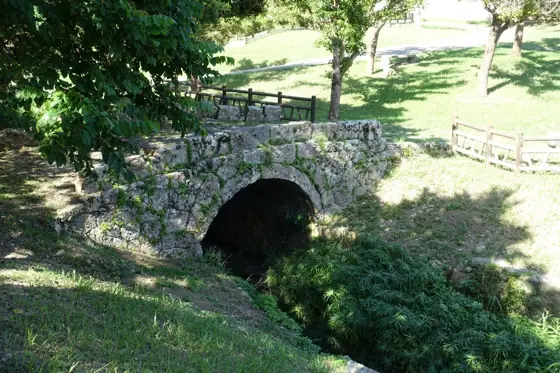
Limestone arch bridge and paved approach over the Asato River, estimated built around 1800.
Bettelheim Monument
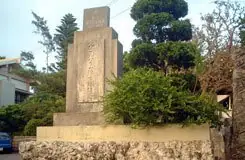
Monument at former Gokoku-ji residence site for British missionary-doctor Bettelheim.
Commodore Perry Landing Monument
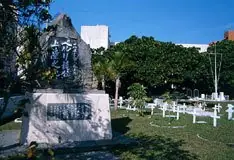
Monument at Tomari Foreign Cemetery marking Perry's 1853 landing and Shuri Castle visit.
Seven Graves
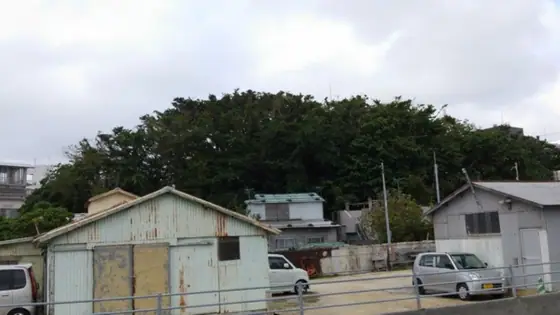
Rocky hill near Miebashi Station once lined with seven graves, known for a ghost mother legend.
Fukushu-en Chinese Garden
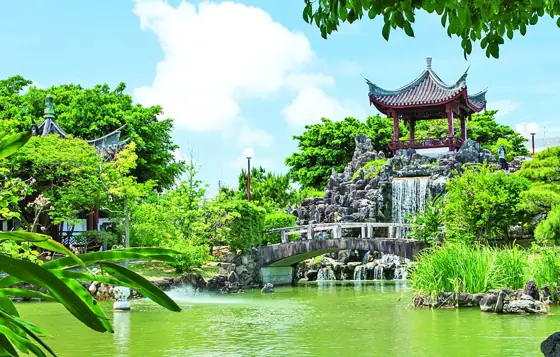
Lush Chinese garden completed in 1992 for Fukushu sister-city and Naha 70th anniversaries.
Kyukei Gate
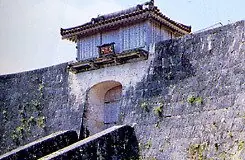
Once a women-only service gate north of Shuri Castle's outer enclosure.
Ie Udun Tomb
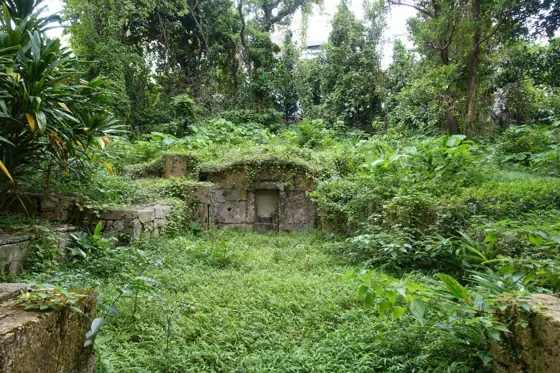
One of the prefecture's oldest turtle-back tombs, built in 1687 with all modern-style elements.
Tsushima Maru Memorial Museum
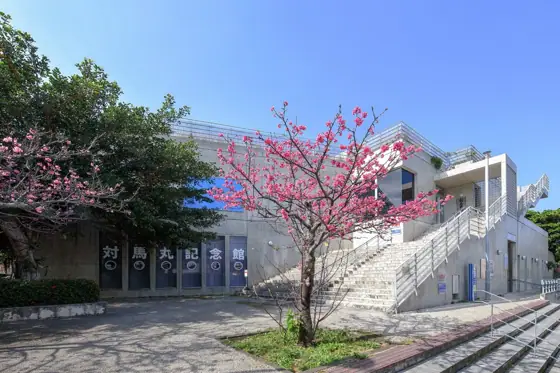
Memorial museum on the Tsushima Maru tragedy, considering war from children's perspectives, near Naminoue Beach.
Uchikinjo Utaki
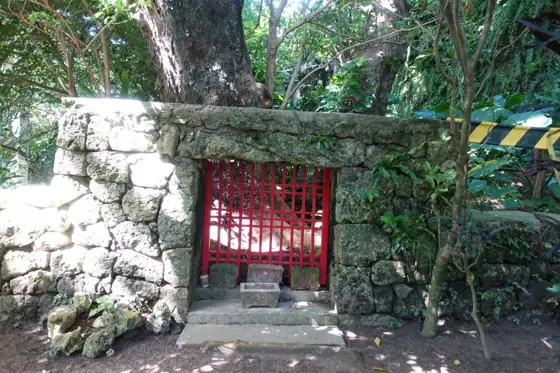
Prestigious worship site venerating a great akagi tree and birthplace of the muchi legend.
Maejima Art Center

Gallery and event space in an old building for independent artists' art, music, video, and theater, run as an NPO.
Sonohyan-utaki Stone Gate
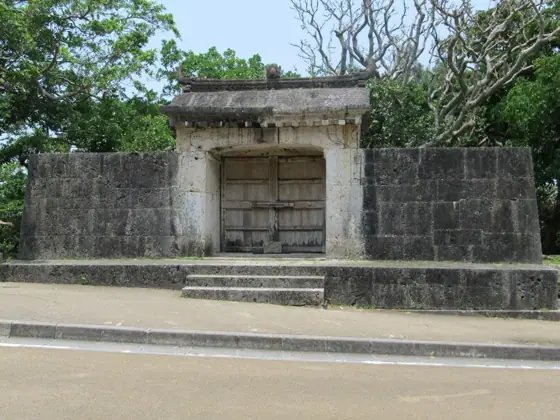
Stone gate where the king prayed for safety on outbound and return journeys.
Tsuboya Ufu Shisa
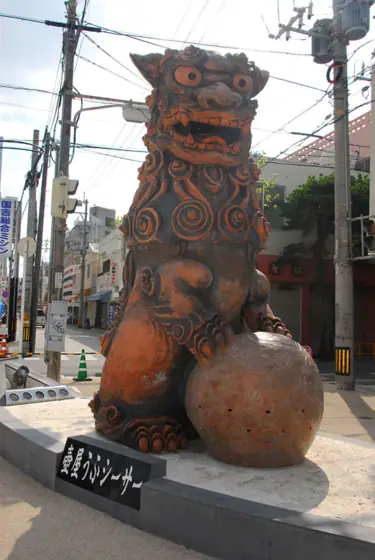
Giant Tsuboya pottery shisa installed in 2013 as a town symbol that sprays mist from its mouth.
Tsuboya Arayaki Climbing Kiln with Stone Walls
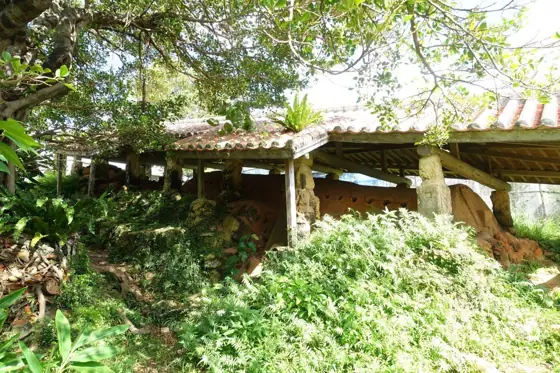
The only surviving Arayaki kiln in Tsuboya, built when kilns were consolidated by the royal government in 1682.
Tennyo Bridge
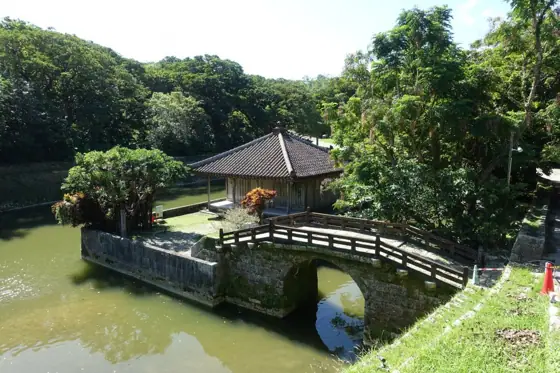
Arch bridge to Enkan Pond's central island, combining Japanese, Chinese, and other designs and techniques.
Taiheizan Ankoku-ji
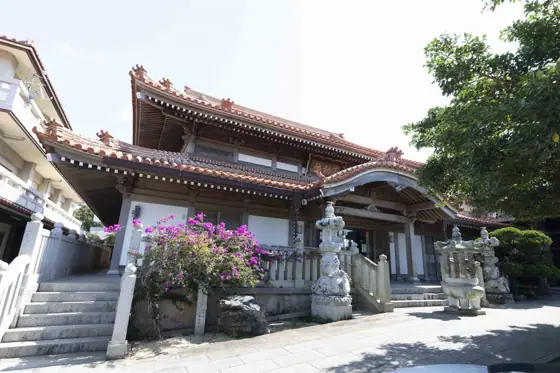
Ryukyu Kingdom temple founded in 1457 under King Sho Taikyu with main hall rebuilt in 2009.
Shureimon Gate
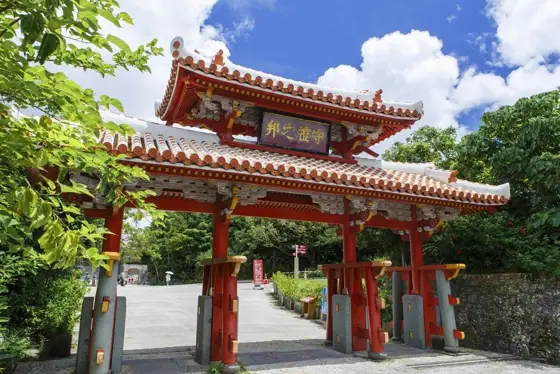
Shuri Castle's graceful second gate, built in the 16th century, bearing the Shurei no Kuni plaque.
Bengatake
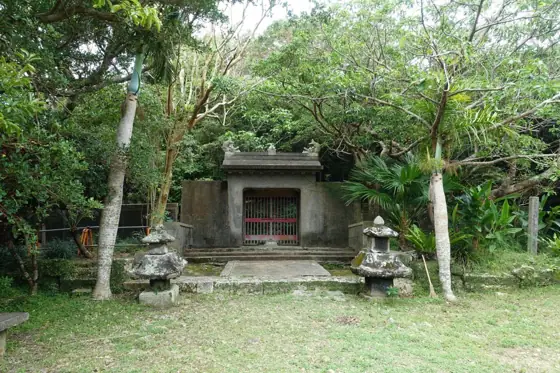
Sacred peak east of Shuri Castle and Naha's highest point, a national historic site.
Aragaki Family Residence
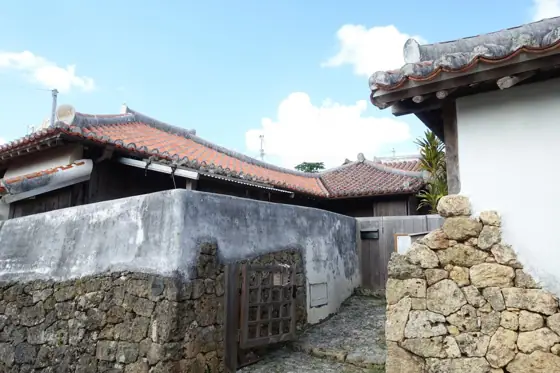
Only remaining traditional Tsuboya potter's residence, whose climbing kiln survived the Battle of Okinawa.
Former Engaku-ji Hojo Bridge
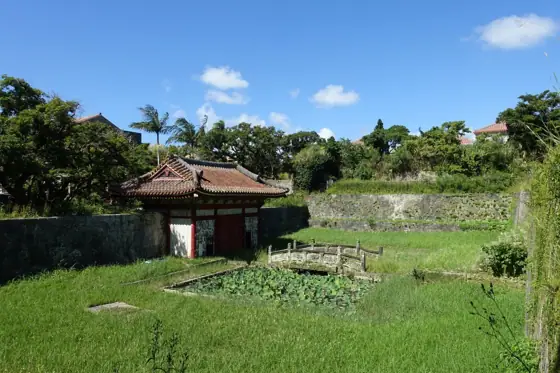
Stone bridge over the Hojo Pond at former Engaku-ji, built in 1498, praised as Okinawa's finest stone sculpture.
Former Engaku-ji Main Gate
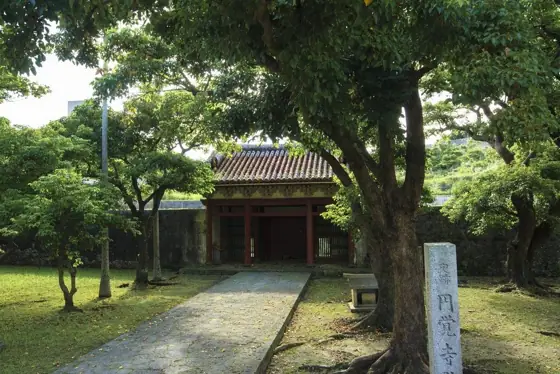
Prefecture-designated tangible cultural property and former Engaku-ji front gate, restored in 1968.
Former Sogen-ji First Gate and Stone Walls
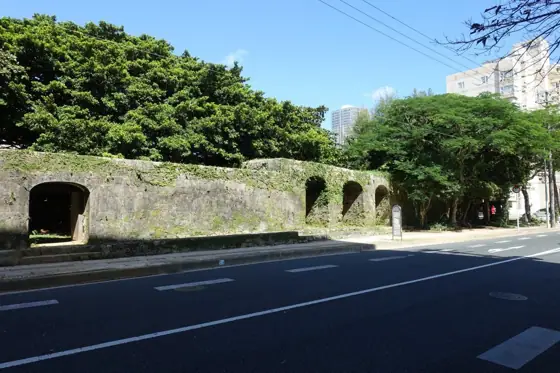
Stone arch gate of former Rinzai temple Sogen-ji, once a national mausoleum for successive kings.
Sueyoshi-gu Stone Stairway
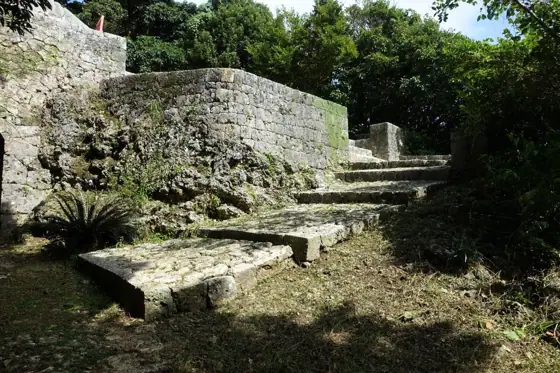
Stone stairs from the approach to the main hall of Sueyoshi-gu, one of the Ryukyu Eight Shrines.
East Well
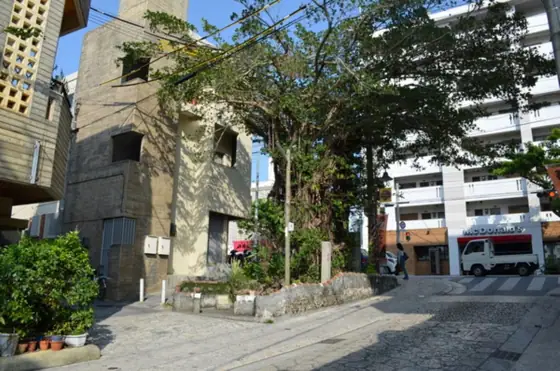
Said to be Tsuboya Village's first well; pumping still brings water, and it is cherished as a worship site.
Kankai Gate
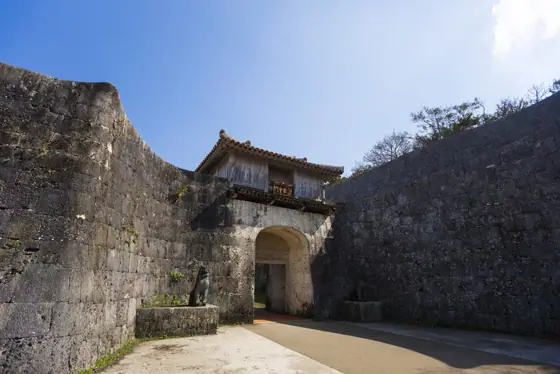
First main gate of Shuri Castle for the king and officials, restored in 1974.
Ohija
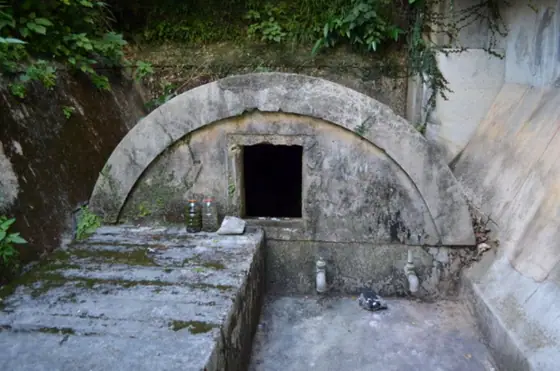
A spring near the prefectural office, praised as Ryukyu's second most delicious water. Its source dried up around 2000.
Okinawa Prefectural Museum and Art Museum
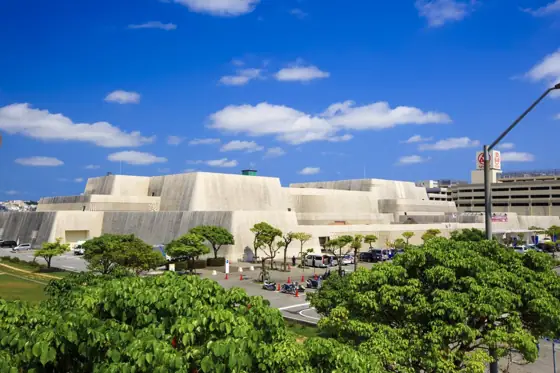
Prefecture's largest combined museum and art museum, covering nature, culture, history, and Okinawa-related artists.
Tomari Oamu Hinukan
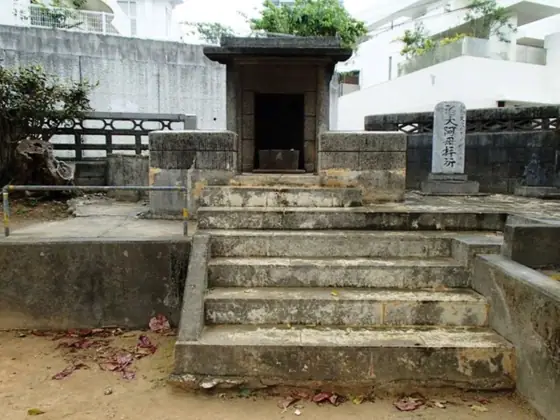
A worship site linked to King Sho Toku that enshrines the fire god. The shrine was rebuilt in 1958.
Naminoue Shrine
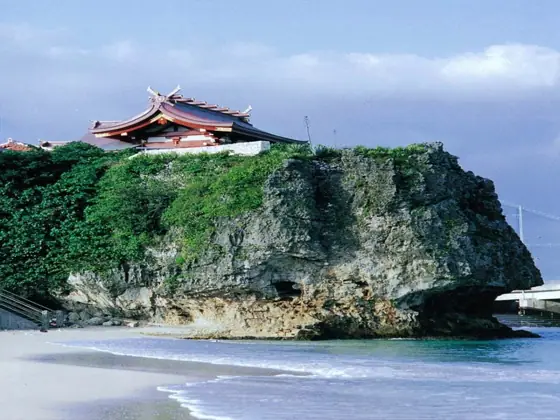
First of the Eight Ryukyu Shrines and Okinawa's chief guardian shrine.
Tamaudun
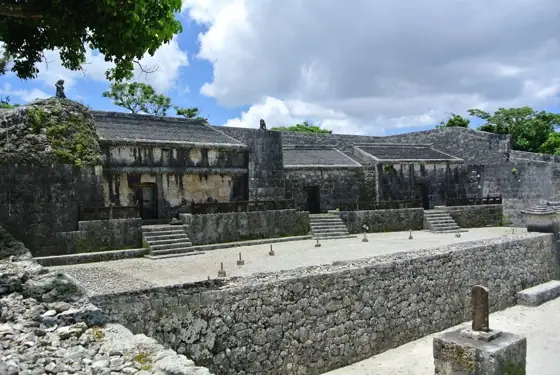
Mausoleum of successive Second Sho Dynasty kings, guarded by carved stone lions.
Madama-michi Ruins
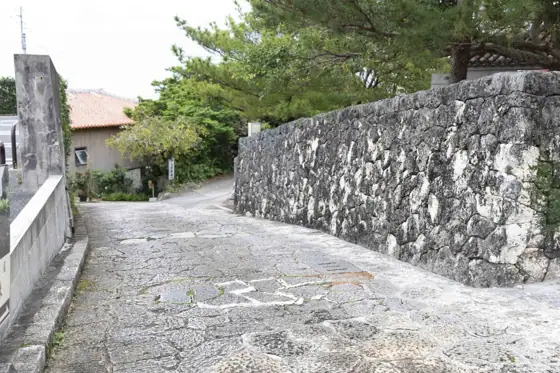
Southern military road from Shuri Castle for defense against outside threats including pirates.
Shikinaen Garden
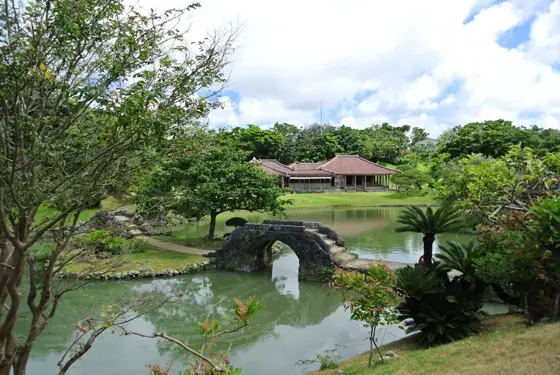
Stroll-style garden blending Chinese, Japanese, and Ryukyuan styles, a royal villa built around 1799.
Gokoku-ji
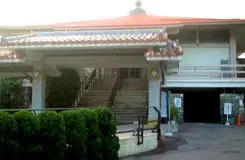
Okinawa's oldest Shingon temple, built in 1368, with Bettelheim monument and Kozakura Tower.
Darumaho Seirai-in
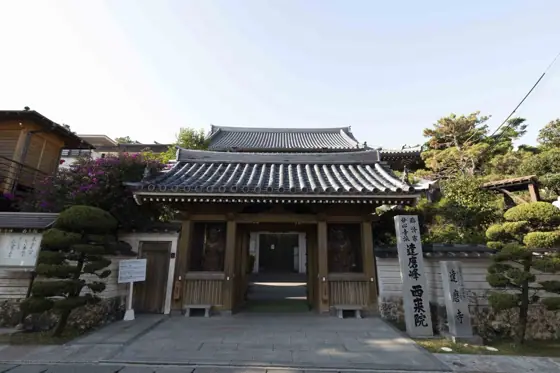
Temple founded in 1611 by King Sho Nei, a Shuri zodiac and Daruma Daishi pilgrimage site.
Naha City
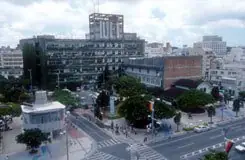
Okinawa's political and economic center, long a thriving trading port town.
Naha Civic Gallery
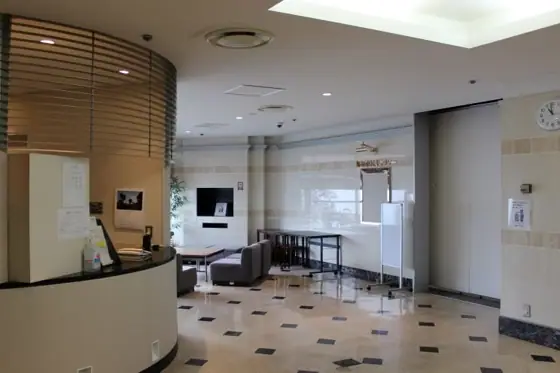
City rental gallery in Palette Kumoji, opened in 1991, with Naha's collection shown in occasional special exhibitions.
Naha Makishi Ekimae Hoshizora Community Center Planetarium
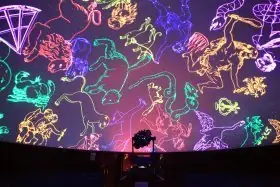
Japan's southernmost full-scale planetarium using hybrid projection for Okinawa star programs, folktales, and dialect star names.
Naha Municipal Tsuboya Pottery Museum
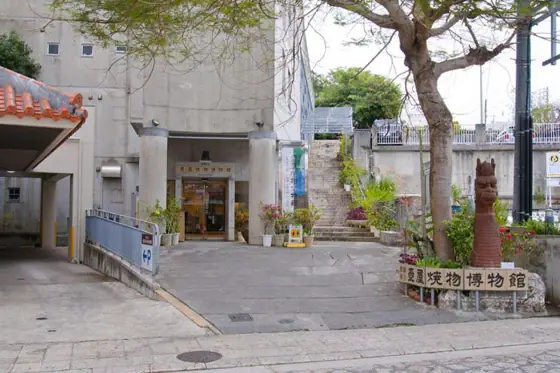
Museum introducing Tsuboya ware and Okinawan pottery culture through pottery and panels.
Kinjo Ohija
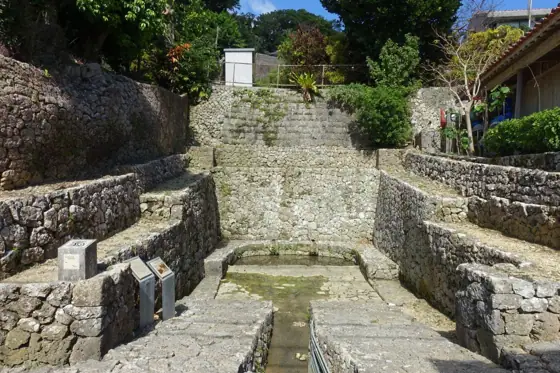
Important historic site for understanding local residents' relationship with water.
Shuri Castle Park
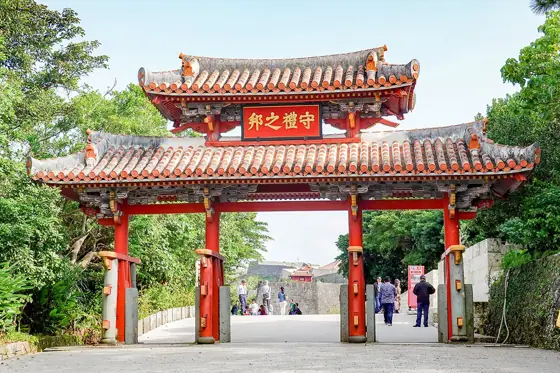
World Heritage park centered on Shuri Castle, with Shureimon, temple ruins, and paid and free areas.
Shuri Dyeing and Weaving Museum Suikara
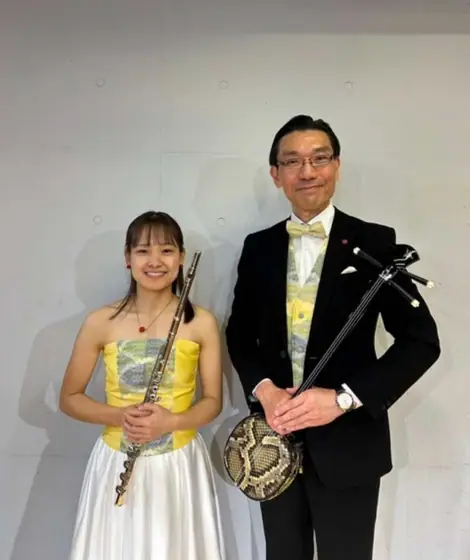
Shuri place to learn and pass on Ryukyu bingata and Shuri weaving, with gallery, shop, and workshop.
Shuri Kannondo Jigen-in Temple
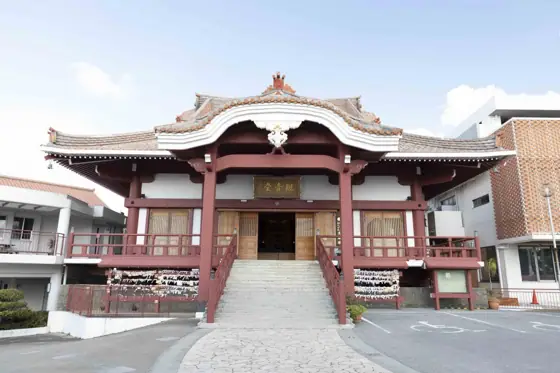
Temple overlooking Naha town, port, sea, and sky; Kannon hall built in Shuri in 1618.
Great Akagi Trees of Shuri Kanagusuku
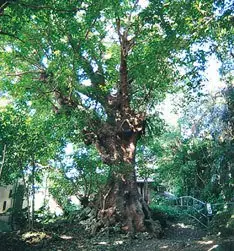
Giant akagi trees estimated over 200 years old that miraculously escaped war damage south of Shuri Castle.
Shuri Kinjo-cho Stone-Paved Road
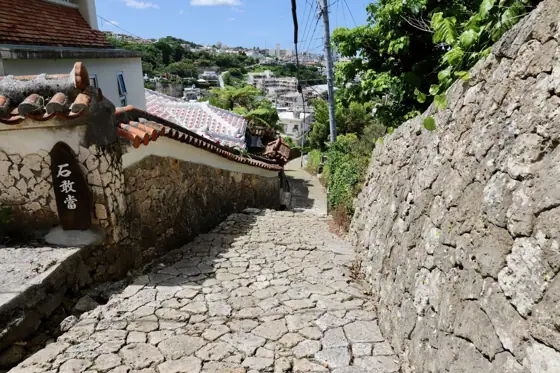
Part of 16th-century Madama Road from Shuri to Naha Port; about 300 meters of paving remains.
Dragon Pillar
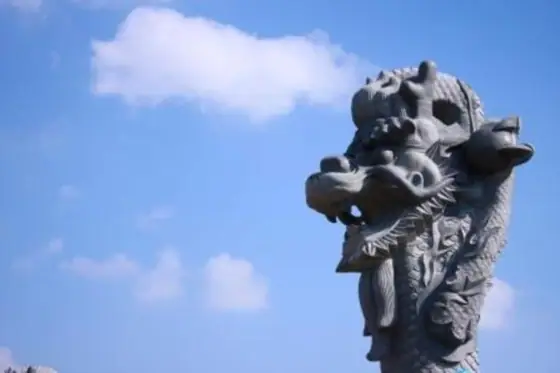
Symbol of Wakasa for Nirai Kanai, peace, and development, built to mark Naha-Fuzhou friendship.
Ryuen Hashi (Ken Shitei Yukei Bunkazai)
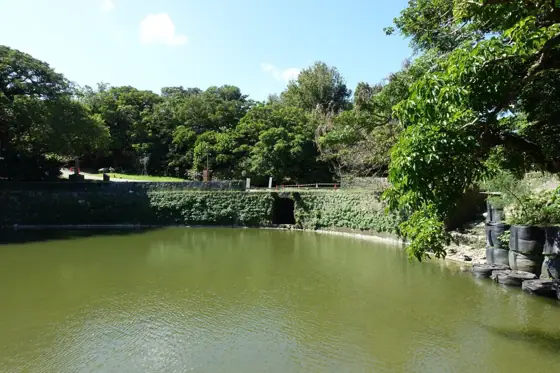
Ryutan Pond
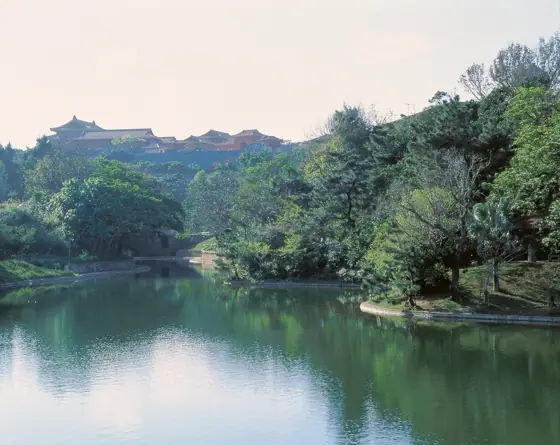
Pond in Shuri Castle's outer garden where banquets welcoming Chinese investiture envoys were held.