 BokenJapan
Sights in Arita, Saga
Arita · Saga · 18 places
See
Great Ginkgo of Izumiyama Benzaiten
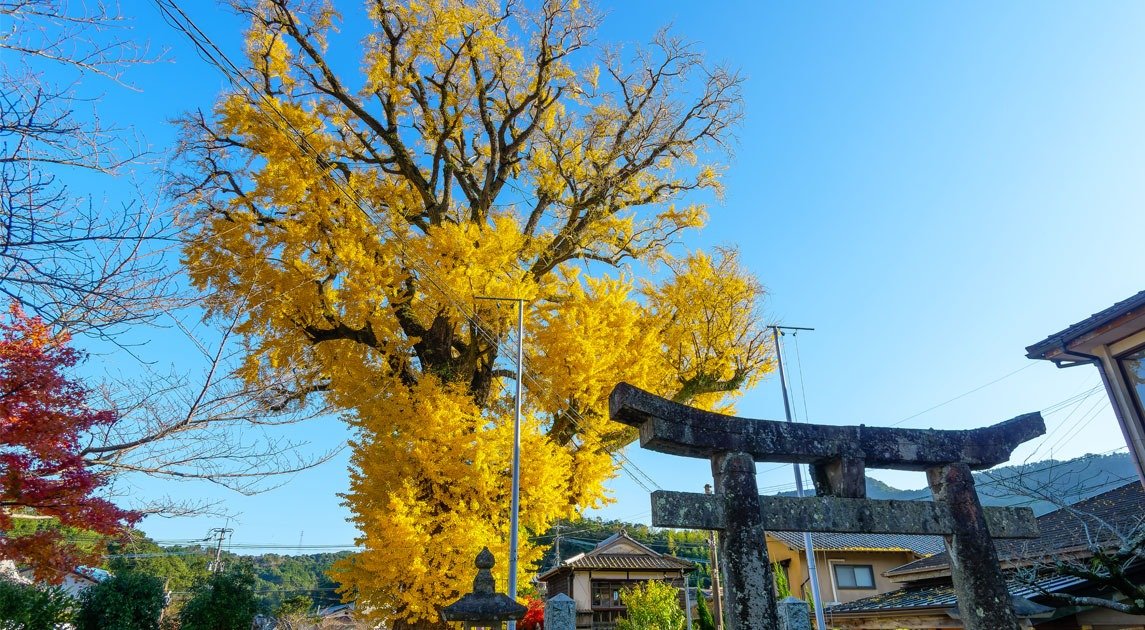
1,000-year-old, 30.5 m ginkgo, a national natural monument that turns gold in late November.
Uchiyama Streetscape
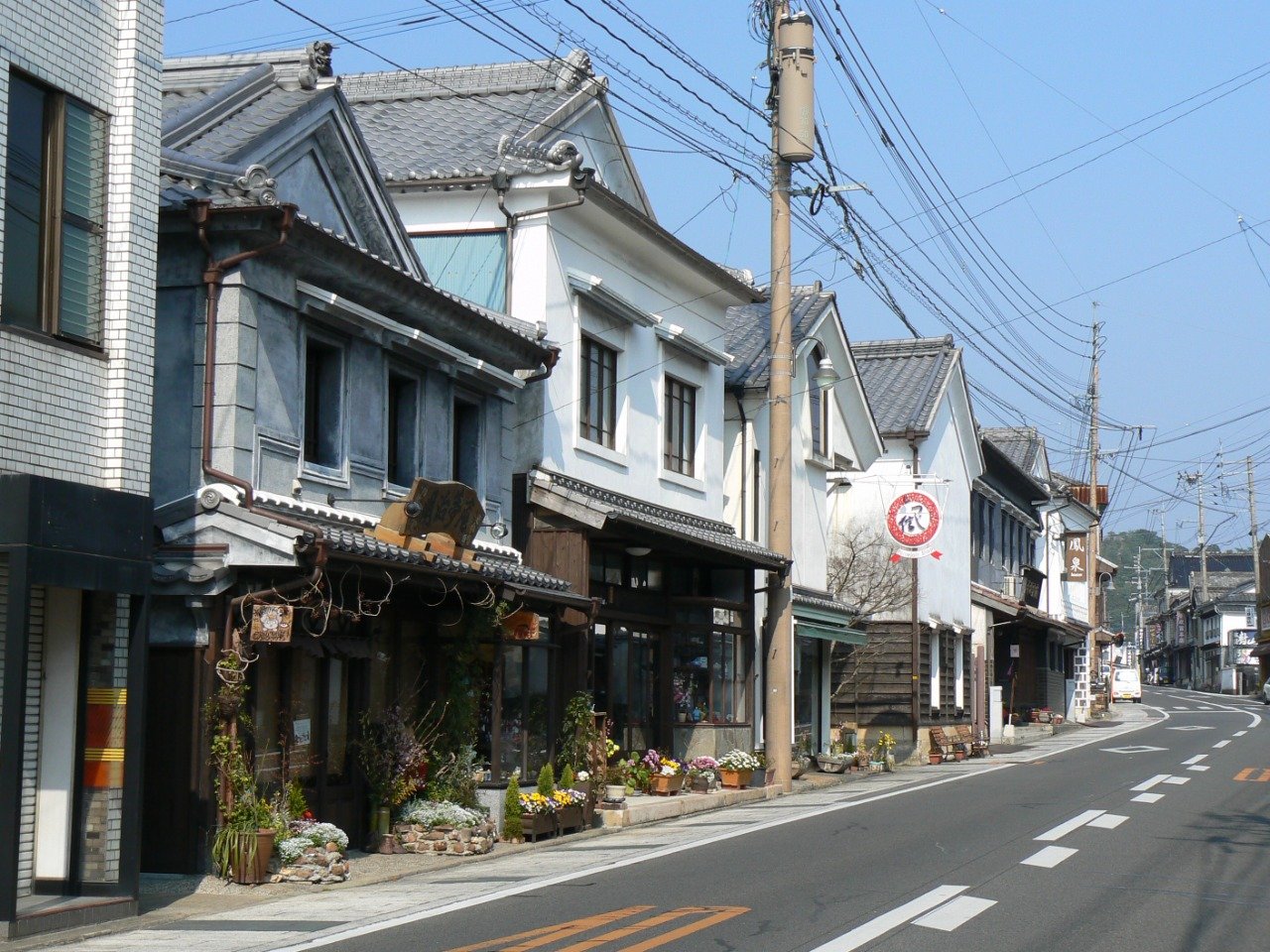
Townhouses from four eras, Edo to Showa, in a national preservation district.
Tozan Shrine
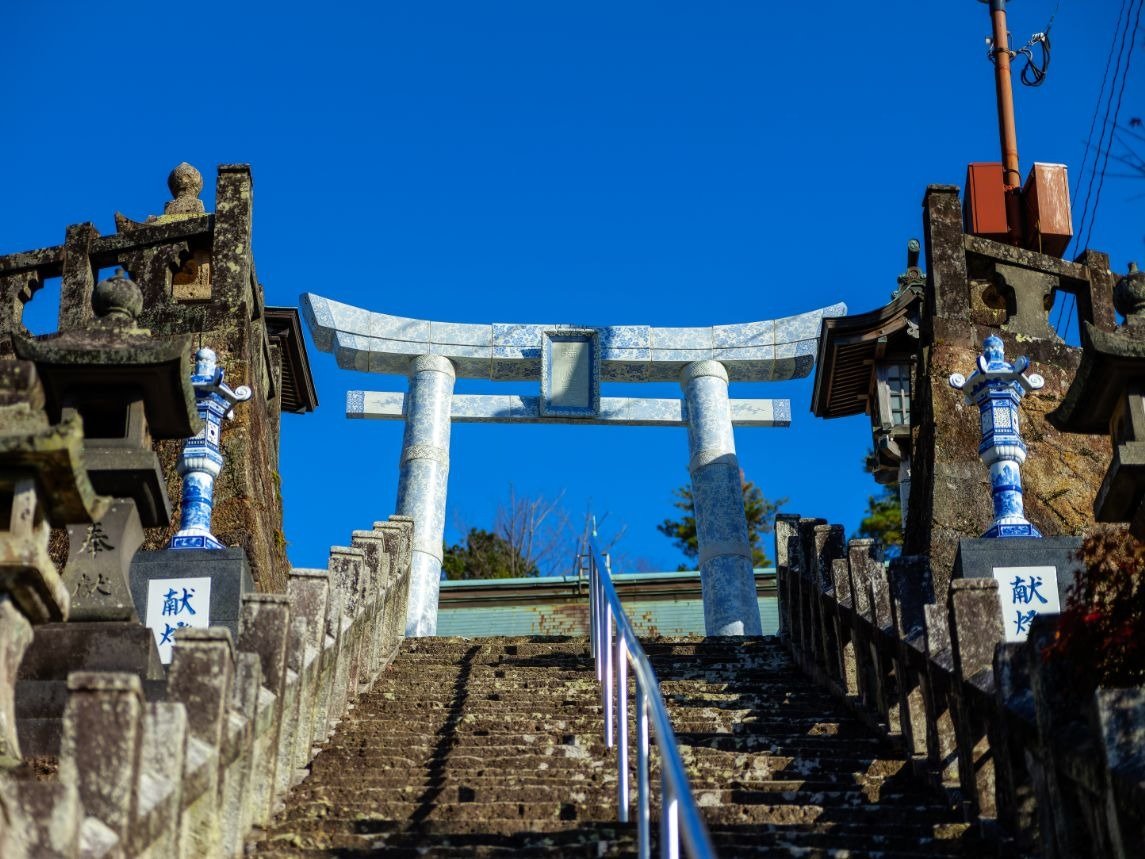
1658 shrine above Arita with a porcelain torii gate.
Koransha
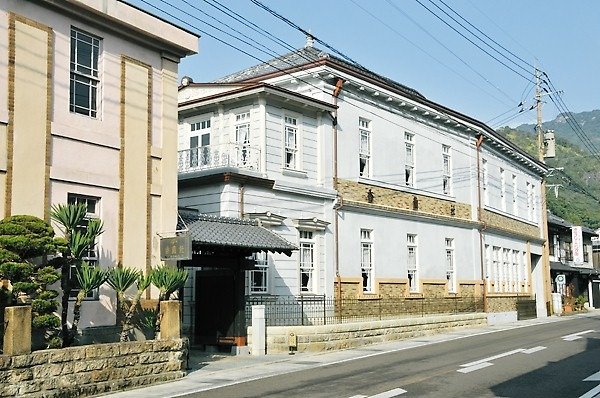
Japan's first porcelain maker and trader, founded in 1879; showroom and historic porcelain gallery.
Fukagawa Seiji China on the Park
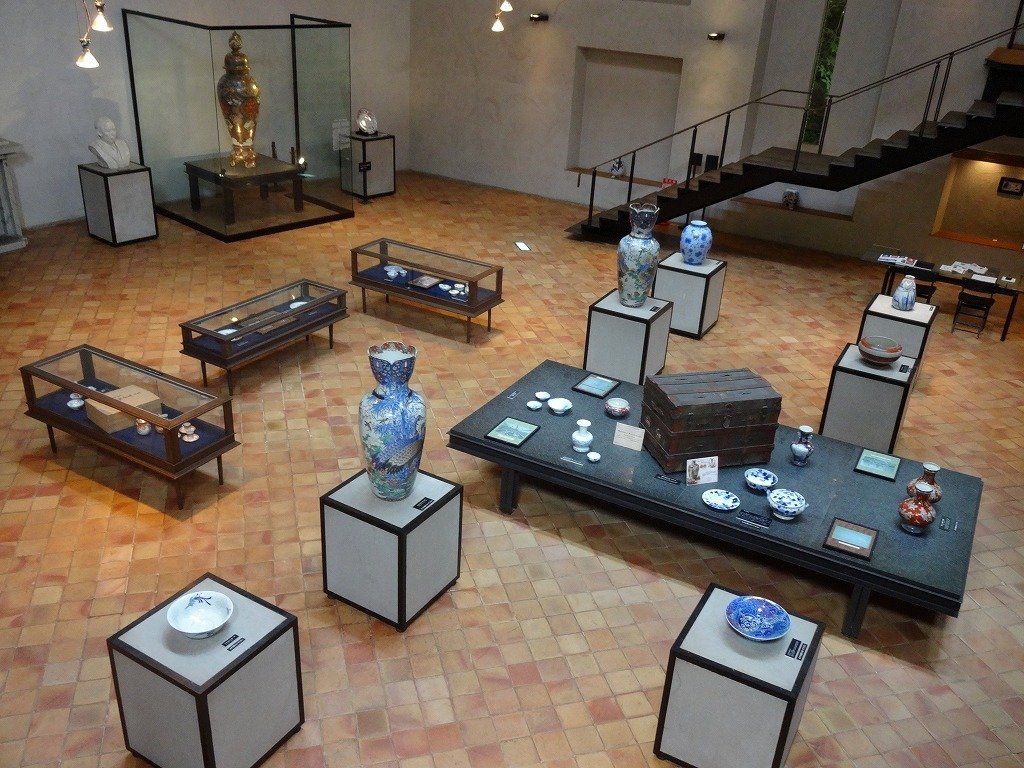
Showroom park of Fukagawa Seiji, an Arita porcelain maker founded in 1894 and Imperial Household purveyor from 1910.
Former Tashiro Family Western-style House
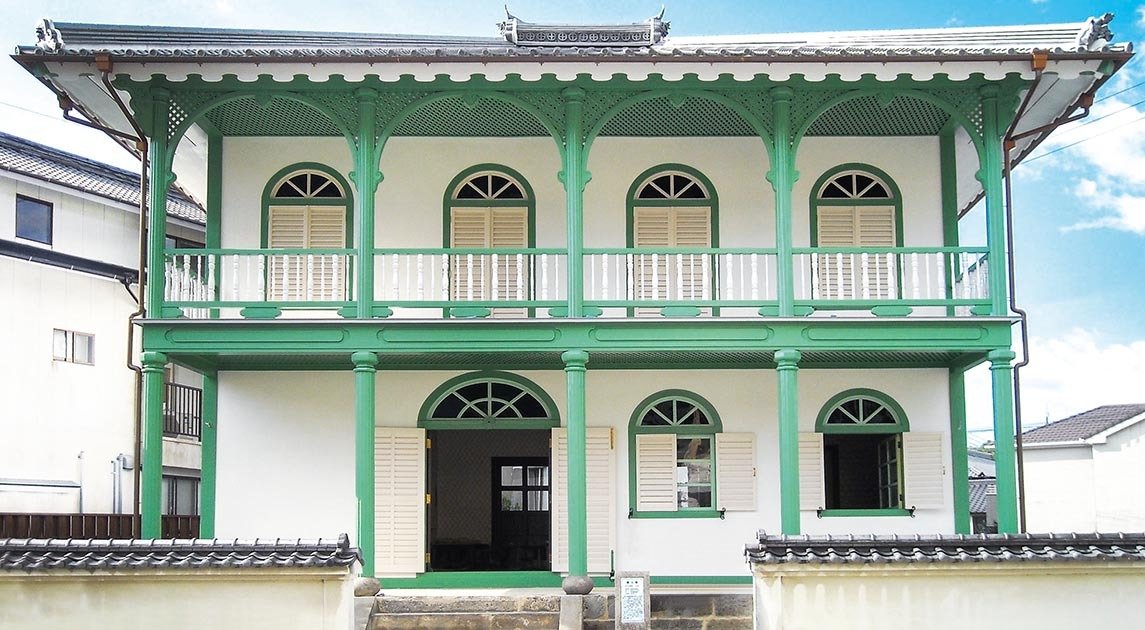
1876 house built by a porcelain trader's family to host foreign buyers.
Noritoh Kiln
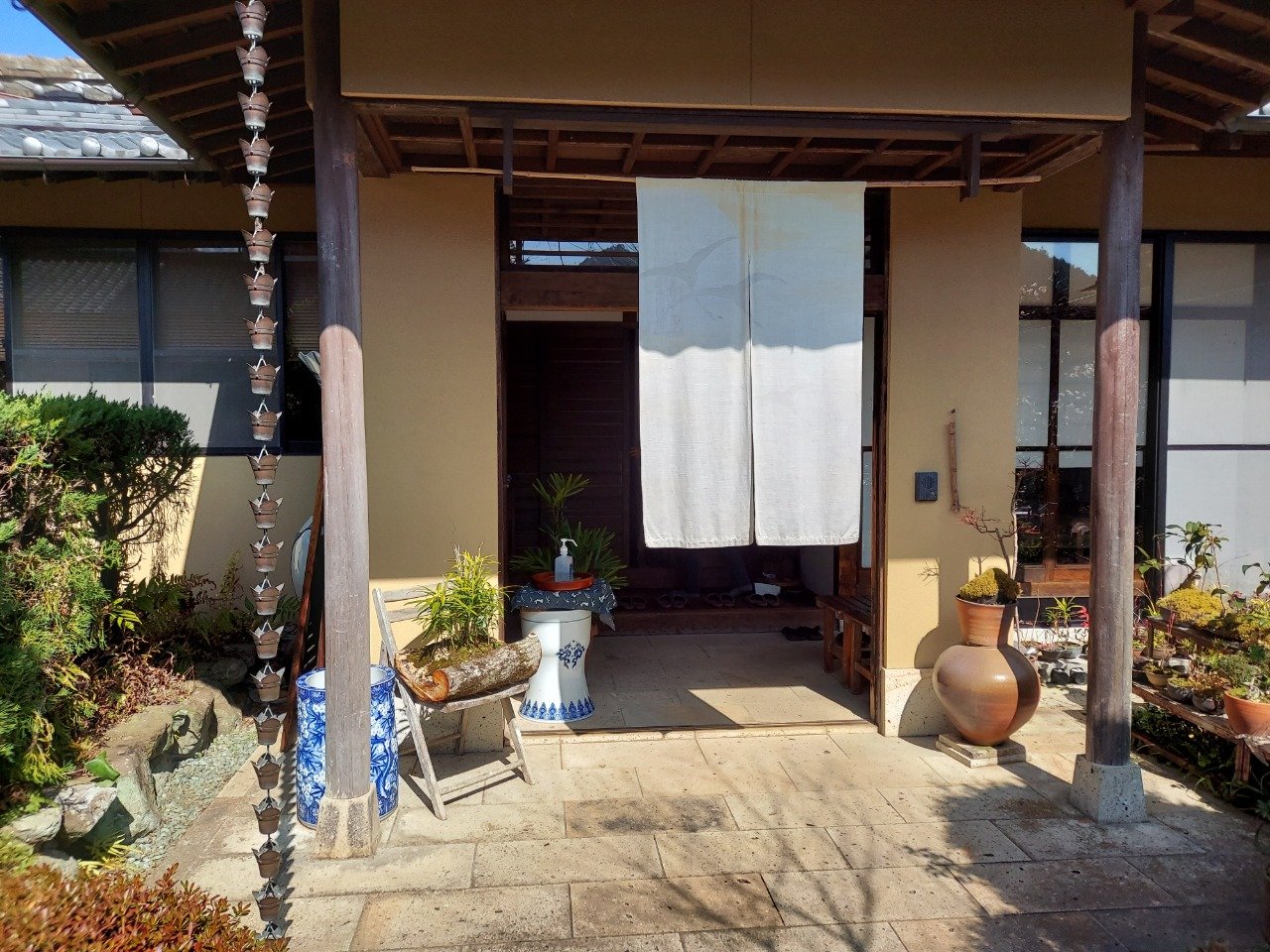
Kiln and gallery in Nangawara focusing on early-1600s Arita ware with natural glazes.
Yi Sam-pyeong Monument
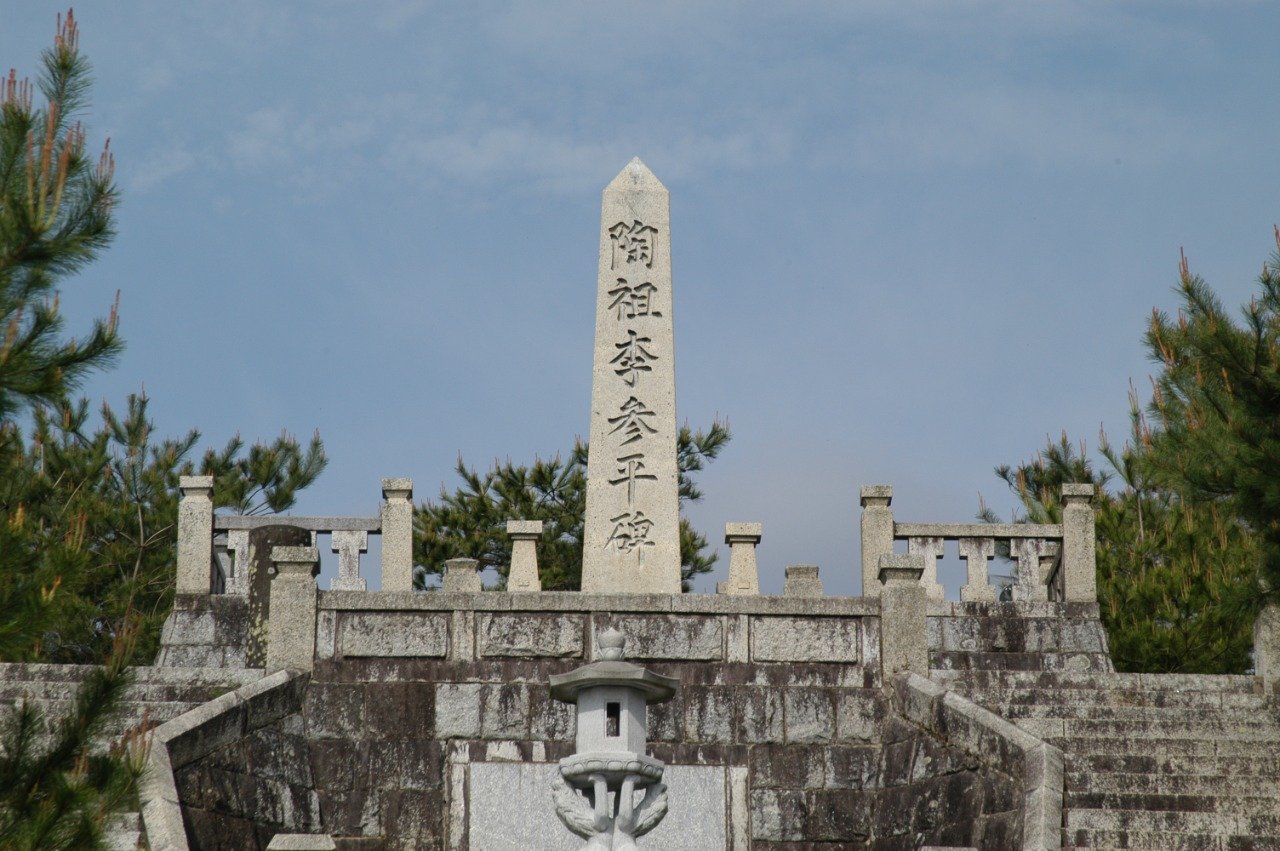
1917 memorial to Arita ware's founder, with a view over the town.
Arita History and Folklore Museum East Wing & Arita Porcelain Reference Hall
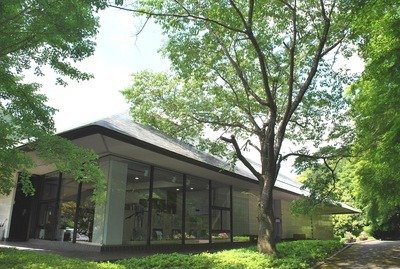
Museum of Arita's history and folk life, with Edo-period kiln licences and wartime porcelain grenades and coins.
Izumiyama Quarry
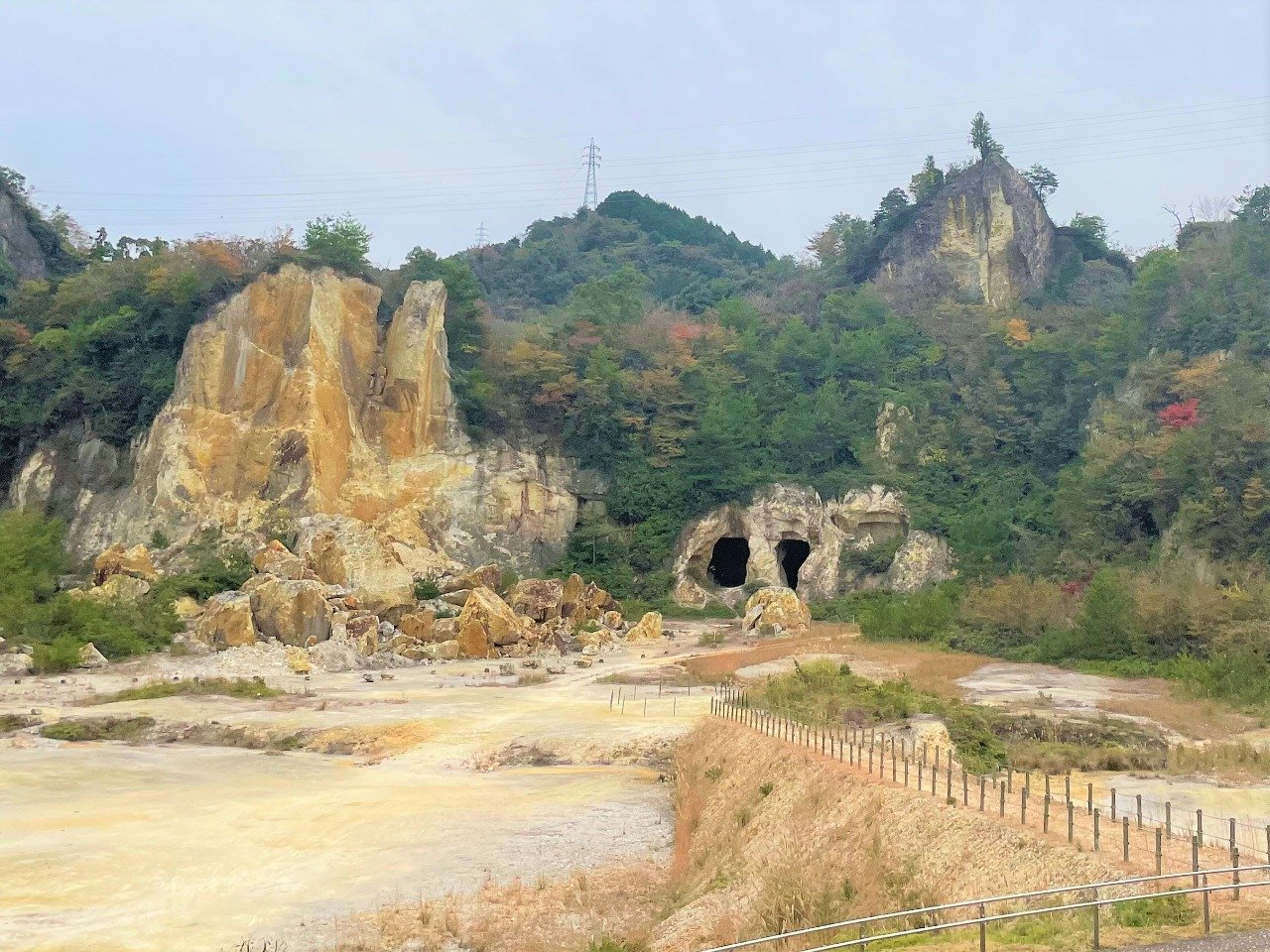
Birthplace of Japanese porcelain, where Yi Sam-pyeong found porcelain stone in the early 17th century.
Gen-emon Kiln
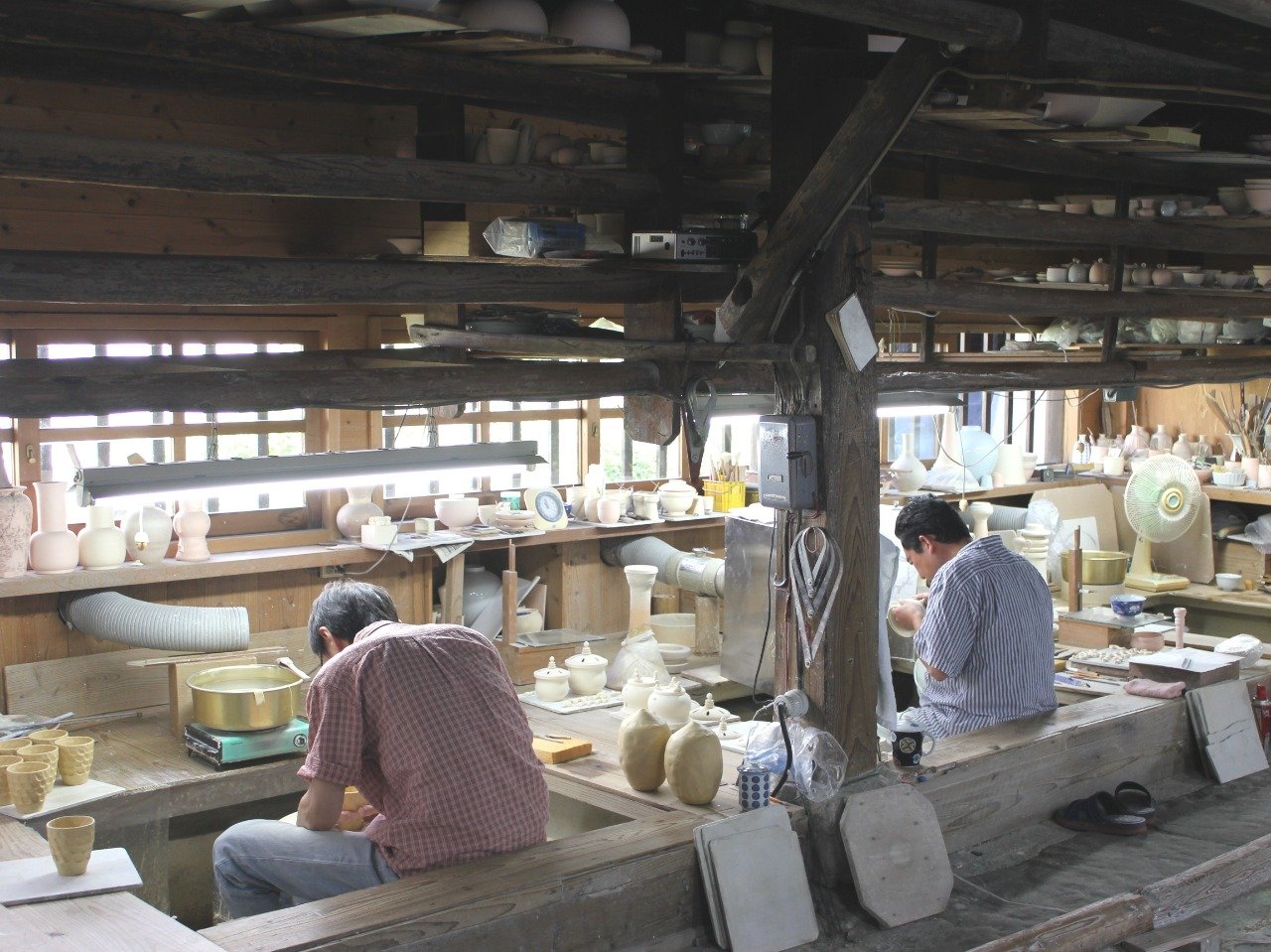
Kiln with more than 260 years in Arita, known for modern takes on Ko-Imari designs.
Kyushu Ceramic Museum
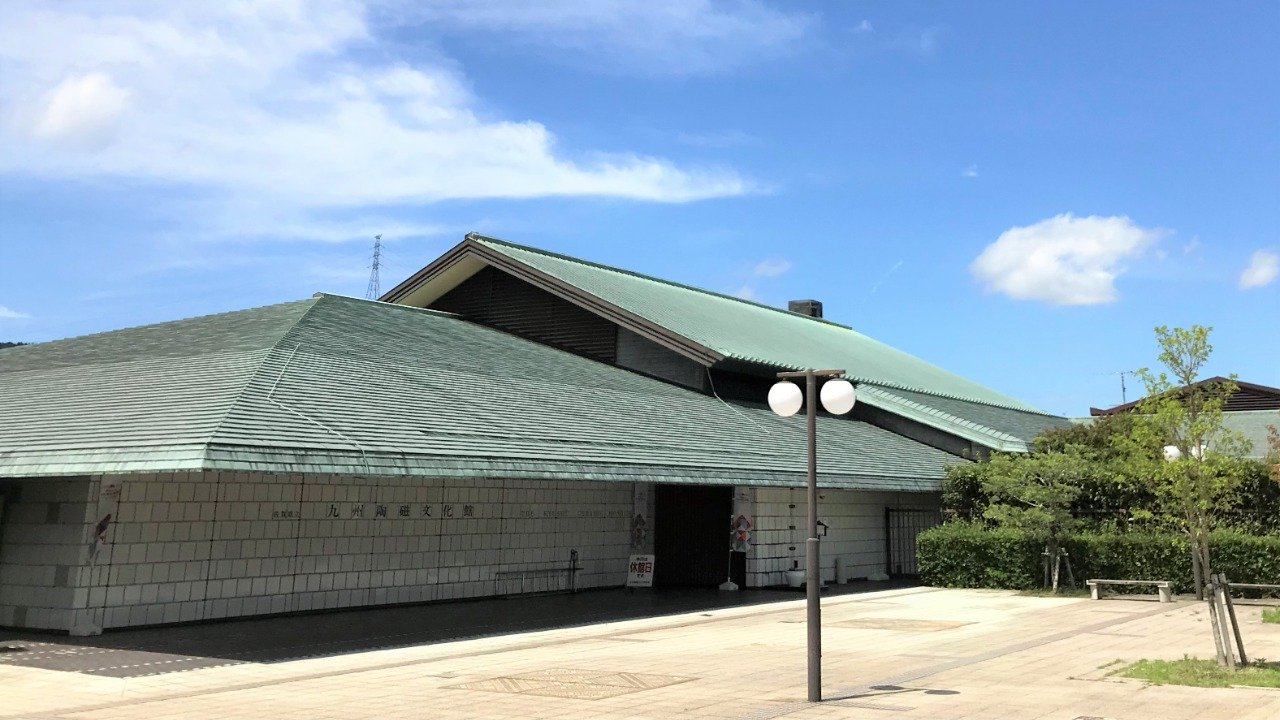
Prefectural museum of Arita, Imari and other Kyushu ceramics.
Imaemon Kiln
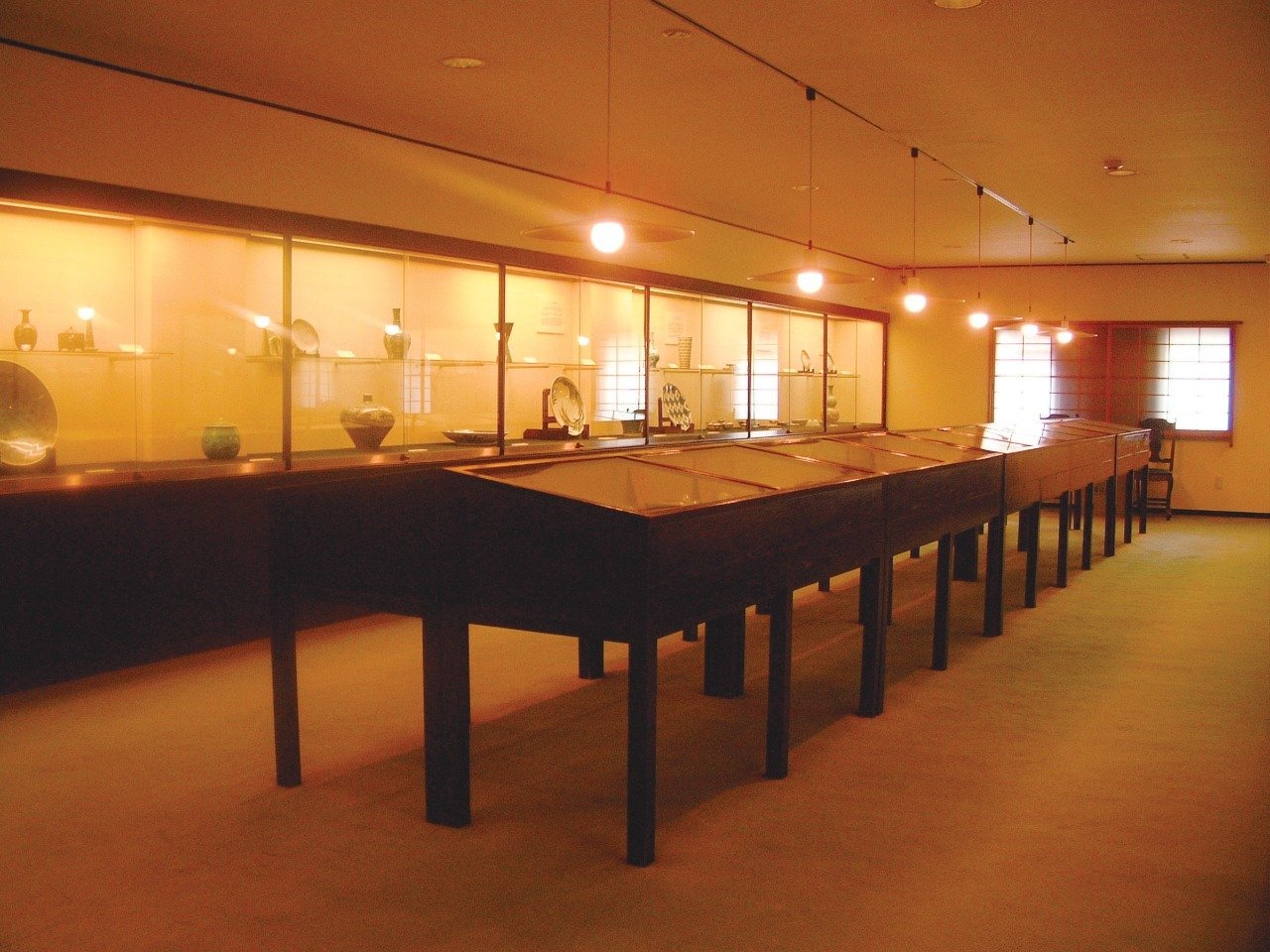
370-year-old kiln that inherited the Iro-Nabeshima overglaze tradition; holder of an Important Intangible Cultural Property.
Gaku Rice Terraces
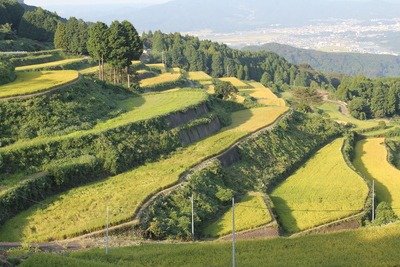
Curving terraced rice paddies in Arita's mountain district.
Arita Uchiyama Preservation District
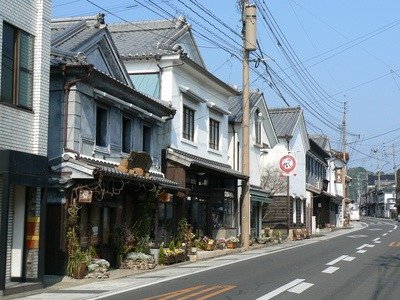
About 2 km of Edo- to Showa-era Japanese and Western buildings, a national preservation district for historic buildings.
Tonbai Walls
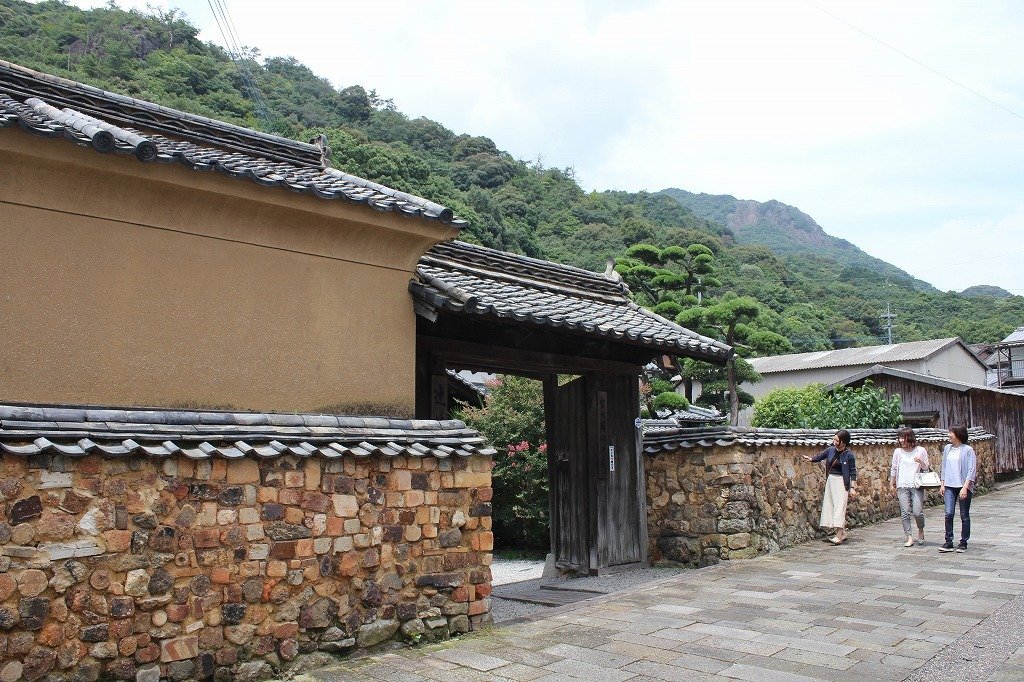
Walls built from old kiln firebricks and kiln tools set in red clay.
Arita Ceramic Art Museum
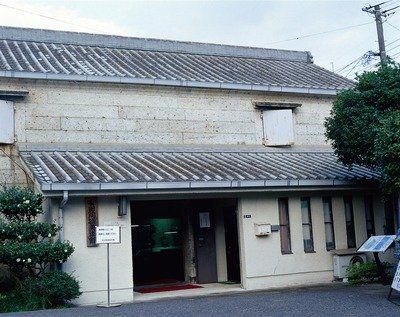
Saga's oldest art museum, in an 1874 stone porcelain warehouse in central Uchiyama.
Kakiemon Kiln
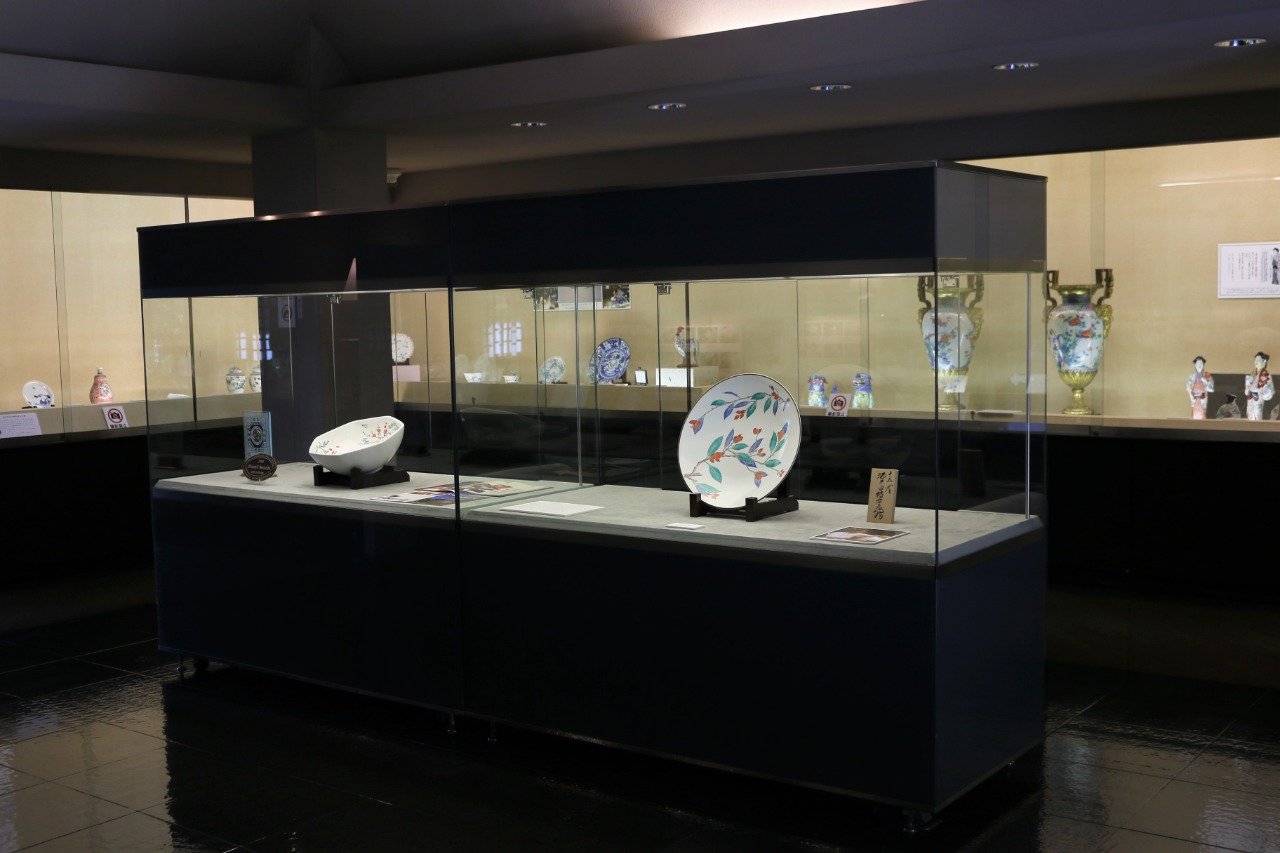
Kiln that developed Japan's first overglaze enamel technique, the origin of the Kakiemon style.