 BokenJapan
Sights in Karatsu, Saga
Karatsu · Saga · 39 places
See
Genkai Undersea Observatory
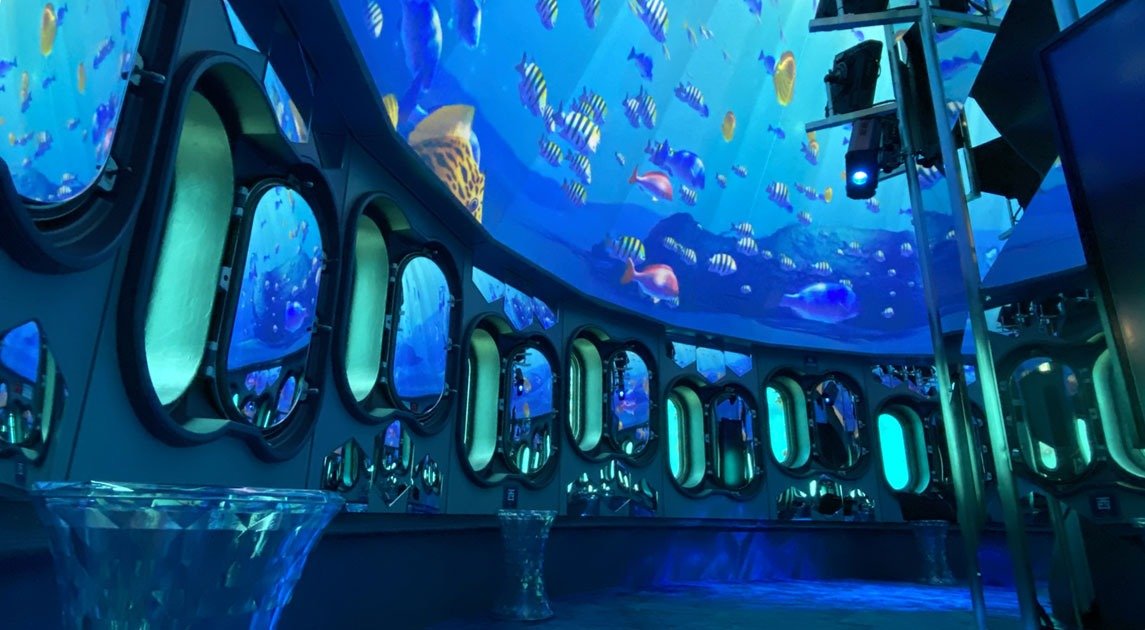
Undersea tower opened in 1974, 86 m off Cape Hado.
Nanatsugama Caves
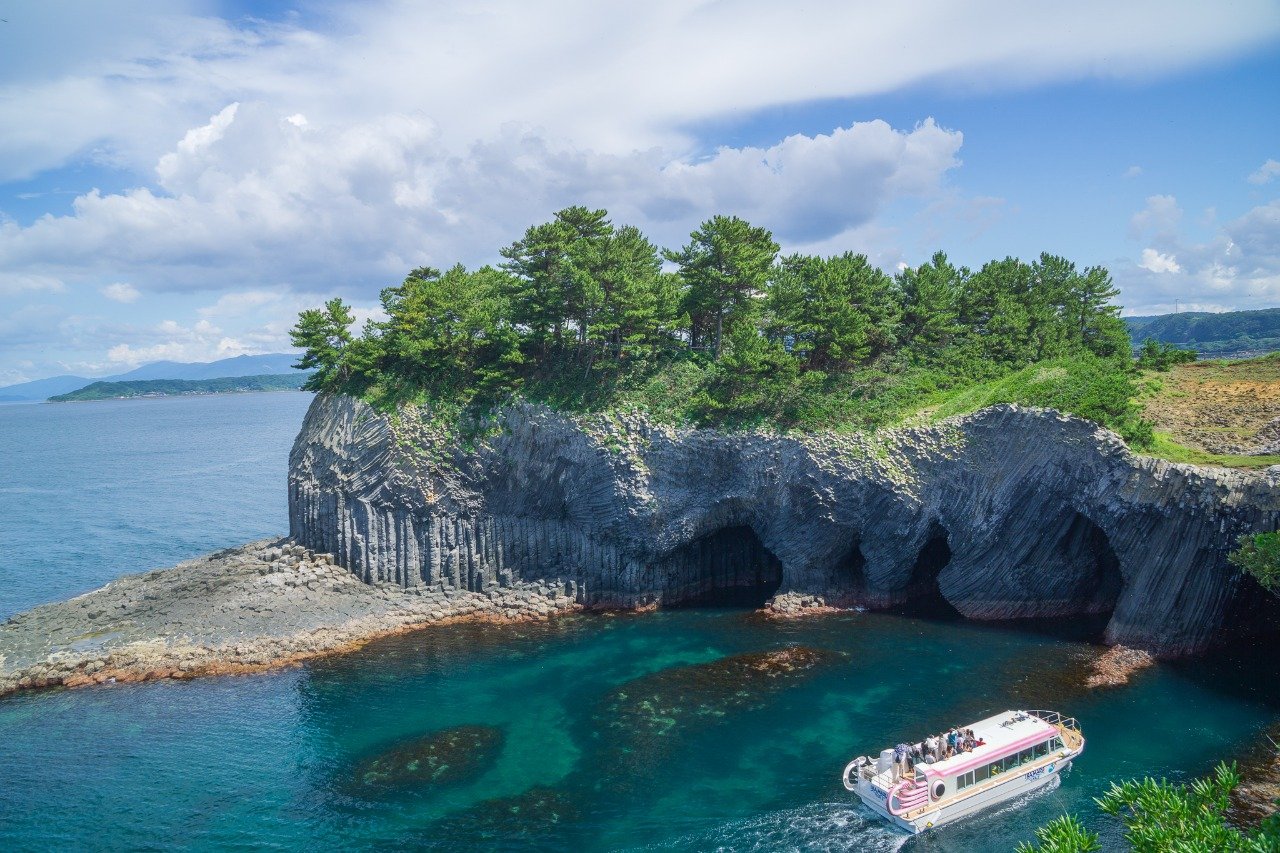
Seven sea caves carved into basalt cliffs; a national natural monument.
Kankyo Geijutsu no Mori
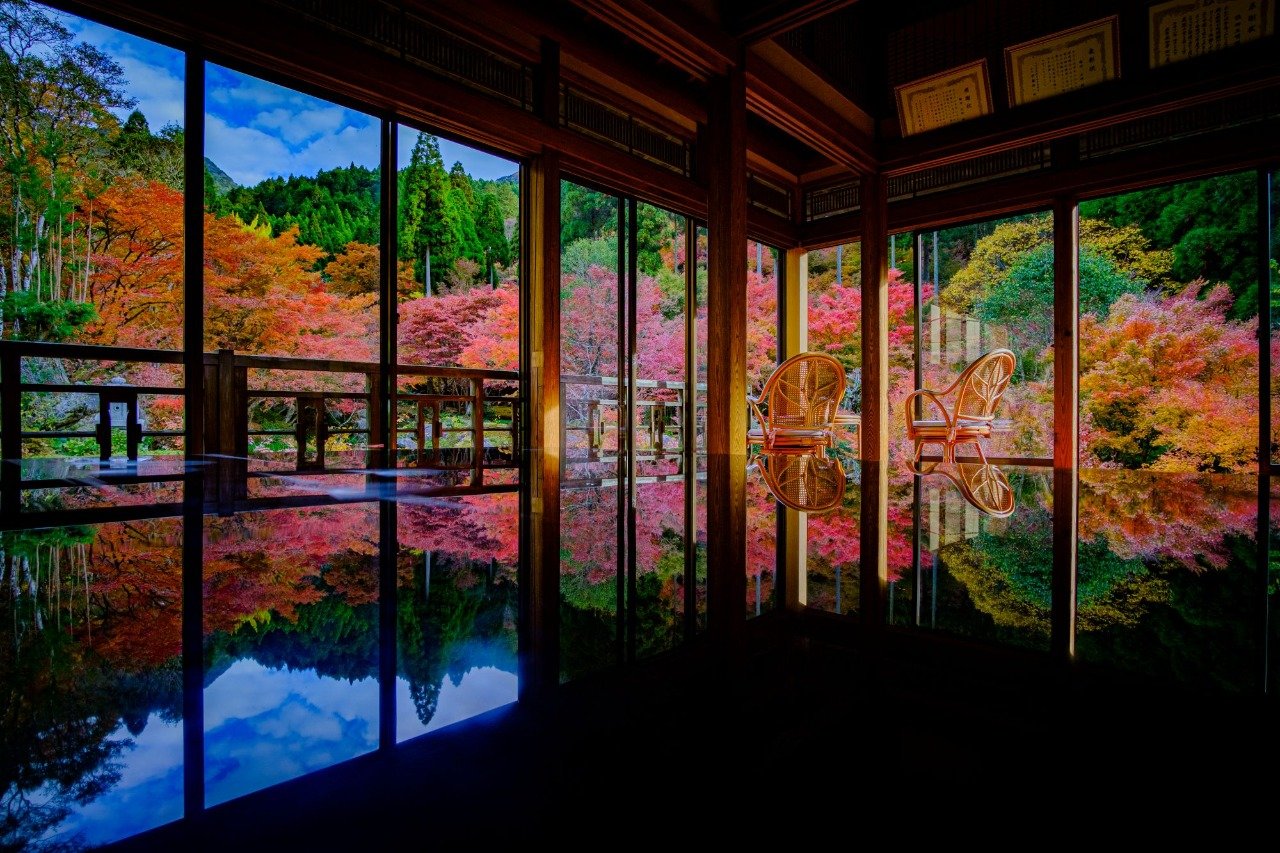
Maple forest on Mount Sakurei, planted over 40 years; leaves reflect on lacquered tables in its villa.
Cape Hado
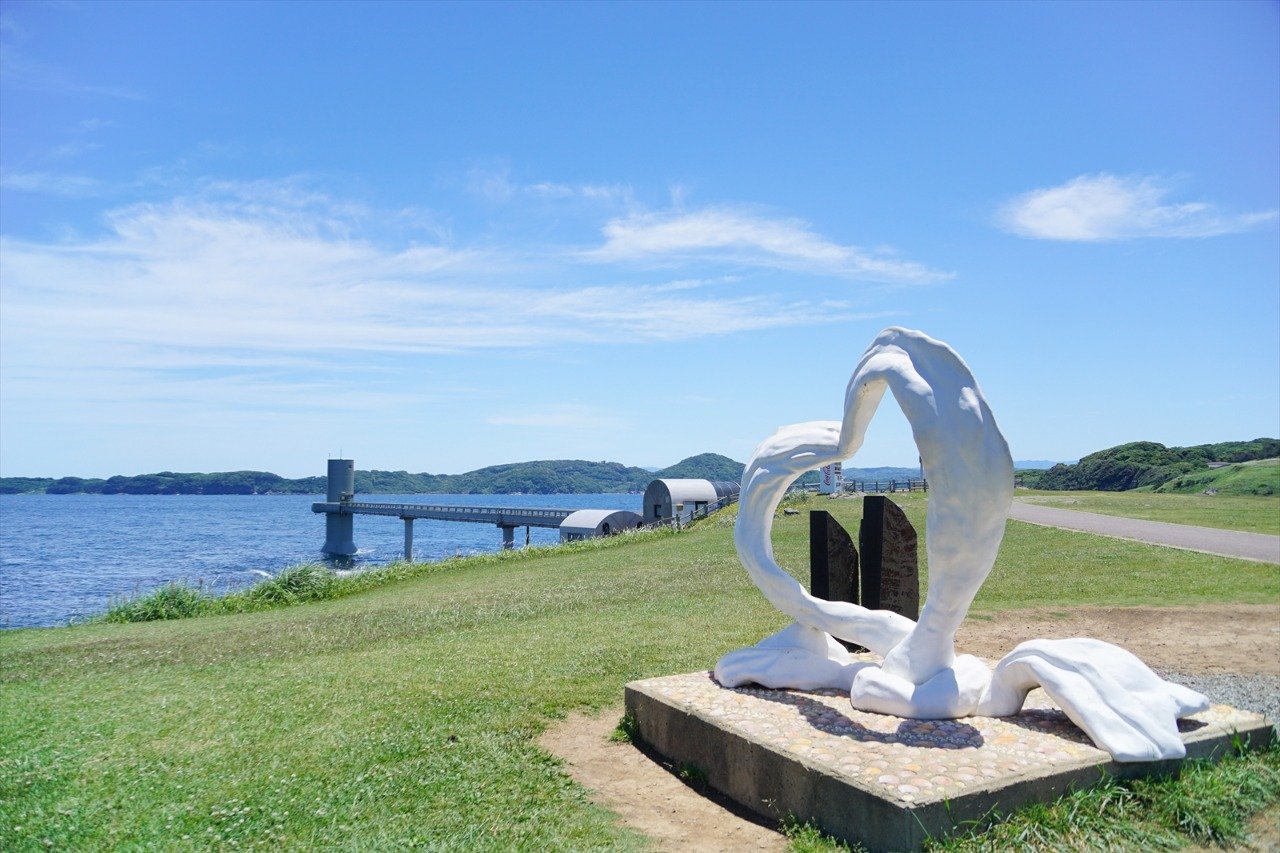
Small cape on the Higashimatsuura Peninsula; known for grilled turban shells.
Niji no Matsubara
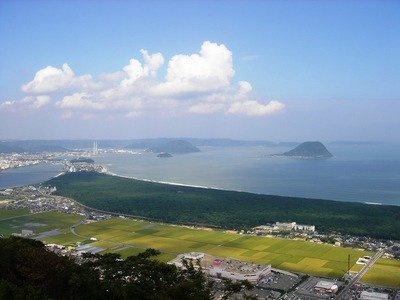
4.5 km pine grove along Karatsu Bay, one of Japan's three great pine groves.
Karatsu Castle
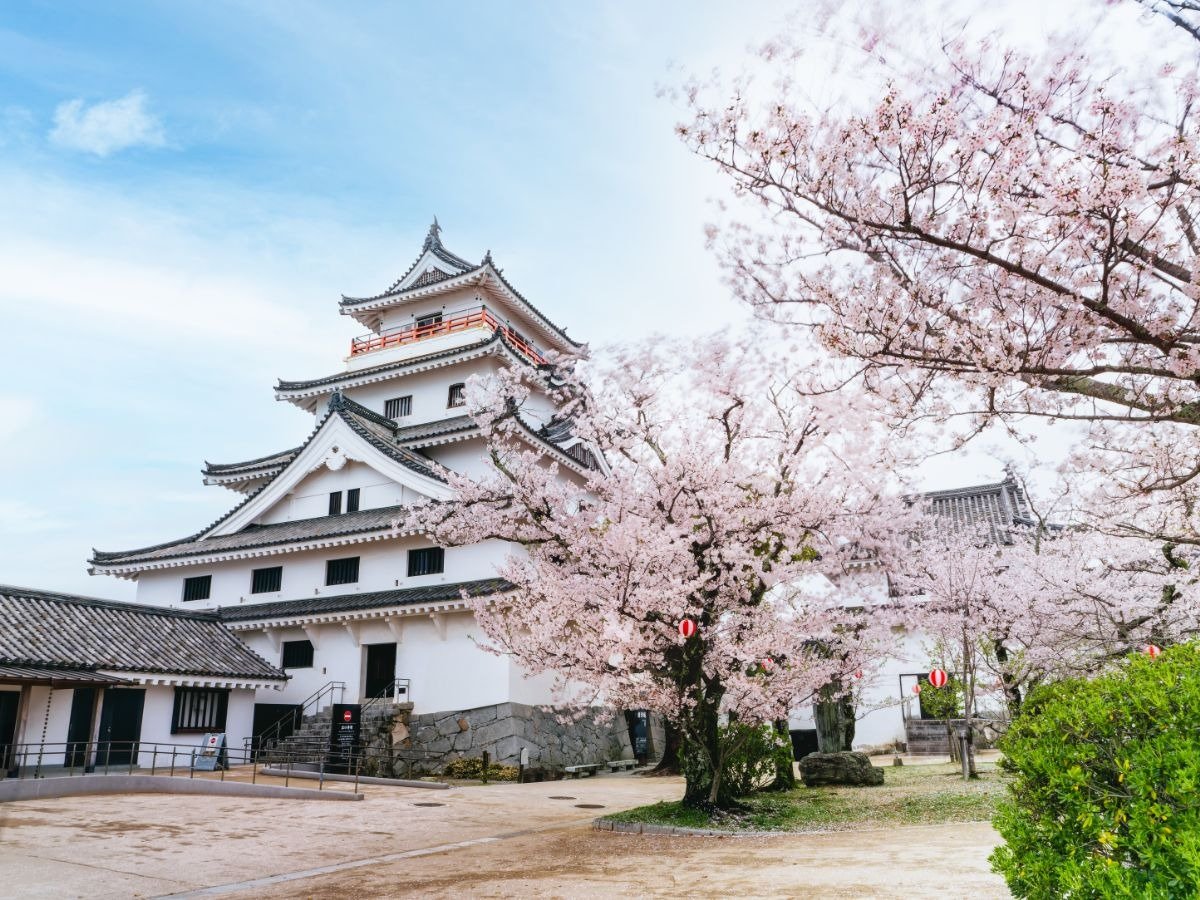
Castle built 1602–1608 by the first lord of Karatsu, Terazawa Hirotaka, on Mitsushima Hill.
Mount Kagami
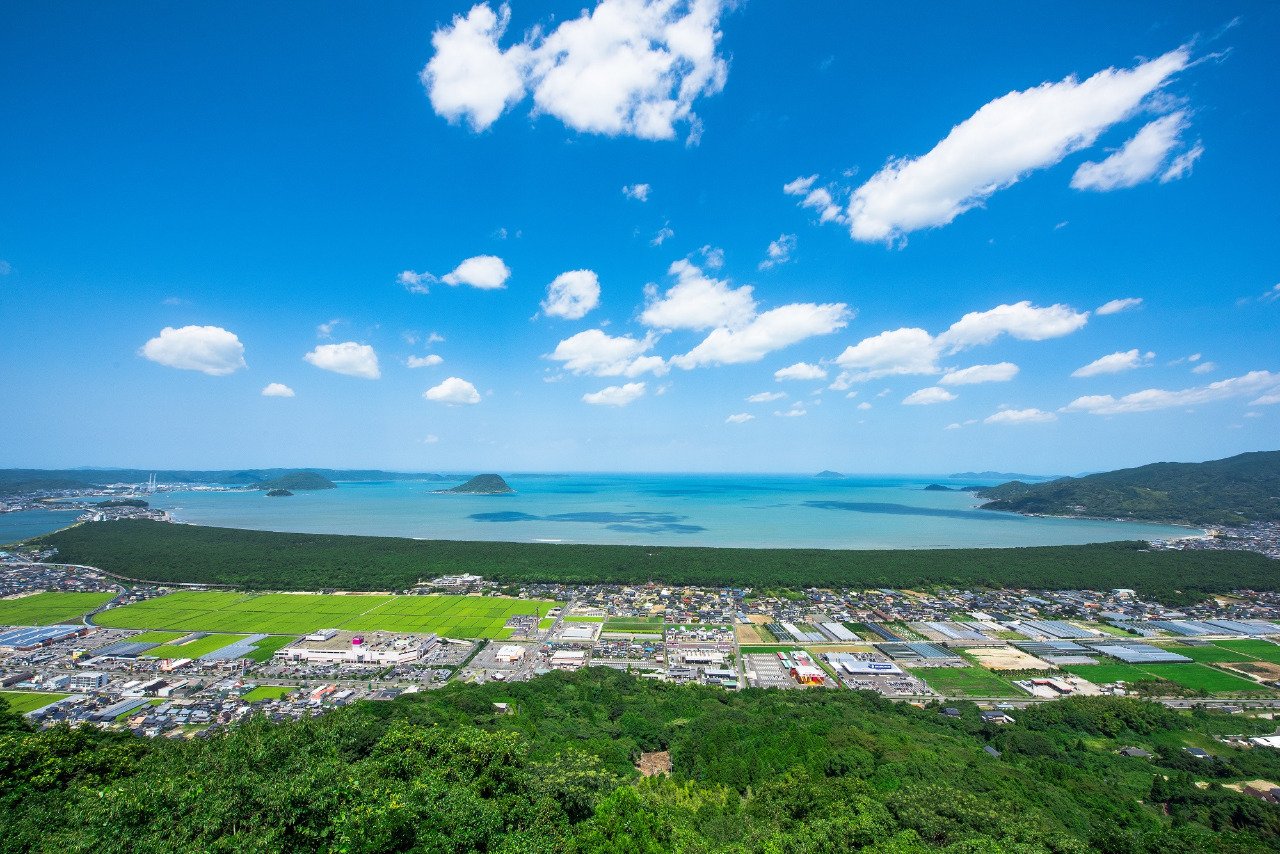
284 m peak with views over Niji no Matsubara, Karatsu Bay and, on clear days, Iki Island; a 4 km winding road leads to the top.
Hikiyama Exhibition Hall
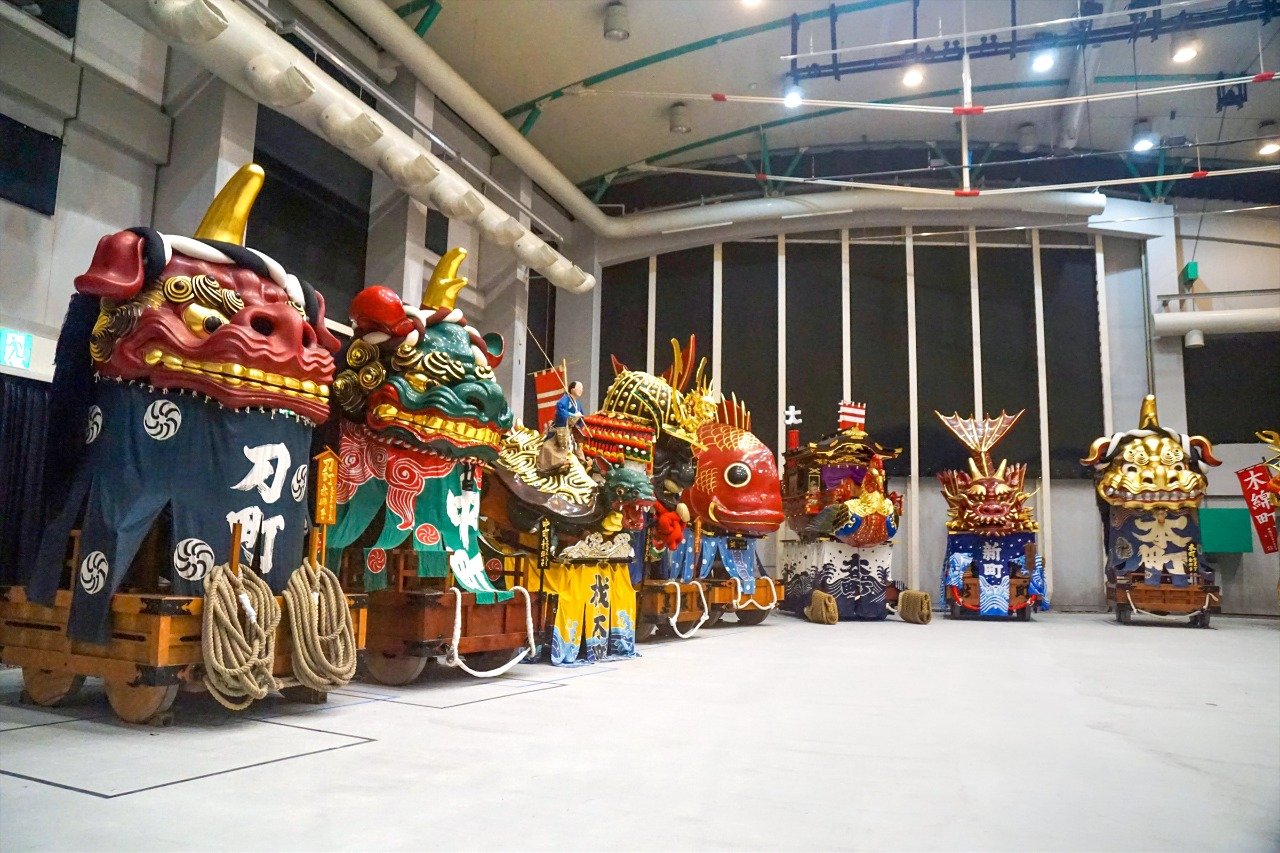
Year-round display of the Karatsu Kunchi festival floats.
Tashima Shrine
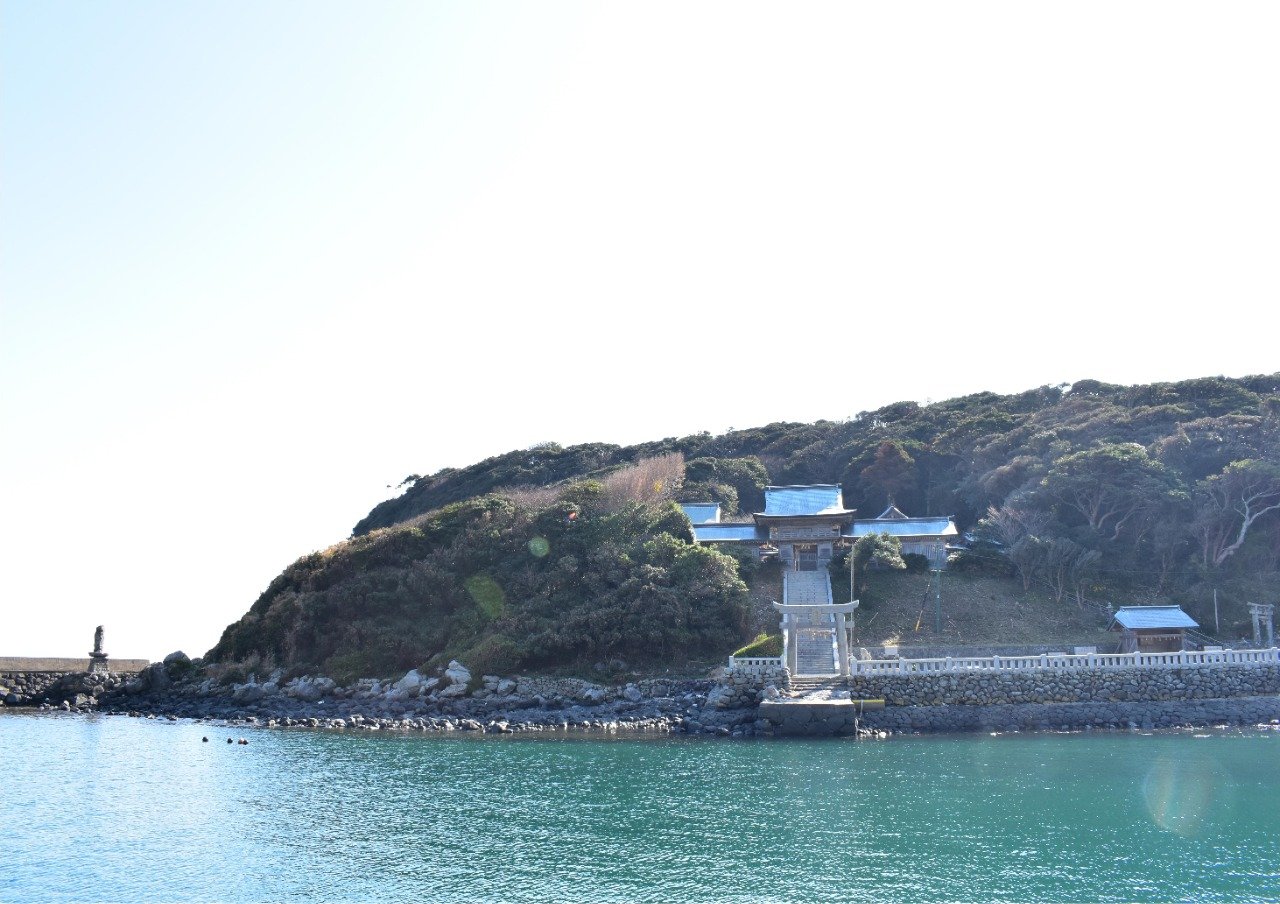
Said to be Hizen's oldest shrine, on Kabe Island; dedicated to three sea goddesses.
Saga Prefectural Nagoya Castle Museum & Castle Ruins
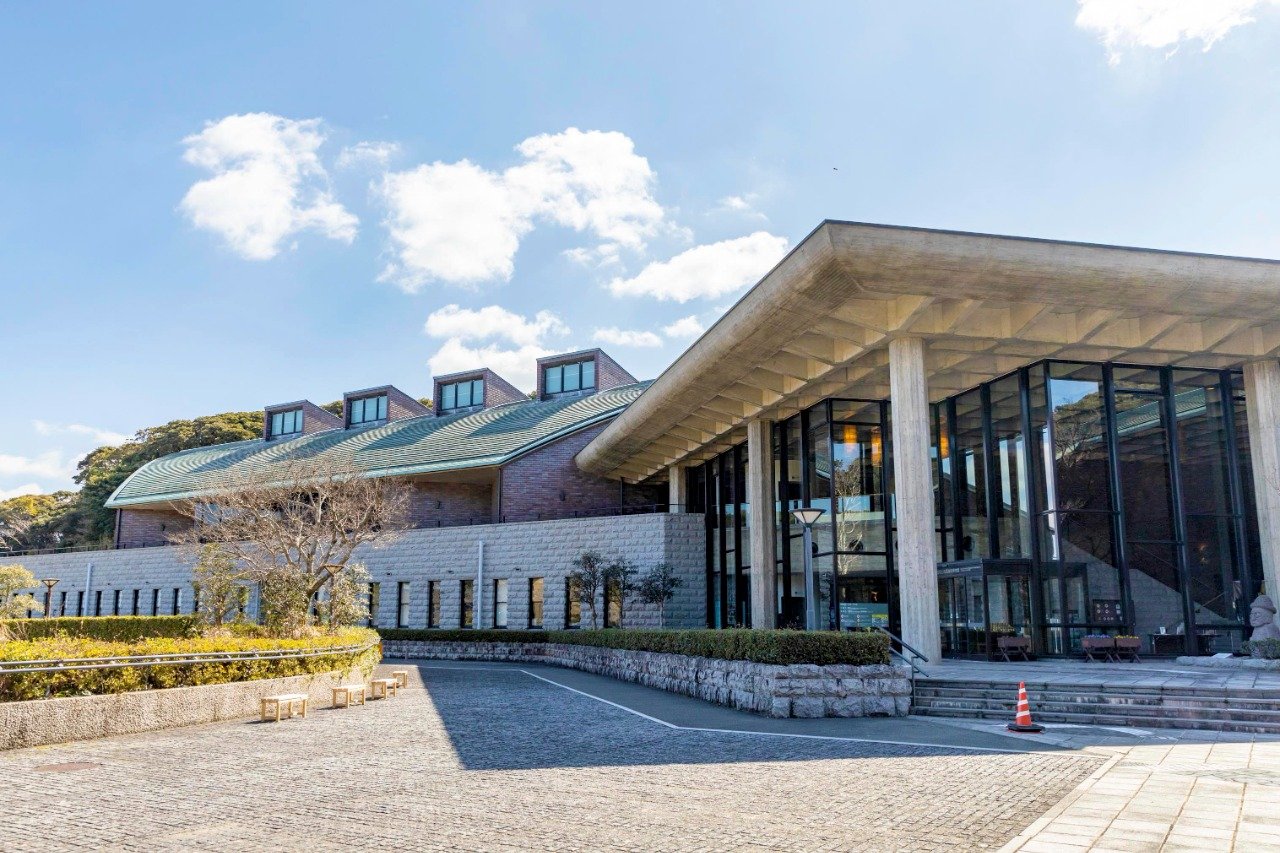
Hideyoshi's base for the 1592–1598 invasions of Korea, ringed by more than 150 camp sites.
Suginohara Pasture
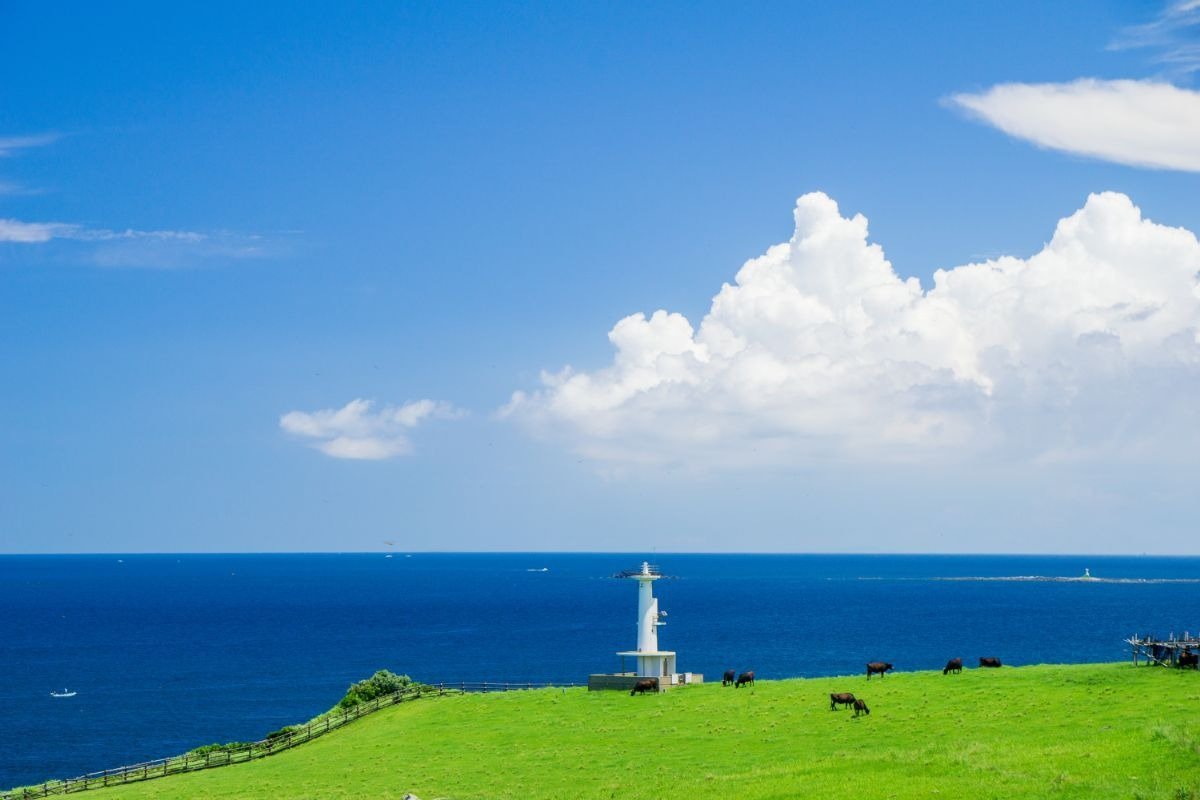
Pasture at the north tip of Kabe Island with a white lighthouse and cattle grazing 9:00–17:00.
Mikaeri Falls
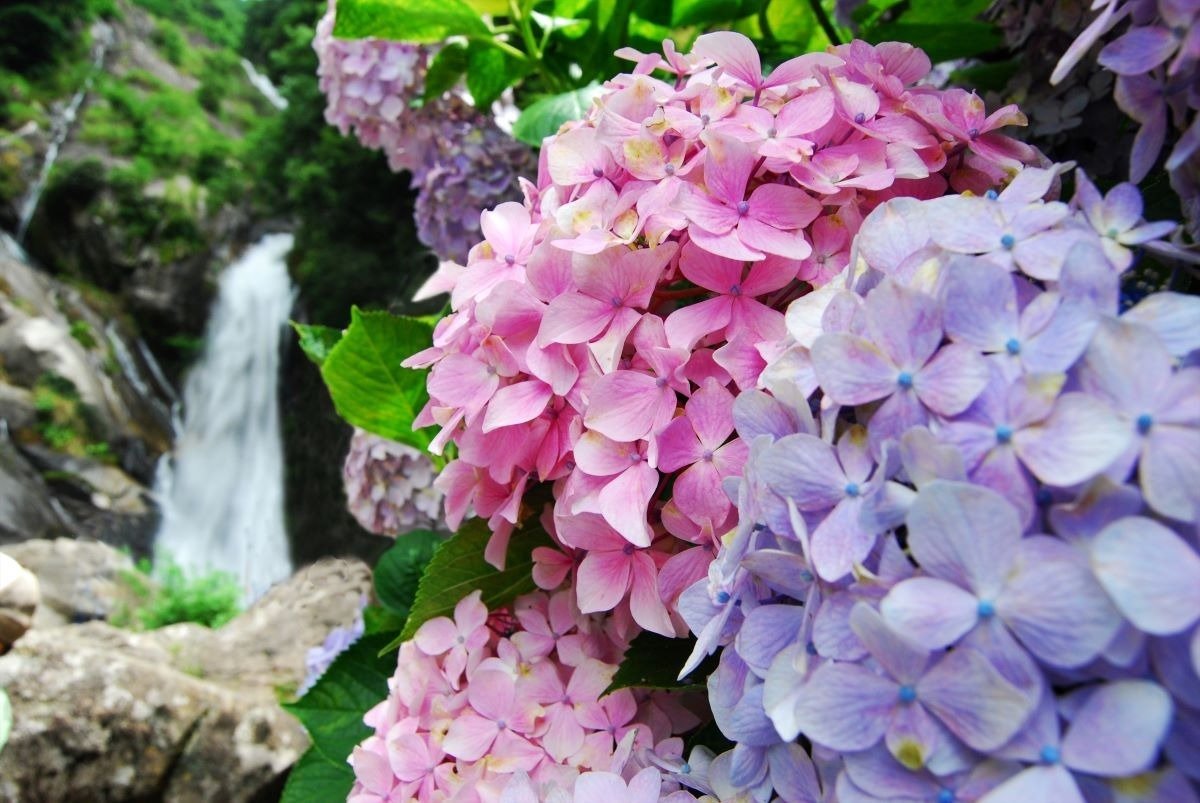
Waterfall in Ochi, one of Japan's 100 best, with cherry blossoms and autumn leaves.
Takashima Hoto Shrine
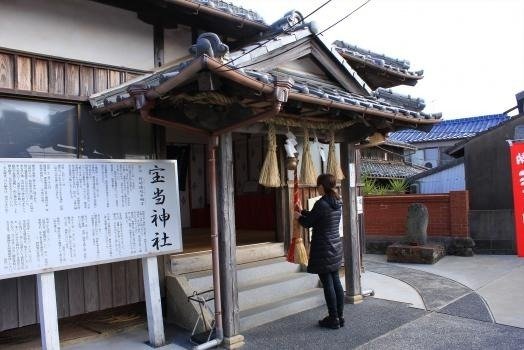
Shrine on Takashima, 10 minutes by boat from Karatsu, popular for wishes and lottery luck.
Iroha Islands
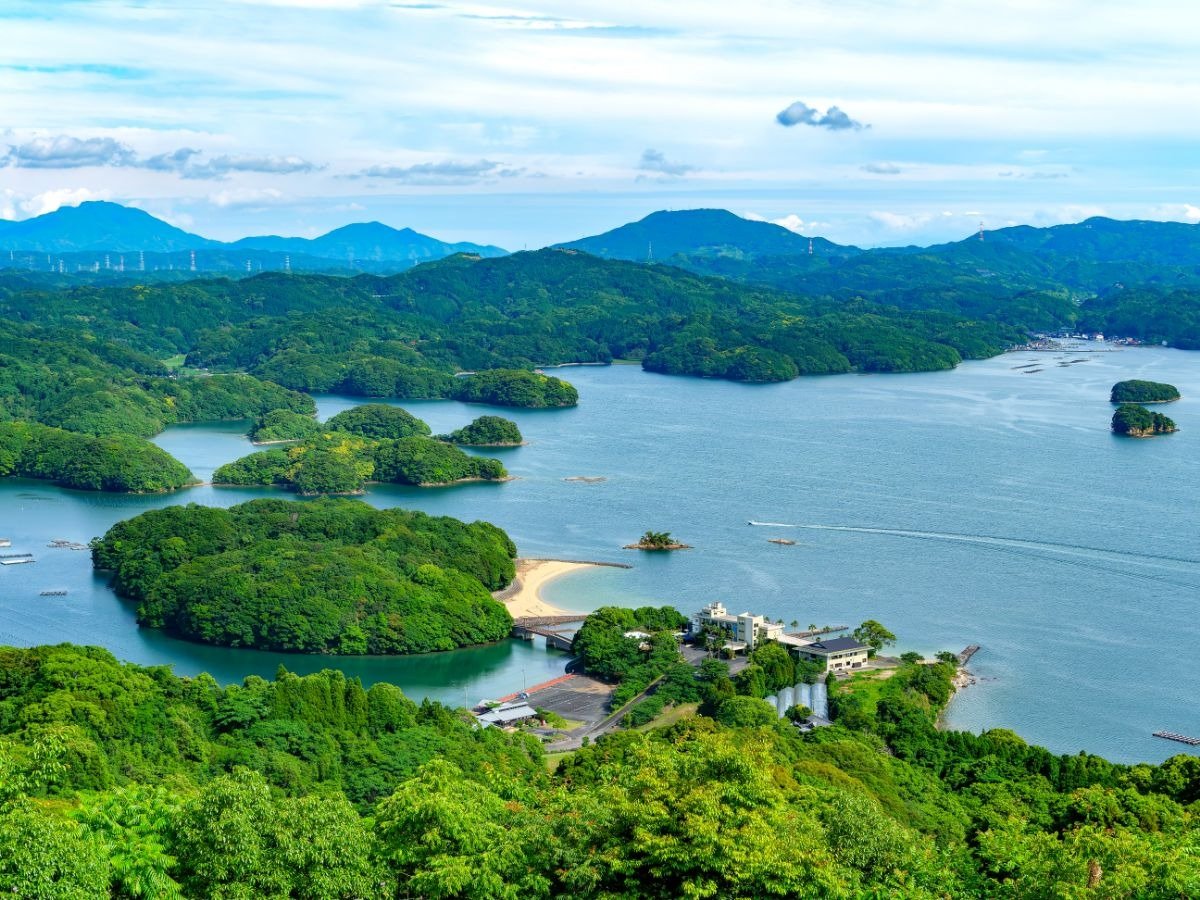
About 48 islands in Imari Bay, Genkai Quasi-National Park.
Kaze no Mieru Oka Park
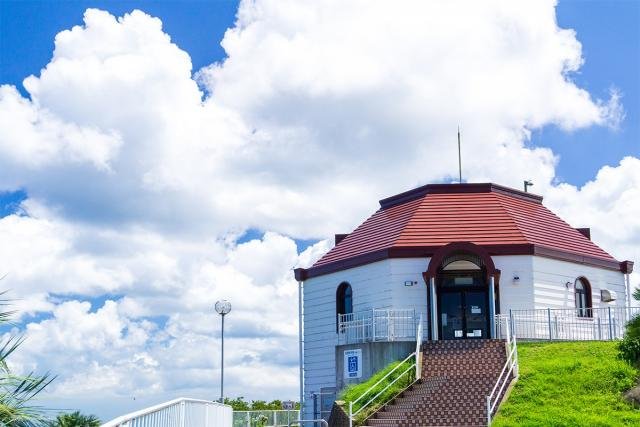
Hilltop park on Kabe Island, across the Yobuko Bridge, with wide views over the Genkai Sea.
Former Takatori Residence
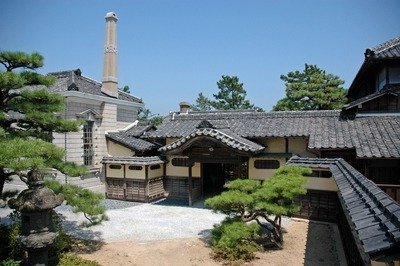
Coal baron Takatori Koreyoshi's seaside house on a 2,300-tsubo site.
Kannon Falls
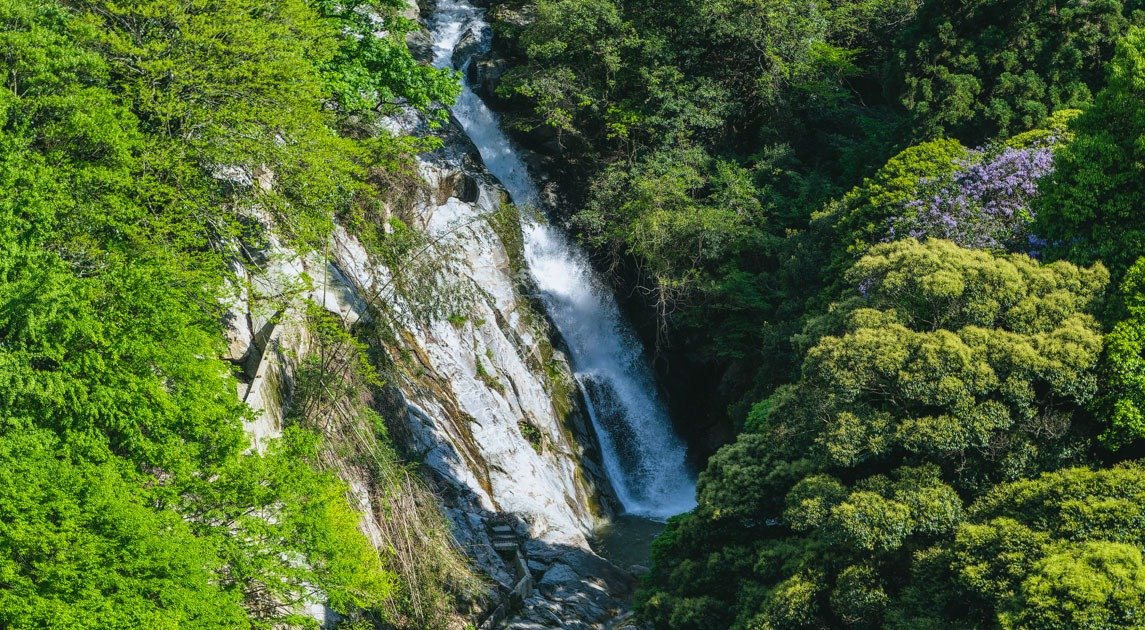
45 m waterfall in Nanayama, nicknamed the "male falls" for its power.
Yobuko Bridge
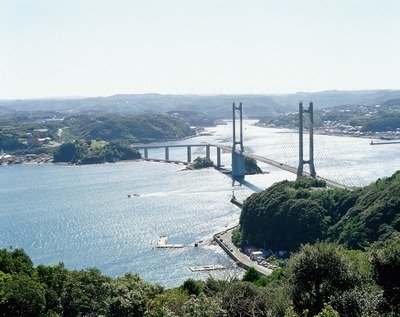
Bridge linking Yobuko with Kabe Island; symbol of the old whaling port.
Kashibaru Wetlands
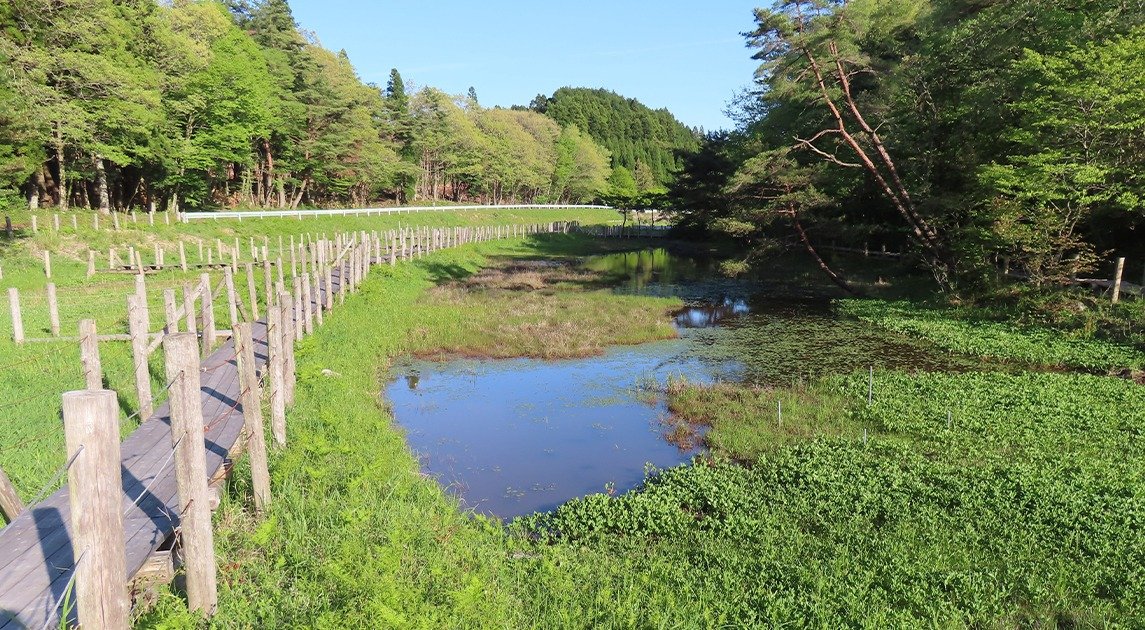
One of Kyushu's richest wetland habitats, at 590 m and designated a prefectural nature conservation area.
Karatsu Shrine
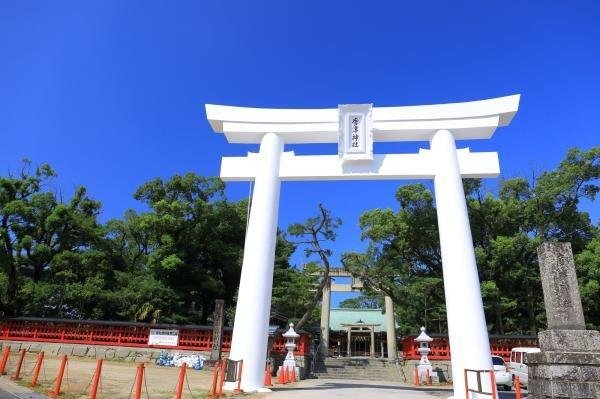
Shrine said to date from the Nara period; its autumn festival is Karatsu Kunchi (2–4 November).
Bougain Forest
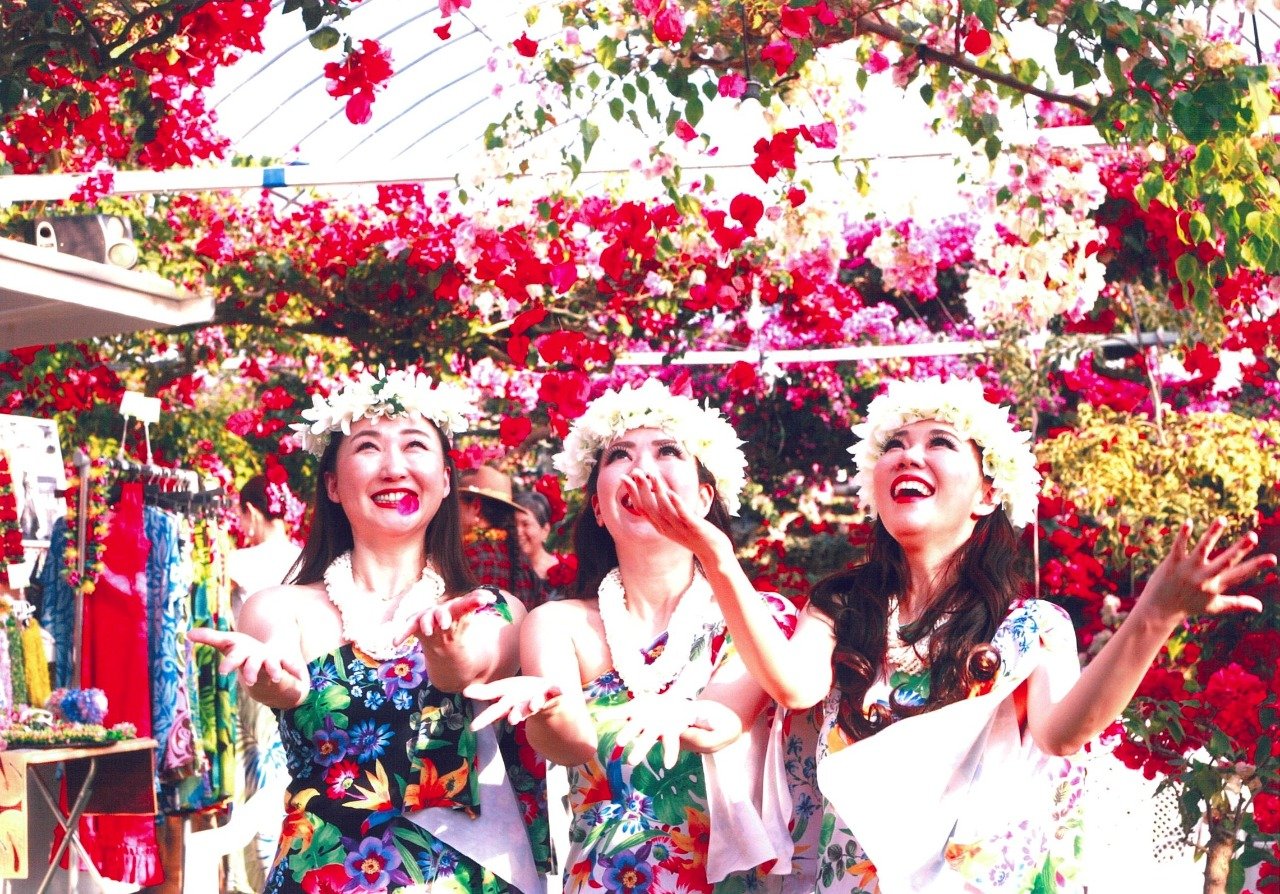
Hilltop greenhouse with about 1,000 bougainvilleas.
Matsurokan
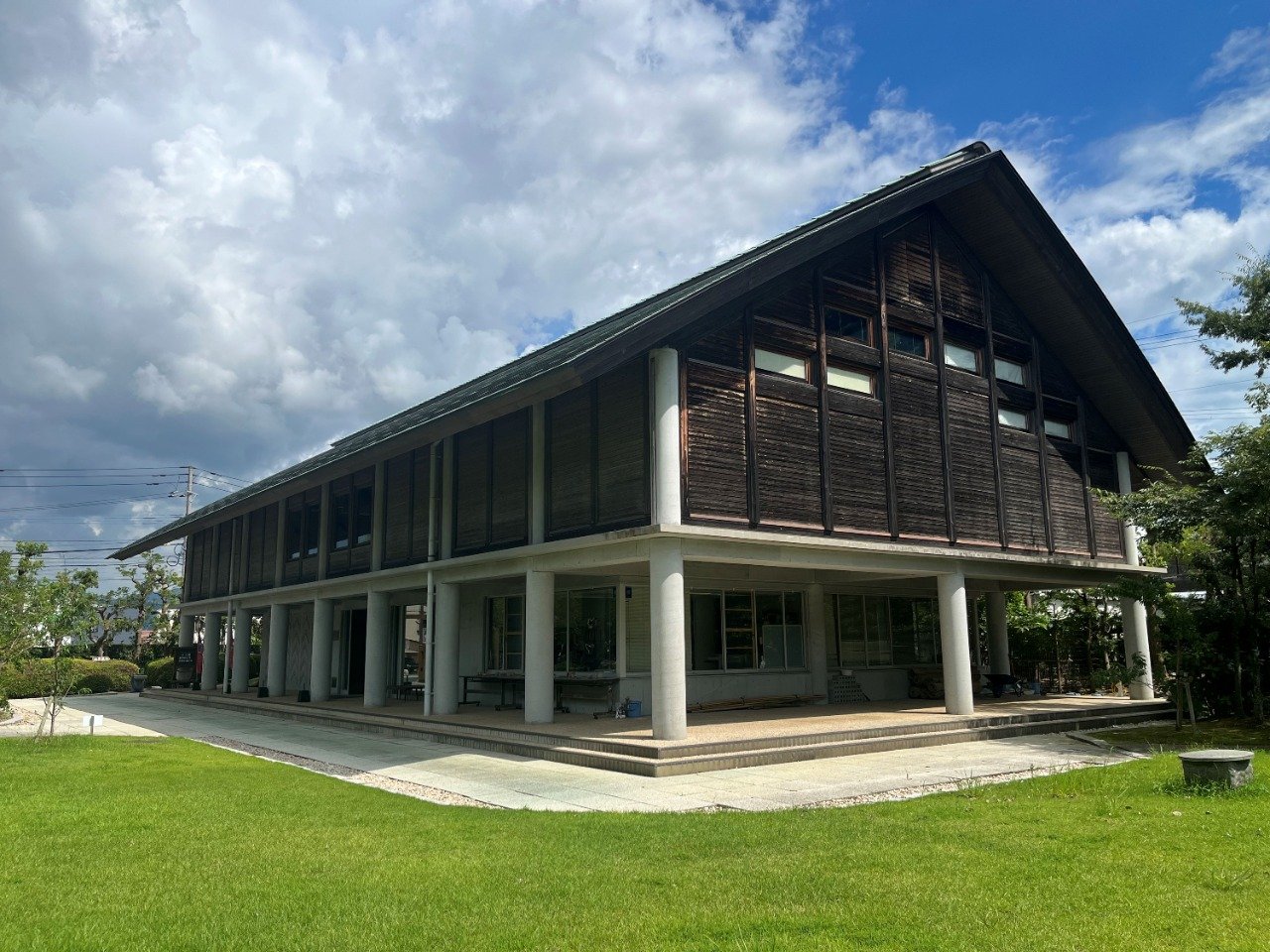
Museum of finds from the Nabatake site, among Japan's oldest rice-growing sites.
Tategami Rock
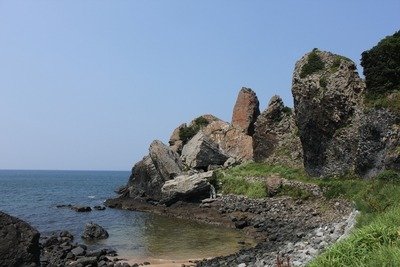
Two 30 m basalt pillars on the coast, also called the "Meoto-iwa".
Nakazato Taroemon Pottery & Ochawan Kiln Memorial
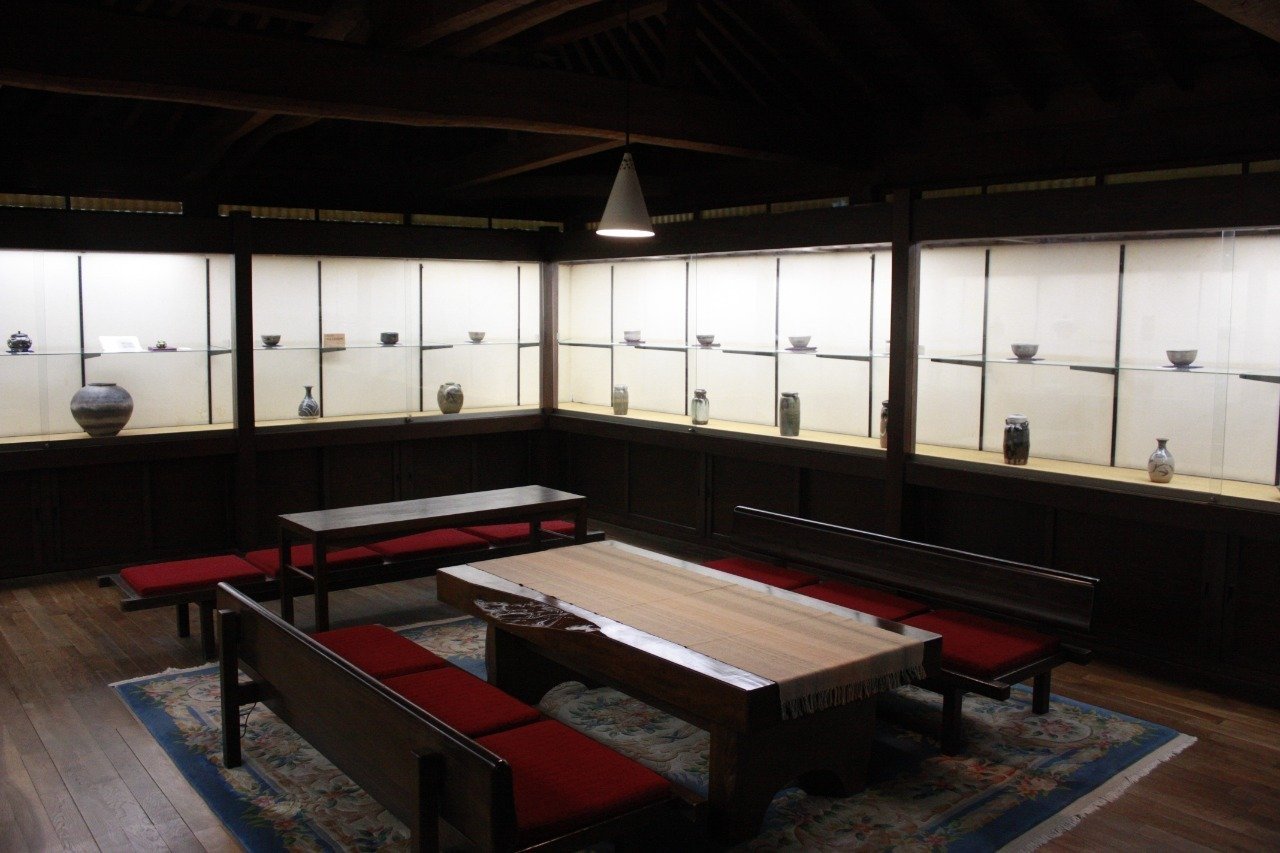
Kiln with about 430 years of history; gallery and a nationally designated old kiln.
Warabino Rice Terraces
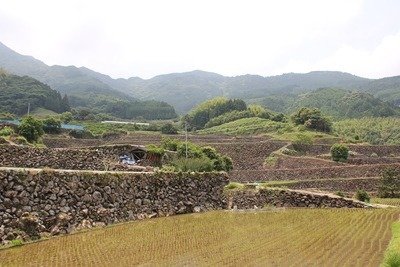
Fan-shaped terraces with stone walls up to 8.5 m, said to be Japan's tallest.
Nakao Family Residence (Whaling Master)
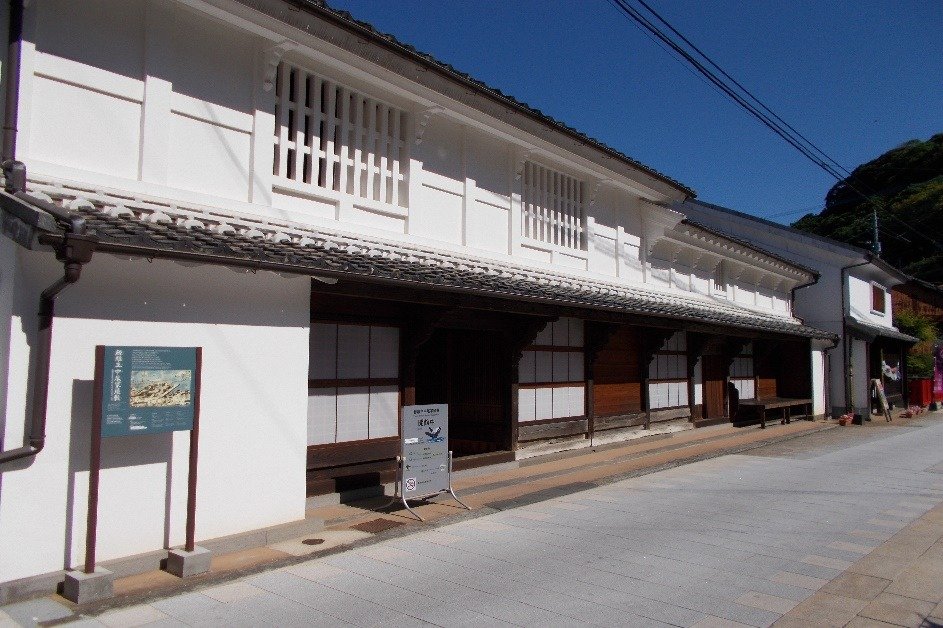
Home of an Edo-period whaling family, with whaling exhibits.
Former Karatsu Bank (Tatsuno Kingo Memorial)
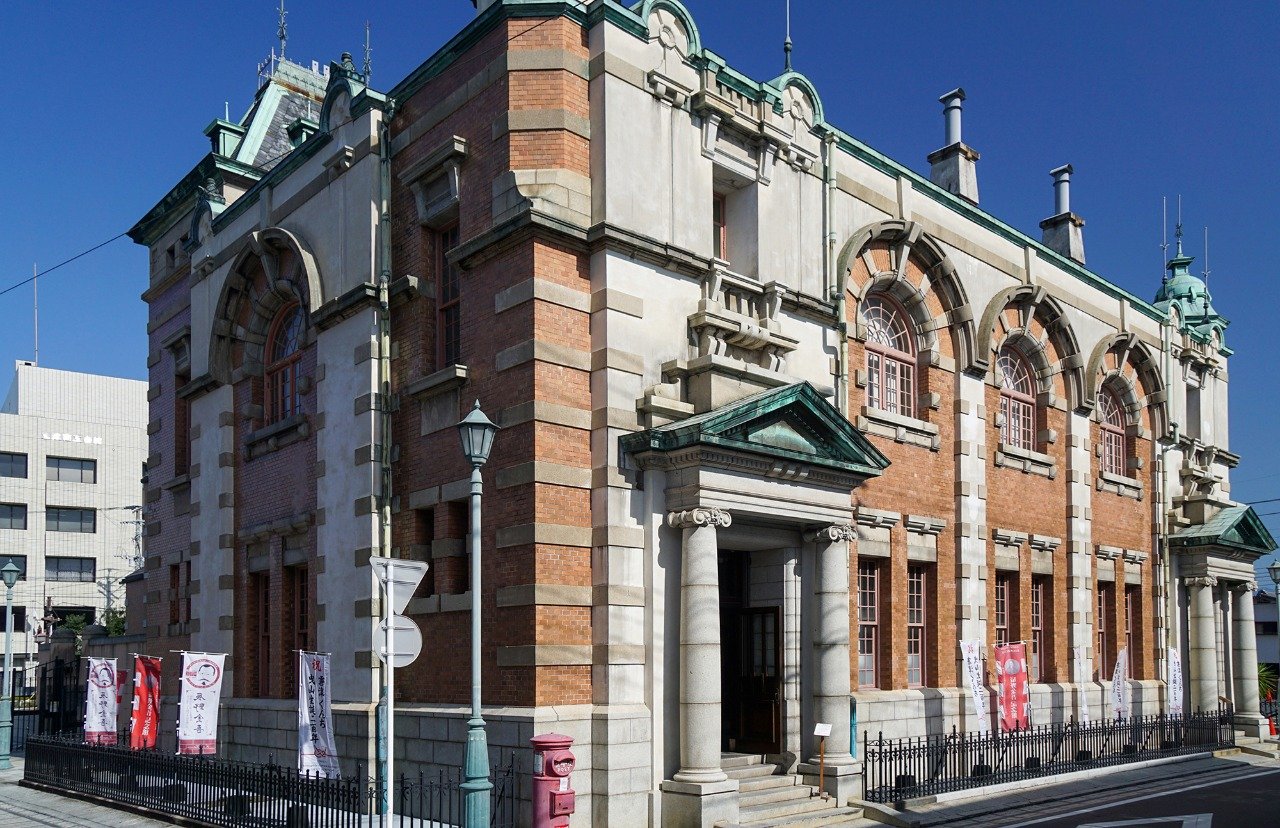
Bank building completed in 1912, linked to Karatsu-born architect Tatsuno Kingo.
Former Oshima Residence
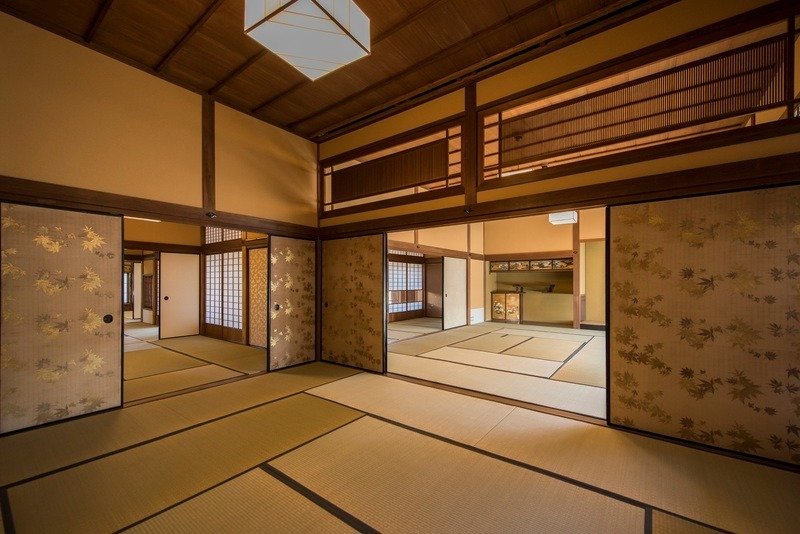
Former house of Oshima Kotaro, who helped modernise Karatsu.
Tojinmachi Ochawan Kiln Site
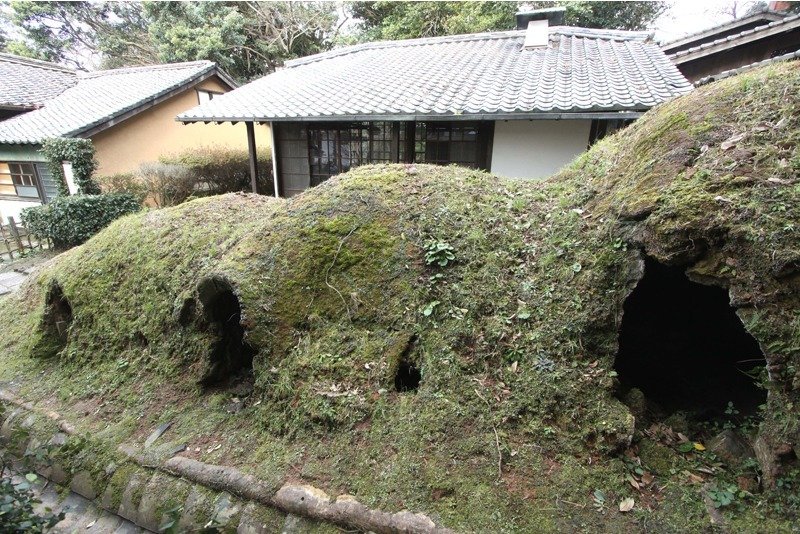
Karatsu domain official kiln from 1734, making "Kenjo Karatsu" for the shogun.
Oura Rice Terraces
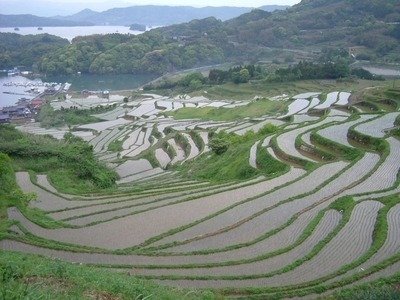
Rice terraces facing the Iroha Islands.
Nakano Tochi Kiln
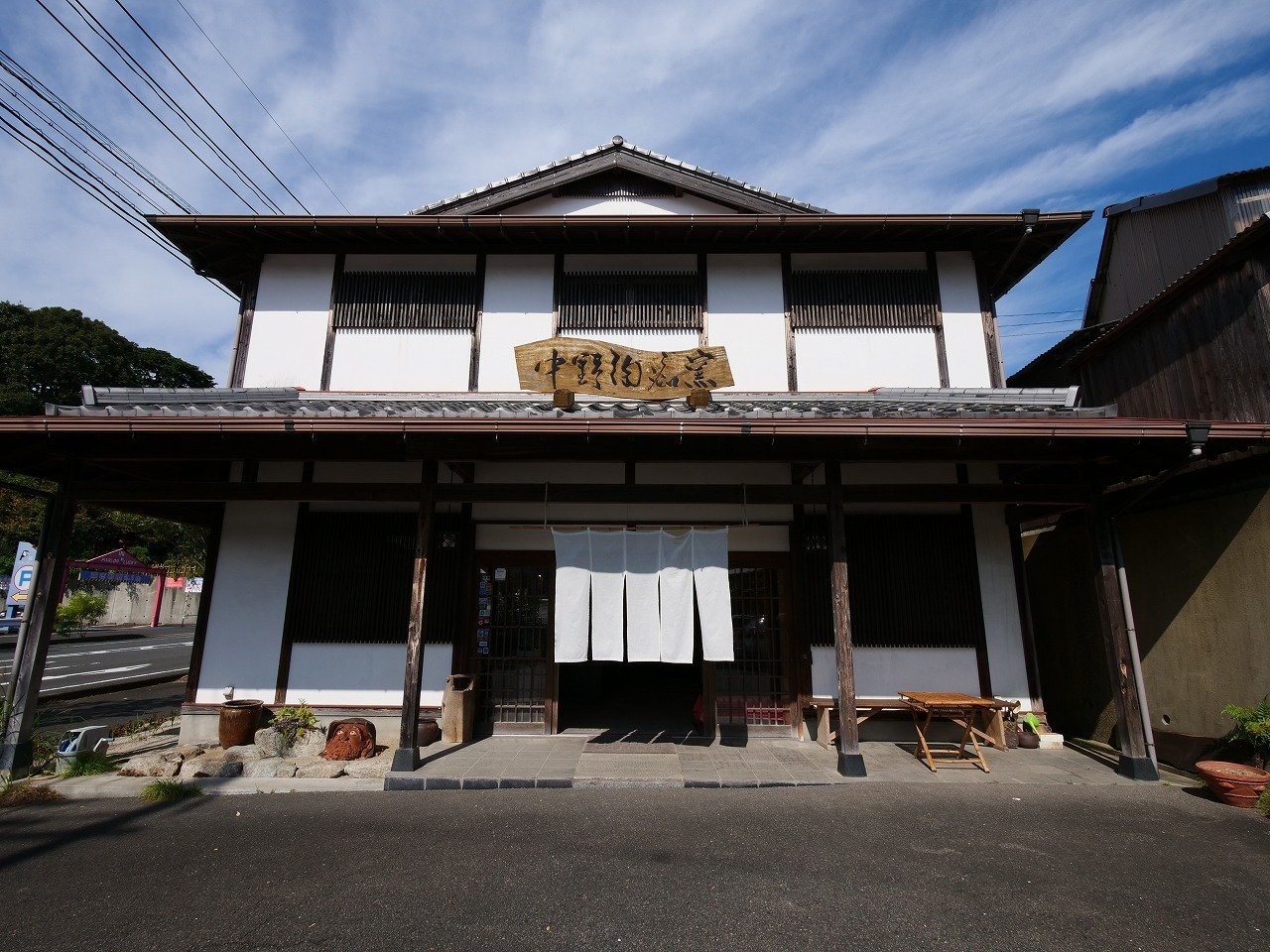
Karatsu-ware kiln.
Karatsu Modern Library
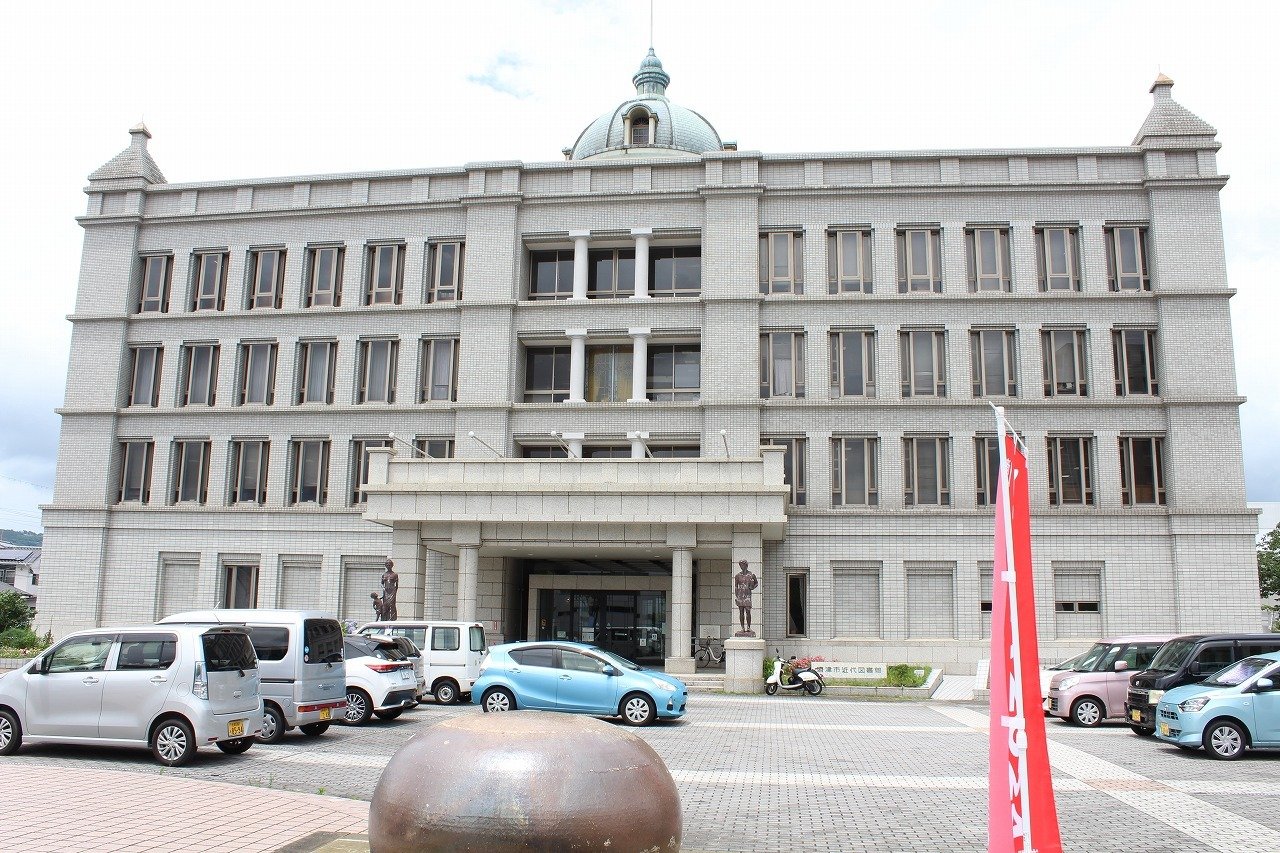
Library with an art hall on the first floor.
Botan to Midori no Oka
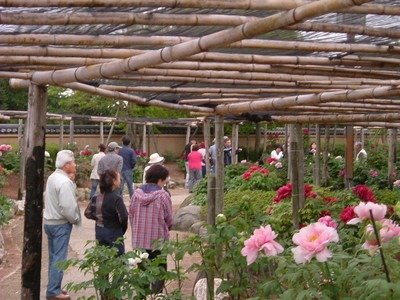
Japanese garden with 2,000 peonies and 30,000 herbaceous peonies.
Great Rhododendron of Shiki
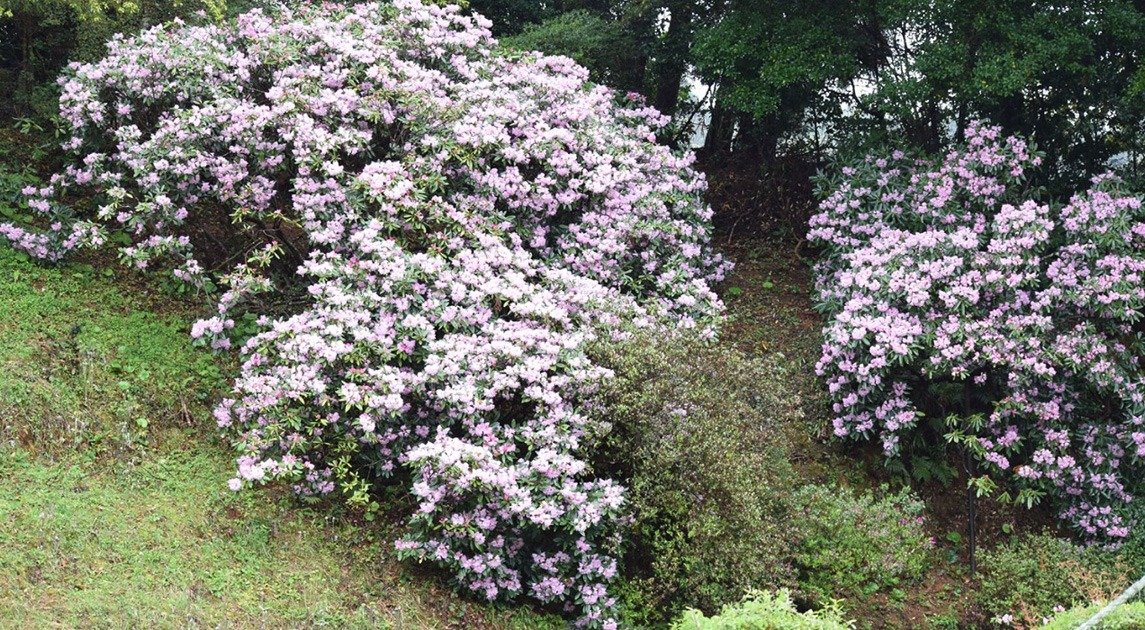
Rhododendron about 200 years old and 5 m tall; blooms in mid-April.
Kiriki Peonies
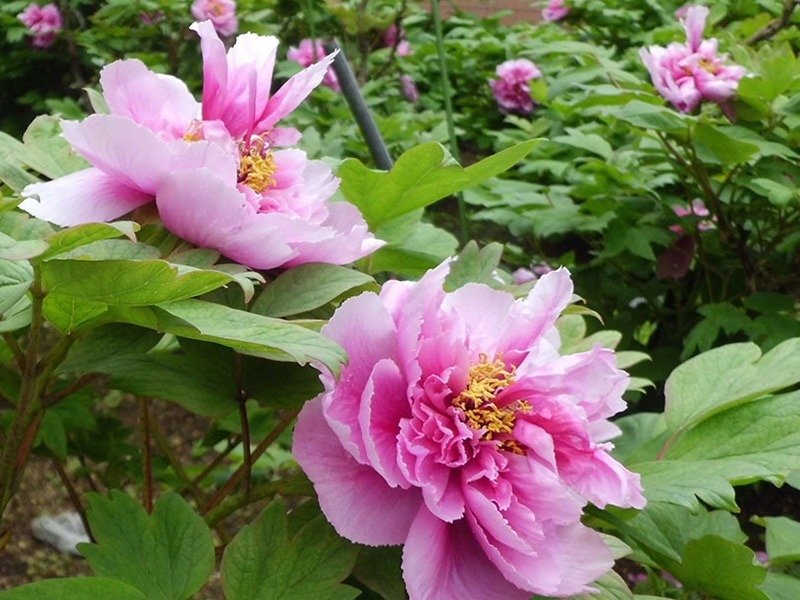
Ming-dynasty peonies said to have been replanted by retainers of the Hata clan after Kishidake Castle fell about 400 years ago.
Kishidake Castle Ruins
Mountain-top ruins of the Hata clan's castle, on the Kitahata–Ochi border.
Koyo no Mori Park
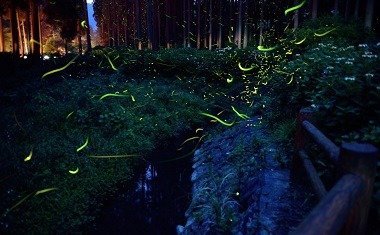
Riverside park with about 10,000 fireflies in early summer and the Kishidake old kiln site.
Obiyaura
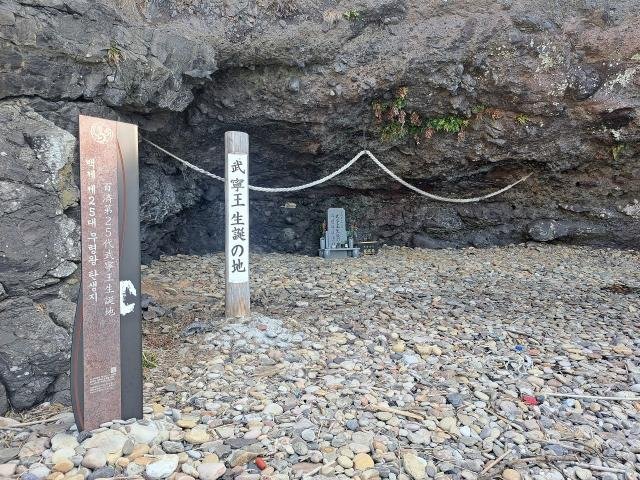
Cove on Kakara Island said in the Nihon Shoki to be the birthplace of Baekje's King Muryeong.
Kotaku-ji Cycad
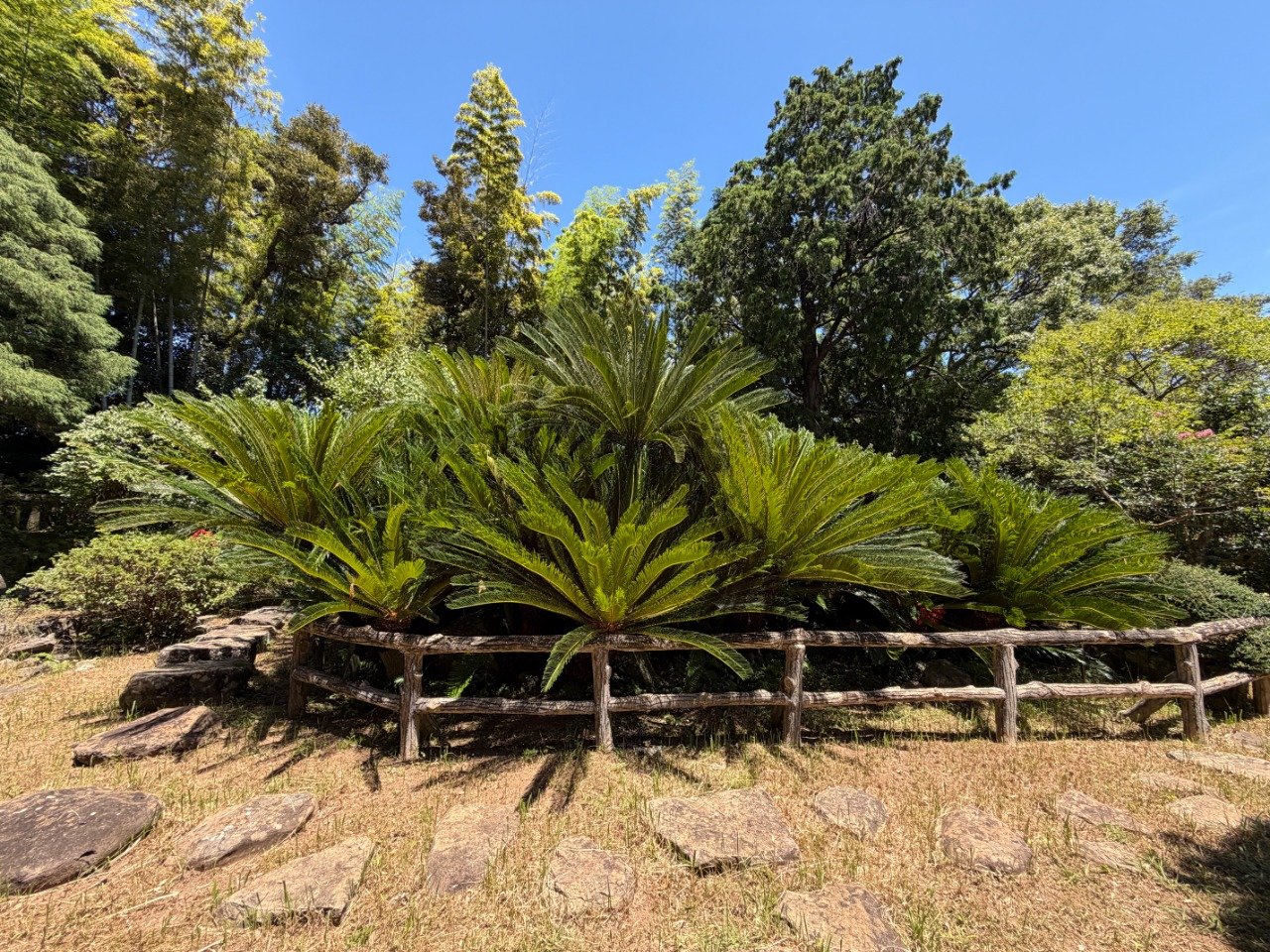
Cycad linked to Hideyoshi's consort Lady Hirosawa.