 BokenJapan
Japan / Saitama / Misato (Kodama) / See
Sights in Misato (Kodama), Saitama
Misato (Kodama) · Saitama · 12 places
See
Inomata 108 Lantern Mounds
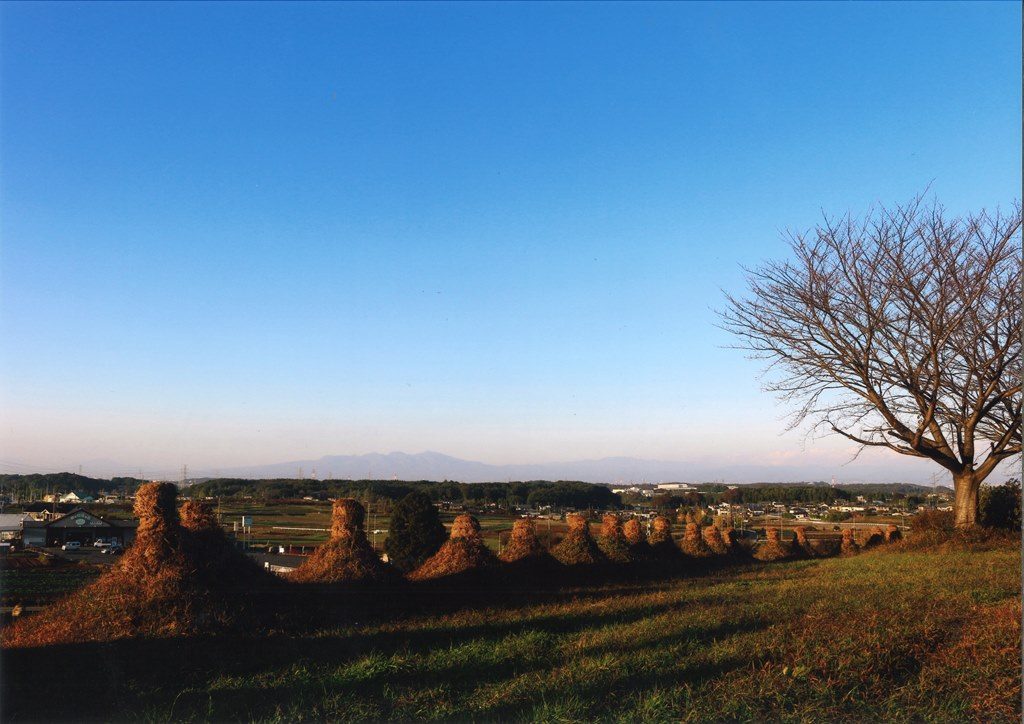
108 mounds on the Domaeyama ridge at the Misato-Yorii border; clear days reveal Mt. Akagi and Mt. Asama.
Mizudono Tile Kiln Ruins (National Cultural Property)
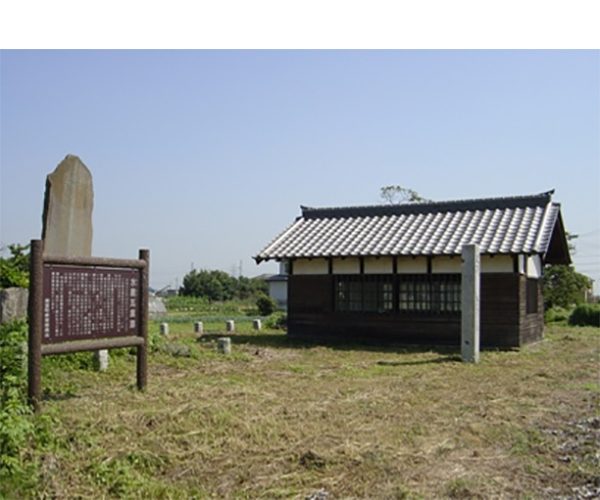
Kamakura-period kiln site in Numakami with four confirmed tile kilns. Tiles resemble those from Yofuku-ji, built by Yoritomo in 1189.
Taishi Lotus
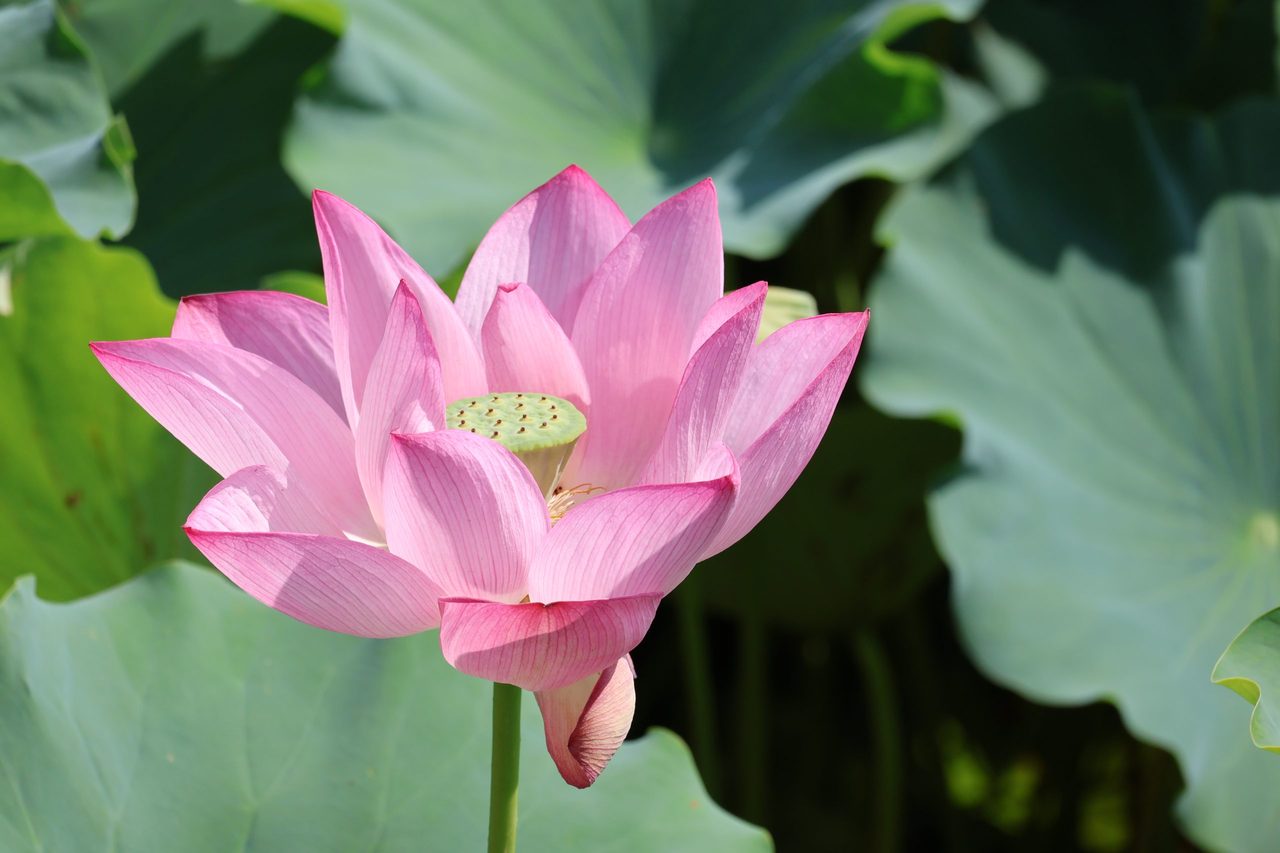
Lotus at Nagaoka Pond, given by China in 1997 as a Japan-China friendship symbol, in bloom mid-July to mid-August.
Manyo Site Attributed to Otomobe no Matarime
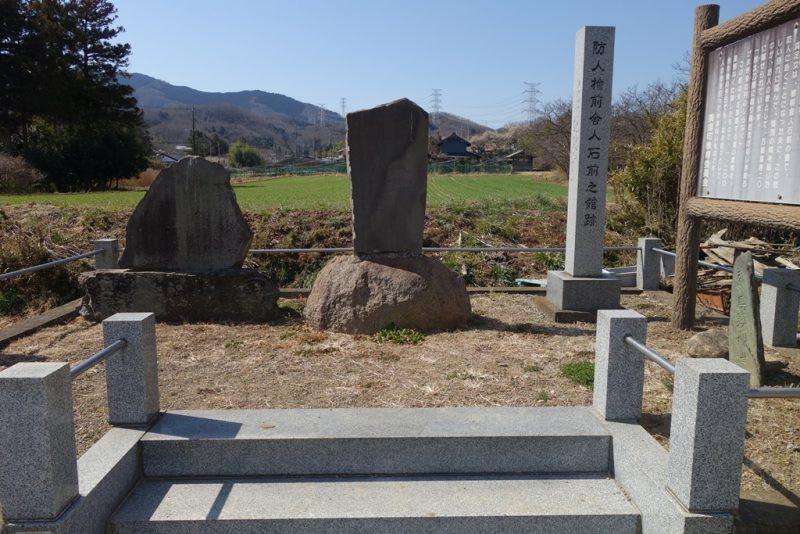
A 90-meter-square Hiroki site ringed by moat-shaped fields, said to be chieftain Hinokuma no Toneri Iwasaki's mansion site.
Rensho-do Weeping Cherry
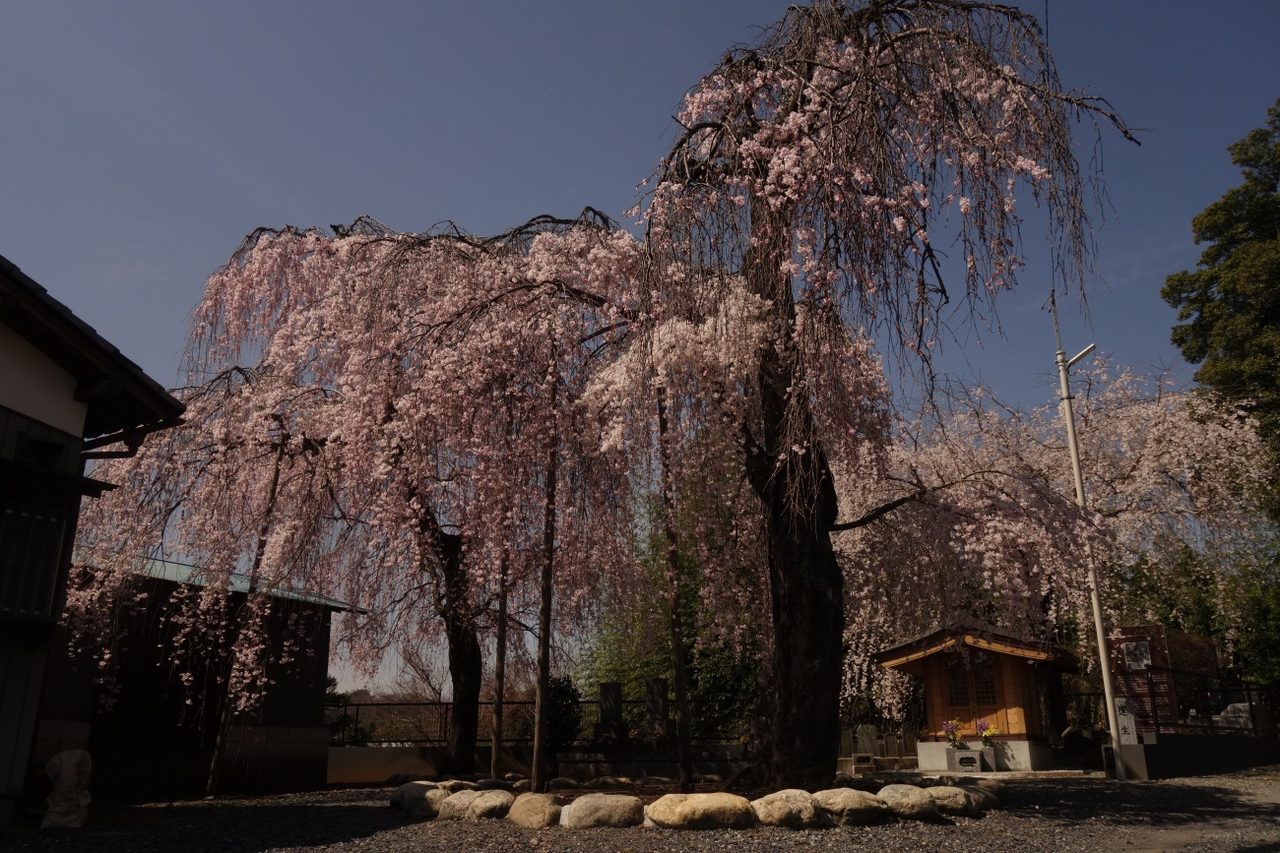
Small hall said to hold remains of Kumagai Naozane, called Japan's strongest by Yoritomo, beside a grand weeping cherry.
Nagasaka Shotenzuka Kofun
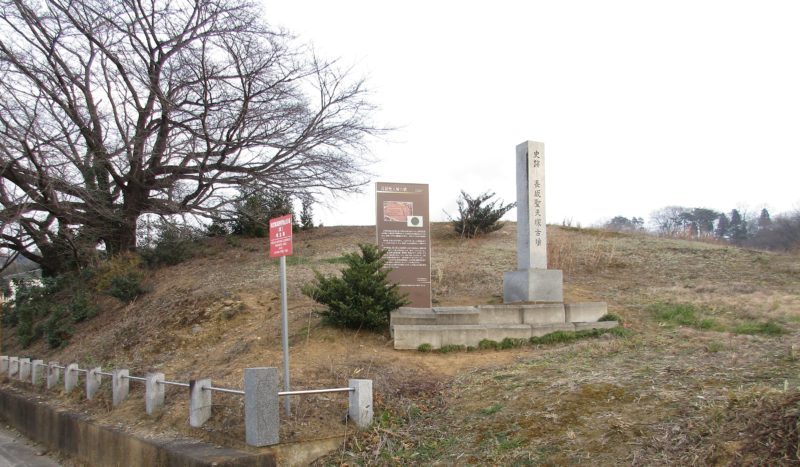
Early 5th-century round kofun, 4.5 m high, 50 m in diameter, in Seki's Suwayama group; prefecture-designated.
Grave of Inomata Koheiji (Prefectural Cultural Property)
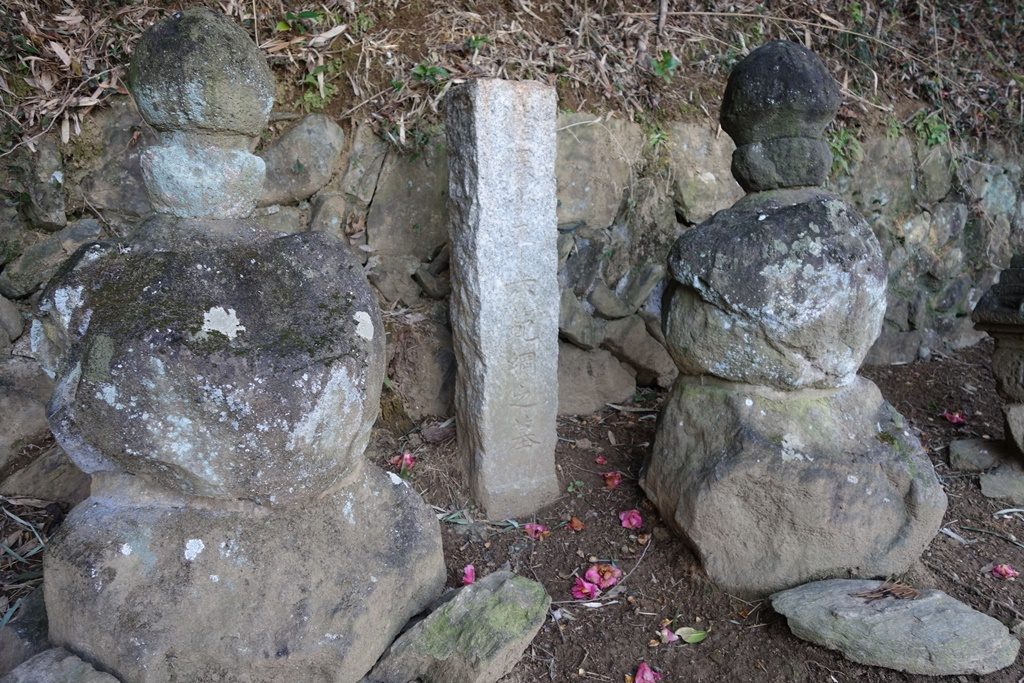
Inomata Koheiji Noritsuna, late Heian-Kamakura Musashi warrior of the Inomata clan, served the Minamoto in the Hogen and Heiji rebellions.
Sarashi Well (Prefectural Cultural Property)
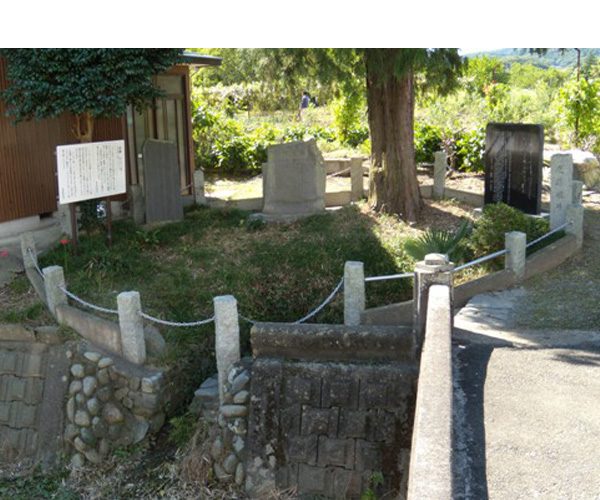
Rock-enclosed well in Hiroki whose spring water once bleached cloth often presented to the imperial court.
Shinto-ji
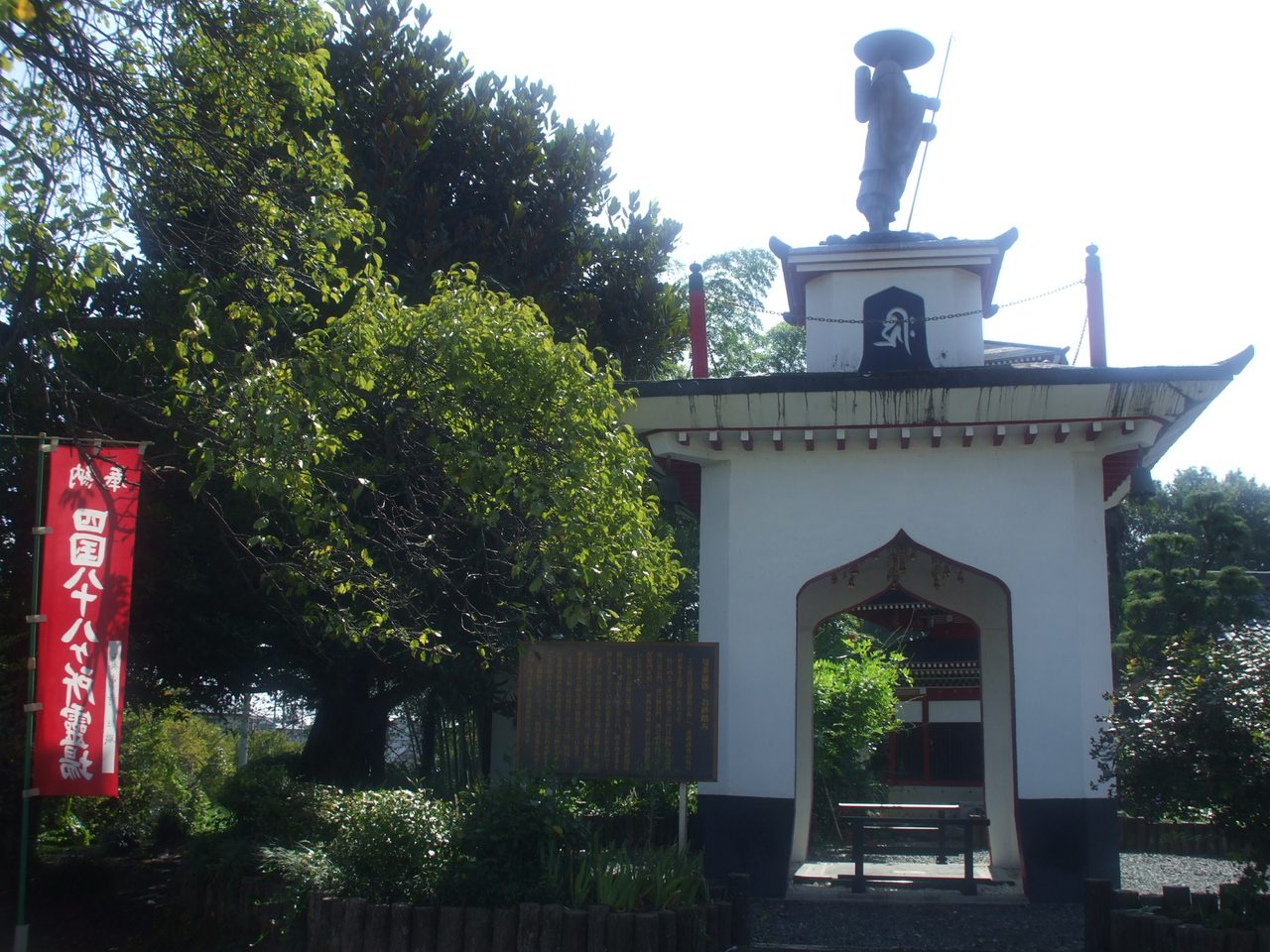
Many tourists visit this Kibe temple to sand-step all 88 Shikoku sites; precinct miniatures grant the same merit.
Katakuri
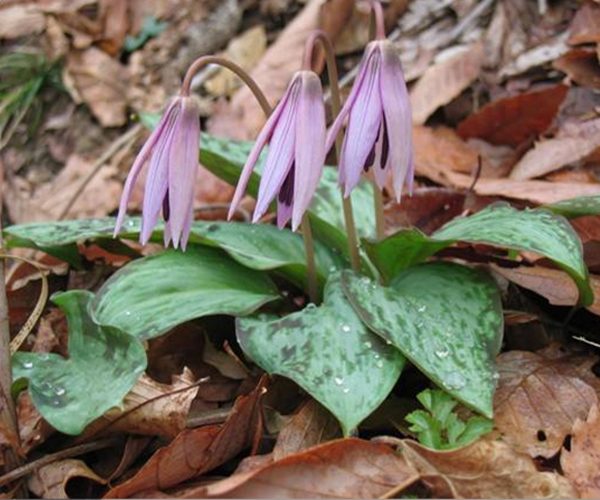
Katakuri colonies spread through Tsuburada mountain forests in spring, drawing hikers from late March to early April.
Jujo Jori Site
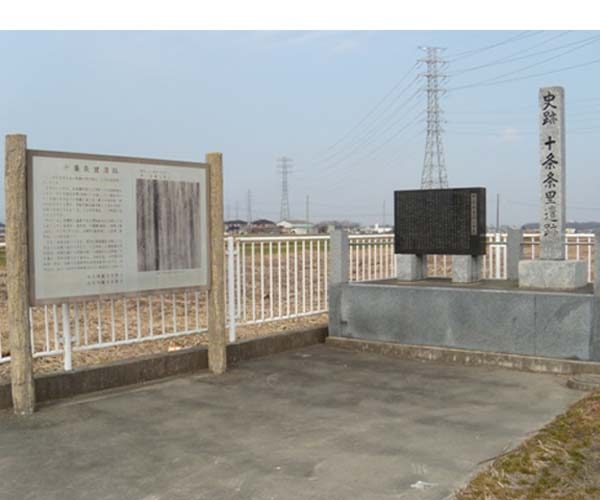
Land-allotment remains from the Taika Reforms; Jujo means the tenth strip from the south, and a monument remains.
Autumn Silkworm Monument
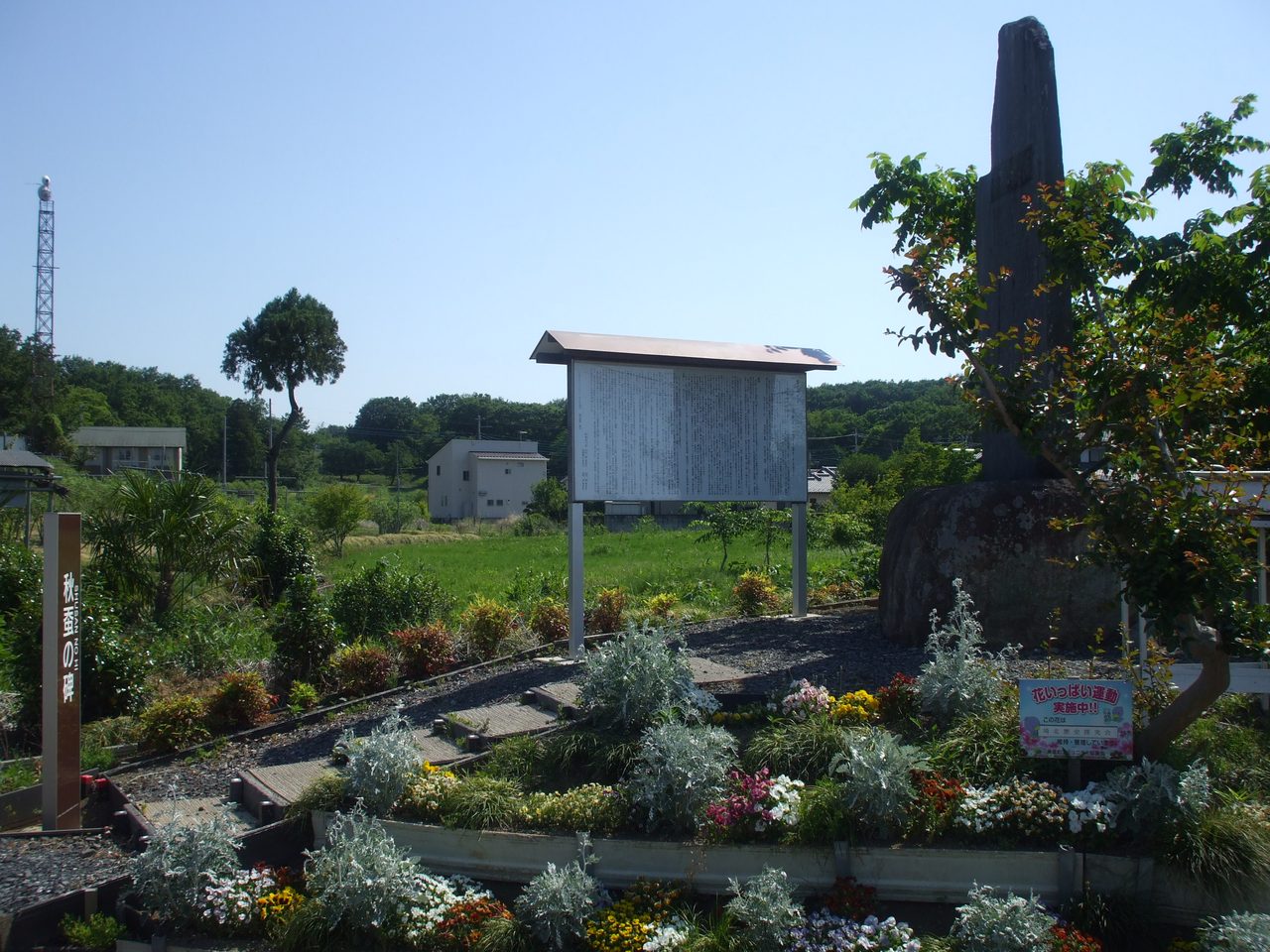
In the Meiji era, Odaka Junchu encouraged autumn sericulture, first taken up by Fukasawa Toyojiro of Matsuhisa Village.