 BokenJapan
Japan / Kanagawa / Fujisawa / See
Sights in Fujisawa, Kanagawa
Fujisawa · Kanagawa · 59 places
See
Enoshima
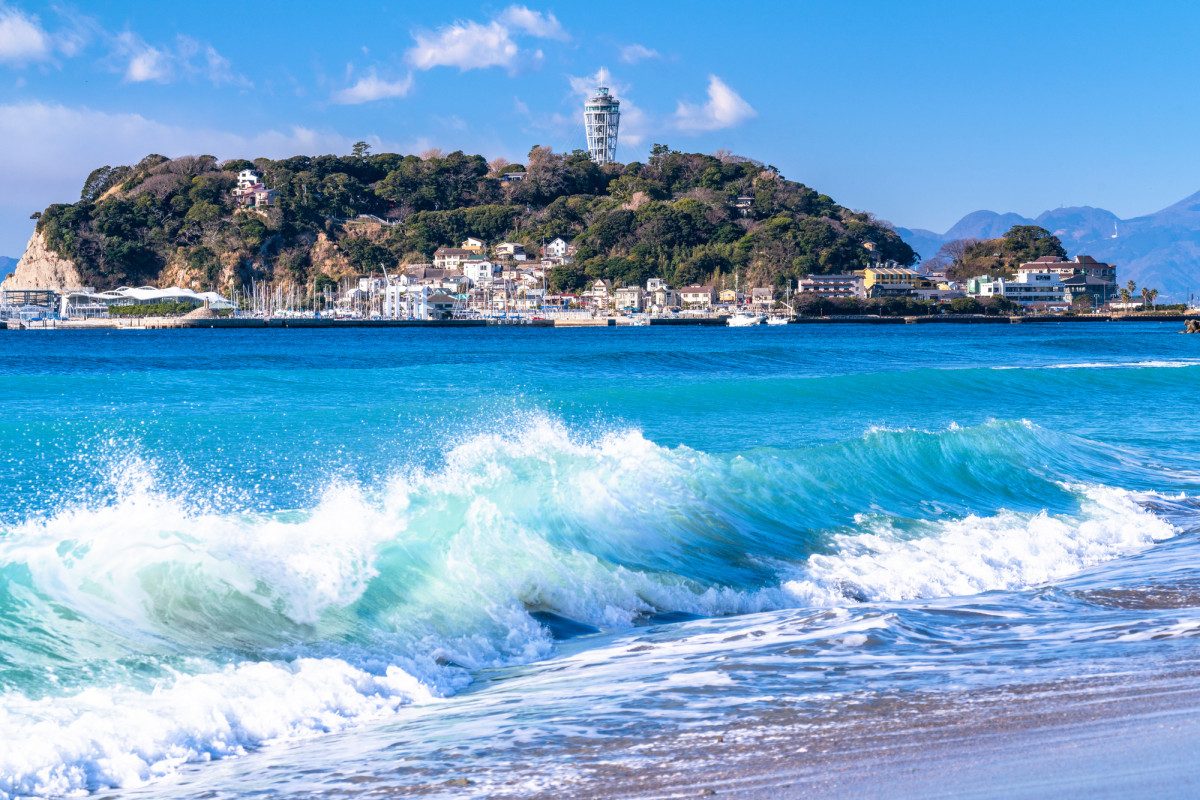
Island about 4 km around, centered on Enoshima Shrine and popular year-round.
Shirahata Shrine
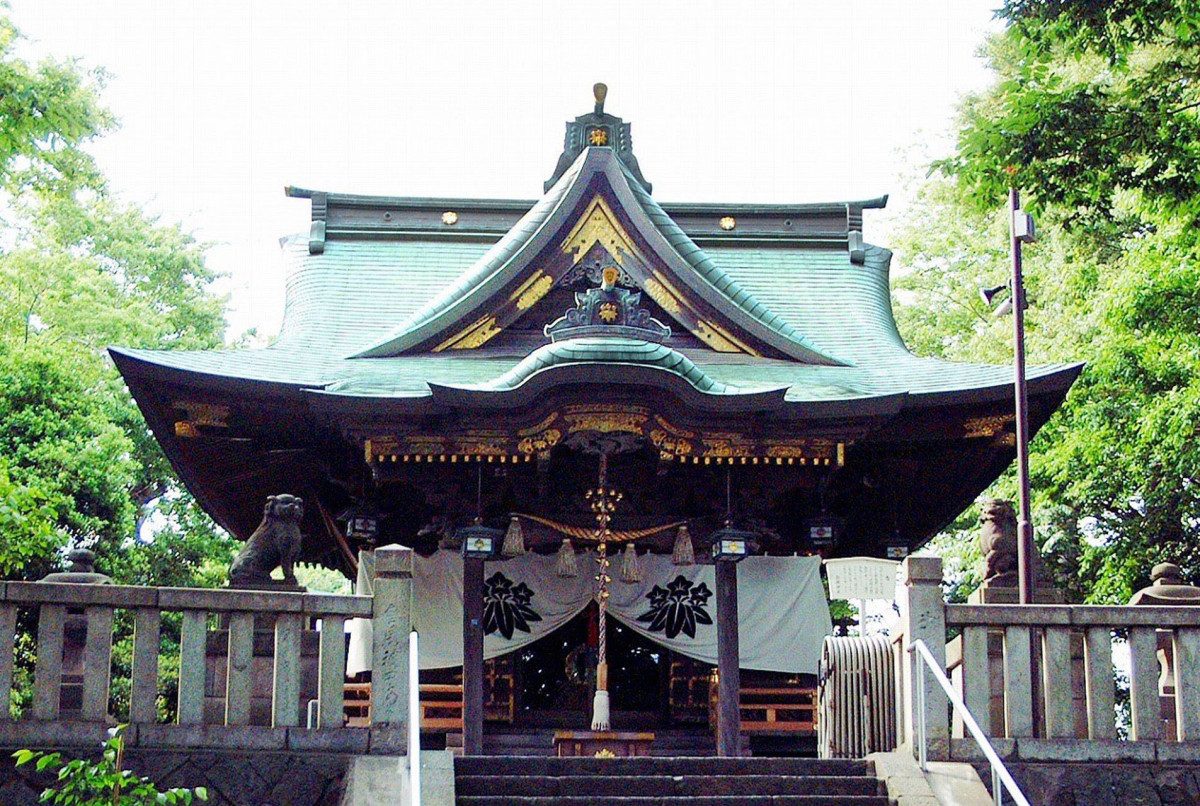
Ancient Fujisawa shrine enshrining Samukawa-hiko, famed at Sagami's Samukawa Shrine, and Minamoto no Yoshitsune.
Ryuko-ji
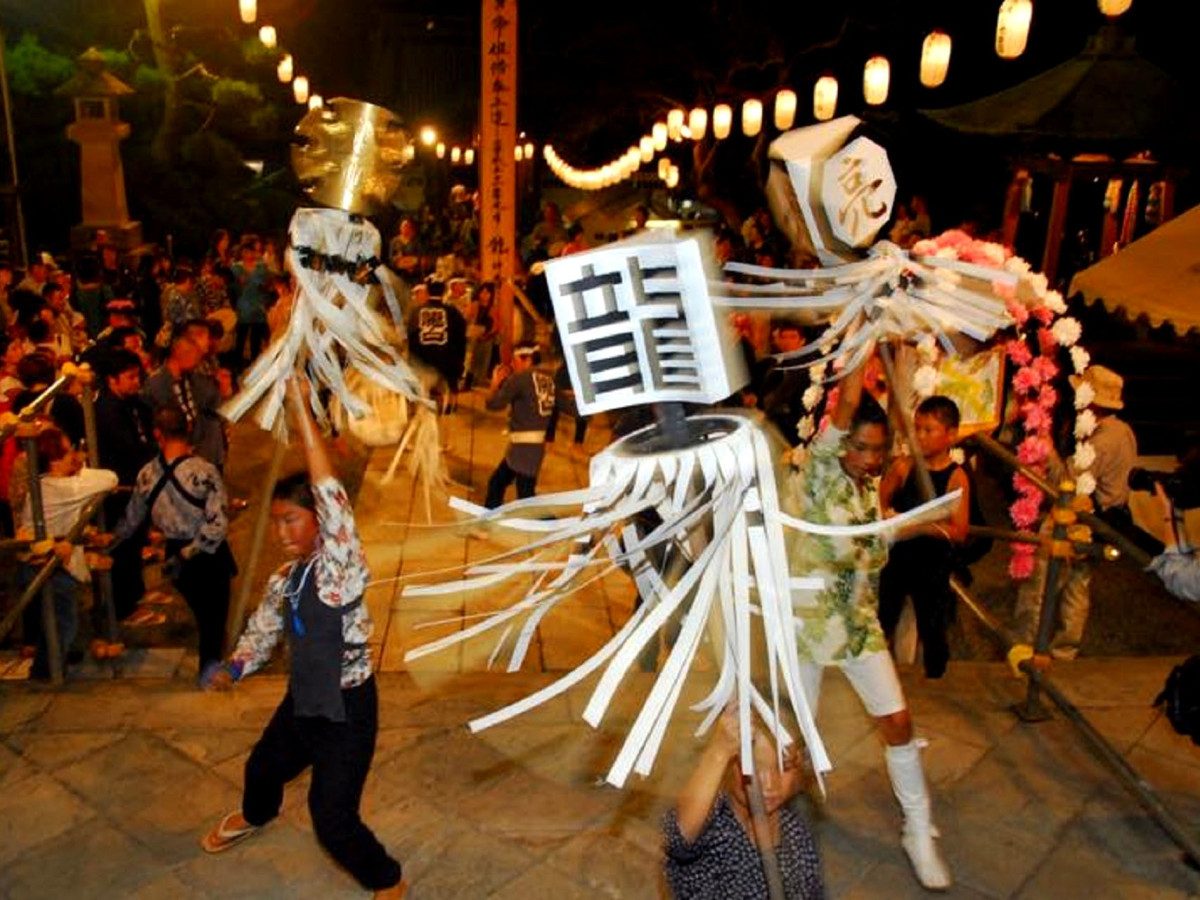
Nichiren sect temple built in 1337 on the site where a miraculous light stopped Nichiren's beheading.
Shojoko-ji (Yugyo-ji Temple)
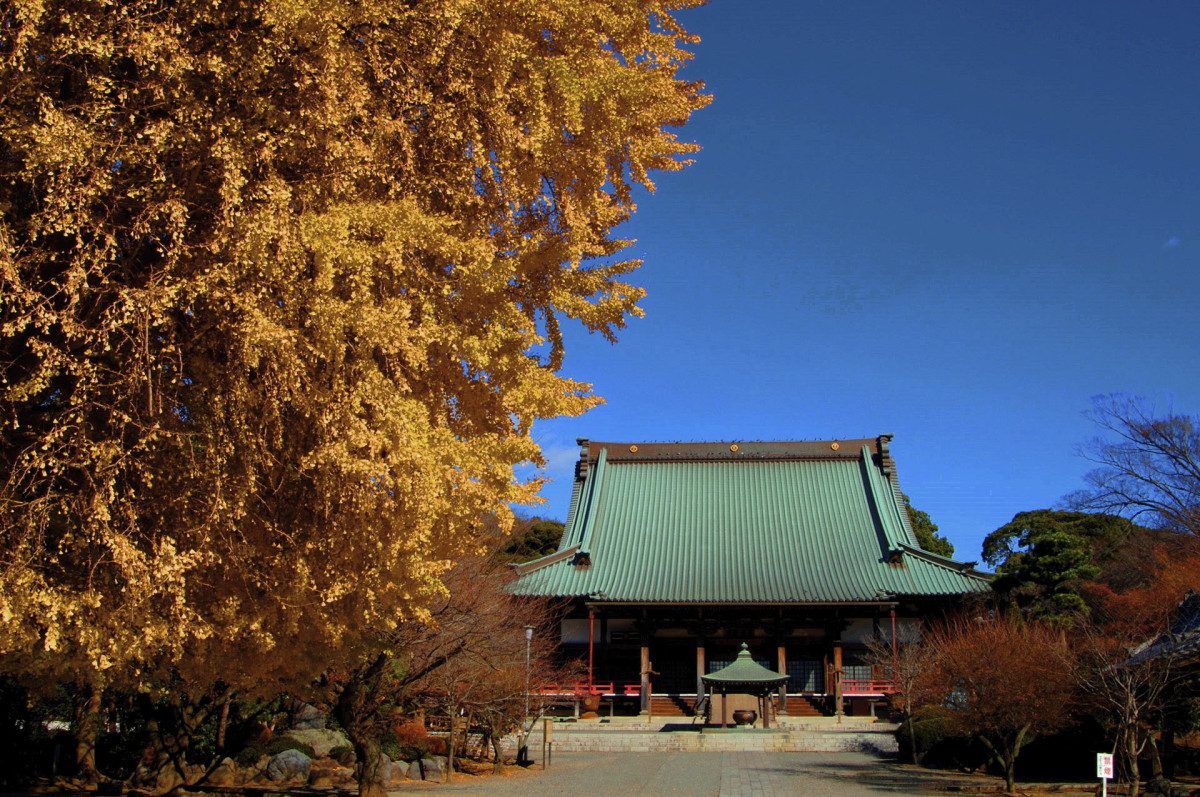
Ji sect head temple founded by Ippen, with a noted wooden hall and estimated 700-year-old ginkgo.
Fujisawa Bridge
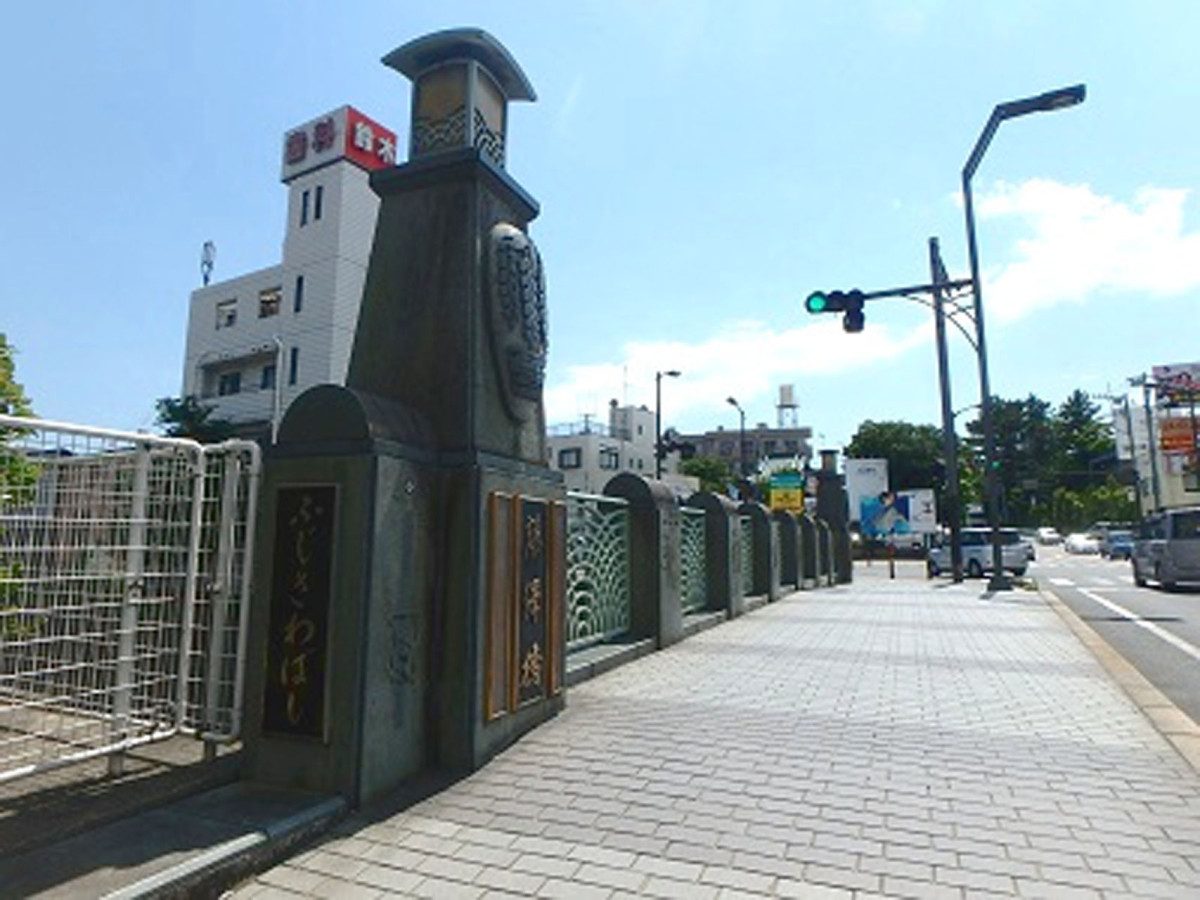
Bridge over the Sakai River near Fujisawa-juku, sixth Tokaido post town. Temples, shrines, and modern storehouses and shops remain nearby.
Sakai River Retarding Basin Park Pocket Park
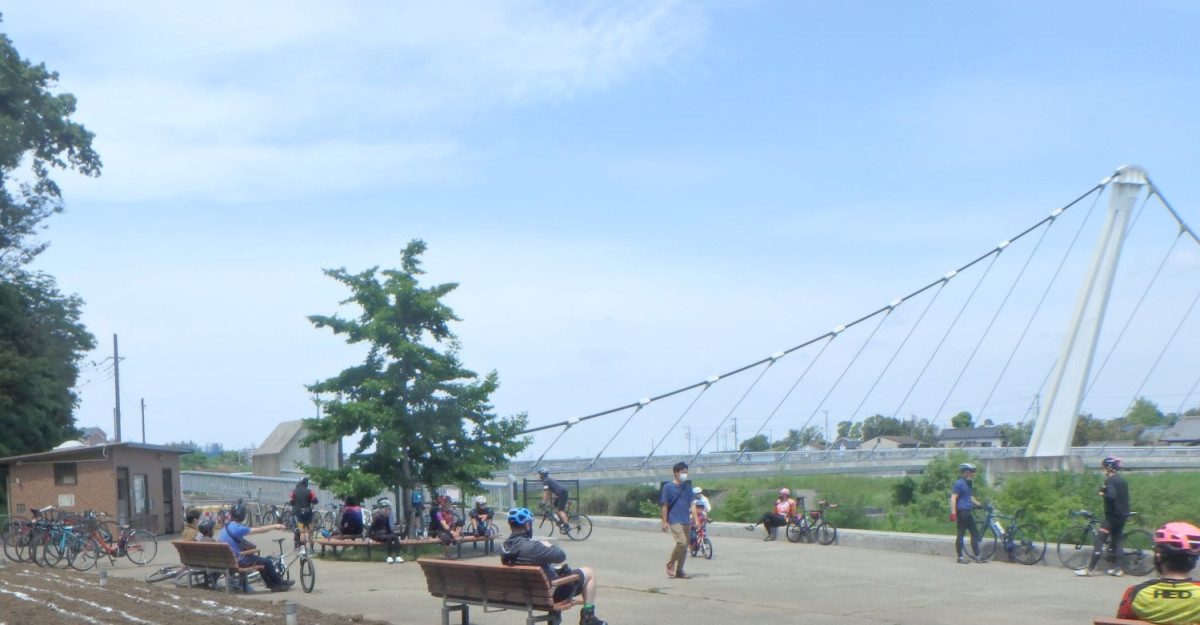
Rest area along the Sakai River Cycling Road with toilets, benches, and views of Sagimai Bridge.
New Enoshima Aquarium
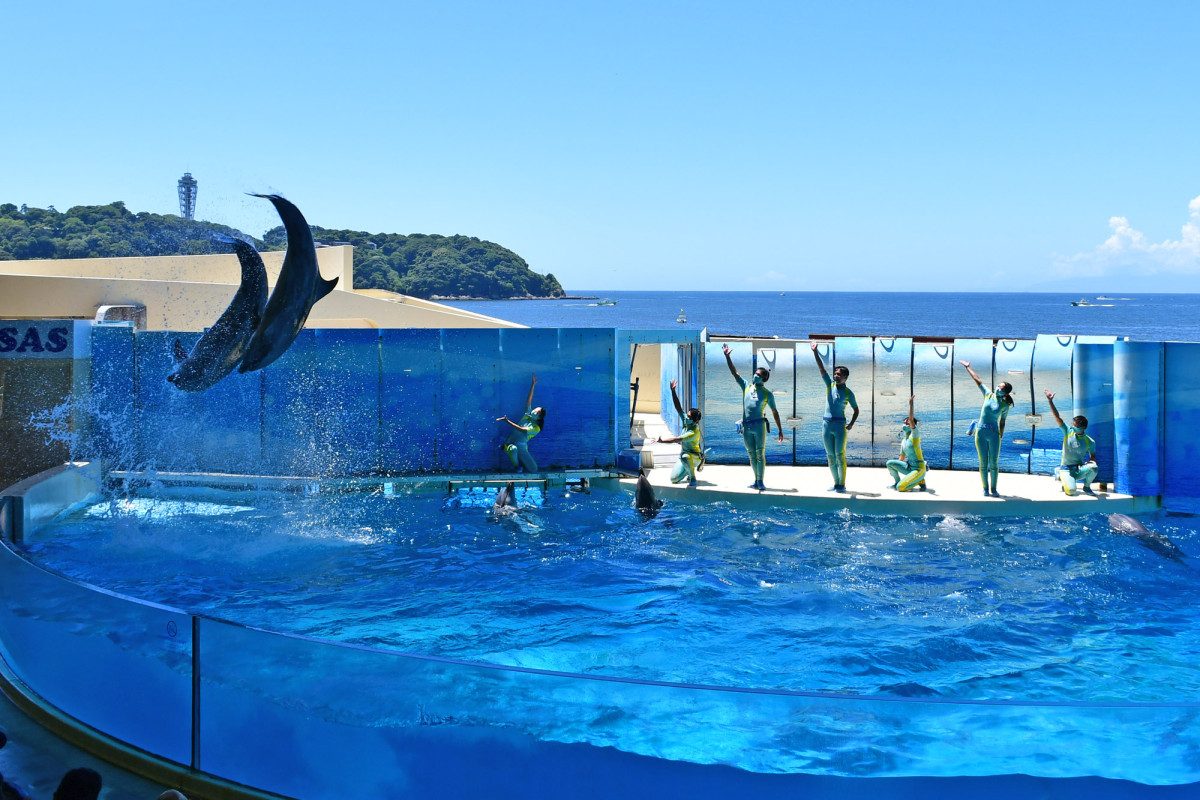
Edutainment aquarium themed on Sagami Bay and the Pacific, with a large tank, jellyfish hall, and dolphin shows.
Fujisawa-juku (Makita Honjin Site)
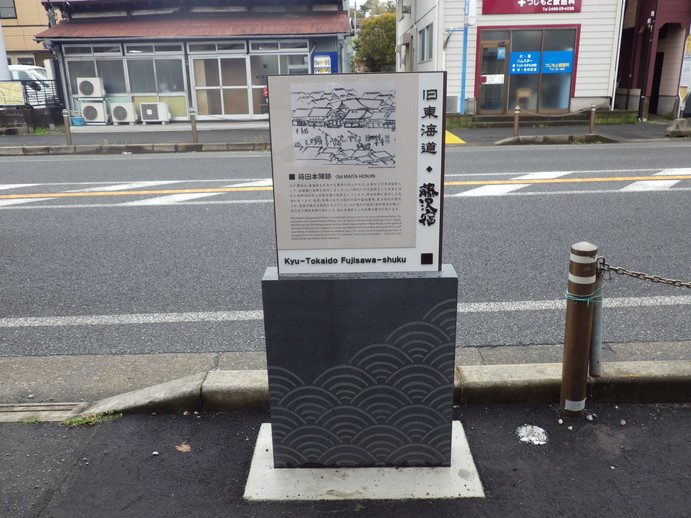
Edo-period Tokaido post town, sixth from Nihonbashi. Shrines, temples, and Meiji-Taisho shops and storehouses remain.
Enoshima Shrine
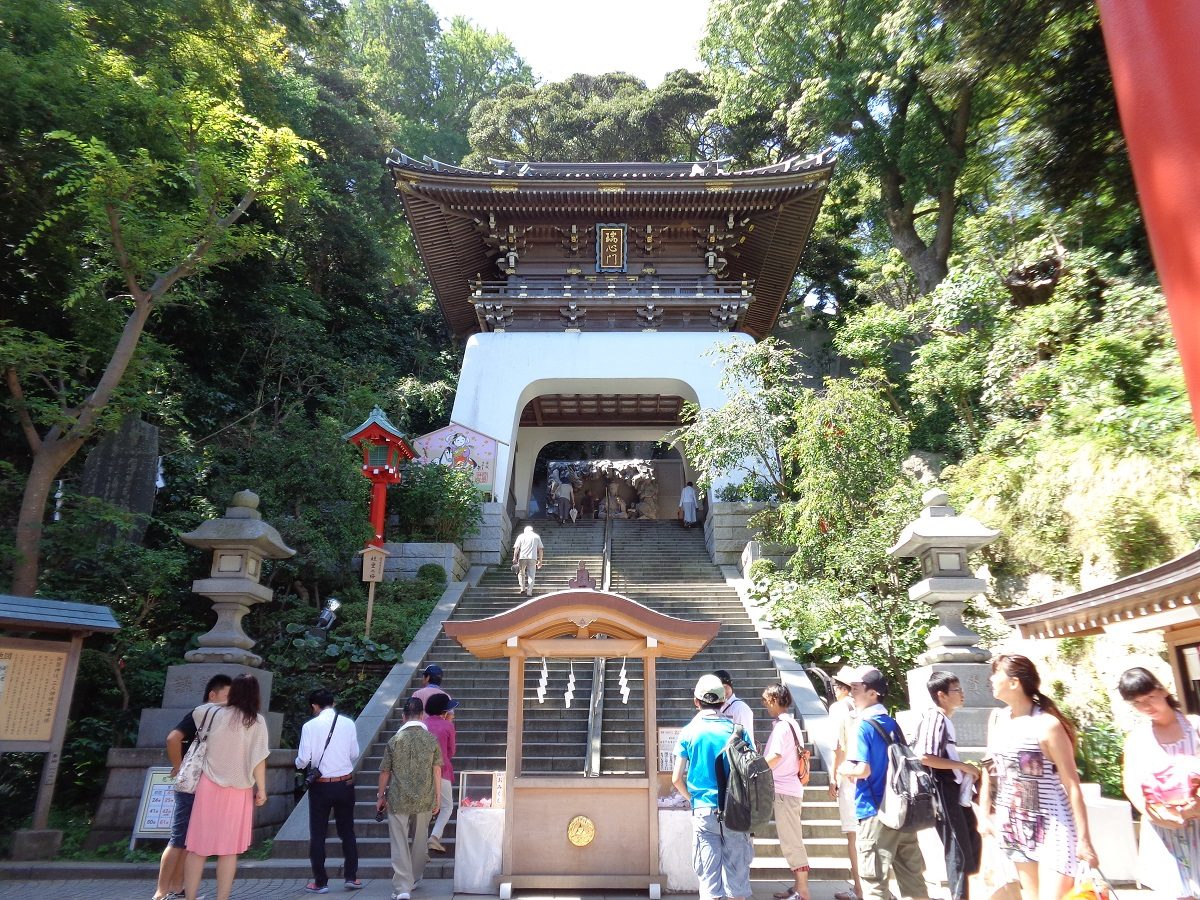
Enoshima shrine of three sister goddesses, visited for blessings such as artistic skill and money luck.
Chigogafuchi
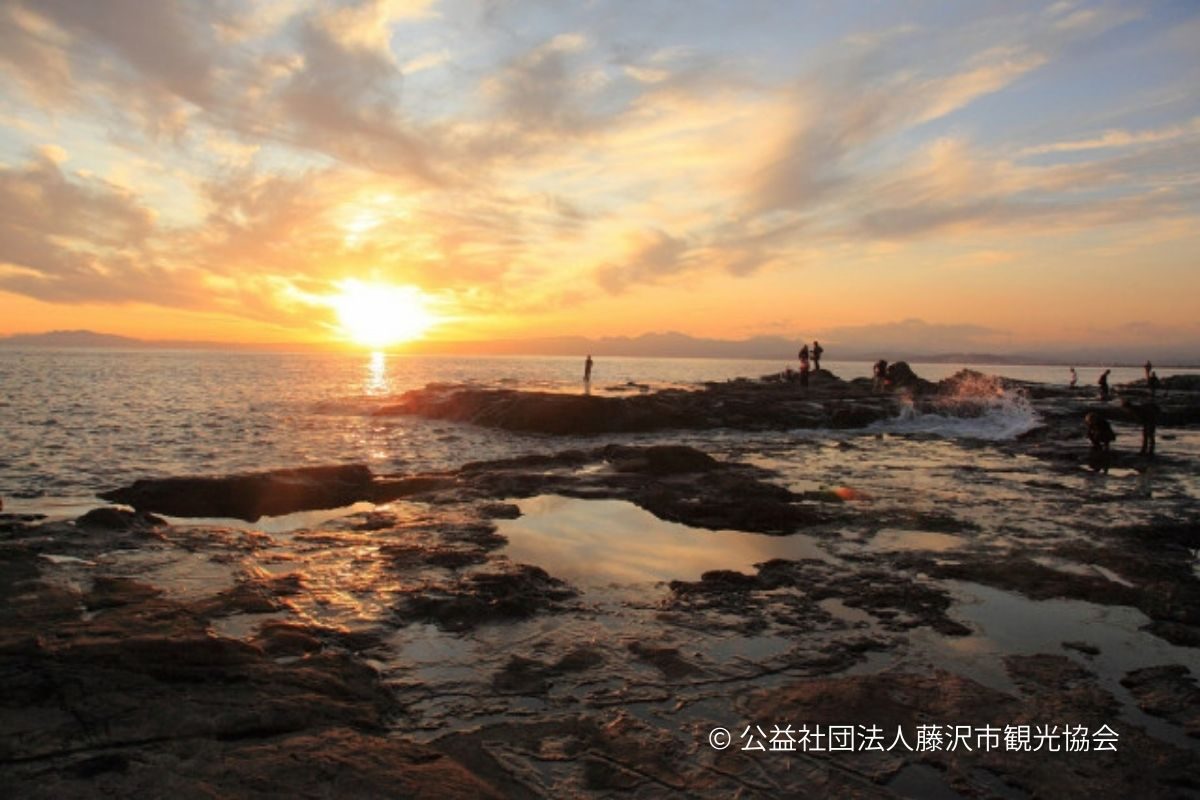
One of Kanagawa's 50 scenic spots and an excellent rock-fishing spot. Mount Fuji sunsets are exceptional; rocky play possible.
Enoshima Fuji Viewing Spot
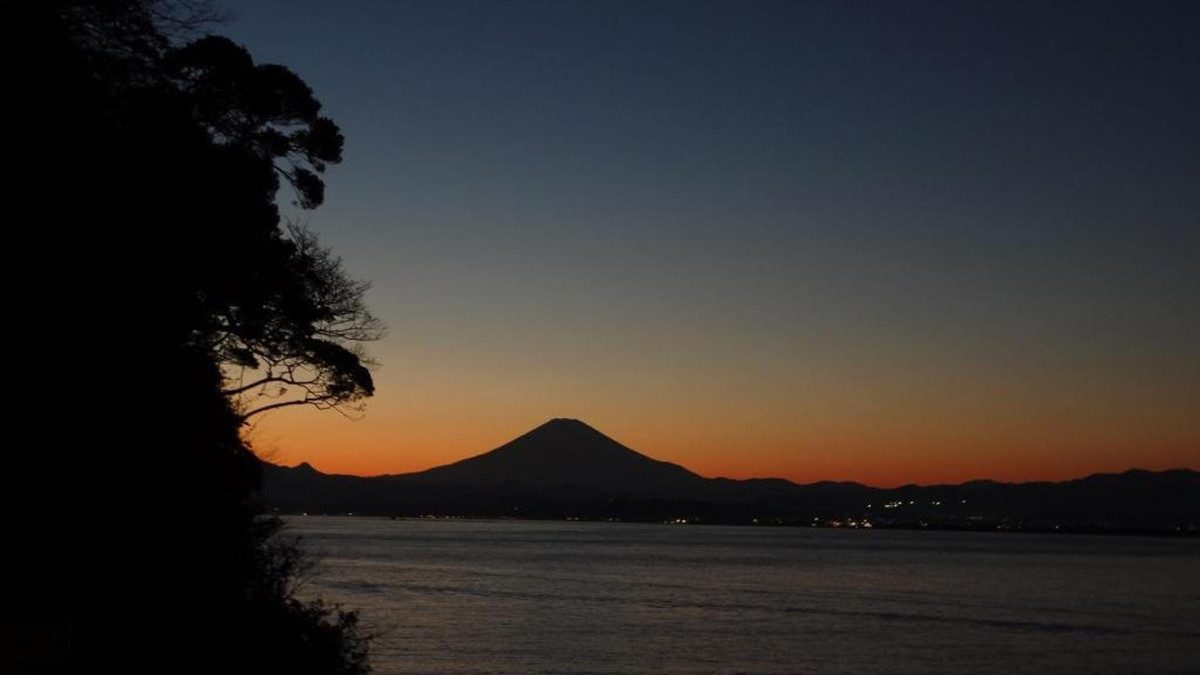
Several Enoshima spots offer year-round Mount Fuji views in good weather. Sea Candle observation lighthouse views are superb.
Lovers' Hill Ryuren Bell
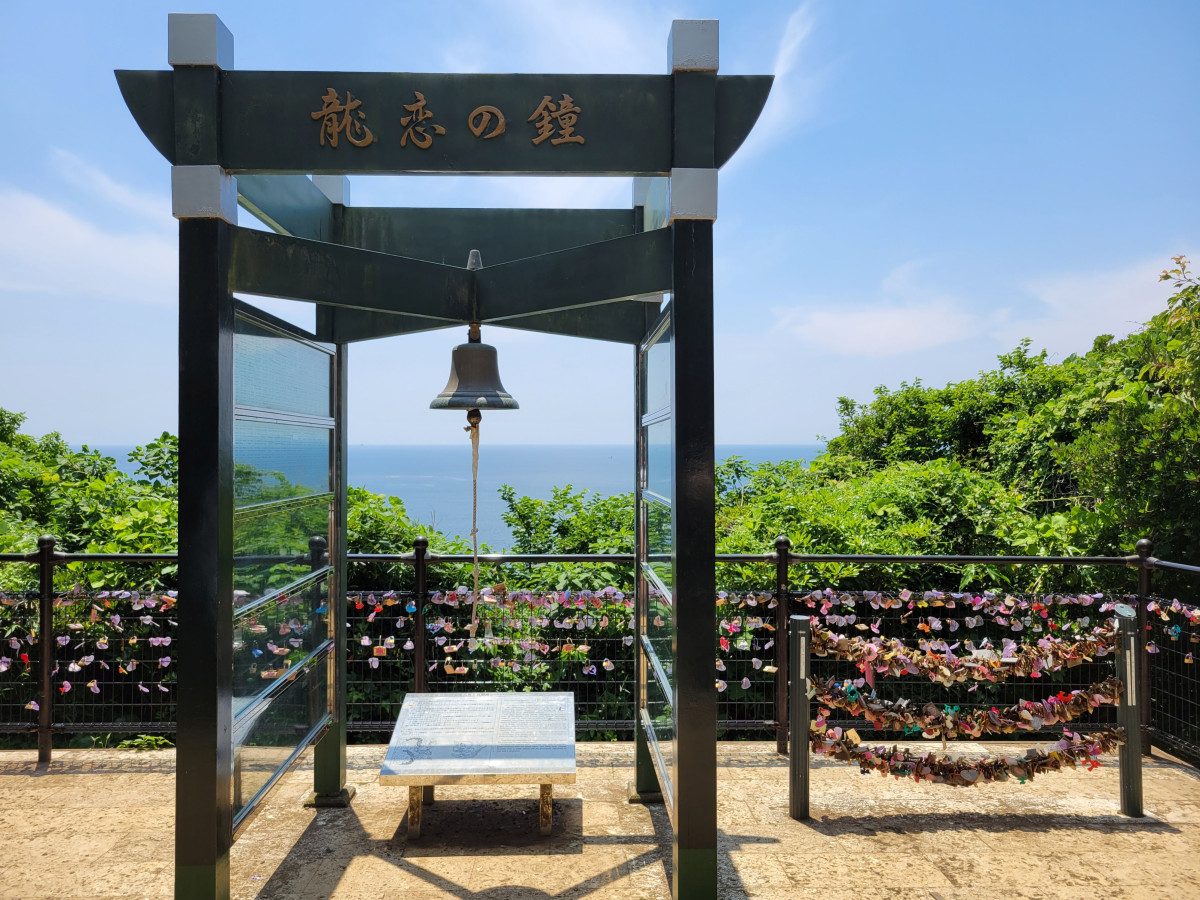
Built for Enoshima's celestial maiden and five-headed dragon love legend. Couples ring it; lovers' padlocks and clear-day Izu-Oshima views.
Samuel Cocking Garden
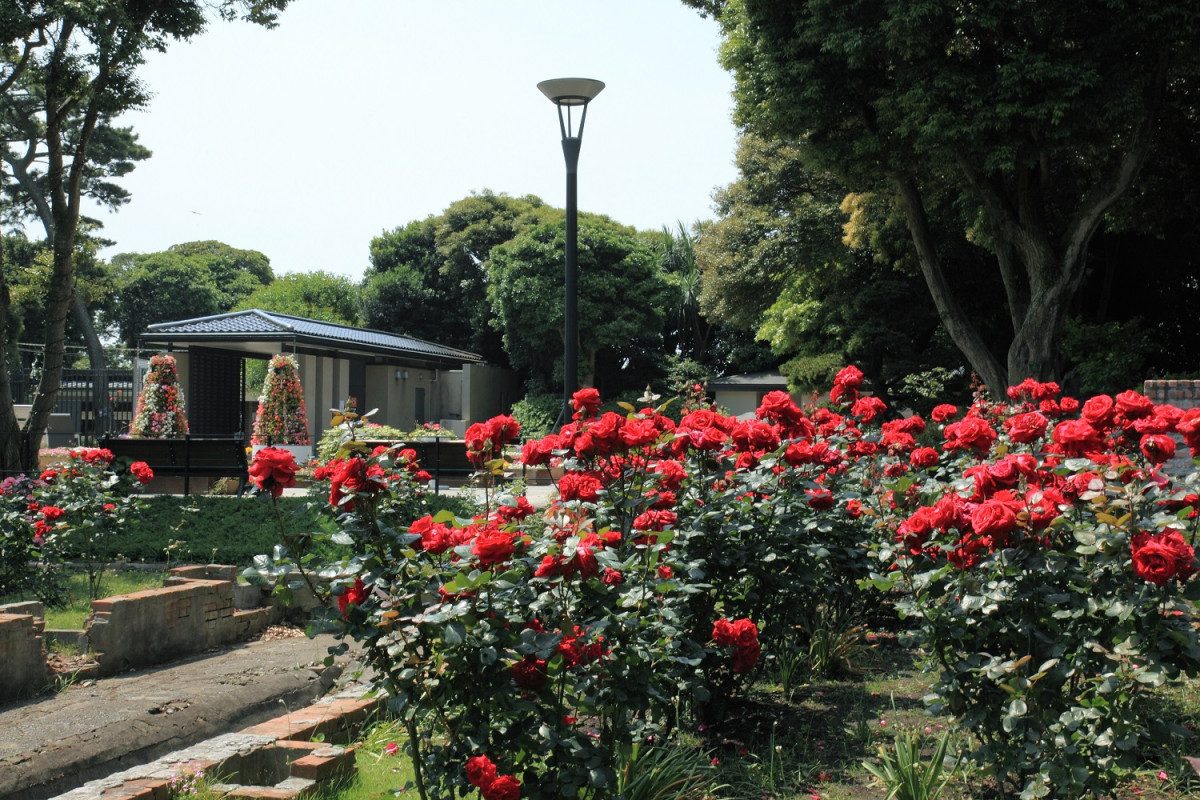
Enoshima hilltop garden of seasonal flowers and plants. Sea Candle, cafe, souvenir shops; superb Sunset Terrace Fuji views.
Enoshima Iwaya Caves
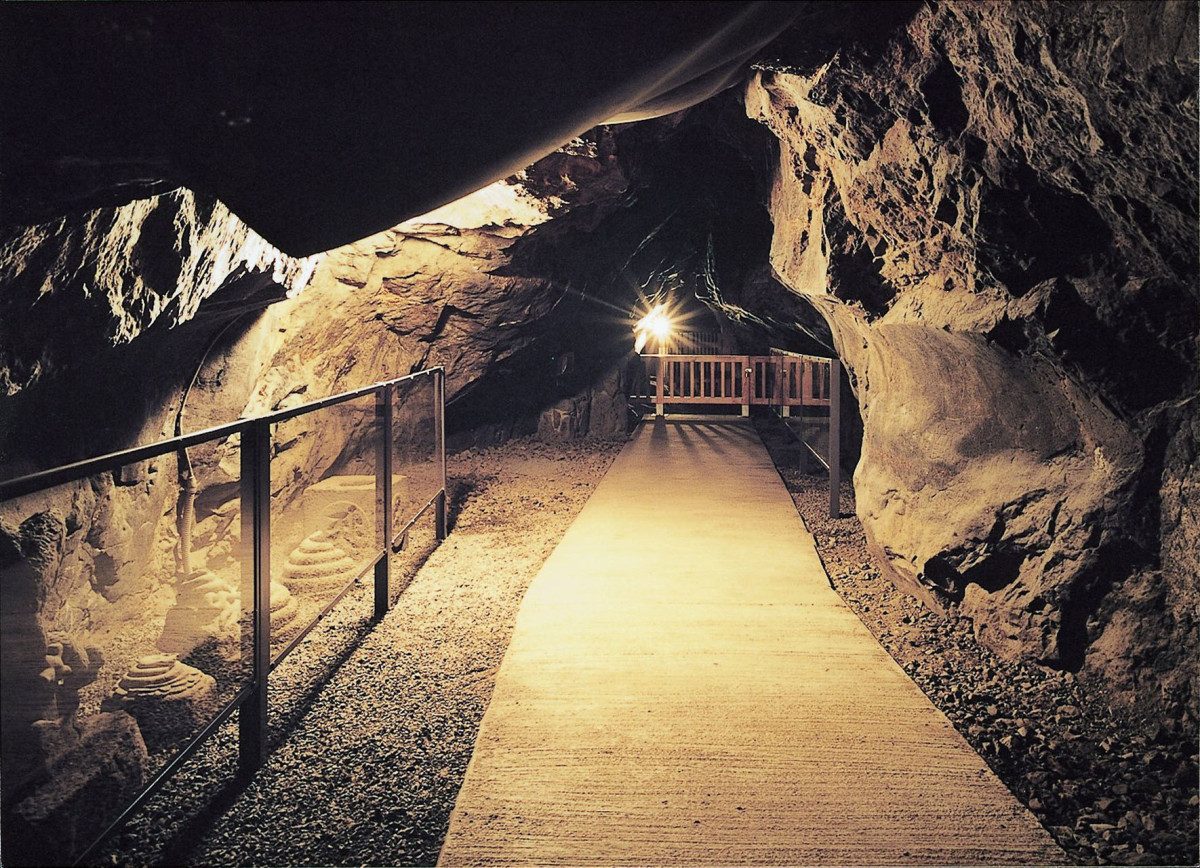
Two wave-eroded caves on Enoshima, 152m and 56m deep, regarded as the root of Benzaiten faith.
Odakyu Line Katase-Enoshima Station
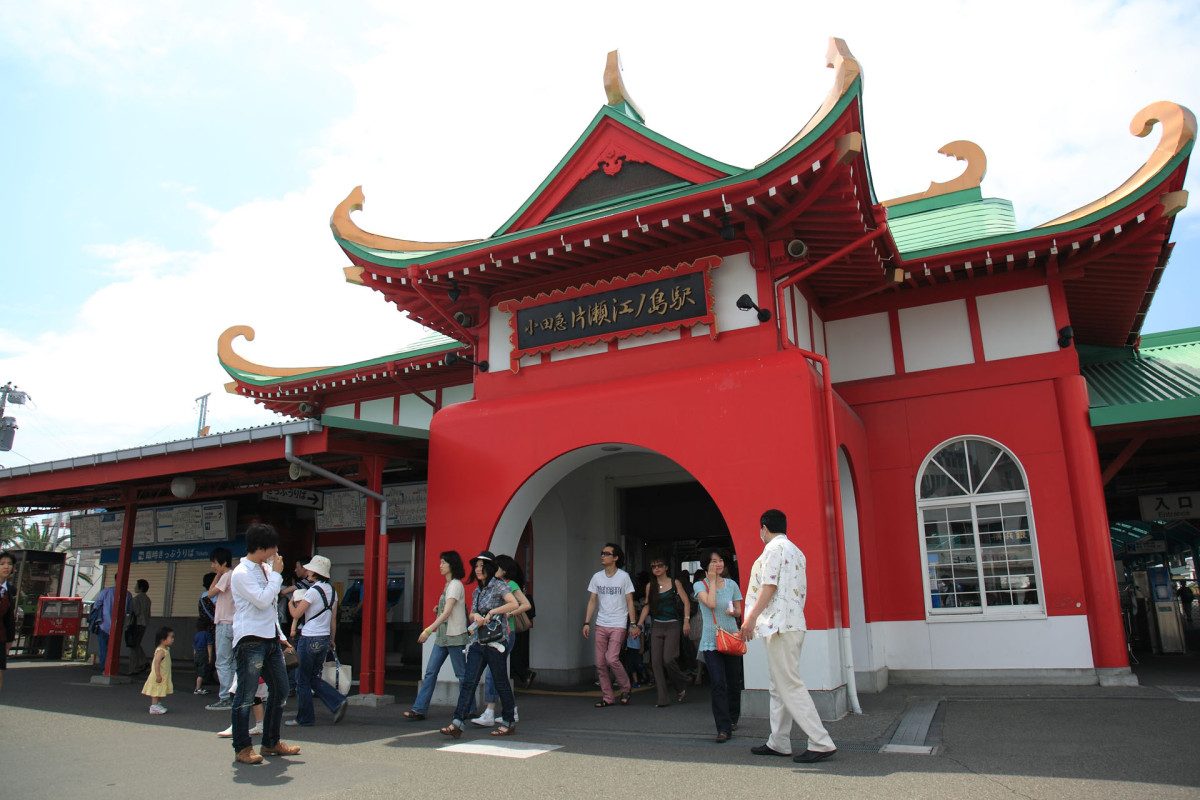
Enoshima Line terminal with a unique station building evoking the Dragon Palace.
Enoshima North Green Space Plaza
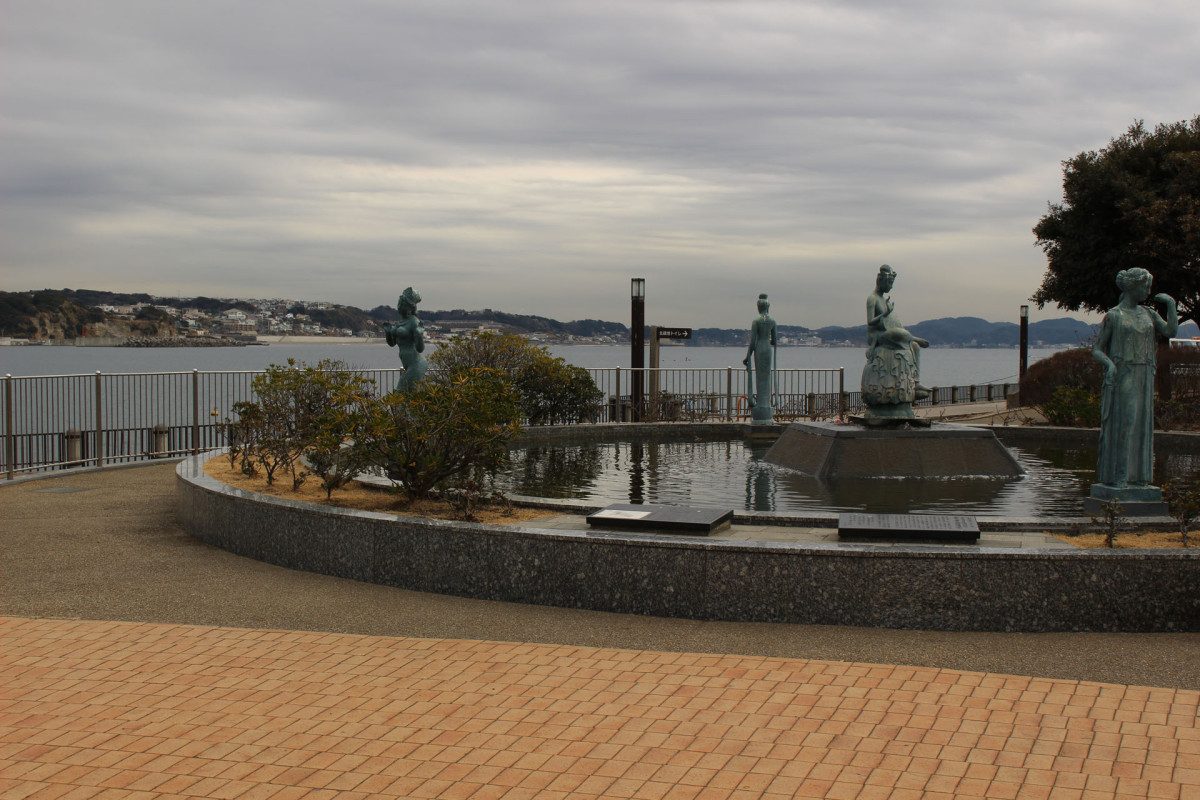
An Olympic fountain pond and the Morse Monument are installed. Portable shrines enter the sea from here at Tenno Festival.
Kataseyama Park
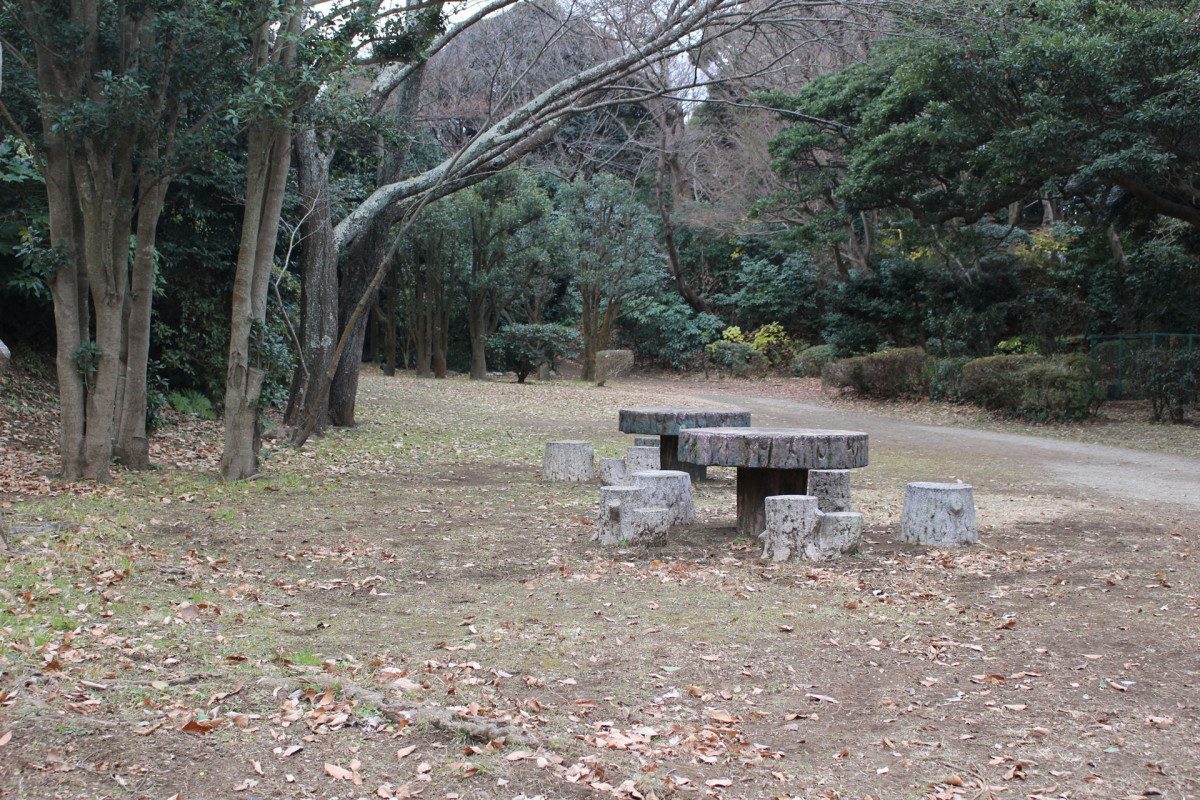
Fujisawa's only scenic park, surrounded by woodland retaining coastal-hill nature. Cherry and plum trees; also a large-fire evacuation site.
Morse Monument
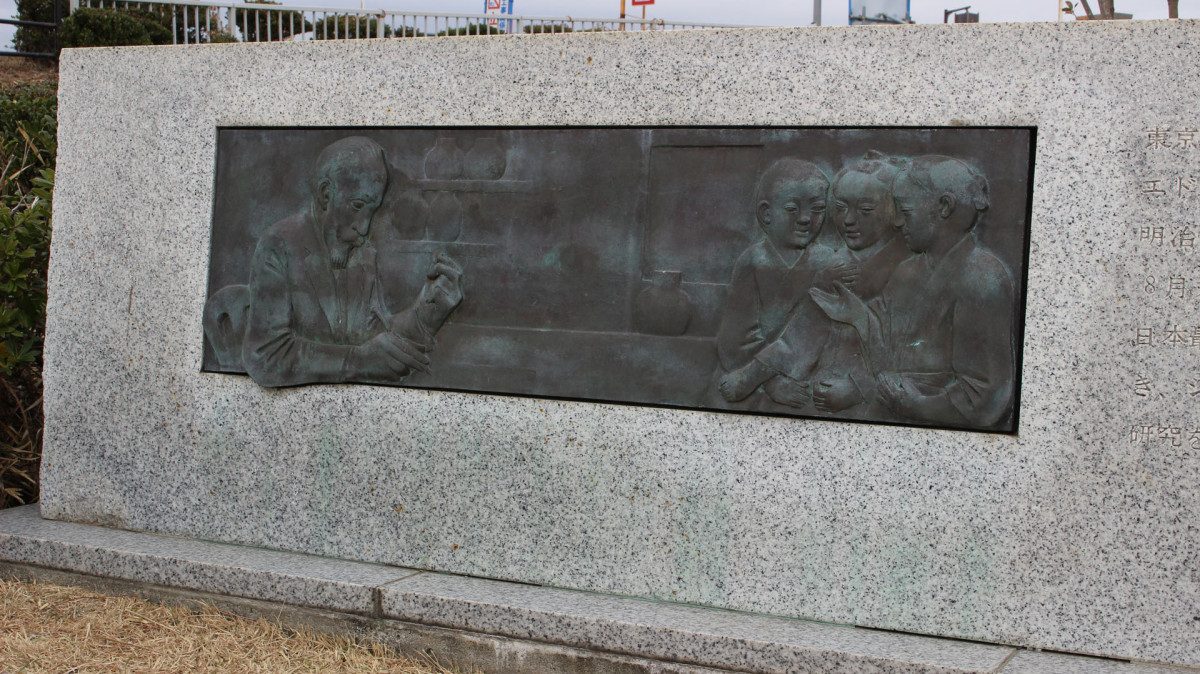
Monument built to commemorate Edward S. Morse, who contributed to the birth of modern zoology in Japan.
Oshimizu Sakaigawa Hydrangea Road
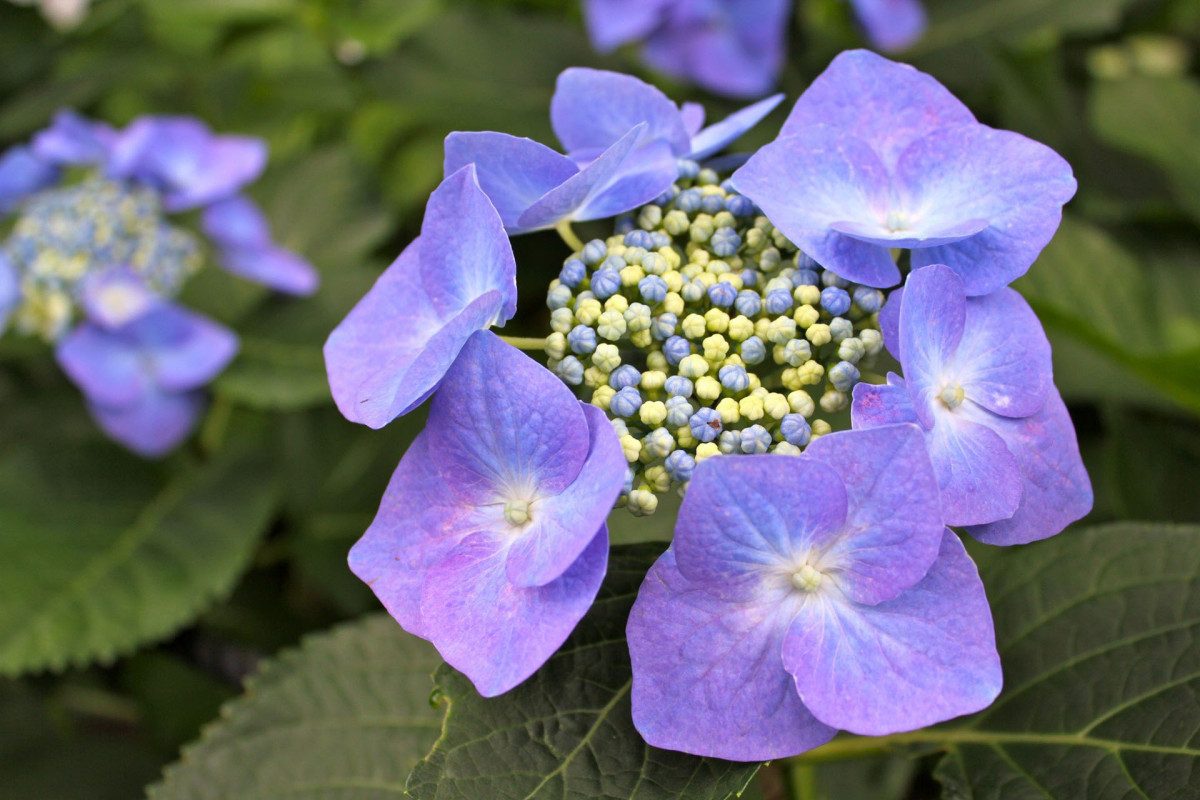
Hydrangeas planted along about 400 meters of both banks of the Sakai River in Fujisawa, with an annual festival.
Hasu Pond
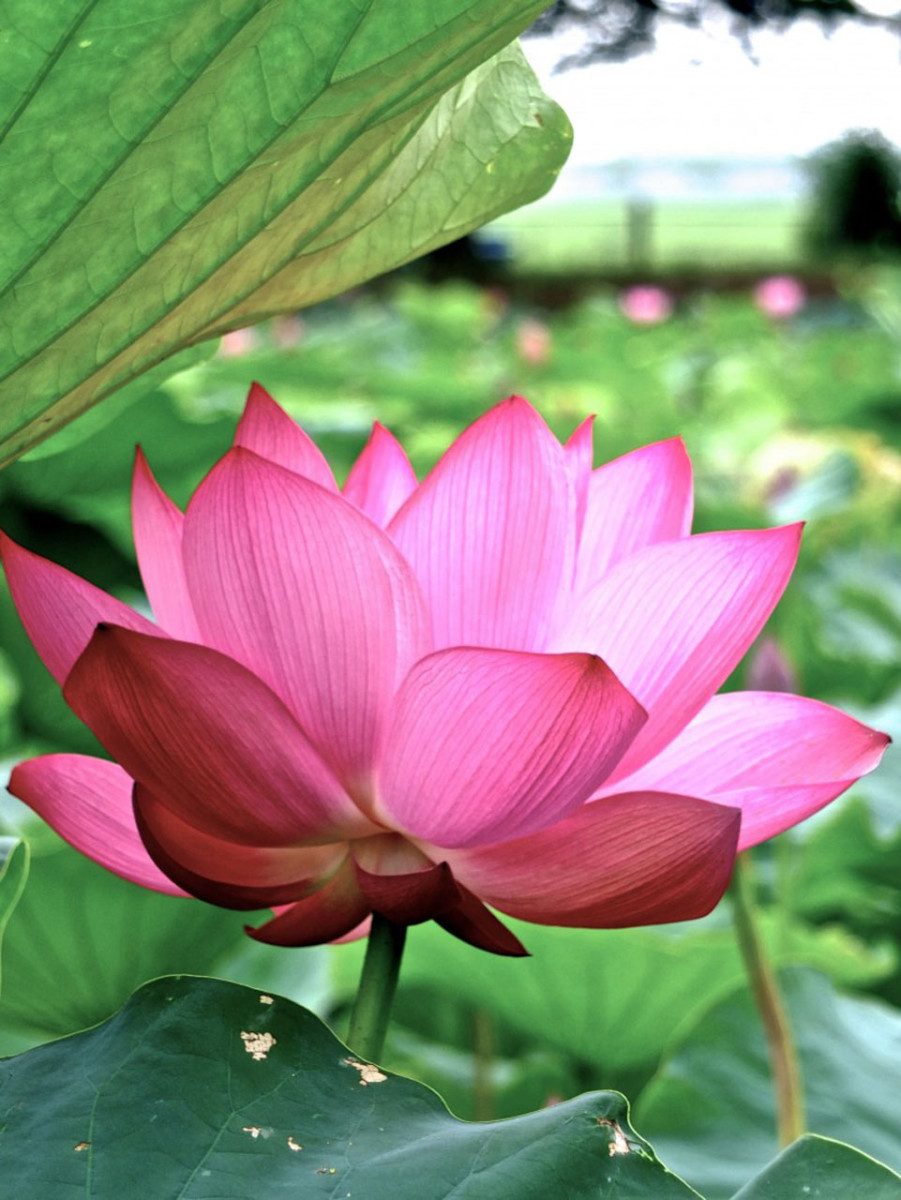
Many lotus flowers bloom around late June; shops sell lotus-root bread, cookies, and cakes.
Former Kondo Residence
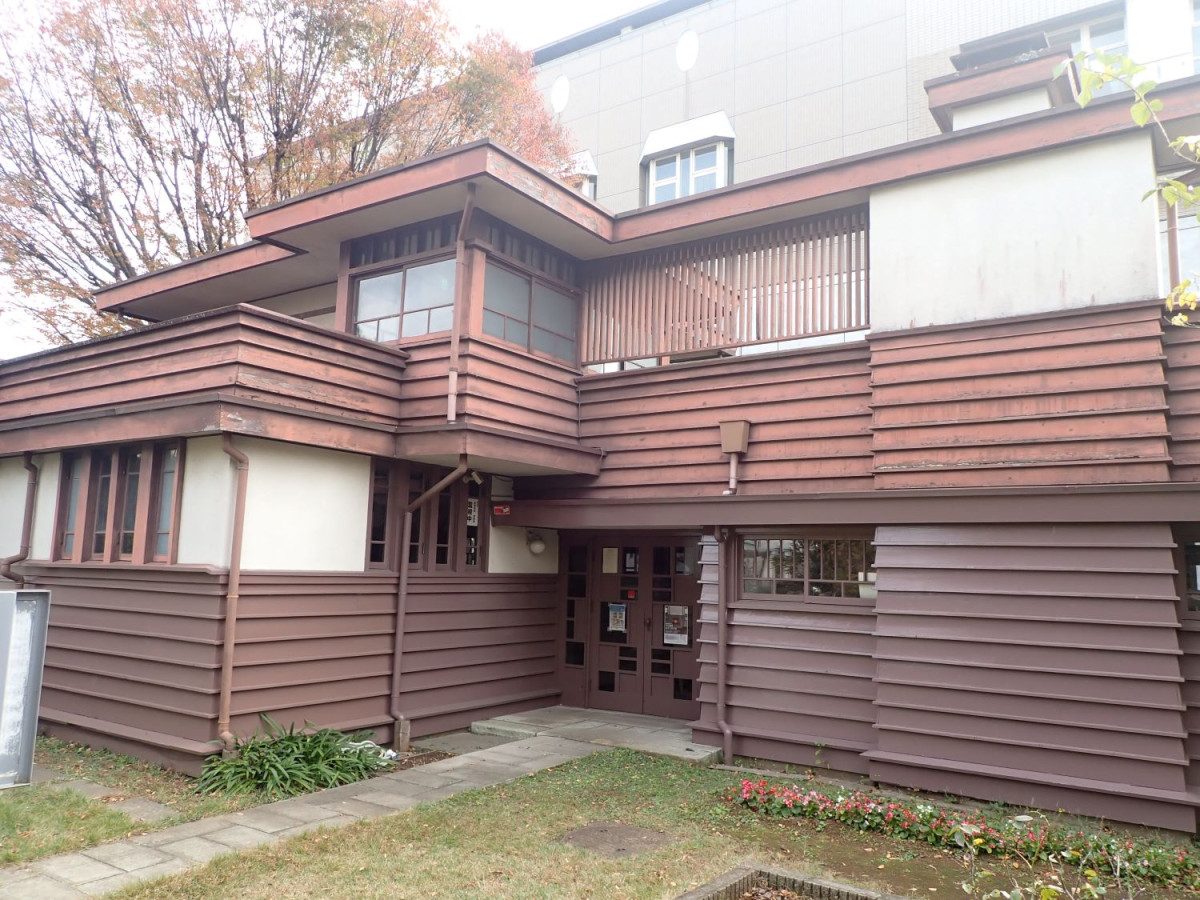
Villa built in 1925 in Tsujido, Fujisawa, a representative Japanese-Western eclectic building by Arata Endo.
Joryu-ji
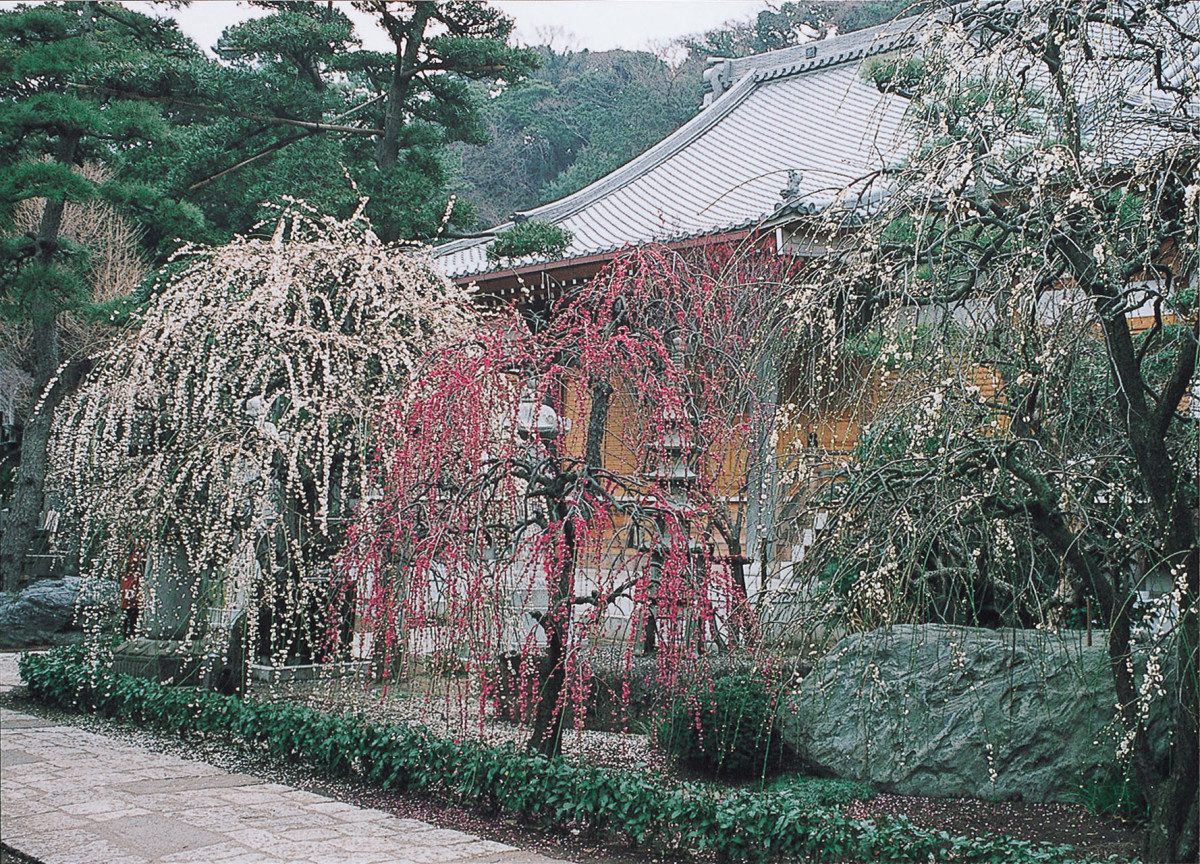
Near Enoshima and known as a famous place for plum blossoms.
Jinkoji Cave Tomb Group
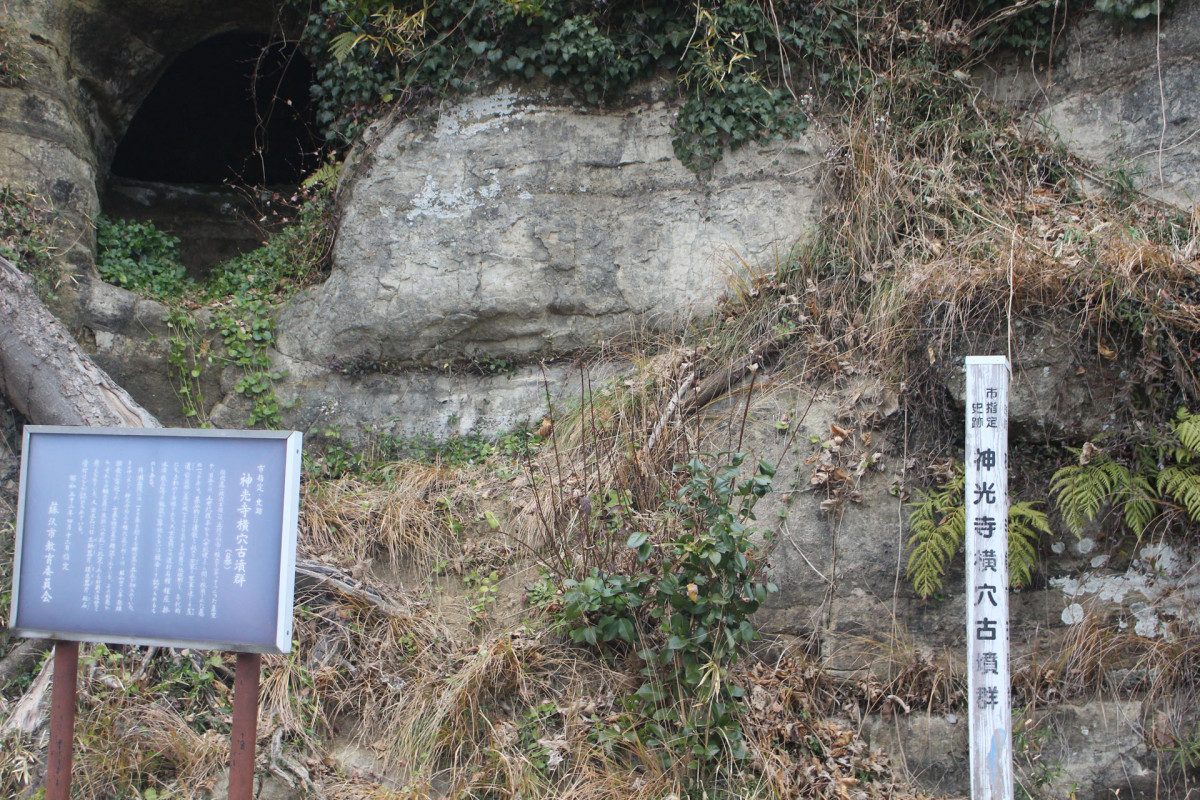
Kofun-period cave tomb group; about five tombs are currently confirmed.
Kawana Goryo Shrine
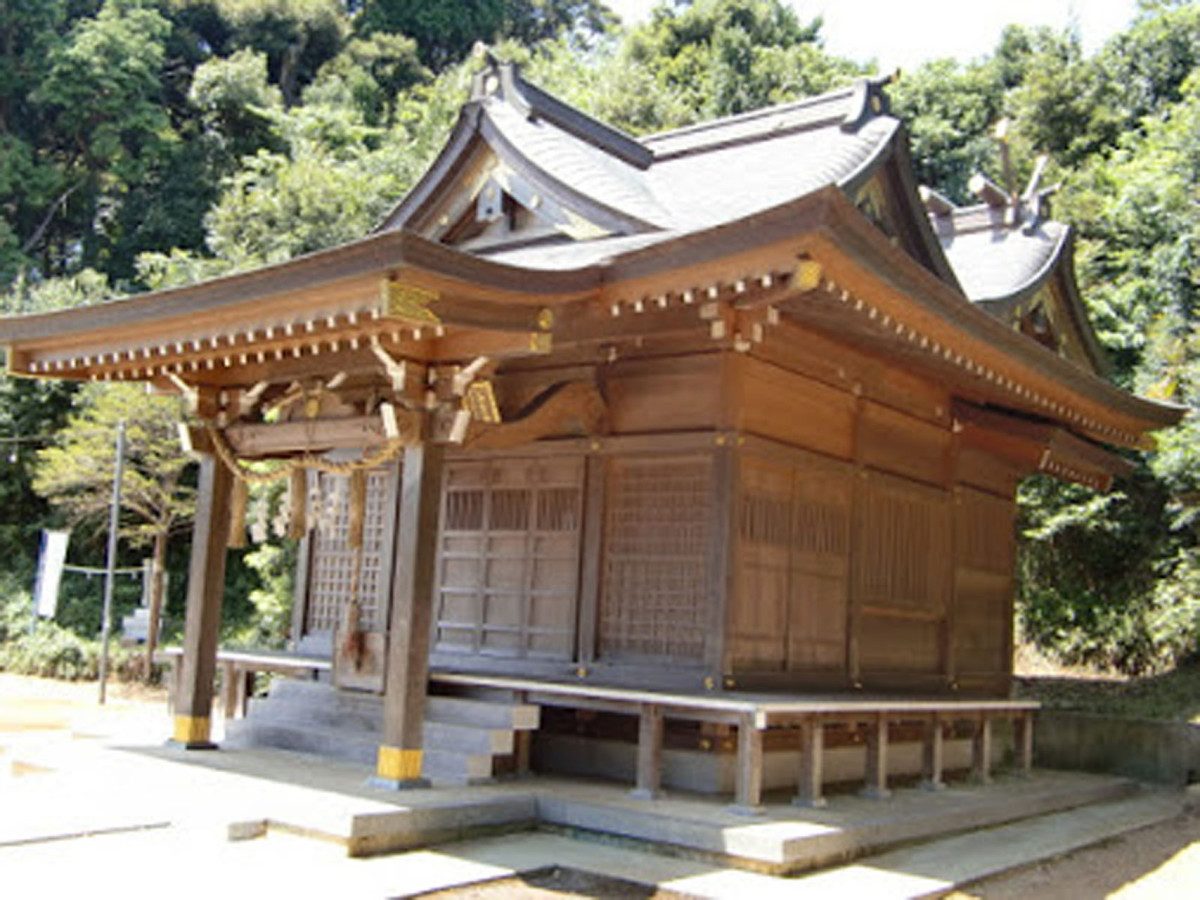
Said founded in 941; enshrines Prince Sawara and Kamakura Gongoro Kagemasa for calamity protection, studies, exams, and calligraphy.
Endo Mahoroba no Sato Fujisawa Ebine and Yamayuri Garden
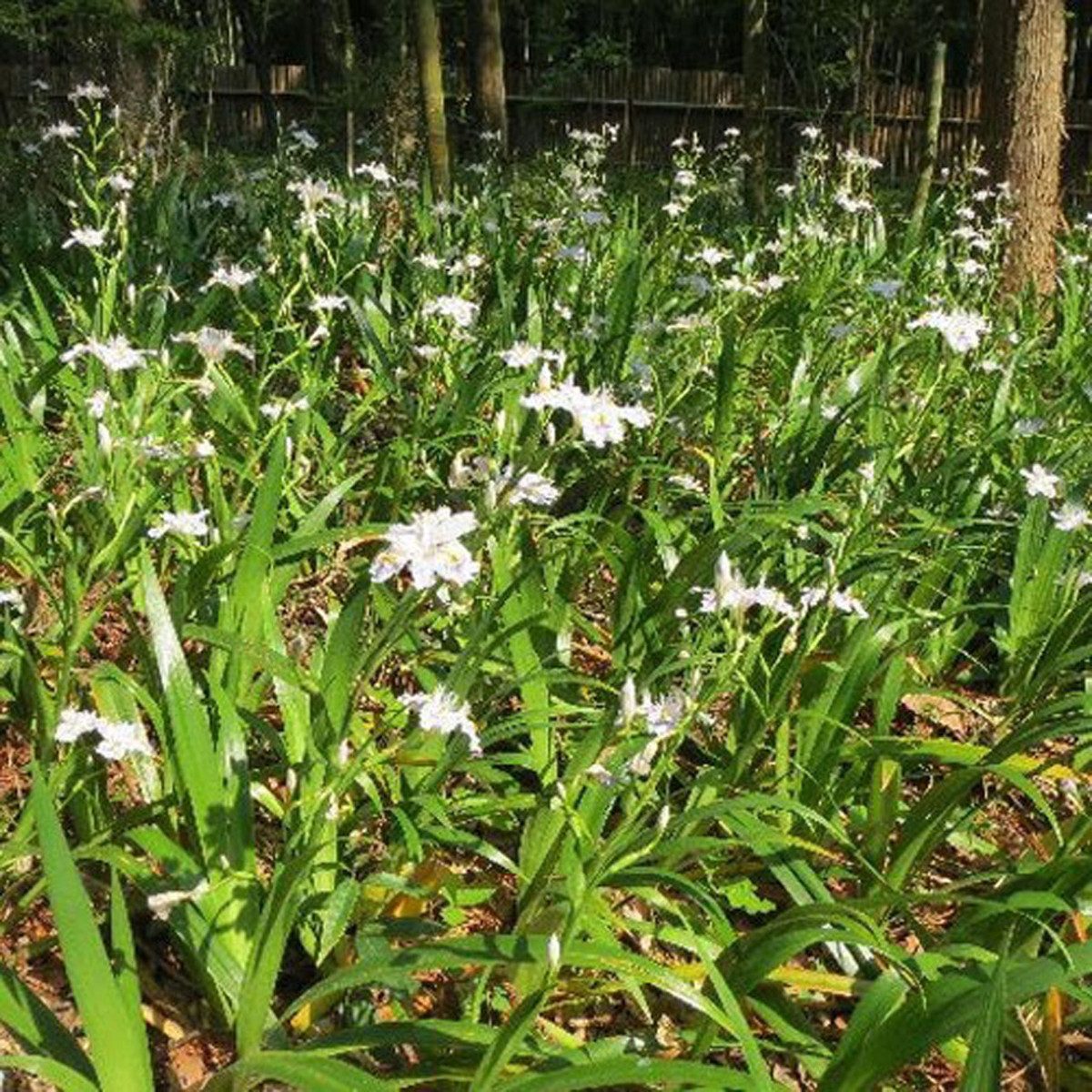
Leisurely stroll a woodland where 130 wild plant species, like calanthe, goldband lily, and mountain hydrangea, bloom in turn.
Funajizo Park
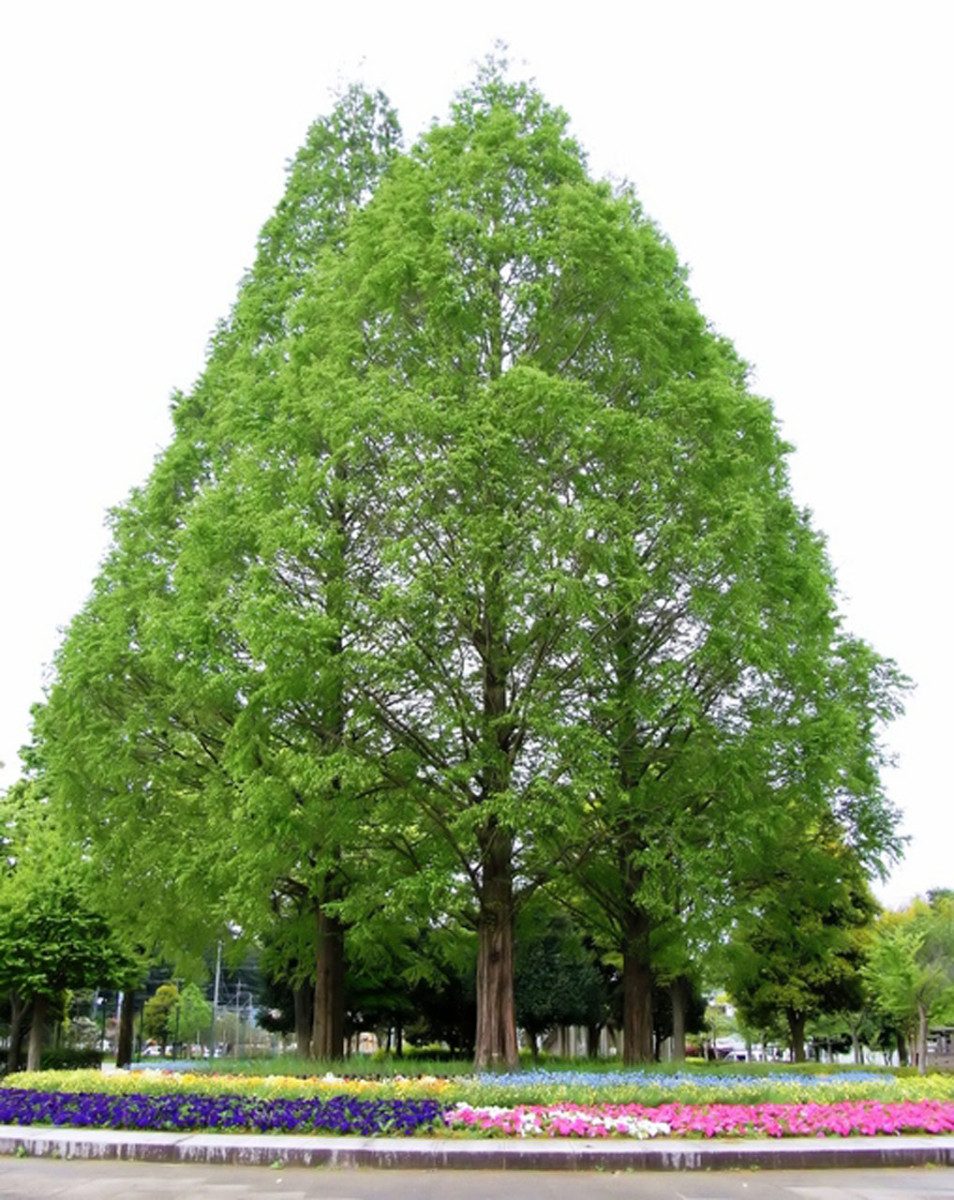
Built for an old woman the Hojo clan killed after she taught them to drain surrounding marshes.
Shonandai Cultural Center Children's Museum
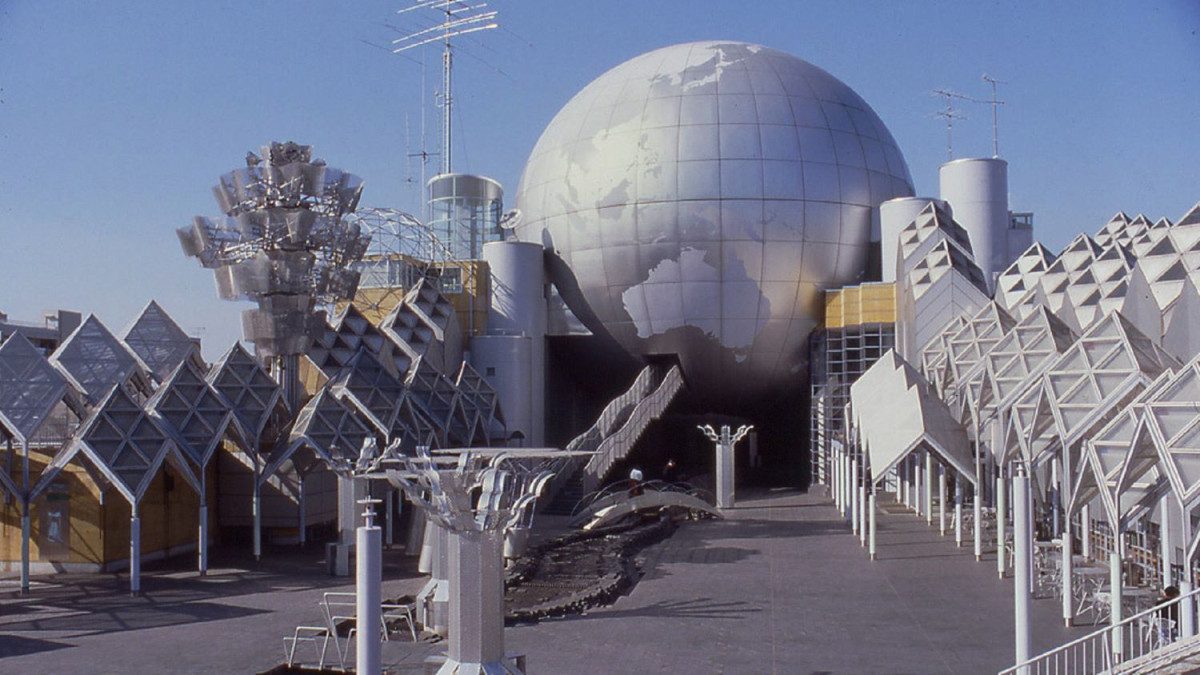
Complex with a large globe, hands-on world toys and ethnic instruments, a planetarium, and dome movies.
Oba Castle Ruins Park
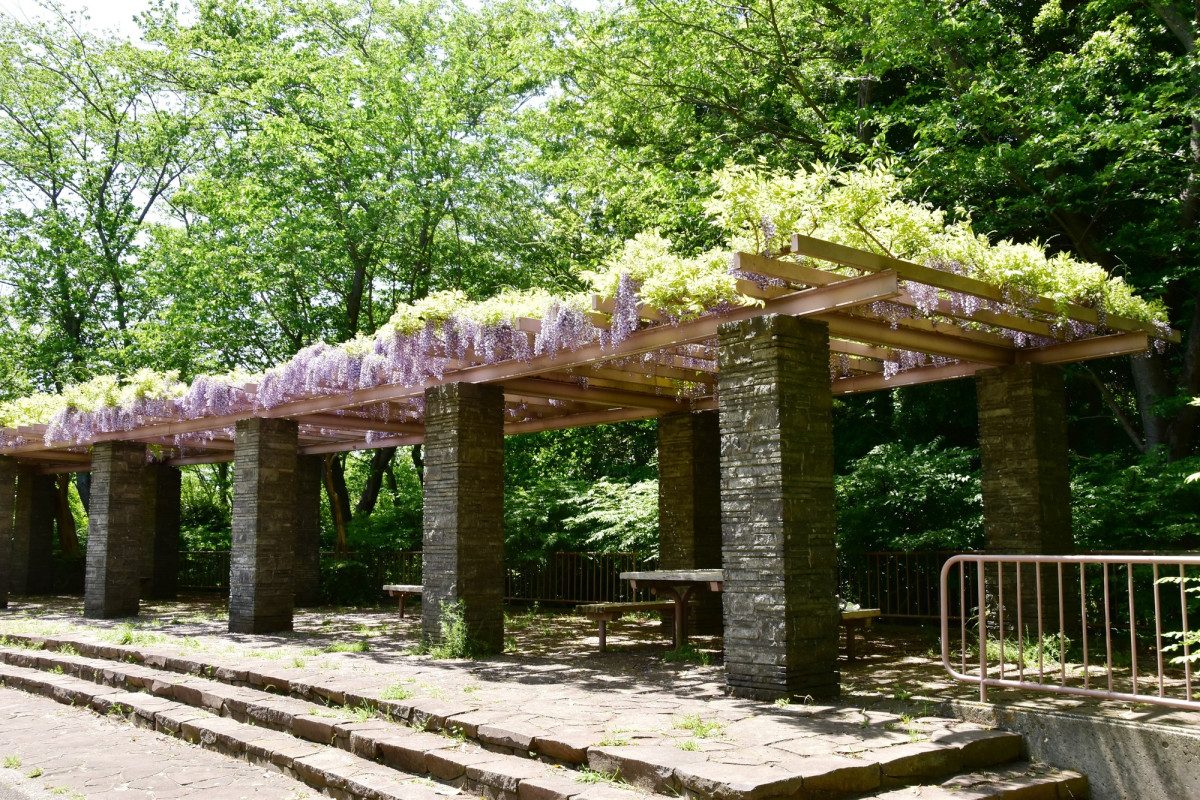
Green park with many cherry trees, wisteria, about 110 roses, a play plaza, and a castle-site square.
Hikichi River Green Space (Tenjin Bridge)
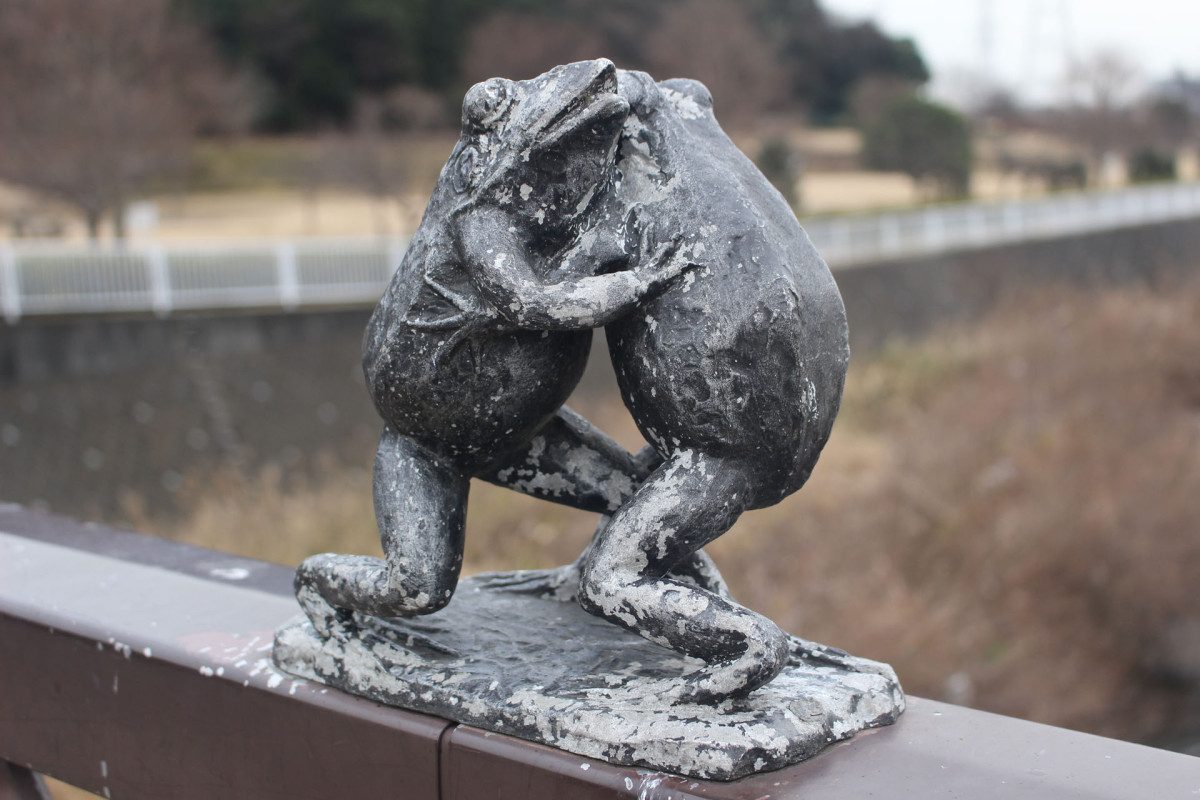
Frog sculptures are installed on Tenjin Bridge. Rare creatures inhabit the Hikichi River flowing beneath this bridge.
Kashiyama Inari and Itsukushima Senjinriki Benten Shrine
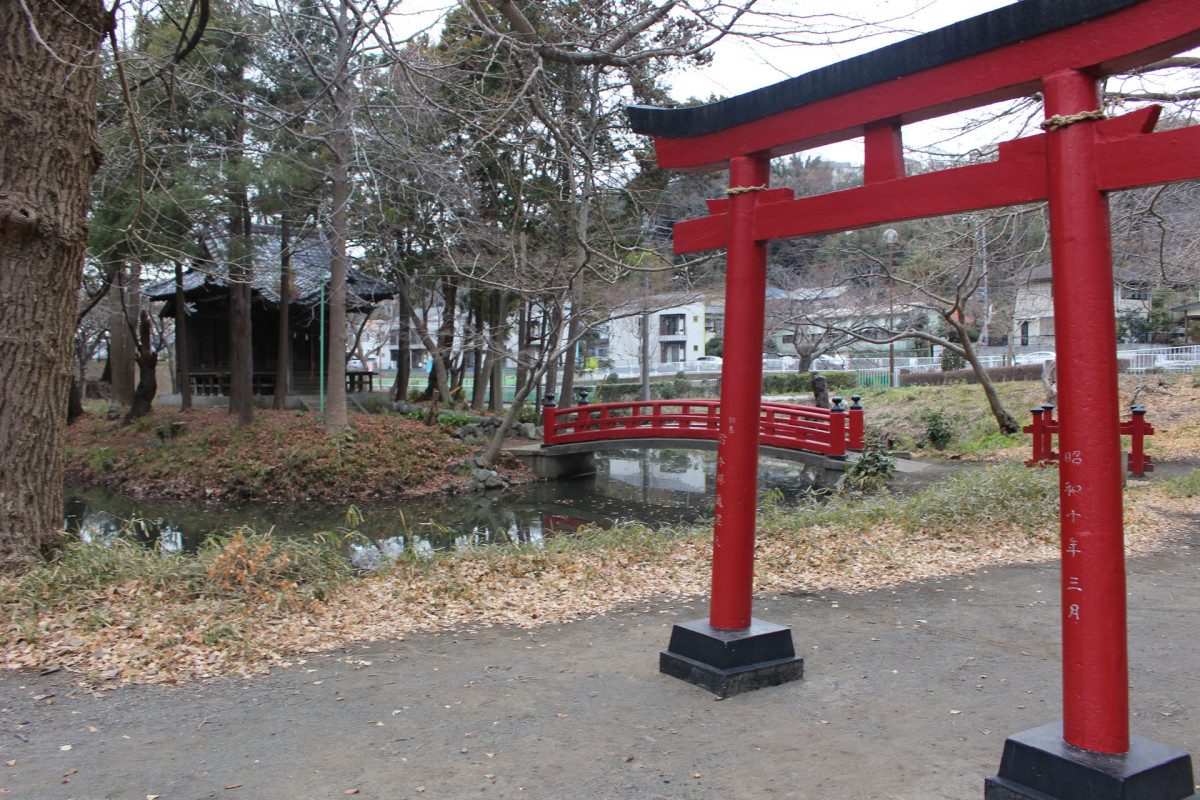
Said to grant blessings for good harvests, business prosperity, community safety, and household safety.
Iseyama Park
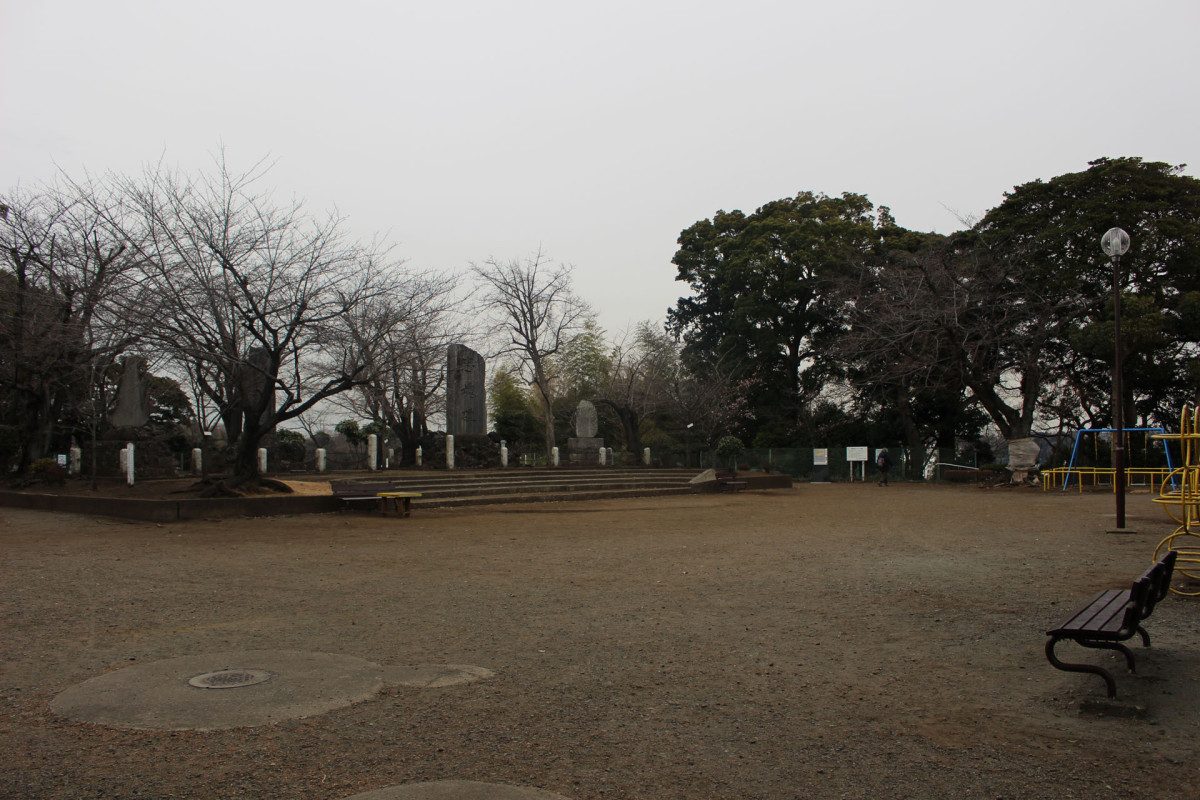
A park overlooking Fujisawa city, Enoshima, and Sagami Bay.
Fujisawa-juku Exchange Hall
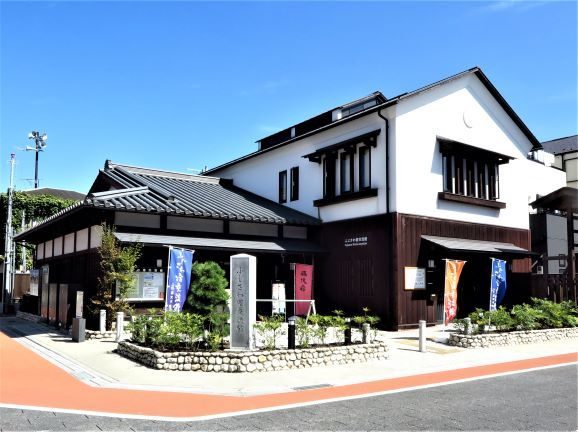
Opened in 2016 with local exhibits, a Fujisawa-juku diorama, 3D CG, and year-round events.
Koshin-do
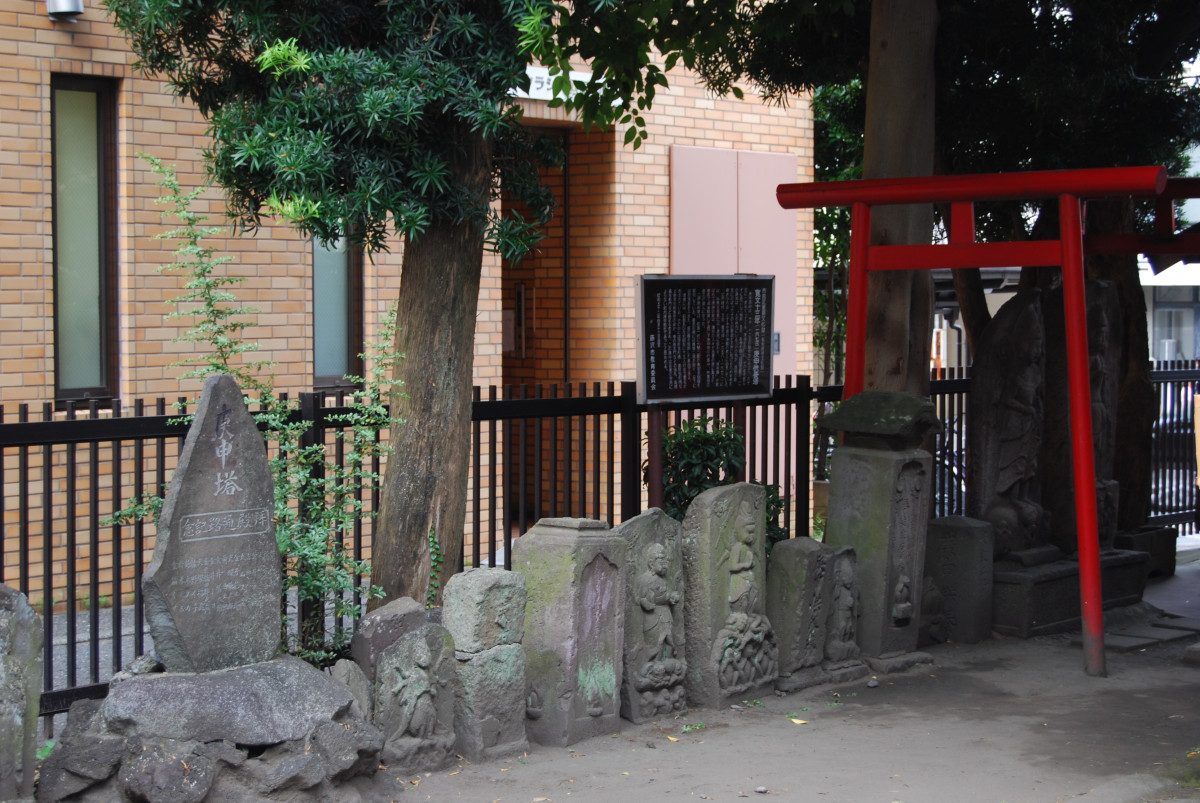
A Buddhist hall of the Koshin faith in Fujisawa City, Kanagawa Prefecture.
Kuramae Gallery
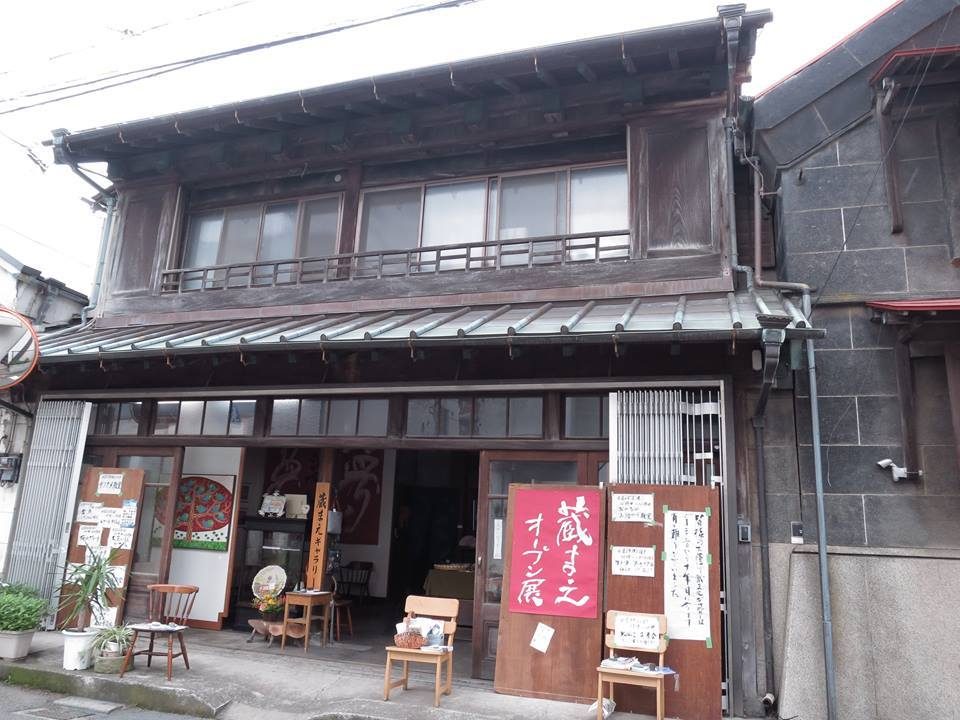
A new art space opened in 2006 in the main house and storehouse of a rice shop built in 1929.
Kinsazan Kannon Hall
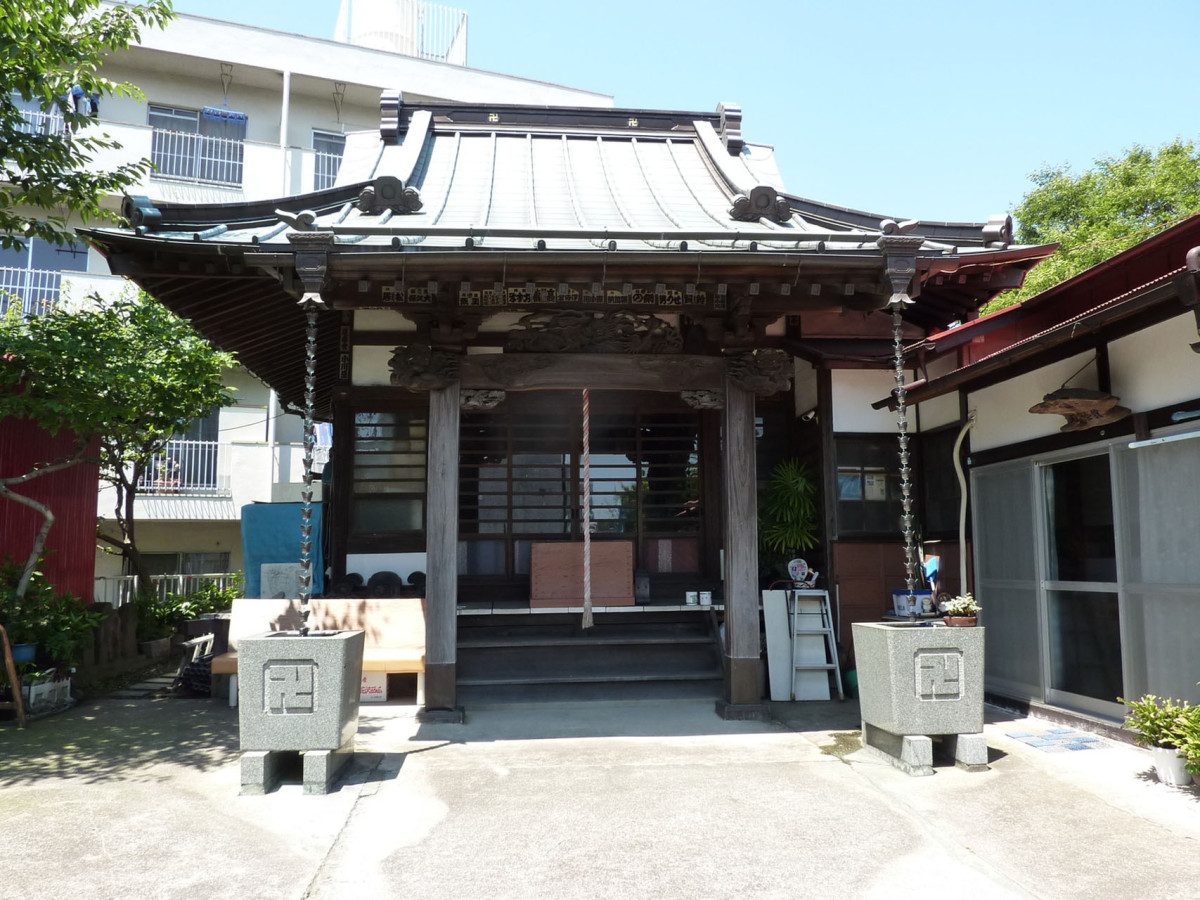
On a hill along National Route 467 near the Fujisawa Bridge intersection. Commonly called Obitoki Kannon.
Former Inamotoya Kimono Shop
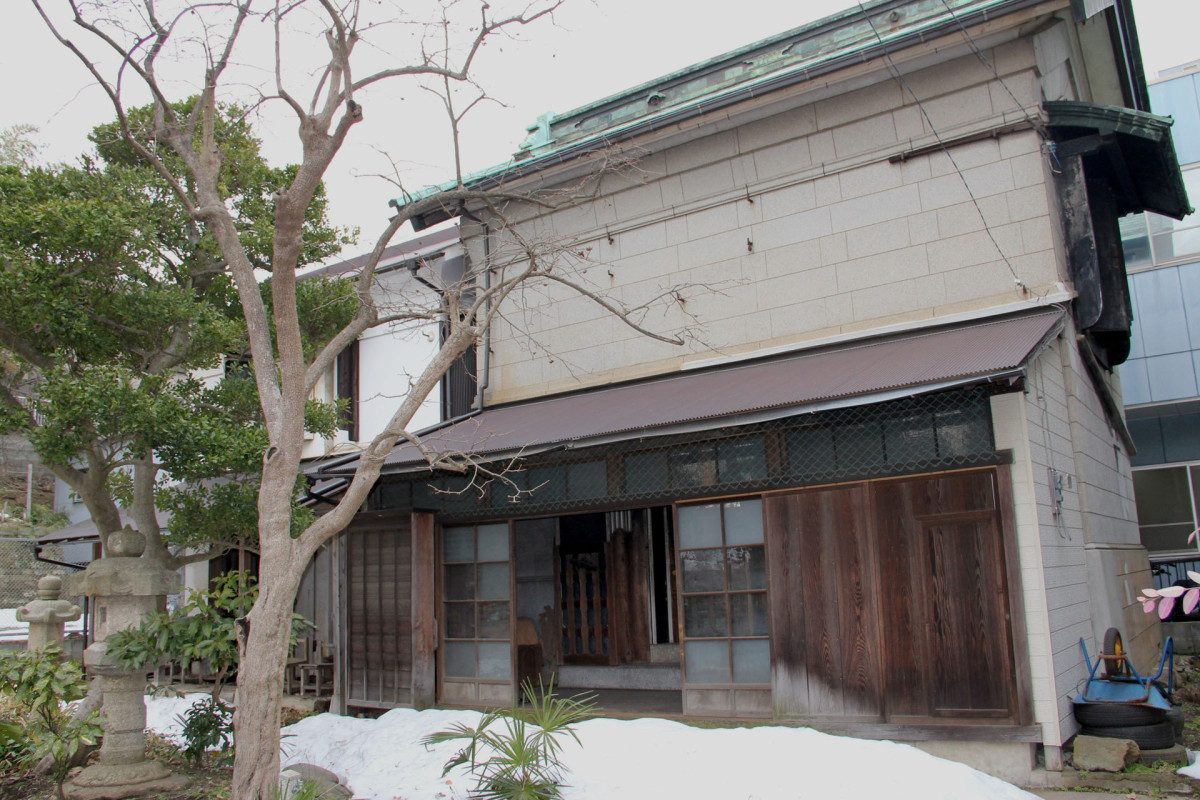
A registered tangible cultural property and a representative prewar kimono merchant of Fujisawa.
Yaku Shrine
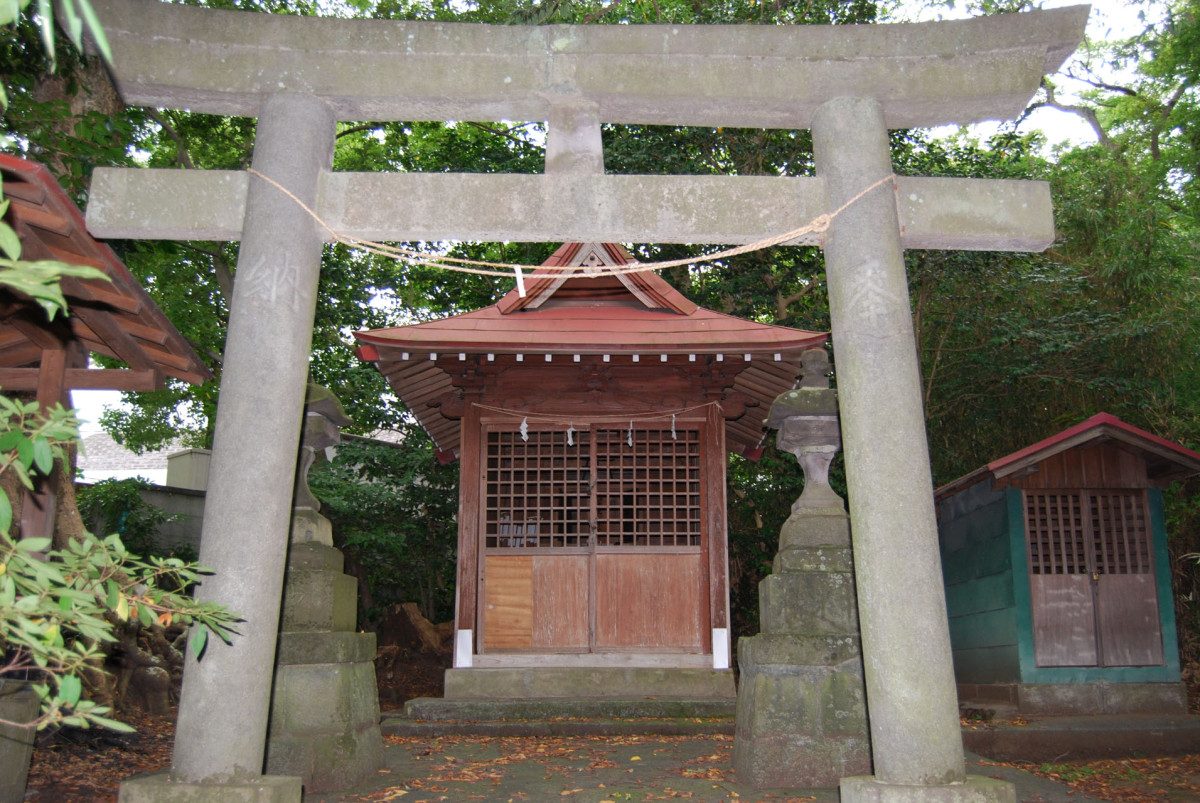
A shrine with a deity divided from Kawasaki Daishi in 1884, enshrining a god against epidemics.
Hakusan Shrine
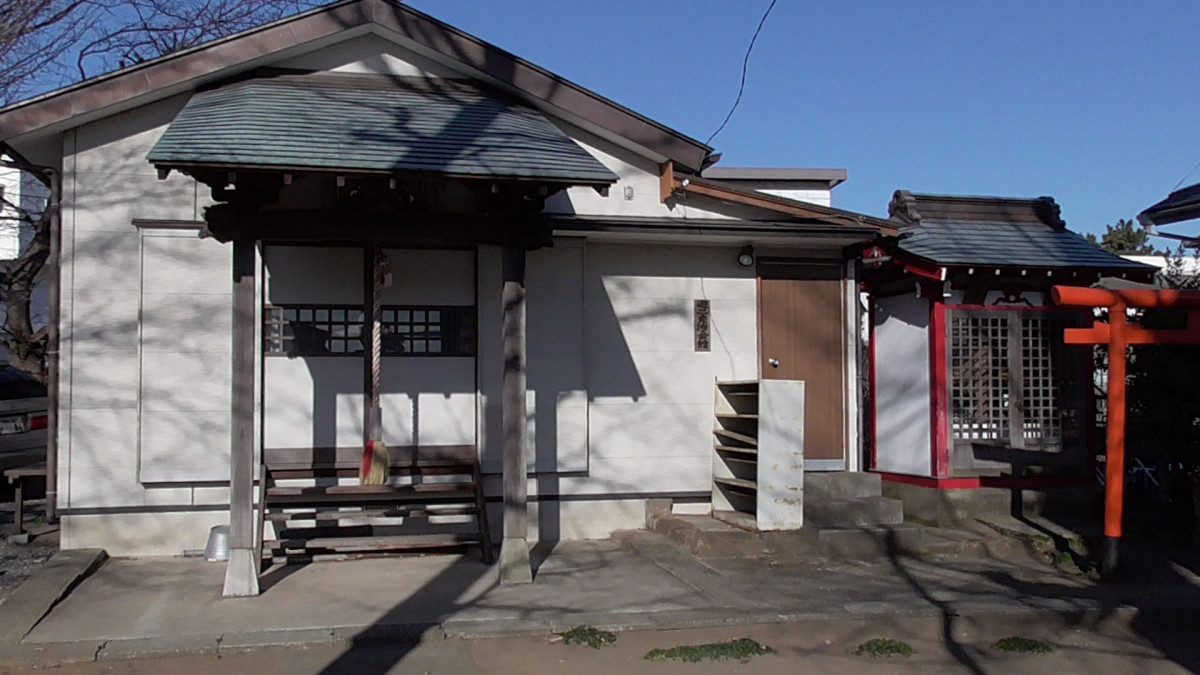
Reached by stone steps to the left, past house eaves from the Enoshima road.
Joko-ji
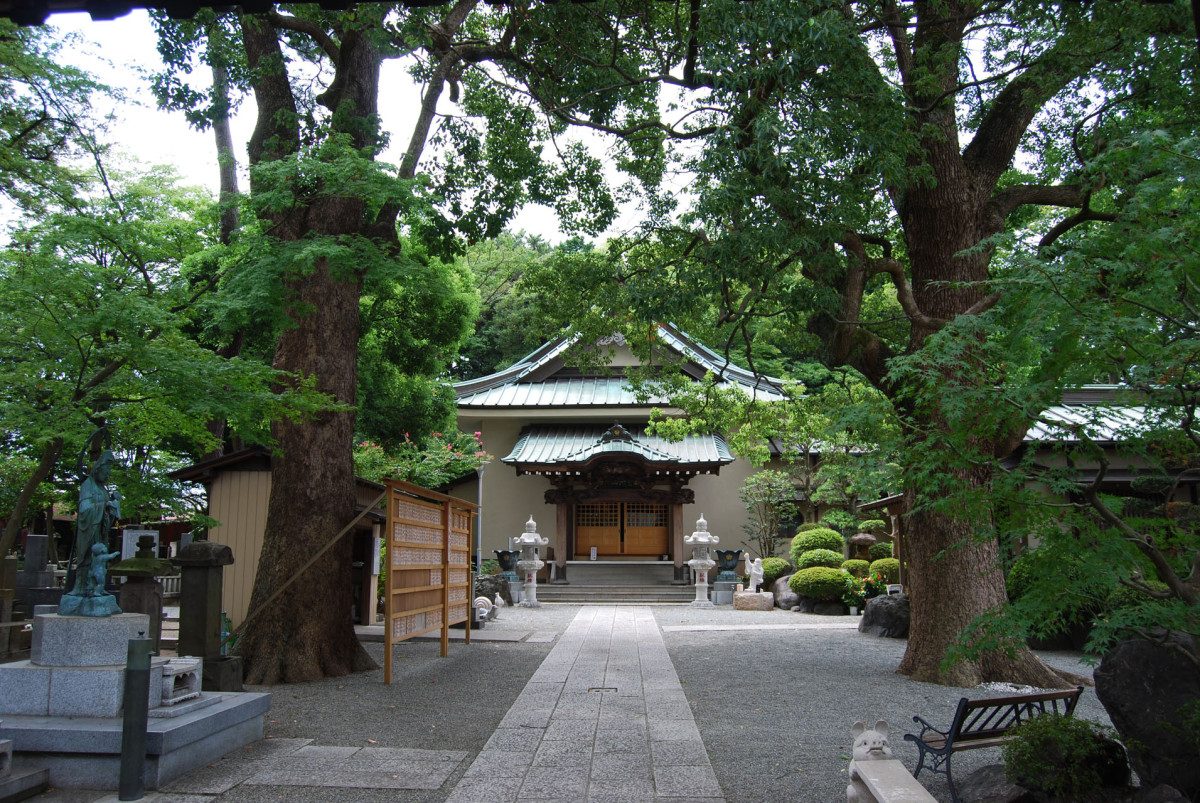
Jodo temple in Fujisawa. Amida Nyorai is a city Important Cultural Property; the temple forest is a city natural monument.
Shogon-ji
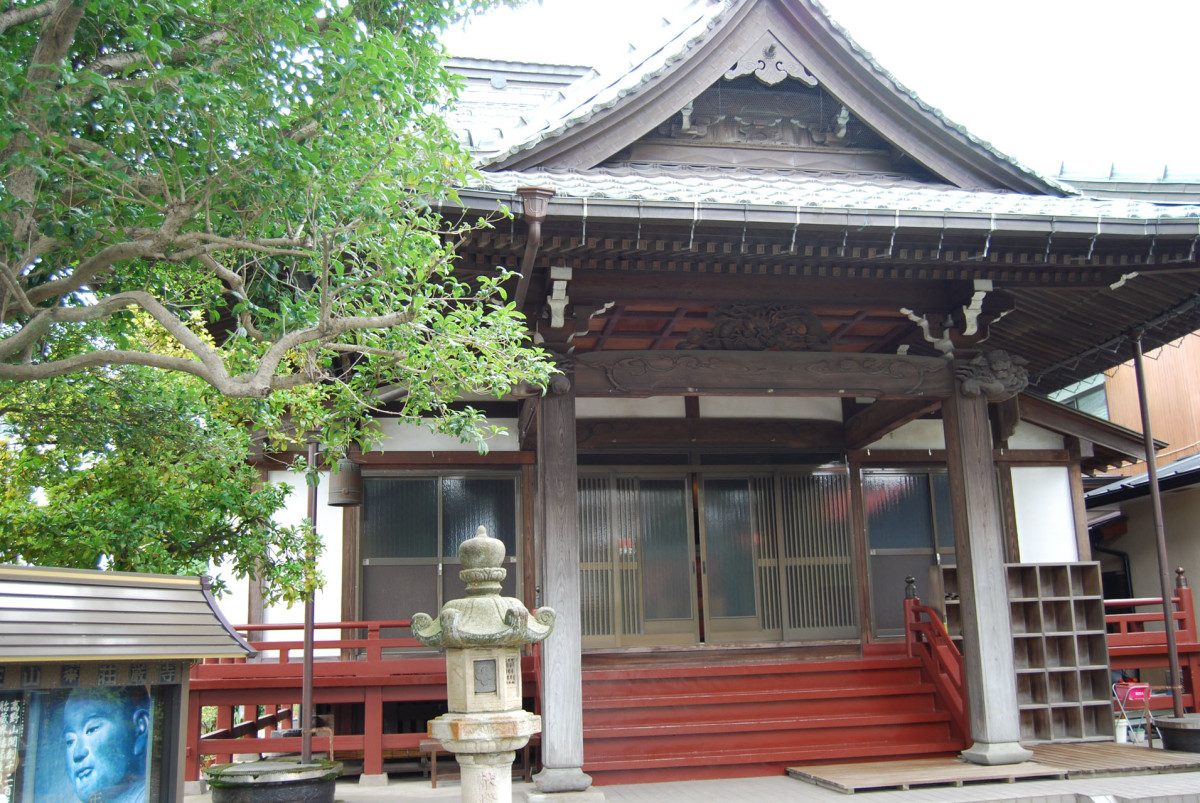
Koyasan Shingon temple opened in 1184; principal image Fudo Myoo; houses Yoshitsune's memorial tablet.
Eisho-ji
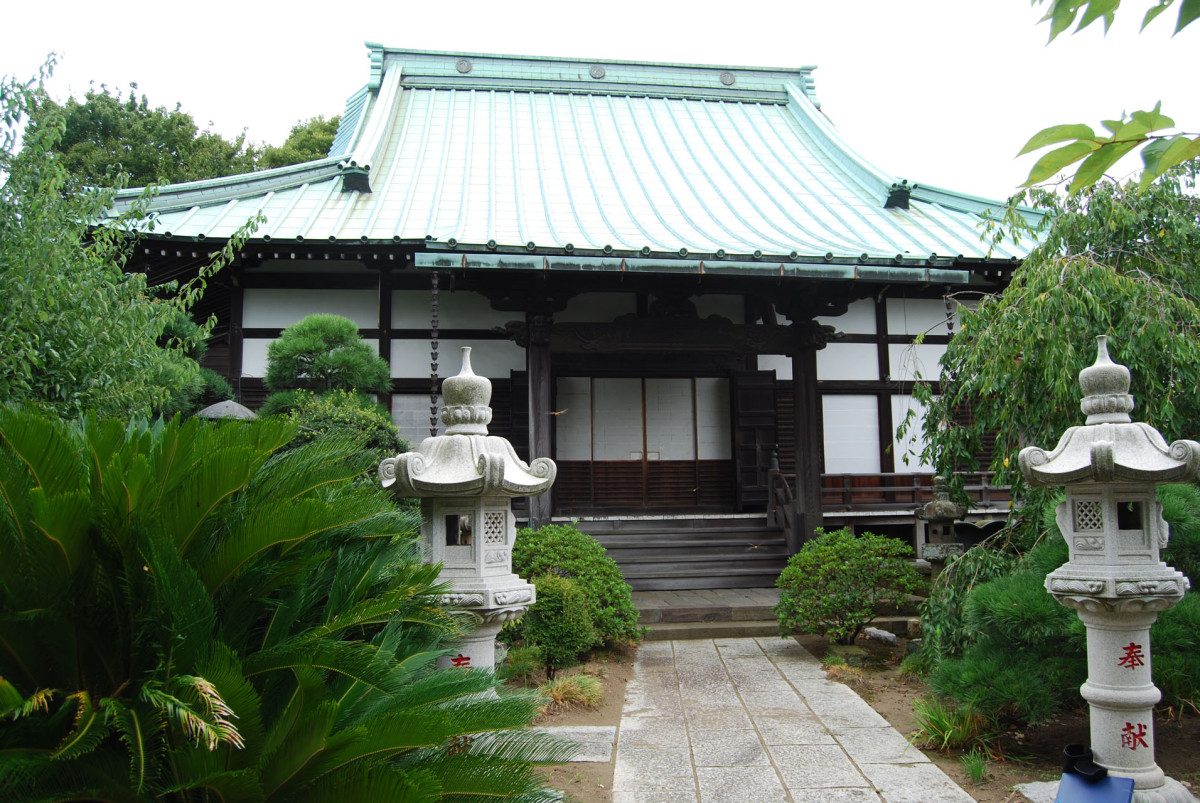
Jodo Shinshu temple in Fujisawa; graves of innkeeper Komatsuya Genzo and women sold to inns.
Legendary Yoshitsune Head-Washing Well
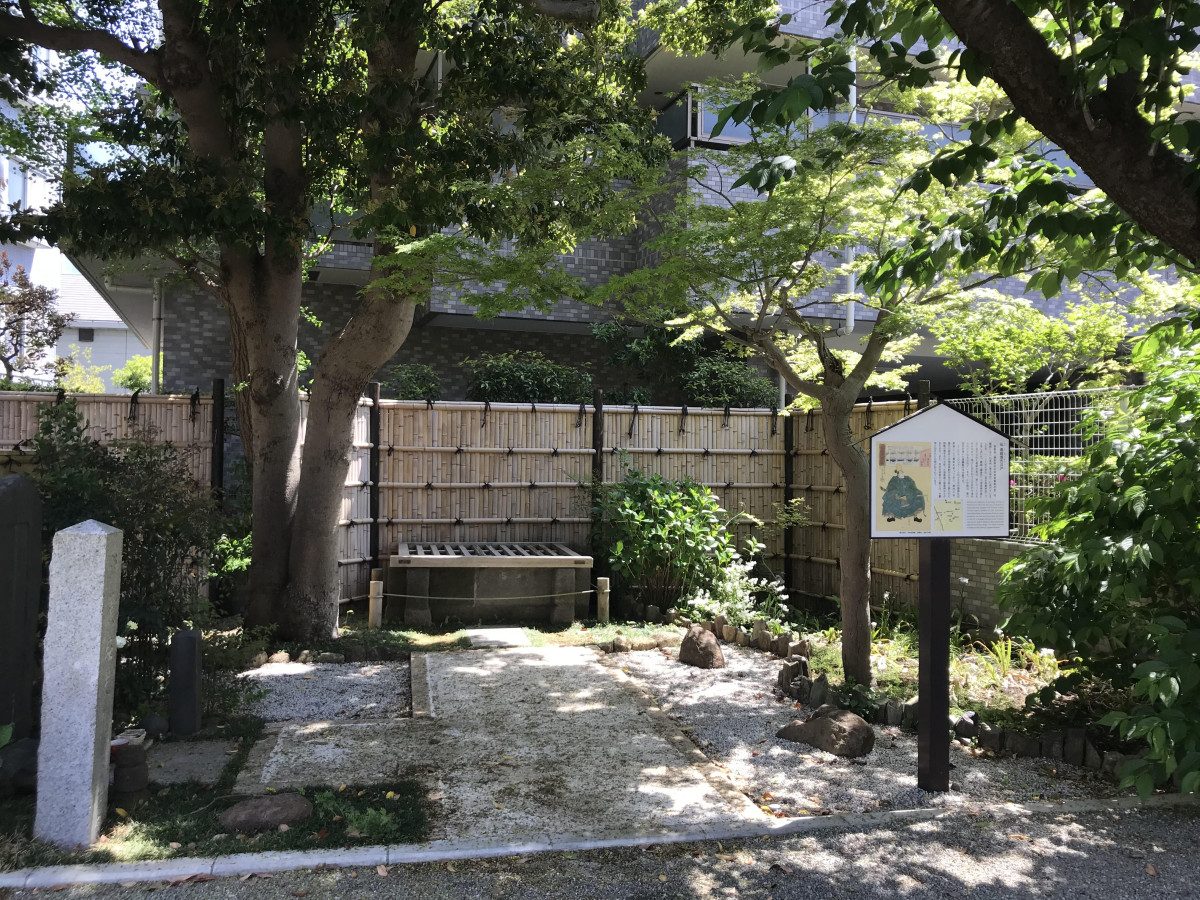
After Yoshitsune's 1189 death, legend says villagers washed his head in this well and built a mound.
Myozen-ji
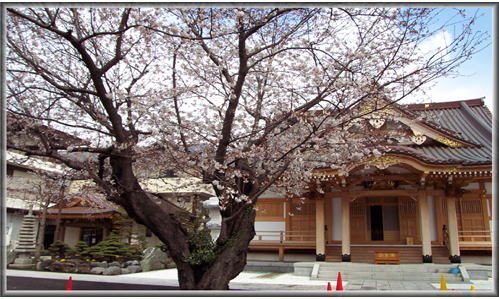
Nichiren temple in Fujisawa founded in 1504; Makita family graves of former official inn keepers stand there.
Shintoku-ji
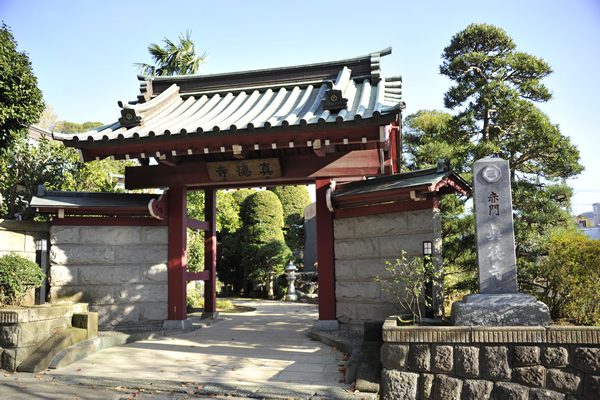
Ji sect temple in Fujisawa; main hall ceiling has flowers and birds by priest-painter Yoshikawa Kiyoshi.
Chosei-in
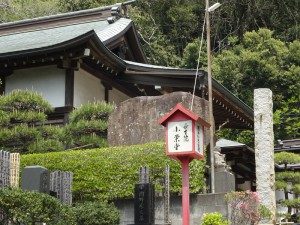
A Ji-shu temple in Fujisawa. The current main hall was completed in 1991.
Sanno Shrine (Fujisawa)
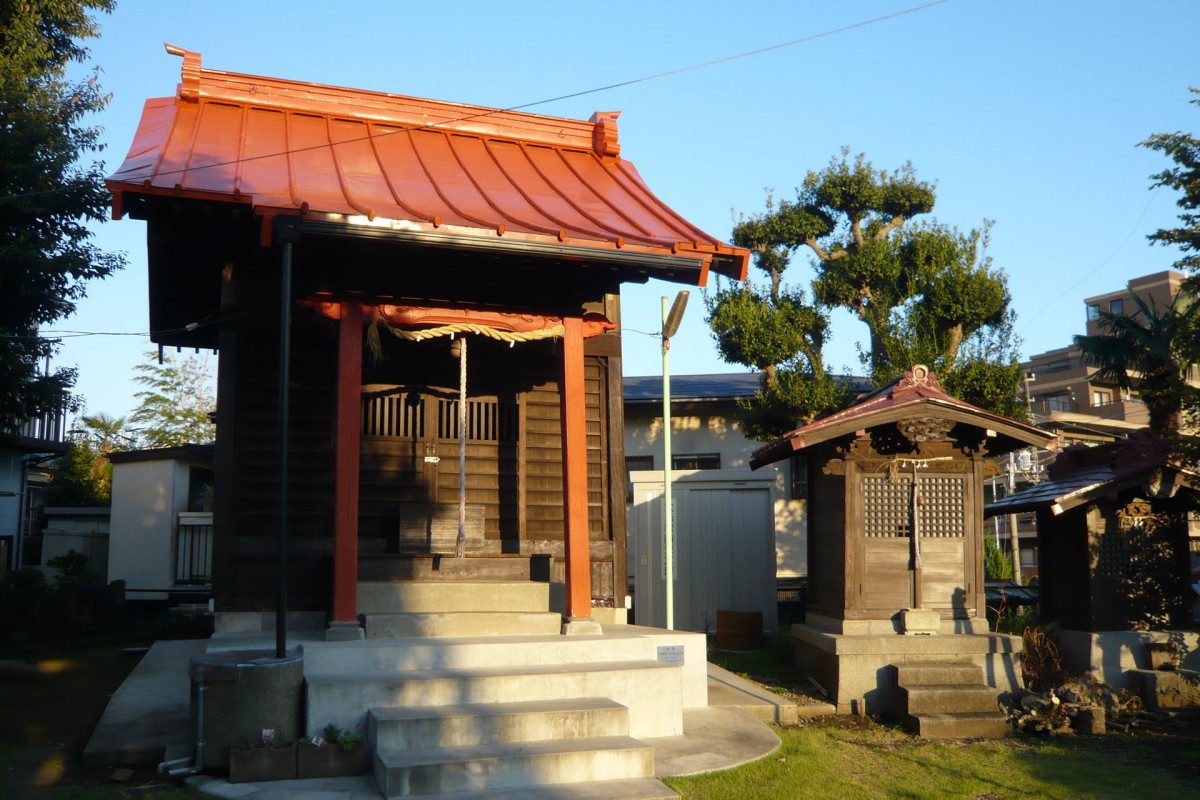
Fujisawa-juku's first guardian shrine, enshrined near former Fujisawa High School in Kan'ei (1624-44) and moved here in An'ei.
Kanno-in
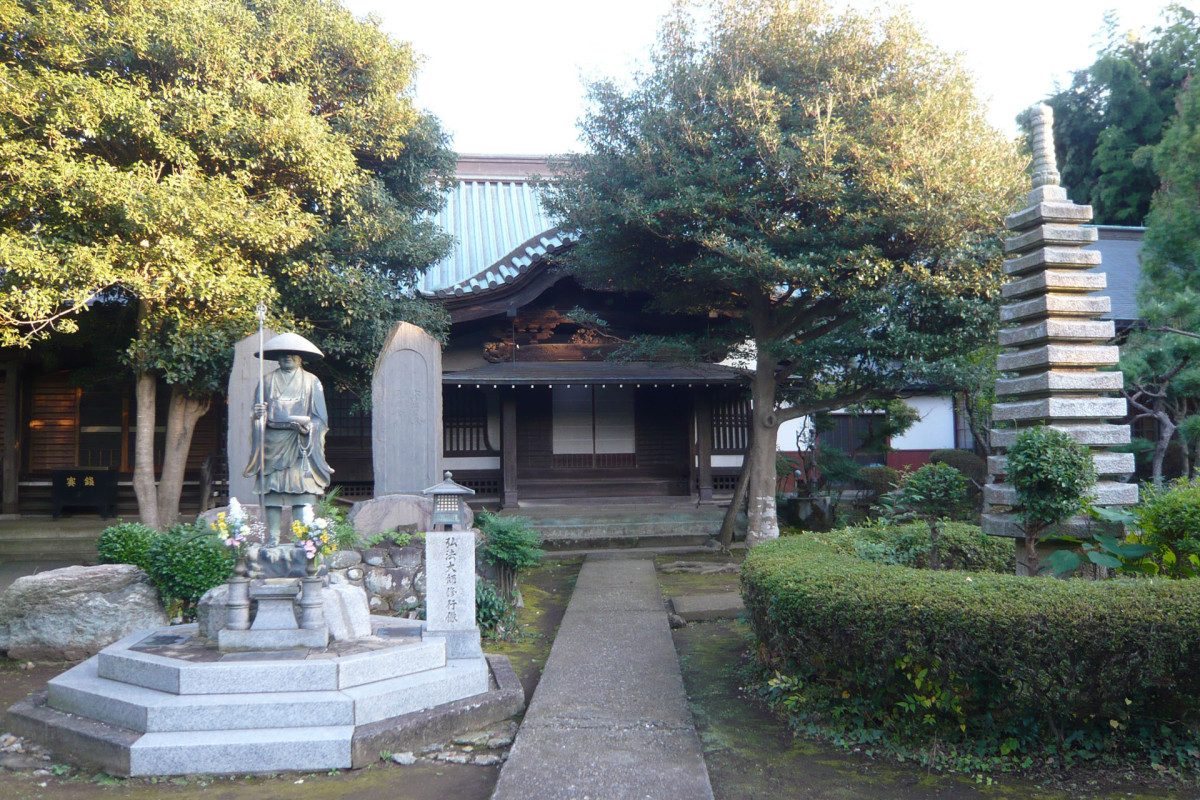
A Koyasan Shingon temple said founded by Minamoto no Sanetomo and among Fujisawa-juku's oldest temples.
Funadama Shrine
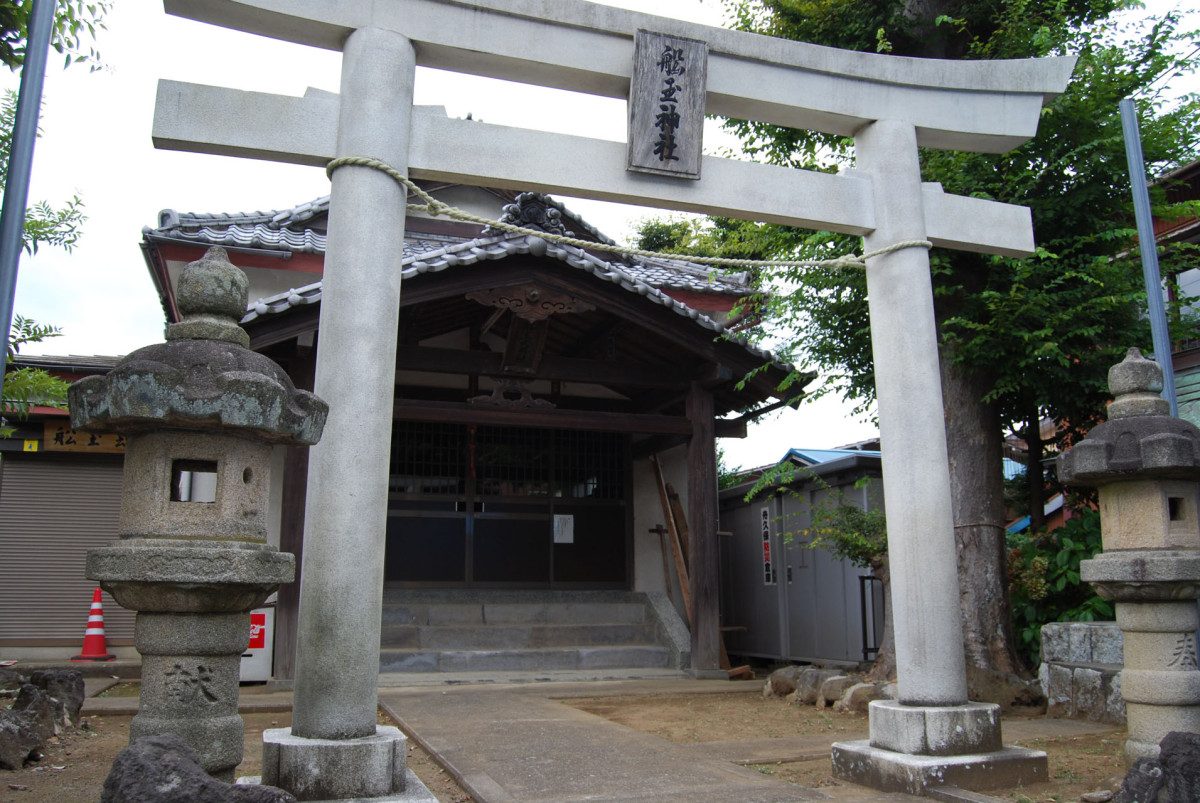
Said site where Kamakura's third shogun Sanetomo cut Song-bound ship timber; enshrined for safe passage and sea protection.
Utsumochi Shrine
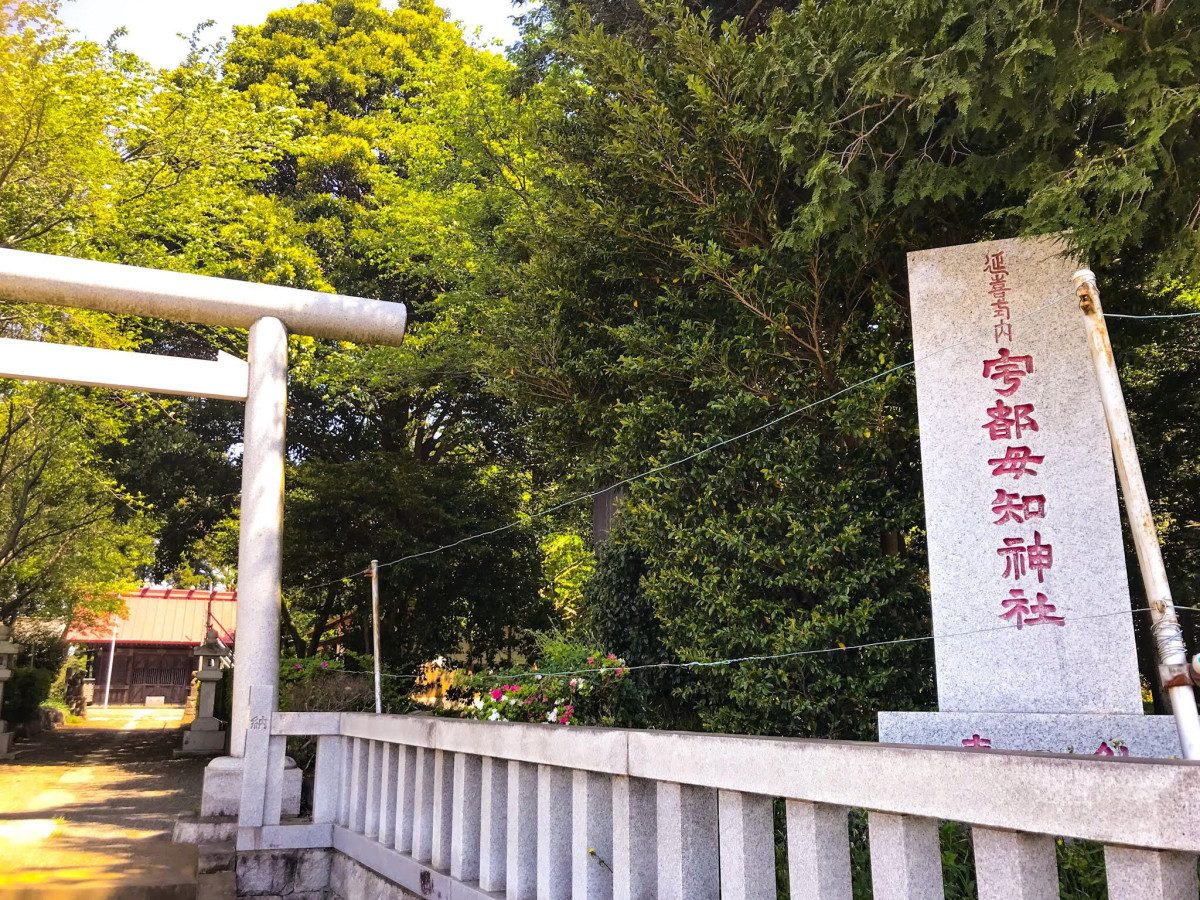
Shrine in Fujisawa, the oldest in Goshomi. Founding unknown; in the Kamakura period, regent Hojo Sadatoki donated the shrine hall.
Shonan Port Lighthouse (Hot Road filming location)
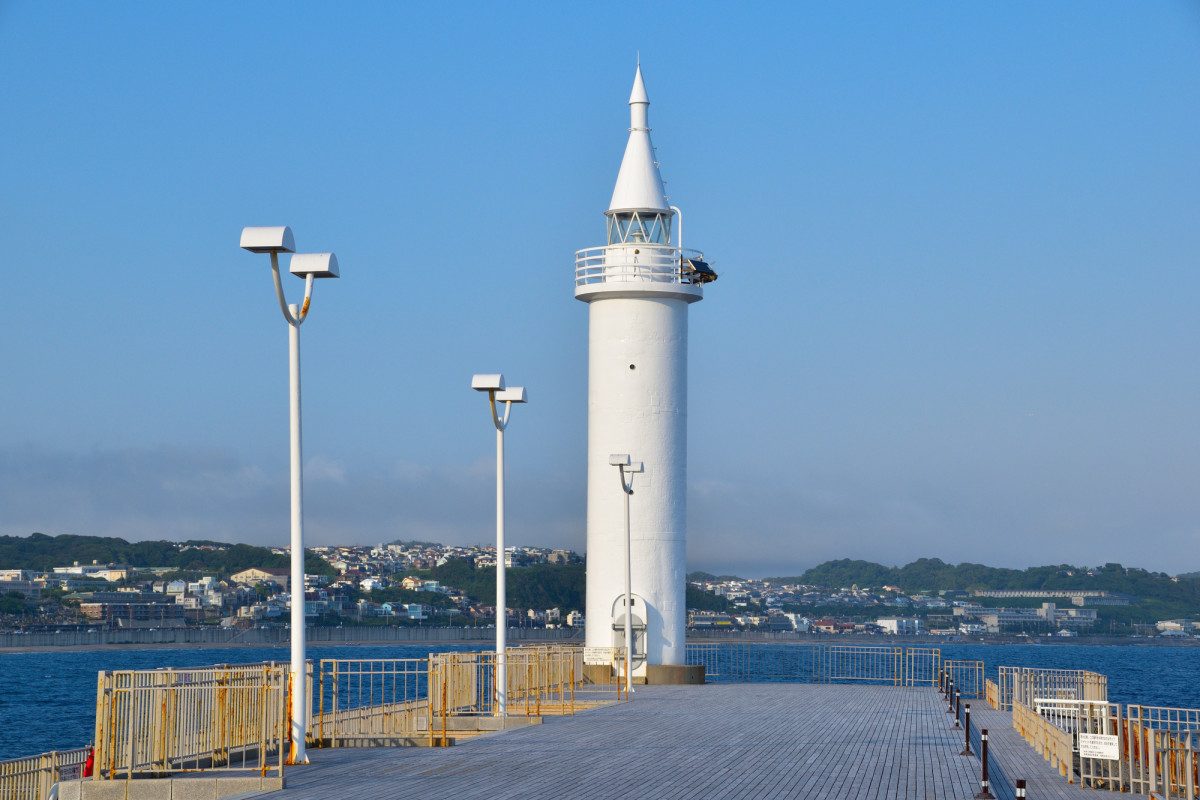
Filming location of the movie Hot Road and one symbol of Enoshima, visited by many tourists.
Fujisawa City Fujisawa Ukiyo-e Museum
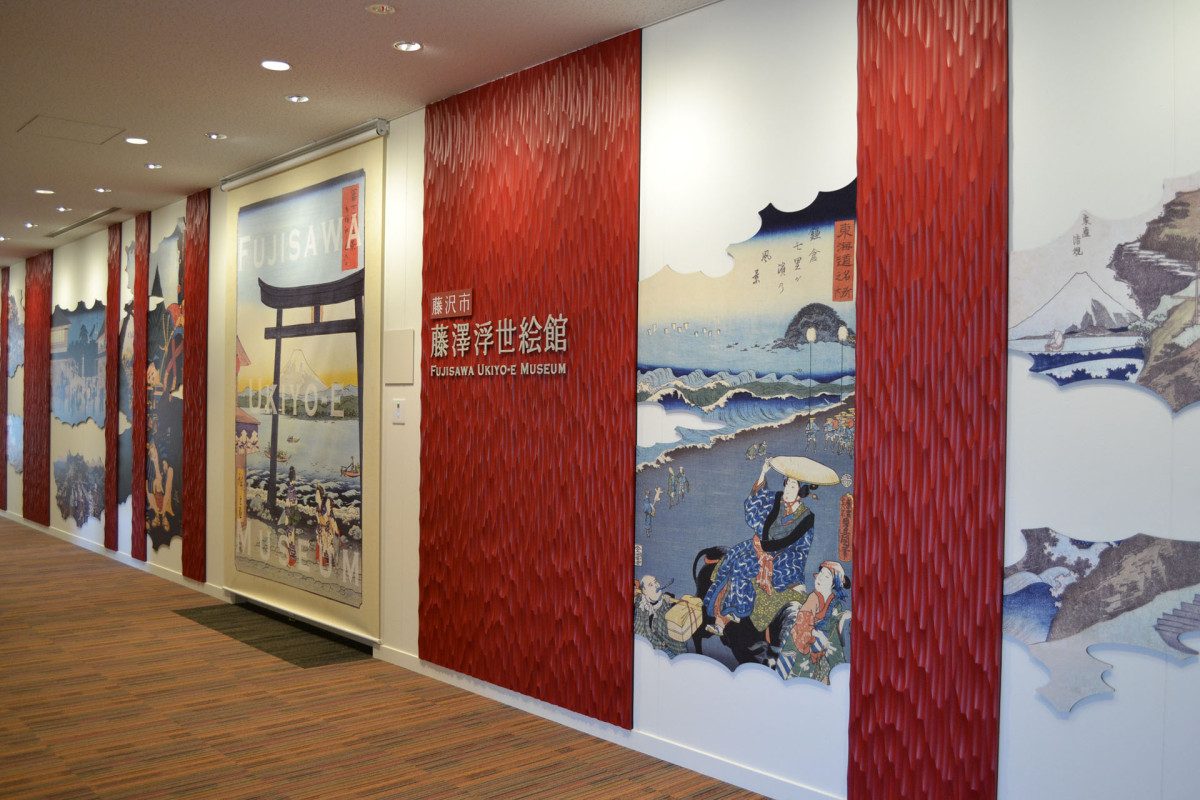
Museum of ukiyo-e on Fujisawa-juku and Enoshima, with rotating local-material exhibitions.
Nihon University College of Bioresource Sciences Museum (Bone Museum)
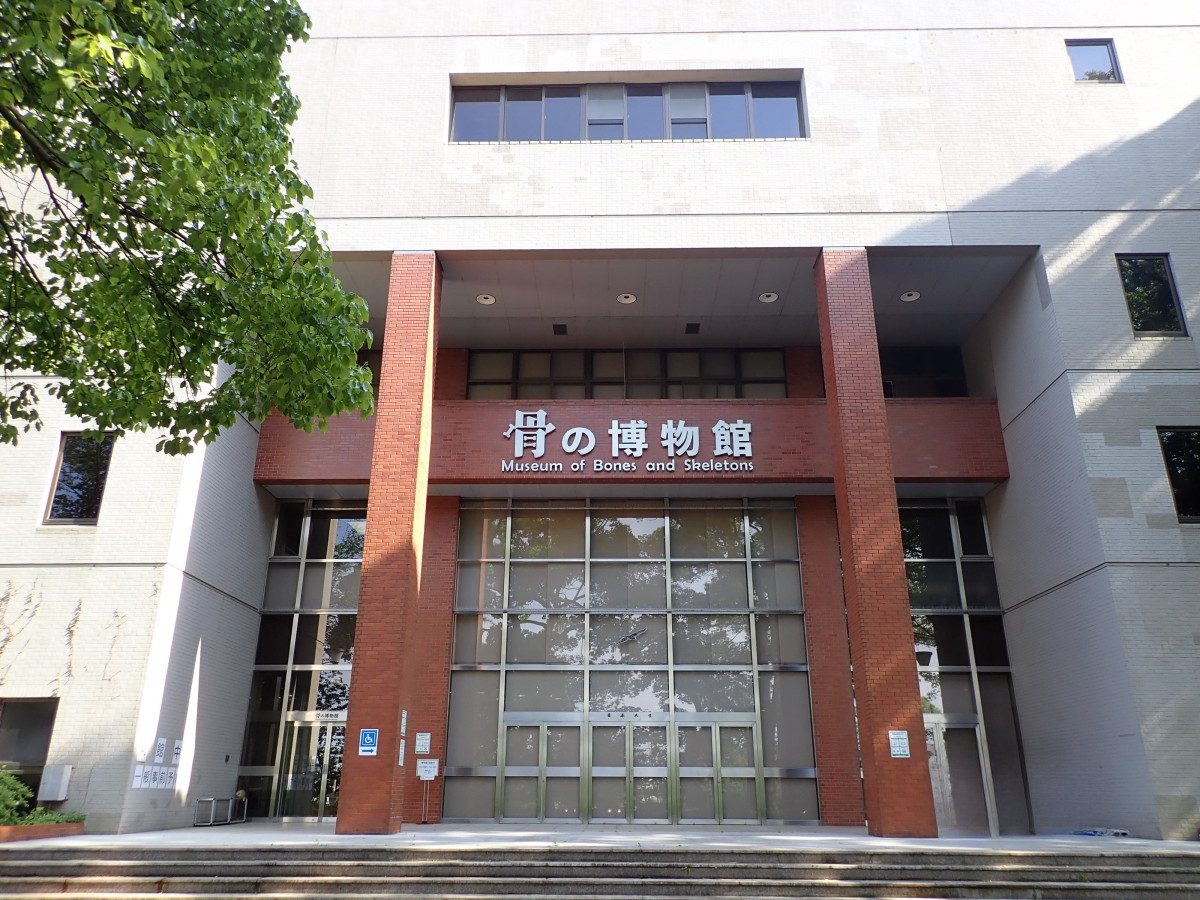
University museum open to the public, renewed in 2019 to show bone diversity, wildlife, livestock, and pet skeletons.
Katase Suwa Shrine
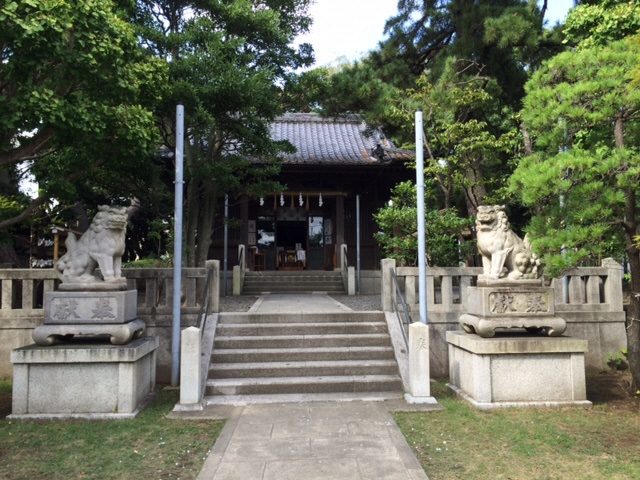
Near Enoshima in Fujisawa; enshrines a god and consort, called a power spot for marital harmony.
Fujisawa City Art Space
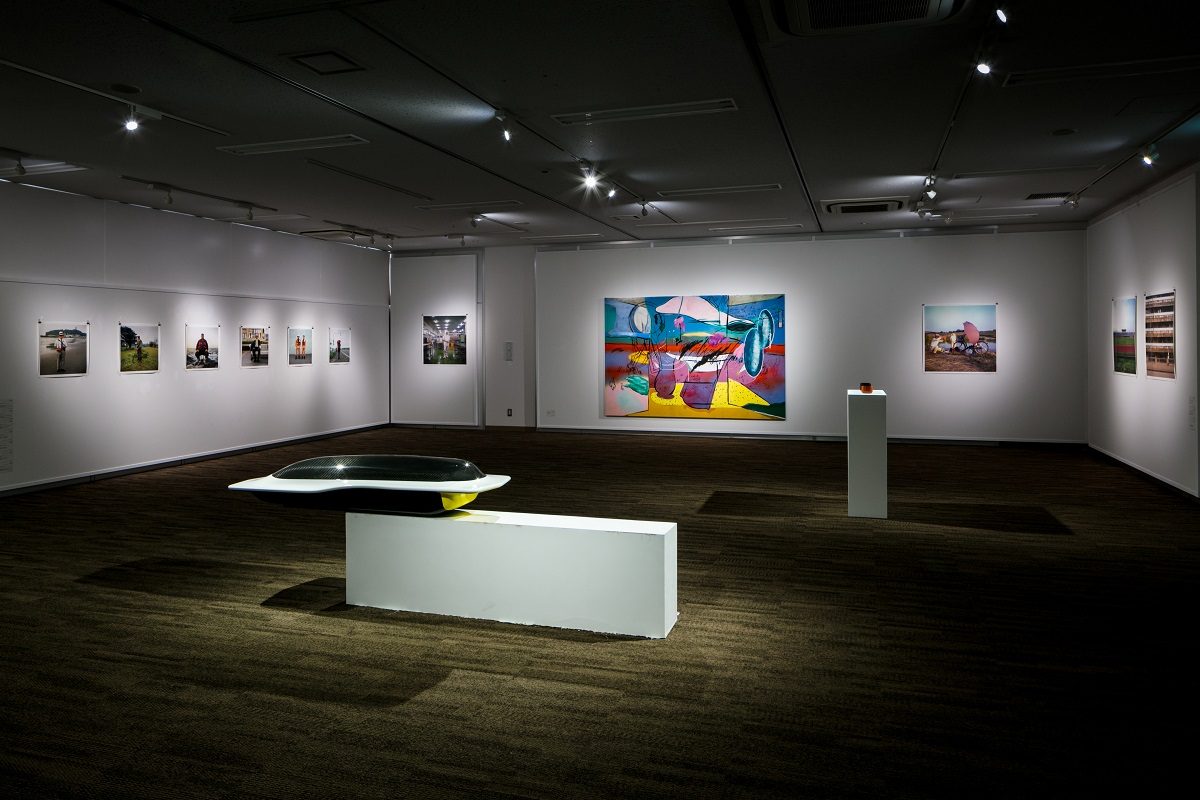
Supports young artists, holds exhibitions, workshops, and lectures, and deepens community ties while seeking new art possibilities.
Olympic Memorial Fountain
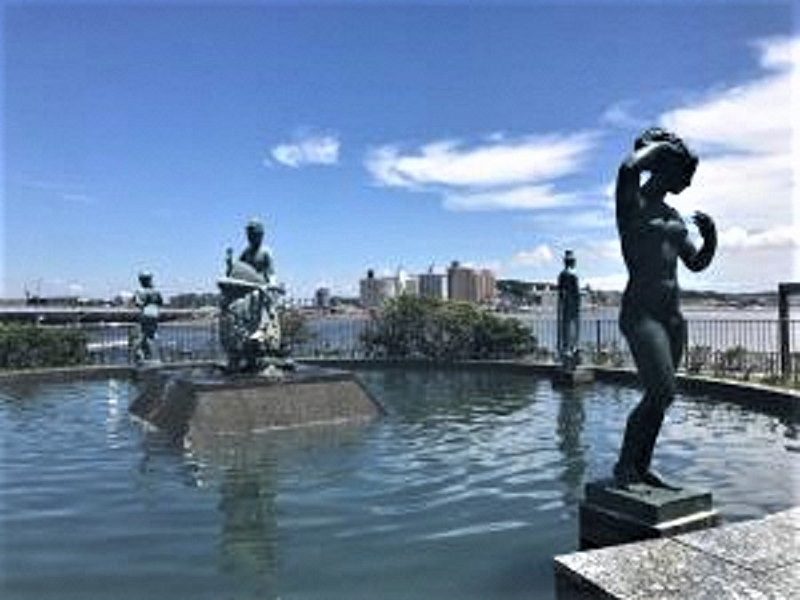
Fountain pond in Fujisawa City, built to commemorate the 1964 Tokyo Olympics.
Enoshima Sea Candle
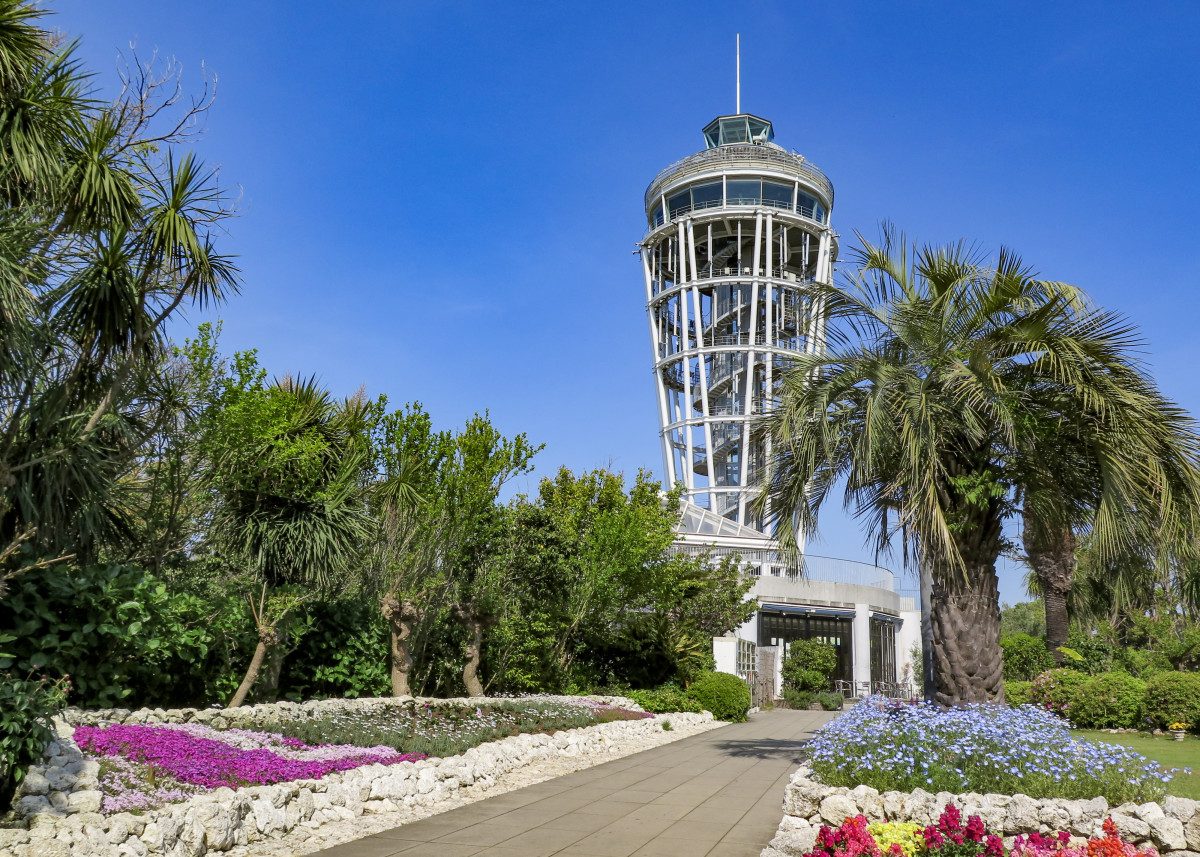
About 59m observation lighthouse, 119m above sea, in Samuel Cocking Garden, viewing Fuji, Izu and Hakone.
Enoshima Nakatsumiya Plaza
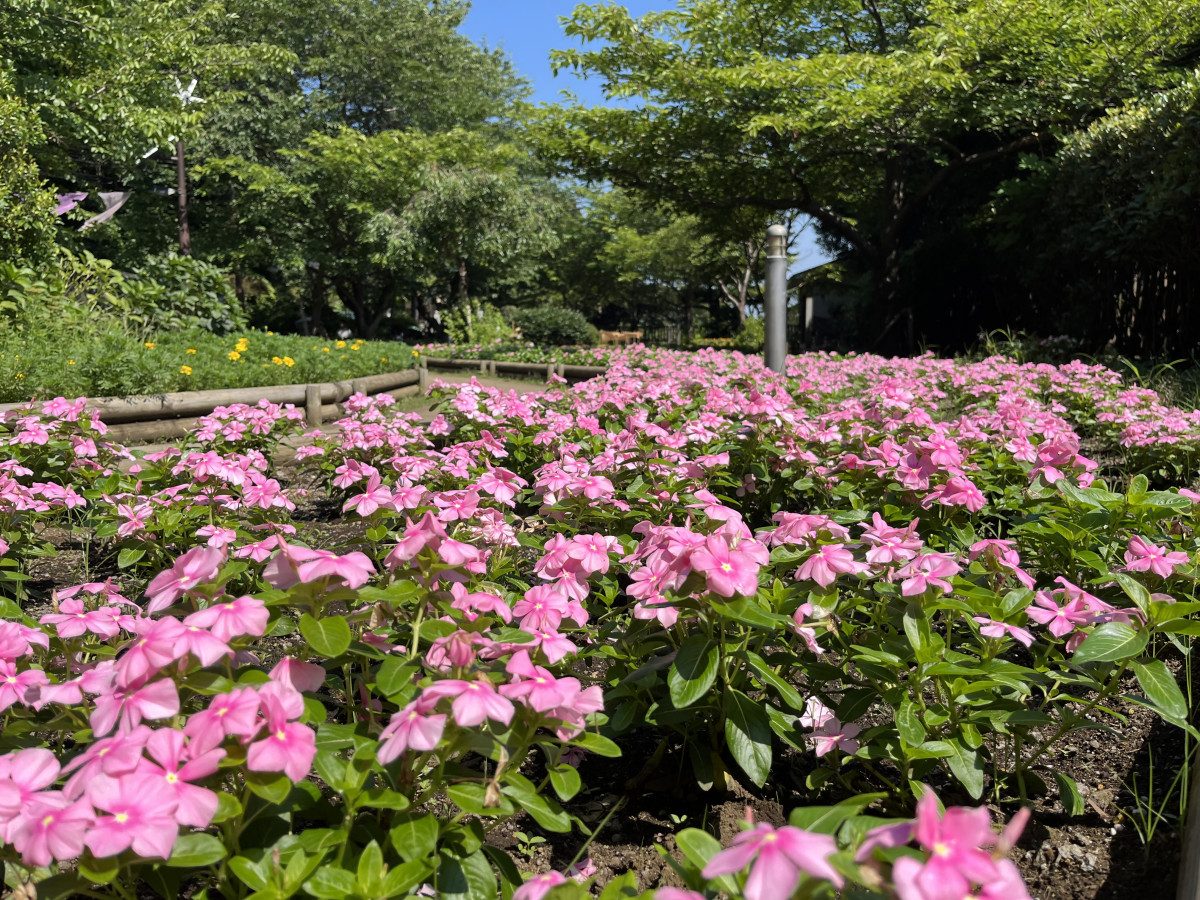
Plaza between Enoshima Shrine's Hetsumiya and Nakatsumiya, known for flowers and a deck overlooking Zushi.
Hikichi River Waterside Park
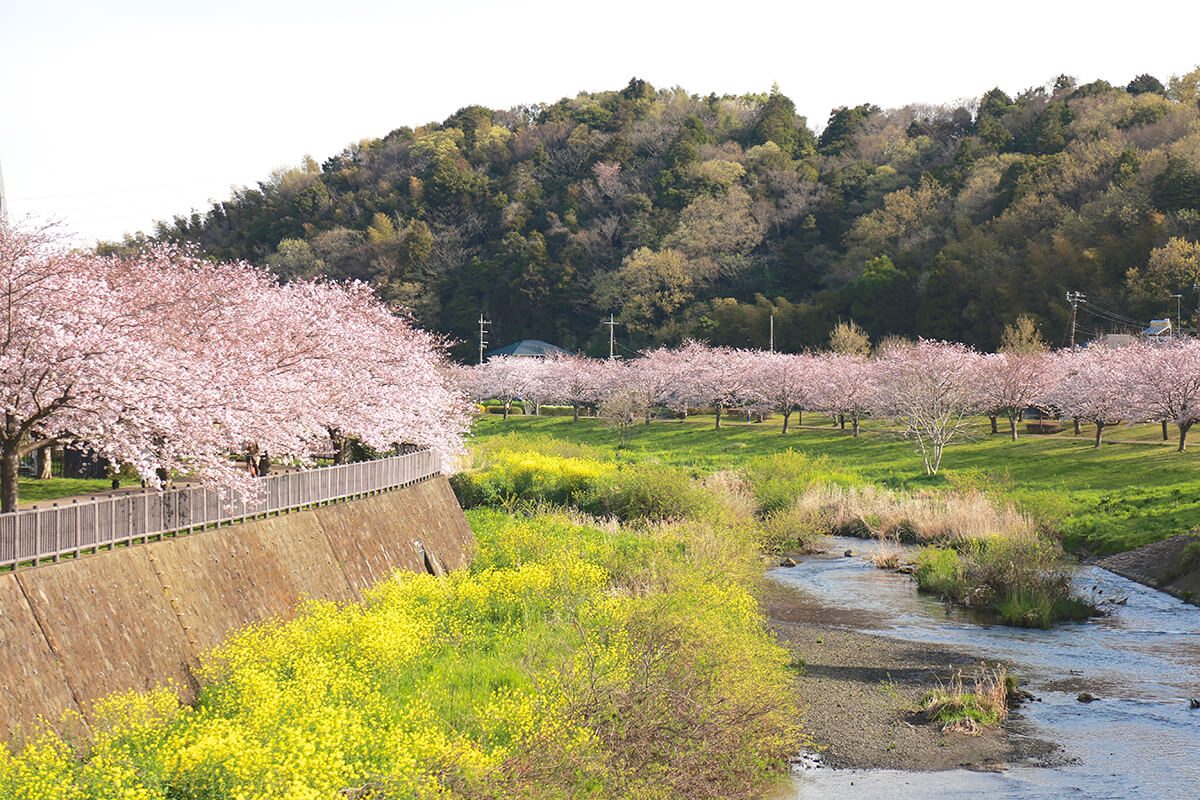
Park along the Hikichi River with spring cherries, azaleas, and wisteria trellises, plus parking for viewing.
Cherry Blossoms at Oba Castle Ruins Park (Fujisawa City)
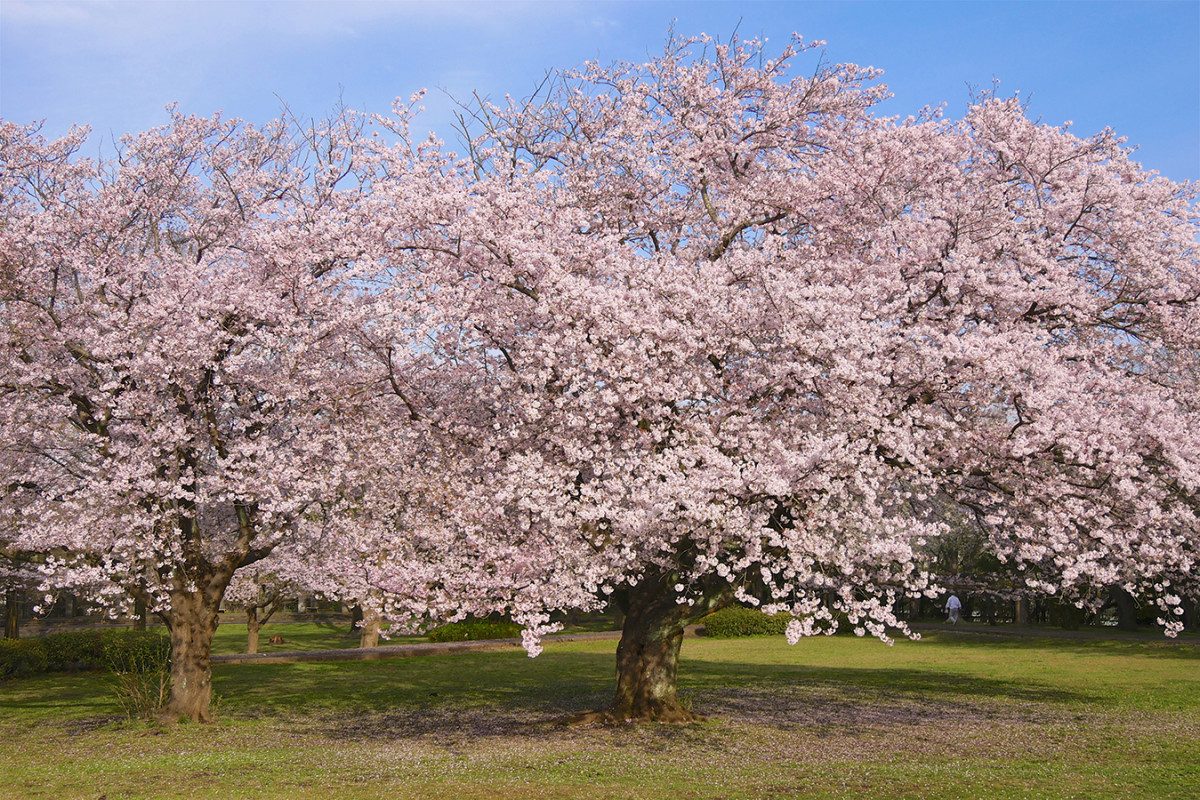
Castle ruins park among trees, with spring cherry blossoms and play equipment for a relaxed family day.