 BokenJapan
Japan / Kanagawa / Hadano / See
Sights in Hadano, Kanagawa
Hadano · Kanagawa · 27 places
See
Minamoto no Sanetomo Head Mound
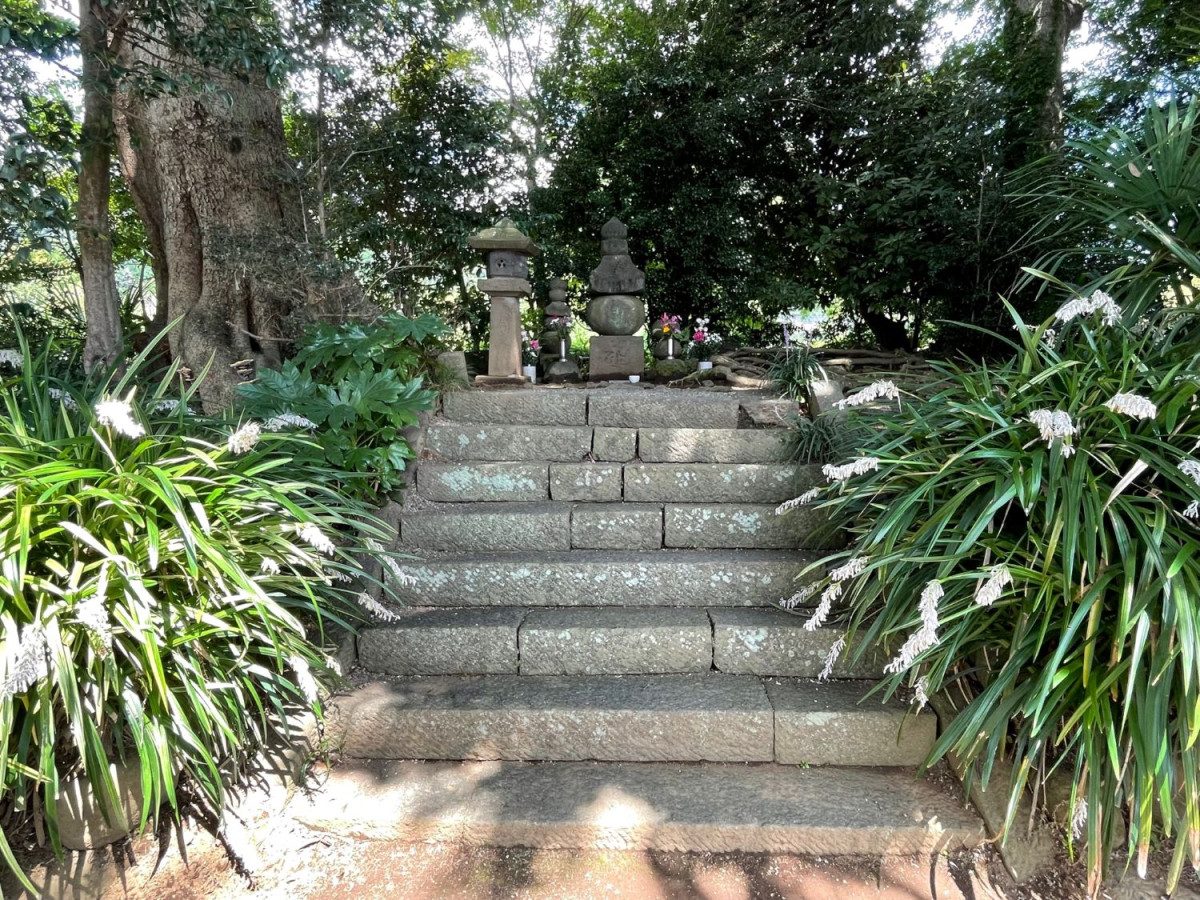
Said mound where Minamoto no Sanetomo's head was secretly buried in Hadano after his 1219 assassination. Festival each November 23.
Izumo Taisha Sagami Branch Shrine
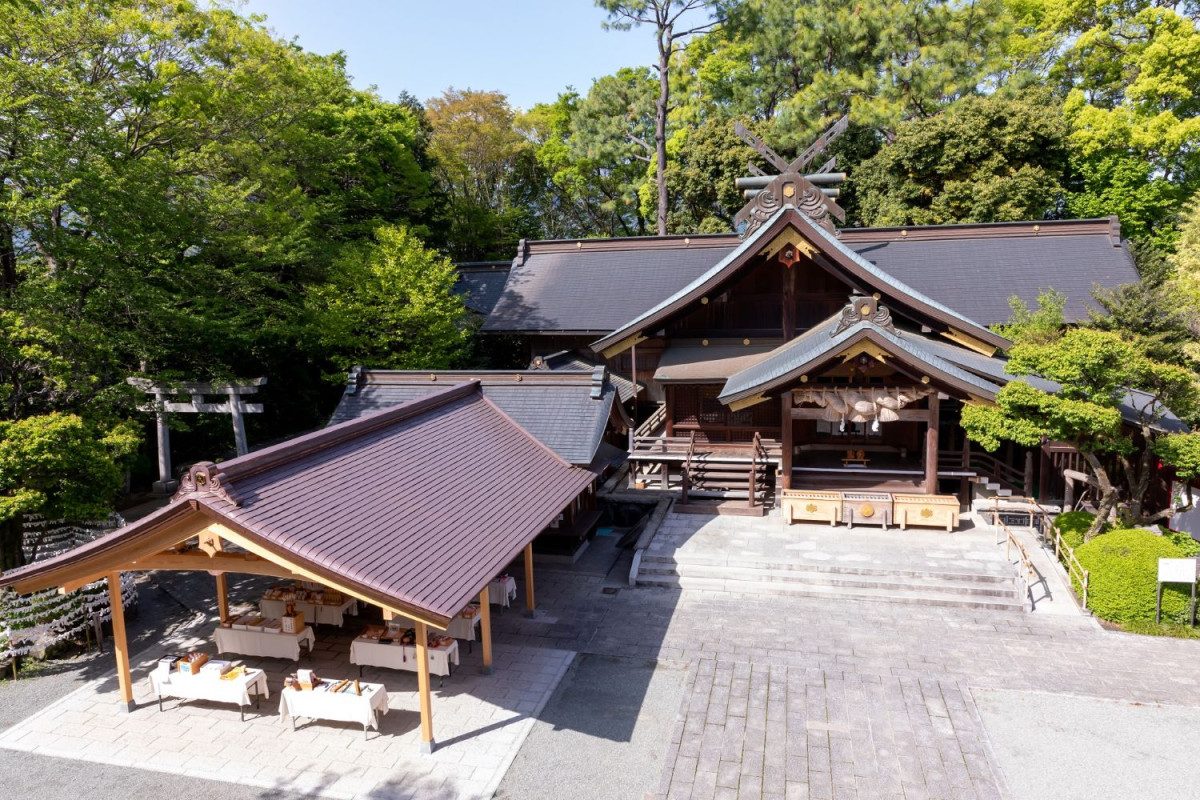
1888 branch of Izumo Taisha enshrining Okuninushi, revered as Kanto's Izumo, with a thousand-year zelkova.
Zenba Pass
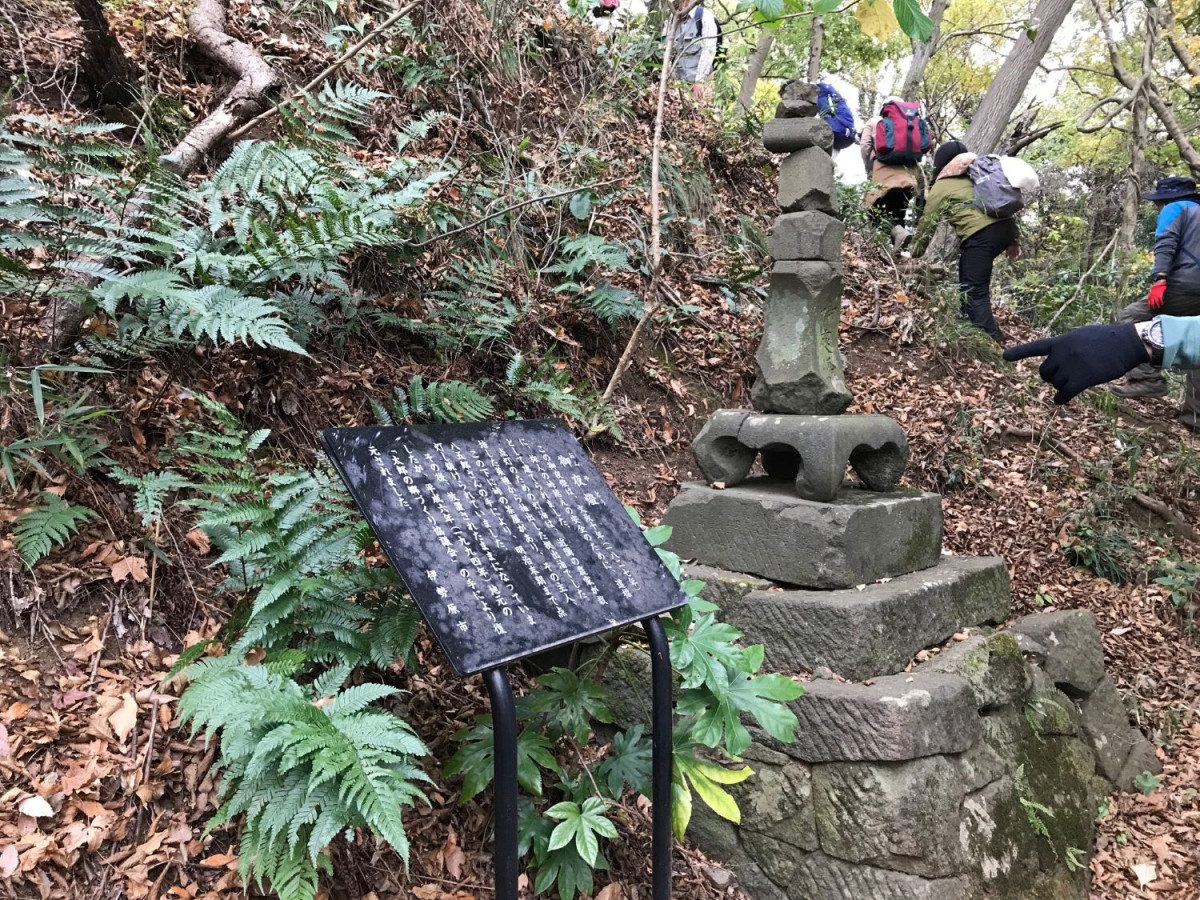
Border pass of Hadano and Isehara, used until the Zenba Tunnel was completed in early Showa.
Mount Nenbutsu
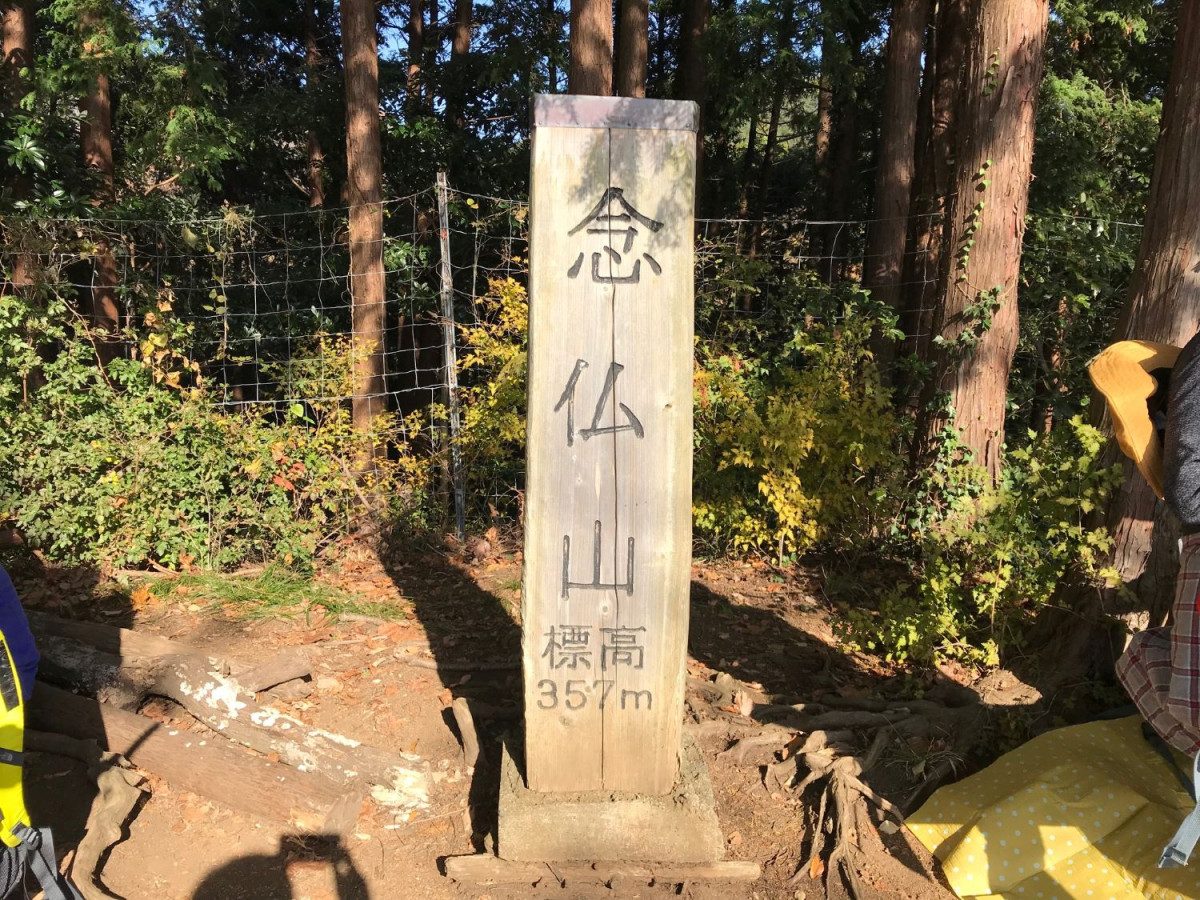
Ridge mountain from Mount Kobo to Mount Takatori; Buddhist chant gatherings lasted until early Showa.
Hadano Springs (Kobo no Shimizu)
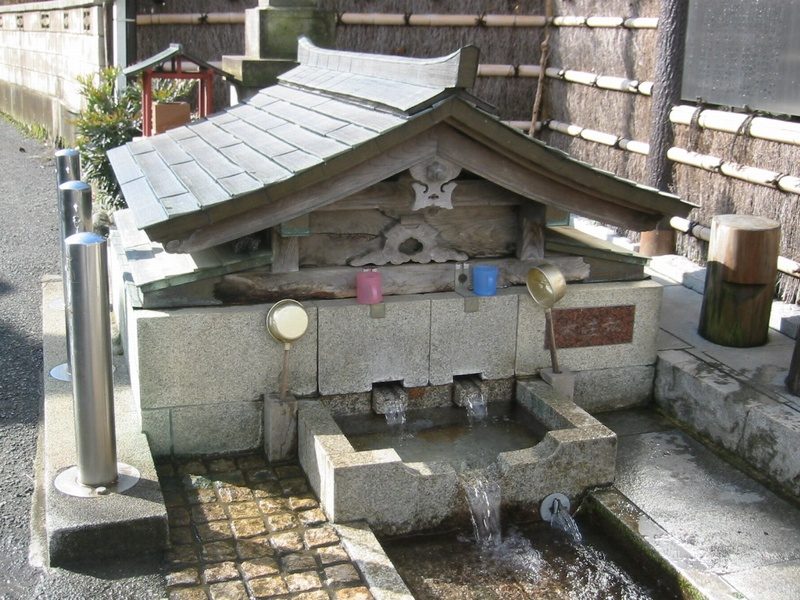
Hadano water ranked first nationwide for taste in the Selected 100 Famous Waters poll; spring hiking is popular.
Ryokusui-an
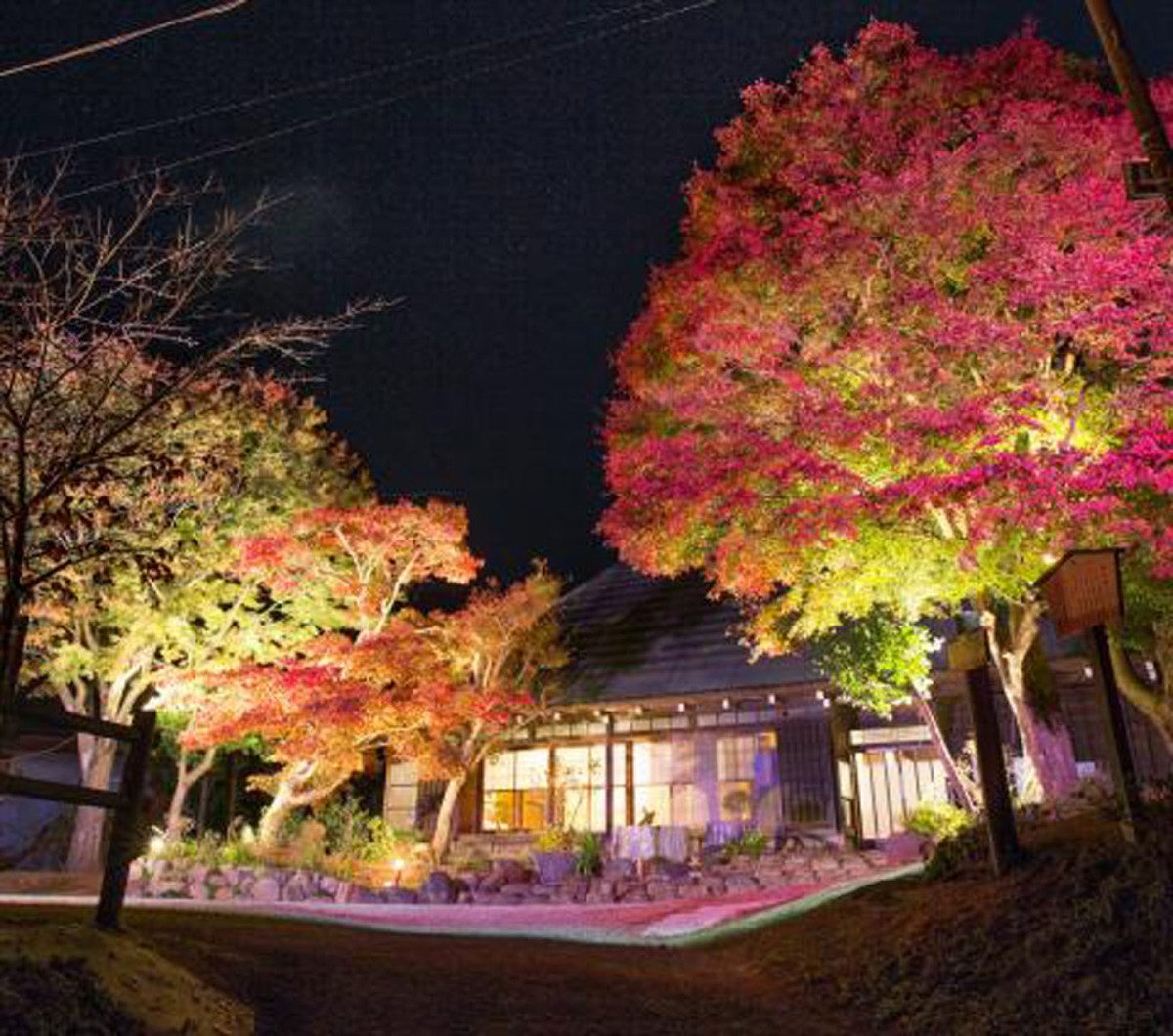
Early Showa tobacco farmhouse relocated to Hadano and registered as a national tangible cultural property.
Mount Karasuoyama
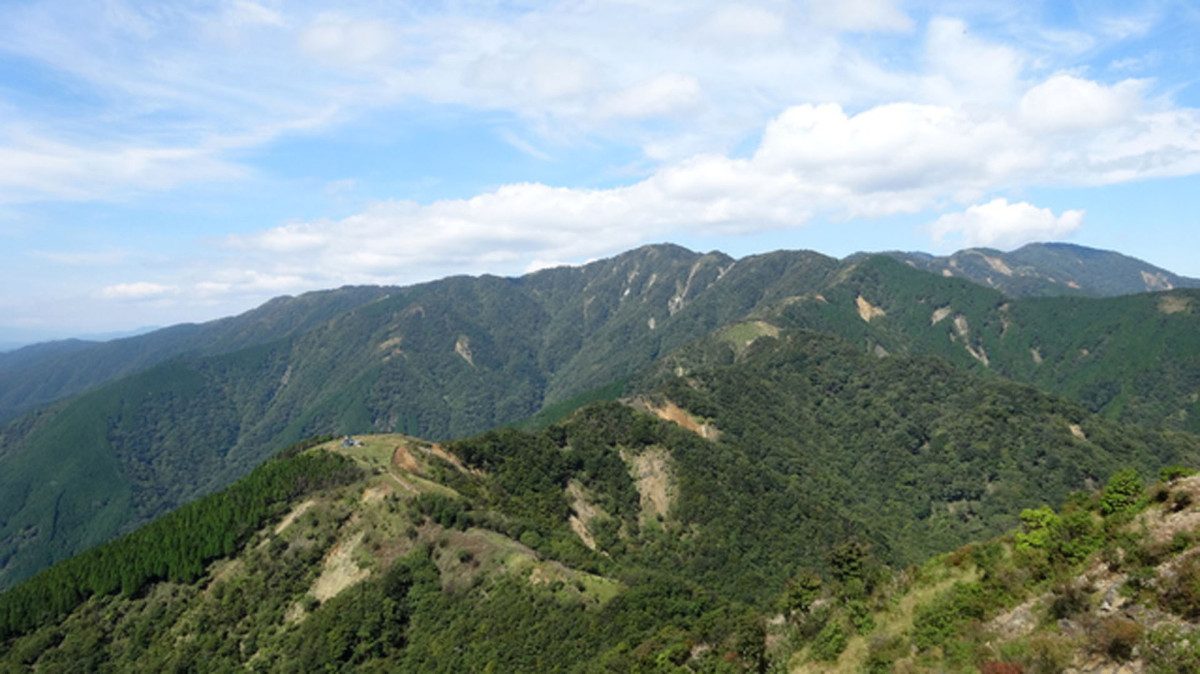
Overlook Hadano City beyond the Sannoto ridge and enjoy the Omoteone range, including Sannoto and Tonodake.
Lake Shinsei
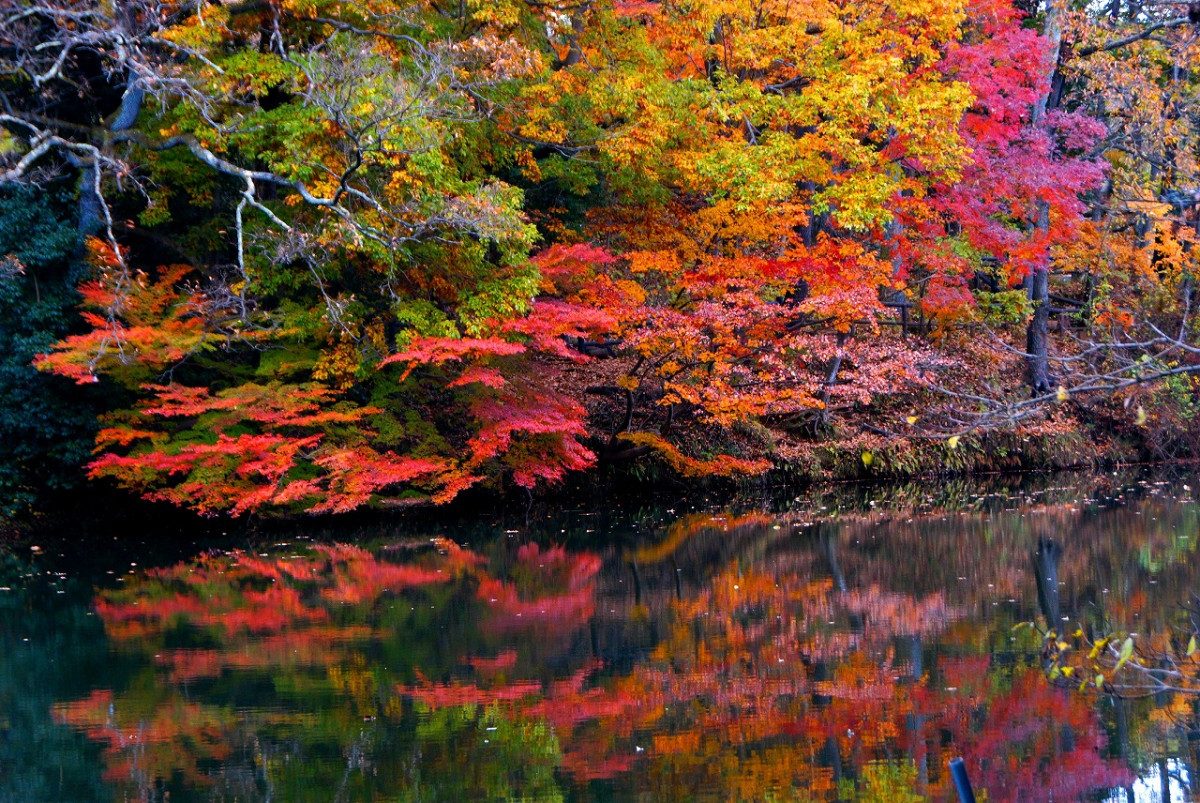
Lake formed when the 1923 earthquake dammed Ichikizawa; a national registered monument since 2021.
Entsu-ji Temple
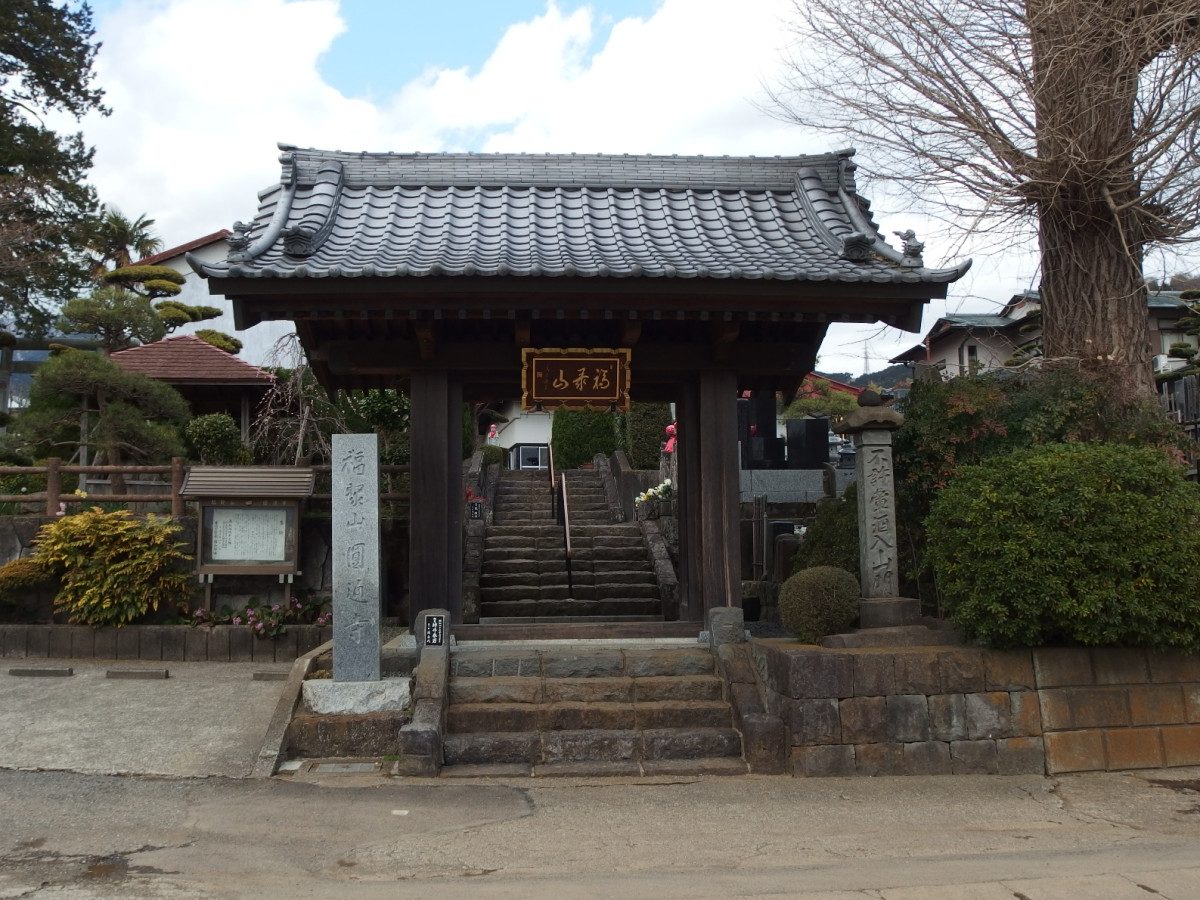
Hadano temple with a city-designated important cultural property, a wooden Eleven-Faced Kannon.
Kokuryu Falls
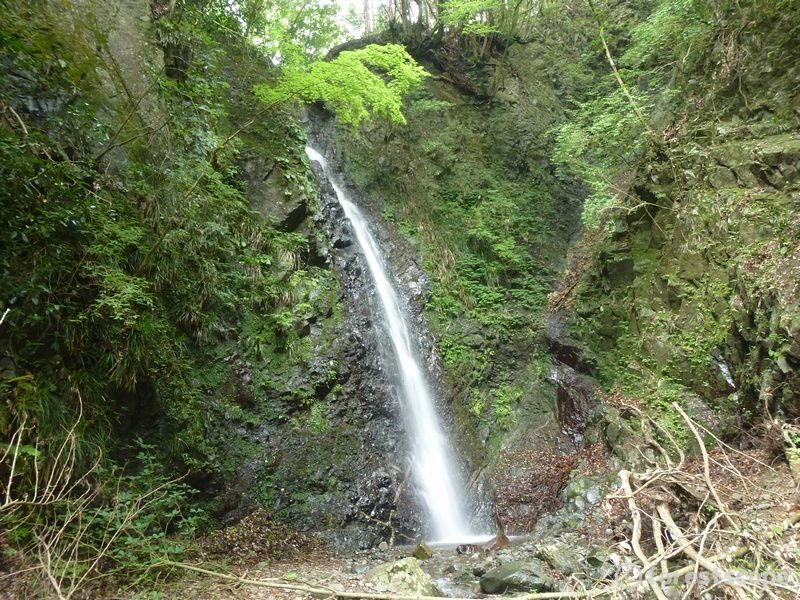
15 m waterfall that never dries, cool even in summer. Name likely comes from a nearby prayer master's hermitage.
Sakuradote Kofun Park
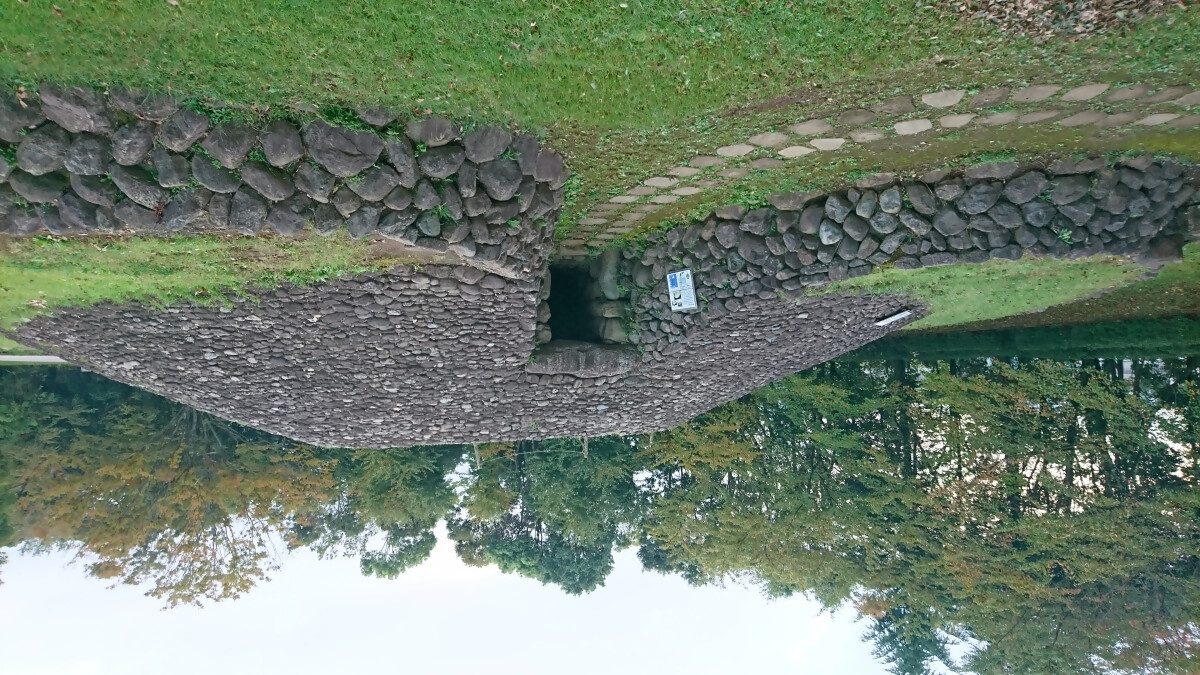
By Hadano's Mizunashi River, 35 late-7th-century circular mounds were excavated and six preserved, among the prefecture's largest groups.
Jotoku-in Iris Garden
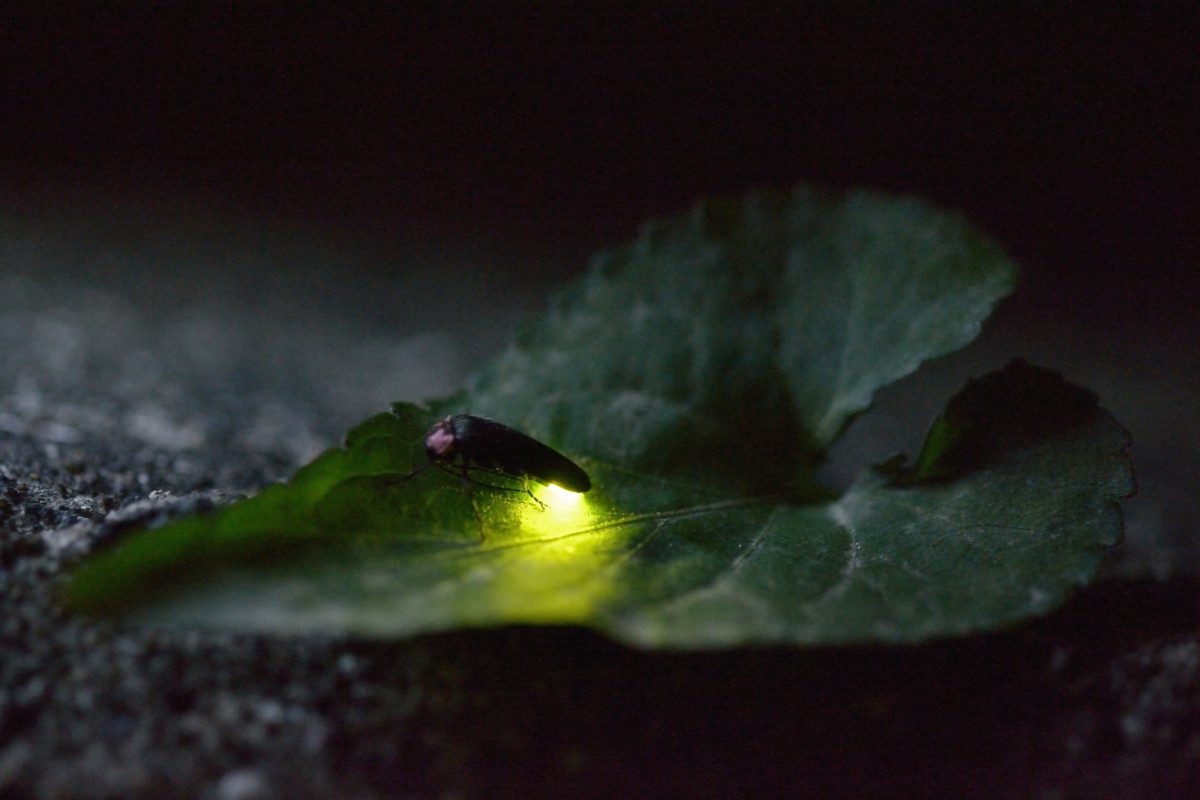
Early June to early July, naturally occurring Genji and Heike fireflies sometimes fly at night, evoking a paradise.
Imaizumi Firefly Park
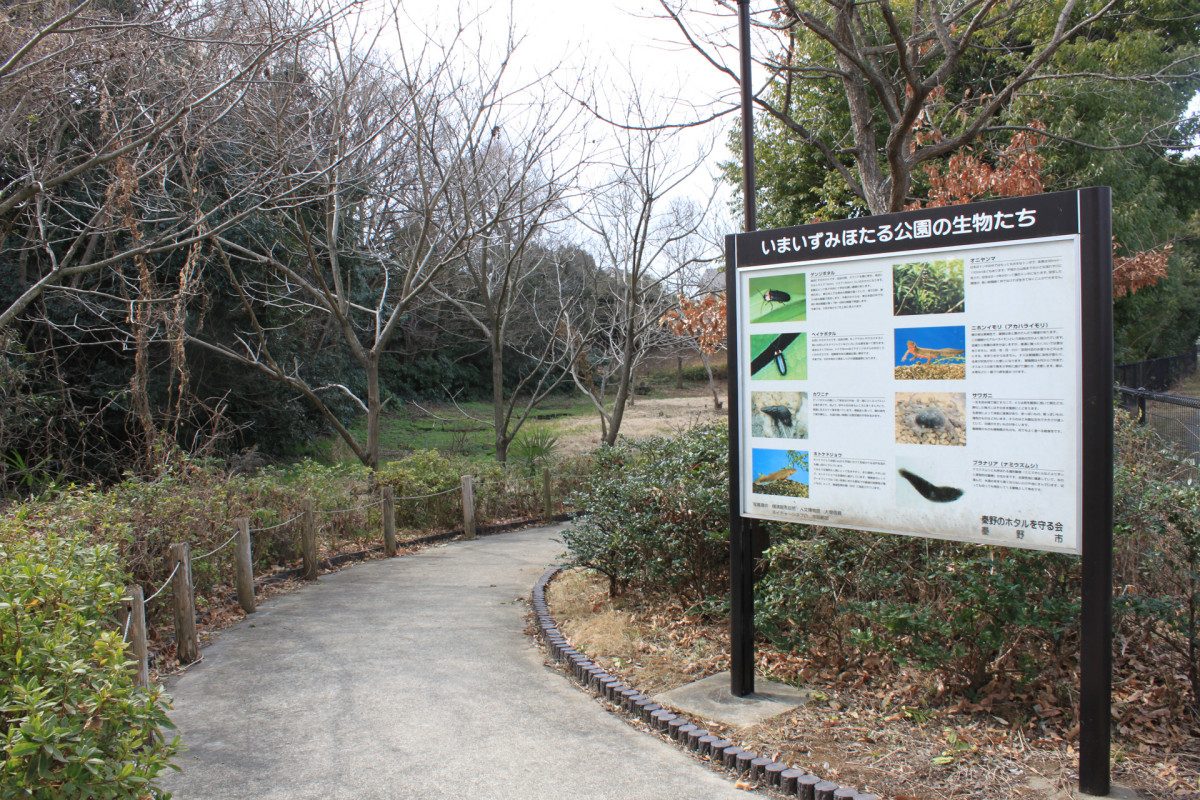
Green park near Hadano Station with Mukaihara spring stream, protected as a firefly habitat by volunteers.
Nakogi Terraced Rice Fields
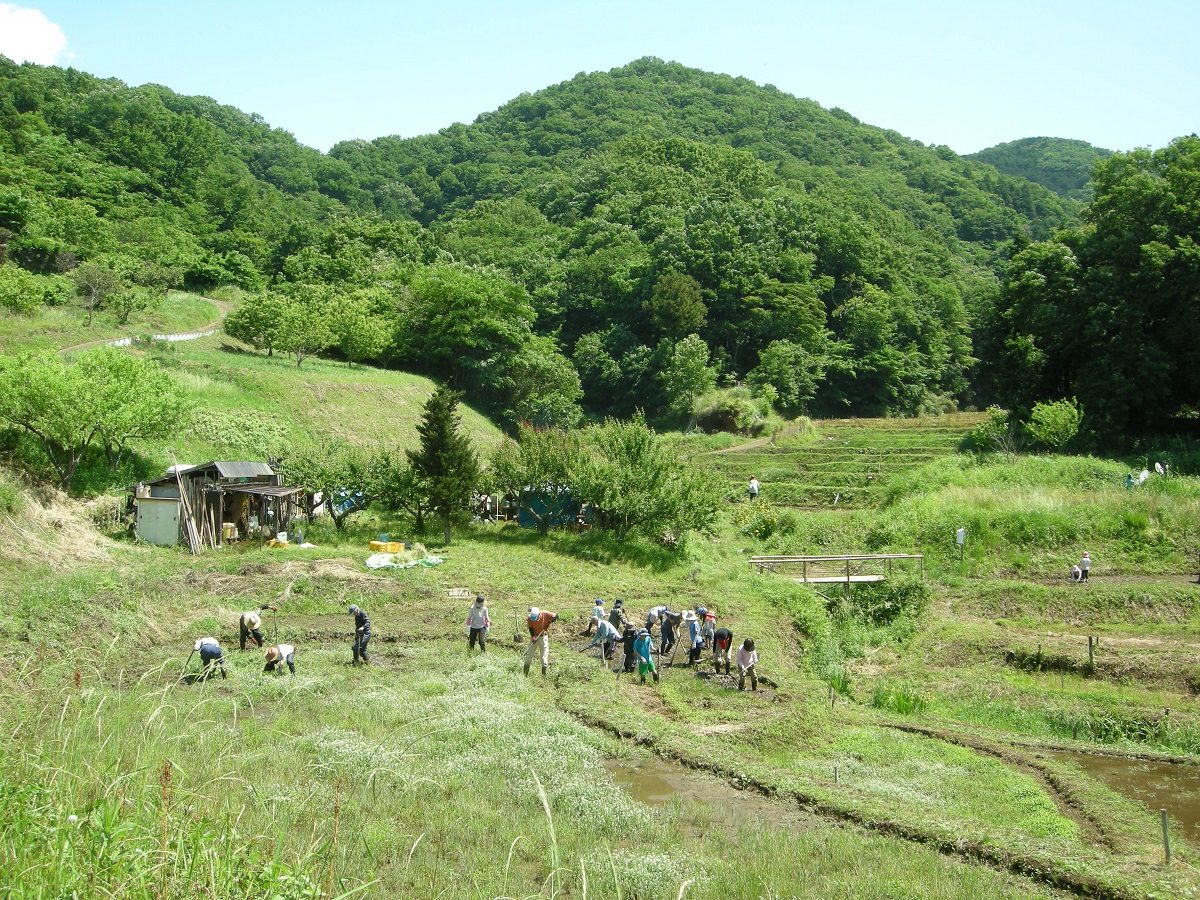
Selected as excellent terraced rice fields. Farmers and an NPO conserve them and offer farming exchanges, preserving biodiverse rural scenery.
Imaizumi Meisui Sakura Park
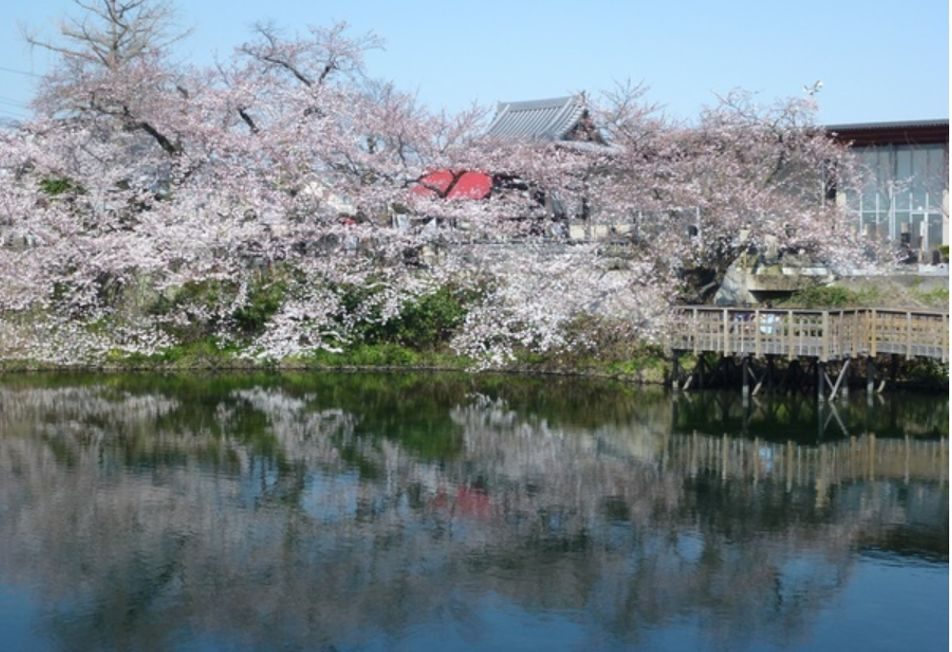
Built in 2005 to mark 50 years since Hadano became a city. Cherry-blossom and famous-water park for local rest.
Maimai Spring
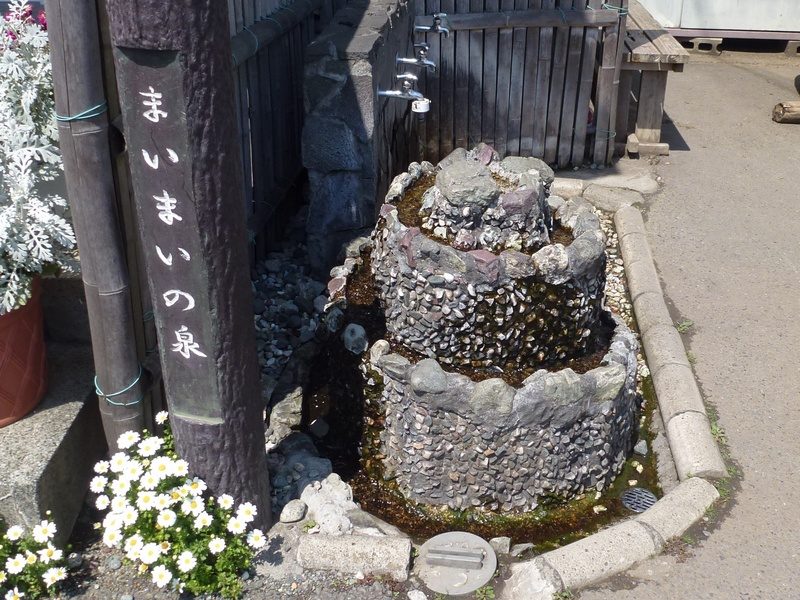
Named after an ancient maimaizu well. Groundwater quality improved, so water now flows artesian from 20 meters down.
Nanohana-dai
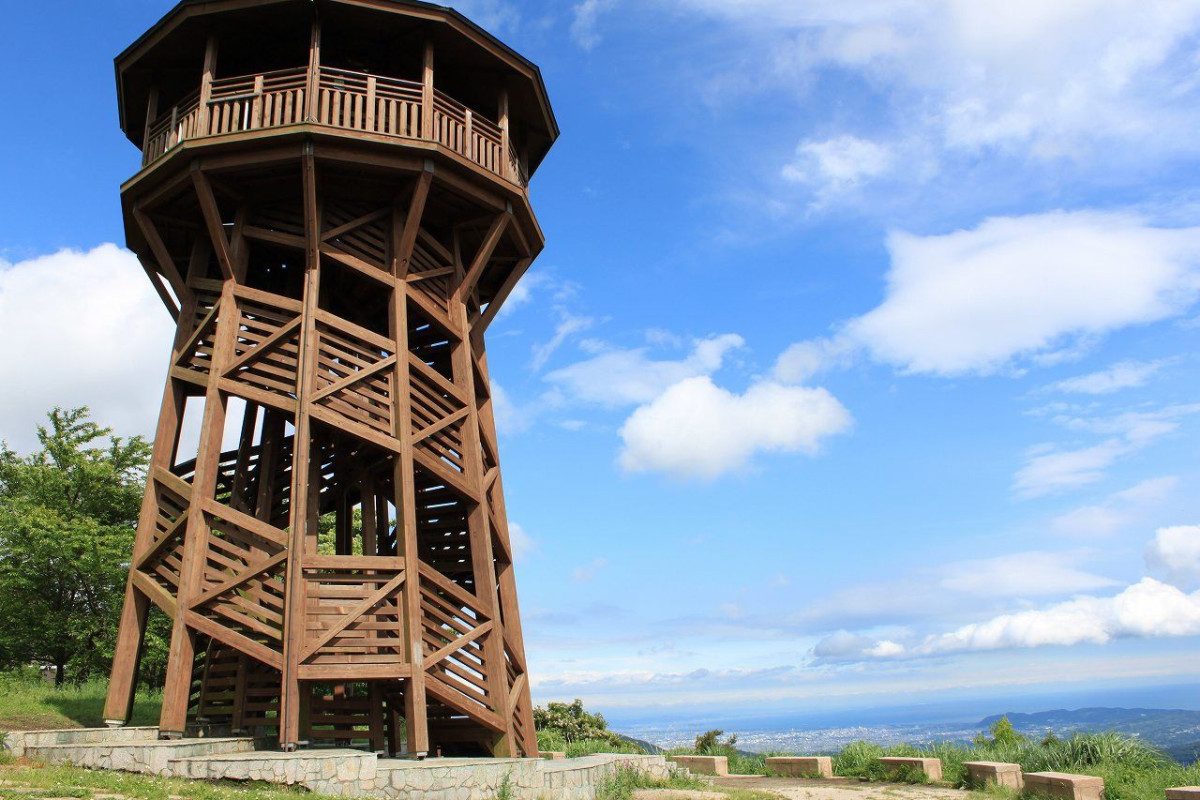
Clear days give 360-degree views from Boso to Fuji, including Enoshima, Izu, and Hakone. Narrow passes have tight curves.
Tsurumaki Hydrangea Walking Path
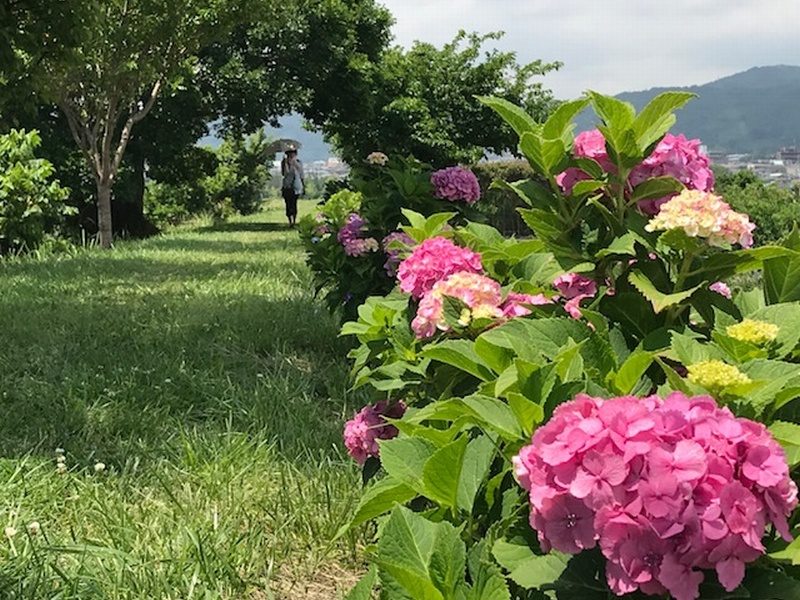
A hydrangea path 20 minutes on foot from Tsurumaki Onsen Station. Rainy-season blooms stand out vividly against green fields.
Ryujin Spring
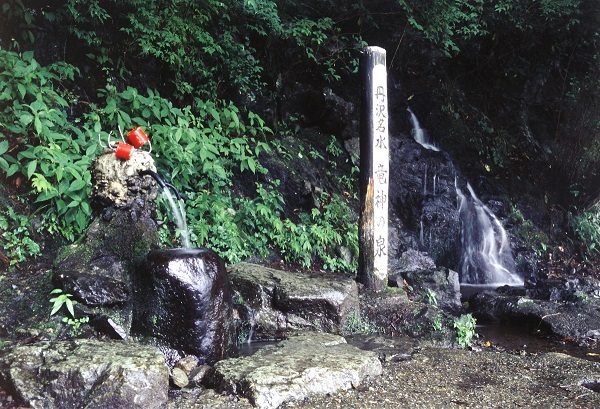
Upper Mizunashi River spring. A dragon-shaped rock is said to house the dragon god, where ascetics and hunters rested.
Shirasasa Inari Shrine
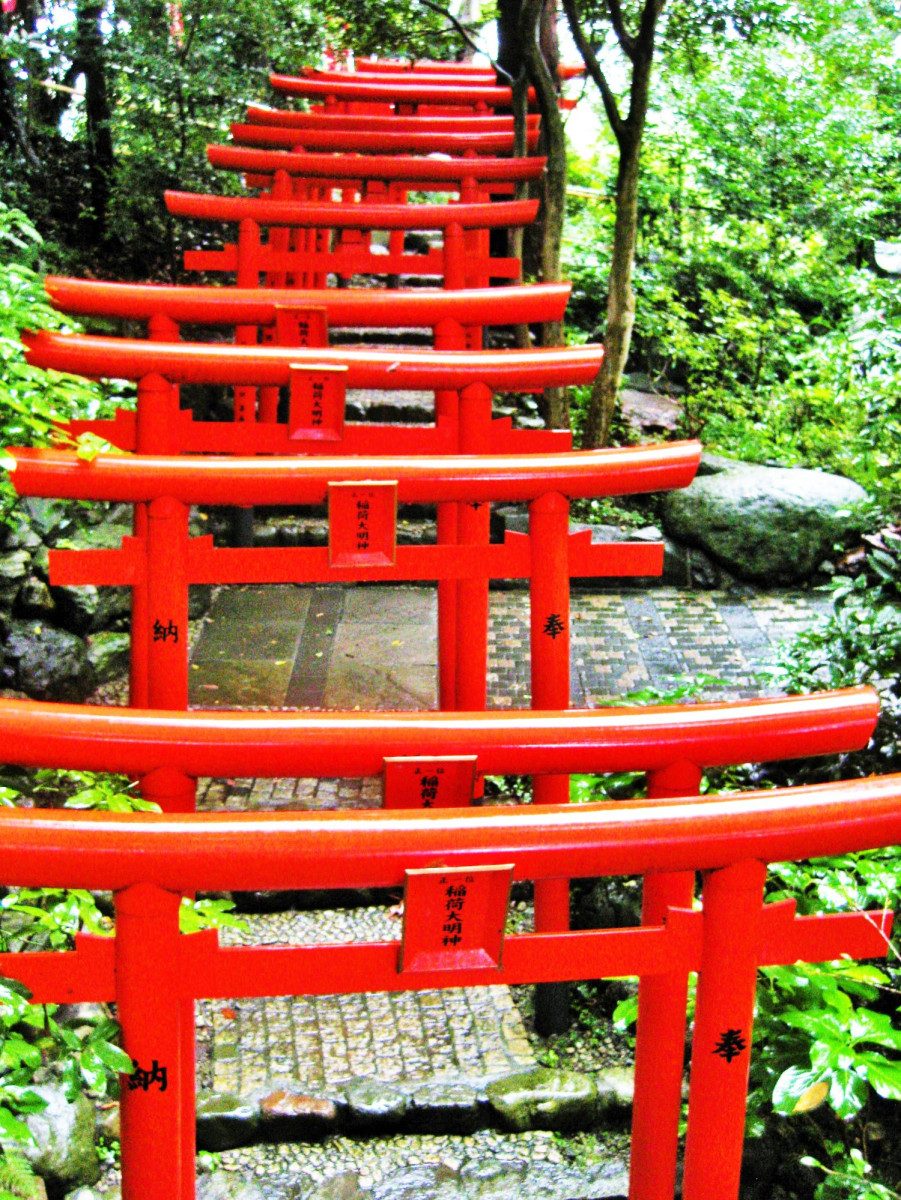
Said to be one of Kanto's three great Inari shrines. Ikkanida Spring, Hikarimo pond, free ceiling viewing, antique markets.
Hadano Cherry Blossom Road
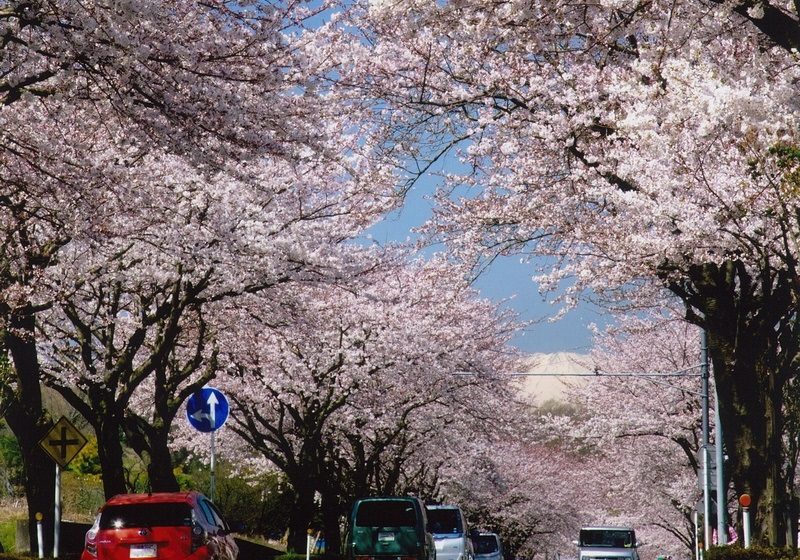
About 6.2 km of cherry trees from Nishi-Otake to Horiyamashita, Kanagawa's longest, forming beautiful arches each spring.
Dainichi-do
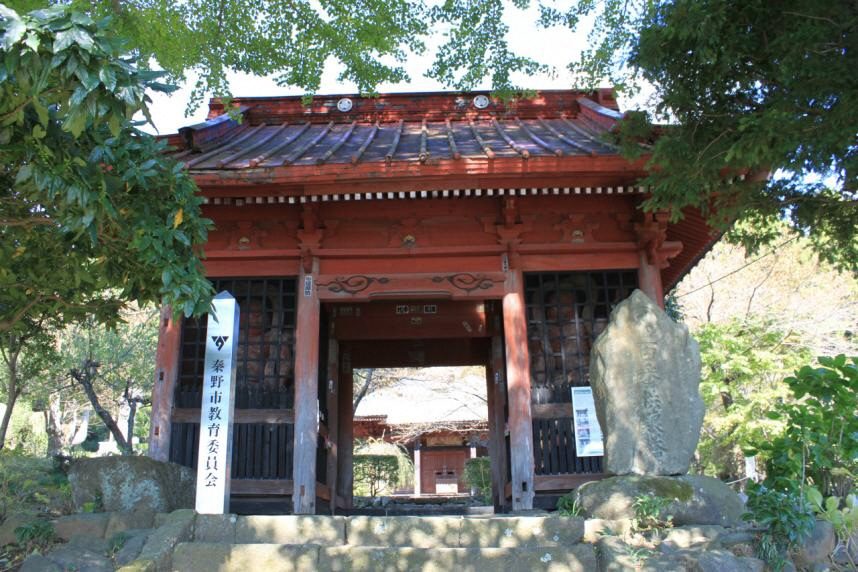
Said to have been founded in 742 by Gyoki. Its 175 cm Dainichi Nyorai is a prefectural Important Cultural Property.
Shungoku Spring
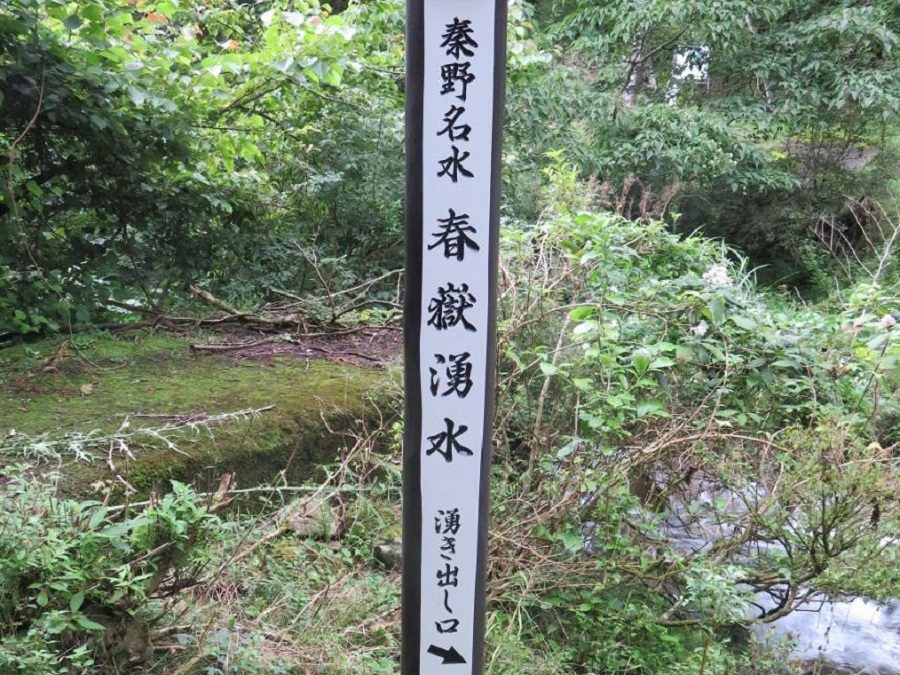
About 30 minutes uphill from Minoge bus stop along Kaname River. Soft, low-hardness spring also used as a water source.
Higeso Falls
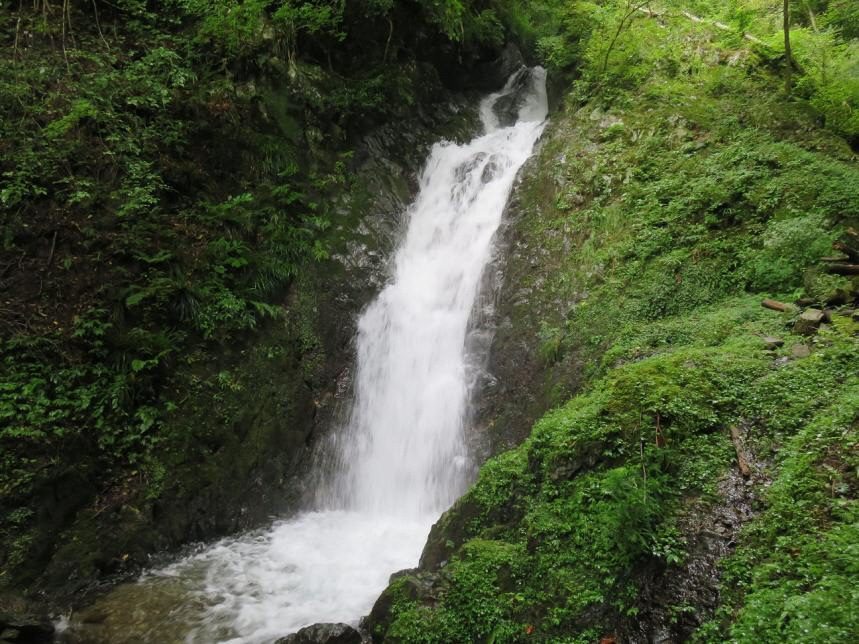
Named for monk Shungoku, who had a chest-length beard and trained here. Mixed woods surround the mystical falls.
Minoge Nature Observation Forest
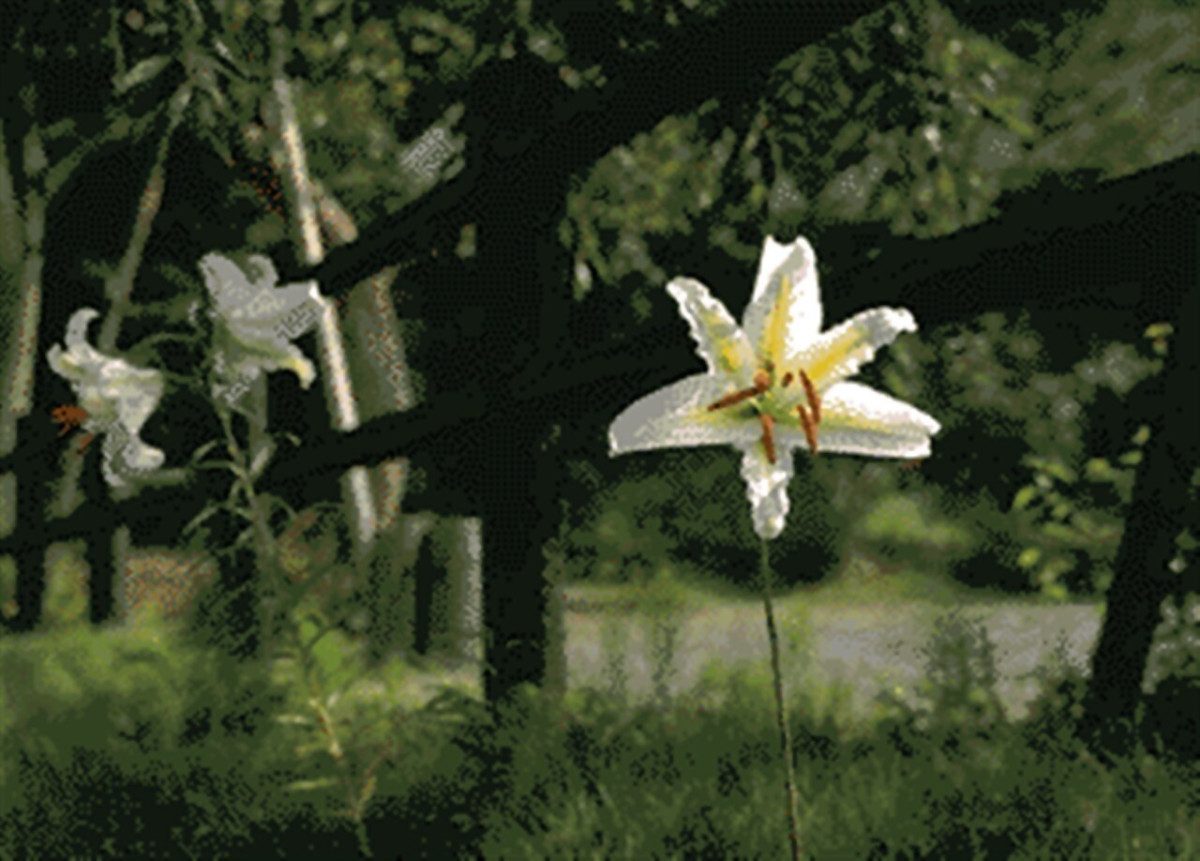
Deciduous oak forest offering spring greenery, autumn foliage, winter bare trees, birds, and animals.
Hadano Ukiyo-e Gallery
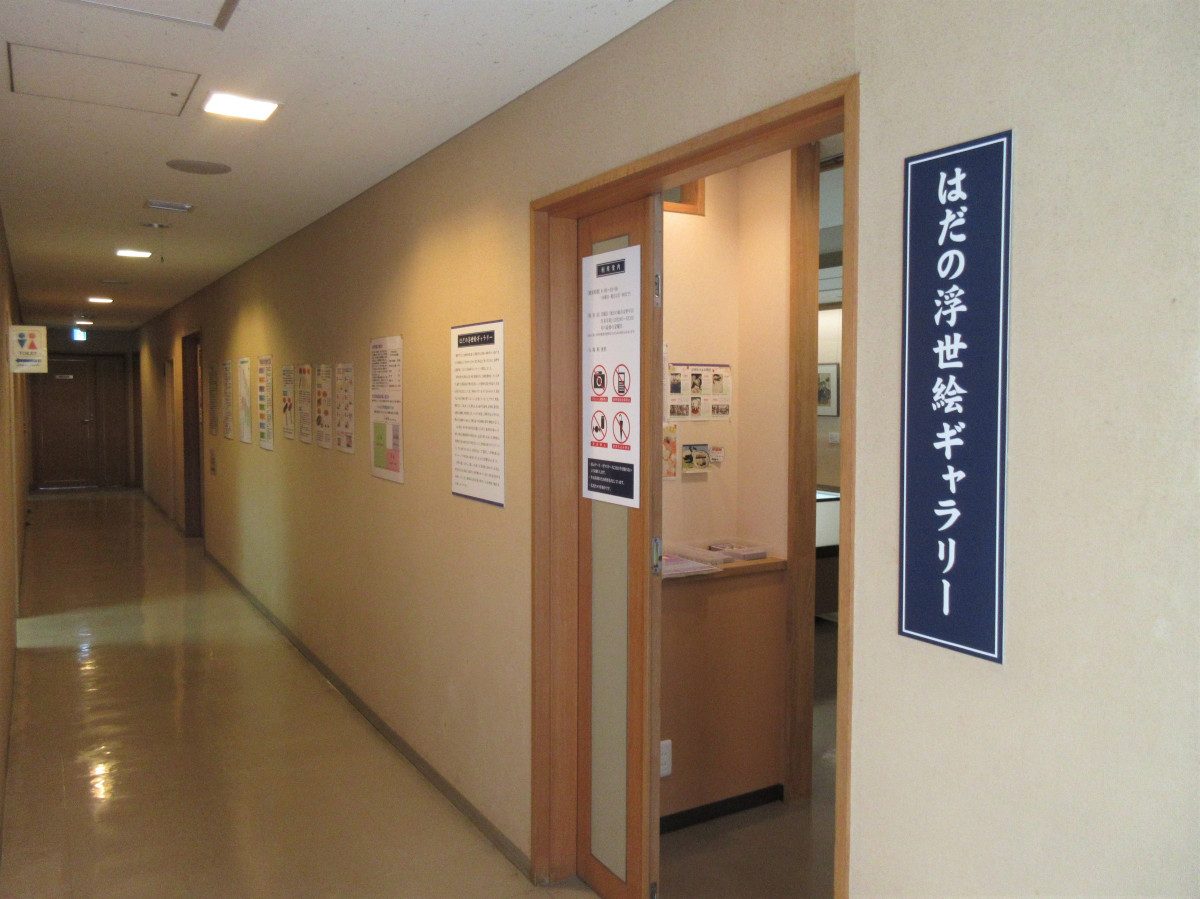
Gallery in Hadano City Library showing about 1,900 ukiyo-e donated in 1998 by collector Otsu Maruko.
Hadano Municipal Miyanaga Takehiko Memorial Art Museum

Displays Miyanaga Takehiko's diverse works, changing exhibitions about every six months.