 BokenJapan
Japan / Kanagawa / Hakone / See
Sights in Hakone, Kanagawa
Hakone · Kanagawa · 53 places
See
Sengokuhara Pampas Grassland
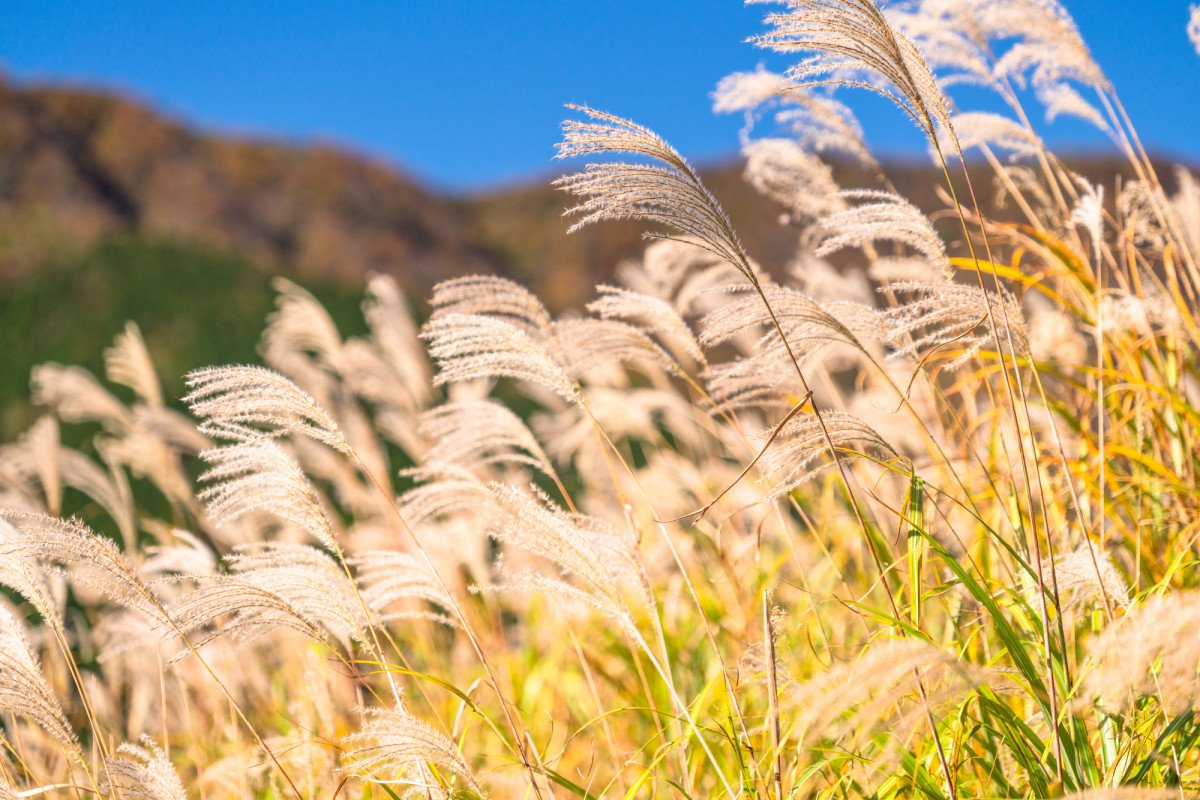
Vast pampas grass on Mount Daigatake is green in spring and golden in autumn; one of Kanagawa's 50 scenic spots.
Owakudani Park
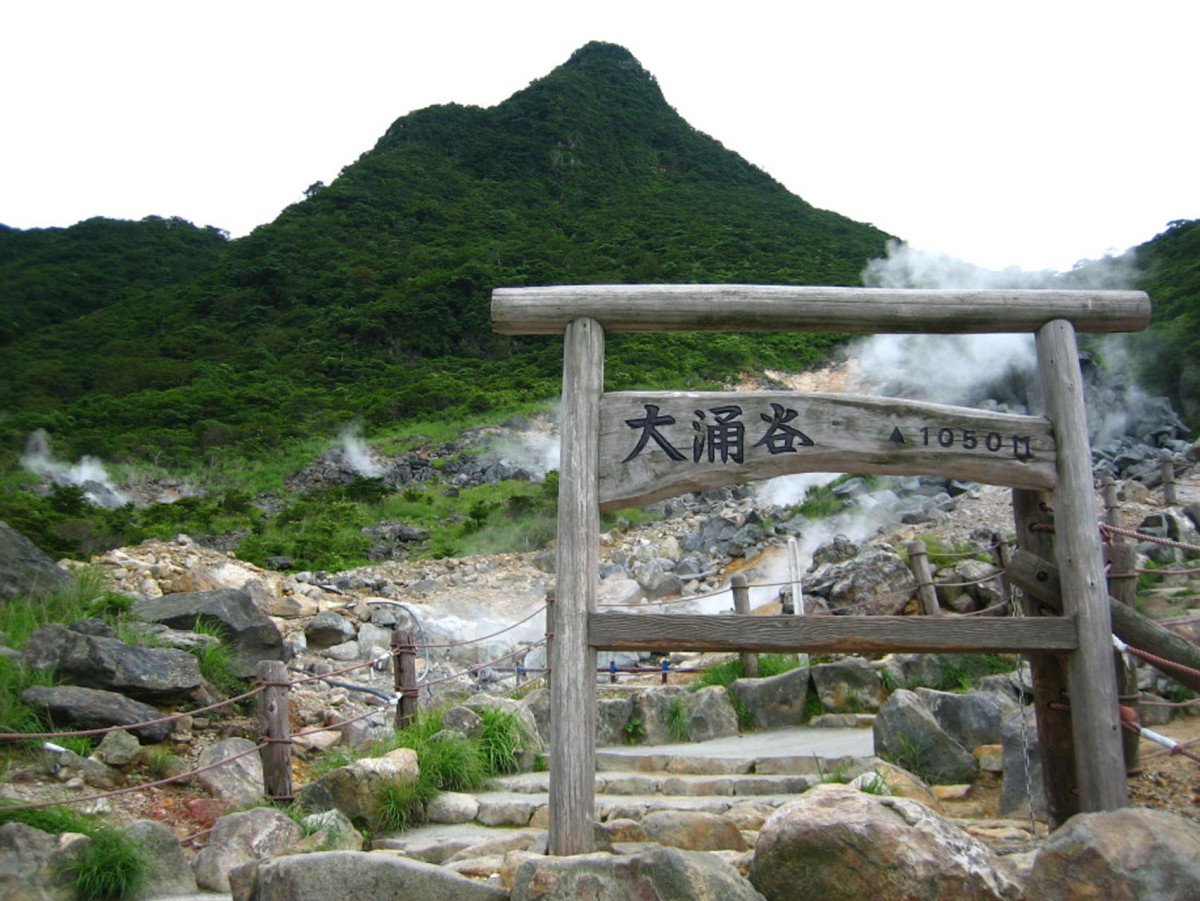
Sulfurous volcanic valley of white smoke and dead trees, once called Hell Valley, reached by Hakone Ropeway.
Lake Ashi
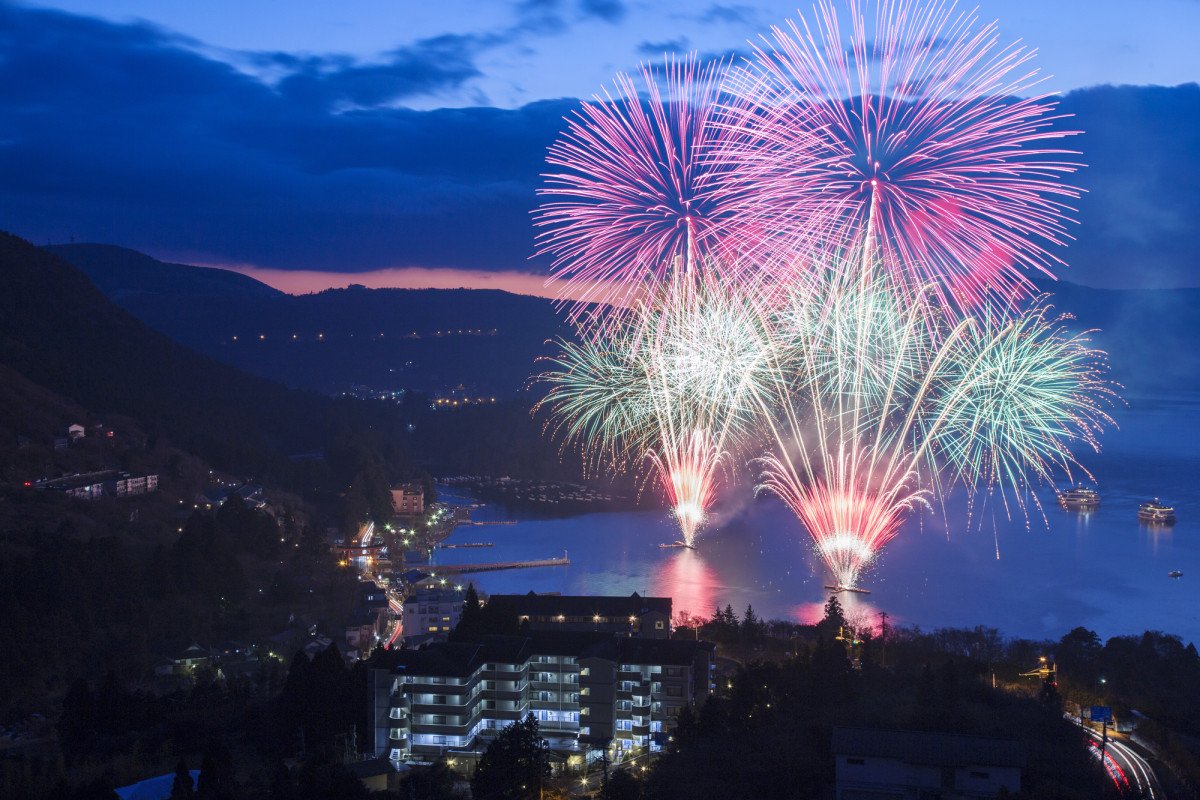
Hakone volcano caldera lake with pirate-ship cruises, possible reflected Fuji, and summer festival fireworks.
Hakone Shrine and Kuzuryu Shrine
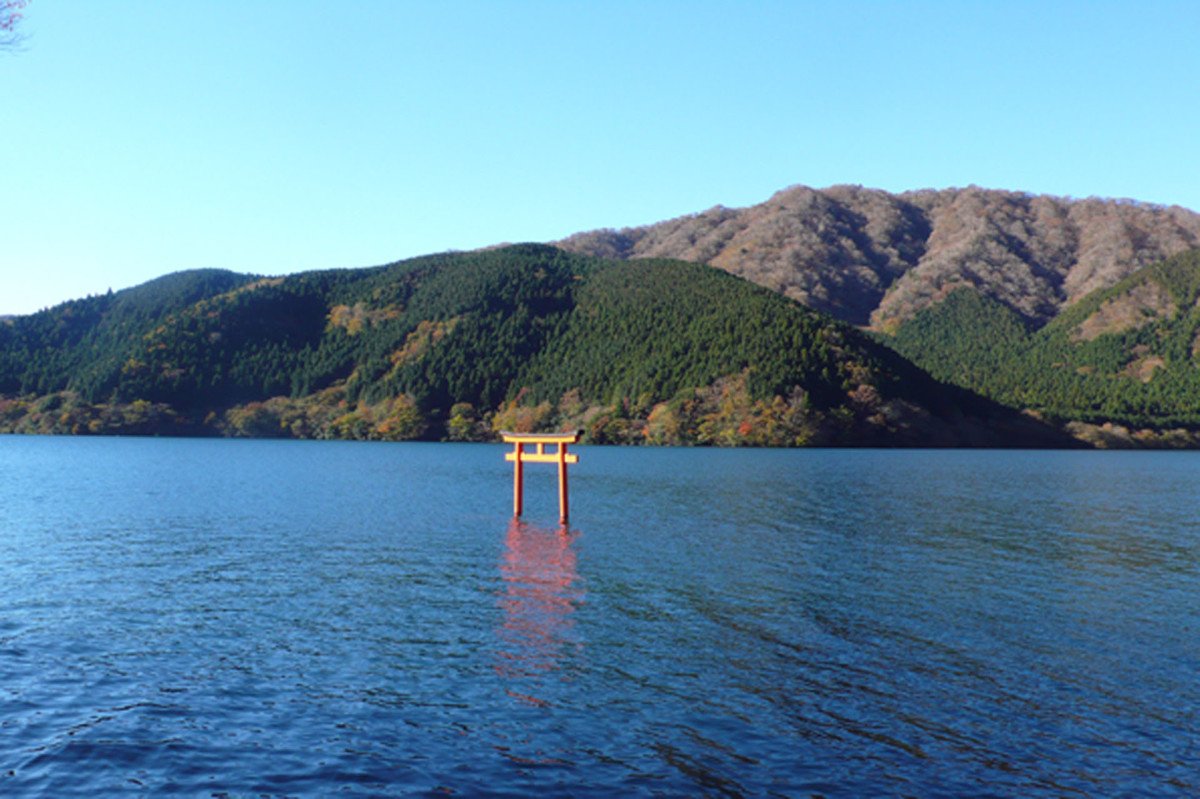
Founded in 757 by imperial order and revered by Yoritomo and Ieyasu. Kuzuryu Shrine honors Lake Ashi's guardian deity.
Hakone Gora Park
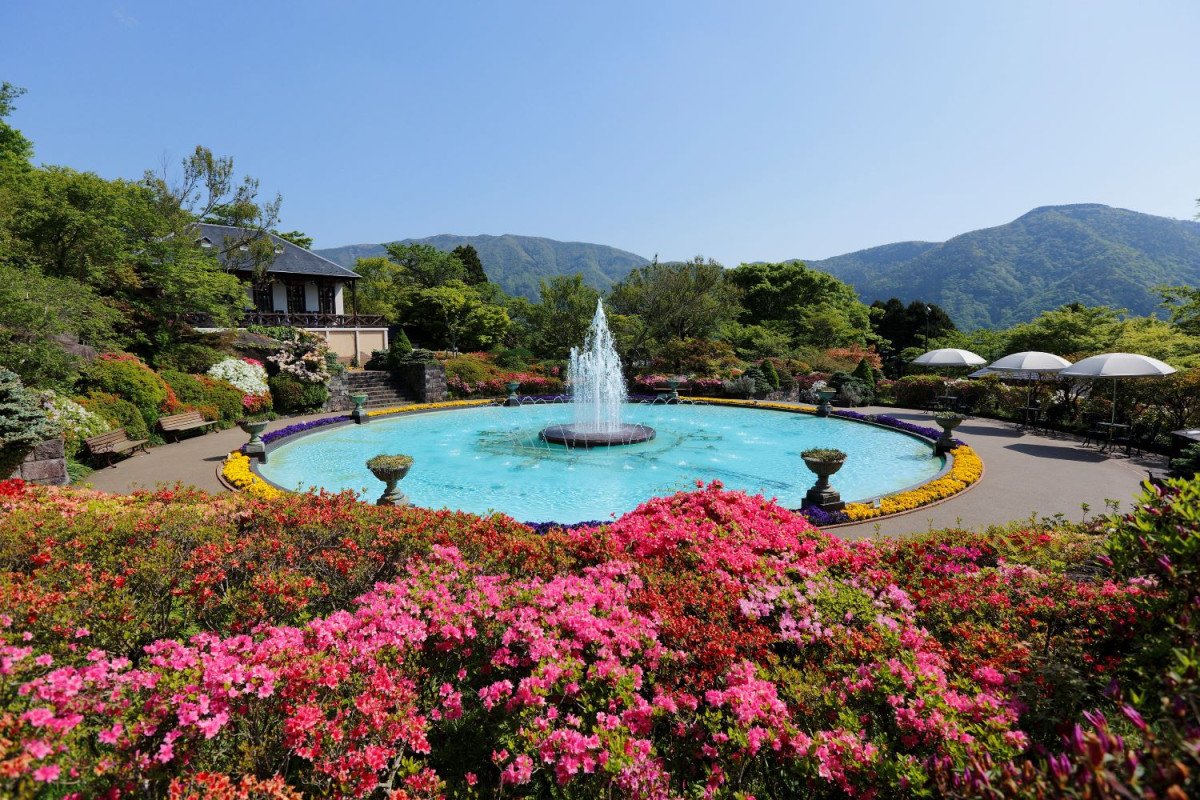
Japan's first French-style formal garden, over 110 years old, with symmetrical fountains, seasonal flowers, and roses.
Hakone Open-Air Museum
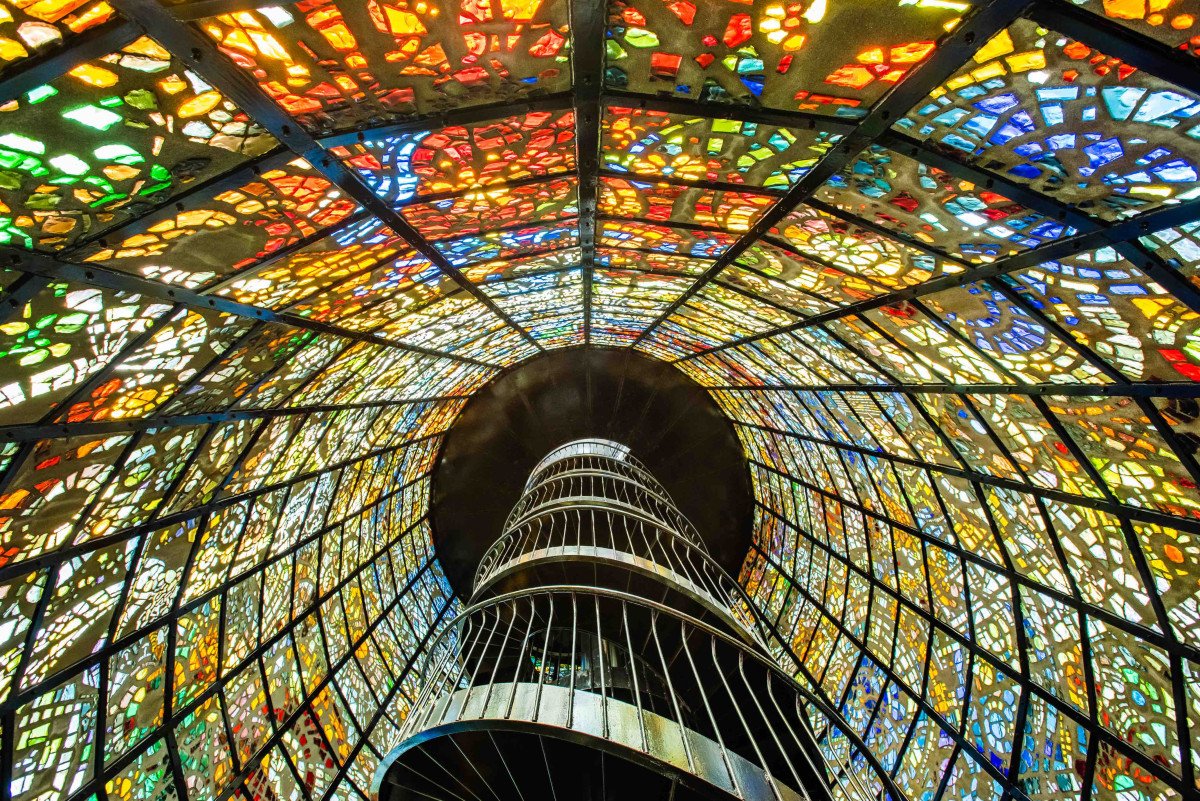
Open-air museum showing about 120 masterpieces by modern and contemporary sculptors against Hakone mountains.
Hakone-en Aquarium
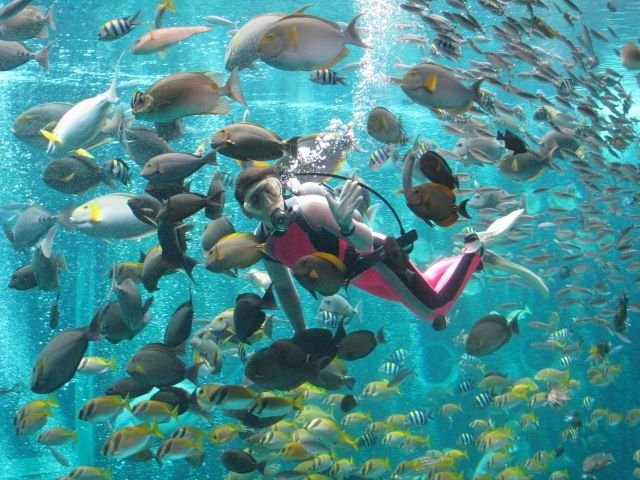
Forest aquarium with saltwater and freshwater halls, a 1,255-ton seawater tank, otters, penguins, and Baikal seals.
Hakone Glass Forest Museum
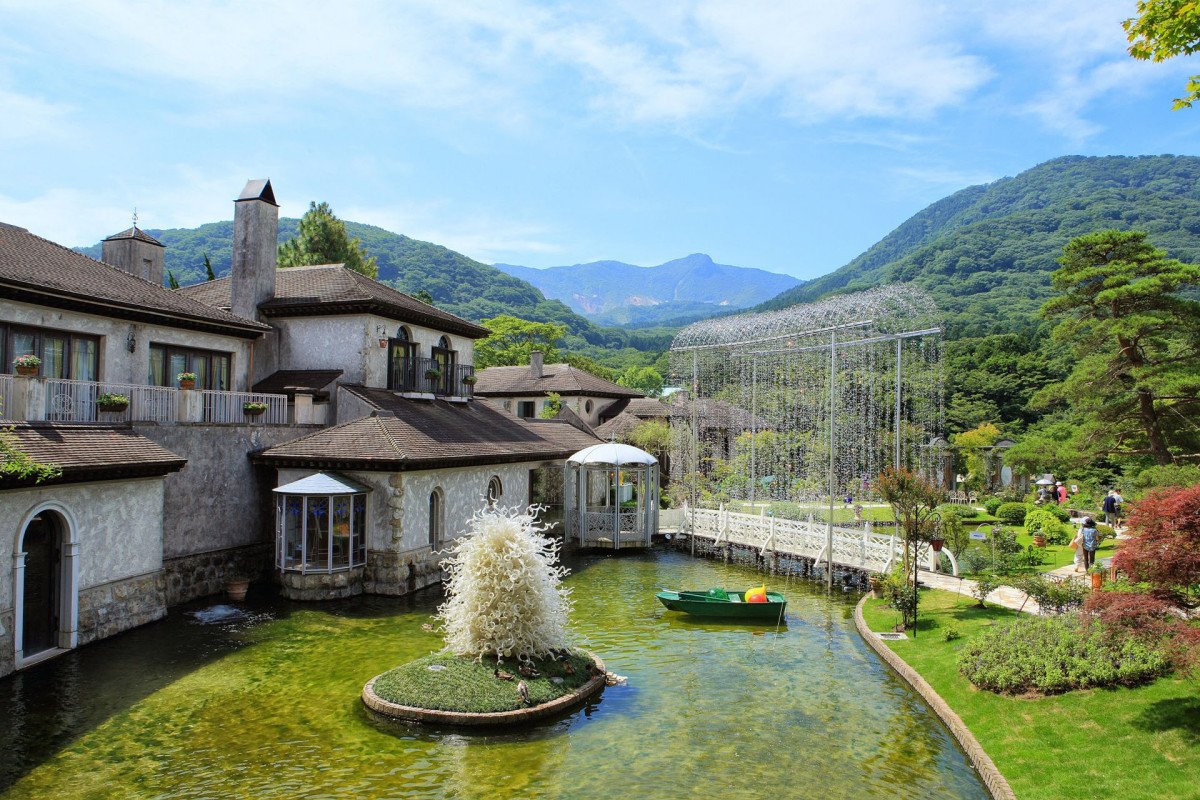
Displays Venetian glass that captivated Renaissance European royalty, plus Italian dining and an imported glass shop.
Hakone Shrine
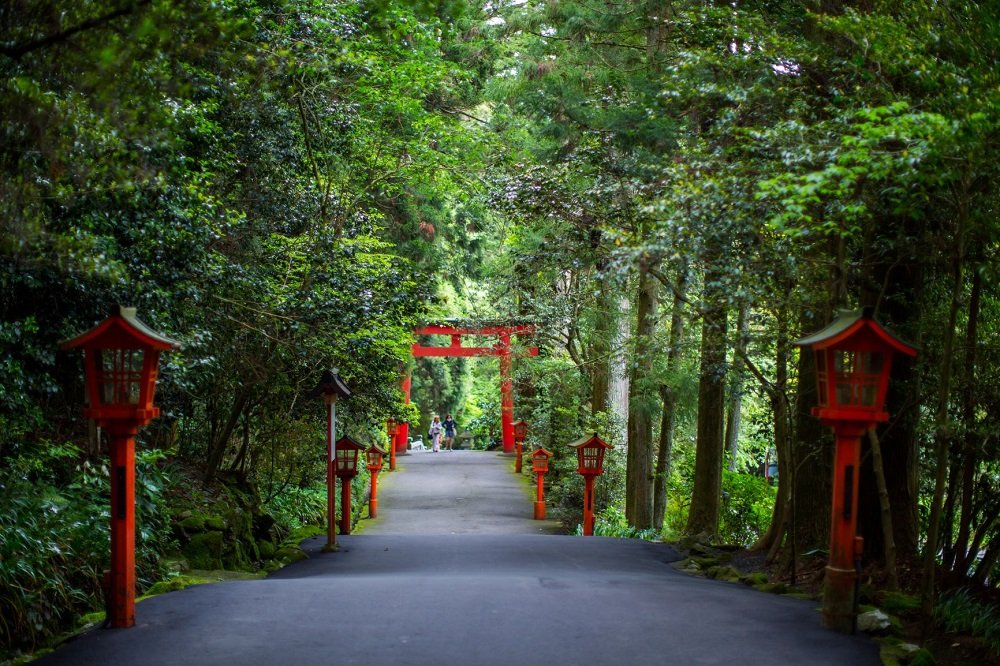
Shrine founded in 757 beside Lake Ashi, revered by samurai for luck, wish fulfillment, and traffic safety.
Hakone Museum of Art
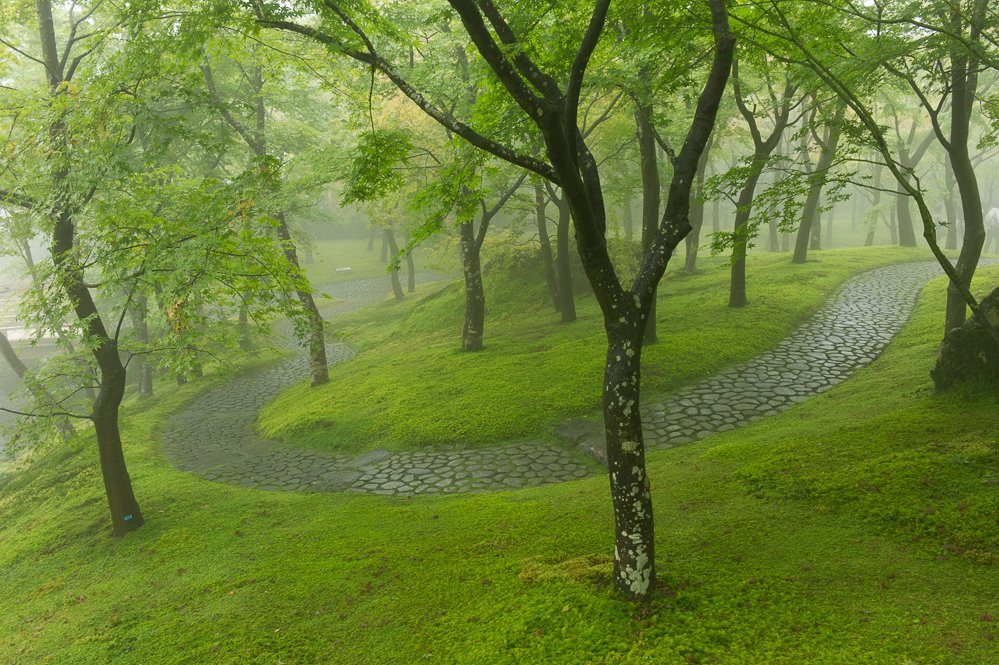
Oldest Hakone museum, opened 1952 in Gora. Japanese ceramics plus moss, maple, and rock gardens, a national scenic site.
Hakone Karakuri Museum
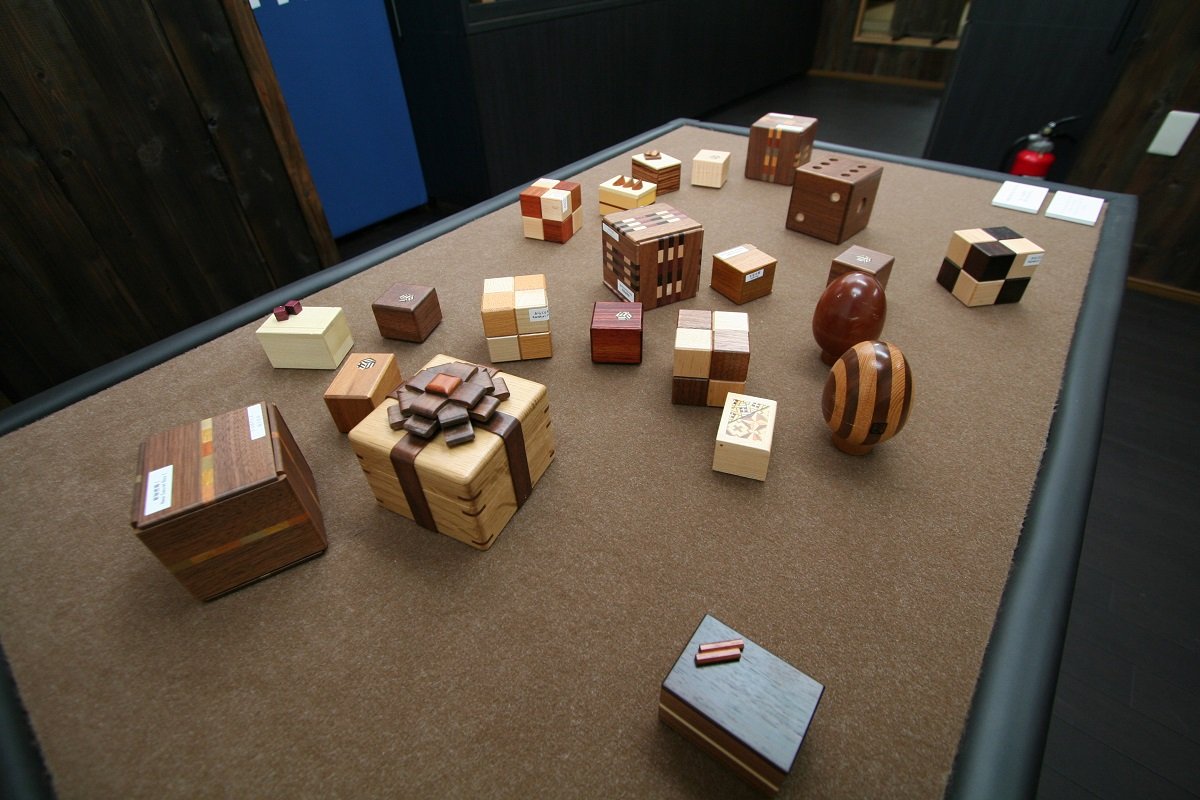
Museum of Hakone yosegi works by master craftsmen. Visitors can touch trick pieces and make boxes, coasters, or banks.
Hakone Lalique Museum
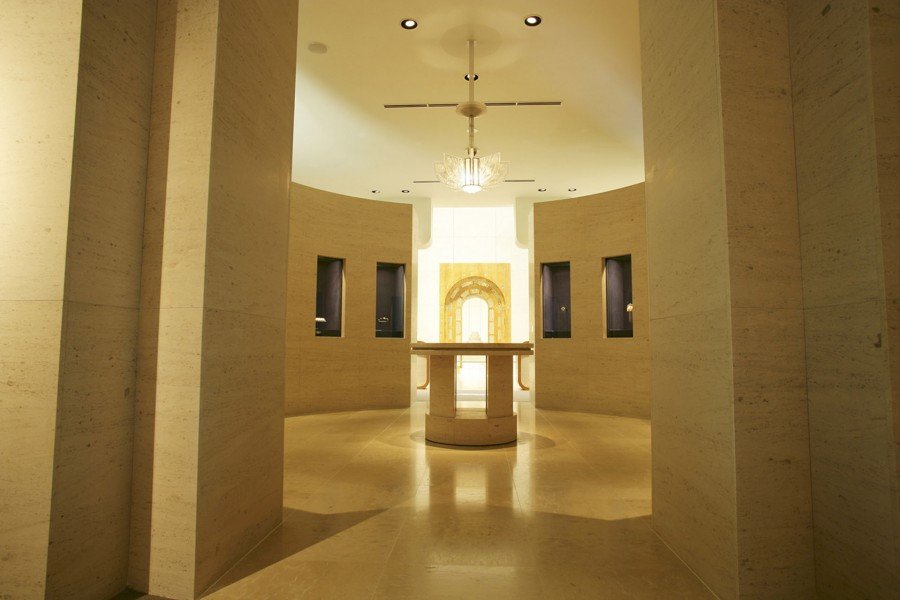
Sparkling jewelry and glass works by French craftsman Rene Lalique, spanning his lifetime.
Pola Museum of Art
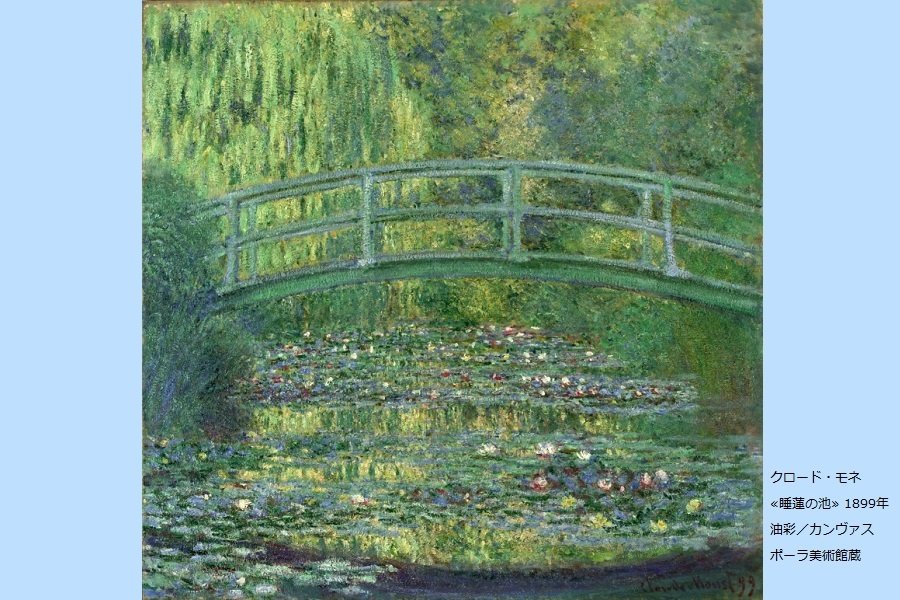
Opened 2002 in Hakone. Impressionist to 20th-century Western paintings and contemporary art; seasonal forest trails.
Pola Museum of Art: A New Eye - Monet and 21st Century Art
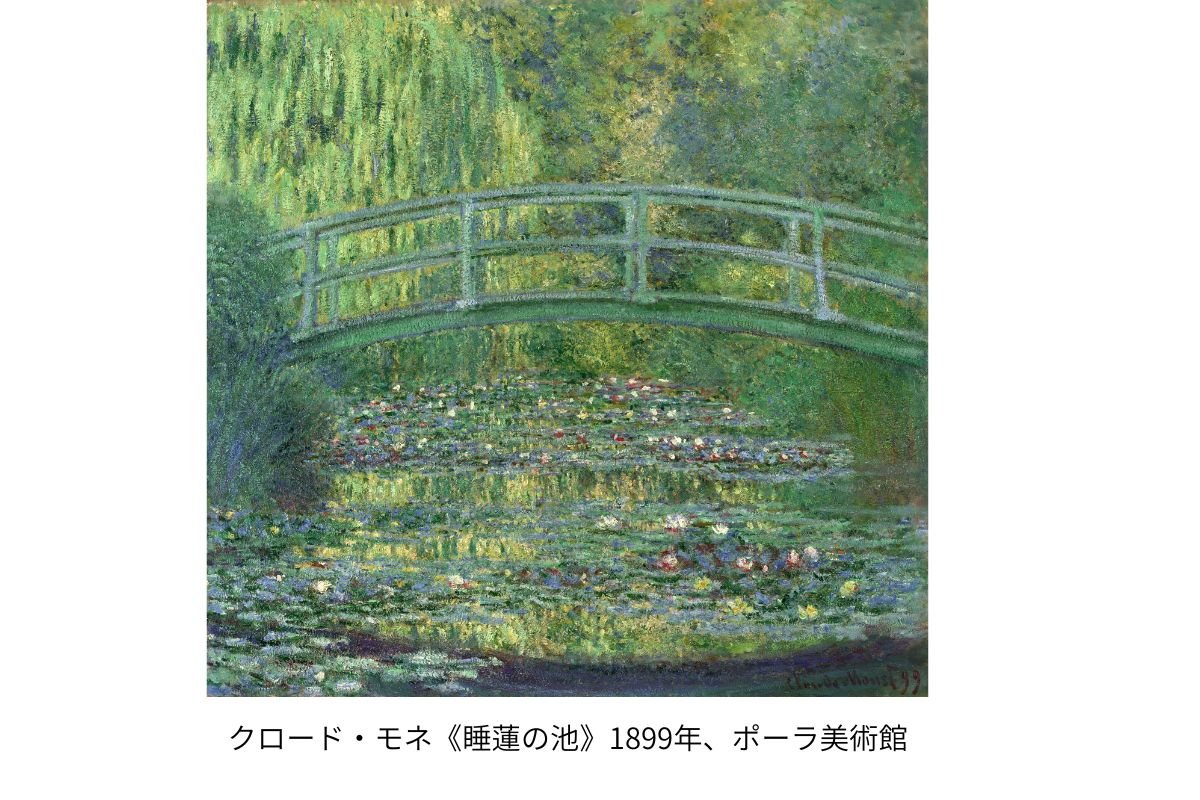
Exhibits all 19 Monet oils, Asia's largest collection, plus 18 contemporary artist groups, through April 2027.
Moto-Hakone Old Highway Cedar Avenue
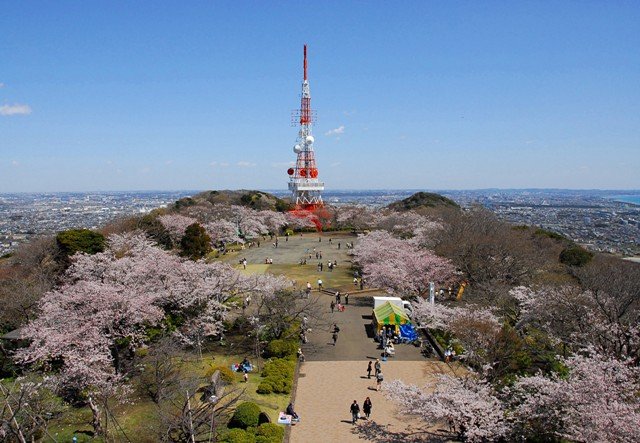
Said to be planted in 1618, cedars up to 350 years old line 500 meters of the old highway.
Hakone Checkpoint
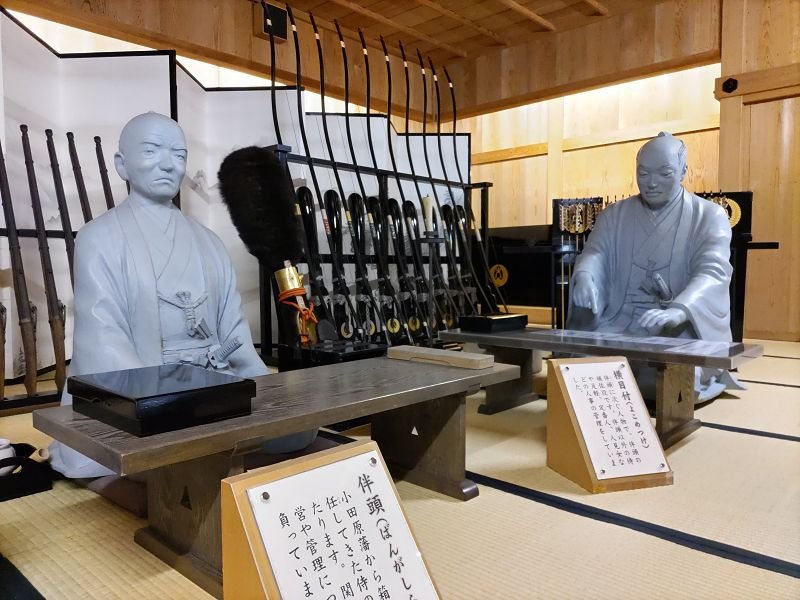
Edo-period checkpoint restored using period techniques from 1983 materials. Adjacent museum and Mount Fuji views from the lookout.
Hakone Botanical Garden of Wetlands
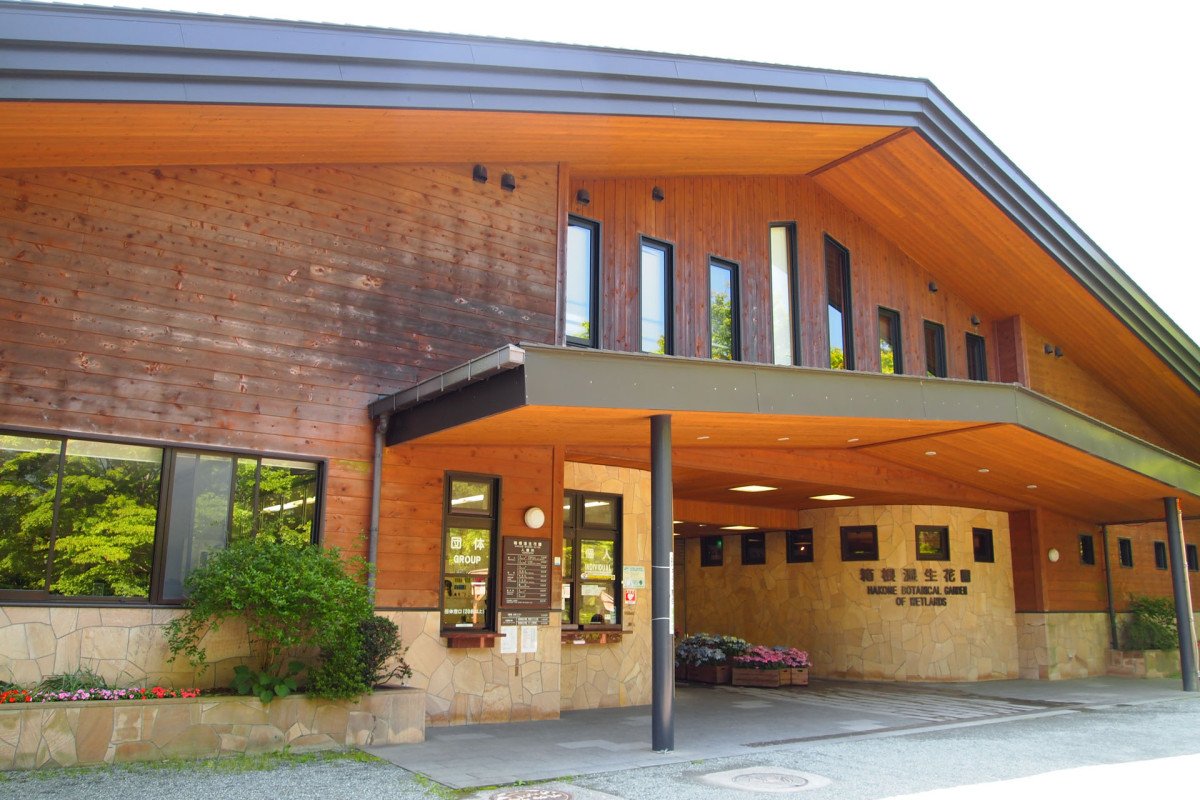
Japan's first wetland plant garden in Hakone Sengokuhara, with about 1,700 species blooming through the seasons.
Tsubaki Line (Tsubakidai)
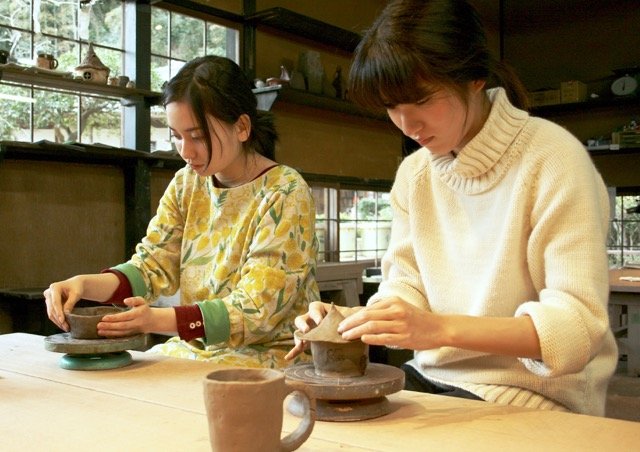
One of Kanagawa's 50 scenic spots, a hill on the camellia-lined Tsubaki Line, best February to April.
Mount Taikan
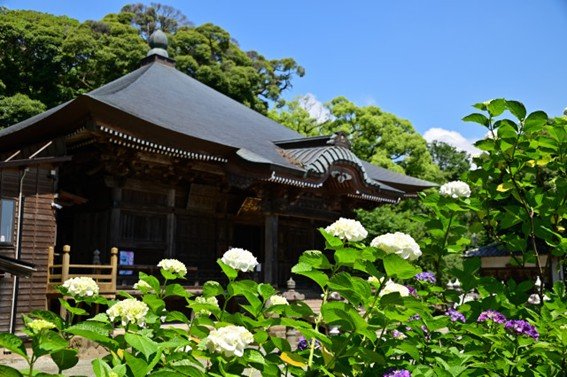
On the Yugawara-Hakone border, with views of Mount Fuji and Lake Ashi. Said to be named after Yokoyama Taikan.
cu-mo Hakone
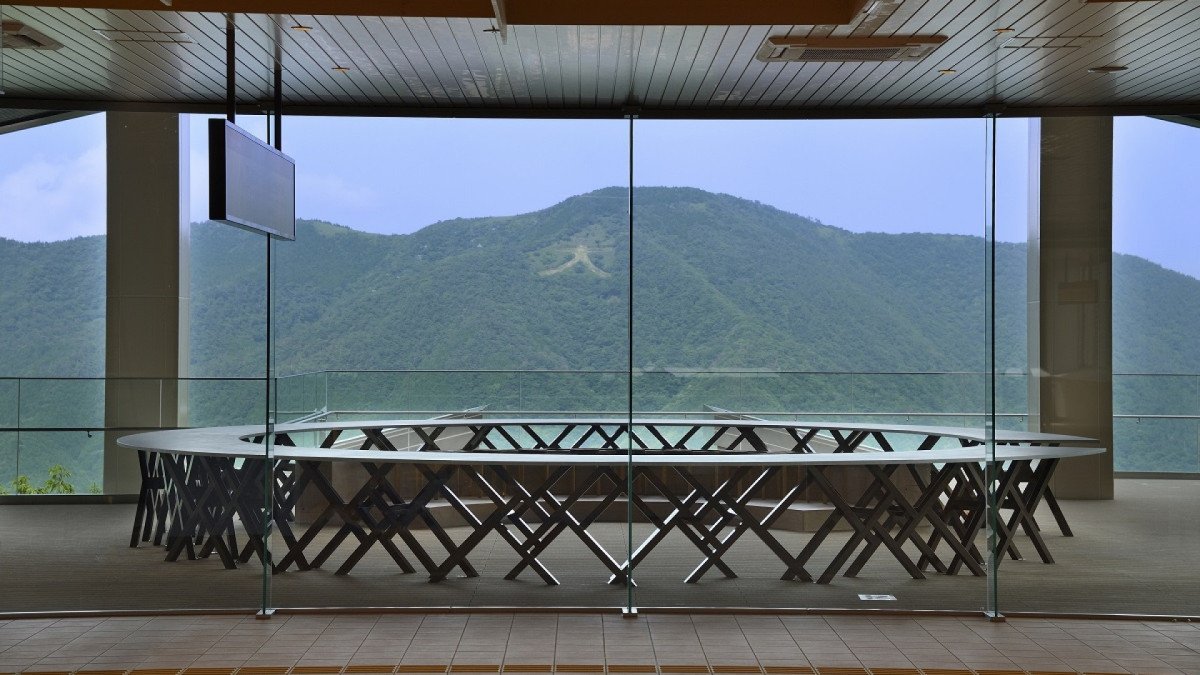
A 2020 Sounzan Station spot with a viewing terrace, free foot bath, and sweets shop.
Hakone Sekisho Travel Story Museum
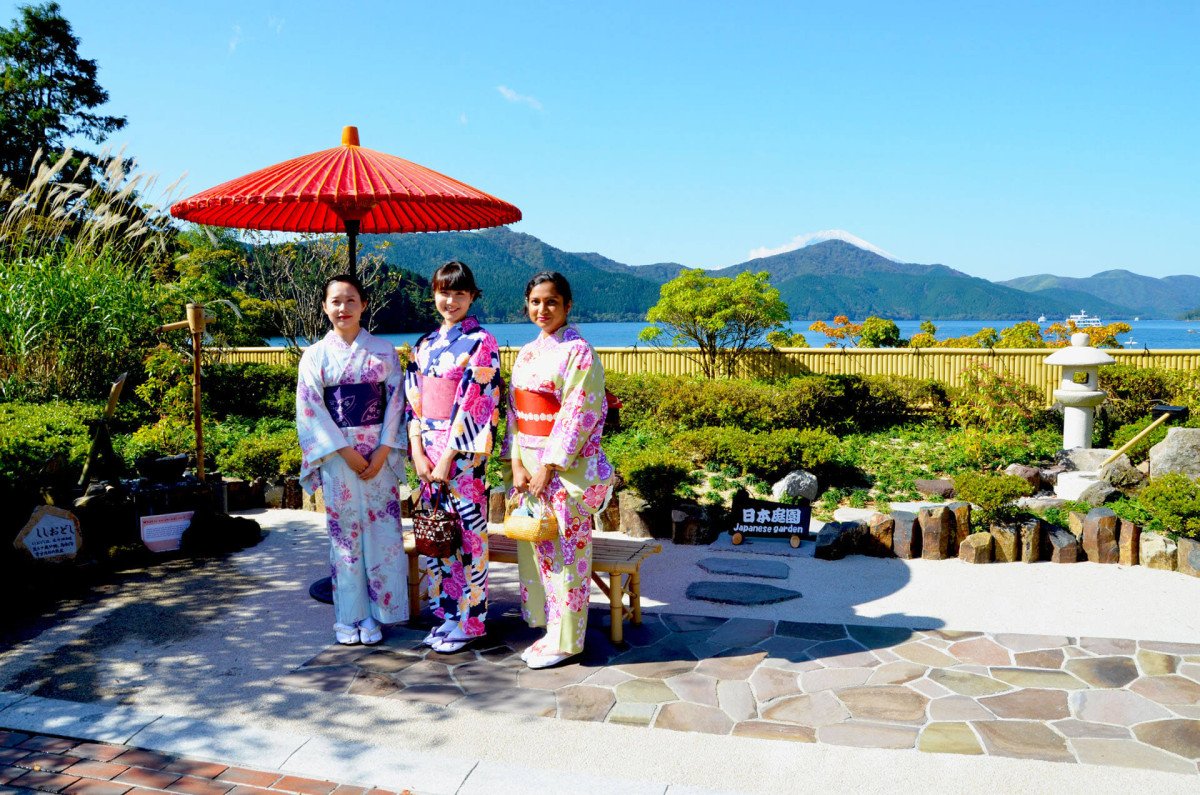
Beside Lake Ashi cruise pier and Hakone Checkpoint; cedar avenue is walkable. Serves homemade 100-percent soba.
Okada Museum of Art
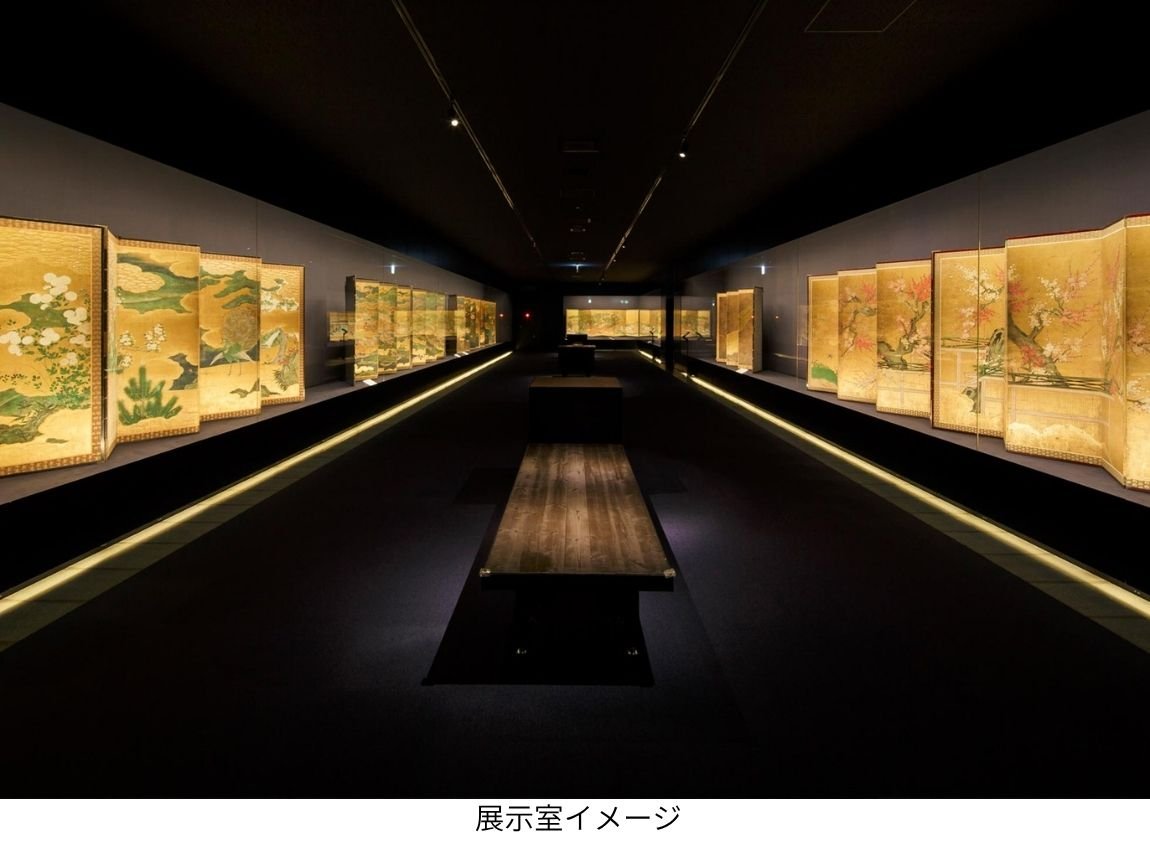
Shows about 450 artworks from ancient to modern Japan, China, and Korea, with a seasonal garden and footbath cafe.
Lake Ashi Skyline
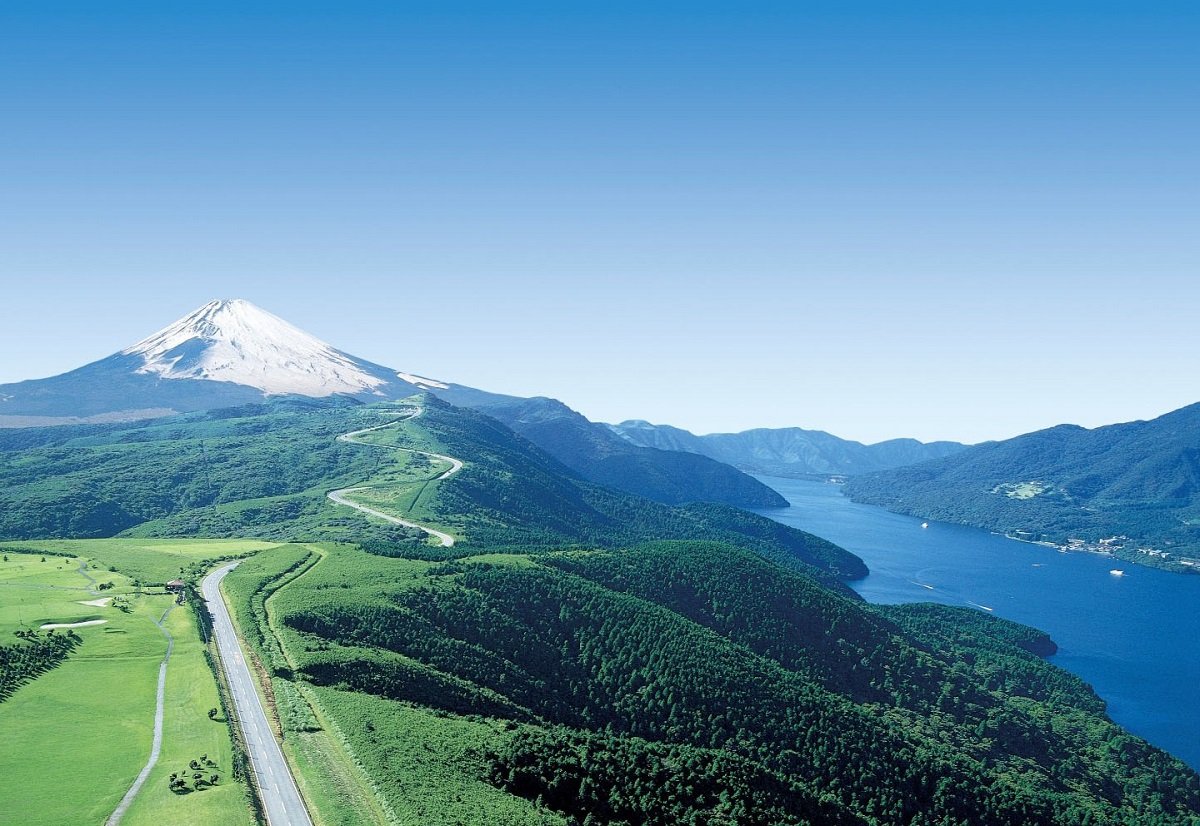
A toll road spanning Kanagawa and Shizuoka prefectures, famous for Mount Fuji views.
Narukawa Art Museum
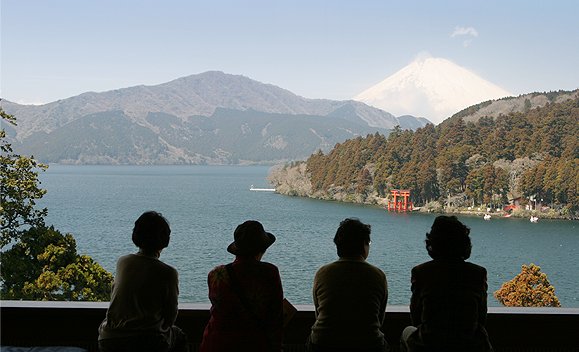
On Lake Ashi in Hakone, opened 1988, focusing on contemporary Japanese painting with over 4,000 works.
Hakone Samurai Village Museum
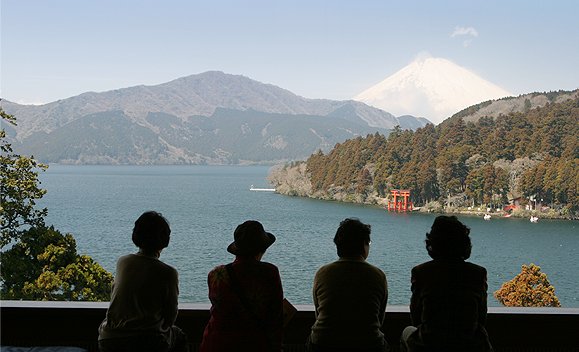
Displays Edo-to-Kamakura armor, helmets, matchlocks, swords, and paintings; armor dressing in Hakone Sengokuhara.
Hakone Geomuseum
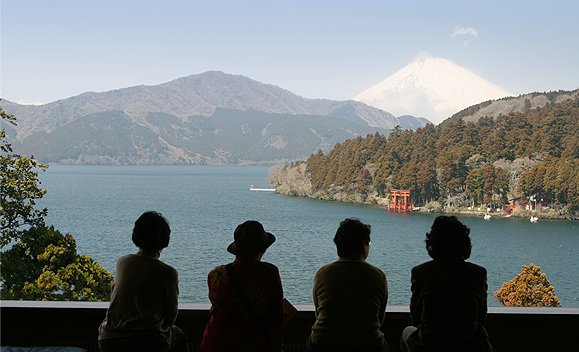
Museum where you can encounter the mysteries and appeal of Hakone's unique volcanic terrain.
Hakone Ekiden Museum
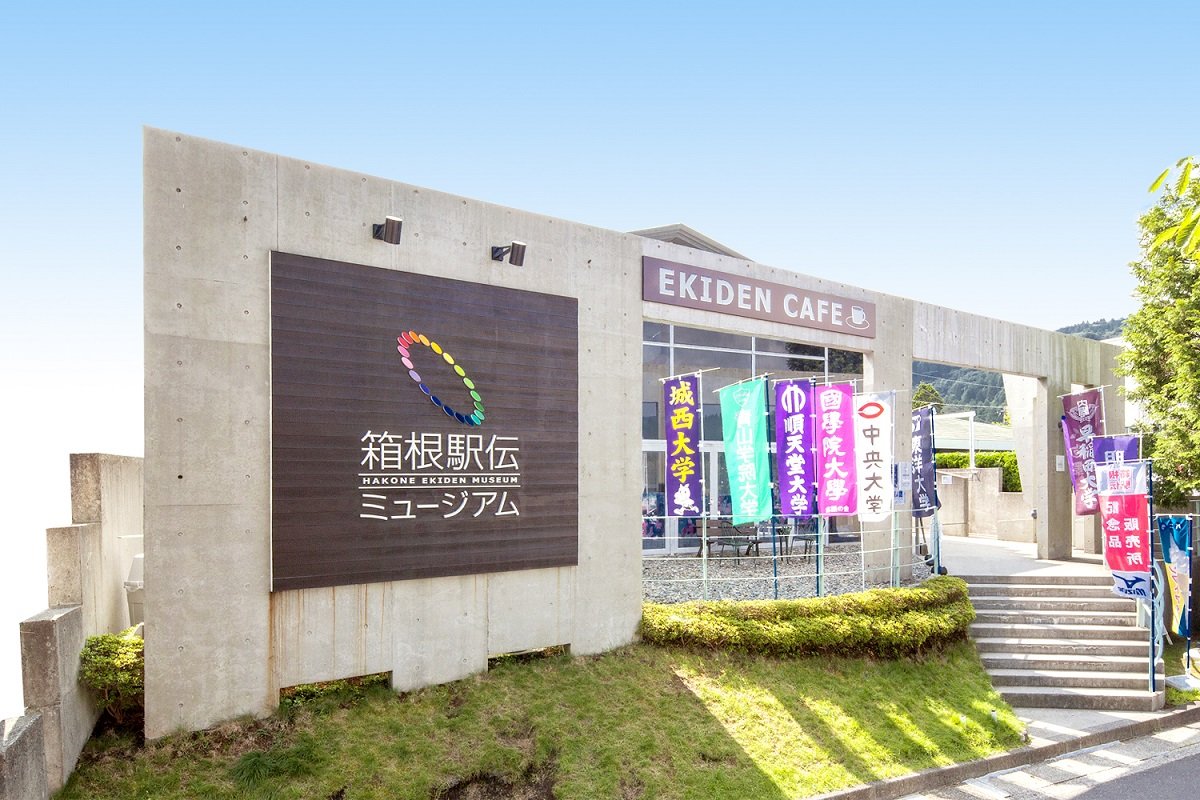
Introduces 100 years of Hakone Ekiden history from the first race in 1920, with race topic videos inside.
Choan-ji
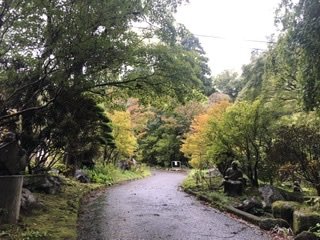
Popular for autumn leaves and 500 Arhat statues; a flower-rich Soto Zen temple with purple iwashajin blooms around October.
Miyagino Hayakawa Embankment Cherry Blossoms
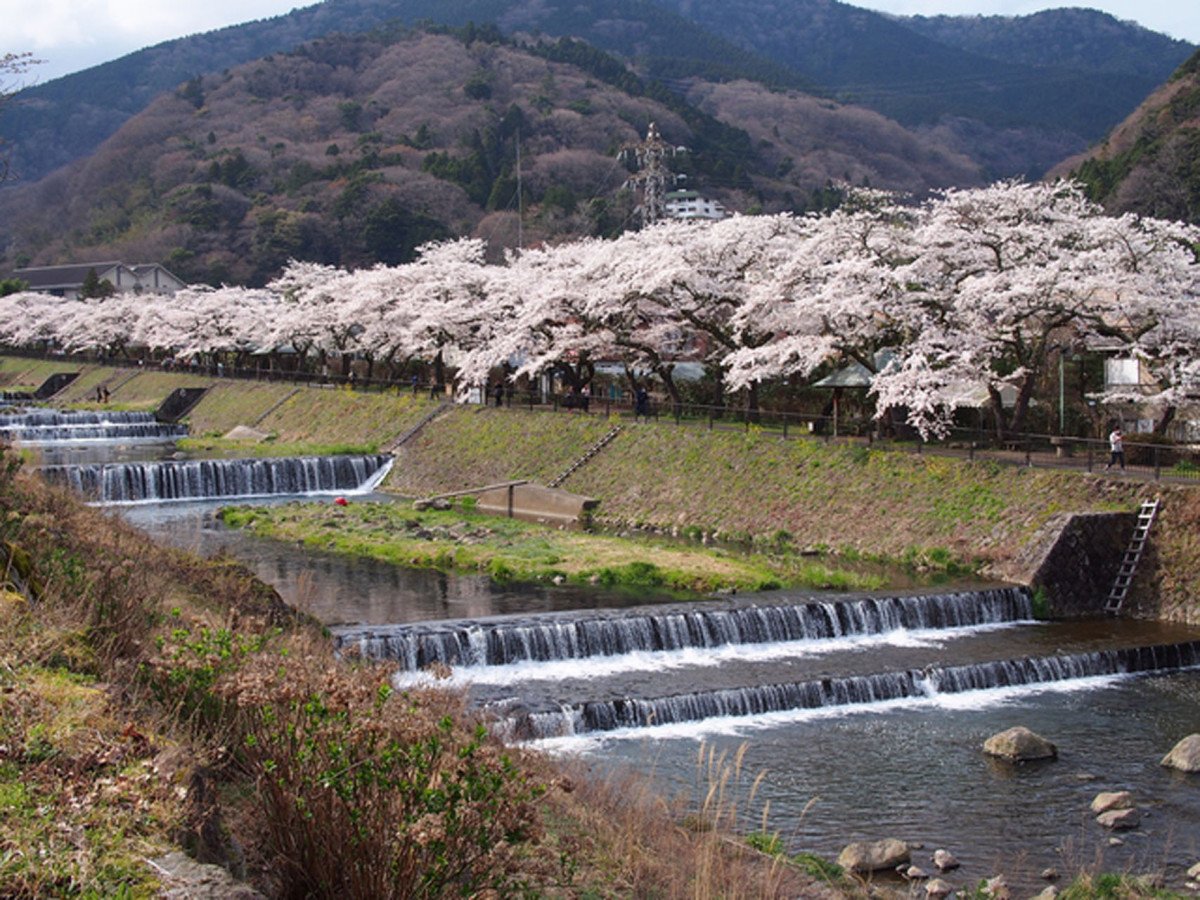
About 120 Somei-Yoshino trees line about 600m of the Hayakawa embankment; peak late March to mid-April.
Hakone Museum of Photography
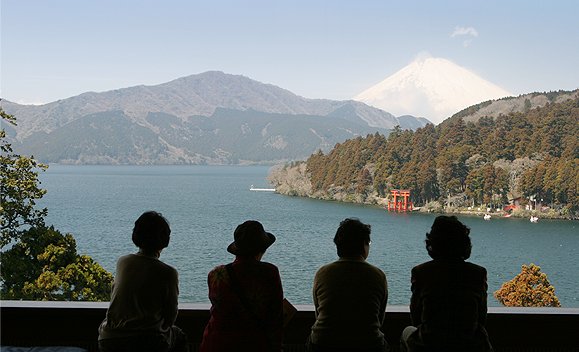
Permanent Mount Fuji photographs by Hakone photographer Kei Endo; opened in 2002 in Gora.
Mount Komagatake
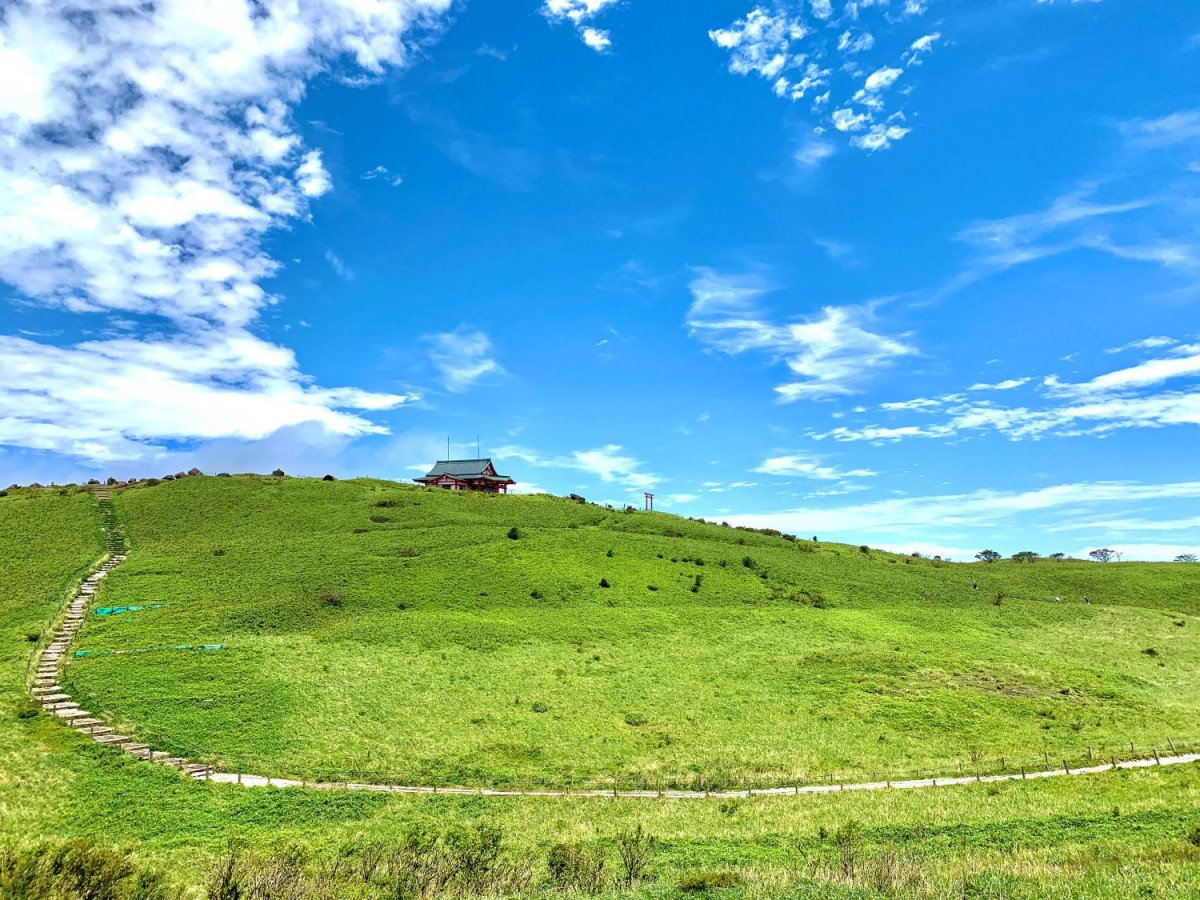
Only Hakone view of seven Izu islands, Suruga and Sagami bays, plus Fuji and the outer rim.
Nicolai Bergmann Hakone Gardens
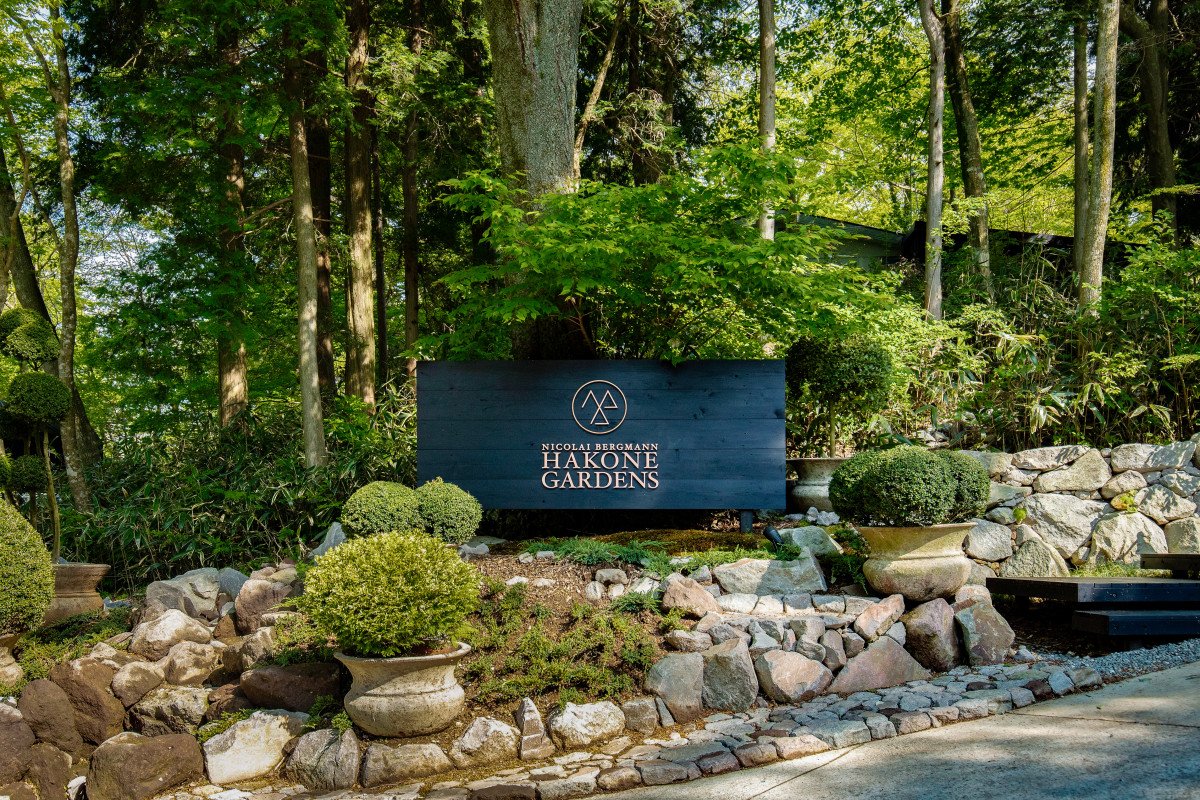
Unique Hakone gardens by Danish flower artist Nicolai Bergmann, combining nature and flower art, with seasonal blooms and a cafe.
Hiryu Falls
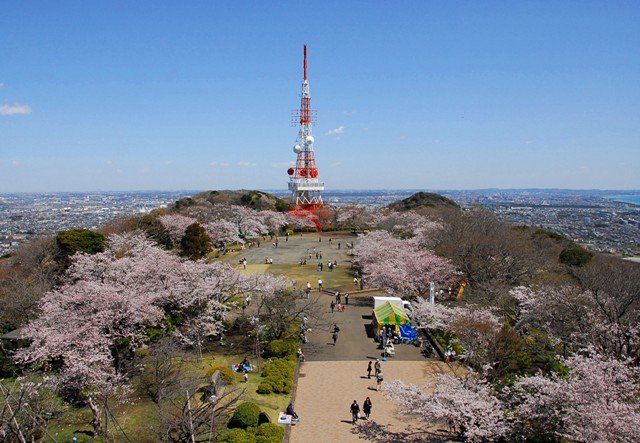
Kanagawa's largest waterfall, falling 15 then 25 meters; Kamakura-period ascetics trained beneath it.
Honma Yosegi Art Museum
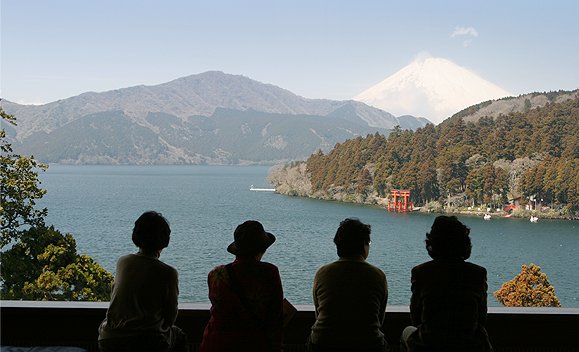
Museum of traditional Hakone yosegi since the Edo period, with about 500 works and 200 on display.
Hakone Kuzuryu Forest
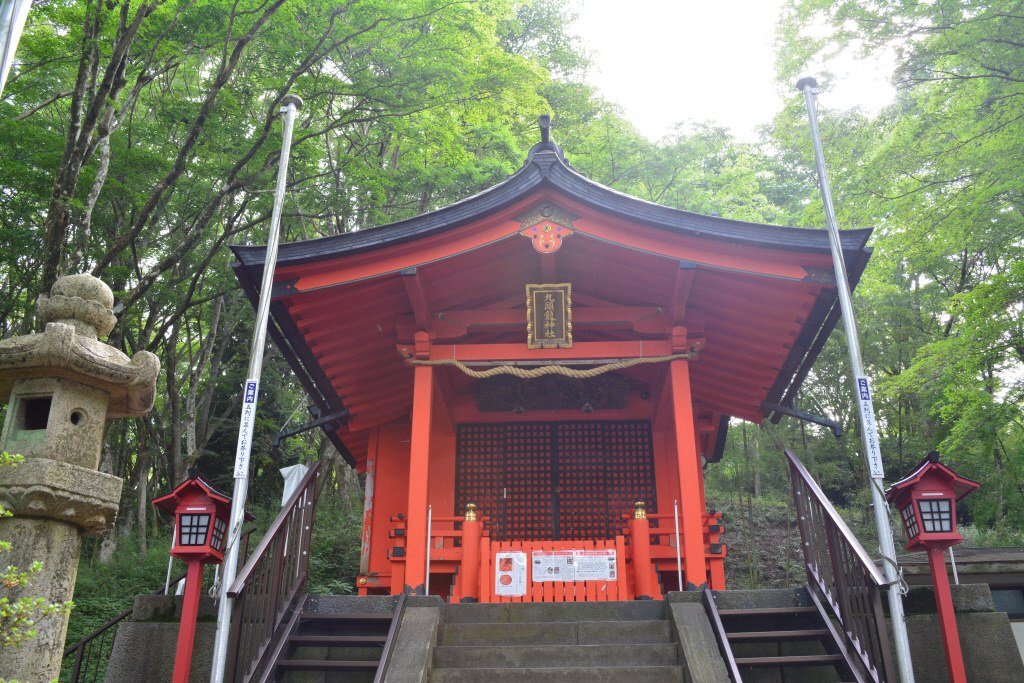
Lush nature park by Lake Ashi with wild trees and flowers, Hakone Kuzuryu Shrine, a nature trail, and lawns.
Hakone Old Highway
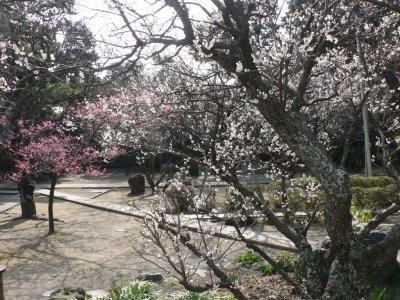
Part of the early Edo Tokaido over Hakone Pass; west-slope stone pavement was laid in 1680.
Kanrei Domon
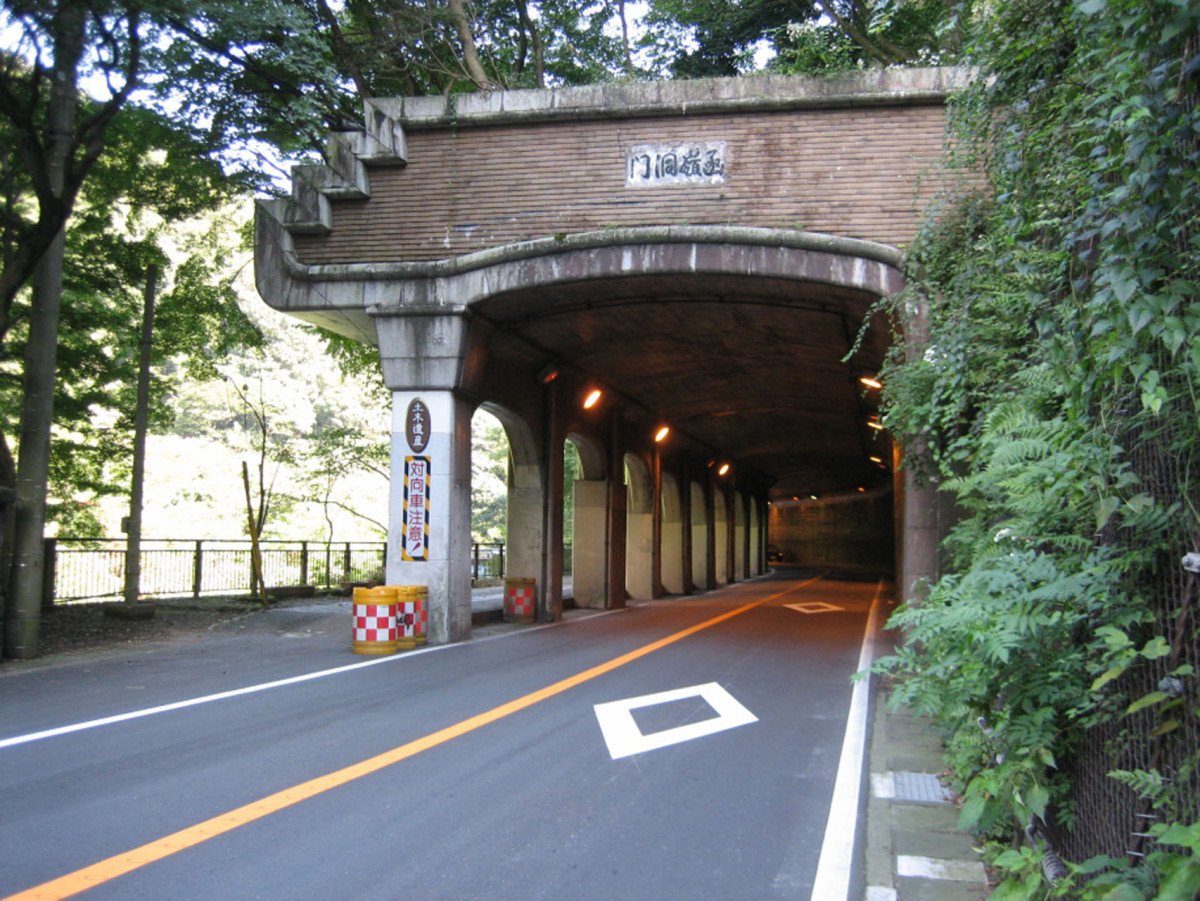
1931 shelter under a Great Kanto Earthquake-collapsed cliff, protecting vehicles from rockfall. National Important Cultural Property since 2015.
Kojiri Water Gate
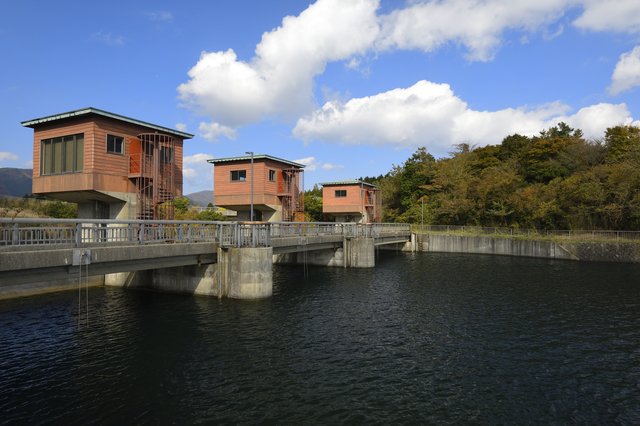
Built near Ashinoko Camp Village at Sakasagawa mouth to regulate lake water level.
Sansho Roses near Komagatake Summit
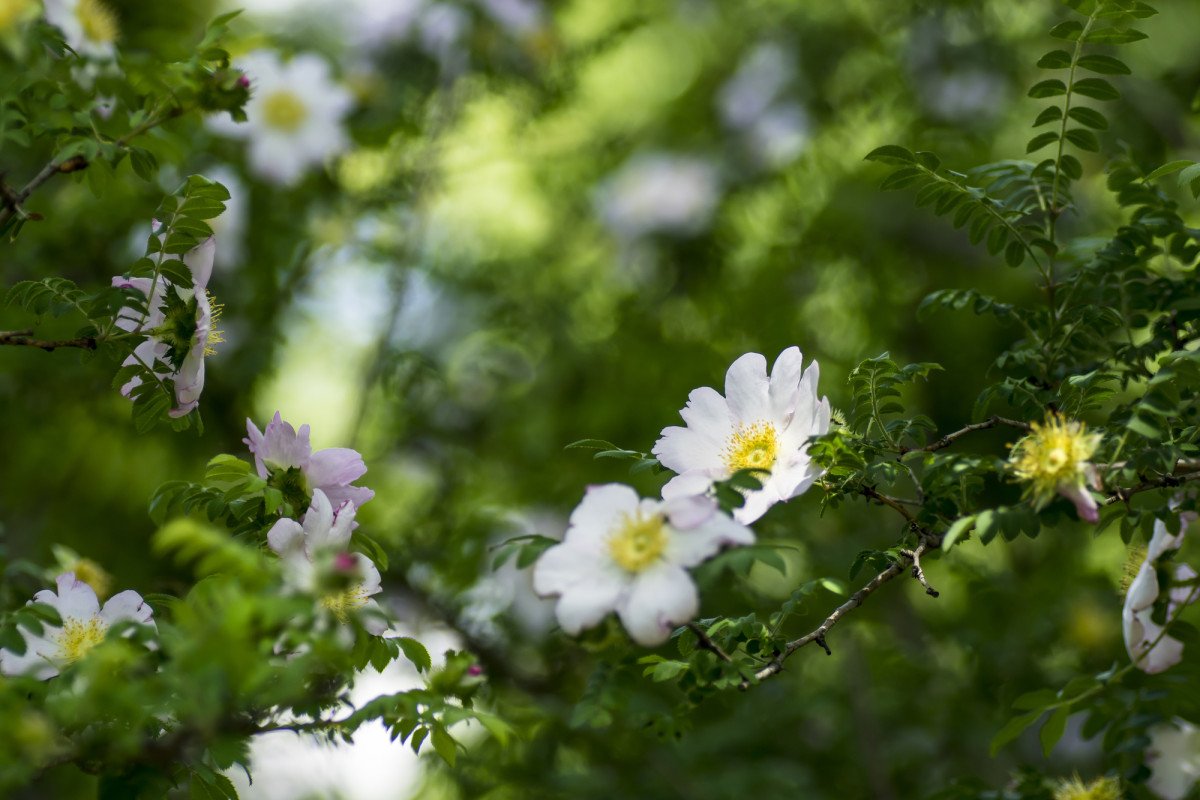
Pale pink one-day sansho roses bloom mid-May to mid-June near Hakone Komagatake's about 1,356 m summit.
Kousa Dogwood around Lake Ashi
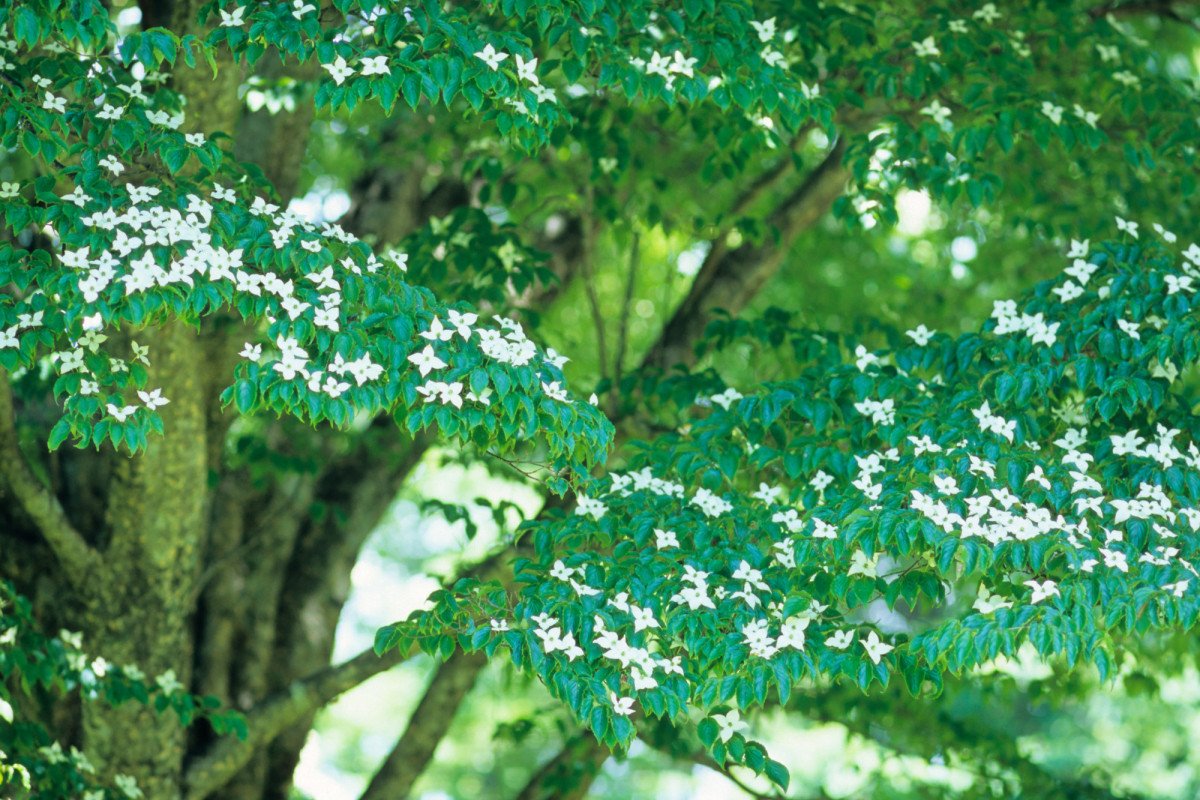
White kousa dogwood blooms around caldera Lake Ashi in June, with red fruit in September and November foliage.
Hakone-Yumoto Firefly Park
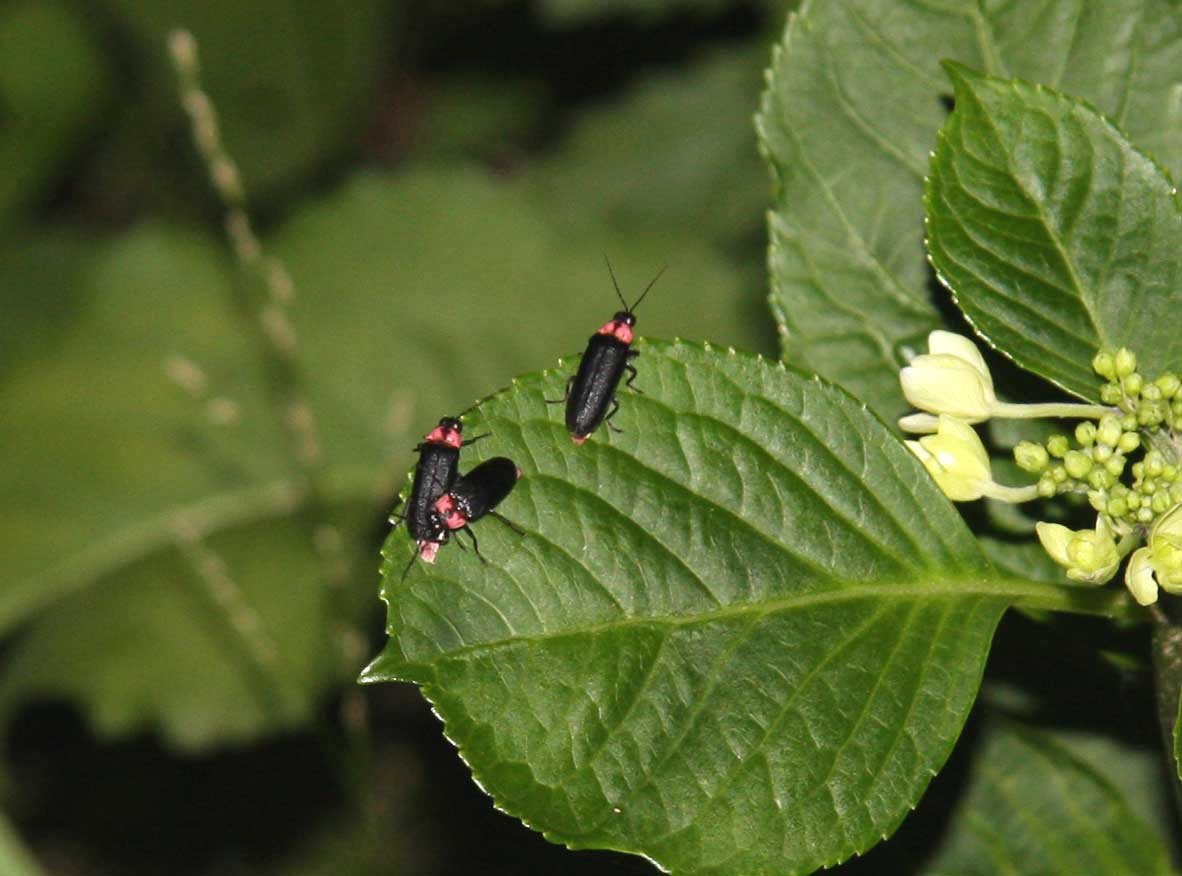
Fireflies restored by a local group glow in early June; now over 500, with a stream and hydrangeas.
Shojin Pond Area
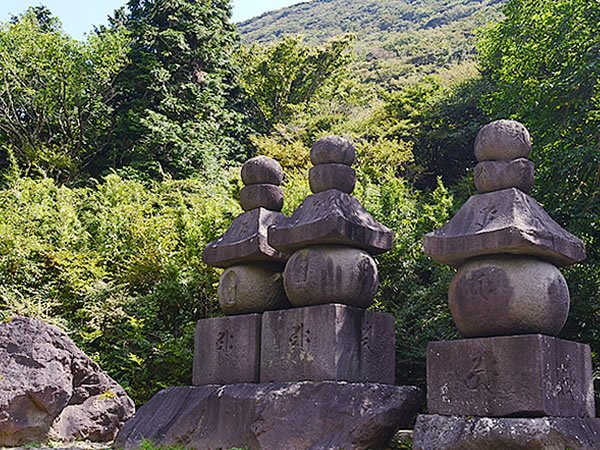
Near Route 1's highest point on Kamakura-period Yusaka Road, with Motohakone stone Buddhas and April bean cherries.
Chitose Bridge
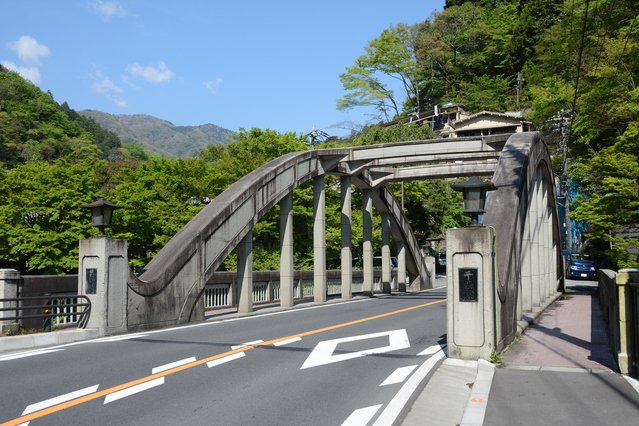
Built in 1930 with foreign tourists in mind; wave-linked newel posts; National Important Cultural Property since 2015.
Motohakone Stone Buddhas
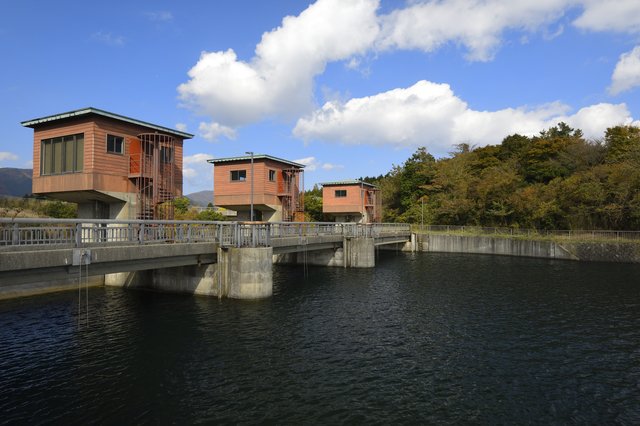
Near Shojin Pond, stone Buddhas centered on 3.2m Rokudo Jizo are designated National Important Cultural Property and historic site.
Yao Bikuni's Tomb
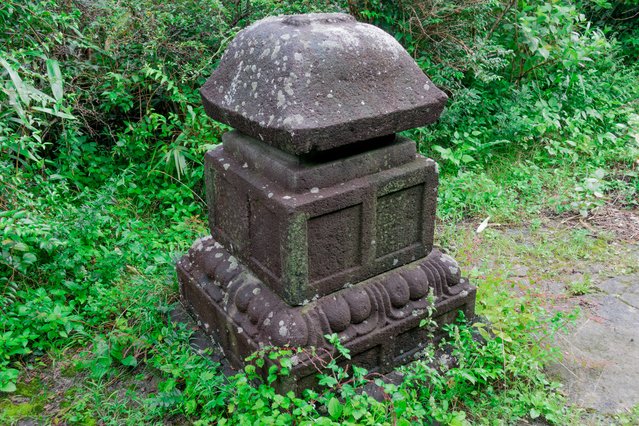
Part of the Moto-Hakone stone Buddha group near Shojingaike; the surrounding area is a National Historic Site.
Mount Kanmurigatake
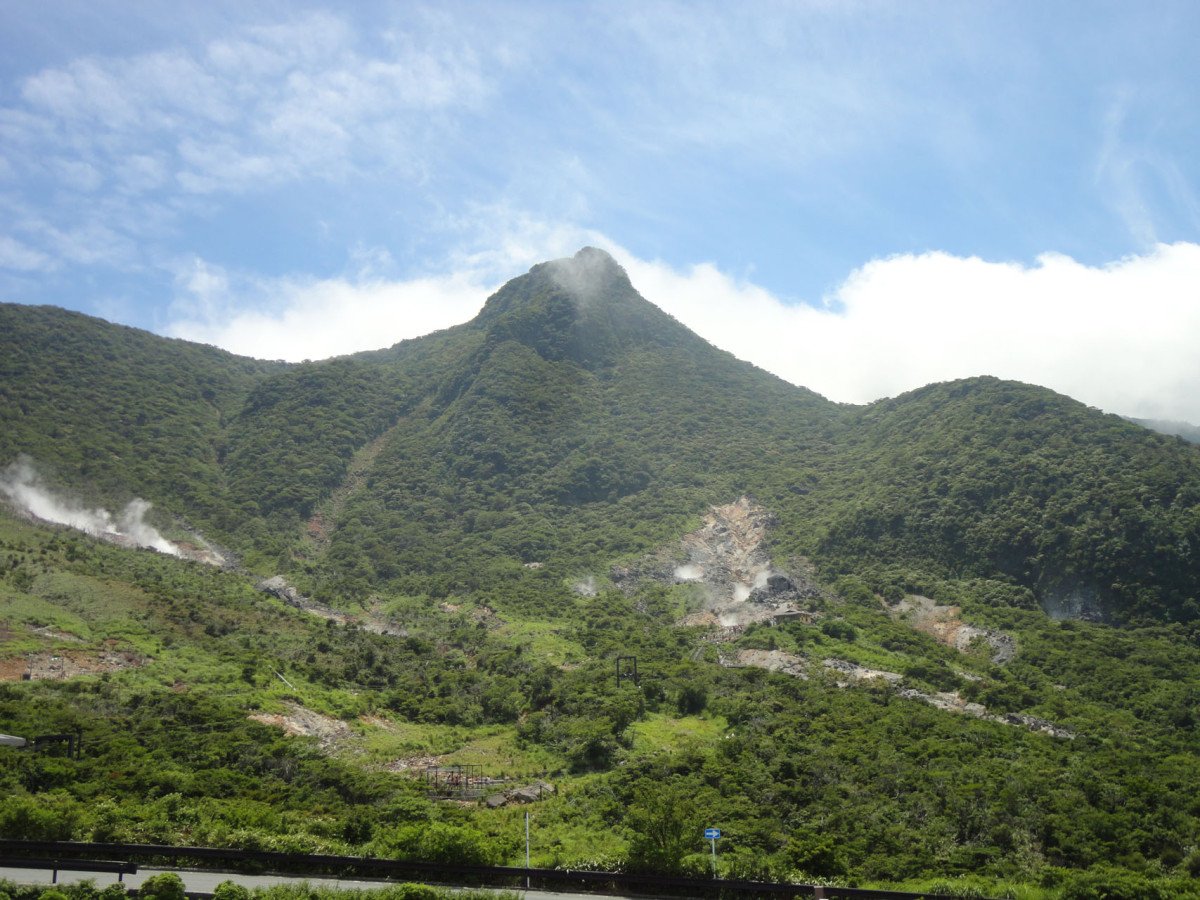
A 1,409-meter volcano in Hakone formed as a lava dome after a steam explosion and collapse about 3,000 years ago.
Rokudo Jizo
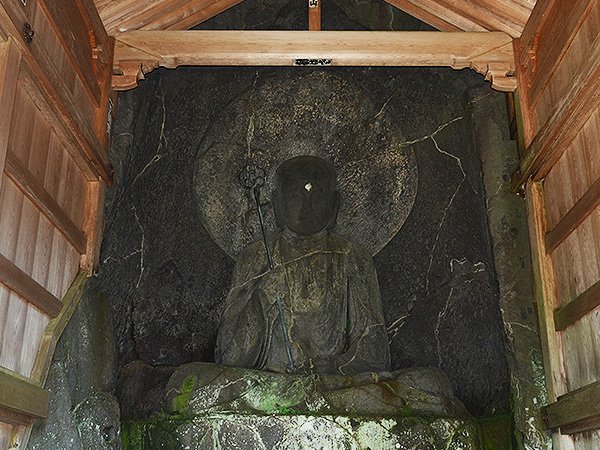
Late Kamakura to early Muromachi Jizo stone Buddhas and pagodas; a National Important Cultural Property.
Tada no Mitsunaka's Tomb
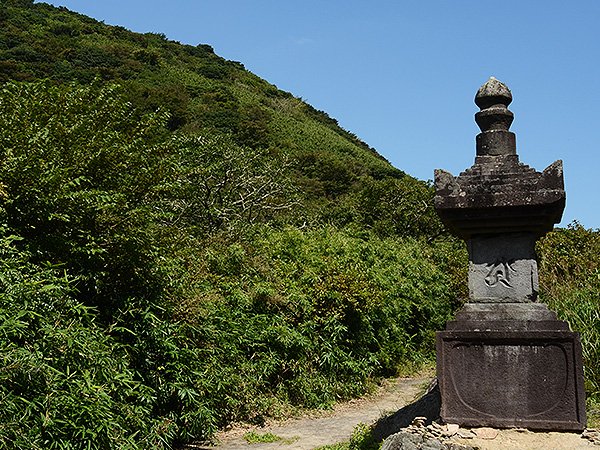
A late Kamakura stone treasure-seal pagoda near Shojingaike, designated a National Historic Site and Important Cultural Property.
Mount Kamiyama
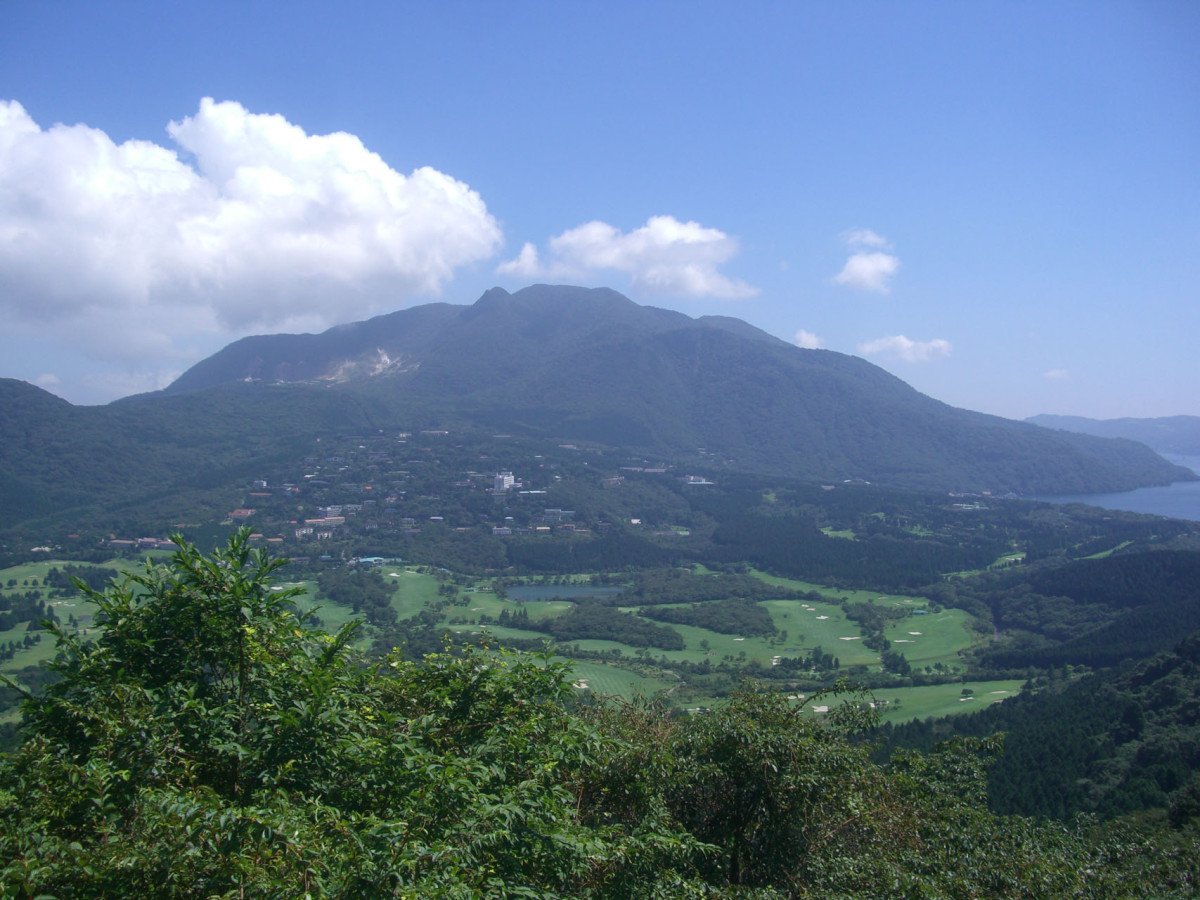
Highest Hakone peak overlooking Lake Ashi, from Sagami Bay to Boso, with Mount Fuji views.
Asahi Bridge
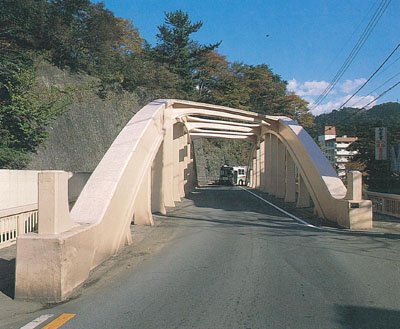
A concrete arch bridge on National Route 1 at the gateway to Hakone.
Twenty-five Bodhisattvas
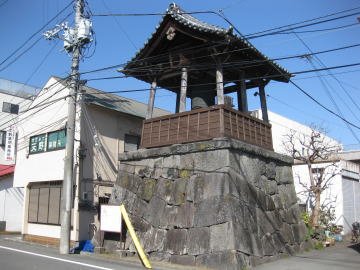
Stone Buddhas and pagodas are National Important Cultural Properties of medieval Jizo faith; the area is a National Historic Site.
Graves of the Soga Brothers and Tora Gozen
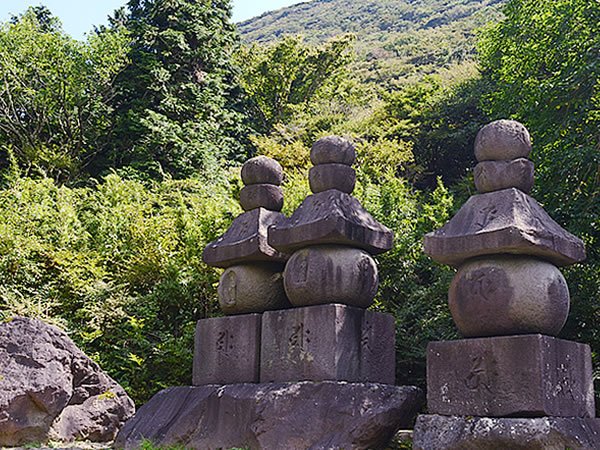
Three stone five-ring pagodas along National Route 1 toward Ashinoyu, near Shojin Pond; National Important Cultural Properties.
Ocho Jizo
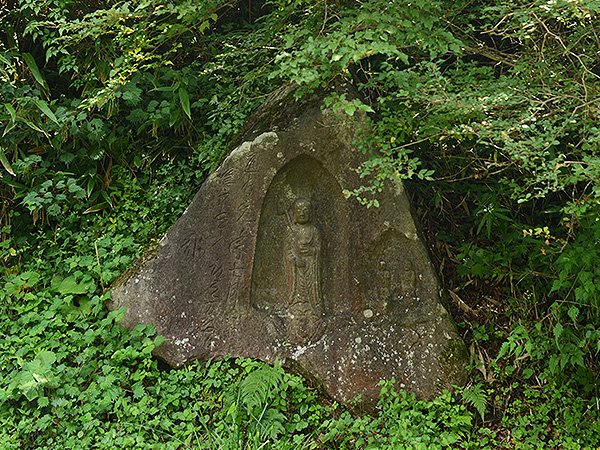
A cliff-carved Buddha west of National Route 1 near Shojingaike, a National Important Cultural Property.