 BokenJapan
Japan / Kanagawa / Kamakura / See
Sights in Kamakura, Kanagawa
Kamakura · Kanagawa · 79 places
See
Kamakura Central Park
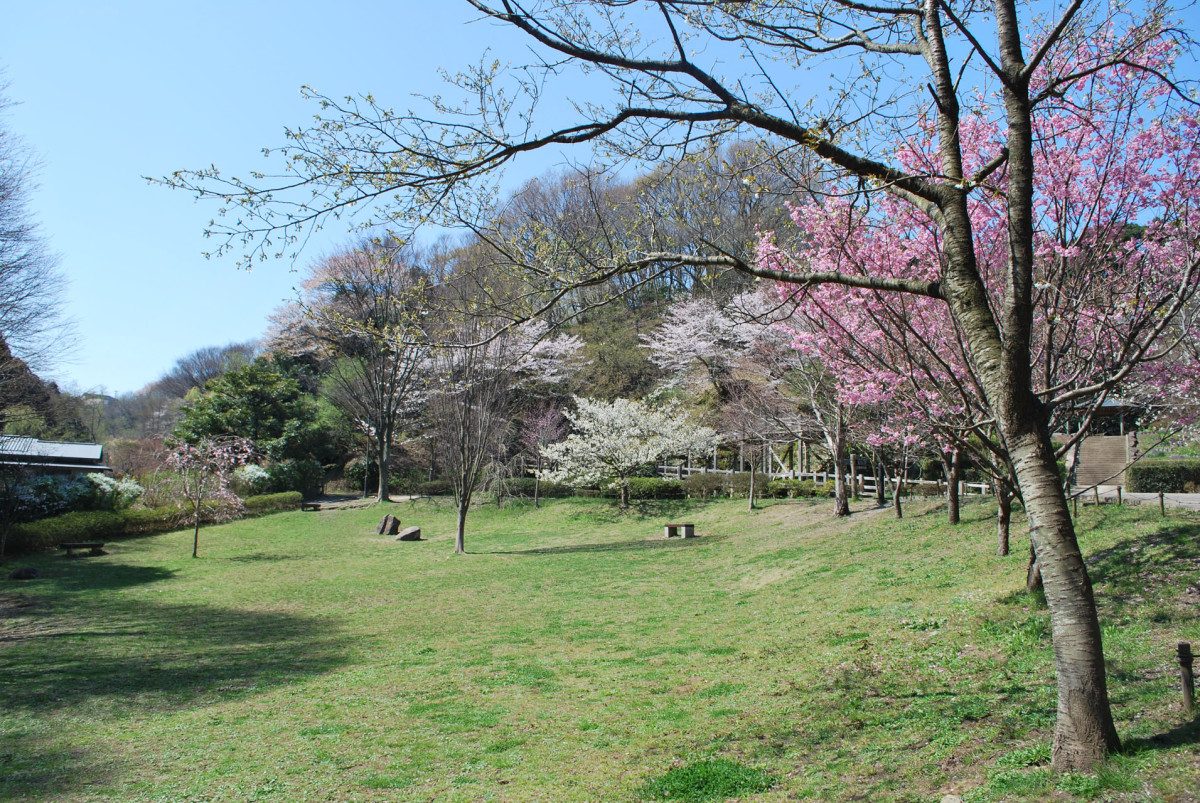
Central Kamakura park with greening, nature-use, and conservation zones. Somei-Yoshino bloom late March. Designated disaster evacuation site.
Koshigoe Fishing Port
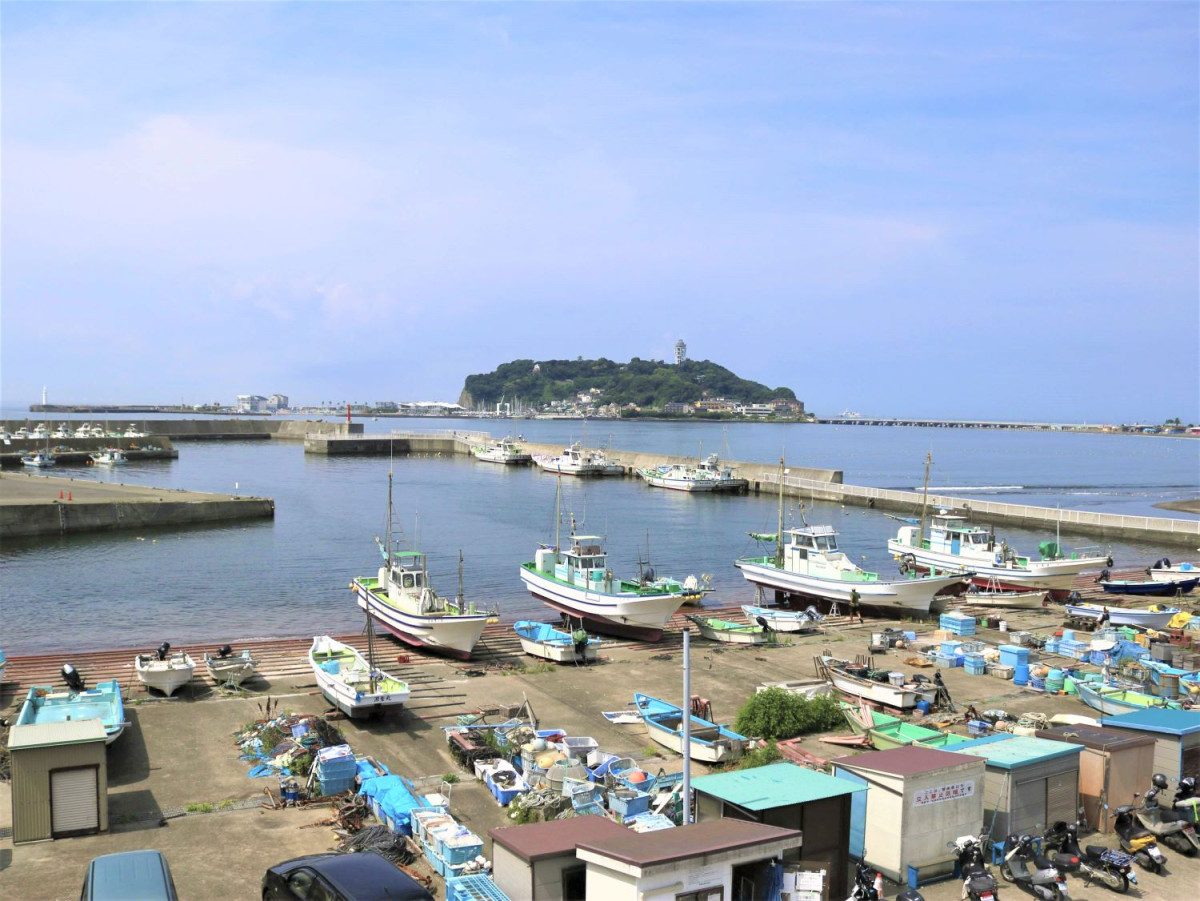
Southwestern Kamakura fishing port landing Sagami Bay seafood, with public access and Enoshima and Mount Fuji views.
Myohon-ji Temple
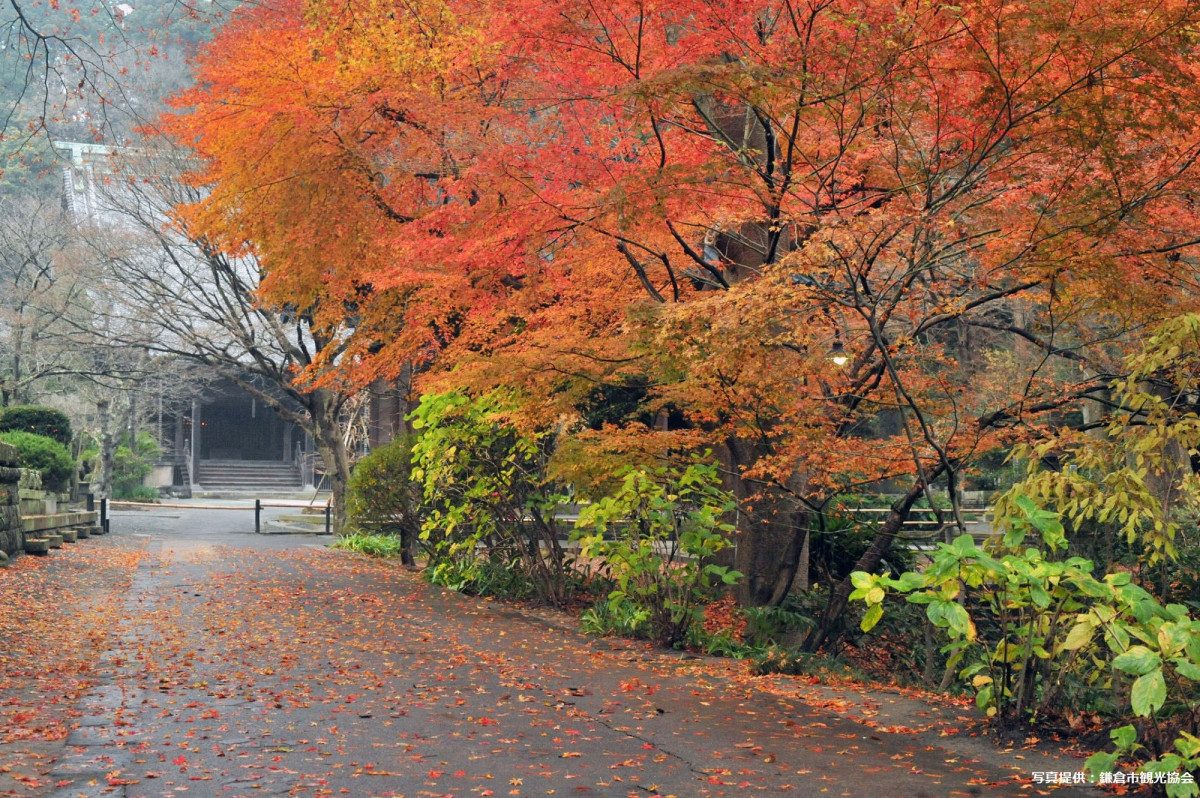
Said to be the oldest Nichiren temple, a ten-minute walk from Kamakura Station East Exit.
Hongaku-ji
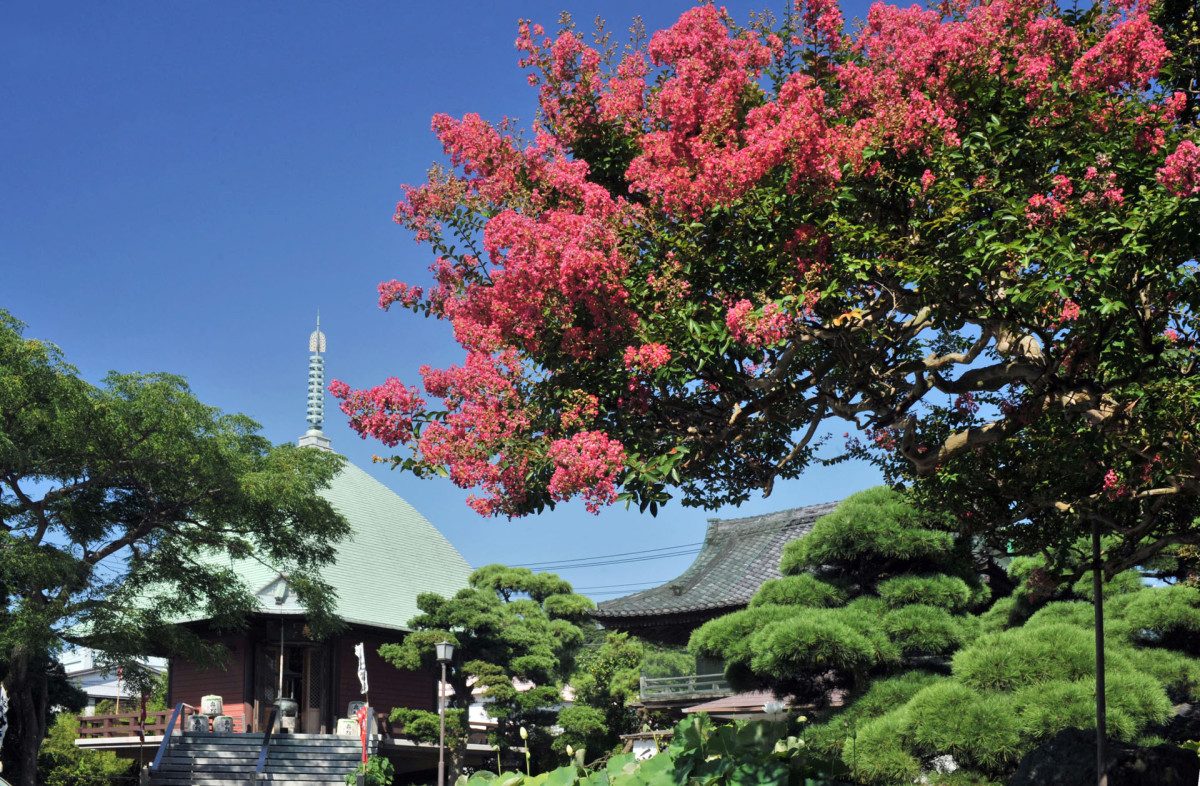
Founded in 1436 and donated by Ashikaga Mochiuji to Nichijitsu; called Nichicho-sama and Higashi Minobu.
Ankokuron-ji Temple
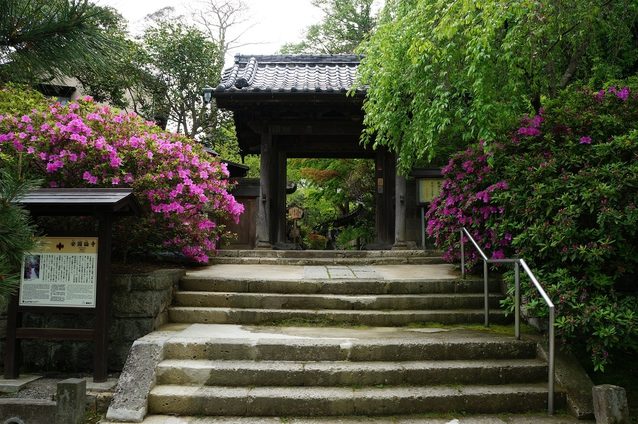
Founded at Nichiren's hermitage; closed cave where Rissho Ankoku Ron was written; views of Kamakura and Fuji.
Anyo-in Temple
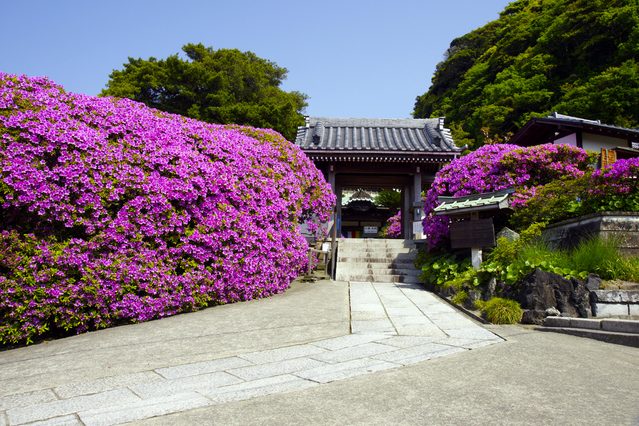
Temple linked to Hojo Masako, moved here after burning in 1333, now famous for azaleas.
Egara Tenjin Shrine
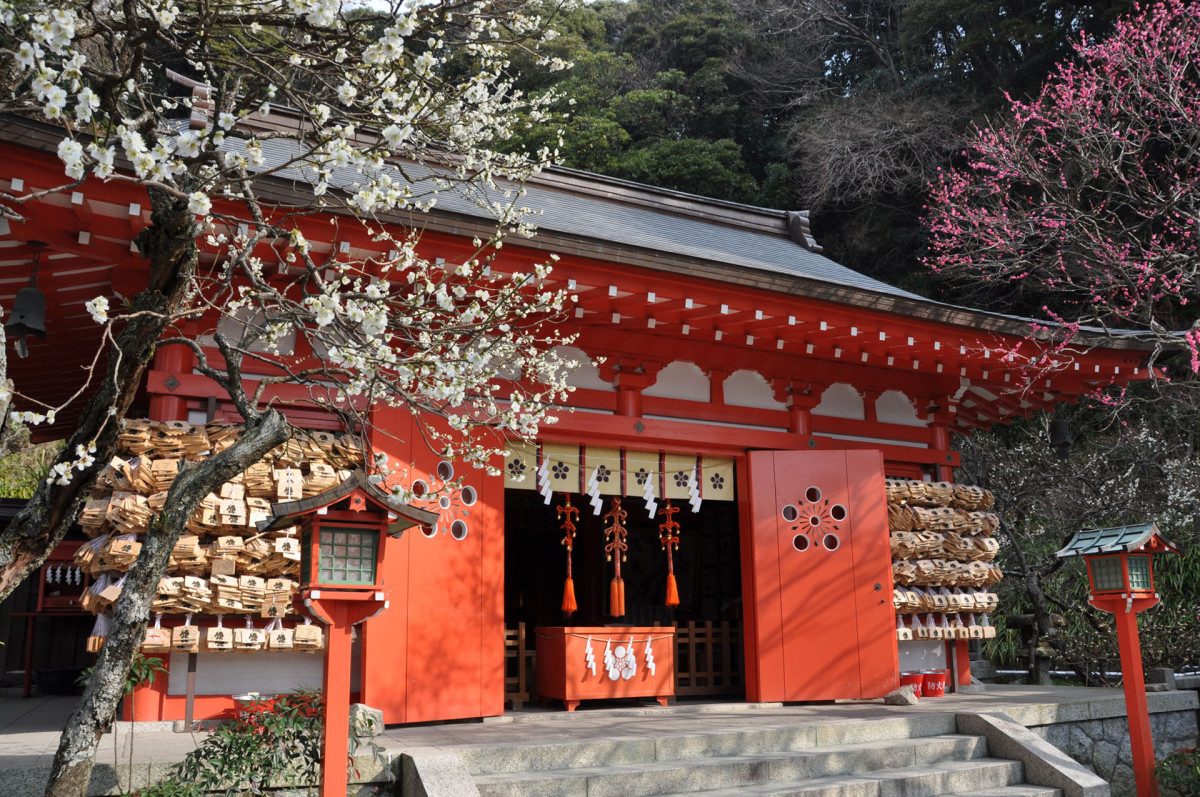
Enshrined in the Heian period, called one of Japan's three ancient Tenjin shrines, busy with academic prayers.
Engaku-ji
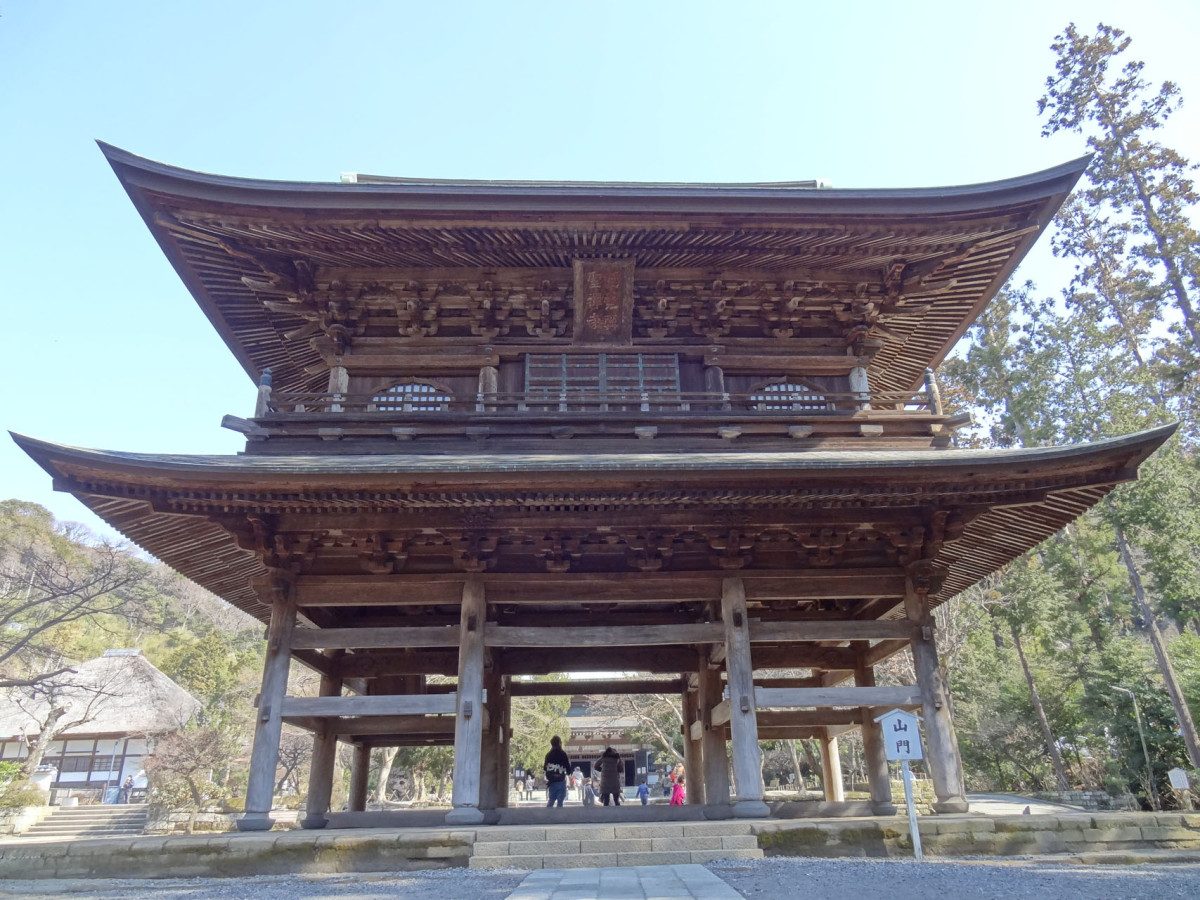
Historic Rinzai Zen temple founded by Hojo Tokimune, with a National Treasure bell and Shariden.
Sugimoto-ji
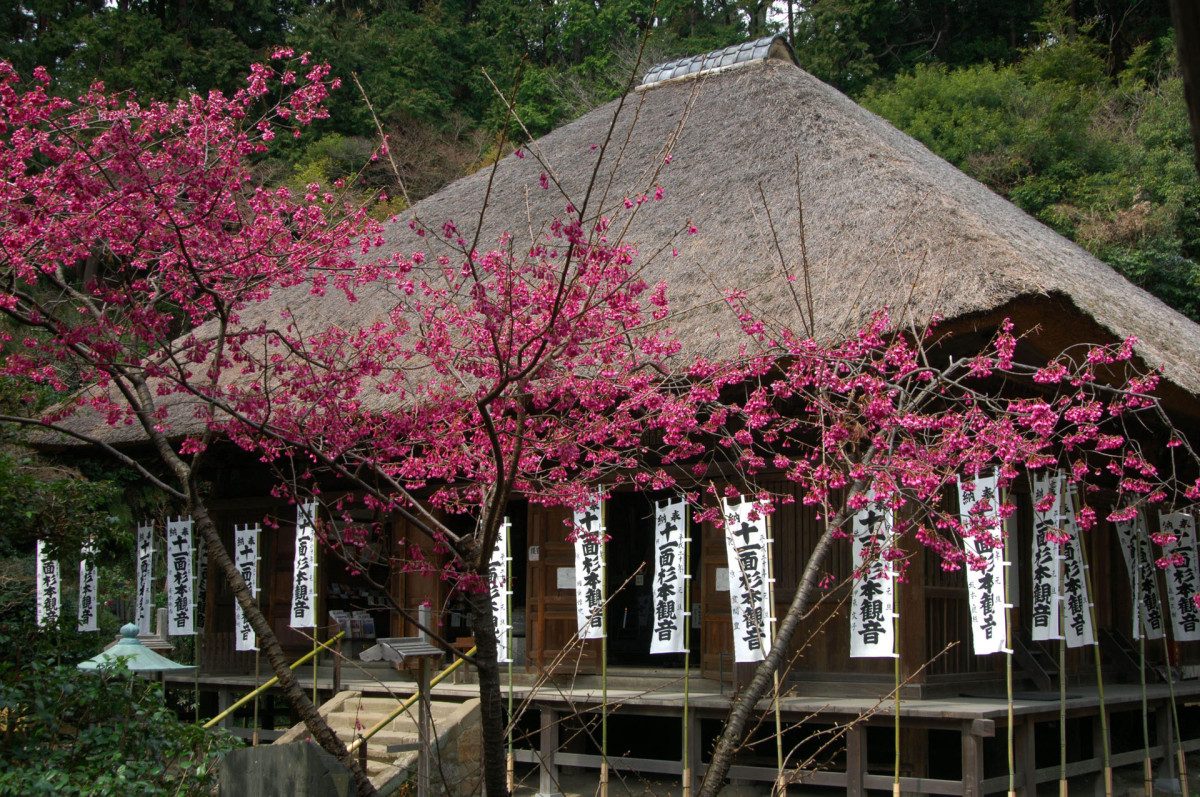
Kamakura's oldest temple, founded in 734, with Eleven-faced Kannon as its principal image.
Ofuna Kannon-ji
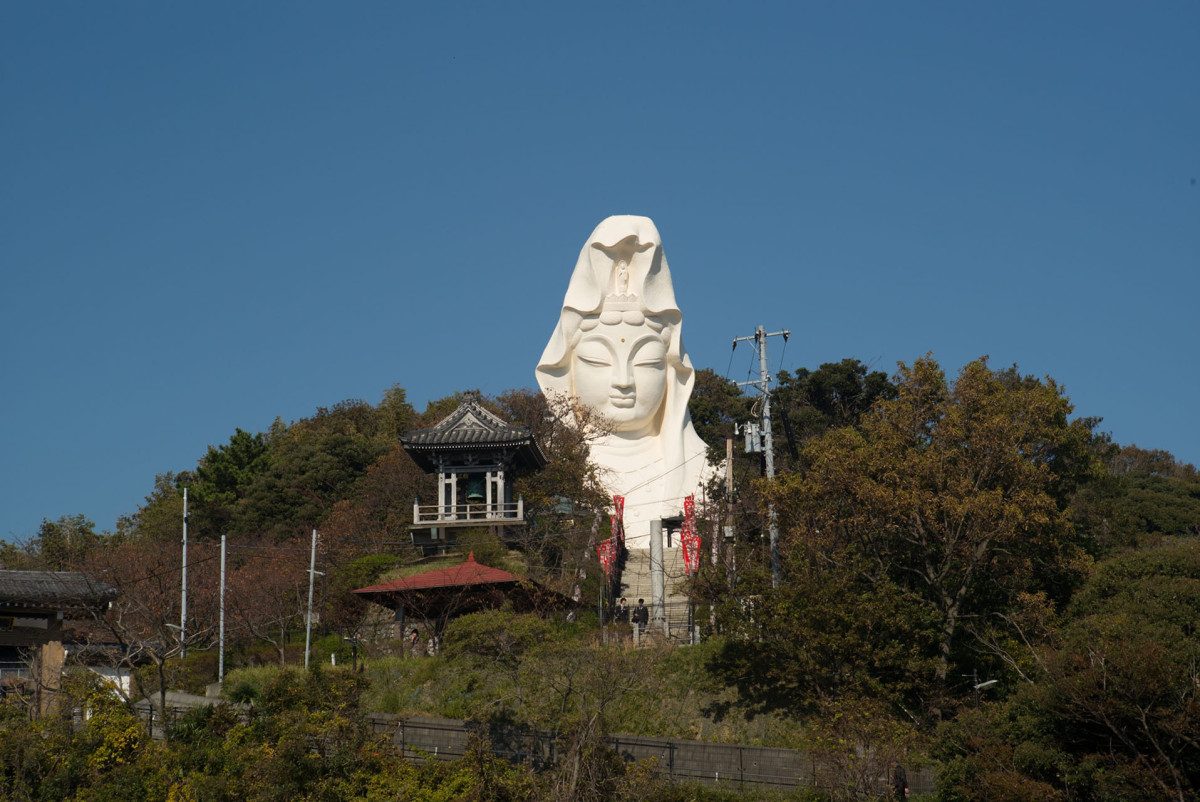
Huge white Kannon temple west of Ofuna Station; statue completed in 1960 symbolizes the Ofuna district.
Enno-ji
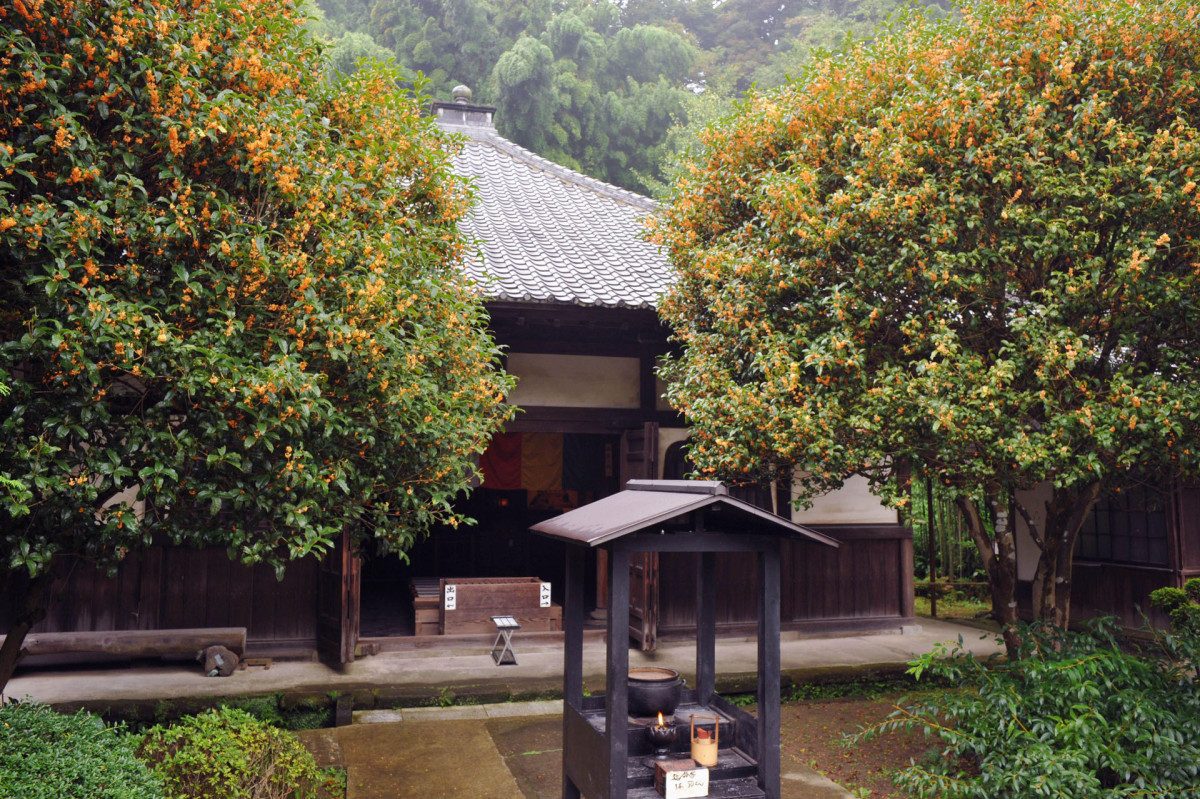
King Enma, made in 1250, is the principal image; Ten Kings show judgments of sinners sent to hell.
Amanawa Shinmei Shrine
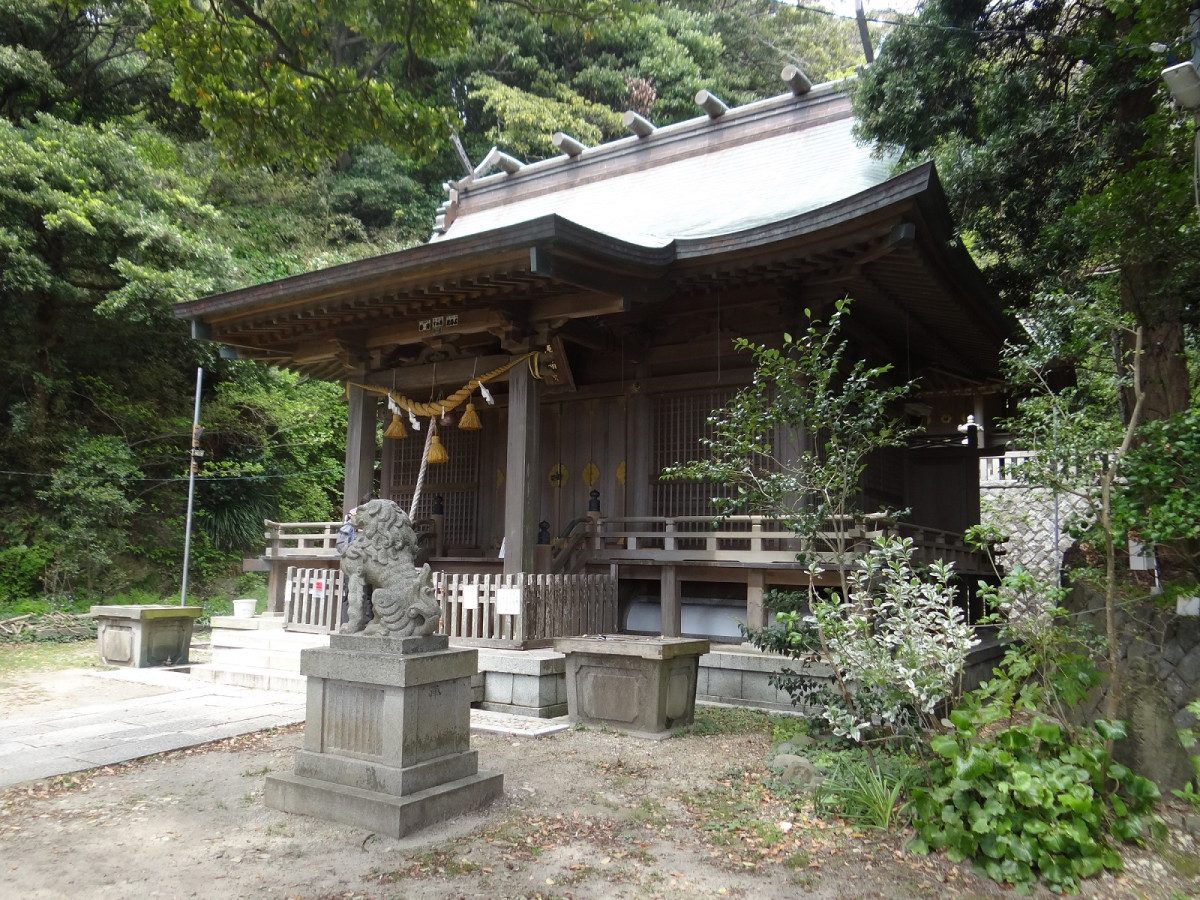
Shrine said founded in 710 by Someya Taro Tokitada. Minamoto no Yoritomo, Masako, and Sanetomo reportedly visited.
Kamakura Museum of Literature
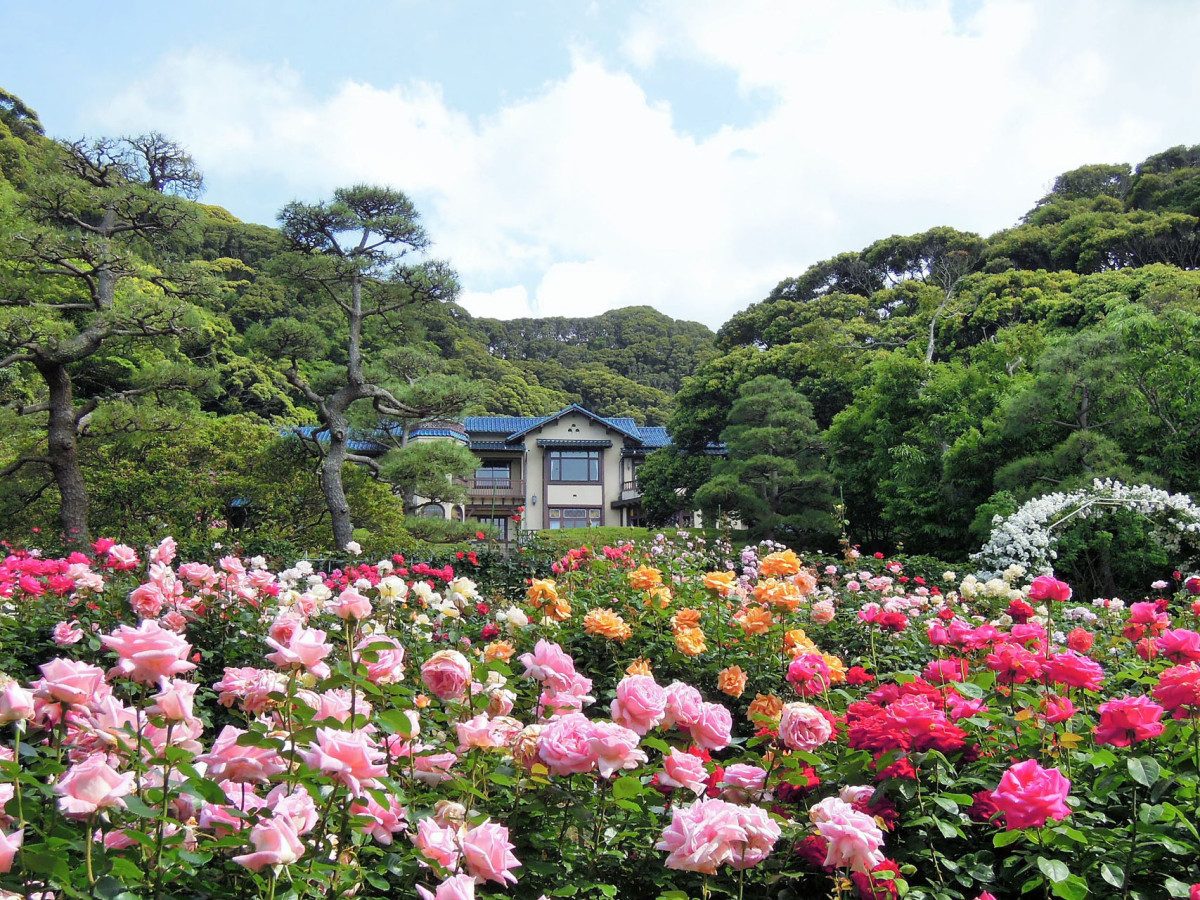
Closed for major repairs; FY2029 reopening planned. 1936 Maeda villa with literary materials and 250 roses in spring and autumn.
Kencho-ji
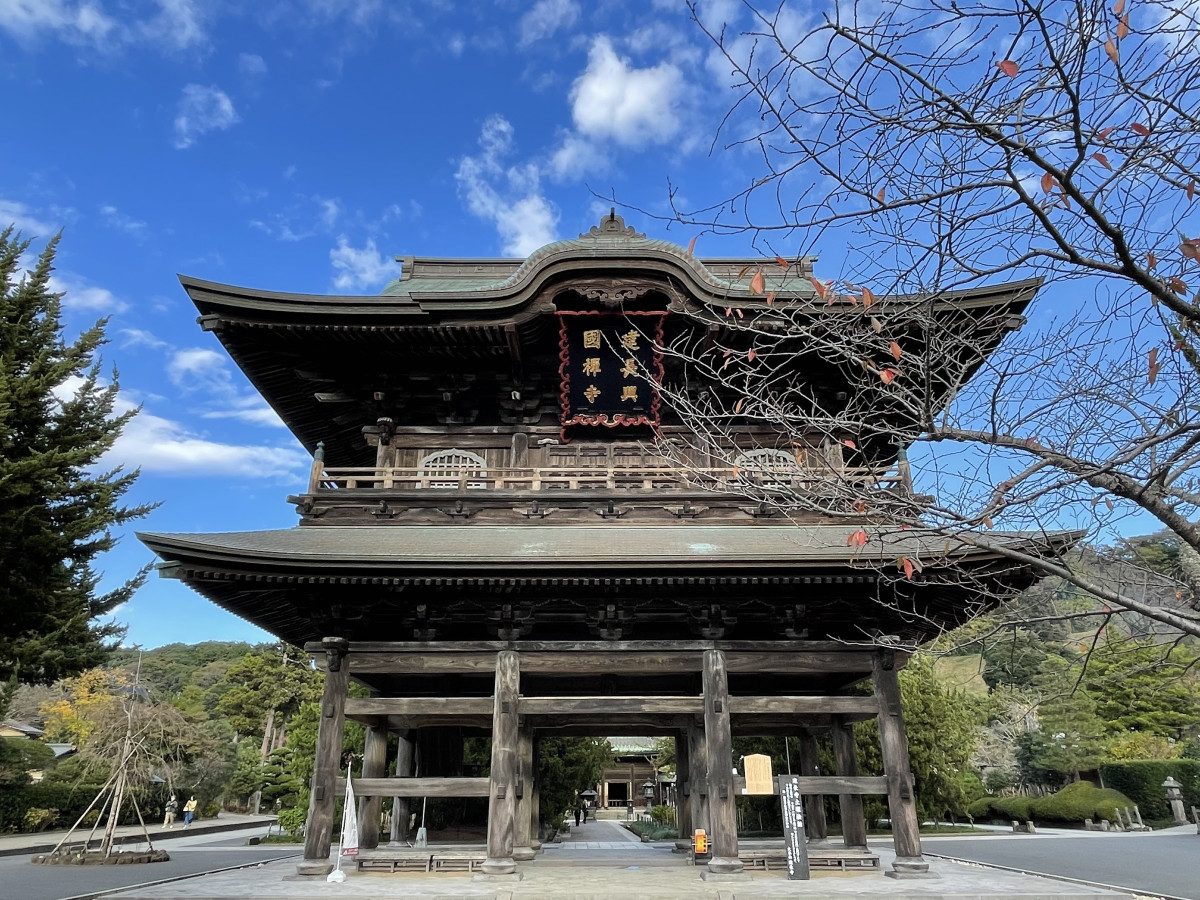
Rinzai Kencho-ji school's head temple, first of Kamakura's Five Mountains, founded by Hojo Tokiyori; birthplace of kenchin soup.
Jomyo-ji Kisen-an
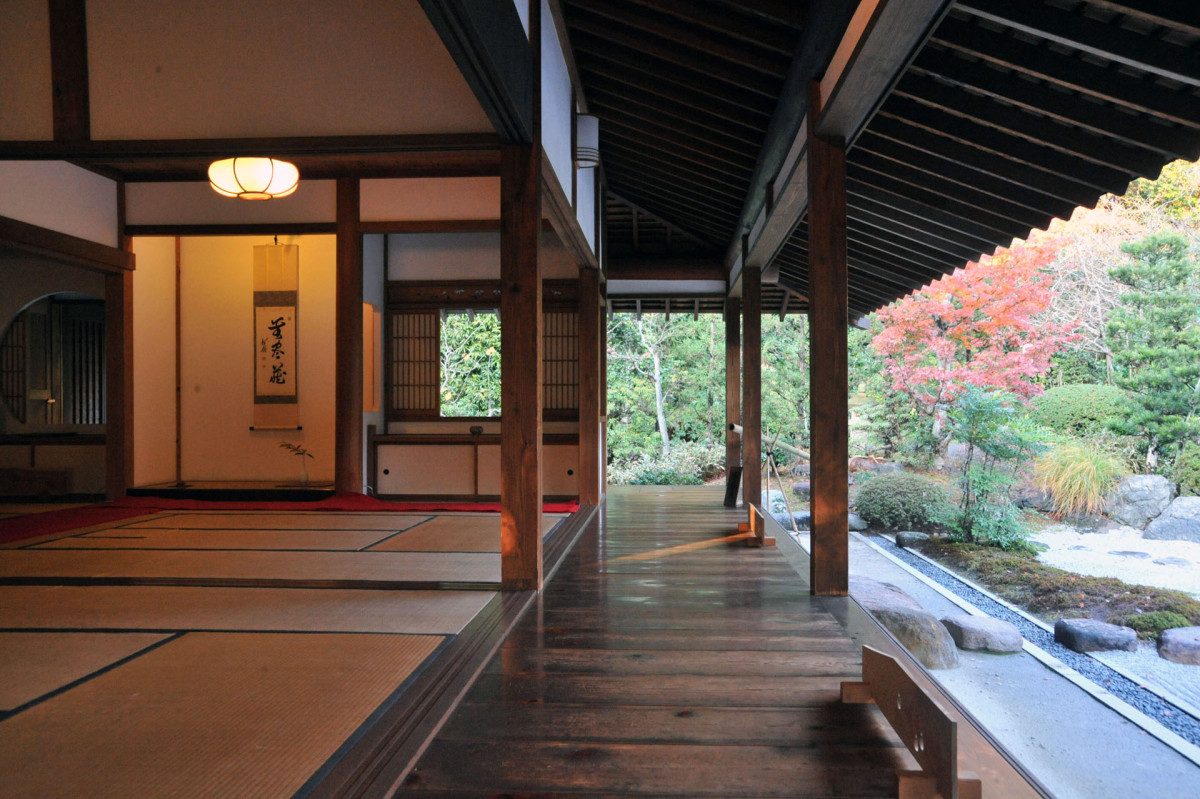
Jomyo-ji ranks fifth among Kamakura's Five Mountains, Rinzai Kencho-ji school. Taste matcha at Kisen-an viewing a dry landscape garden.
Zeniarai Benzaiten Ugafuku Shrine
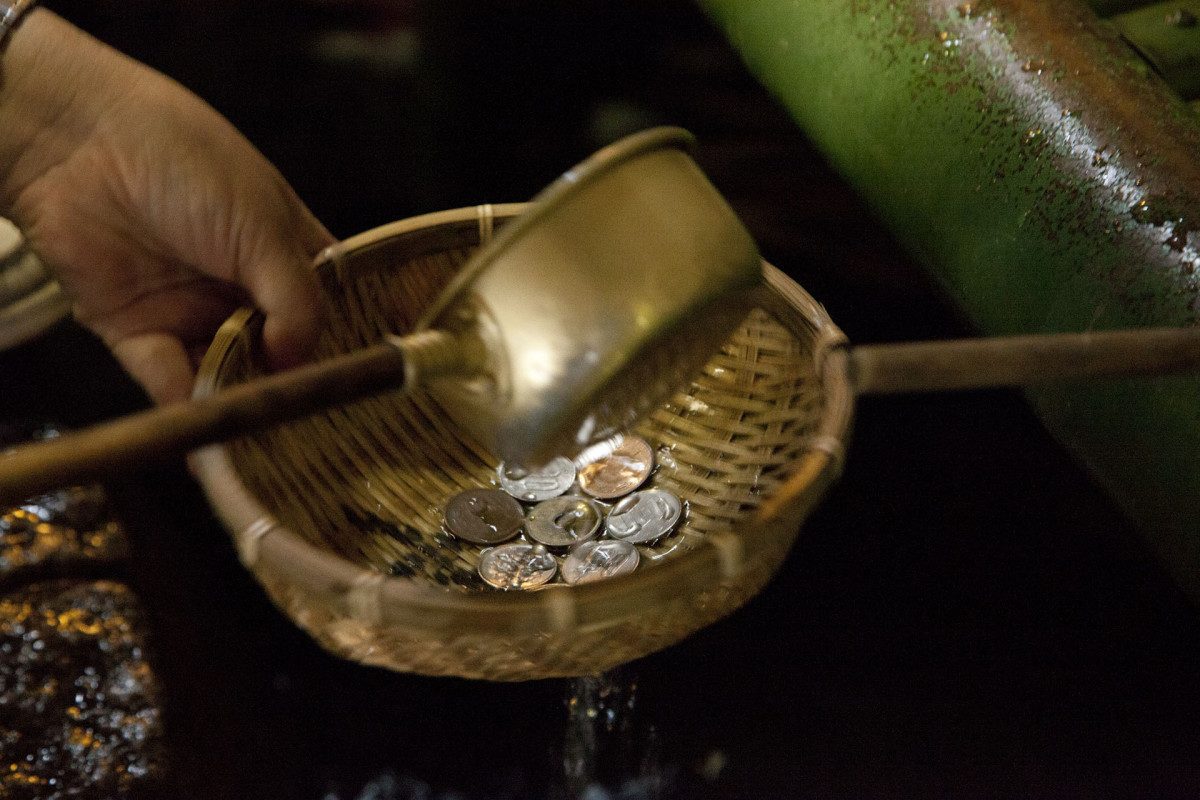
Kamakura's foremost money-luck shrine where washing coins is said to increase wealth. Its spring is one of five famous waters.
Dankazura
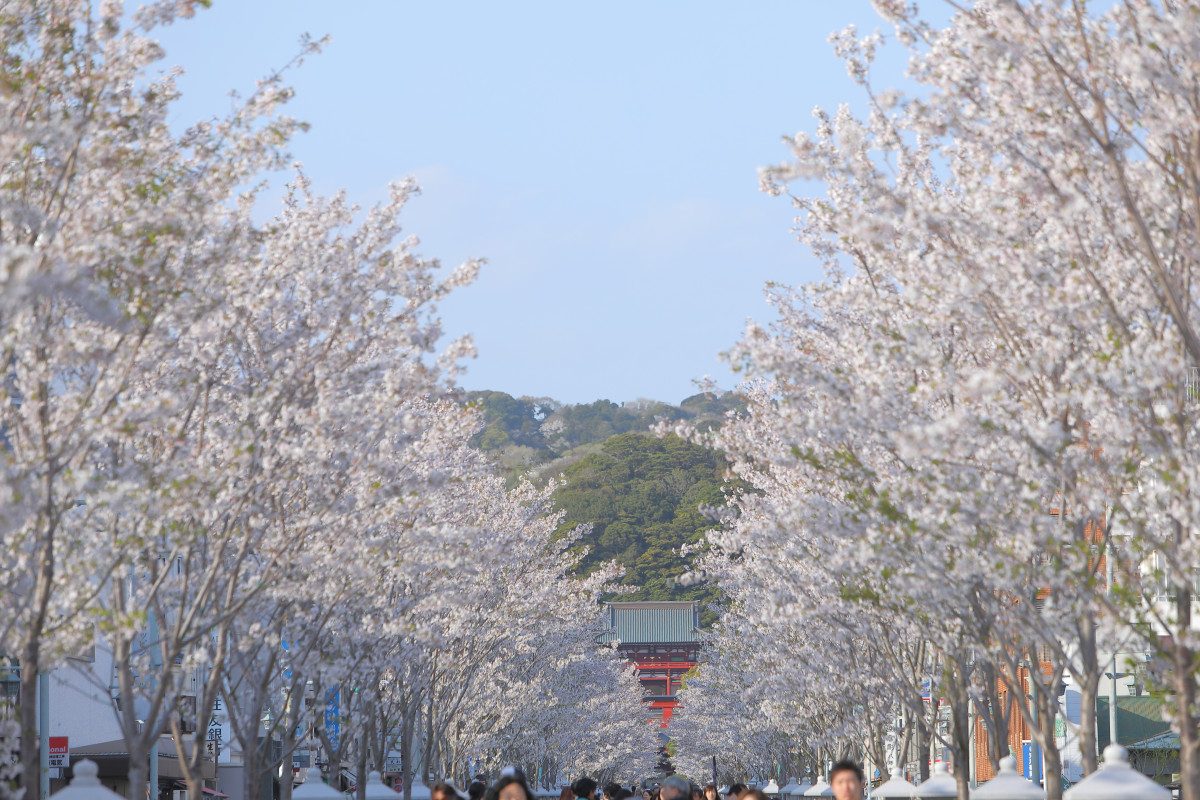
Raised approach about 500m from the second torii to Tsurugaoka Hachimangu, improved by Yoritomo in 1182, with cherries and azaleas.
Tsurugaoka Hachimangu Shrine
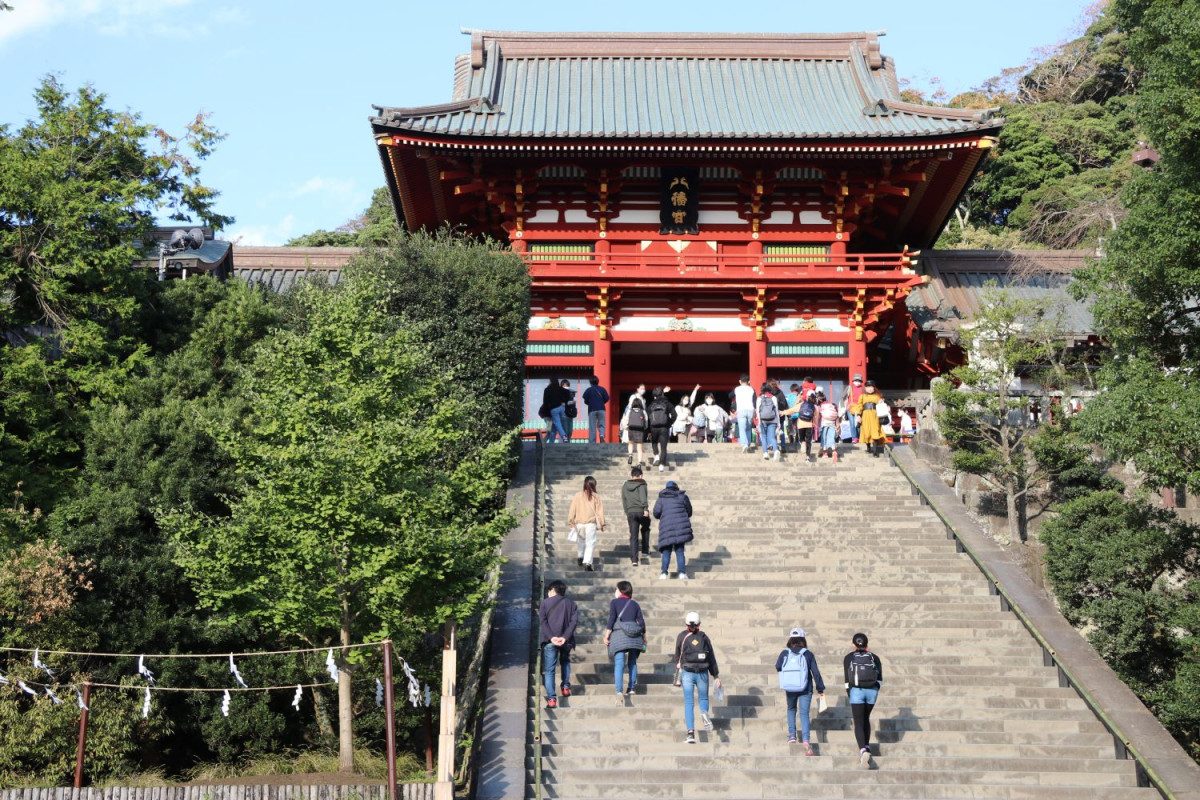
Guardian shrine of the Kamakura shogunate, with stone steps, sacred ginkgo trees, Masako Stone, and peony garden.
Hasedera Temple
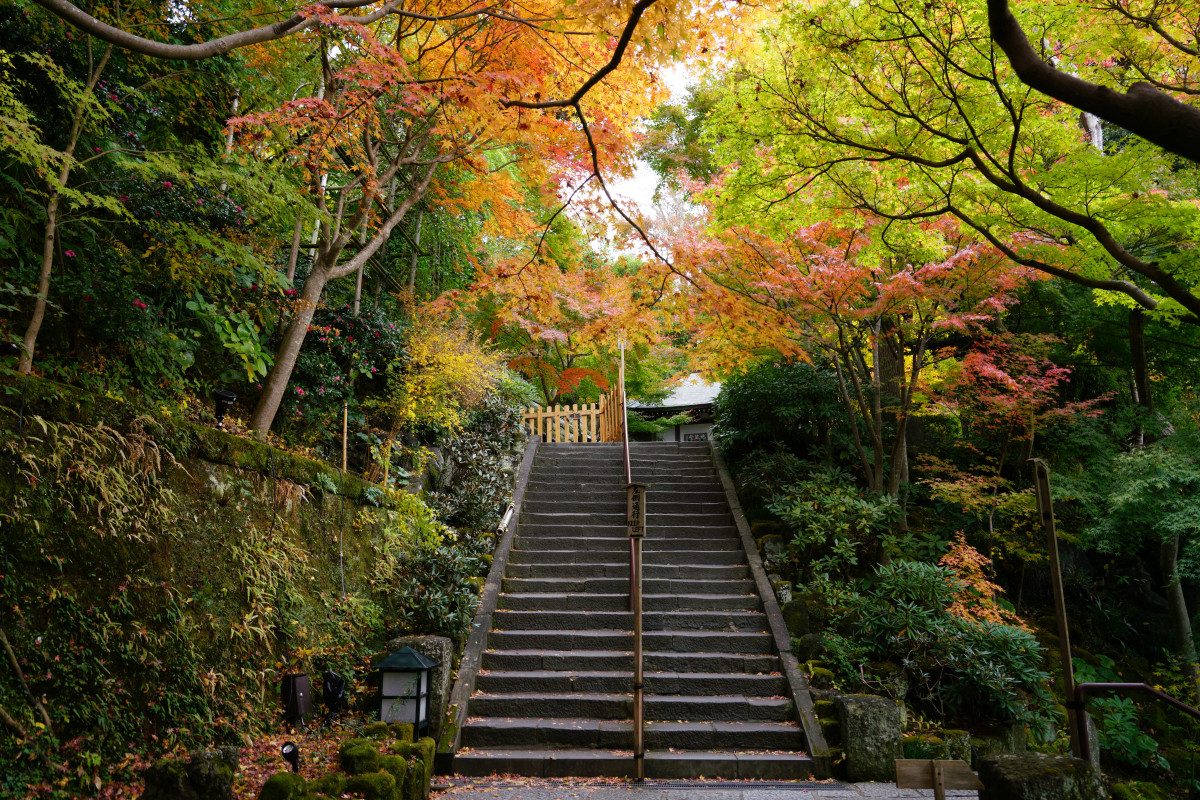
Kamakura temple known for flowers year-round and a 9.18 m wooden Eleven-faced Kannon, among Japan's largest.
Grave of Minamoto no Yoritomo
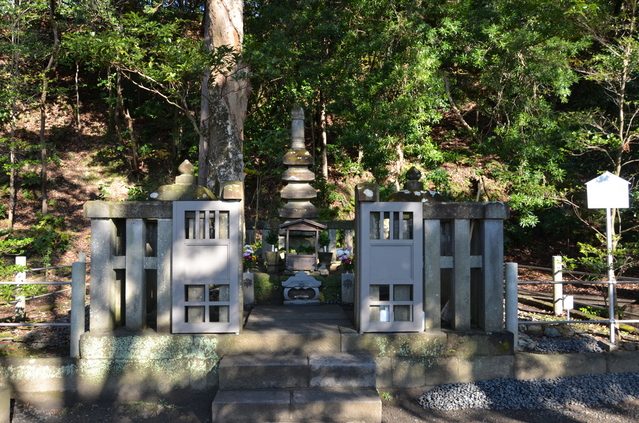
Stone pagoda said to be Yoritomo's grave, on the estimated memorial-hall site, with Hojo Yoshitoki remains; a national historic site.
Kotoku-in Temple
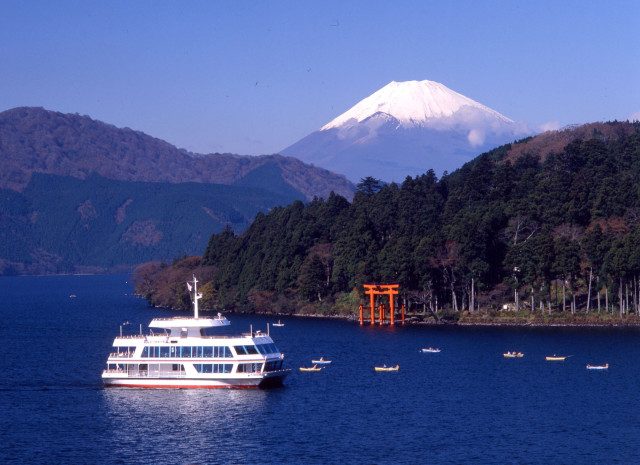
Check the official website for the latest information.
Hokoku-ji
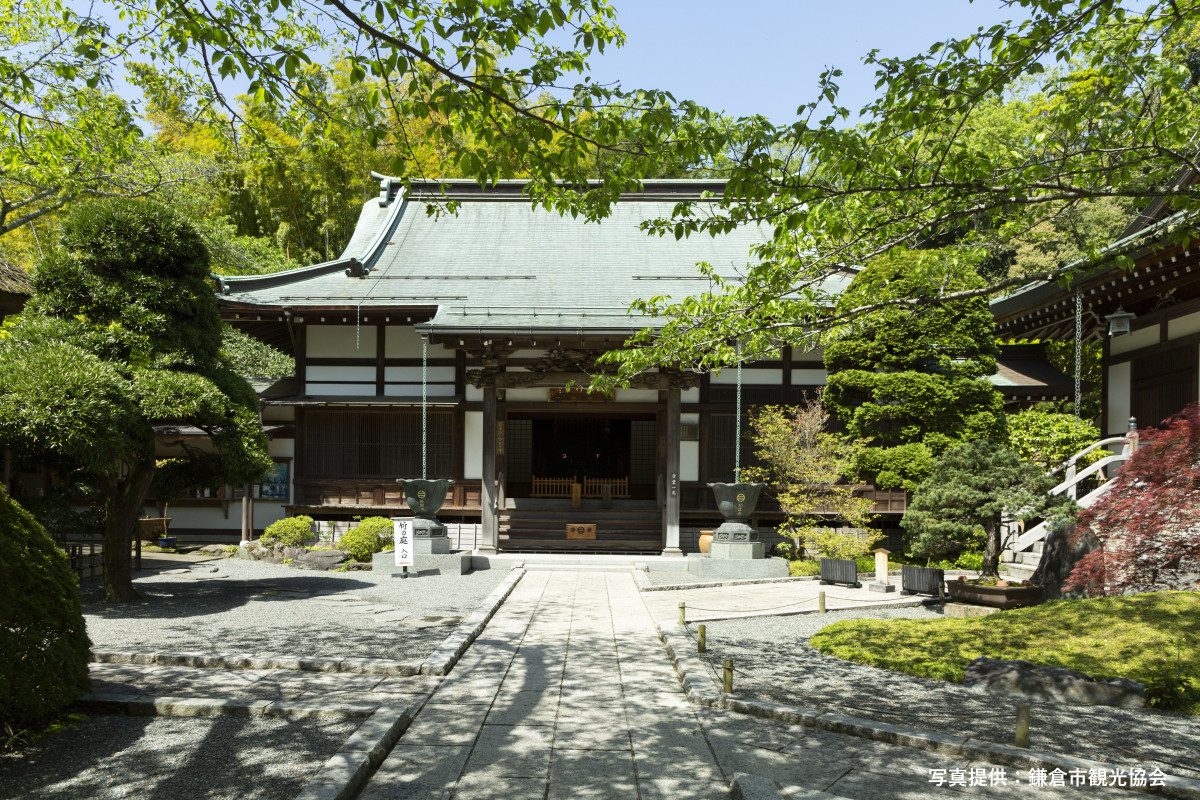
Kamakura temple with bamboo grove, dry garden, Ashikaga graves, matcha, and Sunday morning zazen.
Kita-Kamakura Old Folk House Museum
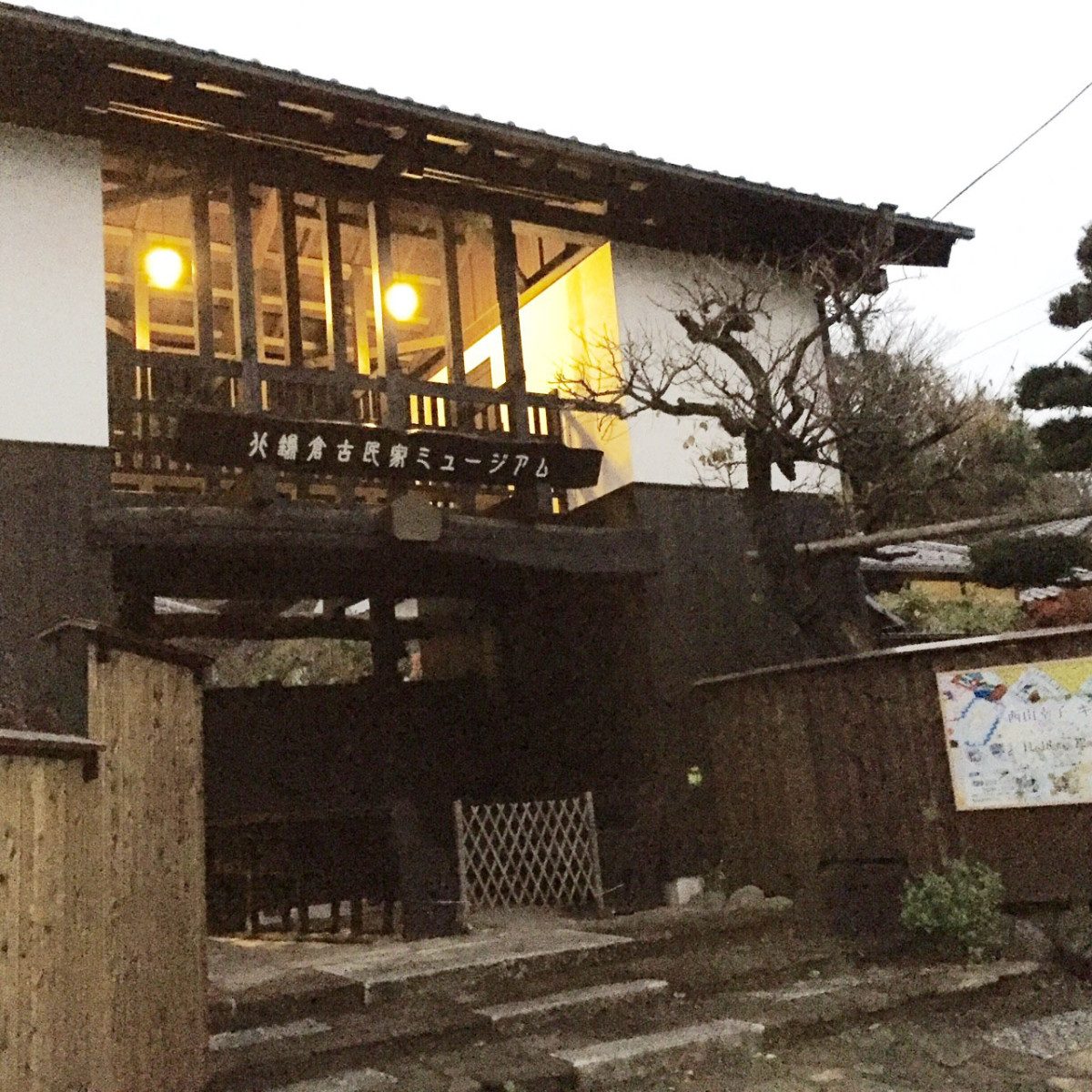
House over 100 years old showing Abe Akemi's permanent Showa Family dolls and seasonal exhibitions.
Sanzagaike Forest Park
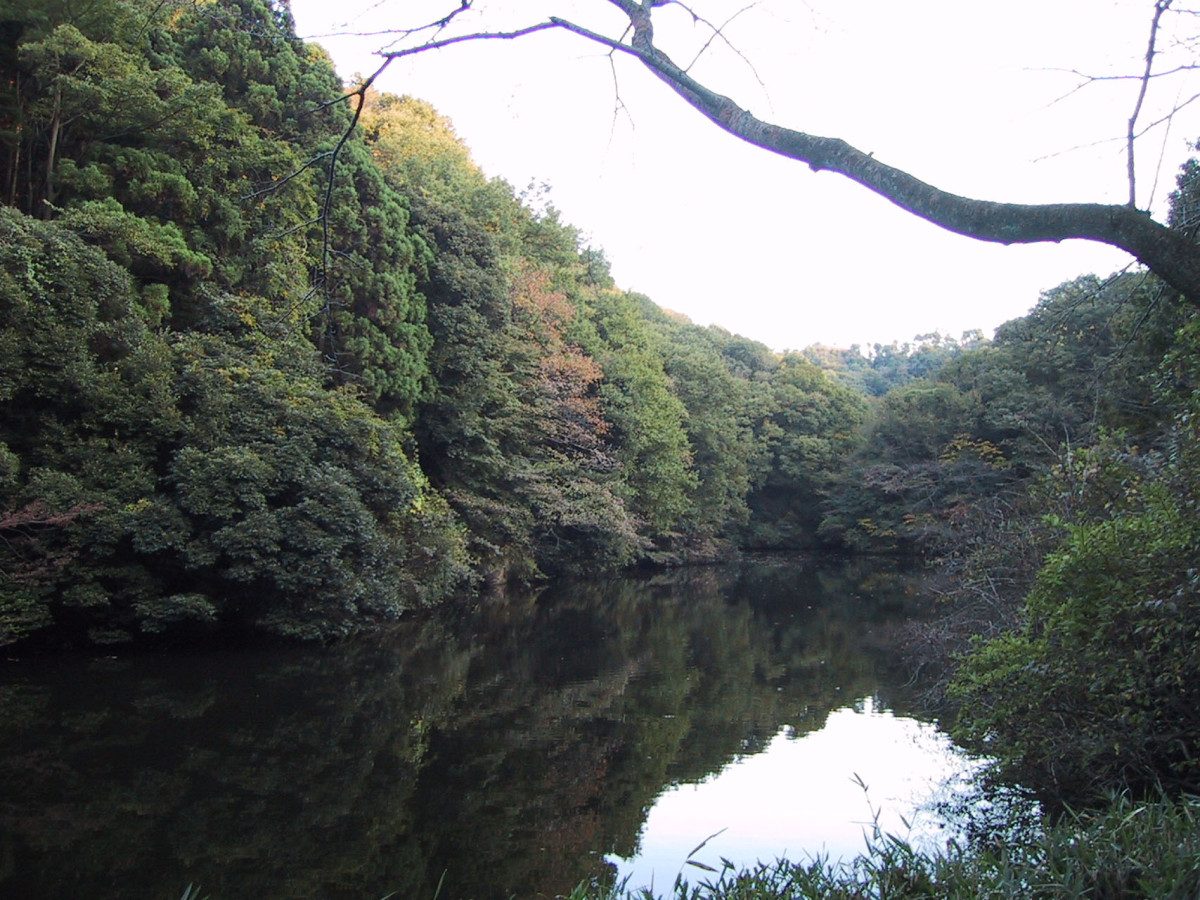
Pond also called Kamakura Lake and a 2.4 km path; quiet cherry viewing peaks in early April.
Kamakurayama Cherry Blossom Avenue
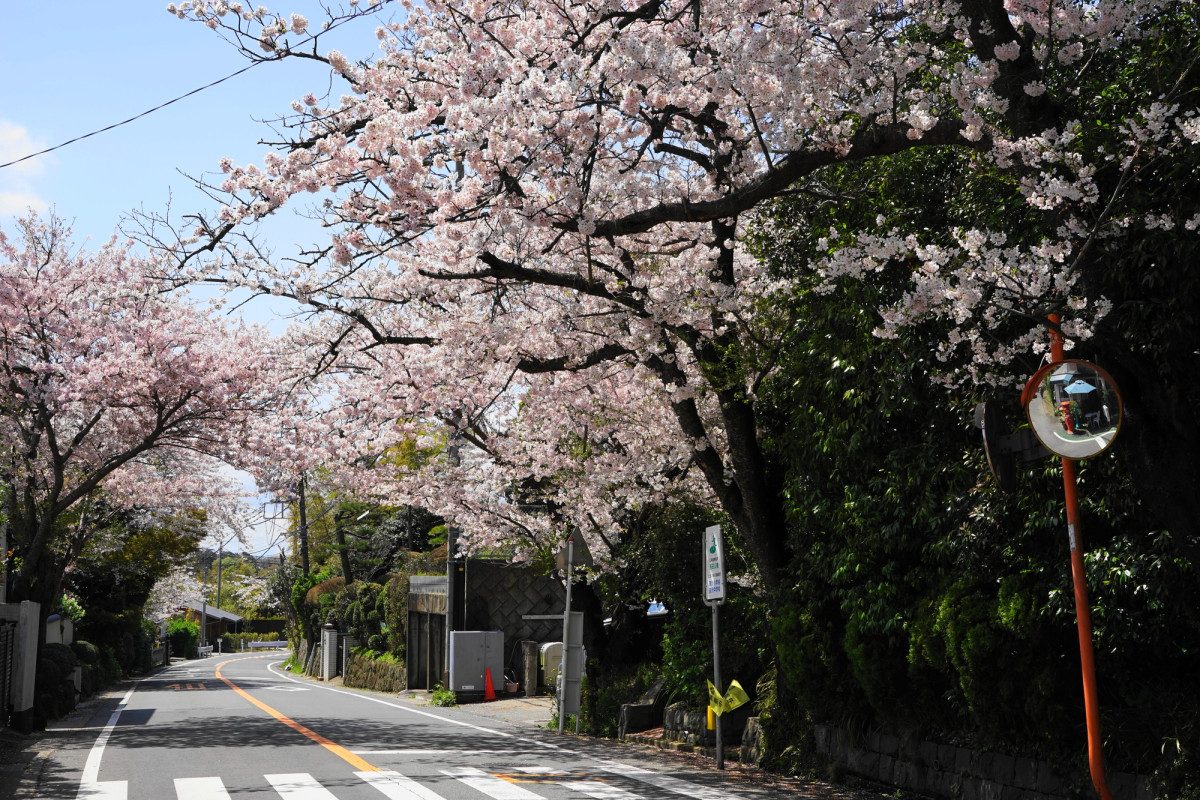
Early Showa luxury housing whose aged roadside cherry trees are a famed Kamakura spot.
Genjiyama Park
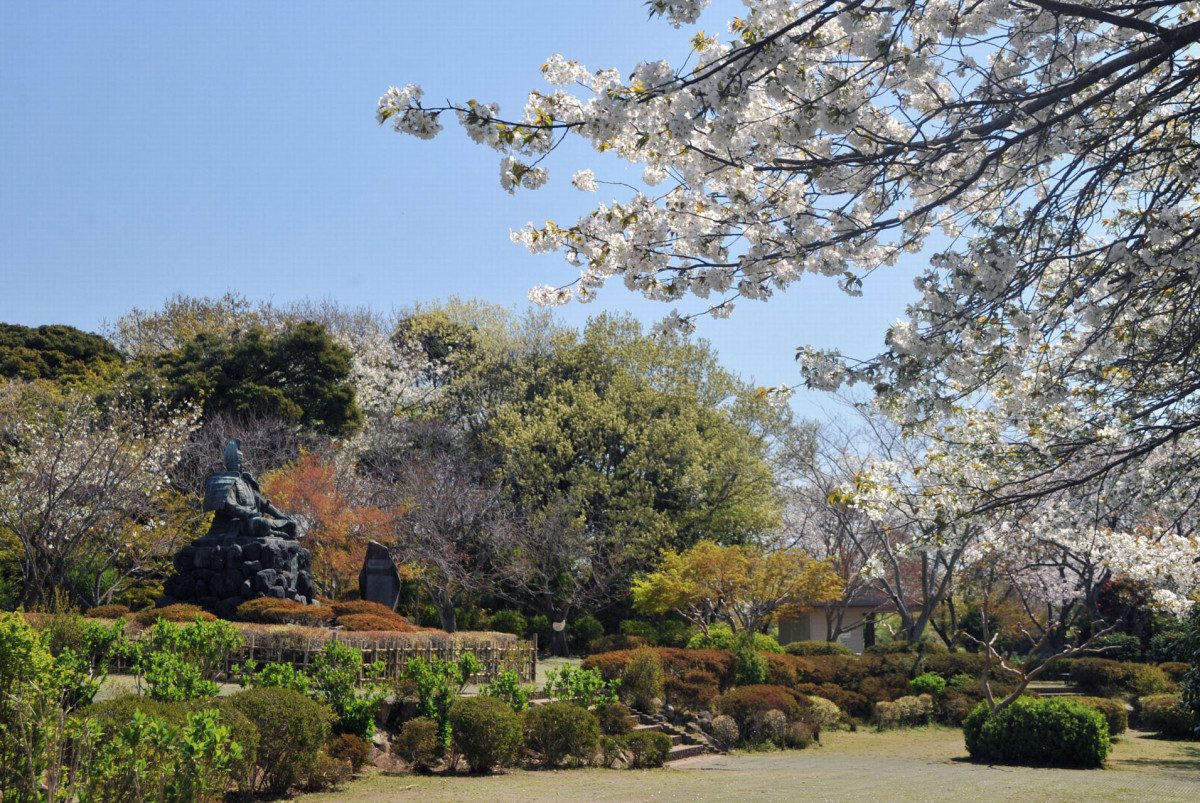
Green park beside national historic site Kewaizaka, with a Yoritomo statue, seasonal flowers, and hiking courses.
The Museum of Modern Art, Kamakura Annex
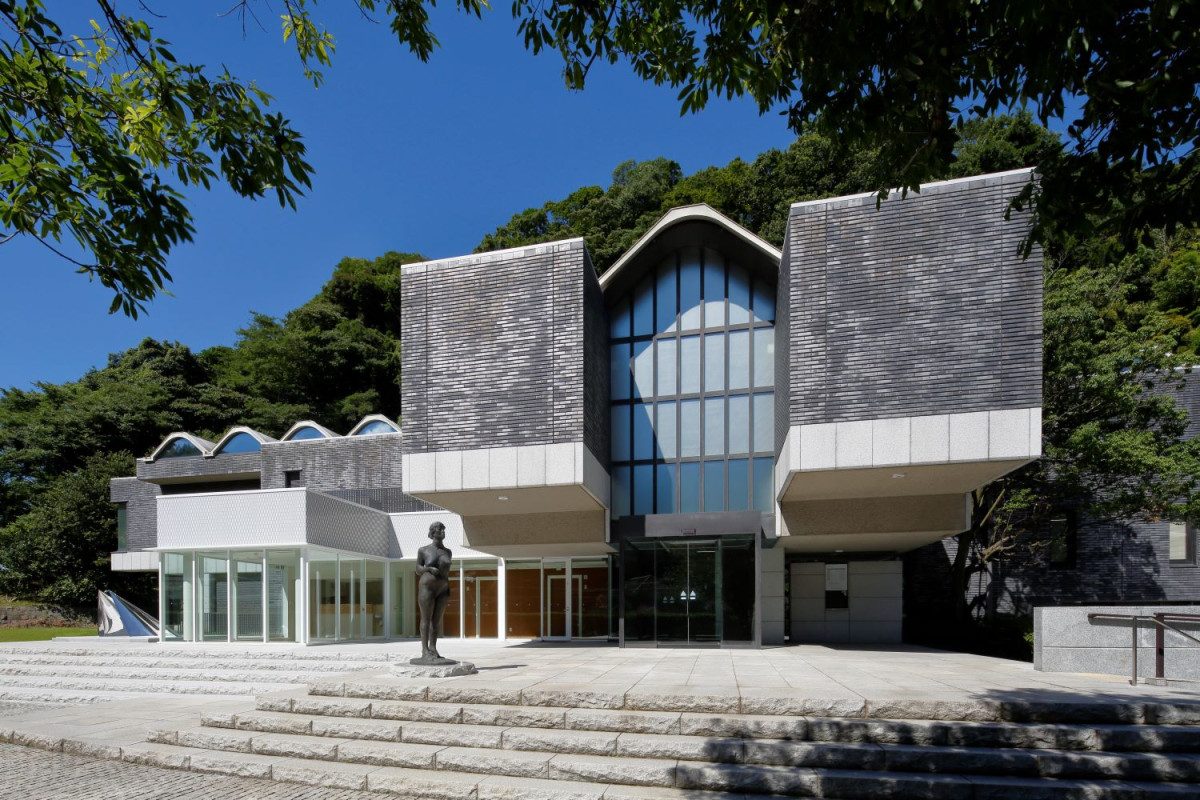
Behind Tsurugaoka Hachimangu on the Kamakura Kaido, with exhibition rooms and a contemporary sculpture garden.
Kitakamakura Yoh Shomei Art Museum
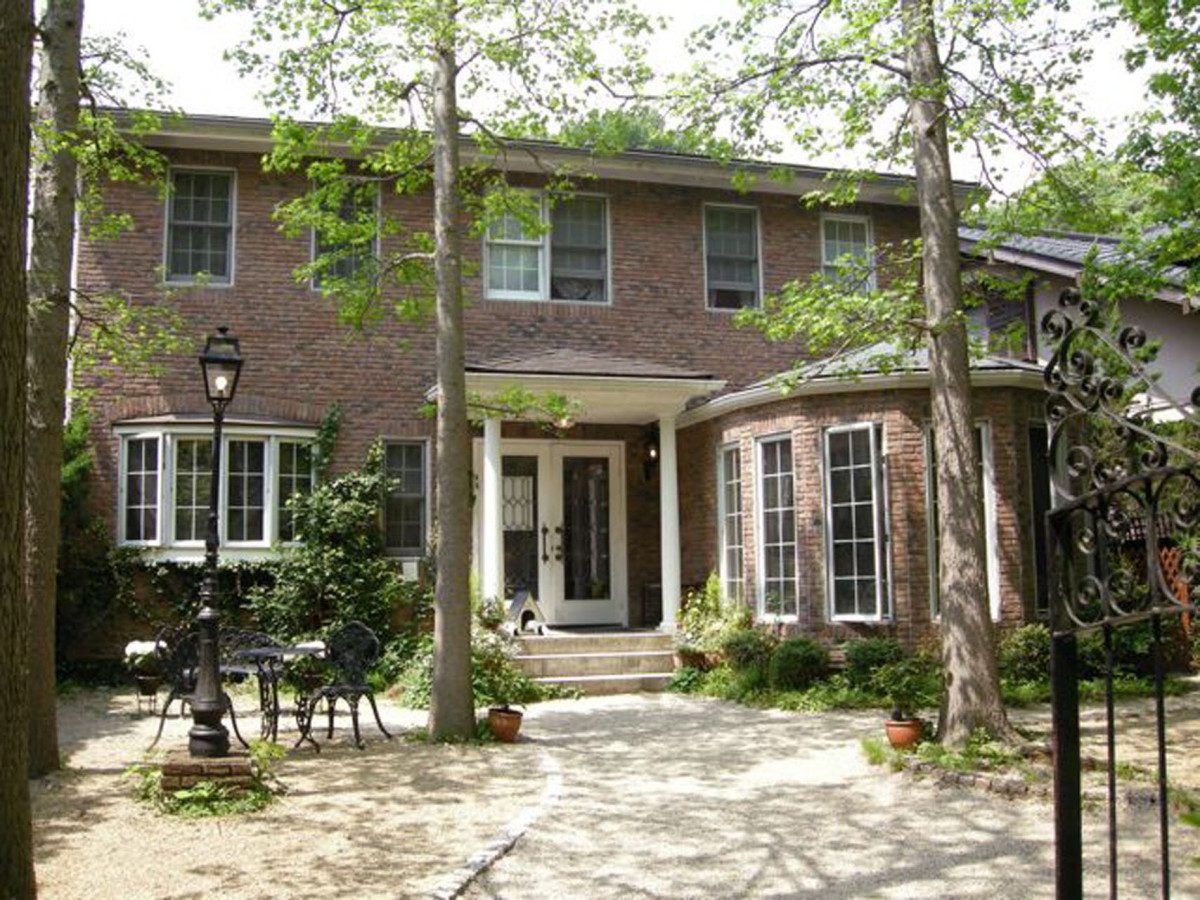
Personal museum of picture-book artist Yoh Shomei, conceived as a beautiful picture book, displaying about 80 originals.
Kamakura City Kaburaki Kiyokata Memorial Art Museum
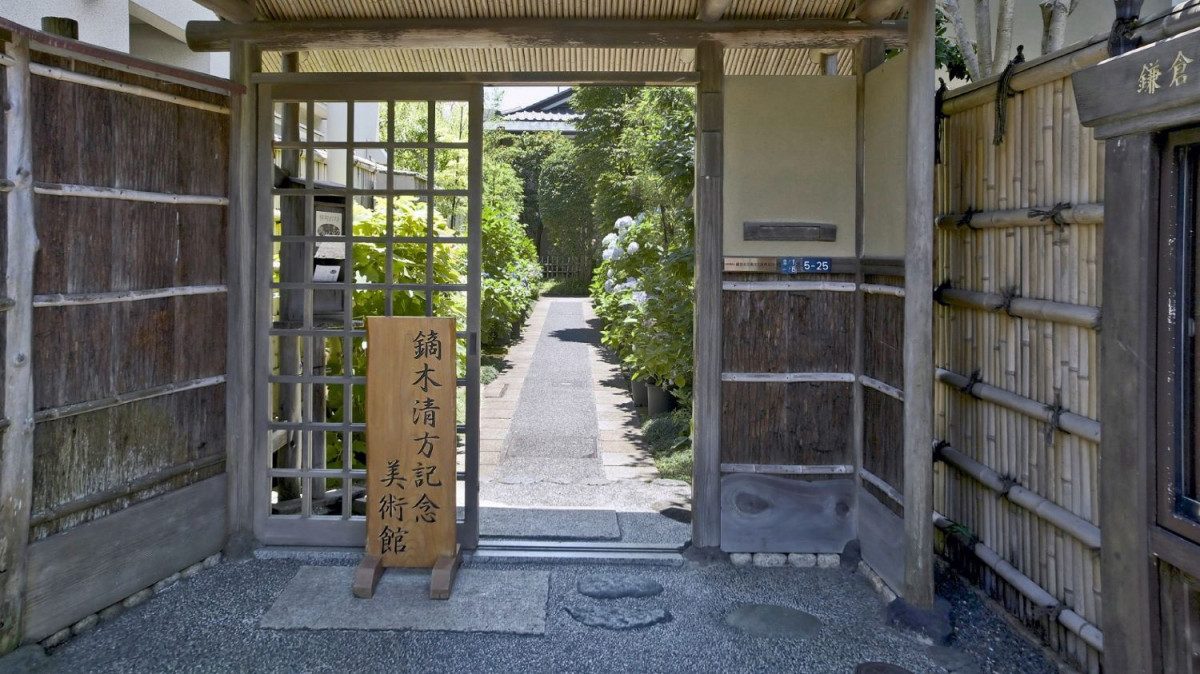
Built on Kaburaki Kiyokata's final residence site in Kamakura, holding eight exhibitions a year.
Kamakura-bori Museum
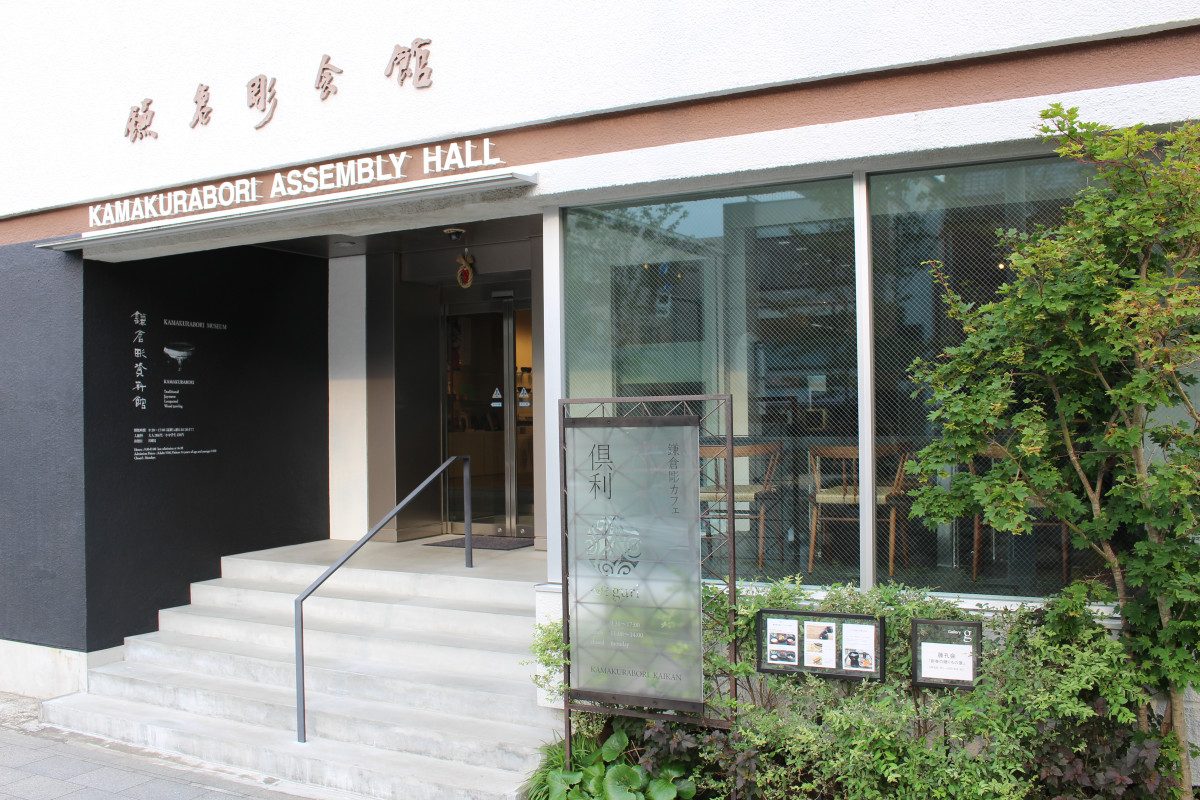
Only museum of Kamakura carving, displaying about 50 pieces from the Muromachi period to today.
Toray Zelkova Avenue
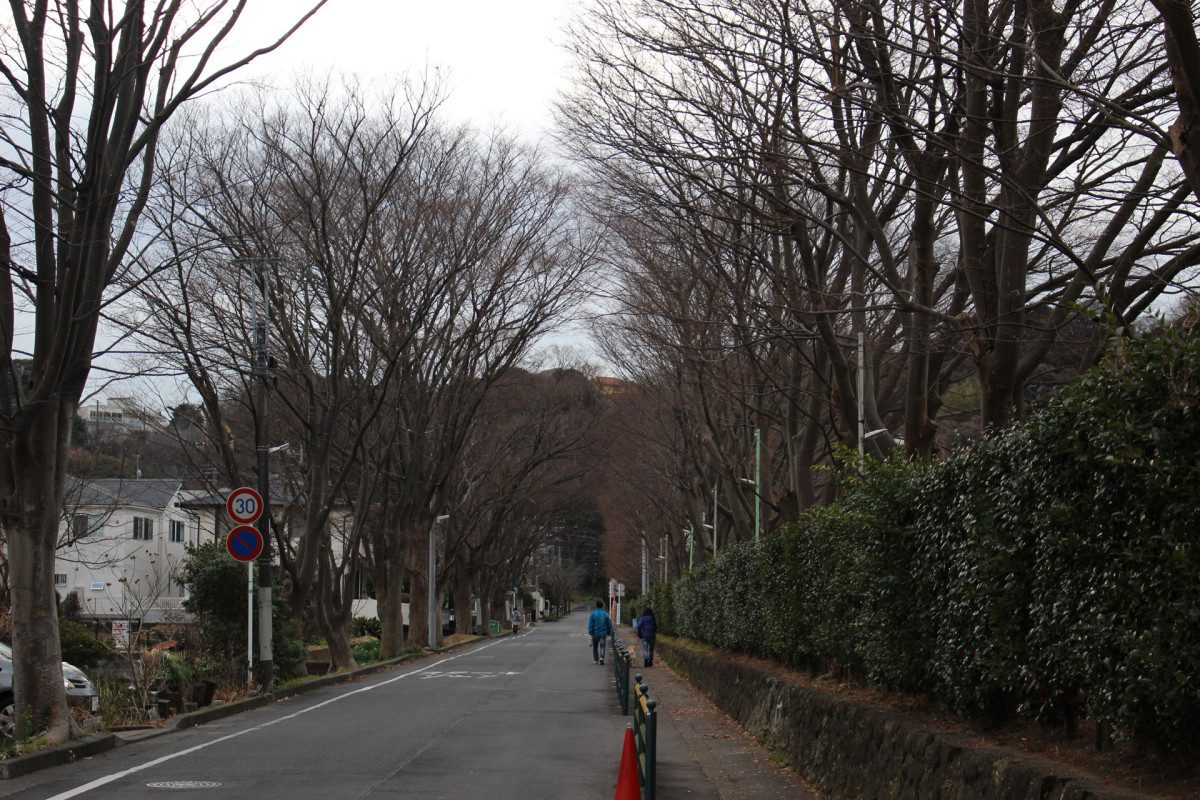
Zelkova-lined straight road in front of Toray Research Institute, with summer greenery and autumn foliage.
Inamuragasaki
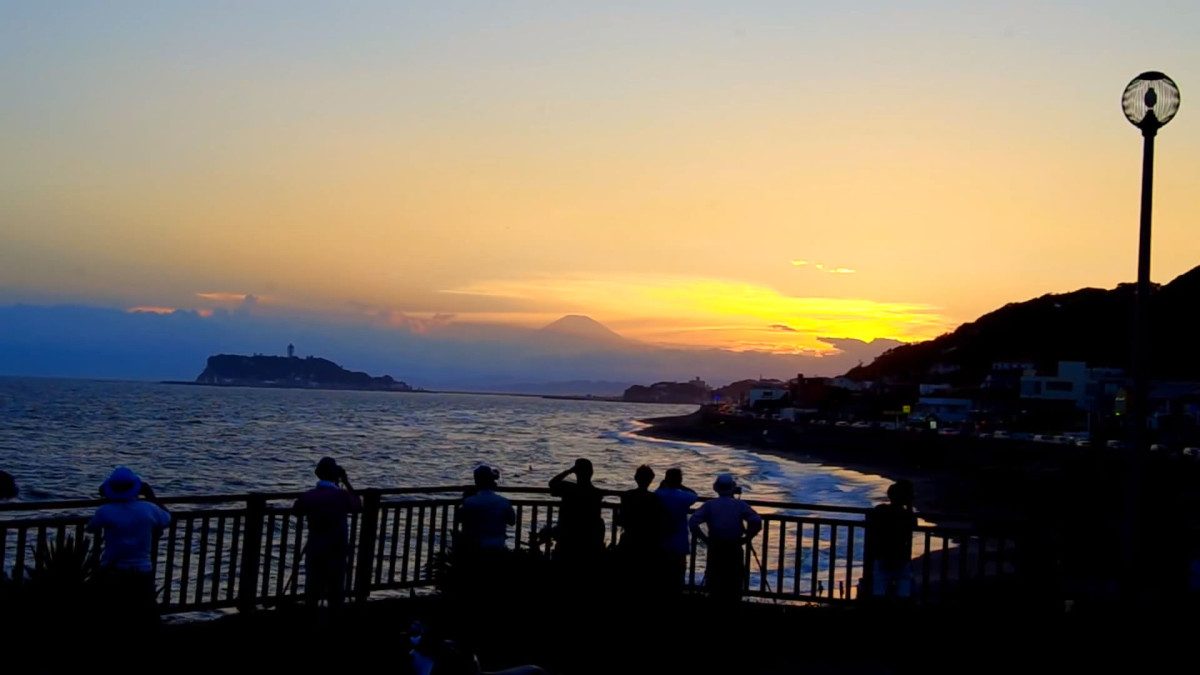
Famous cape between Yuigahama and Shichirigahama, a scenic spot for sunsets, Enoshima views, and sometimes Mount Fuji.
Kewaizaka Pass
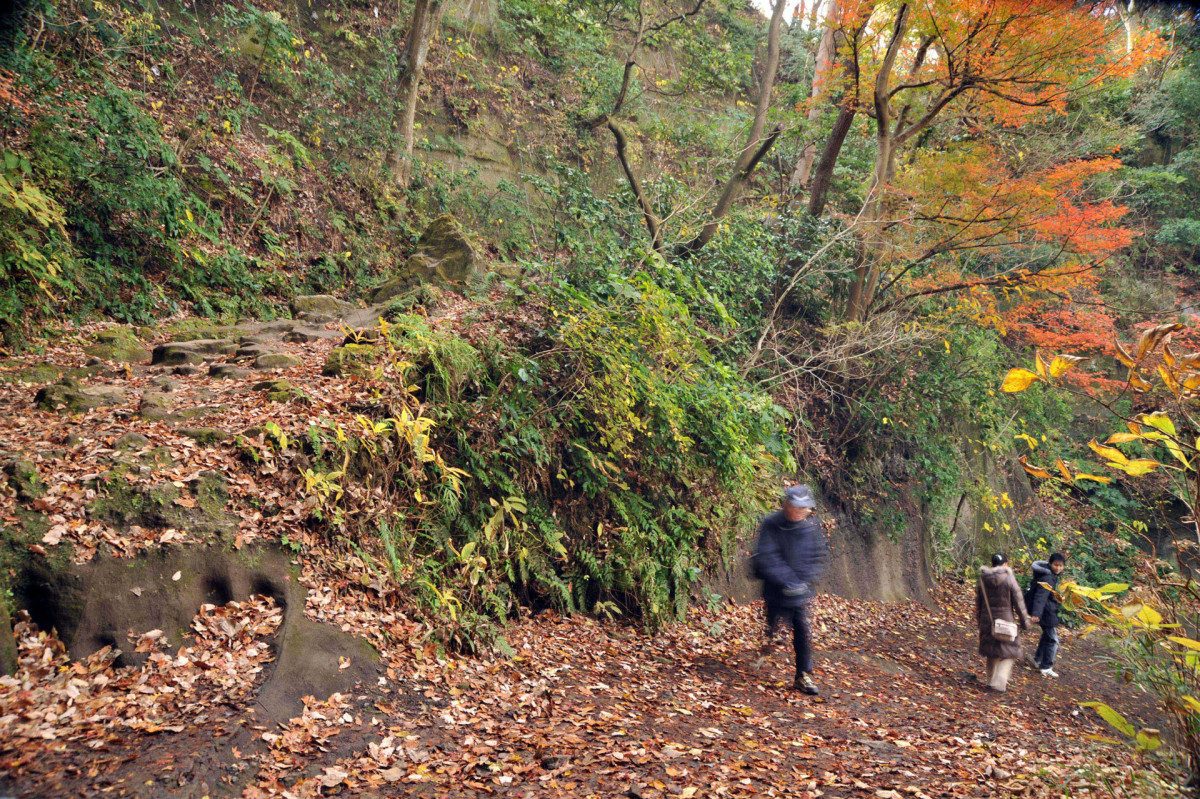
National historic site and one of Kamakura's seven entrances, a steep cut-through thought sealed in war to block enemies.
Kamakura-gu
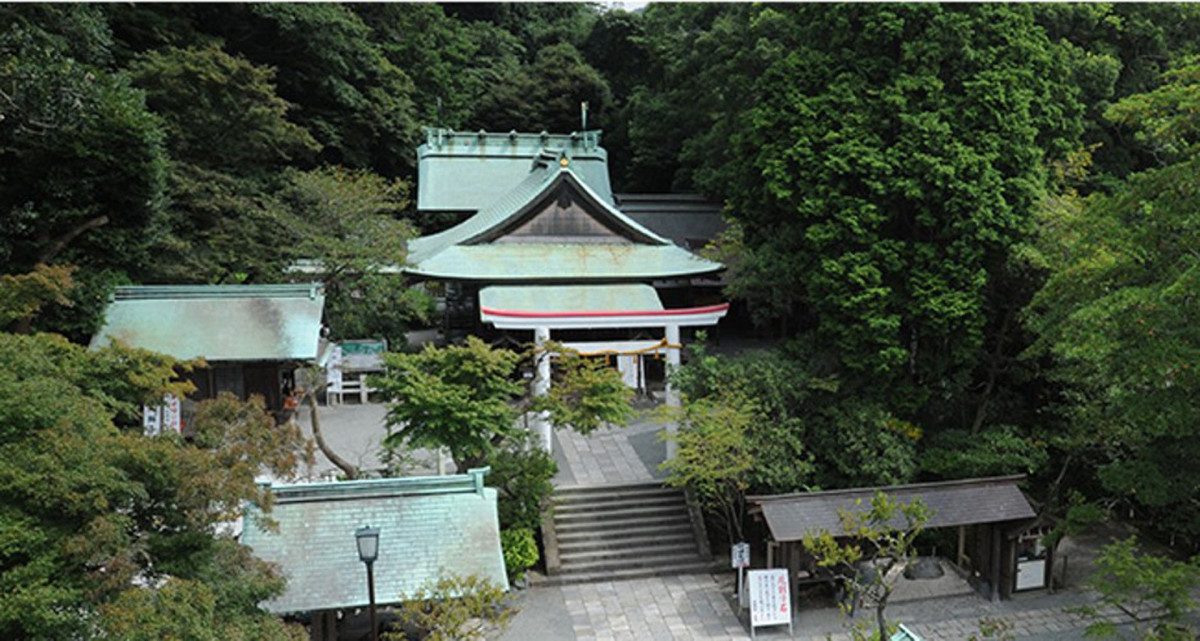
Founded in 1869 by Emperor Meiji to honor Prince Morinaga at his death site.
Komyo-ji Temple
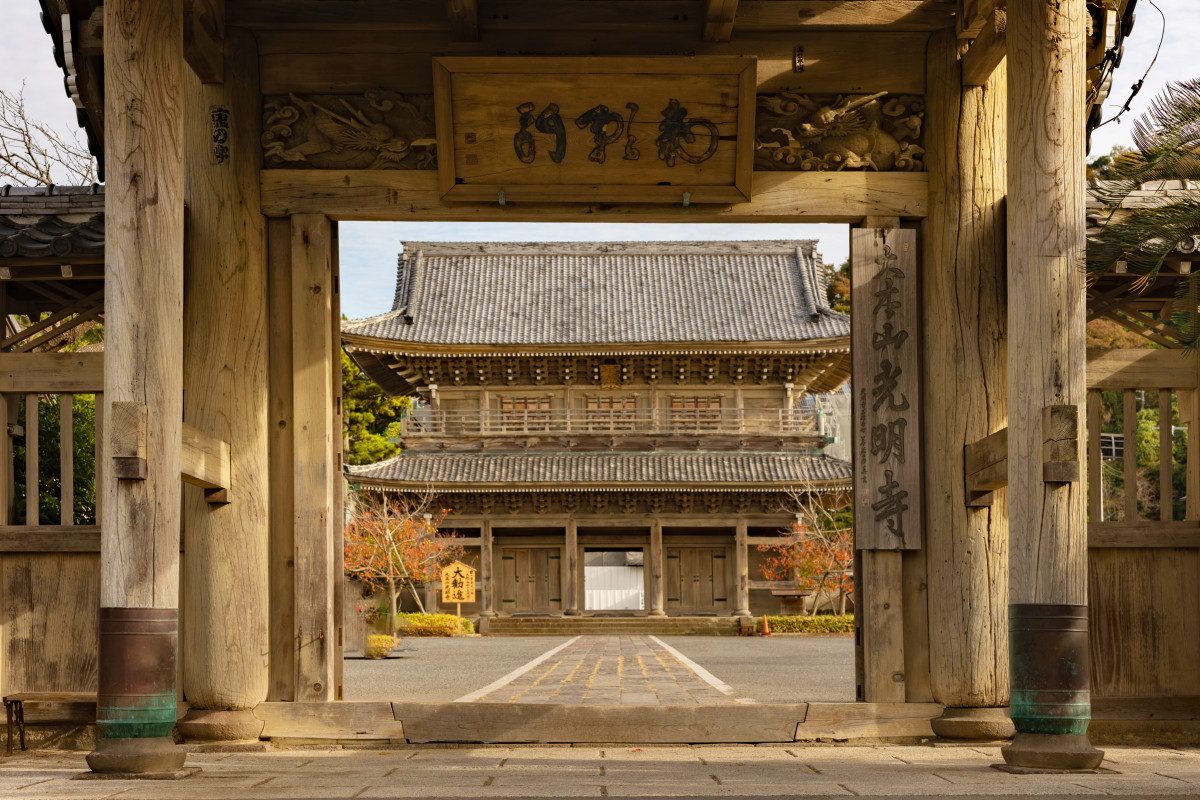
One of eight Jodo sect head temples, founded in 1243, with sunsets, spring cherry, and summer lotus.
Eisho-ji
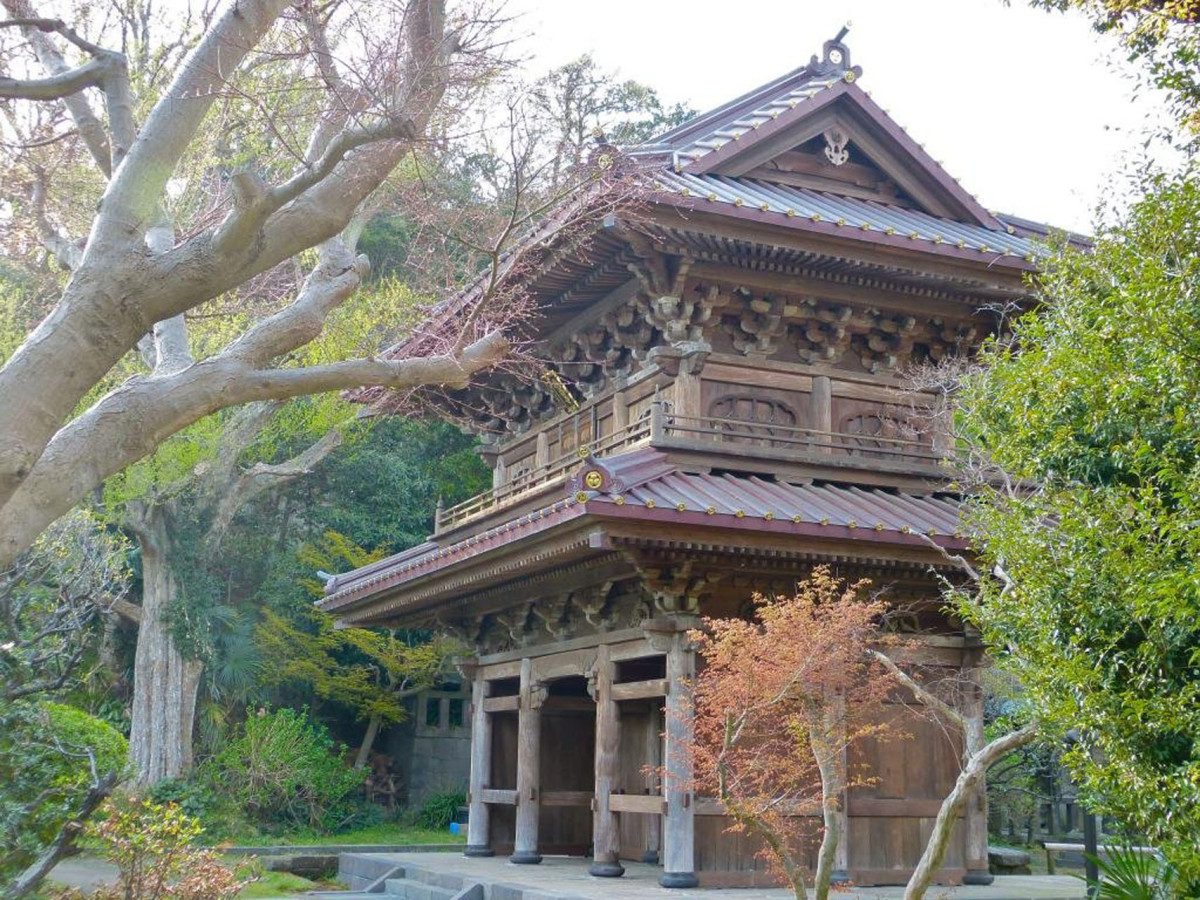
Founded in 1636, many original buildings remain, all designated National Important Cultural Properties.
Kaizo-ji
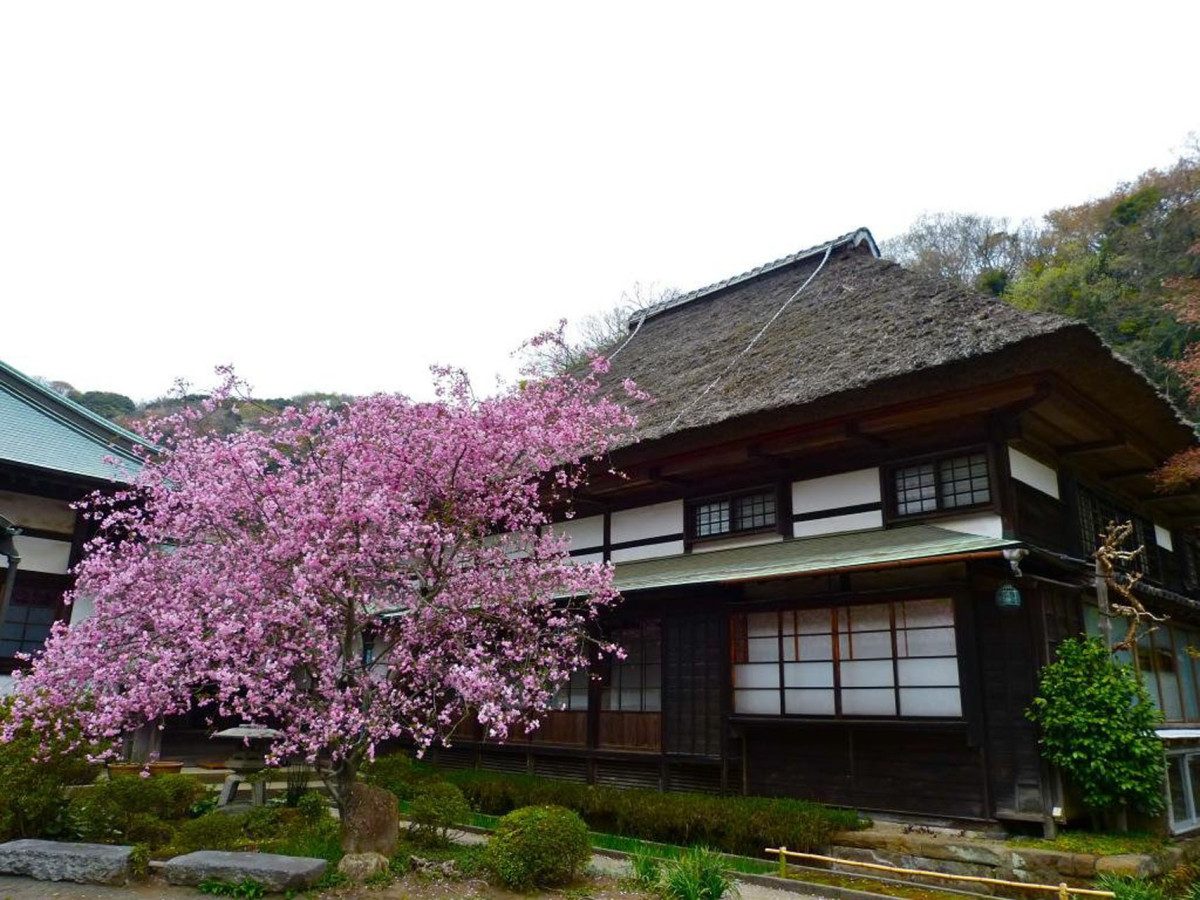
Spacious front garden from the gate to the main hall shows seasonal flowers.
Jokomyo-ji
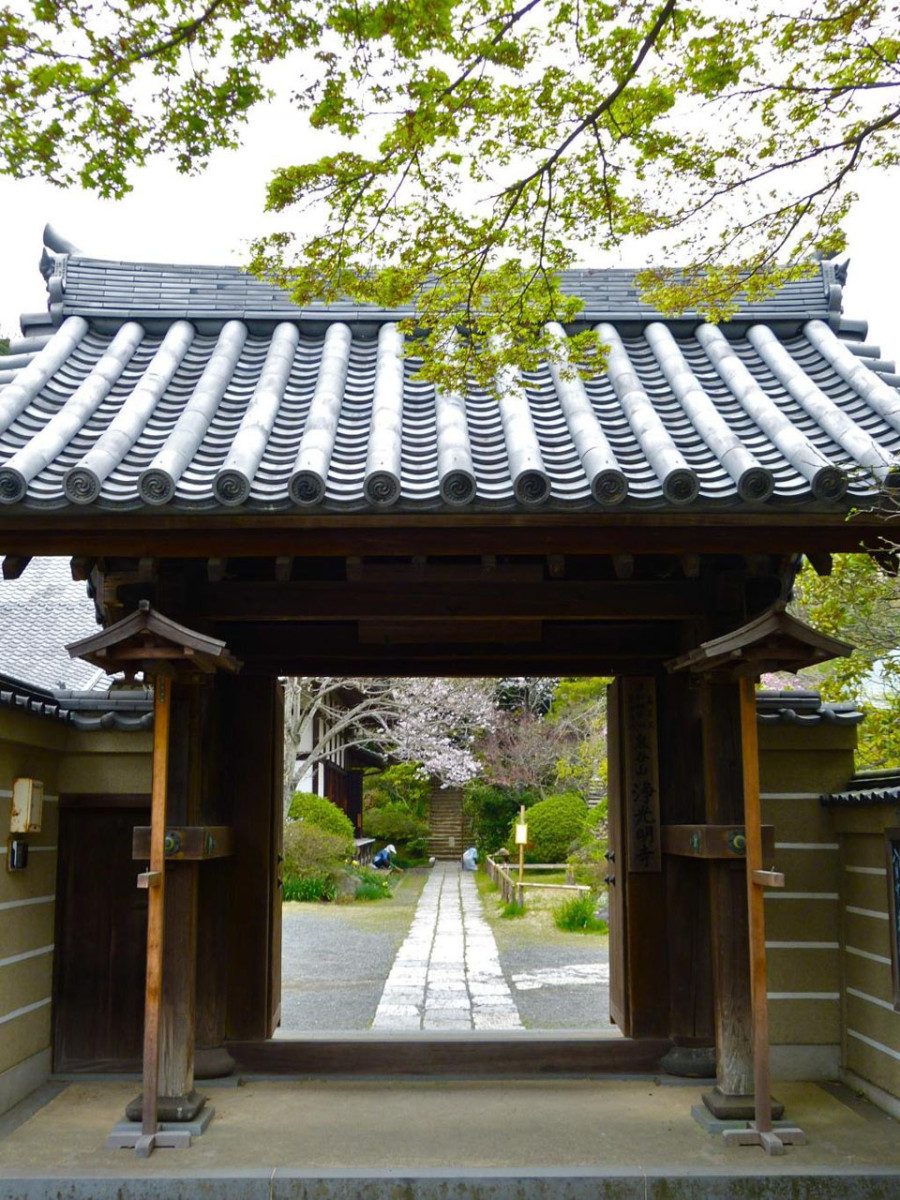
Founded by Hojo Tokiyori and Nagatoki; the entire precinct is a National Historic Site.
Jochi-ji
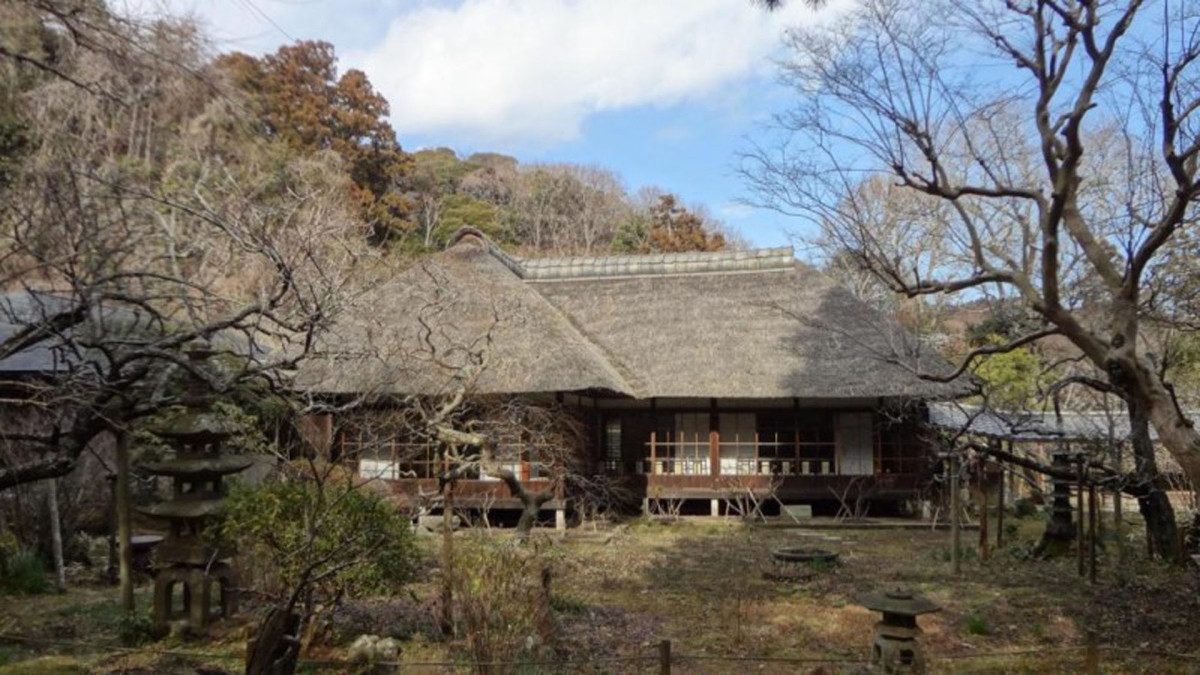
Built around 1281 by Hojo Munemasa's wife and son Morotoki. Has Kanro-no-i well. Lush grounds are a national historic site.
Jomyo-ji
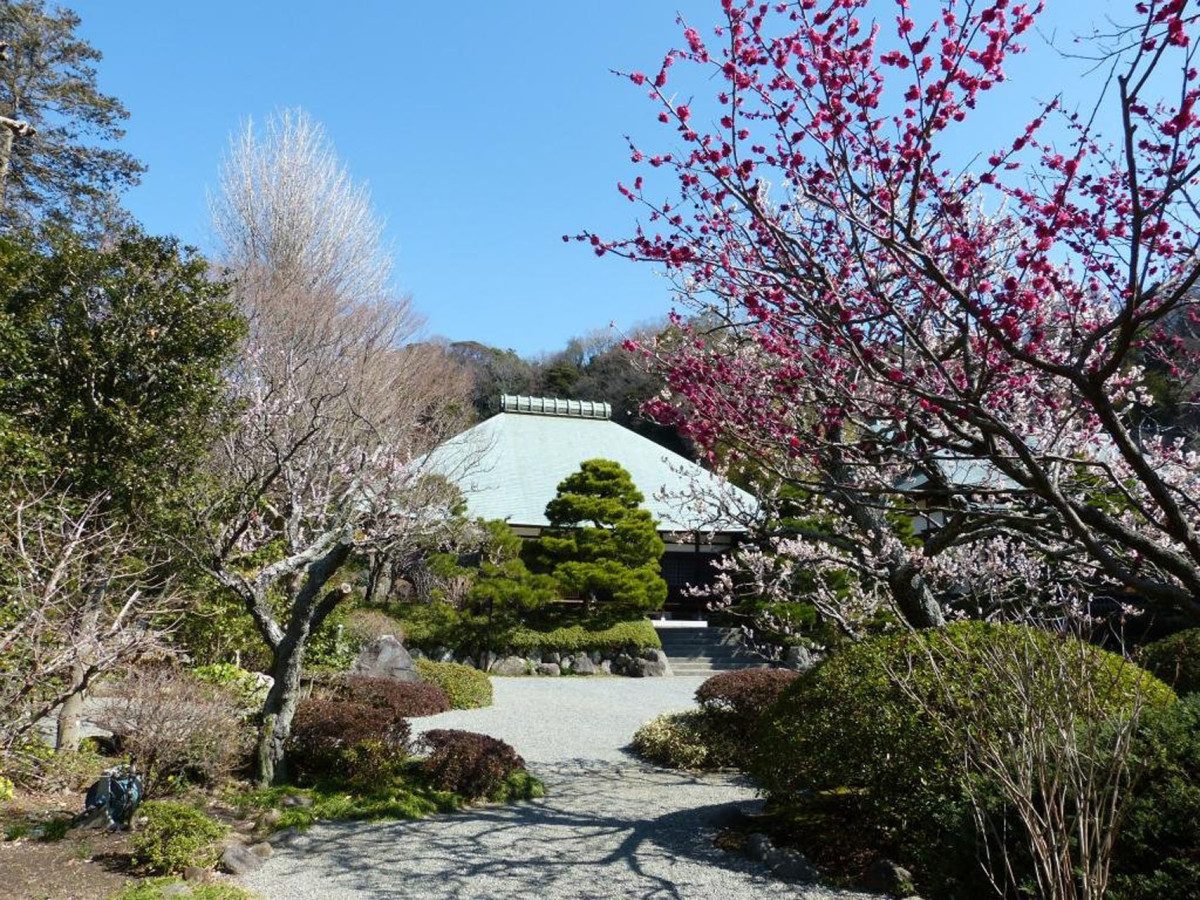
Kencho-ji school temple ranked fifth of Kamakura's Five Mountains. Ashikaga family temple and national historic site.
Engaku-ji Kigen-in
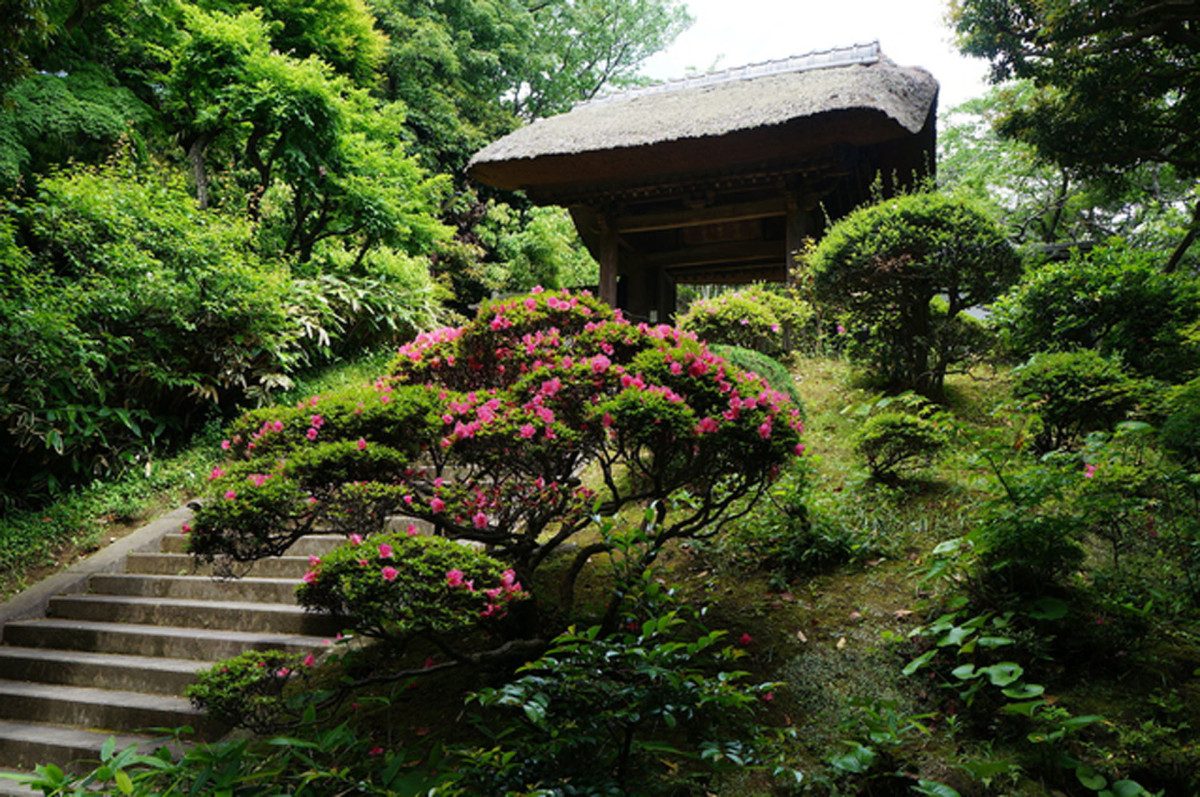
A sub-temple of Engaku-ji within the Engaku-ji precincts.
Yoshiya Nobuko Memorial Museum
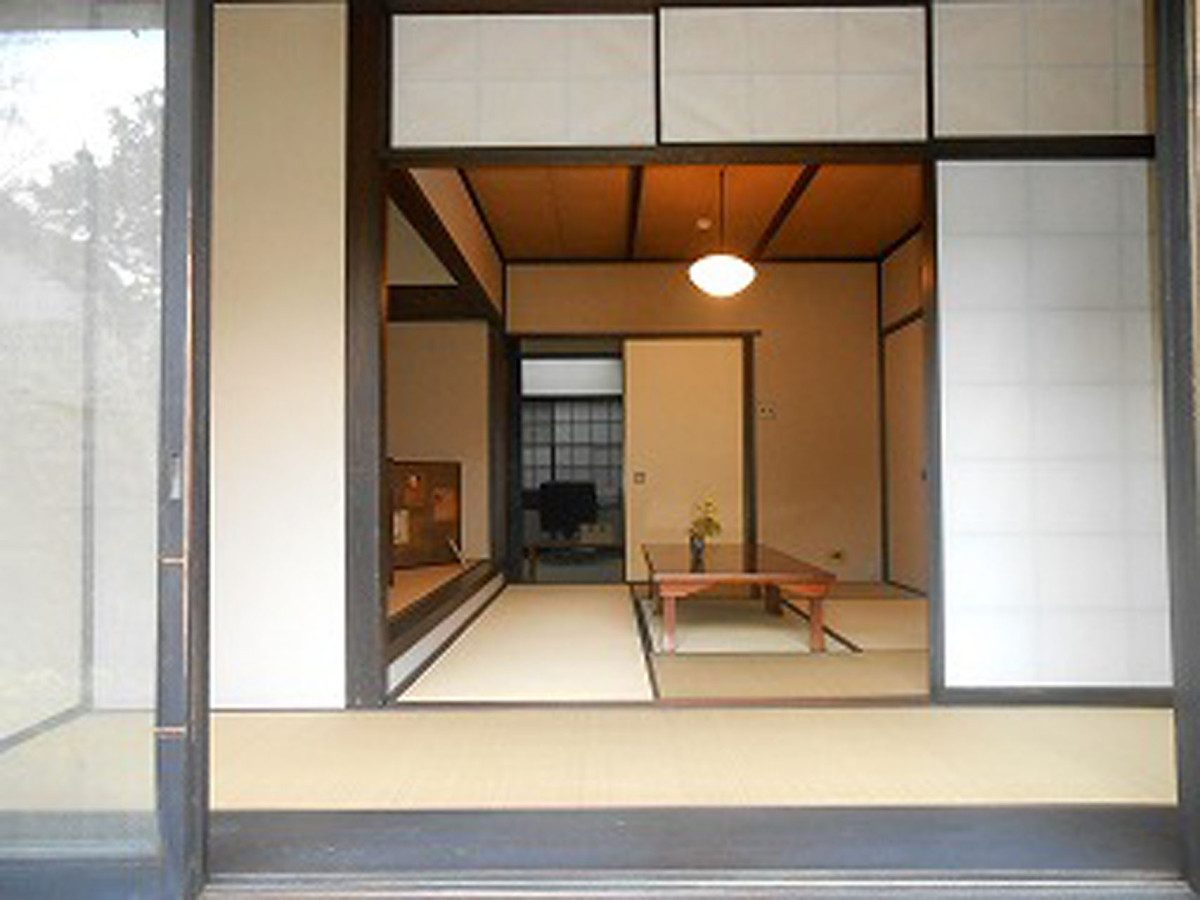
Female writer Yoshiya Nobuko's home, donated to the city by her wish, is a social-education learning facility.
Kamakura Noh Stage
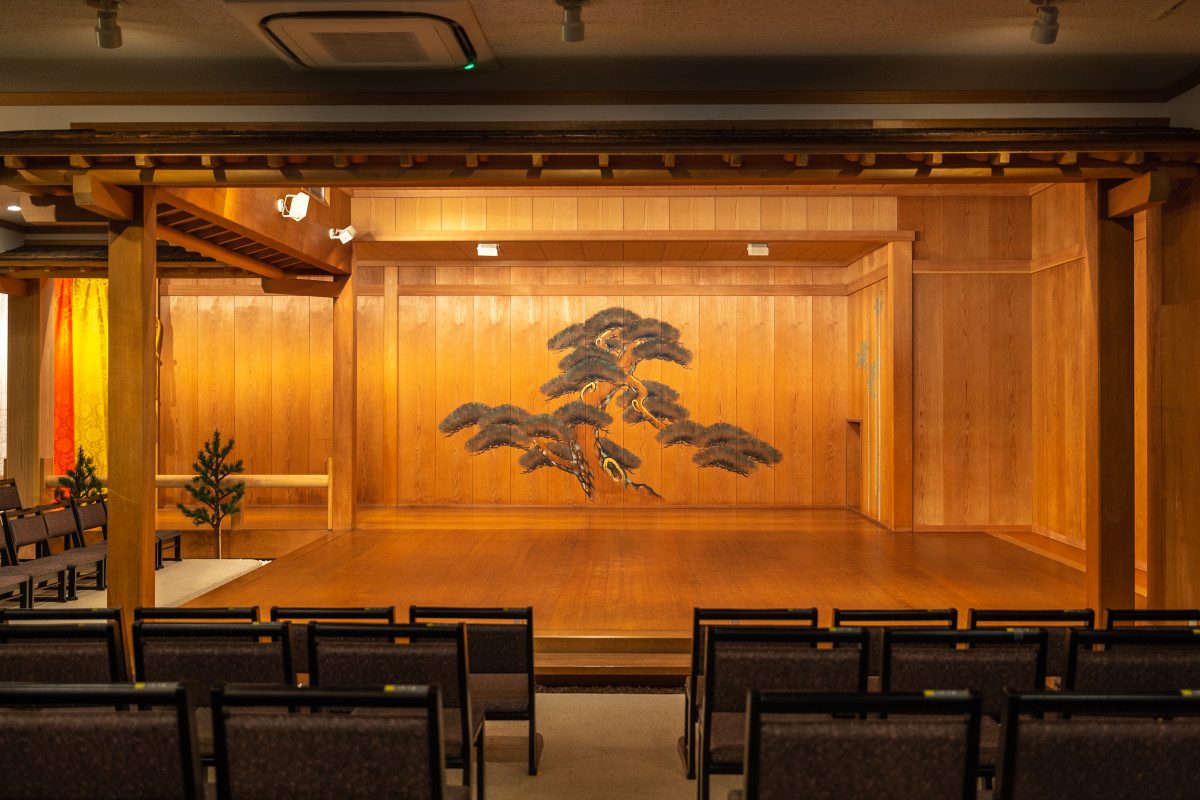
Founded in 1970 near Kamakura's Great Buddha to promote Noh, with performances and mask and costume displays.
Meigetsu-in
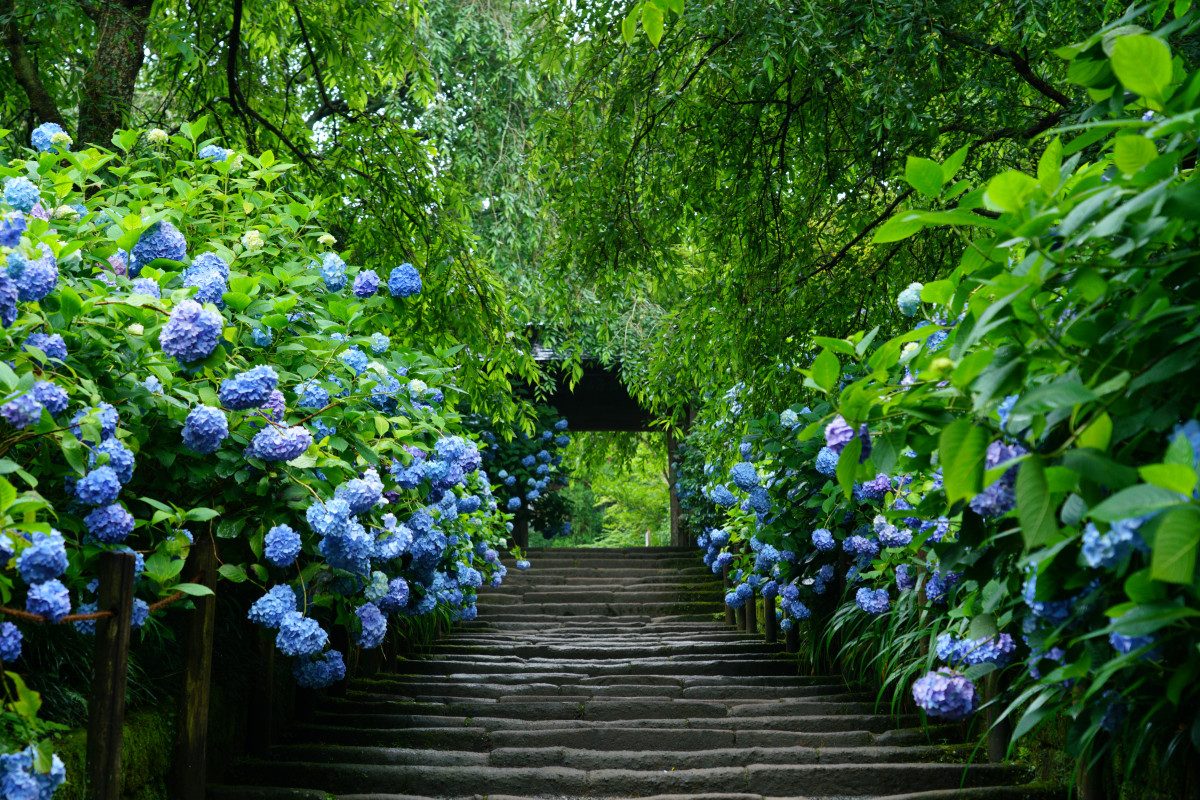
Rinzai Kencho-ji temple in Kita-Kamakura built by Uesugi Norikata, known for 2,500 Meigetsuin Blue hydrangeas.
Third Torii
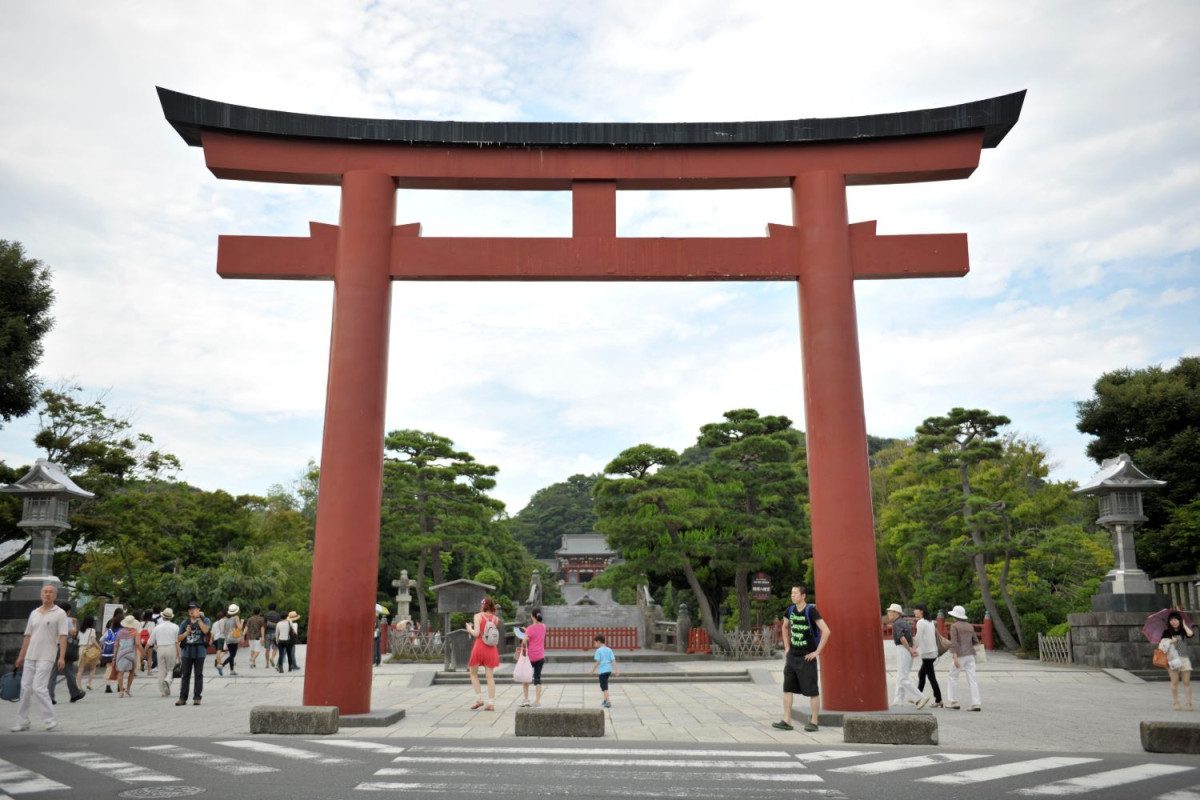
The third torii built at the entrance of Tsurugaoka Hachimangu.
Taiko Bridge
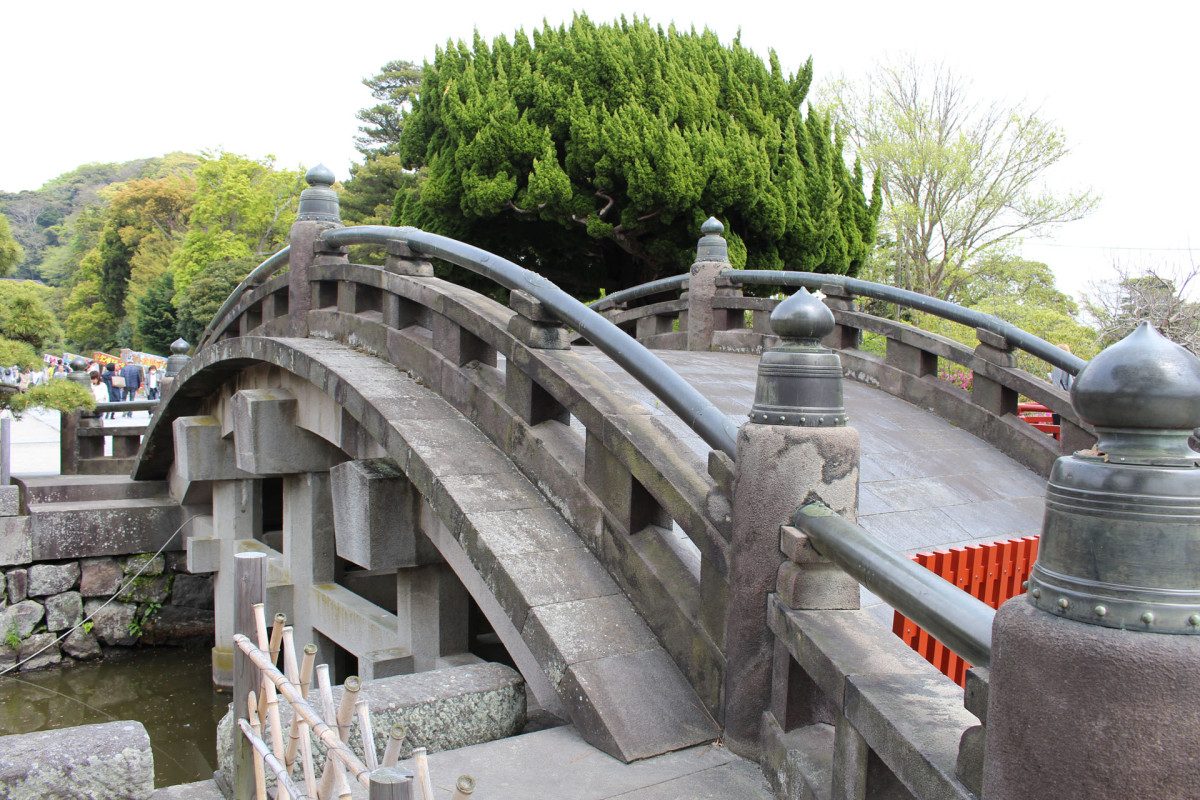
Stone arched bridge built in 1182, spanning the center of Genpei Pond beyond the third torii.
Maiden
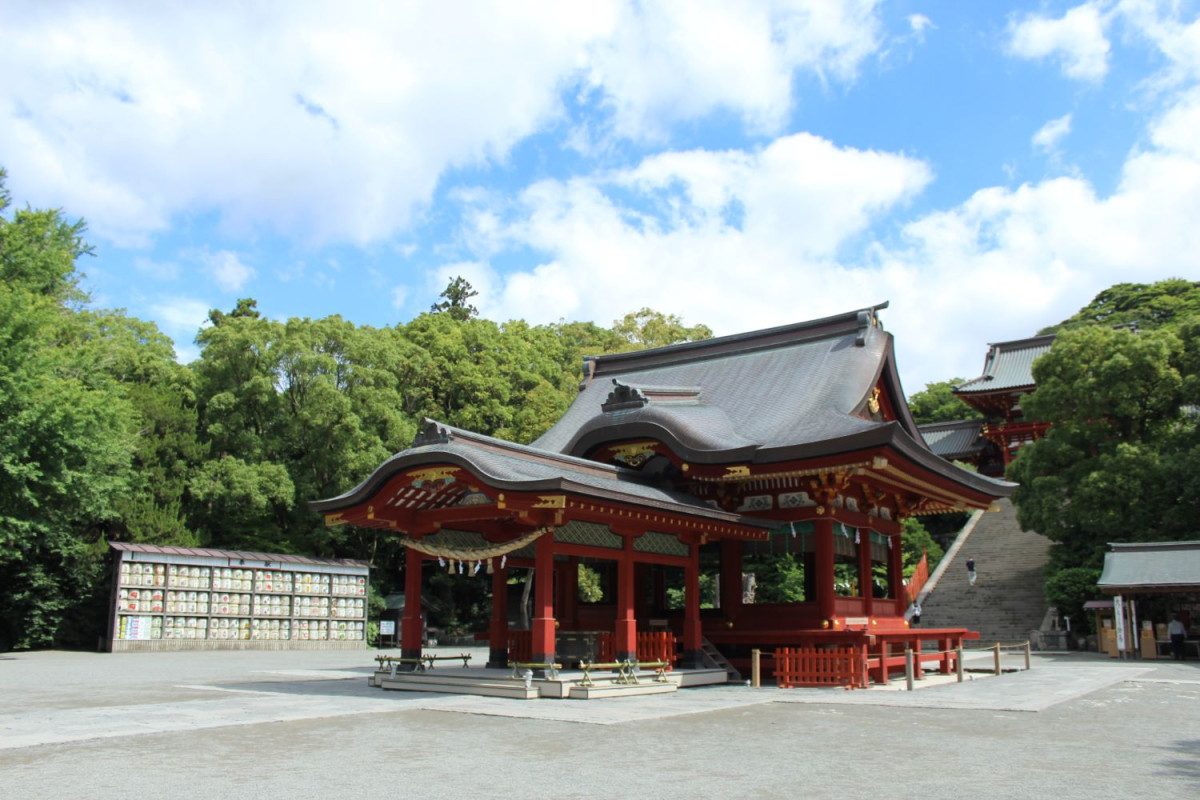
Officially the lower worship hall. Festivals, shrine weddings, and arts offerings are held. Shizuka Gozen danced here.
Great Ginkgo
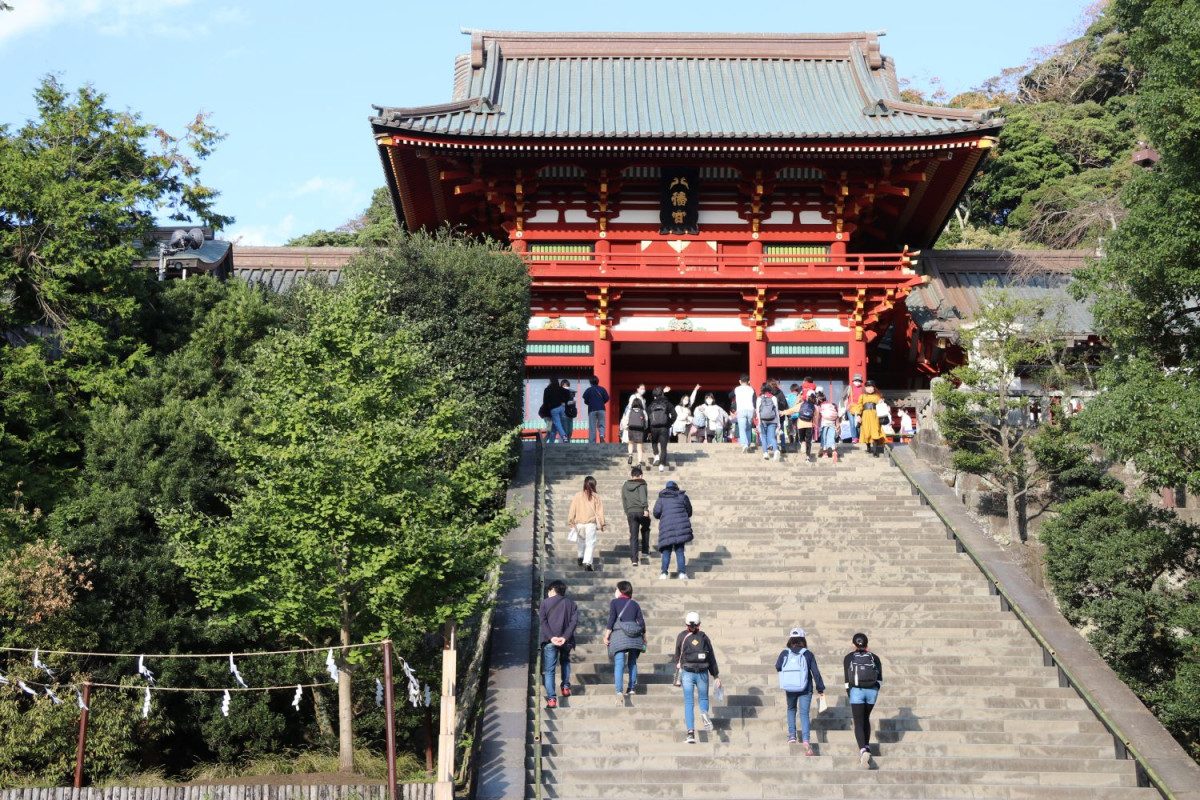
Also called Hidden Ginkgo. Sanetomo was reportedly killed by hiding nephew Kugyo. It fell in 2010; a young tree grows.
Maruyama Inari Shrine
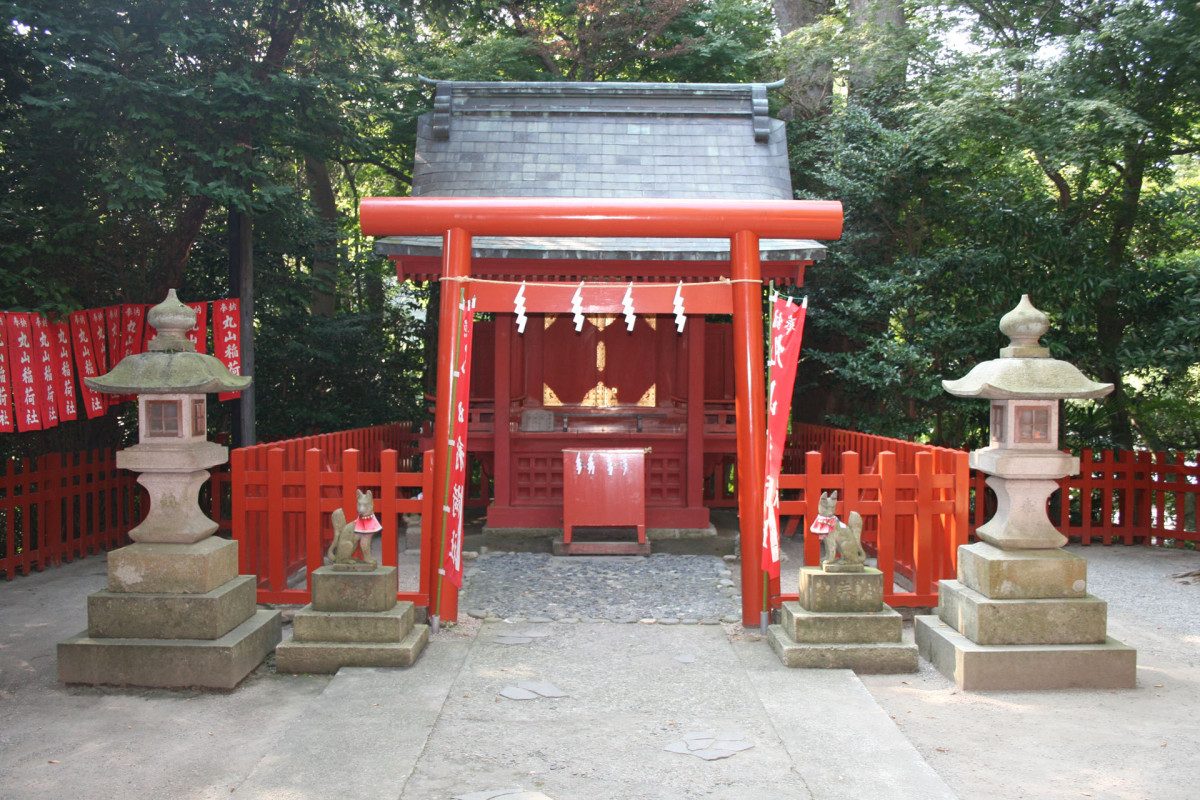
Hilltop shrine west of the main shrine. Oldest precinct hall, from the Muromachi period, ringed by red flags for prosperity.
Kamakura Museum of National Treasures
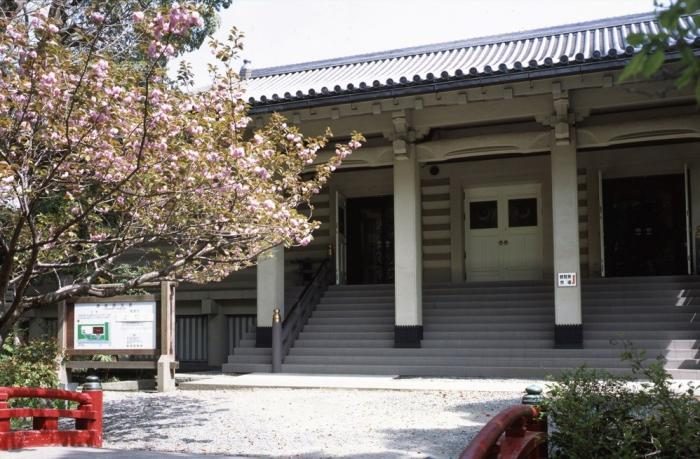
Opened April 3, 1928. History and art museum exhibiting cultural properties from local shrines and temples, including open Buddhist statues.
Hataage Benzaiten Shrine
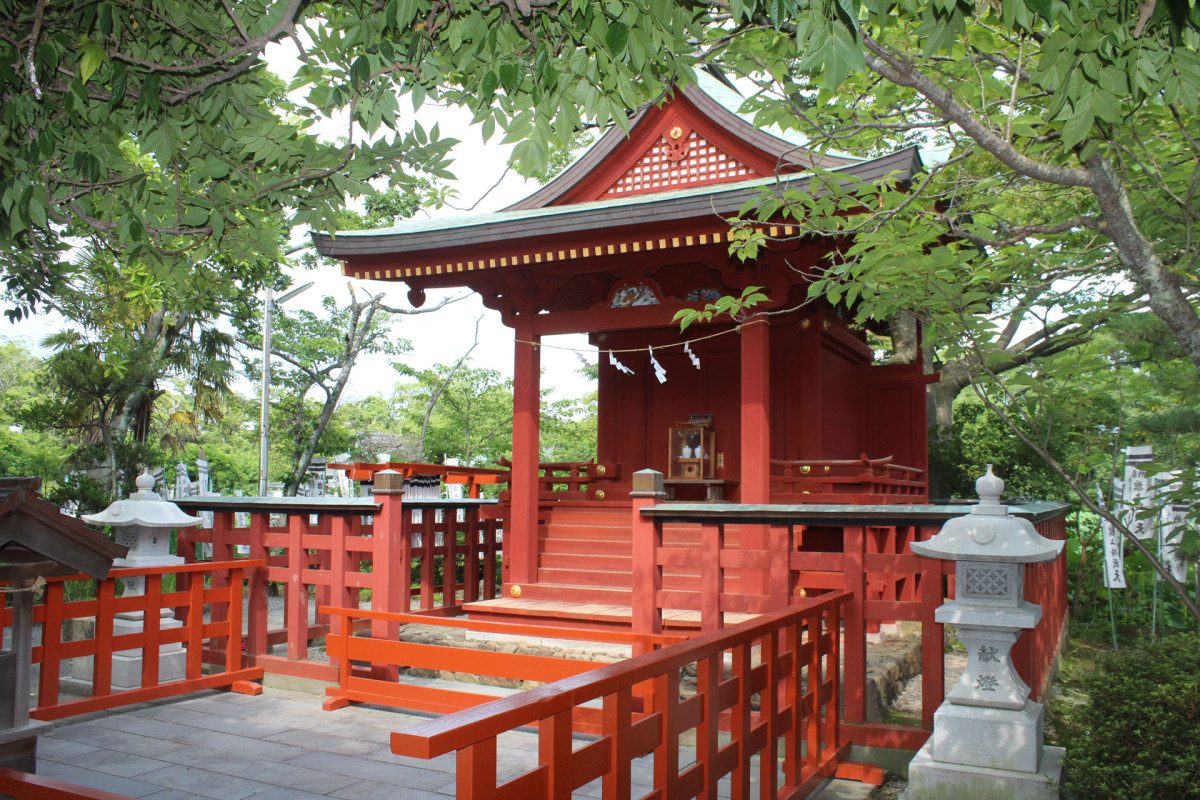
Shrine on an island in Genji Pond, restored in 1980. Many tie wishes to Genji flags linked to Yoritomo.
Kaifuki Jizo
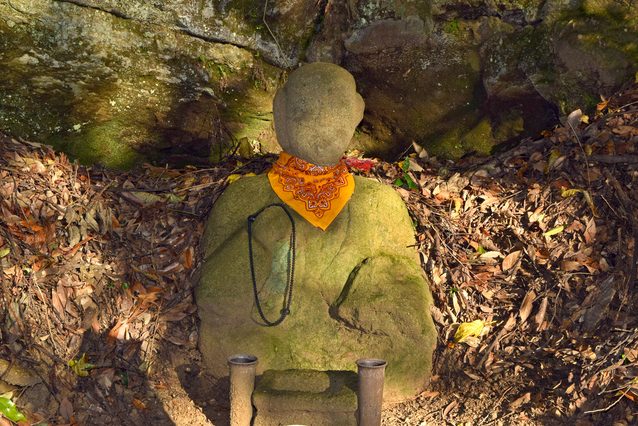
On the hill behind Zuisen-ji, midway on the Ten-en Hiking Course. Enter from the course entrance.
Shojoken Observatory
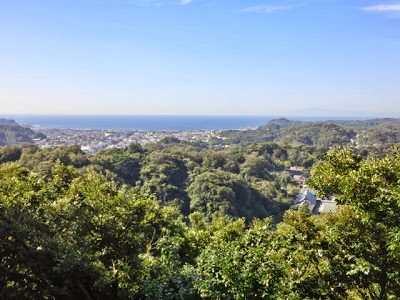
You can view Sagami Bay and Kencho-ji Temple in the distance.
Mount Ohira
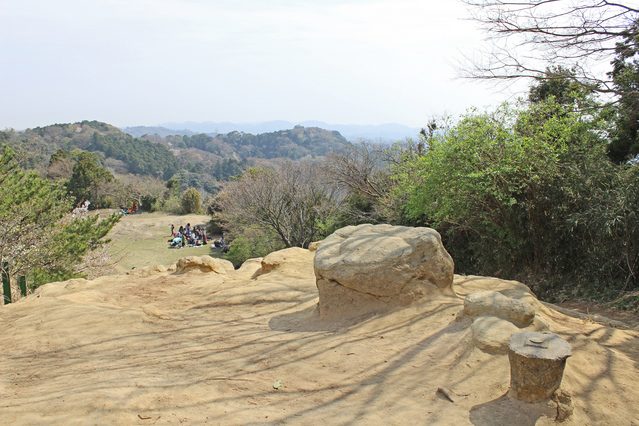
The highest peak in Kamakura City, adjoining Kamigo-cho, Sakae Ward, Yokohama City.
Kamakura History and Culture Exchange Center
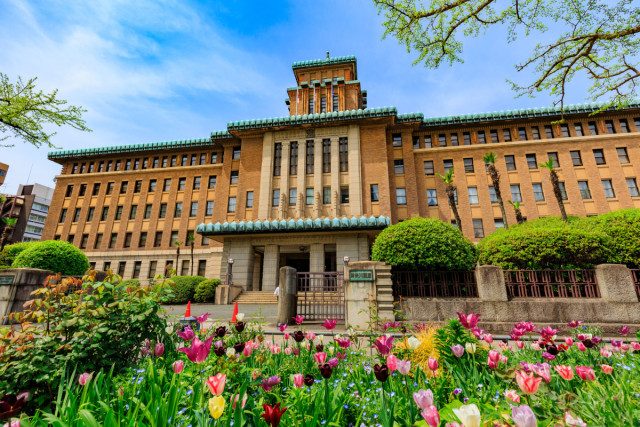
Museum opened in May 2017 where visitors learn, experience, and exchange Kamakura's historical and cultural heritage.
Joju-in Temple
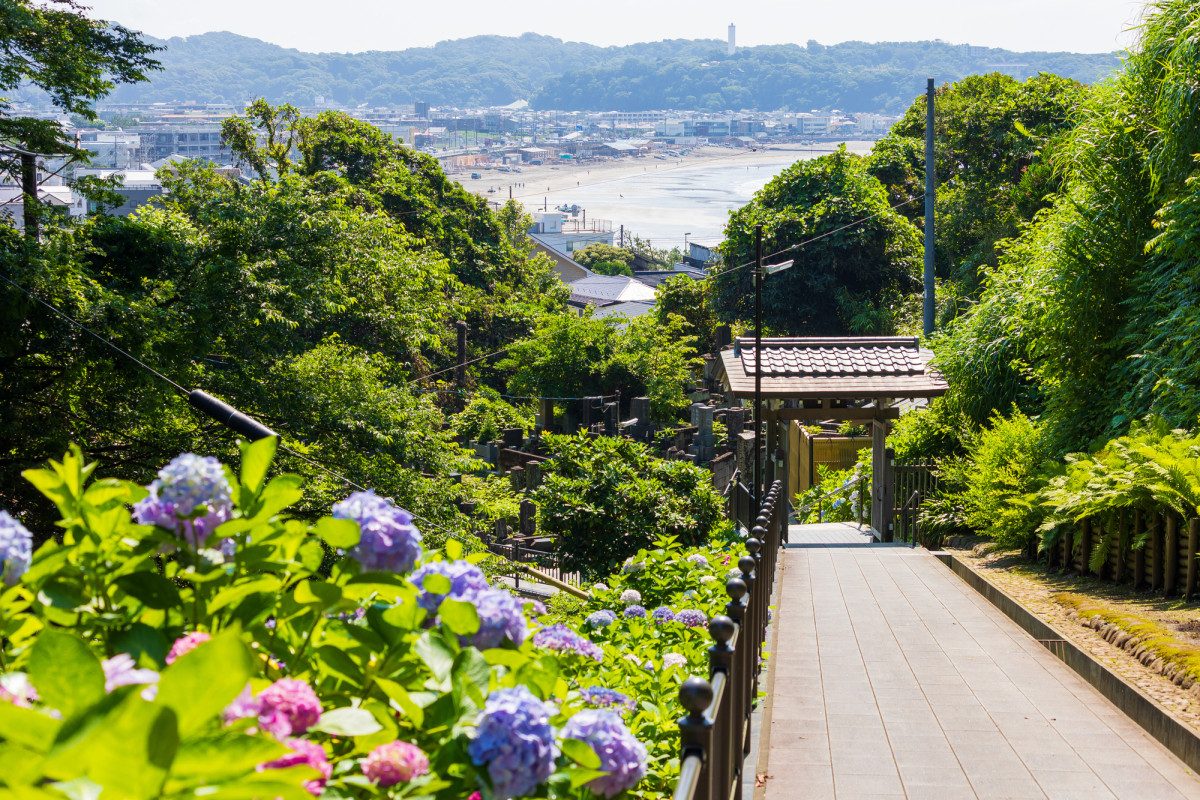
Temple built in 1219 atop 108 steps, overlooking Yuigahama, with hydrangeas and cherry blossoms.
Wakamiya-oji
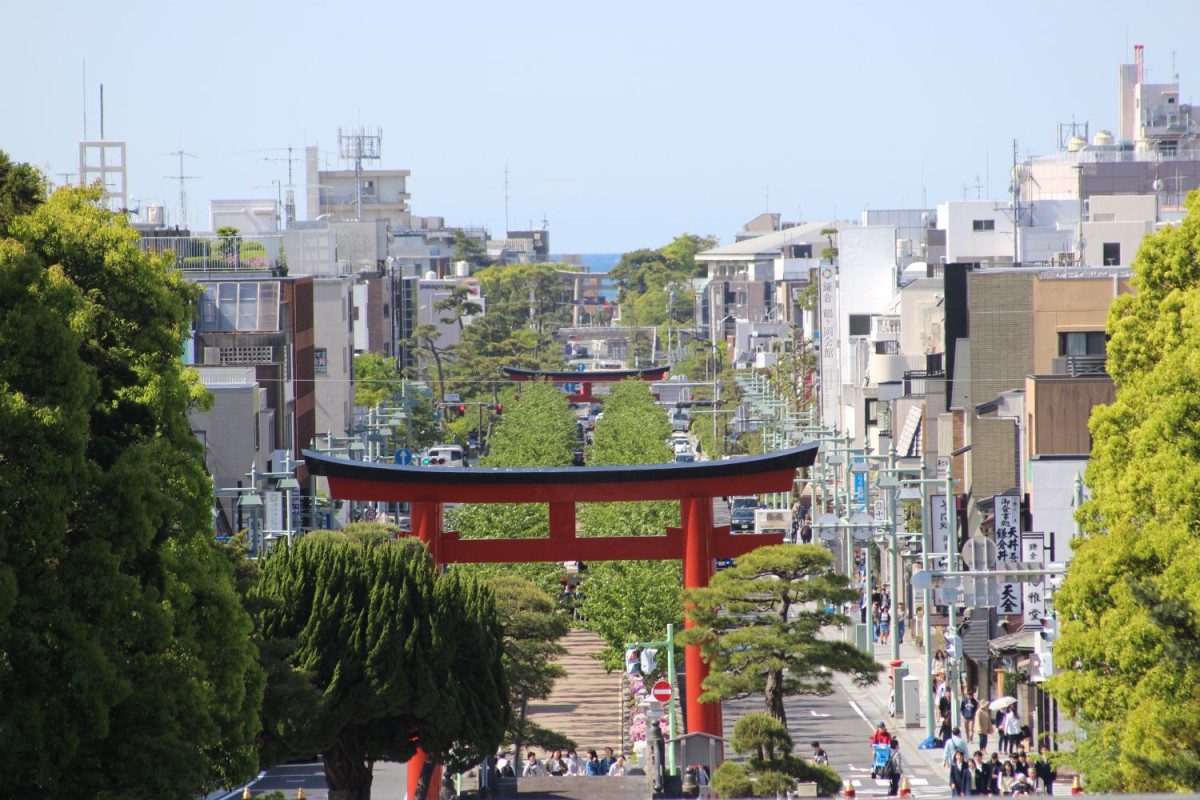
Straight approach from the first torii to Tsurugaoka Hachimangu, said built by Yoritomo for Masako's safe birth.
Hibiya Kadan Ofuna Flower Center
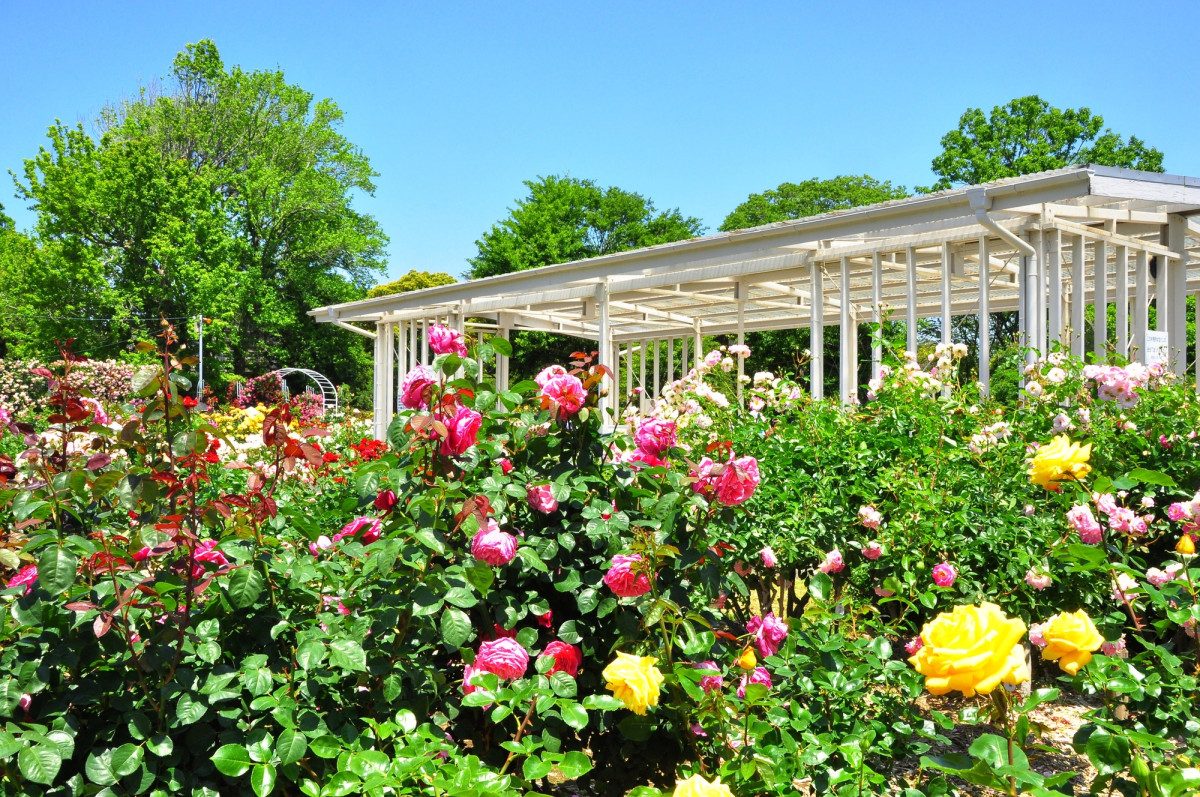
Botanical garden in Kamakura with seasonal flowers, a vast peony garden, roses, camellias, a greenhouse, and a cafe.
Ichijo Ekan Villa
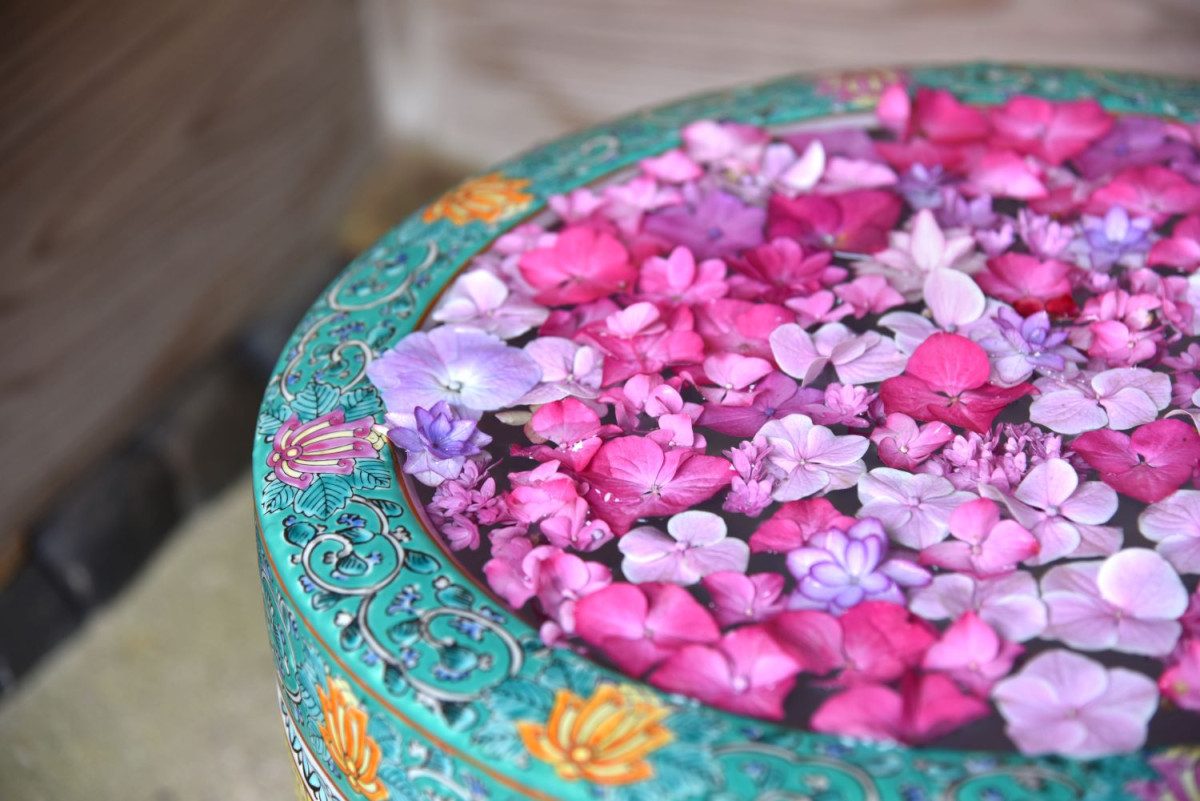
Nationally designated Important Cultural Property in a strolling garden with hydrangeas, autumn leaves, red pines, and moss.
Daibutsu Kiridoshi
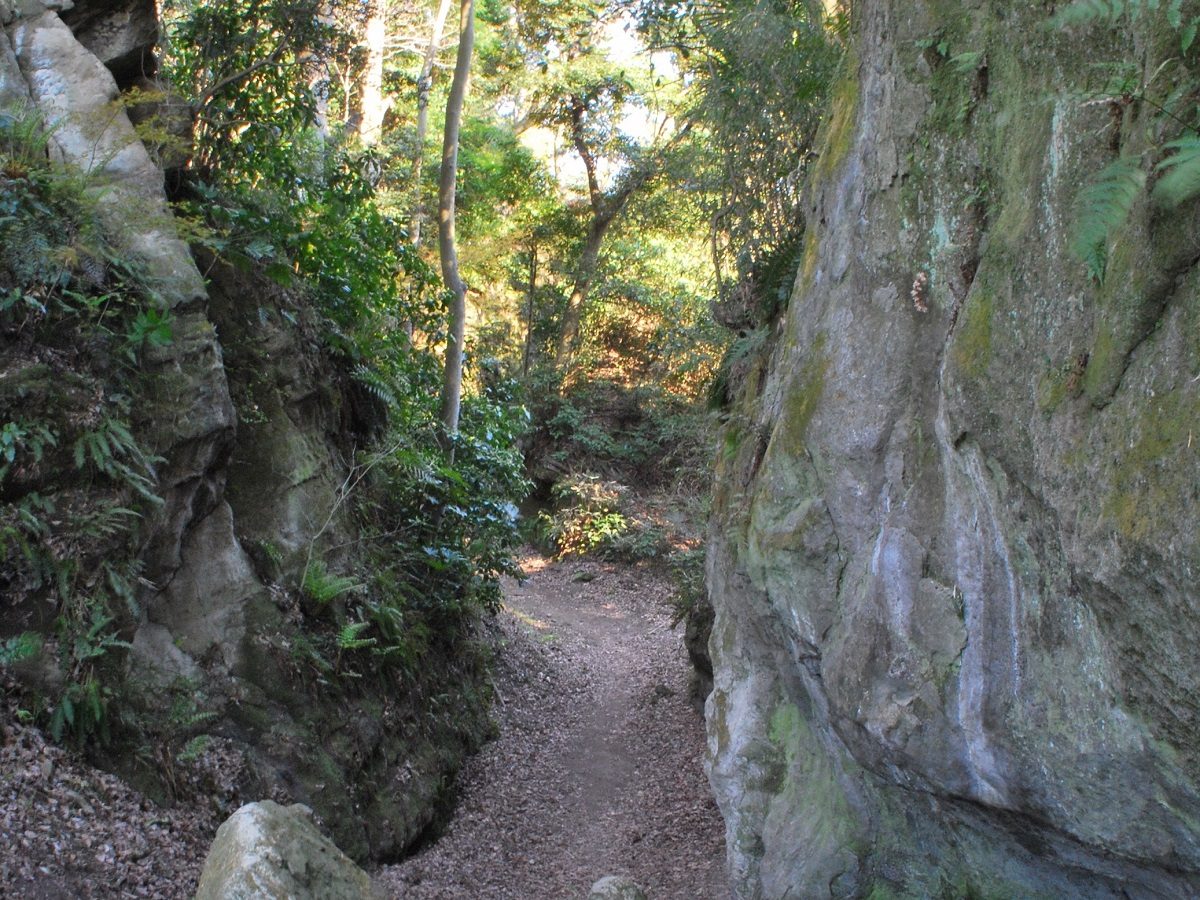
A cut pass from Kamakura toward Fujisawa with medieval cave tombs, preserving a narrow, steep old road.
Myoho-ji
Nichiren temple founded in 1357, also called Moss Temple for its beautiful mossy stone steps.
Manpuku-ji
Shingon Daikakuji-school temple built by Gyoki; Yoshitsune reportedly wrote his Koshigoe letter here.
Hokai-ji
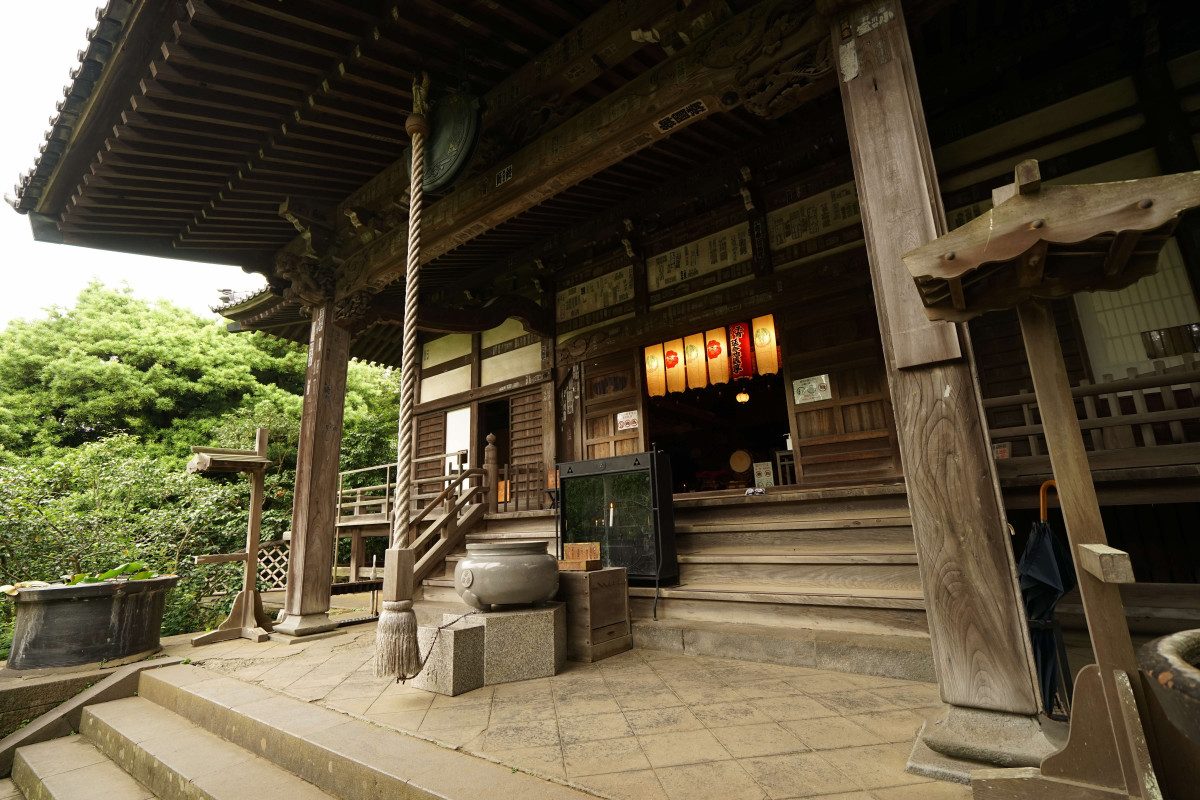
Said to be built by Ashikaga Takauji to console Hojo spirits; nicknamed Bush Clover Temple.
Koshoku-ji
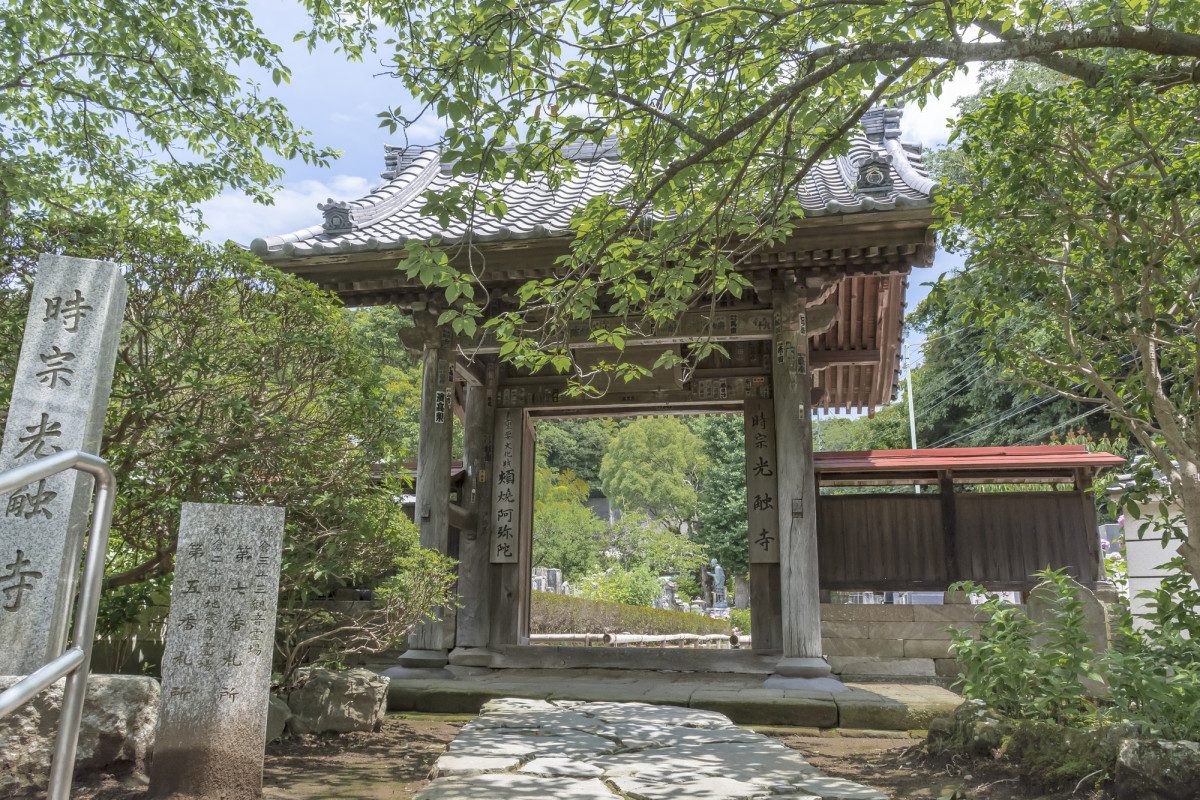
Ji-shu temple founded in 1278; Ippen laid its foundation and Sakua opened it, a nembutsu hall for about 700 years.
Kosoku-ji
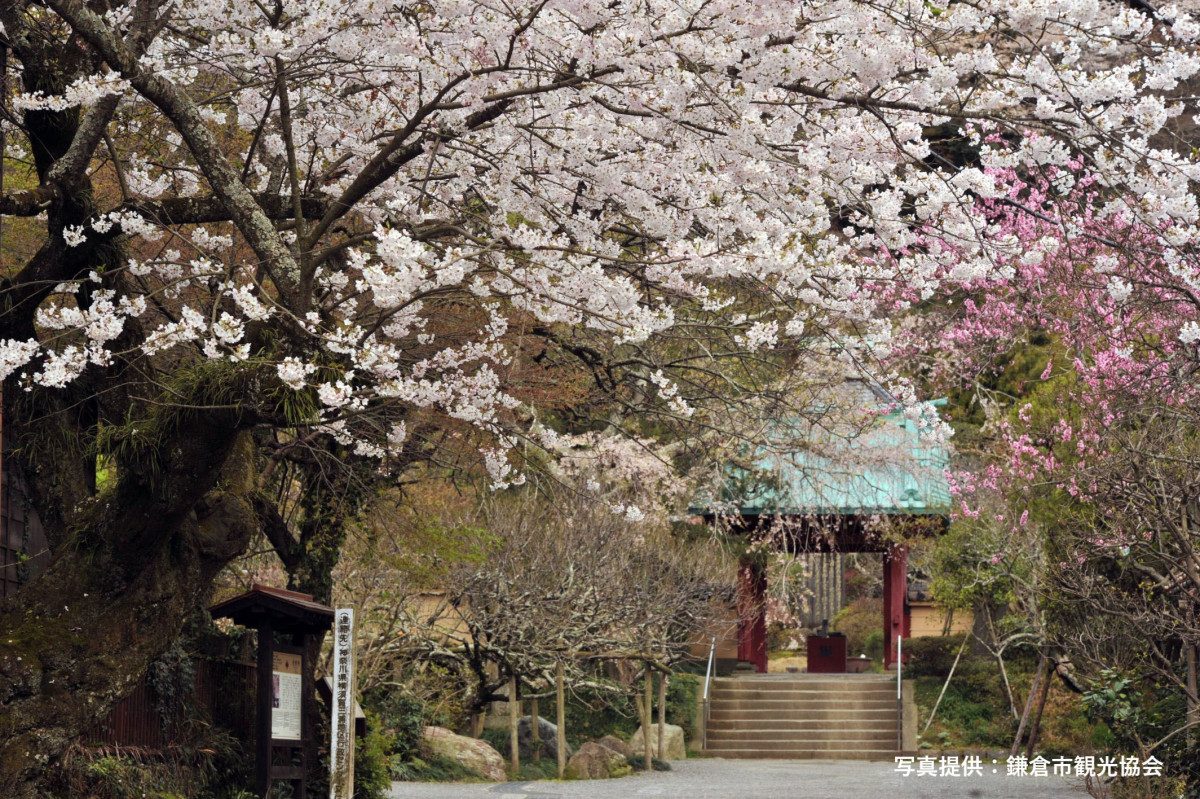
Nichiren temple opened by Nichiro at Yadoya Mitsunori's residence, where Rissho Ankoku Ron was submitted in 1260.
Gokuraku-ji
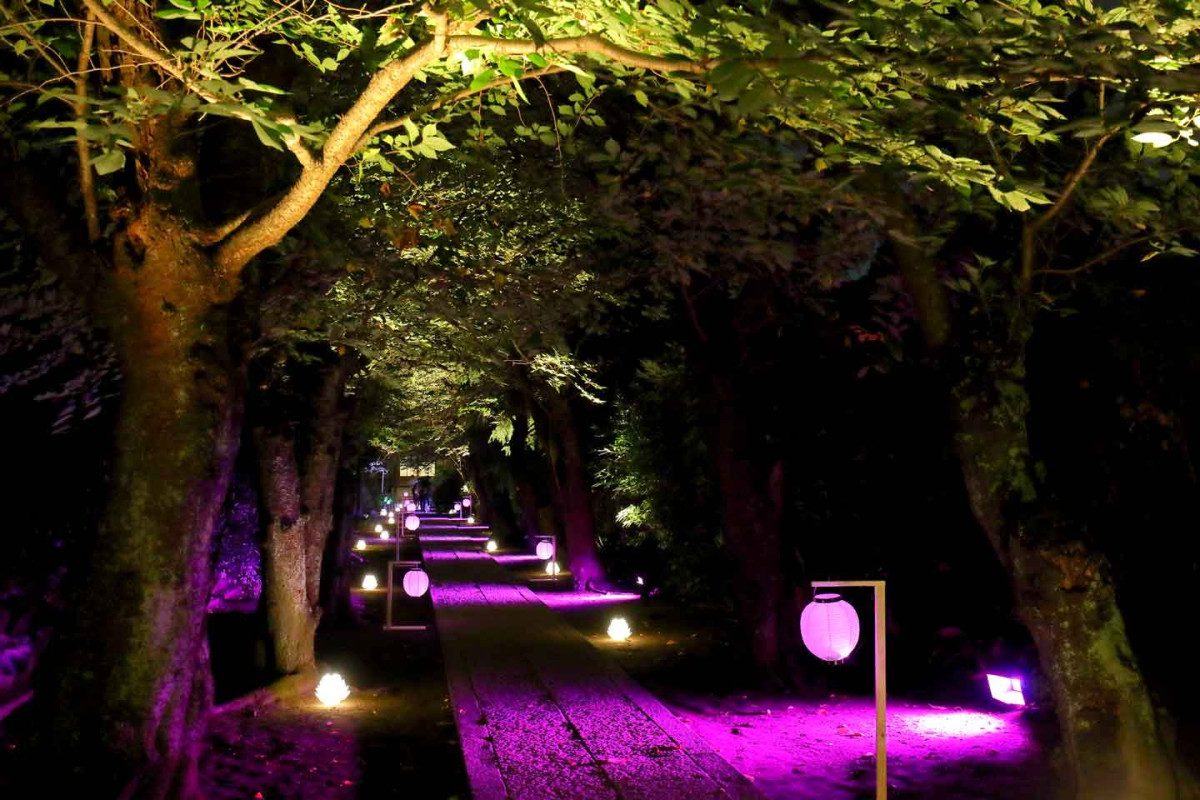
Japan Heritage temple near Gokurakuji Station, with important cultural property statues, cherries, and matcha.
Kamakurayama Shrine
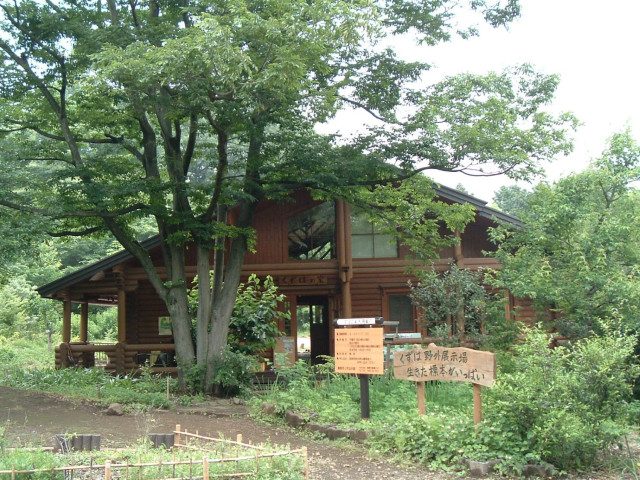
Originally Fueta farmers' guardian and fishermen's sea protector; named Kamakurayama Shrine as the housing area developed.
Rokkokuken-yama Forest Park
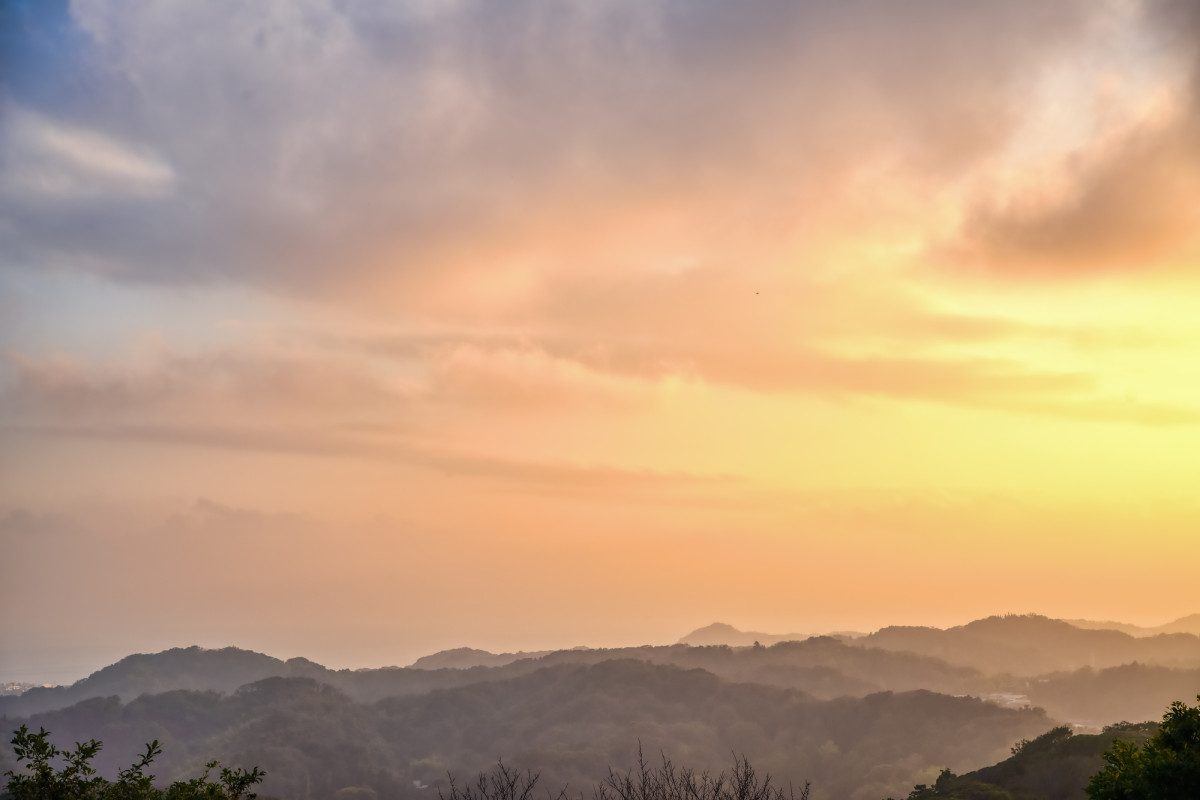
Park on the mountainside. The observation plaza sometimes offers views of Kamakura, Sagami Bay, Mt. Fuji, and Izu Oshima.
Kuhon-ji
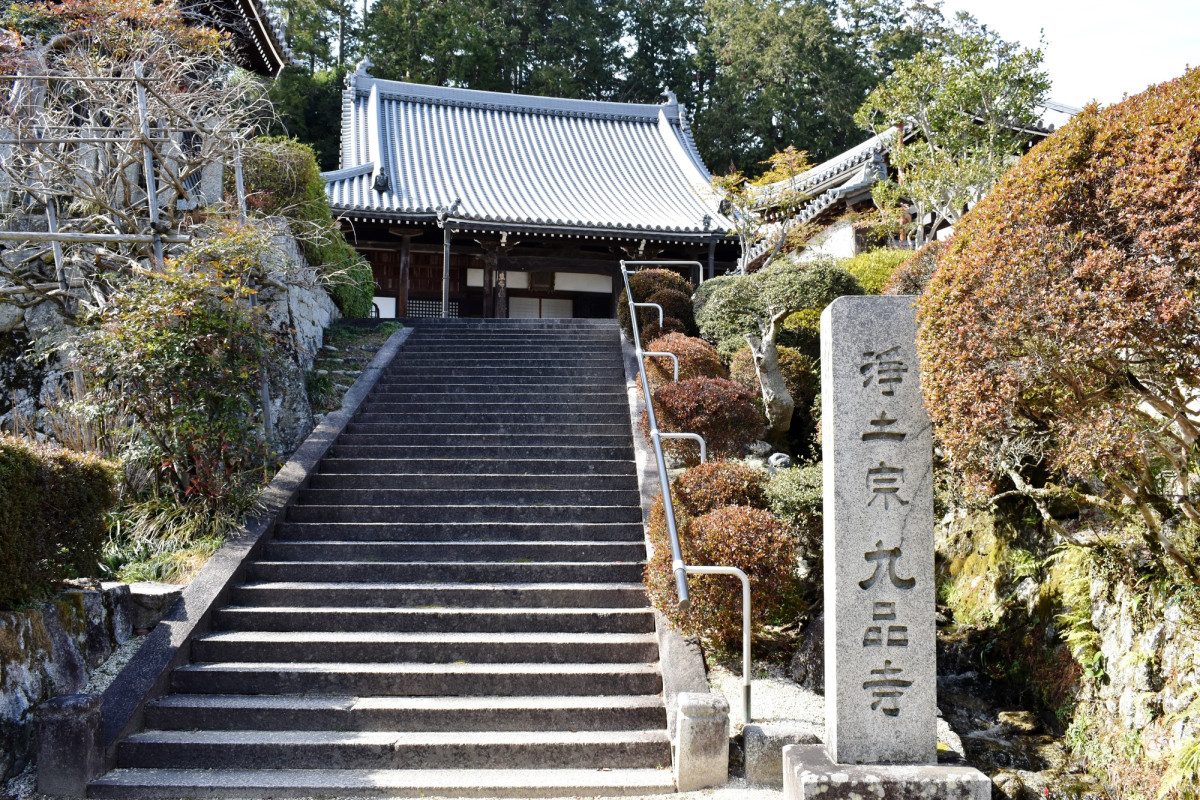
Temple said built in 1337 by Nitta Yoshisada to console Hojo war dead, on his 1333 headquarters site.
Goryo Shrine
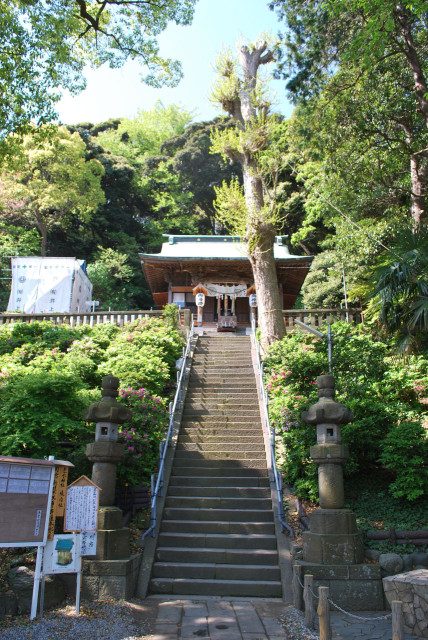
Shrine to Kamakura Gongoro Kagemasa, known as Gongoro-sama, famous for its September 18 masked procession.
Kamakura Bunkakan Tsurugaoka Museum
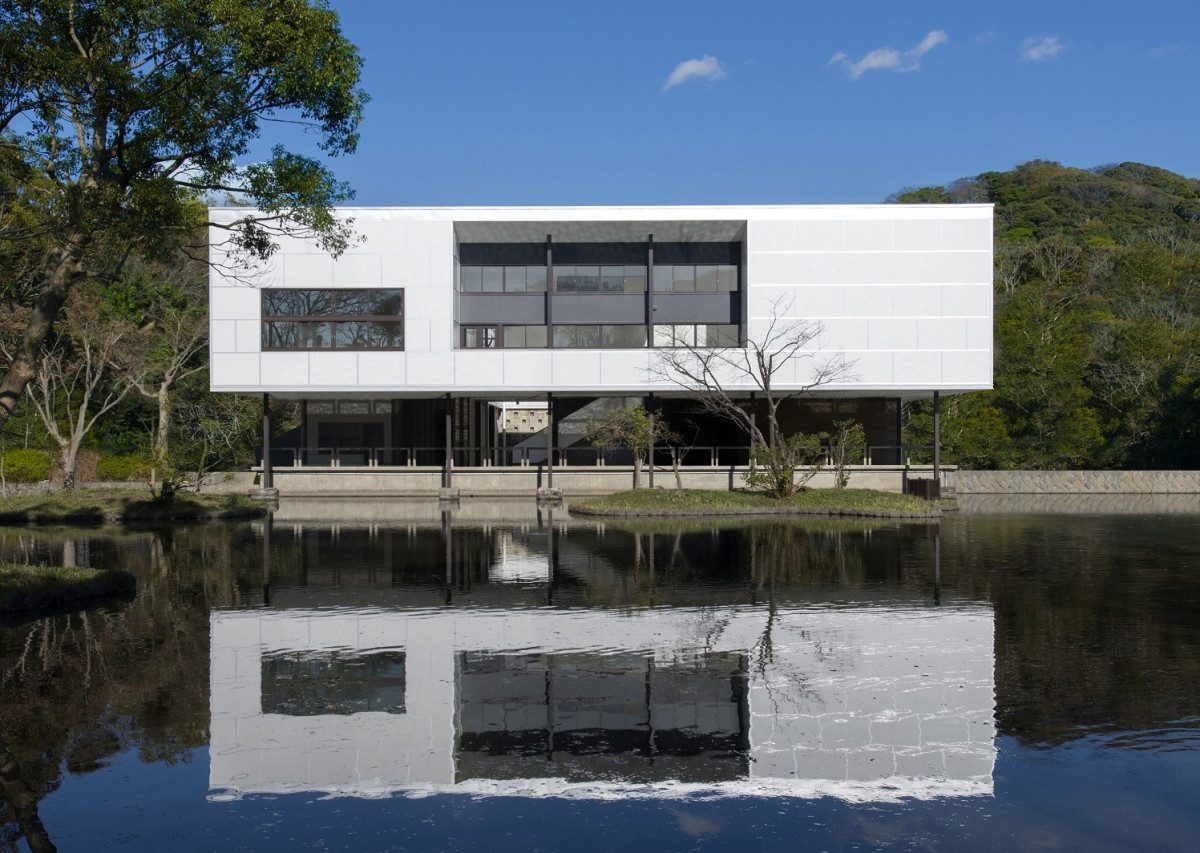
Museum of Kamakura history and culture in a preserved modern-art building designated a National Important Cultural Property.
Imamiya Shrine
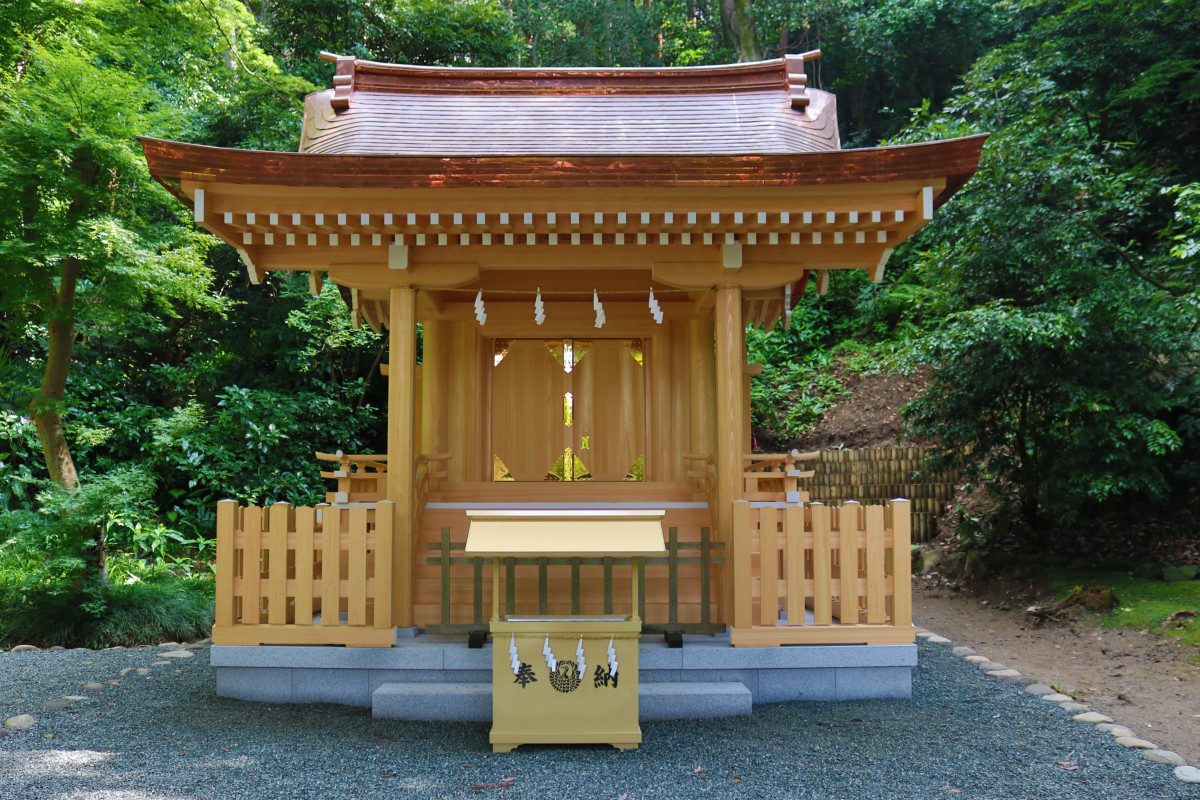
Shrine northwest of the main shrine, enshrined in 1247 to console three exiled retired emperors.
Yui Wakamiya
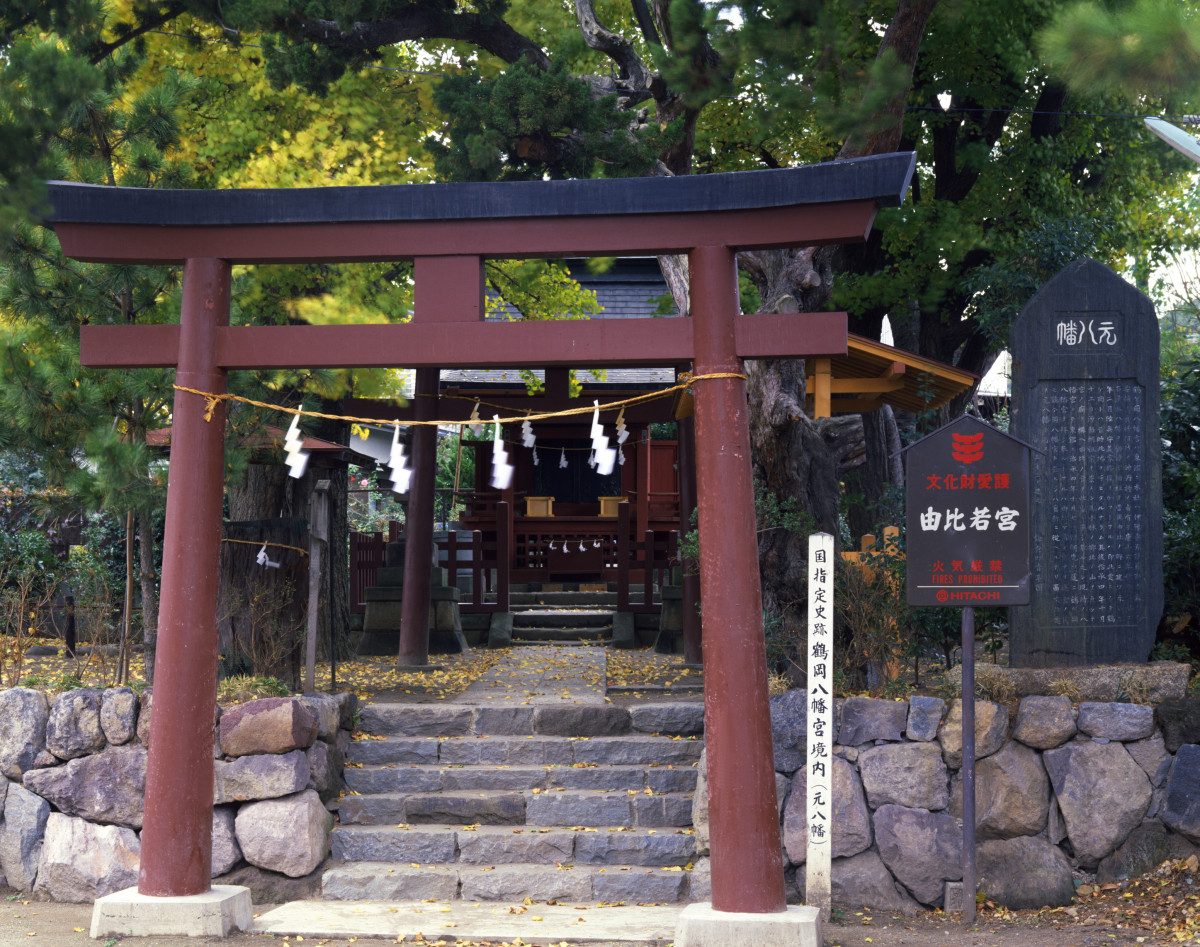
Kamakura shrine also called Moto-Hachiman, origin of Tsurugaoka Hachimangu, founded in 1063 by Minamoto no Yoriyoshi.
Sasuke Inari Shrine
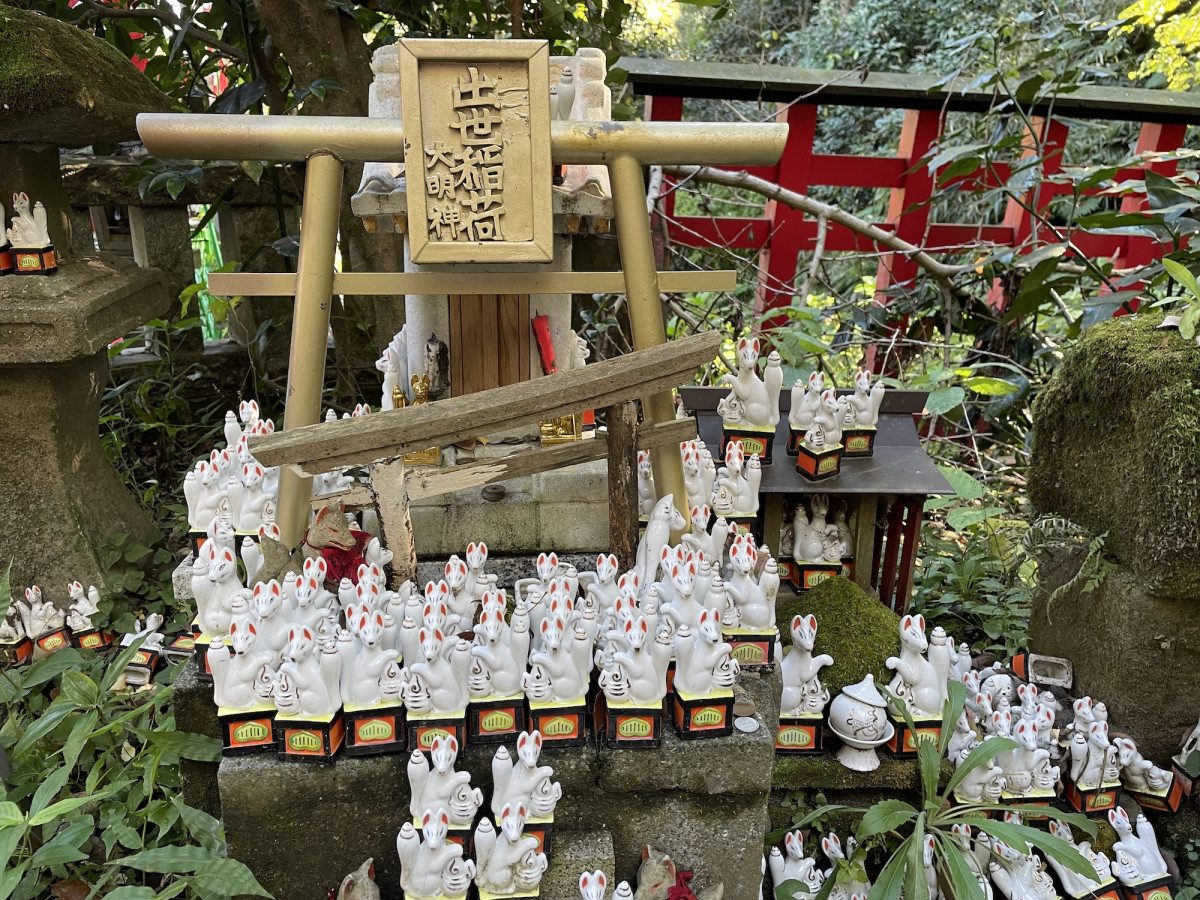
Shrine with vermilion torii and white foxes, called Shusse Inari, also welcoming pet owners.
Zuisen-ji
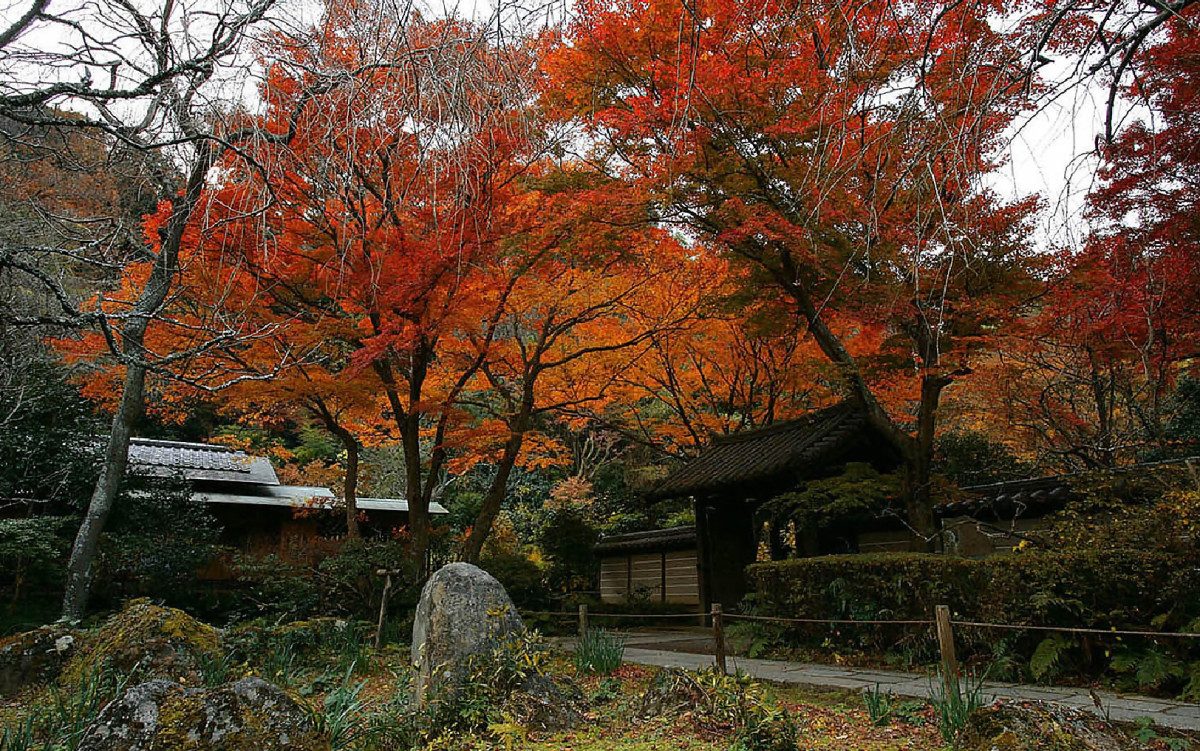
Rinzai Zen temple in Nikaido, Kamakura; grounds are a national historic site and the garden a national scenic place.
British Antique Museum BAM Kamakura
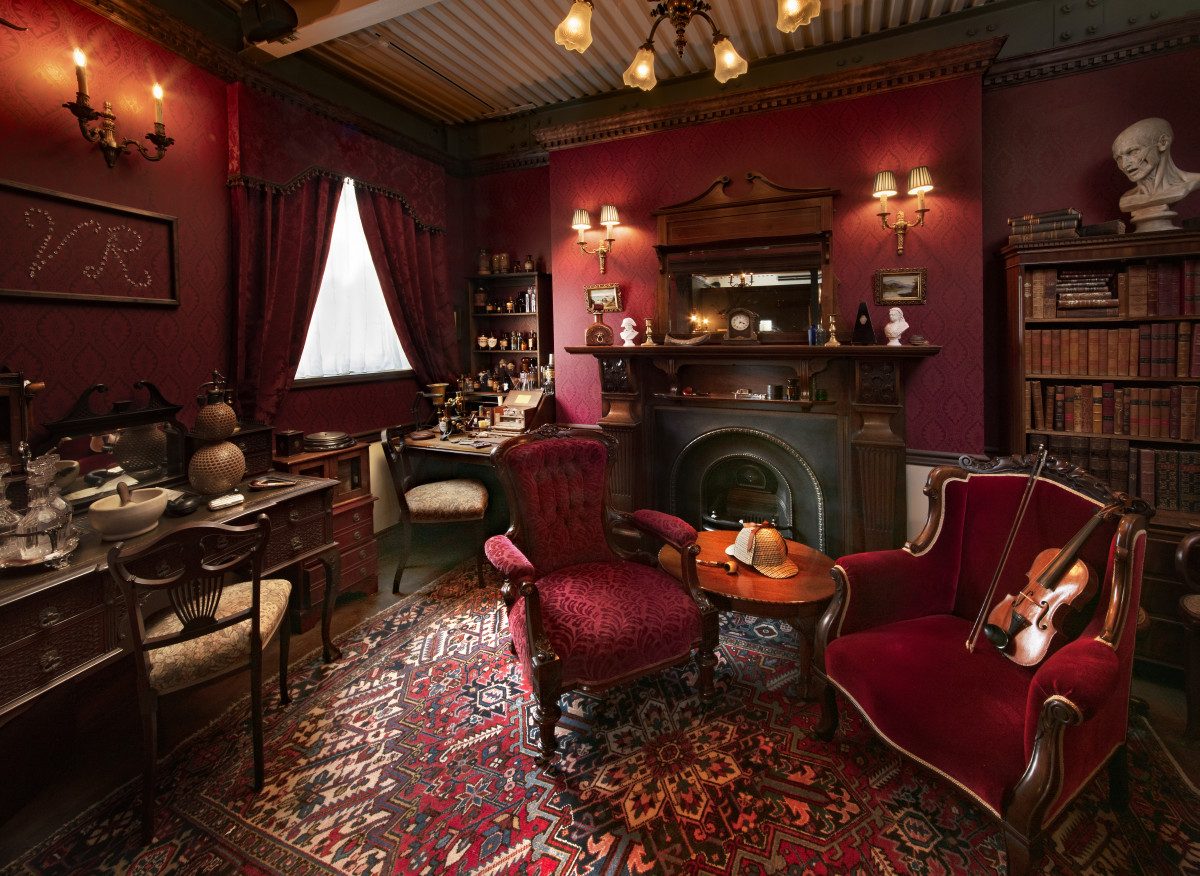
Museum displaying authentic British antiques over 100 years old, design-supervised by Kengo Kuma.
Ichijo Ekan Villa
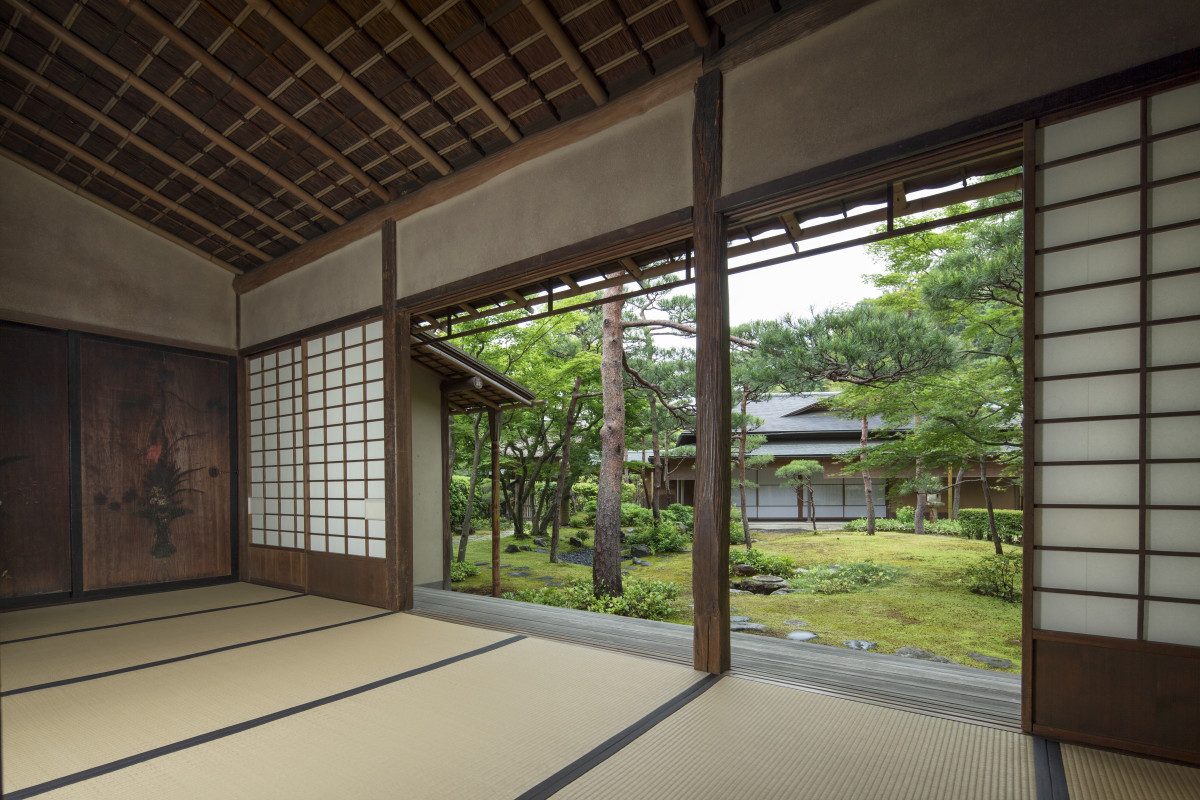
Early Edo Kyoto villa of Prince Ichijo Ekan, relocated to Kamakura; national Important Cultural Property.
Kakuon-ji
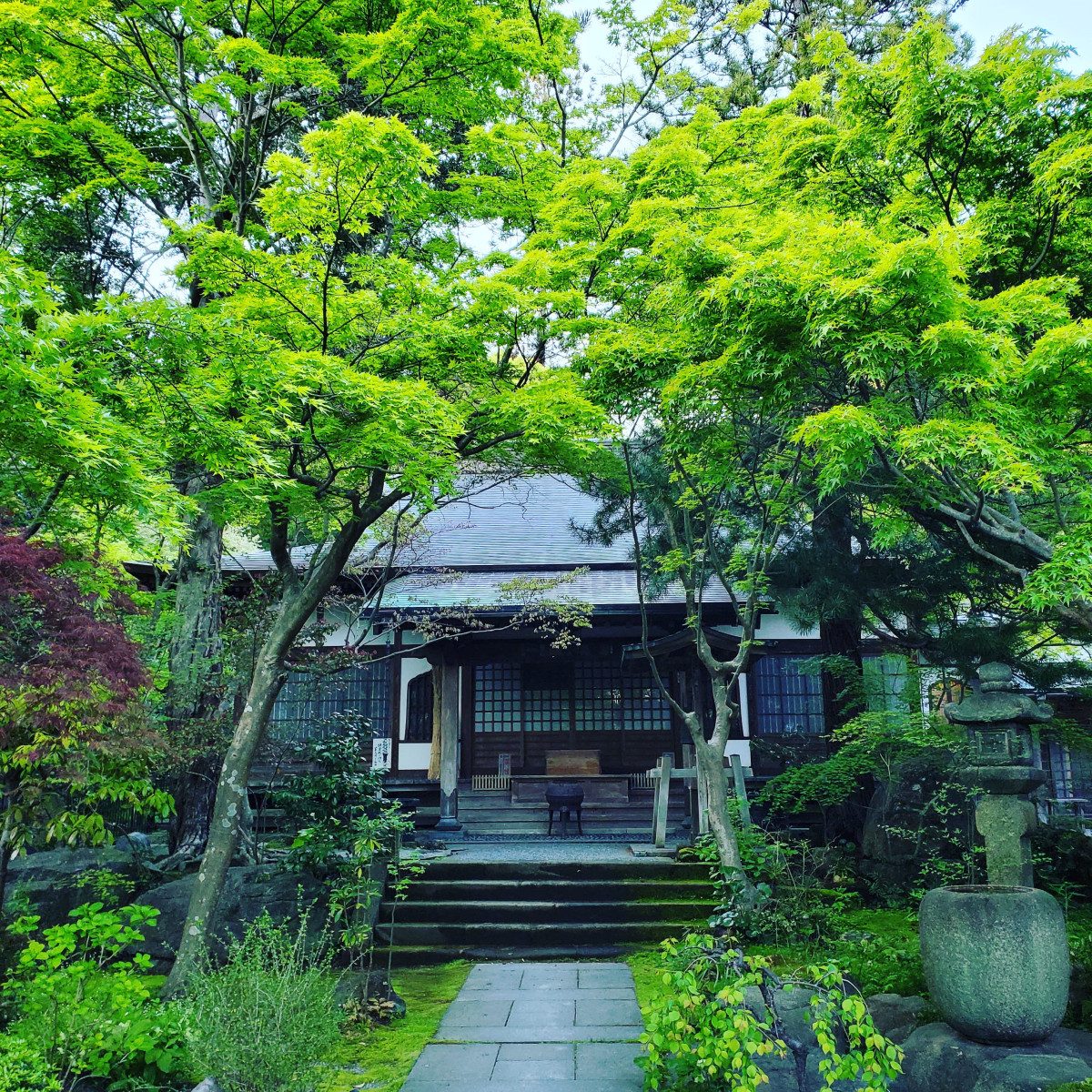
Begun in 1218 as Okura Yakushi Hall; thatched hall enshrines an Important Cultural Property Yakushi statue. No photos past reception.
Kamakura City Kawakita Film Museum
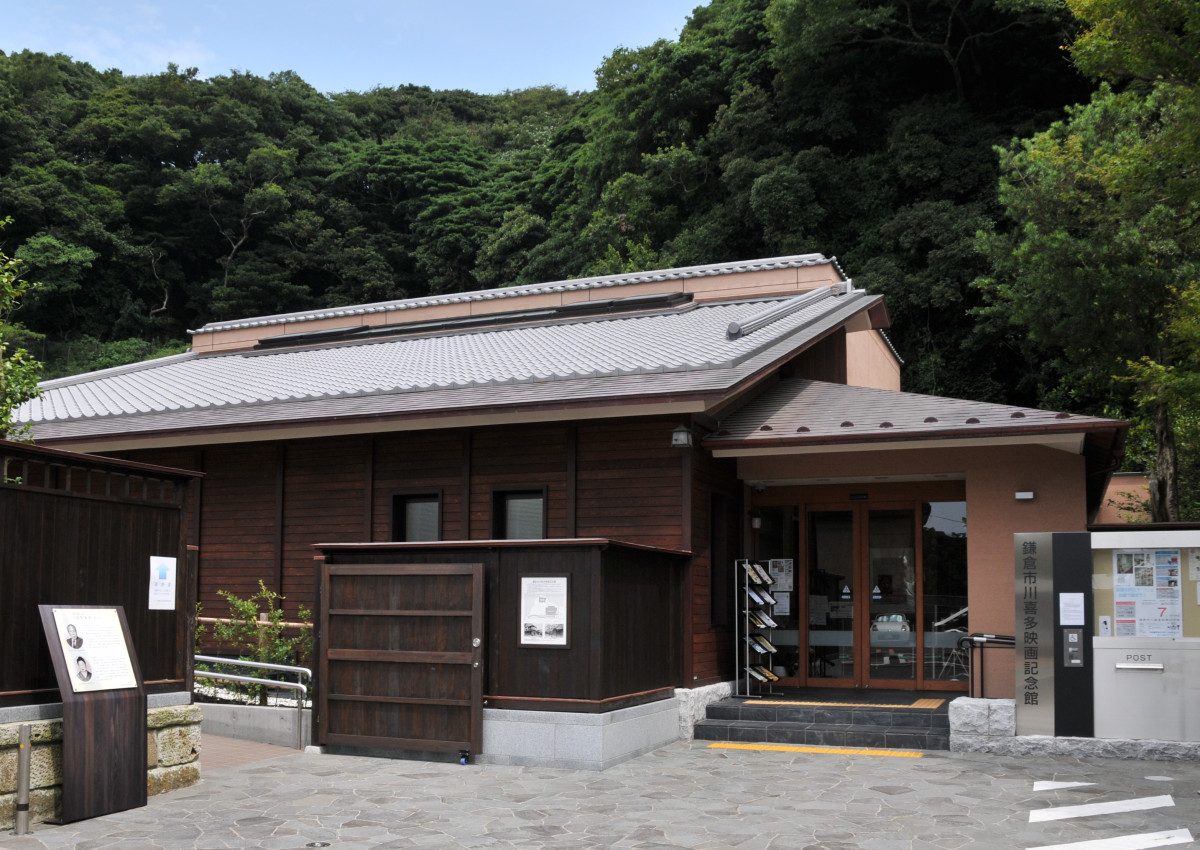
Opened in 2010 on the former home site of the Kawakitas for film exhibits and screenings.