 BokenJapan
Japan / Kanagawa / Kawasaki / See
Sights in Kawasaki, Kanagawa
Kawasaki · Kanagawa · 69 places
See
Inage Shrine
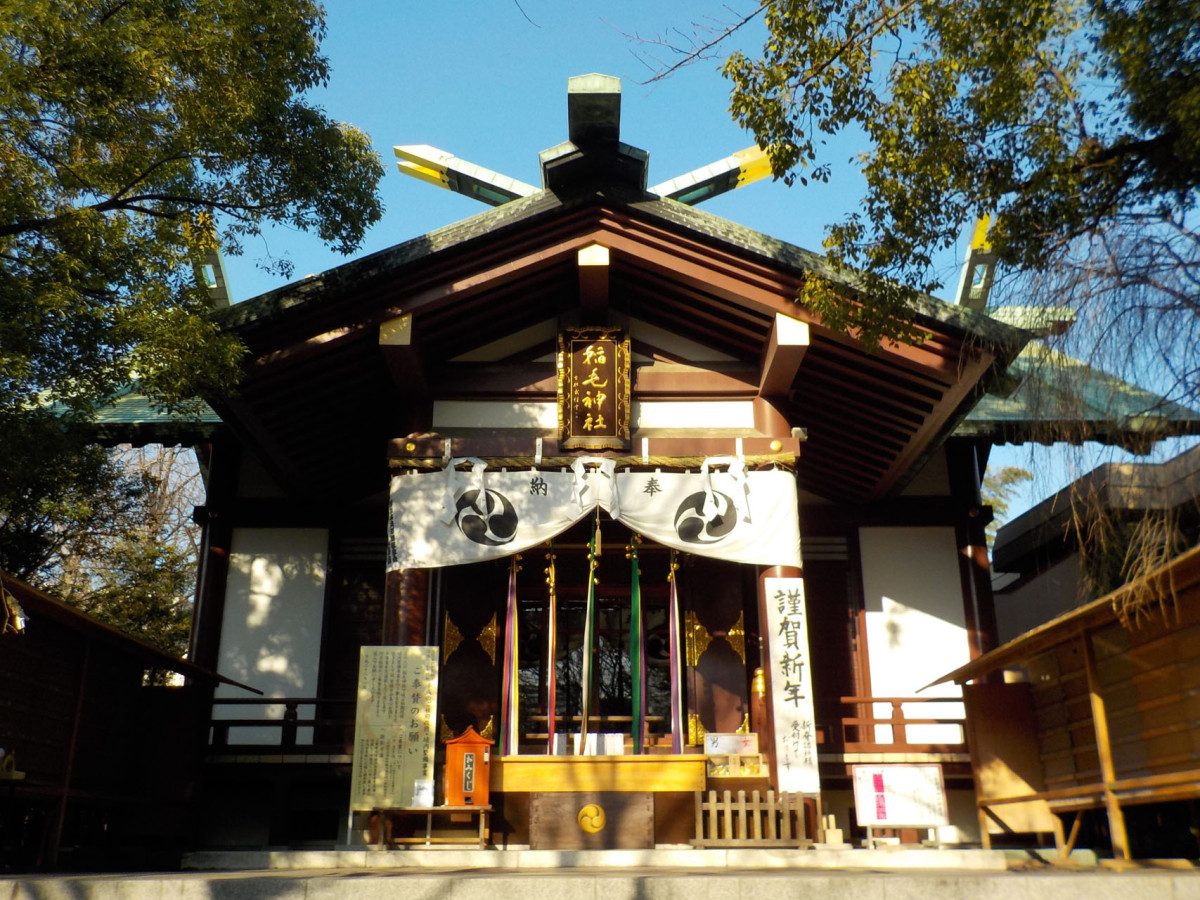
Kawasaki guardian shrine of victory and harmony, with a sacred ginkgo said to be over 1,000 years old.
Kawasaki Daishi Heiken-ji
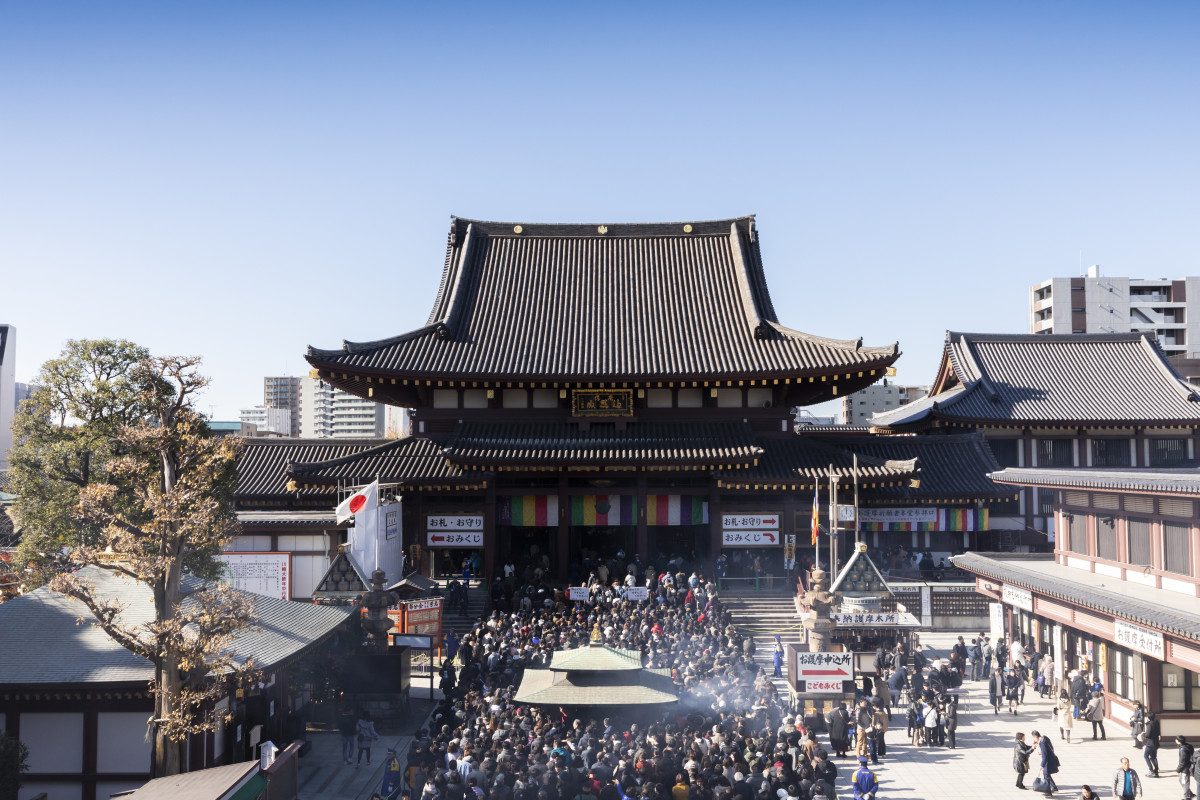
Famous temple drawing many nationwide New Year visitors, known for warding off misfortune, with daily goma prayers.
Kawasaki City Nihon Minka-en
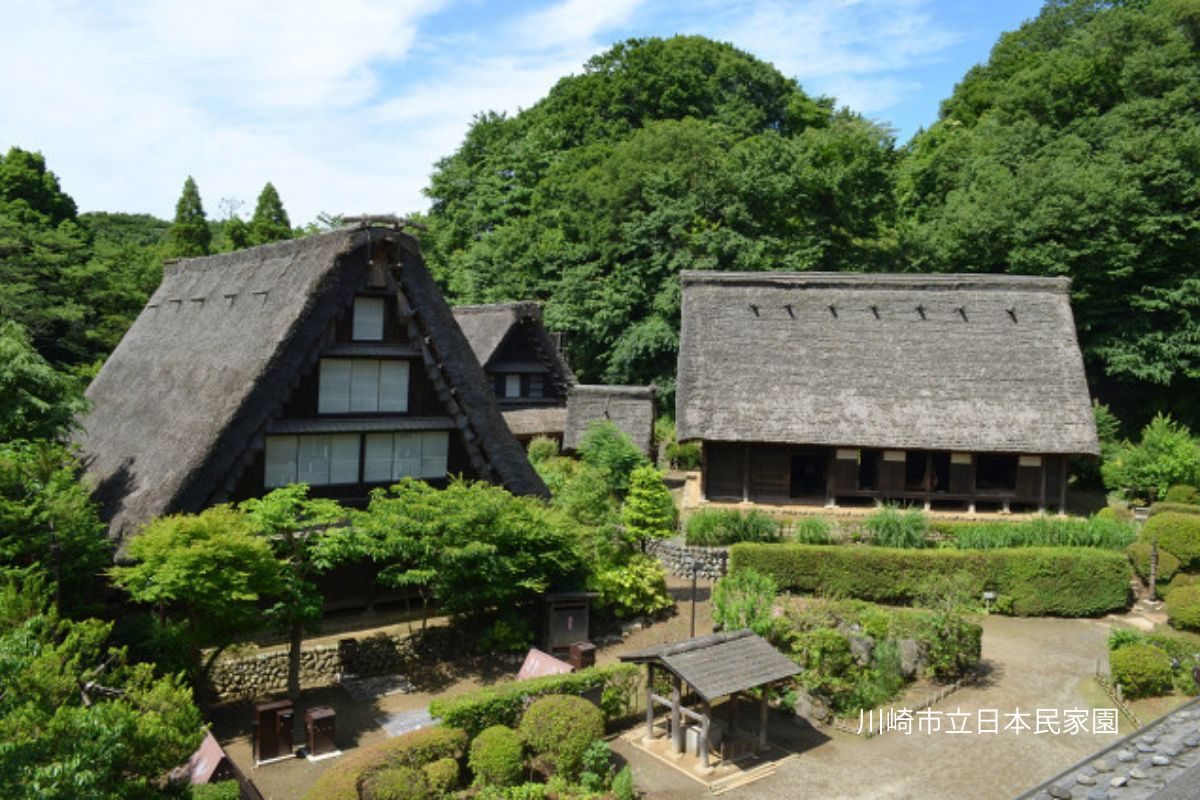
Twenty-five relocated eastern Japan folk houses, watermills, and a kabuki stage in Ikuta forest.
Kawasaki City Fujiko F. Fujio Museum
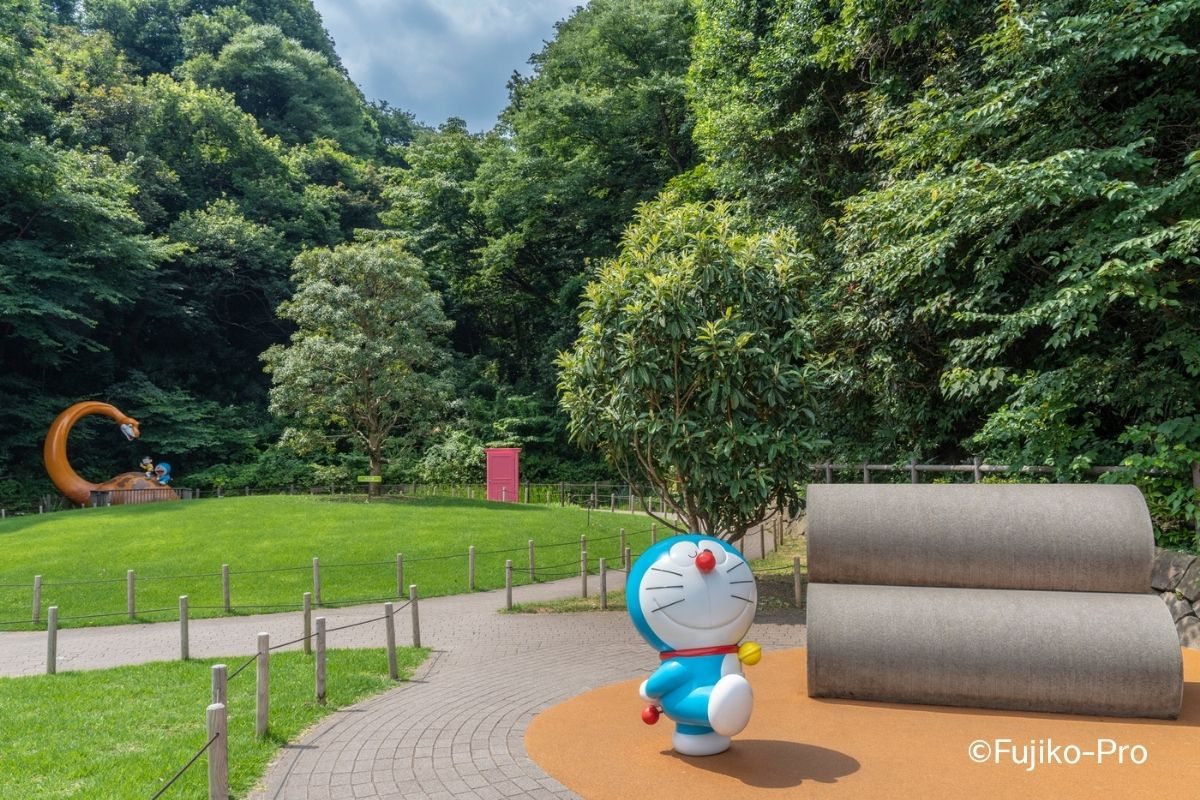
Cultural facility sharing manga artist Fujiko F. Fujio's works and messages through original art.
Kawasaki City Greening Center
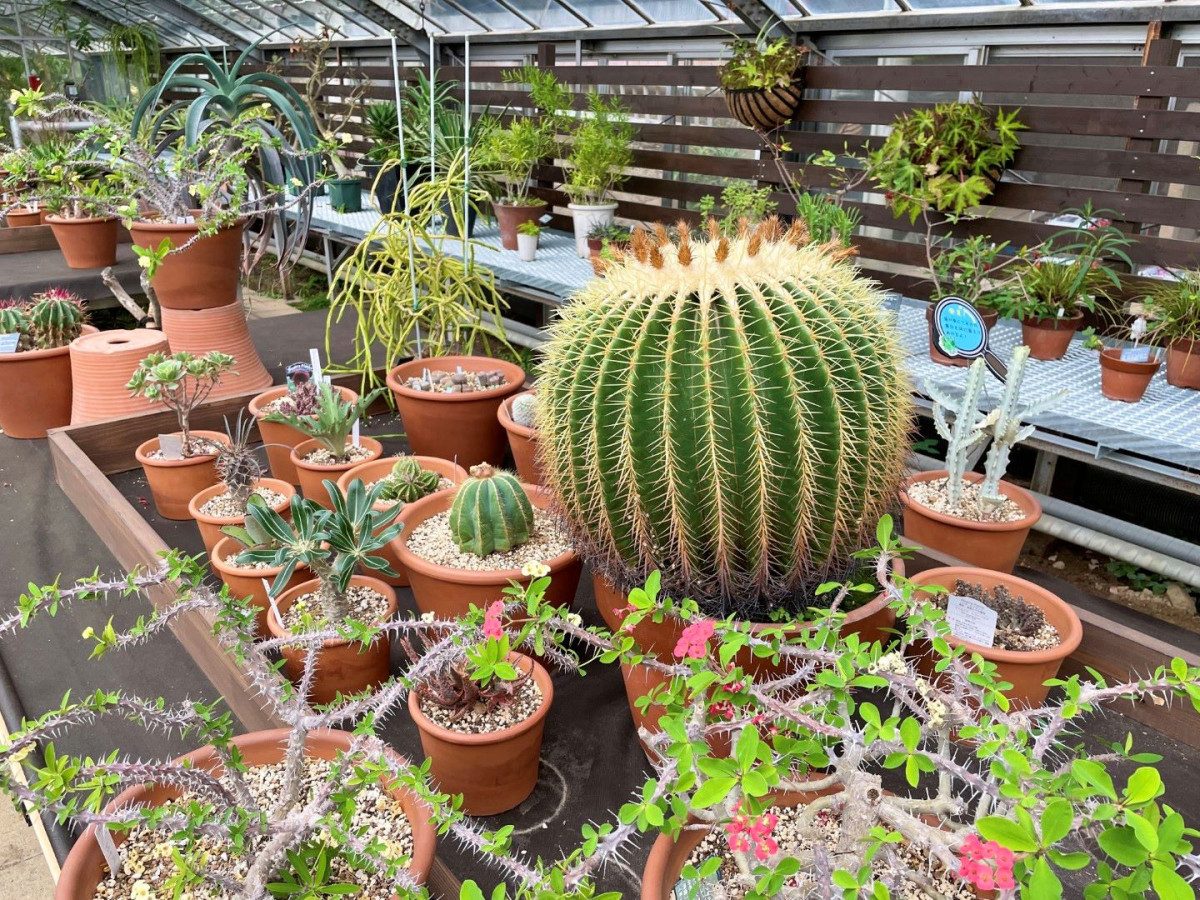
Urban greening botanical garden offering seasonal plant displays, a greenhouse, and a lawn plaza for rest.
Nikaryo Canal Kuji Cylindrical Diversion
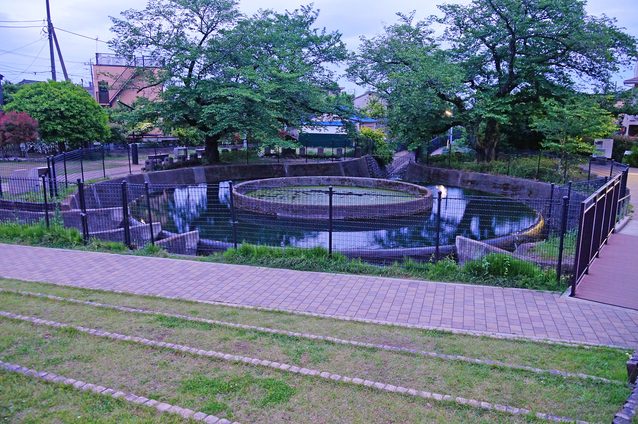
1941 irrigation divider, a 1998 registered tangible cultural property, siphons under Hirase River, metering by cylinder angle.
Taro Okamoto Museum of Art, Kawasaki
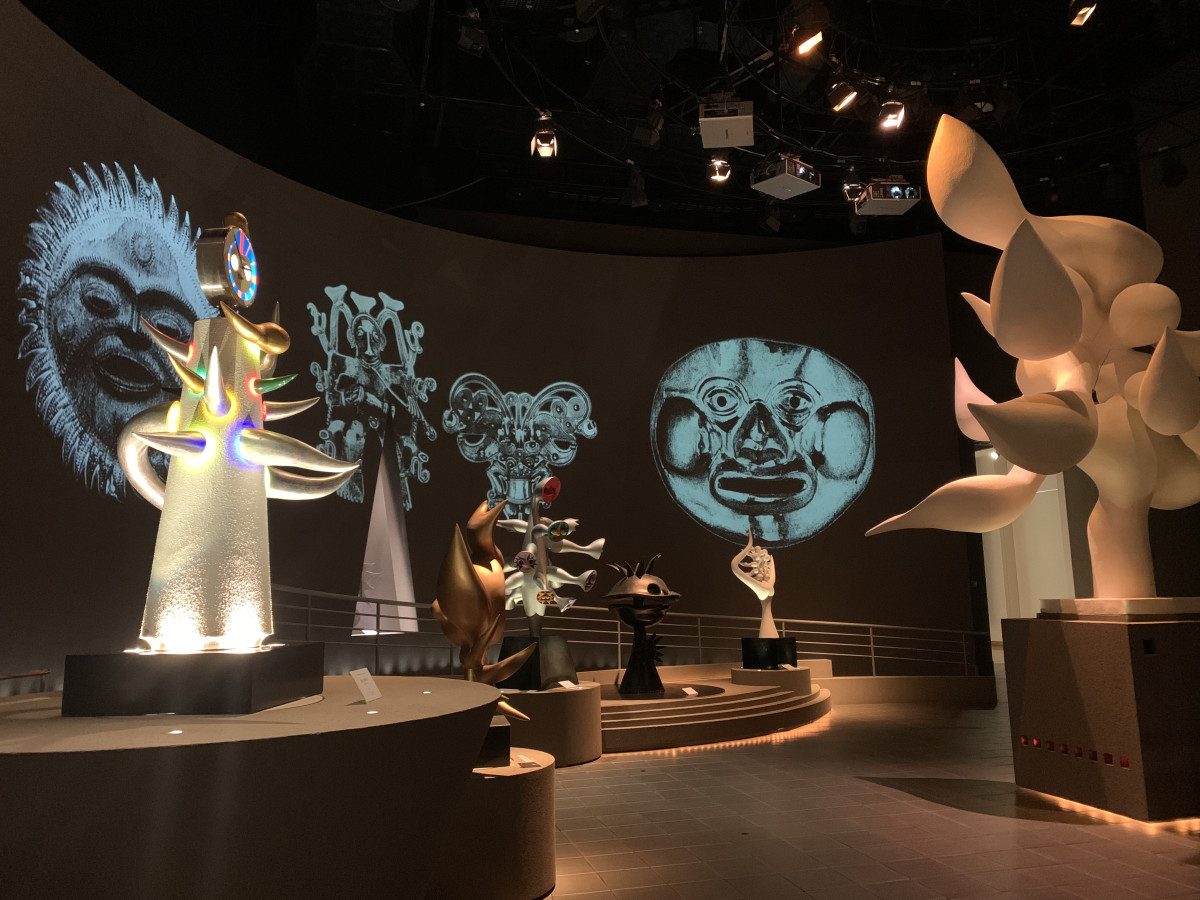
Mostly underground museum fused with nature, centered on the Tower of Mother and experiential displays.
Kawasaki Marien
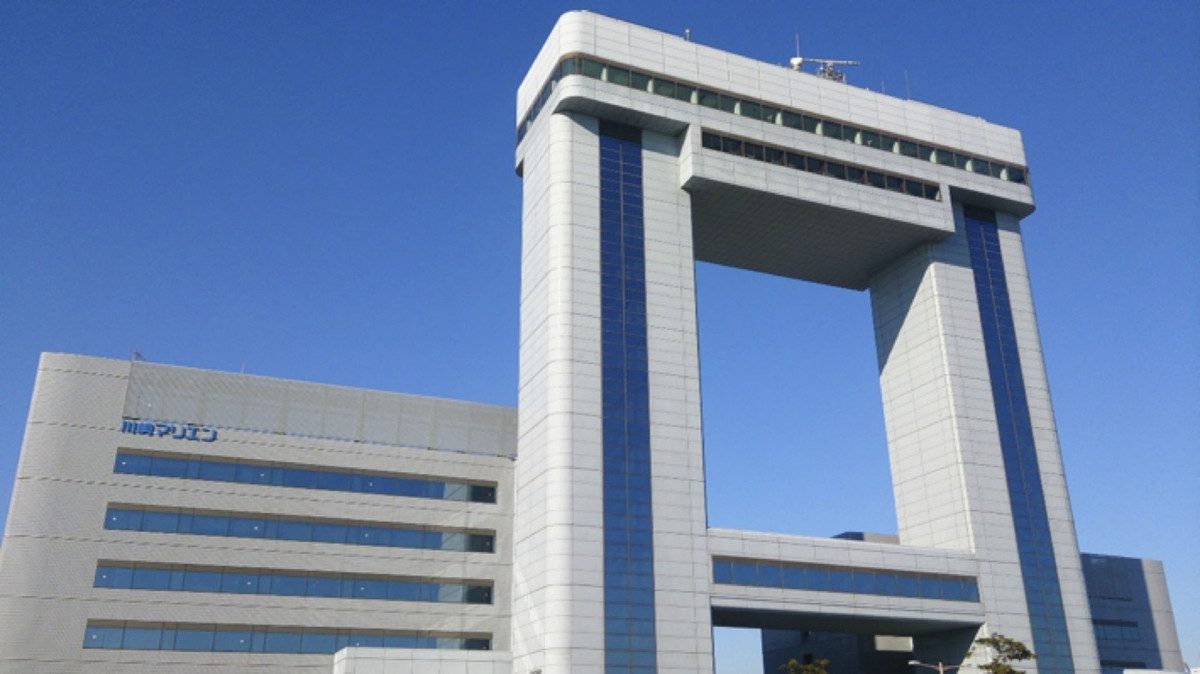
51m port observation room, gym, tennis courts, and one of the world's largest great white shark specimens.
Kawasaki River Port Water Gate
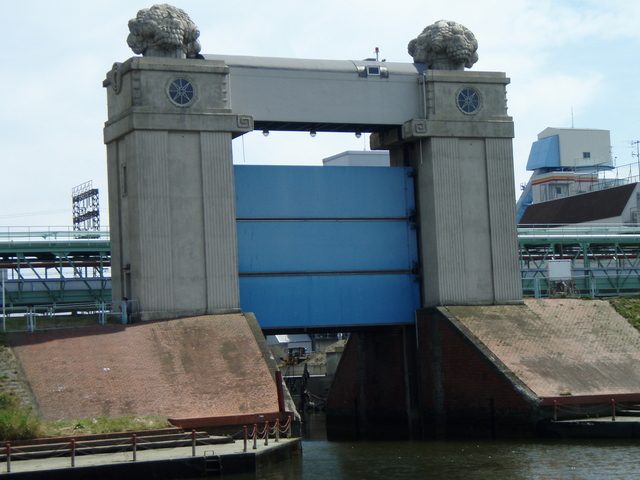
Completed in 1928 on the Tama River, with a fruit-basket tower ornament; registered cultural property since 1998.
Tokaido Kawasaki-juku Exchange Hall
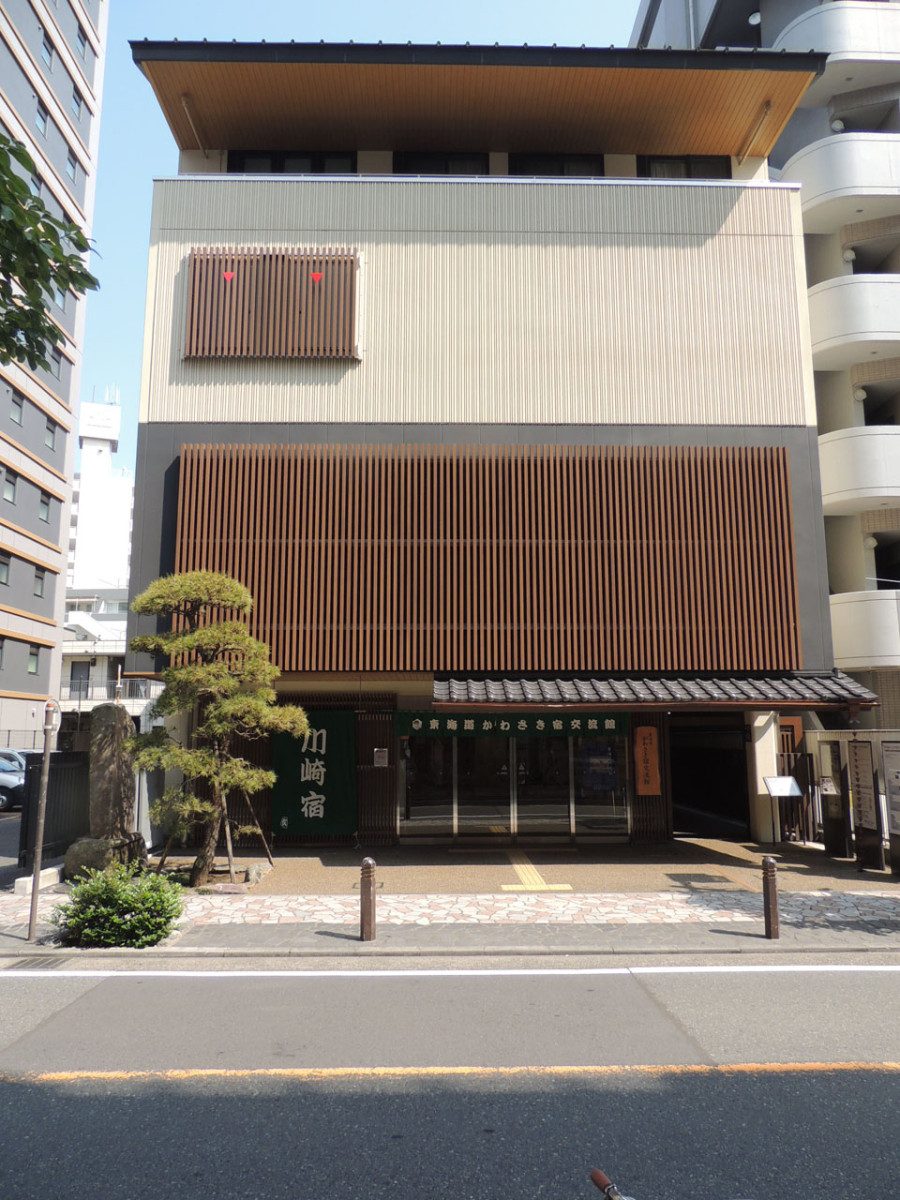
Exhibits on Kawasaki history and its Edo-period Tokaido post town, with costume photos and classical performances.
Futago Shrine
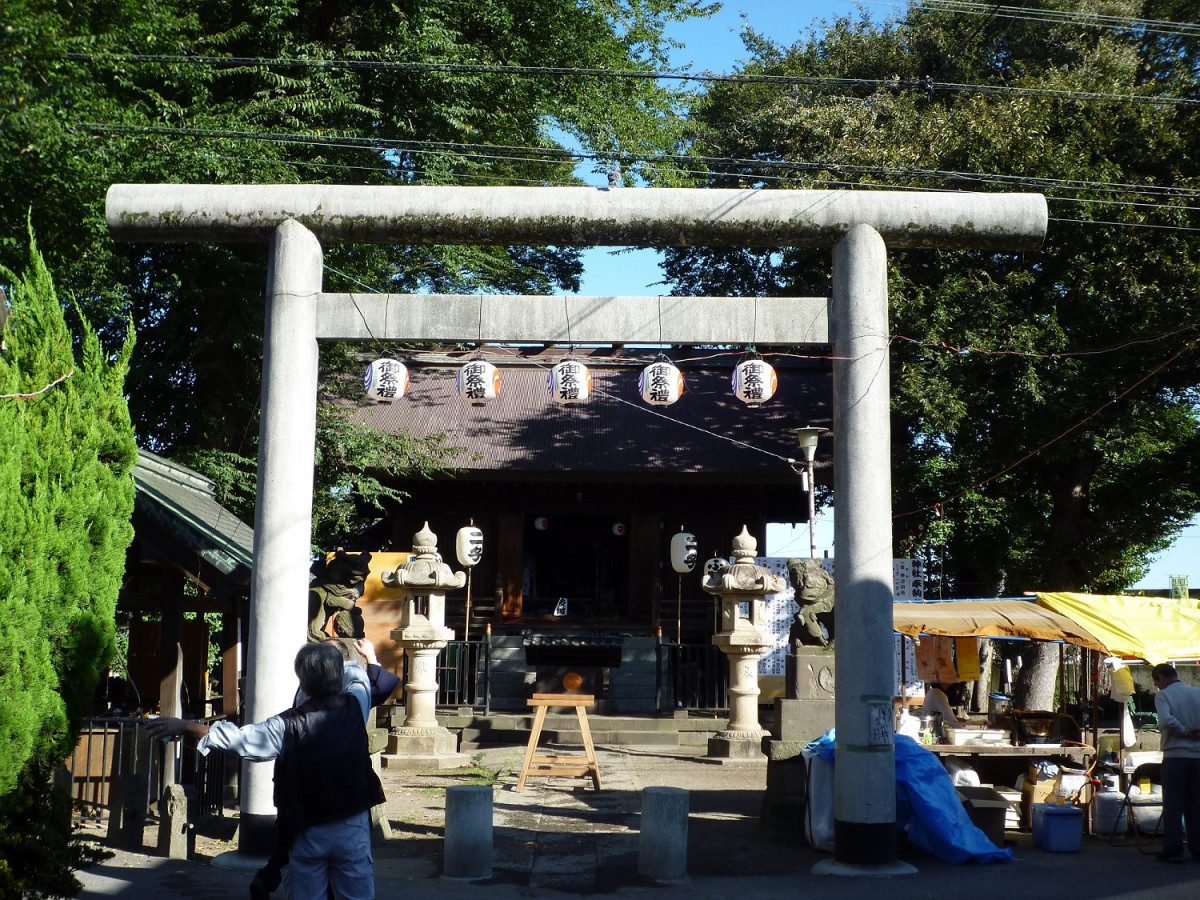
Near the Tama River's Futago Bridge; reportedly founded in 1641 as old Futago Village's shrine.
Nitta Shrine
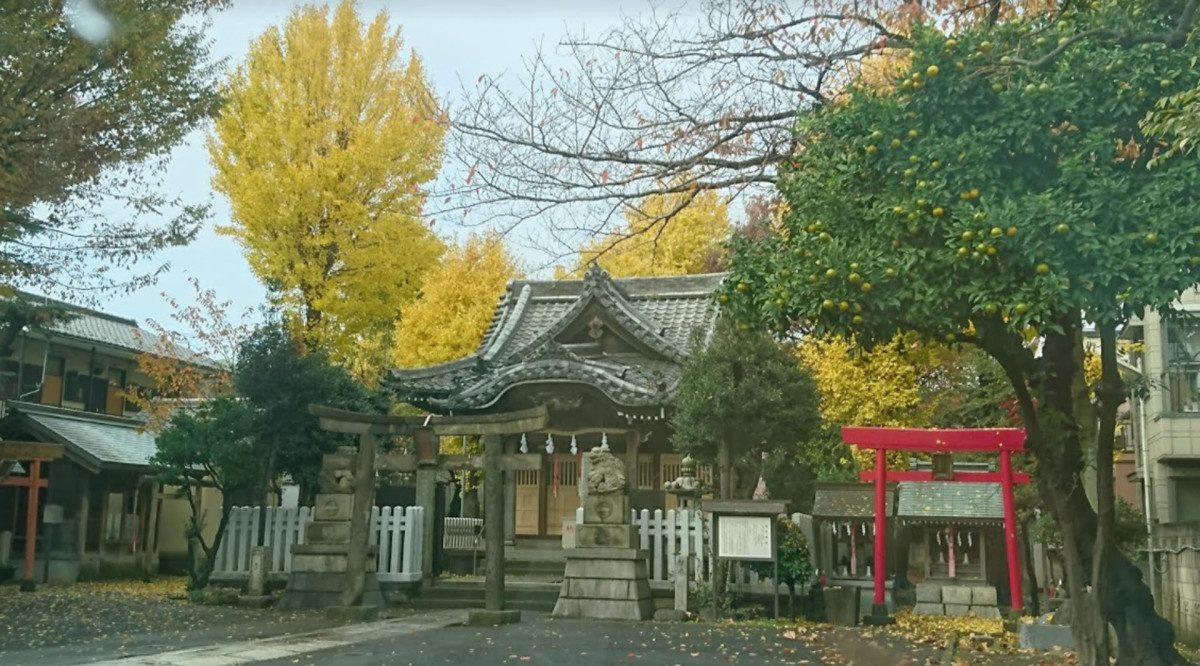
Shrine enshrining Nitta Yoshisada, a famous general of the Kamakura period.
Choja-ana Horizontal Cave Tomb
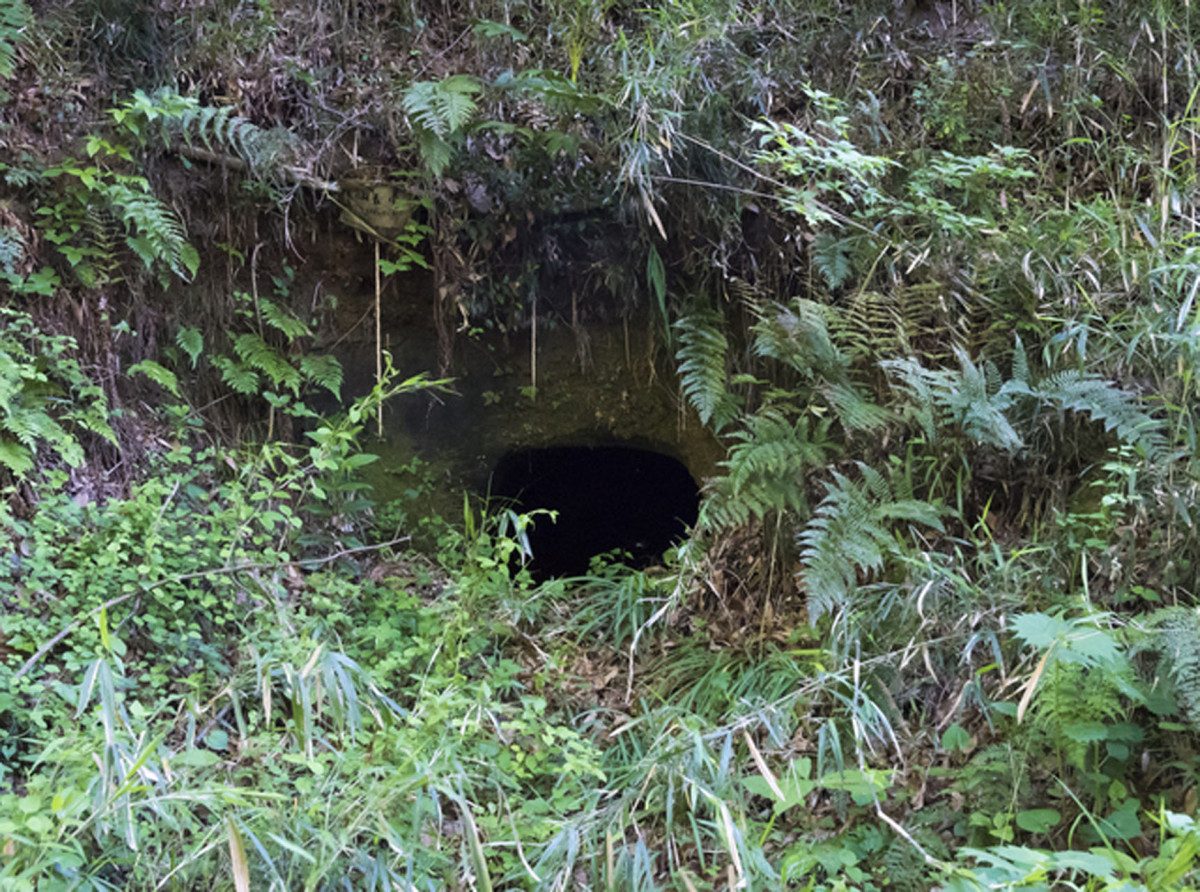
Horizontal cave tombs cut into a hillside in the 7th-century Asuka period; interior entry is closed for safety.
Hisamoto Yakuimon Park
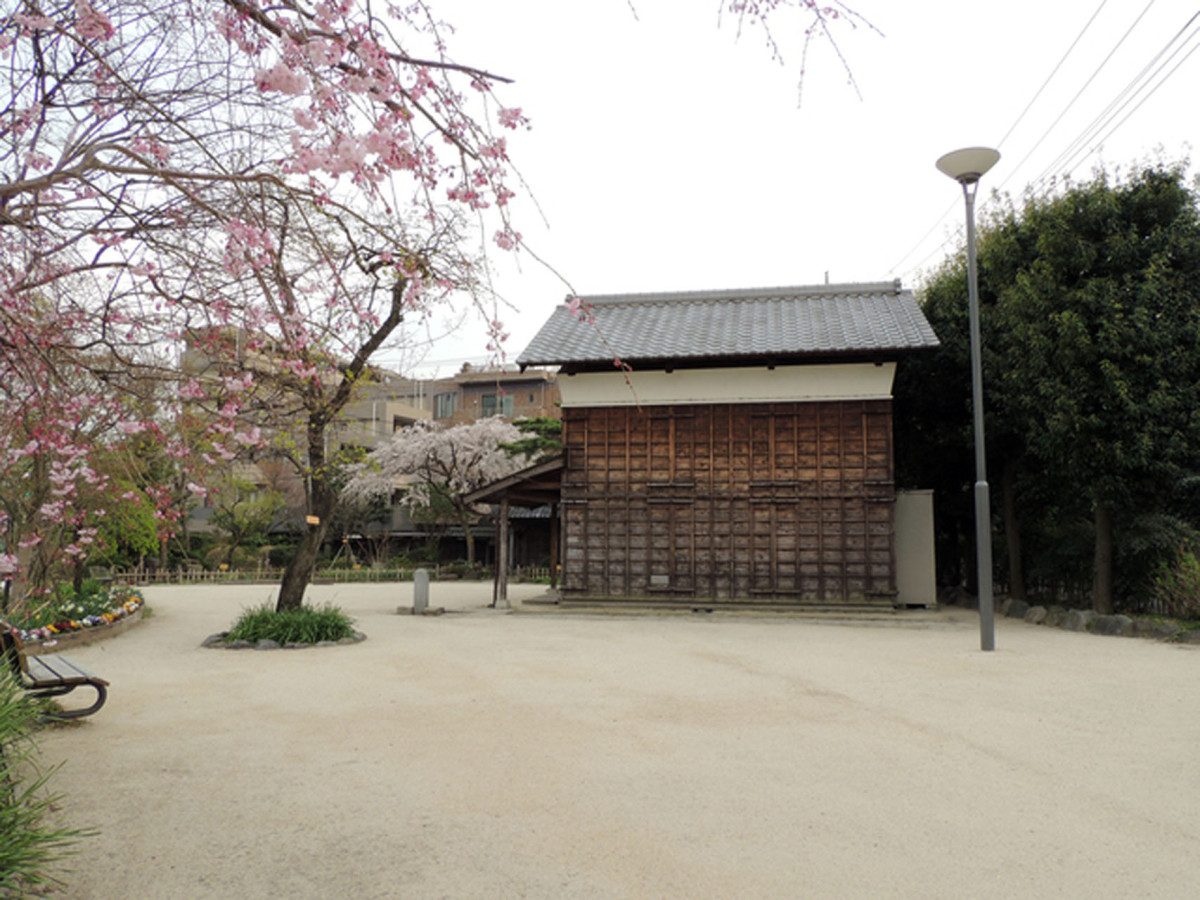
Former Oka family site, eight generations of doctors, said to model the sanatorium in Kurosawa's Red Beard.
Suenaga Kumanomori Green Space (Edomi Cherry and Tarzan Tree)
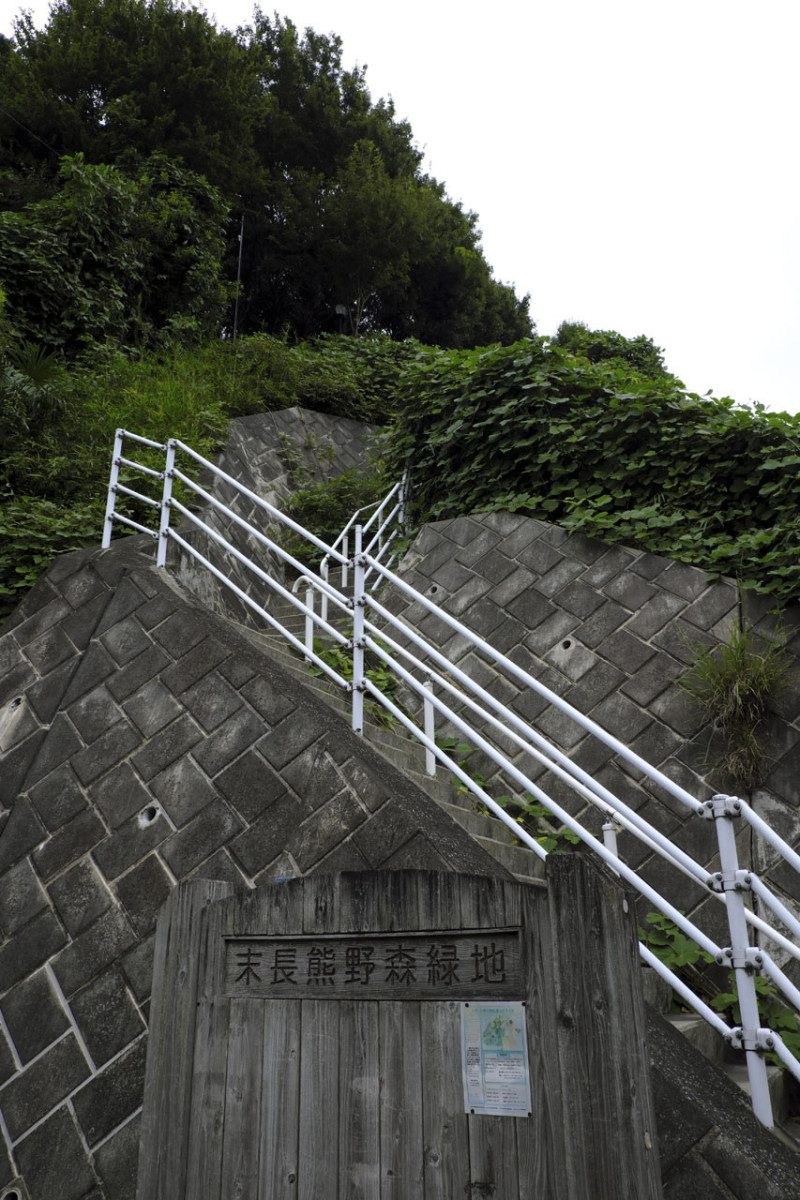
Mountain cherry found and put into verse by Minamoto no Yoshiie, later called Edomi Cherry, plus a Tarzan Tree.
Kuji Plum Grove Park
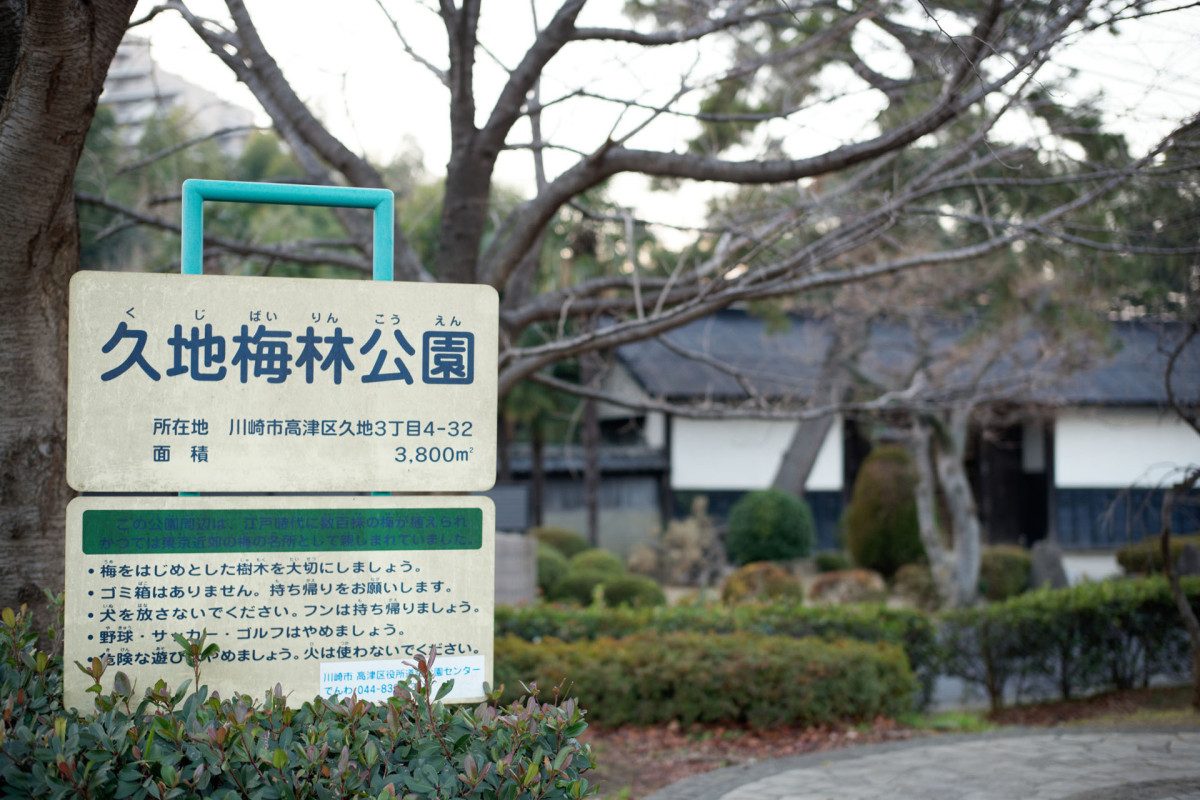
About 3,800 sqm with 40 plum trees of 20 species; red and white blooms mid-February to early March; poetry monument.
Egawa Seseragi Promenade
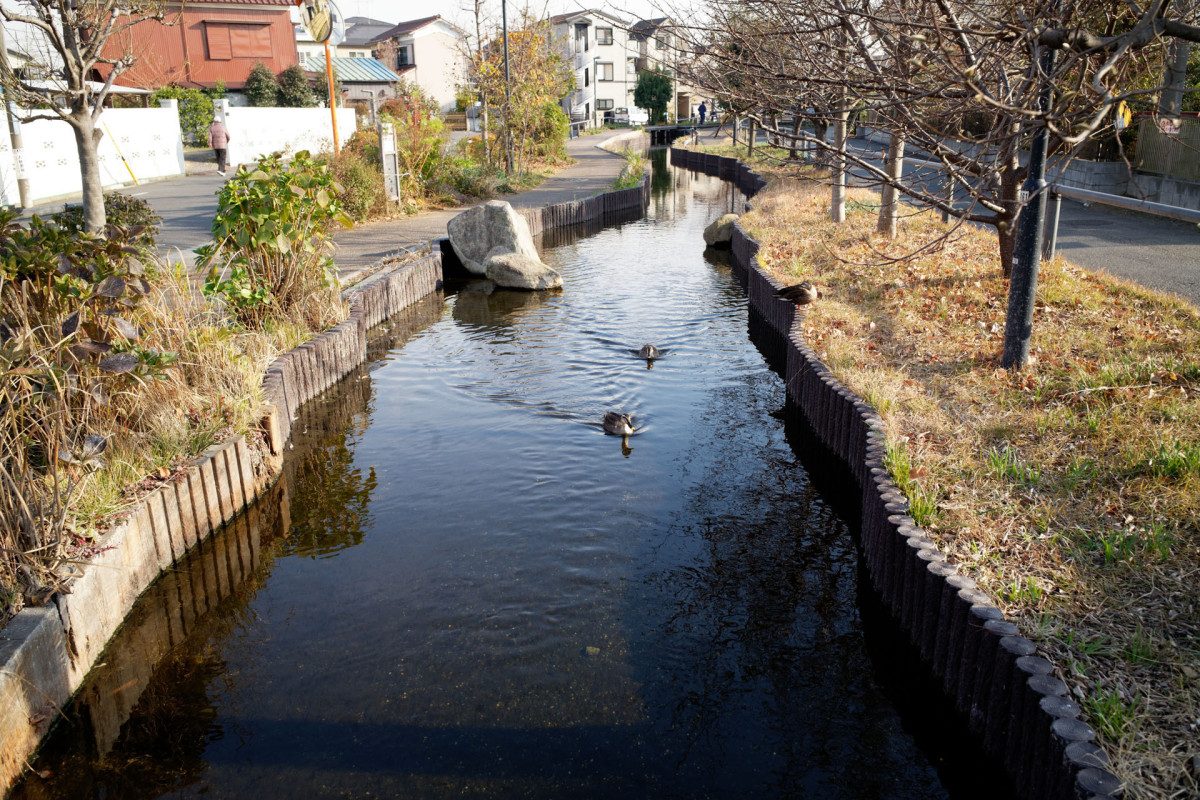
Eight themed zones with plants and stones; stream uses highly treated sewage water from Todoroki Water Treatment Center.
Chidori Park
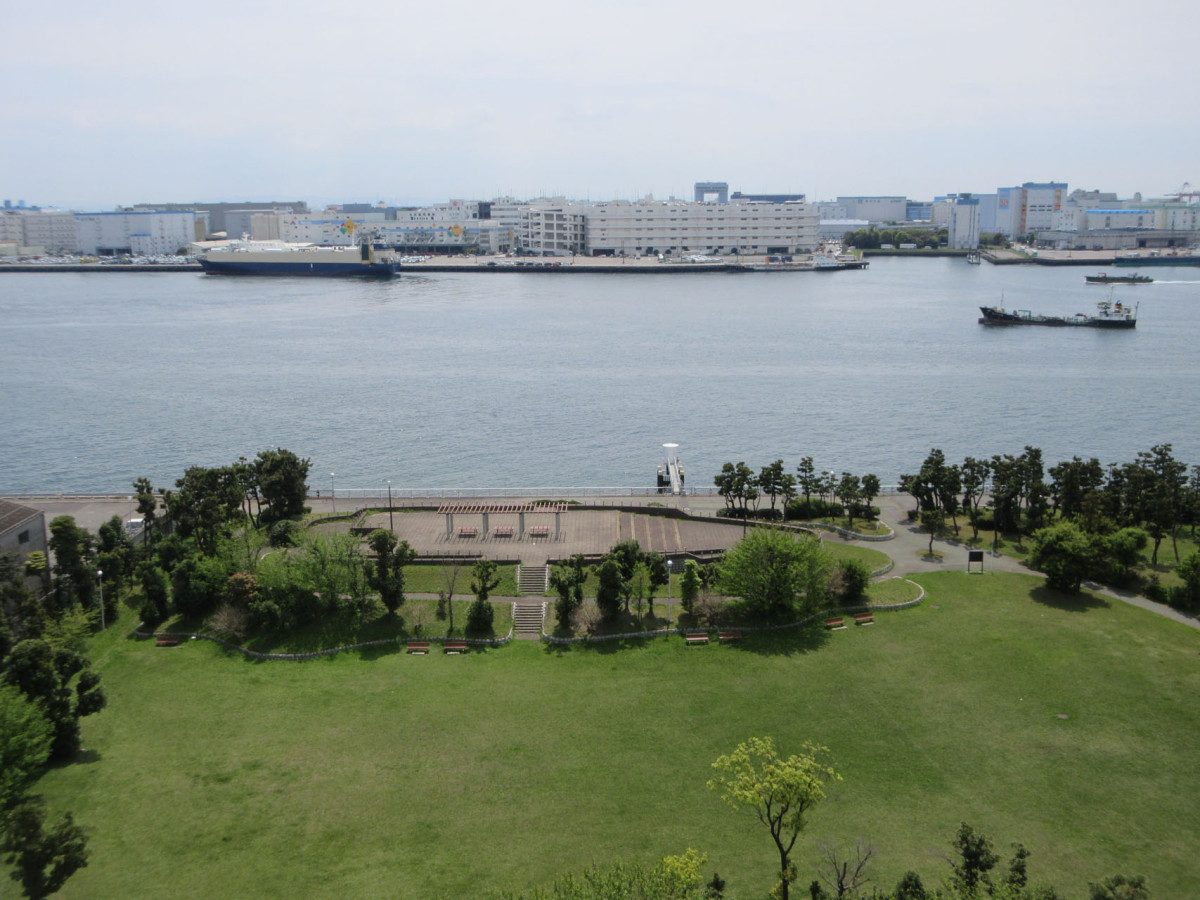
Park built directly above Kawasaki Port undersea tunnel; observation plaza overlooks Higashi-Ogishima factory night views.
Kotohira Shrine
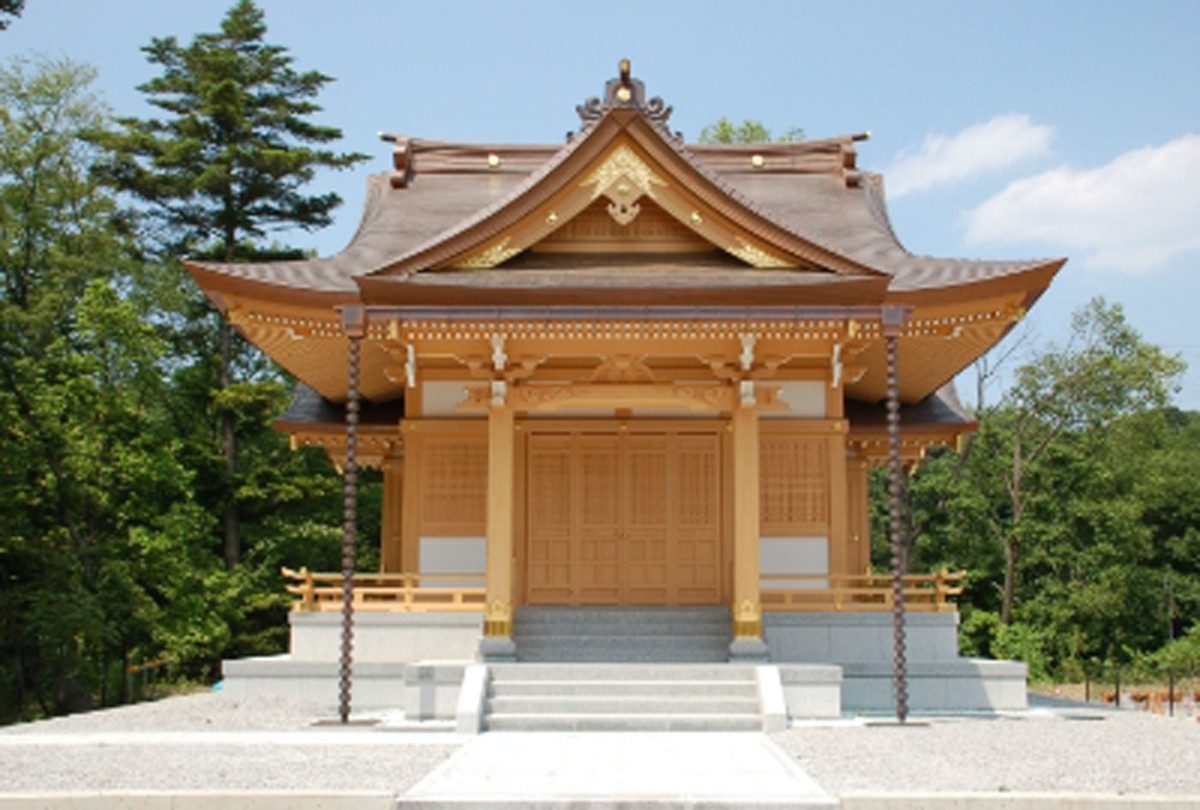
Old main hall burned in 2007; rebuilt in 2011 with restored paintings, after 1826 merger with Kotohira-gu.
Shirahata Hachiman Shrine
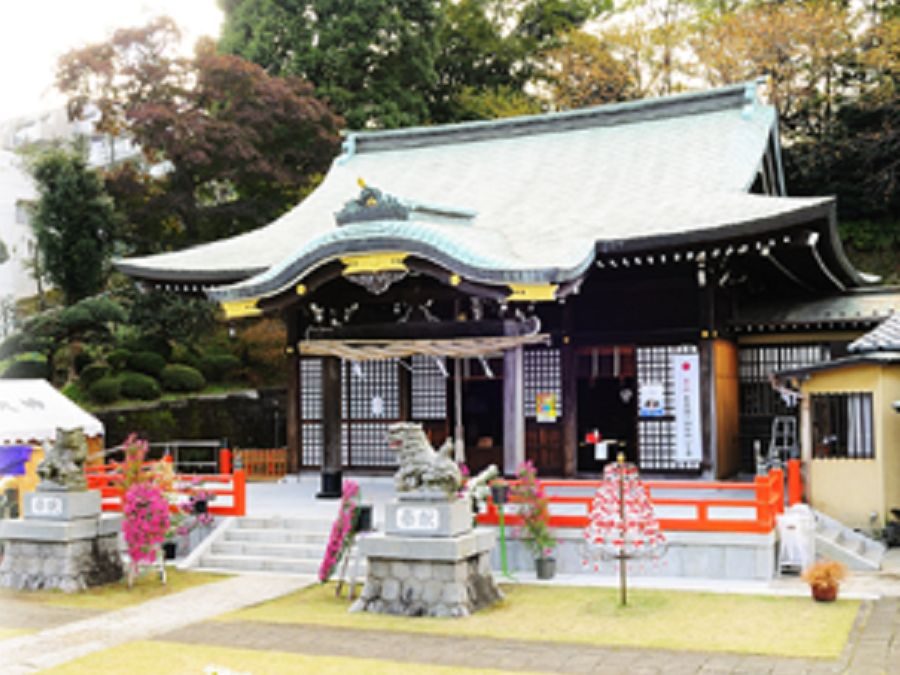
Said to be Genji-linked. Hatsu-u Festival has archery and a straw serpent; grand festival shows city-designated Negi dance.
Tsukiyomi Shrine
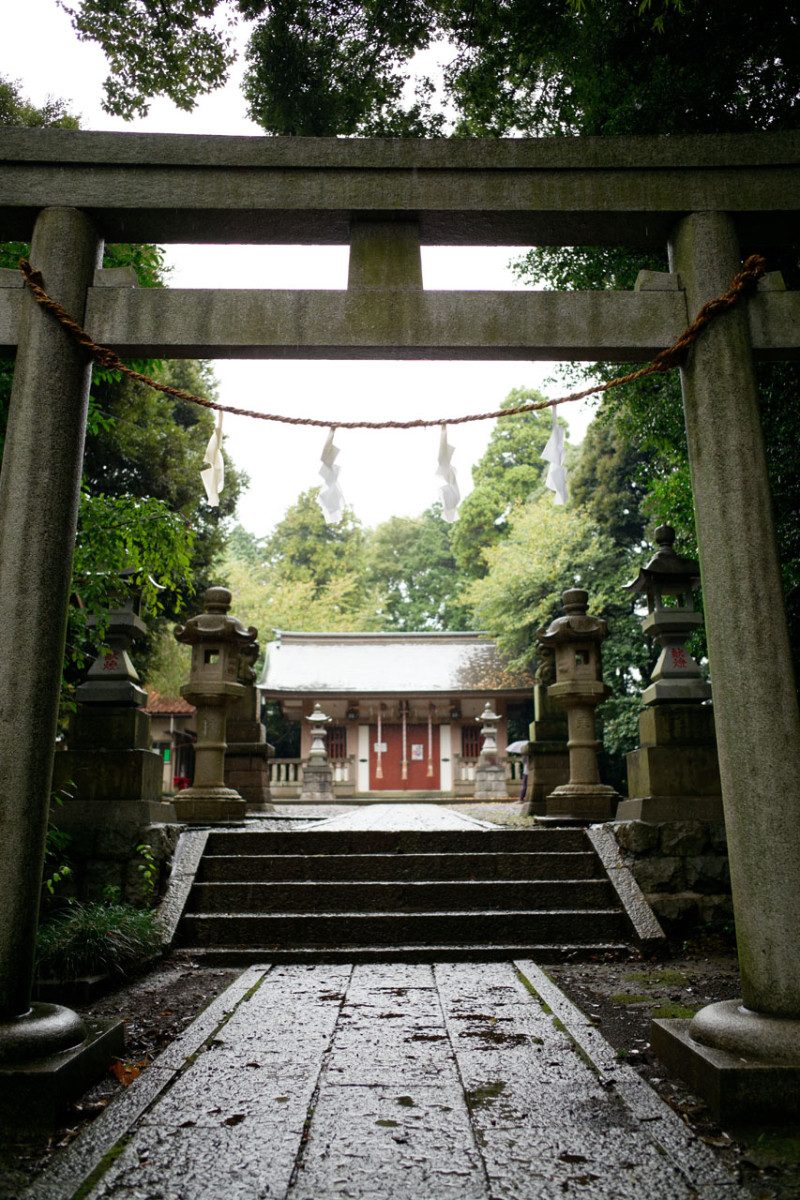
Founded in 1534 for harvest prayers; later became Aso Shrine, then Tsukiyomi Shrine again.
Joraku-ji (Manga Temple)
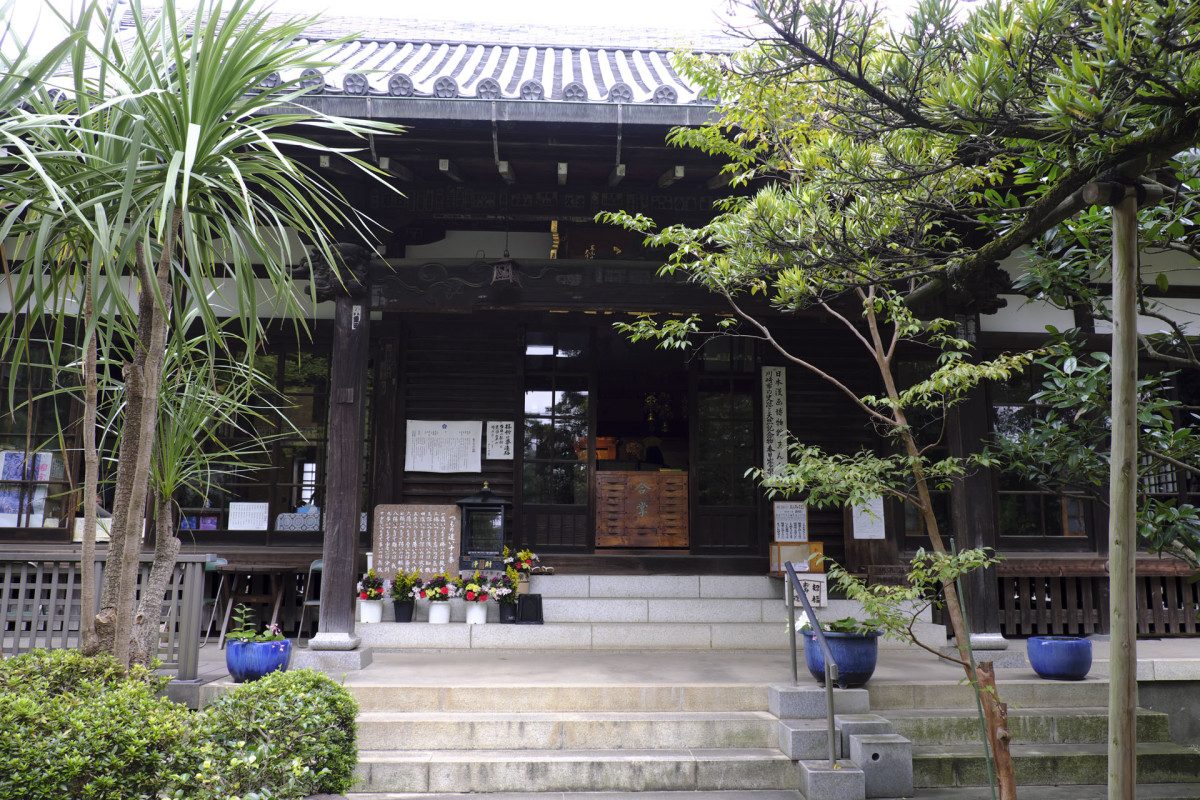
Main hall built around 1668-1703; nicknamed Manga Temple after manga drawn on sliding doors in 1968.
Saimyo-ji
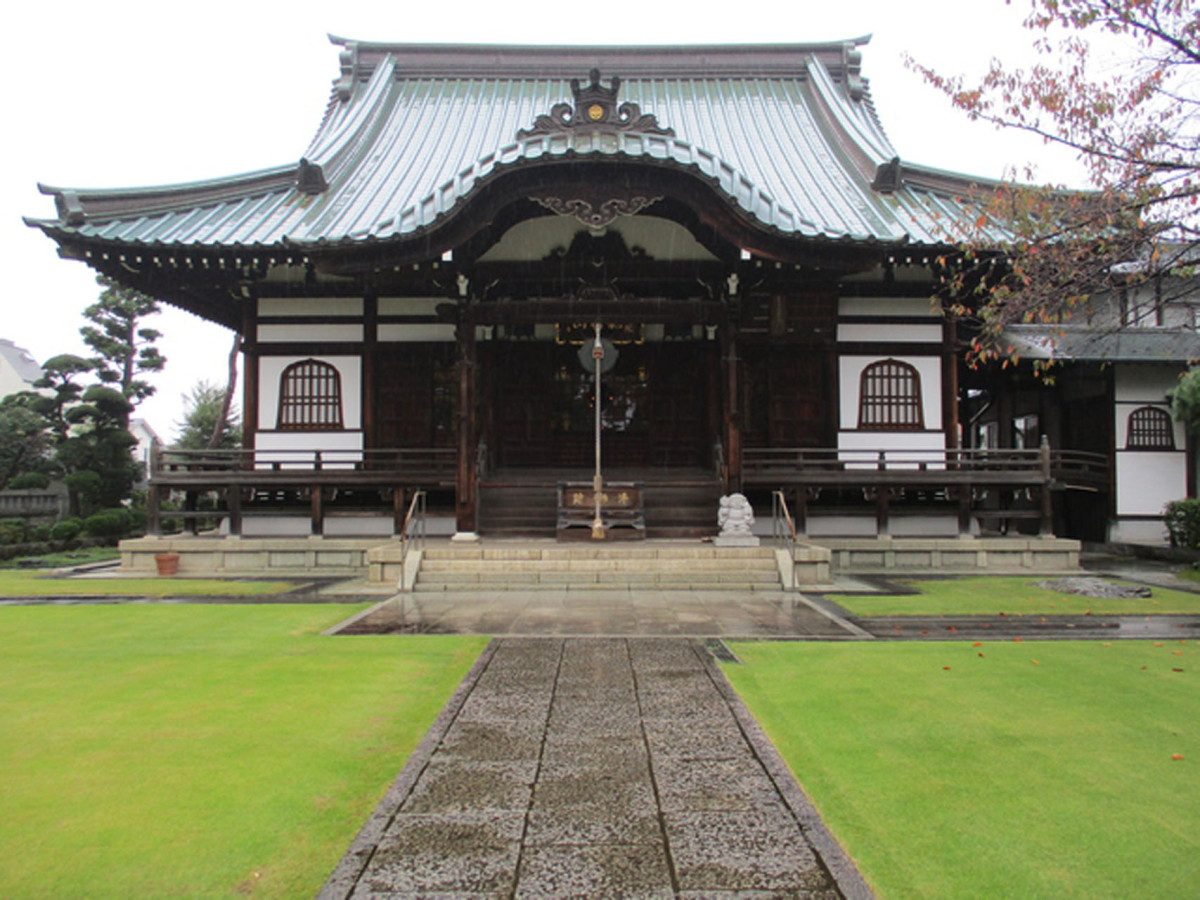
Shingon temple revered by the shogun family; enshrines Daikokuten, one of Kawasaki's Seven Lucky Gods.
Aso Fudo-in (Tokusa Fudo)
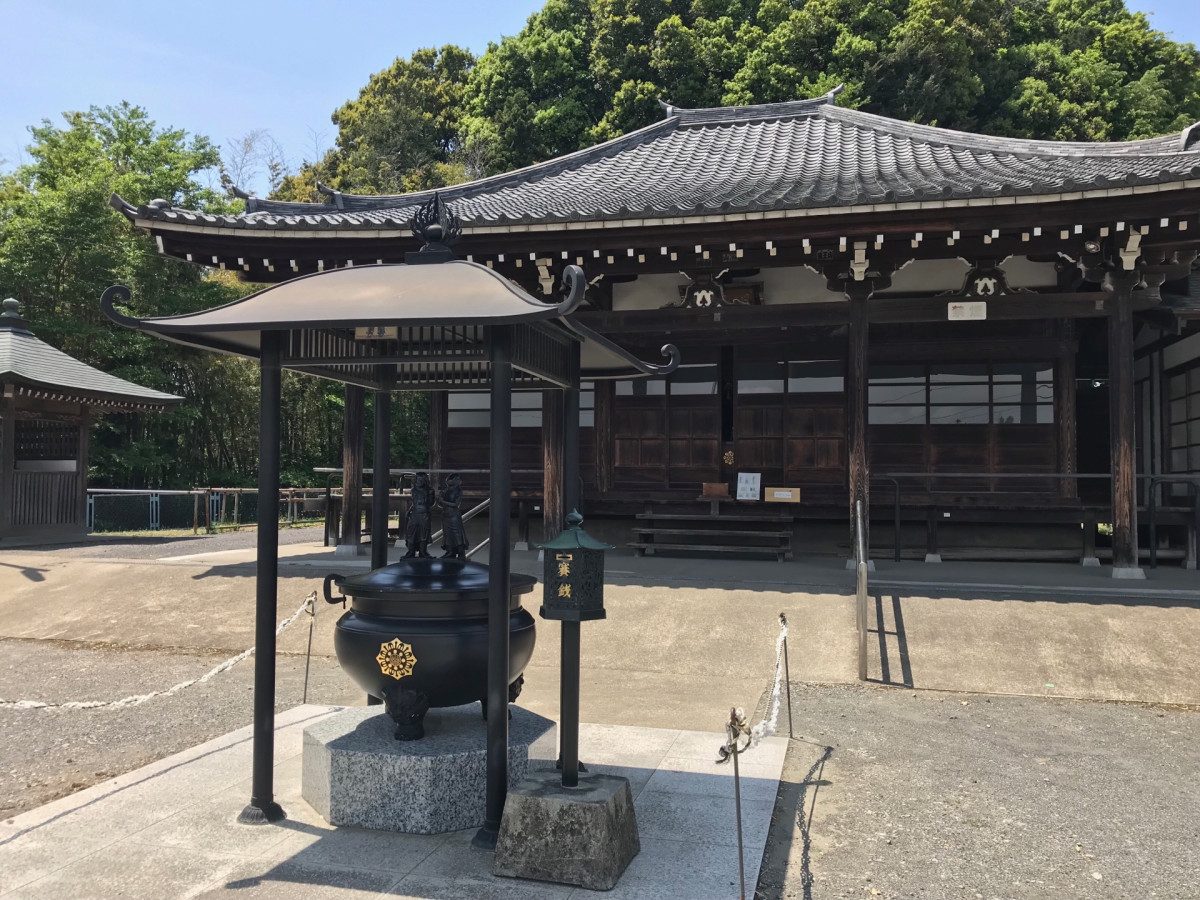
Officially Myoozan Fudo-in Hannyabo, famous for a daruma market praying for health and family safety.
Migawari Fudoson Kawasaki Head Temple
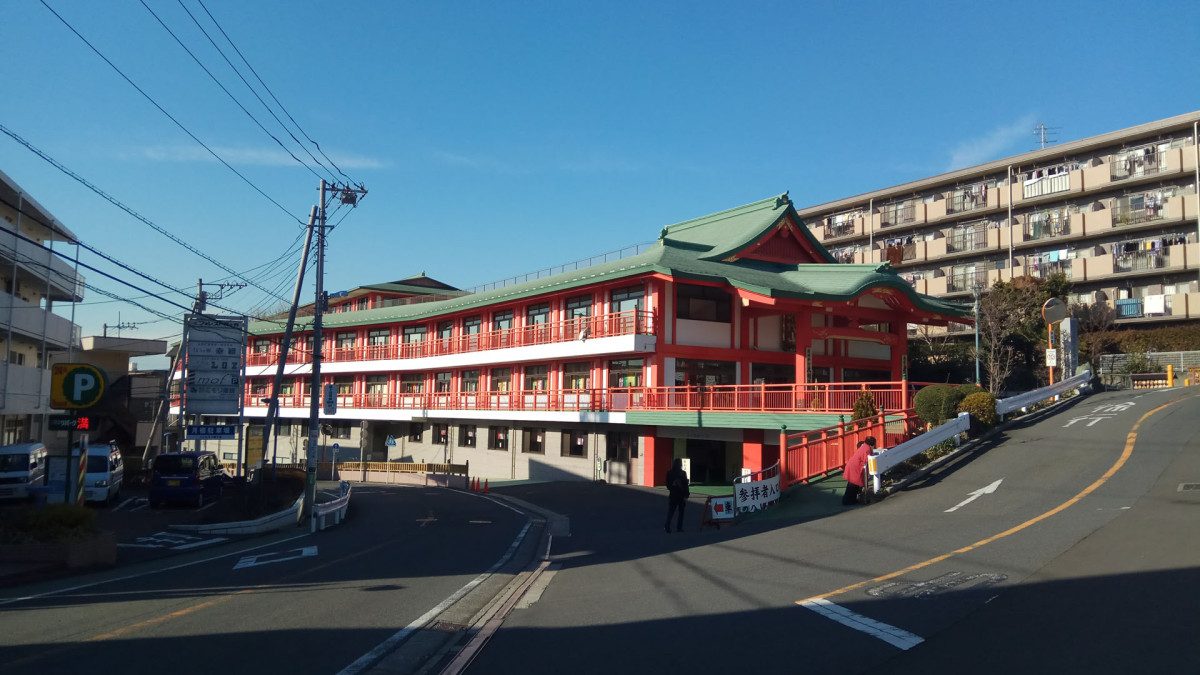
Hall built to enshrine a miraculous image after an epidemic ended. Visitors pray year-round for evil-warding and traffic safety.
Jokei-ji
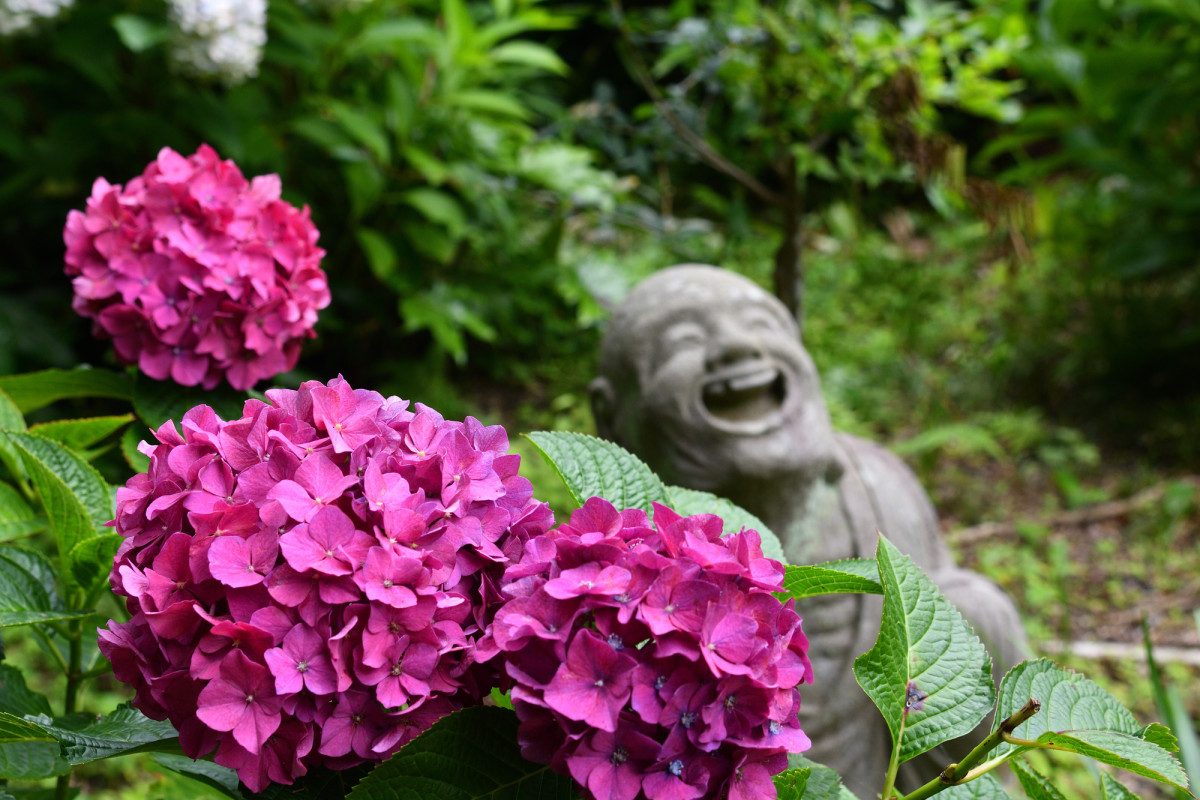
A hilltop temple known as Kakio's hydrangea temple, with over 1,000 hydrangeas and unique arhat statues.
Hayano Sacred Park and Seven Ponds
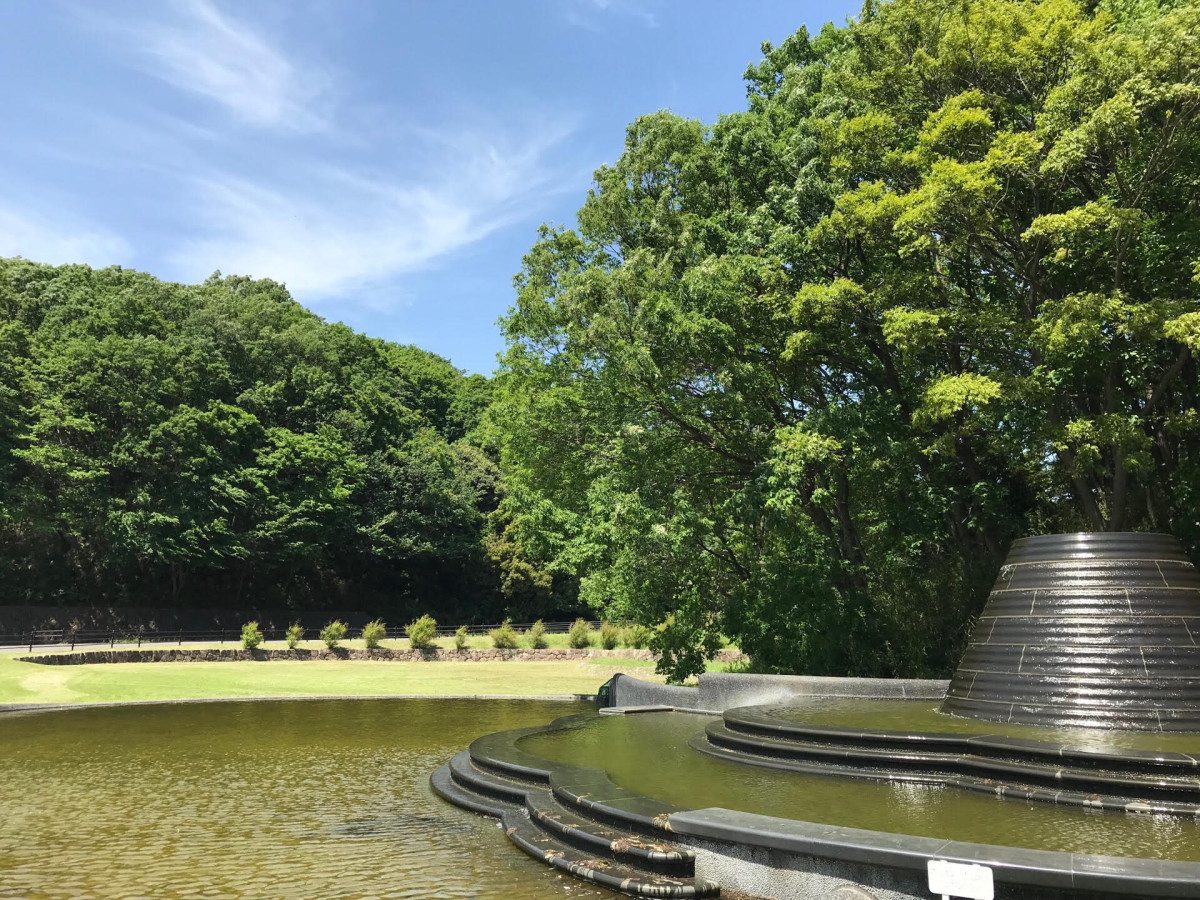
Seven ponds said to store spring water for fields. Cemetery and park preserve scenery; paths for observing plants and animals.
Lord's Tomb
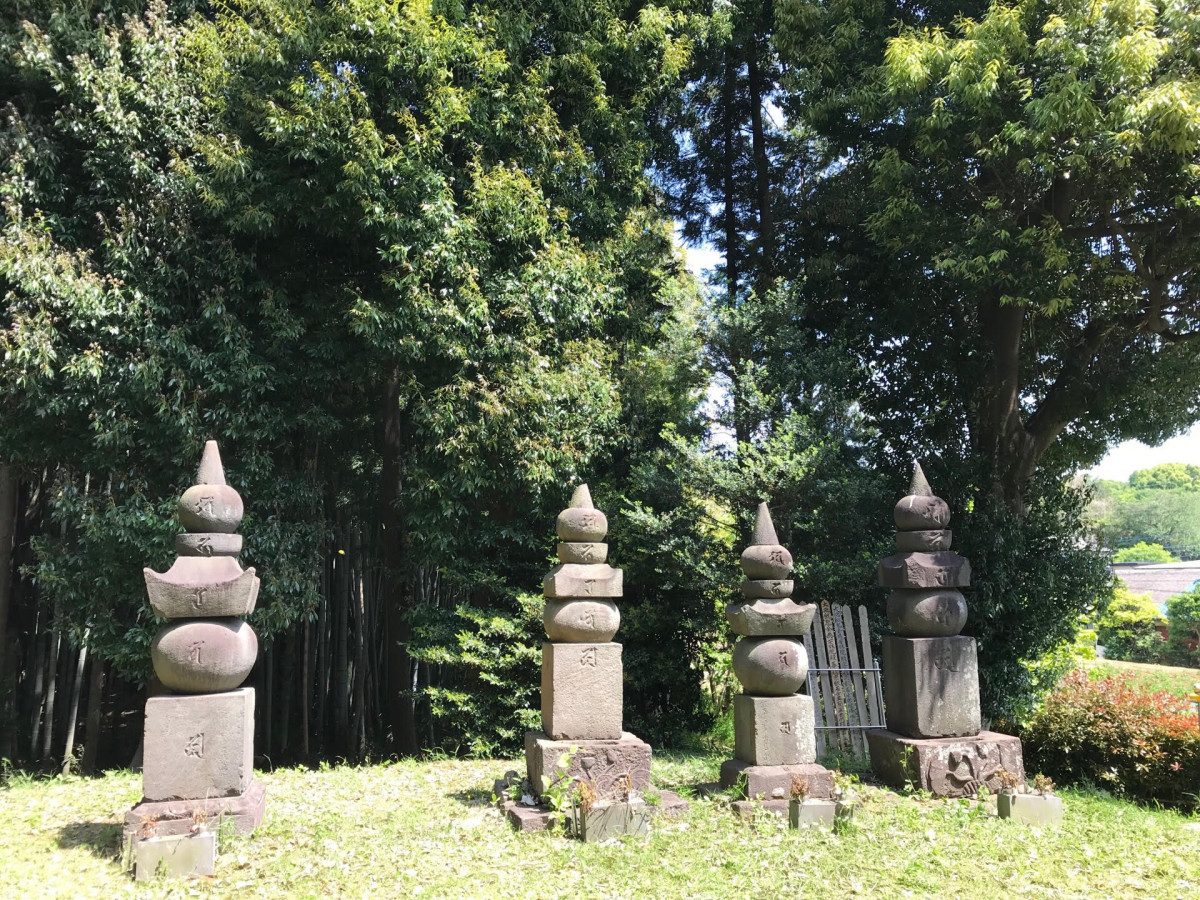
Stone five-ring pagoda near Kaio-ji on Odoyama in Hayano, called the Lord's Tomb by locals.
Sato Honjin Site
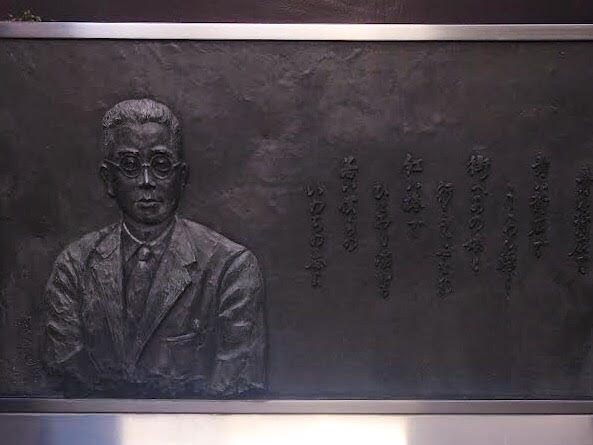
Called Sozaemon Honjin, where 14th shogun Iemochi stayed en route to Kyoto; poet Sato Sonosuke born here in 1890.
Kotoro Bridge Ruins
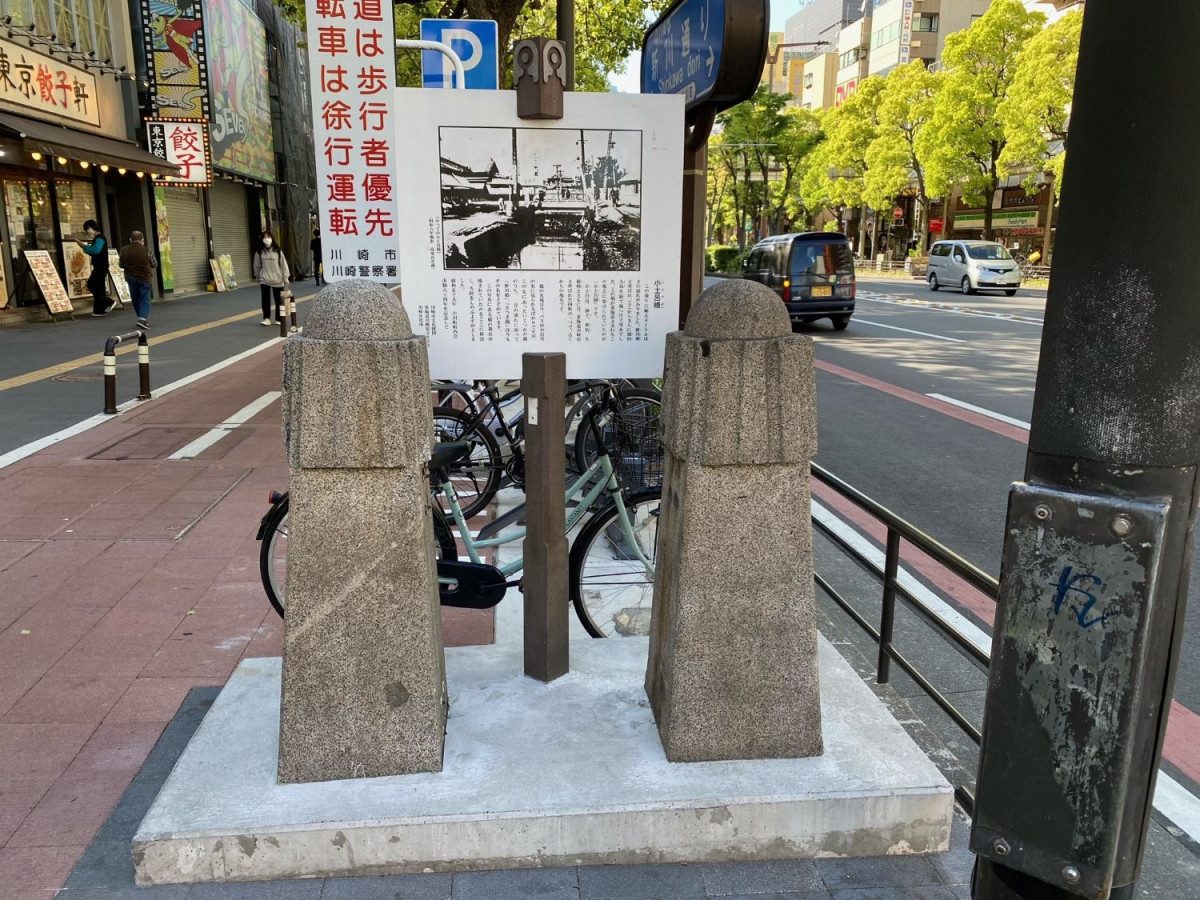
Former drainage bridge; channel filled around 1931, only newel posts kept beside an intersection.
Daishigawara Tidal Flat Museum
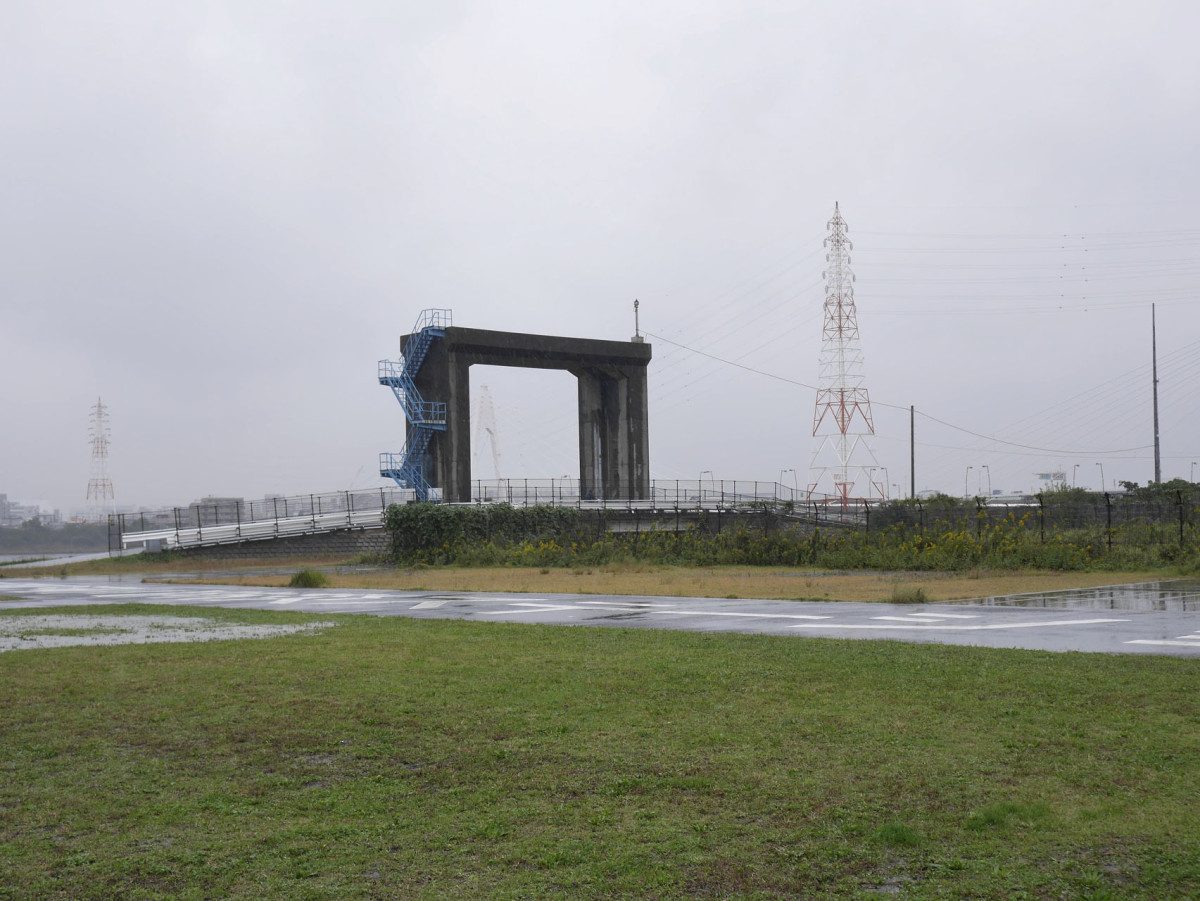
Part of Daishigawara flood center; since 2008 shows Tama River estuary environment, history and culture, plus workshops and events.
Basho's Haiku Monument
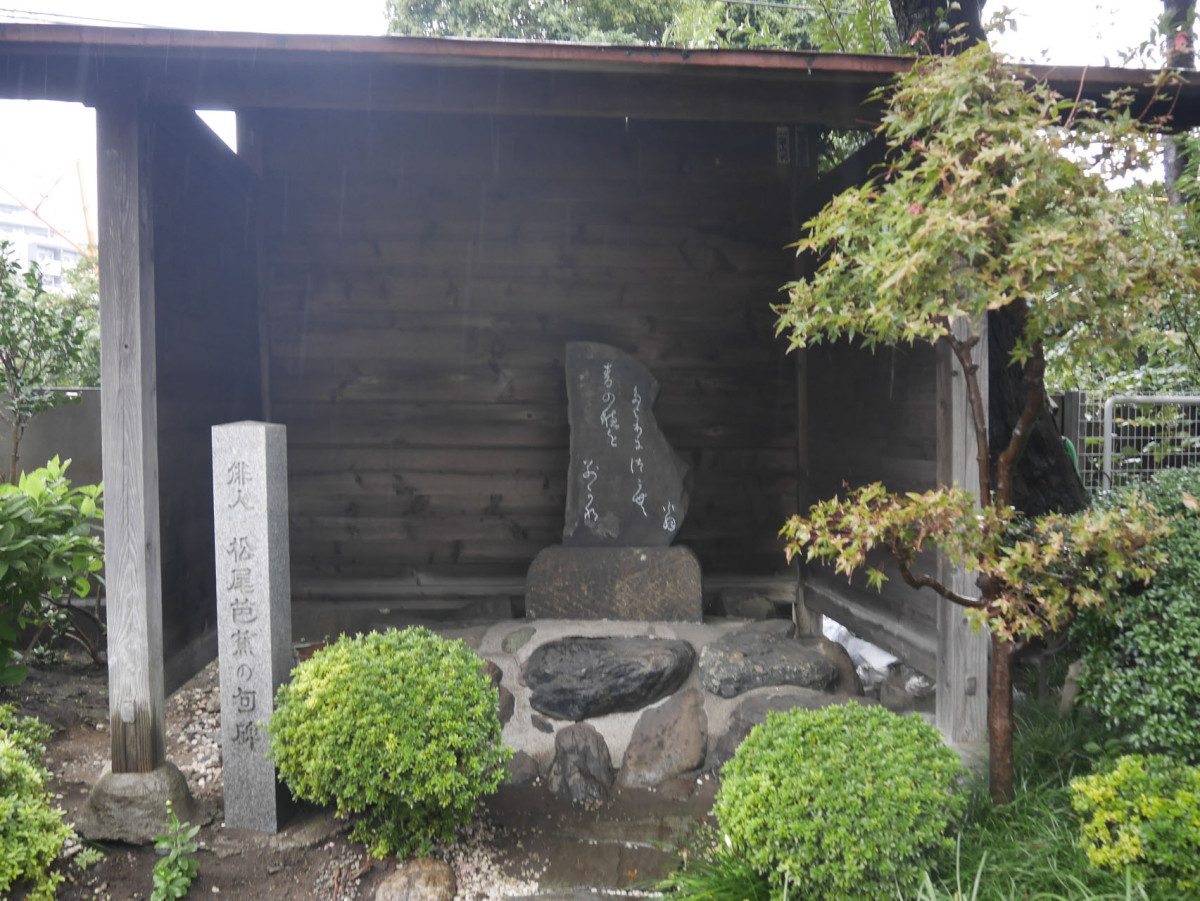
Rare precious monument where poet Matsuo Basho, heading to Iga, composed a farewell haiku to disciples at Hatchonawate.
Okamoto Kanoko Literary Monument: Pride
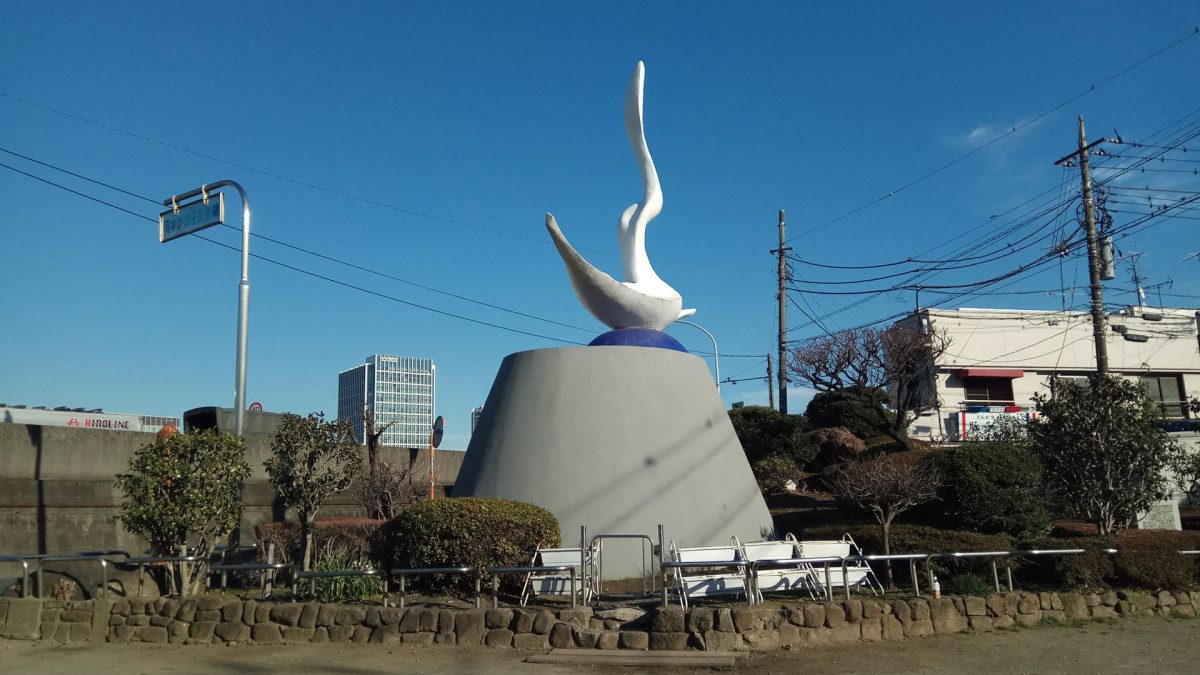
1962 Pride monument by son Okamoto Taro honoring poet-novelist Okamoto Kanoko.
Togaku-in (Azalea Temple)
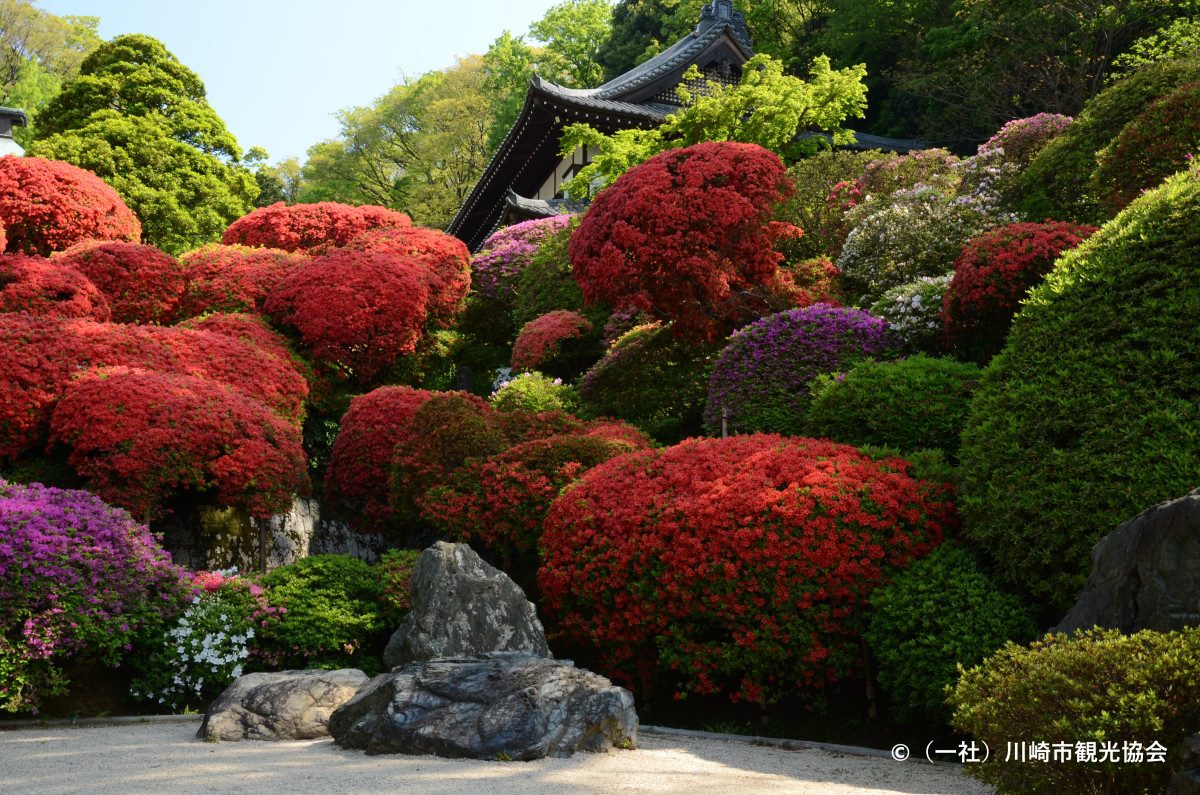
Kawasaki temple known for about 2,000 azaleas, red and pink around Golden Week.
Ishi Kannon Hall
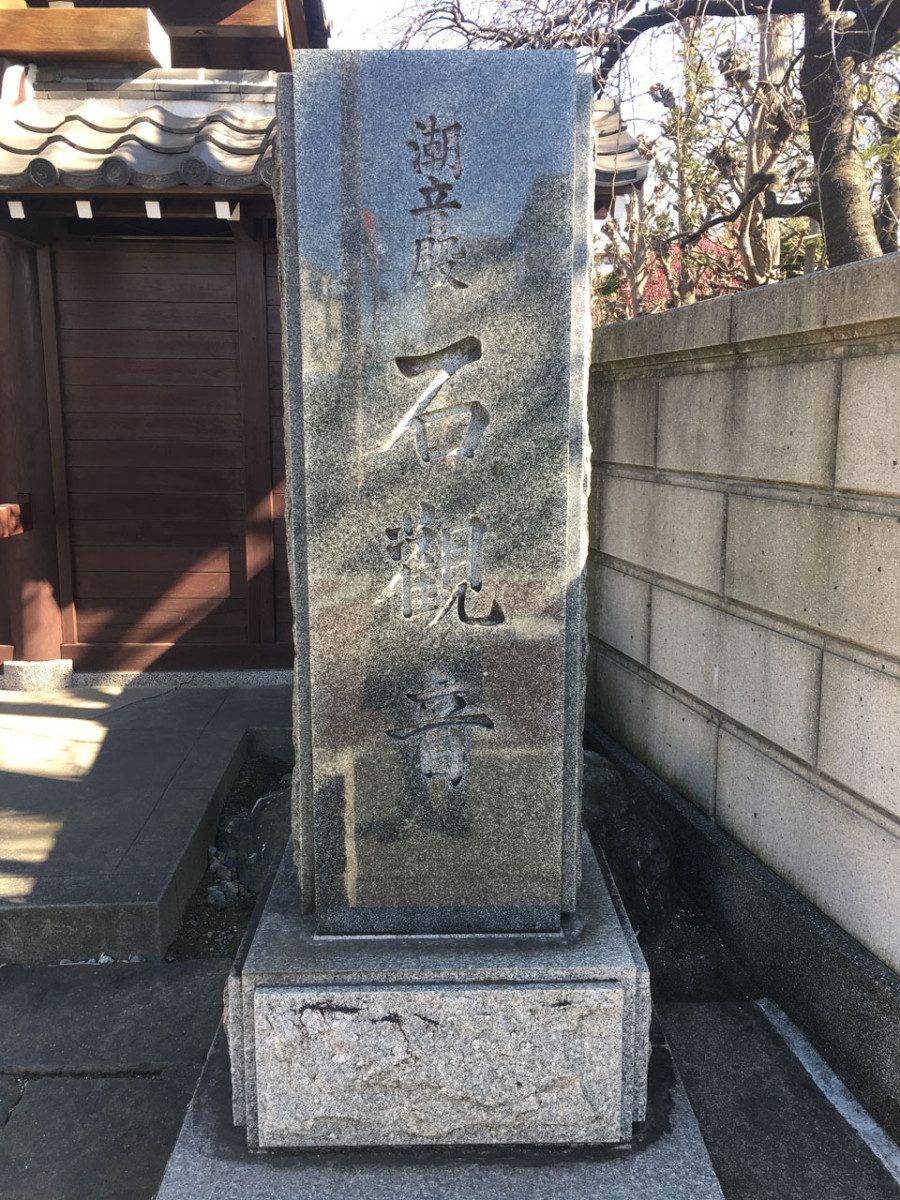
Tendai Meicho-ji's detached hall, opened in 1665 by monk Benyu; principal image is a stone Nyoirin Kannon.
Kunikida Doppo Monument
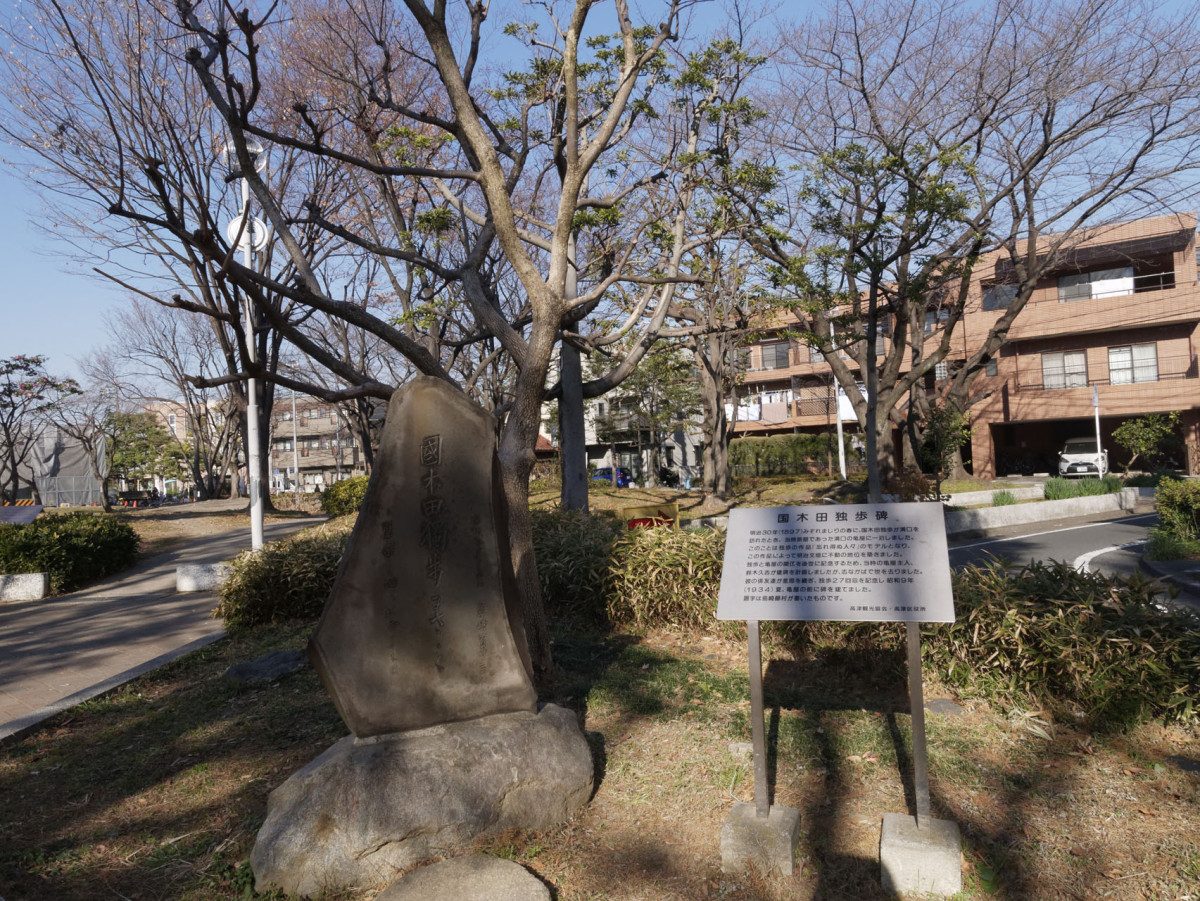
A monument inscribed with a famous poem by Japanese poet and novelist Kunikida Doppo.
Shinshu-ji Kawasaki Cemetery Bell Tower
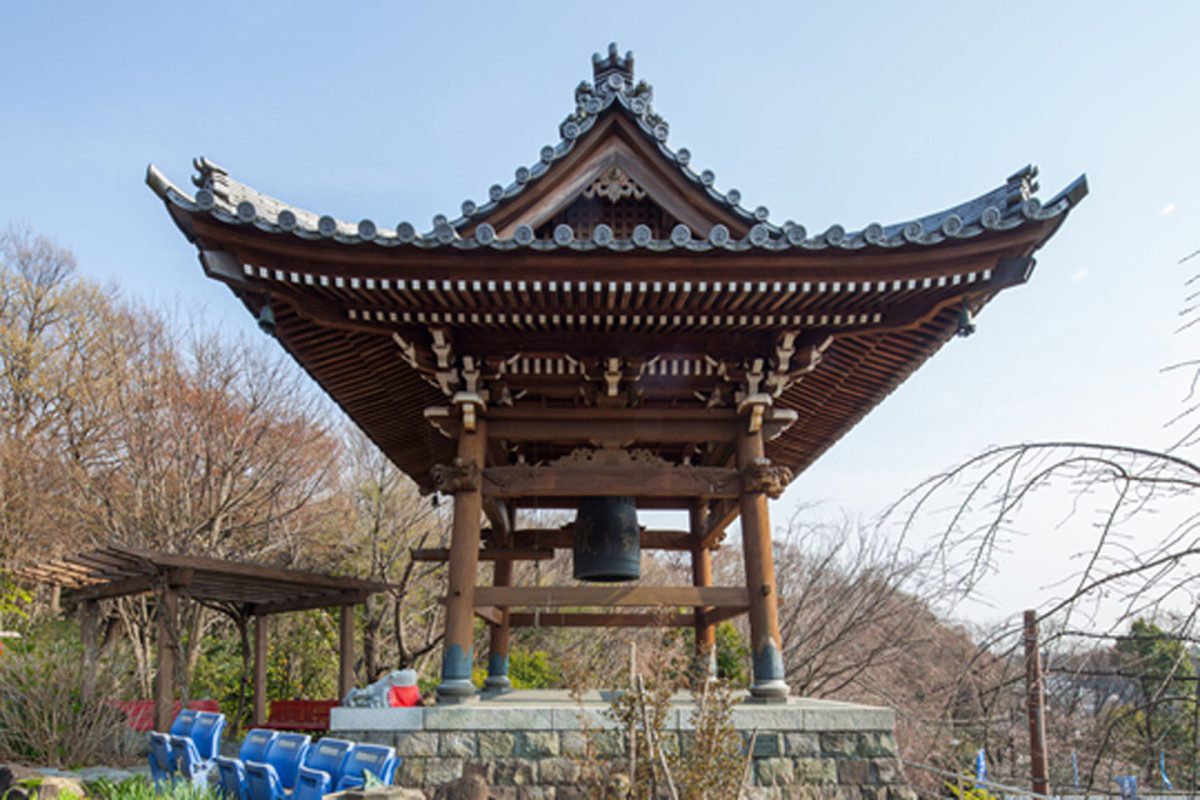
Jodo Shinshu Honganji-ha temple bell tower with the Happiness Bell, painter Masuo Ikeda's posthumous work.
Oishi Bridge
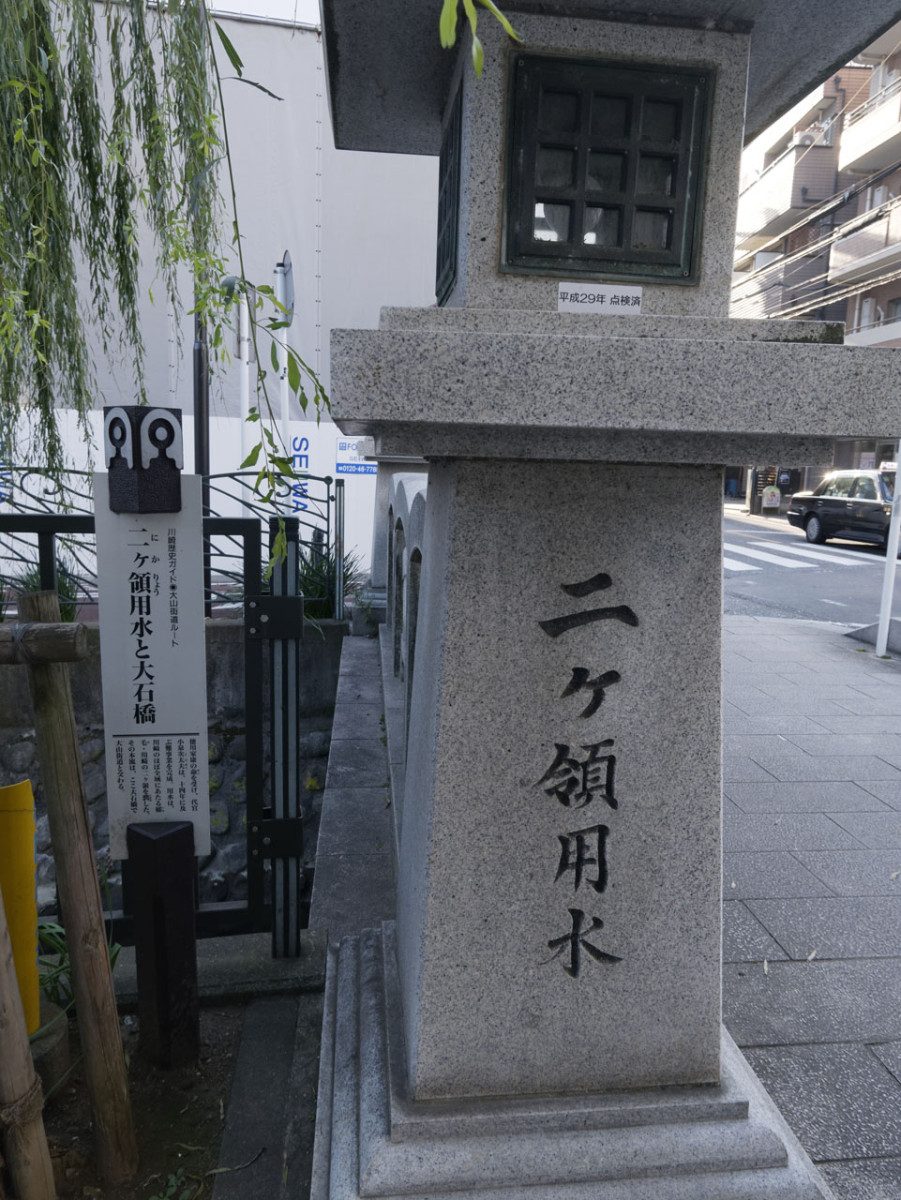
In the Edo period a large stone bridge stood here, prospering as Mizonokuchi-Futago post town.
Kamei Rokuro Residence Ruins
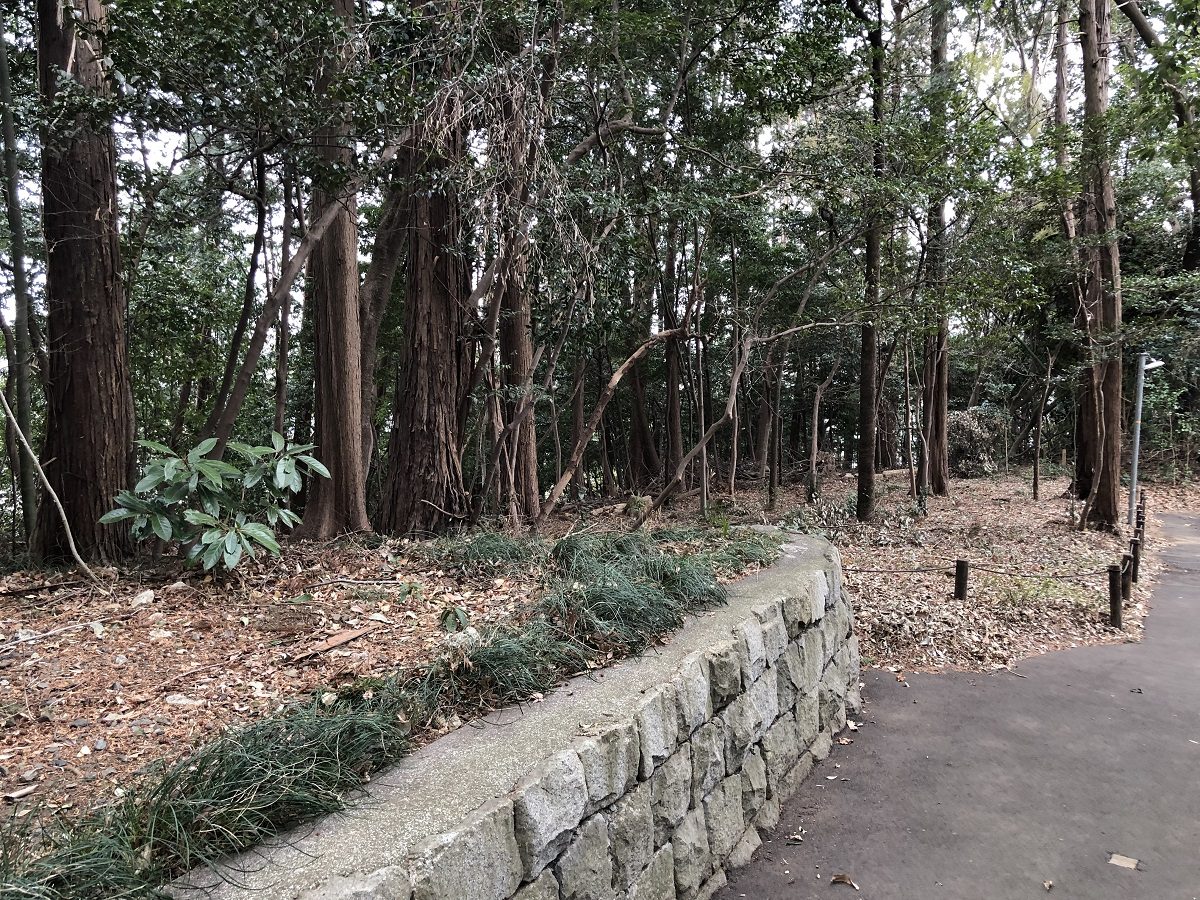
Site of Kamei Rokuro's residence; descendants reportedly lived here until the early Showa period.
Tachibana Ancient Hill Green Space
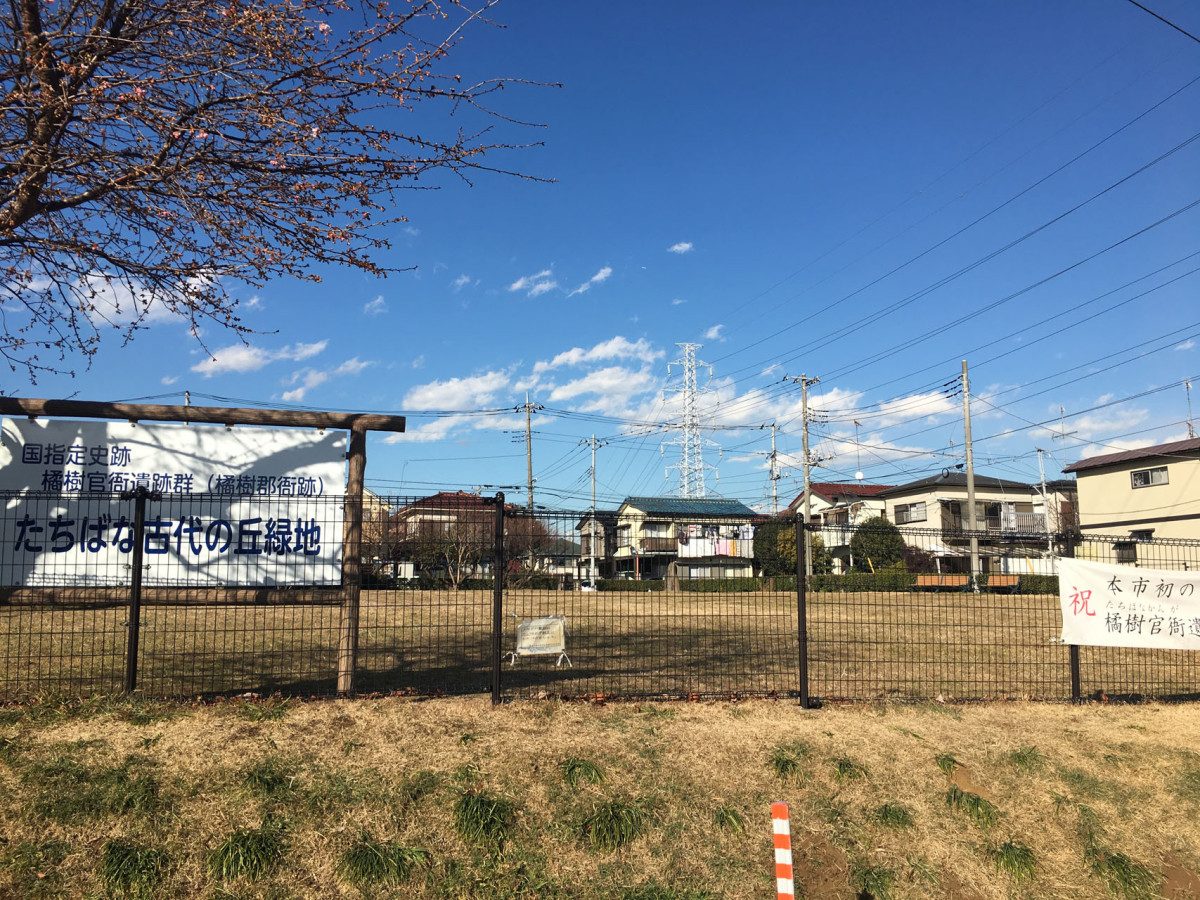
Green space preserving Tachibana government-office ruins designated historic in March 2015; Nara-Heian early storehouses remain underground.
Tachibana Shrine and Fujimidai Burial Mound
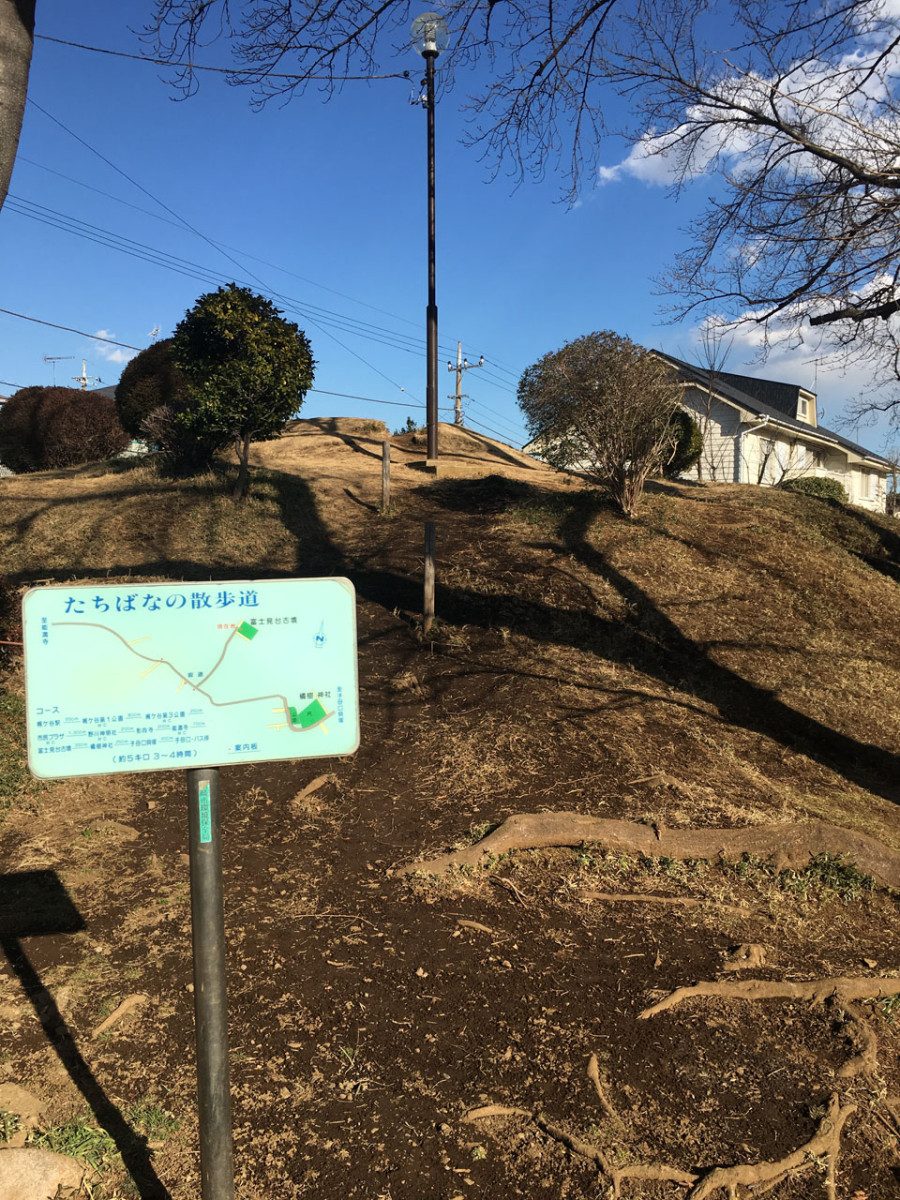
Circular mound 17.5 meters across and 3.7 meters high; legend says Oto Tachibana Hime's robe and crown were buried here.
Shiboguchi Shell Mound
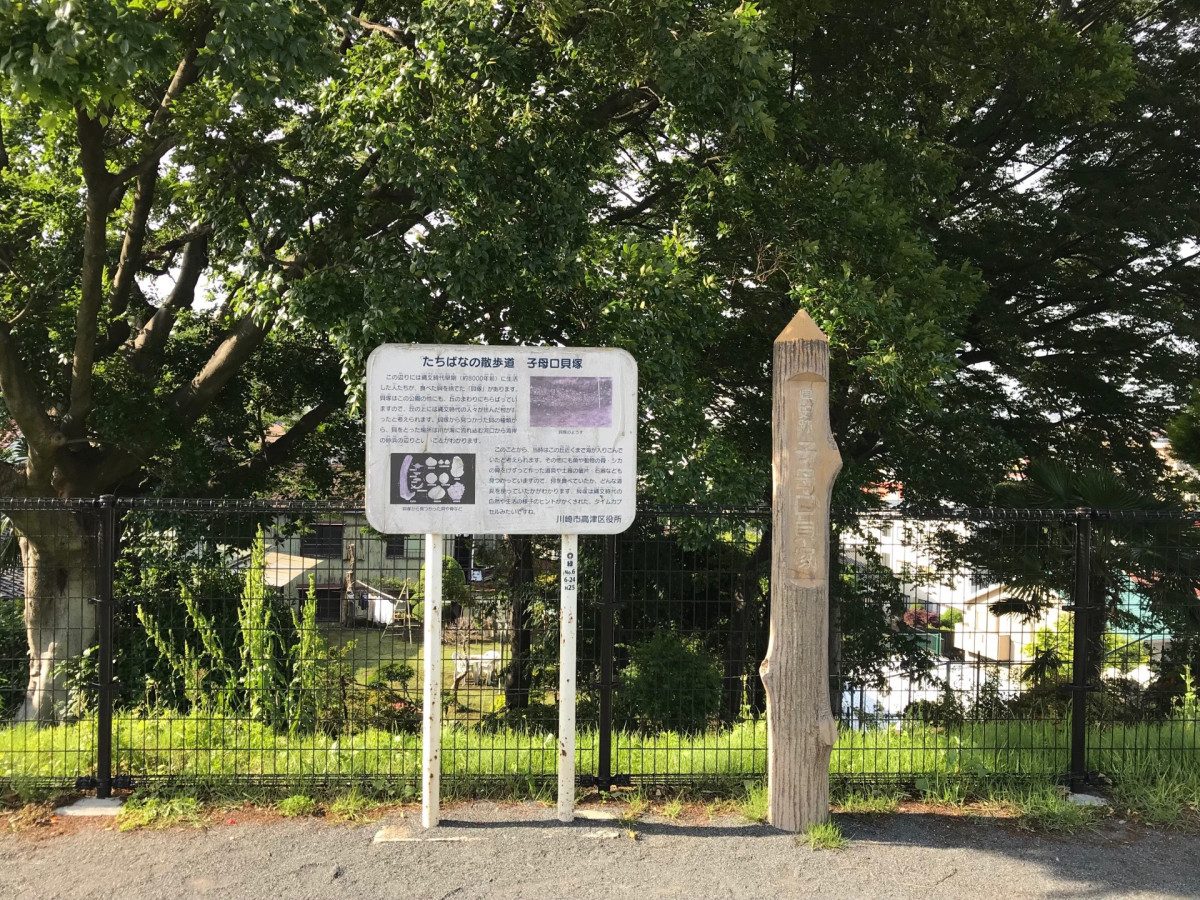
Prefecture-designated historic site; Tama Hills' oldest shell mound, about 7000 years old, type site for Shiboguchi pottery.
Mizoguchi Shrine
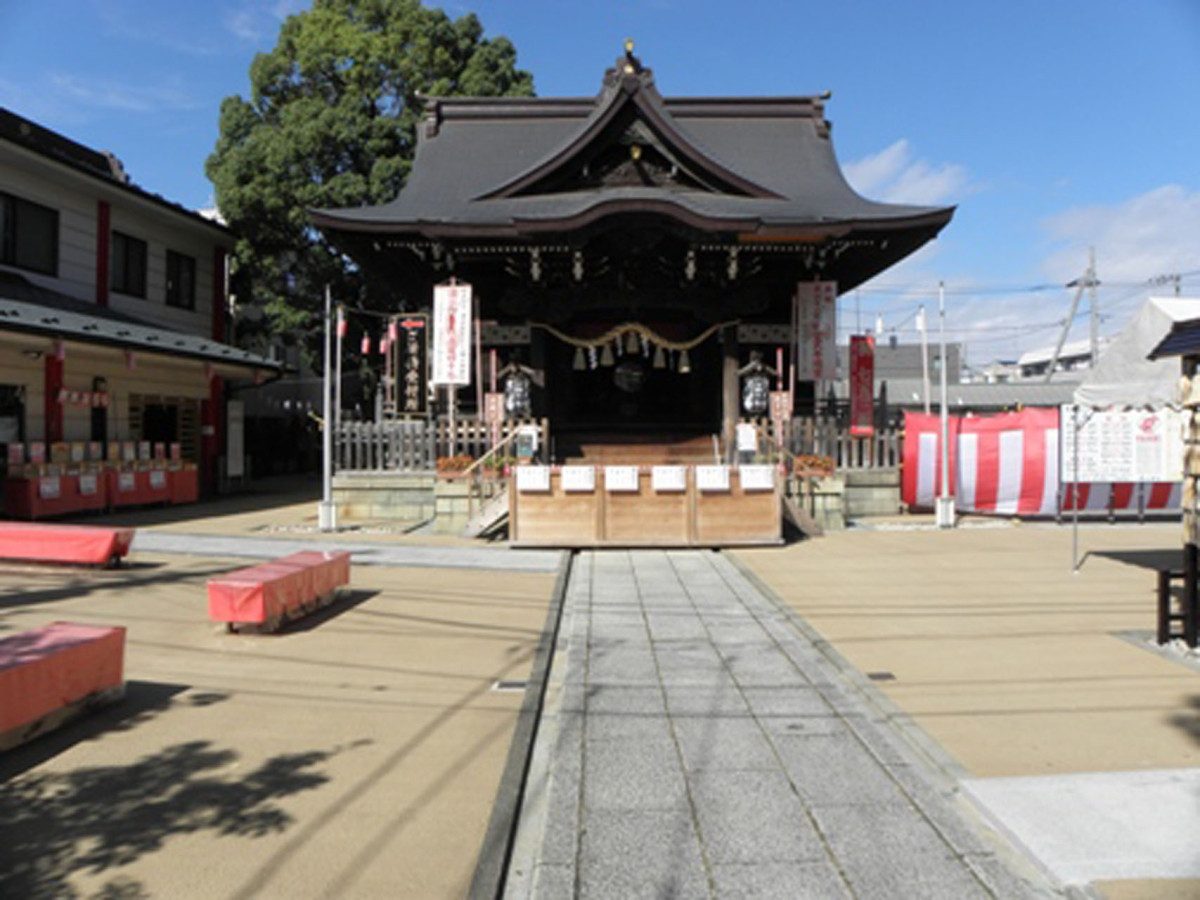
An ancient Kawasaki shrine enshrining Amaterasu, known for safe birth, child-rearing, matchmaking, and family safety.
Kakio Local History Museum
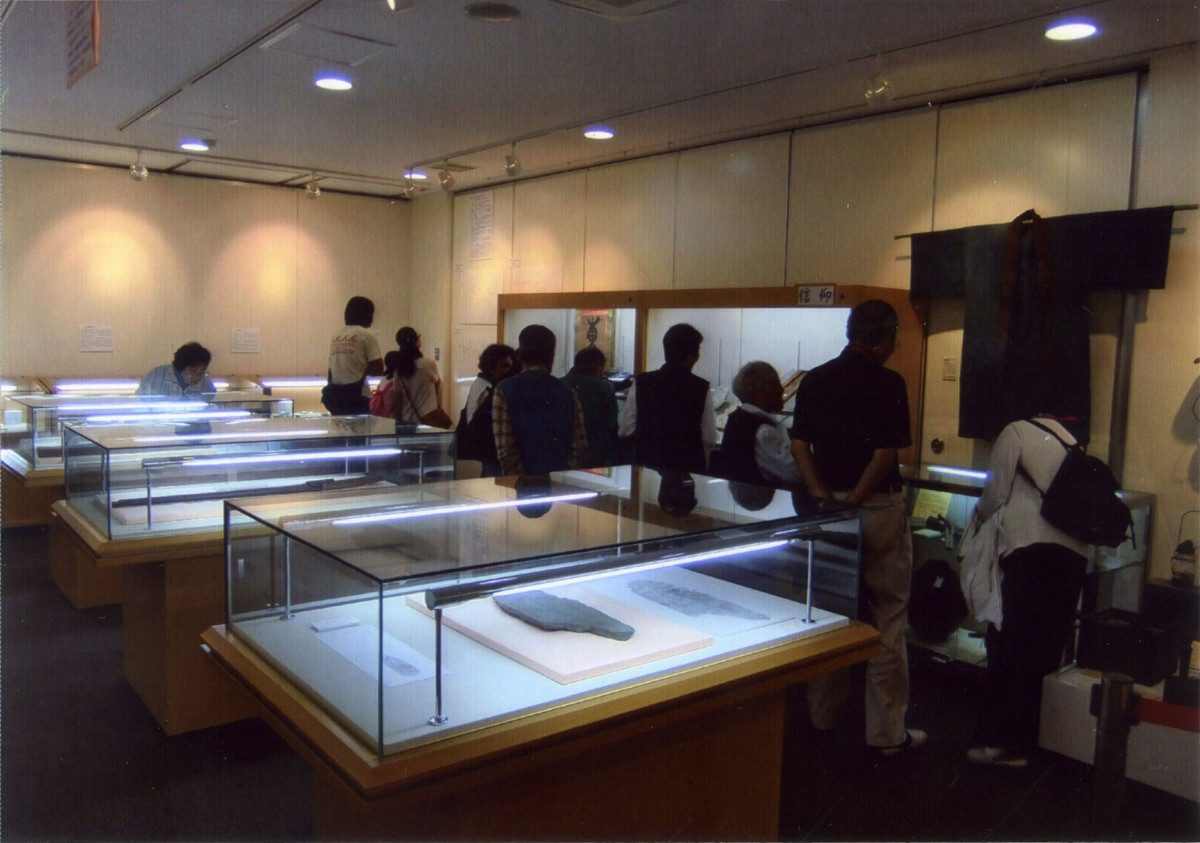
Opened in 2010 inside Kakio Junior High to exhibit history of former Kakio and Okagami villages.
Sakuramoto Nine Lucky Gods
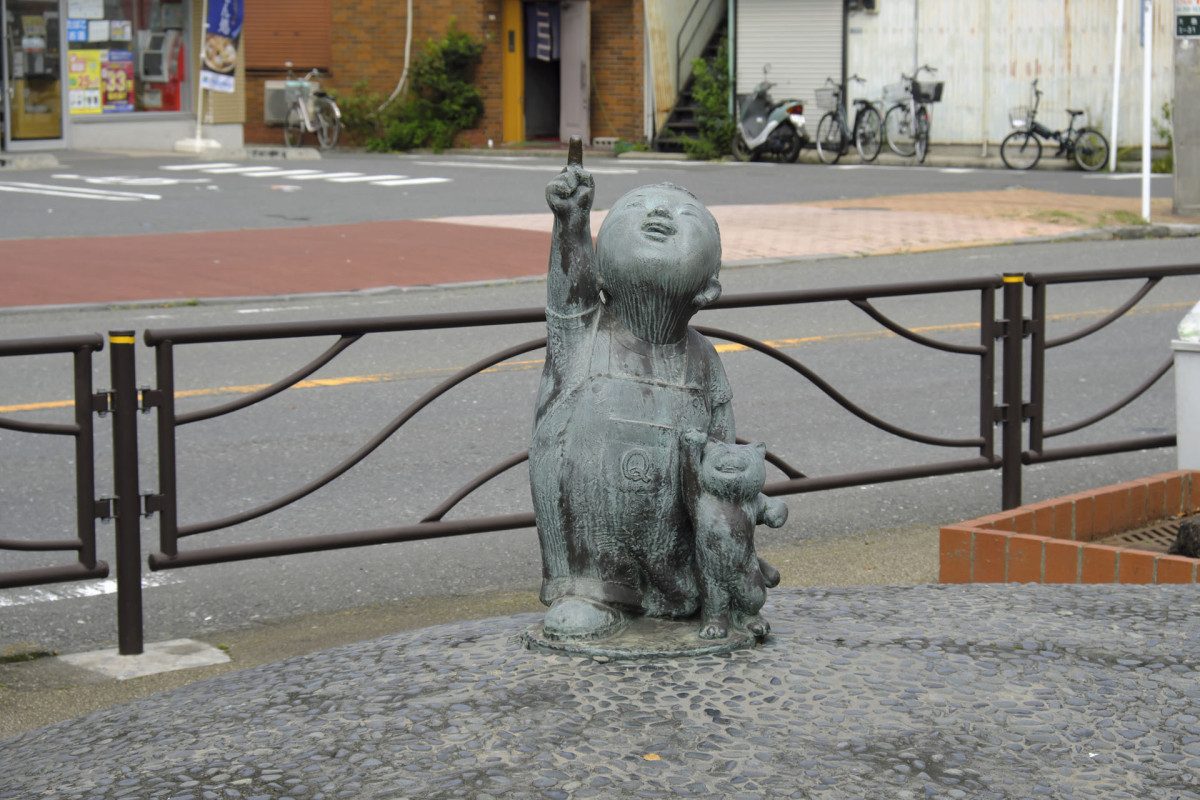
Nine lucky-god statues installed on Sakuramoto shopping street in 1999, all facing upward, including a locally loved beckoning cat.
Estuary Tidal Flats and Embankment Cherry Blossoms
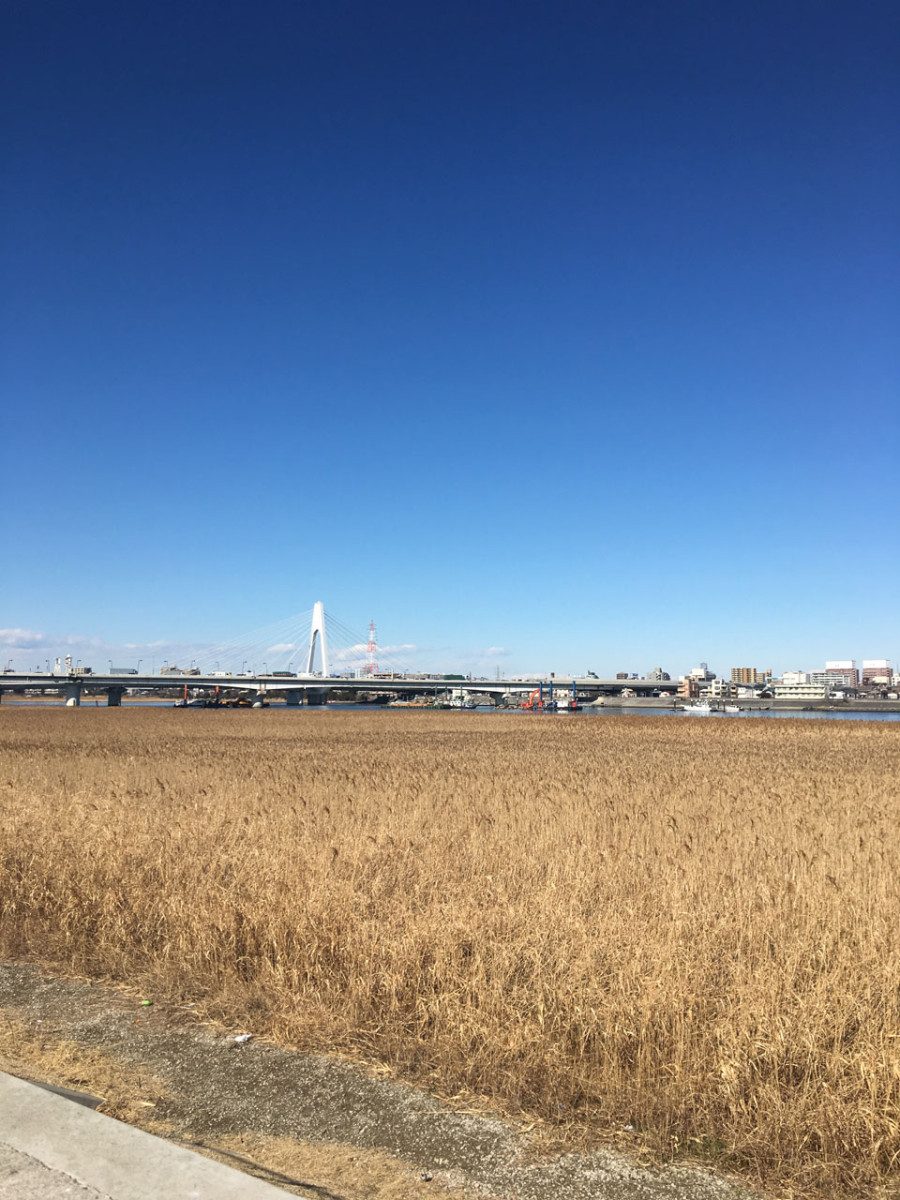
Tidal flats and reeds at the Tama River mouth, with embankment cherry blossoms.
Midorigaoka Cemetery
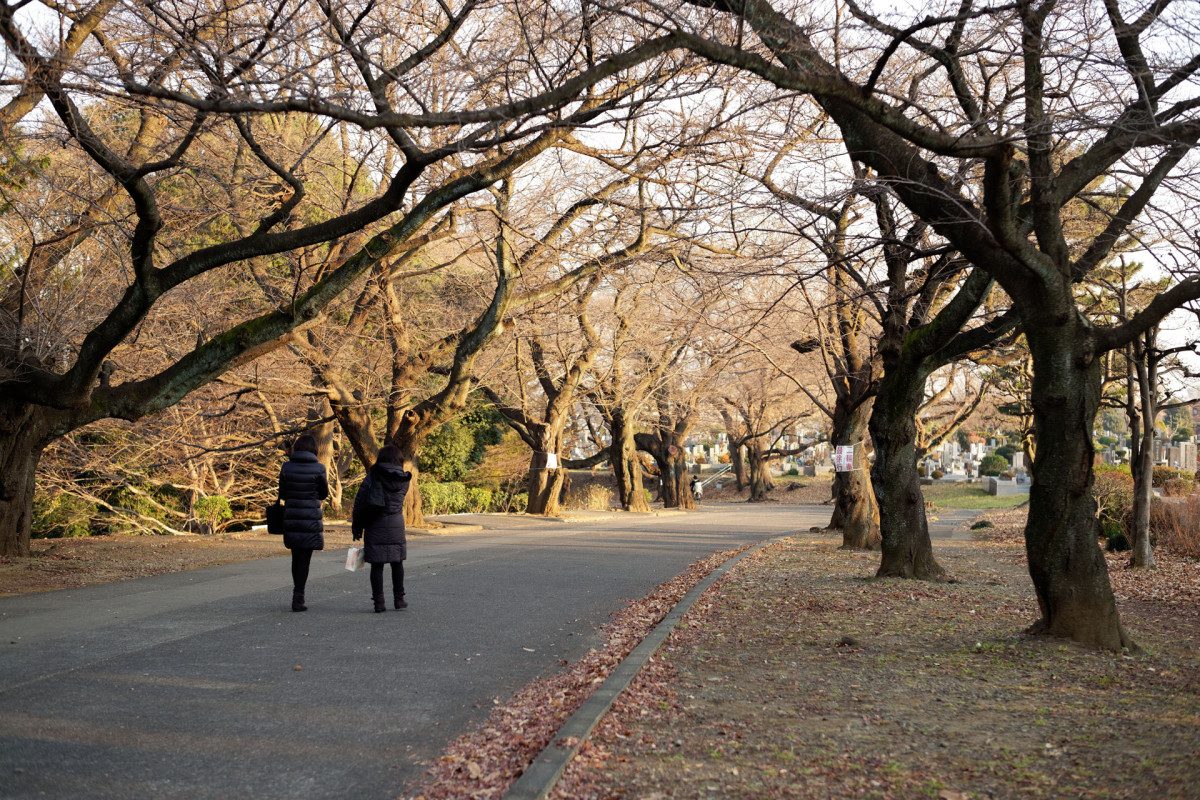
Northwestern Kawasaki cemetery where several hundred cherry trees bloom in spring.
Kawasaki Sky and Greenery Science Museum (Planetarium)
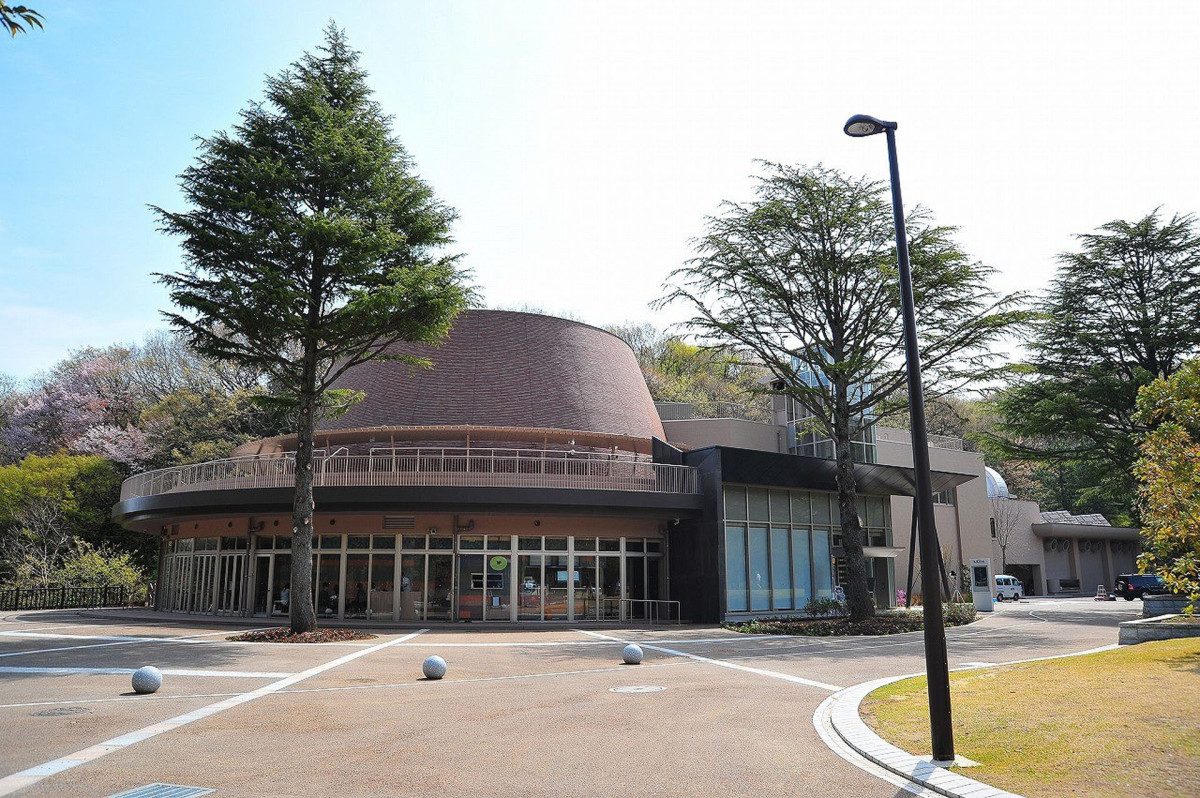
Learn about Kawasaki nature and enjoy a planetarium; new projectors show realistic stars, and binoculars are available.
Kawasaki Port Undersea Tunnel
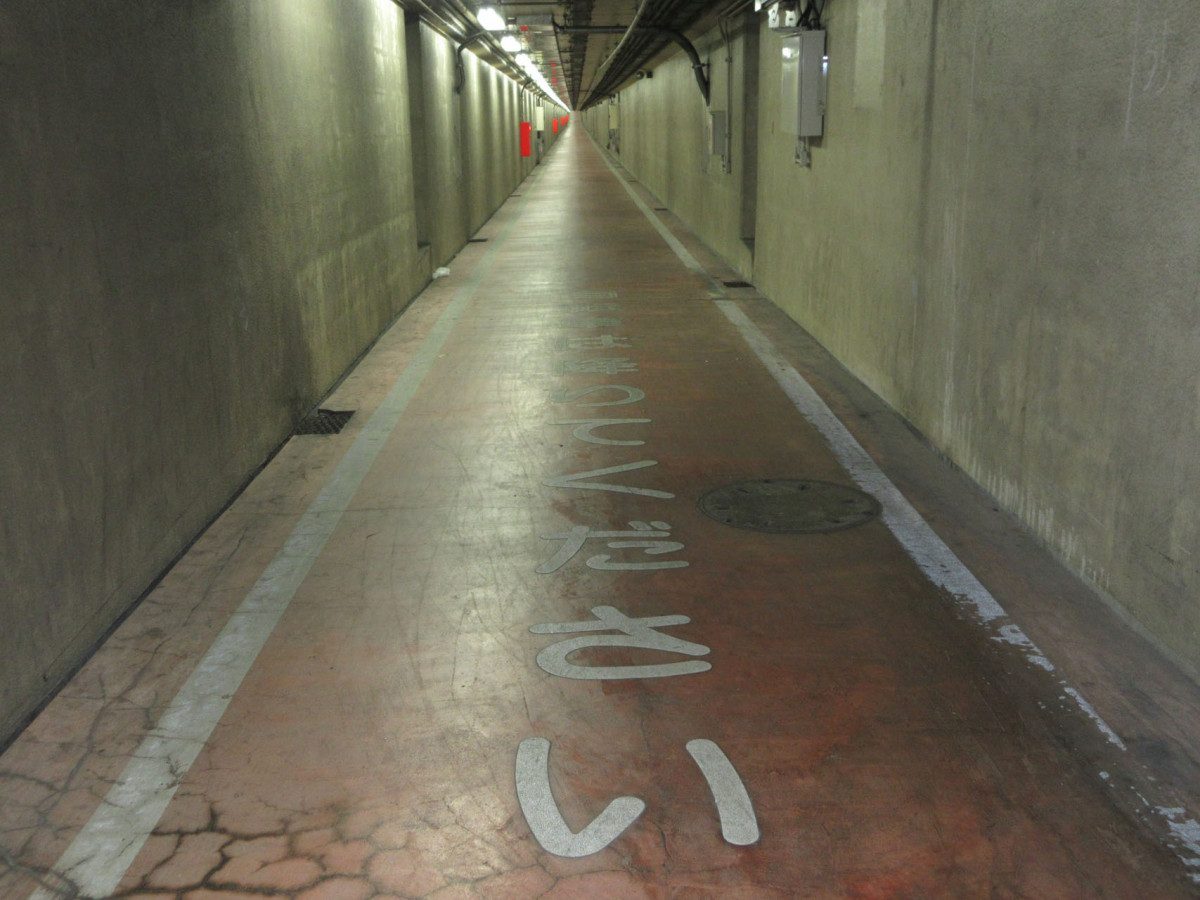
Japan's longest walkable undersea tunnel, 2180 m by 3 m; pedestrian section opened 2004, links Chidori Park and Higashi-Ogishima.
Mitutoyo Measurement Museum (Numata Memorial Hall and Measuring Instruments Hall)
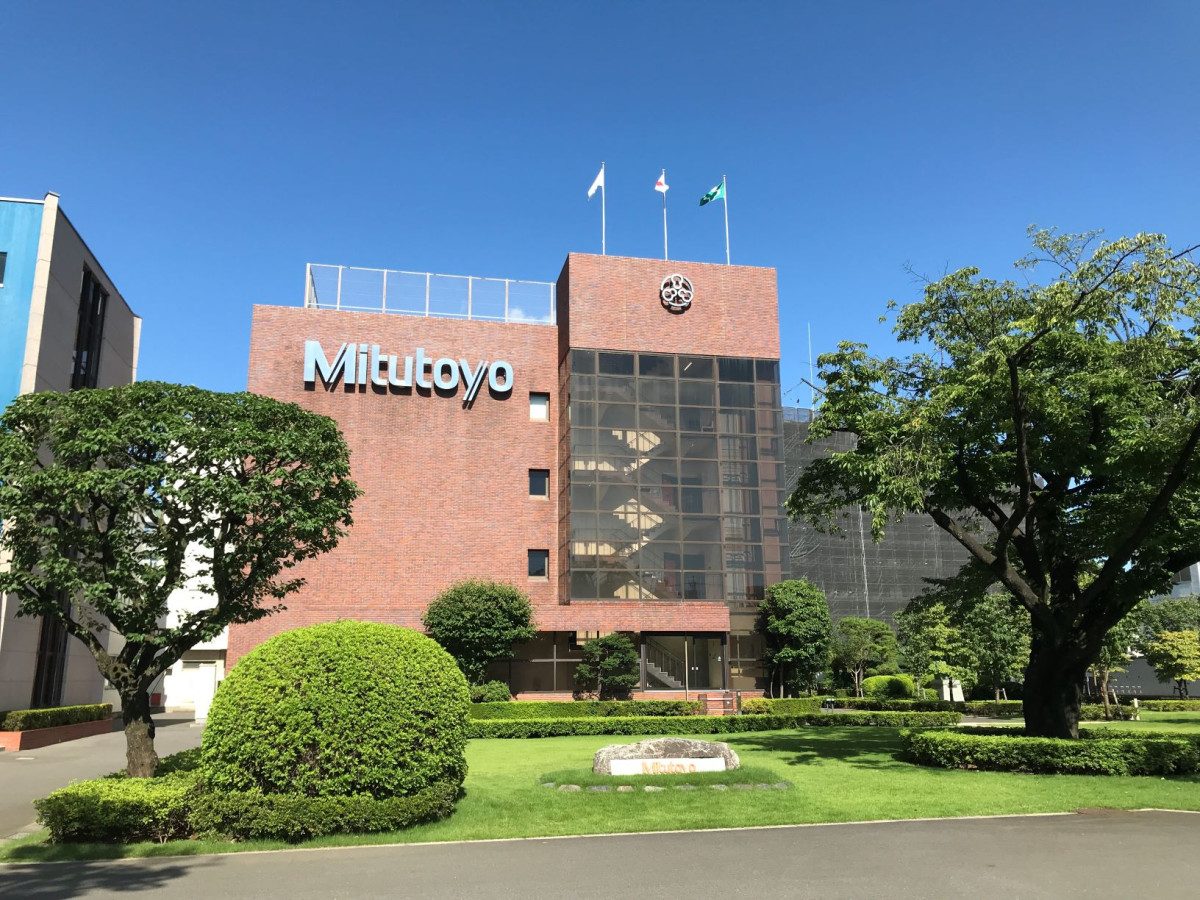
Museum of precision measuring instruments, comprising Numata Memorial Hall and Measuring Instruments Hall; holdings certified as Modern Industrial Heritage.
Higashi-Ogishima East Park
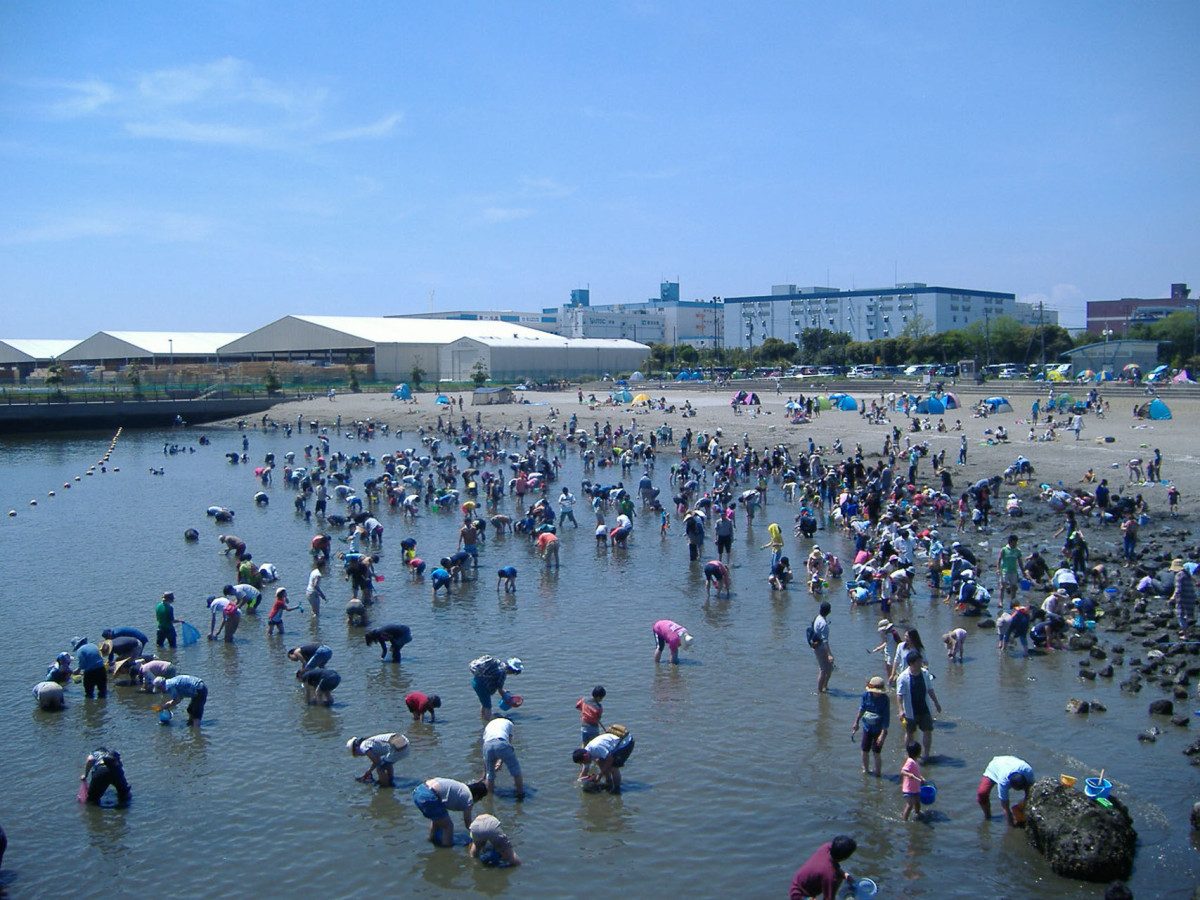
Kawasaki park with an artificial beach, popular for viewing planes, ships, and factory night views.
Kawasaki City Environmental Research Institute
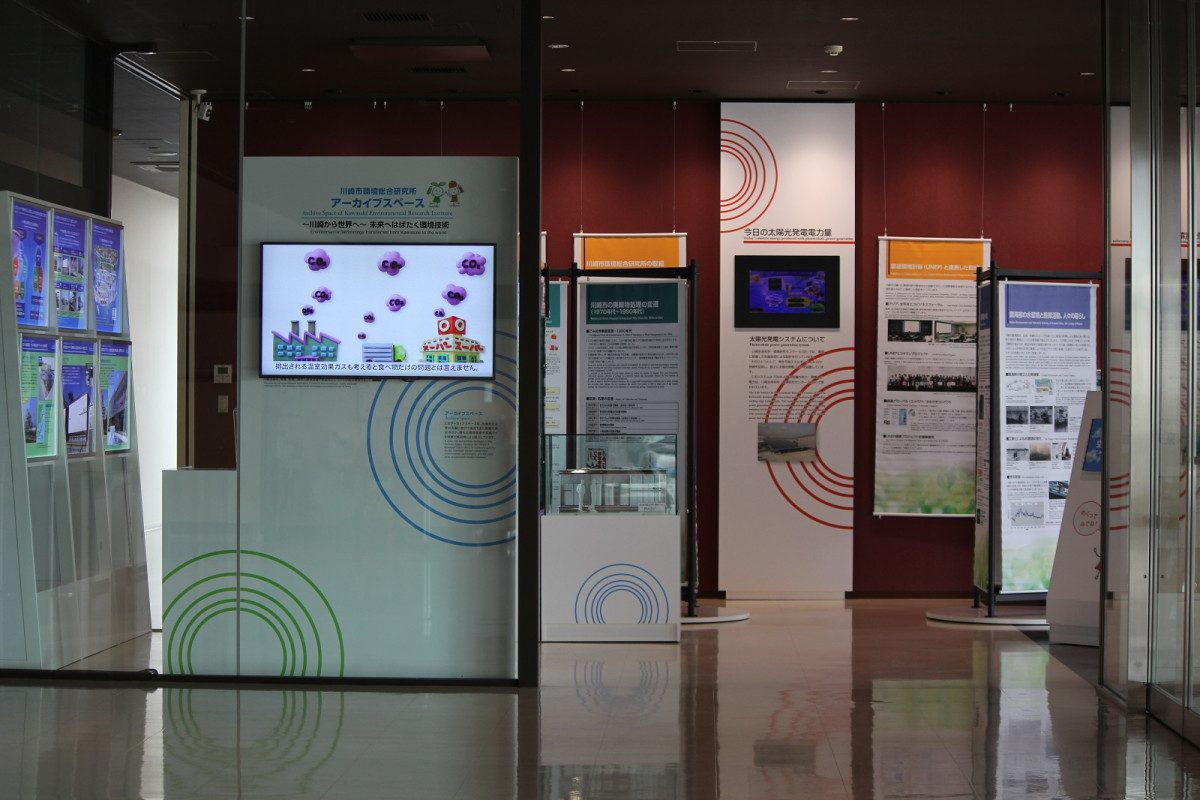
Introduces Kawasaki's pollution history and environmental technology through videos, tapestries, touch panels, and exhibits.
Kawasaki Eco-Living Future Museum
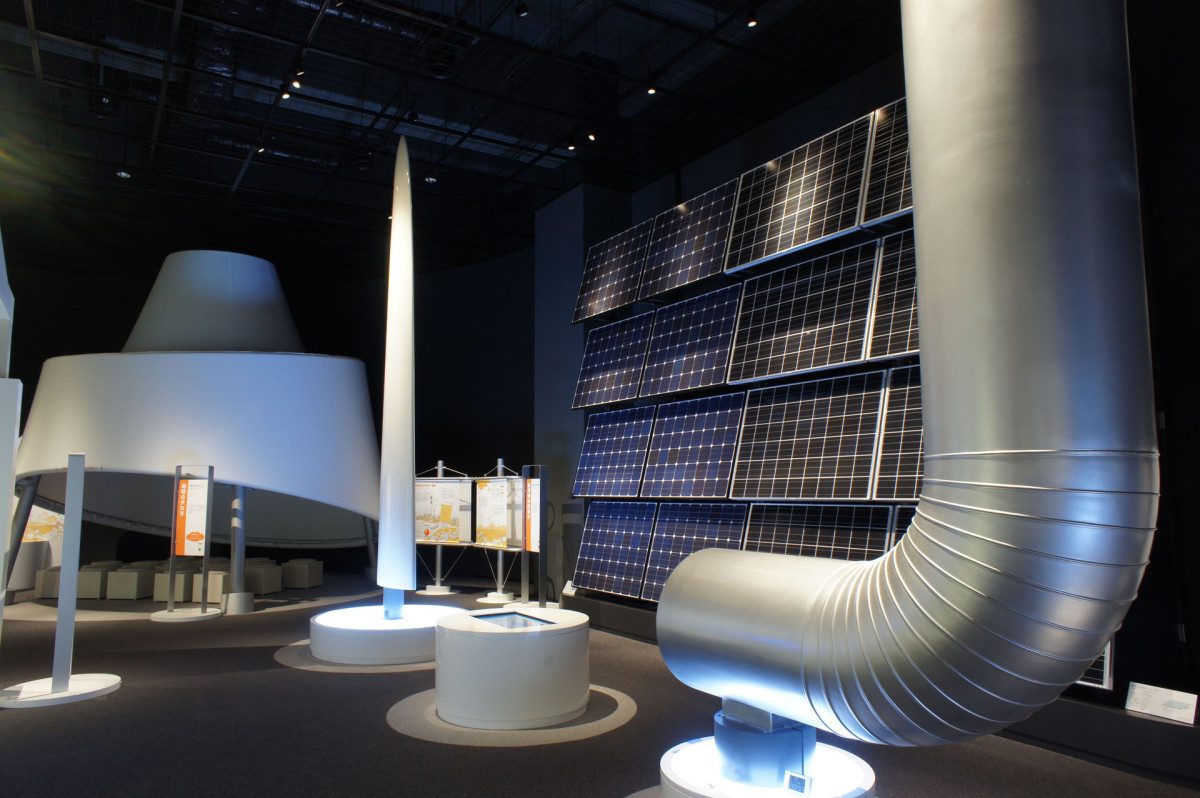
A facility to enjoyably learn environmental protection, centered on global warming, renewable energy, and resource circulation.
Tonmori Yato
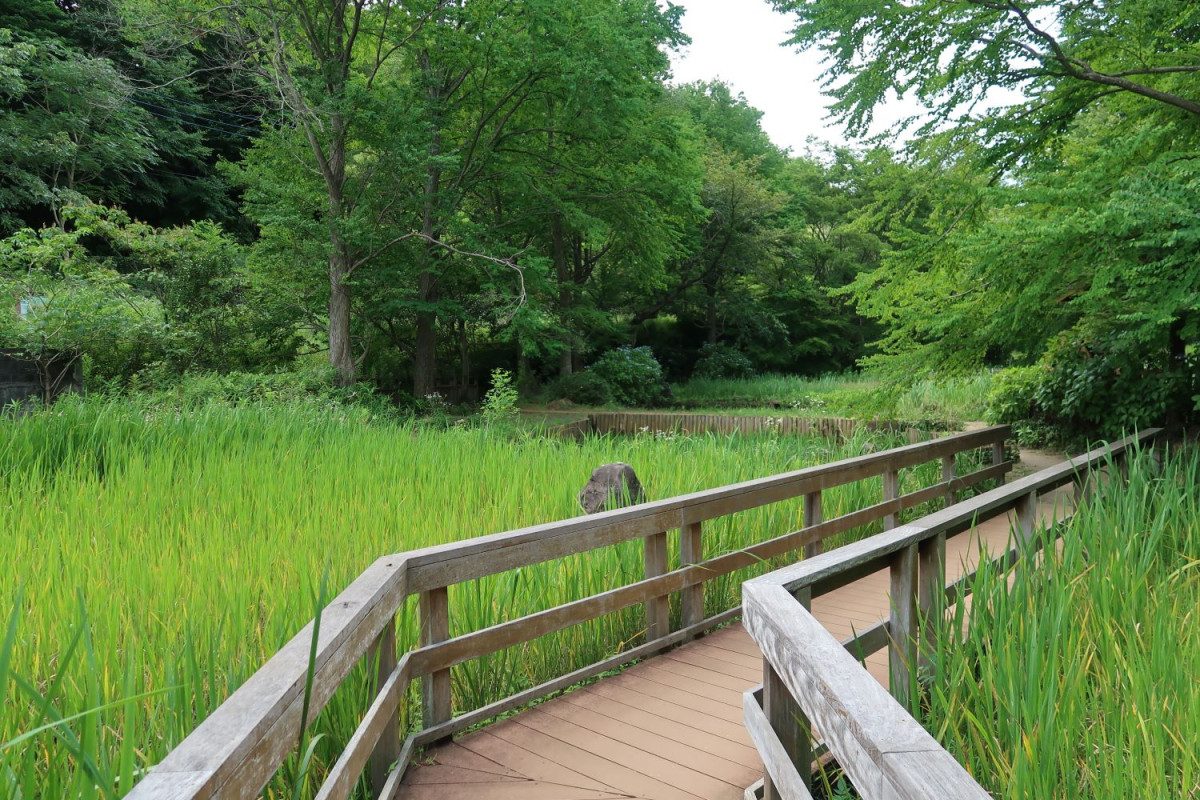
Satoyama in Ikuta Ryokuchi Hatsuyama with firefly river, farm paddies and fields, and former firewood woodland.
Kanagawa Prefectural Higashitakane Forest Park
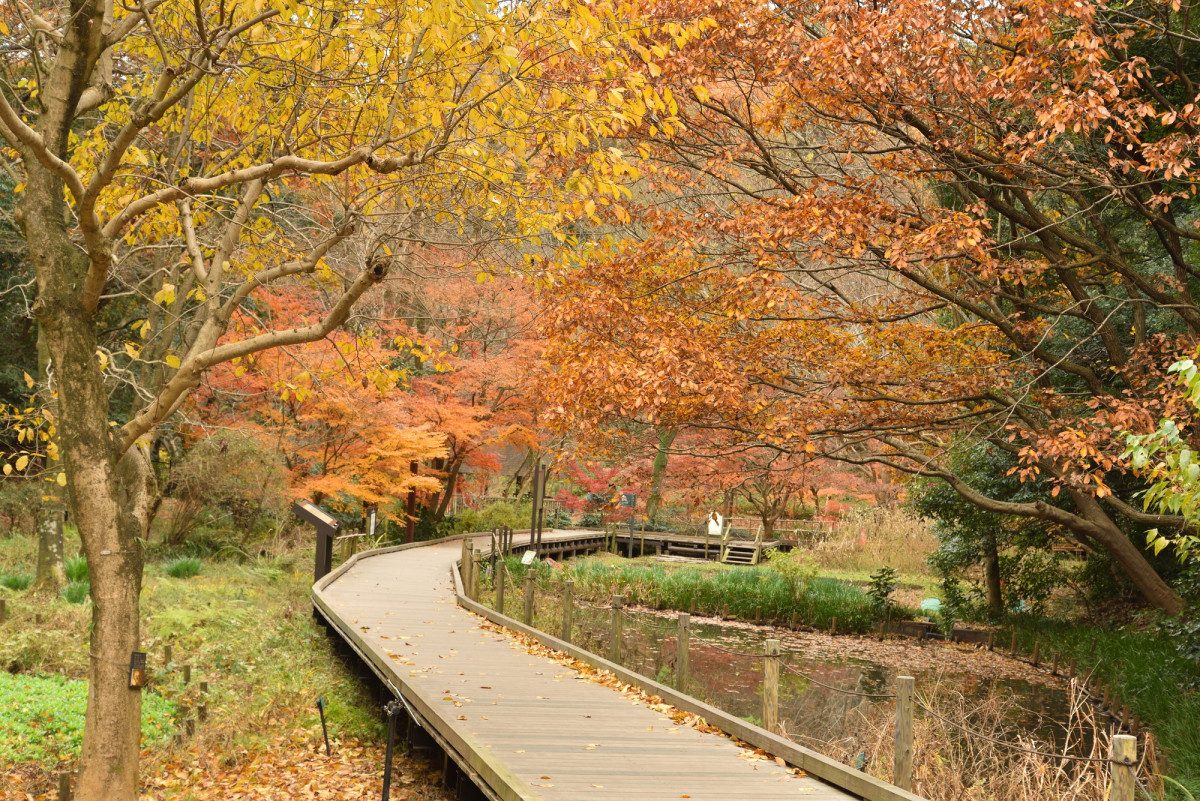
Kawasaki's only prefectural park, with a natural-monument shirakashi forest, Yayoi settlement ruins, flowers, and a wetland plant garden.
Kawasaki City Oyama Kaido Hometown Museum
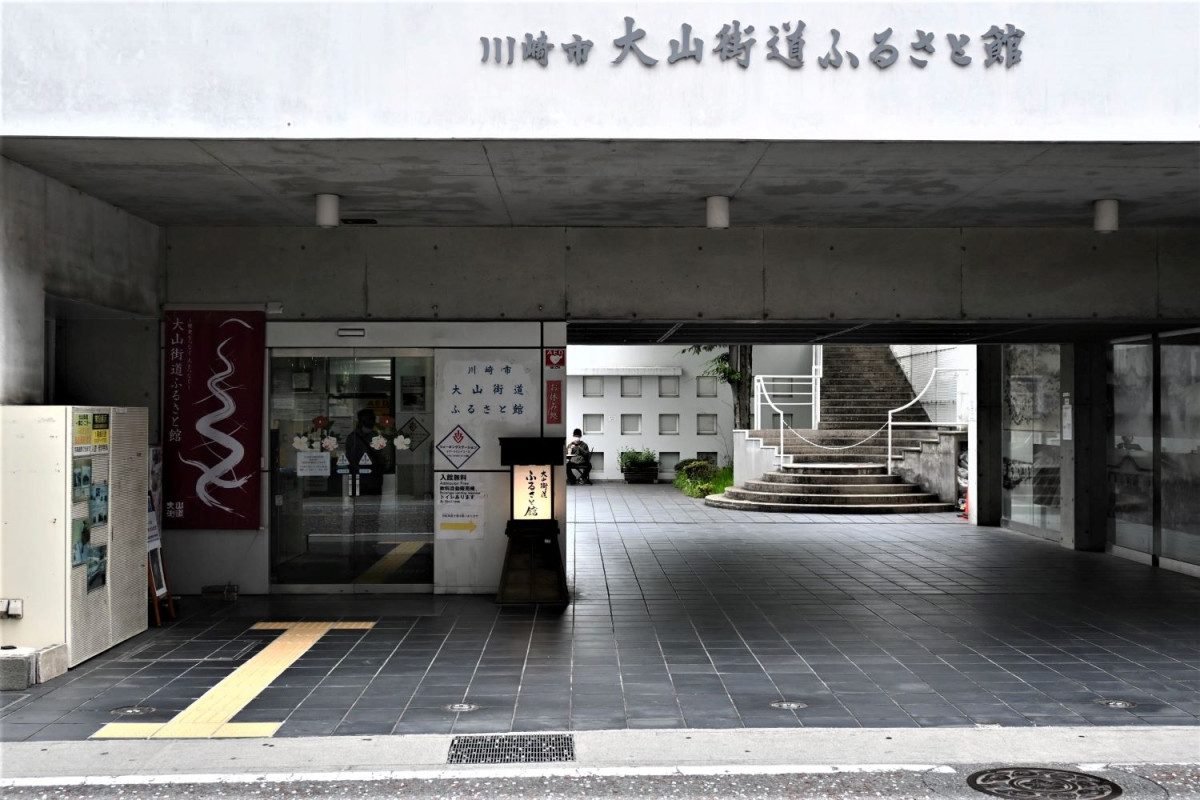
Exhibits historical and folklore materials on Oyama Kaido and the Takatsu area, with special or permanent displays.
Keiko Oguro Children's Song Memorial Museum
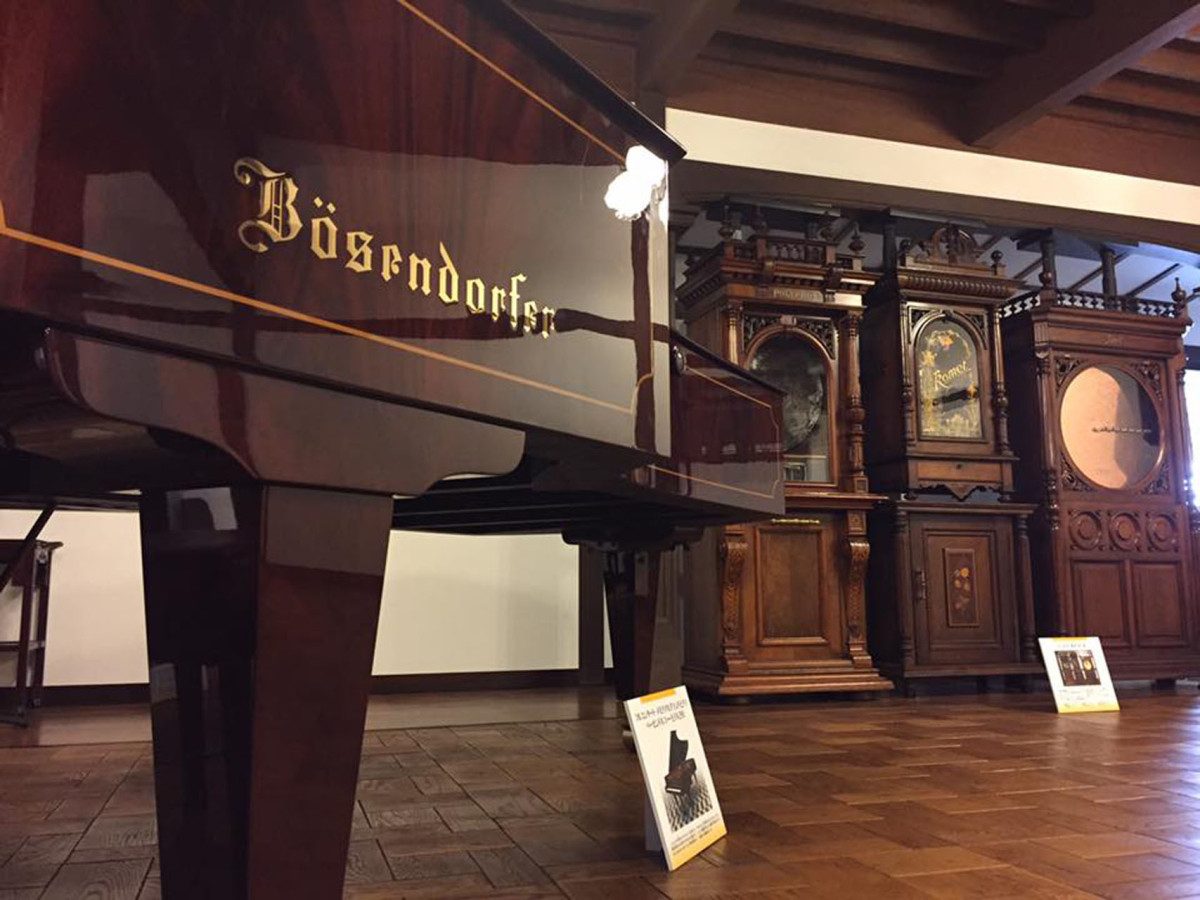
Displays songs and records of Keiko Oguro, known for affectionate children's works including NHK Minna no Uta.
Okkoshiyama Fureai Forest
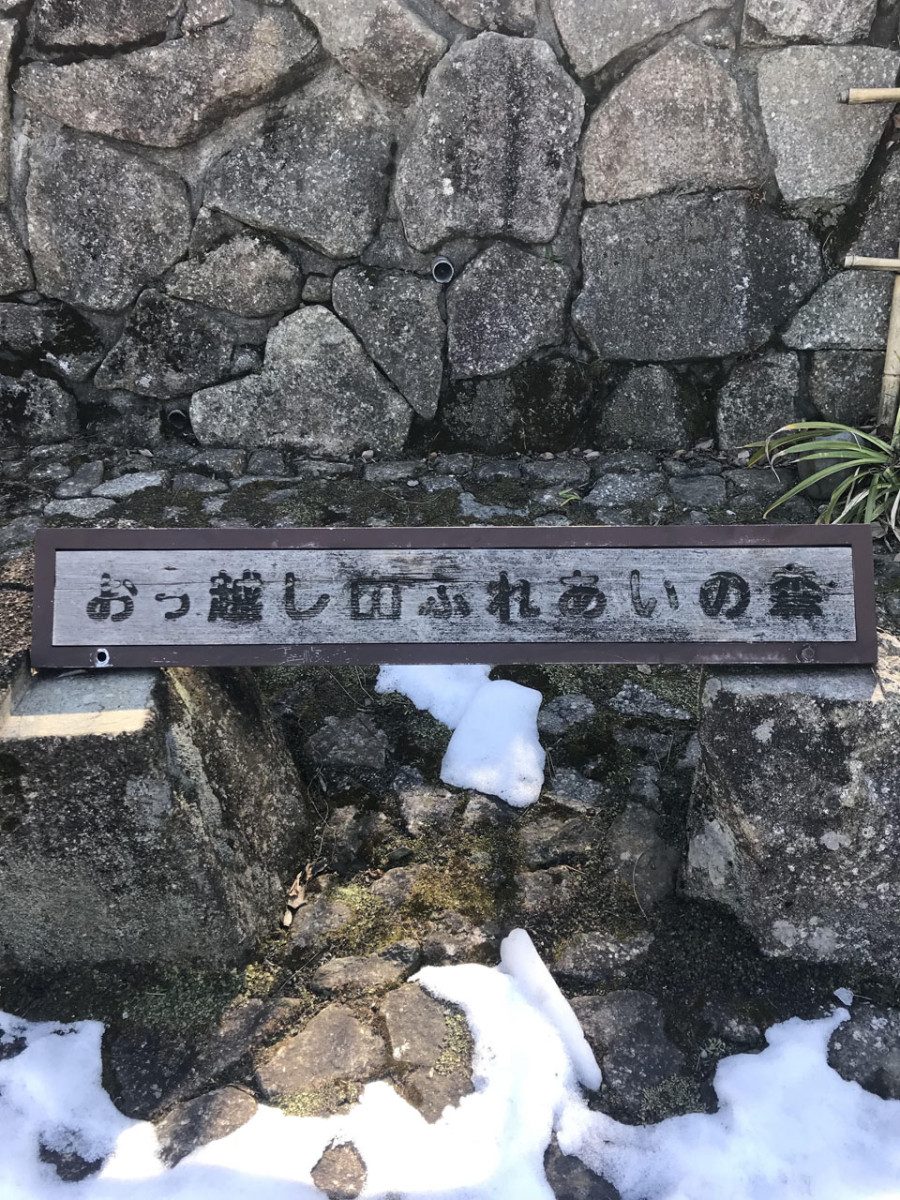
Kawasaki greenery conservation area since 1995, up a path at Jokei-ji. Kakio Tunnel site nearby now has only a sign.
Fujiya Site in Front of the Station
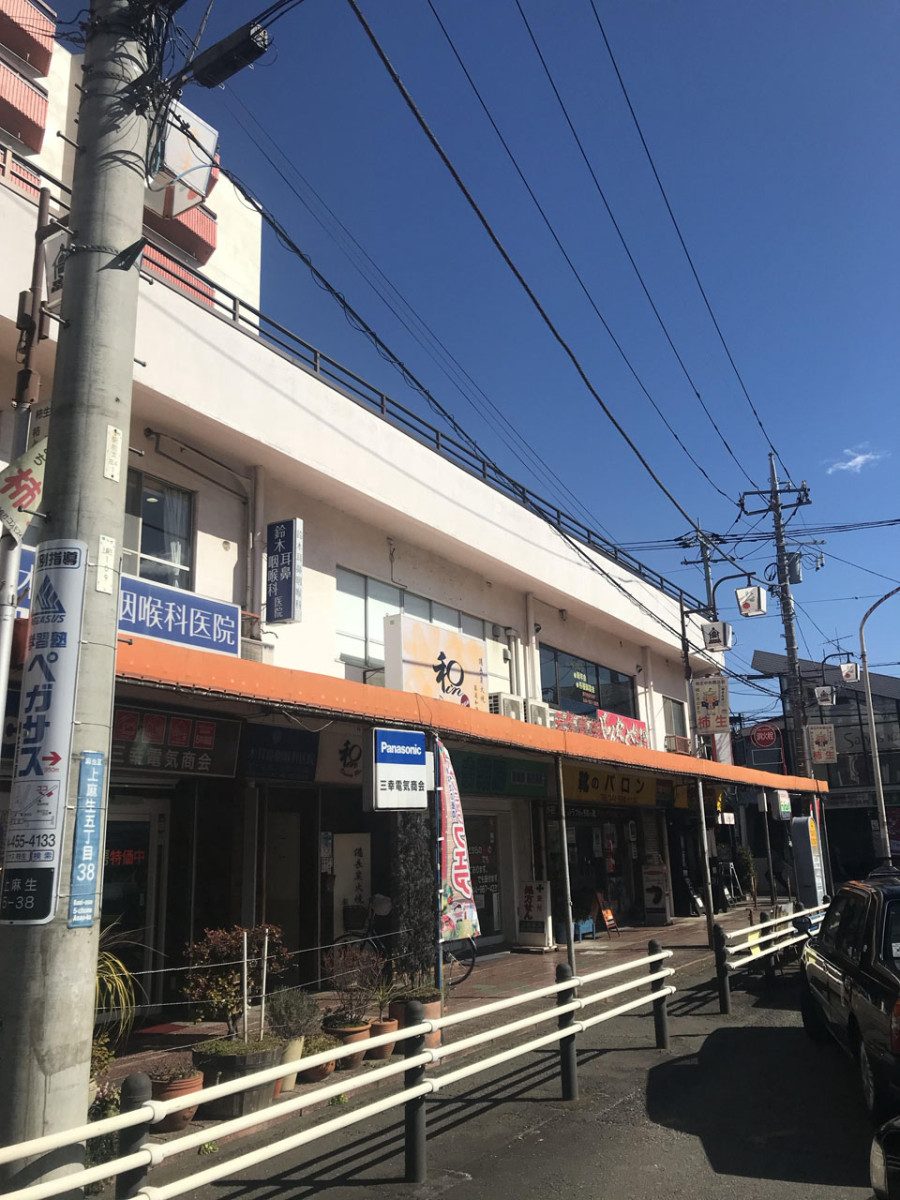
Former site of charcoal wholesaler Fujiya. Nearby farmers' Edo-period Kurokawa charcoal was sent overland to Edo.
Kanayama Shrine
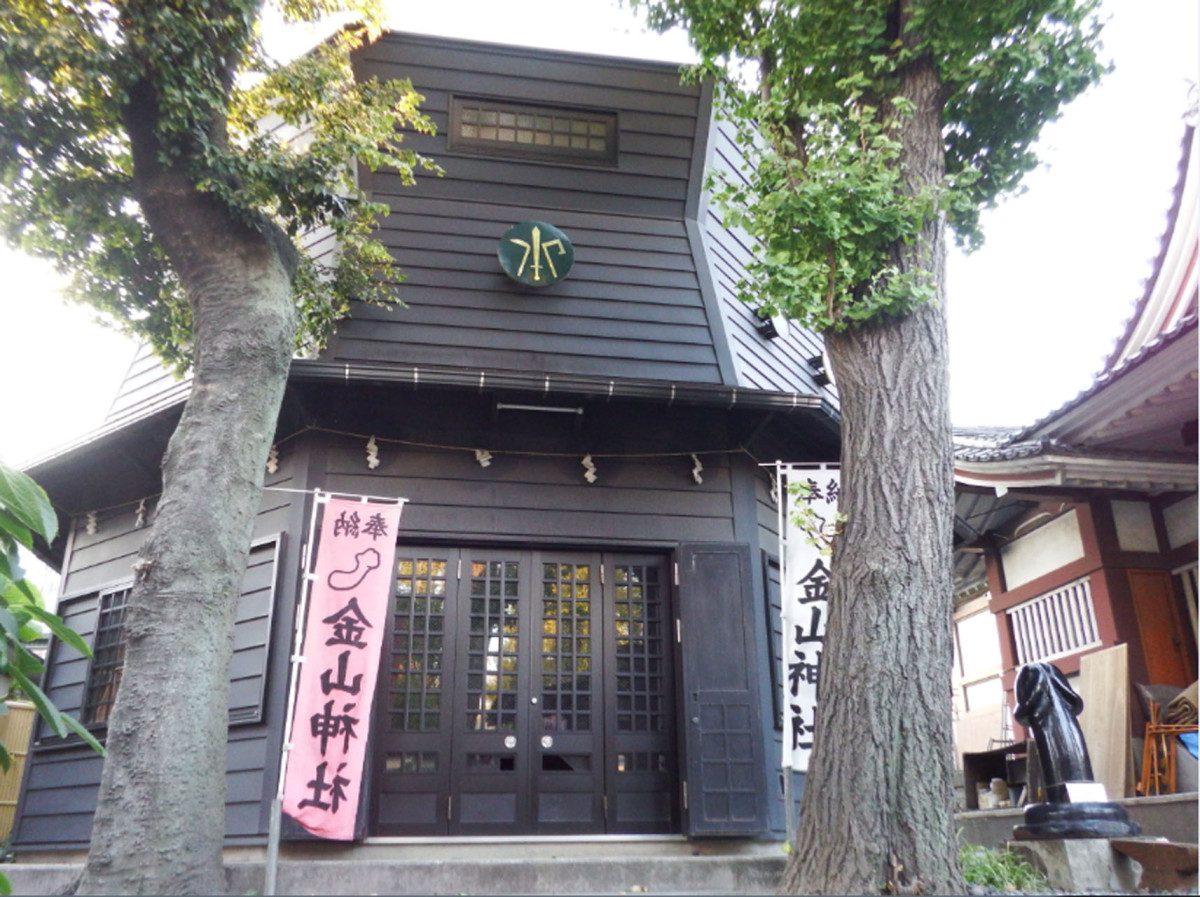
Shrine in Kawasaki's Wakamiya Hachimangu. Metal phallus deity Kanamara-sama guards childbirth and lower-body illness. Spring festival has unusual portable shrines.
Oyama Kaido
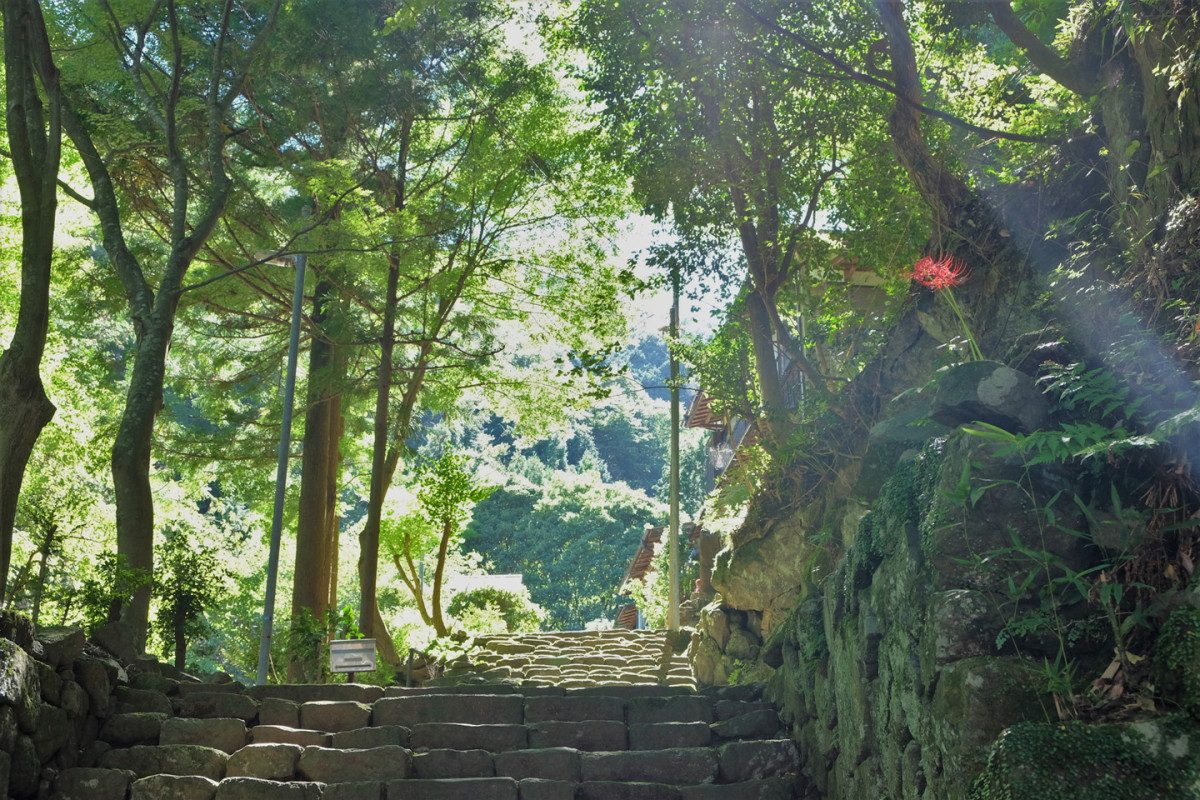
Road from Edo's Akasaka Gate to Oyama Afuri Shrine, famed for rain prayers, also called Atsugi Kaido.
Ozenji Eco-Lifestyle Environment Center
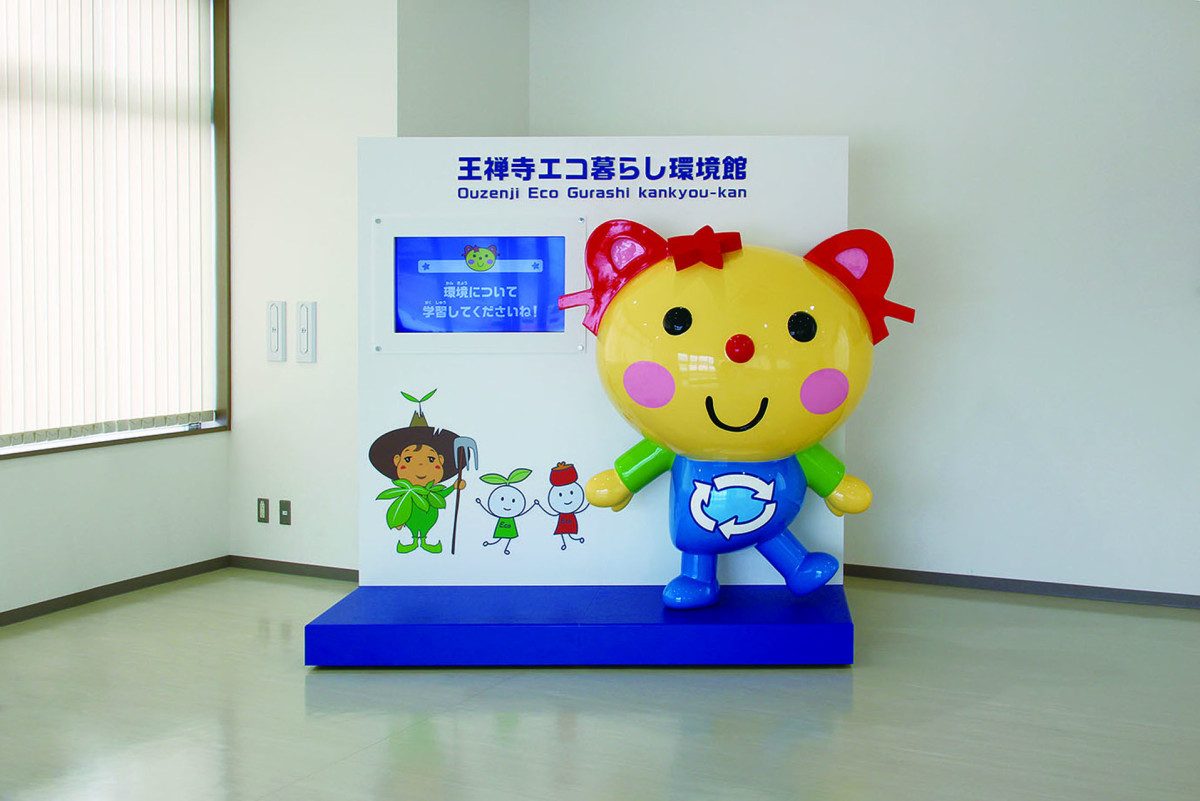
Learn enjoyably about resource circulation, global warming measures, and coexistence with nature. Events held regularly.
Ozenji View Park
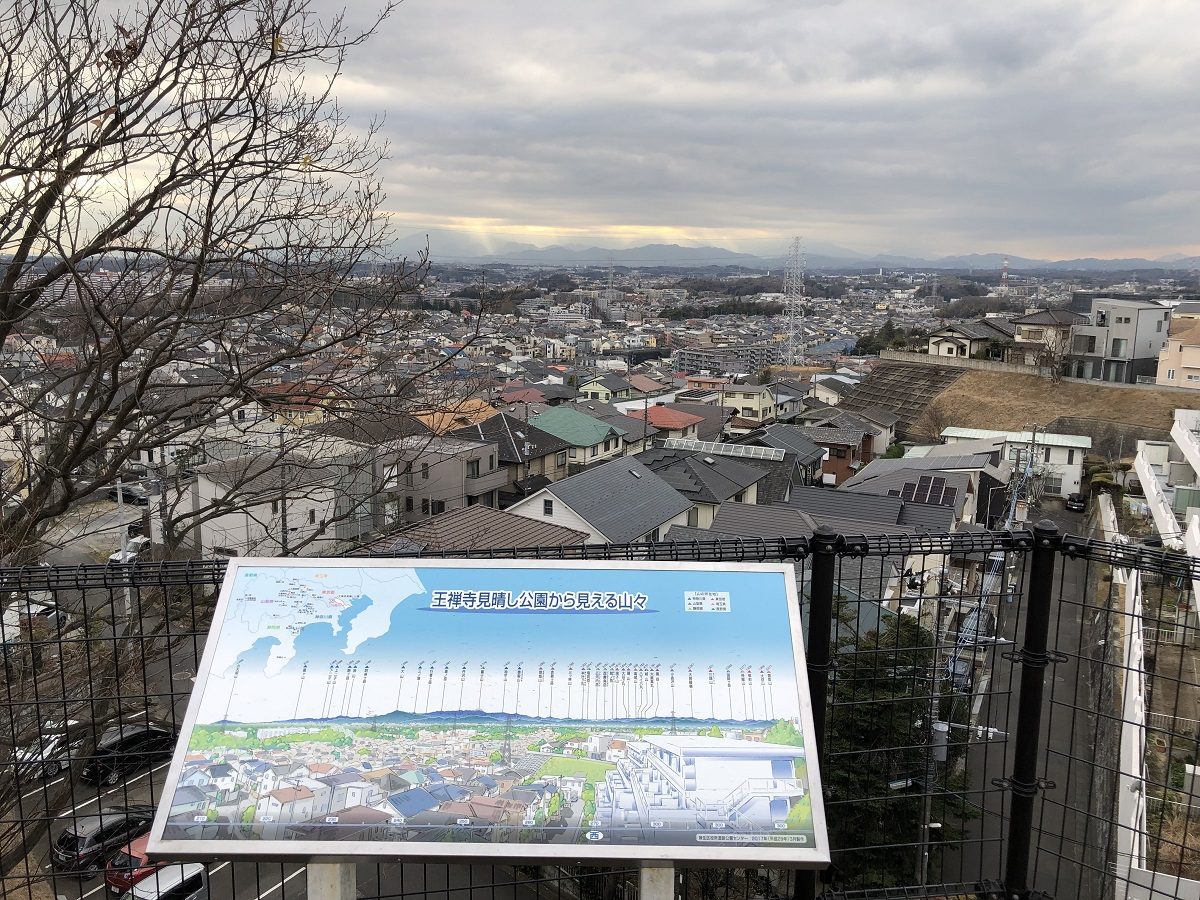
Small 128 sq m park with excellent views, on high ground in rolling terrain from Ozenji to Yurigaoka.
Keihin Fushimi Inari Shrine
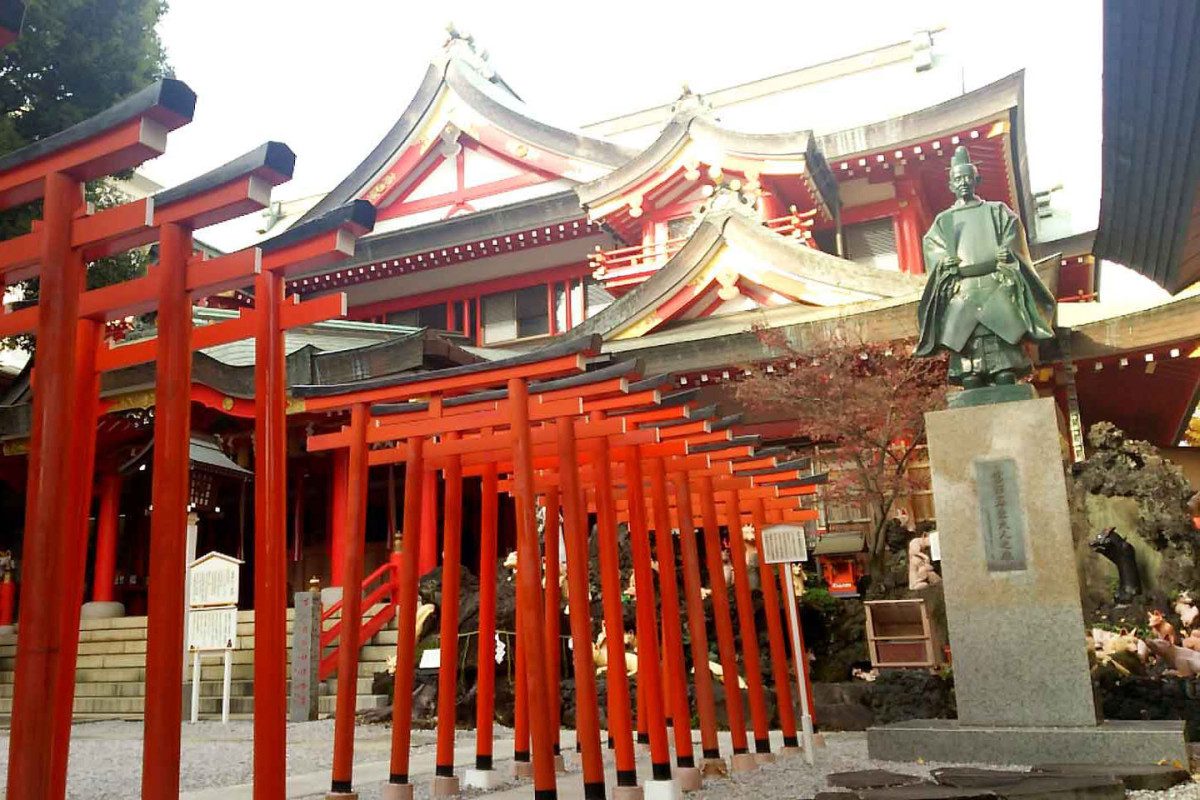
108 stone fox statues sit in the grounds, with vermilion torii modeled on Kyoto Fushimi Inari.
Kawasui Kawasaki Aquarium
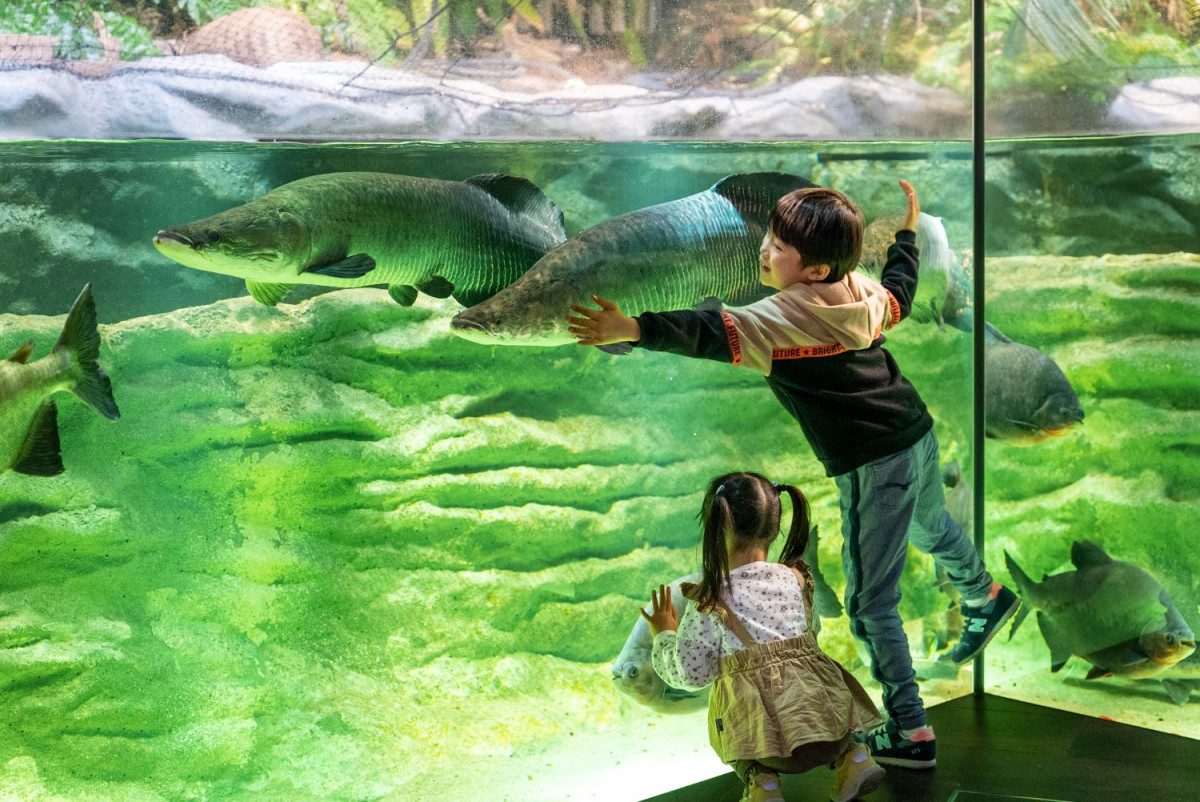
Aquarium themed on the world's watersides, from the Tama River to the Amazon.
Sumiyoshi Cherry Blossoms
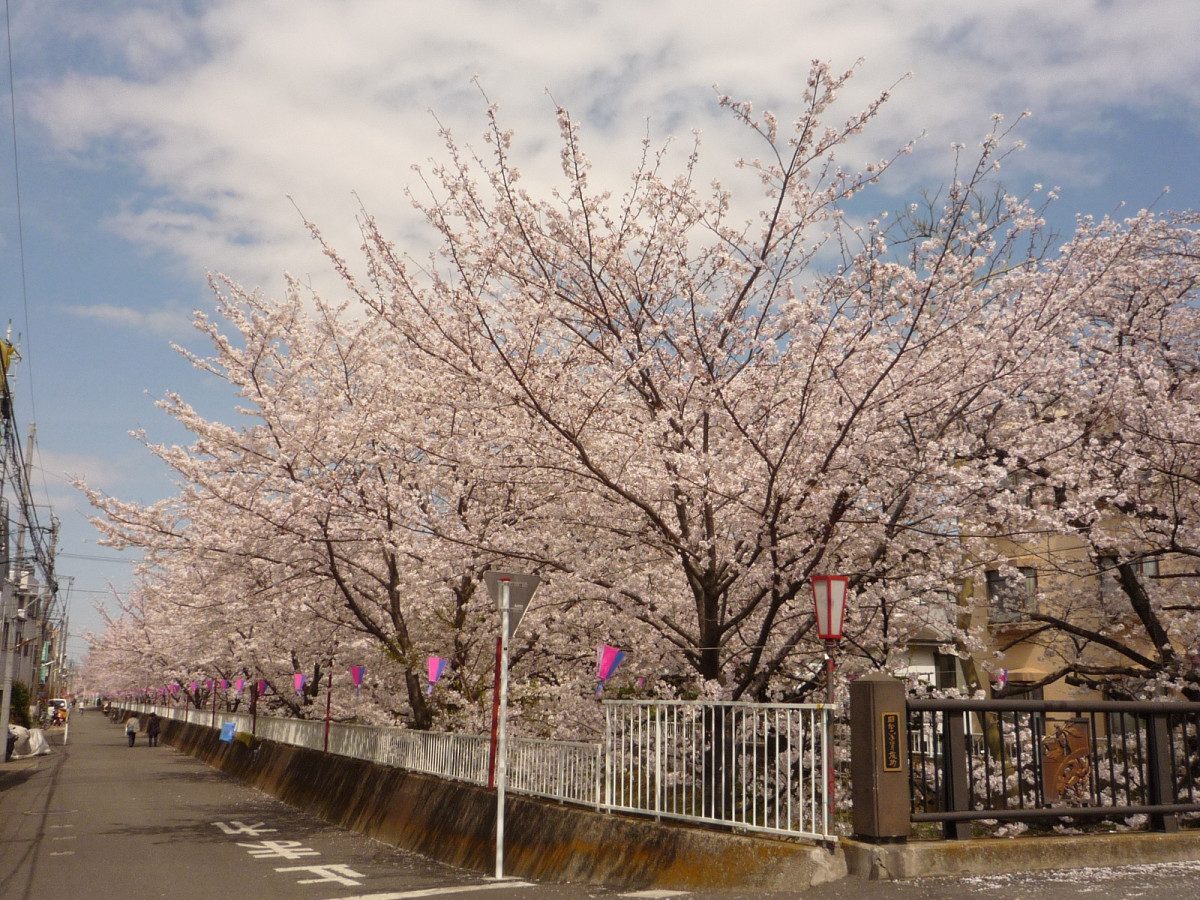
About 2 km of Somei-Yoshino cherries along Shibukawa near Motosumiyoshi Station, best late March to early April.
Ikuta Ryokuchi Park
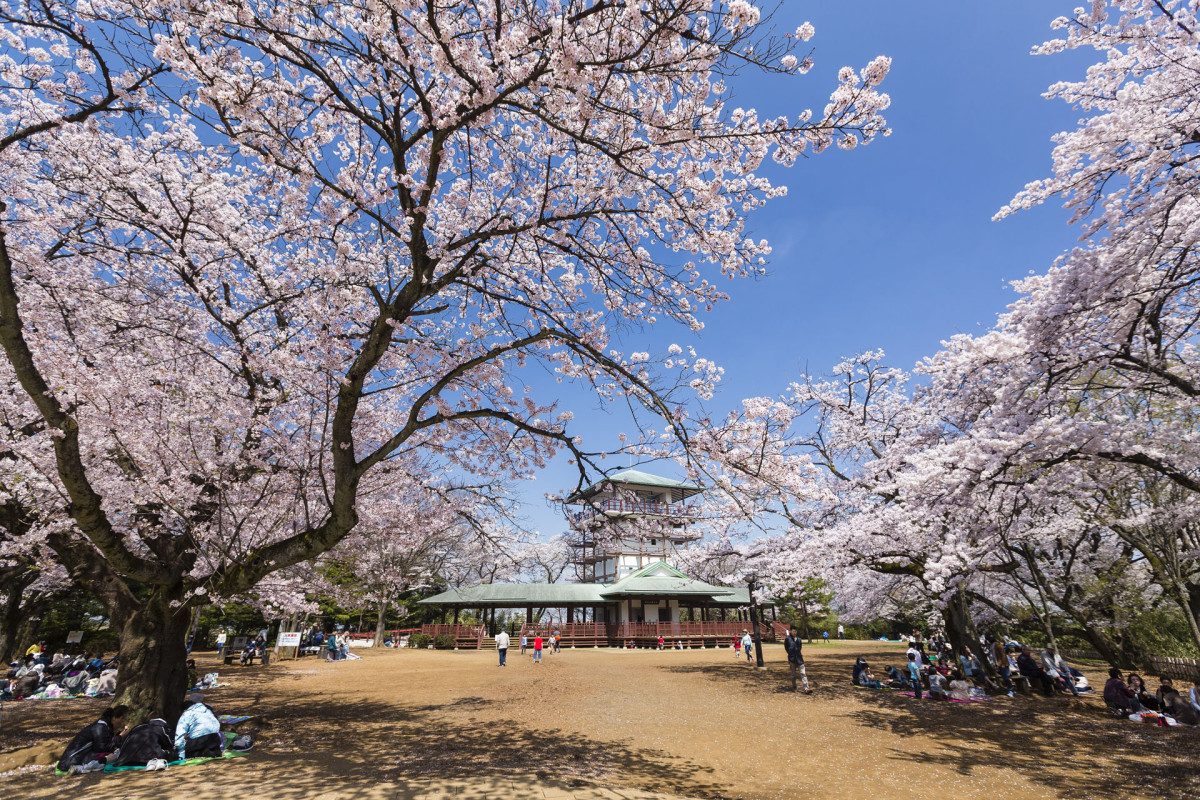
Northwest Kawasaki green space with an 84-meter hill, observatory views, seasonal nature, and museums.
Ikuta Ryokuchi Rose Garden
Tama Hills woodland rose garden, open spring and autumn, closing after 2025 autumn for planned redevelopment.
Myoraku-ji
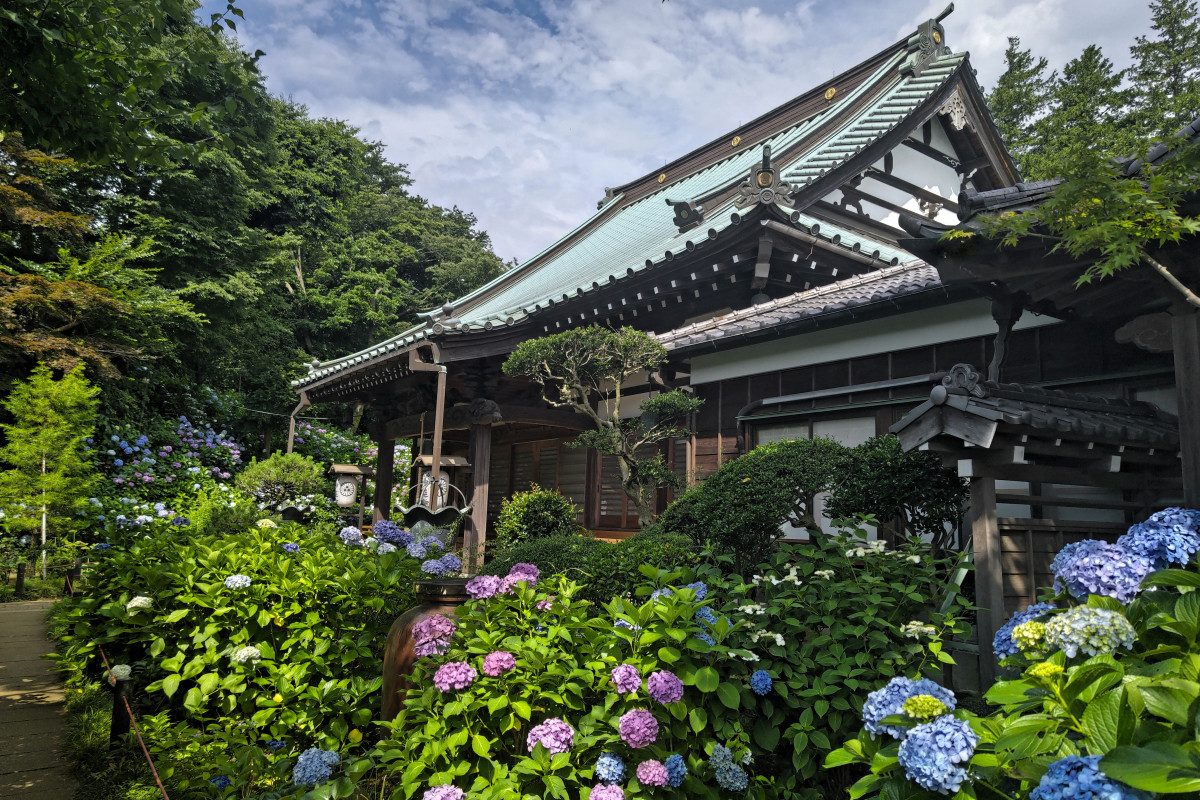
Tendai temple on Nagao Hills overlooking the Tama River, known for about 1000 hydrangeas.