 BokenJapan
Japan / Osaka / Higashiosaka, Osaka: things to do, food and stays / See
Sights in Higashiosaka, Osaka
Higashiosaka, Osaka: things to do, food and stays · Osaka · 19 places
See
Ryotaro Shiba Memorial Museum
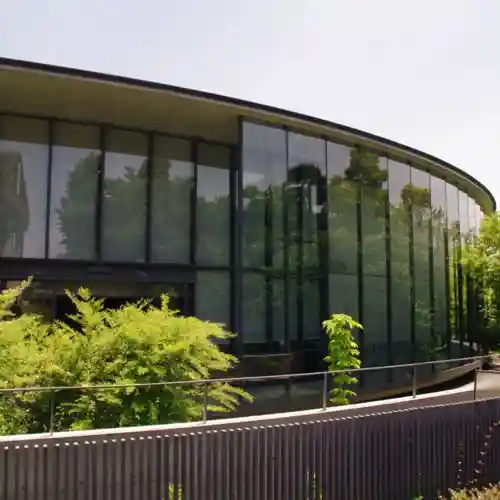
This memorial museum conveys the spirit of author Ryotaro Shiba to future generations. The approximately 2,600 square meter site is adjacent to Shiba's home and the memorial museum, designed by Tadao Ando.
Osaka Prefectural Central Library
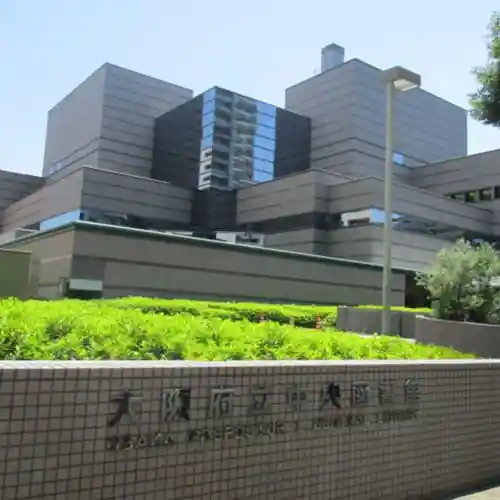
Osaka Prefectural Central Library, which boasts the largest collection of books in Osaka, opened in Higashiosaka City in 1996.
Prefectural Forest (Kusaka Park)
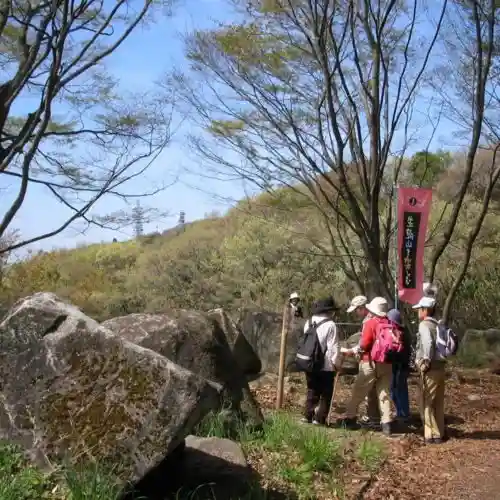
A nature park (total 9 locations in prefecture) that has forests and facilities maintained by the Osaka government to commemorate the 100 year anniversary of the prefecture and for visitors to enjoy the rich nature of Kongo-Ikoma-Kisen Quasi-National Park.
Forest of Osaka (Narukawa park)
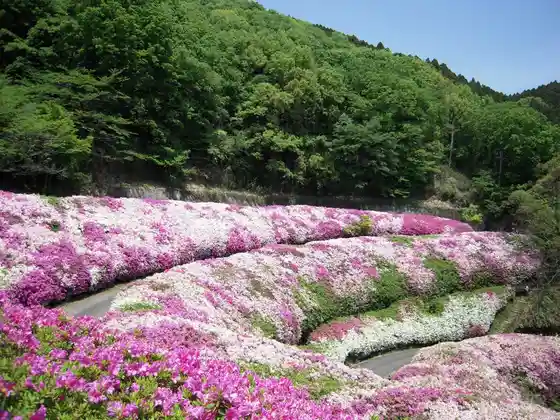
This natural park is home to one of the largest hydrangea and azalea gardens in the prefecture, as well as a spectacular panoramic view of the Osaka Plain.
Yato Shrine
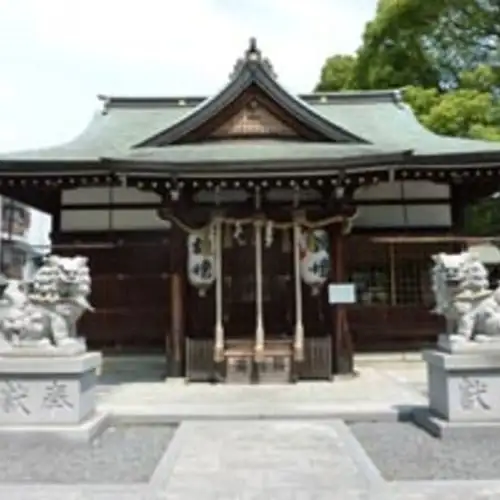
It is an ancient shrine listed in the Engishiki Shinmeicho (list of Shinto shrines) of 927 (5th year of Encho) during the Heian period.
Ojoin Rokumanji Temple
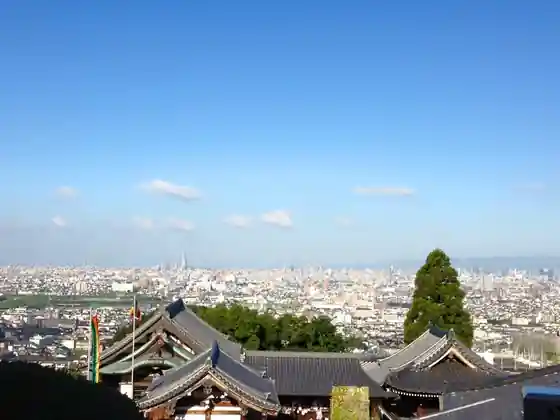
Since the Heian period, the temple has flourished as a devout temple of Pure Land Buddhism, where people would watch the setting sun and practice Nissokan meditation, vowing to go to paradise. It is also home to the grave of Kusunoki Masatsura, who lived during the Nanboku-cho period.
Jikoji Temple
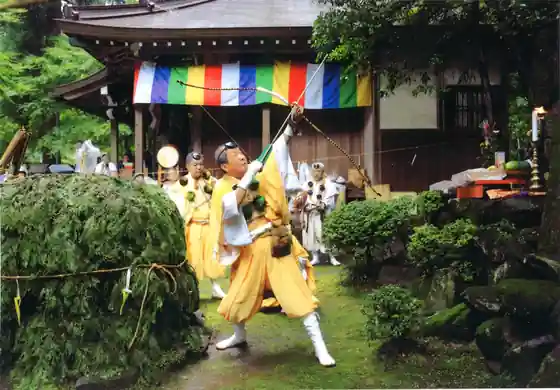
This ancient temple in Higashi-Osaka is said to have been built by En no Gyoja after he converted an ogre. It is famous for its door-opening and door-closing ceremonies in spring and autumn, as well as its autumn foliage.
Hiraoka Park
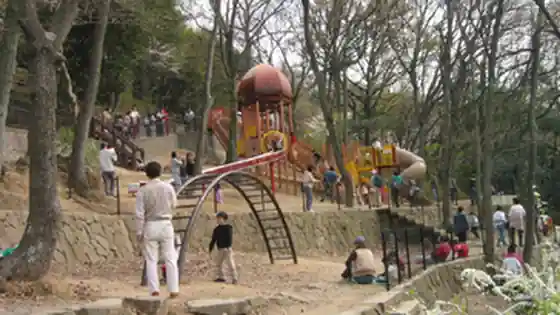
This park is a place where you can enjoy nature throughout the seasons, including cherry blossoms. There are a variety of slides that take advantage of the terrain, making it fun for everyone from families to hikers.
Hiraoka Shrine
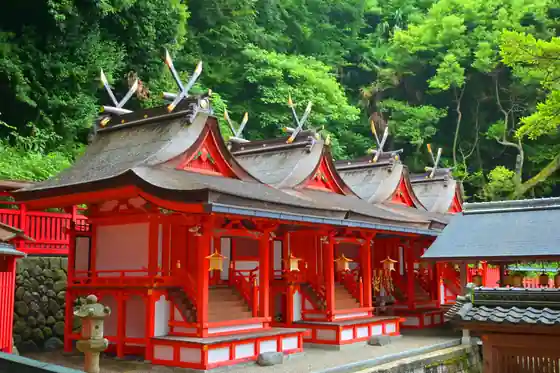
This ancient shrine is known as Kawachi Province's Ichinomiya. It is said to have been founded three years before Emperor Jimmu ascended to the throne, and is also known as "Moto-Kasuga" as it is the origin of Nara's Kasuga Taisha Shrine.
Hyotanyama Inari Shrine
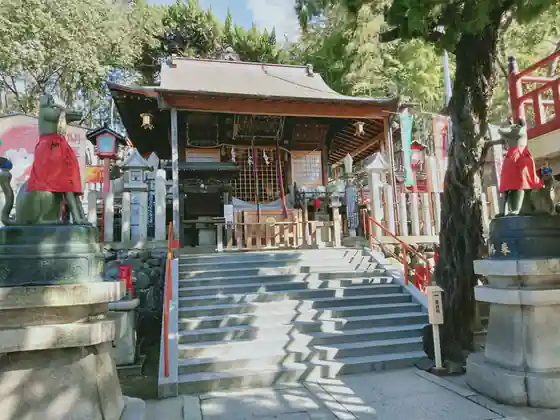
One of Japan's three great Inari shrines, the shrine is built on the double-circular burial mound of Hyotanyama Kofun.
Mount Ikoma
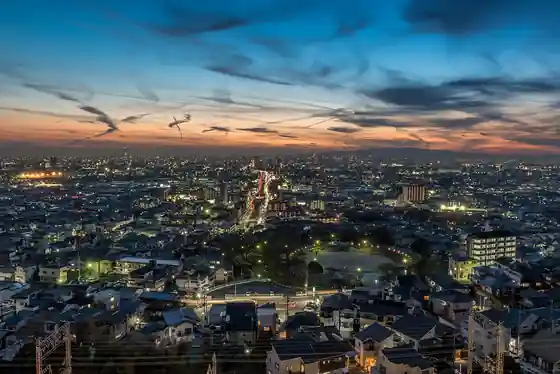
Mount Ikoma, located on the border between Osaka and Nara, stands 642 meters above sea level.
Ishikiri-Tsurugiya Shrine
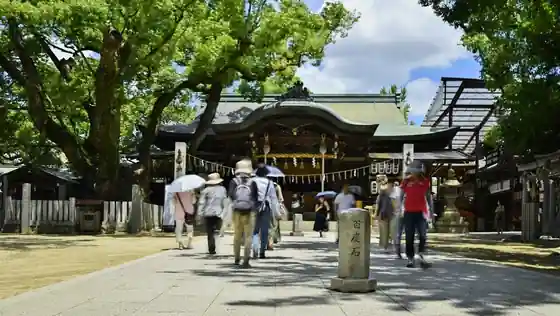
Known affectionately as "Ishikiri-san" and "the god of boils," the shrine is famous nationwide for its 100-time pilgrimage, in which visitors walk back and forth between the 100-time stone in front of the main hall and the entrance to the shrine.
Hanazono Central Park
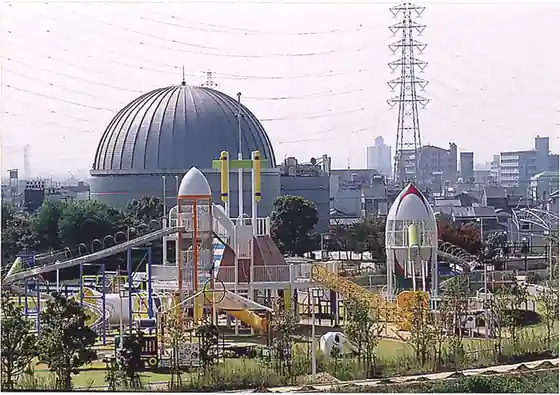
A comfortable space where you can enjoy seasonal flowers, sports, and art. The area is dotted with facilities such as the children's cultural and sports center "Dream 21" and the Civic Art Center adjacent to Higashiosaka Hanazono Rugby Stadium, making it a place for people to relax and interact.
Wakae Castle Ruins
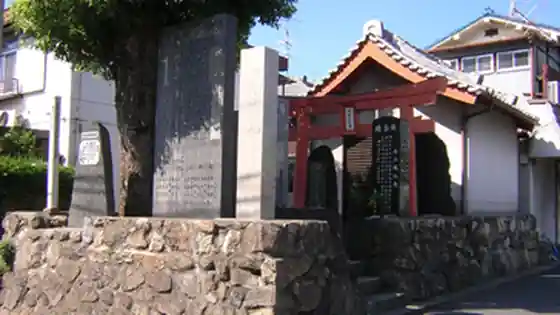
Built in the early Muromachi period, the castle ruins are also known as the "phantom castle" and were the center of Kawachi Christianity during the Sengoku period.
Wakae Kagami Shrine
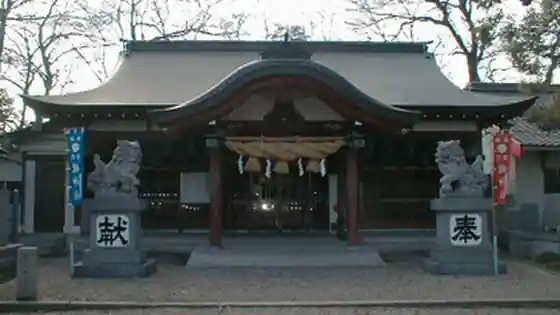
This ancient shrine in Higashi-Osaka City has records dating back to 854. Known for its blessings of intelligence, health, and safe childbirth, the shrine grounds boast an area of 2,000 tsubo (approximately 6,600 square meters).
Nagase Shrine
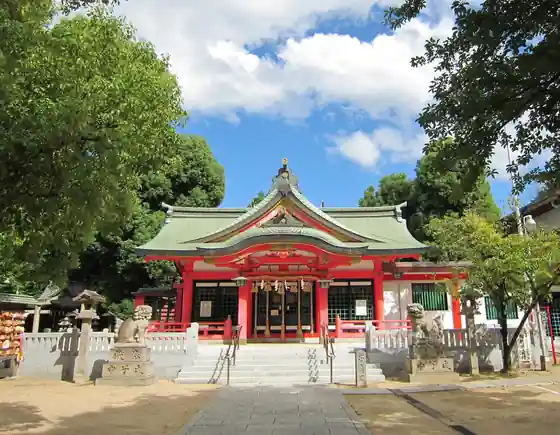
This shrine was founded in 1908 by combining eight local shrines belonging to the local deities of the former village of Nagase. During the autumn festival on October 15th, a float is paraded through the shrine, attracting many visitors.
Konoike Shinden Kaisho
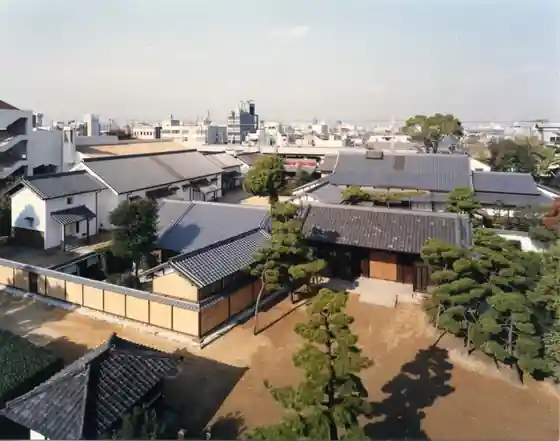
Built in 1707, Konoike Shinden Kaisho was the base for managing new rice fields for the wealthy Edo period merchant Konoike Zenemon Munetoshi III, and is designated as an Important Cultural Property of Japan.
Forest of Osaka (Nukata park)
This natural park boasts one of the largest hydrangea and azalea gardens in the prefecture, as well as a panoramic view of the Osaka Plain. Hiking trails are also available.
Dark Pass
This pass has been known as the shortest route connecting Osaka and Nara since the Nara period. It is also famous as the place where Matsuo Basho composed his haiku, and during the Edo period it developed as a route for pilgrims to Ise Shrine.