 BokenJapan
Japan / Osaka / Hirakata, Osaka: things to do, food and stays / See
Sights in Hirakata, Osaka
Hirakata, Osaka: things to do, food and stays · Osaka · 9 places
See
Sannomiya Shrine
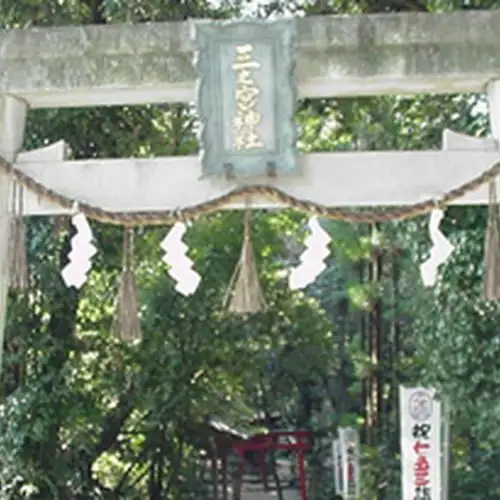
This shrine is famous as a place for praying for rain. Historically, farmers would pray here for rain during droughts, and in return for their prayers being answered, sumo wrestling and Noh/Kyogen performances were offered.
Katano Tenjin Shrine
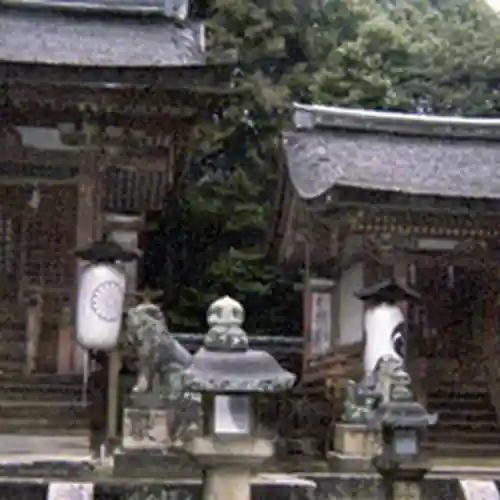
Its origins date back to the establishment of a suburban altar by Emperor Kanmu in the 6th year of the Enryaku era (787). The main hall is a nationally designated important cultural property, and within the grounds is Kifune Shrine, which is said to be the site of Emperor Keitai's Kuzuha Palace.
Legendary King's Tomb
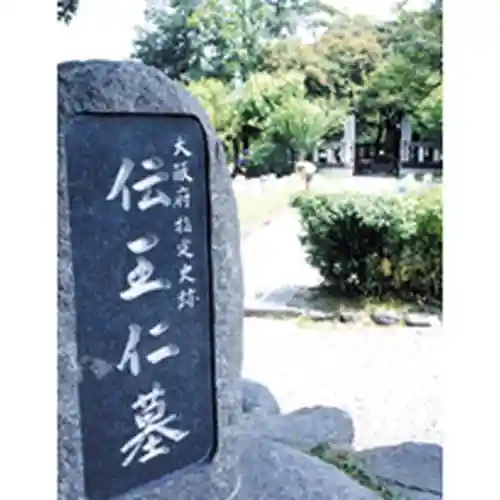
This Osaka Prefecture designated historic site is said to be the tomb of Wani, a scholar from Baekje who is said to have brought the Analects of Confucius and the Thousand Character Classic to Japan.
Itsukushima Shrine (Hirakata City)
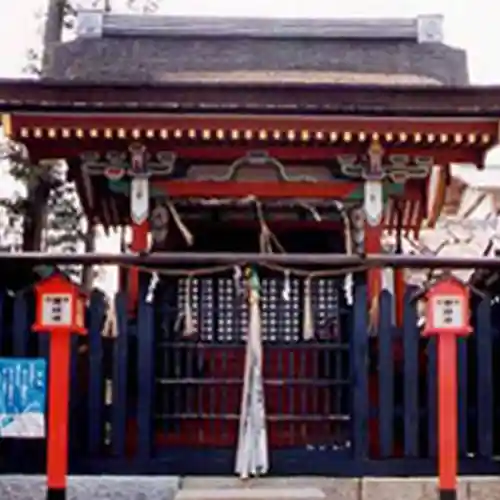
This shrine is located in Hirakata City, Osaka Prefecture. It houses the main hall of Kasuga Shrine, a branch shrine designated as an Important Cultural Property of Japan, and displays a valuable architectural style believed to date from the mid to late Muromachi period.
Yamadaike Park
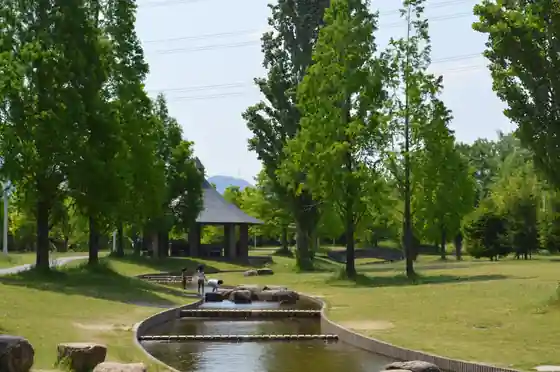
A park where you can easily enjoy the outdoors to your heart's content. Popular areas for parents and children to enjoy include grassy hills, a free athletic field, and a barbecue area.
okami Shrine (Hirakata City)
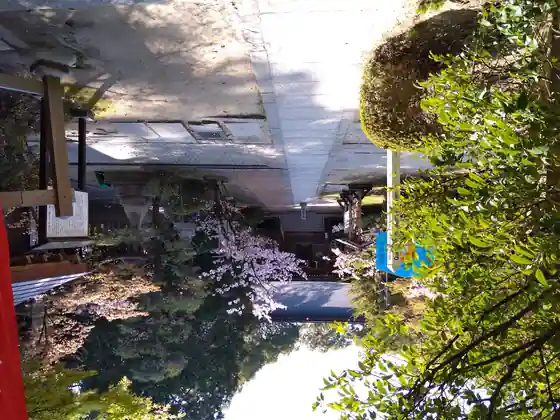
This ancient shrine, listed in the Engishiki, is located in Hirakata City, Osaka Prefecture.
Hirakata City Former Tanaka Family Foundry Folk Museum
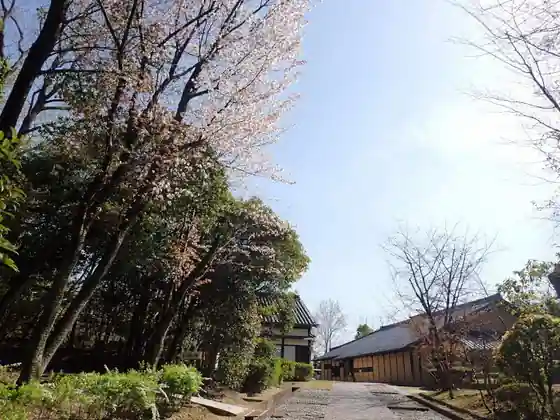
This is the only facility in Japan where the foundry and main house from the Edo period have been relocated and restored to their original state.
Katano Shrine
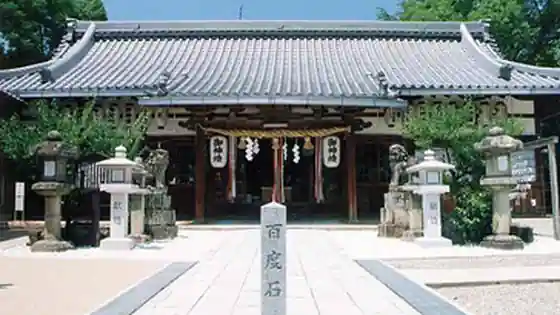
This shrine is located in Hirakata City, Osaka Prefecture. Toyotomi Hideyoshi protected the deity that protects Osaka Castle from evil spirits, and the main hall has been designated an Important Cultural Property of Japan.
Makino Kurumazuka Tomb
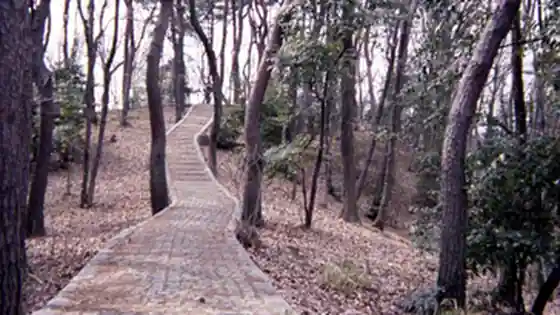
This 107.5m long nationally designated historic site is estimated to have been built in the first half of the 5th century. It has been developed as a park, and you can walk on the top of the burial mound.